Weekly tips, affirmations, and small actions to feel your best.

How to Release Tension and Anxiety In Your Relationship

A misunderstanding… That’s our affiliation with stress and anxiety: a misunderstanding. See, anxiety doesn’t arise to hurt us. Anxiety arises to help us.

But first, we must understand what stress and anxiety is and is not. We must recognize why anxiety and stress are present before we can take any type of action.

Indeed, we must understand our relationship with stress before we can act intelligently.

And this relationship goes back a long way: about five to seven million years.

From sabretooths to smartphones

Your brain’s “emotion center” – the limbic system – is the oldest part of your incredible three-pound, tofu-like brain.

The limbic system comprises three brain structures: the hypothalamus, hippocampus, and amygdala. (Pronounced “hip-oh-thal-eh-mus,” “hip-oh-camp-us,” and “uh-mig-duh-luh,” respectively.)

Anyways, enough brain biology. The hippocampus is primarily responsible for mood, and the amygdala is known for stimulating the “fight-or-flight” (FoF) response.

The limbic system, including the all-important hippocampus and amygdala, is responsible for accelerated heart rate, sweating, and physical discomfort. It’s the system responsible for anxiety and stress.
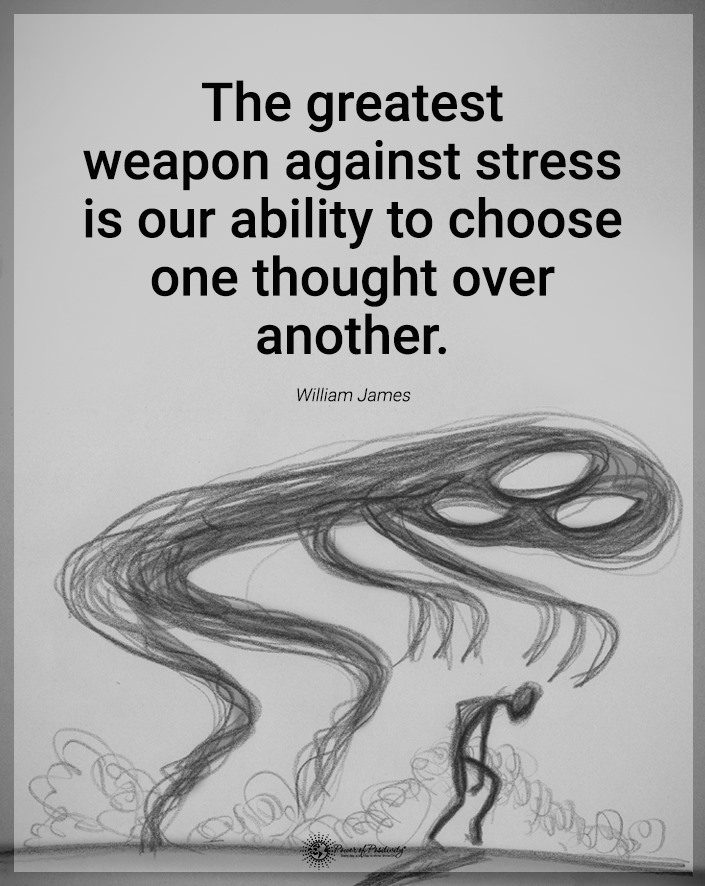
stress

But here’s the main problem:

Though our fantastic brain has progressively evolved, the FoF is still very active. To some degree, this action is necessary. Without the limbic system, we wouldn’t care too much about this thing called survival.

The difference is that it’s not some sabretooth cat we’re wary of; it’s whether your smartphone is nearby, or if your customer is happy, or if your job is secure.

In short: uncertainty about anything = fight-or-flight about anything, stress & anxiety about anything.

And, as we all know, relationships carry a certain degree of uncertainty.

Eliminating Stress

While it may not be possible to eliminate all stress from a relationship, we can remove all unnecessary stress.

How?

By understanding and accepting five essential principles:

1. Relationship anxiety is healthy – to a degree

The first principle stems from the fact that human beings are social creatures. Our genetic makeup dictates that we seek out, care for, and love others – including those we eventually court down life’s path.

When we’re emotionally invested in someone, it’s human nature to protect both them and us. This need to preserve our connections inevitably causes stress and anxiety. As a result, we feel acute anxiety when we lack a connection; and even a tinge of anxiety when we do.

That tinge is called a love connection.

2. ‘Naming’ your emotions helps to understand them

Emotional intelligence is defined as “the capacity to be aware of, control, and express one’s emotions, and to handle interpersonal relationships judiciously and empathetically.” [Emphasis mine].

Matthew D. Lieberman, a professor of Psychology at UCLA, states:

“When you put feelings into words, you’re activating this prefrontal region and seeing a reduced response in the amygdala. In the same way you hit the brake when you’re driving when you see a yellow light — when you put feelings into words you seem to be hitting the brakes on your emotional responses…”

Putting feelings into words is a way of contextualizing something (words) from the intangible (emotions). Clearly, this skill has far-reaching implications for relationships.

When you label your emotions, you feel less stressed, able to think more clearly and find it easier to come up with solutions to problems.

3. Stress in a relationship may stem from something else

We’ve all heard the words “Don’t take it personally.” Well, the same thing applies to relationships.

Because of our intimacy with someone else, it is easy to mistake their stress as something being directed towards us. This is especially true if your partner is one of the happy, outgoing types. (And you’re the sensitive, introverted kind.)

Even two people who’ve been in a long-term relationship occasionally make the mistake of taking their partner’s behaviors too personally. Scientists believe this to be a defense mechanism, and something that relates back to the first principle: an innate anxiety we all feel with personal connections.
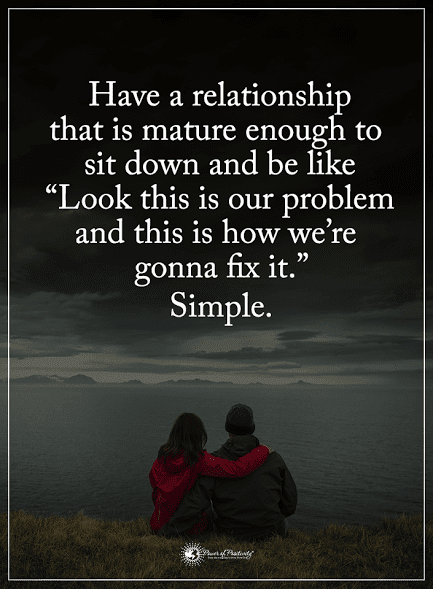
relationship anxiety

4. Relationship stress can be altruistic

We all fret over the things we care about – and, for most people, their relationships are the most important thing. The level of attachment we feel to a person often coincides with our levels of stress and anxiety.

For example, let’s consider the spouses of men and women in the armed forces. Even when their loved one is stateside (not deployed), there is always some amount of anxiety over long hours, (often) low pay, and – of course – the possibility of deployment.

We don’t agonize over people we don’t love.

5. Asking for help isn’t a weakness

Anyone who has suffered from chronic stress or anxiety will attest to just how taxing it can be at times.

Some avoid asking for help – even though it is crucial to personal health and a happy life. In the throes of anxiety, depression, or a stress-related disorder (e.g., PTSD), it’s common to feel a sense of personal weakness or failure.

Attributing the condition to life circumstances, including relationships, is common. But there comes the point where the condition’s symptoms become too much, and help is necessary.

Finally, remind yourself of an essential truth: your partner loves you unconditionally, and they’ll understand.

“Anxiety is love’s greatest killer. It makes one feel as you might when a drowning man holds on to you. You want to save him, but you know he will strangle you with his panic.” ~ Anais Nin

8 Ways To Survive A Long Distance Relationship

“According to a 2013 study published in the Journal of Communication, people in long-distance relationships were more likely to share meaningful thoughts and feelings with their partners than those who were not.” ~ Brittany Wong, Huffington Post

Indeed, some research does show that individuals in long-distance relationships may enjoy certain advantages over those who are not. Guess there is some truth to the whole “Absence makes the heart grow fonder” thing!

That said, the distance between couples can produce some challenges.

In this article, we’re going to discuss 8 ways to successfully overcome the challenges of long distance relationships. We’ll also quote a few people who’ve dealt with these problems – and defeated them by using these tips!

Let’s get started!

Here are 8 ways to survive a long distance relationship:

1. Keep in touch

This first one is a bit obvious but nonetheless important.

You and your partner do not have the luxury of face-to-face interaction, so it’s essential that some kind of communication schedule is established. Call, text, or – even better – video chat!

One man shares his story:

“My wife and I had to do the long distance thing twice in our relationship. When we first met she lived about an hour away in San Jose and I lived in San Francisco…We learned that you have to call and text each other during the day and share what’s going on.”

2. Use video chat

While Skype won’t replace the feeling of having your partner close, it’s probably the next best thing. Many couples who must endure the inevitable difficulties of a long-term relationship make it a priority to have regular Skype dates.

“It’s really essential that you and your partner have a schedule for when you talk … but texting is not enough to keep a relationship going. To maintain a strong relationship, you need to talk on the phone, but preferably something like Skype as often as you can.”

3. Remember the big picture

The long-distance thing won’t last forever, and it’s important that both individuals remind themselves of such. We’re wired for immediate gratification, especially when it comes to the person we love.

“…My partner and I met in university and had been together for about three and a half years before he had to leave (for) his Master’s degree. We were apart for about two years. We had to constantly remind ourselves that the distance was for a short while and as we really wanted to be together, we had to make it work.”

4. Remember to celebrate 

When two people are apart for an extended period of time, one or both people will reach certain milestones in life (promotion, pay raise, individual goals, etc.). Celebrating each other’s victories can bring your relationship some morale by sharing intimate moments.

“(My husband) left for the Navy, and then we started dating…Right after we became engaged, he was deployed overseas for a year. What we learned is this: Celebrate everything, even if you can’t be together in person. Life is too short not to and that’s especially true when you’re in a long-distance relationship.”

5. Temper visiting expectations

If you’re in a long-distance relationship, the chances are that you’ll be able to visit your partner on occasion. It’s easy to anticipate that every visit will be heavenly – and hopefully, it is. Nonetheless, no relationship is perfect. Problems may or may not arise – and it’s important to remember this point.

“There’s so much pressure with visits…Some trips will be full of great memories and carefree times, and (others) will be full of fighting over big or small issues and that’s okay!”

6. Remember to compliment each other

We all love when our partner gives us a well-timed compliment. Without much face time, it’s easy to “forget” what you like about your sweetheart because they’re not there to remind us. (On that note, make sure to keep plenty of pictures and reminders of the person around!)

Compliments here and there go a long way. “I love your smile.” “I miss your great laugh!” “You’re so beautiful.” “You always make my day.”

7. Be honest 

Things are never entirely okay all of the time. Many of us feel some added pressure to emphasize the sense everything is fine – particularly when we’re away from our partner.

This is a mistake.

None of us want our partner to worry. However, it’s healthy that you are both open and honest with each other despite the distance between you.

We’re not meant to allow unresolved inner conflicts to dwell; eventually, these conflicts will come to the surface – which is why it’s so important to be honest consistently.

8. Trust one another

It goes without saying that trust is the backbone of any relationship. When we’re apart from our life partner, it’s even more critical that we assure ourselves of their trustworthiness.

If possible, attempt to resolve any underlying trust issues before your partner leaves. In fact, try to fix anything that is causing a reasonable degree of uncertainty. It’s much better to address these things while your partner is still in your presence!

How To Trust Someone After You’ve Been Broken

“Have enough courage to trust love one more time and always one more time.”  – Maya Angelou

They say it takes a while to build trust, but only one moment to break it, and most of us know how true that statement is. Most of us have probably been betrayed and hurt before by someone we thought we could trust with our lives, and it makes you wonder why you ever put your trust in them to begin with.

However, shutting ourselves off from people only makes us bitter, isolated, and lonely, which can do even greater damage than attempting to trust someone again. It might be hard in the beginning, especially if you’ve just gotten out of a broken or abusive relationship, but with the tips below, we hope that you can open your heart once again.

Here’s How To Trust Again After a Hurt

1. Understand that people make mistakes.

Now, this doesn’t excuse them from hurting you, but you have to realize that humans have complex emotions and thoughts, and no one is perfect. Maybe the person didn’t mean to hurt you, and didn’t realize the consequences of their actions until it was too late. Even if the relationship or friendship ended, perhaps it was for the best, and you can decide to remain grateful for the lessons and memories rather than close yourself off from future relationships.

Try to see things from the person’s perspective, and maybe you can gain some new insight on the pain that will allow you to forgive the person in time.

trust

2. Don’t assume everyone is the same.

Maybe you just got out of a relationship with someone who betrayed you, and therefore have a skewed opinion of what other people are like. This could hinder you from forming relationships with others, but don’t allow it to. Remember to use your logical brain and keep an open mind when it comes to meeting others. Not everyone is out to hurt you, and not everyone will betray your trust. There are good people out there, but you’ll never cross their path if you don’t even get out on the road to find them.

3. Forgive yourself.

You might be wondering, “Well, what the heck did I do wrong?! I was the victim here!” This is totally understandable, but you might also beat yourself up half the time about what happened. Maybe you partially blame yourself for how the situation unfolded, and wish you could go back in time to do things differently. To truly move on and trust others again, you have to forgive yourself, too. Realize that hurt people hurt other people, and that you had no control over how that person would treat you.

4. Use your gut instincts.

Not everyone in the world deserves your trust, so you have to listen to your gut to figure out who is worth giving it to. Learn from your past relationships so that you can avoid the same situation before you get too heavily invested in someone, and if they give you a reason to have doubts, don’t be afraid to bring it up with them. After all, trust is earned, not given. So if they can’t pay their dues, so to speak, then they don’t deserve your time, effort, and trust.

If something feels off about someone, then it probably is. Pay attention to how you feel when you’re around the person; if you feel at ease and comfortable, then maybe try opening up little by little. If you feel uptight and cautious around the person, then chances are, you won’t be able to trust them in the long run.

5. Leave the past where it belongs.

If you bring the past with you wherever you go, it will always haunt you and stir up bad memories. In order to move on and learn to trust again, you have to leave the past behind you and accept that you can’t change it. All you can do is learn from it, and hope to meet better people that will appreciate and cherish your feelings and not take advantage of you. Dragging the past with you will only weigh you down and make it that much harder to develop solid relationships with good people.

You might feel like you’ll never trust again, but you can learn to open your heart and allow yourself to be vulnerable after you’ve given yourself time. Take things slowly and keep your guard up in the beginning if you have to, but also know when to knock down the walls that separate you from others. Take a chance on people that you have a good feeling about, because you can only get over your past once you embrace the future and turn the pain into power.

What Do You Need Most In A Relationship, According to Your Zodiac Sign

Think about what you look for in a partner for a moment and write it down. Is it sweet affection? Moral support in a project or other undertaking? No beating around the bush from your partner? Today, we delve into what each zodiac sign requires the most in a coupling of souls. You might be surprised by what you learn in this article, so read on, dear friends!

What Do You Need Most In A Relationship, According to Your Zodiac Sign

turnoffs

Aries

Being open and honest like the figurative fields on which you graze, dear Ram, is how you like your (wo)man, and you are not a fan of surprises because you believe that your special someone is hiding something sinister from you. You also have a somewhat short fuse, thus your partner must somehow deal with that little quirk of yours, too. Therefore, your partner needs to be somewhere like 11 out of 10 on the scale of understanding.

Taurus

Now, as a Bull, you are a weird combination of stubborn and sensitive. There is no need to get upset now, dear Bull, but this is your innate character. So, what does this mean in terms of your needs in a beau/belle? You are still upset? All that is coming out is the truth! Anyway, you need a (wo)man who can take your feelings into consideration and be gentle with you. You really do not forgive very easily, do you?! The explanation is there, please do not hold a grudge! That means that you need your partner to be persistent if they seek your forgiveness. Seriously, you are a lovely lot!

Gemini

You Twin folk dislike being out of contact. It is their version relationship-wise of a stake to the heart of a vampire. E-mails, phone calls, texts, and spending time are paramount to you, so you look for someone willing to always be around or at least in touch, and not just at night! You also have a thirst for life that is unequalled in the zodiac world, so sharing it with a mate is necessary, like vampires have for blood. If your thirst for fun is not quenched, you will be bored easily and bite someone else’s neck!

Cancer

You, Crustacean friend, firmly believe in give and take. For example, you value loyalty and dependability and need this returned to you by your lover. Also you Crabs look to give and receive protection, so that you can achieve mutual security within the relationship. There is a method to the madness of why you always walk sideways!

Leo

Lions are the top of the zodiac tree and we all know it, myself included. Your confident, charismatic self wants a mirror of yourself, another confident, charismatic self. However, you only want this because you want to look and feel more important than zodiac royalty. He or she also has to give you joy and passion, and to do it all himself/herself. However, you are not shy of returning the favour yourself. In your eyes, there is but only one letter difference between “elf” and “self”.

Virgo

The analytical Virgin likes kindness in a mate. Being kind individuals, you want to see it everywhere if possible. Seeing as though this is not always possible, you are quite content with having that with your partner. When you see your love dove being kind to less fortunate people, your vibrations raise significantly. So, a little bit of kindness never hurt anyone, did it?

Libra

In terms of a relationship, you like to have an equilibrium, Mr./Ms. Scales. You like to have everything on an even keel, something that your partner has to learn to do. In this regard, the song “Rock The Boat” by Hues Corporation was made just for you. Being the Scales that you are, you dislike having one side outweighing the other and want to get to tranquility as quickly as possible. Still waters definitely run deep!

Scorpio

The following three things that you require are: honesty, integrity, and intimacy. You, Scorpio, are the most distrustful out of all the signs, but you trust simply by being in a relationship. The only thing you ask is that this trust is not broken or compromised in any way. Of course, having a partner who is a good lay always helps and having your own world with your beau/belle puts you in an exclusive club of two, which you love. Yet the biggie is being with someone does not lie. Without honesty at the very least, you are ready to hold your prey with your claws and deliver the fatal sting with that tail.

Sagittarius

You love your independence, dear Archer! Yet you also love people, specifically being the go-to person in times of need. What you want is to have a carbon copy of yourself, independent but dependable. Like our Crustacean friend above, you would be very happy with giving and take, which includes great sex. Lastly, your partner needs to be comfortable with you being the centre of attention.

Capricorn

Here comes the Goat! You are the one who values hard work and responsibility the most, and seeing your beau/belle like this gives you great satisfaction because they will be the same within the confines of a relationship. You dislike being taken for granted but dislike a brown-nose in equal measure.

Aquarius

Some of the words bandied about you, Water Carrier: adventurous, rebellious, a love for being right, broad-mindedness. Is this true? Good, I am glad we are both in agreement! It helps to frequently agree with you, but not always. You love having fun and doing what you want, so having a partner who will allow you to do these things will help you feel at ease. Watch out for that rebel child, though!

Pisces

The maestros of sentiments, the Fish. Just by getting touchy-feely gets you going, does it not? A supporting hand when the chips are down always goes down a treat with you but you do not mind giving it back if the roles are reversed. Public displays of affection are right up your alley and having small intimate moments like talking sweet nothings with your love dove is the ultimate for you. If ever a hopeless romantic could sum up one zodiac sign, it would be yours!

Has Taurus forgiven me yet? Chance would be a fine thing!

10 Signs You Deserve So Much More In A Relationship

What doI deserve?

To “deserve” something (or someone) – in any situation – means you’ve done what’s necessary to earn that something (or someone) based on merit.

Relationships are no different.

Superiority, inequality, and sense of entitlement have no place in a relationship. This doesn’t exclusively apply to intimate relationships, though it’s fair to say that mutual respect takes on far more importance than, say, a business connection.

Perhaps the best word to describe what we deserve in intimacy is respect. Respect for each other’s time, effort, personhood, and other things.

If you’re dissatisfied in a relationship, some contemplation is necessary. If you’ve been true to your word – committed, truthful, and loving – while feeling a deep sense that something is wrong, it’s up to you to uncover the source of this dissatisfaction.

“Don’t be afraid to lose him, because if a man really loves you, he’s not going anywhere.” ~ Steve Harvey

Ten Signs That You Deserve More:

In this article, we’re going to discuss ten signs that you probably deserve more from your relationship.

affirmations

1. Your partner doesn’t communicate

Time and time again, communication surfaces as the most element of intimacy.

Healthy communication is what enables two people to live with each other in harmony and synchrony. Weak communication disrupts every aspect of the relationship; leading to frustration and resentment.

Elaine Fantle Shimberg, relationship therapist and author of Blending Families, says one possible fix is to “Make an actual appointment with each other…If you live together, put the cell phones on vibrate, put the kids to bed, and let voicemail pick up your calls.”

2. Your partner is unappreciative

People have different ways of expressing gratitude. Still, one common denominator of most people in relationships is making an effort to show appreciation.

There is no other way to put this: being ungrateful towards your partner is incredibly hurtful and rude. If a thankless partner is a problem, try saying “You’re welcome” the next time you do something – and see how they respond.

3. You’re always making the plans

If your partner goes into hiding whenever some planning is needed, it’s time to nip it in the bud.

There’s one caveat: someone people are bad planners – and their partner assumes this responsibility. That’s cool, as it’s a mutual thing.

But if your partner, say, can’t plan a simple night out for your birthday…yeah.

4. You’re not welcome among family

One of the saddest situations in a marriage or partnership is when one person doesn’t feel welcome in the company of their partner’s family. And this happens all of the time.

Why? Because your partner doesn’t have the wherewithal to set his or her family straight.

That’s, well, that’s unacceptable and weak.

5. They shun responsibility

Please forgive the cliché, but a relationship is hard work.

We all must navigate the ebbs and flows of life, including work and other obligations. Regardless, it doesn’t excuse us from relational responsibilities. Period.

Something needs to change – and fast.

6. They don’t respect your time

In a civilized society, punctuality is a sign of respect. Continuous lateness, or worse, not showing up, demonstrates immaturity, laziness, and even a lack of caring.

How much more important should our partner’s time be?

7. You feel insecure

To clarify, we are discussing (a) your partner’s (real or apparent) lack of commitment and (b) your innate sense of insecurity.

If we feel insecure about our partner’s intentions, we need to regain our peace of mind and have a sincere conversation. It’s essential that we prepare to hear things we may not want to hear, but that’s better than living on-edge.

If you feel insecure around your partner, you must understand this is not a typical feeling. Our loved one is supposed to be a person we’re free to be ourselves around, not watch ourselves around.

8. There’s little physical contact

You know if your partner is not the naturally affectionate type – and that’s ultimately okay. But a kiss, hug, shoulder rub, and the occasional bedroom act should surface from time-to-time.

Physical contact is a manifestation of emotions. The lack thereof is not only profoundly hurtful to the individual’s partner but is entirely irregular.

9. Your partner hides things

Researchers at Texas Tech University found that high respect among partners correlates with the degree and depth of self-disclosure.

Self-disclosure means the things we reveal about ourselves. If your partner is withholding things from you, it erodes the trust that you have as a couple. Diminishing trust can irreparably damage the strength of interconnectedness necessary to make the relationship work.

10. They’re distant

Anyone who has experienced emotional disconnection from someone they love knows how much this separation hurts.

Emotional disconnection is usually followed by physical disconnection – both are forms of distancing oneself within a relationship.

Unless the underlying cause(s) is addressed, the odds are that the relationship will ultimately end.

Final thoughts on Recognizing What You Deserve

The most beautiful element of being human is the unique ability to love and embrace others. No other creature on this planet possesses the capabilities of so profoundly connecting with others within their species.

If and when we experience the dissolving of intimacy with someone we truly love, the impact can send us reeling.

In a beautiful article titled 7 Ways to Save a Struggling Relationship, writer Alexandra Harra elaborates on the reasons for “saving” a fraught relationship.  She follows up this heartfelt story by listing the seven ways:

  1. Re-evaluating the reasons you’re together.
  2. Communication.
  3. Doing something special together.
  4. Cutting out external influences.
  5. Forgiving each other.
  6. Coming clean about our mistakes.
  7. Setting boundaries with one another – and keeping our word.

5 Morning Tricks That Make You Happier Every Day

Many people don’t like mornings. While there are plenty of “morning hacks” like coffee, yoga, and running that will help do the trick, in the spirit of brevity we cannot possibly list them all.

So, here are five of our personal favorite ways to get excited to jump out of bed in the morning!

“The mood and thought pattern that you start your day off with will often determine which direction it goes…If you are in a good mood and something goes wrong, it’s easier to look at it objectively and deal with it in a rational way.” ~ Kathy L. Gruver, Ph.D. and author of Conquer Your Stress with Mind/Body Techniques

1. Lighten up your space

Research shows that surrounding yourself with lighter colors can dramatically improve your morning.

The colors green and yellow, for example, are shown to increase your agility, confidence, and overall well-being naturally. The color blue may help you feel calmer, while reds and violets may give you more energy.

While you’re at it, open up those blinds! Basking in some inside sunshine can further boost our brain’s feel-good chemicals.

2. Pump up the jams

Granted, no one uses the phrase “pump up the jams” anymore (sorry, Technotronic.)

You may need to read the following claim twice: Studies show that listening to music may replicate the anxiety-reducing effects of a massage. Right?

Physiologically, music improves blood vessel function; lowers the body’s stress hormones; and stimulates the release of endorphins.

Dancing to the beat is an added benefit, and enhances music’s positive effects on health, memory, and mood.

3. Hit the Snooze Button (Once!)

Be a rebel. Set your alarm permitting one 10-minute snoozer.

10 minutes is enough for your brain to clear out some cobwebs before you get up. (The brain operates at a different frequency, which permits a quick doze without the mental lethargy.)

Further, being able to slam that snooze button gives you a certain feeling of control, which may manifest into feeling less of the morning rush.

4. Eat When Hungry

Isn’t it kind of funny how people who’ve “sworn off” breakfast will dash to the doughnut box that their coworker brought in? (You know who you are! *Shields eyes*

Some people prefer eating first thing in the morning, while others detest the idea of eating breakfast at all. Some may slam a cup of Joe or two and call it good.

eat when hungry - morning trick

But there are numerous reasons for eating something healthy during the morning hours. The most beneficial being, of course, is that your body receives vital nutrients after 7 to 9 hours of fasting – which is what sleep is, pretty much.

A healthy breakfast, even if it’s just a piece of fruit, stabilizes blood sugar, increases energy, and promotes cognitive activity. Also, make sure to drink some water. Sleep dehydrates us quite a bit.

5. Schedule Some Alone Time Each Morning

After you’ve eaten a bit or prepared your healthy brunch and drank some water (right?), it’s time for some me/us time.

Too many people rush around during the morning hours. Here’s why that’s bad:

Having to deal with a stress response first thing in the morning is more than counterproductive – it can derail your entire day.

Think about a typical story:

We rush around, looking for our keys/wallet/purse (“I swore they were right here!”). Finally, we find said object – but our brain is still in fight-or-flight mode.

Oh, and we’re probably late now.

As our brain is about to calm down from this morning’s first episode, some dimwit almost detaches our car’s bumper as he cuts us off.

We may or may not spew some expletives, but our brain is once again in fight-or-flight mode.

Just when things couldn’t possibly get any worse, there’s a traffic jam. Now, we’re really going to be late.

How do you think this affects us?

And darn near all of us have been there.

Take 10 minutes (more, if possible) to kiss your kids, meditate, read the paper – something that puts you in a peaceful state.

Ohmmm….

Researchers Reveal 8 Nutrients That Reverse ADHD Symptoms

Attention-deficit hyperactivity disorder, or ADHD, is one of the most common childhood neurodevelopmental disorders in the Western world. Neuropsychiatric disorder causes symptoms such as inattentiveness, impulsivity, hyperactivity, and disorganization. Children diagnosed with the condition may have conduct problems in the classroom, such as interrupting the teacher or getting up from their seats.

Nearly twice as many boys get diagnosed with ADHD as girls, with seven years old being the average age of diagnosis. Experts estimate that ADHD affects about 1 in 20 people under 18. Around two-thirds of people suffering from the disorder will display symptoms into adulthood. According to the National Institute of Mental Health, 4-5% of adults in the US have ADHD.

Doctors usually prescribe drugs such as Adderall or Ritalin to treat symptoms of ADHD. However, these medications often have unpleasant side effects like nausea, loss of appetite, fatigue, headaches, and stomach pain. Medication is necessary to manage symptoms effectively in some cases, but natural remedies and lifestyle changes can also help. We’ll go over a few common nutrients that can reduce symptoms of ADHD below.

Add These 8 Nutrients to Your Diet to Beat ADHD

impulsive adhd

1.     Bacopa

People have been using this tropical plant, also known as water hyssop, to enhance cognition for centuries. An Indian study involving 31 children with a previous diagnosis of ADHD discovered that bacopa reduced symptoms in 85% of children. In addition, symptom scores for restlessness and self-control improved in 93% and 89% of children.

The plant improves memory and concentration by regulating dopamine in the brain, enhancing cognitive abilities. However, it usually takes about 8-12 weeks to notice any cognitive improvements. If you’re interested, talk with your doctor before trying it, as it can interact with certain medications.

2. Pycnogenol

Derived from French maritime pine tree bark, pycnogenol contains powerful antioxidants that can improve concentration and memory in both children and adults. A 2006 study on pycnogenol dramatically reduced hyperactivity in children who took a daily pine bark supplement for four weeks. However, it can cause side effects such as fatigue, nausea, or vertigo, so start with a small dose to see how your body reacts.

If you have an autoimmune disease, doctors advise you not to take this supplement because it enhances immune system function.

3. Ginkgo Biloba

Ginkgo biloba comes from the nut of a tree native to China. Because of its ability to boost memory and attention, some doctors prescribe it to reduce dementia and Alzheimer’s symptoms. It’s also effective in treating ADHD symptoms, according to a 2014 German study involving 20 children. The researchers administered 240mg of ginkgo to the children for 3-5 weeks and noticed significant improvements in their cognitive functioning. However, they say that more studies are necessary before concluding.

4. Ginseng

For centuries, people have been using ginseng in traditional Chinese medicine to treat cancer, immune diseases, and nervous system disorders. It’s also known for enhancing brain function, increasing energy, and improving concentration.

The “red ginseng” variety, in particular, can reduce symptoms of ADHD, as shown in a 2011 study involving 18 children. Researchers administered 1,000mg of ginseng to the children for eight weeks and noticed improvements in their anxiety, social performance, and behavioral issues.

5. B-Complex Vitamin

Deficiencies in B vitamins — mainly B6 — can cause imbalances in neurotransmitters such as GABA, dopamine, and serotonin. This can lead to worsening ADHD symptoms like fatigue, irritability, and restlessness. However, studies show that supplementing with Vitamin B6 can increase alertness and reduce hyperactivity. Taking a B-complex that includes other essential B vitamins enhances brain activity is best.

6. Iron

Iron plays a pivotal role in many fundamental processes in the brain, such as neurotransmitter and DNA synthesis, oxygen transportation, and myelin production. Therefore, iron deficiencies can result in cognitive decline, brain fog, and inattentiveness. A 2004 study found that 84% of children with ADHD had abnormally low iron levels compared to just 18% of neurotypical kids. Another study published in Pediatric Neurology, showed that ADHD symptoms improved when children took 80 mg of iron per day.

7. Magnesium

Magnesium is a mineral that also helps with neurotransmitter synthesis, particularly those involved with attention. A small 2016 study found that 72% of the children diagnosed with ADHD had magnesium deficiencies. They showed significant improvements in cognitive function when supplementing with magnesium for eight weeks.

Another study found that eight-week-old children with ADHD who took magnesium and Vitamin D supplements had improved emotional and social health. They also had fewer conduct problems in school. Since Vitamin D lowers brain inflammation and boosts mood, it’s a crucial nutrient in protecting the brain from neurodevelopmental and neurodegenerative disorders.

8. Zinc

Finally, zinc plays an essential role in regulating dopamine, which occurs at insufficient levels in people with ADHD. However, a 2004 study published in BMC Psychiatry found that adding zinc supplements to the meals of 44 children with ADHD significantly improved their symptoms when combined with their standard medication. In addition to accessories, foods high in zinc include nuts, meats, shellfish, legumes, seeds, dairy, eggs, whole grains, and dark chocolate.

Hopefully, adding these nutrients to your diet will help you manage ADHD symptoms more quickly. Of course, talk with your doctor first to determine the best course of action for treatment. Some people may still require pharmaceutical interventions combined with lifestyle changes to notice improvements.

adhd

Final Thoughts on Nutrients That Help ADHD

Studies show that nutrient deficiencies exacerbate ADHD symptoms, especially in young children. While pharmaceutical drugs can help treat the condition, they also have many side effects that sometimes counteract the benefits. Also, some people may notice improvements by altering lifestyle habits, such as diet and exercise.

Research shows that nutrients like zinc, iron, magnesium and B vitamins can improve ADHD symptoms. Also, supplements like Ginkgo Biloba, ginseng, bacopa, and pycnogenol have reduced hyperactivity and inattention. Before taking any supplements, discuss treatment plans with your doctor, especially if you’re taking medication.

5 Warning Signs You Don’t Have Enough Oxygen In Your Blood

Breathing is an involuntary action that our bodies do whether or not we’re conscious of doing it. That means that we have to actively force ourselves not to breathe rather than the other way around.

Our bodies need oxygen to survive, not only to keep us breathing but to circulate oxygen through our blood, which then circulates oxygen to all of our vital organs, our cells, and the tissue in our bodies.

When our blood doesn’t have enough oxygen, it’s called hypoxemia.

“Hypoxemia can be acute, occurring suddenly because of an emergency, or chronic, taking place over time because of a long-term health condition like COPD,” adds Deborah Leader RN, BSN, PHN.

Whether or not a low level of oxygen in the blood is causing severe problems, there are still ways to tell when your blood isn’t getting the required oxygen levels.

Here Are Five Signs Your Blood Does Not Have Enough Oxygen

These five signs are the primary indicators that you might have hypoxemia.

breathing exercise

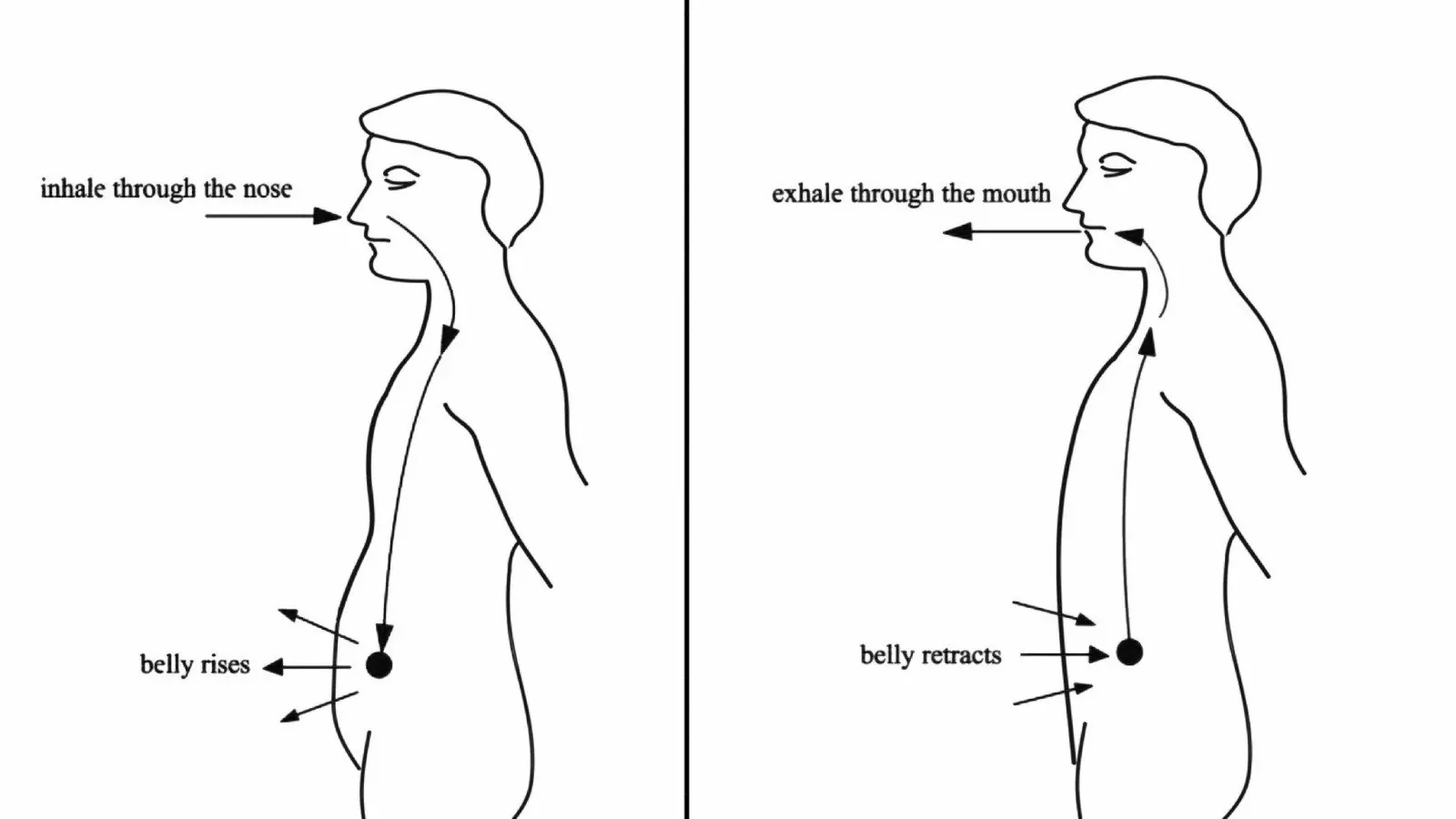
Try these useful deep breathing techniques.

1. Weakness or dizziness

A common sign of having low oxygen in your blood is getting weak or dizzy more quickly than usual.

Has this ever happened to you?

If you answered yes, it doesn’t necessarily mean you have low oxygen in your blood. Most people have experienced standing up too quickly and getting dizzy, or their vision blurs for a short moment.

However, people who don’t have enough oxygen in their blood often find that this happens daily, during any level of light or strenuous activity.

Family physician Dr. D. Love states, “The muscle can burn fuel without oxygen for a limited time, but it cannot be maintained indefinitely. Therefore, chronically low oxygen levels will cause muscle weakness. It would be unusual that a low oxygen level will cause muscle weakness as a sole symptom; it would be expected that there would also be shortness of breath.”

Since your blood carries oxygen in the blood throughout your body, getting weak or dizzy quickly is a sign that your blood isn’t carrying enough oxygen to all the places it needs to go.

2. Chronic fatigue or exhaustion

Chronic fatigue is a significant sign that your body isn’t getting the oxygen that it needs in its blood. There are different types of feeling tired, but fatigue associated with hypoxemia is chronic and never-ending.

According to Dr. Graham Rogers, “Without the proper exchange of gases, your body can’t get the oxygen it needs. Over time, you will develop low blood oxygen levels, a condition called hypoxemia. When your body is low on oxygen, you feel tired. Fatigue comes more quickly when your lungs can’t properly inhale and exhale air.

People often report feeling exhausted halfway through the day, and no amount of sleep seems to be helping. Getting tired more quickly than others, or more rapidly than you used to, is also a sign that your blood isn’t getting enough oxygen.

3. Pounding or racing heart

Feelings of anxiety are often categorized by a racing or fast-beating heart. This symptom signifies that your heart is working hard to get oxygen to all the places it needs to go inside your body because there isn’t enough of it.

Suppose you’ve never experienced anxiety symptoms before, and your body has started to exhibit a racing heart without other anxiety symptoms. In that case, it might be due to a low oxygen level in the blood.

4. Shortness of breath

Of course, lack of oxygen means that you’re going to have trouble breathing. When you have difficulty breathing and pulling in oxygen, you’re going to have trouble getting enough oxygen into your blood as a result.

People who lack oxygen in their blood also report being short of breath whether or not they’re performing strenuous activity.

5. Headache and confusion

Ever get a pounding head after holding your breath? Many people experience headaches, and they can vary in severity.

By themselves, headaches aren’t a worrying sign of lack of oxygen in the blood. But paired with confusion, dizziness, and a lack of coordination, headaches can be a sign that your body isn’t circulating the amount of oxygen that it needs. Some people report feeling faint.

“Your brain needs a certain amount of blood flow and oxygen to run efficiently, and for us to feel healthy, and if that mechanism is damaged, your brain knows other ways to generate the pressure that it needs, says Dr. Patrick M. Nemechek

When your blood lacks oxygen, it can be challenging to concentrate and coordinate your body, leading to headaches and confusion.

“Without enough oxygen in the lungs, the organs cannot function properly. As a result, toxins accumulate in the bloodstream, and vascular headaches ensue. This happens because low oxygen levels initiate the widening of blood vessels and bring on migraines,” says Dr. Mark Wiley.

A lack of oxygen in the blood can cause concern because it often precipitates or stems from other diseases or illnesses. If you have any of these symptoms, see your family physician receive a diagnosis. These red flags may indicate other health concerns that need medical attention.

organic foods

How Exactly Can You Recover from Lacking Oxygen in Your Blood?

Now that you know what happens when you have low oxygen in your blood, you have another question. How will your doctor treat the condition? Here are six specific treatment options they might recommend.

1. The doctor will test you to confirm a diagnosis

Going to the doctor and getting tests done to determine how much oxygen is in your blood is the first step to getting the issue treated. The doctor will run a series of tests to see how much oxygen is in your blood and then test for the common causes of low oxygen levels.

Your doctor will then treat those problems, whatever they may be. Your heart, for example, may need help pumping correctly and may need intervention to pump better and improve your blood circulation.

2. Nasal cannula

Hypoxemia that isn’t very severe can be treated through a portable oxygen mask or nasal cannula, a thin tube with two separate openings that sit just inside your nostrils. This equipment will pump oxygen into your body and allow more oxygen to circulate through your blood. This device is a short-term treatment that doctors rely on to get your oxygen levels up.

Once you are stable, your physician will tailor a care plan to help you feel well again.

3. Regular oxygen use

When the level of oxygen in the blood is severely low, a doctor will often prescribe regular and long-term oxygen use. Depending on the severity of the oxygen levels in your blood, your doctor may have you use oxygen daily, overnight, or periodically throughout your day.

4. Eat nourishing, iron-dense food

According to The Lung Institute, eating an iron-rich diet can help you recover from hypoxemia. They explain that this dietary adjustment works because an underlying iron deficiency might cause the imbalance.

The American Red Cross offers this extensive list of foods that help boost iron levels:

Animal proteins:

  • Eggs
  • Beef
  • Lamb
  • Veal
  • Chicken
  • Turkey
  • Ham
  • Pork

Seafood:

  • Clams
  • Shrimp
  • Tuna
  • Sardines
  • Mackerel
  • Haddock
  • Oysters
  • Scallops

Beans and legumes:

  • Tofu
  • Kidney beans
  • Garbanzos or chickpeas
  • Navy beans
  • Pintos
  • Black beans

Leafy green vegetables:

  • Spinach
  • Swiss chard
  • Dandelion greens
  • Beet greens
  • Kale
  • Collard greens

Fruits and vegetables:

  • Tomatoes
  • Peas
  • Sweet potatoes
  • Broccoli
  • String beans
  • Strawberries
  • Dates
  • Figs
  • Raisins
  • Prunes and prune juice
  • Dried apricots or peaches

Grains:

  • Enriched white or whole wheat bread
  • Enriched  pasta
  • Wheat flour
  • Bran cereals
  • Oatmeal
  • Rye products
  • Enriched rice
  • Cornmeal

5. Exercise (even a little bit helps)

The Mayo Clinic suggests that engaging in exercise will help to improve breathing difficulties, boosting your respiration. Thus, you will replenish the oxygen in your blood.

Talk to your doctor on how to get started safely. They will likely tell you to start with short walks once a day, building up from there. They might also recommend you try gentle exercises such as yoga or light stretching exercises.

As you build up a tolerance for easy exercise, you will build stamina. Your doctor will challenge you to take your efforts to the next level once they believe you are ready to do so.

As an additional benefit, you might also shed a few pounds as you become more active, making it much easier to breathe.

6.  Avoid cigarette smoke

Whether you are a smoker or find yourself in second-hand smoke, you should avoid it altogether.

A study published in the European Respiratory Journal points to cigarette smoke as a significant contributor to COPD, hypoxemia, and narrowed arteries. Each of these can lead to heart attack, stroke, brain damage, and other devastating outcomes.

Speak with your family doctor about quitting.  If you are a non-smoker who lives with someone who smokes, discuss your health with them and support them in their effort to quit their nicotine habit.


blood oxygerFinal thoughts on Restoring Oxygen in Your Blood to Healthy Levels

“Oxygen is one of the most abundant elements in the universe. It’s a bit ironic, then, that people with breathing problems can’t seem to get enough of it.” –  Deborah Leader RN, BSN, PHN.

If you’re concerned with symptoms of low oxygen levels in your blood, it’s best to book an appointment with your doctor and have any necessary tests done to ensure that everything is working right.

Low oxygen levels can cause other health risks, so getting it addressed and treated as quickly as possible is the best course of action.

Skip to content