Weekly tips, affirmations, and small actions to feel your best.

6 Ways To Recognize You’re Being Emotionally Bullied

“Emotional bullying is a deliberate attempt to hurt someone else, according to the British non-profit parent-support organization Ask Wiltshire. Examples of emotional bullying include cruel teasing, talking viciously about people behind their backs, spreading humiliating rumors, and excluding kids from group activities.” ~ Nobullying.com: “Dealing With Emotional Bullying”

It’s not just physical…

Many people tend to think of bullying in physical terms, or using physical force to harm or threaten someone else.

But not all bullying is physical.

Emotional bullying is both very real and potentially detrimental. In fact, the psychological toll of prolonged emotional bullying may just be more traumatic than physical injury.

Anyone of any age can be a victim of emotional bullying, though we (rightfully) focus on young children, adolescents, and teenagers.

But it’s essential, as adults, that we recognize that adult bullying is a real thing too. Emotional harassment and abuse occur in both intimate and platonic relationships.

What is emotional bullying?

Emotional bullying is emotional abuse, period. And emotional abuse encompasses many potential behaviors: ridicule, cruel speech, humiliation, exclusion, and manipulation among others.

The effects of emotional bullying can be devastating. The victim may suffer from anxiety, depression, cognitive dysfunction, and – in the worst cast scenario – threaten or commit suicide.

Emotional bullying and intimacy

Abby Rodman, a Licensed Social Worker, in a piece for Huffington Post, states:

“…You may already be familiar with some (emotional bullying) signs, which may include withdrawal of affection, name-calling, and control. But if you suspect you’re in an abusive emotional relationship, you may be so immersed in it that you can’t read the very destructive handwriting on the wall. Emotional abuse becomes, in a sense, your blurred normal.”

Emotional Bullying and “Friendship”

To demonstrate just how indiscriminate a bully’s mindset is, consider the fact that they’ll bully friends (even family).

Maya Gittelman, a writer for the website the body is not an apology, states:

“Any relationship that you have with another person can be healthy: a source of positivity and mutual empowerment. Any relationship can also then be unhealthy…it can someone be harder to recognize emotional abuse when it comes from friends rather than family or partners.”

Unfortunately, emotional bullying can occur in any type of relationship.

Common Signs of Being Emotionally Bullied

1. Exclusion

Just as child bullies exclude a youngster from participating in social settings, so do adults.

You may experience this in the workplace, where a bullying coworker tries to dissuade you from staying with the company or team. This exclusionary behavior often involves trying to convince others to segregate you from social engagement.

2. Threats

Bullies try to instill fear and uncertainty in the minds of their victims. To accomplish this, the bully will often issue threats.

For example, a workplace bully – understanding that bullying and harassment are unacceptable in the workplace – may issue an underhanded threat like “I know people here. They’ve got my back.”

A bully’s threats are usually empty – and are used solely to satisfy a bully’s need to feel in control and are probably untrue.

3. Humiliation

Humiliation does three (real or perceived) things for the bully: (1) makes the victim more insecure, (2) boosts their (already sizable) ego, and (3) puts them on center stage, which is what they want.

It’s not surprising, then, that humiliating someone is one of the bully’s favorite tools. Bullies will humiliate their victim in front of others or covertly.
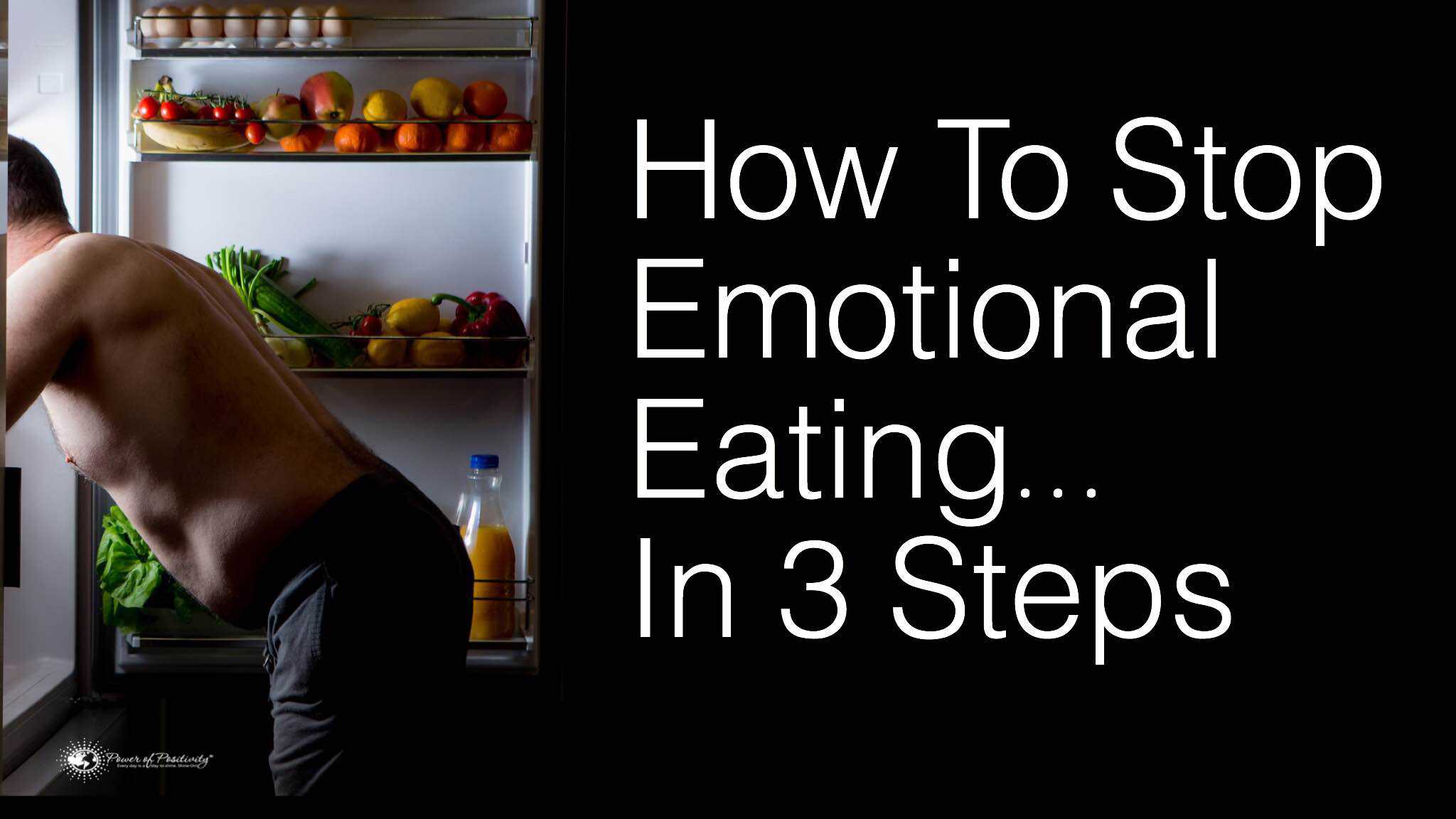
emotional eating

4. Blaming

As bullies don’t like to take responsibility for anything, it comes as no surprise that they pass their faults onto others. Psychologically, bullies are similar to narcissists in this way. The two conditions, by the way, are often mutually inclusive.

Even when they’re not “blaming” others, they’re shunning responsibilities, creating chaos, and looking for someone to target for their recklessness.

5. Slandering

As mentioned, bullies frequently operate “behind the scenes.” It should come as no surprise if you’re the target of behind the back insults.

Just don’t expect to talk some sense into the person. Bullies aren’t usually the most upfront characters.

Speaking of which…

6. Conflict avoidance

This is kind of ‘shocking,’ right? Bullies are supposed to be tough, after all. About that.

It probably comes as little surprise that most bullies are cowards. Speaking of which, we’re going to discuss a few proven ways of handling these characters.

Dealing with bullies

Any healthy relationship is built on admiration, balance, empathy, personal responsibility, respect, and support.

Oppressive bullies don’t see relationships through the same scope. Heck, they don’t even respect the social contract of basic manners. (Remember that whole bully/narcissist thing?)

What to do, then about being bullied?

1. Stand up for yourself

This first tip is crucial.

Standing up to a bully is a tried and true technique, as it gives the person some unexpected (read: shocking) pushback.

The emotional bully may not completely change, but the odds of them backing off are in your favor.

2. Ignore them

If this is your first go-round with the jerk, consider the simple (yet powerful) silent treatment.

If they keep it up, consider one of the other tips.

3. Report it

The majority of workplaces and schools do not tolerate bullying, especially given the recent public awareness campaigns. Companies and other civic organizations are being forced to reevaluate and revamp their internal policies.
5 Ways To Deal With Passive Aggressive Behavior Without Losing Your Mind

Passive aggressive behavior is the indirect expression of hostility, such as through procrastination, controlling, stubbornness, sullen behavior, or deliberate or repeated failure to accomplish request tasks for while one is (often explicitly) responsible.  – Wikipedia

“That’s really annoying…”

Passive-aggressive individuals hear these three words often.

Why? Let us count the ways…

  1. They’re unreasonable to deal with.
  2. They’re uncomfortable to be in the presence of.
  3. They don’t express their problems with others directly.
  4. They repeat, repeat, and repeat. They often do not change their conniving behaviors.

There are plenty of other reasons, but these are the four behaviors most commonly displayed by passive aggressives.

“Why do you act like that?”

passive-aggressive behavior

Not so long ago, Passive-aggressive personality disorder was a diagnosable condition. Though psychiatrists and psychologists no longer consider it an “official” diagnosis, it’s symptoms are problematic for many.

Perhaps the most bothersome aspect of the behavior is that the individual manifests their anger by stoking the anger of others. As they cannot express their anger constructively, they vicariously do so through others.

The workplace is one area where passive aggressive people have a load of problems. They’ll delay work, escalate issues, and act inefficiently to demonstrate their displeasure. They despise responsibility and will shun commitment whenever possible.

We don’t know for sure the causes of P-A behavior, but experts believe that it’s caused by a combination of genetic and environmental factors. Child abuse, neglect, and harsh punishment may be contributory influences.

Substance abuse and low self-esteem are common in P-A’s.

Regarding treatment, talk therapy has proven to be helpful.

Handling passive-aggressive behavior

Relating to a passive-aggressive person can be a frustrating and challenging experience, with moments of anger and despair aplenty.

The question is, how can we get a good handle on the situation and maintain our emotional and mental equanimity?

Preston Ni, M.S.B.A., the author of How to Successfully Handle Passive-Aggressive People, provides the following five tips.

5 Ways To Deal With Passive Aggressiveness

1. Notice the behavior early

It goes without saying, but the earlier that we discover potential signs of passive-aggression, the better. It’s vitally important that we not excuse the behavior, especially if it’s a person were dating or meeting socially.

Ni recommends the following: “Notice whether the person instigates additional passive-aggressive behavior towards you…Once you identify a clear pattern of passive-aggressive behavior, its time to determine what type of relationship you want to have…if you desire (any) relationship at all…”

2. Avoid being the trigger

In close and intimate relationships, many passive-aggressives choose a partner with whom he or she can re-enact power struggles – and often do so unconsciously.

Ni advises the following: “Crucially, ask yourself: ‘Am I unknowingly giving into, encouraging, or eliciting my partner’s passive-aggressive behavior?”

He gives an example: unwittingly inviting your partner to re-engage in their past battles, by acting in a domineering fashion. We’ll get into why this is counterproductive later on.

3. Set boundaries and repercussions

Passive-aggressive individuals are quite covert about their thoughts and behaviors. When you notice a pattern of passive aggressiveness and confront the individual about these observations, you can expect denial, excuse making, and deflection of blame.

But that doesn’t mean you should tolerate it.

“The ability to identify and assert consequence is one of the most powerful skills we can use to ‘stand down’ a passive aggressive person,” Ni says. Setting boundaries and the consequences of violating those limits may compel the individual to act more cooperatively.

4. Give the person a chance to solve the problem

Some passive aggressive people believe they do not have a voice and that their input is ignored. If the situation is appropriate, it may be helpful to invite the person to discuss decisions of consequence.

Soliciting the person’s input may be all that they need. If the dialogue is amicable and leads to constructive changes, you may have just found the panacea.

On the flip side, if the person refuses to lower their guard and continues to act up, do not take the behavior personally. Politely disengage from the conversation and move on.

passive aggressive

5. Act with poise and composure

As mentioned, passive-aggressive people (mistakenly) see themselves as victims. As a result of this perceived maltreatment, the person will interpret any display of anger, discontentment, or frustration as an affront.

The best thing to do is act with poise and composure. Difficult though it may be, taking your emotions out of the situation may be the best solution.

Final Thoughts

Regardless of a person’s shortcomings, it is always our recommendation to first recognize him or has as a human being.

On an individual level, it is essential that we do two things: (1) never mistreat anyone else, and (2) never allow ourselves to be mistreated. Compassion and respect is a must, as is setting boundaries and consequences.

Unfortunately, our world is full of individuals who seem to test our sanity – and the sooner we acknowledge this fact, the easier it will be to acquire and maintain a peace of mind. We should make every attempt to do just that.

7 Early Warning Signs Of Inflammation In Your Body

Inflammation is both good and bad

To, answer Ms. Hobson’s (rhetorical) question, the inflammatory response can be either good or bad.

Firstly, normal inflammation – that is, inflammation of the non-chronic variety – helps to protect us against infection and injury. When you strain or sprain a muscle, or cut yourself, for example, a healthy immune system stimulates a defense mechanism permitting the injury to heal.

But overactive and chronic inflammation can cause havoc on the body. Rheumatoid arthritis (RA) is a good illustration of this. RA is a painful condition resulting from continuous inflammation of the joints, skin, eyes, lungs, heart and blood vessels.

Besides arthritis, abnormal inflammation is responsible for all other ‘-itis’ conditions, such as bursitis (inflammation of the elbow, knee or shoulder) and hepatitis (inflammation of the liver.)

In this article, we’re going to focus on chronic inflammation. We’ll also suggest ways to reduce – and in some cases, eliminate – the chronic inflammation response.

Here are 7 Signs of Chronic Inflammation

“Chronic, low-level inflammation seems to play a role in a host of diseases, including type 2 diabetes, heart disease, Alzheimer’s, cancer and even depression… (when the immune inflammation response) is constantly triggered, over time it can damage the body instead of healing it.” ~ Katherine Hobson: “Is Inflammation Bad For You Or Good For You?”

1. Chronic fatigue

Some neuroscientists such as Mary Harrington, director of the neuroscience program at Smith College in Massachusetts, believe that chronic inflammation is directly linked to chronic fatigue.

These scientists have discovered a biological connection between the immune system’s inflammatory response and activity within the brain and spinal cord. This relationship enables chronic inflammation to interfere with the brain’s circadian rhythm, which controls sleep/wake cycles.

2. Red or itchy skin

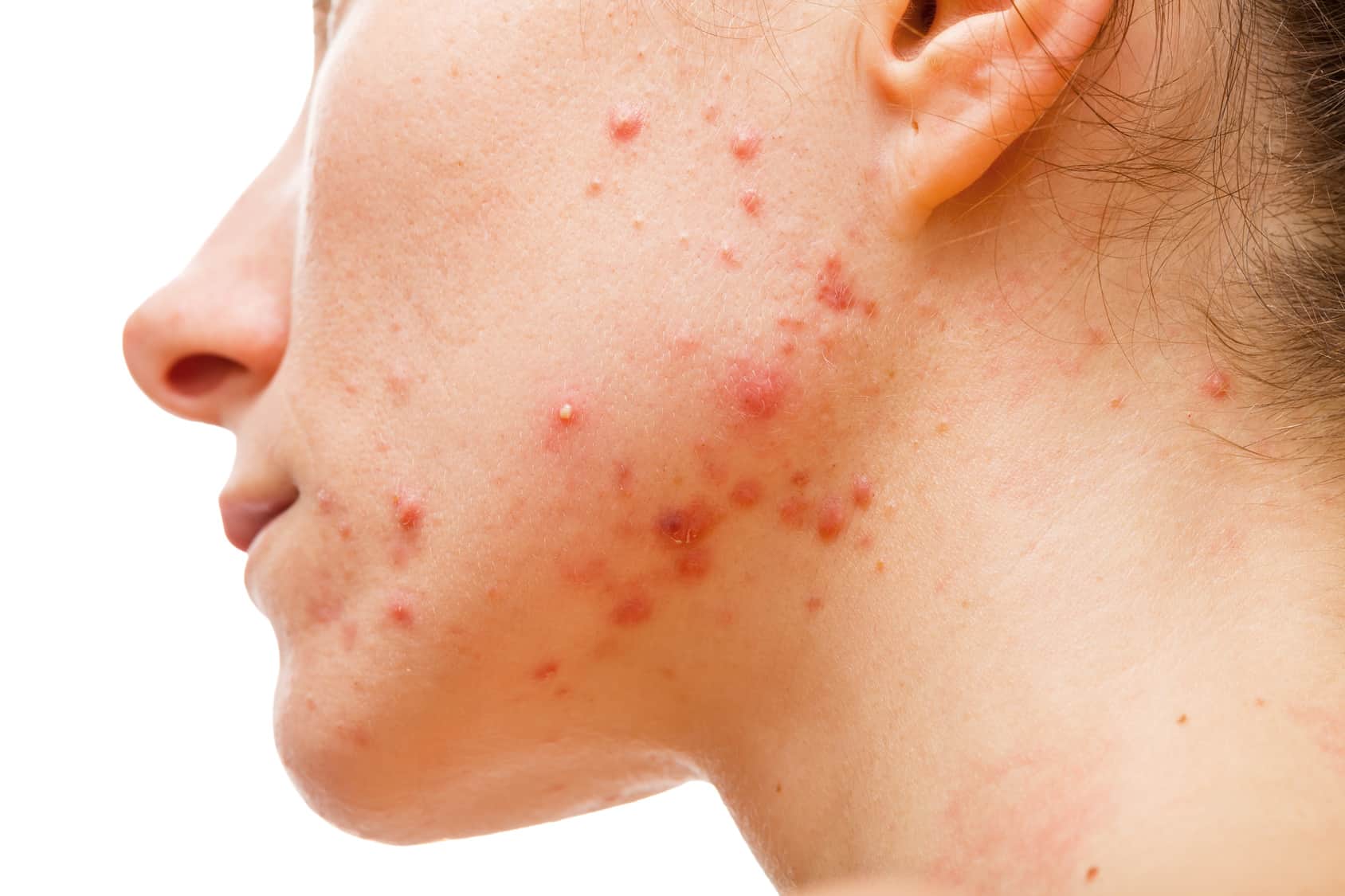
High stress levels produce a disproportionally large amount of inflammatory chemicals. Of course, these can affect skin health. People with chronic skin conditions such as eczema or psoriasis may see their symptoms exacerbate.

It’s also possible for chronic inflammation to incite episodic acne or swelling and itchiness of the skin.

3. Excess belly fat

Excess belly fat may be a driver of inflammatory processes, according to researchers at Washington University. The research team also discovered that environmental toxins are linked to the degree of inflammatory response.

With findings such as these, it’s beneficial for us to monitor our weight and consider shedding a few pounds if need be.

4. Digestive problems

There’s an intricate link between the body’s levels of inflammation and digestive health. Frequent bouts of bloating, constipation, diarrhea, gas, nausea or vomiting, are potential signs of an elevated inflammatory response.

It’s easy to fall into the trap of thinking that tummy problems are no big deal, and they may not be. However, if these problems are constant, it’s not normal – and may be an indication of an underlying health condition.

5. Food Intolerances

Sensitivity to certain foods is a prevalent issue and one that kicks the immune system into overdrive. When this happens, inflammatory chemicals are dispersed to ward off the food’s byproducts and protect the person.

Dairy, gluten, eggs, grains, sugar, and corn are some of the big culprits of food intolerance. Fortunately, merely avoiding these foods will stabilize both the immune system and levels of inflammation.

6. Headaches or migraines

Persistent headaches are potential signs of higher inflammation levels. Similar to digestive problems, headaches may also come from toxins in the environment that cause inflammation.

In a study conducted by the University of Toledo College of Medicine and Life Sciences, researchers found a positive correlation (relationship) between migraine diagnosis cases and inflammatory markers within the body.

7. Depression or depressive symptoms

Depression and depressive symptoms are complicated, as many factors contribute to the conditions. Counterintuitive as it may seem, chronic inflammation may indeed be one such factor.

Many physicians have reached this conclusion by citing the frequency wherein patients diagnosed with depression register high levels of inflammation. Further, these individuals are likelier to suffer from an inflammation-related health condition, such as rheumatoid arthritis or inflammatory bowel disease.

Treating chronic inflammation

pain

There are ways of counteracting and preventing health issues caused by chronic inflammation. Here are the three big ones:

  • Exercise: Fat cells produce excessive amounts of inflammatory chemicals. Aim for 30 minutes of physical activity at least three times per week. To make exercise a bit easier, try doing some physical activity you enjoy or break the 30 minutes down into 10 or 15-minute increments.
  • Get your Omega-3:  Omega-3s contain potent anti-inflammatory properties. Some foods rich in this fatty acid include chia seeds, fish, fish oil, flaxseeds, lean meats, seafood, soybeans, spinach, and walnuts.
  • Reduce refined carbs: To reduce the effects of inflammation and inflammation-related medical conditions, it decrease or eliminate the amount of flour and sugar from your diet.

Some of the more common sources of refined carbs include bread, cereal, cookies, crackers, pasta, and soft drinks.

Sources:
http://www.mayoclinic.org/diseases-conditions/rheumatoid-arthritis/home/ovc-20197388

http://www.npr.org/sections/health-shots/2017/07/21/538377221/is-inflammation-bad-for-you-or-good-for-you
http://www.who.int/features/qa/76/en/
https://americanheadachesociety.org/news/migraine-and-inflammation-linked-in-young-adults/
https://healthpositiveinfo.com/9-signs-your-body-is-inflamed.html

5 Ways To Positively Deal With Negative People In Your Life

If you’re like anyone else, you probably have come across negative people in your daily life. Maybe these people are co-workers, friends, or even family. It can be frustrating to be surrounded by negativity in your life when all you want to do is move forward.

As Israelmore Ayivor rightly pointed out, “Save your skin from the corrosive acids from the mouths of toxic people. Someone who just helped you to speak evil about another person can later help another person to speak evil about you.”

Finding the right way to deal with negative people is the best way to get yourself on the right track to living a more positive life and being surrounded by more positive people. It sucks to feel like you have to cut people out of your life because their negativity is adversely affecting your own – thankfully, that’s not the only way to deal with negativity and the people who are plagued by it.

Here Are 5 Positive Ways To Deal With Negative People

“Whatever negative things people think and say about you is enough to bring you down provided you believe that it carries a weight that can push you hard. Don’t agree to accept what critics say; be prepared to silence them by doing what they think you can’t do!” – Israelmore Ayivor

1. Try to empathize, even when you don’t understand

Even if you can’t understand how they’re feeling, it’s good to practice empathy with people who feel negative most of the time. Motivation and marketing trainer Brendon Burchard states:

That’s how we tap into our own humanity and compassion, and those things become a flood of good energy that washes away the negativity. Compassion wins.”

Sometimes, negative people just need to be understood rather than fixed. You never know what major life changes or crises they’re going through. Instead of trying to cheer them up, simply be a sounding board, and empathize with their struggles. Sometimes, people just need to be told, “Man, that sucks!” Just having someone to listen may be just the thing they need to feel better and more positive.

2. Don’t try to give advice unless its required

Unless they’re coming to you specifically for your advice, try to forgo telling them how to fix their problems. Sometimes, people with a lot of negativity just don’t have anyone to share it with or anywhere to let off steam. If they need to complain, you can engage them in conversation and talk them through it. But, unless they ask, try not to offer unsolicited advice.

But does this mean you’re abandoning them?

This doesn’t mean you abandon anyone. It simply means you watch, track their progress, keep quiet, and then be ready to answer their questions in a positive, inspiring way,” says author and speaker Phil Cooke.

If you’re unsure, you can even confirm with them: “Do you want my advice, or do you just need to vent?” Usually, they’ll just need to vent – after all, they probably have countless people offering them more advice than they know what to do with!

3. Figure out what makes them happy

Negative people aren’t negative all the time – even if that tends to be the only side of them that you see. But they have things that make them happy like you or anyone else! When you figure out what that is, you can engage them on that topic or even surprise them with something that will cheer them up.

The issue isn’t that negative people have nothing that they love. It’s simply that they’re so overwhelmed with other things that they may not have the time to focus on them right now. Engaging them on a topic that makes them happy can give them an emotional respite from the negativity, making you both feel better.

4. Read between the lines

It might not be everyone’s strong suit, but it’s essential to listen to the things that a negative person isn’t saying just as much as it is to listen to what they are saying. Sometimes, negative people use dark humor as a coping mechanism, but it can speak volumes about what they’re going through.

They may feel more stressed, depressed, and alone than you realize. Being able to notice the things that aren’t being overtly said will help you better figure out how to help them feel more positive in your day-to-day interactions.

5. Have fun as that may be a solution

Sometimes all a negative person needs are to have a little fun. Life can be stressful, and some people have to do it alone. Instead of cutting a negative person out of your life, try to engage them and bring out a side of them that you haven’t seen before. Maybe, all they need is a friend to listen and help them release their stress and worries.

Author Peter Economy states, “They just want someone else to take charge and to let go, since they feel so out of control of and disenchanted with their own lives. Be that person, and you both will be happier.” You may find that your relationship strengthens the more you engage with them. In the end, their entire attitude could be completely turned around!

Negativity isn’t fun to deal with – for you or the people feeling that way! When it comes to dealing with negativity, there are more choices than simply shutting those people out of your life. After all, it’s not always plausible. Instead, learn how to deal with those feelings without absorbing them. Indeed, that knowledge can mean that you’re helping people become more positive while keeping your positive outlook on life. Before you know it, you’ll surround yourself with positive energy.

References:
http://brendon.com/blog/deal-negative-people/
http://www.philcooke.com/stop-giving-advice-to-people-who-dont-ask-for-it/
https://www.inc.com/peter-economy/5-ways-to-deal-with-the-really-negative-people-in-your-life.html

8 Traits of The Most Trustworthy People

What makes you trustworthy in the eyes of those around you?

The truth is we cannot “get” trust any more than we can “get” respect. Trust, like respect, is something that must be earned and – just as importantly – kept.

Simply put, trust is built over a period of time and by acting with integrity throughout that time.

While it may be difficult to ascertain everyone who you can trust, honest individuals typically display a set of common traits.

“Whoever is careless with the truth in small matters cannot be given trust with important matters.” ~ Albert Einstein

Let’s take a look at eight traits of trustworthy people:

1. Availability

Trustworthy people consider “being there” for others an utmost priority. In all likelihood, they’re willing to forgo their own comfort to assist someone in need.

In other words, you know someone is trustworthy when they say things like “I’m just a phone call away,” or “I’m here for you.” Honest people don’t take these words lightly, either. They’ll back up what they say with actions. If they don’t, you can bet they have a good reason.

2. Compassion

Unsurprisingly, some of the most trustworthy people are compassionate and empathetic. Keeping their word is important to them, yes, but they understand that to do anything else would be hurtful.

Empaths, for example, tend to be devoted friends, family members, and partners; it’s almost unheard of for people in the group to disregard their commitments to someone else. Not surprisingly, empaths – among other selfless types – are the ones that often reignite our faith in humanity.

3. Consistency

Relating to the previous quality on our list, trustworthy people are consistent in their behaviors. They’re responsible individuals at work, at home, and in relationships.

The odds are that if someone displays habitual consistency, they’re worthy of trust.

trustworthy

4. Humility

Andrew Carnegie, one of history’s greatest industrialists and philanthropists, said, “As I grow older, I pay less attention to what men say. I just watch what they do.” Actions always speak louder than words; which leads to the next point: trustworthy people are humble.

They’re humble because they don’t feel the need to prove anything. Boastfulness is the mirror opposite of humility and can be a big red flag. Honest people don’t go around saying “I’m honest.” They’re too humble for such nonsense. Instead, they turn their thoughts to actions – which, in turn, do all the talking.

5. Honor

The ancient Greek poet Sophocles said, “I would prefer even to fail with honor than win by cheating.”  Sophocles, by all historical accounts, was an honorable man greatly revered in ancient Greece.

Trustworthy people also value honor, both from themselves and others. Whether it’s fulfilling a commitment or making a verbal agreement, honest people do the right thing.

6. Kindness

Not everyone who shows kindness is trustworthy, whether by design or poor judgment. That said, most trustworthy people are kind to others. They’re polite, civil and conscientious.

If a person you know is almost always kind and courteous – and backs up what they say with action – they are probably someone you can trust.

7. Authenticity

The seventh trait on our list is a well-timed follow up to the sixth. Authenticity is defined as “not false or copied; genuine; real.”

Fake people, by their very nature (and well-deserved title), can not be authentic. Thus, they’re more likely to deceive and disrupt intentionally. A truthful individual will say what needs to be said, as they know their words are spoken with meaning.

trustworthy

8. Selflessness

Think about five people who you wholeheartedly admire. It can be a historical figure or someone in your family. Just for illustration, some many might list on their “top five” are Jesus, Buddha, Gandhi, Martin Luther King Jr., and Mother Theresa.

Notice that everyone on this list was wholeheartedly selfless. Furthermore, all were known for redirecting the spotlight back onto people who looked up to them.

In short, the most trustworthy people are often the most selfless – and they all dedicated their lives to something greater than themselves.

Researchers Explain What Your Handwriting Says About You

Did you know that graphology – the study of handwriting – has been around since the great philosopher Aristotle? That’s right; people have studied one another’s handwriting for over 2,500 years.

Today, graphology is used for a variety of purposes, including psychological testing, employee selection, and even criminal investigations. How a person writes, according to the British Institute of Graphologists (BIG), can be used in “any area of human activity,” such as personality profiling, forensic analysis, and career guidance.

“When you get to know a person’s handwriting well enough, you recognize what script it is, just as if it were a well-known painting or photograph. Graphology is based on the principle that every individual’s handwriting has a character of its own, and this is entirely due to the uniqueness of the writer’s personality.” ~ The British Institute of Graphologists

“What’s the rationale for graphology?”

On the surface, handwriting analysis may seem a bit quirky. However, considering that we all write differently, it’s fair to say that something – our genetics, personality traits, habits, frame of mind – is also different.

BIG makes a couple of noteworthy observations:

“We were all taught to write in a specific way when we were children … but it is evident (that) everyone’s handwriting looks different. In fact, as soon as someone can write, he or she gradually alters the shapes and sizes of letters in accordance with (likes) and dislikes.”

Ultimately, the central principle of graphological practice is summed up as follows: “… handwriting is the pattern of our psychology expressed in symbols on the page, and these symbols are as unique as our own DNA.”

“A blend of art and science.”

The written word comprises three elements: movement, spacing and form. Graphologists place particular emphasis on form when analyzing how one writes. When observing form, graphologists focus on angles, slants, and spacing.

The above is the scientific aspect of graphology – but there is an “art” to the science. That is, experts also consider individual circumstances (setting, situation) in the analysis. So, graphology is somewhat of an “abstract science.”

Graphology and personality traits

Anyone else thinking of the scene when Sherlock Holmes analyzed Professor Moriarty’s signature in Sherlock Holmes: A Game of Shadows? Ha-ha. Awesome scene… anyways, it is relevant to this section.

One area where graphology has been widely utilized is in the study of personality traits. According to master graphologist Kathi Knight, “Just from analyzing your handwriting, experts can find over 5,000 (traits.)”

What does your handwriting reveal?

Ok, do you have paper and pen ready? You’ll need one for this next part.

Let’s go!

Please write the following sentence in cursive: “The quick fox jumps over the lazy dog.”

Got it? Awesome. Now let’s see what a graphologist would say based on nine criteria.

Size

– If your letters are large, you’re probably more extraverted (outgoing.) Like many other people-oriented individuals, you may also love attention.

– If your letters are small, you’re likely to be quieter or shy – two behaviors strongly associated with introverts. You may also possess the stronger-than-average focus and concentration skills.

Slant

– If your writing slants to the right, you’re impulsive, gregarious, sentimental, and good-hearted. You also place the utmost importance on relationships with friends and family.

– If your writing is centered (no visible slant), you’re probably very logical and precise in thought. You may value logic over emotions. For you, pragmatism rules the day.

– If your writing slants to the left, you may be a more reserved person. When it comes to working, you’d rather focus more on things than people. In other words, you may want to avoid retail.

Pressure

– If your writing resembles a bold font, you may strongly feel emotions. You may also be a bit more reactionary in nature.

– If your writing is lighter-toned, you may be more relaxed in disposition. You tend to manage your energy wisely.

Upper zone (the ‘l’ and ‘t’ in your writing sample)

– If your ‘l’ loops widely, you may have big dreams and goals.

– If your ‘l’ is tighter in form, you may feel disheartened by not yet reaching your aspirations.

– When your ‘t’ is looped, you may take criticism harshly. You may also be somewhat of a suspicious person.

– If your ‘t’ is linear, you’re well-disciplined, a diligent worker, and self-controlled.

Lower zone (the ‘y’ in your sample)

– A tight ‘y’ (little to no loop) may indicate you keep a small circle of friends.

– A broad ‘y’ means you have a larger social circle.

– A long ‘y’ may signify that you love traveling.

– A short ‘y’ means you’re more of a homebody.

Letter connection

– If your cursive diligently connects each letter, you’re likely more methodical and logical.

– If your cursive disconnects at certain points, you’re probably intelligent and intuitive.

Crossed ‘t’s’

– If most of your ‘t’s’ are crossed higher (near the top of the letter), you are both goal oriented and self confident.

– If you crossed your ‘t’s’ lower, you may feel insecure and lacking in direction.

Spacing

– If your words are closely spaced, you may need better time management skills.

– If your wording is evenly spaced, you are respectful of individual boundaries (including your own!)

How did you do? What are your thoughts? We’d love to hear from you!

5 Reasons People Still Feel Tired After Waking Up, According to Science

Do you wake up tired every day?

When you get seven to nine hours of sleep, you generally wake up quite refreshed. Sure, there may be a bit of the “sleep eye,” but it’s nothing a cup of coffee and a hot shower won’t cure. A non-morning person may need a bit (maybe, a lot) more coffee – but they’ll still shake it off.

Odds are, if you constantly feel yucky and groggy during the morning hours, there’s something amiss. While not a medically recognized term, brain fog is an actual condition. Brain fog is also quite common – but it isn’t a healthy or normal state.

We’re going to discuss five significant reasons for brain fog and how to combat this crappy feeling. We’ll call these “fog fixes” just for fun.

Here are five reasons you still feel tired when you wake up:

healthy

1. Lack of quality sleep

Big surprise, what takes numero uno, right? A surprise to (*counting hands*) no one?

Per the National Sleep Foundation or NSF, “at least 40 million Americans suffer from over 70 different sleeping disorders … 60 percent of adults report having sleep problems a few nights a week or more.”

Without proper sleep (around 7-9 hours for a healthy adult), the brain and body can not be replenished. An idle mind plus a sluggish body equals a bad day.

Fog Fix #1: Get in the habit of going to bed and waking up at the same time every night, even on the weekends. Have a standard set for bedtime (e.g., shower, put on jammies, dim lights, read for 30 minutes, lights out.)

2. Poor nutrition/bad diet

While you may be eating healthy, it doesn’t mean you’re getting the necessary nutrients. Nutritional deficiencies are prevalent – and a big reason for brain fog.

Fog Fix #2: Ensure that you’re (a) eating a well-balanced, healthy diet and (b) supplementing for shortcomings in nutritional intake. Vitamins A, C, and B12, along with calcium, magnesium, and zinc, are essential for brain health.

Taking a high-quality multivitamin is an excellent option to get all essential and non-essential nutrients. Pure food sources are even better.

3. Chronic stress

There’s this widespread myth in society that subjecting yourself to constant stress for the sake of work (“productivity” *cough* “BS!” *Cough*) is noble.

What?!

We have all the technology to make every piece of information in the world available at our fingertips, yet, less than one-quarter of Americans work for a company that allows remote work. Ironically, over 80 percent of people who work from home report higher satisfaction.

Productivity? Data studies show remote work increases it dramatically.

Work is a massive part of the stress epidemic in this country (and others.) It’s a problem yearning to be corrected – and we’re failing miserably. Limited free time, stagnant wages, and more responsibilities also contribute to this epidemic.

Fog Fix #3: Of course, check if your employer allows remote work. Also, keep a schedule (as much as you may hate the idea), as doing so will let you see where your time is spent. This allows you to adjust the said time accordingly. Take any measures to reduce your stress levels. (This list is a great place to start!)

4. Stagnant lifestyle

As in, we’re turning into constantly tired couch potatoes. Something that is almost justified given the insane time stress we’re always facing.

(I’ve dealt with this issue myself, working and studying (still), gaining weight, and putting back on weight. Not an easy cycle to break.)

But this stress is exactly why we need to make time for exercise. Consider the following:

  • Even moderate exercise releases endorphins and neutralizes cortisol. The former mechanism gives us that euphoric post-workout feeling; the latter minimizes stress.
  • There is a proven correlation between exercise and brainpower.
  • Walking at a reasonable pace is one of the best exercises to clear your mind.

Fog Fix #4: Take simple steps to get more exercise. You needn’t train like a cyclist for the Tour De France. A brisk 15-30 minute daily walk will suffice. Of course, as time permits, ratchet up the intensity a notch. You can do it!

5. Dehydration

Consider this statistic: it takes only a 2% drop in hydration levels to affect attention and memory. Consider a second statistic: more than three-quarters of Americans are chronically dehydrated.

Water gives the brain the electrical energy needed for all brain functions, including thought and memory processes. H2O is also required for the production of brain neurotransmitters and hormones.

Fog Fix #5: This is a simple solution, yet it can be hard to remember. Carry a water bottle with you at all times. Even better, keep a water bottle at every location where you spend chunks of time.

If you make a conscious effort to do this, you will drink more water. As a result, you’ll be more focused, think much faster, and maximize your creativity!

6. Too much sleep

No, that’s not a typo. Too much sleep CAN make you feel tired.  When you sleep longer than usual, it disrupts your body’s internal rhythm. Otherwise known as your circadian pacemaker, these are just cells in your brain that control things like your hunger, thirst, sweat, and even your internal body clock. When you sleep too much, it throws off your body’s regular schedule. This makes you feel tired, almost as if you woke many hours before.

Fog Fix #6: Try to keep regular bedtimes and wake-up times to stay in a good rhythm.

7. Over-exercising

Exercise is good, but if you overdo it, you will feel fatigued. It would help if you took some days off from your exercise routine to allow your body to recover fully. Feeling tired after exercise is normal, but you have probably gone overboard if you’re feeling fatigued. Fatigue can interfere with your ability to do life’s everyday activities like work, school, and home life.

Fog Fix #7: Break up your exercise routines off and on days of strenuous exercises and weight lifting. And be sure to drink lots of water after exercising so you don’t get dehydrated.

8. Bedroom temperature

If your bedroom is too cold or too hot, it will disrupt your sleep. You may wake up during the night because you’re uncomfortable. Perhaps you don’t remember waking up, but you feel tired the next day. This is because you didn’t get refreshing sleep.

Fog Fix #8: Keep your room at a pleasant temperature. Make sure you have enough blankets and good-quality sheets to help you feel comfortable.

tired

9. Anemia

Anemia is a sign you have an iron deficiency. This means your body isn’t making the right amount of red blood cells in your blood. The red blood cells supply your body with oxygen. If you’re anemic, you’ll feel tired all the time.  A staggering number of women of reproductive age become anemic. Left untreated, anemia can lead to grave complications. To boost your iron, add iron-rich foods to your diet, including:

  • Liver
  • Turkey
  • Beans
  • Spinach and other leafy greens
  • Shellfish
  • Pumpkin seeds
  • Quinoa

Fog Fix #9: If you feel tired all the time, ask your doctor to test your blood for anemia.

10. Overdoing the alcohol

It’s easy to think that drinking alcohol helps you sleep because you get sleepy when you drink it. Sadly, this isn’t the case. Alcohol disrupts good sleep, so you feel tired the next day. Alcohol dehydrates and makes you snore. Both things can prevent you from getting a night of deep, restful sleep.

Fog Fix: #10: Avoid alcohol right before bedtime. If you must have a cocktail, sip one with dinner earlier in the evening. Of course, you must always moderate your intake.

11. Blame it on your mattress

If you’re feeling tired all the time, you may need a new mattress. A worn-out mattress can mess up your sleep. A lumpy or limp mattress will also cause you back pain, which prevents you from sleeping well.

Fog Fix #11: Mattresses can be expensive, but weigh the cost versus benefit and decide if a new one is worth your money.

12. Your medications

Particular medication’s side effects include tiredness. If you’ve recently started taking a new drug, check the side effects. The most common medicines that make you feel tired include:

  • Antihistamines
  • Brompheniramine
  • Diphenhydramine
  • Hydroxyzine
  • Meclizine

Fog Fix #12: Check with your doctor if you take these medicines. They might be able to offer you an alternative or adjust your dose.

13. Blue screens

Computers, televisions, and your iPhone screens are big offenders against you getting a deep night’s sleep. Blue screen technology provides you with entertainment, education, and the ability to work anywhere, but they’re not sleep-friendly. The blue screens stimulate your brain, so you can’t sleep. The lights from these screens also inhibit your body’s melatonin production, the chemical hormone that helps you sleep.

Fog Fix #13: Create a charging station for your electronic devices outside your bedroom.

14. You’re sick

Infections, thyroid disease, diabetes, and kidney disease cause you to feel tired. Low blood sugar and dehydration from diabetes make you feel tired. Hypothyroidism is a disorder of the thyroid gland in your neck. It affects your metabolism, which can make you feel tired. Kidney disease also affects how you think. When your kidneys aren’t functioning correctly, your body isn’t removing toxins. This makes you feel tired and weak.  Even low-grade infections can make you feel worn out.

Fog Fix #14: If you’ve been feeling extra tired lately for no apparent reason, it may be good to see your doctor for a checkup to get to the root cause of your tiredness problem.

15. You have sleep apnea

Sleep apnea is a severe condition that impedes your ability to sleep. It causes you to stop breathing for short periods during the night. You may not even know you have sleep apnea, but if you keep waking up during the night, it could be a sign you have this condition. Sleep apnea makes you feel tired during the day. It can also cause other health problems such as diabetes, a heart attack, and high blood pressure. Other signs that you may have sleep apnea include:

  • Loud snoring
  • Feeling tired even after a long sleep
  • Trouble staying asleep at night
  • Gasping for air when you sleep
  • Dry mouth when you wake up in the morning
  • Headaches, especially in the morning

Fog Fix #15: If you have any of these symptoms, speak with your doctor. They can do tests to determine if you have sleep apnea. There are medications and other remedies to prevent sleep apnea.

tired

Final Thoughts On Waking Up Refreshed (Not Tired)

Getting a good night’s sleep isn’t as easy as it sounds. If you’ve noticed that you’re feeling tired, something could interrupt your sleep even after you’ve had a decent rest.  You can do many things to improve your sleep, such as not eating or drinking near bedtime, limiting your caffeine, not over-exercising, eating a balanced diet, purchasing a new mattress, or even avoiding your blue screen technology before bedtime. If you’ve tried all these things and still feel worn out, you could fight an infection, or perhaps your medications are the culprits. It’s worth getting a checkup and looking at the side effects of your medications. You want to wake up refreshed, not tired. Getting enough sleep is essential for your good health and feeling your best.

5 Ingredients to Completely Detox Your Skin

Your skin is your largest organ. Is it time to detox your skin ? 

“The skin is the body’s largest organ, and it is constantly in contact with the elements. Pollutants and dirt from the environment can clog your pores, and toxins from your diet can cause your complexion to suffer…(but) a few small changes (can) greatly improve the look and feel of your skin.” – Shari Forschen, N.P.

What our skin does

Our skin is one of the largest organs of the body (measured in weight and surface area.) Comprised of two layers – the dermis (inner) and epidermis (outer) – the health of our skin is vital to our overall well-being.

The skin has three main functions: protection, regulation, and sensation. Protection is the skin’s primary role against “mechanical impacts and pressure, variations in temperature, micro-organisms, radiation, and chemicals.”

Regulation functions of the skin span many physiological elements: body temperature, peripheral circulation, and fluid balance.

An intricate network of nerve cells gives skin its sensation function. The four sensations of the skin – cold, heat, pain, and touch – each have different nerve receptors. These receptors detect changes in the environment, sending this information to the brain.

The importance of detox

Our skin absorbs pretty much anything, including toxins. Toxins come from a number of sources, but the environment is the primary culprit of exposure. Other means of skin toxification include: chemicals in water and makeup, poor dietary habits, and hormonal disorders.

To detox your skin will lead to a number of benefits. First, it enables the skin to perform its three primary functions that keep us safe. Second, detox will give the skin a much cleaner, healthier appearance – and you’ll feel much better as a result.

The five essential ingredients for skin detox

1. Water

Drinking plenty of water is a crucial part of detoxifying the skin. First, water helps flush toxins from the gastrointestinal (GI) tract, which hastens the elimination of harmful chemicals. Second, consuming at least 64 ounces of water per day prevents dryness, scaling and peeling of the skin.

Quick Recipe: Adding a teaspoon of lemon juice and a half-teaspoon of honey to your morning glass of water is an excellent way to keep your skin looking and feeling healthy.

2. Fiber

As we all know, fiber is a vital substance for digestive health. A variety of fiber, called psyllium husk, helps to rid the body of fungus and yeast, which prevents them from being excreted through the skin. Fungus and yeast excretion can trigger adverse skin conditions, such as acne and rashes.

The recommended daily intake (RDI) of fiber is 38 grams for adult men and 25 for women. Beans, fruit, nuts, veggies, and whole grains are good sources.

3. Chemical-free products

Many cosmetics include parabens, a synthesized preservative. Certain pharmaceutical products also contain the chemicals. While the “jury is still out” regarding the safety of parabens in the U.S., the compounds were banned by the European Union in 2012 because of health concerns.

 See ‘Green Face Detox’ below for a healthy, natural alternative!

4. Probiotics

It’s evident by now that healthy digestion is a critical factor in skin health. Probiotics are “often referred to as ‘good’ or ‘helpful’ bacteria, because they help keep the gut healthy,” according to worldhealth.net, “They (also) contribute to total wellness, including skin health.”

Yogurt, kefir, dark chocolate (yay!), miso soup, tempeh, and kimchi are all rich sources of probiotics.

5. Sweating!

In Finland, a trip to the sauna after a night boozing is an oft-practiced ritual. Why? Because sweating (yes, that includes exercise) is highly effective in eradicating toxins (booze or otherwise) from the system.

Per Dr. Joseph Mercola, “Sweating (helps) your body to eliminate toxins, which supports proper immune function and helps prevent diseases related to toxic overload.

skin

The ‘Green Face’ Detox

To get started, here’s what you’ll need:

– ½ teaspoon of sea salt

– ½ teaspoon of white or green clay

– Essential oils (eucalyptus and tea tree are recommended)

– Apple juice

– Activated charcoal

Steps:

Exfoliation:

(a) Mix the sea salt and clay. Add a bit of green tea or water to make a paste.

(b) Apply the paste to your skin by thorough rubbing. Wait approximately 3 minutes.

(c) Gently rinse face with lukewarm water and pat dry.


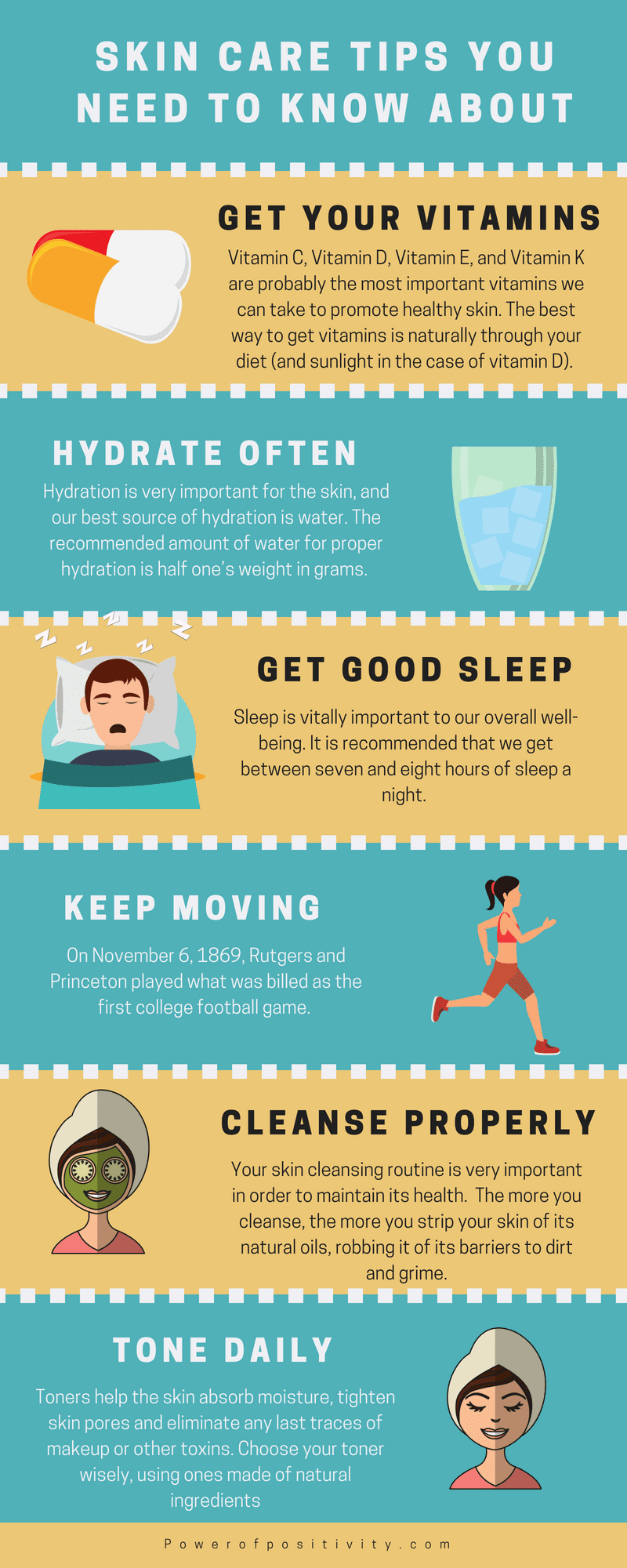
Skin Care Tips You Need To Know About

Steaming:

(a) Fill a basin with very hot water.

(b) Add 2-3 drops of preferred essential oil.

(c) Steam your face for 10 minutes (steaming should be comfortable – don’t burn yourself!)

Masking:

(a) Combine 3-4 capsules of activated charcoal, one tablespoon of apple juice, and one teaspoon of clay. Stir the mixture, creating a paste.

(b) Apply the above ingredients to the face’s surface. Avoid contact with your eyes.

(c) Allow mask to sit for about 10 minutes. Thoroughly rinse with warm water.

References:
Mercola, J. (2014, January 10). Is It Good to Sweat? Retrieved June 16, 2017, from http://fitness.mercola.com/sites/fitness/archive/2014/01/10/sweating-benefits.aspx

What Do You Want Everyone To Know, According To Your Zodiac Sign?

We might THINK we know someone, but in reality, everyone acts differently behind closed doors. Everyone keeps somewhat of a mask on around others, and can finally take it off once they are alone. People are complex creatures, so we might not ever fully know someone, or even totally know ourselves. At some point, we have to accept this fact and love ourselves and others as deeply as we can. But what does your Zodiac sign indicate?

With that said, you can tell a lot about a person by their zodiac sign, such as personality traits, weaknesses, strengths, etc. Now, we aren’t claiming that everyone fits their sign to a T or that zodiac signs are the surest way of getting to know someone, but it can help you know a little bit more about him or her.

If you want to learn more about yourself and others, read on to find out what everyone wants you to know, according to their zodiac sign.

What Every Zodiac Sign Wants You To Know

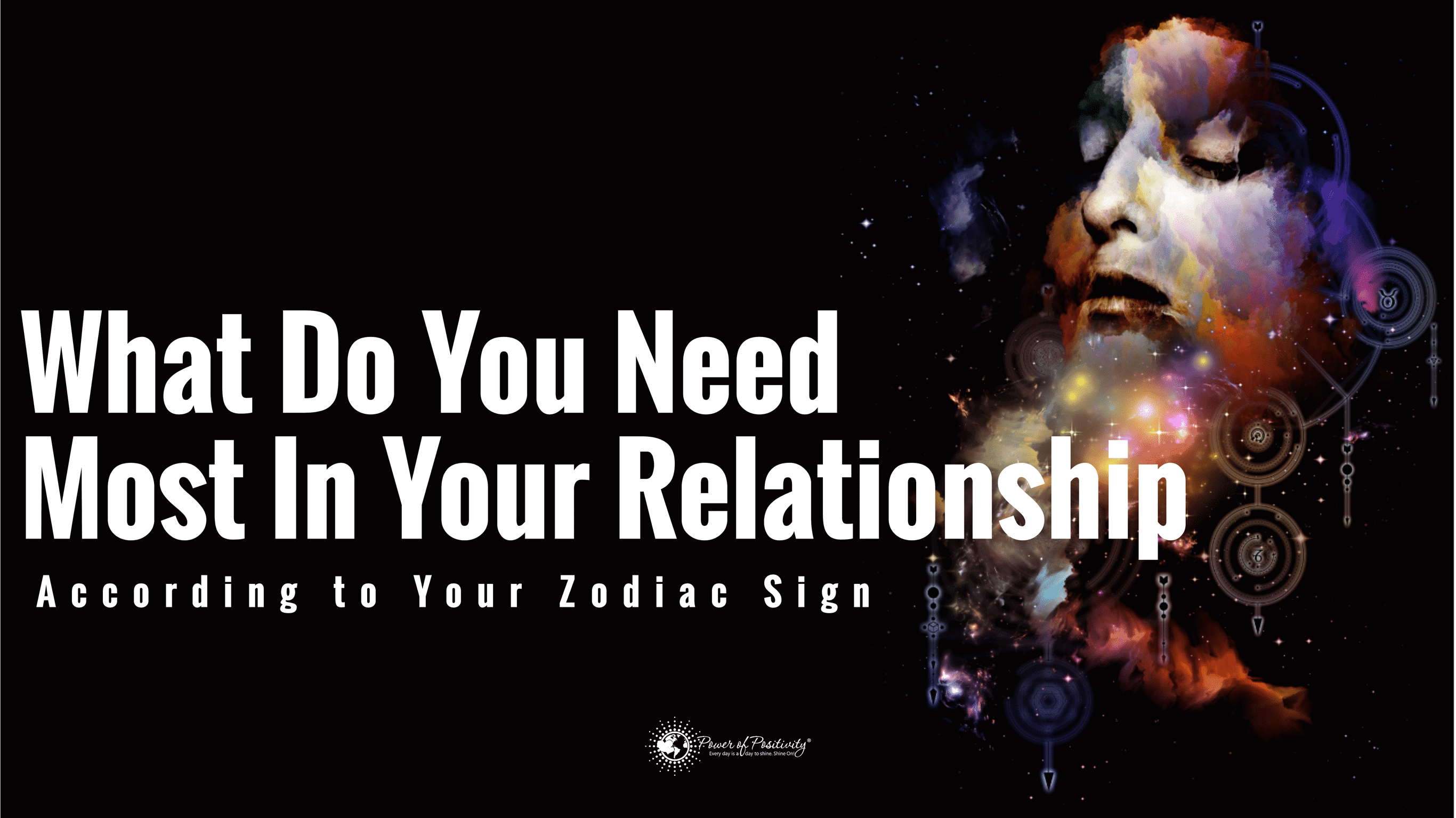
relationship needs zodiac

Aries

An Aries may get into an argument with you, but they love you too much to stay mad at you for long. They are hot-headed, short-tempered, spirited people, and can let their energy and passion get the best of them sometimes. Aries love a good, old-fashioned competition, and they don’t like losing or being told what to do. However, Aries loves their friends and family deeply, and would protect them at any cost. Despite how overbearing and self-centered they can be, they do have a big heart underneath their tough exterior.

Taurus Zodiac Sign

The bull has a great memory and will never forget you as long as they live. Taurus are loyal friends and partners, and will stand by your side no matter what. They tend to be a bit bull-headed, but it’s only because they feel comfortable doing things a certain way and have quite an aversion to change.

Gemini

Geminis just want to be loved and understood. Even the high-energy, friendly, outgoing Gemini can get down in the dumps when people say she doesn’t care about them or is self-centered. For some reason, Geminis get a bad rap, but we’re here to set the record straight. Geminis care deeply about their loved ones, but they sometimes have difficulty showing their emotions. They live to have fun in life and not take things too seriously, because they know any day could be our last.

Cancer

A Cancer has a really hard time trusting people, so when they do, don’t make them regret it. Cancer wears their heart on their sleeve and gets hurt easily. People take advantage of their kindness quite often, but they want you to know that their kindness isn’t a weakness, and to either be honest with them or don’t bother talking to them. Cancers value loyalty and trust above all else.

Leo Zodiac Sign

This fiery sign doesn’t hold back, and enjoys being in the spotlight and being in charge. However, they also have big hearts and will give more than they take. Leos don’t want people to take advantage of their overly generous nature. They make wonderful friends, but Leos often find themselves in one-sided friendships and relationships due to their kindness.

Virgo

Virgos want extremely loyal friends; they too are extremely loyal. Virgos have a hard time making friends because they want intelligent, deep conversations with people, which is hard to find in our shallow world. Virgos often keep to themselves unless someone captures their mind and heart, and when this happens, they tend to forget all logic and fall deeply for that person.

Libra

Libras know more than you realize and think more than they speak. Libras are natural peacekeepers and humanitarians, and this world full of injustice deeply hurts them. However, they keep most of their thoughts to themselves so that people won’t get too much information from them. They are guarded, but friendly people.

Scorpio Zodiac Sign

Scorpios help others, even when they are secretly dealing with their own problems. A Scorpio might seem mysterious and aloof, but they dearly love their close friends and family and would do anything for them. They can become vengeful, however, if you get on their bad side, so make sure to never cross them.

Sagittarius

Sagittarius will always stand strong in their own views. This is a very free-spirited, passionate sign, and they don’t like feeling tied down or pent up. They like to roam, see new things, and go on adventures. They are not swayed easily and prefer to stand alone than ride in a pack.

Capricorn

When a Capricorn wants something, nothing will stand in their way. Capricorns, like Taurus, are also known for being hard-headed and doing things their way all the time. However, this gets them far in life because they know what they’re after and won’t stop until they have it.

Aquarius Zodiac Sign

An Aquarius does not judge and is more interested in knowing who you really are. They are an open-minded, conversational sign that could sit in a coffee shop for hours with you talking about life and sharing interesting stories. They might not always be around when you need them because they are free-spirited too, but they will always take time to listen to what’s on your mind.

Pisces

Pisces wants peace and will avoid conflict at all costs. The fish is a very sensitive, gentle sign, and doesn’t do well with confrontation. They like to daydream about different lands and worlds and often “check out” of this one when they get stressed, bored, or frustrated with it all.

So, there you have it – a few tidbits about each sign that should give you a better idea about yourself, your partner, your friends, and your family (if you know their signs). Like we said before, zodiac signs don’t tell the whole story, but they certainly can give us a glimpse into someone’s inner personality.

Skip to content