Weekly tips, affirmations, and small actions to feel your best.

Relationship Experts Reveal 7 Habits Strong Women Should Never Tolerate In A Relationship

Do you envy strong women who don’t put up with a bunch of nonsense?

Women tolerate all kinds of things in a relationship. When women get together and talk about their past relationships, they’re often appalled by everything they put up with. Thankfully, relationship experts have been listening, and they’ve compiled a list of things that women should never tolerate in a relationship.

Some of these things seem so normalized that many strong women don’t realize that it’s something they don’t need to put up with.

Our title and today’s topic focuses on how today’s women handle relationship adversity. However, nobody should put up with people who disrespect or mistreat–men or women. So regardless of your gender, take note of these traits and expect the best for yourself!

Here Are 7 Things Strong Women Should Never Tolerate in A Relationship

“A strong woman is a woman determined to do something others are determined not to be done.” – Marge Piercy

Women who stand up for themselves will not put up with men who exhibit these behaviors.

1. No kitchen know-how

As charming as it might be to cook dinner for your partner every once in a while, not knowing how to cook isn’t an endearing trait. However, a strong woman should never put up with someone who can’t cook a meal or doesn’t know how to fend alone for a few days.

Women should be companions to their partners. In fact, they are not their partner’s mother. Not knowing how to cook is, indeed, a baseline for any adult. Otherwise, “This signals that he may not see you as an equal,” says Jennine Estes, M.F.T and author of Relationships In The Raw.

2. Not cleaning up after themselves

A woman in a relationship is not a maid or a housekeeper! If a man leaves his drawers all over the floor, his wet towel on the bathroom sink, and his socks outside the hamper, he’s not ready for an adult relationship. A strong woman should never have to tolerate picking up after a man every time she comes over. He needs to grow up if he can’t clean up after himself.
what ruins relationships

3. Lack of compromise

Rex Tillerson once said, “Compromise on ethical conduct is not an option.” A strong woman should always have a relationship in which compromise is the preferred form of ending disagreements. Indeed, no strong woman should ever tolerate being in a relationship with a man who doesn’t want to compromise. Compromise is one of the backbones of being in a serious relationship. So there’s no need to tolerate a relationship where one person doesn’t want to give and only wants to take.

4. Verbal abuse

Strong women may not realize they’re being abused in a relationship because the abuse might not be physical. Relationship experts agree that this is one of the top things that strong women should never tolerate in a relationship. Their partners should all be speaking to them with respect. Strong women should never accept being spoken down to, condescended, insulted, or verbally humiliated in their relationship.

5. Unsupportive of her goals

Being in a relationship is like having a built-in support system. According to research by Brigham Young University,ambivalence in a relationship — the feeling that a partner may be unpredictable with his or her support or negativity — can take a quiet toll on the health of an individual.” A strong woman will have plenty of goals that she wants to achieve in her life.

A strong woman should have a partner who is supportive of those goals. If a man in a relationship is unsupportive of a strong woman’s goals, then that’s a red flag that the relationship will not work. Relationship experts agree that a strong woman should never tolerate an unsupportive partner.

6. A partner who doesn’t help with the children

Sometimes, a relationship gets to marriage and children before a strong woman realizes that she’s been tolerating unacceptable behavior. Strong women should never accept a man who doesn’t help out with the children. Parenthood should be a shared task among both partners, and a strong woman should never tolerate a man who doesn’t pull his share of the weight.

7. Untrustworthy

A strong woman should always be able to trust her partner. Relationships survive on trust and communication. No one should feel like they can’t trust the person they love. No female should never tolerate being in a relationship with someone who can’t be trusted. She should never have to endure a man who tells lies – about himself, or his life, or about what he’s doing or who he is with.

pop meme

Final thoughts on Strong Women and Relationships

There are so many things in a relationship that no one should tolerate. Many females may not realize that minor annoyances in their relationships are unacceptable. A strong woman should know all her boundaries, desires, and wants in a relationship. She should control her life, including who she chooses as a partner. Relationship experts have been researching the types of things that should never be tolerated in a relationship, and these are the top behaviors. Strong women should not tolerate their partners exhibiting these things in a relationship.


10 Behaviors That Reveal Someone Secretly Feels Trapped In Life

Feeling trapped isn’t as uncommon as we like to believe. Some people feel trapped in a life that they didn’t want, and don’t know how they got to where they are. This could be someone who is feeling depressed, or someone who was pressured by a controlling family to conform in certain ways. However, there are some key behaviors that reveal that someone is trapped in a life they didn’t want.

Stanton Peele mentioned in his book ‘The Meaning Of Addiction’ that, “The difference between not being addicted and being addicted is the difference between seeing the world as your arena and seeing the world as your prison.

Here Are 10 Behaviors That Reveal Someone Feels Trapped in Life

1. They don’t like their job

Everyone has worked a job they didn’t particularly enjoy. Usually, this phase of our life happens when we’re still in a transitionary period, between working a job and starting a career. However, one of the biggest signs that someone feels trapped is that they’re miserable in their career – even if it’s one they worked hard for to get a degree to enter into that career. It’s a sign that they’re living a life they didn’t want to live.

2. They’re withdrawn

Some people are just natural introverts. This usually means that they enjoy spending time by themselves, but still enjoy social gatherings. Someone who is withdrawn doesn’t WANT to spend all that time by themselves, but they often don’t see another option. Someone who is withdrawn is trying their best not to remind themselves of the life they’re currently living.

don't want

3. They don’t have a support system

People who feel trapped in their life tend to withdraw even from the people that can make their life a little more bearable. Someone who feels trapped won’t have a good connection with their friends or their family members. They tend to be alienated from all of the people that could offer them support.

4. They’re restless

Emotional restlessness tends to manifest itself in a physical form. Someone who can’t ever sit still, who constantly needs to be doing something new and exciting may be trying to forget that they’re feeling trapped. These people tend to never slow down, and always seem to have some kind of plan to keep them emotionally occupied.

5. They lie about their life

Sometimes, the only way for someone to escape the life that they don’t want is by lying about it. Usually, these people will lie to complete strangers. They will make up details about the life they wish they were living, rather than the life that they actually have. It may start small but can escalate to lying about their career, family, and relationships.

6. They’re depressed

Depression is common among people who feel trapped. They may be very good at hiding it, but knowing the signs of chronic depression will reveal it. Most people who are living a life they never saw for themselves experience some kind of depression. It may be mild, or it may be incredibly severe.

7. They have a substance abuse problem

Escapism is something that many people indulge in when they feel trapped in a life they don’t want. One of the most common forms of escapism is substance abuse. They will either have a drinking problem or abuse prescription or illegal drugs. Being high or drunk allows them to escape from the life they’re leading, even for a little while.

8. They can’t say “no”

People who feel trapped often showcase the inability to say “no”. Sometimes, it’s this inability that leads them to the life that they’re living now. They won’t be able to say no to their family, to their partner, to their friends, to their boss or to their coworkers. They tend to run themselves ragged trying to appease everyone who has ever asked them to do something.

9. They have low self-esteem

“Stop thinking in terms of limitations and start thinking in terms of possibilities.” – Terry Josephson

Feeling trapped in a life you didn’t want doesn’t bode well for your self-esteem. This is why people who feel trapped often exhibit low self-image. They don’t think highly of themselves. They also don’t believe that they “deserve” the kind of life that they want to life, which leaves them trapped in one they don’t.

10. They have commitment issues

Struggling with commitment isn’t unusual for people who feel trapped. They already feel trapped in their day-to-day life, so they try to exercise some form of control over their relationships. These people tend to have a string of short relationships. Their past partners would describe them as “commitment phobic”.

Final thoughts

Feeling trapped in a life you don’t want happens to people every day. Fortunately, it isn’t something that anyone has to deal with. Taking charge of life starts with deciding that something has to change. Once that decision is made, anyone who feels trapped can start turning their life around. Anyone who feels trapped in life can reach out to a therapist or life coach who can help them start to change things and make their life what they want to live. Taking charge is only steps away for anyone.

https://youtu.be/958oQqN-9DQ

(C)Power of Positivity, LLC. All rights reserved
References:
https://www.psychologytoday.com/us/blog/the-second-noble-truth/201205/imprisoned-your-life
https://www.amazon.com/Meaning-Addiction-Unconventional-View/dp/0787943827

Scientists Explain How Many Hours of Sleep You Need, According to Your Age

Getting adequate sleep can make all the difference between feeling great and feeling like you got hit by a truck. Unfortunately, many of us suffer from chronic sleep deprivation; in fact, 35% of us claim to get less than the recommended minimum of 7 hours of sleep per night. The problem is so severe that the Center for Disease Control (CDC) called our sleep habits a public health epidemic, and rightly so.

About 40 percent of adults have insomnia, according to the National Sleep Foundation. It’s no surprise, really, when you think about the chronic stress epidemic we’re facing as well. With so much responsibility weighing on our shoulders, allowing our minds to relax when we fall into bed at night doesn’t come so easily.

However, we can’t allow modern society to interrupt our precious sleep time. Whatever is going on in the world, we have to be able to shut it out for at least seven hours a night. Life goes on, and some things we just can’t control. We can control our sleep hygiene, however, so we will talk in this article about some tips to help you get better sleep. The first thing that comes to mind when talking about getting good sleep is simply to prioritize it! Make it important to you, and the rest will fall in line.

With this in mind, how much sleep do you need, exactly? Depending on your age, it will differ slightly.

HOW MUCH SLEEP DO YOU NEED ACCORDING TO YOUR AGE?

Obviously, young children and teens will require more sleep than grown adults; however, most adults definitely do not get the required amount of sleep. Here’s exactly how much sleep you should be getting according to your age group:

How-Much-Sleep

 As you can see from the data above, both young adults and adults need 7-9 hours of sleep per night. School age children need 9-11 hours, and teens require 8-10.

Because of the advent of smartphones and Netflix, we stay up far past our bedtime getting lost in social media and TV shows. We text, email, scroll, play games, and read statuses until we wonder where the time went. Meanwhile, the blue light emitted from our phone, computer, or other device tells our brain “Wake up! You don’t need sleep yet!” See how this is counterproductive? Below, we will discuss a few important sleep habits (including putting down the technology) so you can get the quality sleep you deserve.

SLEEP HABITS TO AVOID

1. Using technology close to bedtime.

Countless studies have shown that the bright lights emitted from devices can keep you up because it throws off your circadian rhythm and melatonin levels. The lights from technology literally tell your brain to wake up, not go to sleep. Think about it: out in nature, the sun would wake us up and tell our bodies to get moving. Now that we live in modern society, we use lights late into the night, and our brains don’t know the difference between natural and unnatural light sources.

The fix: Try to keep your room as dim as possible when it starts getting dark outside, and avoid tech a few hours before bed.

2. Drinking caffeine or alcohol too close to bed.

Caffeine may help you wake up in the morning, but drinking it too close to bedtime will keep you awake during the night, too. Alcohol is a depressant and can make you sleepy initially, but you won’t get a good night’s rest. Alcohol spikes your insulin levels as your body processes the sugar, which can lead to disturbed sleep.

The fix: Drink all caffeine and alcohol five to six hours before bedtime.

3. Thinking about everything.

Thinking too much usually leads to worrying and stressing, which will spike your cortisol levels and send adrenaline rushing through your body. Not the most relaxing activity before bed.

The fix: Relax. Unwind. Disconnect. Be in the moment. Take deep breaths. Do yoga, journal, or meditate before bed so that you can destress and truly prepare your mind and body for sleep.

4. Having an irregular sleep schedule.

Your body likes schedules, so when you don’t have a normal sleep pattern, your body gets confused. We used to go to bed as soon as the sun set and awaken as it rose, so now that we live farther from nature, our bodies haven’t adjusted very well.

The fix: Living in modern society doesn’t mean our daily habits have to suffer. Try to go to sleep and get up at the same time every day. Set alarms if you have to, and stick to them. Don’t stay up too late on weekends, or it will throw your sleep schedule off even more.

(C)Power of Positivity, LLC. All rights reserved

5 Habits That Help You Find Out Your True Personality

“He who knows others is wise; he who knows himself is enlightened.”  – Lao Tzu

In our constantly changing world, we often lose sight of ourselves behind the wave of responsibilities, errands, and pressure put upon us. “I don’t have time to ‘find myself’; I’m busy just trying to survive!” You might find yourself saying this when you think about feeling lost, and you might just chalk it up as a normal feeling in today’s society.

However, finding our true selves can help us prosper in life, because having a clear vision of ourselves allows us to line up goals, desires, and even the right relationships for us. Get in touch with your personality type to discover more.

If you’ve been feeling disconnected from yourself lately and want to figure out how to pull yourself from the trenches, read on for some helpful tips.

Here are 5 ways to find yourself when you feel lost:

1. Write down your interests and goals.

You don’t have to think years in advance on this one, just a few weeks or months ahead. What do you like to do? What do you want to accomplish within the interests you pursue? For example, you might enjoy mountain biking in your free time. Why not sign up for a race or join a local group that you can bike with? Part of knowing ourselves is learning our likes and dislikes, and having the courage and willpower to pursue our interests, even if they put us outside of our comfort zone.

After all, we cannot grow unless we push ourselves to become better than we ever imagined, and one way of doing that is to do what we love and never stop trying to improve!

2. Do something you’ve always been afraid of.

This might seem counterintuitive, but doing something that makes you scared will help you push past your comfort zone and learn what you’re really made of. We often put self-imposed limits on ourselves and say things like “I could never do that” or “That seems too hard/scary/impossible.” Few things in life are truly impossible; it’s just that we decide to avoid challenges before we even try!

Attempting to do something that scares you, even if you fail, will help you to overcome those limits and eliminate some of the fears that hold you back in life.

3. Follow your dreams every single day.

The only people who don’t accomplish their dreams are those who give up. The real secret to following your dreams is perseverance, because the road ahead will inevitably have challenges, but you have to make a commitment to sticking with it even when you feel like quitting. You might have to come home from work and set aside a few hours a day to work on your goals. However, once you finally do achieve what you set out to do, you’ll feel absolutely unstoppable.

You’ll realize that reality comes from our own minds, where we create what we see and turn it into something tangible. Therefore, you have the power to shape reality based on how hard you’re willing to work to turn those rocks into diamonds.

find yourself

4. Spend time alone.

You can’t find yourself if you never learn to enjoy your own company. Go on a solo roadtrip, or even a backpacking trip across several countries. Meditate and learn to love the sound of silence, where you can find all the answers you’ve been seeking. To truly know and understand ourselves, we must go deep into our hearts, and only there will we find the real us that we’ve buried under years of cultural conditioning and perceived limits. Learn to trust your own intuition and the inner voice guiding you, because that will take you farther than anyone’s advice or counseling.

5. Forget what other people think.

Remember that “a lion doesn’t lose sleep over the opinion of sheep,” so don’t let what other people think stop you from being you. Most people are far too preoccupied with their own lives to even notice what moves you’re making anyway, and even if they pay attention, the only person’s opinion you should be concerned with is your own. As long as you’re happy with where you’re going and the person you’re becoming, nothing else matters. People can hate on you all they want, but realize that they probably don’t like themselves either. People project what they feel within, which is why you should just do what you want and put all the chatter from others aside.

You might feel as though you’re in a losing battle when it comes to finding yourself, but don’t get discouraged. Though we live in confusing times where most of us struggle with our identity, just remember that ultimately, you don’t have to put yourself in a box. Labeling yourself only limits yourself, so as long as you feel content with who you are and where you’re going, that’s all that matters.

https://youtu.be/YHAZ6q-WbnE

(C)Power of Positivity, LLC. All rights reserved
Sources:
https://www.huffingtonpost.com/lamisha-serfwalls/7-tips-to-find-yourself-when-youre-feeling-lost_b_7514516.html
https://thoughtcatalog.com/ali-nicole/2016/12/20-things-you-need-to-do-to-find-yourself/
https://www.psychologytoday.com/blog/changepower/201603/know-yourself-6-specific-ways-know-who-you-are
https://www.powerofpositivity.com/5-ways-to-find-yourself-when-you-feel-lost/

5 Habits That Keep An Introvert Feeling Balanced

As introverts, we know all too well the daily struggle of having to force ourselves out of bed to get to work, school, or other obligations when we really just don’t feel like dealing with people. Sure, if we had to see people once or twice a week, we would probably have more energy to socialize, but doing it every single day takes a toll on us. Introverts derive their energy from within, so it only makes sense that dealing with so much external stimuli would burden our already sensitive nerves.

According to research, introverts make up 16-50% of the population. This means that us introverts have to figure out a way to fit into an overly extroverted world, which can get utterly exhausting. So exhausting, in fact, that it can lead to something called introvert burnout, which is exactly how it sounds – basically a nervous breakdown in the world of introverts.

However, we all must live in this world and cope somehow, so how can introverts deal with living in a fast-paced, noisy, talkative world without going completely crazy? We have a few tips that you might find useful below.

HERE ARE SOME TIPS FOR INTROVERTS DEALING WITH BURNOUT:

introvert burnout

1. Schedule some alone time each day.

Don’t feel selfish for taking time to yourself. Everyone, including extroverts, needs some solitude in order to recharge their batteries. However, introverts need significantly more time to themselves since they draw energy from within themselves rather than from social experiences. If you work a normal job, ask your boss if you could possibly take a couple extra 5-10 minute breaks each day to go outside and get some fresh air. You might have to stay a bit longer at work, but it’s worth it if you can get some extra time to recharge.

When you get home from work, try to schedule a little time to meditate, write, draw, or go on a short nature walk. You’ll feel much better if you can work some alone time into each day.

2. Don’t go to events that you know will make you miserable.

This doesn’t mean you can avoid every get-together, like your aunt’s birthday or your cousin’s wedding, but try not to attend too many events that you know will trigger you. Do things you actually enjoy with people who “get” your personality and needs, and try not to overschedule yourself. Even small get-togethers can make introverts tired if they attend them too often.

Also, if you must go to an event where you know a lot of people will show up, make sure you plan beforehand accordingly. Don’t schedule anything a few days or even a week leading up to the event so that you have plenty of alone time to recharge and prepare yourself. When the day comes for the gathering, leave a little early if you must.

3. Practice a calming routine at parties or events.

When you do go out, make sure you have a self-soothing routine to fall back on. Whether that means reciting a mantra to calm your nerves, meditating outside for a few minutes, or even escaping to the virtual world on your phone for a bit, do whatever works for you. You don’t have to talk to people every second of the get-together; make sure you recharge your batteries as often as needed so that talking to people won’t seem so exhausting.

4. Live a lifestyle that supports your personality.

In other words, don’t take a job as a salesman/woman if you know you hate talking to people. Don’t sign up for too many clubs and activities that you know you won’t go to half the time. Don’t hang out with people who drain your energy and make you miserable. Live a life that YOU love and enjoy, and don’t apologize for living differently than others because of who you are.

5. Embrace your introverted nature.

Introverts have had to deal with stigmas for decades, and some people have even been referred to therapy for simply not liking to talk as much as others! The world may not understand you, but you shouldn’t let that bother you. Remember that introverts just like you have to deal with the challenges that modern living presents, so you don’t have to feel alone. Love yourself as you are, and learn to stop apologizing to others for your personality or feeling like you have to live up to others’ expectations. The only person you need to please is yourself, period.

Being an introvert in an extroverted world can feel quite draining and miserable at times, but it doesn’t have to feel that way. If you use these coping techniques and learn to embrace the introvert within, it will get a lot easier to deal with society. There’s nothing wrong with you for simply wanting some more quiet time than society deems acceptable, and not wanting to socialize every second of every day. We do live in a very social world, but the world could certainly use a lot less noise and chaos, anyhow.

So, with these tips, we hope that you can avoid introvert burnout and get back to living a happy, peaceful life. 🙂

(C)Power of Positivity, LLC. All rights reserved
Sources:
https://www.psychologytoday.com/blog/thrive/201205/are-extroverts-happier-introverts
https://introvertdear.com/news/yes-there-is-such-a-thing-as-an-introvert-hangover/
http://www.lovepanky.com/my-life/better-life/introvert-burnout

Scientists Explain What Happens to Your Body When You Don’t Let Go of Negative Feelings

Remember, you don’t forgive someone for his or her sake – you forgive them for your sake. ~ Stephanie A. Sarkis, Ph.D.

A Lesson from Friedrich Nietzsche

The German philosopher Friedrich Nietzsche once likened forgiveness to weakness. Insisting that “God is dead” and that we are all sheep-slaves, it’s quite clear that Friedrich was a ‘tad’ more cynical than is considered healthy (a typical demeanor of philosopher-scholars.)

Had the great German philosopher understood the effects of stress on the body and mind, the end of his life may have come under slightly more favorable conditions. Nietzsche’s relentless pessimism, obsessive pursuit of “truth and inquiry,” and tireless work habits almost certainly contributed to his most unfortunate demise.

Mr. Nietzsche eventually suffered a complete mental breakdown and loss of all cognitive faculties at the age of 44. He then spent the rest of his life in a near-catatonic state in the care of his mother before dying of syphilis.

Like many others, past, present, and future, Friedrich Nietzsche was chronically stressed out. His inner and outer lives were turbulent, and he was always fighting his own demons, not to mention the expectations of his uber-religious and demanding mother.

Why Holding Onto Negative Feelings Is Really Bad

Why do we hold onto feelings like anger, anxiety, callousness, frustration, irritability, malice, rage, and resentment? Usually, something unfortunate occurs, and we delay forgiving ourselves or someone else – sometimes for life. While allowing a bit of bitterness to brew under the surface may not seem all that bad, it’s toxic to our physical and mental health.

To illustrate this point, let’s consider the effects of stressful events in early childhood – a time in one’s life that is supposed to be carefree and joyful. In an article titled “Early Childhood Stress Can Have a Lingering Effect on Your Health,” Dr. Joseph Mercola writes:

A study revealed impaired immune function in adolescents who experienced either physical abuse or time in an orphanage as youngsters. Even though their environments had changed, physiologically, they were still responding to stress. How the immune system develops is very much influenced by the environment.

The notable words within the above passage are: ‘physiologically; they were still responding to stress.’ As in, there is no longer a threat, but the body is still reacting as if there is. Both medical experts and laymen refer to this as being “wired for stress,” and this wiring kills people.

be happy

Dr. Mercola is referring to trauma – the end-result of prolonged exposure to stress. Mercola goes on to explain that childhood trauma causes lasting physical changes in the developing brain.

To be clear, environmental stimuli are (typically) more impactful for a child than an adult. However, this is not always the case, as combat veterans and other adult victims of trauma diagnosed with PTSD show.

In short: although the nervous system and immune system development slow as we age, changes do occur throughout life. Holding onto feelings that bother us – which our body perceives as nothing more than chronic stress – can lead to mild to severe physical and mental health conditions.

The Effects of Chronic Resentment

Chronic resentment, which is another way of saying chronic stress, can kill you. Consider that over 90 percent of all doctor visits are for stress-related health complaints.

Per the American Psychological Association (APA), “Chronic stress, or a constant stress experienced over a prolonged period of time, can contribute to long-term problems for the heart and blood vessels. The consistent and ongoing increase in heart rate, and the elevated stress hormones, (and elevated blood pressure)can take a toll on the body.”

WebMD lists the symptoms of long-term stress as follows:

– aches, pains, and tense muscles
– anxiety and depression
– chest pain and rapid heartbeat
– frequent colds and infections
– headaches
– insomnia
– loss of sexual desire and/or ability
– low energy
– upset stomach (constipation, diarrhea, and nausea)

Neurologically, long-term resentment can lead to a decrease in the production of new brain cells. Emotionally, the individual will likely become more emotional and forgetful.

While we may tend to ignore the physical signs of resentment, according to the late neuropharmacologist Candace Pert, “the body is your subconscious mind. Our physical body can be changed by the feelings we experience.”

Learning to Forgive

Self-forgiveness is essential for self-healing. ~ Unknown

If you are harboring feelings of anger and resentment, it is crucial to understand that your subconscious mind is in a state of continuous (perhaps low-level) stress. This “background stress” can take its toll on your body and mind.

With that said, it’s enormously beneficial to practice forgiveness. Remember, forgiveness implies that you’re making peace with the pain and trying to let it go – it is something that you do for yourself.

To begin the process of forgiveness, first find a peaceful place that allows you to be alone with your thoughts. Then, try the following four steps:

1. Recall the incident. The first step is about acceptance; accepting that it happened; accepting how you felt and still feel about it, and how you reacted.

2. Acknowledge lessons learned. The second step involves bringing to mind how the event affects you. It’s likely that you’ve experienced a bit of growth or learned some valuable lesson about yourself and others.

3. Decide to forgive. Think about the other person involved. While it may be hard, remembering that all of us are flawed and have weaknesses may help alleviate some of the negative emotions you’re experiencing.

Finally, say “I forgive you,” either to the other person or yourself. You may feel that explaining why you forgive them – and that’s completely okay, even healthy!

We part ways with one final quote, courtesy of Louis B. Smedes:

“To forgive is to set a prisoner free and discover that the prisoner was you.”

https://youtu.be/FWMSYeRHWU4

(C)Power of Positivity, LLC. All rights reserved
Sources:
https://articles.mercola.com/sites/articles/archive/2009/02/21/early-childhood-stress-can-have-a-lingering-eff
https://bebrainfit.com/effects-chronic-stress-brain/
https://www.psychologytoday.com/us/blog/mindful-anger/201409/how-do-you-forgive-even-when-it-feels-impossible-part-1
https://www.psychologytoday.com/us/blog/here-there-and-everywhere/201102/30-quotes-forgiveness
https://www.webmd.com/balance/stress-management/stress-symptoms-effects_of-stress-on-the-body
https://www.webmd.com/depression/news/20000225/holding-a-grudge-can-be-bad-for-your-health#1

5 Early Warning Signs of Tonsil Stones (And How to Prevent Them)

Until you have one, you might not even know what tonsil stones are.

So… what are they?

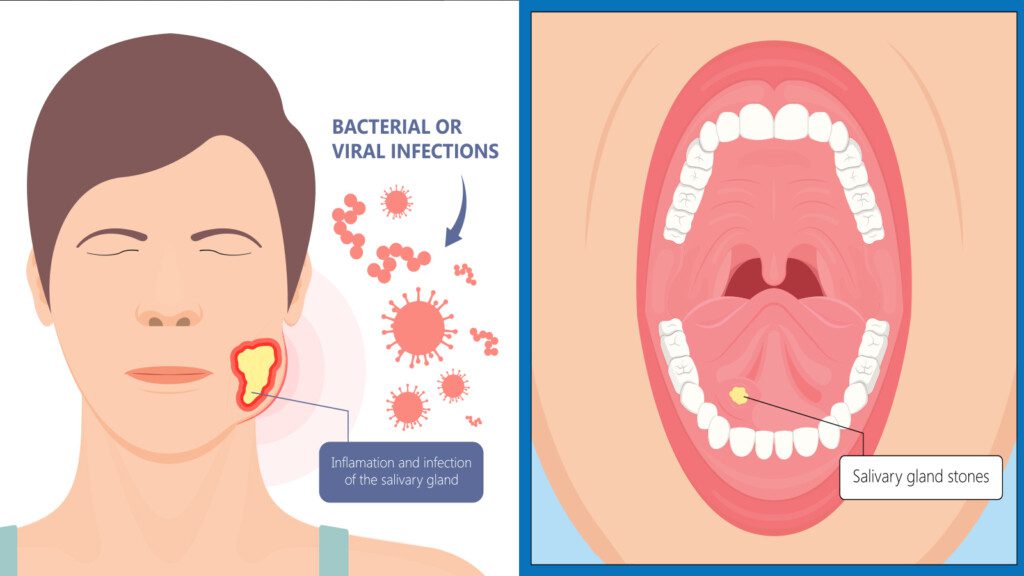
Tonsil stones are hardened yellow or white bumps that appear on or within the tonsils. Small as a grain of rice, many people who acquire tonsil stones remain unaware of their presence.

After some time, the stones – which consist of food debris, dead cells, mucus, and saliva – can cause health complications. Bacteria and fungi also feed on tonsil stones, creating a distinct, unpleasant odor.

Why do tonsil stones appear? We’re all born with two tonsils, which reside in a kidney-bean-shaped crevice on both sides of the tongue near the pharynx. This area that constitutes our tonsils is full of nooks and crannies, allowing debris to settle. Over time, the debris may harden (or calcify) into stones.

What Are the Tonsil Stones?

The ‘tonsillolith’ produces five main (sometimes early) symptoms, provided the tonsil stone is large enough. Here are the symptoms you should know:

salivary stones

Learn seven causes of salivary stones aka mouth stones…and how to prevent them.

1. Bad breath

Also known as halitosis, progressively lousy breath often accompanies a tonsil stone. In one study of patients, researchers discovered that 75 percent of tonsil stones contain unstable sulfur compounds. Sulfur produces a notoriously bad smell, which is thought to be the catalyst for the terrible breath that accompanies the stones. This sulfur is produced by the anaerobic bacteria that feed on the stone’s debris.

2. Whitish or Yellowish Debris

While some tonsil stones are visible in the back of the throat, some are hidden. Stones that are just visible are often surrounded by a solid, plaque-like white substance (similar to the substance that appears on the tongue.) Additionally, the stone may appear as tiny rocks that stay trapped in your mouth.

3. Secondary oral health conditions

People who do not regularly brush or floss their teeth are more vulnerable to tonsil stones. Poor oral health may also contribute to a second condition, namely gum disease, oral infections, or tooth decay. Furthermore, untreated tonsil stones may produce plaque-like patches at the back of the throat.

4. Trouble swallowing

Swollen tonsils and tonsil stones can make it more difficult to swallow. Whether or not this symptom arises depends on the size and location of it. Difficulty swallowing is symptomatic of numerous medical conditions, so an exam may be necessary to determine the root cause.

5. Ear pain

Tonsil stones can grow any place in or around the tonsil. Due to shared nerve pathways, they may cause a person to feel pain in the ear, even though the stone itself is not touching the ear.

How to Get Rid of Tonsil Stones

There are several effective methods available for removing tonsil stones. While the success of these techniques may vary depending on individual cases, they can be beneficial in dislodging these troublesome formations. Let’s delve into some additional approaches:

  1. Nasal irrigation: They can sometimes be dislodged by performing nasal irrigation. This involves using a saline solution to flush out the nasal passages, which can help remove any trapped debris, including tonsil stones. This method targets the nasal cavity and can reach the tonsils, providing a thorough cleanse.
  2. Oral irrigators: Oral irrigators, such as water flossers, are commonly used for dental hygiene. But they can also be employed to tackle tonsil stones. By directing a stream of water at the back of the throat, these devices can dislodge and flush out the stones, effectively minimizing their presence.
  3. Non-alcoholic mouthwash: Rinsing your mouth with a non-alcoholic mouthwash can help alleviate the discomfort associated with this condition and contribute to their removal. The mouthwash’s antiseptic properties can assist in loosening the stones, making it easier to dislodge them.
  4. Saltwater gargling with added pressure: While gargling with salt water can help alleviate throat discomfort caused by this condition, applying additional pressure during gargling can enhance the dislodging process. Vigorously swishing the saltwater solution around your mouth and directing it toward the back of your throat increases the likelihood of dislodging the stones.
  5. Professional removal: In cases where self-removal methods prove ineffective or if you experience severe complications, seeking professional assistance is advisable. An otolaryngologist, or ENT specialist, can evaluate your condition and perform procedures such as laser treatment or surgical removal of the tonsils (tonsillectomy). Tonsil stones are most common in those who acquire chronic tonsillitis. The surgical removal of the tonsils (a tonsillectomy) eliminates the possibility of stones developing for this demographic. However, various research studies showing the high complication rate of the procedure (around 20 percent) and the severe conditions (e.g., deep infection of the tonsil or tonsil abscess) are giving some a second pause.

How to Prevent Tonsil Stones

Preventing tonsil stones is crucial for those who want to avoid the discomfort and inconvenience they can bring. In addition to the aforementioned techniques, there are a few more preventive measures you can incorporate into your daily routine:

  1. Practice good oral hygiene: Alongside regular brushing and flossing, paying attention to the back of your tongue can significantly reduce the formation of tonsil stones. Bacteria will often accumulate on the tongue’s surface, providing a breeding ground for the debris contributing to these stones’ formation. Use a tongue scraper or your toothbrush to gently clean the back of your tongue during your oral hygiene routine.
  2. Quit smoking: Smoking damages overall health and increases the risk of developing this condition. The chemicals and toxins in cigarettes can irritate and inflame the tonsils, promoting the accumulation of debris and the formation of stones. By quitting smoking, you can significantly reduce the likelihood of developing tonsil stones and improve your overall well-being.
  3. Stay hydrated: Drinking adequate water throughout the day is essential for maintaining optimal oral health. Proper hydration helps prevent the buildup of bacteria and debris in the mouth, reducing the chances of this formation. Aim to drink at least eight glasses of water daily, and consider using a humidifier in dry environments to prevent excessive drying of the throat and mouth.

tonsil stones

Final Thoughts on Understanding How to Deal With Tonsil Stones

In conclusion, dealing with this condition can be uncomfortable and frustrating. However, you can effectively manage and prevent their formation with the right knowledge and techniques. From gentle home remedies to seeking professional assistance when necessary, various options are available to help you remove tonsil stones and alleviate any associated symptoms.

Remember to exercise caution when dislodging tonsil stones, as improper techniques may lead to complications. If self-removal methods prove ineffective or if you experience persistent issues, it’s always wise to consult a healthcare professional for proper evaluation and guidance.

By practicing good oral hygiene, staying hydrated, and making healthy lifestyle choices such as quitting smoking, you can reduce the likelihood of stone formation and maintain better oral health. Stay proactive in your oral care routine, and don’t hesitate to seek help. With these preventive measures and the right approach, you can effectively manage tonsil stones and enjoy a healthier, more comfortable life.

9 Adult Behaviors of Someone That Had Emotionally Unavailable Parents As A Child

The children of parents who were emotionally unavailable eventually grow up into adults. In adulthood, those people may have difficulty pinpointing exactly what went wrong in their childhood. It’s only through observation of behaviors that therapists and psychologists can reveal what happens to children who emotionally unavailable parents. Here are some of the most common adult behaviors of someone with emotionally unavailable parents.

“People THRIVE on positive reinforcement. They wither with criticism.” – Patti Henry

Here Are 9 Behaviors Of Someone Who Had Emotionally Unavailable Parents

past

1. Difficulty with attachments

Adults who had emotionally unavailable parents may have difficulty with commitment and attachments in their lives. “Unstable people first have to get themselves stable before they can truly commit to a relationship—and that could take a long time,” says licensed marriage and family therapist Neil Rosenthal.

Adults raised by emotionally unavailable parents are unstable and, hence, struggle with relationships. They tend to have a fear of both attachment and love. Adults with attachment issues may not notice that they sabotage their relationships or become distant when attachment seems probable.

2. Children of emotionally unavailable parents may have identity issues

Children learn a lot about their identity through their parents. Emotionally unavailable parents tend to have less of an impact on their children, which means that the children don’t grasp their identities as well. When growing into adulthood, these people tend to have identity issues and tend to have a loss of direction in life. They don’t know where to go or what to do in life.

3. Difficulty accepting change

Adults who were raised by emotionally distant parents tend to have issues with change. They’re not very adaptable and often prefer that things stay the same. This is because their parents never taught them to handle their emotions appropriately. Change can be difficult for children. When they don’t have good guidance on how to deal with it, these children tend to grow up into adults who still can’t handle change.

4. Children of emotionally unavailable parents may have low self-esteem

For much of their life, children rely on their parents to meet their emotional needs. When those emotional needs aren’t getting met, children develop low self-esteem. This low self-esteem doesn’t end when the children grow into adulthood, either.

Often the roots of low self- esteem lie deep in a wounded child within us who feels “not good enough.” As children we feel accepted only to the extent we feel unconditionally loved and supported by our parents,” says Dr. Sonera Jhaveri.

Thus, adults with emotionally absent parents often think poorly of themselves and characterize themselves as “not good enough”.

5. Doesn’t understand emotions

When children are raised with emotionally unavailable parents, they never learn how to communicate their emotions. This leads to children carrying this misunderstanding of emotions into adulthood. One of the most common behaviors of an adult with emotionally unavailable parents is a lack of understanding about their emotions. They may be unable to identify their feelings, even if you ask.

6. Sensitivity to rejection

Adults with emotionally unavailable parents may be extremely sensitive to rejection or even perceived rejection. For example, an adult with emotionally unavailable parents may become distressed at the idea that someone at their workplace that they admire didn’t like their presentation. This is commonly known as “rejection sensitive dysphoria” and can cause extreme distress at even the perception of rejection, such as a neutral response over an enthusiastic one.

7. Perfectionism

Perfectionism is highly likely for those carrying the weight of an emotionally unavailable parent into adulthood. Due to the sensitivity of rejection and the deep-seated drive for acceptance and affirmation, adults whose parents were emotionally unavailable need everything they do to be perfect. This can carry over into their workplace, relationships, and hobbies.

8. Trouble setting boundaries

Adults who had emotionally unavailable parents were never taught how to set healthy boundaries. This results in these adults now trying to replicate a parental relationship with other people in their lives. This often involves men or women seeking out romantic partners who can fill the role of a parental figure – which inevitably causes upset in the relationship.

9. Lying

Lying is often a behavior that we consider manipulative, but sometimes lying can result from emotionally absent parents. Most often, adults who have emotionally absent parents tend to lie because they’re trying to get a specific reaction out of the people that they’re lying to. While this is a manipulative tactic, these people are doing it to receive some affirmation, which they didn’t receive as children.

emotionally unavailable partners

Final Thoughts on Growing Up With Emotionally Unavailable Parents

Knowing the adult behaviors of an emotionally absent parent is important for therapists and people trying to move on from their past. While the idea of an adult still suffering from absent parents is saddening, it isn’t the end of the road. Mental health experts have long been figuring out the best way to lead people onto the road of recovery when it comes to emotionally unavailable parents. It’s never too late for someone to get help and address maladaptive behaviors.

15 Traits That Reveal You Are A Spiritual Healer (And Don’t Know It)

Now more than ever, we need healers to come forward with their gifts and raise the world’s vibration. Healers are a particular group that can help others come out of suffering and into the light. Many people don’t have any hope left due to the current state of affairs, but spiritual healers can lift the broken and wounded up and restore their faith in humanity. The worn-out, fear-based programming doesn’t work anymore for the majority of people, and so grand healing is now taking place on the planet.

You might know a healer in your life or feel like you’re one yourself, but sometimes, these gifts present themselves in subtle ways. Here are some signs to look out for in yourself and others that may point to being a spiritual healer.

Here are 15 traits that reveal you’re a spiritual healer (and don’t know it):

Spiritual healers are the ones who heal themselves first and create a ripple outward for others…

spiritual

1. A spiritual healer will often identify as an empath.

This world is oh-so draining for empaths and highly sensitive people. The noise, busyness, fast pace, social interactions, greed, violence, and other adverse occurrences leave a spiritual healer utterly exhausted. Empaths and lightworkers absorb the energy of the world around them, which often leaves them feeling frazzled and overwhelmed. Their sensitivity is a blessing because it can help heal the planet, but healers often feel cursed by this trait due to how heavy it can make them feel emotional.

2. You crave alone time often.

Healers don’t dislike people; they thrive better on their own. As we said, the world’s energy can drain an empath or spiritual healer, so they need tons of time to recharge and rebalance their energies.

3. You feel that life is more than just paying bills.

Spiritual healers feel trapped in this system because it’s centered around making money, not following one’s purpose. Healers can get quite frustrated with the world because they want to help others, but they feel that making money can get in the way due to time and financial constraints.

If you feel trapped in your current job and dream of helping others, you might be a healer.

4. People are always coming to a spiritual healer for advice.

People come to your left and right to help them with their problems because they know you’ll have the answers. You might not know how to solve the problems in your own life, but you know how to drop everything and listen to someone else’s struggles. Because you’re highly sensitive, you can easily relate to other people’s troubles and help them escape the darkness.

5. You’re highly intuitive.

A spiritual healer runs on emotions, not logic. Your gut feelings are king in decision-making because they have yet to steer you wrong. You “know” when something doesn’t feel right, so you follow that instinct and don’t question it. If this sounds like you, you’re probably a spiritual healer.

6. You’ve had struggles with mental health.

Many spiritual healers suffer from mental disorders because they feel they don’t fit in. They don’t know where to turn because every path seems to lead to stress and confusion, which can cause anxiety and depression. Spiritual healers are more sensitive to the overwhelming stimuli on the planet, which can cause them to retreat into solitude and avoid the world entirely. Speaking of which…

7. Social situations drain your energy.

You feel exhausted afterward, even if it’s just going out to do errands. Dealing with traffic, big crowds, your job, and conversations with others can quickly zap your energy and leave you daydreaming about crawling into bed and staying there for a while.

8. You can sense other people’s emotions.

This is perhaps one of the most evident signs of being a healer. If you can read someone else just by the emotions on their face or their body language, you’re probably destined to be a spiritual healer.

sensitive

9. You feel drawn to healing professions.

If you feel drawn to a career in energy work such as Reiki or work that benefits the planet, like environmental sustainability, you are probably a healer. Healers don’t do well in careers like sales or management because their talents don’t shine in these fields. They prefer jobs that genuinely have a purpose, not just those that are centered on increasing profits.

10. People feel calm or happy around you.

Despite your struggles, people can see past them and into your true nature. They say you make them feel centered, balanced, calm, or any other positive emotion. Healers can lift other people and give them hope, so if this sounds like you, you’re a truly special soul.

11. A spiritual healer may just feel “different.”

You can’t explain it to people, but you’ve felt like an outcast your whole life. You don’t understand the world’s ways because many of them cause suffering, which causes great pain. It almost feels like you have no emotional skin because many things about the world impact you deeply. You don’t relate to the shallowness of society, which is why you choose to remain an outcast, and you don’t see this as a bad thing.

12. You are an idealist.

Your head is always in the clouds because it sure beats being on the ground! You feel like the world could be so simple, but we make it incredibly complicated. Why can’t we share our resources instead of fighting over them and destroying them? Why do we build a world that disconnects us from the natural one we were born into?

13. You are a deep thinker.

Because you’re an idealist, you’re also a visionary that can see the bigger picture. You are always contemplating life on this planet to try to make sense of things and work them out in your mind.

14. You feel deeply connected to nature and animals.

Humans don’t make much sense to you, so you gravitate toward animals and nature to feel peace and serenity.

15. A spiritual healer is a superb listener.

You might not like talking much, but you know how to listen. You don’t just hear people but tune into what they’re saying and their subtle body language. You understand people well, which is why you attract those who need help.

spiritual healer

Final Thoughts on Awakening to the Fact That  You Are a Spiritual Healer

Perhaps you always knew you somehow felt as though you were not of this world or experienced any of the sensations described in this article. Now, this should make sense to you, and this newfound knowledge can help you share your gifts with the world.

Skip to content