Weekly tips, affirmations, and small actions to feel your best.

Research Reveals Why There’s Little to No ADHD Medicine In France (And How They Treat It Instead)

Attention Deficit Hyperactivity Disorder, or ADHD, describes an abnormal sensitivity to what children or adults experience, and new research reveals why in France, medical professionals treat it without prescribing any medicine. Medication to treat ADHD is focused on changing brain chemistry, but is it really necessary, or can problems with inattention be treated without drugs?

Is ADHD just fidgeting or is it a disorder?

Fidgety children are often thought of as behaving badly in social situations when adults would prefer for them to be quiet and out of the way. However, it is the natural state of children to be active and more energetic than adults. Active children are arguably healthier than those who sit still because their muscles are moving.

Once the social rule is given to a child “sit still, behave,” we assume that they naturally want to obey our command, otherwise they would be labeled disobedient, and being disobedient is ‘bad’ behavior. However, some children experience involuntary muscle twitches or extreme sensitivity to touch on their skin that may make sitting still quite impossible, regardless of their desire to obey.

Will versus skill in controlling our behavior

An inability or lack of desire to control undesirable fidgety behavior has been viewed in some cultures as a morality problem, with children who have ADHD being labeled as ‘naughty,’ ‘willful,’ or ‘undisciplined.’ This labeling does not serve the child, and instead makes them feel less-than those who do not have this difficulty.

Children with ADHD who face this negative association with being poorly behaved may find it even more difficult to get along with other children in social settings. Peers may avoid them due to a desire to avoid association with naughty children. Remember, we use ‘naughty’ to explain why children might not get presents for Christmas.

Improving ADHD Without Medicine

Researchers in the Journal of Attention Disorders studied children with ADHD who experience peer problems that may place them at risk for adverse outcomes, like isolation. The study linked specific behaviors to peer functioning in groups of children with ADHD. They found if children offered to help a friend and made sure that they followed all of the rules, they got along better with other children and were more successful in school.

Increasing self-regard or self-esteem is also of high importance for improving symptoms that are associated with ADHD. Children who learn to unconditionally accept themselves in spite of others’ judgments attain a greater level of confidence in their ability to persist in spite of challenges.

Medicating Genetic Differences Won’t Cure ADHD

Whenever we can treat a symptom naturally without chemical intervention into the body, we should seek that natural remedy. Our modern medical system seems to have profitability as a priority and unfortunately, there are often incentives for medical providers to over-diagnose ADHD. A diagnosis means that they can establish an ongoing treatment plan and then overprescribe a pharmaceutical remedy.

The brain may have abnormalities associated with the symptoms of ADHD, which is another reason why in France they do not use medication to treat the disorder. In a review of the history of ADHD by the National Institutes of Health, researchers describe that there may be a genetic, inherited component to the inability to pay attention. The researchers say “Twin studies show that ADHD is a highly heritable disorder. Neuroimaging studies show that ADHD patients have abnormalities in frontal-subcortical-cerebellar systems involved in the regulation of attention, motor behavior, and inhibition.intelligent children

From possible genetic causes of ADHD to behavioral solutions that work, medical providers in France have an understanding of the reasons that medicine doesn’t effectively treat ADHD. This research will hopefully avoid unnecessary pharmaceutical prescriptions for drugs that could cause more harm than they do good.

https://youtu.be/lFdcCXmGpy4
(C)Power of Positivity, LLC. All rights reserved
Sources:
http://plainlive.com/almost-no-children-france-medicated-adhd-heres-define-treat-italmost-no-children-france-medicated-adhd-heres-define-treat/
https://www.ncbi.nlm.nih.gov/pmc/articles/PMC3000907/
https://nmpro.mykajabi.com/products/social-media-mastery/categories/167761/posts/508357

7 Skills Every Independent Person Needs to Know

Becoming an independent person is something everyone must eventually master a certain set of skills.

“Most people are unaware that they are conducting their lives more from a child’s frame of reference than in an adult mode.” ~ Robert Firestone, Ph.D.

Let’s be honest. We all have childish moments –some of which are fine and good (even fun!) Here’s the problem that Dr. Firestone is getting at: some people never grow up. As a result, they don’t take responsibility to their actions, seek to blame others, and – more often than not – lead a life of codependency.

But it is never too late to learn. The truth is that we can all gain something out of improving skills which allow us to live an independent and enjoyable life.

7 Skills an Independent Person Must Have

Without further ado, here are seven skills that every independent person should know:

clock

1. How to Exercise Critical Thinking

Per The Foundation for Critical Thinking, “Critical thinking is the intellectually disciplined process of actively and skillfully conceptualizing, applying, analyzing, synthesizing, and/or evaluation information.” There are numerous benefits to be gained from mastering critical thinking skills, including but not limited to, self-management, self-discipline, and motivation.

In short, critical thinking involves rigorous questioning of assumptions and ideas rather than simply accepting them at face value. Heaven knows that we need more good critical thinkers now more than ever.

2. How to Manage Your Time

The words “time management” are enough to stoke fear in some – but they shouldn’t. Time management, contrary to popular belief, allows one to live more independently (rather than be a slave to the clock.) While sticking to a schedule involves a bit of discipline, the rewards are well worth the effort.

Effective time management requires knowing your goals and priorities, planning ahead, saying no, eliminating distractions, delegating responsibilities, watching what you spend, and practicing self-care.

3. How to Remember People’s Names

It goes without saying that building and maintaining relationships is a crucial life skill. A strong social network can sometimes distinguish between success and failure and happiness and despair.

A social blunder committed by many is the seeming lack of ability to remember people’s names. However, you can quickly improve this skill.

The two most important things when it comes to remembering a person’s name is concentration and repetition. Paying attention when someone speaks their name and then repeating it to yourself afterward makes a huge difference.

4. How to Negotiate

Skillful negotiation brings many desirable results in a person’s life, but saving and making money is probably where it (literally) pays off. Want a lower interest rate? Need a raise? Does the price need to come down? Having good negotiation skills in your arsenal may just make these things happen.

Remember these four things (especially the last):

  • You can negotiate most things – but not everything.
  • Negotiation is NOT a win/lose scenario.
  • Remember to research to gain leverage (e.g., product prices.)
  • Don’t be hostile! Negotiation can be turned into a polite, civilized conversation.

5. How to Perform CPR

Here’s hoping that you’ll never have to save the life of another human being. That said, about 70 percent of people feel helpless in a situation involving a heart attack, while over 80 percent of cardiac arrests occur in the home.

CPR, which stands for cardiopulmonary resuscitation, can be learned online or (preferably) in person. Regardless of the instructional medium, learning this valuable and potentially life-saving skill is well worth it.

6. How to Swim

If you don’t know how to swim, that’s okay. But you may want to consider learning for a couple of reasons. The main reason is, of course, for your safety. When you ride on a boat, raft, or some other vessel, knowing how to swim can not only save your life but may just save someone else’s life. Second, swimming is fun, invigorating, and an excellent form of exercise!

Most community pools hold swim lessons for a nominal fee. Another option is if you have an accomplished swimmer in your family, they can probably teach you the basics.

7. How to Recognize a Liar

Not to sound overly pessimistic, but there are liars everywhere. If you’ve ever been stung by a liar, you’re intimately familiar with the pain and embarrassment that surfaces afterward. If you haven’t, count your lucky stars.

You don’t need to be a CIA operative to learn to detect a lie. Here are some basics:

1. Ask some neutral questions: Don’t immediately delve into details. Ask them about their plans for the weekend or the weather – and then watch their body language.

2. Shift from neutral to “hot spot” questioning: Everyone gives subconscious cues when lying. For the untrained, facial expressions, eye movement, and sentence structure generally show a noticeable shift.

3. Listen to their words: When trying to catch someone in a lie, paying excessive attention to body language is tempting. Make sure that you direct some of that focus on their words. Also note that some may change the pacing of speech. For instance, they may start to speak more slowly or quickly. They might also lower or raise their natural pitch.

adult skills

Final Thoughts on the Skills Every Independent Adult Should Master

The essence of independence is a blend of personal capabilities and astute understanding. As we’ve explored, skills ranging from critical thinking and time management to practical abilities like CPR and swimming are instrumental in carving out a self-sufficient life. These aren’t just skills. Instead, they’re tools for life that empower us to navigate diverse situations confidently. Recognizing falsehoods and negotiating effectively equip us to traverse the intricate pathways of human interactions, ensuring we remain vigilant and proactive. In a world of complexities and challenges, these skills become our compass, guiding us toward informed decisions and meaningful interactions. True independence is not just about standing alone but standing tall, informed, and prepared. By mastering these skills, we set ourselves up for success, ready to face life’s myriad challenges and joys.

Researchers Explain 5 Reasons to Never Fix Someone’s Problems For Them

Life often turns out to be much more complicated than we anticipate (Who knew?!). To illustrate the very real dilemma of “serving versus fixing” that many people face, let’s use an example: the challenges of being a parent. Many well-intended and loving parents try to raise their kids to the best of their ability – often making serious sacrifices to do so. Despite love and support, kids – and people in general – will always be susceptible to problems and hardships.

Dr. Rachel Remen, the author of Kitchen Table Wisdom, eloquently explains the difference between service to people and fixing their problems:

“Service rests on the basic premise that the nature of life is sacred, that life is a holy mystery which has an unknown purpose. When we serve, we know that we belong to life and to that purpose … When you fix (problems), you see life as broken. When you serve, you see life whole.”

It is only natural that when a serious problem arises – for example, a substance abuse problem – the parent desperately wants to ease their child’s pain. Does the parent intervene and “fix” the problem? Or do they counsel their child and seek an alternative solution?

As any parent can imagine, this is an exceptionally difficult situation with no easy answer.

The point is this: while not always apparent, how we respond to others in times of crises can help or hurt them, sometimes irreparably. Using the substance abuse example, many parents will give their child money when asked, because who wants to see their own kid penniless?

While certainly understandable, this action is often the wrong one. Why? Because it doesn’t do anything to help resolve the underlying problem: substance abuse.

Now, that same parent who suggests treatment options, sets boundaries for behavior, and provides limited assistance is a different story. The parent is serving their child’s underlying needs and encouraging independence.

4 Other Reasons to Avoid “Fixing” Problems

“Those who have the greatest need to tell others what to do have the least faith in themselves.” ~ Paul Ferrini

Aside from encouraging an independent and healthy life, serving the needs of others as opposed to fixing problems also provides other benefits. With this in mind, here are four other reasons to avoid fixing the problems of others:

1. People are inherently resourceful and resilient

This first problem is one that many of us face: underestimating the resilience and resourcefulness of others. What makes this one particularly tricky is that we are often personally guilty of the same. We are gifted with much more resourcefulness and resiliency than we think.

When we allow society – teachers, ministers, counselors, politicians, etc. – to make our choices “for” us, we give away an extraordinary amount of personal power. It is much wiser to invest some of this faith in our own capabilities, and to encourage others to do the same.

2. Serving promotes growth, fixing problems hinders itproblems

We are all well aware of the quote “The road to nowhere is paved with good intentions.” This quote applies to all of us, and is worth keeping in mind when someone seems to be in need.

Good intentions do not solve problems. Good intentions do not make someone a better, stronger, smarter person. Likewise, fixing problems doesn’t do any of these things either. On the other hand, discovering and implementing creative ways to be of service to someone (which is often dependent upon the need) does all of these things.

3. We don’t know what’s best

Put directly, we often don’t know what is needed to solve someone else’s problems. Some of us certainly like to think we do, but unless we’re a subject matter expert, prescribing a solution based on how we think a highly-individualistic problem should be solved is nothing short of misplaced ignorance.

Going back to the previous example, can you imagine just how many different, conflicting pieces of advice that parent would receive? Most likely, the person dishing out this advice isn’t a substance abuse counselor or some other expert – so how would they know? Placing too much faith in the wisdom of one’s inner circle is typically unwise.

4. Fixing problems often does little to no good

Confucius is credited with saying “Give a man a fish, and you feed him for a day. Teach a man to fish, and you’ve fed him for a lifetime.” Fixing problems can certainly be seen as giving someone a fish. While one may feel good about handing some hungry man a fish, it does nothing to solve the underlying issue.

The point: it is much more difficult to find permanent solutions to problems. Doing so requires much more time and effort than we’d like, especially in a society obsessed with instant gratification. Even if we can’t serve every person and solve every problem, we can – at the very least – abstain from habitually fixing the lives of others.

https://youtu.be/FOfljJhqnTo

(C)Power of Positivity, LLC. All rights reserved
Sources:
https://www.psychologytoday.com/us/blog/wander-woman/201103/stop-fixing-people
https://www.vincegowmon.com/4-reasons-not-to-fix-or-solve-peoples-problems/

5 Phrases That Are Proven to Prevent An Argument

Unless you’re a lawyer, you probably don’t get a kick out of arguing. Most people try their best to ensure that arguments don’t happen in their relationships. Keeping the peace can be difficult; sometimes, an argument happen despite our best efforts. However, most people react the same way to certain words and phrases.

When we’re questioned by those who matter to us, we can become defensive. And when we’re defensive, we fight for ourselves—instead of the relationship,” adds professor of communications studies, Jennifer Samp, Ph.D.

However, there are words that can be used in a disagreement or discussion that have been proven to stop an argument in its tracks. Most arguments stem from one person not feeling heard or feeling like their point of view is being misrepresented. Make sure to use these phrases to keep an argument from getting out of control or starting in the first place.

“I know you believe you understand what you think I said. I’m not sure you realize what you heard is not what I meant.”- Robert McCloskey

Here Are 5 Words In A Discussion That Can Prevent An Argument

argument

1. “What I hear you saying…”

Repeat the other person’s point of view, as you understand it, back to them. Make sure that you try your best to see where they’re coming from and get it right. By using the phrase, you’re letting them know that you’re making an attempt to understand them. They will be much more likely to rephrase, or reiterate, what their point of view is if they feel like you’re trying your best hear what they’re saying. Instead of simply countering their point of view, make sure you’re truly understanding them. Discussions will stay civil and peaceful with this phrase.

2. “I feel…”

“I feel” statements are important in any discussion. You’re able to express your feelings and opinions without making them seem like direct statements of fact. The other person, in turn, is less likely to feel like you’re directly attacking their position. Instead of saying, “That’s a bad idea”, you can try saying, “I feel like that might not be the best idea, because…” and then state your reasoning. Discussions should be an open exchange of thoughts, opinions and ideas. Arguments tend to happen when one person feels attacked. By choosing “I feel” statements, you’re less likely to get this reaction when you offer an opposing viewpoint.

3. “You might be correct.”

Discussions tend to turn into arguments when one person is too stubborn to concede to another person’s point of view. This is frustrating and doesn’t work for either person. In order to correct this, try using the phrase, “You might be correct.” This shows that you’re willing to listen to what the other person has to say and can easily diffuse a situation where an argument is brewing. Even if you still think you’re in the right, conceding and really listening to what the other person is saying will make it easier for you to get them to listen to you, in turn.words

4. “How can I address this issue?”

If someone, especially your relationship partner, comes to you with a problem, they most likely want to be heard. Even if the issue can’t be resolved right away, sometimes all people need is to feel heard. One of the best ways to make sure a relationship problem doesn’t turn into an argument is to let your partner know that you hear them and want to help fix whatever is going on. Make the focus of the discussion what can be done, and there won’t be an argument about what isn’t being done.

5. “Let’s pause this discussion…”

Taking a break can prevent an argument just as much as any phrase can. It’s important to know when things are getting heated and when a disagreement is about to turn into a full-blown argument. Suggesting a break will give both people time to cool off and collect their thoughts. Make sure that you come back to the argument at hand, however. It’s usually best to give a timeframe for the pause in the discussion. You can try saying, “Let’s pause this for the evening,” and it will let the other person know that you intend to continue the discussion and hear what they have to say.

Final thoughts

Diffusing an argument is easier than most people might realize. All you have to do is know the right things to say. For some people, certain phrases may make them more likely to want to argue. Everyone knows someone who hates being told to “Calm down,” for example. But these words will help anyone stop a discussion or disagreement from turning into an argument.

(C)Power of Positivity, LLC. All rights reserved
References:
https://greatist.com/grow/what-not-to-say-in-a-fight

12 Behaviors to Never Apologize For

Do you apologize too much, even when it is unwarranted? How about apologizing when it isn’t necessary? Do you say “I’m sorry” when there’s no reason? Some of us are chronic apologizers without even realizing it.

While there are indeed worse offenses than declaring an unnecessary apology, what makes the behavior potentially damaging is the cause and effect. We often state an unnecessary apology out of caring too much about what others think or putting their feelings above our own. Consequently, others may view incessant apologizing as a sense of weakness or lack of confidence. So, by all means, apologize when necessary – but stop saying sorry when you have no reason to.

Why Do Some People Apologize Too Much?

The societal expectation to apologize for our actions or emotions often stems from deeply ingrained norms and codes of behavior. However, it’s critical to distinguish between times when an apology is genuinely needed and when it’s not. Certain things in life don’t warrant an apology. So understanding these instances can lead to healthier and more authentic relationships with ourselves and others.

Let’s look at some of the occasions we might say, “I’m sorry,” even when we should not.

12 Things You SHoulde Never Apologize For

sorry

1. Do not apologize for how you feel

Expressing your feelings is a responsibility in any relationship (plutonic and romantic.) Telling someone how you feel lets them get to know you better, deepening the connection. If someone else has a problem with you constructively expressing your thoughts and feelings, it’s their problem, not yours.

But it’s essential to recognize that everyone’s emotional responses are unique and that they can’t be controlled or modified to fit someone else’s expectations. Researchers at Yale University’s Department of Psychology underscore the importance of emotional expression as a key element in developing platonic and romantic relationships. It can facilitate understanding, empathy, and connection. So, when you’re constructively expressing your thoughts and feelings, remember it’s not your problem if someone takes issue with it, but rather a reflection of their emotional management.

2.  Don’t be sorry about saying “no”

Saying “no” to someone is okay. Of course, most people have no problem with it. While saying no may feel uncomfortable, there is no reason to make an apology for doing so. To be less abrasive, provide a quick explanation as to why saying no is necessary.

Some argue that the power to say “no” is integral to maintaining personal boundaries. It’s perfectly acceptable to decline a request or an invitation, and it’s a critical aspect of self-care. The University of California, Berkeley’s Greater Good Science Center agrees. They emphasize the importance of setting boundaries to maintain mental well-being. Apologizing for saying “no” is unnecessary, and an explanation, while it might soften the perceived blow, is not obligatory.

3. For following your own path

Most of society is still obsessed with the “school, work, family, retire” way of life. Indeed, there is certainly nothing wrong with traditional and conservative advice. However, no one else’s concerned about how others choose to live.

Despite societal norms and traditional trajectories, individuals are entitled to follow their unique path. The American Psychological Association’s APA PsycNET supports the notion that forging your path in life can lead to a more fulfilled and content existence. Your life’s course is your concern, and you should never apologize for living according to your own rules and desires.

4. For your appearance

“Sorry, I look tired.”

“I’m having a bad hair day, sorry.”

Some people will say I’m sorry reflexively, assuming that others don’t like or appreciate their appearance.

Self-presentation is personal, and there’s no need to apologize for your appearance. This aligns with research conducted by Rutgers University that highlights the importance of body positivity and acceptance. As long as you’re comfortable and respectful of your surroundings, your appearance should never warrant an apology.

5. Never apologize for asking questions

Some people hate others asking questions. It’s wasting their precious time, see? Well, that’s too dang bad for them. If you don’t understand something, you don’t understand it and need clarity. If someone takes issue with you questioning something, it’s probably because of insecurity about their knowledge – or lack thereof.

Curiosity and the quest for knowledge should always be encouraged. The University of Washington explains that questions are central to learning. If you want clarity, it’s perfectly acceptable. So there’s no need to apologize for desiring to understand something better.

6. Don’t say “I’m sorry” for taking alone time

You can’t take care of someone else if you can’t take care of yourself. An essential part of self-care is knowing when you need to be alone. Refresh, rejuvenate, and then get back out there. But remember – only you know when YOU are ready.

Self-care and mental health have gained significant recognition recently, with mental health professionals championing the need for regular alone time. It’s a critical part of self-care and rejuvenation. Thus, it should never warrant an “I’m sorry.”life

7. For other people’s behavior

Has anyone ever come to you with sharp criticism about someone else as if you were that someone? They seem not to understand that you aren’t responsible for how someone else acts. Anyways, ignore them; and certainly do not apologize.

You are not responsible for someone else’s actions or behavior. Experts at Stanford University have identified personal responsibility as a key factor in individual development. No one should feel obligated to apologize for someone else’s actions.

8. For not responding right away

Just putting this out there: people who send a text or leave a voicemail with the misplaced belief that they’re the priority are super annoying. Why? Because those same people are more likely to berate you for not responding to them immediately. Because, you know, they are busy. No apologies are necessary.

In the era of instant communication, expectations for immediate responses can be high. However, the University of Pennsylvania affirms the importance of maintaining personal boundaries in communication. Responding at your convenience is wholly acceptable and shouldn’t require an apology.

9. For rightfully being upset

Some folks try to guilt trip others into believing their anger is unjustified. But this isn’t always the case. Sometimes they have a valid reason. The same goes for when and why one is anxious, sad, or depressed. A person has the right to feel how they feel, be it “right” or “wrong.” If they aren’t hurting anyone, expecting someone to be apologetic about their feelings is unfair.

The legitimacy of your emotions is not up for debate. If you’re upset, anxious, sad, or depressed, these feelings are valid. Emotional validation is a critical concept backed by the University of Minnesota. So there is no need to say sorry for your feelings, even when perceived as unfavorable.

10. For standing your ground

If some people had their way, they’d strip freedom of speech from anyone who disagrees with their opinions. When you stand up to them, they act offended, as if you overstepped the boundaries. Forget these types of people. They are toxic. Instead of apologizing, hold firm and let your voice be heard!

Free speech and respectful disagreement are fundamental tenets of a more compassionate society.

11. For being you

The great author and poet Oscar Wilde once said, “Be yourself; everyone else is already taken.” Going a bit further, it’s magnificent to be “weird” or “different,” regardless of what others think.

So go ahead. Be your own person and don’t even consider the idea of apologizing. After all, individualism and diversity are part of what makes life a beautiful thing.


apologize

12. Don’t apologize for an honest mistake

Mistakes are an inevitable part of life. Everyone makes a blunder here and there. Unless your error happened to harm someone else, there is no need to apologize. People who insist that you apologize or otherwise explain yourself concerning a mistake that didn’t impact them are not worth your time.

Mistakes are an integral part of learning and personal growth. Making mistakes is a natural part of human cognition and behavior. An honest mistake should never necessitate an apology unless it harms someone else.

Final Thoughts on the Things You Should Never Apologize For

As we navigate through life, it’s essential to remember that not all situations require an apology. Standing firm in your beliefs, asking questions, expressing your feelings, and being unapologetically are just a few examples of situations where an apology is unnecessary. These instances should be recognized as part of your unique human experience rather than something warranting an apology. Recognizing and embracing these aspects of life can lead to a healthier relationship with oneself and more genuine connections with others.

Scientists Explain How Anxiety Can Cause Alzheimer’s Disease

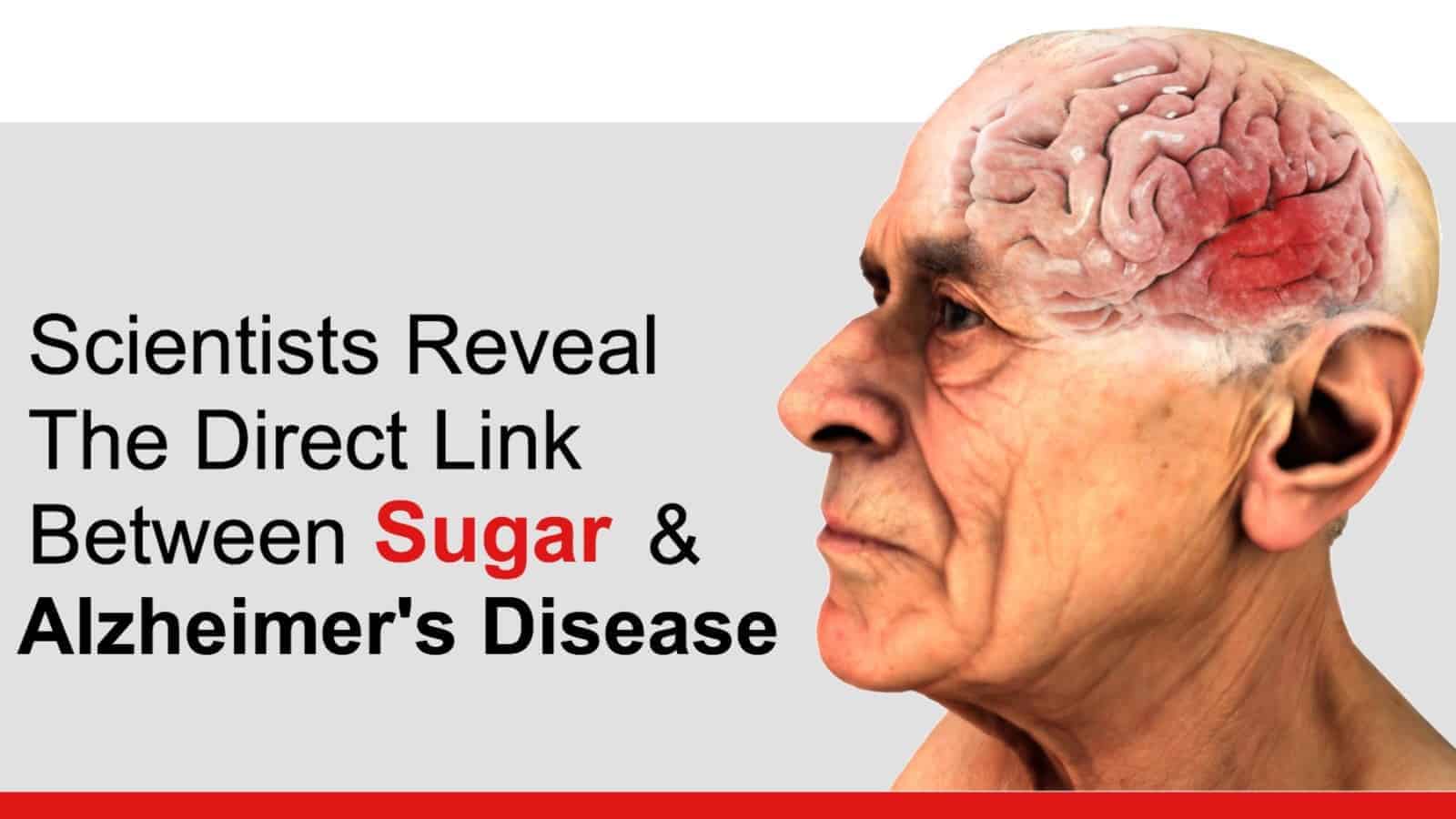
Most people are aware of the tragic outcomes of dementia, including Alzheimer’s, but most do not know that depression is one of the most common preclinical signs of the disease. Researchers from Brigham and Women’s Hospital in Boston, Massachusetts now say that a rise in anxiety symptoms may be an early sign of Alzheimer’s.

“Anxiety disorders are common across the United States, thought to affect around 40 million adults each year … as if these feelings of worry and fear aren’t enough to contend with, a new study suggests that older people who have worsening anxiety symptoms may be more likely to develop Alzheimer’s disease”, says Medical News Today.

The Degenerative Process of Dementia and Alzheimer’s

Cognitive impairments associated with dementia, otherwise known as the degenerative process, begin between 10 to 20 years before dementia symptoms surface.

As a reminder, here are the 10 early onset symptoms of dementia, including Alzheimer’s:

– Difficulty completing familiar tasks
– Difficulty determining time or place
– Difficulty finding the right words during conversation
– Difficulty making decisions
– Difficulty planning and solving problems
– Habitually misplacing things
– Memory loss
– Personality and mood changes
– Vision loss
– Withdrawal from work and social events

Here’s what the research says about the possible connection between Alzheimer’s and anxiety:

The Alzheimer’s Study

For a long time, researchers have been looking into psychiatric conditions that increase the risk of developing Alzheimer’s. Surprisingly, while studies have linked depression to increased risk of Alzheimer’s, relatively little research has been done for its symptoms.

Dr. Nancy Donovan, a geriatric psychiatrist from Brigham and Women’s Hospital, explains:

“Rather than just looking at depression as a (whole), we looked at specific symptoms such as anxiety. When compared to other symptoms of depression such as sadness or loss of interest, anxiety symptoms increased over time in those with higher amyloid beta levels in the brain.”

alzheimers

Amyloid beta, commonly referred to as beta-amyloid, is a protein found in the fatty membrane surrounding nerve cells. A “sticky” chemical substance, beta-amyloid tends to build up into a plaque progressively. Neurologically, it is thought that beta-amyloid obstructs nerve cell (neuron) firing, leading to the decline of cognitive functions.

According to Donovan and her colleagues, Alzheimer’s patients with higher than average beta-amyloid levels tend to experience an increase in anxiety symptoms.

Donovan’s study involves 270 healthy senior citizens between the ages of 62 and 90 years old. Throughout the five-year period, participants would routinely undergo positron emission tomography (PET) scans. PET scans are useful in determining the levels of substances within areas of the brain, including beta-amyloid.

In addition to the PET scans, each participant completed an annual mental health assessment. Researchers were looking for each subject’s self-rating across three primary depressive symptoms using a 30-item depression scale: anxiety, apathy-anhedonia (extremely low levels of motivation), and dysphoria (unease or dissatisfaction with life.)

The researchers discovered that participants with an increase in anxiety symptoms also tested for higher levels of beta-amyloid levels. The effect was not nearly as significant for other depressive symptoms.

In short, this new research shows that worsening anxiety symptoms can be an indicator of Alzheimer’s disease prior to the surfacing of cognitive impairment.

Implications

“If further research substantiates anxiety as an early indicator, it would be important for not only identifying people early on with the disease, but also, treating it and potentially slowing or preventing the disease process early on.” ~ Dr. Donovan

Currently, there is no cure for Alzheimer’s disease (or other types of dementia.) While more research must be done, Dr. Donovan believes that her study may eventually contribute to a cure. Many neurologists think that a cure for Alzheimer’s is within reach – with a possible breakthrough likely within the next five years.

However, prevention is always the best medicine, particularly for brain disorders such as dementia. Now, patients, physicians and caretakers possess convincing evidence that anxiety and depression are a frequent precursor to this devastating illness.

Increasing anxiety and depression levels – particularly among the elderly – should warrant serious caution. As mentioned, it is almost certain that depression is a catalyst for dementia. It is safe to assume that future studies will replicate Donovan’s – adding anxiety disorders and anxiety symptoms to this list as well.

https://youtu.be/CU2LlJxEdJ4

(C)Power of Positivity, LLC. All rights reserved
Sources:
https://newatlas.com/alzheimer-anxiety-early-onset-symptom/52964/
https://www.alz.org/braintour/plaques.asp
https://www.healthline.com/health/alzheimers-disease/signs-of-early-onset-alzheimers#3
https://www.medicalnewstoday.com/articles/320604.php
https://www.sciencealert.com/anxiety-early-manifestation-alzheimer-s-amyloid-beta

Doctors Explain The 4 Worst Types of Headaches (And How to Stop Them)

Do you know what causes common headaches? If not, you’re not alone.

The answer is somewhat complicated: nerves of your head muscles and blood vessels switch on and transmit pain signals to your brain. As to why these signals activate in the first place is perplexing to even the most brilliant minds.

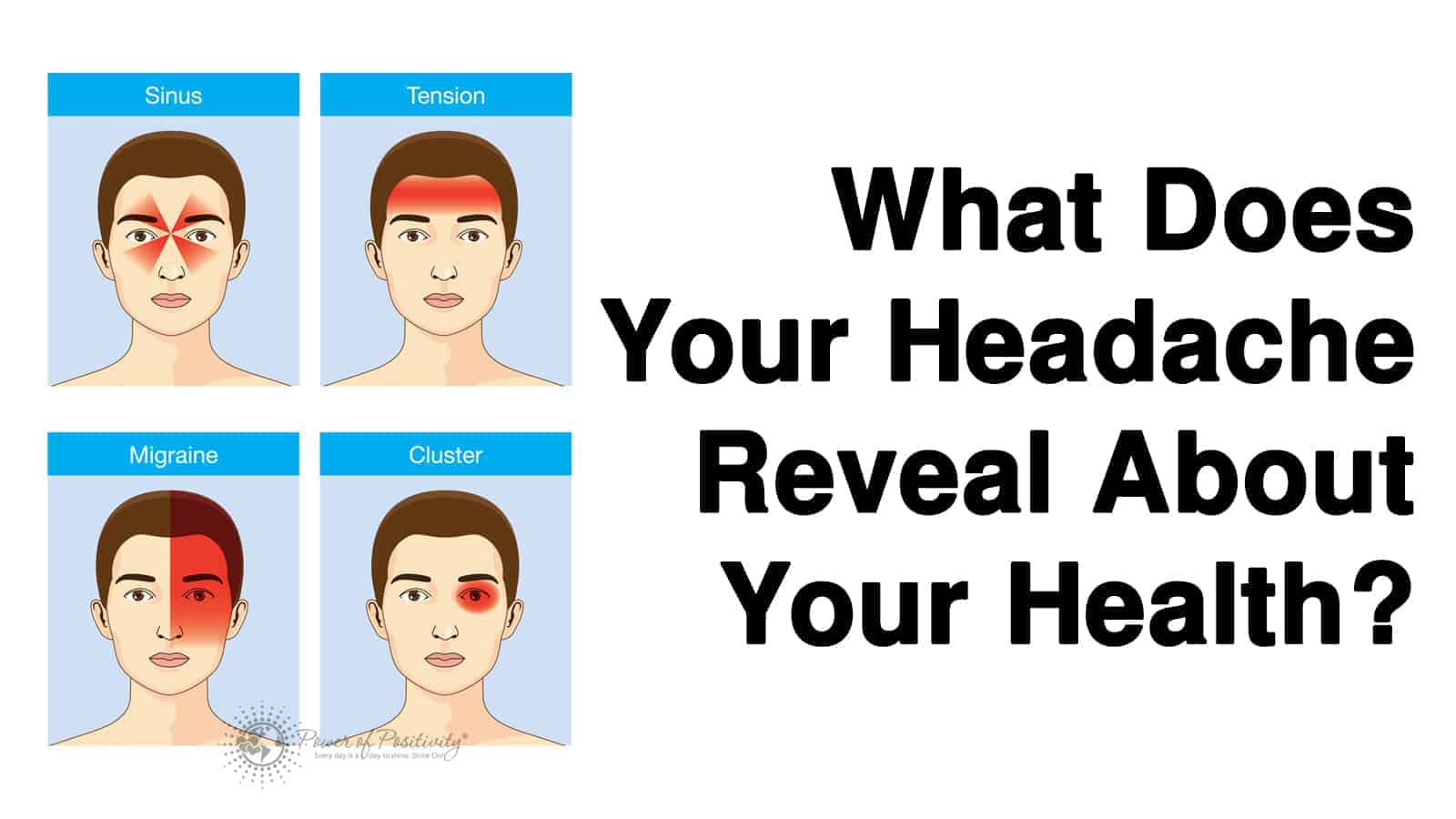
Most of us experience what is called tension-type headaches, which fall into one of two categories: chronic or episodic.

Episodic headaches are the most common and occur sporadically. About 90 percent of all headaches experienced are episodic. Episodic headaches last anywhere from 30 minutes to a few hours. Chronic headaches are more consistent, and occur most days, lasting for days at a time. Because of their frequency, chronic headaches usually require some pain management strategy.

And then some pains do not go away. This rare form of headache condition, which may last for years, is known as new daily persistent headache – and experts have no clue what causes it.

The most frequently experienced pain produces somewhat moderate discomfort, particularly compared to the conditions discussed in this article. Here, we will talk about the five most painful types of headaches, including their symptoms, causes, treatment, and prevention.

How Common Are Headaches?

home remedies for tension headaches

According to the World Health Organization, WHO, headaches are widespread, with almost everyone experiencing them at some point. If they happen often, it’s a sign of a headache disorder. The most prevalent type is the tension-type headache, affecting over a third of men and half of women in developed countries, with similar rates in developing nations. Some people even experience daily affliction.

Migraine is another common headache, affecting 1 in 7 adults globally. It’s less frequent in the Far East and is more common in women due to hormonal factors. Migraines often begin around puberty and are most common between ages 35 and 45. However, they can also impact children.

Headaches can severely impact one’s quality of life, causing pain and distress. Moreover, for some it may affect work and social interactions. Yet, many overlook their significance, including some healthcare professionals. This leads to an underestimation of the emotional, social, and economic impacts of headaches.

The good news is that most headache issues don’t require costly treatments or specialists. Proper care mainly involves recognizing the problem, accurate diagnosis, lifestyle changes, and using effective medications. Most headache treatments are best managed in primary healthcare settings.

Here are the worst types of headaches:

1. Cluster headaches

Cluster headaches may be the most painful headache condition. Estimated to affect one in 1,000 people, cluster headaches target one side of the head and are excruciatingly painful. The pain feels burning and piercing, often located behind or around one eye.

Symptoms of clusters include drooping eyelid (on one side), reddening of the eye, swelling, sweating, flushing, and nasal congestion.

Scientists believe that cluster headaches tend to run in families. Triggers of cluster headaches may include alcohol or strong scents (e.g., perfume, household cleaning items, gasoline.)

Treatment for cluster headaches is multifaceted and includes painkillers, nasal spray, and the administration of pure oxygen.

2. Migraine

Similar to cluster headaches, migraines commonly target one side of the head. The pain produced by migraines is often moderate to severe and is often characterized as a throbbing and pulsating ache. Migraine headaches generally last between two and 72 hours.

Symptoms of migraine headaches include nausea, vomiting, blurred vision, lightheadedness, and sensitivity to light. A migraine episode may be preceded by an aura or warning symptoms such as blind spots, light flashes, or tingling on one side of the face, arms, or legs.

Treatment for migraines includes painkillers, anti-nausea medications, and gluticosteroids. Prevention is essential for migraine sufferers who know how to avoid common triggers.

3. Allergy or Sinus headaches

Allergy and sinus headaches occur when cavities within the skull, called sinuses, become inflamed. Allergic reactions may spawn the familiar allergy or sinus pain. Pain is most often located in the front of the head and sinus areas.

Symptoms of allergy or sinus headache include runny nose, fever, swelling of the face, and green and yellowish nasal discharge. Sinus infections are likely to produce sinus headaches as well.

It’s worth noting that migraines are often misdiagnosed as sinus pain. Upwards of 90 percent of diagnosed sinus headaches are, in reality, migraines.

Treatment of allergy and sinus headaches involves nasal steroid sprays, antihistamines, over-the-counter (OTC) decongestants, and antibiotics.

4. Hypertension headaches

Chronic hypertension, or high blood pressure, may produce a hypertension headache. Pain is often moderate to severe and is usually located on both sides of the head.

Symptoms of hypertension include chest pain, vision changes, numbness or tingling of the hands or feet, and trouble breathing. Hypertension headaches arise from dangerously high blood pressure, which is a medical emergency. So please seek immediate medical attention.

Treatment of hypertension varies but generally involves something to monitor blood pressure. Your doctor might prescribe beta-blockers, medications that lower your blood pressure, to fix it. OTC pain medications may help to ease short-term pain.

headache

Final Thoughts: Prevention Is the Best Strategy

Most of us will only ever experience the common, tension-type described earlier. As it turns out, professional advice on preventing tension and migraine-type headaches is (surprisingly) very similar!

For acute and chronic headaches, mild and severe, the most critical advice is to avoid headache triggers, the most common being long-term stress, alcohol, excess caffeine intake, skipping meals, poor sleeping habits, and medication overuse.

Additionally, getting adequate sleep and exercising regularly is very beneficial.

(C)Power of Positivity, LLC. All rights reserved

Therapist Explains 5 Reasons Why It’s Okay To Not Be ‘Everything’ For Your Partner

When it comes to relationships, we can only do so much for our partner. We may want to be their “everything,” but relationship experts agree that trying to do that is only going to make the relationship more strained.

‘You are my everything’ is a lousy pop-song lyric and an even worse relationship plan. No one can be ‘everything’ to anyone. Create relationships outside The Relationship, or The Relationship isn’t going to work anymore,” adds couples therapist Matt Lundquist, LCSW.

After all, we never really know how much “everything” really is. It might just be too much for any one person to handle. It’s okay if you can’t be “everything” for your partner. After all, you only need to be one thing: and that’s yourself. Here are some of the reasons why it’s okay, and even healthy, not to be your partner’s “everything.”

Here Are 5 Reasons Why Its Okay To Not Be “Everything” For Your Partner

“No one can be ‘everything’ to anyone.” – Matt Lundquist

1. You might encourage bad habits

As far as relationships go, we can sometimes find people who enable us to continue down the wrong path. When you try to be your partner’s “everything,” that sometimes includes being their enabler. Not wanting to make your partner upset, or create tension in the relationship, can lead to you encouraging habits that they should be trying to stop. Try not to be the enabler in the relationship. You can be loving and caring while still standing strong on not allowing them to continue bad habits.

what ruins relationships

2. You need boundaries

According to Dr. Deborah Hecker, a relationship expert, boundaries are extremely important in relationships. People need to be able to keep their own individuality when it comes to a relationship. That’s why trying to be your partner’s “everything” can sometimes turn south. If you both start combining your personalities into one, you may find it difficult to exert boundaries when you need to. It’s important, and healthy, to exert boundaries during the early stages of the relationship. When you start doing it early, then you’ll be able to adjust them as the relationship grows together. Some boundaries might disappear entirely, while new ones can be added.

3. You can’t be their parent

When it comes to being your partner’s “everything,” that can sometimes mean that your roles become more like parent and child. According to Marina Edelman, a marriage and family therapist intern, this type of thing can occur after marriage, and especially after having children. This specific type of relationship issue often happens when one of the partners starts to “parent” the other, which leaves more responsibilities and stress to the “parent” partner. As much as you want to be, and do, everything for your partner, you also have to be able to be your own individual adults.

4. You both need friends outside of the relationship

Friendships are practically crucial for any relationship to survive! So many people tend to forget that their friends are still around, especially after getting into an intense relationship. An unhealthy marriage is one where you or your partner become isolated from outside relationships, like friends or family. Relationship experts all agree that maintaining outside friendships is important to keep a relationship last. You need to be able to have time away from your partner. Spending time with people outside the relationship will give you a healthy reality check and keep your relationship strong.

5. You deserve an equal relationship

When you start to be “everything” for your partner, things can become unbalanced. Your partner may start expecting things to be done for them, or they may start expecting the relationship to go a certain way. This can leave you feeling neglected, or that your needs aren’t getting met. Dr. Nicole Martinez, a psychologist and life coach, says that equality in a relationship allows for both partners to feel understood.

This creates more harmony, more willingness to express their thoughts and opinions, but also more willing to hear the other persons in return, as they know that each person’s thoughts and contributions will be of equal weight,” adds Dr. Martinez. When a relationship has uneven parts, or one partner expending more emotional labor than the other, things can become toxic or complicated.

Final thoughts

Being “everything” for your partner isn’t realistic. Even the most perfect and loving relationships can’t possibly provide everything. It’s okay if you can’t be that for your partner. It doesn’t mean that you don’t love them. In fact, it means that you know how to respect yourself and your partner enough to keep the relationship healthy and strong. Relationship experts agree that trying to be “everything” for your partner isn’t a realistic expectation for any relationship. It’s okay if you can only bring so much to the table in the relationship. On the contrary, it’s perfectly normal.

https://youtu.be/lO-TMrAyth4

(C)Power of Positivity, LLC. All rights reserved
References:
https://www.linkedin.com/pulse/boundaries-romantic-relationships-dr-deborah-hecker
https://www.rvcc-inc.org/poc/view_index.php?idx=119&d=1&w=1&e=40696
https://www.eharmony.com/dating-advice/dating-advice-for-you/relationship-not-balanced/
https://greatist.com/play/best-relationship-advice

Psychologists Explain 5 Ways To Let Go Of Toxic Relationships

“Losing will not always amount to a loss, sometimes you have to lose those toxic relationships and bad habits to create a space for better things.” – Gift Gugu Mona

Toxic relationships can be difficult to let go of. Many people get caught in a cycle of going back to relationships that are not good for them. This only creates a cycle of grief and hurt. There are ways to let go of toxic relationships.

Psychologists have worked with people who have had this problem enough to be able to write an entire handbook on the subject. Here is some key advice to letting go and freeing yourself from the grip of a toxic relationship.

new relationships

Here Are 5 Ways To Let Go Of Toxic Relationships

1. Recognize that it’s toxic

The very first step to freeing yourself from a toxic relationship is to admit to yourself that the relationship isn’t okay. You may notice the signs of a toxic relationship and try to justify them to yourself. If you notice that uncomfortable feeling in the back of your mind, it’s called ‘cognitive dissonance’, and it’s your brain trying to protect you from what you know is true.

Take note of the things in the relationship that make you feel this way. Accepting that your relationship is toxic is the first step. Before you can really be free, you have to be aware of all the things that are harming you.

toxic relationships

2. Don’t blame yourself

Relationships are a two-way street. Two people are participating in the relationship, which means that two people are participating in all of the disagreements, arguments, and behavior. You can’t take the blame fully on yourself. If you blame yourself for all of the problems in the relationship, you will find yourself going back to try and fix them. Recognize that sometimes, both parties are at fault for a toxic relationship.

Acknowledge your responsibilities – but only your responsibilities. You don’t need to be putting up with anyone else’s problems in a toxic relationship. When you’re not to blame, there’s no reason to hoist it on yourself.

3. Cut off contact

Cutting off contact is one of the best things that you can do when trying to let go of the toxic relationship. Keeping in contact is only going to make letting go harder. This includes checking up on toxic people who are no longer in your life. Resist scrolling through their social media or asking your mutual friends how they’re doing.

According to Sarah Newman, M.A, you should always follow your gut when it comes to cutting people out of your life. Even though it may sound extreme, Newman advises loosening the ties when it comes to a toxic relationship. In order to move on, you need to be in a place where you’re able to feel neutral about the lack of contact, rather than pain.

raise your standards

4. Find closure

Mariana Bockarova, Ph.D., says that closure is one of the best things for moving on from a broken and toxic relationship. Bockarova acknowledges that closure can help people reconstruct their entire lives in a healthy and productive manner. Finding closure is one way to help you let go of a toxic relationship.

For a lot of people, closure comes from within and recognizing all the ways that the relationship went wrong in the first place. For others, writing one final letter or having the other person acknowledge their toxicity can bring closure. Whatever it is, closure is important for moving on.

5. Use your support system

The most important thing in leaving any toxic relationship and letting it go is having someone there to catch you if you fall. Letting go of toxic relationships can be jarring, especially if they’re long-term. Get together with friends and family who can help support you during the more difficult times.

They can also help keep you accountable when it comes to not checking up people that you have already cut off. Support systems are invaluable when it comes to letting go of toxic relationships. Don’t be afraid to reach out to the people who love you most.

Final thoughts

Once you know the signs of a toxic relationship, the next step is letting it go. If you’re having trouble letting go of a toxic relationship, these are the ways that psychologists have found work best for all kinds of people, and all kinds of toxic relationships. Whether these are romantic, platonic or familial, letting go is a process.

Skip to content