Weekly tips, affirmations, and small actions to feel your best.

5 Things To Never Feel Bad About Doing Alone In a Relationship

During the honeymoon stage of a relationship, all you want to do is hang out with your partner – all the time. You sleep together, you eat together, and you go everywhere together. But once you start to get comfortable, things can change. Even when you have a significant other such as a spouse or life partner, you can be alone without doing everything together.

Some people may feel bad if they enjoy an activity without their partner around. You can be assured that there are plenty of things that you can (and even should) do without your partner. What is more, you don’t have to feel bad about it! Here are some of the things you can do without your partner (that you should never feel guilty about).

Here Are 5 Things To Never Feel Bad About Doing Alone In a Relationship

“Being alone and actually sitting with our own thoughts can lead to such growth and realizations that are rare in our everyday busy lives.” – Kourtney Kardashian

1. Sleep alone

Many people get defensive over the idea of sleeping without their partner by their side. But sometimes, two people just aren’t compatible when it comes to sleeping arrangements. Some people toss and turn, while others tend to be blanket hogs or they “starfish” across the bed. If you’re not getting enough sleep at night, you shouldn’t feel bad about sleeping alone. Having a guest room is perfect for sneaking away to have the bed to yourself. After all, getting enough sleep is important for an overall healthy body, so you should never feel bad about putting your health first.

2. Watch a movie

For some people, watching a movie is a couple’s activity. The truth is, there’s no reason you should deny yourself the joy of going out to see a movie just because your partner doesn’t want to go. It’s a good idea to have some alone time when you need it, even when you have a partner or spouse. Going out to a movie alone isn’t that big of a deal. Maybe you and your partner have different tastes in movies and can’t decide on what to see. That’s okay! It’s totally normal to go see a movie by yourself.

3. Exercise

Are you a fan of your partner seeing you at your lowest and sweatiest? Didn’t think so. Exercising isn’t a lot of fun for most people. Performing this strenuous activity alongside your partner can just be awkward, or downright uncomfortable. It’s okay if you’re more of a jog-alone kind of person. Or maybe you like to use your exercise time to zone out and let your thoughts go. Some people feel about exercise the way they feel about meditation: it is a one-person activity. There’s no reason to feel bad about hitting the gym on your own or jogging around the block without your partner. Exercising alone is something everyone can do without their partner and shouldn’t feel bad about it.
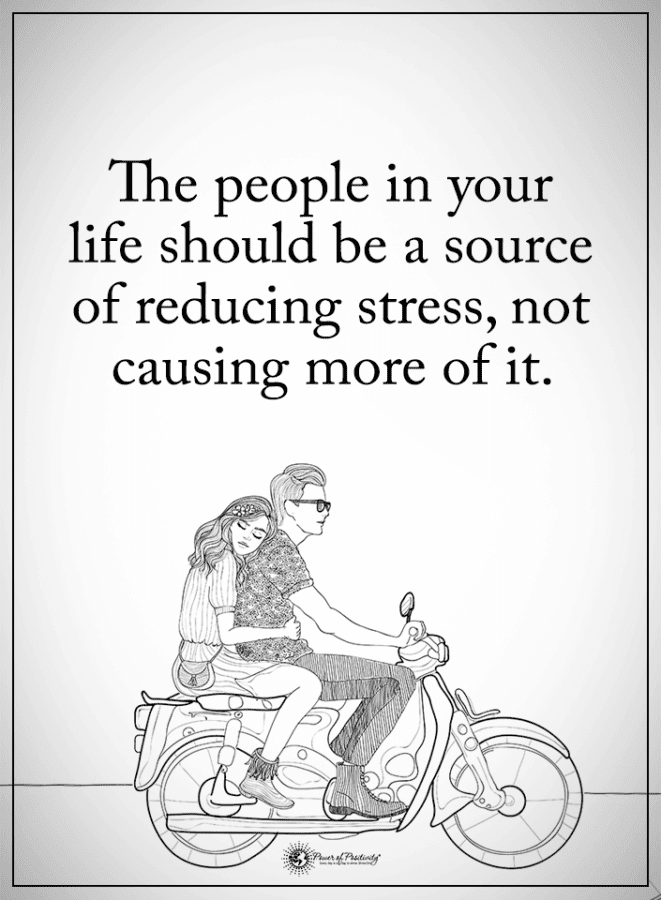
relationship quote

4. Go out with friends

Dallan Flake, a sociologist at BYU, believes that it’s extremely important for people in relationships to have friends outside of the partnership. In fact, Flake even says that it is unrealistic to expect your partner to be able to be “everything” that you needed. Friendship is an important part of relationships. Going out with your friends – even without your partner – gives you both a needed break and gives you varied socialization that will be sure to keep you happy. You should never feel bad about going out with your friends – in fact, it’s highly encouraged!

5. Travel

Need a vacation? Maybe you want to visit friends or family that live a few states over. Traveling by yourself is something that many partnered people tend not to do. After all, isn’t traveling with your partner twice the fun? Sure, taking vacations together can be a great way to spark the romance, but traveling alone has its benefits too. It’s okay to plan a weekend getaway alone every now and again. Everyone needs time on their own, and traveling is one of the great ways to get that necessary time. Don’t feel bad about planning a trip away from your partner. You’ll both enjoy the time alone. What is more, you will both be excited to see each other at the end of the trip.

Final thoughts

Doing things alone is a great way to keep your independence, establish your boundaries, and keep a relationship from becoming stagnant. Of course, you and your partner likely enjoy doing many things together. And that’s great! At the same time, there are many things that can be done alone. No one should have to feel bad about seeking out some alone time away from their partner.

Prevent A Stroke: 15 Stroke Symptoms to Never Ignore

Per Science Daily, around 80 percent of all strokes are preventable. As is the case with every other preventable medical condition, awareness is the key. It is also critical to understand that women often have different stroke symptoms than men, a fact which may help explain why a disproportionate number of female stroke cases are fatal.

The brain is an extremely complex organ that controls various body functions. If a stroke occurs and blood flow can’t reach the region that controls a particular body function, that part of the body won’t work as it should. ~ The American Stroke Association

Stroke is the third most common cause of death among women – fifth in the overall population – and a leading cause of disability in the United States. A stroke occurs when a blood vessel carrying oxygen and nutrients to the brain either bursts or is obstructed from a blood clot. When this happens, parts of the brain cannot receive the necessary oxygen – and cells begin to die.

There are three types of stroke: ischemic stroke, hemorrhagic stroke, or a transient ischemic attack (TIA). Ischemic stroke is caused by a blood clot; hemorrhagic stroke occurs as the result of blood vessel rupture, and TIA happens where there’s a temporary clot blocking the normal flow of blood to one or more brain regions. TIA is often referred to as a “mini-stroke” – but is nonetheless very dangerous as it can progress into a full-blown case.


Here are 15 possible stroke symptoms never to ignore:

1. Autoimmune Disease

Researchers from Spain found that women are more likely to suffer from an autoimmune disease that raises the risk of cardiovascular disease and stroke. Inflammation of the brain’s blood vessels may be the reason, according to the study.

2. Mental Health Problems

The link between mental health problems and stroke isn’t yet clear. However, researchers from Harvard University have found a correlation between heightened amygdala activity and a higher risk of stroke.

3. Irregular Heartbeat

The heart, of course, is responsible for delivering oxygen-rich blood to every organ of the body. Irregular heartbeat, also known as heart palpitations, correlate with a higher risk of stroke. The Stroke Foundation of Australia specifies atrial fibrillation – a related condition – as a risk factor for stroke.

4. Premature Menopause or Menstruation

As stated, women experience stroke disproportionate to their population numbers – and hormones are a big reason why this is. Research states that either menstruation before age 10 and menopause before age 45 may be tied to increasing stroke risk.

5. Hallucinations

Vision changes are a universal sign of stroke. Women are more prone to report these disturbances as hallucinations. Regardless, if you see something that your logical brain knows isn’t there, call 9-1-1.

6. Behavioral Changes

Per the University of Michigan, women are more likely to experience a shift in mental state – and less likely to report it. This is a problem, as some stroke types target areas of the brain responsible for personality. Talk to a doctor about changes in mood – it may save your life.

7. Fainting

stroke

The brain’s consciousness center lies atop the brainstem. As a result, cutting blood flow to this region of the brain can result in fainting. Furthermore, women are more likely to suffer strokes to this part of the brain than are men. So don’t downplay any loss of consciousness – talk to your doctor.

8. Use of Birth Control Pills or HRT

Hormone replacement therapy (HRT) and birth control pills raise the likelihood of stroke. According to the American Stroke Association, ‘the pill’ can double your chances of stroke. Make sure your doc is affirming healthy blood pressure levels before prescribing either treatment!

9. Slurred Speech

Okay, so both men and women report this one. Slurred speech is a telltale sign that something is amiss with your noggin (provided you’re sober!) Don’t mess around. Call 9-1-1.

10. Sudden Prolonged Numbness

The limbs send signals to the brain – and vice-versa – which creates the sensation of touch. If you all of a sudden are experiencing severe, unexpected, and lengthy numb sessions, something is almost certainly wrong.

11. Nausea or Vomiting

Brain blood vessels that are swollen can create pressure in the cerebellum and cause bouts of nausea or vomiting. Hemorrhage-type strokes are also known to produce both symptoms. If nausea or vomiting are accompanied by any other sign on this list, do yourself a favor and talk to your doc.

12. Difficulty Breathing

Any, we repeat any, problems with breathing are a medical emergency – period. There may be any number of reasons why you can’t breathe, and all of them require a trip to the ER.

13. History of Miscarriages

Back to women-only symptoms. “The clotting factors increase the risk of developing clots in the heart or in the blood vessels of the brain, both of which can lead to stroke,” says Wake Forest University Professor of neurology and neurosurgery, Dr. Cheryl Bushnell.

14. Hormonal Imbalances

Low DHEA levels may reflect some relatively-minor underlying problem, but this hormone affects others too. Low levels of DHEA, in particular, are tied to increased risk of stroke.

15. Aura Migraines

Migraines, especially with visual disturbances (auras), are a proven risk factor for stroke. These vicious headaches cause the constriction of blood vessels, which may affect the oxygen supply to the brain.

Preventing Stroke

Stroke is a possibly fatal medical emergency. Those that survive the ordeal often face months – if not years – of rehabilitation to recover loss of function.

The lesson? Prevention is always the best medicine, especially for a condition as serious as a stroke. With this in mind, here are seven preventative measures courtesy of Harvard Medical School:

– Get regular exercise
– Lose some weight
– Monitor your blood pressure
– Drink alcohol in moderation
– Treat atrial fibrillation (a form of irregular heartbeat)
– Watch your sugar intake
– Quit smoking

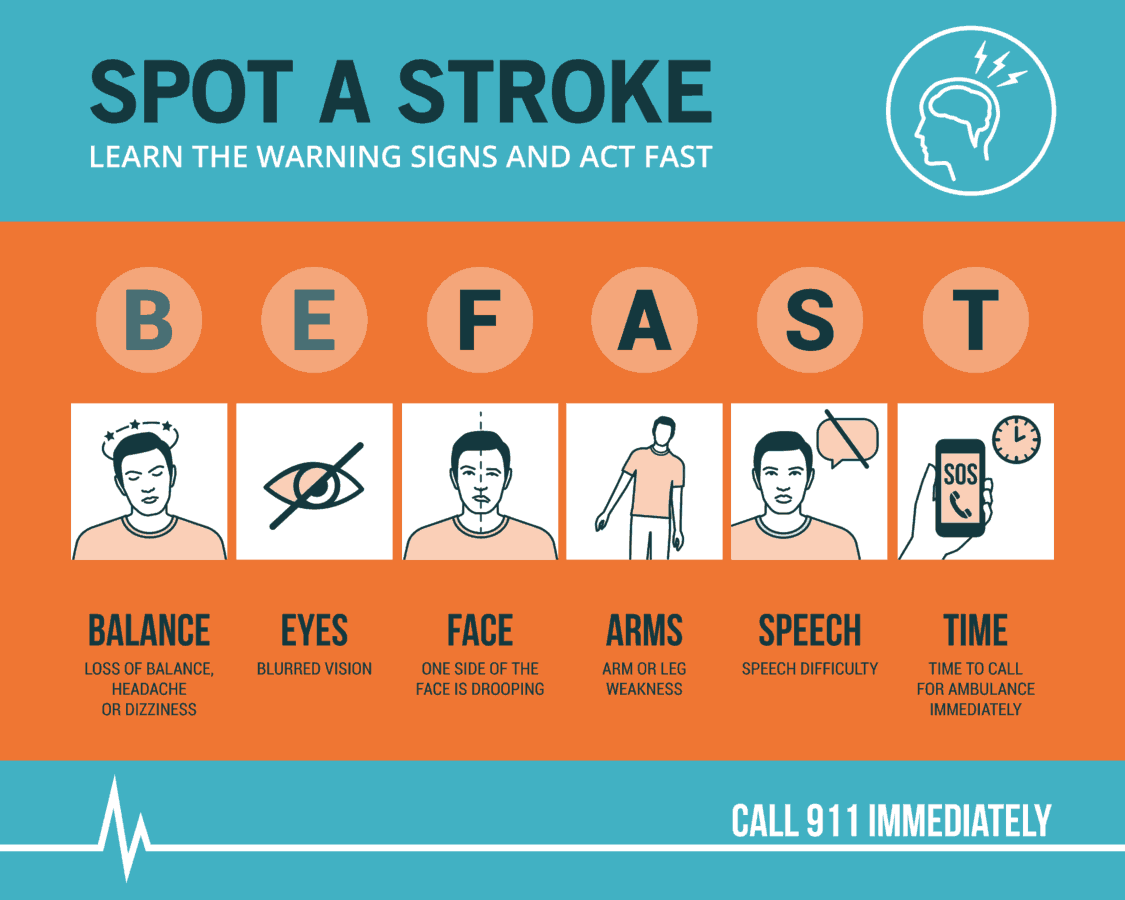
The National Stroke Association explains the ‘F-A-S-T’ technique for identifying a possible stroke:

– (F)ace: Does one side of the face droop?
– (A)rms: Lift both arms above your head. Does one arm involuntarily drift downwards?
– (S)peech: Is it challenging to speak? Are you slurring your words?
– (T)ime: Call emergency services right away if you or someone else notice one or more of these signs.

https://youtu.be/7BNGVmwxoHI

(C)Power of Positivity, LLC. All rights reserved
Sources:
http://www.strokeassociation.org/STROKEORG/AboutStroke/About-Stroke_UCM_308529_SubHomePage.jsp
https://strokefoundation.org.au/About-Stroke/Preventing-stroke/Stroke-risk-factors/Irregular-pulse-atrial-fibrillation
https://www.health.harvard.edu/womens-health/8-things-you-can-do-to-prevent-a-stroke
https://www.medicaldaily.com/strokes-fifth-leading-cause-death-are-mostly-preventable-what-do-417944
https://www.rd.com/health/conditions/stroke-symptoms-in-women/

Scientists Explain What Happens to Your Body When You Eat Mint Every Day

“These plants are particularly known for the cooling sensation they impart. They can be added to foods in both fresh and dried forms.” – Keith Pearson

People are always trying to find new and inventive ways to improve their health. Sometimes, though, some of the best things for our bodies have been right in front of our faces the entire time. Plants have been used for a long time to help improve our health, and they’re a simple and natural way to heal our bodies. “Mint” doesn’t describe just one type of plant.

In fact, mint is the name of a few different species of plants, though most people know about peppermint plants. Mint isn’t just used to flavor candies or other foods. Science has proven that mint has plenty of health benefits for your body. Like most plants, mint is usually used in different kinds of foods or products. When used, mint can be incredibly beneficial. Here are some of the best ways that you can use mint to help your body stay healthy.

Here Are 5 Impressive Benefits Of Mint For Your Health

1. Relieves indigestion

There’s a reason that things like GasX come in “mint” flavor! Mint has benefits for digestive problems like upset stomach and indigestion. If you have some issues with indigestion, you could try taking peppermint oil with your meals. Studies have shown that people who use peppermint oil to treat indigestion have improvements due to the food passing more quickly through the digestive tract.

According to a group of scientists, “This study showed that peppermint oil enhances gastric emptying, suggesting the potential use of peppermint oil in clinical settings for patients with functional gastrointestinal disorders.

Next time you have indigestion, try using some peppermint oil to help out.

2. Lessens cold symptoms

Getting the common cold is one of the most annoying illnesses. It’s not particularly serious, but the symptoms can make you feel exhausted and poor for a few days. However, one of the most common cold treatments, menthol, can be found in peppermint oil. It may not make your cold shorter, but it can definitely help lessen the symptoms. Especially for a stuffed-up nose, menthol can make breathing a lot easier.

Menthol has no effect on objective measures of flow but significantly increases the perception of nasal patency,” states a study on National Center for Biotechnology Information. Next time you have a cold and have trouble breathing, make sure to get some over-the-counter menthol to help you breathe easy.

foods

3. Adds nutrients to your diet

Eating healthy can do wonders for your body. Thankfully, adding some mint to your diet can also have the same effect. Usually, you don’t want to eat mint in large servings. However, when adding small quantities of mint into your recipes, you can get a burst of added nutrients that you wouldn’t get otherwise.

Mint is a particularly good source of vitamin A, a fat-soluble vitamin that is critical for eye health and night vision. It is also a potent source of antioxidants, especially when compared to other herbs and spices,” says registered dietician Dr. Keith Pearson.

Tea with mint in it can be a great way to get mint in your body and enjoy those health benefits.

4. Improves brain function

Staying healthy is about more than just our bodies. We need to take care of our brains just as much as we take care of our physical health. While eating and drinking mint is good for our health, so is inhaling mint, especially in the form of peppermint oil. One study showed that inhaling the aroma of peppermint oil is good for memory.

Mint can also help reduce anxiety, which is another part of keeping your brain healthy. The next time you’re thinking of picking up some aromas, try some peppermint oil to help improve your brain function and keep the stress at bay.

5. Improves IBS

IBS stands for Irritable Bowel Syndrome, a pretty common disorder in the digestive tract. It can cause constipation, diarrhea, bloating, indigestion, and stomach cramps. It’s not fun, and most people try their hardest to control it. However, mint has been shown to help improve the symptoms of IBS in some patients.

A group of scientists have concluded that, “A 4 weeks treatment with peppermint oil improves abdominal symptoms in patients with irritable bowel syndrome.

For IBS, change in diet is usually the first thing people turn to in order to manage the symptoms. While mint won’t cure IBS, it has been shown to help relieve the symptoms due to the relaxing of the digestive tract. If you have IBS and suffer from uncomfortable symptoms, try some peppermint tea to see if it will help.

Final thoughts

Science has found that mint is incredibly good for our bodies. It can do so much for our digestive tract, add nutrients to our bodies, and help our brains function at 100%. There are plenty of ways to use mint in your recipes, in your drinks, or just using its aroma to help your body and boost your health.

https://youtu.be/dDn84WupgBA

(C)Power of Positivity, LLC. All rights reserved
References:
https://www.ncbi.nlm.nih.gov/pubmed/17653649
https://www.ncbi.nlm.nih.gov/pubmed/18435479
https://www.healthline.com/nutrition/mint-benefits#section1
https://www.ncbi.nlm.nih.gov/pubmed/18041606
https://www.ncbi.nlm.nih.gov/pubmed/17420159

Researchers Reveal The Three Keys to Happiness

“The happiness of your life depends upon the quality of your thoughts: therefore, guard accordingly, and take care that you entertain no notions unsuitable to virtue and reasonable nature.” ~ Marcus Aurelius

Here are a few scientifically-valid facts about happiness:

1. Money doesn’t contribute much to happiness once basic needs are met. (There are numerous studies on this.)

2. Consumerism and materialism are associated with higher feelings of loneliness and unhappiness. (The U.S. is experiencing relative prosperity, yet doesn’t crack the top 10 in the ‘World Happiness Index.’)

3. Physical health directly correlates with a positive outlook and subjective happiness.

So what are those keys? We’re glad you asked:

1. Do What You Love…Even If It’s Just ‘Part-Time’

“…And you’ll never have to work another day in your life.” Cliche? Yes. True? Absolutely!

We spend roughly half of our waking hours at work. We’ve all got to make a living, so why not do so doing something that you love? (Or at the very least, something you can tolerate.) A big reason why this is the case is that we’ve come to embrace this notion that work and a sense of drudgery are two peas in a pod. This is ridiculous, of course, but there you have it.

job

Studies of the world’s happiest people (and often most successful, at least financially) have one defining characteristic: they love their jobs. Speaking of jobs, it was Mr. Steve Jobs – in his infamous commencement speech at Stanford University who said:

“Your work is going to fill a large part of your life, and the only way to be truly satisfied is to do what you believe is great work. And the only way to do great work is to love what you do. If you haven’t found it yet, keep looking. Don’t settle.”

If you aren’t up to a career change, do what you love outside of the workplace! Your life will be much happier as a result.

2. Prioritize Your Relationships

It is unfortunate that some people become so infatuated with their ambitions and goals that they all but forget about those who love them. If we are completely honest with ourselves, we can acknowledge that we have – at some point or another – placed self-interest above the interests of others.

It is human nature to dream, strive, and do – but at what cost? You’ve probably heard some variant of the “deathbed story” where the bedridden person confesses that they wished they had made time for loved ones. Perhaps the reason why this old fable remains widely known is that there’s a surprising (or unsurprising?) element of truth.

Dr. Robert Waldinger, a psychiatrist and the director of the Harvard Study of Adult Development (a 79-year study) says “Good relationships keep us happier and healthier … Our study has shown that the people who fared the best were the people who leaned into relationships with family, with friends, with community.”

3. Get Out In Nature

Dr. Stephen Kaplan, a professor of electrical engineering and computer science and a psychologist, along with his wife Rachel, a professor of environment and behavior at the University of Michigan, began his quest to study happiness “decades ago during the horror that followed the assassination of President John F. Kennedy.”

The husband and wife conduct a simple study wherever they go: they show people pictures of nature and then pictures of urban settings. They then ask people to rate how much they liked each photograph. “With a single exception, every single nature picture was preferred over every single urban picture,” explain Dr. Kaplan, “the only exception was an urban park.”

After years of research, the duo concludes that human beings have an inextricable – some would say spiritual – connection with nature. Kaplan illustrates these findings using an example from a study involving cancer patients, “The first thing (the cancer patients) wanted to do when they got their diagnosis was take a ride in the country.”

So do yourself a favor and “go play outside” whenever you can!

(C)Power of Positivity, LLC. All rights reserved
Sources:
http://time.com/money/5157625/ideal-income-study/
https://abcnews.go.com/Technology/story?id=99650&page=1
https://news.harvard.edu/gazette/story/2017/04/over-nearly-80-years-harvard-study-has-been-showing-how-to-live-a-healthy-and-happy-life/
https://www.lifehack.org/366451/3-keys-happiness
https://www.sciencealert.com/the-world-happiness-index-2016-just-ranked-the-happiest-countries-on-earth

Psychology Explains 5 Ways to Control Your Emotions in an Argument

Arguments can get heated, and it can happen quickly. Within moments, a slight disagreement can turn into a nasty argument. Usually, this is because the emotional states of those involved begin to heighten. You want to be able to control your emotions during any situation, but most importantly during an argument. Not only will controlling your emotions in an argument make you seem more clear-headed and knowledgeable, but it will also help keep the argument from getting out of hand. Here are some of the best ways to control your emotions when a discussion starts getting heated.

Here Are 5 Ways to Control Your Emotions in an Argument

“It’s amazing how issues of hurt feelings or differences can be resolved with a whisper. I counsel couples who are yellers to only communicate with a whisper and it greatly reduces the anger factor in their relationships.” – Barton Goldsmith, Ph.D

1. Don’t react immediately

Even in an argument (perhaps especially in an argument), you should try to take a step back. Take a breath, relax those tense muscles, and try to look at the situation from a calmer or more objective point of view. Dr. Carmen Harra, a clinical psychologist, believes that staving off your immediate reaction is one of the first steps to being able to control your emotions. This is especially relevant during an argument.

Taking the time to breath and center yourself will allow you to react in a calmer and more appropriate manner. Reacting right away can lead to saying things you would otherwise regret if you weren’t in a highly emotional state of mind.

2. Keep breathing

Purposeful breathing will help to take you out of the immediate situation and put you back in your body. Many people use breathing techniques as a way to control anxiety and panic attacks, therefore it’s no wonder that breathing can also be used to manage your emotions in an argument. Breathing is a technique known as “mindfulness,” which is used to keep you in your mind. It assists in keeping you centered.

You don’t have to breathe mindfully for a long time. In fact, just breathing in for a count of five, and out for a count of seven will be enough to calm you down. In addition, breathing can help make sure you don’t react immediately, and it will keep you focused on the more important issues at hand.

3. Keep your voice lowlife quote

Raising your voice can be a gateway to losing control of your emotions in an argument. If you know that you tend to yell when you’re upset, try focusing on keeping your voice low and even. This will force you to keep your mind on what you’re saying and how you’re feeling, rather than letting your emotions control the volume of your voice.

Keeping your cool during an argument is all about being mindful of your emotions and body. Barton Goldsmith Ph.D states that many arguments which often result in raised voices and yelling can be resolved much more easily by whispering.

4. Take a break

When all else fails, it’s time to take a break. Emotions in an argument can get high, even when we’re doing our best to control them. If you feel your emotions starting to get out of control, the most responsible thing to do would be to call a timeout on the discussion. Allow yourself time to sit back, recognize your emotions, and process them.

Never feel that you have to sit and go back and forth in an argument until it’s completely resolved. In fact, taking a break and allowing both parties time to relax and de-stress serves as a major factor in being able to better control your emotions during an argument.

4. Focus on the matter at hand

How many times have you been in an argument and suddenly started getting upset about things that have happened previously? Or gotten into an argument where someone else began to bring up things that you thought were ancient history?

Bringing in these additional (and unnecessary) issues as firepower is a sure way for both people to lose control. To combat this, you want to focus entirely on the argument at hand. Don’t allow yourself to bring up other things that will only feed your negative emotions. Stay focused on what’s happening in front of you.

Final thoughts on controlling your emotions

It doesn’t take much to develop out-of-control emotions in an argument. This doesn’t mean that you’re a weak person. Rather, it means that you simply need more practice controlling your emotions. The above methods are the best ways to get control of your emotions even in the midst of a challenging argument. Psychologist and counselors agree that these methods will help anyone stay in control when a discussion is about to turn ugly, and therefore find solutions more quickly and with far less drama.

https://youtu.be/S9tFe0Zswaw

(C)Power of Positivity, LLC. All rights reserved
Sources:
https://www.huffingtonpost.com/dr-carmen-harra/controlling-your-emotions_b_3654326.html
https://www.psychologytoday.com/us/blog/emotional-fitness/200908/top-10-tools-avoid-ugly-arguments

10 Behaviors That Reveal Someone is a Monkey Brancher

If you’ve ever gone to the zoo or watched a nature program, you’ve seen the way monkeys swing from tree branch to tree branch. Oftentimes, they seem to fly through the air without ever setting foot on the ground.

This behavior can also describe a specific type of serial monogamist: “Monkey Branchers.” They often go from one relationship to the next without giving themselves time to “hit the ground.”

These types of people generally exhibit telling behaviors that set them apart. If you think your partner might be a “monkey,” look out for the following behaviors.

love

Here Are 5 Behaviors That Reveal Your Partner Is A Monkey Brancher

“Some people treat relationship as a video game; they play them, and when they get bored – they cheat.” – Anonymous

1. They have a long line of ex-partners

There is no “good” or “bad” number for having former relationship partners. However, you gain insight into whether someone has a problem with “monkey branching” by considering the total number of relationships (and the length of time between each one).

Serial monogamists tend to have a long line of exes, with very little time between each partner. If your partner can’t remember the last time they were single, they might tend to hop from one relationship to the next.

love quote

2. They’re constantly flirting

A part of monkey branching is flirting with other people while they’re still in a relationship. They want to feel free to swing from one branch to the next. That is to say, they want to move from one relationship directly into another.

If your partner frequently flirts with words or gestures, you might want to watch how seriously they’re flirting with other people. They may be preparing to swing from your relationship to another without giving you any other warning signs.

3. You definitely won’t be meeting their friends

Monkey branchers date so many people and change partners so quickly, they tend not to introduce their new partners to their friends. It will always be just the two of you when you hang out. If you express interest in meeting their friends, they always have an excuse for not meeting them. If you’re dating someone who doesn’t express any interest in introducing you to their friends, you want to be on the lookout for other behaviors of a monkey brancher.

4. They don’t want to meet your friends

For the most part, a monkey brancher is only interested in going from relationship to relationship. They’re always chasing the next “romantic high,” so they won’t put much effort into making the relationship long-lasting. This means you might have difficulty getting them to meet your friends. Meeting friends is a big step in many relationships, and a monkey brancher isn’t equipped to deal with serious commitments.

5. They don’t seem to have boundaries

On the first date, they’re already excited to get the relationship moving. This is because they just ended a relationship or are ready to use you as a “branch” to leave their current one. Most likely, this person may try to rush into the more severe and physical aspects of a relationship right away. Their boundaries tend to be few, and they will have trouble respecting yours.

If it feels like the beginning of your relationship moved too quickly, you’re probably dating a monkey brancher. Andrea Mathews, a licensed professional counselor, suggests that many of us have been taught guilt by overexerting our boundaries. This could be why monkey branchers have such an easy time rolling over other people’s boundaries.

6. They are evasive about past relationships

Monkey branchers usually gloss over their past relationships when asked. This is because they seldom have a healthy or long-lasting relationship that they can proudly discuss. They tend to rush from one partner to another, leaving them with no substantial relationship history to share. So, if your partner is elusive when it comes to discussing their past relationships, they could potentially be a monkey brancher.

breakup

7. Their social media profiles are filled with potential partners

A sign that your partner could be a monkey brancher is if their social media profiles are filled with potential romantic interests. They might regularly interact with these people and seem to maintain an active presence on their profiles. This constant engagement with others on social platforms can be seen as laying the groundwork for future relationships.

8. They seem uninterested in personal growth within the relationship

Monkey branchers are often not invested in the emotional depth and personal growth that a relationship can offer. They are more interested in the excitement of a new romance than in the work required to grow and mature within a relationship. They might shirk deep conversations about feelings or future plans, showing a lack of interest in understanding you on a deeper level.

9. They are always looking for something better

Monkey branchers typically have a restless spirit. They constantly compare their current situation with potential opportunities, giving the impression that they are never satisfied. They might frequently express discontent about their current relationship and daydream about an idealized version of love, often showing a lack of commitment and contentment.

10. Their relationship history features overlapping dates

One crucial sign of a monkey brancher is that they have a history of relationships that overlap. They may admit to having started a relationship before fully ending the previous one, or other clues may suggest this. If your partner’s romantic timelines don’t add up, they might be prone to monkey branching. This means they ensure they have another relationship to swing to before they let go of the current one.

toxic love

Final Thoughts on the Actions of a Monkey Brancher

You don’t want to be caught in a relationship with a monkey brancher. The problem is, most people fail to recognize a term exists for people like this. Watch these signs if you notice something that seems a little off about your partner’s behavior. You will soon know if your partner tends to “swing” from one relationship to the next, often before their current relationship ends. Cutting and running is probably better if you suspect your partner is a monkey brancher!

Experts Reveal 7 Reasons People Under 25 Lose Their Hair Earlier

In a study of 4,000 students conducted by Tsinghua University in Beijing … almost 60 percent of respondents suffered from hair loss to some degree. They estimate that one out of every four men will begin balding by age 30; people are losing their hair from the age of 21, and those with the condition notice an obvious loss of hair by the age of 24 or 25.

What in the heck is going on?

“My feeling is that this generation is losing its hair sooner than previous generations,” says Dr. Fu Lanqin, a dermatologist at the Peking Union Medical College Hospital in Beijing, China.

But this isn’t just a China problem – it’s a global one. (Asians tend to lose their hair at a later age than Caucasians.)

Here are seven reasons why people under the age of 25 experience premature hair loss:

1. Hereditary hair loss

Hereditary-pattern baldness (HPD) is, by far, the most commonly discussed reason for hair loss. Per Harvard Medical School, HPD “is a natural condition caused by some combination of genetics, hormone levels, and the aging process.”

Something that should grab your attention about Harvard’s description about a genetically-related condition is the other reasons for hair loss aside from genetics!

HPD is a perfect example of the conundrum that is balding and hair loss. Such an enigma has resulted in a ferocious push by doctors and companies (cha-ching!) to find a “once and for all” cure for hair loss – if such a thing indeed exists.

2. Stress

Stress from work or study is thought to contribute significantly to hair loss in China. The pressure on young people to study, work and compete in a challenging global economy can have a serious long-term effect on stress levels, according to a research study in the United Kingdom.

Compounding the stress/hair loss problem is the stress-related disorder called Trichotillomania, a recognized medical condition whereby individuals pull strands of hair when under pressure.

3. Diet

When you don’t get the necessary vitamins and minerals from your diet or supplements, hair loss can result. Also, a poor diet and rapid weight loss may lead to balding. Other dietary reasons for hair loss include not getting enough protein, and the eating disorders anorexia and bulimia.

“Eat a well-balanced diet” is a mantra that has been repeated over and over and over … but doing so may just help keep more of that precious hair on your head. So, on that note, make sure to eat plenty of whole grains, fresh fruits, and vegetables.

care for your body

4. Prescription Medication

Various prescription drugs list loss of hair as one of its potential side effects. Medications thought to cause hair loss include: antidepressants, blood thinners, and beta blockers. Birth control medications may instigate hair loss, as well as vitamin A supplements. Certain medicines for the conditions arthritis, gout, and heart disease may also contribute to hair loss.

If you’ve noticed considerable hair loss after being prescribed any of these medicines, consult with your doctor about a possible replacement. If possible, consider gradual withdrawal from the drug or supplement (it’s advisable to wean off of prescription medications only under medical supervision due to the side effects.)

5. Immune Problems

Immune problems, such as autoimmune diseases, often results in a sudden loss of hair. One particular autoimmune disease, alopecia areata, causes the immune system to attack the chemical process that attempts to stimulate hair growth! (What next?)

Fortunately, alopecia areata is treatable. Other diseases – including diabetes, anemia, and lupus – may cause hair loss.

6. Thyroid Disorders

Any disruption to the production of thyroid hormones is a thyroid disorder. When your thyroid is underactive (produces too little hormone) or overactive (produces too much), it may lead to accelerated hair loss. Thyroid diseases (e.g., Hashimoto’s), which are considered autoimmune disorders, can also lead to excessive hair loss.

Treatment is available for both thyroid disorders and thyroid diseases. Proper treatment may help slow down the rate of hair loss.

7. Smoking

Besides linking to over 50 different diseases including heart disease and lung cancer, it turns out that smoking cigarettes worsen hair loss.

According to one Taiwanese study of over 700 men, smoking frequency is directly related to hair loss. Study participants who smoked in excess of 20 cigarettes a day were more than twice as likely to experience moderate to severe hair loss than someone who has never smoked. Physiologically, researchers believe that smoking damages the biological structure of hair follicles – the minuscule pores that stimulate hair growth.

“Can I STOP hair loss?”

Ah, yes, the question that has probably been on many minds! The answer is MAYBE. Ultimately, it depends on what kind of hair loss you’re experiencing.

Bearing in mind that hair replacement technologies are still highly questionable, it’s fair to say that there is no treatment or prevention for hair loss that is genetically programmed.

That said, we can somewhat mitigate hair loss by following the advice of medical professionals:

– Avoid damaging your hair: cut down on the use of dyes and chemicals, limit perming, and don’t pull hair too tight.

– Actively care for your hair: use mild shampoo and use a good hairbrush.

– Eat right(!): Consume a healthy diet full of whole grains, fruits, and vegetables.

– Consume the right nutrients: iron, protein, vitamin C, omega-3 fatty acids, and biotin are particularly important.

– Seek medical intervention if you notice accelerated hair loss.

Sources:
http://www.dailymail.co.uk/health/article-496326/Smoking-turns-men-bald-new-research-claims.html
https://www.health.harvard.edu/diseases-and-conditions/hereditary-patterned-baldness
http://www.scmp.com/news/china/society/article/2127289/chinese-people-losing-their-hair-earlier-ever-research-shows?utm_source=Yahoo&utm_medium=partner&utm_campaign=contentexchange
https://www.everydayhealth.com/hair-loss-pictures/surprising-things-that-cause-hair-loss-0209.aspx#01
https://www.healthline.com/health-news/why-millennials-losing-hair-earlier#1
https://www.wikihow.com/Prevent-Hair-Loss
https://www.wimpoleclinic.com/blog/losing-hair-mid-20s-whats-going/

Science Explains 6 Ways to Lose Weight With Thyroid Problems

While this may not be news to you, weight gain is not always your (or anyone else’s) fault!

Environment plays a role.

Genetics plays a role.

Biology plays a role.

Millions of people – perhaps even yourself – have tried many diets, exercise programs, and lifestyle changes … and have little to show for their efforts.

While the introduction to this article may sound like an infomercial, its message is nonetheless an oft-ignored fact in today’s appearance-driven (shallow?) society: a large number of factors influence weight – and some are beyond a person’s control.

See if you identify with any of the following:

– You’ve tried more than three calorie-restrictive diets.
– You’re gaining weight despite not changing diet or exercise routine.
– You have trouble losing weight regardless of how much you work out.
– You just feel that your metabolism is wonky and slow.
– You could lose weight at one time but not anymore.

Do any of these statements ring a bell?

If so, you may suffer from a condition known as Leptin resistance, also known as “thyroid resistance.”

The terrific news here is you can make changes to reverse leptin and/or thyroid resistance. All you need is the right information – and you’ve come to the right place for that!

Here are six ways to lose weight when your thyroid is resisting:

1. Incorporate a moderate HIIT routine

Many people trying to lose weight are either doing the wrong kinds of exercises or ineffective exercises. Additionally, some individuals actually over-exercise which produces excess cortisol (a fat-storing hormone) and alters insulin levels. Too much activity can actually cause someone who’s thyroid-resistant to gain weight!

High-intensity Interval Training, or HIIT, is perhaps the best type of exercise to boost thyroid hormones and lose weight. Someone just starting out an HIIT routine may want to begin with only one session of 10-30 minutes per week, increasing frequency and intensity as their fitness level permits.

2. Optimize your diet

The standard American diet (SAD) is full of heavily-processed garbage. In fact, Western countries as a whole are collectively bad at eating healthy, fresh foods – opting instead for convenience (hence why fast food joints are so popular.)

Optimizing your diet is critical to counteracting thyroid resistance and losing weight. And for some, ‘optimizing’ may require some serious dietary shifts.

For one, it’s necessary to eliminate all sources of unnaturally adulterated foods and eat a whole food diet, if possible. If you’re unable to do so, start out by quitting fast food and getting rid of the sugar.

This is perhaps the most difficult step, but an absolutely crucial one for reversing thyroid resistance.

care for your body

3. Don’t eat large amounts of protein

While the prior step was the most difficult, this one may be the most controversial. Standard and conventional weight loss advice often includes the consumption of large amounts of lean protein – and, in many cases, this advice is correct.

Not so if you have a problem with your thyroid gland.

The reason is that eating lean protein with every meal boosts leptin levels, which causes the growth of your fat tissues. Less controversial is the reduction or elimination of fructose – otherwise known as sugar.

Just to be clear, lean protein is very healthy and beneficial for our body and brain. In fact, we need protein to function. We just don’t need large servings of protein every day.

4. Beware of calorie-restricted dieting

If your thyroid is out of whack, calorie-restrictive dieting may do more harm than good. Calorie restriction is defined as consuming anything less than 1,500 calories per day.

In a study published in the journal Obesity, researchers found that participants in a weight loss competition who relied on a strict calorie diet tested for severe metabolic damage lasting over six years upon the competition’s conclusion.

The result? The participants’ resting metabolic rate (RMR) – the number of calories burned while at rest – decreased by 35 percent.

5. Improve your sleep

Sleep is one of the most underappreciated factors concerning weight loss.

Poor sleep is linked to an increase in blood sugar levels, insulin levels, and thyroid and leptin resistance. Irregular sleeping patterns and poor sleep hygiene may reduce weight loss results by as much as 200 percent!

If you have difficulty sleeping, consider supplementing with 5-HTP, GABA, and/or melatonin. As always, consult with a registered health professional prior to taking any medication or supplement.

6. Optimize thyroid hormone conversion

Basically, there are two thyroid hormones vital to proper thyroid function: T3 and T4. Ideally, your body converts T4 to T3 without any problems – but this isn’t the case with thyroid resistant folks.

The most natural way to improve T4 to T3 conversion is through adequate supplementation. The most essential of these supplements include selenium and zinc. Selenium helps balance the immune system to reduce inflammation; while zinc enhances T4 to T4 conversion.

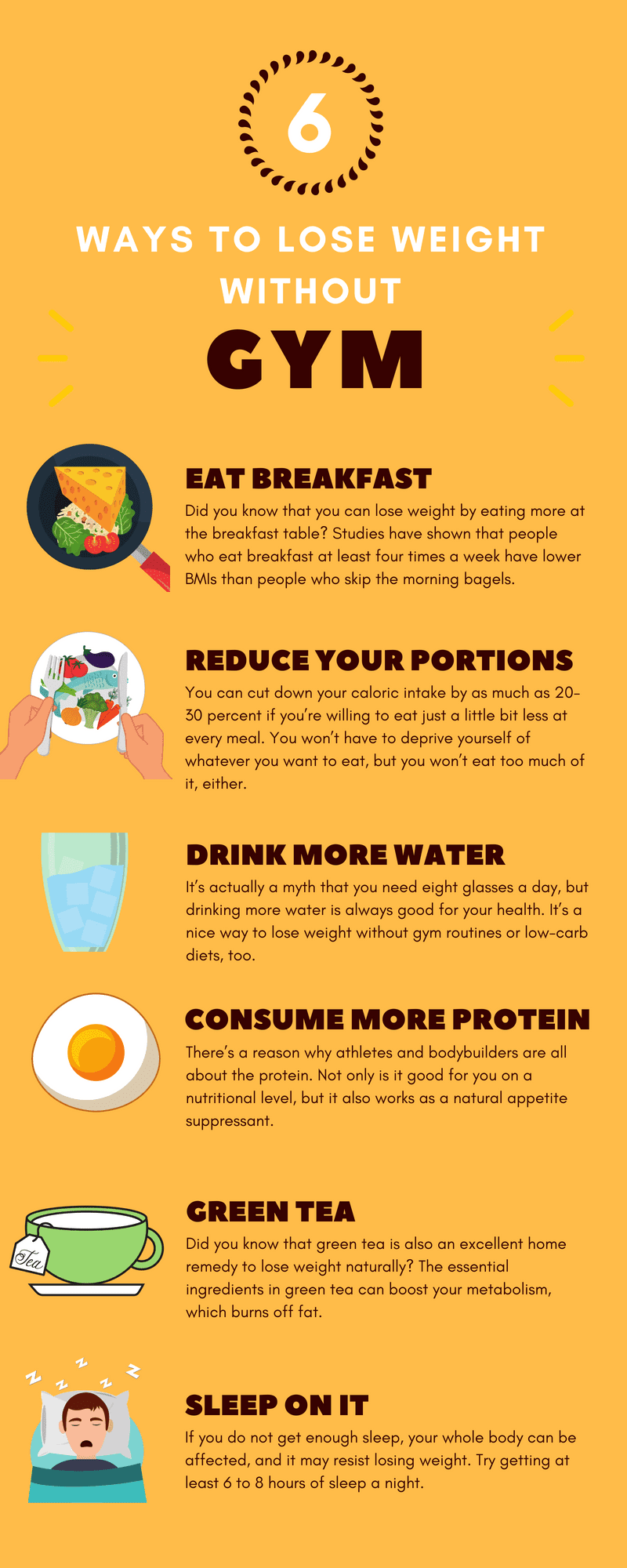
lose weight without gym

SHARE THIS IMAGE ON YOUR SITE

(C)Power of Positivity, LLC. All rights reserved
Sources:
http://onlinelibrary.wiley.com/doi/10.1002/oby.21538/epdf
https://www.restartmed.com/leptin-resistance-thyroid-resistance/

5 Easy Ways to Stop Depression Naturally

According to the CDC, an estimated 50% of Americans will get diagnosed with a mental disorder at some point in their lifetime. Let that statistic sink in for a second. That percentage is staggering, to say the least, and represents only a portion of people suffering all over the world.

Over 300 million people globally have been diagnosed with depression, which is also the leading cause of disability worldwide. Between 2005 and 2015, the number of people living with depression increased 18%. Mental illnesses are also the third most common cause of hospitalization in the U.S. for people 18-44 years old.

There is something clearly wrong here, as mental illnesses seem to be increasing all across the board. We could write a whole book on the causes of depression, but in this article, we’re here to bring you remedies for it. Keep in mind that the treatments we will go over are all natural, prescription-free ways of alleviating depression; however, we do not encourage people to go off of medication without first consulting with their doctor.

With that being said, let’s get into some natural ways to get rid of (or at least manage) depression.

Here are 5 ways to treat depression naturally:

1. Exercise.

You’ve probably heard this one many times before, but we will continue to say it because exercise is one of the best ways to treat both depression and anxiety. It’s a natural stress-reliever, mood-booster, and health-enhancer. Most psychologists recommend some sort of aerobic or weight training exercise for at least thirty minutes, three times per week. Regular exercise can literally rewire the neurotransmitters in your brain and raise serotonin levels.

Many people who struggle with depression do not produce enough serotonin, which helps you feel relaxed. Enter exercise, which helps minimize stress and release other feel-good chemicals that produce an overall feeling of well-being.

exercise

2. Have a mindfulness practice.

You can simply google “meditation research” and find countless studies about the benefits of it for human health. In fact, a team of researchers from Johns Hopkins University in Baltimore, Maryland, found that just thirty minutes of daily mindfulness meditation could treat depression just as effectively as antidepressants. Some studies out there claim that meditation actually rivals antidepressants as a form of treatment for depression. Mindfulness meditation in particular teaches you to get more in tune with your body and mind, and become a quiet observer of yourself. It helps you slow down, focus on your breathing, and quiet your thoughts.

In addition, researchers have found that meditation helps quiet nerve receptors in a part of the brain known as the default mode network. Many studies have linked depression and anxiety with high levels of activity in this area of the brain. If you are a beginner to meditation, try starting out with ten minutes a day, and put on relaxing music or a guided meditation to help you stay focused.

3. Supplement with St. John’s wort.

(Editor’s note: Talk with your physician before taking St. John’s wort if you are currently on any medication).

You can find this natural herb in a variety of forms such as capsules, teas, and extracts such as essential oils. For centuries, people have been using St. John’s wort to treat nervous system disorders like anxiety and depression. While researchers are still studying how St. John’s wort impacts the brain, many scientists have found that St. John’s wort rivals antidepressants for treatment of mild to moderate depression. Similar to standard SSRI’s, or selective serotonin reuptake inhibitors, St. John’s wort increases serotonin levels as well as other feel-good chemicals such as dopamine.

4. Reframe your thoughts.

Called cognitive reframing or restructuring in psychology, this is a very powerful technique that is taught in CBT, or cognitive behavioral therapy. Basically, you take negative thoughts and reframe them into something more positive. Our minds default to negativity because we have evolved to pay more attention to bad things for our survival, but this doesn’t help us much in the modern world. So, any time you have a negative thought, ask yourself these questions:

Is this really true? Question the validity of your thoughts. Try to reason with yourself and see if what you believe is based in fact, or fiction. This will help you realize that your thoughts don’t have to have as much power over you as you think.

Could this really happen? A lot of what we think about never actually happens, because we plan for the worst-case scenario. See if the negative things you’re thinking about could really occur, or if you might just be letting your imagination run wild. Even if something could happen, try to remember that most bad things we think about don’t actually play out in real life.

Would a friend talk to me the way I talk to myself? This one is powerful because it will show you just how badly you talk to yourself on a daily basis. Positive self-talk is essential for climbing out of depression, because it will boost your self-esteem and give you a better outlook on yourself, and therefore, life.

5. Get some sun!

We evolved outdoors, and only in the last few thousand years have we lived mostly inside. This means we don’t get nearly the amount of sunlight we need, which can lead to Vitamin D deficiencies. Not surprisingly, many people with depression have low levels of this vital nutrient. Vitamin D helps bolster our immune systems, promotes strong, healthy bones and teeth, and helps us absorb calcium. In addition, an international team of researchers found that Vitamin D helped synthesize serotonin and dopamine within the brain, two chemicals that help alleviate depression. If you live in an area with little sunlight, take Vitamin D supplements or invest in a “light box” to help you get some sun, even if it isn’t the “real” thing.

https://youtu.be/CU2LlJxEdJ4

(C)Power of Positivity, LLC. All rights reserved
Sources:
https://www.sciencedaily.com/releases/2014/12/141202111148.htm
https://www.cdc.gov/mentalhealth/data_publications/
http://www.who.int/mediacentre/news/releases/2017/world-health-day/en/
https://adaa.org/living-with-anxiety/managing-anxiety/exercise-stress-and-anxiety#
https://www.hopkinsmedicine.org/news/media/releases/meditation_for_anxiety_and_depression
http://www.chiro.org/nutrition/FULL/St_Johns_Wort_Effective_with_Caveats.shtml
https://www.npr.org/sections/health-shots/2017/09/09/549133027/for-teens-knee-deep-in-negativity-reframing-thoughts-can-help
Skip to content