Weekly tips, affirmations, and small actions to feel your best.

Science Explains 5 Things Couples Argue About Most (And How To Stop)

It’s a hard thing to believe when an argument is actually happening, but when couples argue in a relationship, it can work toward strengthening your bond and making your experience together more positive. If you think about it, arguments are a natural part of any relationship, be it with your family, friends, or coworkers. Why should your romantic relationship be any different?

In fact, a lot of psychologists are willing to go one step further and state that arguments are a sign of a healthy relationship. Healthy debates show that you’re willing to move past your problems and act like grown-ups. But what are the most common things that couples argue over? Here are the five most common relationship arguments – and what you can do to make sure they don’t ruin the relationship you have with your significant other.

Here Are 5 Things Couples Argue About Most (and How to Work Through Them)

“I passionately believe that’s it’s not just what you say that counts, it’s also how you say it – that the success of your argument critically depends on your manner of presenting it.” – Alain de Botton

1. Intimacy

The reason why we put this on the top of the list is that it’s the one that’s most likely to go unsaid between two partners. The most likely reasons for this are either the amount of intimacy that’s taking place (or not), or how creative someone is (or isn’t) in bed. It’s all good when you get down to it, but it’s figuring out what you want and when you want it that often proves to be the dividing factor between most couples.

The problem, according to expert psychologists, has an easy solution – open communication and balancing “duties.” When you discuss this intimate topic, you have the chance to explain exactly what your issues are. It’s only by knowing what the other person wants that you’ll be able to reach a healthy compromise that will make you both happy. Try to approach the issue with positivity rather than animosity and look into how you can get better at intimacy together.

2. Children

Having the added responsibility of brand new human beings to look after completely changes the dynamic of any relationship. Whether you’re married or not, once you become parents, you will most likely find yourself arguing over taking care of your children. That’s perfectly normal. You’ve grown up in different households. Having been brought up differently, you will intrinsically disagree on some things. That will never change. However, there are ways to work through it without letting it damage your relationship.

The most important things are to not let your anger out in front of your child and to practice constructive criticism rather than to just insult your partner. Talk through the way you see things differently so that you can see where the other person is coming from. Try to see the world through their eyes. Just make sure you don’t transfer your anger over to the young ones, as those things tend to stick. Ultimately, it’s not a bad idea to seek advice from someone older and more experienced than you in raising children. Your own parents can be a good source of knowledge and input.

3. Chores

Whether it’s cleaning, doing the dishes or the laundry, cleanliness or messiness is one of the main clashes you can have with your significant other. In fact, a survey has pointed out that fighting over housework is the main reason for divorce in over 25% of surveyed couples. While that sounds like a scary number, it’s important to remember that, like all the other times couples argue in a relationship, the issue of chores can be resolved. In fact, this resolution can lead to both of you emerging as happier, more fulfilled partners in your relationship.

Besides, the correlation between break-ups and messiness isn’t as straightforward as you might think. The way to tackle it successfully, according to scientists, is to keep up the positive thinking and remember that change for the better is possible. Be open with your partner about what your pet peeves are, without being openly confrontational. Putting forth the specific issues in a positive light will help you see that if they change, it’ll be better for both of you. Similarly, listen to your partner if they put similar concerns to you – and don’t just brush them away.

4. Moneyrelationship quote

Financial disputes is way more common in younger couples – especially millennials – than it is for older couples. Besides, as a survey shows, 82% of the couples who squabble over financial troubles often have some other underlying issues lurking underneath the surface. Money is an unfortunate part of life and, seeing as we’re living in the age when everything is more expensive every day, there’s no way to avoid these kinds of arguments. But how do you get past them?

One word is the key to resolving your financial gripes: collaboration. Working together through your financial differences will not only relieve the burden from the one who might be the primary “breadwinner,” but it will also give you a better leg to stand on when planning your future together. Discuss future purchases together. Make a plan. Split up the bills and the rent dependent on who’s earning what. In all these difficult matters that make plenty of couples argue, you need to walk in your partner’s shoes just as much as they need to walk in yours. You’re a team in this.

5. Commitment

Commitment issues are the one dark horse that can easily ruin a relationship if not nipped in the bud. In fact, commitment-phobes can often be seen as “undateable” or unreliable. If someone does not trust their partner to maintain a stable relationship, this can ultimately lead to the partner losing faith in their ability to be trustworthy. A deep issue like this can sabotage a relationship.

Out of all the reasons couples argue, commitment is perhaps the trickiest one to resolve, as it involves changing someone’s intrinsic beliefs. There are many reasons why someone would be scared of commitment, and the key to getting past them is acceptance. Try to understand why they are the way they are without changing them. Make sure you are both comfortable with your ideas for the future before moving on to the next step in your relationship. That way, no one will be disappointed.

Final thoughts

Arguments with your significant other are never a pleasant experience, but always remember to stay positive and figure out what you’ve gained out of each tough discussion. Ultimately, your bond will strengthen with every hurdle you pass and it will show just how deep and strong your dedication to each other is!

https://youtu.be/JQszREVJSmU
(C)Power of Positivity, LLC. All rights reserved
References:
http://uk.businessinsider.com/most-common-fights-couples-have-2017-12/#commitment-1
https://www.theguardian.com/lifeandstyle/2015/mar/13/the-top-10-reasons-why-couples-argue
https://www.today.com/about/why-arguments-can-be-healthy-marriage-wbna4740052
https://www.womenshealthmag.com/sex-and-love/a19915506/we-dont-have-enough-sex-convo/
https://www.womenshealthmag.com/sex-and-love/a19982158/how-to-get-what-you-want-in-bed/
https://www.psychologytoday.com/us/blog/married-and-still-doing-it/201112/is-fighting-about-sex-ruining-your-marriage

http://www.imom.com/stop-fighting-about-kids-and-discipline/
https://www.mentalhelp.net/blogs/fear-of-commitment-in-relationships/
https://verilymag.com/2015/07/relationship-tips-recovering-commitment-phobe
http://uk.businessinsider.com/younger-couples-fight-over-money-more-than-older-couples-do-2018-2
http://www.hbs.edu/faculty/Publication%20Files/18-072_08233f9b-dd54-48a8-bcf0-0e3b501db1e0.pdf
https://www.psychologytoday.com/us/blog/evolution-the-self/201704/3-reasons-why-couples-have-the-same-fights-over-and-over

7 Warnings Your Body Gives You When You’re Too Stressed

Between work, household responsibilities, friends, family, and other responsibilities, it’s almost inevitable that at some point during the week you’re going to feel stressed. According to one study, over a third of adults claim to experience high stress on a regular basis. However, when incidental stress piles up and becomes ongoing, the effects are more than just mental. These are seven signs from your body warning you that you may be too stressed.

Here Are 7 Warning Signs Your Body Gives When You’re Too Stressed

“It’s not stress that kills us; it is our reaction to it.” – Hans Selye

1. Exhaustion and Insomnia

Working hard day in and out undoubtedly leads to some exhaustion. At the same time, if you’re waking up every morning feeling so tired it feels like you never slept, your body might be begging you to take it easier. You will find it difficult to catch up on rest if you’re pushing yourself beyond your physical limits.

Sometimes, stress manifests as racing thoughts that keep you up all night. Even when you’re so exhausted that you should be able to fall asleep right away, you might be stuck awake, thinking about what tomorrow holds. At times like these, try to take a mental step back from what’s worrying you. No matter what tomorrow may bring, you won’t be able to function without your sleep. Actively focus on positive thoughts, do not allow your mind to harbor worries about the next day, and have a restful night.

life quote

2. Forgetfulness

Consistently being pulled in multiple directions can push you beyond your limits. When you take on too much, you may start to forget some of your regular responsibilities. Whether it’s something as big as missing the deadline on a big project or something as small as forgetting to pick up ingredients for tomorrow’s dinner, your mind is trying to tell you to take a break and focus on one thing at a time.

3. Headaches

According to the American Academy of Neurology, having high levels of stress can give you more headaches. Most stress-related headaches are caused by tension in the muscles of your head and neck. Working extra-long hours can cause more tension in your muscles, as can jaw-clenching or teeth-grinding, which many people do in response to stressful situations. Either way, if you notice that you’re experiencing more headaches than usual for no apparent reason, your body may be asking you to breathe deeply, relax, take a break, or take a nap.

4. Body Pain

In addition to headaches, stress can also result in full-body aches and pains. The American Psychological Association says that muscle tension is a reflex in response to stress. When muscles tense up for too long, it causes body pain. Practicing relaxation techniques may help with this problem. What is more, relaxation techniques can also help take your mind off what is causing you to feel stressed.

5. Acne

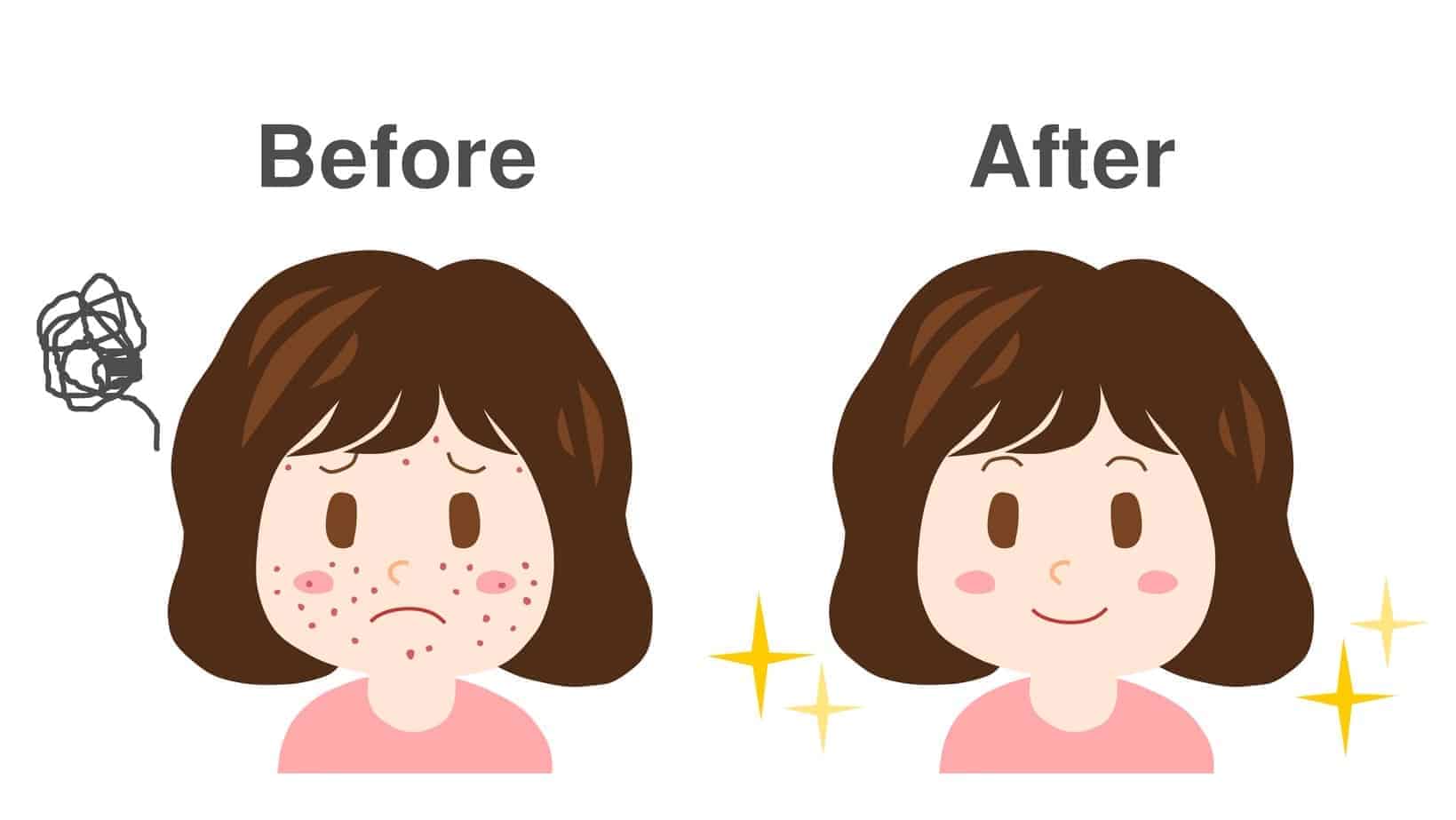
For reasons still unknown, stress and acne appear to be related. Scientists have yet to find the root cause, but multiple studies have shown that in times of high stress, people who are prone to acne tend to experience flare-ups. If you notice more pimples appearing on your skin, seemingly out of nowhere, it may be related to a high level of stress.

6. Upset Stomach

Your stomach is one of the most sensitive organs you have. It’s largely composed of muscles, which constrict and contract and may tense up excessively from stress. Additionally, chemicals released during stressed time periods may cause stomach upset. According to Everyday Health, one way to manage an upset stomach due to stress is a good bout of exercise. Endorphins released during exercise help to reduce stress levels, which will soothe your stomach.

7. Decreased Sex Drive

Even though a decreased sex drive may not cause you prolonged discomfort, it can still affect your relationship and your happiness. Stress can affect your desire to have sex and can chemically alter your sex drive. This combination could cause a rift between you and your partner, potentially creating even more stress in your life. Verywell Mind suggests that techniques like meditation can help lower stress and increase sex drive.

Final thoughts

Even though symptoms caused by stress may be small and occasionally go unnoticed, they can build up and affect your health and happiness. There are many techniques you can try at home to mitigate stress, but many doctors suggest that seeing a therapist and talking through your stress problems can help decrease them dramatically.

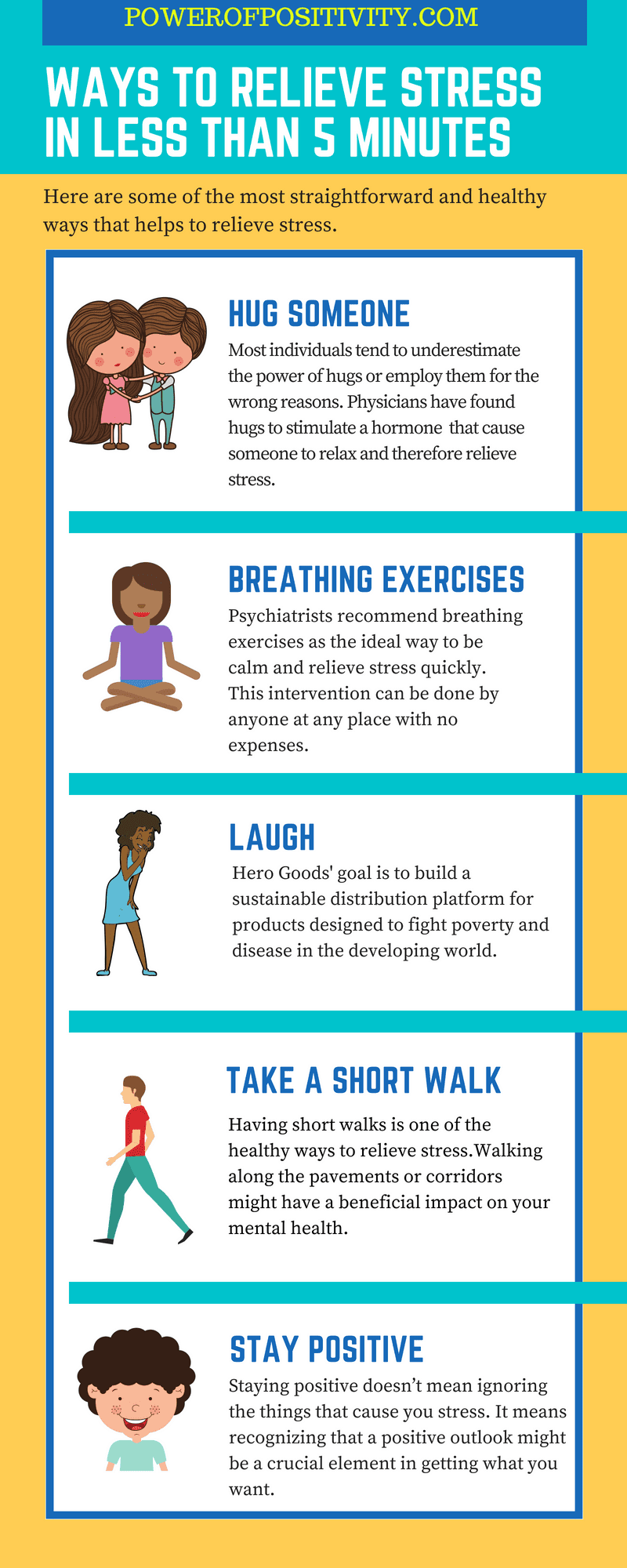
ways to relieve stress

Share this Image On Your Site

(C)Power of Positivity, LLC. All rights reserved
References:
https://www.ncbi.nlm.nih.gov/pmc/articles/PMC4377029/
https://www.aan.com/PressRoom/Home/PressRelease/1244
http://www.apa.org/helpcenter/stress-body.aspx
https://www.helpguide.org/articles/stress/relaxation-techniques-for-stress-relief.htm
https://www.everydayhealth.com/hs/better-digestion/how-stress-affects-digestion/
https://www.verywellmind.com/how-stress-can-lead-to-low-libido-3145029

10 Traits Successful People Have In Common

“All successful people are big dreamers. They imagine what their future could be, ideal in every respect, and then they work every day toward their distant vision, that goal or purpose.” – Brian Tracy

Success means something different to everyone. What you might consider a success is likely different from what your neighbor or even your best friend sees as success. Regardless of what success means to individual people, it’s still something that everyone strives for.

Whether in our education, business, home life, or social life, we want our efforts to be effective. Thankfully, there has always been a secret to success. Highly successful people have behaviors, habits, and traits that help contribute to their success in life.

Here Are 10 Traits Highly Successful People Display

1. Persistence

You can’t find success if you give up. Even when things seem bleak, highly successful people always find a way to move forward. Sometimes, moving forward means take one step – just one step – towards your goal each day. Persistence and determination are better than just sitting back and giving up.

Takeaway: Think tortoise versus hare. It doesn’t matter how slow you go, as long as you finish the race.

2. Commitment

Achieving a goal, or gaining success, can’t happen without commitment. That’s why highly successful people are known to have a strong drive. They commit themselves to their work. Even if they must take a break (and we all need breaks from time to time), a successful person will make plans to return to their goal, whether it be short- or long-term. A person who has a hard time being committed to even the smallest of tasks might have a harder time succeeding.

Takeaway: Always get back on the track of doing what you need to do in order to succeed.

inspirational quote

3. Optimism

Highly successful people are a “glass-half-full” types. Looking at things from an optimistic point of view, they realize this perspective is paramount to pushing forward and succeeding. After all, if someone is pessimistic, they’re less likely to maintain the drive and determination to follow through and achieve their goals.

Takeaway: Optimism keeps your mind bright and focused, thus keeping your on the path to success.

4. Long-term goals

For success, we need more than just short-term goals. Highly successful people know how to work towards the future. They conscientiously focus on the goals right in front of them, while still making plans to reach milestone achievements farther down the road. People who obtain success have perfected the art of delayed gratification.

Takeaway: Good things come when you wait (especially if you keep moving forward while you’re waiting).

5. Resourceful

Having resourcefulness is thinking on your feet, innovating, and trying out new ideas. Highly successful people know how to make situations work in their favor, whether it be teaching themselves something new, networking, or utilizing knowledge they already have to propel them towards their goals. Highly successful people know that interdependence isn’t a failure. It’s a resource.

Takeaway: Consider all your resources, even from surprising sources.

6. Learn from failure

Speaking of failure, according to Gregory L. Jantz, Ph.D., one of the key traits of highly successful people is the ability to learn from their mistakes. When we fail, we need to take those disappointments as learning opportunities, transforming it into success. Because they’ll know better for next time, highly successful people aren’t afraid of making mistakes.

Takeaway: Let your failures be your springboard to greater heights.

7. Educate themselves

Getting a rounded education is important to success, but what’s even more important is continuing that education after receiving a diploma. For those looking to jumpstart their career or achieve their goals sooner, options to get a diploma the same day can be incredibly helpful. Highly successful people are always learning new things and striving to educate themselves on areas they don’t yet understand. They can often be found reading, listening to the news, and double-checking their sources—always in pursuit of more knowledge.

Takeaway: Learn something new today.

8. Self-awareness

Confidence is important to success, but even more so is knowing your limitations. A highly successful person is aware of their own shortcomings. They challenge themselves to do better, but don’t overestimate their abilities.

Takeaway: Don’t be afraid to admit faults or to ask for help when you need it.

9. Know when to say “No.”

Being a “yes man” can open up a lot of doors and opportunities. It’s important for highly successful people to be open to as many opportunities as they can be. It’s equally important for a successful person to know when enough is enough. Knowing when to say “no” to commitments is a trait that every successful person has.

Takeaway: Setting boundaries and knowing your limitations is key to success.

10. Good communication

Communication is more than just being able to talk smoothly. Highly successful people know that communication requires active listening and participation in a conversation. Being able to exchange and understand ideas clearly is a huge part of success, and that’s why it’s a trait that all successful people share.

communication skills of successful people

Takeaway: Listen and learn as much as you speak and do.

Final thoughts

How you define success is up to you. However, to be successful, it’s important to know the traits and behaviors that get people to where they are. All of these traits are found in highly successful people and are good behaviors to start integrating into your day to day life – no matter what your goals may be.

https://youtu.be/FzVVeKw3MAg

(C)Power of Positivity, LLC. All rights reserved
Reference:
https://www.psychologytoday.com/us/blog/hope-relationships/201504/6-traits-successful-people

10 Keto Diet Side Effects You Need to Be Aware Of
The keto diet has become a popular low-carb diet that can result in quick weight loss. It requires reducing your intake of unhealthy carbohydrates and processed foods. While these benefits are great, there are also some keto diet side effects that you should understand.

The benefits of the keto diet are undeniable, but you can’t ignore the risks. Understanding the side effects of a keto diet is essential to maintaining your health during the process. You must know what to watch for and what to do to ensure you’re taking care of yourself.

The keto diet side effects range from mild to severe concerns. Since everyone’s bodies are different, this diet will affect everyone differently, so don’t assume your experience will be the same as others. As you follow the diet guidelines, you will put your body into a metabolic state called ketosis, making your body better at burning fat.

Ketosis will likely make you feel bad at first because your body uses all of its carbs and starts burning fat for energy. If you do this diet incorrectly, it can have the opposite effect and negatively impact your health. Before deciding if it is right for you, learn about the side effects of the keto diet to make an informed decision.

Ten Keto Diet Side Effects You Should Learn About Before You Start

Before you start eating a ketogenic eating program, you may ask yourself: What are the negative effects of the keto diet? Knowing the side effects of a low carb diet can help you make an informed decision before you embark on your weight loss journey.

ketogenic deit1. Keto Flu

The keto flu happens as a result of your body adapting to a low-carb state. As your body burns ketones instead of glucose for energy, it enters ketosis. This metabolic state makes you feel bad at first, which is the reason it is called the keto flu.

The ketones leave your body through frequent urination, which contributes to the flu-like symptoms. Some of the symptoms of keto flu include:

  • headache
  • weakness or dizziness
  • irritability
  • constipation or diarrhea
  • nausea
  • vomiting
  • fatigue and lethargy
  • sore muscles

The keto flu typically only lasts for a week or two. Once your body gets used to the new fuel source, you’ll feel much better.

You can manage the symptoms of keto flu by drinking lots of water and getting plenty of rest. Additionally, try natural energy sources to help fight fatigue and weakness.

2. Increase Risk for Kidney Damage

Your body can run low on fluid during a keto diet, making you more susceptible to changes in your kidney function. Plus, too much protein can hurt kidney function, which is often an issue with this diet. You will be more likely to develop kidney stones and gout, both of which are painful and uncomfortable.

The keto guidelines explain that you should consume much more fat than protein, but many dieters mistakenly load up on protein. If you already have kidney disease, you might not want to follow this diet, so talk with your doctor first.

3. Diarrhea

When you eat fat, your body releases bile to help your digestive system break it down. Keto is a high-fat diet, so your liver releases extra bile, which is a natural laxative. Too much bile loosens up your stool and makes it flow through your system faster, resulting in diarrhea.

The lack of fiber in the keto diet can also cause diarrhea. Drastically reducing your carb intake and not supplementing with fiber-rich vegetables can lead to loose or watery stool. Try adding high-fiber, low-carb foods to your diet, including:

  • avocado
  • broccoli
  • cauliflower
  • asparagus
  • chia seeds
  • almonds
  • coconut

Since keto requires a high-fat diet, you might make dietary changes to follow the guidelines. If your body isn’t used to dairy or artificial sweeteners and you switch to those, it could cause diarrhea due to an intolerance.

4. Ketoacidosis

When your body enters ketosis, your blood might become acidic until your body adjusts to the new diet. If your body doesn’t adjust quickly and your blood remains toxic, it can cause a bone breakdown of kidney stones. Additionally, it can cause damage to your liver and brain, as well.

Ketoacidosis occurs when your body stores too many ketones. Not only can it damage your organs, but it can become fatal if left untreated.

People with diabetes have an increased risk of developing a severe case of ketoacidosis. Since blood sugar levels are even more important for diabetics, this metabolic state is dangerous. Watch for signs of dry mouth, frequent urination, nausea, bad breath, and trouble breathing.

5. Yo-yo Dieting

Low-carb diet plans are hard to maintain and often result in yo-yo dieting. Not only does yo-yo dieting interfere with your fuel, but it causes emotional issues and sometimes social isolation. As you try to avoid eating foods you have a hard time saying no to, you might avoid certain places or people.

As you change your lifestyle, it can result in depression or an overall feeling of unease. Because of this, it is hard to stick to strict dietary guidelines. Breaking your diet won’t make you feel any better, though, because you will experience guilt and anxiety.

Even if you stick to the diet plan the entire time, you might regain much of the weight once you resume eating carbs. Yo-yo dieting doesn’t only interfere with your weight loss goals, but it can cause abdominal fat accumulation and increased diabetes risk. It is harmful to your overall well-being and your mental health, too.

ibs eating plan6. Electrolyte Imbalance

When you’re on a keto diet, your body becomes depleted of glycogen. When glycogen is lost, water is also drastically eliminated, resulting in an electrolyte imbalance. Your body requires the electrolytes calcium, potassium, magnesium, and sodium, and you can quickly become deficient.

An electrolyte imbalance or dehydration can cause lightheadedness, kidney injury, cardiac arrhythmia, and other serious health concerns. It can also cause less severe issues such as increased sugar cravings, brain fog, and trouble concentrating.

7. Nutrient Deficiencies

Making sure to eat plenty of nutrient-rich foods is essential all of the time, but even more so when you’re on a keto diet. Long-term deficiencies can lead to severe and irreversible health problems, so you must get ahead of them. Many people on the keto diet take supplements to ensure their getting all of the necessary vitamins and minerals.

Nutrient deficiencies can cause cognitive problems such as memory loss, confusion, and headaches. Additionally, it can cause bone loss and increased risk of chronic diseases such as osteoporosis, Alzheimer’s, cancer, and diabetes.

While not as severe as the other conditions, nutrient deficiencies can also cause you to feel moody. Without enough carbs, your body can’t produce serotonin, a chemical that helps regulate your mood.

8. Constipation

The keto diet often results in limited fiber intake, causing constipation if you aren’t careful. When you eliminate foods such as grains, beans, and fruits, it can be problematic. You also must account for the water you lose during this diet, as well.

Without enough fiber and your fluids depleting quickly, it is a sure path to constipation. To make up for the missing nutrient and loss of water, increase your fluid intake or take stool softeners. For more fiber, include keto-friendly but fiber-rich foods such as avocado, nuts, and a few non-starchy vegetables.

9. Bad Breath

The ketones that your body produces during the keto diet are often released through the lungs and breath. It causes you to have bad breath that is different than the typical odor you experience from bad breath. Sometimes your breath will smell sweet or fruity due to one ketone called acetone.

The bad breath associated with keto can last for a few weeks. Once the excess ketones are eliminated, and your body gets used to the new diet, the symptom will ease.

10. Increase Risk for Heart Disease

One of the most severe keto diet side effects is that it increases your risk of heart disease. The increase occurs when people get most of their fat and protein from animal products and fats such as bacon, butter, and steak. According to the American Heart Association, you must be careful to limit your saturated fat intake.

People on a keto diet risk raising cholesterol levels and developing diabetes, furthering your heart disease risk. It isn’t all negative, though, as research shows that low-carb diets full of plant sources with fat and protein can lower heart disease risk. So, if you want to try the keto diet, make sure you’re consuming plenty of these healthier sources.

What You Need to Do Before Trying the Keto Diet

Not everyone should try the keto diet, especially those with chronic conditions. If you have high blood pressure or diabetes, this diet can worsen your health condition and even be fatal.

Plus, if you take any prescription medication, the metabolic changes to your body could affect your medications. No matter what medications you take, make sure you ask your doctor if the keto diet will interfere with them.

Before trying the keto diet, even healthy people should talk to their doctor. With the level of dietary restrictions, you must know if you’re deficient in anything during the process. Your doctor can recommend supplements or other changes you should make.

keto diet side effectsFinal Thoughts on Keto Diet Side Effects You Need to Be Aware Of
While this diet can be beneficial, there are many side effects of the keto diet to be aware of. The symptoms can be uncomfortable and sometimes even highly detrimental to your overall health.

Remember that this diet doesn’t always offer a permanent solution, and it isn’t sustainable long-term. Consider whether the ketogenic diet side effects are worth it to you for quick weight loss, knowing that you might gain it all back.

Experts Reveal 9 Unexpected Health Foods to Avoid That May Be Toxic to Your Body

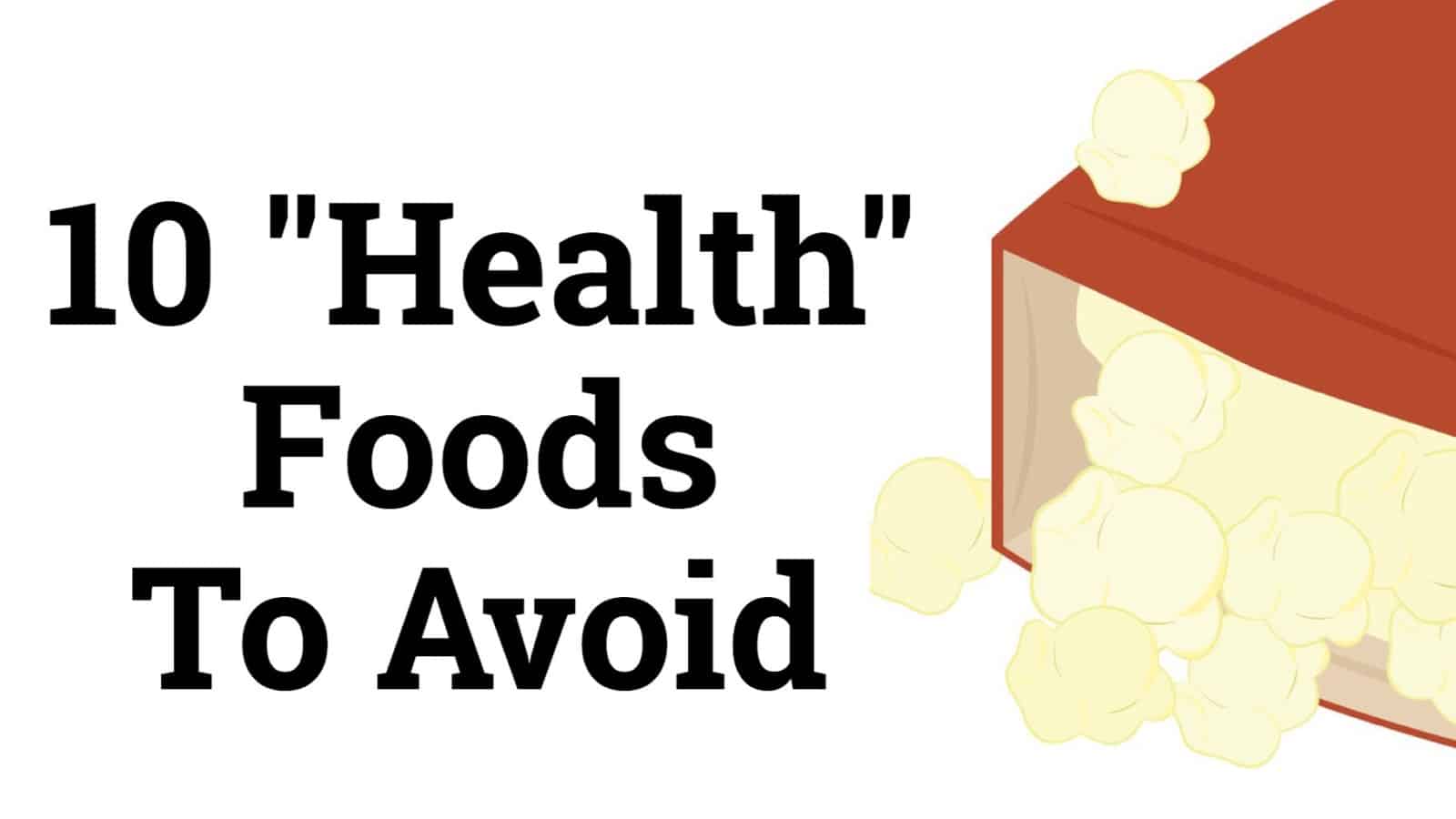
There are usually specific foods that are considered healthy. When people try to change their diets to achieve positive changes, they turn to these health foods to improve their nutrient intake and achieve their health goals. However, there are foods that are considered healthy that may be toxic to your body. Watching out for these health foods can help keep you healthy and safe.

Here are 9 surprising health foods that may be toxic to your body:

fiber-rich foods

1. Tomatoes

Even though tomatoes are healthy to add to the diet, they are considered a “nightshade plant.” Unfortunately, people who have been diagnosed with fibromyalgia should avoid nightshade plants, like tomatoes. Even though many nightshade plants are very healthy and nutritious, they can aggravate symptoms for people with chronic pain, like those with fibromyalgia. They can even trigger a flare of symptoms in some people.

If you do not experience worsening symptoms when eating tomatoes or other nightshade plants, it is recommended you keep them in your diet because of their nutritional value. If you do not have chronic pain in your body, like that associated with fibromyalgia, it is unlikely you will have trouble with nightshade plants.

2. Alfalfa sprouts

Sprouts are supposed to be very healthy in almost any form. Many people add them to their foods to get extra boosts of vitamins and nutrients like vitamins C and K, along with fiber and folate, among others. In addition, since these sprouts are raw, they have not been changed in a manufacturing process, contributing to their health value. There are no added sugars, preservatives, or chemicals. Instead, only the good vitamins and nutrients are consumed.

Unfortunately, for people undergoing cancer treatment, alfalfa sprouts (and other types of sprouts) can be potentially toxic. When people undergo cancer treatment, their immune systems are compromised. They are at risk for developing illnesses and infections more easily. As a result, they have to take extra precautions in food preparation and consumption.

Raw alfalfa sprouts put cancer patients at risk for food poisoning, even if they have eaten sprouts in the past with no problem. Once cancer patients have been cleared by their oncologists or another trusted medical expert, they can return to eating alfalfa sprouts. Those who are not undergoing cancer treatment have no need to take this precaution. Check with a medical expert to determine if this is something you should be worried about.

health foods

3. Dairy

Many dairy products can be a good source of healthy fats and protein. One of the primary draws of dairy for many people is calcium, which strengthens teeth and bones. Dairy is also a good, healthy source of protein.

However, people who have been diagnosed with rosacea may find that dairy products exacerbate their symptoms and may even cause additional symptoms, such as the development of acne. Often, people with rosacea are already sensitive to dairy products. They may even have been diagnosed as lactose intolerant or sensitive before being diagnosed with rosacea. Avoiding dairy can help prevent rosacea flare-ups, and there are alternate sources of calcium and protein for rosacea sufferers.

Those without rosacea may still have problems with dairy, but most people can consume dairy without any health problems.

4. White rice

Though excessive amounts of white rice is probably not helpful, many people see it as a healthy alternative to pastas and breads, especially in small amounts. When paired with healthy proteins and vegetables, white rice can be viewed as a very healthy food.

However, this is not true if you have diabetes. Rice is a carbohydrate. Once it is in your body, it begins to act like a sugar as it is digested. When that happens, glucose levels rise. This is problematic for diabetics and a primary reason people must take insulin after they have been diagnosed with type 2 diabetes. It is recommended that diabetics replace white rice, along with white bread and flour, with whole grains instead.

White rice, especially in smaller amounts, is healthier than many breads and pastas. For those who can consume carbohydrates, white rice is probably not problematic in the diet. However, whole grains would still be a better choice.

5. Canned vegetables

Vegetables are very healthy. They are rich in vitamins and nutrients. Most often, when people try to eat healthier, the first thing they do is add more vegetables to their diets. While some vegetables are more nutrient-dense than others, they are all usually good calories.

If you have heart disease, canned vegetables can be bad for you. When vegetables are canned, there is usually sodium added. Sometimes it can be a lot of added sodium. If you buy canned vegetables, check the label for “low sodium” or “no salt added” for healthier options. Even better, skipped the canned vegetables and go for fresh and frozen instead.

6. Eggs

Even though eggs are a good source of protein and offer a lot of variety for your meal planning, they can be toxic for people with asthma. Still, they make this list of health foods.

Egg allergies are the most common among children. While children may outgrow them, the allergic reactions can remain. Unfortunately, asthmatic symptoms can be an allergic reaction to an egg allergy. That means if you have an egg allergy and eat eggs, it could trigger a potentially dangerous asthma attack.

If you have an egg allergy and asthma, it is best to simply avoid eggs. There are other sources of protein and healthy fats you can use instead of eggs. If you have to avoid eggs, be sure to check all labels carefully. Eggs can be found in lots of surprising foods. Other foods may be manufactured in plants that also handle eggs. All ingredients should be labeled clearly. If you’re at a restaurant, be sure to ask about meals you’re uncertain of.

7. Omega 6 Fatty Acids

Omega 6 fatty acids are essential for proper growth and development. Throughout your life, you need to make sure your omega 6 and omega 3 fatty acids are in balance. Omega 6 fatty acids can be found in cooking oils as well as in mayonnaise and salad dressings.

However, if you have arthritis, it is even more important to limit the amount of omega 6 fatty acids in your diet. If you consume too much, omega 6 fatty acids can trigger pro-inflammatory chemical production in the body. This can exacerbate arthritis symptoms.

It’s important to remember that omega 6 fatty acids are not bad. They are a fatty acid needed in the body. The problem is in the amount of consumption, especially for people who have arthritis.

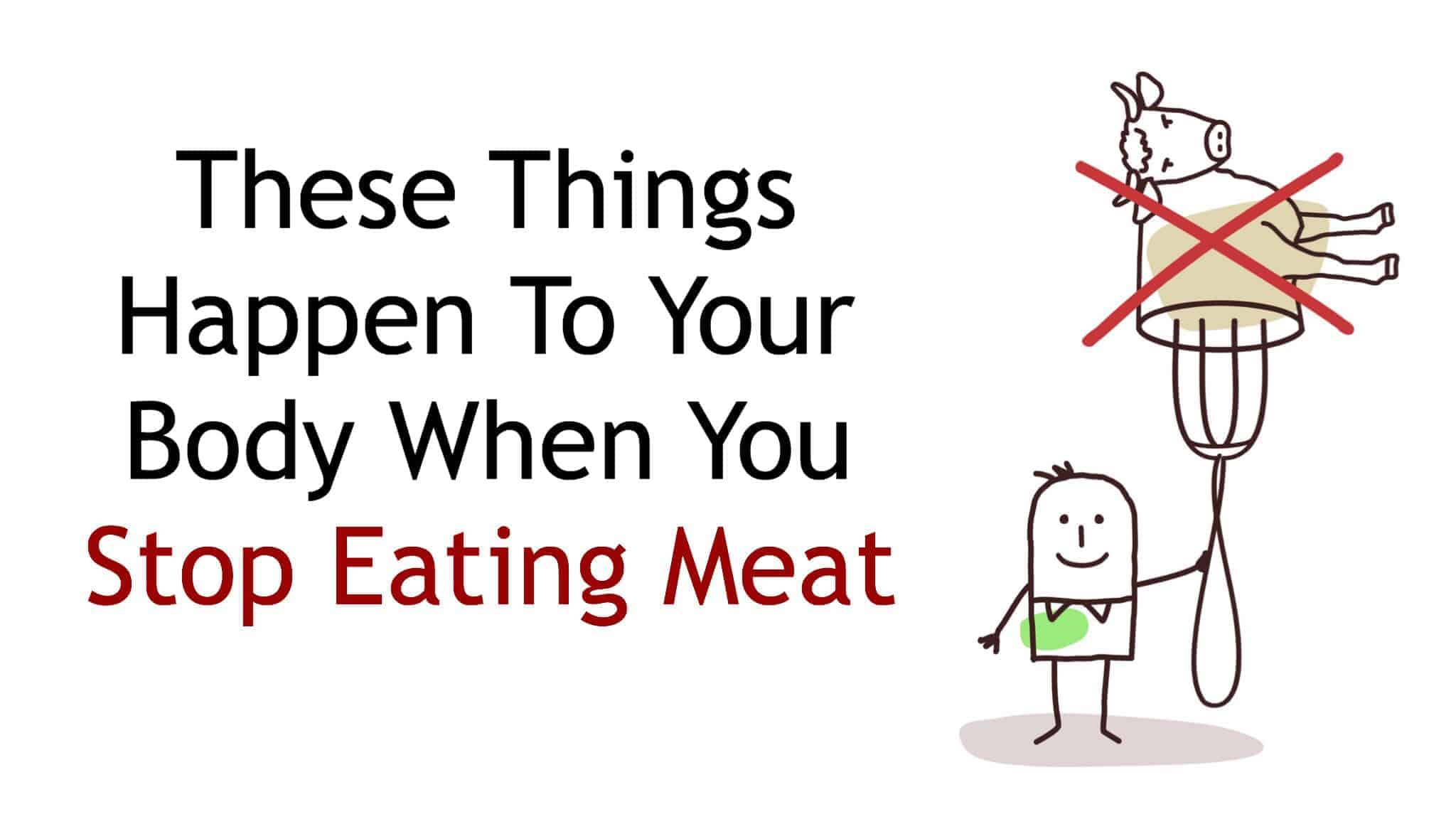
8. Beef

Beef is one of the biggest sources of protein and iron in people’s diets. However, beef is a high-fat meat that contains a lot of unsaturated fats. This is usually not a big problem for healthy people. However, for people who have or are at risk for dementia and Alzheimer’s, moderate or high intake of unsaturated fats are associated with the development of dementia.

stop eating meat

Instead of beef or other high-fat meats, it is recommended to select leaner sources of protein like fish and legumes. Light-meat poultry can also be used in place of high-fat meats. These are options that provide high levels of protein but don’t have a negative impact on your health.

9. Wheat bran

Wheat bran is a great source of fiber. If a doctor recommends increasing fiber, wheat bran is probably the first suggestion made. But for some people, it is necessary to find a different source of fiber. Wheat bran has a high concentration of phytic acid, which binds to mood minerals. People with depression and anxiety who use wheat bran to increase fiber are likely to see an increase in their symptoms.

Soaking and cooking foods that contain phytic acid, like whole grains and dried beans, can help reduce the effects on depression and anxiety so you can get the added fiber without making symptoms worse.

Final Thoughts on Enjoying These Health Foods

Most of these health foods are still healthy for most people. However, if you have any of these conditions, it’s important to ensure that the foods you eat don’t make symptoms worse. That way, you can achieve your positive health goals without having to worry about making other conditions worse.

9 Things Your Face Can Tell You About Your Health

They say that eyes are the window to the soul – but what about the face? According to WebMD, our face can reveal quite a bit about what’s going on under the surface.

Let’s take a look at what your face may reveal about your health:

Yellow Skin and Eyes

Yellowing of the skin and eyes occurs when there is a buildup of waste product in your body. This is caused by the separation of red blood cell components called bilirubin. The condition, known as jaundice, is quite common – and usually harmless – in newborn babies. In adults, however, jaundice may indicate a serious underlying condition such as alcohol abuse, problems with your liver and gallbladder, or a viral infection.

Cold Sores

Sores may break out when you’re in emotional distress. Sores that surface around your lips and mouth may be cold sores, caused by the type 1 herpes virus. (Contrary to popular belief, most people who contract herpes 1 virus are infected from transmission of saliva, not from sexual contact.)

In most cases, cold sores go away on their own, but it is advisable to see a doctor in the event of worsening symptoms or more frequent outbreaks.

Butterfly Rash

The term butterfly rash refers to a condition in which there is the presence of ubiquitous redness, usually stretching from the top of the forehead down to the neck. While these rashes may go away on their own, they may also be a sign of lupus. This disease compromises the immune system, which attacks the person’s organs and body tissue.

Cracked Lips

Cracked and dry lips affect pretty much everybody, especially during the wintertime. While usually not a big deal, lips that dry or crack frequently may be a sign of a potential health issue, such as an allergic reaction, side effects from medications, or dehydration. In such cases, it is a wise idea to seek the advice of a doctor.

Sagging Eyelid

Called ptosis, this condition can occur in one or both eyelids. Ptosis is typically genetic and not dangerous. However, this state may disturb your vision and, in rare instances, indicate health problems with the brain, eye socket, and nerves. If eyelid sagging is relatively recent – within hours or days – see a doctor.

If your condition comes with other symptoms such as a headache, muscle weakness, or trouble swallowing, call 9-1-1. They may be signs of a stroke.

Yellow Spots on Eyelids

Raised yellow bumps that appear on and around your eyelids result when there is a buildup of cholesterol underneath the skin’s surface. While unsightly, these bumps are not typically dangerous and can usually be removed. However, the condition – known as xanthelasmata – may be a sign that you have a higher risk of developing heart disease. As a precautionary measure, you may want to schedule a physical exam.

Inflammation of the Chin and Mouth

Persistent inflammation around the chin and mouth may indicate problems with either the gastrointestinal or urinary tract. Concerning the former, a poor diet (e.g. processed foods) may exacerbate the condition. Swelling and irritation around the chin area may be the result of a urinary tract problem, metabolic dysfunction, or PMS symptoms. Eating a healthy, well-balanced diet and reducing exposure to stress may help regulate the condition.

Patches of Hair Loss

face

    RELATED: 5 Foods to Avoid That Are Toxic For Your Skin

If you lose hair in quarter-sized patches, it may indicate a condition called alopecia areata – an autoimmune disorder that results in erratic hair loss. For most people, the frequency of hair loss is nothing more than a few patches, though in rare cases it can be more severe. The condition typically affects individuals before the age of 30. Medication does exist that may help stimulate hair growth if the issue becomes widespread.

Irregular Moles

The vast majority of moles – dark growths on the skin’s surface – are merely cosmetic blemishes. In rare instances, however, they may be indicative of potential skin cancer. When in doubt, remember the ABCDEs of moles. If you answer ‘yes’ to any of the following questions, see a doctor:

  • Asymmetrical: does the shape appear lopsided?
  • Border: is the edge jagged or irregular?
  • Color: is it patchy?
  • Diameter: is it larger than the size of a pea?
  • Evolving: has the appearance changed within the past few weeks?

Final Thoughts

Here are a few recommendations for taking care of your skin:

  • Wash your face with warm water at least twice each day.
  • When you plan to go outdoors, apply sunscreen of at least a 15 SPF (blocks both UVA and UVB rays.)
  • Eat plenty of fruits, greens, protein, and vitamins
  • Limit sugar intake.
  • Make sure to get regular exercise.
  • Try to sleep a minimum of seven hours every night. (Many people need eight hours to feel fully refreshed.)
  • Drink at least 64 ounces of water throughout the day.
  • Stay out of the sun when UV levels are high.
  • Take time for yourself and avoid stress whenever possible.

Sources
https://archive.cdc.gov/www_cdc_gov/ncbddd/jaundice/facts.html
https://www.webmd.com/skin-problems-and-treatments/ss/slideshow-face-your-health

10 Things Awesome Moms Do Differently

To all of the awesome Moms (and Dads) out there, we know you’ll agree with this statement: parenting is really hard. Just thinking about the idea that you have to raise a human being, who is not only capable of looking after themselves but also has a shot at making a positive difference in this world can be overwhelming.

And if you think it’s just you feeling overwhelmed or maxed out, it’s really not. Even science shows that parenting has become increasingly difficult over the last few years. If you’re a new mom, maybe you’re looking for all sorts of advice on the internet, just to make sure you won’t fail in your important task. Here’s a secret: there’s no way you can fail because everyone does parenting differently. But if you still need some motivation to stay positive, here are 10 things you can do to be an awesome, different parent.

Here Are 10 Things Awesome Moms Do Differently

“It is not until you become a mother that your judgment slowly turns to compassion and understanding.” – Erma Bombeck

1. Avoid clichés.

Did you know that there are so many parenting clichés you can find yourself falling into? The more you try to avoid these, the better you’ll be able to do your job as a parent. To translate this into real life, remember it’s not always the mom who’s the “bad cop,” and you don’t need to say “boys will be boys,” just because they misbehave. Essentially, all the things your parents said and you find yourself looking back and thinking it could have been done a bit better. You’re probably right; it could have.

2. Teach kindness.

Ever think that your child might be getting some negative vibes from someone? Counteract it by being the cool, positive, kind mom. Compliment strangers in front of your children, give change when you have it, and lead by example, showing that random acts of kindness brighten up every day. Showing generosity and kindness are some of the most important lessons you can teach as a mom.

3. Stay calm.

Naturally, that’s not always possible. In fact, just having children can be stressful and frustrating, so it will take practice. But the more you have to put on a brave face, the better you’ll become at it. Having a cool, collected mom leads to cool, collected kids, which is an asset as you get older.

4. Go on vacations.

Maybe you think that in the early years after you’ve had your baby, vacations should be at the bottom of the list. On the contrary, the earlier you start with holidays, the better, as vacations have a long-lasting effect on children’s positive thinking. Besides, it gives you a good reason to get out of the house and try something different and new, which is always exciting and brings the whole family together.

5. Get a pet.

Perhaps the nightmare of any new mom is having to deal with a toddler and pet hair at home. However, scientific research keeps coming out to show that pets have a very beneficial effect on children’s development. For starters, taking care of a pet teaches responsibility, caring, and love. Do yourself a favor. Even if you end up being the one taking the dog out for walks, you won’t regret it.

6. Take more pictures.

There are all sorts of superstitions out there that scare moms out of taking photos of their kids. Don’t listen to them. Take as many photos as you can, because one day you’ll find yourself missing those times and wishing you had something to help you reminisce. Don’t just go for boring photoshoots. Take candid photos of your everyday life, because those are the most precious moments that you’ll end up missing most.

7. Don’t use the word “impossible.”

If there’s one word all moms should eliminate from their dictionary, it’s “impossible.” Teaching kids that something is impossible is essentially telling them they can’t follow their dreams. Don’t do that – they’ll figure out what’s possible and what’s not later in life. Society, history, and peers will give them enough of those negative vibes throughout life. For now, nurture your child’s dreams. Your faith in them will give them the courage to believe they can be anything.

8. Teach your kids to say sorry.

There are a lot of things children do that hurt you, no matter what age they are. The number one skill that’s taught by example is forgiveness. Show your children that it’s okay to give second chances, as long as they’re deserved. Teach them the importance of genuinely saying the words, “I’m sorry.” This will not only teach your children to forgive others, but it will also mean they’ll be better at apologizing as a result, too.

mom quote

9. Teach them to love themselves

Nowadays more and more children struggle with the reality of negative body image and all the heavy baggage that comes with it. A lot of times, this starts with moms. From the beginning, help your children develop a positive relationship with their own body, with food, exercise, and all the other things needed to keep body and mind healthy. Your encouragement of self-respect will give them confidence without arrogance. Your deep love for them will assure them they don’t need to be scared of loving themselves.

10. Remind yourself it’ll all be okay.

You might sometimes feel like you’ve irrevocably failed in your parenting. You might think that there’s no hope because of something you said or did when you just weren’t thinking, or you were facing extreme pressure. Nevertheless, keep telling yourself that it will all be fine. Find and talk to other moms in similar situations. Companionship will help you with the difficulties of parenthood, because you should never feel you are going it alone. Finally, your positive reminders to yourself and your family will teach your children that no matter what adversities they come across, they’ll be able to overcome them, just like you will.

Final thoughts

Being a mom is a symbiotic relationship. In other words, you have to learn to be awesome at looking after two people – your child and yourself. But it’s all about the little things that you do that make all the difference in how your child will see the world and other people in it. So, make sure to follow these tips to ensure a happier life for the both of you and perhaps save yourself some regret along the way!

https://www.youtube.com/watch?v=1o_jckqLfSY

References:
https://www.romper.com/p/10-things-feminist-moms-do-differently-than-any-other-parents-644
https://www.elephantjournal.com/2014/01/21-things-id-do-differently-a-mothers-look-back-kathryn-rutz/
https://thoughtcatalog.com/shani-jayawardena/2017/06/10-things-mothers-who-raise-strong-daughters-do-differently/
https://www.huffingtonpost.com/dr-gail-gross/the-benefits-of-children-growing-up-with-pets_b_7013398.html

Why Is It So Hard to Parent Today? The Big Picture of Parental Responsibility


10 Phrases Mothers Use (That We Can All Relate To)

Our mothers can be the salt of the earth sometimes, and we love them for it. Science has proven that most intelligent children inherit that trait from their mother. So if you have the “smart gene,” you likely have your mother to thank. But really, there’s a lot more we can thank our own moms for. What’s more, there are a lot of parenting lessons they have learned that we can relate to.

You might be surprised to hear that science has shown we’re genetically wired to mimic our parents from a very early age. You’ve probably uttered some of the following “mom-isms” yourself and then had a fright, realizing that your voice sounds just like your mother’s! In fact, there are specific reasons why we can all relate to these statements!

Here Are 10 Phrases Mothers Use That We Can All Relate To

“A child’s first teacher is its mother.” – Peng Liyuan

1. “Because I said so.”

This is probably the most common line of reasoning for your mom (and really any parent). In fact, eight out of ten moms admit to using this almost every other day. It’s a sentence that pretty much every mother in the world has said at least once. Perhaps you’ve found yourself saying it to your own kids as well. Think about this phrase a bit more – what’s the lesson behind “Because I said so”? It cements your position in your child’s estimation as their parent.

In other words, this statement creates authority for you. While your kid won’t agree with everything you say or believe as they grow older, they’ll know they still need to respect and hear out your opinion no matter what.

2. “If all your friends jumped off a bridge…”

We tend to hear this one more when we’re teenagers because that’s the time we’re most affected by our friends and social groups. Perhaps you thought this was one of the more annoying statements your mother has made. However, don’t be quick to lose your positive thinking. When you become a parent, you realize it’s important to teach your kids that sometimes going against the grain is a good thing. They need to be individual in their choices and not do something just because, “Well, everyone else is doing it.” So, no matter how annoyed they are now, they’ll thank you later!

3. “When I was your age …”

That’s not a phrase reserved just for mothers, as it goes all the way back to grandparents and great-grandparents. They love saying how “their” age was better than yours, or how kids “their” age were smarter, or anything like that. At the time, you might think you’re above it all, but you eventually find yourself defining “your” age and telling your kids how it was “back then.” Reminiscing is a good thing though, and it helps keep things in perspective.

The world has grown a lot since your mom – and her mom, and her mom – were children. Think of it this way, whenever you begin a statement with, “When I was your age …” you’re giving your child a free history lesson. What is more, you’re adding the story of your personal experience, and that’s always a good thing.

4. “When you have kids …”

This almost sounds like an ominous warning when you’re younger. That when you have kids, you’ll “know.” Know what? If your mom ever told you this, you’ll most likely find yourself repeating it, too. And you would be right – there are certain lessons you can only learn when you do become a parent. Responsibility takes on a completely different dimension, as does the love you feel towards those little ones in your care.

Those things are obviously very difficult to understand, so when you are a mom, you just say that they’ll “know.” Then you hope for the best.

5. “Were you raised in a barn/by wolves?”

It’s funny how moms always ask those questions, as if they don’t know that they were the ones who raised you (in their house). We naturally say them ourselves when our own kids are misbehaving or they eat with their mouth full or forget to close the door softly. The phrase is a good reminder that we should all be polite and courteous in any social situation. Even if you can’t relate to that so much as a kid, you can definitely appreciate it as an adult.

This humorous phrase serves as the beginnings of creating your social skills and perfecting them so you can fit into society easily.

6. “Money doesn’t grow on trees.”blessing

Now it’s questionable whether this is more of a mom phrase or a dad phrase. Still, in today’s world of gender equality, anyone can be the breadwinner, so anything goes! When mothers say this, it’s normally because their kids ask for something – and any parent knows that having a child is a huge financial responsibility.

Looking at the positive side of it though, it also teaches children the important lesson of being financially sensible. This is crucial in today’s world when children are bombarded with expensive product after expensive product. As they grow, they’ll know how to say no.

7. “Under my roof …”

It’s fascinating how the physical dimension of the house comes into this one. “As long as you’re under my roof, it’s my rules,” moms often say, especially to their mostly-grown-up kids. This phrase often comes into play if teens are trying to do something “rebellious,” such as get a tattoo. There’s another important lesson here: homes are our sanctuaries and should always be a safe space. As such, whatever we say in them goes. The sooner we learn this, the sooner we begin to appreciate our own homes.

8. “One day you’ll thank me.”

This is the one you probably swore you’d never ever say to your own children, under any circumstance. And it’s probably one of the first ones you ever did end up saying. However, “one day” teaches the lesson of gratitude. What’s more, it shows that we should never forget what helped us get to where we are now. Especially mothers, who played a foundational role in it – by giving birth to us.

9. “Don’t use that tone with me.”

Didn’t you always wonder why your mom paid more attention to your tone than the words you said? Well, now that you have children, you probably understand. It’s not just about what you say, it’s the way you say it as well. We can all relate to this now, especially if we talk to other adults. This mom-ism has trained us to recognize when someone might be dishonest or ungrateful in their tone, which is a very valuable lesson.

10. “Don’t make me …”

“Don’t make me turn the car around/tell you again/come there” and all those vague warnings we’d often get from our mothers as children. It wasn’t so much about what you were doing – it was the fear of the consequences that would cause you to shape up, right? You’ve got to admit, it’s probably something you’ve used with your own kids, at least once.

Final thoughts

Moms can sometimes be cranky, angry, and a bit scary, but we still love them nonetheless – and when we become moms ourselves is when we can relate to them most! Immense props to mothers everywhere!

https://www.youtube.com/watch?v=CIFagAZu9uE

References:
http://www.tlc.com/tlcme/40-sayings-from-your-parents-that-you-swore-youd-never-use-but-do/
http://www.dailyedge.ie/13-of-the-most-annoying-phrases-your-parents-used-838188-Mar2013/
https://www.huffingtonpost.com/jenny-isenman/25-parenting-phrases-we-swore-wed-never-say_b_4016813.html
https://www.theguardian.com/lifeandstyle/2015/mar/09/you-have-become-your-mother

http://www.dailymail.co.uk/femail/article-1233164/Because-I-said-Eight-mothers-admit-repeating-old-adages-parents-used-them.html

How to Flush Clogged Arteries Naturally with Just Three Ingredients

Your arteries are the pathways for blood traveling from your heart to the rest of your body. Sometimes genetics, a chronic illness, or eating poorly can cause your arteries to become clogged. High levels of cholesterol play a part, as this fatty substance does not mix with blood. Blockages can lead to major health concerns. These include high blood pressure, congestive heart failure, and even death.

The good news is that keeping your heart and arteries healthy is easier than you may think. Cholesterol increases when your body has an excess of fat, so focusing on your diet is important. To protect yourself from clogged arteries, stay away from fried foods, snacks with excess sugar, and too much red meat. In addition to diet and exercise, these natural remedies can begin clearing out clogged arteries.

Here Are 3 Ingredients That Can Flush Out Clogged Arteries

“There’s nothing more important than our good health; that’s our principal capital asset.” – Arlen Specter

A recipe created by Step to Health for clearing clogged arteries is composed of three ingredients: ginger, garlic, and lemon.

1. Ginger

As a strong antioxidant, ginger works to break down bad cholesterol. Ginger is used in natural remedies for nausea and headaches, and multiple studies indicate that it may also bring down levels of fatty cholesterol in the body. Another study showed that ginger might help slow or stop the process of plaque deposits on the walls of arteries.

It’s easy to add more ginger to your daily diet. Ginger can be consumed in many ways. These include drinking it in tea, as powder in capsules, cooked into food, and eaten raw in small amounts. Too much ginger can cause adverse side effects. Because it can aid in lowering blood pressure, people on related medication shouldn’t eat too much ginger. Ginger can cause heartburn and bloating in higher doses (such as in capsules).

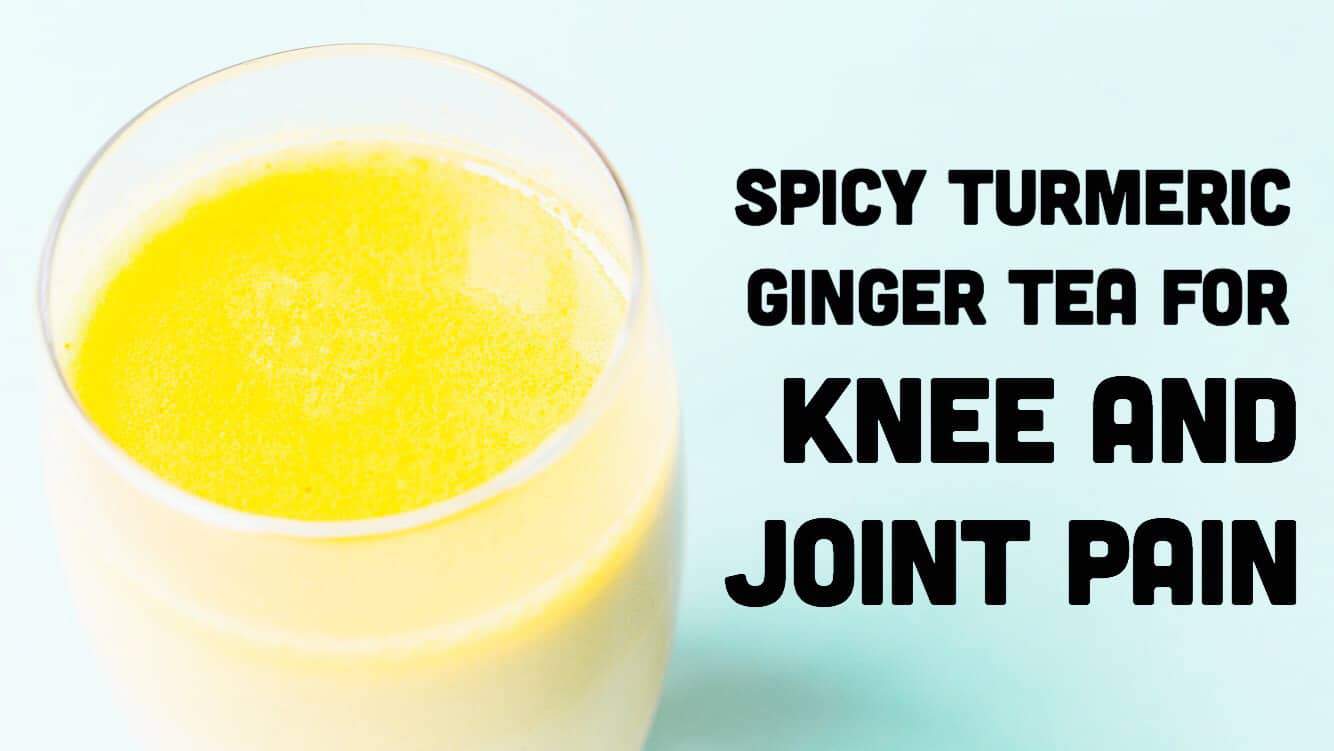
turmeric ginger tea

2. Garlic

Garlic can lower cholesterol levels, but only for a short-term time frame. It has been noted to lower blood pressure, which can help lower cholesterol levels. Studies have also noted that garlic may have antifungal and antibacterial effects, which are added benefits of the plant.

In addition to putting more garlic in your food, you can take garlic supplements in pill form. People with low blood pressure should talk to their doctors before starting garlic supplements. Before you begin, know that it can add to already-existing stomach problems.

3. Lemon

Lemon contains some of the highest health benefits of any fruit out there. In addition to aiding in digestion, skin health, and the health of your liver, lemon may have positive effects on cholesterol. The vitamin C in lemons has been shown to decrease cholesterol levels. It can also lower the effects of clogged arteries. Additionally, its citric acid may decrease plaque deposits.

Adding lemon to your diet is one of the easiest things you can do. You can squeeze the juice over regular meals and salads; add it to water, tea, and other beverages; and even eat lemon wedges with your food.

However, because lemon is acidic, too much can cause problems with your stomach. Balancing this citrus fruit with alkaline foods like healthy oils and fish can be beneficial. Too much lemon juice can also begin corroding the enamel of your teeth. For this reason, try drinking room-temperature water after eating. Also, drink liquid with lemon in it rather than drinking straight lemon juice.

Final thoughts

Step to Health’s remedy is composed of a blend of fresh lemon juice, garlic, ginger, and honey. The taste may take some adjusting to, but the benefits of the drink for people with excess fat in their arteries could be exponential. Step to Health suggests drinking this blend in the morning before meals. Following up with a balanced breakfast is a good idea. When choosing your breakfast menu, consider a mix of alkaline foods to help protect your stomach.

Of course, be sure to balance your diet regularly to prevent future buildup in your arteries. Heart-healthy foods are easy to come by and cook. What is more, they can increase the health of your whole body. Changing your diet may take a lot of work and positive thought, but your heart will thank you for it in the long run.

https://youtu.be/KKB0jThAfnQ

(C)Power of Positivity, LLC. All rights reserved
References:
https://www.mayoclinic.org/diseases-conditions/high-blood-cholesterol/symptoms-causes/syc-20350800 https://steptohealth.com/clean-arteries-3-incredible-ingredients/
https://www.ncbi.nlm.nih.gov/pubmed/18813412
https://www.ncbi.nlm.nih.gov/pubmed/10801908
http://healthyeating.sfgate.com/benefits-ginger-capsules-7924.html
https://www.livestrong.com/article/504737-how-much-raw-ginger-can-you-eat/
https://www.ncbi.nlm.nih.gov/pmc/articles/PMC2629014/
http://uses-and-benefits.com/garlic/benefits-of-garlic-pills/
http://healthyeating.sfgate.com/can-lemon-juice-reduce-cholesterol-9266.html
https://www.livestrong.com/article/498182-is-drinking-lemon-juice-good-for-you/
http://www.stylecraze.com/articles/healthy-alkaline-breakfast-recipes-you-must-try/#gref
https://healthfinder.gov/HealthTopics/Category/health-conditions-and-diseases/heart-health/heart-healthy-foods-shopping-list
Skip to content