Weekly tips, affirmations, and small actions to feel your best.

4 Proven Supplements to Manage Depression (That People Often Ignore)

Depression is defined by The National Institute of Mental Health as, “a common but serious mood disorder. It causes severe symptoms that affect how you feel, think, and handle daily activities, such as sleeping, eating, or working.”

Symptoms associated with depression are numerous and include:

  • Persistent sad, anxious, or “empty” mood
  • Feelings of hopelessness or pessimism
  • Irritability
  • Feelings of guilt, worthlessness, or helplessness
  • Loss of interest or pleasure in hobbies and activities
  • Fatigue or decreased energy
  • Moving or talking more slowly
  • Feeling restless or having trouble sitting still
  • Difficulty concentrating, remembering, or making decisions
  • Difficulty sleeping, early-morning awakening, or oversleeping
  • Appetite or weight changes
  • Thoughts of death or suicide, or suicide attempts
  • Aches or pains – headaches, cramps, or digestive problems without a clear physical cause (which do not ease with treatment)
mental illness quote

Some people suffering from depression experience all these symptoms, while some have only a few. The symptoms can fluctuate over time as well, making it a very persistent and difficult disorder to live with and treat. Globally, more than 300 million people suffer from depression, making it the most common mental disorder and leading cause of disability, according to the World Health Organization (WHO).

“Zion Research has published a new report titled ‘Depression Drug Market: Global Industry Perspective, Comprehensive Analysis and Forecast, 2014-2020.’ According to the report, the global depression market was valued at USD 14.51 billion in 2014 and is expected to generate revenue of USD 16.8 billion by end of 2020.” – GlobalNewswire, a Nasdaq company

While many people find relief in therapy or through taking antidepressants, some prefer a more natural approach. Below, we’ll go over a few supplements that many people overlook that could help ease symptoms of depression.

Here are 4 supplements that can help with depression:

(*Note: Please always consult with a medical professional before starting a new supplement.)

1. St John’s Wort

Easily the most common natural remedy for depression, St. John’s Wort has shown effectiveness in treating mild to moderate depression. In a Cochrane review of 29 clinical studies, researchers found that it works just as well as antidepressants in alleviating symptoms of depression (without all the nasty side effects). Many people who use St. John’s wort take three capsules per day to help with symptoms. However, if you choose this treatment, make sure to find a high-quality, organic supplement if possible.

Keep in mind that serious depression may require conventional medicine and therapy and that St. John’s wort will not be as effective in treating this type of depression. Also, St. John’s wort can limit the effectiveness of some antidepressants, so consult with your doctor before adding this supplement to your daily health routine.

2. 5-HTP

Depression is caused in part by low levels of serotonin in the brain, and 5-HTP can help you to produce more serotonin. Many scientists consider it a more natural form of antidepressant since it works in the same way. 5-HTP is a vital component in the production of serotonin.

Manufacturers obtain 5-HTP from the ground seeds of the griffonia simplicifolia plant. However, keep in mind that there are limited studies about 5-HTP in the treatment of depression. What is more, usage can cause side effects. Nonetheless, a review of studies has shown that 5-HTP works better than a placebo in treating depression.

3. SAMe (S-adenosyl-L-methionine)

SAMe, pronounced “Sammy”, is a chemical manufactured in the liver, and involved in over 40 metabolic processes. These function include the synthesis of neurotransmitters such as dopamine in the brain. While research is ongoing about how SAMe works to regulate mood, researchers believe it helps regulate neurotransmitters in the brain.

Studies have found that taking up to 1600 mgs of SAMe daily prove more effective than a placebo and are just as effective as tricyclic antidepressants in treatment. It might work more quickly than antidepressants, which can sometimes take a couple months before patients start noticing positive effects. However, SAMe is not recommended for people with bipolar disorder because it can cause mania.

4. Folate or L-methylfolate

If you have depression, you might want to talk with your doctor about doing a blood test for nutrient deficiencies. Many people with depression have low folate levels.

In research studies, patients with depression who added folate or L-methylfolate supplements in addition to taking antidepressants or going to therapy attained better results than people who used antidepressants and a placebo.

Final thoughts

Supplements can either replace your current antidepressant therapy or add to them; however, remember to consult with your doctor before taking any herbal supplements to see how they might interact with your current medication.


(C)Power of Positivity, LLC. All rights reserved
Sources:
http://www.who.int/en/news-room/fact-sheets/detail/depression
http://www.cochrane.org/evidence
http://www.woykoff.com/klinicke-studie/3880934/Tryptophan_Cochran.pdf
https://www.biopsychiatry.com/samerev.htm
https://www.medicalnewstoday.com/releases/225902.php

Researchers Explain 5 Causes of Acute Stress Disorder (And How to Fix It)

Acute Stress Disorder

People who experience an event that puts them in fear for their life may develop one of two conditions: post-traumatic stress disorder (PTSD) and acute stress disorder (ASD).

In contrast to PTSD, the symptoms of acute stress disorder are generally limited to one month. PTSD symptoms may persist for many years. Comparing the two conditions, according to the United States Department of Veterans Affairs, “ASD is more likely to involve feelings such as not knowing where you are, [or] feeling as if you are outside of your body.”

Acute stress disorder occurs because of a strong psychological reaction to a personally traumatic or terrifying event. Importantly, this event induces a strong emotional response within the individual. Approximately 6 to 33 percent of people who experience a traumatic event develop an acute stress reaction.

Per the U.S. Department of Veterans Affairs, individuals diagnosed with ASD are “very likely to get PTSD.” Research shows that 8 out of every 10 people diagnosed with ASD have developed PTSD within six months.

Facts About Trauma

Here are some sobering statistics, courtesy of the National Trauma Institute:

  • Trauma is the #1 leading cause of death for people between ages 1 to 46.
  • It is the leading cause of total years of potential life lost before age 75.
  • Trauma costs the healthcare system and industry more than $671 billion, which is more than heart disease and diabetes combined.
  • Despite the above statistics, just .02 percent of the National Institute of Health (NIH) budget is allocated to trauma-related research.

“Trauma is personal. It does not disappear if it is not validated. When someone enters the pain and hears the screams, healing can begin.” – Danielle Bernock

“PTSD is not about what is wrong with someone. PTSD is about what happened to someone.” – PTSD Support & Global Awareness


calm quote


At-Risk Demographics

According to Healthline, the following individuals are at an increased risk of developing ASD:

  • People who have experienced, witnessed, or been confronted with a traumatic event in the past.
  • Those with a history of ASD or PTSD.
  • Individuals with a history of mental disorders.
  • People with a history of dissociative symptoms during traumatic events. (Dissociation is the feeling of being “separated” from oneself.)

Symptoms of Acute Stress Disorder

The American Psychological Association (APA) separates the symptoms of ASD into two categories. Category 1 is comprised of the following five symptoms. A minimum of three are required for diagnosis:

  1. Feelings of emotional numbness.
  2. Feelings of being in a daze or dream-like state.
  3. Experiencing a loss of personal identity and feelings.
  4. Feeling separated from reality.
  5. Loss of memory about one or more aspects of the traumatic event.

Category 2 is comprised of the following three symptoms, one of which is required for an ASD diagnosis:

  1. Avoidance: a desire to avoid remembering the event.
  2. Hypervigilance: difficulty sleeping, irritability, being easily startled.
  3. Flashbacks: vivid remembrances of the event that produce highly distressing symptoms.

5 Leading Causes of Acute Stress Disorder

Per the Department of Veterans Affairs, these five groups exhibited symptoms of ASD:

  • 33% of survivors of mass shootings.
  • 25% of assault and robbery victims.
  • 19% of violent assault victims.
  • 13 to 21% of people involved in serious car accidents.
  • 7% of natural disaster survivors.

The V.A. department notes that individuals with a history of mental illness may be at a higher risk of ASD. Furthermore, those with a past diagnosis of PTSD may also have a higher risk for ASD.

How to Fix It: ASD Treatment

Acute Stress Disorder is a severe mental health condition, capable of affecting the individual to such a degree that they become debilitated. Prompt and efficient treatment is necessary to curtail the high risk of PTSD onset.

Per medical professionals, treating ASD revolves around three methods:

  1. Cognitive Behavioral Therapy (CBT): CBT focuses on the relationship between personal emotions, thoughts, and behaviors. It includes coping strategies for solving current problems and changing unhelpful cognitive patterns. CBT is the most widely used evidence-based practice for improving mental health. Numerous studies show that CBT may be the most effective method for treating ASD. Other research demonstrates that CBT may help prevent the likelihood of PTSD development later on.
  2. Eye Movement Desensitization and Reprocessing (EMDR): EMDR involves the patient verbally recounting the traumatic experience while tracking a moving object with their eyes. Research shows that EMDR is a highly effective trauma treatment. One reason for this is because the interaction with a given EMDR task lowers the stress of recounting a traumatic event, making it easier for individuals to process and heal from their trauma. Many people find success with this therapy, such as the EMDR therapy in Melbourne, which has been praised for its compassionate and professional approach to treating trauma.
  3. Meditation: As thousands of war veterans can attest, meditation can be a highly effective, and possibly life-saving, trauma treatment. Some U.S. military branches have begun incorporating mindfulness and meditation-based practices into their “debriefing” curriculum for returning war veterans. In a recent study, 83.7% of active-duty service members with PTSD or an anxiety disorder reduced their trauma symptoms after one month of Transcendental Meditation. Another promising stat: just 10 percent of those same veterans increased their medication dosages.

https://youtu.be/lFdcCXmGpy4

(C)Power of Positivity, LLC. All rights reserved
Sources:
https://en.wikipedia.org/wiki/Cognitive_behavioral_therapy

https://www.choosehelp.com/topics/anxiety/acute-stress-disorder
https://www.nattrauma.org/what-is-trauma/trauma-statistics-facts/
https://www.psychologytoday.com/us/blog/the-athletes-way/201601/meditation-reduces-post-traumatic-stress-disorder-symptoms
https://www.ptsd.va.gov/public/problems/acute-stress-disorder.asp

Reprogramming Yourself : 7 Simple Ways to Deal with Stress

If you frequently feel stressed out, congratulations, you are part of the human race. We’re hardwired by evolution to experience stress. Hunger, desire, excitement and agitation are all forms of stress that compel us to act. The drive to survive is an itch that you can never fully scratch, and the status quo is insufficient at best. We know this as the human condition. Our approach to dealing with stress should be about management, not elimination. Reclaim your mental health with these seven strategies for managing stress.

Remember the Big Picture

Part of dealing with stress is keeping our struggles in perspective. While focusing on the present is incredibly rewarding and is an effective coping mechanism, keeping a long-term view is beneficial. You don’t keep your car in the lane by looking at the ground underneath; you stay on track by looking where you want to go. The next time you’re trying to deal with stress, ask yourself how much your present concerns will affect your long-term happiness a week, a month, or several years down the road. It’s not easy to do in the moment, but with practice, you can learn to face temporary concerns with a healthy amount of detached objectivity.

stress sickness

Don’t Neglect the Present Moment

Focusing on the present is an effective strategy for dealing with stress. Once you see the big picture and what you want to accomplish, the scale of a complex goal can be daunting. When you’re overwhelmed, focusing on the current task can reduce the stress you feel when taking on a challenging project. Sometimes, you need to see the big picture. Sometimes, you should focus on the present. These aren’t absolute rules, but tools to deal with stress.

Exercise, Eat Well and Sleep

A powerful strategy for reprogramming your response to stress, exercise releases endorphins that promote feelings of well-being. Exercising in the morning, your body’s equivalent of making the bed, creates a feeling of accomplishment that helps you deal with stress all day. Increasingly, research shows how a balanced diet promotes a healthy gut biome affecting your body chemistry at the level of mood regulation, enhancing your ability to deal with stress. Finally, get enough sleep. Nothing else will help if you aren’t sleeping well.

De-stress in Ways That Support Your Goals

We’ve all taken refuge in our favorite ice cream, or hit the bars with friends after a difficult week. Indulging in food, alcohol or becoming comatose in front of the TV can be enticing. If you’re like most people and regret usually outweighs your temporary satisfaction, try to replace those indulgences with positive ways of dealing with stress. Exercising, practicing a hobby with friends, meditating, reading for pleasure, keeping a journal, dancing or going to a comedy club are all positive ways you can de-stress.

Focus on What You Can Control

The problems of the world are important. Simply watching the news can be stressful, and no one wants to feel apathetic. However, if you’re stressing out about things that are outside of your control, you’re wasting energy. Focus on what you can control and your ability to address larger problems will grow.

Keep an Actively Positive Outlook

Staying positive doesn’t mean ignoring the things that cause you stress. It means recognizing that a positive outlook might be a crucial element in getting what you want. It means being proactive in your approach to problem solving and welcoming challenges. Don’t get discouraged; being positive takes practice!

Taking Responsibility is a Wonderful Thing

All debate about determinism notwithstanding, taking responsibility for your life just feels good. Nothing feels worse than being manipulated by forces out of your control. We’ve all been there: stuck in a loop of thoughts replaying the ways people in our lives have added to our difficulties. We also know how little those thoughts have helped us to bring positive change into our lives. The point of taking responsibility isn’t to absolve others of theirs; it’s to empower ourselves. You’ll be amazed at how taking agency over your own life will impact your ability to deal with stress.

deal with stress

Final Thoughts

As much as we all share the common experience of stress, nobody has lived your life. Sometimes, stress can feel a little overwhelming. Recognizing that everyone experiences it doesn’t reduces the importance of dealing with stress in our lives.

Thankfully, we don’t have to reinvent the wheel. We’re in the fortunate position of benefiting from time honored advice informed by modern behavioral science to help us learn how to deal with stress and take control of our own well-being.

7 Ways Mentally Strong People Deal with Rejection

One of the most difficult things to deal with in life is being rejected. Most people thrive when they know that their loved ones care for them. Yet when people are continually rejected, they can suffer from a wide range of issues. Some of them include low self-esteem, social isolation, and depression. Luckily, we can incorporate many strategies to deal with rejection and become productive, positive people. Below you’ll find just seven of many strategies that mentally strong people use to deal with rejection:

1. Acknowledge The Discomfort.

Oftentimes, people who are rejected tell themselves fictional narratives about the situation that is unfolding. For example, if a person doesn’t get the job they wanted, they might say, “I didn’t want the position in the first place.”

Of course, this inner monologue might make you feel better for a moment. However, it’s ultimately unhealthy because it creates a mental world marked by untruths. Note that mentally strong individuals discuss their real emotions. By discussing situations that make them feel disappointed, hurt, or embarrassed, these individuals are empowered to heal the pain in a healthy way. Thus if you’re serious about learning how to deal with rejection, make sure that you’re being honest with yourself about what happened.

2. They Remain Grounded In Reality.

Oftentimes, the pain of rejection leads people to adopt extreme, fatalistic conclusions about reality. For example, an individual who is looked over for a promotion may conclude “I’ll never be able to climb the job ladder.”

On the other hand, mentally strong people don’t do this. Instead, they examine what took place in a logical, realistic manner even as they acknowledge the emotions they are experiencing because of what happened. Instead of holding a pity party, these individuals remind themselves that one single life experience doesn’t determine their ultimate value, abilities, or disposition towards the world. As you begin learning how to deal with rejection, remember that thinking in an objective, the holistic way is very helpful.

3. Celebrate Your Ability To Step Outside Your Comfort Zone.

If people understood what rejection ultimately signifies, they likely wouldn’t get so upset when it happens. As many psychology experts and wellness gurus know, rejection is proof that you tried to move beyond your current limits to expand. This is a very brave way to approach reality. So celebrate it! Trying to step out of your comfort zone only to be rejected can be disappointing and embarrassing. However, the experience functions as the groundwork through which you learn how to try new things repeatedly (and in different ways!) until you attain the results you want.

4. They Don’t Let The Experience Define Them.

One of the dangers with experiencing rejection is allowing what happened to define your identity and perceptions of the world. Mentally strong people know that while they will experience rejection at various points in their lives, they also receive love at other times. Moreover, their presence and personhood are oftentimes sought out and deeply craved by many people! In recognizing that all of these realities co-exist, mentally strong individuals don’t allow one negative experience to define them. Thus if you’re really serious about learning how to deal with rejection, make sure that you think about your life holistically rather than zeroing in on one occurrence and allowing that moment to overshadow everything else that you’ve done or experienced.

5. They Practice Self-Care.

Because rejection can compromise self-esteem, it’s immensely important to take care of yourself when you experience it. Mentally strong people know this, and they maintain an arsenal of strategies that they are always ready to use whenever they experience criticism, letdowns, etc. Your self-care strategies can include anything from a monthly massage to the development of a strong yoga practice. The key to success with this strategy is doing something that actually works.

6. They Learn From The Experience.

Another strategy that you should consider implementing when learning how to deal with rejection is learning from the experience. Mentally strong people take the time to reflect on things that happen in their lives because they know that doing so will provide them with the knowledge necessary to make more prudent decisions in the future. Thus as opposed to merely experiencing a wave of negative emotions and feeling physically or mentally weary as a result of it, take the time to learn from the experience. The learning can include the acquisition of more self-knowledge. Furthermore, it can also teach you how to operate more effectively in the world.

deal with rejection
7. They Move Forward.

If you really want to know how to deal with rejection, make sure that you learn to move forward. In many cases, people find themselves paralyzed by negative experiences. This makes sense given that experiences like rejection can engender numerous negative emotions that make people feel lethargic, demotivated, etc. Mentally strong people are aware that negative experiences such as rejection can lead them down the road to stagnation. Moreover, they implement strategies to keep moving forward. The strategies can include anything from going to the gym more frequently to keep the body in motion to joining a networking group. These both keep one on the path of professional progress.

Use These Strategies To Deal With Ejection

If you’ve never experienced rejection, know that you likely will at some point. With this reality in mind, it’s important to access and implement strategies that will help you deal with rejection and become a stronger person as a result of it. Utilize some or all of the aforementioned seven strategies to keep yourself on track to perpetual progress in the face of rejection!

Panic Attack Symptoms : Causes & Treatment

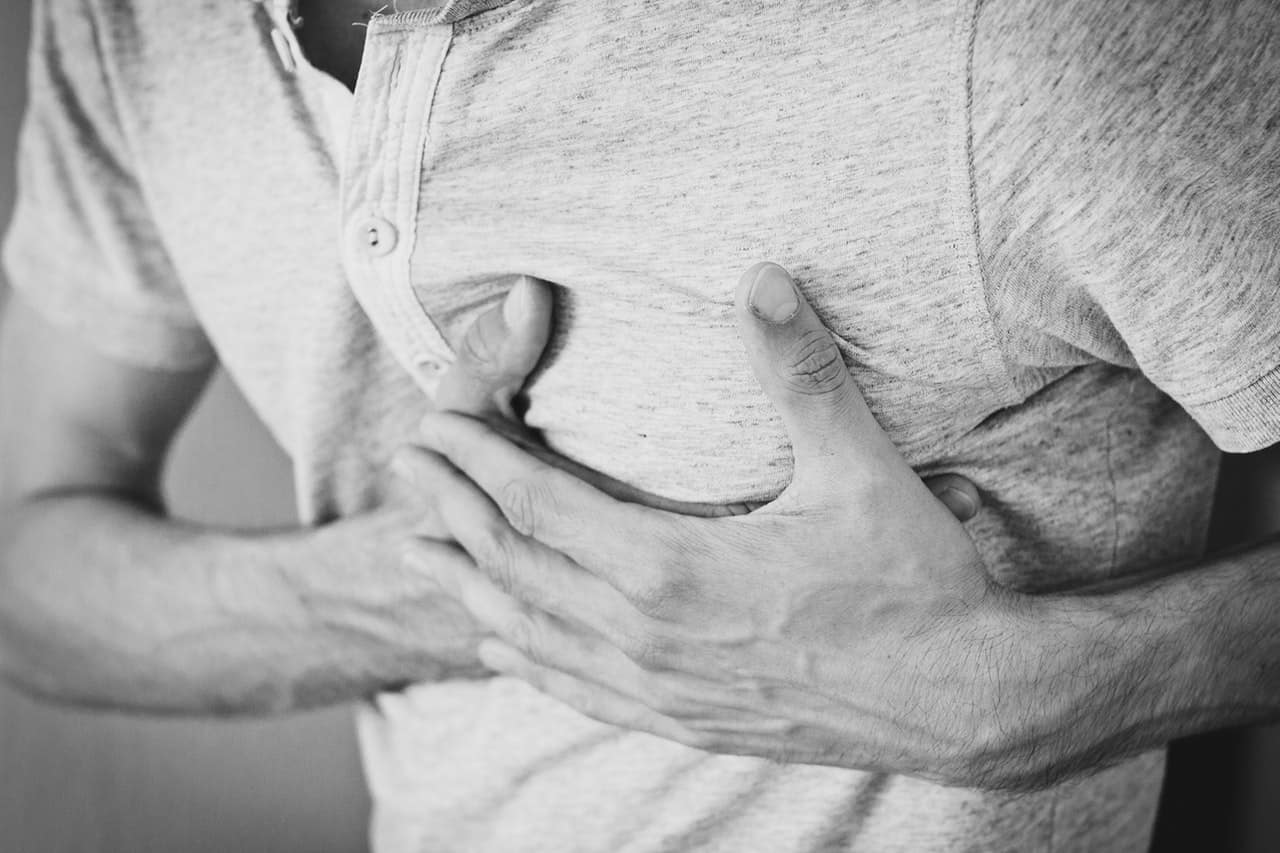
Panic attacks are serious problems for many people with depression and anxiety. Panic attack symptoms are alarming and cause people to feel out of control. With such symptoms as heart palpitations, shortness of breath, shaking, chest pain, and overwhelming fear, a panic attack is a terrifying time especially if the patient doesn’t realize what is going on.

Panic attacks and panic disorder cause patients a great deal of worry and pain. Many of the symptoms cross over with other physical ailments, meaning that panic attacks are easily misdiagnosed. Fortunately, there are tips and tricks that you can use to help yourself weather the storm of a panic attack. Beginning with an explanation of each symptom, this article will continue by presenting some helpful ways to ease yourself through an attack.

Panic Attack Symptoms

1. Overwhelming Fear and Dread

Patients experience severe fear and distress when they have panic attacks. They may feel hunted, persecuted, or terrified that something bad is going to happen. The hallmark of panic attacks is that they happen out of nowhere and are not necessarily triggered by anything that is going on in the patient’s life at the moment.

2. Heart Palpitations or Racing Heartbeat

This symptom is deeply worrying to the patient. The heart racing gives the impression that your body is out of your control.

3. Difficulty Catching Your Breath

This symptom leads people to assume they are having an asthma attack or other respiratory problem. It can be a frightening symptom.

4. Vertigo and Nausea

Vertigo, or dizziness, are worrying panic attack symptoms. When a patient feels dizzy, he or she has trouble moving around.

5. Body Temperature Changes

Sweating or chills can happen, making a patient feel very uncomfortable.

6. Shaking

Trembling is a very common symptom. It seems like a natural reaction to all of the other worrying physical symptoms a sufferer experiences.

7. Depersonalization or Derealization

A patient may experience severe changes in his or her mental state. When a patient experiences depersonalization or dissociation, he or she feels like they are not themselves. Derealization makes the entire situation seem unreal, as if the patient were looking at her life from the outside.

8. Chest Pain and Fear of Dying

This symptom causes patients to feel as if they are having a heart attack. It is deeply frightening for the patients and may cause them to feel like they are dying.

Panic Attack Symptoms

Panic Disorder

When a patient experiences panic attack symptoms, he or she may be so concerned about the next one, it could develop into a panic disorder. More people have stand-alone panic attacks, but the fear associated with an attack may snowball into a disorder of its own.

Causes

Physicians have not found the definitive cause of panic attack symptoms. It is possible that the disorder has a genetic component. It can also happen when a patient is in the midst of a life transition that creates stress.

Ways To Help Yourself

The first place to go when you are having symptoms panic attack or panic disorder is your primary care doctor. He or she may be able to prescribe medications for you, or get you in to see a therapist. Cognitive behavioral therapy may be especially beneficial.

When you are having an attack, there are some workable ways to calm your mind and remind yourself that your pain and fear are temporary.

The technique is called “STOPP.” This method breaks down as follows: Stop, Take a Breath, Observe, Pull Back, and Practice What Works.

When you’ve stopped, take a breath. Deep breathing techniques can work wonders to help ease the symptoms of a panic attack. Try breathing in for six seconds and out for six seconds. This will calm the mind and body.

Observe the feelings you are having and take note of each of them, then let them pass you by.

Pull back and try to look at your situation with some distance. Think of what advice a friend might give you in the moment. What would you say to a friend who was having panic attacks? Consider whether your thoughts are facts or opinions. Be reassured that these thoughts will pass by.

Practicing what works will help you go on. You will learn the techniques that work for you and be able to put them into practice.

Final Thoughts

Panic attacks are a deeply frightening experience. The symptoms panic attack can be overwhelming. While they are worrisome, they usually pass by quickly. The symptoms include racing heartbeat, sweats, chills, shaking, and chest pain.

Centering yourself using the STOPP technique may help you through such a crisis. Taking the time to breathe deeply and observe your feelings can give you some feeling of control.

https://www.youtube.com/watch?v=FWMSYeRHWU4

References:
https://www.getselfhelp.co.uk/panic.htm
https://www.healthline.com/health/panic-disorder#causes
https://www.everydayhealth.com/panic-disorder/guide/Sources:

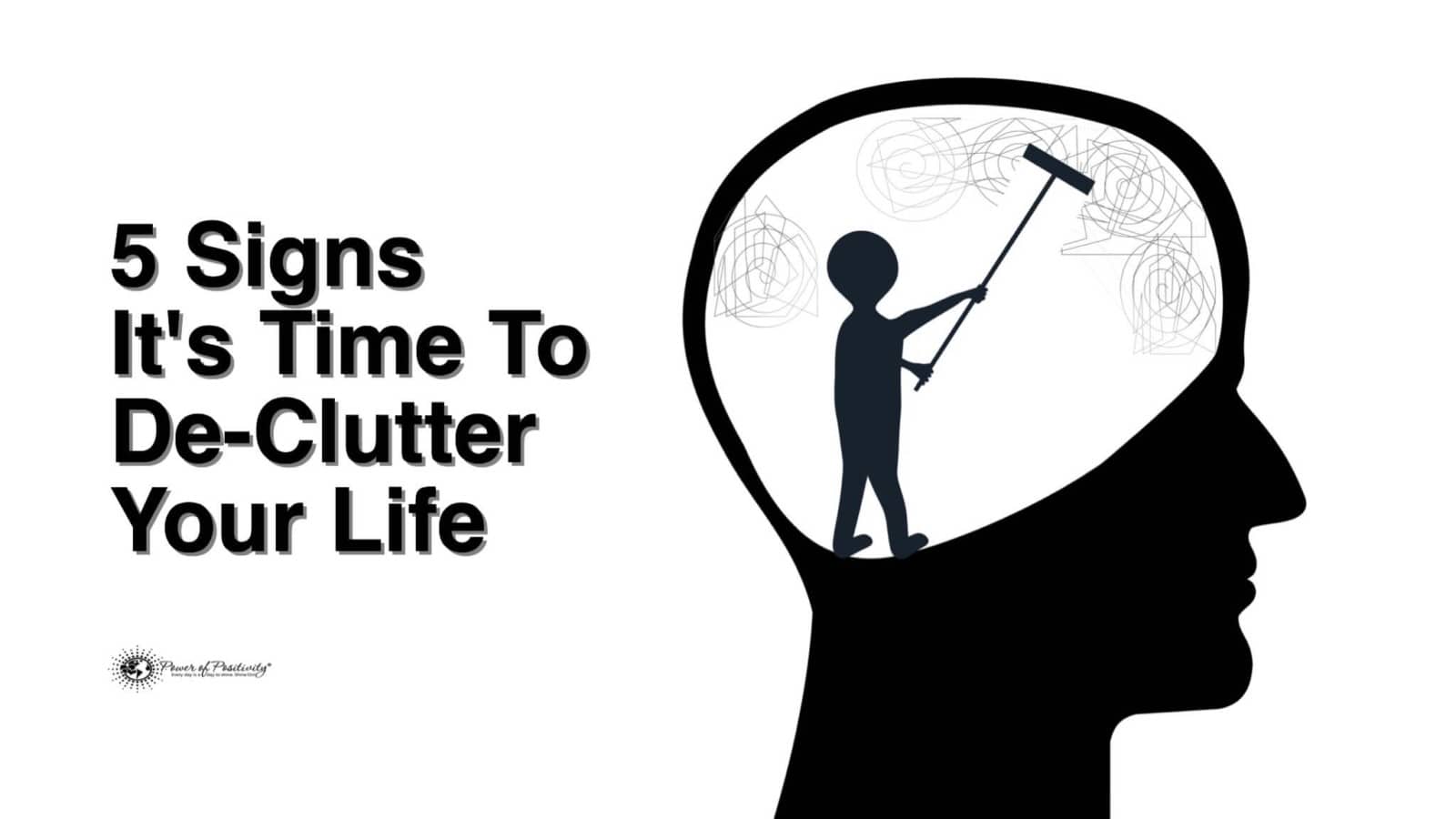
Here is How You Can Declutter your Home and Life for Better

A cluttered home is a major source of stress for many people. It is stressful to look for items you need in a messy home. It’s also difficult for children to learn to put things away properly. It is next to impossible to have guests in a cluttered home. People are too embarrassed to have friends over at short notice. Declutter your home and reap the benefits of a neater, more manageable living space.

The same principle can be applied to your life. Declutter life by removing people and activities that only cause stress and headaches. Having a more streamlined life will reduce stress and make you feel better about yourself. It pays to make small changes that add up over time. Here are 7 ways to declutter your home and life.

1. Declutter Your Work Area

In your home office or in your workplace, your desk is a great place to start in your decluttering quest. Clear off the surfaces and put everything in piles based on its importance. File all of the important documents in a filing cabinet or drawer.

When new items come in, do not put them on your desk. Deal with them as quickly as possible and either put them away or recycle them. If you keep your desk neat with only a few personal mementos along with your workday essentials, you will feel more productive and relaxed.

2. Declutter Your Kitchen

One of the best ways to declutter your home is to make sure you have enough storage space in the kitchen. If you don’t, consider getting rid of the items that do not fit in drawers or cabinets. This leaves attractive counter space with enough room to prepare food and keep essential kitchen appliances.

It’s also important to go through your refrigerator and make sure everything in it is edible. This will reduce your stress when you are preparing a meal.

3. Declutter Your Bedroom

When you declutter home, move to the bedroom. This has two important features: first, go through all of your clothing and linens and make sure you only have what you need. Donating any items that you have not used in a year is a good policy. Organize your closet so that you can hang things neatly. When you declutter your home, you will be able to use what you do have in a better way.

Next, clear off all of your surfaces and the floor. Dirty laundry should be kept in a hamper and washed regularly. Having an organized bedroom is more restful for sleep, and will give you a better start on every day.

4. Declutter Your Bathrooms

Everyone has unused prescriptions and over-the-counter medications clogging up their medicine cabinets. Take these drugs to authorized drug take-back days or dispose of them properly. Go through your household collections of personal care products and throw out all outdated bottles or those you have not used in six months.

5. Work On Your Finances

Use online banking to its fullest and eliminate the monthly hassle of paying bills. When you automate your bill payments, you don’t have to worry about mailing in checks on time. Doing all your banking online also reduces the amount of paperwork you need to deal with, bringing you a neater work space.

Go through your credit report and make sure there are no errors. Decluttering your financial life will give you as many benefits as decluttering your home and office.

de-clutter

6. Digital Decluttering

Another great way to declutter your home includes getting rid of digital mess. Spend an afternoon cleaning off your phone. Get rid of apps and programs you never use. Set up cloud backups for your important information like photos.

Work on getting off all the email lists you don’t use anymore. This can include catalog emails, notifications from social media sites, and news emails.

7. Declutter Your Home & Life

It may seem cruel, but decluttering your life includes saying goodbye to people and situations that only cause you stress. It may not be possible to cut yourself off from all sources of stress, but your enjoyment of life will be increased when you let go.

Final Thoughts

When you declutter home, it may seem like a huge task. It may be so overwhelming that you don’t know where to start. You can make small, positive changes to reach your goal. Start by decluttering just fifteen minutes a day. This will increase your satisfaction with your life and free you to have new experiences.

When you remove the excess from your life, you will live with less stress and be happier overall.

10 Simple And Fast Ways to Lose Weight without Gym or Dieting

Sticking to a restrictive diet is tough. So is hitting the gym every day. But if you want to lose weight, you’ve probably tried doing both – maybe for years. Many people simply can’t stick to a punishing plan that doesn’t allow them to eat their favorite foods. But if this scenario sounds familiar, it doesn’t mean that you can’t lose weight.

There’s actually a better way to lose weight, and it doesn’t involve depriving yourself or forcing yourself to run on a treadmill. You can drop those pesky pounds and improve your health without counting calories by making small, sustainable changes to your everyday habits. In fact, this is the fastest way to lose weight, since you’ll actually stick with this method. Here’s how you can start your weight-loss journey today.

10 Quick and Easy Ways to Lose Weight Fast Without Dieting or Going to the Gym

NOTE: This article does not suggest that you should be sedentary or make unhealthy choices. Instead, we offer common sense tips to shed unwanted pounds without the inconvenience of driving to a gym or making unrealistic food choices. Always check with your primary care physician to determine your current health status before implementing any changes.


lose weight1 – Practice Mindful Eating

Mindful eating refers to paying full attention to the experience of eating and drinking, both inside and outside the body. By savoring each bite, you cultivate awareness of physical and psychological sensations associated with eating, acknowledging responses to food without judgment. 

This practice encourages slower eating and a greater appreciation for the food, leading to a better understanding of your body’s hunger and satiety signals. When you pay attention to your food, you are more likely to notice when you’re full, which can prevent overeating. Distracted eating can lead to additional calorie consumption and could contribute to weight gain.

2 – Replace Sugary Beverages with Healthier Alternatives

Beverages such as soda are packed with sugar and can contribute many empty calories to your daily intake. These calories are not nutritional but can significantly contribute to weight gain. Instead of reaching for a soda, try swapping it with healthier alternatives such as black coffee, green tea, or water. 

Not only do these alternatives contain fewer or no calories, but they also offer numerous health benefits. For instance, green tea is rich in antioxidants, and black coffee may boost metabolism. Moreover, drinking water can help maintain proper hydration and suppress hunger.

3 – Maintain Proper Hydration

Hydration plays a crucial role in overall health and is essential when losing weight. Some people overlook the importance of hydration. But it is vital to burn calories and digestion. It aids in maintaining proper bodily functions and can help control your appetite by promoting feelings of fullness. 

Sometimes, the sensation of thirst can be confused with hunger, leading to overeating. Therefore, drinking sufficient water throughout the day can prevent this misinterpretation of signals, helping you stay on track with your weight loss goals.

4 – Incorporate Satiating Foods in Your Diet

Incorporating satiating or filling foods into your diet can aid in weight loss by reducing overall caloric intake. Foods high in fiber and protein tend to be more filling. Fiber-rich foods like whole grains, fruits, vegetables, and legumes contribute to feelings of fullness by adding bulk to your diet, slowing digestion, and helping control blood sugar levels. 

Similarly, protein increases feelings of fullness by signaling the release of hormones that reduce hunger. On the other hand, foods high in refined sugar quickly spike blood sugar and insulin levels, causing hunger to return soon after eating.

5 – Consume Your Meals Slowly

Taking the time to chew your food properly and eat slowly can improve digestion, reduce stress, and help you better recognize when you’re full. 

It takes about 20 minutes for your brain to register feelings of fullness. As a result, eating too quickly can lead to overeating. Slowing down gives your body ample time to generate these signals, helping prevent overeating and promote weight loss.

lose weight

6 – Integrate Physical Activity into Your Daily Life

While diet plays a significant role in weight loss, physical activity is essential to a healthy lifestyle and weight maintenance. Exercise can increase the calories your body burns, aiding in weight loss and providing health benefits like improved mood, increased energy levels, and reduced risk of chronic diseases. 

Simple changes such as taking the stairs instead of the elevator, walking or cycling to work, and doing chores can significantly increase your daily physical activity levels.

7 – Enjoy Your Favorite Foods Sensibly

Completely depriving yourself of your favorite foods may lead to binge eating and other eating disorders. It is okay to indulge in your favorite treats, but moderation is key. You can satisfy your cravings without derailing your weight loss efforts by allowing yourself small, controlled portions of your favorite foods. 

Consider using smaller plates and bowls for these foods – this can trick your brain into thinking you’re eating more than you are, helping control portion sizes.

8 – Resist Temptation

Environment plays a significant role in eating behavior. If unhealthy food options are readily available and easily accessible, you’re more likely to consume them. Therefore, small changes to your environment, such as storing unhealthy foods out of sight, can significantly reduce mindless eating and snacking, promoting healthier eating habits.

9 – Prioritize Adequate Sleep

Poor sleep or lack of sleep can interfere with your body’s hunger hormones, leptin, and ghrelin, increasing appetite and consuming more calories. Furthermore, inadequate sleep can lower your energy levels, which may decrease your motivation to exercise and lead to increased consumption of high-calorie foods for quick energy. Therefore, ensuring quality sleep is vital for weight control and overall health.

10 – Experiment with Color Psychology

While it may seem odd, some research suggests that the colors around us can influence our eating behaviors. Some studies suggest that blue might suppress appetite, while red may reduce cravings. This approach might not work for everyone, but experimenting with different colors in your dining area – like using blue tablecloths or red plates – could be a fun and unique approach to supporting your weight loss efforts.

lose weight

Final Thoughts on How to Lose Weight Without the Gym

Losing weight doesn’t have to be an ordeal. In fact, the fastest way to lose weight is to make small, sustainable changes you can stick with. Put these tips to work in your life, and you’ll be able to lose weight without gym time or calorie counting.

Most importantly, be kind to yourself throughout the process of losing weight. You might slip up sometimes – we all do, and it’s okay. Just start again the next day. If you persevere, you’ll lose weight fast and might even enjoy the process.

7 Things Nobody Told Me About Early Menopause (But You Should Know)

Early menopause is often misunderstood; many information sources portray a grim picture of the condition. Consequently, many menopausal women find the odds of living a high-quality life insurmountable. However, with the right information, menopausal women can live a high-quality life after understanding the condition and learning how to prevent it, and live with it.

The menopausal stage is a phase in life when a woman’s body ceases to ovulate, and subsequently, the monthly period stops. In normal situations, women reach the post-menopausal stage when they age 45 to 55. However, the average age at which the condition occurs is 51 years. In some instances, however, some women undergo the menopausal stage before they reach forty years resulting in a condition known as premature menopause/early menopause. Some cases of the condition may occur due to the surgical removal of ovaries or various medical treatments, including chemotherapy or radiation therapy. This article delves into things women rarely know about the condition.

Early Menopause Symptoms :

The condition has several symptoms, including the following:

  • Changes in the menstrual cycle affecting the normal bleeding cycles lead to irregular bleeding
  • Night sweats
  • Hot flashes
  • Disturbance in sleep patterns
  • Deterioration in sex drive
  • Dryness in the vagina
  • Urinary problems such as increased levels of urination frequency or incontinence
  • Aches as well as pains
  • Increase in mood swings

early menopause

Causes

For most women, approximately 60% of the cases, the causes of the condition are unknown. However, there are certain causes of the condition, including:

  • Autoimmune conditions account for roughly 10% to 30% of all cases. The autoimmune conditions include systemic lupus, Crohn’s disease, or hypothyroidism.
  • Some genetic conditions also provoke the condition. Research shows that approximately 5% to 30% of victims have a female relative affected by the condition. Some genetic conditions that lead to the disease include galactosemia and Turner’s syndrome.
  • Studies show that some viral infections, such as mumps, can cause the condition.
  • Premature ovarian failure is also a cause of early menopause, where the ovaries cease functioning normally before a woman reaches 40 years.

Lifestyle Causes

Some of the lifestyles individuals adopt also have the potential to cause premature menopause. For example, smoking is known to have anti-estrogen effects that often cause the condition. Long-term smokers are known to experience the condition earlier. Vegetarian individuals are likely to experience the condition. Also, the lack of exercise and minimal exposure to the sun can lead to premature menopause.

Diagnosis of the Condition

No special tests are needed to determine the absence of menstrual periods accurately. However, when a woman shows early menopause symptoms as well as irregular periods, there is a need to test for ovarian function.

Tests can be done to initially rule out pregnancy and other reasons why one has missed menstruation. Also, the follicle-stimulating hormone (FSH) level is determined to ascertain how close a woman is to the condition and determine the status of one’s ovaries. FSH is a hormone responsible for the production of estrogen. One indicator of the condition is when FSH levels reach above 40 mlU/ml. Further, low estradiol hormone levels can indicate susceptibility to the condition.

Transitioning to the Post-Menopausal Period

A woman must have the right knowledge to transition smoothly to the post-menopausal period. One can begin by ensuring they visit the doctor regularly for checkups. Being proactive about one’s reproductive health is an effective way to handle the condition. Additionally, it is recommended to visit a therapist to help cope with the anxiety associated with the disease.

Treatments for the Condition

While there is no cure for the condition, scientific research studies have found ways to help numerous women to cope with the condition and relieve the unpleasant symptoms. The condition should not be a deterrent to living a normal life. Innumerable women enjoy a fulfilling life despite the condition.

Hormone Therapy

Hormone therapy can relieve symptoms such as hot flashes and dryness of the vagina associated with the condition. The hormone treatment can come from patches, pills, creams, and trans-dermal sprays. Some treatments can be administered via the intra-vaginal route.

early menopause

Oral Contraceptives

Oral contraceptive pills are sometimes used to help lessen menopausal symptoms.

Antidepressant Drugs

Researchers have found that various selective serotonin reuptake inhibitors can be administered to control hot flashes. The compounds control the severity of flashes in around 60% of women.

Vaginal Lubricants

To prevent dryness in the vagina, women are advised to utilize non-hormonal gels or creams.

early menopause

Having Children in the Post-Menopausal Stage

Being in the menopausal stage should not be a deterrent to having children. Some menopausal women still desire to have children but lack the knowledge of how to do so. There are various options for women who hope to expand their families, such as egg donation, adoption, or having surrogate mothers bear children.

Additionally, some fertility specialists from a fertility clinic are adept at helping women at the post-menopausal stage to bear children. In vitro fertilization (IVF) is an effective procedure that allows women to have children. Doctors can advise on the impact of one’s age and health on the chance of success or failure of the IVF procedures.

In conclusion, the condition is neither a death sentence nor a life-debilitating condition. Some mitigate the symptoms with self-care and a positive mindset. Adopting healthy lifestyles to prevent the disease’s occurrence and alleviate the discomfort associated with the condition is imperative. For example, eating a diet rich in calcium and vitamin D can improve bone health in postmenopausal. Maintaining a healthy weight relieves symptoms such as hot flashes and night sweats. In addition, eating fruits and vegetables and maintaining an active life can help one steer clear of diseases associated with the condition, such as heart disease and osteoporosis. Early menopause should not be a constraint to a high-quality life.

Want to lose weight fast? A no sugar diet is the answer

When it comes to losing weight, for the majority of us, we tend to fixate on calories in versus calories out; we tend to avoid foods high in saturated fat, but what about foods that are high in sugar? These foods not only add to our waistline but also jeopardizes our overall health. According to a study published in JAMA (Journal of the American Medical Association), excess sugar can shorten your life.

The study explored how sugar contributes to cardiovascular disease as well as obesity and diabetes. Also, it further illustrates how adopting a low or sugar-free diet can help you simultaneously shed pounds while avoiding potential health risks. In this article, we will focus on some of the foods that you should abstain from in order to become a healthier you.

WANT TO LOSE WEIGHT FAST? A NO SUGAR DIET IS THE ANSWER

We’ve all been there, right? We’ve spent countless hours at the gym, doing the most intense workouts we have ever done, only to find that our physique looks the same as it did a month ago, two months ago. Nothing has changed, and worse, we are left feeling disheartened. It’s not a lack of conviction or dedication; it’s your diet. Here are a few of staples that you should include in your diet to will help you realize your fitness and overall health goals:

  • Lean meats
  • Fresh vegetables
  • Whole grains
  • Nuts
  • Seeds
  • Low-fat dairy products

health quotes

Is this an overarching list of food staples that will completely transform your life? Absolutely not, there are many more that did not make it into this article. However, these are some of the foods that have helped fast-track the health and fitness goals for those seeking to become the best version of themselves possible.

NO SUGAR DIET WEIGHT LOSS

You may have noticed that fresh fruits were not part of the healthy food listicle; it’s for a good reason. Fruit can be part of your no sugar diet; they are naturally sweet, and they don’t cause the health problems typical of foods containing added sugars. Therefore, if you’re looking for a way to satisfy your sweet tooth, you’re encouraged to swap the pastries for an apple, orange, banana, or any fruit that your heart desires. Also, fruit contains vitamins, fiber, and nutrients that pastries typically do not.

HIDDEN SUGARS

Unbeknownst to many, there is sugar in many of the foods that we eat. So, while we are eschewing pastries and the like, we should reduce or avoid the following food items:

  • Barbecue sauce
  • Ketchup
  • Granola bars
  • Salad dressings

Again, is this an all-encompassing list of foods to avoid? The answer is a resounding no. This list is, moreover, are some of the more common food items that many people consume, thinking they’re doing right by their bodies. In actuality, it is the contrary; these food items can sabotage your health and fitness goals. How so, you ask? To help put all of this into context, let’s take a look at ketchup.

Although ketchup seems harmless, it can contain upwards of 40 grams of sugar per cup, and the same holds true for barbeque sauces, marinades, and many salad dressings. So, you’re encouraged to start reading the ingredient list on some of your favorite sauces before drizzling them on to your foods.

A NO SUGAR DIET DOESN’T MEAN TASTELESS FOOD

Eating healthy does not mean you have to resign yourself to a no sugar diet or flavorless, unsatisfying foods. You just have to be creative and choose foods that are naturally flavorful. I know, easier said than done, right? Well, it really is just that easy. The remainder of this article will be dedicated to providing you with a “full day of eating” sample that you can implement in your own life.

MAKE BREAKFAST PART OF YOUR NO SUGAR DIET

You’ve heard this time and time again; breakfast is the most important meal of the day. There is a whole lot of truth is that aphorism. Therefore, why not start your morning with some delicious scrambled eggs mixed with spinach and tomatoes. This breakfast provides you with protein, fiber, and natural sweetness.

Foods to eat lose weight

A NO SUGAR DIET PLAN FOR LUNCH

Okay, so you started your morning off on a good foot, but what about when lunchtime rolls around? You should continue with your no sugar diet plan, which can include a serving of lean meat (preferably chicken breast) and a small salad. However, instead of drenching your salad in sugar-ladened dressing, you can use vinegar and olive oil for added taste.

DINNERTIME

When dinnertime rolls around, there’s no need to derail a whole day’s worth of healthy eating. So, why not round out your day with some protein-packed salmon and steamed veggies for dinner. This delicious combo is satisfying and perfectly complements your no sugar diet weight loss regimen.

Skip to content