Weekly tips, affirmations, and small actions to feel your best.

The 7 Best Homemade Remedies To Get Rid Of Acne

Our skin is a very accurate indicator of our state of health. If we are fresh-faced, glowing, and radiant, it is assumed that we care for, hydrate, and nourish ourselves well. On the other hand, skin that is riddled with trying to get rid of acne, whiteheads, and scars. Often times, these may actually indicate that we lack proper nutrition, good hygiene habits, and hormonal balance.

The American Academy of Dermatology states that acne is the most common skin problem in the United States, with over 17 million people suffering from this inconvenient and embarrassing skin malady.

While it may be considered a common skin condition, many of us simply do not know how to get rid of acne. If left untreated, it can cause hyperpigmentation and scarring on the face, neck, chest, back, and arms, causing emotional distress right along with physical discomfort. Breakouts, stress, and poor self-esteem set up a vicious cycle that is difficult to break. We rush into our dermatologist for the latest innovation in skincare, a nutritional consultation, even prescription medication, and little do we realize that the answer to our clear skin needs may be right at home in our own cupboards.

The following home remedies have been proven to be remarkably effective at diminishing existing outbreaks of acne and preventing new ones from occurring.

Say goodbye to the outbreaks of the past as we learn how to get rid of acne naturally.

Garlic

Not only will vampires steer clear, pimples will disappear in the presence of this magic substance. Whether you choose to take it internally or rub it on the skin, the properties of allicin present in garlic will go to work almost immediately, soothing inflamed tissue and naturally detoxifying the pores. Garlic will help you to get rid of acne naturally.
Garlic can be:

  • taken internally or consumed as part of your diet
  • rubbed directly on the skin
  • mixed with water to form a paste, then applied to the skin as a mask twice weekly

Whatever your preferred method of administration, you are bound to see healthier skin as a result of using this protocol.

Aloe Vera

Another miracle plant found in nature, aloe vera has strong antimicrobial and antifungal properties. It can be applied directly to the skin, reducing inflammation and promoting the rejuvenation of fresh healthy cells, or it can be taken internally as a dietary supplement. Aloe vera contains a natural form of salicylic acid, a known treatment for effectively eradicating acne. When applied to the skin, it has a cooling, soothing effect that leaves behind a fresher, softer, more supple complexion.

Honey

Honey is nature’s most potent antibiotic. Acne forms as a result of bacteria in the skin becoming inflamed and irritated, causing redness, rash, and pimples to appear. You can apply honey directly to the skin for a quick and easy face mask that strips the skin of all impurities without stripping it of its natural moisture balance. Simply rinse affected areas off after an application of honey has been allowed to sit for 15-20 minutes, and you have a beautiful canvas to work with once more.

Tea Tree Oil

This is the Cadillac of home skin treatments. Tea tree oil has long been praised for its ability to cleanse and tone even the most problem-prone skin. While tea tree oil is not recommended for internal consumption, it can be applied topically for best results without any health complications or consequences that arise from treatment. A fresh, clear complexion awaits you after only a few applications.

how to get rid of acne

Baking Soda

One of the main causes of acne is the buildup of excess oil on and underneath the top layer of skin. The application of a baking soda and water paste to the skin as a natural mask will draw out impurities, restore the delicate Ph balance of the skin, and allow it to retain its natural moisture. Apply a few times a week for best results.

Apple Cider Vinegar

You may not “relish” the thought of smelling like a pickle, but your skin will thank you. Our skin is naturally acidic, and the cleansers we use to clean our skin tend to strip its natural Ph balance, leaving us susceptible to infection and inflammation. A simple application of diluted apple cider vinegar twice daily after cleansing the skin will restore that balance and leave you with the most radiant complexion you’ve ever had. Scarlett Johansen knows how to get rid of acne; she has suffered from it for years. A simple application of apple cider vinegar toner is partially responsible for the beautiful woman we now see in film and in print.

Salt And Olive Oil

Getting that top layer of dead skin off our face so dead skin cells don’t have the opportunity to clog pores is essential for healthy, clear skin. A mixture of olive oil and salt will produce an effective, moisturizing scrub that will remove that pesky outer layer and leave fresh, healthy skin behind. Mix 1/2 teaspoon of olive oil with salt, apply to skin using a gentle circular motion and allow to dry. Rinse with warm water and pat dry, and you’ll see a new you looking back in the mirror.

There Is Hope, Acne Sufferers!

Do you know how to get rid of acne? There are hundreds of products on the market with lofty claims that they can give you that Cindy Crawford complexion that you’ve always dreamed about, but many of us do not have the time or money to invest in these expensive, complicated regimes. Sometimes the best remedies for natural skin and body care are found right at home. If you wish to get rid of acne naturally, there is hope right in your own home. Try these effective home remedies on how to get rid of acne and find fresher, clearer skin is just a recipe away!
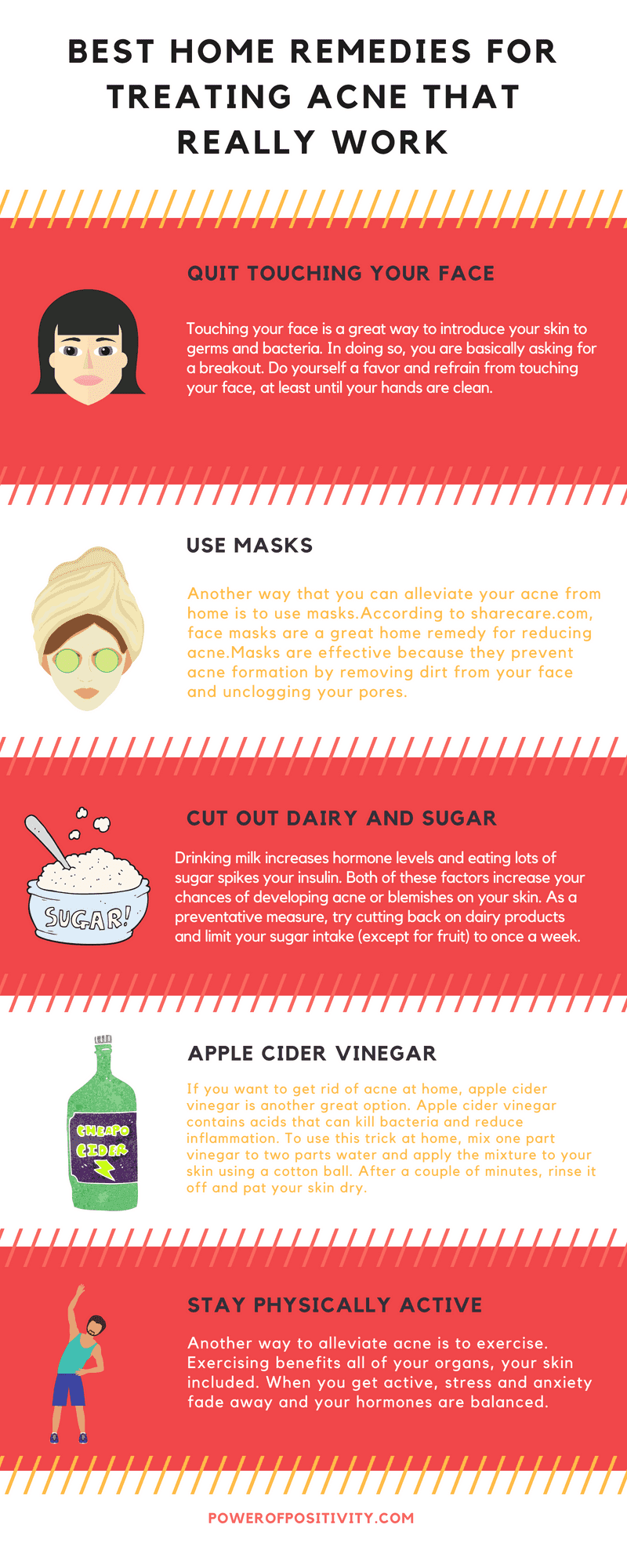

Home remedies for treating acne that really work

Share this Image On Your Site

(C)Power of Positivity, LLC. All rights reserved

10 Health Benefits of Gratitude You Didn’t Know About

Even though it’s all well and good to ‘count your blessings’ on Thanksgiving and similar holidays, allowing yourself to be grateful during the entire year can beget extraordinary gains for your quality of life.

Truthfully, to practise gratitude is probably one of the best things you can do for your health that’s normally neglected. Improving your sense of gratefulness doesn’t have to come with any monetary costs, Plus, it definitely doesn’t have to take a lot of time. However, the advantages are tremendous.

Studies now show that showing gratitude can provide the following benefits:

increase thankfulness

1. Gratefulness opens up the opportunity to have more relationships. 

According to a 2014 study issued in Emotion, saying, “thank you” doesn’t only develop great manners, but bestowing your thankfulness can support you in winning new friends and influencing people.

The research discovered that praising a new associate makes the other person more inclined to explore a more ongoing connection. So whether you are thanking a random stranger for keeping the door open, or just sending a prompt thank-you message to your co-worker that assisted you with your project, taking into account the other person’s participation can grow into budding relationships.

2. Being grateful enhances your physical well-being. 

Thankful people encounter fewer physical discomforts. Besides that, they describe how they feel better than people in similar situations, based on a 2012 examination printed in Personality and Individual Differences.

Not markedly suspicious, people that show gratefulness more often are also more apt to stay on top of their health. They work out more regularly and are more inclined to go to routine check-ups with their physicians. That explains why they experience extra longevity.

3. Being thankful enhances mental health as well. 

Gratitude decreases a variety of toxic feeling, varying from resentment and envy to regret and frustration. Robert A. Emmons, Ph.D., a leader in the research on gratefulness, has directed many investigations on the connection between well-being and gratitude. This analysis verifies that gratitude effectively boosts happiness and subdues depression.

4. Gratefulness reduces aggression and improves empathy. 

According to a 2012 inquiry by the University of Kentucky, people who are grateful are more prone to act in a mutually advantageous fashion, even if other people are acting less than kind.

Research participants that scored higher with gratefulness rankings were less disposed to act in an antisocial way. In fact, that was true even if they received negative feedback. They encountered more empathy and sensitivity from other people and a diminished propensity to attempt revenge.

5. Thankful people have better sleep. 

According to a 2011 investigation issued by Applied Psychology: Health and Well-Being, writing down your in a gratitude diary promote better sleep.

6. Being thankful will enhance your self-esteem. 

Studies show that gratefulness improved an athlete’s self-esteem according to the Journal of Applied Sports Psychology. This is a critical element of elevated achievement.

Additional research has proven that gratitude lowers social judgments. Instead of being envious towards others that may have more money or gainful employment – which is one main factor of lowered self-esteem, people that show appreciation can acknowledge other’s achievements.

7. Praise improves mental fortitude. 

For many years, studies have revealed that thankfulness doesn’t just reduce anxiety. Indeed, it can play a supportive function in mastering trauma. Studies showed that Vietnam Vets with greater levels of appreciation endured reduced amounts of PTSD, according to a 2006 inquiry written in Behavior Research and Therapy. It was discovered that being grateful was a primary contributor to increased resilience after those traumatic experiences.

Realizing and taking account of everything that you have to be thankful for – also throughout the most distressed parts of your life – encourages resilience.

gratitude

8. Being grateful allows for better patience 

Studies by the Northeastern University observed that those who practice gratitude for the little things were more composed and able to make better choices. Conversely, the individuals that weren’t feeling very gracious on a regular basis made rash decisions.

Each one of us possesses the capacity and possibility to develop a greater sense of gratefulness. Just set aside a few minutes to direct your attention on all that you’re thankful for – instead of complaining about everything you believe you should have had by now. Cultivating your “attitude of gratitude” is probably the easiest means of improving your happiness in life as a whole.

I Tried These Amazing Juicing Recipes For Weight Loss And They Worked Wonders

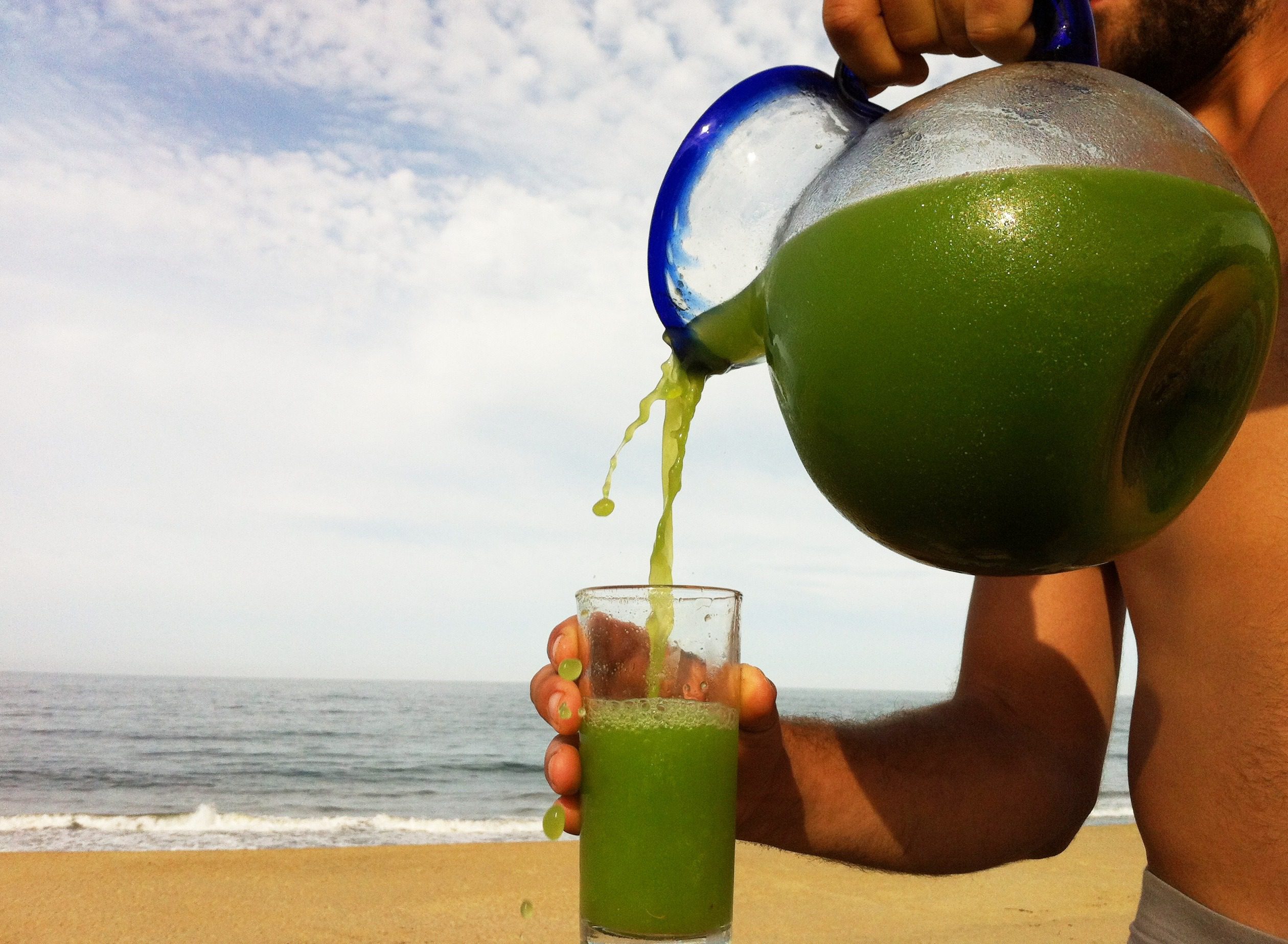
Juicing is an excellent way to eat your daily nutrients without having to consume whole vegetables and fruits. It can also have a significant impact on reducing body fat. Juicing recipes for weight loss include extracting liquid from fruits and vegetables either by hand or a motorized juicer. The juices for weight loss do not contain any skin, pulp, seeds or solids. You can still benefit from the fiber, nutrients, and antioxidants without the whole fruit. Juicing recipes for weight loss can involve replacing one meal per day with fresh juice or committing to a juice fast where you only drink juice all day. You should invest in a high-quality juicer or press to squeeze out your herbs, fruit, vegetables, and leafy greens.

Many people use juicing recipes for weight loss to also detox. Ridding your body of harmful toxins can jumpstart weight loss. Juicing supports the body’s natural process of clearing itself of caffeine, sugar, refined and processed foods. Juices for weight loss can also:

  • Detox the liver
  • Improve the appearance of the skin
  • Lower blood sugar
  • Lower cholesterol
  • Improve athletic performance
  • Improve nutrient absorption
  • Help you lose weight quickly

To start juicing, all you need is to blend the ingredients in an electric juicer. Begin by washing all the ingredients and pat dry. Remove any peels and cut the fruit or vegetables into small chunks. Place the ingredients in the juicer and process.

Here are some of the best juicing recipes for weight loss:

potato juice

1. Green Detox Juice 

Green juice is one of the most popular juicing recipes for weight loss. It contains the perfect balance of vegetables and fruit to detox your body after a rough night out. This recipe includes apples that are an excellent source of vitamin C and polyphenols that provide a number of health benefits. To make this delicious juice, place in a blender:

  • 2 green apples
  • 1 cucumber
  • 1/2 lemon
  • 3 celery stalks
  • 8 kale leaves
  • 1 sprig of mint
  • 1 piece of fresh ginger

2. Carrot Apple Juice 

Carrot apple juice is chock-full of antioxidants, vitamins, and minerals. This simple juice is a great source of beta carotene, vitamin A, B, and K. It is naturally sweet and tart thanks to the apples. Below is a list of the carrot-apple juice ingredients:

  • 1 large apple
  • 2 large carrots
  • 2 pieces of fresh ginger
  • 1/4 can pineapple chunks

3. Lemon Apple Detox Juice 

This amazing juice for detoxing is light and tangy and makes for the perfect breakfast juice first thing in the morning. Here is how to make the lemon apple detox juice:

  • 4 apples quartered
  • 2 lemons peeled
  • 2 cucumbers
  • 1 cup water

4. Green Juice For Kids 

Juicing is an excellent way to get your kids to consume their daily source of fruits and vegetables. This kid friendly green juice contains vitamin K, C, carotenoids, iron, calcium, folic acid, and other essential minerals. The tasty kid friendly green juice ingredients include:

  • 2 peeled oranges
  • 1 peeled lemon
  • One green apple
  • 1 leaf of kale
  • 1 cup spinach

fresh-green-juice


5. Red Zinger Breakfast Juice 

This juice works best when taken in the morning. It includes beets which are vital for liver health. The red zinger juice is a good source of folate, manganese, vitamin C, iron, and other vitamins and minerals. The healthy red zinger juicing recipes for weight loss are:

  • 2 lemons
  • Two apples
  • 2 beets
  • 2 carrots

It’s fun to experiment with new fresh ingredients, so you never feel bored. Try to use organic fruits and vegetables when possible to reduce the risk of harmful free radicals and pesticides. Replacing your meals with low-calorie juices will indeed help you lose weight. Always consult with a doctor or health care professional especially, if you intend on juice cleansing for a long period.

This One Habit Can Improve Your Self Esteem In No Time

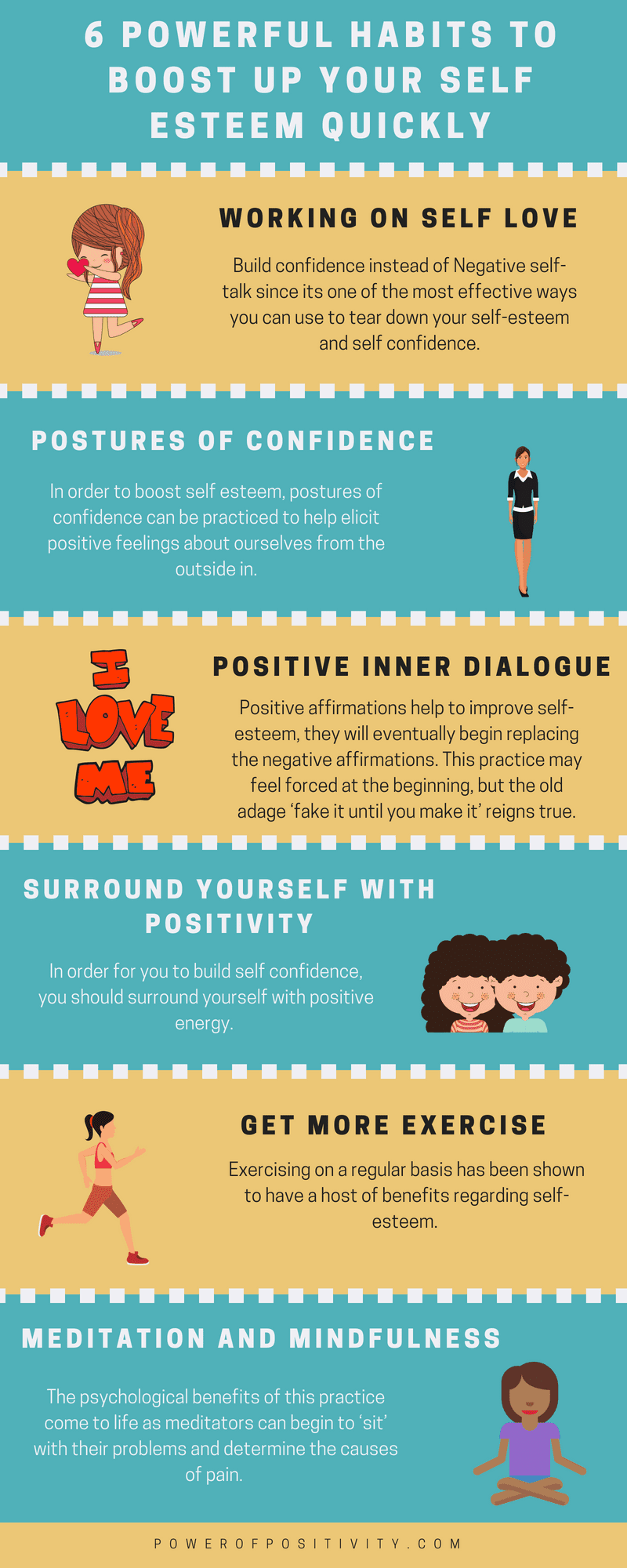
Everyone wants to feel better about themselves. It just makes sense. Certainly, no one sets out every morning freely thinking that they want to wade through a dark and strangling pit of depression. It’s not easy being sad, but it’s also not exactly easy learning how to be happy. Working on your self esteem can be a difficult journey, and some days it may seem like you are taking steps backward instead of forward.

Learning how to build your self esteem doesn’t have to be that long, difficult road though. It’s important to take time out of every day to work on how to build self esteem, as this will benefit you in so many other aspects of your life. You will have an overall happier mood, more confidence in yourself and your abilities, and you will seem more approachable to others. Keep reading to learn what you can do to set yourself up for success on this journey.

Here’s how to build self esteem:

One great way to help you build self esteem is to ensure a small part of each day is dedicated solely to this aspect of your life. You can make it a part of your morning routine as you prepare yourself for the day, or set an alarm for a part of the day that you particularly struggle with. Doing this helps make the task a conscious effort that you are constantly reminding yourself to focus on. It also aids you in taking control over it.

Think of it this way. If you know you have to lose weight and are trying to focus on it each day, it can be overwhelming and you may be flooded with thoughts of inadequacy and overall negative thoughts. However, if you break it down into smaller, more manageable tasks that you can gain satisfaction from crossing off, then you are already a step ahead of the game. This same concept can apply as you work on your confidence in yourself. Each day, set out to do one small thing that is going to assist you on your journey. Deciding what that task will be and the how and when of accomplishing it puts all the control in your hands. You are able to automatically feel more in charge of your life and the direction it’s going by doing this.

There are a few simple ways that you can use to practice this skill. The first is to start tracking your moods and negative thoughts. This can help you determine if these thoughts are being triggered by something else, such as additional stress during a specific time at work or a premature hunger attack. A lack of sleep can also contribute to self-destructive thoughts and negativity. This list from Forbes has some great apps that you can use in this manner to help build self esteem.

Once you’ve conquered this step, you can begin to target the trends you found in your moods and use them to your advantage to help further boost your self esteem. For example, if your negative attitude is being caused by the dreaded 3 pm work slump, then set an alarm and make it a point to go on a quick walk outside. The extra sun and pumping heart can easily boost your mood, and you can practice saying a couple nice things about yourself along the way.

affirmations

As you can see, getting your self esteem to a level that makes you feel happier on a daily basis can be done by taking small steps at a time. Start tracking the things that are making you feel insecure so that you can learn patterns about your behaviors and environment as they relate to your thoughts about yourself. Once you have gained this insight on yourself, you can begin taking the necessary steps to not only correct the current issue, but prevent further issues from occurring completely.

It is very important that you take the time to work on these skills, because if you don’t then the issue can grow and be even more intimidating to try and tackle at a later time. Doing something about this issue each day can help you feel more in control of the situation. Gaining your self esteem can be a very powerful tool for success in life.

Share this Image On Your Site

(C)Power of Positivity, LLC. All rights reserved

10 Signs Your Partner Is Falling Out of Love (And Not Telling You)

Being in a relationship can be the most incredible thing, but the tide can quickly change for a couple, especially if they’ve been together for a few years. But how do you know if your relationship is just in a rough patch or if your issues are serious? Take a look at some signs that your partner might be falling out of love with you.

Here Are 10 Signs Your Partner Is Falling Out of Love (And Not Telling You)

“How do you know when it’s over? Maybe when you feel more in love with your memories than with the person standing in front of you.” – Gunnar Ardelius

1. They hardly spend time with you.

Spending time alone is necessary. You need to pursue your own interests even if you’re in a relationship. But if your partner hardly makes any effort to spend time with you, it could be red flag. It may indicate that they’re falling out of love. A study from the University of Minnesota has shown that couples are a lot happier as individual people when they make time for each other. They are a lot more satisfied with life in general when they are able to grow individually as a person, yet at the same time spend quality time together. If this is lacking in your relationships, it could affect your positive outlook in life.

2. They don’t ask about your day.

Can you remember the last time your partner asked about your day? Have you stopped discussing things like movies, current events, or the bar that recently opened around the corner? If you have not been talking about the daily grind as much as before, it could be a sign your partner is no longer interested in doing things with you. If he doesn’t bother to ask about the mundane things, you’ve got to wonder if he’s still concerned about important matters in your relationship.

3. There’s a failure to communicate.

You don’t want to jump to conclusions about why he’s not interested in asking about your day. Of course, you don’t want to immediately think he’s falling out of love with you. So, you initiate a serious talk about what’s really going on, but you realize that communication is no longer fluid between the two of you. He’s having a hard time opening up and he’s becoming defensive, while you’re unloading your frustrations on him. Poor communication is one of the biggest reasons couples breakup and seek a divorce, according to a survey done by University of Washington professor John Gottman.

4. There’s no more intimacy.

There’s no more spark in the bedroom and you don’t hold hands in public anymore. The physical connection has faded. Intimacy, however, involves more than a physical connection; it also considers the emotional connection. If you can’t remember the last time you had deep discussions about your life together, there could be something seriously wrong with your relationship that could lead to a divorce.

5. There’s nothing BUT physical intimacy.

On the flip side, your physical chemistry in the bedroom might still be amazing but what if it’s the only thing you share together? Outside of the bedroom, your partner is distant and you no longer connect. This likely indicates someone falling out of love because there’s no more emotional value in the relationship except the physical aspect.

6. Their priorities have changed.

You were once the center of her universe and she always considered you in most of the decisions she makes every day. But if that is no longer the case now and you’re no longer the top priority, then it’s a sign that she’s not into you anymore.

7. There’s no more laughter in your relationship.

In the beginning, you used to do so much crazy stuff together. He used to crack you up or she used to laugh at anything you said (even if your jokes are corny). It’s not a good sign when the laughter has died down in your relationship, according to Enda Junkins, who wrote the book “Belly Laughter in Relationships: Something Else Positive Below the Belt.” When partners no longer share fun and joy, it could indicate they are not satisfied with the relationship anymore.

8. Your fights are becoming more intense.

Disagreements happen even between the happiest couples but when fights become more intense, then a breakup and a divorce may be imminent. When couples argue over the same things or can’t seem to let go of the small disagreements, then there are unresolved core issues in the relationship, according to family therapist Talia Wagner. Unresolved issues can grow into resentment or anger that wrecks your relationship, leading to a breakup.

out of love

9. There’s no more respect.

Respect is more important than love in relationships, according to psychologist Peter Gray. Without respect, your partner could belittle you, disregard your opinions, or question your choices. Someone who takes you for granted and has stopped saying positive things to you isn’t just showing signs that the love is no longer there. It’s also a sign of disrespect, and this is unhealthy for any relationship.

10. There’s no effort to fix the problems.

Problems multiply when there’s no love, respect, and trust in relationships. If your partner is not interested in fixing these problems, you might be happier being apart.

the one you love

Final thoughts

No matter how hard you try positive thinking, it’s sad to imagine that your relationship could be heading for a breakup and a divorce. However, it is better to see the signs earlier so you can do something about it instead of becoming unhappier in your relationship.

(C)Power of Positivity, LLC. All rights reserved

10 Foods That Unclog Arteries Naturally

The arteries consist of blood vessels that deliver nutrients and oxygen from the heart to the rest of the organs. If the arteries are clogged, however, the condition could lead to major cardiovascular diseases. Thus, it’s essential to keep your blood vessels clean and unclog arteries healthy through proper diet, regular exercise, and a good lifestyle before it becomes a major problem.

If you seek tips on how to unclog arteries naturally with food, take a look at some recommendations below.

Here Are 10 Foods That Unclog Arteries Naturally

“With a healthy diet and only moderate weight loss and reduction in blood pressure, you can see regression of plaque that naturally progresses over the years.” – Iris Shai

1. Apple

An apple is one of the foods that unclog arteries naturally. Scientists from the Ohio State University discovered that apples can prevent plaque buildup in the arteries. The experts said that eating one apple daily for at least four weeks can reduce bad cholesterol by as much as 40 percent. This fruit contains polyphenols or antioxidants that prevent bad cholesterol or low-density lipoprotein (LDL) from oxidizing. Toxins that oxidize in the blood vessels harden the arteries.

2. Meaty Fish

Fish with fatty meat – such as mackerel, salmon, sardines, and tuna – contain healthy fats that can unclog arteries. These healthy fats are also known as omega-3 fatty acids, which reduce inflammation in the blood vessels and prevent blood clots and high blood pressure. The American Heart Association (AHA) suggests eating baked or grilled meaty fish at least twice weekly to lessen plaque buildup in the arteries.

3. Avocado

Avocado is one of the foods that unclog arteries naturally. Experts recommend replacing butter, creams, mayonnaise, and salad dressing in your food with just one ingredient: the avocado. A study published in the U.S. National Institutes of Health indicated that daily consumption of avocado can decrease bad cholesterol by 11 to 22 percent. An average serving of avocado also contains lots of fiber, protein, and vitamins that benefit the heart.

4. Broccoli

Broccoli is loaded with vitamin K, that works against blood clotting, according to natural medicine expert Joe Pizzorno. This vegetable is also rich in fiber that helps lower blood pressure. Broccoli also reduces the stress that plaque build-up and LDL might cause in the arterial wall, thus this veggie helps keep your heart healthy and your arteries clear.

5. Coffee

While some studies indicate that too much coffee intake can be bad for health, researchers at the University of Western Australia learned there are also positive effects. If you drink eight to sixteen ounces of coffee daily, you may actually unclog arteries and reduce heart disease risk by 20 percent. Coffee is one of the best sources of antioxidants, as it has high chlorogenic acid content that prevents heart problems from developing. Just make sure to drink in moderation to minimize the side effects of too much caffeine.

6. Nuts

Snacking on almonds and walnuts is healthy for the heart. These nuts are rich in alpha-linoleic acid (ALA), vitamin E, monounsaturated fats, protein, and fiber. Nuts can also reduce the inflammation in the blood vessels, which helps clear the arteries naturally.

7. Spinach

Spinach is one of the foods that unclog arteries naturally. Eating a serving of spinach a day can reduce the homocysteine levels in the body, which has been linked to heart diseases like atherosclerosis or clogged arteries, according to Circulation, the AHA journal. Add spinach to your salads, soups, and sandwich, or prepare it with lemon and apples for a delicious smoothie.

8. Watermelon

This fruit is packed with L-citrulline, an amino acid that helps unclog arteries. Watermelon is also a rich natural source of nitric oxide, which the heart needs for lowered blood pressure and clearer blood vessels. Enjoy watermelon as a dessert or drink or include this fruit as a salad or salsa ingredient for a flavorful but healthy meal.

9. Oranges and other citrus fruits

Like apples, oranges and other citrus fruits contain pectin that clears the arteries. Pectin is a type of fiber that also reduces bad cholesterol in the body, according to Harvard Medical School. So, instead of snacking on junk food, eat citrus fruits to prevent cholesterol build-up. Oranges also boost the immune system which improves your body’s ability to fight off infections and diseases.

unclog arteries

10. Asparagus

Asparagus is one of the healthiest foods that unclog arteries naturally. It’s packed with vitamins B1, B2, C, E, K, fiber, and minerals. This vegetable also boosts the production of glutathione which lessens toxic substances from oxidizing in the arteries. Asparagus has alpha-linoleic acid and folic acid too, which minimizes the hardening of blood vessels.

Final thoughts

So, if you’re looking for how to clear arteries, remember that eating the right kinds of food can be the most efficient way to clean arteries naturally. However, other than adding these recommended heart-smart foods to your regular diet, also try to lessen your intake of sugar and saturated fats. These ingredients are just some of the main culprits that increase bad cholesterol. Along with positive thinking, be consistent, committed, and disciplined in your diet. Removing plaque build-up naturally can take some time. However, taking this step can be the best thing you do for your body and health.

21 Inspiring Traits to Learn From Highly Successful People

Success is something everybody wants. There’s no clear-cut definition of what thus ‘success’ entails. Some might argue that it’s about wealth and career attainment, while others may passionately counter that it’s about settling with a family you love or developing a more open-minded worldview.

Just as there’s no clear-cut definition of success, there is also not a clear-cut path. No matter your definition however, those who we often look up to and consider to be successful and inspiring all share a pocket of similar traits. Work on mastering the list below, and you’ll be well on your way down the path of success, however you may choose to travel it!

Here are 21 inspiring traits to learn from highly successful people:

1. Don’t Be Afraid to Dream Big

If your dreams don’t scare you, they’re not big enough! Highly succesful people know that it’s good to take a chance on yourself. Aim high, and shoot for the moon; if you fail, you’ll still land among the stars and learn something about yourself along the way!

2. Learn From Your Mistakes

Whenever you stumble, there’s always an opportunity to get back up. Don’t let your mistakes discourage you. Let them motivate you to try again, but in a different way!

3. Take the Path Less Traveled

The path to success is never clear-cut. Take the path less traveled and forge your own way.

4. Get Decisive

People who are highly successful don’t talk themselves into doubt and discouragement. They consider all of their options, but make the final call with deftness.

5. Curiosity Won’t Kill the Cat

While the old adage may warn that “curiosity kills the cat”, a little curiosity is perfectly healthy and moreover, encouraged! Don’t be afraid of delving into new experiences and subjects. Ask questions, and be open to making mistakes. People who use curiosity to their advantage know that mistakes are just a stepping stone of learning.

6. Trust Your Gut

It’s true that oftentimes, your gut feeling is the right feeling. When you find yourself second guessing a decision or becoming skeptical of something, tune in to your intuition, not out.

7. Communication is Key

Communication is the backbone of every prosperous relationship, be it personal or in the workplace. Communicate honestly, openly, and frequently, and always provide or ask for clarification to avoid misunderstandings.

8. Find a Solution

Find a solution, not an excuse or someone to blame. Excuses and blame, while somewhat helpful in cushioning the blow of the problem, only extend the problem further.

9. Be Resourceful

Those you find inspiring may be big dreamers, but they’re also realistic in what they can do with what they have available to them. Be aware and innovative of your resources and don’t let any opportunity go to waste.

10. Take Time to Recharge

No matter how extroverted the individual, everyone needs time alone to recharge. Whether this is a time to relax on the couch and watch a movie or partake in a favorite hobby, time alone helps us to stay rested and stay in-tune with our mental health.

11. It’s All About the Passion

Sometimes, passion can make all the difference. Believe in yourself and others will too! No inspiring life is lead without an eager, driven passion.

12. Take a Risk

Just as highly successful people are decisive, this decisiveness sometimes means having to take a calculated risk. Outside of one’s comfort zone is just where the reward may reside!

13. Change is a Good Thing

As cliche as it may sound, it really is important to roll with the punches and go with the flow. Change is a good thing, and successful individuals know that no inspiring life is lead without a lot of change, and subsequently, a lot of flexibility and adaptability.

14. Appreciate How to Negotiate

The idea of “buy low, sell high” works for selling others on your project too! Don’t sell yourself short, but learn how to negotiate to get what you want. Even if you’re a little afraid of hearing “no”, remember that there is never harm in asking.

15. Grow Your Network

It’s not about what you know, it’s about who you know. Attend events in your community that will allow you to connect with other professionals and mavericks in your industry. Moreover, work on creating authentic connections, not merely shallow ones.

16. Honesty is the Best Policy

Transparency not only with others, but yourself is important. Be realistic about expectations, as well as mistakes or miscalculations so that they can more easily be resolved.

17. Get Inspired

It can be hard to stay motivated when you aren’t feeling inspired. Get inspired by listening to music, taking a walk, attending a convention, meeting up with fellow creatives– whatever will get those innovative gears turning again!

18. Inspire Others

One of the most rewarding aspects of working towards defining your own success is the potential you have to be inspiring towards others. Once you’ve begun to pave a path in the direction you want, be sure to help others do the same!

inspiring

19. Keep Your Emotions in Check

Control your emotions or they will control you.

20. Make a Commitment

Getting started is rarely the hard part of a project; rather, it’s the finishing that’s tricky! Once you’ve started something, make a commitment and keep with it.

21. Challenge Accepted

One of the most inspiring tenets of those who are successful is that they treat every experience, (positive, negative, and anywhere in-between) as an opportunity for learning and growth. When a challenge crosses your path, don’t be discouraged; instead, look it square in the eyes and say: challenge accepted.

No matter your definition of success, developing and perfecting these traits will help you to achieve that definition. Moreover, developing these traits can help to improve your outlook on navigating everyday life. What’s best of all however, is that these traits can help you to serve as an inspiring figure to others.

As you work on mastering these traits, keep in mind that it’s alright to stumble. Stumbling is inevitable and part of the process. Our definition of success? Remembering that it’s more about the journey than the destination.

https://www.youtube.com/watch?v=mGLfi4MUwCw

(C)Power of Positivity, LLC. All rights reserved

5 Dangers of High Blood Pressure to Never Ignore

Did you know that high blood pressure, or hypertension, is now defined as having a blood pressure (BP) of 130/80? With this new measurement, experts estimate that 46% of U.S. adults have Stage 1 hypertension. Here are what is now defined as ‘normal’ and ‘elevated’ blood pressure and ‘stage 1’ and ‘stage 2’ hypertension:

  • Normal: Less than (<) 120 systolic, and less than 80 diastolic, or <120/80
  • Elevated: 120-129/<80
  • Stage 1 hypertension: 130-139/80-89
  • Stage 2 hypertension: Greater than (>) 140 systolic, and greater than 90 diastolic, or >140/90

The top number, systolic pressure, measures that of your arteries when your heart beats. The lower number, diastolic pressure, measures the pressure of your arteries between heartbeats.

High blood pressure is dangerous and becomes increasingly so as it rises. Here, we are going to talk about the potential dangers of high blood pressure (HBP) and things that you can do to improve your blood pressure health.

Here are 5 Dangers of High Blood Pressure You Don’t Want to Ignore

“High blood pressure (hypertension) can quietly damage your body for years before symptoms develop. Left uncontrolled, you may wind up with a disability, a poor quality of life or even a fatal heart attack.” – Mayo Clinic Staff

Danger #1: Heart attack or heart disease

High blood pressure damages the body if left unchecked. Remember that the health of blood vessels is vital for every part of the body, including organs, to receive the blood-oxygen it needs to function. Hypertension raises the risk of various heart-related diseases and disorders, including:

Coronary artery disease: This disorder affects the arteries responsible for supplying blood to the heart. CAD causes the narrowing of these arteries, cutting off needed blood-oxygen. CAD may lead to heart attack, chest pain, or irregular heartbeat.

Heart failure: The strain that hypertension places on the heart will cause it to weaken. Eventually, the heart may not be able to sustain the extra work required of it, which may lead to heart failure.

Danger #2: Brain damage

The brain requires a steady supply of blood to operate. When this blood supply drops, brain cells may begin to die, leading to potentially life-threatening or debilitating health complications. These complications include:

Transient ischemic attack (TIA): A short-term disruption of blood supply that’s usually the result of a blood clot. A TIA is a big warning that someone may be headed for a full-on stroke.

Impairment: The brain is responsible for cognitive processing, an energy-intensive task which is dependent on blood-oxygen. When blood supply is disrupted, it can no longer function at standard capacity, thus risking impairment.

Stroke: A stroke is the worst thing that can happen to the brain. At this stage, brain cells are rapidly dying. Without medical intervention, a stroke may lead to disability or death.

Danger #3: Kidney damage

Our kidneys’ primary responsibility is filtering waste out of the blood – a process that, in itself, requires sturdy blood vessels. High blood pressure can cause all sorts of kidney problems, including:

Aneurysm: When something obstructs a blood vessel, it may lead to a buildup of fluid which forms a bulge, or aneurysm. When the blood vessel wall can no longer contain the fluid that’s been building up, it may burst.

Kidney scarring: Scarring of the kidneys is usually the final step before kidney failure. Kidney scarring can occur for a variety of reasons, including disease, drug abuse, HIV, or diabetes. Since scarring occurs in a cluster, the kidney may not be able to filter out waste – which may lead to failure.

Kidney failure: When a kidney cannot filter waste from the blood, dangerously high levels of fluid and waste may build up. The organ can only handle so much damage before it fails entirely.

Danger #4: Eye damage

You may have noticed the tiny, web-like vessels in your eyes. Like all other blood vessels, those in the eyes can become damaged by high blood pressure. Such concerns include:

Fluid buildup: Known as choroidopathy, fluid buildup that occurs under the retina – a result of porous blood vessels – can cause eye damage. It may result in blurred vision, scarring, or loss of vision.

Nerve damage: The optic nerve is responsible for transferring images received by the retina to the brain. When damaged due to a restriction of blood, the optic nerve can become damaged. As a result, bleeding of the eye or vision loss may occur.

Danger #5: Systemic damage

While this last danger is broad, it is crucial to understand all of the potential complications of hypertension. These often appear in forms such as sexual dysfunction, osteoporosis (loss of bone density), gout, and insomnia.

Every area of our body depends on a regular flow of blood. While the main complications are listed here, the truth is that high blood pressure can weaken or damage nearly every part of the body.

The Keys to Blood Pressure Health

A balanced diet, physical activity, and a proactive approach to your health can effectively prevent hypertension. Let’s get a bit more specific.

Maintain a healthy weight

Your weight may be the most crucial factor in determining whether or not hypertension becomes a chronic issue. Losing even five to ten pounds can help prevent hypertension.

high blood pressure

Eat right and exercise

While this advice may sound a bit monotonous, it is nonetheless accurate: eating a healthy and balanced diet is critical, not only to overall health but blood pressure health.

Get your BP checked

Since doctor’s visits cost an arm and a leg, if your BP is a concern to you, think about purchasing a blood pressure machine. By comparison, these portable machines are very affordable. Check if your BP is in the range of 120-129/80-89. If your readouts are higher than average, you may want to consult your healthcare provider.

https://www.youtube.com/watch?v=lFdcCXmGpy4

10 Early Signs of A Tapeworm to Never Ignore

Just in case the title was not enough of a warning, please know that this discussion contains information that’s a bit – how do you put it? – “sensitive” in nature. Yes, we are going to talk about the commonly known, but not often identified tapeworm. In order to keep nausea at a minimum, we will omit as many of the grosser details as possible.

What is a tapeworm?

A tapeworm is a long, whitish parasite that is acquired through the consumption of a tapeworm’s eggs. This can happen for various reasons, the most common being poor hygiene, and certain types of food – such as raw pork, beef and fish – or water containing traces of contaminated feces.

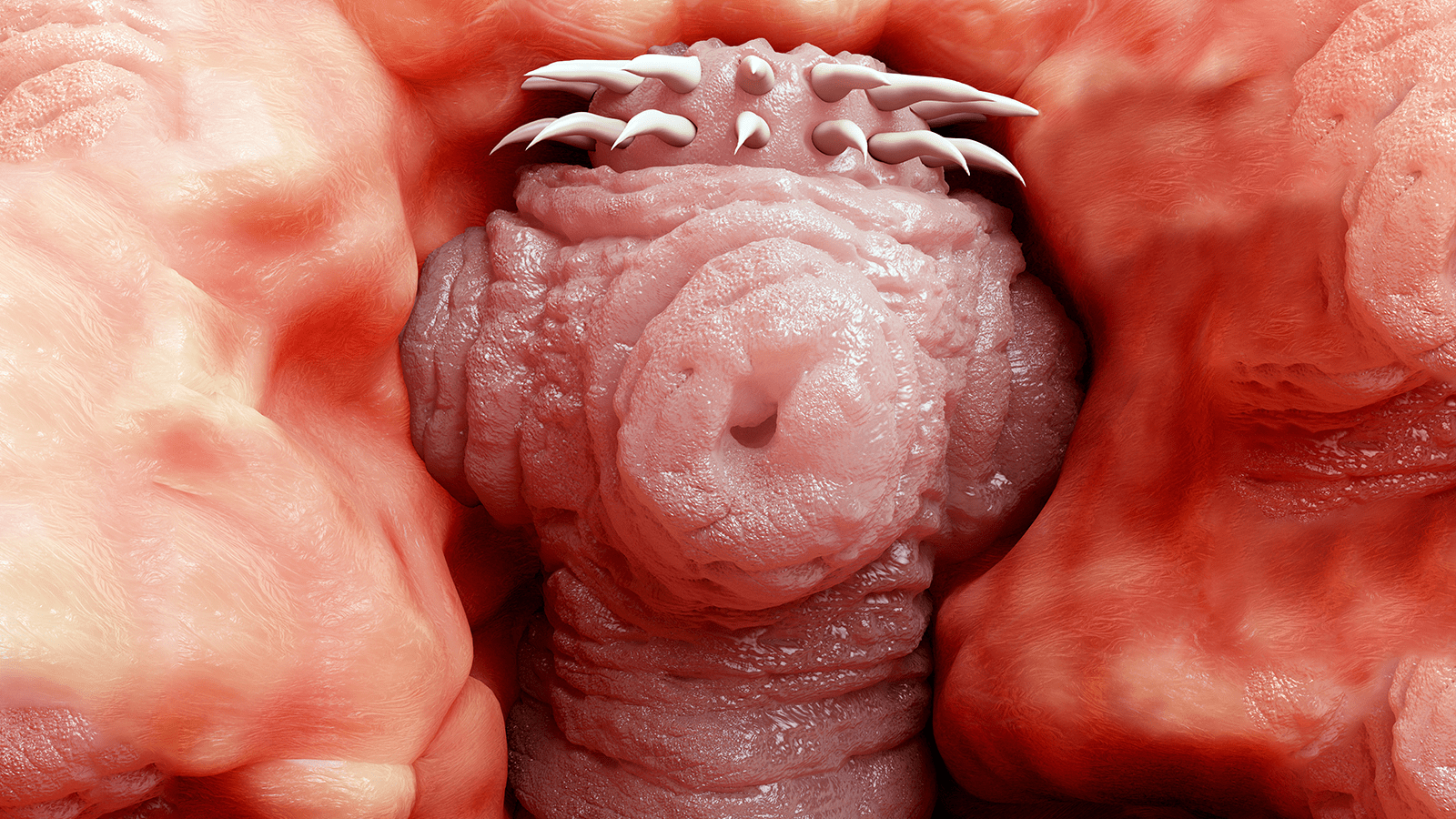
It is estimated that more than 1,000 species of tapeworms (Cestoda) exist. An adult tapeworm, like other worms, have a head, neck, and series of body segments that produce eggs (proglottids).

Tapeworms sustain themselves through the ingestion of food particles within the host’s digestive tract; something made possible through “hooks” used to penetrate the host’s intestinal wall. Astoundingly, tapeworms can live up to 30 years in the host (infected animal or human.)

Ten Early Signs of Tapeworm

The degree to which a person experiences symptoms resulting from a tapeworm infection depends on (a) the size of the tapeworm(s), and (b) the extent of the infection. For the most part, symptoms are either nonexistent or very subtle. Without further delay, here are ten early signs of tapeworm to never ignore:

tapeworm

  1. Abdominal pain

Anytime there is something foreign living in the intestines, it is possible that abdominal pain will result. Abdominal pain from tapeworm infection is often described as sharp, shooting, and sudden pain that lasts for a long period and occurs regularly.

  1. Dysentery

(Remember Oregon Trail? “You have died of dysentery.”)

Dysentery is inflammation of the intestine that usually produces symptoms such as blood and mucus in the feces. The condition is also known to cause chronic diarrhea. Inflammation of the intestines by bacteria or – as with tapeworm – infestation are the two leading causes of dysentery.

  1. Epilepsy

A condition known as neurocysticercosis is caused by the ingestion of eggs from tapeworm Taenia solium or pork tapeworm. Taenia solium is one species of tapeworm that can invade the brain (disturbing!). When this occurs, the person may experience both headaches and seizures, or epilepsy.

  1. Fatigue

Unusual tiredness is often reported by people with a parasitic infection. Experts think that this fatigue is due to loss of energy, caused by the heightened immune response needed to fight tapeworm infection. The loss of nutrients from a tapeworm infection is also a possible cause.

  1. Feces that contain larvae

Hopefully it never gets to this point, but there you have it. Yes, you can excrete worms in fragments or as a whole.

  1. Flu-like symptoms

Irritation of the gastrointestinal (GI) tract can lead to loss of appetite. Worse, a parasitic infection of this type can cause symptoms that mimic those of the stomach flu, including diarrhea, nausea, and vomiting.

  1. Jaundice

Jaundice is a condition that causes yellowing of the skin or the white area of the eyes. As a tapeworm expands and takes up more space in the intestines, it can cause an obstruction of the bile duct. When this happens, it can produce an excess of bilirubin – a yellowish liver pigment – leading to jaundice.

  1. Liver damage

Tapeworm larvae can escape the intestines and invade the liver. Left unchecked, these larvae can interrupt the liver’s function by interfering with blood flow. Per the Mayo Clinic, some of the most common symptoms of liver damage include abdominal pain, swelling of the ankles and legs, skin irritation, dark urine, chronic fatigue, and loss of appetite.

  1. Nutrient deficiency

As mentioned, tapeworms acquire nourishment through the ingestion of food particles. A particularly bad infection can lead to a sizable loss of nutrients, leading to nutritional deficiencies. In fact, a blood test may reveal signs of anemia. Vitamin B12 deficiency, a vital nutrient, is also common.

  1. Weight loss

Yes, tapeworm infection can get this bad. A significant loss of weight is likely due to the combination of nutrient deficiency and loss of appetite over an extended period. (Any inexplicable loss of weight is a potentially dangerous symptom that should be examined by a medical professional ASAP.)

tapeworm

Prevention and Treatment

Common sense measures can greatly reduce the likelihood of acquiring a tapeworm infection. These include:

  • Cooking all food thoroughly (especially pork and vegetables) before eating.
  • Thorough washing of the hands before eating. Also be sure to wash your hands after using the bathroom.
  • Extra care when visiting or living in a developing country.

There are effective treatments, usually in the form of prescription medications, for tapeworm infections. Contact a doctor if you experience the following symptoms:

  • blood or pus in the stool
  • extreme fatigue or dehydration
  • high body temperature that isn’t going down
  • frequent vomiting

Skip to content