Weekly tips, affirmations, and small actions to feel your best.

Scientists Explain Why Women Should Stop Wearing Bras

Society has taught women to wear a bra, so most wear it without thinking about it. Marketing tactics imply that bras can decrease back pain and support and lift the breasts. However, some people believe the actual purpose is that they are socially acceptable.

While bras might serve a purpose for working out, wearing them all the time can do much more harm than good. After giving it a shot, going braless might be one of the best decisions you’ve ever made. You likely must wear a bra if you work outside the home, but you can decide for yourself any time.

To back it up, scientists studied why women don’t need bras. According to this study, the undergarment has no medical or anatomic benefits for women. The research showed that they do the exact opposite of what marketing tactics say they’ll do. Instead of offering support, they cause breasts to sag and prevent them from growing.

The Study on Whether Women Should Wear Bras
bras

In the study, 330 volunteers between 18 and 35 had their breasts measured over 15 years. The women who didn’t wear a bra had a 7-millimeter lift in their nipples yearly. This lift disproves the notion that breasts will sag without a bra.

Also, the women who didn’t wear a bra developed fewer stretch marks on their skin than those who did wear one. Their breasts were firmer than the women who wore them, too.

This study completely contradicts the advice women have heard all their lives. After disproving the reasons for wearing a bra, the study shows that not wearing a bra allows for better posture since the bra isn’t providing all the support. It also forces your body to develop the muscles underneath the breasts, potentially preventing sagging and giving support.

In other words, without a bra, the body must use the muscles intended to protect the breasts from sagging. When the bra does all the work, the muscles in a woman’s body suffer from lack of use.

One woman from the study said that after two years of not wearing a bra, she could breathe better, had better posture, and didn’t have as much back pain. Her experience shows that what we’ve heard about these undergarments isn’t true. They don’t always reduce breast and back pain, making them useless to women who use them.

Other Reasons Not to Wear Bras

Aside from the reasons in the study, there are plenty of others not to wear a bra. Women will relate to these reasons, and then you can decide if giving up the undergarment is worth it.

It Takes a Long Time to Find the Right One

The process of buying a bra can be excruciating. There are plenty of sizes and styles, and you might be a different size at every store you walk into. Finding the right fit is hard, and it can take hours just for you to leave empty-handed and frustrated.

Women need to take their time finding one, too. Research shows that the wrong fit doesn’t offer support, can cause skin stretching, and displaces breast tissue.

Bras are Expensive

Bras are another piece of clothing that women must pay for, and they aren’t inexpensive. Statistics show that in 2017, most women spent up to $30 on each bra, but the prices could go even higher. Like most things, the cost depends on the bra’s quality, so women have to pay more for the best material and fit.

Plus, they usually buy more than one bra at a time, potentially doubling or tripling the price. Women also need different types, so the cost adds up no matter how you look at it.

They’re Uncomfortable

These undergarments don’t offer much comfort, especially if they have an underwire. The underwire can break, piercing your skin in the most inconvenient situations. Then, you have to either go home to change or tough it out for the rest of the day.

However, it isn’t just the underwire type that causes discomfort. While many women consider sports bras necessary, they are often too tight. They might make you feel suffocated and trapped, often leaving marks on your skin when you take them off.

Even casual options without cups or wires can feel uncomfortable. Plus, many women try to readjust discreetly as bras don’t seem to stay in place.

Bras Aren’t Necessary for Every Activity

You don’t need a bra for everything, so remember that you usually have a choice whether you want to wear one. If you must wear a bra to work or feel more comfortable wearing one when you go out, that’s fine. However, you still don’t have to wear undergarments constantly, especially while lounging at home.

Not all activities require a bra, so wearing one for everything is unnecessary. Avoid wearing one while you sleep if you want to ease into going braless. You’ll quickly realize that it feels better, and your breasts will benefit.

If it’s allowed and you’re comfortable with it, you don’t ultimately need a bra anywhere. It’s up to you, depending on your comfort level and preferences.

The Problem with Training Bras

Society pushes breast support onto girls and women from a young age. Preteens believe they must wear training bras as soon as they hit puberty, sometimes even sooner. However, research shows a preteen has no reason to wear a training bra.

Furthermore, not wearing a bra during the preteen years promotes breast tissue and muscle growth. Since they can hinder development and damage a woman’s health, it might be best to stop forcing them on preteen girls.
bras

Limitations of the Bra Study

Even though the study found benefits for women who chose not to wear bras, remember that the women in the study were young. They’ve only been wearing these undergarments for a few decades, whereas older women have been wearing them for much longer. If older women chose to go braless, researchers might not see the same results as in younger women.

This study is preliminary; researchers emphasize that they aren’t telling women to stop wearing them altogether. Ultimately, it’s up to each individual to decide what’s best for her because she’s the only one who knows what makes her the most comfortable.

Opposing Data Regarding the Bra Study

Other studies show that these undergarments aren’t all bad, and wearing one has some benefits. Knowing that scientific research backs both wearing a bra and going without helps you realize the choice is up to you.

1. Promotes Confidence and Maintains the Shape

When you want your outfit to fit a certain way or feel more comfortable with bra support, you’ll feel more comfortable wearing one. You don’t want to go out and feel insecure the entire time, so do what you think is best.

2. Bras Can Reduce Breast Pain

A bra can help reduce breast pain if you participate in an activity that requires intense movement. Physical movement can cause breast ligaments to shift, causing pain and soreness.

3. Bras Help Absorb Sweat

Sweat can make you feel uncomfortable, especially around your breasts. A bra can absorb sweat, making you more comfortable when the temperature is hot.

Three Tips on Going Without a Bra

If you choose not to wear a bra, it might initially feel strange because you’ve depended on it your whole life. Here are a few tips to help you get started.

1. Start Small

If you’ve constantly been wearing breast support for most of your life, you might want to start slow. Start by going braless at home or getting your morning coffee, then work up from there. It helps you become comfortable going braless and knowing how it changes your movements.

2. Work on Your Posture

So far, your bra has been doing much of your posture work. You’ve relied on it to support your breasts, allowing your muscles to weaken. When you decide to go braless, focus on keeping your shoulders back, head up, and back straight.

3. Wear a Bralette

Bralettes are a more comfortable option without padding and wires. If you aren’t comfortable ditching your bra entirely, you can transition into a bralette first. They are far less constricting, so you’ll start getting used to how it feels to go braless.

bras

Final Thoughts on Scientists Explain Why Women Should Stop Wearing Bras

Wearing a bra is a highly personal choice, and neither option is wrong. There are many benefits of going braless, but there are also benefits to the contrary. Whatever you choose to do, make sure you’re comfortable and happy with your decision.

If you’re still unsure, consider doing a trial run for a specific time. See how you liked it after a week or two, and then make an educated decision. Remember, you can also wear it in some situations, but ditch it when you’re at home or doing relaxing activities.

Walt Whitman Explains 11 Things Trees Teach Us About Life

Walt Whitman was an American poet and journalist who wrote the controversial literary piece “Leaves of Grass” that touched on spirituality, philosophy, religion, and sexuality. He was named the Father of the Free Verse for his style of writing. He also wrote some insightful poetry about trees.

At 54, Whitman suffered a stroke that left him paralyzed but he became in tune with the natural world as part of his recovery. Whitman frequented open areas surrounded by nature to get fresh air and this inspired him to write a series of prose that was later published as a collection in the book “Specimen Days.”

This book included anecdotes about his life as a former nurse in the Civil War. But Whitman largely wrote about the things he learned about living from observing trees. Here are some things that trees can teach us about life, according to this esteemed author.

Here Are 11 Things Trees Teach Us About Life

1.    Trees teach us authenticity.

According to Whitman, the quiet but imposing presence of a tree is a powerful display of authenticity. He described trees as “so innocent and harmless, yet so savage,” because they appear for what they are, with no embellishments.

  • Trees teach us to embrace our inherent being without worry for people’s criticisms or what society may dictate.
  • From these natural creations, we learn that we have to remain true to who we are no matter what circumstances we face.
  • Whitman said authenticity is the noblest human character and trees reflect this with their inspiring and incredible presence.
  • Trees remain standing tall on the ground, while exuding beauty and life, regardless of the situation around them.

2.    A tree teaches us to be aware of our surroundings.

Trees pay very close attention to their surroundings. These natural wonders can accurately sense the changes in the weather and the wind, the temperature, and the light or shade. By paying close attention to the other cues from their environment, trees shed their leaves just in time for autumn.

If a tree held on to its leaves longer than it should, then its branches would crack when the strong winds blow or when freezing weather and ice condenses things. These natural wonders adapt when they pay close attention to the shifts around them. Trees don’t resist these shifts. Instead, they take control of the one thing they can – their own behavior.

From this behavior, trees teach us to also pay attention to what’s around us so that we can adjust our reactions and control our behavior. By understanding what is going on and why things happen to us, we can decisively come up with the right response to the predicaments we face.

3.    Trees teach us to sow patience and pace ourselves as we’ll get our due in the right time.

Whitman also noticed that trees imbibe a universal flow even if their sizes, height, and builds are different. Trees have to pace their growth or risk harming themselves. They need to build up their core first and ensure that their trunk is firm, solid, and thick because it matters to their stability.

But some trees do grow too many branches and leaves to soak more sunlight in. There are others that grow too wide or too tall before their trunks are ready and mature. These trees usually develop injuries and diseases to their trunks and branches, or worse, die before they have the chance to fully develop.

  • Trees, therefore, teach us the value of taking time.
  • They show us how it is very important to pace ourselves while learning to grasp our capabilities because if we reach our capacity too soon, then we might not be able to handle things. Instead, we might break and suffer.
  • A tree teaches us that, for everything, there is a season and a reason why things come to be.
  • They tell us that we will all eventually receive what’s due us but it will happen at the right timing.
  • We just need to muster patience, to remain steadfast and positive because rushing things won’t give us long-lasting results.

4.    A tree teaches us the importance of belonging to a community.

Many species of trees thrive among family. A tree that stands alone won’t usually last long because it won’t be able to deal with the changes in the weather. But a tree that grows among a community can count on other trees because they look out for each other, especially in times of extreme weather.

Trees deal with the heat, cold, and drought together by building an ecosystem to support each other. Experts have proven that trees in this type of environment live to be quite healthy and really old.

Just like our leafy neighbors, we need other people in order to survive in this world. We become resilient to the trials and challenges of life because we can turn to friends and family for help and support.

Philosopher Mark Nepo also said that human existence is similar to that of trees. Even if we stand as individuals with different backgrounds and perspectives, we have a root system that binds us to one another. What may happen to one person can impact a community. Our human instincts enable us to rely on each other, especially in times when we don’t understand what is going on around us.

5.    Trees also teach us to flourish, even if we’re alone.

However, there are also some trees that live in solitary or away from the community, especially in the most deserted parts of the world. And like these wonders of nature, we also find ourselves alone at times. We experience people turning their backs or leaving us during the most challenging times of our life.

It’s in these times that we can also draw some inspiration from the tree. They teach us that we need to have faith and trust in ourselves and our capabilities.

  • They show us that we must keep pressing on even if we don’t have the support of other people or we have limited resources.
  • Trees demonstrate that no struggle can bring us down and no challenge can defeat us if we muster self-courage.
  • No matter how intense and difficult the situation is, it’s still a learning experience from which we can mature and evolve with a positive zest for life, much like the tree in solitude that continues to grow taller, spread its branches and thicken its leaves.

6.  A tree teaches us modesty.

Despite how grand or tall they stand, trees can remain inconspicuous. Sometimes, it’s easy for us to forget and disregard the existence of these lofty beings because they are just always there.

Trees originate as little nuts that barely fit the palm of our hands. From this, we can learn that each of us starts off small as well. We need to keep reminding ourselves that, just like the trees, we all come from humble beginnings no matter how big and successful we eventually become. This thought will help keep us grounded so that we don’t lose our empathy for other people.

7.    Trees teach us to stand tall even in adversity.

Trees are always at risk for external dangers in their lifetime. But even when pushed to death by the dangers around them, they remain standing at peace.

  • Trees teach us to be tougher and stronger when faced with the worst challenges.
  • They show us that the problems we face and the problematic people we encounter can still bring value to our life.
  • Our experiences with these struggles will help us learn the skills to win and rise above difficulties.

8.  A tree teaches us to find the silver lining.

Despite their stillness and inability to move from one place to another, trees can sway with the wind, bask in the sunshine, and open their branches wider in the glory of spring. They show us that it’s nice to be always happy and positive because life can be enjoyed better if you find the silver lining amid the difficulties.

Problems and trials are an inescapable part of life but this shouldn’t stop us from enjoying happy moments with the people that matter to us. The only time problems rob us of the happiness we deserve is if we allow them to overtake us.

9.    Trees teach us that it’s okay to break down and let go.

Trees fall to the ground or drop branches when it can no longer hold the weight. It doesn’t demand more space or support from its neighboring trees. It simply crashes because it’s aware its time is up.

  • This teaches us that letting go is also a part of life and we don’t need anyone’s permission to break down.
  • Thus, it’s okay to show emotions like anger, grief, pain, or sadness.
  • We don’t have to mask these emotions for fear that people will not understand what we’re going through.

10. A tree teaches us that strong roots will guide us to achieve our goals.

Our value system is our roots. What we believe in and how we have been raised to uphold these beliefs sustain and guide us when we’re faced with life-changing decisions. As with trees, if our value system is strong, stable, and extensive, we can continue to make good choices and reach higher goals. If our value system is solid, it will guide and steer us in the right direction of the life we want to make for ourselves.

11. Trees teach us that we can be a shelter and comfort for other people.

trees

Taking shelter from a tree can bring so much relief. Many of us know what it’s like to stand below a tree and feel a sense of comfort and solace, even if it’s only temporary. Their shade and their breeze, as well as the fragrance of their flowers, provide a perfect relaxation spot.

  • Just like trees, we can also bring shelter and comfort to other people.
  • We can provide relief for friends and family who are suffering and in pain.
  • If we are more evolved as humans, then we can bring more value to the relationships we have with people. We can respond so that each time they seek us, our loved ones will always feel relaxed and at home in our company.

Final Thoughts On Some Things Trees Teach Us About Life

There really so much that trees can teach us if we take time and reflect on their existence. It’s no wonder these creations have survived on earth for millions of years. They accept everything they are and everything they’re meant to be.

So, if you find yourself in a difficult situation, try connecting to the trees. Go outside and sit in your backyard or walk in the park. Relish in the wonder of trees and listen to their rustling leaves. From there, you might be able to find the answers to what’s been bothering you.

10 Signs of Gluten Intolerance Most People Ignore

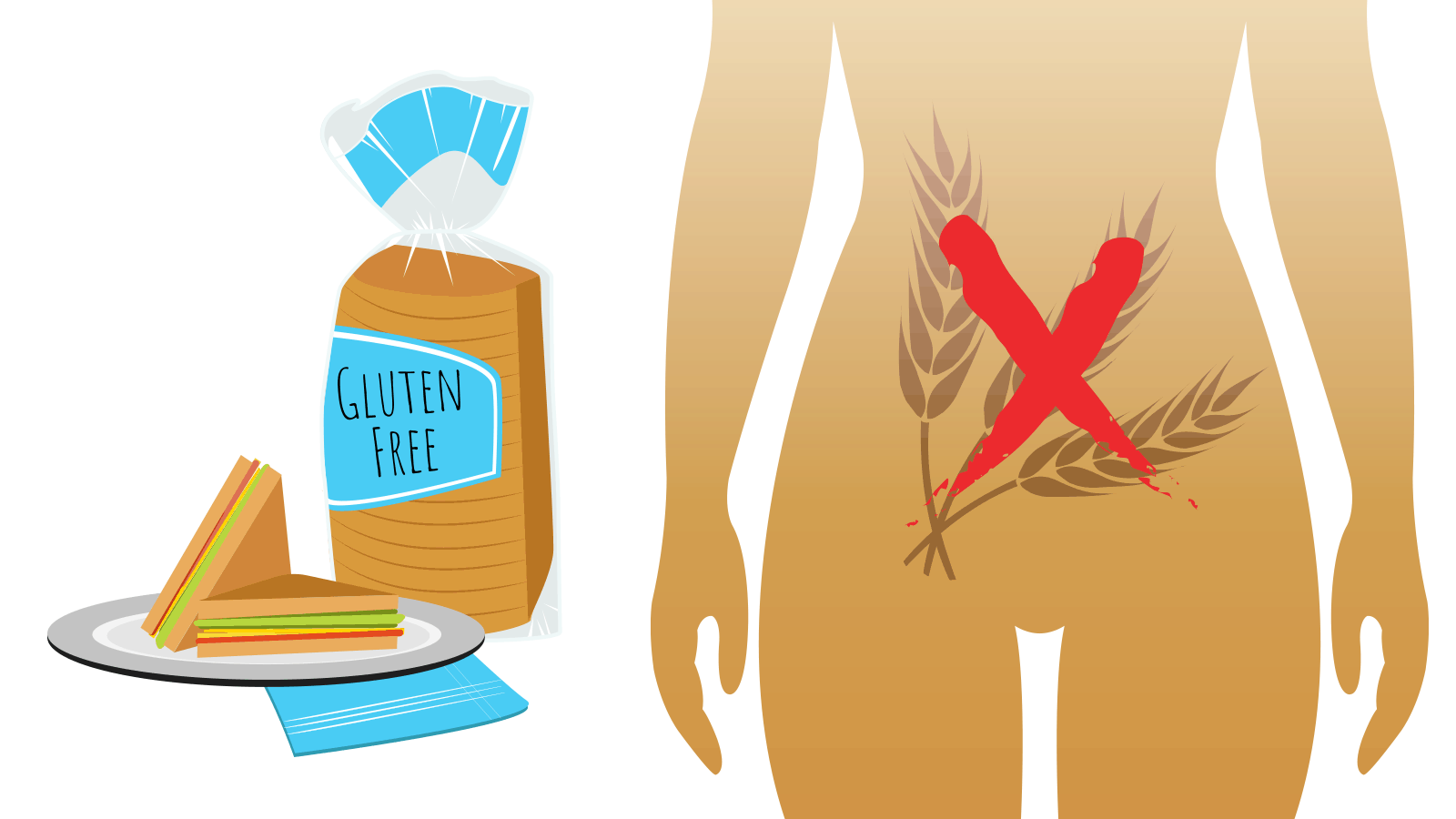
Approximately 3.1 million people in the U.S. follow a gluten-free diet, even though 72% fall into a category called “PWAGs” – people without celiac disease avoiding gluten. Over the past five years, the number of people on a gluten-free diet has skyrocketed due to marketing campaigns and health concerns. However, the prevalence of gluten intolerance hasn’t increased, indicating that a lot of people have followed trends in health without fully understanding how gluten affects the body.

According to a study by the Mayo Clinic, the benefits of a gluten-free diet remain unknown for people who don’t have a gluten intolerance. Concerns about nutrition have been raised since many products with gluten also have a lot of iron, calcium, and fiber.

Gluten intolerance does exist, however, and those who have it report feeling much better after eliminating gluten from their diet. An estimated 10% of the population has gluten sensitivity. About 1% has celiac disease, an autoimmune disorder affecting the small intestine, caused by a reaction to gluten.

Is Gluten Good or Bad?

Gluten is a protein found in wheat. No scientific evidence exists to support benefits to eliminating gluten from one’s diet unless a person suffers from gluten intolerance or celiac disease. Some estimates show that sales of gluten-free products have grown by as much as 70%, which means most people have gone gluten-free for reasons unrelated to health.

According to a recent poll by The NDP Group, 30% percent of adults admitted that they wanted to “cut down or be free of gluten.” However, since whole wheat constitutes the majority of our dietary fiber, many scientists and doctors have raised concerns about nutritional deficiencies associated with a gluten-free diet.

“The average American diet is deficient in fiber,” says Dr. Leffler, an assistant professor at Harvard Medical School. He adds, “take away whole wheat and the problem gets worse.”

So, if you do have a gluten intolerance, how can you tell? The best way to find out is to have your doctor do some tests for a wheat allergy and celiac disease. However, if those come back negative, your doctor may prescribe a gluten elimination diet. You should keep track of the foods you eat in a journal to see what triggers your symptoms. Pay attention to how you feel after eating certain foods and when the symptoms occur.

If you have most of the symptoms on this list, you probably have a gluten intolerance. Make sure to see a doctor as soon as possible so he or she can diagnose you and offer solutions.

Here are 10 signs of gluten intolerance:

  1. Poor digestion

If you have an intolerance to gluten, you will probably experience uncomfortable digestion and have excess gas, bloating, constipation, or diarrhea. Take note of what foods trigger this symptom and when you start experiencing the discomfort.

  1. Unstable mood

Frequent mood changes often occur in those with gluten sensitivity. If you feel overly anxious, depressed, or unstable, check your diet for the cause of these changing moods. Gluten could be the culprit behind your mood instability.

  1. Problems with the joints

Inflammation due to gluten intolerance can cause aching knees and other joint problems. Some studies have even found a link between arthritis and gluten sensitivity.

  1. Skin flare-ups

Malabsorption of gluten can lead to some problems with our largest organ: the skin. Gluten intolerance has been linked to skin problems such as acne, psoriasis, eczema, and dermatitis herpetiformis (DH). DH can cause a lot of damage and is defined by the Gluten Intolerance Group as: “a chronic disease of the skin marked by groups of watery, itchy blisters that may resemble pimples or blisters.

You can also get a condition called Keratosis Pilaris – also known as chicken skin – which causes raised red bumps on the skin. This occurs due to intestinal damage from gluten as well as the inability to properly absorb Vitamin A and fatty acids.

  1. A constant feeling of fatigue

Many people with gluten intolerance suffer from fatigue due to the body’s inability to break down the gluten as well as the inflammation that occurs when you ingest products with gluten.

  1. Dental problems

In a study published in BMS Gastroenterology, researchers found a link between gluten intolerance and “aphthous stomatitis” – a condition that causes frequent mouth ulcers and canker sores. Furthermore, many people with sensitivity to gluten can develop problems with the teeth due to lack of calcium resulting from malabsorption.

  1. Migraines

Many people get migraines, but they seem to be particularly common among those with gluten sensitivity. A study showed that for those with a gluten intolerance, eating gluten can trigger intense headaches and migraines due to inflammation in the nervous system.

  1. Various autoimmune diseases

When someone suffers from gluten intolerance and doesn’t know it, they might eat a lot of products with gluten. Since they cannot digest the gluten properly, the body will assume it is under attack. As a result, other autoimmune diseases can develop including lupus, psoriasis, arthritis and multiple sclerosis.

  1. Hormone imbalances

Excess inflammation due to consuming gluten can lead to overtaxing the adrenal glands, which will throw off your hormone balances. This can lead to your body producing excess cortisol to respond to the stress of attempting to digest the gluten, which can result in weight gain, fatigue, and mood instability.

  1. Neurological problems

The excess inflammation in your body can lead to symptoms such as dizziness, vertigo, tingling and numbness in your extremities, and brain fog.

In an article titled Gluten sensitivity as a neurological illness, published in the Journal of Neurology, Neurosurgery and Psychiatry, researchers found abnormal reactivity to gluten in a class of antibodies known as immunoglobulin (IgG). They believe this reaction can lead to brain fog and cognitive decline.

However, brain fog can occur as a result of many different disorders, so make sure to check with your doctor first before diagnosing yourself.

Other symptoms of gluten intolerance that most people ignore:

  • Increase in colds and allergies. IgA antibodies have a protective effect on the body’s immune system. Found primarily in the gastrointestinal tract and saliva, IgA antibodies help protect the body against colds, flus, and other illnesses. When these antibodies counteract our immune system, we’ll experience an increase in colds and flus. If you notice that your immune system has been down, a gluten intolerance could be to blame.
  • Abdominal pain. Up to 83% of people with a gluten sensitivity experience stomach pain, making it the most common symptom of gluten intolerance.
  • Weight loss. Some people experience weight gain, but others can lose weight due to poor nutrient absorption.

As we said before, having these symptoms doesn’t automatically point to a gluten intolerance. Before self-diagnosing yourself, see a doctor to eliminate the possibility of other disorders. Also, don’t eliminate gluten from your diet before seeing a doctor, as this will make it difficult to determine if you have a gluten intolerance or if something else is causing you discomfort.

gluten intolerance

Below, we’ll go over some foods to eat for those with a sensitivity to gluten. Keep a food journal to see how you feel after eating some of these foods.

Foods to eat if you have a gluten intolerance

  • Rice
  • Cassava
  • Corn (maize)
  • Soy
  • Potato
  • Tapioca
  • Beans
  • Sorghum
  • Quinoa
  • Millet
  • Buckwheat groats (also known as kasha)
  • Arrowroot
  • Amaranth
  • Teff
  • Flax
  • Chia
  • Yucca
  • Gluten-free oats
  • Nut flours
  • Fruits
  • Vegetables
  • Meat and poultry
  • Fish and other seafood
  • Dairy
  • Beans, legumes and nuts

Common foods to avoid that have gluten:

  • Pastas
  • Noodles
  • Breads and Pastries
  • Crackers
  • Baked Goods
  • Cereal & Granola
  • Breakfast Foods such as pancakes, waffles, biscuits, etc.
  • Breading & Coating Mixes
  • Croutons
  • Sauces & Gravies
  • Flour tortillas
  • Beer (unless explicitly gluten-free) and any malt beverages
  • Brewer’s Yeast
  • Anything else that contains wheat flour

Foods that may contain gluten:

  • Energy bars/granola bars (A lot of them use wheat as an ingredient)
  • French fries
  • Potato chips
  • Processed lunch meats
  • Candy and candy bars
  • Soup (some soups use wheat flour as a thickening agent)
  • Multi-grain or “artisan” tortilla chips or tortillas
  • Salad dressings and marinades
  • Starch or dextrin
  • Brown rice syrup (can be made with barley enzymes)
  • Meat substitutes
  • Soy sauce (only tamari made without wheat is gluten free)
  • Self-basting poultry
  • Pre-seasoned meats
  • Cheesecake filling
  • Eggs served at restaurants

Final thoughts on Gluten Intolerance

We hope this list of common symptoms of gluten intolerance will help you make informed decisions about your dietary choices. Please remember that if you don’t have a gluten intolerance, you won’t have a problem with gluten and should continue eating it as part of a healthy, balanced diet. Only those with celiac disease or a sensitivity to gluten should eliminate it from their diet.

See a doctor if you think you have a problem digesting gluten. If you do have a gluten intolerance, you can still eat many healthy foods, as we listed above, so don’t get discouraged. A gluten-free diet can still be a tasty, fulfilling one that contains all the essential vitamins and minerals.

10 Things Unhealthy People Do Often (Without Realizing It)

Being unhealthy doesn’t just refer to weight or eating habits; the mind and spirit can become imbalanced and sick as well. Unhealthy people don’t become that way intentionally, of course – it happens subtly and over a period of time. They begin to carry excess weight in their hearts and souls by allowing the world to control their emotions instead of mastering them.

In this world, we don’t just have a physical health epidemic; we have a mental and spiritual crisis as well. Our way of living doesn’t really promote our well-being. As such, after being exposed to society for a while, we can become weighed down and out of tune with ourselves.

However, just because the world chooses to live a certain way does not mean we have to follow suit. We have the power of free will, which means we get to decide (for the most part) how we will conduct our lives. We can choose health or sickness in the foods we eat, the thoughts we think, and the people we choose to engage with.

As we said before, unhealthy people often don’t realize the impact of their actions and thoughts; they just run on autopilot. Living healthfully means becoming aware of how your decisions will impact you, and making the right choices for your mental and physical health. In this article, we’ll go over the habits of unhealthy people so that you can make the right choices for yourself and change your lifestyle, if need be.

Here are 10 things unhealthy people usually do (without being aware of them):

“The reason many people in our society are miserable, sick, and highly stressed is because of an unhealthy attachment to things they have no control over.”  – Steve Maraboli

  1. Having a negative mindset

Having a negative attitude can lead to many physical and mental health problems. Unhealthy people tend to have a more pessimistic view of life, which can result in poor self-image and self-esteem. Negative emotions and thoughts can impact physical health as well.

In fact, in a 2014 study published in the journal Neurology, researchers linked high levels of cynicism to an increased risk of developing dementia later in life. The more trusting, open participants did not show signs of developing dementia, even when researchers accounted for other variables such as heart condition, age, sex, smoking habits, etc.

Hostility, another negative emotion, has also been linked to health problems. According to a 2014 study published in the journal Stroke, those who had higher measures of unfriendliness as well as chronic stress and depressive symptoms had an elevated risk of having a stroke compared to the friendlier participants.

As you can see from these studies, negativity doesn’t just affect your mind; it can damage your body as well. Healthy people practice positive thinking because they know that our thoughts really do create our reality. They understand that having a good mindset will produce better results.

  1. Using addictions to escape reality

We don’t take addiction lightly and realize that it’s a serious disease in our society. However, using a substance to escape reality will only lead to destruction later on, because the person will need greater amounts of whatever they’ve become addicted to in order to function. Addictions to drugs, alcohol, food, sex, cigarettes, and gambling have become common in the world; people simply want to take away their pain.

Despite it being a disease, the person must consciously choose to develop the addiction in the first place. At any point, you can choose to get help and get your addiction under control, but you must first admit the problem and be open to change. Unhealthy people often don’t take responsibility for themselves and don’t seek healthier alternatives to their addictions.

  1. Being a chronic complainer

Negative people will find anything to complain about, even if their day seems to be going fine. Unhealthy people tend to focus too much on the negatives rather than the positives in their life. It doesn’t take much to set them off. Even a person cutting them off in traffic could ruin their whole day and lead them to complain about everything under the sun.

  1. Making excuses

Unhealthy people use excuses such as “I don’t have time” or “I’m too tired” to justify not following through with a promise. They might have good intentions, such as wanting to lose weight or find another job, but their excuses always seem to get in the way. Healthy people take responsibility for their lives and know that if they want something, they’ll have to get off their butt and go after it.

Unhealthy people find change difficult because they can’t see the outcome, so they’d rather stay stuck in their bubble than put in the effort to make a difference.

  1. Criticizing themselves and others often

Unhealthy people sometimes expect a lot of themselves and others, which can lead them to become perfectionists. You might see nothing wrong with this, but perfectionism can take an ugly turn and result in stagnation because the person doesn’t want to make a mistake. Or, it can create enormous stress in someone’s life if they must constantly critique their work.

A lot of overly critical people also have low self-esteem, which can cause them to judge themselves and others too harshly. Healthy people, however, try to develop a positive self-image so that they have greater compassion toward themselves and others.

  1. Not living in the present

Unhealthy people often live in the past or the future. They don’t know how to stay rooted in the present, which leads them to ruminate or fixate on decisions they made or will make. Healthy people know that they must stay connected to themselves through mindfulness and staying in the present, while unhealthy people might not even know where their minds wander to during the day.

  1. Living beyond their means

Unhealthy people don’t have limits in their lives, which results in a lack of self-control. This means that they will have no problem maxing out credit cards and buying unnecessary items in order to fill a void or keep up with their neighbors. They don’t do this intentionally most of the time; they just want to fit in and have a short-sighted view of their lives.

In other words, they cannot see how their actions in the present will affect their future. They need instant gratification and fail to accept the reality of their financial limitations.

  1. Letting fear control their lives

Healthy people allow love and faith to dictate their lives, whereas unhealthy people let fear rule them. Fear serves us well when our lives are on the line, but it doesn’t do much for us in the modern world. While we should be aware of consequences and deliberate about big decisions, we shouldn’t let fear do all the talking.

  1. Focusing too much on problems

Healthy people focus on solutions while unhealthy people focus on problems. They may not know that by fixating on the problems, they only magnify them. What they put their attention on becomes the star of the show, and it does whatever it takes to stay in the spotlight.

quotes

  1. Comparing themselves to others

Nothing kills confidence quite like comparison does. You might have lost 10 pounds and feel on top of the world, until you log onto Facebook and see that your old best friend lost 50. You start to compare your progress and feel like you haven’t gotten anywhere at all, and this can lead to a spiral of negative thoughts.

Healthy people use themselves as their only comparison, because no one else is living their life. They measure their progress based on how close they are to their own goals and don’t worry about what other people are doing.  After all, everyone goes at their own pace in life and we all have different paths, so it doesn’t make much sense to compare apples to oranges, does it?

Final Thoughts on Things Unhealthy People Often Do

Unhealthy people don’t mean to practice bad habits, of course, but these practices can become destructive after a while and take a toll on their mental and physical health. Healthy people take the time to care for themselves and don’t give in to temporary promises of happiness such as junk food and alcohol. They might indulge in these every so often, but don’t make them a central part of their lives.

If you practice any of the bad habits we listed above, don’t beat yourself up over it. You can always develop better habits by starting small and working on them each day. If you’d like to kick a bad habit, maybe make a list of what you’d like to change in your life and list some solutions. For example, if you want to change your diet, write down a couple things you can eliminate (i.e. candy, soda, etc.) and list a healthy alternative.

Remember: you can change if you have the drive and persistence to do so!

Science Explains 15 Things That Happen to Your Body When You Eat Chia Seeds

One food that is highly beneficial to your health but is often forgotten is the chia seed. By adding chia seeds to your diet, you are introducing your body to food full of nutrients that can also prevent diseases, obesity, and bowel obstruction. Additionally, they may aid with weight loss, depression, and beauty routines.

Low in calories, one small serving of chia seeds can significantly enhance many different foods. They can turn food that lacks many nutrients into a healthy option, plus they are easy to add to any diet and taste delicious with all the different food groups.

The Health Benefits of Chia Seeds

chia seeds

1. They are packed full of nutrients.

A small one-ounce serving of chia seeds is full of different nutrients, making it easier to hit your nutritional goals each day you eat them. They can be added to many different foods to boost the nutritional intake for that specific meal.

These nutrients include:

  • 11 grams of fiber
  • 4 grams of protein
  • 9 grams of fats (5 grams of that are omega-3s)
  • 18% of daily recommended calcium
  • 30% of daily recommended manganese
  • 30% of daily recommended magnesium
  • 27% of daily recommended phosphorus
  • Zinc
  • Vitamin B3
  • Potassium
  • Vitamin B1
  • Vitamin B2

2. They are low in calories.

One ounce of all those nutrients is only about 137 calories. Additionally, it only has one gram of carbohydrates. With this being the case, your body is consuming a large number of required nutrients without consuming a large number of calories or unhealthy carbohydrates.

3. They have a large amount of antioxidants.

Each seed is full of antioxidants. Consuming antioxidants has many positive effects on the body. One of those effects is that they fight free radicals, which can cause quicker aging and can also cause cancer.

Antioxidants also protect the fats that are in chia seeds. A few other benefits of antioxidants are clearer, healthier skin and longer, shinier hair.

4. Chia seeds can aid your weight loss.

With the high soluble fiber and protein content, chia seeds help you lose weight quickly. They absorb a large amount of water and then expand, making your stomach feel more full than it is. The protein reduces your appetite, which should also reduce the amount of food you eat.

Studies have shown that using chia seeds but making no other change does not improve your weight loss. Reducing your calorie intake or increasing the amount of exercise you do while consuming more chia seeds does benefit your health and weight loss journey, though. By adding chia seeds to your diet, you will speed up the weight loss process.

5. They may lower your risk of developing heart disease.

Since chia seeds have high fiber, protein, and omega-3 fatty acids, they may lower your risk of heart disease. Some of the health benefits of chia seeds that come from these three nutrients are:

  • Lower amounts of triglycerides
  • Less inflammation
  • Less insulin resistance
  • Less amounts of belly fat
  • Regulates blood pressure

Each of the benefits listed above helps determine the health of your heart.

6. Lowers blood sugar in the blood.

Chia seeds may help regulate blood sugar levels by improving your body’s insulin sensitivity. This helps keep blood sugar at a healthy level.

High blood sugar (hyperglycemia) can wreak havoc on your body. If you have high blood sugar for a long time, it can cause damage to your blood vessels, nerves, and even your organs.

If you over-indulge in sweet, sugary foods, you can also cause high blood sugar in that way. When this happens, the problems are slightly different but can still be just as severe. These issues include:

  • Obesity
  • High cholesterol
  • Coronary heart disease
  • Stroke
  • Asthma
  • Metabolic syndrome

7. Helps relieve chronic inflammation.

Usually, chronic inflammation goes unnoticed because the only way to determine the issue is by monitoring the inflammatory markers in your blood. Chronic inflammation may include smoking, not enough exercise, or eating unhealthy foods most of the time.

Chia seeds are a common way to lower the number of inflammatory markers in your blood. Studies have shown that it can be reduced by about 40% simply by introducing them into your regular diet.

8. It is easy to add chia seed into your diet.

Chia seeds are so versatile that it is incredibly easy to add them to your regular diet. They are commonly sprinkled over breakfast cereal, Greek yogurt, cooked vegetables, and rice. You can also eat them raw, soak them in juice, or add them to a smoothie or baked product.

Chia seeds can also be used to thicken soup (you will only need a little bit since they can absorb so much liquid or sauce and as a substitute for eggs in specific recipes. By doing this, you can make almost any dish a healthy option.

9. For vegan cooking or for those with an egg allergy, chia seeds are a great substitute.

Another critical aspect  is that they can be used as an egg replacement in recipes. To do this, you mix one tablespoon of chia seed with three tablespoons of water and then let it sit together for five minutes before putting it into your recipe.

10. They lead to an increase in overall energy.

The boost of energy that you can get from one serving of chia seed is nearly the same as the boost of energy you would get from a sports drink. The biggest difference between these boosts of energy, however, is that the chia seeds don’t come loaded with added sugars.

11. They can be used as a treatment for diverticulosis.

With diverticulosis, it may be difficult to pass bowel movements due to flare-ups in the colon. Chia seeds have been proven to absorb excess water in the colon, decreasing inflammation and allowing bowel movements to pass easier.

12. They benefit your oral health.

With their high levels of calcium, consuming chia seeds is a great way to improve your overall oral health. In addition to helping your teeth and jaw become stronger, chia seeds benefit gum inflammation since they have anti-inflammatory properties. Another way that chia seeds benefit your oral health is by preventing bad breath due to the high zinc content they contain.

chia seeds

13. They are a brain booster.

One of the many health benefits is that they can enhance our brainpower. There are several elements of brainpower, including:

  • Energy
  • Focus
  • Ambition
  • Motivation
  • Discipline
  • Intelligence

Chia seeds can enhance any (or all) of these elements to help perform everyday tasks.

14. Relieves constipation

Because they turn into a gel when they get wet, chia seeds can relieve constipation. When the gel develops, it adds bulk to your bowel movement, making it softer and easier to pass.

15. They encourage hair growth

Your hair needs many different nutrients to grow at a healthy rate. Each chia seed contains a number of those required nutrients. Some of the nutrients that are necessary for hair growth include the following:

  • Zinc
  • Protein
  • Omega-3 fatty acids
  • Magnesium

How Many Chia Seeds Should I Consume In One Day?

It is recommended that you consume about 40 grams of these seeds each day. You should not do this all at once, however, as that could cause issues for your digestive system. You should split it in half and have 20 grams twice daily. 20 grams is equal to about 1 1/2 tablespoons.

How You Can Consume More Chia Seeds

It is easy to add chia seeds to a variety of your favorite recipes. The seeds are versatile and can go in breakfast, lunch, or dinner. You can even sprinkle some into your snacks.

Some examples of recipes that could be enhanced with chia seeds are:

  • Breads
  • Salads
  • Soups
  • Oatmeal
  • Sauces
  • Muffins
  • Cakes
  • Smoothies

chia seeds

Final Thoughts On Proven Health Benefits of Chia Seeds

The amount of nutrients in each seed makes this food a superfood in multiple ways. Such a small amount of food offers many nutrients, leading to many health benefits.
From aiding weight loss to preventing heart disease, these tiny seeds seem as if they will benefit all aspects of your life. You can count on them to lessen the effects of diseases, enhance your brainpower, and help your hair grow longer. The proven health benefits of chia seeds seem limitless, and they are extremely easy to incorporate into your everyday diet.

Are Messy People More Productive Than Others

(Editor’s Note: This article has been edited to eliminate any information that was not  supported by, and linked to valid research)

People are often ridiculed for being messy. They’re called lazy, unproductive, and often unintelligent. But the truth is that these assumptions are far from accurate!

The truth is that messiness might not be such a bad thing. It can actually be a sign of intelligence and efficiency for many. One study reveals that messiness does not influence intelligence, one way of the othe. So for those who thrive in this environment, living or working in organized chaos is a positive thing!

Don’t believe us yet? Don’t fret, as there’s plenty of science that backs this up. Here is how researchers reveal that messy people are actually productive geniuses.

Here Are 6 Reasons Why Messy People Might Really Be Productive Geniuses

1.    Why is neatness so valued?

To understand why people believe that organization is necessary for intelligence, let’s dive into why this is such a norm. As a child, you were likely raised to believe that keeping your room clean constantly was crucial to being considered “good.”

Most of us grew up believing that even the slightest amount of clutter is shameful. It makes us feel bad or like we don’t have our lives together. But where has this expectation come from?

  • The truth is that the human brain is so complex that researchers still don’t know precisely how it works.
  • In fact, being too obsessed with an orderly lifestyle can result in Obsessive-Compulsive Disorder.
  • Plus, no matter how hard you work to keep a space organized, you know it will get messy again soon.

Many workspaces around the world have leaders who insist on constant neatness. But studies have shown that when staff members are allowed to be at least slightly messy people, they are able to get up to 30% more tasks completed than in completely clean and clear environments.

Of course, this doesn’t mean that you can be a complete slob, live in poor hygiene, or never clean up after yourself. It doesn’t mean you can’t use a table, or a diary, or have an organized shelf. What it does mean is that there is a balance to be struck, and in the spectrum of that balance, there is nothing wrong with being a little messier than society wants you to be.

2.    Mess can inspire creativity and boost inspiration

Supposedly, having a desk or work table that is a little scattered about is great for promoting higher levels of creativity and innovation in problem-solving.

According to a study conducted in 2013 by Kathleen Vohs, who hails from the Carlson School of Management at the University of Minnesota, messy work spaces can greatly increase positive innovative thought. Meanwhile, very tidy spaces tend to result in conventional thought and have a tendency to encourage workers to play it safe and stick to the status quo.

Although it sounds a little poetic and farfetched, this means that being messy may be an outright manifestation of one’s ability to go against conventional norms and dare to be different. This is probably why so many unique thinkers were more than a little untidy. They dared to go against the grain, were spontaneous, and had braver ideas.

There’s also some additional information to be gained from this point. Those who are messy tend to have their most important work in more accessible places. Less important tasks, on the other hand, are buried beneath clutter. This can promote better productivity and less procrastination.

3.    Messy people are more focused

For some, a messy environment is an immediate turn-off. It can reduce their positive thinking and bring down their ability to concentrate. It can stress them out and cause their efficiency to take a dive.

But those who live and thrive in a disorganized environment are capable of tuning out all that chaos. The mess around them is little more than white noise. This means that, in general, these supposedly messy people are able to maintain more focus through more intense distractions.

  • Basically, these individuals have a higher threshold of tolerance for distraction.
  • If this sounds confusing, think about it like you would those who have a higher tolerance for pain.
  • Someone who can’t stand clutter will become more stressed out more easily, while those who barely notice clutter will be able to do more before needing a break or getting burned out.

However, not all of them benefit directly from their messiness. Research shows that when assigned with complex tasks or puzzles, those in messy spaces gave up on problem-solving sooner than participants in an orderly room.

4.    Messy people have their eyes on the big picture

Seeing minute details is an important part of many tasks. But being able to see the bigger picture is what enables a person to create amazing new ideas and find fitting solutions to obscure problems. This skill can allow people to make faster decisions that benefit a project as a whole instead of obsessing over minor points that won’t matter in the long run.

When someone is messy, they have to be good at seeing the big picture to thrive. If not, they will fall victim to losing items, becoming stressed out at clutter, and concerning themselves with perfection. When you’re not aiming for perfection, you have more of a chance to take a look at the big picture.

  • This also means that untidy individuals may adapt better to new situations.
  • Instead of dwelling on the little things, they often leap right in and make quick judgments for the best action based on the large view they see.
  • Given how change is such a constant part of the world we live in, this flexibility could be an undeniably useful skill!

5.    Messy people don’t stop to clear up

Entropy is a “law of the universe” of sorts. Essentially, it means that the world is constantly shifting from organized to disorganized. There is no point at which the organization becomes permanent – chaos is always sure to follow. In fact, Adam Frank, a physicist, states that disorder is just the universe’s most natural state, so messy people have the right idea.

This means that no matter how many times you clear up a work area, it will only get messy again. While general light cleaning is important for cleanliness and hygiene, going to the extreme in neatness can upset the methods of messy people.

In fact, taking the time to clean up a work area can drain hours of valuable time away. This time could have been better spent working or chugging along on more important tasks. Messy people aren’t going to stop to give their room or office a full clean before settling down to work. They’re just going to jump straight to their necessary tasks.

On top of that, Harvard Business Review states that cleaning and tidying can be a form of procrastination. Many people fall into the trap of saying they’ll do their work right after organizing their papers, or when they’re done rearranging the items on their desk. And since disorder always comes after order, it won’t be long before this procrastination starts up again.

However, that same Harvard Study also points out that excess clutter can cause some people to feel anxiety and excess stress.

6.    Disorganized spaces sometimes mean a disorganized mind

genius

A disorganized mind may sound like a bad thing, but in this case, it definitely isn’t. In fact, a so-called non-organized mind can be indicative of intelligence, or, at the very least, a higher chance of building on existing smarts. Here are all the ways this works.

·         They process things creatively

Individuals with disorganized minds do not think in straightforward manners. Their thought processes don’t go in straight lines. They frequently think with the right side of their brains, which is the center for creative thought.

Due to this, disorganized minds often have more unique ideas and think outside of the box. This leads to more innovation, better ideas, and thoughts that few others have had before. They form quick links between seemingly unrelated things and can see patterns easily. It’s how great inventions and discoveries are made!

·         They have more interests and always want to learn

Someone with a disorganized brain isn’t content with just doing one thing. They constantly want to pick up new skills in order to satisfy their brain’s desires. This means they’re always learning and developing new interests.

The result of this is that a messy person with a disorganized mind is more likely to have a lot of knowledge in many different areas. People look down on jacks of all trades, but this makes them more versatile and allows them to exercise their minds regularly.

·         They need to be occupied with things they genuinely like.

If you have a disorganized mind, you aren’t going to stick around doing tasks you don’t like. Admittedly, this doesn’t seem like such a great deal on the surface.

But what this means is that people with disorganized brains will only work in fields they love and will only pursue their interests. Typically, when someone really likes something, they do much better at it. As such, disorganized individuals are more likely to stick to what they enjoy and see better success in their fields.

Final Thoughts On Why Researchers Think Messy People Are Actually Productive Geniuses

Being messy isn’t a sign of poor intelligence. Conversely, it’s not proof of a disorganized lack of productivity. And it certainly isn’t something that anyone can judge your entire life based on.

At the end of the day, if messiness works for you, there’s nothing wrong with living chaotically in some ways. If being in the midst of untidiness stresses you out, clean up. If it doesn’t bother you and feels fine, keep going!

You don’t need to have a super neat space to be intelligent, to have positive thinking, or to prove your efficiency. It all boils down to whatever method works best for you!

What are the Signs You’re In a Relationship With An Enlightened Woman

Enlightened women have an air of humble confidence about themselves; they know what they want, but they won’t trample over others to get it. It’s pretty rare to see an enlightened woman in our world, but you will know it when you do. She will have a deep understanding of herself, which will help her relate to others better.

When you meet her, she will feel like a breath of fresh air; you’ll feel rejuvenated and calm simultaneously. Simply put, an enlightened woman knows herself on a deep spiritual level, making her seem otherworldly and enticing. If you’re in a relationship with this type of woman, consider yourself lucky, because finding this in any person is like discovering a needle in a haystack.

NOTE: We cover the signs of an enlightened man in a companion article, as male behavior differs somewhat from female habits.

HERE ARE 5 SIGNS YOU’RE IN A RELATIONSHIP WITH AN ENLIGHTENED WOMAN:

  1. She takes time to listen to her inner self.

An enlightened woman knows that quieting her mind will help her tap into the endless energy within her soul. Even if she only has five or ten minutes, she uses this time to rebalance and calm her energy, whether through yoga, meditation, or some other relaxing practice.

She realizes that this chaotic world requires a person to remain centered at all times to avoid becoming frazzled and frantic. In other words, emitting her own calm energy instead of matching the world’s energy has become a top priority for her because it helps her remain sane and spiritually healthy. If you’re in a relationship with this type of woman, make sure to give her the time and space she needs to reconnect with herself on a daily basis.

  1. She follows her dreams no matter what other people think.

People view an enlightened woman as fierce and assertive yet gentle and humble. She knows what she wants and doesn’t have a problem going after it, but she doesn’t trample over others to achieve her goals. This woman doesn’t care about following the masses. She won’t be shaken by anyone who doesn’t agree with her goals.

She marches to her own beat and wants everyone else to do the same. However, the enlightened woman knows it takes a certain level of self-realization and confidence to achieve what you want in life, so she doesn’t have a “holier than thou” attitude about following her dreams. She stays in her own lane and focuses on pleasing her inner child.

If you’re in a relationship with this type of woman, support her goals and help her achieve her dreams, because she will certainly do the same for you.

  1. The enlightened woman takes her own path in life and forms her own beliefs.

This type of woman creates her own rules in life and doesn’t care what other people have to say about it. She knows that if everyone does something a certain way, she should probably do it a little differently. She follows her heart regardless of what the mainstream does; she doesn’t care about fitting into a mold or falling in line.

For example, she might want to travel the country instead of getting a “normal” job, so she’ll do whatever it takes to make her dreams a reality. Many people know her as a free spirit because of her insatiable appetite for freedom and independence.

Being in a relationship with this type of woman requires you to fully know yourself and feel comfortable with your beliefs, because she certainly doesn’t hold back her opinions.

  1. She treats everyone how she wants to be treated.

Just because she wants to live a certain way, she doesn’t bash others for living differently than her. No matter where a person comes from in life, she treats them with respect and kindness. Part of being enlightened means that you have a certain energy about you and realize that you can treat people with kindness even if they don’t show it back.

The enlightened woman knows that she has a responsibility to “be the change” and carries out her duties daily. She is deeply in touch with herself and the universe and knows that showing kindness whenever possible will help the world shift into a higher vibration.

Being in a relationship with this type of woman is truly special because she doesn’t care only about herself; she shows compassion toward everyone, even if they can’t or won’t reciprocate. Consider yourself lucky if you’ve found an enlightened woman because she is an absolute pleasure to be around.

  1. She embraces the future and the unknown.

Most people fear the future because of the unknown, but this gets her blood pumping. Knowing that life can change for the better in an instant fills her with a sense of wonder and curiosity because the enlightened woman knows that the possibilities in the future are endless. She doesn’t try to predict the future because that is a fruitless endeavor; instead, she embraces the present and looks forward to what might happen later.

She looks at life as a never-ending opportunity to learn valuable lessons. So, even if something doesn’t go her way, she accepts the negatives and looks for the silver lining. When something positive happens, she celebrates and shows her thanks for being alive on this beautiful planet.

As you can see, an enlightened woman doesn’t shy away from life or look at all the bad things occurring on the planet. She will continue to hold hope in her heart and practice positive thinking in order to keep her mind healthy and balanced.

Other traits of an enlightened woman:

  • She doesn’t try to change you.

The enlightened woman embraces everything about you, because she wants you to feel comfortable in your own skin. She has removed all the obstacles and blockages in her life in order to become her best self, so she holds space for you to do the same. No matter what you believe or what you like and dislike, she finds you fascinating and likes you for who you are.

  • She enhances your life.

The enlightened woman adds value to your life and shows you things you never thought possible. She makes you feel carefree and happy because she doesn’t let the little things get her down. This woman holds her head high and brushes the mishaps and negative experiences to the side.

She brings you to the highest heights in life and makes you feel like you’re flying high above all the problems in the world. Her energy and way of being make you feel this way, and it helps you discover new parts of yourself that may have lain dormant before.

  • She looks at life in the same way as you.

You bond over your outlook on life, and chances are, you both have a positive viewpoint on the world. Because you both believe you can change whenever you want, you can become your best selves. You don’t get hung up on what might hold you back in life, because you choose to see the positives. While you may not agree on everything in life, the enlightened woman will help you open up and find the very best parts of yourself.

  • The enlightened woman can carry deep, meaningful conversations with you.

You may have passed up women in the past because they didn’t have the depth you desired, but the enlightened woman is an exception. She can talk for hours about things that most people won’t, such as aliens, philosophy, religion, travel, and “deeper” topics such as what shaped her to become the person she is today. You become enthralled with her because of her openness and conversational skills, and it keeps you coming back for more.

enlightened woman

She and you can talk for hours on the phone or in person, and the conversation seems to fly by. You always hang up or leave the coffee shop wanting more time with her.

  • She doesn’t need saving.

Perhaps one of the most obvious aspects of this woman is the fact that she does perfectly fine on her own. Instead of dragging you down with heavy energy and desperation, she sees you as an addition to her already beautiful life. She feels totally comfortable on her own and doesn’t need anyone to save her. This level of confidence helps her maintain healthy relationships when she finds someone she bonds with.

You will never feel like you have to save her, because she’s done this herself.

Final thoughts on Being in a Relationship with an Enlightened Woman

An enlightened woman is a diamond in the rough, a ray of sunshine in a stormy sky. She lifts you up and shows you different aspects of life and ways of looking at things that were previously hidden from you. She helps you discover yourself in a new light, and you complement each other perfectly.

If you’ve found this type of woman, hold onto her, because the future will only get better with her by your side.

4 Mistakes to Never Make When Washing Your Face

In our quest for perfect skin, we often overlook how critical it is to properly wash our face; after all, it doesn’t take long before dirt and makeup can start to clog pores, giving way to breakouts. In some cases, dirt and makeup can even produce bacteria, which is known to cause seborrhoeic dermatitis, a chronic form of eczema. One way to circumvent such problems is to thoroughly wash your face every day. In saying that, however, there is a right and wrong way to go about it. In this article, we will detail the right way to wash your face and also highlight a few common face-washing mistakes in the process.

TOP 4 MISTAKES YOU MAY BE MAKING WHEN WASHING YOUR FACE

Before discussing how to properly wash your face, let’s take a moment to identify some common face-washing mistakes first:

1. NOT WASHING YOUR FACE BEFORE BED

Although it may seem obvious to some, it is critical that you thoroughly wash your face before bed. This fundamental rule applies whether you wear makeup or not, especially since oil and sweat can build up on the outer layer of the skin throughout the day. By not taking a few minutes to remove this buildup, you increase the likelihood of inflammation, acne, and general skin irritation. In fact, the probability of skin irritation increases the longer you go without washing your face.

2. NOT WASHING YOUR FACE IN THE MORNING

Washing your face in the morning is just as important as washing it at night. Making time for that initial cleanse is a great way to start the day; beyond that, it is also an opportune time to wash away dirt, oil, and saliva that may have accumulated on your face while you were sleeping. In doing so, your skin will feel refreshed and, best of all, it will be better prepared to absorb any skin-care product you apply afterward.

3. AVOID EXTREMELY HOT WATER

One of the biggest misconceptions when it comes to face-washing is that an extreme water temperature equals a better clean. This couldn’t be further from the truth; in fact, extreme water temperature may do more harm than good. While extreme hot water, for example, may feel exhilarating, it can also alter the skin’s natural defense mechanisms, causing it to become irritated. Instead, you should aim to wash your face with tepid water, which is just as effective at removing dirt, oil, and contaminants but does not harm the skin.

4. USING THE WRONG CLEANSER

If you weren’t already aware, all skin is not created equal, which means that some cleansers will not agree with certain skin types. This basic understanding of dermatology explains why there are different products for dry, oily, and mixed skin types. To help emphasize this point, let’s take a look at some skincare products currently on the market:

Gentle hydrating cleansers are ideal for those with sensitive skin as it ensures that face-washing doesn’t result in irritation.

Salicylic acid-based cleansers are a great choice for those who have skin that is prone to acne as they do a great job in helping to keep pores free of dirt and oil, which, coincidentally, are the main contributors to acne.

Cream cleansers work great for those with dry skin; while they are effective at removing dirt and oil, they also do a great job in keeping the top layer of your skin moisturized.

THE BENEFITS OF WASHING YOUR FACE THE RIGHT WAY

Now that we have addressed some of the mistakes that you may be making while washing your face, let’s take a look at how to get the most out of your face-washing experience.

MAKEUP

Although we all wish it was possible, makeup rarely comes off with soap and water alone. That said, before you start washing your face, consider using a dedicated makeup remover as these products are useful in removing eyeliner and foundation.

WHY YOU SHOULD CONSIDER DOUBLING UP

As with most things, two is always better than one. This general premise can be applied to face washes and general skincare products as well. For example, if you are prone to blackheads, you may want to consider combining a Salicylic acid-based cleanser with a dedicated acne treatment. In doing so, you can treat existing breakouts while also keeping future ones at bay.

WHY YOU SHOULD WASH YOU FACE WITH A SKIN CLEANSING SYSTEM

While using a facial cloth or your hands is good at getting your skin squeaky clean, it may not always be enough. As such, you may want to consider adding a power cleansing system to your face-washing regimen. If you’re not familiar with power cleansing systems, they are devices that contain powered, rotating bristles that work to deeply penetrate the skin, removing dirt and oil more effectively than traditional methods. It should also be noted that these power cleansing systems do a great job in preventing blemishes, removing blackheads, and unclogging pores.

HOW TO WASH YOUR FACE IN 5 EASY STEPS

Having detailed the dos and don’ts when it comes to proper face-washing, let’s now go over the 5 steps that can lead to clean, refreshed skin.

  1. To get started, consider putting your hair in a ponytail as this ensures your hair doesn’t get in the way. Next, you will want to wet your face with tepid water and use a towel to gently exfoliate the skin. This step is critical as it will help your cleanser better penetrate the skin’s outer layer.
  2. Now that we have the initial face wetting out of the way, let’s focus on how to wash your face with the cleanser of your choice. To start, apply a generous amount of cleanser to your face while it is still wet and begin working into your skin in circular motions. If you have a power cleansing system, this would be a great time to use it; however, you avoid scrubbing too harshly as the skin on your face is more sensitive than other parts of your body.
  3. Now that you have cleansed your face, the next step in the process involves exfoliating. This process helps to remove dead skin cells and dirt from the outer layer of the skin. For best results, exfoliating should be done with a facial towel as a power cleansing system could irritate the skin. Nonetheless, you will want to scrub your face using circular motions, which will enable the dead skin and oil to be pulled away from the skin’s outer layer. Also, while exfoliating, you should pay special attention to specific problem areas, namely oil and dry patches of skin.
  4. Another important part of face-washing involves rinsing and drying the skin. To that point, always use tepid water as it is not as harsh on the skin, and when you are ready to dry your skin, you should blot it dry. In doing so, your skin will more retain moisture and also free of irritation.
  5. Now that you understand how to wash your face, let’s focus on the final steps in the process, moisturizing and toning your skin. After you wash your face, toning and moisturizing are two things that you don’t want to overlook. That said, let’s take a look at the benefits associated with each:

wash your face

Toner – Applying toner can give your skin a smoother appearance by reducing the size of your pores. That said, you should avoid toners that contain alcohol as they will dry your skin, especially if you already have sensitive skin. As far as the application process is concerned, it’s best if you use cotton balls since it makes the overall process less messy. To get started, put a small amount on the cotton ball and then apply the toner to your skin’s problem areas.

Moisturizer – Although optional, moisturizers can be useful in giving your skin a healthy, vibrant look. As an added bonus, many also contain sunscreen, which is great if you plan to spend a significant amount of time outdoors. You will, however, want to use a moisturizer rated SPF 15 or greater to get the best skin protection.

CONCLUSION

While there is no way to stop the aging process, there are things that we can do to slow it down. Properly washing your face is one of them; also it is one of the easiest and most cost-effective ways to maintain your youthful glow. Having discussed at length how to wash your face and the importance of doing so, hopefully, you have found something in this article that resonates with you. If so, you’re encouraged to put what you’ve learned into practice the next time you’re ready to wash your face.

30 Ways to Regrow Hair Naturally

Whether you’ve cut your hair, you’ve gone through natural hair loss, or you’ve been through an incident that caused you to lose your hair, you probably tried several methods to regrow hair. But many of the hair products and methods advertised can be harmful, unsuccessful, and expensive.

According to the American Hair Loss Association, about 85% of men will experience hair thinning, and 40% of hair loss sufferers are women. Given this, you should know that you’re not alone when going through hair loss. (1).

You may seem desperate to find any successful method of regrowing your hair, so you may purchase products that contain harsh chemicals that will eventually worsen the condition of your hair in the long run. Because of this, you’re advised to refrain from using products that contain chemicals you’re unaware of.

In order to prevent harsh chemicals from harming your skin, you’re recommended to regrow hair naturally. Not only will your hair remain healthy for a longer amount of time, but your hair will also grow back stronger when you use natural methods for regrowth. But many people are unaware of how to begin, so here you will learn of different ways to naturally regrow your hair.

30 Ways to Regrow Hair Naturally

1. Manage Your Diet

Healthy hair is supported by a healthy body, so make sure that you’re eating enough healthy foods like fruits and vegetables. By doing so, you’ll supply your body with vitamins, resulting in your body having enough vitamins and nutrients to give to your hair growth (2).

2. Onion Juice

Onion juice comes from the onion vegetable, and it’s recommended to promote hair regrowth because it’s responsible for improving your body’s production of collagen. Collagen is the main protein that’s found in your skin and hair, so you’re advised to apply onion juice to your scalp.

3. Amla

Amla, also known as the Indian Gooseberry, is a fruit that’s beneficial for hair regrowth because it’s loaded with Vitamin C. Vitamin C is crucial for regrowing your hair becuase it helps your body fight off free radicals that are responsible for damaging your hair. You’re advised to consume a large amount of amla to retrieve its benefits.

4. Aloe Vera

Aloe vera is a common gel-like substance that is sourced from the aloe vera plant. The gel-like substance has the ability to treat hair loss because it is capable of soothing your scalp and conditioning it to promote healthy hair growth. You’re recommended to apply aloe vera directly to your scalp once a day.

5. Fish Oil

Fish oil is an oil that is loaded with omega-3 fatty acids, which is why it’s beneficial for the process of regrowing your hair naturally. Omega fatty acids have a large amount of nutrients and proteins, so they are capable of providing richness to your hair in addition to promoting the regrowth of lost hair.

6. Coconut Oil

Coconut oil is an oil derived from the meat of a coconut, and it has the ability to regrow hair because it is responsible for preventing hair from losing protein. Your hair’s protein is important in growing healthy hair. In order to retrieve the benefits of coconut oil, you’re advised to apply coconut oil directly onto your scalp and massage your skin. Additionally, you may also use coconut milk in order to hydrate your hair.

7. Massage Your Scalp

Sometimes simply massaging your scalp can promote the regrowth of lost hair because it helps stimulate your scalp and promotes hair growth in general. Not only this, but massaging your scalp everyday has the potential to relieve some stress, promoting mental health as well.

8. Increase Your Activity

When your body is active, it reduces stress hormones that are capable of damaging your hair follicles. Because of this, you’re advised to remain active throughout the day in order to prevent stress hormones from eliminating hair growth. Not only this, but increasing your body’s activity increases your blood circulation, thus allowing more blood flow to occur in your scalp.

9. Egg Mask

Egg masks are extremely beneficial if you want to regrow hair because they contain very high levels of protein, which help form new hair. Not only are egg masks good for your hair, but they’re also supporters of healthy skin as well.

10. Green Tea

Green tea is loaded with healthy antioxidants that not only promote healthy hair growth, but also prevent hair loss. You can do this by saving your green tea bags and then placing the used bags on your scalp. This is also referred to as an herbal rinse.

11. Apple Cider Vinegar

Apple cider vinegar is a liquid that’s derived from fermented apple juice, and it’s recommended for promoting hair regrowth because it regulates the pH levels of your hair. In order for healthy hair to grow, it must have a certain pH level. And apple cider vinegar helps in maintaining a healthy pH level.

12. Flaxseeds

Flaxseeds are derived from the flaxseed plant, and consuming them is beneficial if you want to regrow hair because they contain a large amount of omega-3 fatty acids. Not only this, but they help to moisturize your scalp.

13. Geranium Oil

Geranium oil is sourced from the geranium plant and assists in the regrowth of hair because it helps boost your blood circulation and restores your hair. You should mix a few drops of this oil with your conditioner and then apply to your scalp.

14. Detox

In order to promote healthy hair regrowth, you’re advised to detox your body with vegetable juices. This allows your body to get rid of any harmful chemicals that may be preventing hair growth.

15. No Hot Showers

Showering with hot water causes harm to your hair follicles because it eliminates natural oils that help keep your scalp hydrated.

16. Lemon

Lemon is beneficial for regrowing your hair because it promotes new hair growth and it also improves the quality of pre-existing hair. Apply a few drops of lemon juice directly to your scalp.

17. Balance Hormones

Managing your body’s hormones can promote hair regrowth because it prioritizes your body’s functions. For instance, lowering stress hormones makes hair growth more important, since your body is lacking it.

18. Ginseng

Ginseng is a plant that’s beneficial in promoting hair regrowth because it helps to stimulate your hair follicles. You’re advised to consume ginseng supplements daily.

19. Smoothies

In order for your hair to grow, your body needs the right nutrients. You can make smoothies that have hair growth nutrients in them to promotes hair regrowth.

20. Anti-inflammatory Herbs and Spices

Reducing inflammation in your body can help you regrow hair because it increases blood circulation in your scalp. Consequently, use anti-inflammatory herbs and spices when you cook.

21. Hydration

If you’re trying to regrow hair, you’re advised to keep your body hydrated so that your scalp can stay hydrated as well.

22. No Chemicals

Applying chemicals to your scalp when it’s in need of hair can actually worsen the condition of your scalp, so you’re advised to refrain from using harsh chemicals to promote growth.

23. Peppermint Oil

peppermint

Peppermint oil is responsible for moisturizing your scalp and can even prevent hair loss from occuring again in the future.

24. No Heat

If you’re trying to regrow hair, you’re advised to refrain from using heated tools on your hair because it dries out your hair, and it strips away oils that your head needs to promote growth.

25. Use Conditioner

You may already be doing so, but some men refrain from this. Use conditioner everytime you wash your hair so that your scalp will remain hydrated.

26. No Cotton Pillowcases

Cotton pillowcases create friction on your head, promoting damage. Instead, use a satin fabric pillowcase for a smoother surface and to promote hair regrowth.

27. Rinse with Cold Water

After you’re done with a warm shower, rinse your hair with cold water because the water reduces hair loss and protects your hair from breakage.

28. Pumpkin Seed Oil

Using pumpkin seed oil can be beneficial for hair growth because it contains nutrients that your hair needs to maintain its health, such as iron and magnesium.

29. Eat Protein

Since healthy hair requires protein, you’re advised to increase your consumption of protein. For instance, up your intake of nuts, milk, cheese, and meat.

30. Avoid Styling

Obviously, you should brush your hair every day. But you’re advised to refrain from stying your hair and applying products to it. Give your hair a break and let it regain strength naturally.

According to the American Academy of Dermatoloty, everyone loses between 50 to 100 hairs every day. Overall, in order to regrow hair naturally, it takes both time and patience. One of the most important steps to regrow hair is to understand how and why you lost your hair in the first place. From there, you can better understand what to do differently and what to change in your updated routine for managing your hair.

You may not have the motivation to work towards hair regrowth because of the time, patience, and effort that it entails. But once you begin the process and start to see results, you will be more motivated to keep working towards your goal of having more hair again. Everyone’s body is different, so some of these methods will work for you, while others won’t. But it’s important to not give up and to keep trying.

Skip to content