Weekly tips, affirmations, and small actions to feel your best.

5 Ways to Stay In The Now

The idea of living in the now seems so contrary to what we learn about life.  Our parents and teachers taught us to “plan ahead,” “think of your future,” and “predict future consequences of your actions.”   Alternatively, we are also advised: “learn from your past,” “don’t repeat past mistakes,” and “remember where you came from.” So what does ‘stay in the now’ actually mean?

In a nutshell, it means don’t give in to your base instincts by chronically living in the past or stressing about the future. Staying in the now is about seeing things as they are right this second, minute, or hour.  It’s about learning to enjoy, relax, and to know the truth of where things are in your life.  While that may be a struggle for yourself and many others, here are five ways to stay in the now.

Release your past to be you now

Our brain is designed to keep us safe and to find answers to any problem that potentially threatens that safety.  When we continually think back to events in our pasts, we are conjuring up old emotions, possibly even exaggerating how they felt at the time.  The more frequently we do that, the more we program our brain to find a solution to what happened in the past.  This cycle creates an endless loop because the past is done.  There is no physical action on your part that can undo what happened in your past.

By reliving events from your past, you fail to see how your present isn’t the same.  You have programmed your brain only to recognize events that are similar to your history.  For example, if in your childhood, you felt alone, sad, not good enough and unloved, then you will only see things in your present that reflect that.  One stranger having a bad day and telling you something negative about yourself will affect you more than the coworker who complimented you on a job well done.

Children initially feel emotions in the old brain, the portion that is all about survival.  We need to be able to move them to our advanced brain and be able to cognitively recognize where we are reacting out of a sense of survival from fear that no longer applies.  We need to be able to realize that the current situation is not the same as the past one.   In the present, we have power, control, and the ability to make choices that better reflect who we are now.

How to move past your past

Sorting your emotions of the past is essential and a necessary part of pulling up that anchor so you can move forward.  It is not intended to be a lifestyle.  Life is going on all around you and is happening to you, with, or without, your active participation.  Learning to put your past in perspective is essential to your growth and to who you become moving forward.

Getting to that point may require therapy, journaling, talking with close friends or family, or even addressing things with the individual who hurt you.   The sooner you can accept your past and let it be where it belongs, the sooner you can see how your life truly is now.

Make plans for the future while living today.

Remember being told in high school to plan your future?  Where are you going to college?  What degree do you want to get?  What type of job or career do you want?  Make sure and save 25% of your income for your first house, your children’s education, and your retirement.

From as early as grade school,  we are taught to think future-forward.  Always focus on getting to the next milestone you were expected to be excited about.  After that, then it was to plan promotions and raises, marriage, children, and so much more.  We work so hard to get to future achievements that we can’t even see the joy and happiness in the now.   We have taught ourselves that satisfaction is always the next milestone.

Focusing on the future and making it the time you will be happy is as pointless as living in the past.  Time operating as a continual flow works against you.  When you have achieved a milestone, you are in the now, not in the future.  When you are still only focused on the next benchmark in the future, then technically nothing worth happiness ever happens because the future is always one step ahead of you.  You have created the same tunnel vision associated with living in the past, but the spotlight is ahead of you to a time that you will never catch up to.

Making plans or goals is a good thing.  It is what keeps us moving forward in progression and growth.  Yet, those plans or goals still require action now that we must take.  That action needs to be recognized in the now to take the next step.

Staying in the now

Staying in the now doesn’t mean you don’t make plans for the future or reflect on what has happened in the past.  It means you see what is happening in your life at this very moment, this very hour and this very day.  It allows you to see your life more clearly and with more focus.  The spotlight isn’t shining behind you or in front but right on the events occurring.

What is happening in your life now may result from past choices. But how you react to them is now.  Being conscious of that is vital so that you respond accordingly.  This awareness can help prevent you from making past mistakes where maybe you reacted based on past experiences or projected into the future based on assumed variables that didn’t happen.  When you have a flat tire, do you return to the place you ran over the nail?  No.  Do you sit and hope that the gas station you were headed toward is going to show up to fix it miraculously?  No.

You assess what has happened and make choices now to alleviate the situation.  Maybe that is changing the tire yourself or calling a service to fix it for you.  That is how we need to address most things that happen in our lives as individual events occurring at this one moment in time.  The past or future has little relevance other than experience to know what to do and making a choice that won’t affect us poorly in the future.

How do we stay in the now?  We need to train our brains to focus and be attentive in the now.  That requires us to be in the now.  Here are five ways to stay in the now:

5 Easy Ways to Stay in the Now

  1. Meditation

Meditation trains us just to let thought flow in and flow out like our very breath. Most of the time, our thoughts are not there to stay.  They are momentary feelings, memories, lists, ponderings, dreams, or fantasies that we are creating.  Most have little to do with what we are doing at the time.  Meditation teaches us to understand that and just to let them flow while we instead focus on each breath we take as they occur now.

meditation

  1. Acknowledge your emotions

Improve your ability to acknowledge how you feel now. Often, we try to push aside tricky emotions.  We may deny them, lessen them, or tell ourselves we’ll deal with it later.  Take that moment to accept that you feel frustrated right now.  Once you have identified it, acknowledged its existence and the source, and then you can move on.  Feeling a certain way doesn’t mean you need to stay there.

  1. Be aware of events happening now.

Most of our day is spent being mindless or on autopilot.  We have driven to the grocery store a million times.  We have heard the endless chatter of our children at play for a few years.  Make yourself find something new in the old.

Seek it out.  Maybe on the way to the grocery store, you suddenly notice a new bench with an ad for a new store you didn’t know about. Perhaps you overhear your children mimicking you in one of their dolls or toys.  Nothing in life is a replica of each time we performed it.  Be aware of that.

  1. Take a walk outdoors.

Being in nature tends to put us in the now moment automatically.  Focus on the breeze as it brushes against your skin.  Feel the wet grass as it sweeps across your ankle.  Listen to the rustling of the leaves racing along the ground.   Paying attention to sights, sounds, smells, and textures will keep your mind attentive to the very moment.

  1. Practice mindful breathing.

Many different breathing exercises are great tools for you, depending upon your preference.  It can take just a minute or 10 minutes.  Most breathing exercises do incorporate breathing through your nose and out through your mouth.  Usually, you inhale for a count and then exhale for a count or two more than you inhaled.  It is even better if you hold your hand on your stomach near your diaphragm so you can feel how deep you are breathing.  This breathing calms anxiety, worries, and focuses your mind on just your breath.  You are only in this moment of breathing.

stay in the now and be happyFinal Thoughts on Your Option to Stay in the Now

Choosing to stay in the now is not about being impulsive, without plan or logic.  It’s about the exact opposite.  It’s about seeing events and people in your life just as they are right now.  This provides you with a focus and clarity not blurred by past or future thinking. There are more than five ways to stay in the now, but doing any one of these is a step toward being present now.

12 Things to Never Say or Do Around a Pisces

Are you trying to unravel the mysterious nature of a Pisces friend or loved one? Turn to the zodiac signs for a nudge of guidance.

Horoscopes are becoming more and more popular in each generation, and the Millenial age group seems to appreciate their horoscope more than any other generation. Some experts believe that people read their horoscope more often when they feel stress about life, their job, or their future. This connection may be one of the main reasons why more and more people are turning to horoscopes. Reading about your zodiac sign might help reduce stress levels and improve your mood.

There are 12 different zodiac signs, and each one represents different personalities and characteristics fo the person that holds that sign. If you are born between March 11 and April 18, you are a Pisces. A Pisces is the fish symbol, and many of the characteristics resemble the nature of a fish.

This zodiac sign is one of the largest constellations in the sky and is ruled by the planet Neptune. Many Pisces are emotional, sensitive, compassionate, creative, and have a natural love for the world that they live in. While there are many positive attributes to a Pisces, they can sometimes be perceived as lazy, lacking initiative, and pessimistic.

Just like a fish, people with this cosmic sign often hide from the world. People with this sign tend to keep a lot to themselves, making them very difficult to read and understand fully. They are often content being left alone with their thoughts and feelings since they are among the dreamers of the zodiac world. If you know a Pisces, here are some things that you should never say to them if you hope to keep your relationship or friendship blooming.

12 Things to Never Say or Do Around Your Pisces Friend

1.) “Get your head out of the clouds.”

People with this sign are known to be the dreamers of the universe. They think and dream big. This ability to dream big is one of the reasons why many people with this sign are artists and inventors. Some of the most famous people who all shared this sign include George Washington, Frederic Chopin, Kurt Cobain, Rihanna, Jon Bon Jovi, Carrie Underwood, Justin Beiber, Michaelangelo, Bruce Willis, Albert Einstein, and Alexander Graham Bell. These people have all helped change and shape the world in which we live because of their big dreaming. You should never tell a person with this cosmic sign to stop dreaming because their dreams could change the world.

2.) “Do you always need to be in a relationship?”

People with this zodiac sign tend to be in relationships more than other zodiac signs. These people naturally love people and love to show their appreciation. Being in a relationship is just one of the many ways that they show and express all of the love that they have in their hearts.

Telling someone with this horoscope not to be in a relationship is like telling them they cannot love. People with this sign also tend to be more sensitive than people with other signs, so criticizing their need to be in a relationship could hurt their feelings and make them very upset. Avoid asking them this question and instead help them find other ways to show their love and compassion if their relationships are not working out.

3.) “I don’t care that you made it.”

People of this sign are artistic beings and one of the most imaginative signs. They love making things and showing their work to others. Telling someone that you do not care about something that they made is rude, but saying it to someone with this sign is hurtful and mean.

People with this sign often love to make things and give them to their friends and lovers as gifts. If you want to keep your friendship and relationship intact, you should accept the token and thank them for it. Telling them that it is beautiful will go a long way. You should always avoid being rude and telling them that you do not care that they made it, even if they seem to be giving you too many gifts.

4.) “Stop being so sensitive.”

People who have this sign cannot help being sensitive, so you should never tell them to stop being too painful. They are naturally sensitive beings, and this helps them stay in touch with their emotions. People with this sign can almost always tell you exactly how they feel, even though they tend to keep it to themselves. When they finally open up and tell you how they think you should not shut them down for being too sensitive. Women with this sign will get very offended if you tell them they are too sensitive.

People with this sign can be very emotional and sensitive because their sign symbolizes the fish and water. Like water and fish, these people are susceptible to their environment. Their emotions change like currents and can often lead to emotional changes.

5.) “Why are you wearing that?”

Asking anyone this question, especially a Pisces female, can come off as an insult. Avoid asking this question if you do not want to seem mean.

People with this horoscope are artistic and can have a different sense of style. They may dress differently and do things differently than others. Do not judge them for this. Let them express their creative side in any way that they want, primarily through their clothing.

6.) “I don’t really like animals.”

People with this sign are in touch with nature and everything that nature has to offer, especially animals. Telling someone with this zodiac sign that you do not like animals could end the friendship or the relationship.

People with this sign love animals that they can cuddle up with. They love unique animals that share the same thoughts that they may have. They especially love cats, guinea pigs, and fish (since that is their sign). If you are in a relationship with a person from this sign, you may find yourself getting a pet, so it is best that you like animals too.

7.) “Don’t be so naive.”

Pisces are known to be dreamy compared to all other signs. Their idealistic outlook on life can often leave people thinking that they are naive. More often than not, they are not naive, but rather have a different perspective on life than others.

8.) “Take more initiative.”

Taking the initiative tends to be a weakness of people with this sign. Similar to fish who swim down the river, people with this sign tend to float through life in the easiest path possible. They may appear as lazy and lacking initiative, but do not point it out to them in a direct way. If you want them to take more initiative in some aspect of their lives, you should find a creative way to tell them.

zodiac sign and relationships9.) “Stop spacing out so much.”

People with this sign tend to keep their heads in the clouds. They have a dreamy outlook on life and can get caught up in their thoughts. This immersion in thinking often leaves them looking like they are spacing out.

10.) “Stop worrying about everything.”

People with this sign are natural worriers. They love life and everything about it, so they tend to worry when things do not go as they should. They want everyone and everything to be okay, so they tend to worry when a challenge appears. Most of the time, they will keep their worries to themselves, but when they want to share their thoughts, you should be ready to listen and help.

11.) Saying anything too direct when you first meet.

If you are first meeting a person with this cosmic sign or are trying to ask one on a date, avoid being too direct. Try to be creative. Finding a creative way to ask them out may increase your chances of landing a date. These people tend to be some of the

most creative people on the planet. They appreciate the creativeness and individuality that people have.

12.) “I don’t want your help.”

Turning a person with this sign down when they are trying to help is a slap in the face. People with this sign love helping and lending a hand whenever possible. Because of this, they make great friends because they will always be there to help when you need it. They tend to be very selfless people.

piscesFinal Thoughts on Demystifying a Relationship with a Pisces

People with this cosmic sign can be some of the most challenging people to read and understand, but if you have one in your life that you love, you should avoid saying these things to them. These things are hurtful and can really crush a person with this cosmic sign.

People who have the fish sign make great friends and lovers because they are full of love, love nature, and are incredibly caring. They are always willing to help and love to share all that they have with the ones that are close to them.

While they make great friends and lovers, they can often hide their emotions do you must help them connect to the real world. They are big dreamers and may appear spacey or naive, but it is only because they are thinking of the bigger picture.

Science Explains Why the Vagus Nerve is Key to Health

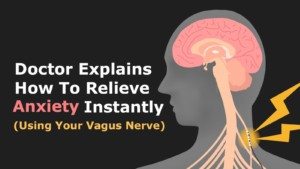
The vagus nerve (pronounced just like “Vegas”)  is the tenth of twelve cranial nerves located in the rear of the skull.

Despite the name, the vagus nerve is a pair of nerves, one on each side of the medulla oblongata, a stem-like structure that makes up part of the brainstem. Relatedly, the vagus nerve connects the nerves of the brain stem to the body.

The word ‘vagus’ stems from the Latin word for wandering, a testament to the nerve’s uniqueness as the most extensive and most wide-ranging cranial nerve. The vagus nerve originates in the brain stem and extends to multiple organs, including the heart, lungs, spleen, liver, stomach, and kidneys.

In this article, we will discuss the health implications of the vagus nerve. Also, we will share how you can promote its health.

Let’s begin by talking about the vagus and its functions.

What does the vagus nerve do?

The primary functions of the vagus nerve break into four categories, including:

[1] Parasympathetic: Responsible for the digestive tract operation, heart rate, and respiration.

[2] Special sensory: Provides the sensations of taste from behind the back of the tongue.

[3] Sensory: Operating specific mechanisms of the abdomen, heart, lung, and throat.

[4] Motor: Enabling the movement of neck muscles, enabling speech and swallowing.

The nerve is most well-known for controlling the body’s parasympathetic nervous system, or PNS. The PNS is often referred to as the body’s “rest and digest” system, which works to balance the “fight or flight” response of the sympathetic nervous system or SNS.

The SNS works to increase alertness, blood pressure, breathing rate, energy, and heart rate. The PNS reduces all of these and assists the body with calmness, digestion, and relaxation. Furthermore, the vagus nerve aids in bodily processes such as defecation, urination, and sexual arousal.

The dispersed, intricate network of nerves originating from the vagus has other effects on the body, including:

– The sending of information from the gut to the brain

– Reducing inflammation by sending anti-inflammatory signals to other areas of the body.

– Assisting with relaxation via deep breathing.

– Allowing for mental and physical recovery following events that induce anxiety, fear, and stress.

Vagus nerve activity links to multiple medical conditions, including arthritis, depression, epilepsy, inflammatory bowel disease (IBD), migraine headaches, and several more common illnesses.

In actuality, precisely what the vagus nerve does – and the scope of is effects – remains somewhat of a mystery. Like most other components of the complex nervous system, scientists and other experts continue to make discoveries about it.

How is the vagus nerve key to health?

“…every year somebody finds a new organ or system that [the vagus nerve] talks with. There’s a massive bioelectrical and biochemical series of events that the vague nerve is responsible for, and all that is impossible to map.”  ~ Tiffany Field, Ph.D. (Source)

All of this begs the question: how does just one nerve system impact so much?

While scientists can not account for the more intricate goings-on of the nerve, it is evident that the vagus nerve is the central apparatus of the body’s relaxation response. This finding has enormous health implications, especially given the nature of stress exposure in modern times.

But it goes even deeper than that.

The vagus nerve’s encompassing structure in the brain and body is leading to research as a ‘neuromodulator’ for many conditions.  Neuromodulation is the process whereby a particular neuronal body manipulates the chemical composition of surrounding neurons.

Currently, a medical treatment known as vagus nerve stimulation (or ‘VNS’) serves as a supplementary therapy for treatment-resistant cases of depression. Doctors also utilize VNS in cases of treatment-resistant epilepsy.

Per a review article published in the journal Psychiatry, the vagus nerve is “an attractive target” in the treatment for many psychiatric and gastrointestinal disorders. Moreover, researchers in the study point to recently-discovered nuclei of vagus cells that provide “critical controls” for heart, lung, and other internal processes.

The conditions cited for potential vagus-targeted treatment include post-traumatic stress disorder (PTSD) and inflammatory bowel disease (IBD). A component of the immune system response, vagal nerve treatments could benefit inflammation-related disorders.

The brain-gut axis

“The gut-brain axis (GBA) consists of bidirectional communication between the central and enteric [intestinal] nervous system, linking emotional and cognitive centers of the brain with peripheral intestinal functions … by means of neural, endocrine, immune, and humoral links.” [Emphasis added]  ~ Carabotta, M., et al. (Source)

In recent years, medical science has definitively established the relationship between the gut and the brain. The gut-brain axis, a bidirectional communication pathway between the central nervous system and intestines, is closely linked to neural, endocrine, immune, and metabolic functions. Research has found that an estimated that 80 to 90 percent of the vagus nerve’s neurons transmit sensory information from the stomach and intestines to the brain.

The most recent studies implicate the vagus nerve in regulating inflammation, mood, and pain, which can potentially modified by VNS.

Maintaining vagus nerve health

Putting this all together, it is clear that the vagus nerve has considerable influence on multiple areas of the body, and on overall health and wellbeing as a whole. Indeed, perhaps no other structure influences mental and physical health to such a high degree.

The question thus begged is: how can we promote the health of the vagus nerve? Fortunately, science has shed some light on this as well.

1 – Breathe!

The most natural way to promote the health of the vagus nerve is controlled breathing. Studies have shown guided breathing exercises to strengthen vagal tone; this has the secondary effect of managing conditions such as prehypertension.

Of course, given its inextricable link with the vagus nerve, it is vital to care for your gut. We can do so by managing our microbiome (“good bacteria”) by consuming probiotics. Certain strains of probiotics reduce feelings of anxiety and depression. Fermented milk products such as yogurt have proven to be especially useful.

2 – Visualize

Practicing visualization has also been shown to improve vagal tone. Visualization works by suppressing the body’s fight or flight response, which helps the mind feel safe, thereby limiting vagus nerve activation.

Perhaps the best way to strengthen the vagus nerve is to rewire your brain via activity. How to do this?

The first thing to remember is that the mind tends to dwell on the negative when idle. In a groundbreaking study published by two Harvard researchers, it was discovered that during periods when we’re not focused on the present moment (i.e., the task at hand), we tend to produce negative thoughts and emotions.

3 – Be mindful

It is essential, therefore, to practice techniques such as mindfulness.

Despite all of the hullabaloo around the topic, mindfulness is nothing more than remaining in the present moment with your attention. Of course, this is not easy, given the mind’s tendency to rehash the past and imagine the future.

This understanding is where mindfulness meditation can make all of the difference.

The idea here is to retrain your attention and strengthen your concentration power. The brain’s default mode network (a real thing, by the way) is most active when we’re not doing anything, so many of us find it hard to stick with meditation in the beginning.

The mind won’t shut up. That’s okay. Let it jabber.

This mental noise is a byproduct of an untrained mind. Indeed, this constant mental noise makes meditation so tricky at first. Everyone experiences this, and you will too.

However, individuals who stick with it quickly become hooked. Or, instead, it’s their mind that becomes addicted to quiescence that can only be found in meditation.

But you don’t even need to meditate if you don’t want to. There are other ways, although the best, most long-lasting results do come from prolonged mental training.

vagus nerve4 – Other easy ways to promote vagus nerve health

Listen to your favorite music while paying close attention to the lyrics and instrumentals.

Practice a simple breathing exercise. Breath in slowly to the count of four and release to the count of seven. Do this for five minutes.

Do some gentle stretching, even if it’s for just a couple minutes.

Watch something funny. Laughter activates the vagus nerve.

Hug your kid or dog. Affection promises to strengthen the vagal tone.

Go out for a brisk walk — exercise produces positive effects in the vagus.

Finally, watch your nutrition and stress levels. Eat a more balanced diet and eliminate those unnecessary burdens that only serve to stress you out.

Researchers Reveal How to Have Better Conversations with Your Partner

Learning to communicate with anyone on a personal level is a learning process for both parties.  As we become more familiar with someone, we learn their triggers, how they best respond to constructive criticism and face problems. The same holds for ourselves as well.  Finding that balance with being honest about our emotions but maintaining open and productive conversations about difficult subjects requires skills that we generally learn over time.  Researchers reveal how to have better conversations with your partner that result in both better emotional expression and understanding of both parties.

Learning to express, not suppress emotions

In school, we learned to count to 10 to teach us to get control of our heated emotions. That was so that we didn’t unfairly attack someone.  That is still a good tactic. However, it is crucial to recognize that it is to get control at the moment, not to bury how you feel.  Suppressing emotions over long periods can result in overreactions, misinterpretations of others’ actions, and intensifying the first emotions, making them more prominent than they need be.  Ultimately, suppression only leads to broader issues in the long run and can destroy a relationship.

It is essential to recognize and name how you feel to yourself first.  Are you upset that your partner is on his phone at dinner time? Why? Does it feel disrespectful or trigger insecurity that they don’t want to connect with you? Or, do you want their undivided attention during this relatively short time?

Tips for Having Conversations with Your Partner

1 – Be in a proper mindset when you raise an issue

It is good to recognize how you feel and understand why you think what you are at the time.  That doesn’t mean you need to yell at your partner to express it but communicate it to yourself internally.  The acknowledgment alone will lessen the impact on your psyche, allowing you to calm down and bring it up in a positive manner.

As a part of raising the issue, experts recommend you start the sentence with what is bothering you first and end the sentence with a positive statement.  For example, ” I feel upset that you are on your phone during our dinner because I was looking forward to us spending time together uninterrupted.”  This practice allows your partner to quickly both know the problem and that you care about them and are not attacking them.

2 – Actively listen to your partner

It is so easy to space out during specific conversations, especially if your mind is on subjects you’d prefer to discuss.  What you may fail to recognize, is that if your partner feels listened to throughout their conversation, they won’t feel the need to repeat things, use phrases to get your attention or other tactics to draw you into the conversation.  They are also more likely to freely shift the conversation towards you once they finish, allowing you to share what is on your mind.

What are the ways to actively listen?

  • Maintain eye contact
  • Position body in front and leaning in toward the person
  • Ask questions about the topic
  • Repeat ideas back to confirm understanding
  • Don’t fiddle with things
  • Focus on what they are saying verbally and physically.
  • Don’t focus on what you are thinking to reply. This is their point, not yours.  Let them speak.

3 – Seek greater understanding

It is only natural that you want to feel heard and understood.  Frequently, we only focus on ourselves and fail to recognize the emotions of the other party. Learning to steer a conversation toward how your partner is feeling and being open-minded may aid you in knowing how to express yourself in a manner that your partner will understand and your partner will be more willing to hear you after having expressed themselves.

4 – Own your feelings and mistakes

When discussing your feelings, remember they are your feelings.  Express them in terms of “I” rather than “You.”  Stating a problem by saying, ” You did x,y,z …” is like pointing a finger in their face and blaming.  While they may be responsible for their actions, you are responsible for your emotions and reactions.  Express yourself, stating “I feel…”

It is also essential to recognize that while you can say how you felt, that doesn’t mean you are in the right.  Learning to apologize for misunderstandings and poorly expressed feelings is how you take responsibility for yourself and demonstrate respect for your partner.

5 – Never forget to bring in closeness and trust

You easily might get distracted by events of a day and not communicate the simple things to your partner.  Yet, it is the little things that build closeness and trust.  Some of these things are:

  • Share something that happened in your day
  • Show appreciation for something your partner did
  • Ask for their advice or opinion
  • Make physical contact during conversations

6 – Don’t always be so serious

Humor is a great way to break the tension.  While there is a time and a place for certain jokes, keeping certain things light or bringing up a shared story can release stress and make an awkward conversation easier to discuss.

7 – Be clear about the purpose of the conversation

It is vital that a discussion, especially of a serious note, is focused.  Make sure that you know what your purpose is for raising certain subjects and what the goal is for your partner.  It is easy for a conversation to go in circles, and nothing becomes resolved when neither party is clear what is being discussed or what resolution is desired.  You each may have separate goals, and it is crucial to address each one individually.

Integration of emotional regulation for better conversations

A study was performed in Israel by Bat-Hen Shahar and associates at the Ben-Gurion University.  They took 140 participants, ages 22 or less, who had been in a romantic relationship for six months to three years.  Their goal was to test out a theory of the Integration of Emotional Regulation.

IER is based on the idea that if you recognize what your emotions are and attach them to your sense of self, you can improve your ability to cope with challenging situations.  It is believed that an emotionally balanced person can sit with both their negative and positive emotions, express them appropriately, and develop a more profound sense of self-acceptance, development, and personal intimacy.

In the study, they divided up the couples.  One of the partners received emotional direction, and the other had no instructions at all.  The partner given directions used one of three emotional methods in which to respond during the conversation.  All of the subjects were hooked up to skin conductance monitors to read the stress levels.

The three different emotional directions were:

  1. For the participant to be fully aware of their emotions and how they correlated with their goals during the 10-minute conversation. This represented the IER method.
  2. Attempt to remove your emotions and be as rational and objective as possible
  3. Act as stoic as possible, so your partner is unable to read your emotions

The researchers verified that participants in the IER method demonstrated less stress, which declined as they continued conversing.  The other groups felt they got far less out of the conversation, and the stress levels were higher.

conversation with your partner

Here are ten signs you can trust your partner.

Final Thoughts on Having Meaningful Conversations With Your Partner

Communication is difficult in any relationship, whether it is parent/child or spouses/partners.  It is a science that is relatively new, and scientists are still discovering different methods which are quite contrary to how many of us have been taught.

It is more common now to express your feelings. However, previous generations viewed emotions as a weakness. Moreover, they learned to bury them and get on with the day.  Often, this led to explosive arguments and major misunderstandings and, eventually, failed relationships.

Researchers now better understand different methods to have a better conversation with your partner.  This time, the teachings are based on knowing and acknowledging your emotions. Thus, you can become better attuned to who you are and what you need.  This goes for both parties.  There is also a heavier emphasis on listening to each others’ needs, goals, and feelings without needing to be defensive.  We have come a long way from our grandparents or great-grandparent’s day of remaining stoic or burying emotions.  It is an excellent step toward furthering ourselves and our relationships.

Dietitians Reveal 16 Foods That Relieve Flu Symptoms

Winter is here, and so is the flu season. In addition to making someone feel horrible, flu symptoms often kill the appetite or even make the patient feel nauseated. Eating food is thus the last thing many people with the flu want to do.

The body, however, needs the energy to fight the viruses that cause the flu effectively. A patient with the flu, therefore, needs to eat, and they need to eat foods that can give their immune system an extra boost. The following are some examples of what a flu patient should eat.

16 Foods to Consider When You’re Battling Flu Symptoms

1. Chicken Soup

Soups, in general, provide a lot of advantages: They are easy to prepare to digest, and hot soups can soothe sore throats. Many soups are also nutritious. Since they contain water, soups also prevent dehydration.

A study in 2000, however, demonstrated that chicken soup is particularly useful for people with flu. The researchers found that chicken soup fights the inflammation that accompanies the flu. It can thus reduce congestion and some of the other symptoms.

The ingredients in chicken soup provide health benefits. The chicken itself contains proteins and iron, while the herbs, celery, and carrots that are often in the chicken soup also contain beneficial nutrients. The only potential downside to chicken soup is that it can add a lot of salt to your diet.

2. Garlic

Garlic has antimicrobial and antiviral properties that enable it to strengthen the immune system so it can fight infections like flu more effectively. Garlic contains a phytochemical called allicin that has antimicrobial properties. Garlic works best when fresh, and some authorities recommend two cloves every day. It can also be taken in supplement form.

3. Fruits and Vegetables That Contain A Lot of Vitamin C

Vitamin C also strengthens the immune system and thus enables it to fight flu. The science journal “Nutrients” published a review of Vitamin C’s health benefits that described the ways it helped the immune system. The researchers recommend that a healthy person ingest 100 to 200 mg of Vitamin C every day, while a sick person should increase that amount.

Examples of foods that contain a lot of Vitamin C include the following:

• Citrus fruits

• Peppers

• Kiwi fruit

• Orange juice

• Raw, dark leafy greens

• Purple or red grapes

• Purple, blue, or red berries

• Raw broccoli

4. Ginger

Ginger is a spice made from the root of the ginger plant. It can aid digestion and relieve nausea that sometimes accompanies flu. Ground ginger or chopped ginger root can be used as a flavoring for foods like stews or soups. It also tastes great in teas or a mixture of hot water, lemon juice, and honey.

5. Leafy Greens

Like ginger, leafy greens also help digestion. They contain many nutrients, including Vitamin C, Vitamin E, fiber, folic acid (Vitamin B9), and iron. Those nutrients can help strengthen the immune system and thus ward off infection.

Leafy greens can be used as side dishes, or they can add texture to salads, smoothies, stews, or soups. Examples of leafy greens include the following:

• Cabbage

• Collard greens

• Kale

• Spinach

• Swiss chard

6. Oatmeal

Oatmeal, especially instant oatmeal, is easy to prepare. It is also nutritious and filling. Oatmeal contains a lot of prebiotics, and the latter can feed the good bacteria in the gut. As a whole grain, oatmeal contains a lot of Vitamin E, which strengthens the immune system. It also includes a lot of fiber, including a fiber called beta-glucan that gives the immune system a boost. Oatmeal is also a good source of polyphenols, which are nutrients that come from plants.

Oatmeal with banana slices provides even more vitamins, fiber, and potassium. This can be particularly helpful to a flu patient since symptoms like vomiting, fever, and diarrhea can cause a depletion of electrolytes like potassium.

7. Yogurt

Yogurt contains live bacteria that can help fight flu. It also includes a lot of protein.

In 2011, the science journal “International Immunopharmacology” described a study in which researchers fed yogurt to some mice infected with flu. They found that the yogurt stimulated the mice’s immune systems, so they produced more antibodies. The researchers acknowledged that they would need to conduct a trial with human volunteers to truly determine if yogurt would have the same effect on humans.

As a dairy product, however, yogurt can temporarily worsen flu symptoms by increasing the production of mucus. Flu patients with that susceptibility may want to substitute yogurt with other fermented foods like kombucha, sauerkraut, and non-dairy yogurts, for they also contain healthy bacteria.

8. Mushrooms

Like oatmeal, mushrooms contain a fiber called beta-glucan that triggers the immune system, so it will send cells to find and destroy infectious agents. They are also a source of selenium, which helps white blood cells secrete proteins called cytokines that stimulate the immune system and direct immune responses to the site of an infection.

9. Wild-caught Salmon

Wild-caught salmon is a good source of Vitamin D, which can help the immune system fight off upper respiratory tract infections. In 2009, the National Institutes of Health (NIH) shared a study in which researchers examined data collected from almost 19,000 people by the CDC between 1988 and 1994. They found that the volunteers with the least Vitamin D in their blood caught the most colds, while those with the most Vitamin D in their blood had the fewest bugs. In fact, people with little Vitamin D in their blood were 40 percent more likely to report a recent cold than were those with the most Vitamin D.

A single 3.5 ounce serving of salmon can provide 360 IU of Vitamin D – which is roughly 1/3 to ½ of what some authorities recommend that people get every day.

10. Oysters

Oysters are an excellent source of zinc, which bolsters the immune system. In fact, the NIH reports that oysters contain more zinc than does any other food. Zinc stimulates white blood cells that then attack the viruses that cause colds and flu. Zinc can reduce the severity of both diarrhea and upper respiratory tract infections. A single medium-sized oyster can provide all of the zinc the average adult needs daily.

11. Sweet Potatoes

Sweet potatoes contain a lot of beta-carotene, which strengthens the immune system. Beta-carotene stimulates cells in the immune system, so they grow and develop. It also helps them fight infectious agents. Other orange foods like carrots, cantaloupes, pumpkins, egg yolks, and squash are also good sources of beta carotene.

12. Honey

Honey has antibacterial and antiviral properties that can relieve the symptoms of flu. In 2007, the science journal “JAMA Network” published a study in which researchers worked with 100 children with upper respiratory tract infections. They gave the children a dose of honey, a honey-flavored placebo, or nothing at all half an hour before bedtime. The researchers found that the children who took honey slept better and coughed less than the other children.

A patient should take at least a tablespoon of honey every three or four hours until they start to feel better.

honey fights flu symptoms

Revealed: 21 ways you benefit from honey.

13. Dark Chocolate

Dark chocolate contains a lot of flavonoids that give it antioxidant properties. It is also a good source of cocoa.

In 2009, the “British Journal of Nutrition” revealed a study in which researchers fed cocoa to rats. They found that cocoa stimulated the immune system and improved the rats’ intestinal and systemic health.

14. Oregano

Oregano is an herb used as a spice. It contains a lot of Vitamin K, Vitamin E, Vitamin C, and Vitamin A, which can all help boost the immune system. Those vitamins also give oregano anti-microbial, anti-fungal, and anti-inflammatory properties. As an herb, oregano contains a lot of fiber.

15. Bland Foods

Nausea that can accompany flu also reduces appetite and makes rich food, especially unappealing. The patient may thus prefer a bland diet like toast or brown rice. Both can be served along with soups or salads to ensure that the patient is getting enough nutrients.

know the signs of dehydration16. Fluids

It is crucial for someone with flu to stay hydrated, as that will help their body fight the flu more effectively. Drinks that may be especially beneficial include the following:

• Water. Drinking water may help a patient recover more quickly since the kidneys use water to flush toxins and waste from the body.

• Hot water with ginger, lemon, and honey. This drink can soothe a sore throat, and the ginger in it can ease an upset stomach.

• Coconut water. Drinking coconut water can replace the electrolytes lost through diarrhea, sweating, or vomiting. Coconut water is also a good source of chloride, potassium, and sodium.

Broth and juices can also help a patient stay hydrated. Juices, however, can be loaded with sugar, so it’s necessary to make sure that they don’t have any added sugar.

Final Thoughts: A Few Foods to Avoid if You Display Flu Symptoms

There are also some things that a patient should avoid. Caffeinated and alcoholic drinks, for example, make dehydration worse. Crunchy and hard foods like crackers or chips can have sharp edges that can aggravate a sore throat. Processed food usually lack the nutrients that a patient needs.

Since a patient with the flu often has a reduced appetite, they should choose the most nutritious foods possible, as well as those that soothe a sore throat or otherwise make them feel better.

Researchers Reveal What Motivates People to Be Kind

Is kindness only a moral imperative, or is it a biological reflex?  Perhaps it’s a bit of both.  Perhaps being kind is merely a necessary behavior to ensure survival.  There may be many debates as to its origination and purpose in society. Yet, many would still consider kindness a sign of a healthy society and a highly desired trait in another human being. However, some people tend to display more acts of kindness in their life than others.

They are either admired or considered “too soft” by those who are more selective or those with different triggers for displaying kindness.  Multiple factors may contribute to those varying differences, and motivation may be one key reason.

Researchers reveal what motivates people to be kind.

Kindness and its benefits

According to the Cambridge Dictionary, kindness is defined as: “ the quality of being generous, helpful, and caring about other people, or an act showing this quality.”

We don’t display kindness through our actions to other people, solely. It is important to be kind to yourself, as well.  Everybody needs to refuel from the activities and stressors of the day.  When they don’t, chronic stress builds up.  This results in mood swings, fatigue, irritability, decreased focus, and more.  Essentially, being kind to yourself further enhances your ability and capability to be kind to others.

Beyond the apparent benefits of kindness to the recipient, how does kindness have any benefits to the one bestowing it?  As much as we like to romanticize kindness as being entirely altruistic, that isn’t the case.  Even in situations in which the individual is acting in kindness with no expectation or actual reward, they are still gaining a benefit. That’s because human beings receive a reward for our good behavior from our brains.  As it turns out, there are many science-backed benefits to being kind.

Benefits of Kind Actions

  1. It reduces depression and anxiety.

Through changing the focus from being on oneself and aiming it toward others, symptoms of social anxiety, generalized anxiety, and depression have been shown to decrease with an increase in positive emotions.

  1. Being kind decreases stress and aging.

Stress is a known contributor to aging.  Those who consistently engage in kindness show a 23% decrease in the stress hormone cortisol, reducing the aging process.   Kindness has also demonstrated to be a great coping mechanism in dealing with stress, and it also decreases the negative emotions associated with stress.

  1. Fewer aches and pains, plus increased life span.

Being kind has shown to release our endorphins, which aid in decreasing pain.  Additionally, those over the age of 55 who perform volunteer work have shown to increase their life span by 44% over those who didn’t.

  1. Increased pleasure and happiness.

Doing something kind has shown to light up various areas in your brain like a Christmas tree.  It sets off chemical reactions that increase your pleasure and happiness sensations.  These chemicals include oxytocin, serotonin, and dopamine. These do not only boost your happiness. Indeed, they directly relate to decreasing anxiety, depression. Also, they amplify energy levels, positive thinking, and self-esteem.  This is what contributes to the “helpers high” people experience when they do something for others.

  1. Lower blood pressure.

According to a variety of studies, oxytocin is released in your brain upon performing an act of kindness.  Oxytocin triggers nitric oxide releases, which dilates your blood vessels. Thus, it results in lower blood pressure.

The Connection Between Being Kind and Personal Happiness

Interestingly enough, it doesn’t seem to matter whether you’re displaying kindness to others, yourself, or witnessing a kind action. A human’s feelings of happiness remain the same.  A study at the University of Oxford, written and performed by Lee Rowland and Oliver Scott Curry, studied the levels of happiness 683 international participants felt over a week of performing acts of kindness.  Researchers divided those acts into two categories. They labeled them as an act for a friend or family member, a stranger, oneself, and just observing the act.

They didn’t have to be big acts.  Writing a thank you card, paying for a movie ticket, helping out a neighbor, or if toward oneself, going for a walk, meditation, or buying yourself a gift all produced similar results. They received encouragement to do more than what they may have normally done.  In the case of those who were to observe a kind act merely, they received instruction to go out and look for random acts of kindness around town.

What they discovered was that the level of happiness was the same across all groups regardless of the relationship.  Even better, the more acts performed, the more joy was felt.

While there are obvious benefits to performing or witnessing caring acts, what motivates people to be kind?

What motivates people to be kind?

While there are obviously many benefits to being kind, what actually motivates people to be kind?  Cynics may say that others are only trying to get something out of it, while for others, it has become a part of their lifestyle or their personalities.

It has been proven that you can actually build a “kindness muscle” so to speak.  The more often you do it, your brain continues to reward you, encouraging a loop of similar behavior.   Once that loop is an established pattern, the positive reward your brain gives you will happen more quickly.

University of Sussex study

Will your happiness differ if you are doing a kind act without any expectation of reward or with an expectation of reward?   A study by the University of Sussex, headed by Dr. Daniel Campbell-Meikeljohn, tried to answer that question.  He and his partners analyzed over 1000 brain scans from other studies related to reactions in making a decision based on kindness.  They split the studies based on who was making a decision for altruistic reasons and who was making a decision due to the expectation of an obvious reward.   The results were interesting.

In both instances, the reward center of the brain lit up on the MRI scans.  Yet, for those who made their decision without any reward benefit, other areas of the brain lit up as well.  Specifically, it lit up the subgenual anterior cingulate cortex, which scientists believe plays a role in emotional regulation.  Also, it might aid in maintaining excitement correlating to an event that creates a positive emotional state.

In one study about the subgenual anterior cingulate cortex,  it is believed that this brain region could be related to depression if it isn’t as developed properly or is dysfunctional.  The fact that this portion of the brain lights up during acts of generosity and caring without expectation of reward demonstrates that the altruistic individuals are deriving more sustainable pleasure than those motivated by reward.  It also could aid in explaining how it helps depressive individuals feel happier after doing a kind deed.

kindness
Call center study

Another study was performed to determine the likelihood of generosity in giving between people who focus on what they have given to others vs. people who focus on what they have received from others.  Adam Grant of the University of Pennsylvania and Jane Ross of the University of Michigan chose to use writing as the medium to allow others to reflect on either case, either giving or receiving.  They felt that those who received, would feel a sense of obligation toward the one they have gifted something and would be more likely to help them, but not necessarily extend that aid outside of that.  Those individuals may also feel a sense of indebtedness toward that person as well.

In contrast, one who focused on what they gave to others may be more inclined to change their self-image. They now described terms that included caring, generous, compassionate, a caregiver, and helpful.  This, in turn, would lead them to make different choices to fulfill that differed sense of self.

They conducted this study on volunteers in a call center for a charity.  These volunteers did not receive a set number of calls to perform or a quota of donations to collect.  All participants needed to do was to write in a journal reflecting on either their gratefulness for having received something or to reflect on something they gave to another.   The callers who reflected on what they gave to someone else made more calls in order to raise money for the charity.  Their call volume increased by 29%.

In the second part of the study, researchers asked the same callers to make a donation from their paychecks two weeks after reading about a recent tsunami in Japan.  In total, 26% of all of them donated. Furthermore, 46% of donors were among those who wrote about acts of kindness they provided for another.

Final Thoughts on Being Kind to Others

I’m sure you know a variety of people who extend kindness on nearly a daily basis. They may do so at a cost to themselves, only help their own friends or family or only go out of their way if there is an obvious benefit.  It is easy to see the logical reasons to help others or be courteous to others.  We live in a society, and no man is an island unto himself.  We all need each other, more so on some days than others.  For those who genuinely desire to help others regardless of repayment, maintaining a balance of helping others and yourself is crucial.  It is healthy and necessary to be kind to yourself, as well as to others.

Researchers have begun to reveal what motivates people to be kind. And it appears that for those who choose to do it, kindness begets more kindness and happiness for all.

Science Reveals 6 Foods That Nourish Your DNA

If you’re not already familiar with DNA strands and how they contribute to your overall health, this article might interest you. Also known as deoxyribonucleic acid, DNA is a molecule that contains the instructions needed for organisms to develop, function, grow, and reproduce. In short, DNA is what makes individuals distinctly different from one another.

And DNA does indeed play a role when it comes to hair color, eye color, and many other aspects of our physical appearance. However, there is so much more to this molecule than most people realize.

WHAT YOU SHOULD KNOW ABOUT DEOXYRIBONUCLEIC ACID  (DNA) STRANDS

Now we have established the fact that deoxyribonucleic acid plays a critical role in our development, function, growth, and reproduction. So let’s take an in-depth look at how these actions take place and how deoxyribonucleic acid strands fit into the equation.

Admittedly, understanding the structure of DNA can be complicated, especially for those without a background in science. In short, all humans have two deoxyribonucleic acid strands, which are attached via hydrogen bonds. This attachment is often referred to as a DNA double helix or double-stranded DNA.

These deoxyribonucleic acid strands work collectively to send signals to the body’s cells. And, they consist of 23 pairs of chromosomes, to determine the type of proteins that they will produce and how they will ultimately function in the body.

WHAT FACTORS DETERMINE HOW DEOXYRIBONUCLEIC ACID STRANDS FUNCTION?

When it comes to our health, many external factors can alter our DNA strands. And nutrition is one of them. In essence, the foods that we eat can have a profound impact on our deoxyribonucleic acid strands, the cells in our body, and overall health. To further put this into perspective, eating the wrong type of foods can alter deoxyribonucleic acid in that it can turn off genes that the body needs. Several studies have shown that eating the wrong foods can lead to serious vitamin deficiencies that increase the risk of developing chronic diseases, such as Alzheimer’s disease and diabetes, even if you’re not genetically predisposed to developing them.

WHAT FOODS SUPPORT GOOD DEOXYRIBONUCLEIC ACID FUNCTION?

There are a variety of foods that can help reverse, prevent, and even repair damage to your DNA strands. To help get you started in the right direction, here are a few that you can start incorporating into your diet today:

1 – Salads

If you’re a fan of salads, you have yet another reason to consume them more frequently. Salads that contain spinach and tomatoes can help combat oxidative stress that would otherwise damage cells, proteins, and even deoxyribonucleic acid, according to a study published by the European Journal of Nutrition, a peer-reviewed medical journal covering nutrition science.

2 – Blueberries

Easily one of the most versatile fruits that you can add to your diet, blueberries contain antioxidants that, like salads, can help combat oxidative stress. However, the health benefits do not end there. This fruit also helps to reduce visceral fat and even undo deoxyribonucleic acid damage.

If you’re still not sold on why you should add blueberries to your diet, look at this study published by ScienceDirect. They revealed that individuals who consumed a 10.5-ounce portion of blueberries saw a significant reduction in deoxyribonucleic acid damage an hour after consuming them.

3 – Watercress

Either incorporated into a salad or eaten on its own, watercress should be a part of a healthy, well-balanced diet. Watercress is a leafy, green vegetable that is chock-full of vitamins and minerals. In fact, a study published by the American Journal of Clinical Nutrition, a peer-reviewed biomedical journal in the field of clinical nutrition, revealed that study participants who consumed just ¾ cup of raw watercress each day saw a marked reduction in both basal and oxidative DNA-related damage. What’s more, the same study participants that ate this delicious leafy, green vegetable also reduced their chances of developing certain cancers.

4 – Soy milk

Soy milk can help reverse DNA-related damage in lymphocytes, the white blood cells in the lymphatic system, according to a study published by the European Journal of Nutrition. So if you’re lactose intolerant or merely enjoy the taste of soy milk, you have yet another reason to make soy milk a mainstay in your diet. Plus, soy milk is exceptionally versatile. You’ll be able to add it to coffee, oatmeal, smoothies, or drink it alone.

5 – Broccoli

Along with being an excellent source of calcium, which supports strong, healthy bones and teeth, broccoli also offers protection against DNA-related damage. In a study published by the National Institutes of Health, study participants who consumed 8.8 ounces of the edible green plant significantly reduced their chances of developing oxidative DNA-related damage by the end of the 10-day study. They were also less likely to develop diseases associated with oxidative stress and free radicals, including

  • Atherosclerosis
  • Certain cancers
  • Respiratory diseases
  • Diabetes
  • Neurodegenerative diseases
  • Eye diseases
  • Inflammatory joint diseases

6 – Green tea

A study published in the Journal of Nutrition revealed that green tea is highly effective in reversing DNA-related damage, especially among smokers. This great-tasting tea also contains catechin, a type of flavonoid that can help with weight loss. And several studies show that maintaining a healthy weight can go a long way toward improving your overall health.

WHAT IS THE BEST DIET FOR HEALTHY DEOXYRIBONUCLEIC ACID FUNCTION?

For most people, consuming a healthy, well-balanced diet, which includes the foods mentioned in this article, is more than enough to promote healthy DNA-related function. However, this may not be the case for everyone. For many individuals,  following a specific diet takes away the guesswork. Some of the most popular eating plans that nourish DNA strands include the following:

LOW-CARB DIET

For those with diabetes or who are overweight or obese, following a low-carb diet will help you lose weight. Furthermore, it’s useful for reversing or preventing DNA-related damage. That said, two of the most popular low-carb diets include the Atkin’s diet and the ketogenic diet.

And they have both been shown to stabilize blood glucose levels, boost energy, and protect against metabolic syndrome. That variety of health factors can increase the risk of developing high cholesterol, hypertension, and other challenges.

To get the most out of a low-carb diet, you should limit your consumption of sugar and carbohydrates. Plus, you should consume more of the following:

  • healthy fats
  • lean protein
  • non-starchy vegetables.

LOW-FAT DIET

For those who have high cholesterol, following a low-fat diet can help lower your cholesterol while also reversing or preventing DNA-related damage. In short, follow a low-fat diet entails eliminating trans fats and saturated fats from your diet. And replace them with healthier monounsaturated and polyunsaturated fat instead. These healthier fats can increase HDL (good cholesterol). That action moves LDL (bad cholesterol) from other parts of the body into the liver. From there, the liver works to rid the body of LDL, which eventually lowers high cholesterol. Some great sources of monounsaturated and polyunsaturated fat include the following foods:

  • fatty fish
  • nuts
  • avocados.

MEDITERRANEAN DIET

Similar to a low-fat diet, following the Mediterranean diet can also help lower high cholesterol and either prevent or reverse DNA-related damage. The Mediterranean diet involves consuming more fat and fewer carbs. The plan not only increases HDL and lowers high cholesterol but also helps stabilize blood glucose levels. And like low-fat and low-carb diets, following the Mediterranean diet can also prevent or reverse DNA-related damage. Some of the foods that you will want to eat while on this diet include the following:

  • fruits and vegetables
  • legumes
  • whole grains
  • avocados

Conversely, those that should be avoided include food rich in sugar or starch and trans fat. It is also a good idea to limit how much red meat you consume as well.

healthy nuts and seeds

Read about the 10 healthiest nuts and seeds.

GLUTEN-FREE DIET

If you’re among the 18 million Americans struggling with gluten sensitivity, a gluten-free diet might be worth considering. Gluten sensitivity is a clinical term describing the body’s inability to break down and properly digest gluten protein. Thus, following a gluten-free diet means avoiding food rich in gluten, such as barley, rye, and wheat bran, for example.

In doing so, you can avoid many of the symptoms synonymous with gluten sensitivity. These signs include nausea, hives, and respiratory problems. A gluten-free diet can also reverse DNA-related damaged caused by consuming these foods as well.

DNA strands impacted by positive thoughtsFINAL THOUGHTS ON NOURISHING YOUR DNA STRANDS

In summary, consuming a healthy, well-balanced diet, whether that entails making small dietary changes or following a specific diet, can go a long way toward nourishing your deoxyribonucleic acid strands. More than that, these same dietary changes can lead to better overall health.

Dermatologists Explain Why You Should Never Pop Pimples

It’s hard to resist the urge to pop pimples when they appear–usually at the most inopportune times. However, dermatologists warn that this is a wrong move for an acne outbreak.

For those who may not already be aware, the skin is the body’s largest organ. It also protects us against changes in temperature, microorganisms, radiation, chemicals, and much more. And while it does an excellent job in safeguarding our health and overall well-being, the skin is unfortunately prone to acne and other blemishes. Although skin imperfections are not the end of the world, they can quickly take a toll on one’s self-esteem.

As such, when it comes to pimples, many individuals often try to pop them so they don’t appear as prominent. And this may seem like a good idea at the time. However, there are many reasons why you should curb the urge to pop pimples, also commonly referred to as acne.

So in this article, we will take a closer look at what happens when you pop pimples and what you should consider doing as an alternative.

WHAT HAPPENS TO YOUR SKIN WHEN YOU POP PIMPLES?

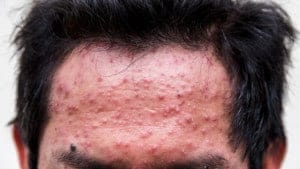
When it comes to pimples, there is a whole lot more to them than what we see when we look in the mirror. The small raised bumps that we consider unsightly are called pustules, containing dirt, oil, and other bacteria. The primary role of these pustules is to isolate and prevent these contaminants from affecting other parts of the skin. If you pop your pimples, the dirt, oil, and other bacteria in the pustules will ooze out, reducing the pimple’s size; however, the downside is that these contaminants often seep into other pores in your skin.

In the end, you will likely end up with more pimples than you originally started with in the first place. Moreover, oils, dirt, and bacteria can also transfer from your fingers to the pores in your skin. If this happens, it can lead to scarring as well as infections. In short, popping your pimples will significantly impact your skin’s health and appearance.

HOW TO GET RID OF PIMPLES WITHOUT POPPING THEM

Having detailed the consequences of popping pimples, let’s focus on eliminating them without making matters worse. And yes, it is possible. Some of the more time-proven at-home remedies include the following:

Tea tree oil

Extracted from the Melaleuca alternifolia, a tree native to Australia, tea tree oil is an excellent at-home treatment for pesky acne. Tea tree oil is effective in combating cutibacterium acnes and staphylococcus epidermidis. It is important to note that these two forms of bacteria are the leading cause of skin inflammation and pimples. A separate study published by the National Institutes of Health revealed that 5 percent of tea tree oil is just as effective in reducing acne as over-the-counter treatments that contain 5 percent benzoyl peroxide. Even more than that, study participants who used tea tree oil to combat acne experienced fewer side effects, such as burning, dryness, and irritation, compared to benzoyl peroxide.

How to use tea tree oil to heal pimples

Having established the fact that tea tree oil is a safe and effective way to resolve pimples, let’s take a look at the steps you will have to take to get the most out of this at-home remedy:

  1. Mix 1 part tea tree oil and nine parts of water.
  2. Apply a small mixture to a clean cloth or cotton swab before applying it to your pimples.
  3. Repeat this process once or twice daily until your pimples have gone away.
  4. If sensitive skin is prone to dryness, it may be a good idea to use a moisturizer after applying tea tree oil to your pimples.

Along with tea tree oil, rose, lavender, clove, and other essential oils are also effective at resolving pimples.

Green tea

Along with numerous health benefits, green tea can also help reduce pimples due to its antioxidant properties. The same study published by the National Institutes of Health revealed that green tea not only combats inflammation but also impedes the production of sebum and cutibacterium acnes, both of which can contribute to problem skin.

How to use green tea to avoid the need to pop pimples

To get the most out of using green tea on your pimples, you will want to do the following:

  1. Prepare the tea according to the packaging instructions and allow it to cool.
  2. Apply the tea to your pimples using a clean cloth, cotton balls, or a spritzer bottle.
  3. Allow the tea to remain on your skin for about ten minutes before washing your face.
  4. Repeat this process once or twice daily until your pimples have gone away.

Much like essential oils, if you are prone to dry skin, using a moisturizer after washing the green tea off your skin would be a good idea.

Aloe Vera

All-natural Aloe Vera is yet another great way to reduce acne without further irritating your skin. Like many other at-home remedies detailed in this article, Aloe Vera is helpful in fighting bacteria and reducing inflammation that causes pimples and other skin problems. And unlike when you pop pimples, Aloe Vera won’t cause scarring or infections as you work toward achieving blemish-free skin. Aloe Vera gel, which contains lupeol, salicylic acid, urea nitrogen, cinnamic acid, phenols, and sulfur, helps fight off bacteria that otherwise give way to pimples.

How to use aloe vera to reduce your pimples

To get the most out of using Aloe Vera on your pimples, you will want to do the following:

    1. Scrape a spoonful of Aloe Vera gel from the leaves of an Aloe Vera plant.
      For best results, consider combining Aloe Vera with another acne treatment of your choice as doing so will help boost the anti-acne effects.
    2. Repeat this process once or twice daily until your pimples have gone away.
zinc for acne

BONUS: Learn how zinc can be useful in acne treatment.

WHEN SHOULD YOU CONSIDER SEEING A PHYSICIAN?

If you have tried the at-home remedies detailed in this article and are still struggling with pimples, it would be a good idea to be seen by a physician, preferably a dermatologist. Although it may contradict the information in this article, a dermatologist will pop pimples to reduce their size and improve the health of your skin. However, they do so without further damaging the skin.

To treat pimples, a dermatologist will wear gloves to help minimize the risk of skin infection. They will then lance the bump using a sterile needle before removing the dirt, oil, and other bacteria with a comedone extractor. For those unfamiliar with them, comedone extractors are small metal tools that can force out the contents of a pustule without damaging the surrounding skin. Depending on the type of pimples a patient has, physicians will use one of the following comedone extractors:

  • Angled loop
  • Flat loop
  • Lancet
  • Small loop
  • Spoon extractor

HOW TO LOWER YOUR CHANCES OF GETTING PIMPLES

The best way to avoid feeling tempted to pop pimples is to reduce your chances of developing them. Some of the things that you can do to keep your skin healthy and blemish-free include

Limiting dairy intake

Some research indicates that individuals who consume large amounts of milk, cheese, and other dairy products are more likely to develop pimples than those who do not.

Minimizing stress

Not surprisingly, stress can take a toll on your mental health; however, it can also affect your skin and overall physical health as well. Studies show that there is a definite correlation between high stress levels and pimples. That said, it is a good idea to keep stress to a minimum by taking calming baths, exercising, or meditating.

Washing your hands

Considering how often we touch our faces with our hands, keeping them clean is a good idea. After all, regular hand washing can significantly lower the risk of transferring oil, dirt, and bacteria from your hands to your face, leading to clogged pores and pimples.

Although there are other things that you can do to minimize your chances of getting pimples, those listed in this article are the ones frequently recommended by dermatologists.

Furthermore, should you pop pimples despite your new knowledge, wash your hands before doing so!

don't pop pimplesBOTTOM LINE ON CURBING THE URGE TO POP PIMPLES

In summary, it is never a good idea to pop pimples, as doing so can do more harm than good. Instead, you should follow the recommendations in this article for effective at-home treatments that will help you get rid of them. Of course, if you’re struggling with severe or stubborn pimples, scheduling an appointment with a general physician or dermatologist would be best.

20 Quotes to Help You Beat The Symptoms of Anxiety Attack

When anxiety strikes, the world starts to feel small and heavy. We get weighed down by our problems and can’t move to fix anything. People suffer from these feelings every single day. While a permanent solution may require a lot of hard work and personal reflection, here are 20 quotes to help you beat the symptoms of an anxiety attack.

20 Quotes to Remember When You Feel the First Symptoms of an Anxiety Attack

anxiety attack

1. “If you want to conquer the anxiety of life, live in the moment, live in the breath.” ~ Amit Ray

When anxiety strikes, it’s important to stay in the moment. Many experts suggest focusing in on the things around you to help get out of your own anxious thoughts. Count how many red things are in the room or count your breaths. This will bring you back to reality.

2. “Man is not worried by real problems so much as by his imagined anxieties about real problems” ~ Epictetus

We all have problems. These problems do greatly affect our lives. Most of the anxiety does not come from these problems but instead our worst fears about these problems. It’s best to focus on the actual problem itself.

3. “Our anxiety does not empty tomorrow of its sorrows, but only empties today of its strengths.” ~ C. H. Spurgeon

We are not at our strongest when we are in the middle of an anxiety attack. The anxiety made us weak for the current moment, but it didn’t fix anything we were worried about. If you want to stay strong, you need to gain control over your anxiety.

4. “Anxiety’s like a rocking chair. It gives you something to do, but it doesn’t get you very far.” ~ Jodi Picoult

Anxiety is a way to fill the mind. Unfortunately, the thoughts aren’t the most productive. You tend to think in circles and end up in the same spot you started.

5. “Anxiety was born in the very same moment as mankind. And since we will never be able to master it, we will have to learn to live with it—just as we have learned to live with storms.” ~ Paulo Coelho

Anxiety is part of life. Anxiety is worse for some people than others, but we all experience it. To get through life, we need to learn how to adjust to the anxiety we experience. Just like we can’t get rid of thunderstorms, we can’t get rid of it.

6. “In an era of stress and anxiety, when the present seems unstable and the future unlikely, the natural response is to retreat and withdraw from reality, taking recourse either in fantasies of the future or in modified visions of a half-imagined past.” ~ Alan Moore

Anxiety gives us a perception of the past and future that does not truly match reality. We escape to this altered reality but when we come back, the reality is just as we left it. We would do better to stick to what’s happening.

7. “Some people feel guilty about their anxieties and regard them as a defect of faith. I don’t agree at all. They are afflictions, not sins. Like all afflictions, they are, if we can so take them, our share in the Passion of Christ” ~ C.S. Lewis

People can feel bad about their anxiety, especially when it causes them to miss certain events or hurt people. It’s important to remember that you should not have to apologize for your anxiety. It will likely only cause greater anxiety. Instead, try to fix it from within yourself.

8. “The little cares that fretted me,

I lost them yesterday

Among the fields above the sea,

Among the winds at play.”

~ Unknown

This childlike poem reminds us exactly how we should deal with our nerves. We should just let them go. When we let them go, they will fly away with the wind. We will feel lighter and just generally better about ourselves. The only problem is that letting go of the symptoms of an oncoming anxiety attack is easier said than done.

9. “Fear and anxiety many times indicates that we are moving in a positive direction, out of the safe confines of our comfort zone, and in the direction of our true purpose.” ~ Charles F. Glassman

Fear isn’t always bad. It could be a sign that we are doing the right thing. Sometimes the right thing can be scary.

10. “You don’t have to control your thoughts. You just have to stop letting them control you.” ~ Dan Millman

Many people try to stop anxiety from happening at all. Instead, the goal should be to not let the anxiety make an impact. Allow it to flow through you and escape without affecting you. When you have this control over your emotions, you will be able to handle things with a clear mind.

stress panic anxiety meme

11. “How does one kill fear, I wonder? How do you shoot a spectre through the heart, slash off its spectral head, take it by its spectral throat?” ~ Joseph Conrad

In this cheeky quote, Joseph Conrad pokes fun at the idea of trying to destroy our anxiety. It’s not a physical thing that we can stab with a sword. However, there may be some useful tools at our disposal.

12. “Free time is death to the anxious, and thank god I don’t have any of it right now.” ~ Jon Stewart

If you tend to get anxiety, one great solution is to keep yourself super busy. When you are busy, you don’t have time to worry. Keep yourself busy with work and family.

13. “You wouldn’t worry so much about what others think of you if you realized how seldom they do.” ~ Eleanor Roosevelt

Much of our anxiety comes from a bit of narcissism. This is especially true when we are worried about what other people think of us. The truth of the matter is that most people probably don’t care nearly as much as we think they do.

14. “Overthinking is not a disease; it is due to the underuse of your creative power.” ~ Amit Ray

Another great way to tackle anxiety is to focus that energy into something creative. During a panic attack, it’s best to turn to music, art, or writing. Letting out the intense feelings of the panic attack can make it much more manageable.

15. “So much of anxiety was anxiety about having anxiety.” ~ Maureen Johnson

When you are prone to anxiety attacks, you may understand this one. You can get anxiety about getting social anxiety before you even go out. Wait for the anxiety actually to come before you freak yourself out even more.

16. “But you can’t hide from the day forever. The day happens anyway, you know.” ~ Megan Atwood

Anxiety can cause people to hide in the house all day. While they hide inside all day, the world still tuns. The person hiding because of their anxiety may miss out on the beautiful things that happened that day. It’s best to get out there and life live.

17. “Sometimes it is useful to fear something too much, for it makes the real thing quite bearable.” ~ Sarah Dunant

Have you ever been so worried about a test or the dentist that you almost cried but when you got there, it wasn’t that bad? That’s one of the few benefits of anxiety. When you do finally face the real problem, it’s probably far less serious than you anticipated.

18. “Action wanes anxiety because when you act, you improve the circumstance you were anxious about which then improves the thought you’re responding to.” ~ Daniel V Chappell

Probably the absolute best solution to anxiety is to take action to fix the thing you are anxious about. When you take action, you gain control over the situation. It makes everything much more manageable.

vagus nerve to stop panic19. “Nothing can bring you peace but yourself.” ~ Ralph Waldo Emerson

People search for solutions from panic attacks in several places. They will try medication, different foods, and even drugs. The best solution is internal. You need to find peace within yourself to make a long term difference.

20. “You are not alone…please know that hope can fly in on the most unexpected of wings.” ~ Tracy Shawn

One of the biggest misconceptions about anxiety is that no one else will ever understand what you’re going through. The truth of the matter is that many people suffer the same way every single day. Instead of sticking to yourself, you should seek support from other people. You may be surprised to find how many people want to help you live a happier life.

coping with the symptoms of anxiety attackFinal Thoughts: Know the Symptoms of Anxiety and Panic Attacks, Then Remember These Quotes

You may suffer from the symptoms of anxiety and panic attacks for the rest of your life. However, it’s important to learn how to manage them to the best of your ability. Use these quotes to help give you the strength to fight to get the help you need.

Skip to content