Weekly tips, affirmations, and small actions to feel your best.

20 Life Lessons from Losing Weight (120+ pounds)

Take inspiration from the life-changing lessons I learned from losing weight (120 + pounds).

It’s not easy being a fat kid. It was never hard to put weight on. From the middle of elementary school well into my 20s, losing weight, and then regaining it, was like a rollercoaster. Once I decided to shed that weight that I carried, I took away valuable life lessons that I’d never have experienced if I had not started my life as an overweight child.

In this article, I will share the 20 most valuable lessons I learned during my weight loss journey.

20 Life Lessons Learned from Being Overweight

Here are some words of encouragement if you have an ultimate goal of losing weight.

1 – Respect isn’t free

It’s sad but undeniably true.  When you’re in a low place, you’ll find that people are quick to turn their backs without self-compassion. Maybe it’s a fear that you’ll bring them down, or perhaps they just don’t know how to uplift you. But it’s crucial to realize that respect doesn’t come for free if you want it from other people.

When you decide to pursue what you desire, people will respect you for that.  When in a state of “woe is me,” you are portraying negative energy that doesn’t garner much praise, attention, or respect.

losing weight

2 – Don’t take physical activity for granted in losing weight

Our bodies are designed to be on the move—it’s how we survived even to make it as a species today.  When you remain complacent, your body will follow suit. In time, your muscles, tendons, and tissues weaken from lack of activity.

The National Institutes of Health (NIH) suggests exercising for at least 30 minutes, three days a week, at least to start. As you become stronger, boost to 45-minute sessions, five days weekly.

Some excellent activities you can try to include are the following:

  • Yoga, done from a studio or by following YouTube classes
  • Walking with a friend or neighbor each evening
  • Swimming or water aerobics
  • Bicycling around your neighborhood each day
  • Using resistance bands to work muscles that you haven’t used lately

So, get up and get moving. You can take small steps at a time. Start small, gradually working your way up to more significant challenges as you get fitter.

3 – You are stronger than you think

The body’s limitations are purely temporary.  When we let our minds expand, we allow the capabilities of our bodies to do the same.  It may seem ridiculous to run 100 miles, but people do it because they believe they can.

4 – Release judgment

Do you know how many times I was denied a school date, simply because I was “fat”?  I would look my rejector in the eye and ask, “You would date me if I weighed less, wouldn’t you?”

There is far more to any one person than what appears on the surface.

Much like the adage “don’t judge a book by its cover,” it is not up to us to make an assumption simply because of the way we look.  There’s a lot of character underneath it all, and you’re doing yourself a disservice not to give someone a chance.

5 – You know less than you think

When I thought I knew everything, I discovered that I knew nothing.

No matter how far you travel on this journey to enlightenment, success, or whatever it is you’re chasing, the road continues.  The rabbit hole deepens.  Just as the Universe is infinitely expansive, so is the knowledge available to us.

And if you do happen to reach the end of the road of knowledge, there’s a breakthrough right around the corner; you can count on that.

6 – The only limits are the limits you make

Life is full of boundless opportunities to expand, once you believe that expansion is possible.  A life of limitation seems fruitless. Live the life you want, without regret or constraints.

7 – The human body is undeniably amazing

The body, also known as our soul’s temple, is an incredible piece of divine engineering.  Here are just a few of the incredible superpowers you may not know you had. The following are a few intriguing facts about this machine.

  • Nerve impulses travel to and from the brain at 170+ miles per hour.
  • The human body creates 300 billion new cells each day.
  • You could go without a stomach, spleen, one kidney, and 80% of your intestines – and still be alive.

When you realize the real power you have just by being in this physical transportation device, it becomes a whole lot easier to think about what you think you can do, versus what you know you can do.

8 – It’s ok to laugh

Although I used laughter as a self-defence mechanism, I learned that humor could carry me through almost any situation. If you fall on your tail the first time you try yoga, laugh it off. You will improve your skills in time.

9 – Don’t worry about what others think

You determine your self-worth; that is not for others to decide for you. Lift your head high, be proud of yourself. You committed to losing this weight, now press forward with determination. The little changes you make will add up to your ultimate success in the long run.

pop meme

10 – You are your only roadblock to losing weight

Get out of your way. Do you doubt your ability to make long-lasting good food choices? Or, do you anticipate giving up on your workouts? Erase those negative beliefs from your mind. Start over with a fresh slate and focus on what you can and will do instead.

power of positivity book

11 – Surround yourself with people who inspire you

You are only as good as the company you keep. If you remain in the presence of a person who weighs you down, you will not likely reach your wellness goals. However, surrounding yourself with positive and supportive people will uplift you. That support, ultimately, will help you get across the goal line at the end of your weight loss journey.

12 – You’re not a superhero

Few people can bring about sweeping changes in a single instant like a superhero. Weight loss takes sustained focus, commitment, and determination.

Don’t let the social media instant success stories sway you; they don’t represent reality. Instead, they are time-lapsed images that show a progression, and then shamelessly plug for likes and social shares.

13 – Some things never change

Each person has specific innate personality traits. Some of these traits are positive, while still others are detrimental to our weight loss journeys. The following habits stem from our personalities:

  • Procrastination versus facing challenges head-on
  • Giving up easily versus finding a way to overcome any roadblocks
  • Becoming distracted versus completing tasks

You cannot change these innate personality traits. However, you can identify your traits and develop good habits by becoming mindful of them. Thus, you can become proactive in finding ways to work around the things that distract you from your success.

14 – Treat your body like a single cell

Although you know that billions of cells build your physical body, treat it as if it were one single organism. What does this mean?

If you had only one cell, you would be apt to nourish it well. So if you consume foods and drinks that are adverse to your weight loss regularly, you are damaging those cells. Fuel your body for maximum wellness, which will translate to sustainable health.

15 – Acknowledge a higher power at work in your life

It matters not what Higher Power you subscribe to–God, Jesus, Buddha, or the Universe. Your faith is a powerful tool throughout your efforts at reclaiming your well-being and losing weight.

Pray, read devotionals, commune with nature, or recite mantras. It doesn’t matter what rituals you follow; feed your spiritual being to enjoy a holistic approach to healing.

16 – You’ve got to believe in losing weight

To succeed, you must believe. Have faith in your ability to do the following:

  • Make smart food choices
  • Exercise your physical body
  • Relax your mind
  • Feed your soul

You must believe you can accomplish each of these things. If you don’t believe in yourself, how can you expect others to support your journey?

Remember, you must believe it to receive it!

17 – Remember why you are losing weight

I struggled with the reality of why I wanted to lose weight, and I know others also feel the pressure of this challenge.

You must identify why losing weight is of utmost importance in your life. This reasoning varies from one person to another, and that diversity in thinking is a beautiful thing.

Perhaps you want to fit into a revenge dress before your class reunion. Cool! Or, you might want to avoid genetic predispositions to heart attacks or diabetes, and you commit to living longer. Also…great! Still, another person might want to become a positive role model for their children.  Again, wonderful!

Each one of us must determine why. Once you reflect, write it down, tape it on your fridge, or put it on your phone’s home screen so you can see a daily reminder.

positivity-journal-3

18 – Accept what is

Starting a transformational experience means first accepting the reality of what is. That number on the scale or size tag inside your pants is your current reality.

However, once you receive it, you will be able to change it! So be honest with yourself, accept the hand you currently hold, and then start shuffling up the deck by making those necessary changes.

19 – There’s nothing wrong with talking about problems

Some struggle with being overweight because of mindset or a damaged psyche. Like physical changes, you can make improvements in your feelings and attitudes about your relationship with food.  This step is key in losing weight if you have emotional struggles.

If you are an emotional eater, hide between your size as a suit of armour, or cannot get into the mind frame of weight loss, talk with a professional. A counsellor can help you work through these problems and help you correct course by identifying the causes of your feelings and helping you build self-confidence.

20 – Love everyone

Let us never underestimate the power of loving everyone around you. Love is the embodiment of positivity. Through that positivity, you will have the faith to move mountains–or to lose weight.
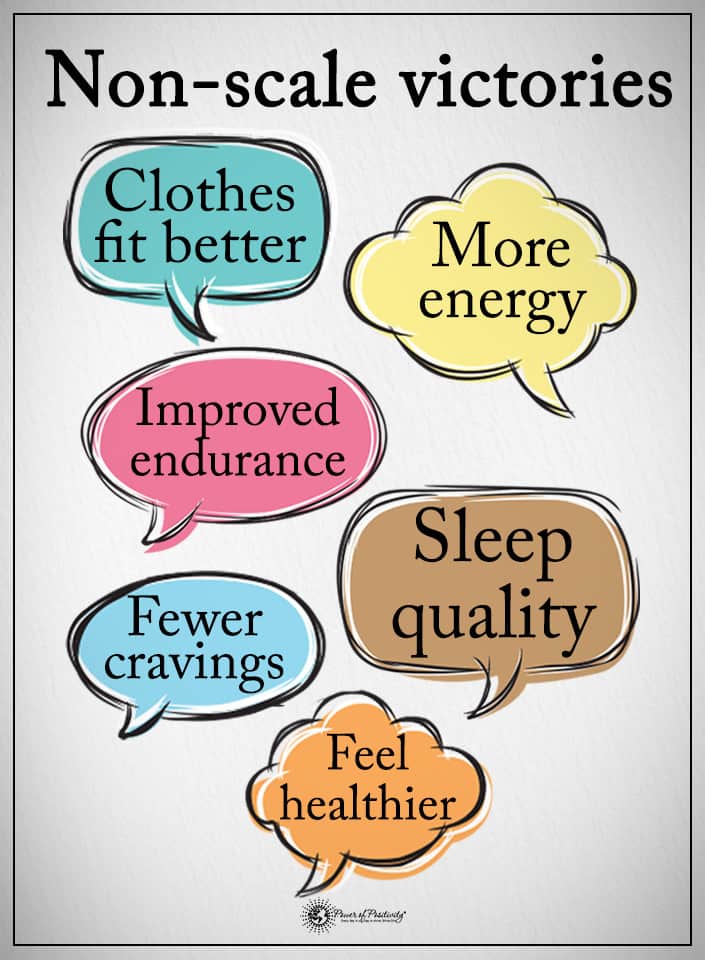
losing weight

Final Thoughts on the Life Lessons I Learned by Losing Weight

I lost over 120 pounds several years ago, and that transformation was much more than just physical. The journey was a profound exploration of self-discovery, resilience, and the power of the human spirit. Each pound shed represented not just a step closer to a healthier body, but also a victory over self-doubt, societal judgments, and the limitations I had unknowingly imposed on myself.

The lessons I learned through this weight loss journey have shaped the person I am today. I’ve realized that respect isn’t something that’s given freely; it’s earned through our actions, perseverance, and the energy we put into the world.  I learned that our strength, both mental and physical, often far exceeds what we imagine. Releasing judgment, especially of ourselves, was a key step in allowing me to grow beyond the constraints of past insecurities.

Perhaps one of the most profound lessons was understanding that life’s only true limits are the ones we set for ourselves. Once I removed those self-imposed barriers, I began to see endless possibilities, not just in my weight loss, but in every aspect of life. The human body, a marvel of nature, showed me that with care, attention, and the right mindset, we can achieve feats we never thought possible.

Science Explains 4 Reasons to Sleep Naked Every Night

Have you ever tried sleeping naked? It turns out that it is extremely beneficial.

In life, we have to wear clothes pretty much everywhere, so why wear them in the comfort of our homes while we sleep? It might seem weird at first to go to bed wearing nothing at all, but sleeping without the confines of clothing comes with major health benefits.

According to a sleep survey, only 8 percent of Americans go to sleep baring it all, but more people might jump on the bandwagon after hearing about the amazing advantages of sleeping naked.

Here are 4 health benefits of choosing to sleep naked

1. You’ll have a better night’s sleep

While pyjamas might seem comfy, they can pose a real hindrance while you sleep. First of all, PJs plus a comforter and blankets can increase your body temperature, making it difficult to fall and stay asleep. The body requires a cool environment to fall into a deep sleep, but with all that clothing on, your body might not even recognize that it’s time to go to sleep.

The skin will naturally cool off along with the rest of the body when you hit the sack for the night, but wearing pyjamas just hinders the body from doing what it needs to help you drift off into sleep.

2. You give your body a chance to breathe

Since we wear clothes all the time in our modern society, we never really give our bodies a chance to “air out,” so to speak. Especially for women, wearing underwear while you sleep traps bacteria and yeast, which can lead to overgrowth eventually.

When people sleep naked, they lower the risk of yeast infections and simply allow the body to air itself out. Plus, it just feels good to allow the cool air to touch your skin without anything getting in the way.

3. Sleeping naked next to your partner will decrease stress levels

Everyone knows cuddling and getting physically close to someone increases your health in many ways, but sleeping naked can take things to a whole new level.

Feeling that skin-to-skin contact with your partner will help you de-stress even more, lowering your blood pressure and making you more relaxed. Not to mention, sleeping naked next to someone will make you happier and, therefore, healthier.

benefits of naps

4. Choosing to sleep naked helps with weight loss

After a poor night’s sleep, your stress levels rise significantly, making you more inclined to binge on comforting, unhealthy foods. During sleep, your growth hormones increase while the stress hormone cortisol decreases. This natural process allows your body to remain balanced and keep stress at bay, but having a bad night’s sleep simply throws off the body’s chemical makeup. Sleeping naked allows your body to breathe better, which will therefore help you sleep much more deeply.

In the morning, the stress hormone cortisol increases once again to give us energy to start our day. However, if we don’t give our bodies a chance to lower stress hormones, we will inevitably reach out for something to get us through the day and feel better, which usually means junk food.

So, sleeping naked offers so many important health benefits, and it’s hard to argue with something that can make you feel better and healthier overall.

Conclusion

Sleeping naked might seem unconventional to some, but the numerous health benefits make it a habit worth considering. From improving sleep quality and allowing your body to breathe to reducing stress and even aiding in weight loss, ditching the pyjamas can lead to a healthier, happier you.

In a world where we’re often overwhelmed with stress and distractions, something as simple as sleeping naked can significantly impact your overall well-being. So why not give it a try? You might find that this small change leads to big improvements in your health and happiness.

(C)Power of Positivity, LLC. All rights reserved

Positive Morning Habits to Jumpstart Your Energy Every Day

Welcome to a brighter morning, where each day begins with promise and a renewed sense of purpose. Here, we explore 15 morning rituals that don’t just start your day—they transform it.

These habits are your first steps toward a happier, more balanced life, proven to elevate mood, enhance focus, and infuse every moment with positivity.

Whether it’s sipping a glass of water to awaken your senses or jotting down your thoughts to clear your mind, each habit is a simple yet profound act of self-care.

Join us as we delve into routines that enrich not just your mornings but your entire life.

Psychological Benefits of Morning Routines

morning fresh start

A structured morning routine doesn’t just set the tone for the day; it has profound psychological benefits backed by science.

Engaging in consistent habits each morning can improve focus, emotional resilience, and overall mental well-being.

  • 😊 Improved mood: Regular morning exercise boosts endorphins, helping to combat anxiety and depression​.
  • 🧘 Stress reduction: Mindfulness practices, such as meditation or deep breathing, reduce stress by promoting calm and clarity​.
  • 🎯 Enhanced focus: Starting the day with intention sharpens mental clarity and increases productivity throughout the day​.
  • 🛡️ Emotional resilience: Consistent routines create a sense of control and stability, building resilience against daily challenges​.
  • 🌙 Better sleep patterns: Exercise and mindfulness improve sleep quality, leading to better mental and physical health​.

By incorporating these practices into your morning, you can create a positive foundation for the day ahead.

Physical Health Habits

1. Hydrate with Water or Lemon Water

Drinking soon after waking up is one of the simplest yet most impactful habits. Water helps kickstart your metabolism, rehydrates your body after hours of sleep, and aids digestion throughout the day.

It’s also essential for energy production and cognitive function. Adding a slice of lemon boosts your hydration with a dose of vitamin C, supporting your immune system​.

2. Morning Stretch or Yoga

Engaging in a light stretching routine or practicing yoga in the morning improves flexibility and circulation and reduces muscle stiffness.

Stretching allows your body to move more freely throughout the day, while yoga enhances mental focus and promotes calmness, lowering stress levels and boosting mood.

3. Eat a Balanced Breakfast

Fueling your body with a nutritious breakfast helps sustain energy levels, improve focus, and prevent overeating later in the day.

A balanced breakfast that includes whole grains, protein, and healthy fats gives your brain and muscles the fuel they need to perform optimally. Skipping breakfast can negatively affect cognitive function and mood.

Mental and Emotional Health Habits

4. Set Daily Intentions

Taking a few moments in the morning to set clear intentions helps bring focus and purpose to your day. Whether it’s achieving specific goals or approaching tasks with a positive mindset, setting intentions increases motivation and helps you stay on track.

This practice ensures that you approach your day with mindfulness, giving you a sense of control and reducing the likelihood of feeling overwhelmed by distractions or unexpected challenges. Daily intentions act as a compass, guiding your actions toward what truly matters.

5. Meditate or Practice Mindfulness

Meditation or mindfulness practices are excellent for grounding yourself before the day begins. A short meditation session or even a few deep breaths can significantly reduce anxiety and stress, helping you remain centered throughout the day.

Studies show that mindfulness improves attention, emotional regulation, and overall mental clarity. By incorporating meditation into your morning routine, you can increase your emotional resilience and better manage stress​.

6. Practice Gratitude

Starting your morning by listing things you’re grateful for helps shift your mindset to focus on the positives. Practicing gratitude reduces stress, boosts emotional well-being, and helps improve mental clarity.

Writing down just a few things you’re thankful for each day can have a lasting impact on your mood and resilience.

  • Reduces stress: By focusing on the good, you’re training your brain to let go of negativity.
  • Boosts emotional balance: Gratitude cultivates a sense of inner peace.
  • Improves mental clarity: Encourages a positive outlook, which sharpens focus.

Spiritual and Mindfulness Habits

7. Morning Meditation

mental health priority

Starting your day with meditation can enhance both mental and spiritual well-being. Mindfulness meditation promotes cognitive flexibility, reduces stress, and strengthens emotional regulation.

Meditating in the morning helps calm your mind, improve focus, and foster a deeper sense of inner peace throughout the day. It is also a time to connect with your spiritual self, allowing for greater clarity and purpose​.

8. Connect with Nature

Spending time outdoors, even for a few minutes in the morning, can be deeply grounding and spiritually enriching. Nature has a calming effect that allows you to feel connected to the world around you.

Walking in nature, practicing mindfulness, or simply sitting in a quiet outdoor space can help you develop a sense of belonging and peace, reducing stress and promoting a more balanced mindset.

9. Practice Deep Breathing

Incorporating deep breathing exercises into your morning routine is a simple yet powerful way to center yourself. Deep breathing activates the parasympathetic nervous system, which lowers stress and anxiety.

By focusing on your breath, you can clear your mind and cultivate mindfulness, making it easier to navigate the challenges of the day with clarity and composure.

Lifestyle and Organization Habits

10. Plan Your Day

Taking just a few minutes to set priorities and organize your day can lead to better time management and lower stress levels.

Setting small, achievable goals (SMART goals) helps create a clear sense of direction, reducing the feeling of being overwhelmed.

  • Identify and prioritize the top three tasks for today.
  • Break tasks into specific time blocks for focus.
  • Start with a quick, easy task to build momentum.
  • Set clear, realistic goals you can accomplish today.
  • Review progress at day’s end to adjust tomorrow’s plan.

11. Tidy Your Space

Starting your day by organizing your immediate environment—whether that’s making your bed or decluttering your workspace—can significantly reduce mental clutter.

Research shows that a tidy space improves focus, decreases stress, and gives you a sense of accomplishment right from the start.

This simple habit primes your brain to approach tasks more efficiently throughout the day, helping you feel in control and less overwhelmed​.

12. Avoid Screen Time First Thing

Resisting the urge to check emails, social media, or the news immediately upon waking is a crucial way to protect your mental energy. Studies indicate that starting the day without digital distractions improves mood and reduces stress.

Instead, engaging in more mindful activities first thing in the morning helps you feel more grounded and focused, setting a positive tone for the rest of the day​.

Connection and Emotional Well-being Habits

13. Connect with Loved Ones

heart judged loved ones

Taking time to connect with family or friends, even briefly in the morning, has immense benefits for your emotional well-being.

Socializing with loved ones reduces stress, boosts happiness, and strengthens emotional bonds, making you feel more grounded and supported.

Maintaining relationships through simple actions like chatting, sharing a coffee, or even texting can improve mental health and promote longevity.

14. Share Laughter

Laughter is one of the most powerful stress relievers. Starting your morning with a bit of humor—whether that’s watching a funny video, sharing jokes with family, or reminiscing about a fun memory—can instantly improve your mood.

15. Practice Empathy and Kindness

Integrating acts of kindness into your morning routine, whether by offering a helping hand or a kind word to someone, can greatly enhance your emotional well-being.

  • Acts of kindness reduce stress and improve mood​.
  • Strengthens relationships and fosters connection​.
  • Promotes a positive mindset for the rest of the day.

FAQs

Why is consistency important in building morning habits?

Consistency helps reinforce new behaviors, turning them into automatic routines over time. Regular habits create predictability, reducing stress and boosting productivity, as they help you start the day with focus and intention.

Why do morning habits matter for brain health?

Morning habits like exercise and mindfulness improve brain function by enhancing focus, memory, and cognitive flexibility. These activities boost brain health by promoting better blood flow and reducing stress, which enhances overall mental clarity and mood.

What’s the science behind morning routines?

Morning routines, supported by behavioral psychology, help reduce decision fatigue and set a positive tone for the day. Structured routines create a sense of control, reduce stress, and improve emotional and physical well-being, all backed by scientific research.

What are small steps to build effective morning habits?

Start by adding simple habits like drinking water, stretching, or setting intentions. Focus on small, achievable actions and build from there. Gradually increase the complexity of your habits to ensure they become a sustainable part of your routine.

Final Thoughts

Incorporating positive morning habits can truly transform your day and enhance your overall well-being. From boosting brain health to fostering emotional resilience, these small but powerful routines set you up for success.

Remember, mornings are your foundation—build them wisely. Start small, stay consistent, and watch your day (and life) improve.

After all, who said mornings have to be mundane when they can be magical?

How to Bring Positive Energy Into Your Life with Simple Changes

Imagine starting each day feeling rejuvenated, with a smile that doesn’t fade and a vibe that spreads joy to everyone around you. It’s not just a dream—it’s entirely achievable with a pinch of positivity and a dash of intention.

Positive energy isn’t just a fleeting feeling; it’s a powerful force that can transform your daily experiences, uplift your mood, and enhance your interactions with others.

Here, we’ll explore ten practical ways to infuse your life with positive energy, ensuring you not only feel better but also bring out the best in those around you.

From embracing the beauty of nature to mastering the art of gratitude, get ready to turn the page to a brighter chapter of your life.

Neuroscience of Positive Thinking

avoid conflict positivity

In the intricate workings of the brain, neurotransmitters like dopamine and serotonin play pivotal roles in shaping our mood and emotions.

Understanding how these chemicals influence our feelings can provide insights into the power of positive thinking.

  • Dopamine’s Influence: Often labeled the “pleasure chemical,” dopamine is released during pleasurable situations like eating or achieving a goal, enhancing feelings of pleasure and satisfaction.
  • Serotonin’s Role: Crucial for mood stabilization, serotonin helps regulate sleep, appetite, and digestion, contributing to overall feelings of well-being​.
  • Boosting Dopamine: Engaging in enjoyable activities (e.g., hobbies, social interactions) can increase dopamine levels, reinforcing positive behaviors and emotional satisfaction.
  • Increasing Serotonin: Exposure to sunlight, physical activity, and consuming tryptophan-rich foods like turkey and eggs elevate serotonin, improving mood and emotional stability.
  • Impact on Mental Health: Adequate levels of both neurotransmitters are essential for preventing mood disorders such as depression, where low levels are commonly observed​.
  • Lifestyle Choices: Activities like exercise, maintaining a nutritious diet, and engaging in rewarding social interactions can naturally enhance levels of these neurotransmitters, promoting mental health and emotional well-being.

How Your Environment Shapes Your Energy

Your environment has a profound impact on your energy levels.

Colors, spatial design, and social settings are not just background elements; they actively shape how you feel and behave.

🎨 Color Psychology
Colors like blue and green boost calm and growth, affecting mood.
🧠 Space Optimization
Spacious, well-organized areas enhance focus and reduce stress.
☀️ Natural Light
Maximizing sunlight in spaces boosts serotonin and mood.
💬 Social Environments
Positive interactions in social settings enhance mood and energy.
🏡 Personalized Spaces
Personalized settings improve mood and increase productivity.

Top 10 Ways to Bring Positive Energy Into Your Life

In this section, we dive deep into actionable strategies that not only enrich your personal space with positivity but also ensure that it resonates throughout your daily interactions.

Each technique here is a stepping stone to transforming your mental landscape into one that radiates positivity and attracts more of the same.

Practice Daily Gratitude

Gratitude isn’t just about saying “thank you”; it’s a lifestyle that acknowledges and appreciates the good in life, thereby multiplying it. Start or end your day by listing three things you’re grateful for.

This practice can dramatically shift your focus from what’s missing to what’s abundant, enhancing your overall mental well-being.

Surround Yourself with Positivity

train your mind positivity

Your environment and company significantly influence your mood and outlook. Cultivate a personal and professional circle that uplifts and inspires you.

Minimize contact with negativity, whether in the form of people, news, or social media, to maintain a healthier, more positive mental state.

Let Go of Negative Habits

Identify habits that drain your energy, such as gossiping, holding grudges, or dwelling on the past. Consciously replacing these with positive behaviors like forgiveness and forward-thinking can drastically improve your emotional health.

Meditate for Mental Clarity

Meditation clears the mind and soothes the soul, creating room for positive thoughts. Even a few minutes a day can reduce stress and increase your overall sense of well-being, making meditation a powerful tool for maintaining positive energy.

Engage with Nature

Connecting with nature can be incredibly grounding and refreshing. Whether it’s a walk in the park, a hike, or simply tending to a garden, being in nature reduces stress, enhances mood, and brings a natural serenity that’s vital for positive energy.

Use Visualization Techniques

Visualization involves picturing your desired outcomes with vivid detail, which can help manifest them into reality.

This technique not only boosts motivation but also aligns your daily actions with your larger life goals, fostering a positive mindset.

Celebrate Small Wins

Acknowledging and celebrating small achievements daily boosts your sense of accomplishment and happiness.

This could be as simple as completing a task on time, making a healthy meal choice, or having a productive day. It reinforces the positive aspects of your life and keeps you motivated.

Prioritize Self-Care

Regular self-care is essential for maintaining both mental and physical health. Ensure you get enough sleep, eat healthily, exercise, and take time to relax.

Treating your body well is a fundamental step toward fostering positive energy.

Laugh and Smile Often

Laughter truly is the best medicine when it comes to boosting your mood and immunity. Find humor in daily situations, and don’t hesitate to share a smile.

These simple acts can make the days lighter and more enjoyable for you and those around you.

Embrace Change

Adopting a flexible attitude towards change can make life’s inevitable ups and downs much easier to handle.

Embracing change rather than resisting it can open up opportunities for personal growth and new experiences, contributing to a positive outlook on life.

The Long-Term Benefits of Cultivating Positive Energy

breathe positive energy

Cultivating positive energy not only enhances your day-to-day life but also has profound long-term benefits for your physical and mental health:

  • Improved Heart Health: Research indicates that a positive outlook can significantly reduce the risk of heart attacks and other cardiovascular events. This effect is noted even in individuals with a family history of heart disease.
  • Enhanced Immunity: Positive thinking is linked to better immune response, enabling your body to fight off illnesses more effectively. This improvement is thought to stem from the reduced stress and inflammation associated with optimistic thinking.
  • Greater Longevity: Maintaining a positive outlook has been associated with a reduced risk of death from cardiovascular diseases and an overall increased lifespan. This correlation might be due to positive individuals leading healthier lifestyles and managing stress better.
  • Resilience Against Mental Health Challenges: Positive thinking contributes to resilience, which helps individuals cope with stress and recover from adversity more effectively. Resilient people are less likely to succumb to depression and can maintain their mental health despite challenging circumstances.
  • Reduced Stress and Anxiety: Cultivating a positive mindset helps in managing stress and anxiety more effectively. People who think positively tend to face stressful situations with proactive coping mechanisms rather than feeling overwhelmed.

FAQs

How can positive energy improve my relationships?

Positive energy can significantly enhance your relationships by making you more approachable and forgiving, helping you see the best in others. Being positive also encourages healthier and more fulfilling interactions, as you’re more likely to express love and affection, which can strengthen bonds.

What daily habits can I adopt to maintain positive energy?

To consistently project positive energy, consider smiling more, engaging in regular gratitude practices like journaling, and surrounding yourself with positive influences. Limit exposure to negative news and social media to maintain a healthy ‘digital diet’ and keep your mindset focused on positive aspects​.

Can positive energy affect my productivity?

Yes, maintaining a positive outlook can boost your productivity. When you’re optimistic, you’re more likely to take action and persevere through challenges. This leads to better outcomes in both personal and professional settings​.

How does positive thinking influence my health?

Positive thinking contributes to physical health by boosting your immune system, reducing your risk of cardiovascular diseases, and potentially increasing your lifespan. A positive mindset helps you manage stress more effectively, which can lead to overall better health outcomes.

Final Thoughts

Embracing positive energy transforms more than just your mood—it brightens your health, enriches your relationships, and boosts your productivity. By integrating small, positive practices into your daily routine, you invite a cascade of benefits that enhance your overall quality of life.

Remember, the key to a brighter outlook starts with a simple smile—so why not let your positivity shine as a beacon for others? After all, a little positivity goes a long way in making the world a happier place!

How to Bring Positive Energy Into Your Home: 10 Effective Methods

Imagine entering your home to a wave of energizing, positive energy that instantly improves your mood and brightens your day. Isn’t that the ideal way to end a long day?

In our fast-paced world, the home is more than just a place to rest—it’s a sanctuary where the energy we surround ourselves with can significantly influence our well-being.

In our guide, you’ll discover simple and profound techniques to bring positive energy into your living space and ensure it not only looks welcoming but feels like it too.

Why Positive Energy Matters

happy home happy life

What we call positive energy isn’t just a feel-good term; it’s a dynamic that impacts every aspect of our daily lives. Positive energy can be thought of as the life force that flows through our environments, influencing our mood, health, and overall vitality.

When this energy is optimized, it creates an atmosphere where we can thrive, fostering creativity, peace, and happiness.

  • Impact of Negative Energy: Negative energy can stem from clutter, unresolved conflicts, or disarray in our surroundings. This can lead to anxiety, fatigue, and discontent. Over time, such energy may contribute to physical health issues like stress, poor sleep, and a weakened immune system.
  • Principles of Energy Flow:
    • Feng Shui: This ancient practice emphasizes harmony and the flow of chi (energy), advocating for strategic space arrangements to enhance positive energy flow.
    • Mindfulness: Focuses on present-moment awareness, aiding in recognizing and clearing mental and physical clutter that disrupts energy flow.

Understanding and applying these principles allows us to cultivate an environment that not only nurtures well-being but actively contributes to it, transforming our homes into sanctuaries that support our best selves.

Signs Your Home Needs More Positive Energy

Recognizing the signs of stagnant or negative energy in your home is the first step toward creating a healthier, more vibrant living space.

Here are some common indicators that your home may need an energetic uplift:

  • 🍃 Excess clutter blocks energy flow, creating stagnation and making the space feel tense or chaotic.
  • 💖 Irritability or feeling down without a clear reason may signal negative energy accumulating in the home.
  • 💥 Frequent arguments or ongoing tension in the household often reflect and contribute to negative energy.
  • 🌟 Constant fatigue or low energy at home, but feeling better outside, can indicate energy imbalances indoors.

Hosehold Conditions Contributing to Negative Energy

  • Dust and Neglect: Accumulated dust and a lack of regular cleaning can lead to a dull and lifeless environment, which contributes to negative vibes.
  • Dim Lighting: Poorly lit areas can make a space feel smaller and more oppressive, significantly impacting the mood and energy of a home.
  • Poor Air Quality: Stale air and lack of ventilation can make your home feel less inviting and more lethargic.

10 Ways to Bring Positive Energy Into Your Home

stay at home happiness

1. Declutter Regularly

Clutter disrupts the flow of energy and can lead to feelings of stress or overwhelm. By regularly decluttering, you create more space for positive energy to circulate.

Start with small areas like a desk or countertop, then gradually work through each room. A clean, organized home fosters mental clarity and peace.

2. Incorporate Plants

Houseplants are not just visually appealing—they also purify the air and contribute to a healthier, more positive environment. Plants like snake plants, aloe vera, and peace lilies absorb toxins and release oxygen.

Their greenery brings a sense of calm and life into any space, promoting both physical well-being and mental relaxation.

➡️ Plants That Create Positive Energy In Your Home

3. Maximize Natural Light

Natural light is one of the easiest ways to improve the energy in your home. Open windows, pull back curtains, and clean window panes to allow as much sunlight as possible to enter.

Exposure to sunlight boosts your mood, increases productivity, and helps maintain a positive, inviting atmosphere in your living spaces.

4. Use Soothing Colors

quality of happy thoughts

The colors in your home have a significant impact on the energy it emits. Opt for calming shades like soft blues, greens, and earthy neutrals to create a serene atmosphere.

These colors are known to reduce stress and anxiety, making your home a peaceful sanctuary where positive energy can flow freely.

5. Add Reflective Surfaces

Mirrors and other reflective surfaces can brighten dark areas and make your home feel more expansive. Strategically placing mirrors helps to bounce light around the room, creating an open, airy feel.

This enhances the flow of positive energy and can make any space feel more inviting and energetic.

6. Integrate Aromatherapy

Aromatherapy is a powerful way to cleanse and uplift the energy in your home. Essential oils like lavender, eucalyptus, and frankincense can be diffused to promote calm and focus.

Scents influence mood and well-being, making your home feel more positive and comforting through the power of scent.

7. Embrace Soft Textures

Incorporating soft, cozy textures like plush blankets, cushions, and rugs creates a warm, inviting atmosphere that encourages relaxation.

Soft textures make your home feel more comfortable and nurturing, helping to balance any harsh energy. Adding these elements transforms your home into a place of rest and positive vibes.

8. Implement Feng Shui Principles

Feng Shui focuses on optimizing the energy flow in your home by thoughtfully arranging furniture and decor. Ensure pathways are clear and avoid blocking entry points to allow for smooth energy circulation.

This practice can enhance harmony, reduce stress, and encourage positive energy to circulate freely throughout your home.

➡️ Ways to Feng Shui Your Home and Get More Peace

9. Hang Uplifting Artwork

Artwork has a direct influence on the energy in your home. Choose images that evoke happiness, inspiration, and calm.

Whether it’s landscapes, abstract designs, or personal photographs, the right art can uplift your mood and promote positivity. Avoid dark or chaotic images that might invite negativity.

10. Use Salt Lamps and Crystals

Himalayan salt lamps and crystals like amethyst and rose quartz are known for their ability to purify and elevate the energy of a space.

Salt lamps emit a warm glow that soothes, while crystals help balance the energy. Both are excellent tools for creating a calming, positive atmosphere in your home.

The Psychological Impact of Lighting and Colors

positive mind bring positive energy

Lighting and colors have a great effect on the psychology of a space, influencing mood, energy, and even cognitive function.

Natural light generally boosts well-being, while artificial light can either help or hinder, depending on its warmth and brightness. Similarly, different colors evoke specific emotional responses, shaping the overall atmosphere of a room.

Here’s how to strategically use lighting and colors to enhance your home:

  • Natural light boosts mood and productivity, reducing stress levels.
  • Warm light creates a cozy, relaxing environment for socializing.
  • Cool light enhances focus and concentration, perfect for workspaces.
  • Soft blues and greens promote calmness and relaxation.
  • Bright yellows energize and uplift, ideal for kitchens or creative spaces.

Daily Habits to Maintain Positive Energy

Keeping a consistent routine can help maintain a positive and uplifting atmosphere in your home. Small daily practices make a big difference in ensuring your living space remains filled with positive energy.

  • 🧹 Clean and declutter regularly
  • 🎶 Play calming music and positive mantras
  • 🌸 Use aromatherapy to enhance calmness
  • 🛏️ Make your bed every morning
  • 💧 Drink water first thing in the morning
  • 🌬️ Open windows to let in fresh air
  • 🕯️ Light candles with a soothing scent
  • 🧘 Engage in a morning mindfulness practice
  • 🗄️ Keep home surfaces clear and organized
  • 🙏 Practice gratitude in your home environment
  • 🏃 Exercise and stretch to promote good energy flow

FAQs

How can I remove negative energy from my home?

One effective way to remove negative energy is by smudging with sage or palo santo. Open windows during this process to allow the negative energy to exit while inviting fresh air in.

What is the best plant for positive energy in the home?

Snake plants are great for positive energy as they purify the air and are low maintenance. They’re believed to absorb toxic energies while emitting oxygen.

Can crystals really bring positive energy into my home?

Yes, crystals like rose quartz and amethyst are believed to help balance the energy in a space. Placing them in high-stress areas can create a calming and harmonious atmosphere.

How often should I declutter to maintain positive energy?

Decluttering once a month is ideal to keep energy flowing smoothly. A clutter-free home reduces stress and makes room for positive energy to thrive.

Bringing it All Together

Creating and maintaining positive energy in your home is essential for your well-being and happiness. By implementing even one or two of the practices mentioned, you’ll start noticing how the energy in your space shifts, bringing more peace and balance.

Experiment with different approaches and adjust based on what feels right for you. Your home is a reflection of your inner world, so treat it with care and intention.

After all, a happy home is where the magic truly begins!

15 Healthy Eating Habits That Enhance Your Positive Energy

Ever felt a midday slump or wished to have healthier eating habits for positive energy levels throughout your day?

It’s not just about the coffee or energy drinks; it’s about harnessing the power of your diet to boost your mood and vitality. This article unveils 15 powerful eating habits that go beyond mere nutrition to fill your days with positive energy.

From the secrets of proper hydration to the energizing power of whole grains and mindful eating, get ready to transform your daily routines into a wellspring of vitality and positivity.

Understanding the Connection Between Diet and Positivity

happiness new rich

The connection between diet and positivity is rooted in how food fuels both the body and the mind.

Nutrient-rich foods like whole grains, fruits, and vegetables provide essential vitamins and minerals, supporting steady energy production and mental clarity throughout the day.

On the other hand, processed foods and sugars may give a quick energy boost, but they often lead to sharp crashes, resulting in fatigue and mood dips. Maintaining hydration is equally critical, as dehydration can impair cognitive function and cause fatigue.

Regular meals that include a balanced mix of carbohydrates, proteins, and fats help stabilize blood sugar levels, ensuring a more consistent energy flow. While caffeine can offer temporary energy, overconsumption disrupts sleep, leading to longer-term energy drains.

By focusing on balanced nutrition, you can enhance both physical vitality and mental well-being, fostering a more positive, energized state.

Why Positive Energy Matters in Daily Life

“The happiness of your life depends upon the quality of your thoughts”

– Marcus Aurelius

Maintaining positive energy is more than just a mental boost; it impacts your overall health, productivity, and relationships.

When your mind and body are in a positive state, you feel more engaged, focused, and resilient in the face of challenges.

🥗 Balanced Macronutrients
A mix of carbohydrates, proteins, and fats ensures stable energy levels.
🌾 Whole Foods
Whole grains, fruits, and vegetables provide essential vitamins for energy production.
🍭 Limit Processed Foods
Processed foods and sugars can cause energy crashes, affecting vitality.
💧 Stay Hydrated
Dehydration leads to fatigue and decreased cognitive function.
🕑 Regular Meals
Eating at consistent intervals helps maintain balanced blood sugar levels.
☕ Caffeine Moderation
Caffeine offers a temporary boost but should be consumed in moderation.

15 Eating Habits for Positive Energy

Boosting your energy levels and positivity starts with your daily eating habits. Here are 15 simple ways to energize your life.

1. Start with a Balanced Breakfast

A well-rounded breakfast that includes protein, healthy fats, and whole grains helps maintain stable blood sugar levels.

This promotes sustained energy throughout the morning, preventing early-day crashes and improving concentration and mood.

2. Hydrate Regularly

Staying hydrated is key for keeping energy levels high. Even slight dehydration can impair cognitive function and cause fatigue.

Aim to drink water consistently throughout the day to keep your body functioning optimally and to maintain mental clarity.

➡️ Guide to Hydration: A Healthy Habit

3. Eat Mindfully

Mindful eating allows you to fully enjoy your food and prevents overeating. By paying attention to the taste, texture, and smell of your meals, you can better regulate your hunger and feel more satisfied, promoting both physical and mental well-being.

4. Include Fermented Foods

Fermented foods, like yogurt, kefir, and sauerkraut, contain probiotics that support gut health.

A healthy gut is essential for energy regulation and mood stability, as it helps in better nutrient absorption and maintains overall mental clarity.

5. Limit Processed Foods and Sugars

Highly processed foods and sugars can cause energy spikes followed by sharp drops, leaving you feeling drained. Instead, opt for whole foods that provide a steady energy supply, improving both your physical and emotional stability.

6. Add More Vegetables to Every Meal

Vegetables are packed with vitamins, minerals, and fiber, which support digestion and overall health.

Adding more vegetables to your diet helps ensure a steady energy supply, promotes a positive mood, and boosts mental clarity throughout the day.

7. Eat High-Vibration Foods

eating healthy self-respect

Fresh fruits, vegetables, and whole grains are considered high-vibration foods, which are rich in nutrients that uplift your energy and enhance your mood.

These foods nourish the body and help maintain a positive mental state.

8. Choose Fresh Juices Over Energy Drinks

Energy drinks can lead to quick energy boosts followed by crashes. Instead, opt for fresh juices like green juice or smoothies, which provide essential vitamins and minerals for a longer-lasting and healthier energy boost.

9. Be Grateful for Your Food

Taking a moment to express gratitude before meals can positively influence your mindset.

Gratitude enhances your emotional well-being and creates a more mindful eating experience, helping you stay present and appreciate the nourishment your food provides.

10. Snack Smart

Smart snacking can prevent energy dips between meals. Choose nutrient-dense snacks like nuts, seeds, or fruit with a small amount of protein to maintain energy levels without the crash that comes from sugary, empty-calorie options.

➡️ 9 Healthy Late-Night Snacks to Enjoy

11. Incorporate Omega-3s

Foods rich in omega-3s, such as salmon, walnuts, and flaxseeds, are excellent for brain health.

They support cognitive function, improve focus, and reduce feelings of fatigue, keeping both your body and mind energized.

12. Eat Smaller, Frequent Meals

Rather than consuming large meals, eat smaller meals more frequently to prevent blood sugar crashes.

This keeps energy levels more consistent throughout the day and prevents mid-afternoon slumps, boosting your focus and stamina.

13. Chew Peppermint or Spearmint Gum

Chewing mint gum can refresh your senses and provide a quick energy boost.

The invigorating scent of peppermint or spearmint stimulates alertness and improves focus, making it a simple and effective way to enhance mental energy.

14. Include Whole Grains

Whole grains, such as brown rice, oats, and quinoa, are complex carbohydrates that provide a slow release of energy.

This ensures a steady supply of glucose to your brain and muscles, helping you maintain a stable energy flow throughout the day.

15. Use Apple Cider Vinegar

Adding apple cider vinegar to your meals or drinks can help balance blood sugar and reduce feelings of fatigue.

The acetic acid in vinegar aids digestion and helps your body absorb nutrients more effectively, which in turn boosts energy.

Bonus Tips for Enhancing Energy with Lifestyle Habits

kindness lifestyle positive

Maintaining high energy levels isn’t just about diet; your overall lifestyle plays a significant role too.

Regular physical activity like yoga and aerobic exercise can improve energy and reduce stress, while prioritizing sleep and managing stress is crucial for long-term vitality.

Incorporating these habits into your daily routine will complement your healthy eating choices and further enhance your mental and physical well-being.

  • Practice yoga or light stretching regularly
  • Incorporate deep breathing exercises
  • Prioritize 7-8 hours of quality sleep
  • Take breaks to move during the day
  • Stay consistent with a workout routine
  • Limit screen time before bed
  • Meditate or practice mindfulness
  • Manage stress with relaxation techniques
  • Reduce caffeine intake, especially in the evening
  • Spend time outdoors to boost mood and energy

Foods to Avoid for Long-Lasting Energy

Certain foods, while giving a temporary boost, can lead to energy crashes, affecting both mental clarity and physical performance.

Here are the main culprits you should avoid to maintain consistent energy throughout the day:

  • Energy drinks cause crashes
  • Too much caffeine overstimulates
  • Sugary snacks spike and crash
  • Processed snacks lack nutrients
  • Fast food slows digestion
  • Fried foods cause sluggishness
  • Soft drinks lead to crashes
  • High-sodium snacks dehydrate
  • Alcohol disrupts sleep
  • Refined grains cause dips

FAQs

How does mindful eating help boost energy levels?

Mindful eating encourages you to focus on your body’s hunger cues, preventing overeating and energy crashes. It promotes better digestion and nutrient absorption, helping maintain stable energy throughout the day and enhancing overall mental clarity.

How does hydration affect energy levels?

Hydration is essential for cellular energy production. Even mild dehydration can impair cognitive function and make you feel fatigued. Drinking water ensures efficient nutrient transport, supports digestion, and keeps energy levels steady, reducing the likelihood of mid-afternoon slumps.

How does sleep impact food choices and energy?

Sleep regulates hunger hormones. Lack of sleep increases ghrelin (hunger hormone) and decreases leptin (satiety hormone), making you crave sugary, high-calorie foods that lead to energy crashes. Good sleep improves food choices and helps maintain stable energy throughout the day.

What foods help reduce stress and maintain energy?

Magnesium-rich foods like spinach, almonds, and dark chocolate help lower cortisol levels, the stress hormone. These foods not only reduce stress but also improve sleep and energy regulation, promoting a stable and positive energy flow.

Nourish Your Body, Lift Your Spirit

Creating positive energy through your eating habits isn’t just about what you eat but how you approach it. By focusing on nutrient-dense foods, staying hydrated, managing stress, and maintaining balance, you can fuel both body and mind for long-lasting vitality.

Remember, food is more than fuel—it’s your ally in staying energized, healthy, and positive. And hey, if dark chocolate is involved, that’s a win-win, right?

Keep making mindful choices, and you’ll feel the benefits every day.

10 Signs Someone Has Intimacy Issues

Learn more about the most common signs that someone is having intimacy issues.

Intimacy is a huge part of any relationship, and it stretches beyond romance and the libido. To have intimacy issues, however, is not just about refusing to share special moments in the bedroom. The fear of opening up and exposing one’s soul to another human being could spark problems between partners.

So, how can you tell if someone has intimacy issues? Take a look at some signs that indicate someone has intimacy issues.

10 Signs Someone Has Relationship and Intimacy Issues

“Intimacy is something to be cherished, and intimacy is not something to be afraid of.” – Ira Sachs

1 – Their relationships are always fleeting

People with intimacy problems might have no long-term friendships or prefer a one-night stand. Their connections with another human are usually exciting, intense, and short, much like a whirlwind romance.

However, this could indicate a fear of intimacy since the relationship is hardly nurturing. Someone who refuses to invest in a union with another person, or who wants to cut ties with the current partner to find the next person to excite them, may fear intimacy.

2 – They are picky about their partners

It is admirable to choose one’s partner carefully, knowing this will be the person you’ll spend the rest of your life with. However, being extremely choosy and having unrealistic standards when dating someone could indicate that a person has intimacy issues.

People in happy, loving, and fulfilling relationships overlook the imperfections of their partners. A person who fears intimacy, however, will always find something wrong with the one they’re with. For this reason, relationship issues may crop up regularly.

Finding faults and nitpicking can set up a potential lifelong relationship to fail. According to a study published in the Association for Psychological Science, a person with intimacy issues may choose to focus on a person’s imperfections to end the relationship before it becomes more complicated.

3 – They like “no strings attached” hookups

Someone who has intimacy issues prefers to hook up with a partner or escorts istanbul who doesn’t expect anything in return. It could also take them a while to define the relationship in terms of “boyfriend and girlfriend,” because all they want from the other person is to be intimate in bed.

Their union with other people becomes too familiar too quickly. Dating is like a conquest, but when it becomes too intimate, they’ll cut themselves off from the relationship and run.

4 – On the flip side, they avoid being in bed with their partner

By contrast, people who fear intimacy may recoil from the physical aspects of a relationship altogether. They choose not to move on to the next level as boyfriend-girlfriend, married couples, or lifelong partners. They go from wanting to be always physical in the beginning to not wanting this connection at all.

Someone who shows no interest in becoming physical usually justifies that there’s something else “missing” in the relationship. Thus, they end things with their partner early on.

5 – They are workaholics

Someone who is married to his or her job could be using the workaholic lifestyle as a way to avoid intimacy. Being busy gives people with intimacy issues an excuse not to forge close ties and meaningful relationships. They bury themselves in their work because that’s where they excel.

In relationships, their libido, flaws, and insecurities are highlighted, especially when their partner begins to complain or try to communicate openly.

6 – They are not emotionally healthy

Emotionally unavailable people can sometimes be real charmers at the beginning of a relationship. However, they can’t hide the cracks in their character for long. Their lack of emotional health will soon manifest in the way they behave around other people.

They might justify their behavior by making negative pronouncements about themselves under the guise of being open and forthcoming about who they are. They might say, I’m not great in a relationship, or I’m usually blunt and honest; I don’t sugarcoat things.

They’re not lying when they say these words, but it should be a red flag that they won’t be emotionally available for a long, deep, and meaningful relationship.

7 – They can’t handle relationship issues

Challenges and problems appear as relationships become more intimate and progress beyond nine to 12 months. People with fears of intimacy usually bolt before the honeymoon phase fades because they don’t want to deal with serious relationship issues.

According to a study in Prevention Science, the honeymoon phase wears off completely within two and a half years of marriage. By this time, couples have built an additional level of intimacy that makes their relationship more stable. However, this is the kind of intimacy that some people refuse to handle. They leave before things get tough.

relationship

8 – They cheat on their partners

Infidelity is common in relationships where a fear of intimacy leads a person to cheat. Pastoral counsellor Greg Griffin told Marriage that cheaters have an intimacy disorder. They don’t know how to communicate their need to be intimate.

They also don’t know how to connect with their partner, so they seek a substitute elsewhere to satisfy this need. Thus, they end up having affairs.

9 – They mask their real feelings

Someone with intimacy issues might appear positive all the time. In their frame of mind, things are always great. While it’s good to practice positive thinking, people who have problems with intimacy could be masking their real feelings by refusing to acknowledge there are issues.

If they mask their feelings, they aren’t being honest with themselves. If they aren’t true to themselves, they likely are not making real and meaningful connections with their partner.

10 – They push their partner away

People with intimacy problems use the silent treatment to avoid discussing relationship issues. They display passive-aggressive behavior that develops as resentment. Such behavior is manipulative. Being non-confrontational won’t fix the problems in the relationship, according to relationship expert Megan Stubb in an interview on Insider.

Partners can’t read each other’s minds, so discussing needs, feelings, and expectations is important in a solid relationship. Unfortunately, some people would rather close off and push their partners away without proper communication.

Final thoughts

It takes maturity for a person to overcome his or her fear of intimacy.  Sometimes, however, these issues are tied to fears of abandonment and rejection based on previous experiences. In such cases, it might be necessary to consult a professional to figure out the root cause.

(C)Power of Positivity, LLC. All rights reserved

The 10 Best Abs Workout at Home Without Equipment

Ready to shape your abs at home? No gym, no problem—tone your midsection quickly and easily. Whether you’re short on time, space, or equipment, getting a toned midsection at home is entirely doable. In this article, I’ll walk you through the best abs workout at home without equipment that will leave your core burning and your confidence growing.

Ab workouts do more than improve your looks—they also boost your body’s stability and strength. And the best part? You don’t need fancy gear to make it happen. You just need consistency, determination, and the right moves.

Let’s start a simple, effective workout you can do in your living room—no weights needed!

Why No Equipment is Effective for Abs

do what makes you happy
Bodyweight exercises boost core strength by using multiple muscle groups without extra equipment. The primary reason bodyweight exercises work so well for your abs is their versatility and accessibility.

By using just your body weight, you challenge your core muscles to stabilize your entire torso during movements, which builds functional strength.

Plus, you can do bodyweight exercises anywhere, from your living room to a park. There’s no need for fancy machines or gym memberships​.

  • 🧘‍♂️ Improved Balance: Exercises like planks enhance stability, vital for sports and daily tasks.
  • 🏋️‍♀️ Functional Strength: Exercises like mountain climbers strengthen your abs and other body areas, improving coordination.
  • ⏳ Endurance: Holding exercises like planks boosts core endurance over time.

10 Best Ab Exercises Without Equipment


Plank

plank exercises

  • How To: Position your forearms on the ground, and contract your abs, keeping your body in a straight line from head to toe. Hold the position without letting your hips sag.
  • Benefits: Strengthens the core, improves stability, and supports posture.
  • Reps/Sets: Hold for 30-60 seconds, 3 sets.

Bicycle Crunches

bicycle crunches

  • How To: Lie on your back, bring knees to a 90-degree angle, hands behind your head, and alternate bringing your elbow to the opposite knee.
  • Benefits: Targets both upper abs and obliques, enhancing rotation and core definition.
  • Reps/Sets: 15-20 reps per side, 3 sets.

Leg Raises

leg raises abs workout

  • How To: Lie flat, legs extended. Raise legs to the ceiling, slowly lowering them without touching the ground.
  • Benefits: Primarily works the lower abs, improving lower core strength.
  • Reps/Sets: 10-15 reps, 3 sets.

Russian Twists

russian twists workout

  • How To: Sit on the floor with your knees bent, lean back slightly, and twist your torso from side to side, touching the ground with your hands.
  • Benefits: Engages obliques and improves rotational core strength while toning the entire midsection.
  • Reps/Sets: 20 twists per side, 3 sets.

Mountain Climbers

mountain climbers abs workout

  • How To: Start in a plank position and quickly alternate, bringing one knee toward the chest.
  • Benefits: Adds cardio to core training, burning calories while strengthening the abs.
  • Reps/Sets: 30 seconds, 3-4 sets.

Flutter Kicks

flutter kicks abs workout

  • How To: Lie on your back with legs extended and hands under your hips. Lift your left leg and then your right alternately, slightly off the ground, and kick them up and down in a controlled manner.
  • Benefits: Focuses on the lower abs, improving strength and endurance, while also engaging the hip flexors.
  • Reps/Sets: 30 seconds of kicking, 3 sets.

Hollow Body Hold

hollow body hold no equipment

  • How To: Lie on your back with arms overhead and keep your legs straight and extended. Engage your core, lifting your arms and legs off the ground while keeping your lower back pressed into the floor
  • Benefits: Builds core stability and overall strength, challenging the entire core, especially the lower abs.
  • Reps/Sets: Hold for 20-30 seconds, 3 sets.

➡️ Best Stretches for Lower Back Pain Relief


Dead Bug

dead bug abs

  • How To: Lie on your back with arms extended toward the ceiling and legs in a 90-degree angle. Lower one arm and the opposite leg toward the ground, then return to the starting position and switch sides.
  • Benefits: Enhances core stability and coordination while working both the upper and lower abs.
  • Reps/Sets: 10-12 reps per side, 3 sets.

V-Ups

v-ups core workout

  • How To: Lie flat on your back with arms extended overhead. Simultaneously lift your legs and upper body to form a “V” shape, reaching for your toes. Lower back down slowly.
  • Benefits: Engages both the upper and lower abs, as well as the hip flexors, for a full core workout.
  • Reps/Sets: 10-15 reps, 3 sets.

Side Plank

side planks ab home exercises

  • How To: Start in a side plank position, resting on one forearm with your body in a straight line. Hold the position, keeping your core engaged, then switch sides.
  • Benefits: Targets the obliques and helps build stability in the entire core.
  • Reps/Sets: Hold for 30-45 seconds per side, 3 sets.

➡️ What Happens to Your Body When You Do Side Planks?

At-Home Abs Workout Routine (15-20 Minutes)

Warm-Up: 2-3 minutes

  • Jumping Jacks: ~1 minute
  • High Knees: ~1 minute

Circuit: Repeat 3-4 times based on fitness level

🏋️ Exercise 📏 Reps/Time ⏱ Rest
🧘 Plank Hold for 30 seconds 15 seconds
🚴 Bicycle Crunches 15 reps per side 15 seconds
🏃‍♂️ Mountain Climbers 20 reps per leg 15 seconds
🔄 Russian Twists 20 twists per side 15 seconds
⬆️ Leg Raises 15 reps 15 seconds
  • Cobra Stretch: 30 seconds
  • Child’s Pose: 30 seconds

Progressive Overload & Frequency

Progressive Overload

Progressive overload is a key concept in building muscle and improving core strength.

It involves gradually increasing the intensity of your workouts to continually challenge your muscles, preventing a plateau and encouraging growth. For core workouts, this could mean:

  • Increasing Reps/Sets: Start with a moderate number of reps (e.g., 10-15) and gradually increase the volume as your core strengthens.
  • Increasing Time Under Tension: In exercises like planks, increase the hold time by 10-15 seconds over time.
  • Adding Variations: Introduce more advanced versions of each exercise. Move from a regular plank to side planks or plank-to-push-up variations​.

never give up

Frequency

For optimal results, core exercises should be performed 3-4 times per week, allowing time for recovery between sessions. O

Overloading the core daily without rest can lead to strain. It’s essential to give muscles time to heal and adapt to the increased challenge.

Including core exercises in a balanced fitness routine with strength training and aerobic activities can enhance overall results​.

This combination of progressive overload and structured frequency will ensure that your core muscles continue to grow stronger and more defined over time.

Cool Down and Stretching

Cooling down and stretching after a core workout is essential for aiding recovery and preventing injuries. Cooling down allows your heart rate and breathing to return to normal, while stretching helps prevent muscle tightness and soreness.

Static stretching (holding a stretch) after your workout is most effective for relaxing the muscles, improving flexibility, and reducing the risk of strains​.

Incorporating stretches like the cobra stretch and child’s pose targets your core, lengthening the muscles you’ve just worked and promoting better recovery.

FAQs

Can I get six-pack abs without using any equipment?

Yes, you can achieve six-pack abs without equipment by following a consistent workout routine that targets your core muscles, such as planks, bicycle crunches, and leg raises. Combine this with a balanced diet and proper nutrition to reduce body fat, as visible abs are largely dependent on fat loss.

How long does it take to see results from ab workouts?

Results vary depending on factors like body fat percentage, workout consistency, and diet. Typically, with regular workouts (3-4 times a week) and a healthy diet, you may start seeing improvements in your core strength within 4-8 weeks. Visible abs, however, depend on reducing overall body fat.

Should I do ab exercises every day?

No, it’s important to give your muscles time to recover. Doing ab exercises 3-4 times a week is sufficient. Recovery days allow your muscles to heal and grow stronger, preventing overuse injuries and improving overall results.

What’s the best time of day to do ab workouts?

The best time to do ab workouts depends on your personal preference and schedule. Some people prefer working out in the morning for a fresh start, while others find evening workouts more convenient. As long as you’re consistent, the time of day doesn’t significantly affect your results.

Final Thoughts

Achieving strong, defined abs takes consistency and a bit of perseverance. Keep showing up, keep pushing yourself, and remember that results come from steady effort over time.

But don’t forget—abs aren’t just built in the gym (or living room). Nutrition plays a crucial role too. A balanced diet, rich in whole foods, fuels your progress and helps reveal those hard-earned muscles.

So, stay patient, keep your focus, and most importantly—enjoy the journey. Your core is calling, and it’s ready for greatness!

Food Truck Driver Makes Free Meals for Drivers Stuck on Highway

Get inspired by another cheerful story of a food truck driver making free meals for tired drivers.

Tropical Storm Imelda made the record books as the fifth-wettest tropical cyclone recorded in the U.S. She left devastating, widespread flooding in southeast Texas in her wake. The eleventh tropical cyclone and ninth named storm of the 2019 Atlantic hurricane season, Imelda, formed from a low-pressure system that moved westward in the Gulf of Mexico.

It didn’t develop into a tropical storm until it neared the Texas coastline. There, it stalled and dumped massive amounts of flooding rain on southeast Texas and southwestern Louisiana. It made landfall on September 17, 2019, near Freeport, Texas, as a weak tropical storm.

Imelda brought life-threatening flooding to Texas and Louisiana, causing 5 deaths. Rainfall reached over 43 inches in parts of Texas. Many residents swore that the storm was worse than Hurricane Harvey. The worst rains occurred within just 36 hours in most places. Unfortunately, this intense rain led to unprecedented flooding. Rescue workers made dozens of water rescues as flooding forced residents out of their homes and to abandon their cars.

Food Truck Heroes

Despite the tragedies that occurred due to this devastating storm, there were plenty of people willing to reach out to others during their time of need. One such person was Reggie McCoy, a truck driver headed to Beaumont, Texas, with food delivery. He, along with 200 other vehicles, got stranded on I-10 in Chambers County for 36 hours due to massive flooding on the interstate. This flood may cause damage to the truck. Exploring work trucks for sale in San Diego would be a great option for those looking for an affordable and good-performance unit.

Since his truck was full of food and couldn’t make it to Beaumont, McCoy asked his boss if he could give the food away to other stranded drivers. His boss agreed wholeheartedly since the food would otherwise go to waste.

The truck contained items such as water, milk, grape tomatoes, chicken wings, and toilet paper, all of which were invaluable to all the unfortunate souls stranded on the interstate.

McCoy then met another stranded soul–a cook named Kenny. Together, they found a grill and cooked food for people on the side of the highway. McCoy and Kenny cooked the chicken from the truck, which fed 30 to 40 starving, thankful people.

positivity

Law Enforcement Efforts

Deputies continued to save stranded drivers along the interstate. In total, Imelda led to thousands of water rescues. Police and other rescuers moved those stranded in Chambers County to a nearby shelter in Winnie, Texas.

Aside from police and other state officials, plenty of citizens brought their boats out to perform high-water rescues. People used social media to alert friends and family they would be bringing their boats out to help. Without a doubt, the actions of these everyday people saved countless lives.

Roads and some communities found themselves drenched in 2-3 feet of water after days of heavy rain from Imelda. The storm spawned several isolated tornadoes and will likely cause millions of dollars in damage. The government declared six Texas counties disaster areas following the storm. The counties that qualified for government assistance were Chambers, Harris, Jefferson, Liberty, Montgomery, and Orange Counties.

worry

Final Thoughts on the Kindness of the Man Driving the Food Truck

While Tropical Storm Imelda left a trail of devastation and heartbreak, it also revealed the incredible strength and compassion of those who stepped up in the face of adversity. The story of Reggie McCoy, the food truck driver, serves as a powerful reminder that even in the darkest moments, acts of kindness can shine through. McCoy’s decision to share his truck’s supplies with stranded drivers, alongside the efforts of people like Kenny and the countless others who risked their safety to help, exemplifies the best of humanity.

In times of crisis, it’s these selfless acts that restore our faith in the resilience of the human spirit. McCoy’s story is not just about a man handing out meals; it’s about the community that was formed on that flooded highway, where strangers became friends and despair was met with generosity. Such moments remind us that we all have the power to make a difference, no matter the circumstances.

(C)Power of Positivity, LLC. All rights reserved

Skip to content