Weekly tips, affirmations, and small actions to feel your best.

Psychology Explains How Childhood Adversity Harms the Brain

Childhood adversity doesn’t stop affecting you when you become an adult. Instead, the effects accompany you into adulthood, making things a little more complicated than they’d otherwise be. You might find that you struggle a little too much with emotional and physical health conditions.

You might feel like no matter how hard you try. So you don’t make any progress. However, psychologists explain that you don’t have to keep living this way. Learning to heal adversity can give you hope, answers, and positive insights.

Childhood adversity stems from encountering chronic, unpredictable, and stress-inducing events. The more events a child encounters, the more severe the hardship will be in their minds. These unpleasant situations are called Adverse Childhood Experiences and affect more than half of the population.

Even with the alarming percentage of those affected by childhood adversity, the news isn’t all bad. While it can have many severe consequences on the brain, further research shows that there’s something you can do about it. Once you know the harm of adversity on your brain, you can start making changes to reverse the effects.

What is Childhood Adversity?

childhood adversity

Childhood adversity describes many situations where a child experiences emotional neglect or abuse. These Adverse Childhood Experiences (ACEs) go beyond the typical challenges of growing up and can include the following:

  • Growing up with a mentally ill parent
  • Having an alcoholic parent
  • Losing a parent due to divorce, abandonment, or death
  • Emotional abuse or neglect of any kind
  • Experiencing sexual or physical abuse
  • Verbal humiliation
  • Household challenges
  • Domestic violence towards their mother
  • Criminal household member

Psychology Explains How Childhood Adversity Harms the Brain

Children experience Adverse Childhood Experiences from the environment the parent creates for them. The things a child grows up around drastically affect everything about their life and mindset. Adverse situations stay with them, following them into adulthood.

Children also take in these experiences through biology, affecting them from when they were conceived. A mother carries adversity from her life into her pregnancy, and her stress hormones affect fetal development.

When a child experiences adversity, it affects their minds, immune system, and physiological stress response. Many people blame a child for their bad attitude or behavior problems, but these issues indicate high levels of adversity. The adversity can stay with a child as they grow, affecting them well into adulthood.

Additionally, adversity harms developing brains and increases the risk of developing autoimmune disease, heart disease, cancer, and mental health conditions. People likely won’t suffer from these ailments until they become an adult, but it all stems from the adversity they experience as a child.

Surprisingly, research indicates that childhood trauma can also play a role in disease development. Scientists discovered a link between adversity in childhood and physical disease in adults. The number of adverse experiences a child had, the more likely they would require medical care as an adult.

Those who faced four or more adverse experiences are twice as likely to have cancer as an adult. Additionally, each experience increases a woman’s risk of developing an autoimmune disease by nearly 20%. Between the mental and physical health problems, finding a way to heal adversity is essential.

Eight Surprising Impacts of Childhood Adversity on the Brain

Here are some possible outcomes of harm done by experiencing childhood adversity.

1 – Childhood Adversity Can Cause Epigenetic Shifts

Frequent adverse situations in childhood cause your physiological stress response to go into overdrive. It eliminates your ability to respond appropriately in the future, even after you become an adult. These epigenetic shifts cause your genes to stop doing their job of regulating your stress response.

2 – Inflammation

When your stress response is high, it causes inflammation. The inflammation can cause you to overreact to daily stressors, making the inflammation even worse. Inflammation can lead to chronic health conditions later in life, so reducing them is essential.

3 – Childhood Adversity Might Impact Brain Size

Scientists discovered that when the brain is chronically stressed, it releases a hormone that shrinks your hippocampus. The hippocampus is the part of your brain that processes emotion and memory and helps with stress management. People who experienced more adverse situations as a child had a higher risk of shrinkage.

Additionally, adverse situations affect the prefrontal cortex, affecting decision-making and self-regulatory skills. It also affects the amygdala, the fear-processing center of the brain.

4 – Premature Aging

Traumatic events make children seem older when it comes to their emotions. New studies indicate that it can cause premature aging on a cellular level. Premature aging occurs because telomeres become eroded when trauma happens, causing cells to age faster.

5 – Difficulty Reacting to the World

The brain has something called the “default mode network” that helps determine what’s relevant or not. Children who have experienced traumatic events might struggle to figure out what they need to focus on or do next. As adults, these people might still have trouble reacting appropriately to the things around them.

6 – Emotional Reactivity Often Stems from Childhood Adversity

Children who experience high amounts of adversity tend to have weaker neural connections. The weakness interferes with their prefrontal cortex and hippocampus, and, for girls, the amygdala is affected as well. These weak connections cause an issue with emotional reactivity, leading to stress, dangerous decisions, and anxiety.

7 – Lower Cognitive Scores

Studies show that people who experienced persistent adversity had lower cognitive scores later in life. While children might struggle in school when they face adversity, they become adults who have a hard time, too. Adults might struggle to perform well in a career path or experience difficultly learning new things.

childhood adversity

8 – Increased Risky Health Behaviors

Children who experience high levels of adversity are more likely to participate in risky health behaviors. They might start smoking or abusing substances early on, continuing into adulthood. If they don’t deal with the issues, it could lead to increasingly dangerous behaviors.

Put Your Research on Childhood Adversity to Good Use

If you’ve wondered why you struggle with your emotional and physical well-being, adversity could be the key to unlocking answers. Once you know that adversely affects all aspects of your life, you’ll feel free to find ways to overcome it. Adversity can affect your adult relationships, too, making it essential to healing from your past.

Learning about adversity can help you understand how it works against you in life. When you recognize that the past can affect the present, you’ll identify how it’s worked against you. Then, you can address the issues and learn to overcome the hard times, allowing you to heal.

Childhood adversity can lead to challenging adulthood where it seems impossible to get ahead. You’ll always feel like you’re doing all you can and still not living the life you dream of. When this happens, you must find ways to heal from the emotional wounds you suffered as a child.

People who think adversity from their childhood doesn’t affect them as adults will continue to struggle. However, once you acknowledge that it affects your brain and body, you can begin to heal from the adversity. You can start the healing process and reduce physical and mental health problems such as inflammation, depression, addiction, pain, and disease.

How Food Can Help Heal the Brain in Those Who Faced Childhood Adversity

Many people don’t realize how much daily nutrition can affect their brains. You can change your mood, thought process, and rewire neural pathways when you eat the right foods. Your nutritional choices directly affect your brain’s ability to function and heal from harmful childhood trauma.

Foods That Help Heal Childhood Adversity

Some of the foods that help heal the effects of adversity include the following:

1. Plant Foods

Fruits, vegetables, whole grains, nuts, seeds, legumes, herbs, and spices are healthy plant foods. These foods are all rich sources of antioxidants and anti-inflammatory agents, protecting the neurons in your brain.

2. Healthy Fats

Consuming healthy fats such as olive oil, nuts, and seeds can help heal the harmful effects of adversity. These fats enhance your brain, promoting daily operating and protection from degenerative diseases. Remember to steer clear of unhealthy fats like fried foods or heavy cream because they can negatively affect you.

3. Fish

Fish contain fatty acids with anti-inflammatory properties. It also improves mood and sleep, helping you recover emotionally and physically. Two servings of fish each week is most beneficial, but any amount will help.

4. Water

While water isn’t a food, it’s still an essential part of a healthy diet. Mild dehydration negatively affects memory and other necessary brain functions. Increasing your water intake by any amount is beneficial, but aim for at least eight cups each day.

5. Foods with High Amounts of Vitamin D

Vitamin D can help you heal from the effects of adversity. Fish tends to have high amounts of vitamin D, but there are plenty of other foods out there, too. You can also consume eggs, turkey with the skin, or try a vitamin D supplement.

childhood adversity

Final Thoughts on Childhood Adversity and Healing the Brain by Good Nutrition

Childhood adversity severely impacts the brain, forcing you to carry the issues into adulthood. While the situation isn’t ideal, you can heal from it and work toward living a positive and healthy life. Changing your nutritional intake can make the difference in rewiring your neural pathways.

Now that you understand how adversity harms the brain, you can start making beneficial changes in your life. Each small step you take contributes to healing the body and brain.

7 Thoughts That Create a Scarcity Mindset (And How to Stop Them)

Do you suffer from a scarcity mindset? Perhaps you do and don’t realize it. If you constantly feel that you don’t have enough money, time, and opportunities or never measure up to others, you’re guilty of this negative thinking pattern. When was the last time you said “no” when you were asked to do something you knew you didn’t have the time to complete?

The problem with the scarcity method of thinking is that it doesn’t allow you much grace. These thought processes only focus on what you’re lacking, such as time or money. If you constantly feel like you’re coming up short or are never enough, it can affect your self-worth and esteem and cause things like anxiety and depression.

Scarcity means that you don’t see a bright future for yourself, and it can cause you to be filled with envy, anger, and even some guilt. Some say that this negativity is a self-fulfilling prophecy. When you fixate on what you don’t have, you’re wasting precious time from getting out there and making things happen.

Ironically, negative thinking like this can affect your behavior and mental functioning. If you’ve ever owned a record player, you know the problems with getting stuck in a loop. The needle would find the smallest groove on the record and repeatedly play the same thing.

You had to physically move the needle to change the sound and hear beautiful music. The same thing is necessary for life. You need to change your settings, or you will be stuck in a rut and unable to produce anything significant.

Seven Signs You’re Trapped in a Scarcity Mindset

scarcity

If you’re stuck in a scarcity mindset, it’s easy to become focused on what you’re lacking. While it’s somewhat normal to think about what you need, people with this toxic negativity can’t shift their focus to anything else.

According to the Cleveland Clinic, when a person has this mindset, it causes cognitive stress and overall anxiousness which is often seen in people who live in poverty. The article references a study conducted in 2013 by Harvard Medical Center on this subject.

Researchers found that folks who fixate on issues like weight, money woes, health, and lack of things, often have high-stress levels. Additionally, they discovered that these folks also engage in poor decision-making abilities.

Is your mind stuck on all the things you lack? Here are some things that people with a scarcity mindset often fixate on.

1. Comparing Yourself to Others Creates Scarcity

Do you find that you often compare yourself with others? Stop measuring your worth by the things you lack. For instance, your sister has a nicer house, and your brother makes way more money than you.

It’s easy to see where you don’t measure up in life. However, it would help if you remembered that life is not about pursuing materialism. Many people live with the mindset of always wanting more. Trying to acquire financial superiority is not fulfilling, as you’ll miss the whole reason for living.

According to World Atlas, there are about 7.6 billion people on this earth, so comparing yourself to a few individuals is ridiculous. There’s enough money, homes, cars, and whatever you desire to go around. Please don’t fixate on folks who seem to have it all, as many would trade places with you in a heartbeat.

The Fix:

Learn to count your blessings. There will always be someone who has more than you, but you don’t walk in their shoes. While it might be nice to have a bigger home or bank account, perhaps you have more riches in other ways that they could never understand. Money never buys happiness, and pursuing it can make you miserable.

2. Feeling Depressed or Paralyzed

Living with an abundance of negative thinking can cripple you with depression and anxiety. If you’re planning your day around your mental health disorders, you’re not living. Many people with anxiety often say they feel wired and tired simultaneously. Negativity is a toxic poison that will destroy your mind and wreak havoc on your health.

The Fix:

Stop beating yourself up each day about the areas where you lack. Instead, start counting your blessings. While you may not have all you want, be thankful for what you do have in life.

3. Overscheduling Yourself Causes Scarcity

People these days must wear a lot of hats. You’re a son/daughter, worker, parent, friend, employee, volunteer, and so on. Having so many responsibilities means that your calendar is never empty.

Do you instantly fall asleep when you sit down to take a break? This indicates that you’re overscheduling yourself and not getting sufficient rest.

The Fix:

It’s time to reevaluate your life and make some changes. Ask for help when you need it, and don’t commit to things you don’t have the time to finish. When you take off some of the hats and allow others to wear them for a while, you will notice a big difference in your mental health.

negative thinking

4. Being Overly Controlling Creates a Scarcity Mindset

When you have an abundance of anxiety and fear, it’s only normal to have controlling behaviors. Chronic negativity and feeling like you have no control over your life can make you hypersensitive. Naturally, people in these situations try to control what they can.

Some past childhood issues may also be at the helm. For instance, if you grew up in a family where life was unpredictable and sometimes scary, you’ll find that this negative mindset comes from growing up in chaos. You crave predictability, so you try to manage your life and everything around you.

The Fix:

To fix the negativity of controlling ways, you must challenge the things you fear. Try accepting things as they are and learn flexibility. In Luke 6:45, it says that from the abundance of the heart, your mouth will speak, so start with a change on the inside, and it will overflow to the outside.

5. Believing You’re Not Enough

Scarcity comes with an abundance of negative thinking, which often centers on not being enough. It doesn’t matter how successful you are; you will still feel like you don’t measure up in life. When you engage in this toxic pattern of thinking, you will sabotage your success.

The Fix:

Grab a pen and paper. Make a list of all the strengths you’ve obtained. Next, you need to address all your self-doubt that comes with a scarcity mindset. It’s time to permit yourself to be proud of your accomplishments. Writing them down puts them right in front of you, where it’s challenging to ignore.

6. Thinking You Always Lose and Others Always Win

Some people tend to be winners. It doesn’t matter what they touch, it turns to gold, or so it appears. The real issue is your negative thinking isn’t allowing you to see how many times they failed.

When you fail, it gives you a chance to learn and grow. So, these folks don’t always get it right the first time, but they persevere. There are many problems in everyone’s life, but it’s learning to overcome them. If you’re not winning in this season of life, it’s time to change that scarcity mindset.

The Fix:

Change your inner circle to people you classify as winners. See how they live differently and not let an abundance of negativity get them down. It’s likely their positivity will rub off on you.

7. Feeling Dissatisfied Causes Scarcity

Negativity is all around you, and it’s hard not to be pessimistic when life feels overwhelming and scary. People generally feel dissatisfied, but it’s because they’re so busy that they don’t have time to stop and admire the beauty of the things around them.

When was the last time you danced in the rain, caught a snowflake on your tongue, or smelled a fresh flower growing around your home? You keep going because you’re afraid of what might happen if you have any downtime. Would your world crumble around you if you just took a few minutes to stop and be present in the moment?

The Fix:

Life will never slow down, so you need to slow down. Negative thinking will paralyze you and keep you enslaved to the system, but you can stop the merry-go-round. Did you ever play on one of those dreadful toys at the park as a child?

When the ride stopped, you felt dizzy, off-balance, and sick. However, within a few minutes, your equilibrium balanced, and you felt better. The same thing happens when you stop and relax your body. The pain lasts only a few seconds, but you will feel a hundred times better.

scarcity

Final Thoughts on Knowing What Causes a Scarcity Mindset

The negative thinking behind a scarcity mindset is not easy to overcome. If you feel hopeless, helpless, and deep in despair, you should talk to a therapist. Sometimes it takes someone from the outside looking in to help you gain perspective.

Knowing you have a problem is the first step in getting help. Changing your mindset is possible, but it’s not always easy. However, if you want a more positive outlook on life, you can have it with little effort. You need to eliminate the abundance of negativity in your mind.

Psychologist Explains 6 Commonly Undiagnosed Anxiety Symptoms

Undiagnosed anxiety can manifest in subtle ways that can be challenging to detect and treat. Anxiety disorder rates are on the rise around the world. People have gotten much better at noticing symptoms of these issues and are getting diagnosed and treated, which is a great thing!

But, at the same time, not all anxiety symptoms are apparent. And since everyone experiences anxiety differently, there’s a chance that you may not realize that something you experience points to anxiety. Here’s how psychologists explain six commonly undiagnosed anxiety symptoms.

1.    Perfectionism

Lots of people falsely believe that perfectionism is a solely positive trait. But with it comes all sorts of baggage and obsession. It involves having too-high expectations, thinking that you have to do things perfectly or to unreasonable standards. According to Doctor of Psychology Sally Winston, this mentality goes hand-in-hand with anxiety disorders.

Those with undiagnosed anxiety may feel nothing wrong with their perfectionism. They may view it as a positive work ethic and consider it conscientious. But research shows that it’s a clear symptom of undiagnosed anxiety.

undiagnosed anxiety

How Perfectionism Can Increase Undiagnosed Anxiety

Clinical psychologist Katharina Mokrue explains that anxious people:

  • Create unrealistic standards for themselves driven by fear of being imperfect.
  • Lack the ability to gauge when tasks are complete, therefore not knowing when to stop working on something.
  • Anticipate all the different ways things can go wrong and try to cover for all of them, even the most implausible ones.
  • Hinge their worth on their performance, which causes them to overwork for the sake of being accepted.
  • Fear negative consequences due to a lack of perfection.
  • Procrastinate on projects due to being overwhelmed by their expectations or paralyzed by their high standards.
  • Work themselves to complete exhaustion, often not noticing the fatigue until they finally stop moving.
  • Have low self-esteem and think they won’t be good enough.
  • Quickly become frustrated with themselves for minor issues that no one else notices or cares about.
  • Redo the same things repeatedly in hopes of improving it, even if that means it’s finished late.
  • Refuse to take risks because that could jeopardize the perfection they seek.
  • Judge themselves constantly for every minor imperfection they perceive in their work and actions.
  • Never truly feel “satisfied” with the work they complete, quickly moving on to the next thing to focus on with their perfectionism.

2.    Undiagnosed Anxiety Might Cause Digestive Issues

When your stomach starts feeling queasy, you will not likely associate that with your emotions. That’s why so many people with undiagnosed anxiety misattribute their indigestion, believing it’s just something they ate. In reality, it could be a sign of a deeper issue!

Psychologist Dr. Crystal I. Lee states that when the body is under stress, it focuses on survival. This means it doesn’t focus on digesting food, especially since survival mode often means preserving food for as long as possible. When you have anxiety, your stress responses occur suddenly and at inappropriate times. This means that your fear “misfires” you into survival mode.

Common digestive issues that can crop up from anxiety include:

·         Stomach Cramps

When you’re under the stress of undiagnosed anxiety, your stomach muscles tend to contract. This can cause sudden, unexpected cramps unrelated to a menstrual cycle.

·         Acid Reflux

Research indicates that anxiety increases stomach acid production. This worsens experiences of acid reflux and heartburn and can cause symptoms of GERD.

·         Vomiting

Do you tend to feel nauseated when you’re stressed out? Anxiety is to blame! Fear often throws a chemical in the brain called norepinephrine off balance. This chemical is needed to balance digestive enzymes and gastric juice production.

·         Diarrhea

As your stomach muscles contract more and more from anxiety, your bowel movements will likely loosen. This is why so many people have diarrhea before significant, nerve-wracking events.

·         Constipation

On the opposite end of diarrhea, constipation can result from undiagnosed anxiety. When your muscles contract in the stomach, blood flow to the digestive organs reduces, and food moves less quickly.

3.    Brain Fog Stems From Undiagnosed Anxiety

Brain fog is a symptom of undiagnosed anxiety that often goes overlooked. It’s a common sign of many different mental disorders, too. Licensed clinical psychologist Dr. Helen Odessky states that many anxious individuals also face trouble concentrating.

You’re always a little preoccupied with other things when you’re anxious. This prevents you from staying in the present, as studies show that mental resources get used up a lot in these situations. You’re overloading your cognitive space. Symptoms of this issue may include:

  • Depersonalization and derealization
  • Becoming distracted very easily
  • Thinking much more slowly than usual
  • Feeling confused and spaced out
  • Having difficulty finding words and communicating verbally
  • Struggling to organize thoughts
  • Requiring additional time to complete usually quick or simple tasks
  • Being unable to arrange activities
  • Intense feelings of exhaustion and fatigue
  • Higher levels of forgetfulness than average, even for daily tasks
  • Continually losing trains of thought

This is made worse because anxiety and brain fog are self-perpetuating cycles. When you’re anxious, you struggle to do tasks because of brain fog. That struggle, in turn, causes you to be more anxious again, exacerbating brain fog even further.

undiagnosed anxiety

4.    Cold Hands and Feet

Have you ever noticed that your extremities are the first to lose warmth whenever you feel cold? This is because the body focuses on directing your warmth where it matters most – to the organs and other vital parts. The response can also be seen in other circumstances where the body focuses on survival.

Psychiatrist Dr. Miller explains that fight-or-flight response is triggered in your body when you feel anxious. Research also discusses the effects of these fear responses. This means that your body moves blood towards vital organs to help you survive. Your feet and hands get colder and colder, even when the temperature is pretty warm.

This symptom isn’t long-lasting, typically going away after about 20 minutes if there’s no immediate trigger for your worries. But with undiagnosed anxiety, you may have trouble calming yourself down, and your extremities may stay cold for longer. The stress response must die down for warmth to return to hands and feet.

If you tend to get cold extremities for no discernible reason and your circulation is healthy, it may be anxiety. However, note that this physical symptom can also be a symptom of a different disorder. It’s best to check your issues with a doctor before dismissing cold extremities as an unimportant, temporary side effect.

5.    Undiagnosed Anxiety May Cause Indecisiveness

People with undiagnosed anxiety are often highly indecisive. When faced with a few small, unimportant choices, they can enter a wishy-washy state of panic. Naturally, that only gets worse when the decisions they have to make are much bigger!

Anxiety makes each choice seem terrifying. You’ll feel like even the smallest of decisions can dramatically alter your life, says Shrein Bahrami, a licensed psychotherapist. Whether you’re choosing a new house or deciding what to make for dinner, you’re paralyzed. This might happen because:

  • You’re terrified of making the wrong choice.
  • You don’t want to take risks.
  • Not trusting yourself, and you second-guess your thoughts.
  • You know that you never have to deal with what comes next if you don’t choose.

But why does this happen at all? Well, anxiety activates the limbic system in the brain, which is responsible for motivation, emotional response, and memory. This isn’t the part of the brain that you want to be active when you’re making decisions. Your limbic system overpowers the decision-making prefrontal cortex in what is called an amygdala hijack.

In layman’s terms, this means that anxiety makes your brain think of adverse events, cycling through numerous things that frighten you. You’re stuck in a spiral where you catastrophize and imagine the worst possible thing that can happen next. This causes you to take forever to make decisions.

Worse still, when you do make decisions with undiagnosed anxiety, they’re terrible ones! You’re driven by emotion and fear and aren’t capable of stopping yourself and returning to logic. Your regret from making bad decisions driven by anxiety means you’ll be even more frightened of making bad decisions next time!

6.    Avoidance Behaviors Arise From Undiagnosed Anxiety

One of the most burdensome symptoms of undiagnosed anxiety to spot is avoidance. It often goes overlooked because when you’re avoiding things, you’re also in denial about the avoidance behaviors. You essentially end up avoiding any notice of the symptom!

Dr. Danielle Forshee, a licensed psychologist, states that anxiety can stack on itself. If you’re anxious about showing certain nervous tics, you’ll avoid situations triggering those symptoms. Your undiagnosed anxiety signs will be swept under the rug as you do all sorts of things to avoid them showing themselves. For example, you might:

  • Stop socializing if being around strangers makes your hands shake and you fear showing your shaking hands.
  • Intentionally underperform to avoid promotions at work because you fear the inferiority anxiety that will come from it.
  • Stop using a hairdryer because you know it makes you worry about burning yourself, and you don’t want to feel that worry.

In the short term, avoidance coping like this doesn’t seem like a big deal. You might even feel relieved and happy each time you successfully avoid anxiety. But, in the long-term, research indicates that this increases anxiety levels.

Worrying about worrying will get you nowhere, only reinforcing the unrealistic anxieties. The more you dodge sources of concern, the more your brain will believe you’re right to escape them. And the more unaccustomed you’ll become to those sources! You tell yourself that the world is so dangerous, so you end up constantly on edge. You deprive yourself of numerous opportunities and experiences, all in the name of avoidance.

undiagnosed anxiety

Final Thoughts On Some Commonly Undiagnosed Anxiety Symptoms

No one deserves to live with the struggles of undiagnosed anxiety without treatment. That’s why it’s wise to be on the lookout for any unusual symptoms, even if they’re more obscure.

If you notice any of these six commonly undiagnosed anxiety symptoms in yourself, speak to a doctor or mental health professional. Even if you don’t have an anxiety disorder, you can still benefit from a consultation with an expert.

Kind Man Forms an Unbreakable Bond With an Orphaned Baby Magpie 

Matt Owens and his pet magpie named Swoop enjoyed a special relationship before she flew the coop. While Matt misses her very much, he cherishes the beautiful memories they made together.

He’s now adopted another magpie named Zoe, who he dotes on just as he did with Swoop. Once you have a bird, you can’t imagine life without them since they make wonderful companions. They’re intelligent, loving and caring, and can fit into a family just like dogs and cats. Here’s the story of Matt and Swoop, and how they came into each other’s lives at the perfect time.

“My story first began in 2019 when I was driving down the road one day and I spotted an injured magpie on the side of the road,” Matt said. “I decided to take her in and look after her. I’ve never done anything like that before, so it was a pretty amazing experience from day 1.”

He took her home to meet his cat Mowgli, which turned out better than he anticipated. They became fast friends and soon were inseparable. Somehow Mowgli knew Swoop wasn’t cat food, but a family pet that needed love and care. Cats often get a bad rap for being standoffish and reclusive, but Mowgli welcomed Swoop with open arms.

“I ended up calling her Swoop, and Swoop got along really well with my cat, to my surprise. They spent pretty much everyday hanging out with one another. The story of Swoop and Mowgli went viral all around the world, and it was pretty incredible,” Matt said.” My cat and my magpie brought a lot of joy to people which was an amazing privilege, as the world’s been a pretty tough place lately.”

The pandemic turned the world upside down, and many people found themselves spending more time at home. With all that time on their hands, animal videos became a source of comfort and happiness.

Kind Man Forms an Unbreakable Bond With an Orphaned Baby Magpie

Luckily, there’s no shortage of cute animals on the Internet, and Swoop is no exception. She’s helped heal many hearts, but perhaps none as much as her loving owner.

“Swoop came along at a really tough time in my life, so having Swoop and having something to love really grounded me and helped me through that process too,” Matt explains.

He got to enjoy Swoop’s company for about a year. One day, Matt attended his dad’s funeral, but when he came home, Swoop wasn’t there. She’d made her way back to the wild once again. Of course, he missed her terribly, but he also wanted the best for her.

“So that was pretty tough, but at the same time it was bittersweet – I was really happy that she was living out her life with freedom. Since then a lot has happened – I’ve had ducks turn up at my house out of nowhere,” Matt said. “They have made nests and laid eggs, and I’ve ended up raising ducklings alongside the duck. I’ve had other birds come and go; I always try to help them, although I’m not a bird rescuer, I just give it my best shot.”


View this post on Instagram


A post shared by Matt Owens (@swoopandmowgli)

Birds Seem to Flock to Matt, Much to His Delight

It seems that birds know Matt will take care of them. The loving energy he gives off must draw them in, and he’s thankful for it! As an animal lover, there’s nothing better than seeing new creatures show up at your doorstep. Even though Swoop moved on with her life, Matt wanted to honor the magpie somehow. So, he decided to dedicate a book to the adventures they enjoyed together.

“The biggest thing that has happened since I’ve had Swoop would be my children’s book that I started writing after she left, illustrated by an incredible young illustrator from my area named Emma. I heard Swoop selected her herself; Swoop was visiting her most days,” Matt recalls.

“So for the last year we’ve been working on this children’s book, “The Story of Swoop,” and I’m stoked to say that the book went to print last week, and that will be released in February.”

Make sure to look out for the book if you’re interested! If you have children who love birds (especially magpies), you’ll definitely want to grab a copy.

“So, it’s safe to say my life changed dramatically when I decided to rescue little Swoop,” Matt concludes. He added that the Universe always rewards a bit of kindness, selflessness and treating others well. This seems true for him, since he’s noticed more abundance in his life after adopting the magpie. So, make sure you put positive energy into the universe, because it will make its way back to you!


View this post on Instagram


A post shared by Matt Owens (@swoopandmowgli)

Interesting Facts about Magpies

  • Magpies are small to medium-sized birds that belong to the crow family.
  • In the last 35 years, magpie numbers in Britain and Ireland have quadrupled, especially in suburban areas. Some experts believe that the decrease in car strikes is driving the population boom.
  • Magpies are omnivores, but eat a mostly vegetarian diet consisting of grains, berries, nuts and fruit.
  • There are at least 17 species of magpie, spread out across Europe, Asia, Africa and Australia.
  • They can reach 16-18 inches in length, with their tail accounting for 50%.
  • The magpie can recognize its reflection in a mirror, making it one of the most intelligent bird species.

Final Thoughts on the Special Friendship Between a Man and a Magpie

Magpies are common pet birds in Australia, Europe, and the US. Many people consider them great companions because of their social, cheerful nature. While birds require a lot of care, they will reward your efforts with affection and friendship. Matt Owens found this out firsthand when he adopted his baby magpie named Swoop, who changed his life for the better.

While Swoop decided to go back to her natural habitat, she left a permanent imprint on Matt’s heart. He’s now dedicated a book to her memory, which will come out early next year. It’s amazing how a tiny animal can make such a big impact on someone’s life. If you have ever owned a pet bird, we’d love to hear your story in the comments!

Instagram Users Describe the Ups and Downs of Living With Bipolar 

Anyone living with bipolar disorder can relate to feeling like they’re on a never-ending rollercoaster ride. One minute, you feel like you’re on Cloud 9, and the next, you’re in the pit of despair. These highs and lows take a toll after a while, and it becomes challenging to maintain everyday life.

However, many people with bipolar disorder manage their condition with medication, therapy, and lifestyle changes. These healing modalities can help soften the blow and make the ups and downs a bit easier to tolerate. If you have bipolar disorder, it’s important to remember that you’re not alone.

According to the National Alliance on Mental Illness (NAMI), about 2.8% of Americans, or 7 million people, live with bipolar. Formerly called manic depression, bipolar disorder causes abnormal shifts in mood, which can last several days or weeks. During a “mood episode,” the sufferer often isn’t aware of how their actions affect themselves or others.

Signs and Symptoms of Bipolar Disorder

During a manic episode, people may:

  • Feel elated or “high on life.”
  • Feel wired, even without sleep
  • Not feel the need to sleep
  • Lose their appetite
  • Talk very fast and have racing thoughts
  • Switch rapidly from one conversational topic to another
  • Believe they can do anything and have an inflated sense of power
  • Do many tasks at once
  • Exhibit risky behavior, such as excessive spending, binge eating, or unprotected sex

During a depressive episode, the person may:

  • Feel hopeless or empty
  • Feel restless yet lethargic
  • Sleep too much or too little
  • Have an increase in appetite, which may cause weight gain
  • Talk slowly or experience brain fog
  • Have difficulty concentrating or making decisions
  • Find small tasks harder to accomplish
  • Lose interest in almost all activities
  • Have suicidal thoughts or think about death

Living with bipolar disorder may feel like an uphill battle each day. However, most people find relief with a combination of medication and cognitive-behavioral therapy. Lifestyle changes such as exercise, a balanced diet, proper sleep, and meditation can also help.

Below, we’ll share some stories from Instagram users about their experience living with bipolar. Hopefully, their mental health advice will provide comfort and hope to anyone struggling with bipolar.

Instagram Users Describe the Ups and Downs of Living With Bipolar

1 – “Pretending you’re not broken is not the same as healing.” – The Bipolar Barbie.

The Bipolar Barbie aims to eliminate mental health stigma, especially bipolar disorder. She talks openly about what it’s like to live with bipolar and how it affects her daily life. She recently published a book called Drowning in the Seas of Mental Illness, the first installment of the series. The book illustrates the difficulty of living with complex mental illnesses and navigating life despite them.

Barbie finds that drawing, writing, and expressing herself creatively provides an outlet for her emotions. She’s also a motivational speaker, encouraging others with her honesty and giving hope to anyone struggling with mental health.


View this post on Instagram


A post shared by Bipolar Barbie (@the_bipolar_barbie)

2  – “Bipolar may bend us, but it will not break us.” – So Bipolar.

Mehri, a mental health advocate who runs the account So_Bipolar, talks candidly about living with bipolar disorder. She encourages others to get the help they need and not feel ashamed about their illness. She also reminds her audience that they have bipolar, but they aren’t bipolar. In other words, Mehri believes you shouldn’t let your diagnosis define you.

She’s been featured in the WebMD documentary “Married to Bipolar” because of her candid posts about the condition.

3 –  “I have bipolar, bipolar doesn’t have me!” – Ollie (bipolar_2_life)

Ollie’s Instagram account mostly features relatable memes about living with bipolar. However, like Mehri, she doesn’t let her mood disorder define her. While she experiences manic highs and crippling depression of bipolar, Ollie believes it’s possible to manage the condition. Ollie combines humor, honesty, and mental health advocacy in her posts, making her account relatable to anyone with bipolar disorder.


View this post on Instagram


A post shared by O (@bipolar_2_life)

4 – “You were given this life because you’re strong enough to live it.”  -Living With Bipolar BD

Living With Bipolar BD is a page dedicated to building a community of people who share in the struggle and seek to destigmatize mental illness. They designate their Instagram page, “a safe place for mental health.”  Finding a community is essential for self-care.

5 – “Having depression does not make you broken, it makes you a warrior.” – Lauren Dow Writes.

Lauren’s account focuses on normalizing conversations about mental health. She’s also written books about how we all have the power to heal from within through self-love and self-care. By prioritizing yourself and making choices that benefit your mind and body, it’s possible to change your perspective about life.

It won’t happen overnight, but you can heal by taking that first step. Meditation, eating healthy, exercising, surrounding yourself with positive people, and living your truth can move you into a higher vibration.

On her account, Lauren also posts honestly about taking medication for bipolar disorder, hoping to end the stigma surrounding psychiatric medicines.

“You are NOT broken if you need medication. You need assistance, but that doesn’t mean you’re broken. My medication has been a game changer for not only my mental health but my entire life,” she says.


View this post on Instagram


A post shared by Lauren Dow Author (@laurendowwrites)

Final Thoughts on Instagram Users Who Explain Living With Bipolar Disorder

Hopefully, these accounts above will help anyone living with bipolar disorder. Just remember, plenty of people out there struggle with mental health, and it’s nothing to feel ashamed about. You deserve to have your voice heard and feel your best mentally, no matter what it takes to get there.

While reading posts from others can provide comfort, it’s not always enough to overcome depression, anxiety, or whatever you’re struggling with. Never hesitate to seek professional help if you need to, as therapists can offer a personalized approach to healing. Above all else, remember that you matter, and the universe wouldn’t be the same without you in it.

How to Make Puff Pastry Triangles: 3 Ways

If you’ve had a hankering for a puff pastry lately, we have just the recipe for you! In fact, we’ll actually share three different recipes so you can choose your favorite. (Or, make all of them at once for a little variety!)

Puff pastries are light, flaky, and buttery, making them a favorite among the foodies out there. They will easily melt in your mouth due to the paper-thin texture of the layered dough. If you’ve never made them from scratch before, no worries; we’ll take you through the process step-by-step. (It’s surprisingly easy!)

How to Make Puff Pastry Triangles: 3 Ways

Now, let’s get busy pastry making!

Kitchen tools:

  • Cutting board or baker’s table
  • Silicone pastry brush
  • Knife
  • Rolling pin
  • Baking sheet
  • Parchment paper
  • Powdered sugar sifter/shaker
  • Dough scraper

Ingredients:

  • Flour
  • Puff pastry sheets
  • Softened butter
  • Peanut butter
  • Jelly of your choice
  • Cheesecake filling
  • Chocolate filling
  • Powdered sugar

puff pastry

Directions to Make Puff Pastry Triangles:

  1. Sprinkle a bit of flour on the cutting board or baker’s table. Lay a puff pastry sheet on top and brush it with the softened butter.
  2. Add another pastry sheet on top, making sure it’s even with the other one. Repeat the process with the butter.
  3. Then, cut the puff pastry sheet vertically into three identical pieces using your dough scraper.
  4. Stack the pieces of dough on top of each other and refrigerate for 30 minutes.
  5. Once that’s done, grab a rolling pin to stretch out the dough. Cut off any excess dough around the edges with the dough scraper.
  6. Next, brush some more butter on top and cut the dough horizontally in half.
  7. Stack the pieces on top of each other and refrigerate once again for 30 minutes.
  8. Now, roll the dough again to flatten it, then use your hands to roll it vertically into a cylinder shape.
  9. Cut off the two edges with the dough scraper. Then, use the knife to make about 9-10 cuts in the dough.
  10. Next, grab a couple of pieces of puff pastry and use your thumbs to hollow out the middle (but don’t push all the way through the dough).
  11. Put a scoop of peanut butter and jelly inside, then close them up.
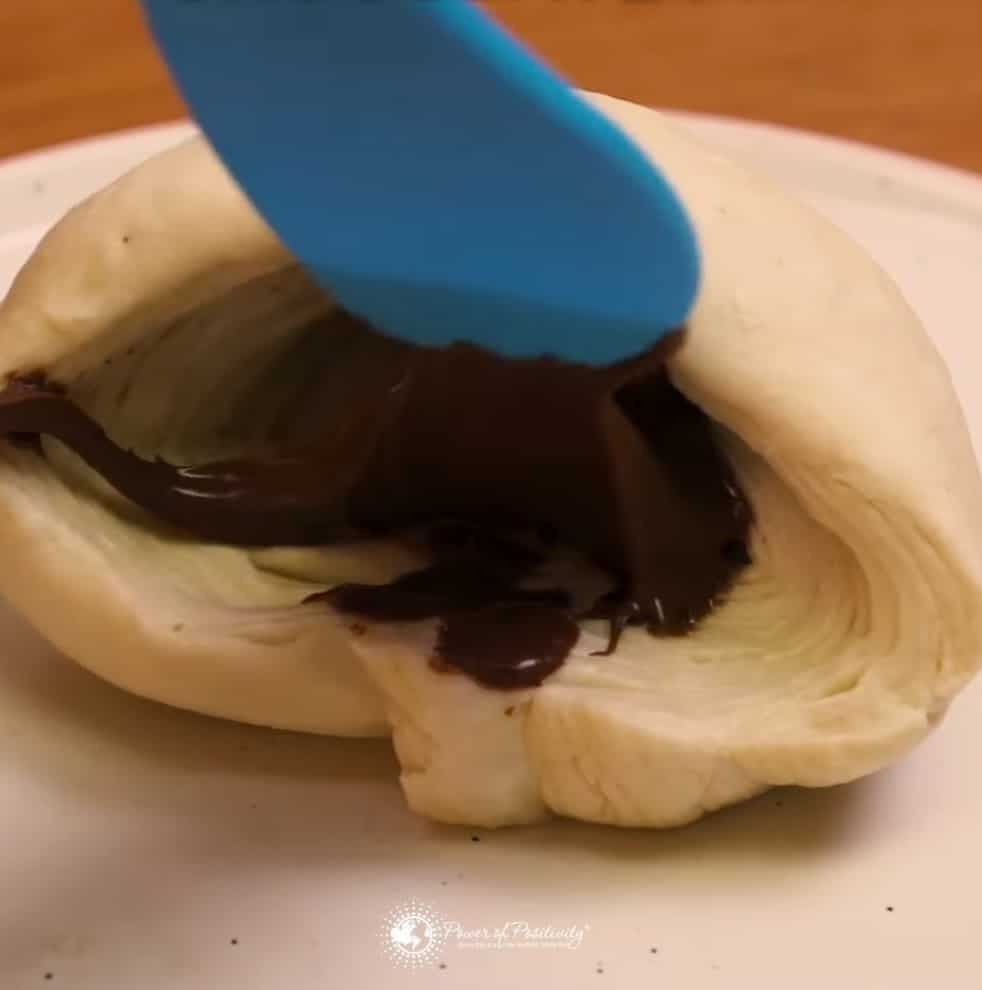
  12. In a few other puff pastry triangles, place some cheesecake filling for a sweet treat. Then, fill the others with melted chocolate, and close them all up.
  13. Place all the puff pastry triangles on a baking sheet lined with parchment paper. Bake at 400 degrees F for 30 minutes.
  14. For the final step, plate them and sprinkle some powdered sugar on top. Enjoy your delicious creation!

See, we told you that making puff pastry triangles would be a piece of cake! The hardest part involves cutting the dough and brushing it with butter, but even that shouldn’t take more than 10-15 minutes. Even beginner bakers should feel comfortable with this recipe, as it doesn’t require too many ingredients. Keep in mind that you can use any fillings you prefer; we just provided these as an example.

puff pastry

Baking Tips for Delectable Puff Pastry Triangles

Want your puff pastry recipes to be a hit among all your friends and family? We have the perfect tips and tricks to level up your baking game.

  • You can make your own dough at home, but it will definitely save time to buy it ready-made. If you’re interested in making homemade dough, follow this recipe from top pastry chef Nick Malgieri. You will need just a few ingredients: unbleached all-purpose flour, unsalted butter, cold water, and fine sea salt.
  • Don’t use flour except to roll out the dough. If you have too much flour on your pastries, it will absorb the moisture inside. This will make the dough turn dark gray, making it inedible and pretty nasty-looking.
  • Take care to fold the dough evenly each time so that it’s symmetrical. (This is mostly for all the Type A’s out there. For everyone else, just do your best and enjoy the process!)
  • If you bought frozen puff pastry dough, make sure to thaw it in the fridge overnight. However, if you’re crunched for time, you can also thaw it on the counter until it softens a bit.
  • When unrolling the dough, do it slowly and carefully as puff pastry is prone to cracking. If you start noticing cracks, wait a few moments before proceeding.
  • Alternatively, you can fill them after baking if you prefer. This may make them less soggy, but it’s up to you.
  • You want to look for puff pastry dough with only butter, not shortening or any other fat source. Butter will have the best flavor, so make sure to read the ingredients carefully.
  • Some ovens cook faster than others, so keep a close eye on the pastries. You don’t want to overcook them, as they’re delicate and prone to burning. You may want to cover them with aluminum foil for the last 10 minutes or so.
  • Other filling ideas for the puff pastry triangles include the following items: cream cheese, butter, raspberry, blueberry, caramel apple, Nutella or chocolate banana.
  • You can also make savory puff pastry triangles! Cheesy mushroom spinach, chicken pot pie, tomato tarts, salami and cheese pinwheels, and jalapeño popper pastries are just a few ideas.

We hope you enjoy these puff pastry recipes! If you decide to make them, let us know what you think in the comments!

Final Thoughts on Making Puff Pastry Triangles Three Different Ways

It’s hard to turn down a puff pastry, especially when it’s homemade! (We say these count as homemade, even though the dough isn’t). If you’re in the mood for a light, airy dessert, look no further than the puff pastry. Since it’s such a flexible dough, you can customize it and add whatever filling you desire. Whether you’re feeling dessert or dinner, the puff pastry is sure to satisfy your craving.

Puff pastries have been around for centuries, originating in Spain in the 13th century. Nowadays, you can find these scrumptious pastries in bakeries around the world. And, in your own kitchen of course!

Does a Perfect First Date Actually Exist? Here Is What the Experts Suggest

Everyone thinks about the perfect date, and their ideas tend to be different from others. While the details of a perfect first date may differ, there are a few things that many ideas have in common. However, the main question people have is whether or not the perfect first date exists at all.

Luckily, experts weighed in on the topic and gave some helpful insight. One important thing to note is that the idea someone has of a perfect date can sometimes make all days seem less than perfect. If their ideas are too far-fetched, they’ll always feel let down because their expectations don’t meet up to reality.

Generic ideas of a perfect date might include dinner at a nice restaurant, a romantic walk, and a good night kiss. However, not everyone has this simple and realistic idea of what a perfect date should look like. Many people have intricate and in-depth ideas of how dating should play out, only to experience disappointment. Looking for a nice restaurant a perfect date? Have a peek at this Jimmy John Shark article here for more details!

No matter your ideas about a perfect date, you have likely wondered if it exists. Before you go on a first date, read what the experts have to say about perfectionism so that you can utilize their information. Knowing will help you in your romantic endeavors, and it’ll open your eyes to so much about the date.

Why People Long for a Perfect First Date

perfect first date

Having a perfect first date matters more than many people realize. The importance doesn’t only come from what your date tells their friends, although that could be important in the long run. Instead, the importance is about making your date feel cared for and comfortable throughout the experience.

The first date allows the other person to look for the essential things they want in a partner. Many people desire thoughtfulness, romance, quality time, and effort. Your date wants to get to know you better while having fun, allowing you to deepen your connection.

Here Is What the Experts Suggest About a Perfect First Date

Many people wonder about the perfect first date, and relationship experts have weighed in. Experts say that there is no such thing as a perfect first date because everyone has different expectations. You’ll never know every detail someone wants, so you’ll never be able to accomplish perfectionism when dating.

Plus, people and situations are unpredictable. You can’t always predict when things will go wrong or the course a conversation will take. However, experts say there are some things you can do to ensure you and your partner have the best possible date.

Before deciding what to do on your date, you should learn what the other person expects. Knowing what they expect from a date will help you keep them happy, and you’ll know what they don’t want to experience, too. Remember, it won’t all be perfect, but it can be great and result in a second date.

What People Want from a “Perfect” First Date

What are people hoping for when they meet up with someone for the first time?

Fun

Getting to know one another is essential on a first date, but people still want to have fun. You can plan a fun activity or find ways to make your date laugh throughout the experience. If your date has fun, you’re more likely to go on a second date with them.

Food

People like to eat, and their desire doesn’t end when on a date. You don’t have to go to dinner, but incorporate some food into your plans. You can grab dessert on your way home or have snacks during your activity.

An Audience

Whether they admit it or not, everyone likes to feel heard. Don’t talk about yourself too much because your date will want you to listen to them, too. Listen attentively and react appropriately to what your date talks about.

Use the time to show that you’re not only listening but that you like your date, too. Compliment your date or say something to make them feel special.

A Glimpse into Your True Character

The purpose of a first date is to see if the other person is someone you want to spend more time around. Remember that your date is doing the same thing to you, paying attention to your behaviors and character. Be yourself, but be mindful of how you act so you don’t give any red flags.

Ten Tips for a Perfect First Date

Here are some tips to have as perfect a first date as possible.

1 – Choose an Activity for a Perfect First Date

When deciding what you want to do on your date, make sure to choose something that allows for communication. You should spend the first date getting to know one another, so dinner and a movie aren’t ideal. Plus, you’ll want to pick an activity that doesn’t pressure either of you to entertain.

2 – Set a Time Frame

If your time together goes on for too long, it could turn a great date into one that never ends. Setting a time frame for the first date allows it to stop at a good time, and it’ll make both of you want to see each other again.

Plus, you can decide to extend it by getting a coffee or grabbing dessert if neither of you is ready for it to end. Just remember that not having an end time can eventually make things awkward.

3 – Plan Your First Date Around a Common Interest

If you know that you and your date have a similar interest, choose an activity revolving around it. For instance, if you both enjoy the outdoors, plan a fun hike that neither of you has taken before. If you’re both into art, you could browse an art gallery.

Ultimately, planning a date with an activity that you will both enjoy but will still allow you to communicate is the goal. Your date will be thrilled that you remembered what they like, too, making the activity a bonus.

perfect first date

4 – Dress Appropriately

When you get dressed for your date, make sure it’s an appropriate wardrobe choice. Overdressing is unimpressive, but you also want to make sure you don’t underdress. It’s okay to ask what kind of dress code your date is following or for you to tell the other person.

5 – Don’t Over-Communicate Before the Date

With texting and social media messaging being so common and easy, it’s tempting to message your date ahead of time. The two of you might engage in conversation to get to know one another. While this might sound ideal, it can hinder the first date.

Your body language and tone of voice are a huge part of communication. If you tell your date everything about you through a message, it might not come across as well as it could have in person. Plus, it ruins the anticipation of getting to know the other person on your first experience together.

6 – Get Your Mind Right

You can’t control some aspects of your date, such as chemistry, compatibility, or attraction. However, you can mentally prepare to ensure you make the best impression. You don’t want to begin the day feeling unworthy or defeated because it’ll show throughout the experience.

Before heading out for your date, break through your feelings of self-doubt. Use positive affirmations or do something that’ll help clear your mind of negative thinking.

7 – Use Interesting Conversation Starters

Spending the night complimenting your partner and bragging about yourself won’t always go over well. Your date will see you as superficial and think they can’t have a beneficial conversation with you. Instead, spark conversation about topics that show your curiosity and intelligence.

Experts say that deeper discussions are the only way to get to know someone. Ask about your date’s first choice for a dinner guest, their most treasured memory, or what their perfect day would look like.

8 – Be Respectful to Create The Perfect First Date Atmosphere

When you’re on a date, be respectful of your date and those around you. Your partner will likely pay attention to how you treat others, so respect everyone. If your date sees that you’re rude to your waiter, they’ll likely become disinterested, even if you’re nice to them.

9 – Don’t Overshare

It’s essential to get to know one another, but you also don’t want to overshare. Don’t bring up intense family history, relationship issues, or scandalous situations right away. Wait until you’ve gotten to know each other a little better before divulging the uncomfortable information.

10- Avoid Controversial Subjects

If your relationship progresses past the first few dates, it might be essential to discuss politics and religion. However, it’s not entirely appropriate on the first date. You should also avoid discussing finances too soon in the relationship.

If politics, religion, or finances comes up, be cautious moving forward in the conversation. Focus on being respectful because you don’t know what their beliefs are or background looks like. Keeping things lighthearted is best as you get to know one another on a deeper level.

perfect first date

Final Thoughts on Does a Perfect First Date Actually Exist? Here is What the Experts Suggest

The first thing to remember about a perfect date is that the little details make all the difference. Simple aspects of the experience can determine if the date is bad or good. It turns out that the perfect date isn’t about meeting every aspect of the person’s unrealistic ideals, but it’s about the thought and effort.

Going on a first date with someone will entice many different emotions. You might be excited, anxious, wary, and many other things all at once. However, you can listen to the experts regarding planning a date and find ways to ensure the best experience possible.

Essentially, to ensure things run smooth, you’ll want to plan. You want to show how interested you are without going overboard or trying too hard. Now that you know a perfect first date exists, it’s time to make it happen.

20 Subtle Hints That Reveal Someone is Interested in Romance

Some people think they’re good at hiding their feelings, but they still exhibit subtle hints. Even if they try not to let you know they’re interested in romance, there will be some physical and emotional indications. Once you learn all of the subtle hints that reveal someone is interested, you can see them even from a distance.

When you don’t know someone well or have a new partner, the first subtle hints will likely be harder to identify. However, the more time you spend around someone, the more intense the signs become.

Body language can tell you quite a bit about how someone feels. Not only that, but many other signs of attraction can convey interest, too. Knowing these signs can help you identify when your crush has feelings for you, too.

Every relationship has to start somewhere, so watch for these subtle hints that someone is interested in you. The other person might be too nervous to say something, but they’ll still exhibit some of these indications. Then, you can take the lead if you have feelings for the person, too.

Twenty Subtle Hints That Reveal Someone is Interested in Romance

subtle hints

1. They Light Up Around You

If you notice that someone lights up anytime you walk in the room. It’s a good sign they’re interested romantically. The person might become radiant and happy, and their smile will intensify. People can’t help but smile when they see someone they’re interested in, regardless of whether they’re willingly showing their emotions.

Likewise, if you light up when someone enters the room, it’s a good sign you’re interested in that person. If you’re in denial about your feelings, pay attention to how you feel and react when you see them.

2. They Engage with Your Social Media Posts and Drop Subtle Hints for All to See

Pay attention to the people who like your stories or social media posts first. However, even if they don’t like the posts first, someone romantically interested will likely appear on all of your posts. They might like your pictures or comment on things you share, but either way, it’s a subtle sign.

Someone interested in you romantically will want to see everything you post so that they can engage. Please don’t assume that they’re only interacting to be nice because that would take quite a bit of effort to do for everyone they know.

3. They Always Want to Sit Near You

If you notice that someone always wants to sit near you, it’s a good sign they’re romantically interested. The person who likes you will go out of their way to sit with you in a group setting. While friends might do this already, it’s a good sign of more to come when your crush does it.

4. They Flirt with You (not so subtle hints)

Flirting is a sure sign that someone is romantically interested in you. While some people are natural flirts, you’ll know when the person treats you differently.

Usually, even the biggest flirts will only flirt with their crush when they are around. If they aren’t giving anyone else the same attention, you’ll know that they want to get to know you better.

5. You Keep Catching Them Looking at You

When you keep catching someone looking at you, it’s a sure sign that they’re into you. The person will subconsciously glance at you more than they look at anyone else.

Plus, you might catch them staring when they think you aren’t paying attention. There’s no denying the staring if the person quickly looks away when you see them looking, so watch for that, too.

6. They Listen Intently

Intently listening could be a sign of respect rather than a romantic interest, but it’s still worth noting. When paired with other subtle hints, it only affirms your suspicion that they’re romantically interested. The person will listen carefully, ask polite questions, laugh, act surprised, and keep engaging.

7. One of the Subtle Hints Is When They Remember Things About You

When someone is interested in you, they’ll remember many things you say. Your interests will be vital to them, and they might even bring up comments you said a while before. They might also bring up places you visited together or mutual friends you share.

You might not even remember the situation they bring up, but they’ll have left an impression on the other person. The things you say to the person who likes you will become a part of their long-term memory. Their ability to remember things about you is a clear sign of romantic affection.

8. Their Body Language Displays Subtle Hints of Attraction

If a person’s body language changes around you, it’s a sure sign they have romantic feelings. The person will act differently toward other people but stand up straighter around you. The person will face you directly, with their feet facing you.

Other body languages that indicated romantic interest include:

  • Fixing their hair or clothes
  • Leaning toward you while talking
  • Mirroring your body language

9. They Want to Help You

If someone goes out of their way to help you, it could indicate that they like you as more than a friend. They’ll do whatever they can to help you or be there for you. You likely won’t even have to ask for help before they’re stepping in to do what you need.

10. They Want to Know You Better

When someone shows an interest in getting to know you better, it’s a sign that they are romantically interested. The person might ask about your favorite food, movies, bands, or memories as a way to know you deeply. Someone romantically interested will likely also ask about your family or siblings.

subtle hints

11. They Ask About Your Relationship Status

Asking about your relationship status is often a sure sign that someone is interested in you. They’ll want to know what your love life looks like to understand if they stand a chance. However, they won’t have to ask if your relationship status is social media.

12. Subtle Hints Can Include Many Sincere Compliments

Someone who is romantically interested might give you compliments. The person will notice when you get a haircut, or they’ll tell you that your outfit looks great. Whatever they mention, it’ll be clear that they are trying to build you up.

13. They Seem Anxious or Nervous Around You

Someone who likes you might act nervous and smile more often, or they’ll fidget while talking to you. The person might also fumble or drop things when you’re around.

14. They Ask About You

Your mutual friends can help you figure out when someone is interested in you. If you know the same people, the person who likes you might ask about your relationship status or your likes and dislikes. Not only is it a subtle sign of romantic interest, but it’s also a sign that they’re nervous to ask you directly.

Additionally, if someone has a crush on you, they’ll talk about you often. They’ll bring you up when talking to others, and they’ll seem always seem to have something positive to say.

15. They Try to Impress You

When someone likes you romantically, they’ll say or do things to impress you. As they retell a story, they might exaggerate to convince you to see their full potential. They’ll likely shift the story to make them sound like a great person with a well-balanced life.

You might even notice that they brag about the things that make them proud. When someone does this, it shows that they want to show you that they’re worthy.

16. They’re Interested in Your Plans for the Future

If someone wants to know about your plans, it could be a subtle hint that they are romantically interested. While they might not be thinking about marriage, they’ll want to know what your general plans are.

They’ll ask about your career aspirations and family goals, and they might ask about what pets you like. Even asking about places you want to visit could indicate romantic interest.

17. They Come Up with Reasons to Spend Time with You

Anytime someone looks for reasons to spend time with you or be near you, it’s a sign of attraction. They might look for you at a party, work event, or outing and approach you.

More obvious signs that your crush wants to be with you are that they start hanging out places you frequent. You might start seeing them at your favorite park, library, or restaurant. Plus, they will make sure to attend any event you might be at.

18. They Look for Reasons to Make Physical Contact

Someone that likes you romantically will look for reasons to touch you. They will give high fives, handshakes, and sometimes even hugs. Plus, they might touch your arm while they talk to you or rub your back as they walk by.

19. Subtle Hints Often Include Frequent Text Messages

When physical contact isn’t possible, someone who likes you will reach out another way. They will text or call you often if they have your number, and you might find yourself in frequent contact.

The timing and frequency of the interactions are signs, too. Communicating late at night or early in the morning indicates a deeper connection and intense feelings.

20. They Lose Track of Time When They’re with You

If you’re talking to or spending time with someone and they lose track of time, it’s a sign that they like you. It shows that the person forgets about other things when you’re around and that they enjoy your company.

subtle hints

Final Thoughts on Subtle Hints That Reveal Someone is Interested in Romance

Even when someone doesn’t directly say that they are romantically interested, they’ll show signs. Many subtle hints indicate their deeper feelings, helping you recognize when someone is into you. When you identify the behaviors that reveal a romantic interest, you’ll know what to expect.

If you’re also interested, you can pursue the relationship. Otherwise, you can find a way to show that you don’t share the same interest. Either way, knowing the subtle hints can help you decide on your next move.

20 Sincere Compliments That Will Make Your Partner Feel Validated

Sincere compliments can help make your partner feel validated and happy in your relationship. Many people falsely believe that people need compliments because they need attention, but there’s more to it than that. Complimenting your partner validates how much they mean to you, who they are, and what they have accomplished.

Whether in a long-term relationship or a new romance, taking your partner for granted is easy. You might assume they already know how you feel about them and forgo giving compliments. However, no matter how long you’ve been together, it’s essential to keep complimenting your partner.

Sincere compliments not only flatter your partner, but they’ll also feel acknowledged. They’ll know you see and appreciate them, leaving less room for negativity within the relationship. Giving compliments can also help negate negative words your partner heard that day.

Even if your partner knows how you feel, they must hear it sometimes. Don’t fixate on how they look when you’re flirting, as they will love to hear you appreciate other things about them. Use these sincere compliments to help your partner feel validated, safe, and loved.

Twenty Sincere Compliments That Will Make Your Partner Feel Validated

sincere compliments

1. You always give your best and know exactly what to do.

By telling your partner they always give their best, they’ll know you pay attention and appreciate them. It also lets them know that you count on them when they don’t know what to do. This compliment will deepen your emotional connection and help your partner feel good about themselves.

2. Your kindness inspires me to be a better person.

This compliment will validate your partner by letting them know you recognize their kind heart. It also reaffirms how mighty kindness is in the lives of those around your partner. Knowing their kind heart is appreciated will make them feel good about themselves and the relationship.

3. You are one of the most generous people I’ve ever met.

When you use this positive phrase, your partner will embrace the words and feel more comfortable with who they are. They’ll see that you love who they are as a person, allowing them to feel safe in the relationship, too. By helping validate your partner’s positive traits, they’ll open up and let you see even more of their soul.

4. You are so funny that my stomach hurts from laughing sometimes.

Your partner will be thrilled to know you think they’re funny. People with a good sense of humor are flattered when someone appreciates their jokes.

This compliment is one way that they flirt with their significant other. Complimenting their ability to make you laugh will make them feel good and comfortable being around you.

5. You are so intelligent and always teaching me something new.

When you’re dating someone smart, please don’t hold back when complimenting their knowledge. Letting your partner know how smart you think they are will help them see that you appreciate them for more than their appearance. Plus, they’ll be excited to hear that you learn from them.

6. I’m so proud of the way you handled that.

Everyone struggles with handling obstacles and upsetting situations sometimes. If your partner handles something well, point it out to them to make them feel validated. Not only will it show them that you pay attention and care, but it’ll also help them with handling future predicaments.

7. You are so ambitious, and I know you’ll accomplish anything you focus on.

Complimenting your partner’s ambition will encourage them to keep pushing through. It’ll show them that you support their dreams and trust them to stay focused.

This compliment also shows that you know they can achieve their goals. Sharing these positive feelings will make your partner feel validated and supported.

8. What you did takes an incredible amount of courage.

It’s sometimes hard to show courage and do the right thing, so don’t let it go unnoticed. This compliment will show your partner that you are proud of what they did and think they did the right thing. Your partner will likely show courage the next time it’s necessary, too, since your compliment will stay in their mind.

9. Your ability to accomplish your goals is impressive to me.

If you have a driven partner who works hard to reach their goals, tell them that you see their dedication. Acknowledging and pointing out these qualities will help your partner understand that you believe in them. This validation might be all it takes to deepen your relationship.

10. You are incredibly talented, and your perseverance is fantastic.

People sometimes don’t recognize their strengths, but they’ll begin to see them when you point the traits out. There will be things about your partner that you know better than they do.

If they don’t recognize their talent, make sure you express it sincerely. It’ll boost your partner’s confidence and help them see themselves as you do. Plus, it’ll encourage them to put their talents to good use.

sincere compliments

11. Thank you for all you do for me and our relationship.

Never miss a chance to tell your partner how much you appreciate them. By pointing out how much they do for you, they’ll know that you’re thankful for every gesture. Giving sincere compliments is a positive way of flirting, deepening your relationship quickly.

12. I appreciate how you make me feel supported in everything I do.

Not everyone is lucky enough to have a supportive partner. If your partner makes you feel supported in all of your ambitions, make sure you compliment them for it. It’ll help them feel validated in your relationship, and they’ll experience a deeper connection with you.

13. Your optimism makes me feel calmer and less stressed.

Your partner will feel good about your relationship when you tell them their positivity helps you. It shows your significant other that you balance one another out and bring out the best in each other. Plus, they’ll feel good knowing they have a calming effect on you.

14. I’m proud of you for working so hard and reaching your goal.

When you see your partner working hard, speak up and let them know. Recognition will make them feel good and persevere through any obstacles. Once they’ve reached their goal, use this phrase to make your partner feel validated and empowered.

15. I’m inspired by the way you find joy in the little things.

Finding joy in the little things is a highly beneficial trait to have. Not everyone can do it; even the most positive people struggle with it sometimes. When your partner finds joy in the little things, make sure to let them know.

16. You are so thoughtful when you do little things for me.

Everyone likes recognition for the effort they put into their relationships. When your partner does little things to show appreciation, make sure you acknowledge their effort. Not only will your partner feel good about it, but it’ll also make them want to do it more often.

17. You are so passionate and full of energy.

When things get tough and your partner encounters an obstacle, use this compliment to help them. It’ll encourage them to keep going as they remember their passion. Plus, they’ll want to prove that you’re right about their passion and energy levels.

Your partner sometimes might focus on the obstacles rather than how good they are at the task. This sincere compliment will help them see things the way you do, easing the negative thought process.

18. I love how intently you listen when we talk.

Having a partner who listens intently is a blessing that not everyone experiences. When you express this compliment to your partner, they’ll feel good about themselves. Plus, they’ll know you appreciate the gesture, making them want to do it more often.

19. You are the best role model.

Whether you refer to the best role model for your kids or in general, your partner will be flattered to hear these words. This phrase will make your partner feel validated in all that they do. It shows that you think they have something to offer the world and that they’re putting their talents to good use.

This sincere compliment will also encourage your partner to continue being a good person. When they know someone notices and appreciates their good intentions, they’ll seek more opportunities to set a good example.

20. I trust you and your ability to lead.

Trusting your partner and their ability to lead is one of the biggest compliments you can give. It makes your partner feel like they can take care of you and improve your life and the relationship. This phrase also shows that you feel safe within the relationship and comfortable around your significant other.

sincere compliments

Final Thoughts on Sincere Compliments That Will Make Your Partner Feel Validated

Offering sincere compliments is essential to make your partner feel validated. Whether you’re in a long-term or new romance, sincere compliments can make all the difference.

When you compliment your partner, they’ll feel good and want to continue doing what you love. Moreover, they’ll know you recognize all they do and are capable of. Your bond will improve, and you’ll both reap the benefits of the kind phrases.

Skip to content