Weekly tips, affirmations, and small actions to feel your best.

15 Things That Happen to Your Body When You Eat A Heart Healthy Diet

It’s hard to change your eating style when it’s all you’ve known and enjoyed throughout your life. Your parents instilled food habits that you’ve adapted, whether good or bad. However, if you’re carrying excess weight or not eating healthy foods, it can be causing a great deal of harm to your body.

Things like high blood pressure, type 2 diabetes, sleep apnea, and obesity link directly to the foods you eat. If your refrigerator is full of soda, snack foods, and processed stuff, then you’re doing more harm to your body than you realize. It would help if you had a heart-healthy diet full of rich vitamins and minerals to help you thrive.

Your system was designed to eat a plant-based diet, according to studies posted on Era of Light. Some scientists who study the human body believe that humankind should not eat meat or its by-products.

However, the fact that you’re eating things like burgers from the local fast-food joint can be why you have arthritis at the age of 25, due to the higher fat content. If you see a person in top physical shape with glowing skin, few wrinkles, and looks young beyond their years, you will see someone who eats healthily and exercises. A heart-healthy diet is a great way to eat, especially if you want longevity and quality of life.

Fifteen Benefits of Eating a Heart-Healthy Diet

Perhaps you know you should eat better, but you’re not sure where to start. This is the position that many people find themselves in, but this is a comprehensive guide to help you.

Not only will it show you what you should be eating, but it gives you all the reasons why adopting this new lifestyle is the best thing for your body. Here are the benefits of a heart-healthy diet.
heart-healthy diet

1. It’s Good for the Environment

Eating processed foods comes with packaging and waste. Heart-friendly diets contain many fresh fruits and vegetables with little to no waste.

2. A Heart-Healthy Diet Reduces Stress

You have a lot of stress every day, plus your body feels oxidative pressure. However, the powerful antioxidants in fruits and vegetables counteract these issues. Your physical and mental stress will improve with a heart-healthy diet.

3. Slows the Aging Process

Did you know that the food you eat directly impacts how fast you age? The vitamins and minerals in the fruits and veggies help flush out the harmful free radicals, which help support the DNA structure. Yes, eating healthy can make your skin glow.

4. Increases Your Productivity

When you free your system of sugar and carbs, you’re going to notice a drastic change in your energy. Your focus will become more precise, and you will get more done.

5. Increase Immunity by Eating a Heart-Healthy Diet

If your immune system is compromised, you will get every sickness that comes your way. However, you can boost your immunity with a healthy diet. It’s all about the antioxidants, vitamins, and minerals that you consume, as they will help to fuel your system and not drag it down.

6. A Heart-Healthy Diet Helps You Keep a Healthy Weight

A study done in Brazil shows that when obese people eat a diet rich in fruits and vegetables, the weight falls off. It’s because you should not eat a diet high in bad fats and sugars. It’s impossible to maintain a healthy weight if you live on fast food and snacks.

However, when you make some changes, according to this study listed on the National Library of Medicine, it alters everything.

7. Improve Sleep Quality with a Heart-Healthy Diet

Did you know that consuming oily and heavy foods can mess with your sleep cycle? When you switch to a healthier eating habit, your rest becomes more productive and routine—no more lying there counting sheep to get some shut eye.

8. Decreases the Risk of Developing Cancer

Your diet and genetic factors can dictate if you will have abnormal cell growth. According to World Health Organization, cancer is the second leading cause of death. What you eat could directly impact whether you get this horrible disease.

9. Strengthens Teeth and Bones

Healthy teeth and bones are imperative for overall good health. Thankfully, a heart-healthy diet can assist. Things like egg yolks, liver, and saltwater fish are packed full of vitamins and minerals that help keep your teeth and bones strong. Plus, you can help keep things like osteoporosis at bay.

10. Eating a Heart-Healthy Diet Increases Longevity

One of the most significant advantages of a plant-based eating style is reducing inflammation. Inflammation causes things like cancer and heart disease. However, you can extend your life by lowering your inflammatory response with healthy eating.

11. Boosts Brain Health and Elevates Your Mood

When talking about brain health, it’s all about those omega-3 fatty acids. Your cell membrane depends on it, which is why a heart-healthy diet is so powerful. Did you know that many mental health conditions are treated with diet first?

Ask anyone who does the Keto diet how their mood and mental clarity shift when they cut the carbs. After all, doctors initially suggested this diet to help people suffering from epilepsy.

12. Can Reverse Diabetes

Many people turn to radical treatments to get their diabetes under control. However, one of the best things you can do for your type 2 diabetes is to switch to a plant-based diet. You will see your glucose levels drop when you fuel your body with fruits and vegetables rather than processed foods, and the weight you lose also helps with diabetes.

13. Your Heart Works More Efficiently

Of course, if you eat a heart-healthy diet, you’re going to have a better heart. It’s key to keep your triglycerides and cholesterol levels in check, or they can cause your heart to weaken and cause a blockage. That’s why this diet is great because it keeps your blood pressure in check as well as your cholesterol.

14. Enhanced Digestion

There’s nothing worse than chronic digestive issues, but the foods that you eat are causing most of the problems. Your gut needs the dietary fiber found in plant-based foods, so consuming junk and fast food isn’t going to help your digestion.

15. You’ll Have Healthier Skin by Consuming a Heart-Healthy Diet

Are you prone to breakouts and acne? It could be what you’re eating. Eating things like vegetables, fatty fish, and nuts rich with omega-3 fatty acids as they can improve your skin.
heart-healthy diet

What Foods Can You Eat on A Heart-Healthy Diet?

It’s always good to have a grocery list that can help you prepare for a new eating style. Most fruits and vegetables are acceptable, as well as healthy fats. Here is a comprehensive list, so you know what to buy on your next shopping trip.

Fruits

  • Avocados
  • Strawberries
  • Blueberries
  • Blackberries
  • Apples
  • Cranberries
  • Oranges
  • Grapefruit
  • Bananas (more green and less ripened)
  • Figs
  • Dates
  • Cherries
  • Plantains
  • Cucumbers
  • Pomegranate
  • Tomatoes
  • Cantaloupe
  • Honeydew

Limit fruits like pineapple, pear, peaches, and watermelon as they have high sugar content.

Vegetables

  • Spinach
  • Squash
  • Kale
  • Arugula
  • Green Beans
  • Beets
  • Beans
  • Broccoli
  • Cauliflower
  • Garlic
  • Onions
  • Carrots
  • Bell Peppers
  • Asparagus
  • Celery

Limit foods like potatoes, sweet potatoes, yams, corn, and peas due to their high sugar content.

Herbs and Spices for a Heart-Healthy Diet

  • Cinnamon
  • Turmeric
  • Red Pepper Flakes
  • Oregano
  • Parsley
  • Ginger
  • Thyme
  • Rosemary
  • Black Cumin
  • Capers
  • Celery Seed
  • Fenugreek

Grains

  • Buckwheat
  • Oats
  • Brown rice
  • Quinoa
  • Barley

Nuts, Seeds, and Legumes

  • Cashews
  • Almonds
  • Brazil nuts
  • Macadamia
  • Pecans
  • Sunflower seeds
  • Chia seeds
  • Flax seeds

Limit intake of peanuts due to the high mold content that these nuts contain.

Also, note that all legumes are considered heart smart.

Oils

  • Olive
  • Coconut
  • Sunflower
  • Canola
  • Ghee
  • Natural or plant-based kinds of butter

Don’t use margarine in exchange for butter. According to Healthy Food, it’s full of harmful ingredients that aren’t heart-healthy.

Dairy Products for a Heart-Healthy Diet

  • Almond, oat, rice, or hemp milk
  • Skim or 1 percent cow’s milk
  • Non-sweetened plain, Greek-style yogurt
  • Cheese (all kinds)
  • Cottage cheese
  • Ricotta
  • Cream cheese

With this list in hand, it shouldn’t be too hard to develop a meal plan that can suit your dietary needs. Remember, the more foods you buy from the fresh produce section, the better your heart health and waistline.

Before you head to the grocery store, a tip is to avoid the center of the store where they display highly processed foods. Try to focus on the perimeters where the grocers stock the healthier foods like fresh produce.
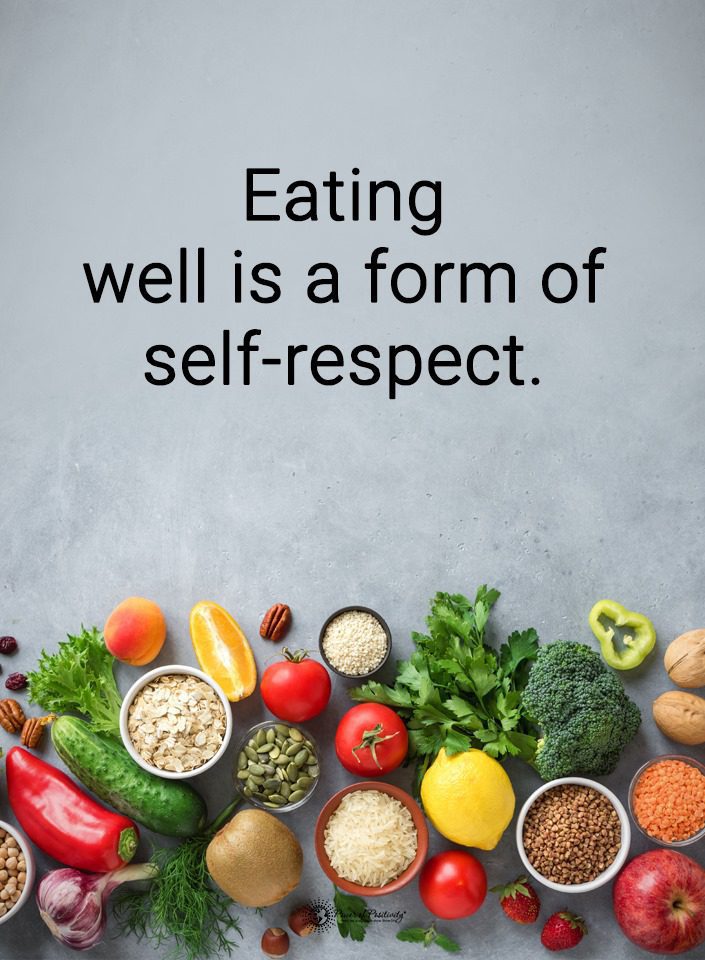
heart-healthy diet

Final Thoughts on Eating a Heart-Healthy Diet

There are numerous benefits to eating a heart-healthy diet. When you stop choosing fast food, sugary snacks, and high-calorie items, you will improve your overall health. You need to fuel your body and not cause it to be compromised from inflammatory issues and a weakened immune system.

When you adopt this new lifestyle, you will lose weight, feel mentally sharp, have more energy, and even have glowing skin. Don’t think of all the foods that you’re giving up that you love but think of the health that you’re gaining.
3 Signs of Stress That People Try to Hide

Stress is a common grievance in today’s society. Everyone has loads of responsibilities they have to handle and not enough time to relax. Because of this lack of time, people tend to throw their issues under the rug. Pretend you don’t have any problems, keep working, and things will turn around somehow. Or at least that’s what you learn to tell yourself.

But that’s neither true nor sustainable. And even if you learn to spot the most common signs of stress, many symptoms can still go under the radar. One day, you don’t get enough sleep. But you don’t think anything of it. The next, you eat less than you ate a day before. Again, you don’t think anything of it. And then something else unnoticeable happens until dozens of issues pile up.

Your health deteriorates, energy levels go down, and happiness declines. And you don’t have the time to deal with that, so you hide everything. You pretend everything’s fine, and you put on a happy face. But, if left untreated, stress can take over your life. It’s essential to learn about the hidden signs of stress so you can help the people you know or even yourself.

What Causes Stress?

Stress is the emotion you feel when your body responds to external stimuli perceived as threats. Similarly, you feel stressed when under a lot of pressure or demand. Your body is aiming to go into the “fight-or-flight” response. In this state, you are more focused and alert. It gives you the edge you need to get through difficult situations. For example, stress will kick in when you have to present something in front of many people.

signs of stress

But this stress can help you concentrate. In practice, stress might get out of hand from time to time. So, it’s not uncommon to develop chronic stress disorders if you keep putting yourself in stressful situations. Stressors are the things that trigger this reaction. There are many everyday stressors, like a busy work schedule. But these stressors are usually subjective. Some people thrive when they are always on the move. Others need time to recharge and relax after a day of work.

The Internal Signs of Stress

And not all stressors are external. Some are self-generated, caused by worrying, irrationality, perfectionism, and more. These stressors trigger the hypothalamus to signal the adrenal glands to secrete cortisol. This hormone is the primary stress hormone, and it can control mood and concentration. Cortisol is significant in small quantities from time to time.

It mainly increases your heart rate and derails some functions if the body doesn’t think it needs them. For example, if you must run for your life, cortisol can shut down your digestive and reproductive systems until you’re out of danger. This is great for conserving your resources for a short while. But in the long-term, too much stress, thus too much cortisol, leads to health issues. Your body functions can be derailed, and you can develop anxiety, depression, heart issues, memory and concentration issues, and more.

When someone is stressed, you need to try to calm them down. And the first step is to notice the signs of stress. It’s safe to say that someone who seems more agitated or anxious is probably stressed. But what are other signs of stress that you might not be as aware of?

3 Signs of Stress Most People Hide from the World

Watch for these hidden signs of stress in your life.

1.     Your Eating Patterns Change

When you are stressed, the cortisol secreted can change your appetite. Cortisol, in high quantities, can make you crave sugary, salty, or fatty foods. All of these foods are instant fuel for your body. Because stress triggers the fight-or-flight response, it makes sense that your brain wants to fuel your body wholly.

Not only do you crave these high-calorie foods when you are stressed, you even eat a larger quantity than you usually eat. You may know this cycle as stress-eating. Most people don’t think much about it. But it’s clear that your stress levels are out of control.

Even though the biological reaction is to eat when stressed, some people get so caught up that they forget to eat. This is more of a psychological response. The hunger cues still exist. Your body still tells you to eat. But you can get so focused on the stress that you forget to listen to your body. So, you might even eat less than what you need.

Stress also affects metabolism. One study shows that people surrounded by more stressors in a 24-hour span will burn around a hundred fewer calories. This is especially true if you eat high-fat meals. Stressed people who eat high-fat foods will gain some pounds over a few months.

If you notice someone overeating or eating too little in your life, make sure you check in on them. These eating patterns can indicate eating disorders, but that’s not always the cause. More often than not, you’ll find that the reason for the change in eating patterns is stress.

signs of stress

2.     Your Sleep Schedule Is All Over the Place

Chronic stress affects the nervous system, as it keeps it on alert for longer. Being on the lookout all the time will interfere with your sleep schedule. It can delay the onset of sleep. And even if it doesn’t, it causes rapid, anxious thoughts to form at night. These thoughts can easily keep you awake and disrupt the quality of your sleep.

Sometimes, it’s not even stress that causes a lack of sleep. Sometimes, you become more stressed because you can’t sleep. But no matter if stress is the cause or the effect, you still create a vicious cycle. A stressed person can’t sleep. A tired person experiences more stress. So, if you don’t rest, your stress levels stay up, which disallows you from getting good sleep.

But not all people get less sleep. Some people get too much, which makes them feel drowsy. Stress often links to depression, which can often lead to excessive tiredness. You feel like you can’t get out of bed. or oversleep. You might even sleep not to have to feel stressed or sad anymore. If this oversleeping comes from stress linked with depression, you need specialized help. So, if you know someone who oversleeps, help them go to therapy.

Maybe you are stressed, but you can still sleep the recommended seven to nine hours. In that case, stress might cause you to have weird dreams, affecting the quality of your sleep. These dreams are caused by negative and anxious thoughts when you go to bed. And, in many cases, weird dreams will cause you to wake up often or sleep lighter.

3.     Stress Affects Your Memory

Stress is supposed to help you focus when you are in difficult situations. But that’s not always what it does. This primarily happens during times of stress. That’s because people have a more challenging time creating short-term memories. And it’s harder to turn those short-term memories into knowledge that you’ll remember in the long term. In a nutshell, it’s harder for you to learn when you are stressed. Additionally, you tend to gloss over details during these times. So, it’s harder to remember everything about a stressful event accurately.

This is only the case with acute or chronic stress. Conversely, moderate stress could improve your ability to learn. If your learning is directly related to your stressor, you’ll remember what you are learning better. For example, if you feel concerned about a math test, you’ll be able to learn math quite well. But it will be almost impossible for you to learn something unrelated, like literature.

Even memories can change because of stress. A memory is just remembering the last time you experienced a particular event. They aren’t entirely accurate portrayals of the past because every time you remember them, your experiences change the memory. And stress can make you vulnerable to believing false information about the past, which changes your memories.

It even makes it harder for the brain to reencode memories, so it’s easier to misremember things in the long run. You might also harm your memory and concentration due to a lack of sleep or deficient nutrition. So, if your stress causes you to sleep less, you won’t focus as you normally would. You will have trouble being present and understanding what’s going on around you. So, you won’t be in the best space of mind to understand and remember the events surrounding you.

If you see someone zoning out or have trouble recalling what just happened around them, that’s because they could have stress. Or, if they always seem to have difficulty remembering certain things, it’s probably because they are under a lot of pressure. In either case, they probably hide just how stressed they are and need a helping hand.

signs of stress

Final Thoughts on Signs of Stress Most People Hide from the World

Stress is a common problem in today’s society. It’s normal, and even beneficial, to feel a certain amount of stress. But many people struggle with chronic stress and know how to hide it. Because of how normalized stress has become, most people ignore it and pretend it’s not an issue. Still, stress can affect the body and the mind in noticeable ways from the outside.

People are aware of the common signs of stress, like its anxiety. But some signs of stress are less known. What most people hide about their stress is that it can affect everything, from their sleeping patterns to their diet and mental acuity. Stress makes people sleepless or sleeps worse, and it causes exhaustion and mood changes. The cortisol secreted by stress makes people crave sugary, salty, or fatty foods.

Because of this, stressed people can even gain weight in the long term. Although this seems counterintuitive, feeling too much stress affects your memory negatively. While you may have these hidden signs of stress, it’s good to know how to spot them. Then, you can help the people around you who also struggle with stress.

3 Hidden Behaviors That Lead to Stress (And How to Stop Them)

What factors lead to stress in life?

Stress is something that everyone has to deal with at some point in their life. In small quantities, it’s not even a bad thing. It can help you concentrate and keep you on your toes in challenging situations. But stress can quickly become chronic and become an issue affecting all areas of your health. This constant pressure can harm you, from your physical health to your mental well-being.

There is nothing you can do to prevent stress in some cases because it’s a natural response to fear. It’s your body’s way of protecting you in dangerous or difficult situations. But sometimes, your actions or mindset will determine how stressed you feel.

Many common human behaviors lead to stress. It would help if you learned how to identify them. Otherwise, you won’t be able to change them. But no matter which behaviors you engage in, there are ways to change your mindset and get rid of stress.

What Causes Lead to Stress?

Stress is a typical response to fear and other tense situations. It’s the default emotion the body goes to when it feels like it needs to protect you. Your body is trying to get you ready to face a threat, so it goes into “fight-or-flight” mode. In this state, some functions, like heart rate, are heightened, while other processes slow or even shut down.

This happens because the body aims to conserve energy and use it to get you away from the threat. This was very effective in the past when people had to run away from wild animals and other threats daily. Nowadays, people rarely need to run away from animals or enemy forces. But the body still perceives threats all the time. You will probably feel stressed when you have to present something at work. But this is not a general rule.

lead to stress

Cortisol Release Leads to Stress

Work, relationship issues, and financial issues are common factors that cause stress. But not everyone gets stressed by these things. Some people thrive on a busy schedule, and what stresses them out is not having any work to do. All the causes that trigger stress are called stressors. They are usually external but can be internal (caused by overthinking, anxiety, and more). These stressors stimulate the hypothalamus, which sends a message to the adrenal glands.

These glands are in charge of secreting the primary stress hormone, cortisol. This hormone can be helpful in small quantities. It helps you concentrate on the task at hand. It also improves the functions needed for the task while decreasing the activity of the tasks that aren’t used at that time. This way, it conserves energy and makes you more productive. But too much cortisol is bad for your health. Especially if you develop chronic stress, you will struggle with some side effects.

Because cortisol is such a powerful hormone, it can greatly affect your body. It heightens the activity of specific organs beyond a reasonable level. The increased heart rate and quick breathing will become issues. Some systems, like the reproductive system, are shut down when stressed. It’s best to avoid stressful situations altogether if you want to conserve your health.

3 Behaviors That Lead to Stress

Do you engage in these detrimental stress-inducing behaviors?

1.       Overworking (and Work in General)

It’s no secret that if you want to make money in today’s society, you must work a lot. Some people might even need to work more than one job to survive. But some people just become workaholics because they are scared of relaxing. In both cases, people overwork and become stressed. But in the second case, it’s up to you to take a break.

When it comes to your job, it’s not just the amount t of stress that acts as a stressor. Job insecurity, dissatisfaction, and conflicts at the workplace are factors that stress you out. And sometimes, these destructive behaviors can be avoided. The behavior that’s easiest to avoid is the need to overwork.

Yes, you might be working overtime to suppress other issues you have. You might be aiming to use work as a way to forget about other issues. If, for example, you have family issues, working overtime can help you avoid them. It’s not always up to you if your work stresses you out or not. But it’s always up to you how you respond to certain externalities.

For example, it’s normal to feel trapped if your boss is a piece of work. But it’s up to you to accept the mistreatment or stand up for yourself. Work is necessary for everyone’s lives, but people have strange relationships. Not being satisfied with your job makes you disinterested and frustrated. Working too much can even make you perform worse. Nothing is good in excess, and you should try to have a balance no matter what you do.

2.       Major Life Changes

You might be looking forward to potentially the best thing that will ever happen to you, but you still might get stressed. Change as a concept is scary that people would rather avoid, no matter if that change brings something good. Even people who get married can confirm that the prospect of getting married brings them more stress than they would ever have imagined.

Sometimes, this happens out of fear. It’s hard enough to adapt to your life as it is. If you add changes on top of that, it can become unbearable. People need stability and need to feel safe. And having a routine, something constant in their life, can soothe them. But, when they need to change that cozy stability, it can get very stressful.

But this doesn’t happen because of the change. The change might be the best thing to ever happen to you, and it can still stress you out. It happens because of your perception and how scared you allow yourself to be. Life changes are inevitable, and you must embrace them. But that can be hard to put into practice.

3.       Unrealistic Expectations and High Standards

It’s good to have a goal, something to strive towards. But there is a fine line between having a plan and setting unrealistically high standards. Just because you have an end goal that seems prominent and respectable doesn’t mean it’s attainable or suitable. Having unrealistic expectations is often the most stressful thing you can do. It does nothing more than set you up for failure and put you in stressful situations.

When you have high expectations, everything seems not good enough. If you want a specific job but get the position just below, that’s still good. But if your standards are too high, you won’t see it like that. You will see how much you have failed, leading to stress and sadness. Standards too high also set you up for disappointment because you will feel like nothing you do is ever good enough.

lead to stress

3 Ways to Change Your Mindset

Now that you know the habits that lead to stress, let’s review three ways to help restore your peace of mind.

1.       Be Kinder To Yourself

Instead of beating yourself up over every little thing, please learn to treat yourself with kindness. Being overly self-critical will never help you. It will even make you feel worse about yourself. If you constantly ask too much from yourself, you will never be content with who you are.

You will always feel like you aren’t enough and can never achieve what you want. But this attitude only stresses you out. When you learn to be kinder to yourself, you can take your failures in stride. Instead of beating yourself up over everything, you will have the power to work towards achieving something better.

2.       Embrace Your Fears

Often, people get stressed because they are afraid of facing the unknown. Because they can’t control everything around them, they get panicked and enter fight-or-flight mode. And most of the time, people don’t even know that their fear makes them act that way.

If you don’t try to understand your fears, you will never be calm. It would help if you learned to control your fears instead of letting them control you. That stems from understanding and embracing them. When you understand what makes you scared, you can control how much power they hold over you.

3.       Take a Break

You will inevitably get overwhelmed and stressed if you are always on the move. You might think that being busy all the time will guarantee a good life, but that’s not always the case. Being too busy is often a problem, especially in today’s society.

Everyone needs to relax from time to time. And taking a short break and looking for Mushroom Gummies for Sale is the best way to ensure that your stress levels are as low as possible. Otherwise, you won’t have time to take care of your mental health, and you will have to live with the effects of stress every day.

lead to stress

Final Thoughts on Behaviors That Lead to Stress and Ways to Change Your Mindset

Stress is something that everyone will have to deal with throughout their lives. But some people act in ways that only make them more stressed. And they might do it without even noticing. Stress has become so normalized that people don’t think twice about doing something that will stress them out. But that will only harm you, and it has destructive long-term effects.

Many factors make people feel more stressed than they should. Working too much, never having time to relax, all the way to significant life change will affect you. There is no way to avoid stressors. But you can learn to change your mindset in ways that mitigate the effects of stress. For example, if you have to deal with a significant life change, try dealing with the fear surrounding it.

If you solve that fear from the root, you will find that the life change won’t stress you out as much. Or try to take a break instead of always working overtime. They are small steps, but they do wonders in the long run.

Watch a Guy Make Music With Everyday Items

A guy who calls himself Napkins makes music with everyday items like bottles, rubber bands, and, of course, napkins! It’s amazing to see what the music producer and video creator can come up with as he combines sounds from various objects.

He’s also a singer and songwriter, and has posted several original songs on YouTube called “LMAO” and “Mars.” In addition, he uploads cover songs from various artists; some of his most popular include “Memories” by Maroon 5 and “Bad Guy” by Billie Eilish.

“Some people call me a comedian, but I like everything. I saw Lauryn Hill in “Sister Act 2,” so I also decided to become a musician. There were many ways to show talent: stage, newspaper, radio, TV show, and SnS. If it were not for SnS, I would have found another way,” he says.

With the advent of social media platforms, many people like “Napkins” have found their path to fame. It does take time to build a following, but it only takes one video going viral to get your big break just like this Jimmy John Shark video here. After that, posting quality videos on a regular basis will keep your audience engaged.

Many people today can earn a full-time income with the Internet since you have virtually endless options. It’s still a job like any other. But if you can follow your passion, working doesn’t feel like such a chore. Instead, you actually look forward to it since you’re doing what you love each day!


View this post on Instagram


A post shared by Napkins 넵킨스 (@napkinsmusic)

Watch a Guy Make Music With Everyday Items

“Most of the time, it starts on impulse, like this…this is gonna be fun.” In the video, Napkins takes a filled balloon and runs his fingers across it, then makes clapping sounds. He finishes things up with some good, old-fashioned fun: dropping glass wine bottles and other bottles on a hard floor. Luckily, they didn’t break, but that would’ve made for some interesting sounds!

To make music with other sounds, he throws a plastic ball against guitar strings while also flicking a door handle. For another, he quickly slings a dishcloth to create a snare sound. He also uses a rubber band placed over a cup to act as a guitar.

He even rubs a pair of wet gloves on the bathroom mirror to add a squeaking sound to his tunes! In another combination, he takes an empty water bottle and hits it with a badminton racket.

In another attempt to make music, he turns on a vacuum cleaner and holds the attachment over the opening of an empty energy drink. It actually creates a sweet-sounding melody! He seems to have endless creativity, and it’s fun to watch him play around with random items to make music.

These combinations create unique sounds that come together quite nicely when he puts the finishing touches on them. Perhaps one day we’ll hear his songs on the radio!

He truly marches to the beat of his own drum when he makes music. However, it’s this one-of-a-kind style that sets him apart and compels people to come back for more. As an artist, it’s important to create your own path and not just follow what others are doing. When you’re true to yourself, people notice, and it also makes your work more fulfilling.

“When I make something, I smile, and people are smiling at what I made. Making a smile is the biggest reward for me. I think I’m a comedian. Laughter gives a positive power, so just keep working and laugh!” he says.

This last bit of advice holds so much truth, because we don’t laugh enough in the modern world. We’re bogged down with various stressors and responsibilities, but we should never forget to have fun in life.

After all, laughter and joy bring us closer together and help relieve stress. Hopefully, we can all follow Napkins’ example and allow our hearts to shine through us in everything that we do. Whether you make music or work in an office, try to make your work fun and don’t take it too seriously!

Exploring how other artists make music can also be incredibly enlightening. It opens up new avenues of creativity and helps you understand different perspectives. In country music, for instance, every artist has their own way of capturing the spirit of their experiences and emotions. By learning from others and integrating new ideas, you can enrich your own work and find fresh, innovative ways to express yourself.

So, whether you’re writing a song or pursuing any other creative endeavor, don’t hesitate to explore the methods of those who inspire you. If you’re looking to dive deeper into the world of country music and discover the stories behind the songs, https://countrythangdaily.com is a treasure trove of insights and inspiration. Remember to keep the process fun and authentic, just as Napkins suggests, and let your unique voice shine through.


View this post on Instagram


A post shared by Napkins 넵킨스 (@napkinsmusic)

Tips on Making Music for Beginners

If you want to make music but aren’t sure where to start, these tips should help you out. Whether you follow the more traditional route or Napkins’ way of using random objects to make beats, just let things flow naturally. Don’t set any limits or boundaries, and just allow your heart to guide your work.

Have a creative vision in mind. The best artists know what they want and have set goals they’re working to achieve. You don’t have to brainstorm every step you take, but you should have a basic idea of where you’re headed. This will make your work more productive and higher quality.

Make investments in yourself and necessary equipment. If you’re a true beginner, you might want to take a music production course. You can find free information on YouTube, but for more in-depth techniques, a course would be your best bet. Once you learn the basics, you will need certain equipment, such as a laptop designed for music production. For example, MacBooks offer certain programs specifically for music producers.

Explore new techniques. If you want to make music, you shouldn’t put yourself in a box. Like Napkins, it’s crucial to remain open to new methods of music production because this will expand your skills and knowledge. Also, it’s more fun to try new techniques instead of sticking with the same approach!

make music

Final Thoughts on the Guy Who Makes Music With Random Objects

We have to say, it’s pretty entertaining to watch Napkins make music with everyday items we don’t think twice about. After all, most people don’t look at their vacuum cleaner or dishcloth and think they’d make great musical instruments. But, that’s the creative ingenuity of Napkins at work, and we’re all for it!

We can’t wait to see where his unique career path will take him in the future. Which of his musical combinations was your favorite? Let us know in the comments!

Mourners Brought School Supplies, Not Flowers to a Teacher’s Funeral 

When a beloved teacher in Georgia passed away, people brought school supplies rather than flowers to her funeral. The teacher, Tammy Waddell, requested that people bring supplies for children in need as her last wish. She was indeed a “teacher to the end,” as her cousin described.

Waddell had been an elementary school teacher in Forsyth County, Georgia, for 30 years. She’d taught at several schools: Sawnee Elementary & Primary Schools, Cumming Elementary School, and Haw Creek Elementary School.  In 2003, she was honored as the county elementary school teacher of the year. After a long battle with colon cancer, she passed away on June 9, 2018, at the age of 58.

Her son, Kevin Waddell, wasn’t surprised at all that his mother requested school supplies in lieu of flowers at the funeral. Her obituary suggested that to honor Tammy’s commitment to children in need, mourners should donate to Project Connect. The organization provides backpacks and supplies for disadvantaged students.

Mourners Brought School Supplies Instead of Flowers to a Teacher’s Funeral

school supplies

After learning about her dying wish, people were more than happy to comply. Tammy’s cousin and fellow educator, Brad Johnson, took pictures of dozens of backpacks lining the church pews at her funeral.

People donated around 130 backpacks filled to the brim with school supplies. Paul Holbrook, a spokesperson for the funeral home, estimates the supplies would last at least half a year. They included items like notebooks, pencils, sharpeners, markers, binders, and more.

About a hundred of Waddell’s colleagues showed up at the funeral to collect the backpacks for students in need. Brad said they served as “honorary pallbearers” since they carried the backpacks out and delivered them to their schools. He said the experience was “heartwarming” in an interview with CNN.

He also told Good Morning America that Tammy greatly inspired his career path. Brad added that the beloved teacher gave as many hugs as she did school supplies. It’s clear she had a lot of love in her heart for others and wanted to share it whenever possible.

People all over the world have been touched by the devoted teachers’ dying wish. When the story went viral on social media, a non-profit called Tes Resources in the UK wanted to honor her memory. They ended up donating thousands of school supplies to students enrolled in Forsyth County schools.

Tammy Treated Her Students Like Family

Everyone described her as a loving, caring person who put her students first. Her son Kevin said that Tammy’s passion for teaching even inspired him to pursue the career as well. He added that she did everything out of love for others and didn’t want any attention or praise.

She referred to her students as her “kids,” so they always felt cared for and eager to learn. While she’s not there in person any longer, her legacy will live on. She was selfless until the end and wanted to ensure students had the necessary resources to learn. Tammy did everything in her power to ensure their needs were met, even before her own at times.

Her obituary reads: “She had a passion for literacy and believed that every child deserved an opportunity to learn. Those around her recognized Tammy by her generosity, selflessness and unconditional love. Though her achievements and accolades are numerous, none are greater than the many lives that she changed over the course of her three decades in education.”

Her son said she would encourage the public to donate funds or supplies to their local school district. You never know how your small act of kindness could change a student’s life.

Waddell is also survived by a husband of 41 years, another son, BJ Waddell, and four grandchildren.

She will be dearly missed but never forgotten.

Other Amazing Teachers Who Change Lives Every Day

We previously wrote about a kind teacher who ensured a student didn’t miss his high school graduation. Daverius Peters, a senior at Hahnville High School in Boutte, Louisiana, couldn’t wait to walk across the stage and receive his hard-earned diploma. However, a school representative said he wasn’t in the proper dress code when he arrived at the ceremony.

Daverius had on the mandatory cap and gown, white dress shirt, tie, and black dress pants. He’d only bent the rules slightly on his shoes, wearing black leather sneakers instead of dark dress shoes. But, since he didn’t have any dress shoes, he thought the sneakers would suffice. Unfortunately, the school representative disagreed.

Just as he began to lose hope and thought he would miss his graduation, a teacher came to his rescue. Paraeducator John Butler recognized Daverius and walked over to see if he could help.

When he learned about Daverius’ shoe predicament, the teacher quickly offered his dress shoes without a second thought. He wasn’t about to let the young man miss this important moment in his life, so it was a “no-brainer” to let him borrow the shoes.

While the shoes were a couple of sizes too big, Daverius was just thankful he could graduate! He slid across the stage in Butler’s size 11 loafers, proudly accepting his diploma. Butler sat in the crowd wearing only socks, ignoring everyone’s bewildered stares. He was happy he could help a student in need, and Daverius’ family made sure to thank him after the ceremony.

There are truly some amazing teachers in this world, and they deserve much more credit for their sacrifices.

school supplies

Final Thoughts on the Teacher Who Preferred School Supplies Over Flowers at Her Funeral

Tammy Waddell wasn’t just any teacher – she went above and beyond for her students, ensuring they had every opportunity to learn. Everything she did was for others because she wanted them to succeed. That’s why she asked for backpacks full of school supplies instead of flowers at her funeral. She cared so much about her students that she put them first, even in death. The selfless women left a legacy that the world will never forget.

Other teachers like John Butler aid students in other ways. He made sure Daverius Peters could graduate by letting him borrow his shoes for the ceremony. It just shows that no act of kindness is ever too small if it can change someone’s life for the better.

Meet Broccoli… an Adorable Cat Who Loves Sunbathing

Broccoli, the cat, enjoys spending most of her time sunbathing, as any self-respecting feline would. There’s nothing like the warm sun caressing your fur as you drift off to sleep. It seems humans aren’t the only animals who love laying out on a sunny day; alligators, dogs, cats, and even some birds soak up their fair share of sunshine.

If you own a dog or cat, you’ve probably noticed how often they take naps in the sun. Broccoli is no exception, and her owner, Carolyn, loves her for it! Be prepared for cuteness overload – don’t say we didn’t warn you!

She says that most of the time, Broccoli and her brother Dilbert spend their time lounging and sunbathing. Their old apartment had a little window seat where Broccoli would “play dead,” lying flat on her back with her arms straight out. It was a sight to behold and became Broccoli’s trademark after a while.

“She used to love to sunbathe in that spot, so that’s where she spent the majority of her day,” Carolyn said.

“So as far as we know, Broccoli is a domestic shorthair Tortoiseshell Tabby. We adopted Broccoli from the National Humane Association,” she explained. “Her cat dad Cade and I have been wanting a cat for a while, but Cade actually ended up surprising me with Broccoli one day.

“When I was at work, he called me and said that he had a surprise and to come outside. I was not expecting to walk outside and see just the tiniest, cutest little cat walking around his car like she owned the place,” she jokes.

Meet Broccoli, the Adorable Sunbathing Cat

Broccoli isn’t the only one with a big personality. It turns out Dilbert also showed his feisty side from day one.

Broccoli does have a brother named Dilbert, but we call him Dilly for short. When we adopted Broccoli’s brother Dilly, he was screaming at us through a little kennel thing, and we were like, ‘Oh, let’s see if that one wants to play.’ I mean, he did want to play. He just did not want to play with us,” Carolyn recalls.

He chased a little ball around the entire time, ignoring Carolyn and the gang. However, when they placed him back in the kennel, he started screaming at them! He followed them around the place and continued screaming as if he didn’t want them to leave.

“The people at the shelter were like, ‘Oh, he must really like you. He never does that for anyone.’ But come to find out, I think they might have just been tired of the screaming because he’s very vocal and makes noises all the time,” Carolyn says.

Now, he has a cat sister to play with and release all his pent-up energy. He also seems to enjoy basking in the sunshine with Broccoli, and it’s become one of their favorite pastimes. They immerse themselves in other typical cat activities when they’re not sunbathing. For example, playing, running marathons through the house, and cuddling are also on their daily to-do list.


View this post on Instagram


A post shared by Broccoli (@therealbroccolicat)

“[Broccoli] loves to play with like toy springs, anything that resembles a hair tie, and she loves to chase ice cubes. Anytime I walk over to the ice machine, she’ll come running over and start meowing at me relentlessly until I toss her a little piece of crushed ice for her to chase around and lick. So that’s her new favorite hobby,” Carolyn says.

She Also Has a Unique Nighttime Ritual

When she’s done sunbathing and playing for the day, Broccoli tucks herself snugly into bed with her parents. It’s so adorable that she’d rather sleep with her humans than by herself! Of course, she’s not always gentle about getting into bed, but that’s another story.

“So one of the cutest things I think Broccoli does is she sleeps with us every night. She loves to sleep on this little pillow that’s above my head. She really has no regard for other people; she’ll just jump right on your chest and knock the wind out of you, and then climb across your face to get to her pillow,” Carolyn jokes. “But it’s very sweet when she’s sleeping there. She’s like our little princess on her little pillow, so that’s one of our favorite things that she does.”

You might wonder why cats love to sleep above your head at night. According to cat behavior experts, it’s because heat escapes through your head, so it’s pretty warm up there. In other words, it’s the perfect place for cats to keep themselves cozy while sleeping. Also, they have a strong sense of smell, so your cat might like the scent of your shampoo. Whatever the reason, it’s cute that some cats exhibit this behavior at bedtime.

Cats may have their quirks (such as sunbathing), but it’s easy to see why people love them. They’ve changed Carolyn and Cade’s life for the better, and they wouldn’t trade their fur babies for anything!

“It’s hard to say all of the positive things that Broccoli and Dilly bring into our lives. Sometimes we will just be talking about her, me and her dad, and we’ll just say, like ‘I can’t even imagine what we’d be doing or what our lives would be like without our cats,’” Carolyn says.

“They just make us so happy, they’re so sweet, they bring so much entertainment because you never know what they’re going to do. If you don’t have a cat, you should get a cat!”


View this post on Instagram


A post shared by Broccoli (@therealbroccolicat)

Final Thoughts on Broccoli the Sunbathing Cat

Have you ever seen a cat sunbathing before? If you’ve been around cats enough, you probably have noticed this quirky behavior at some point. It’s an instinct for cats since they have a high body temperature of 102° F, so they need sunlight to keep warm.

Of course, most cats have other hobbies besides just lying in the sun, such as playing with random objects and cuddling with you! Broccoli is the complete package, providing her owners with endless entertainment and a wellspring of love. How could you not absolutely adore her?! Let us know what you think about Broccoli in the comments.

10 Positive Living Tips That Increase Your Mental Health

Positive living is a choice. Some say it’s a skill. Positivity sets your emotional and mental health as a priority. It’s cultivating habits in your life that shape your attitude about people and living. You might feel challenged when you try to battle negative thoughts that invade your mind. But rest assured–choosing positivity over negativity is one key to a happier, more fulfilling life.

Here are some positive living tips to help increase your mental and emotional health every day.

10 Positive Living Hacks to Try Today

1 – Find purpose in your life

Having a purpose-filled life helps you move forward in your life. Purposefulness gets you up in the morning. Many people find their faith in God gives them purpose and happiness in their life. Believing in God shapes their view of themselves and others. It helps them ask: Who is God preparing me to be? According to a study by the Harvard T.H.Chan School of Public Health, people who attend religious services at least once a week are less likely to die from despair. Faith in God is associated with a greater sense of peace and a positive outlook.

2 – Get enough sleep

Individuals who get enough sleep are less apt to suffer from depression and other mental health problems. Why is sleep so important for more positive living? It recharges your mind and body. Rest is also significant to positivity because it

  • Improves your memory
  • Improves your ability to learn
  • It helps you be more creative
  • Improves your ability to make decisions
  • Protects your heart
  • Protects you from becoming obese

3 – Get exercise

Exercise is essential for a healthy body and mind. It offsets depression and improves your mood. Exercise relieves anxiety, improves your sleep, and reduces your stress. It’s thought that most people should aim to get 150 minutes of activity every week. That averages out to around thirty minutes of exercise three times a week. The best exercises for all ages include:

  • Walking
  • Swimming
  • Strength training with weights
  • Push-ups
  • Yoga

4 – Get creative

If you want to add positivity to your life, get creative. Creativity acts your mind away from your everyday problems. As you focus on creativity, it stimulates your mind to relieve you of your stress. Creativity allows you to look for abstract ideas to solve problems. This stimulates your brain and energizes you. Studies found that creating art enhances positive emotions and a sense of well-being. People who got pursued creative endeavors said they felt happier and had more energy.

5 – Get outdoors

Getting outside into the fresh air and sunshine increases your mental health benefits. Exposure to natural sunlight improves your sense of self-esteem and makes you feel happier. When you’re outside, your brain releases serotonin, a natural mood stabilizer. Spending time outdoors is restful. It’s an escape from the four walls of your home. Hearing the birds sing, and feeling a breeze on your face, allows your mind to decompress. Try to incorporate a little time outdoors every day. It will give you a chance to relax and get energized. Choose any simple outdoor activity such as:

  • Taking a bike ride
  • Going for a walk
  • Gardening in your backyard
  • Birdwatching
  • Swimming in a lake
  • Have a snack on a bench at the park

6 – Increase your social connections

One way to enhance your positive living is to spend more time with people. Knowing you have relationships with people who care for you boosts your mental health.

Social relationships and positive mental health go together. Solid friendships help lower your anxiety and depression. Healthy social relationships

  • Improve your self-esteem
  • Help you have more empathy for others
  • Enhance your ability to trust others
  • Enhance your ability to work with others

Your social connections help you make more friends, which gives you a sense of being part of a group and feeling part of something bigger than yourself.

7 – Speak positive words

An ancient proverb says, Anxiety in a man’s(or woman’s) heart weighs it down, but a good word makes him(her) glad. (Proverbs 12:25 ESV). If you focus on the many burdens of your life, you’ll feel weighed down. Why not shift your thoughts and give yourself a good word? Try focusing on solutions instead of problems. Tell yourself what’s good in your life. There’s always something positive, even if it’s fundamental, such as:

  • You are alive today
  • You’ll have a place to sleep tonight
  • You had food
  • You have clothing
  • The sun is shining

When you speak positive words to yourself, it helps you feel better about your life. It shifts your focus off the negatives and motivates you to keep going.

8 – Get gratefulness

Being grateful reduces your stress levels. It helps you soothing and focus on the positives. Make an effort to be thankful to the people around you at a restaurant, the grocery store, or school. It may surprise you how much better you’ll feel when you choose to be grateful rather than complain.

9 – Laugh more

Studies suggest that when you laugh, it has positive physiological effects. Laughing causes chemical changes to occur in our bodies. This helps increase your pain tolerance and lightens your mood. It doesn’t matter whether you have spontaneous laughter or even “fake” your laughter, both types of laughter are just as helpful to reduce stress and make you feel more optimistic. Laugh more to increase your positive mental health.

10 – Eat well

Mental health directly connects to a healthy body. Choosing to eat healthy foods boosts your mental health and increases your positivity. Focus on eating healthy, whole foods rather than processed. Look for healthy ways to prepare these foods for the most nutritional benefits. Choose to eat lots of fresh, crunchy veggies, fruits, lean meats, and fibrous whole grains. Avoid unhealthy fats or high sodium foods found in fast foods.

positive living

Why Are These Positive Living Tips Worth Incorporating into Your Life?

You hear no one say that being positive has hurt their life. That’s because positivity has no cons, only pros. Here are some benefits of positive living.

1 – You’ll be more focused

When you choose positive living, it helps you stay focused on what’s most important in life. You’ll be able to decide based on your priorities and values in life.

2 – You’ll have a more robust immune system

When you live with a positive view of life, you strive for a happy, healthy life. You’ll take better care of yourself, which strengthens your immune system. This is because of the healthy lifestyle practices of eating and exercise you make every day. You’re more likely to heal quicker if you get sick because of your positive attitude and strength.

3 – You’ll feel happier

A positive view of life links to feeling happier and more satisfied. Positive thinking motivates you to focus on solutions instead of your problems. It helps you have a hopeful attitude about your life. You can choose to be happy, even in difficult situations.

4 – You’ll have more self-confidence

These positive living tips will help you have a positive attitude, which will boost your self-confidence. Confidence is being clear-headed enough to choose the right course of action. It’s accomplishing things effectively. Self-confidence is trusting your abilities. When you are self-confident, you can try new things and take risks. You will face challenges better and not give up.

5 – You’ll have enough money

Positivity helps you to have better financial situations. This is usually because you make working at your job a priority. You are a good team player and receive promotions at work. You choose a friendly attitude even when you’re working with difficult people. This helps you to be more successful in your career.

6 – You’ll be more resilience

A person with a positive attitude doesn’t get overwhelmed by difficulties in their life. They know challenges are part of life. They believe they can get through with the support of others and their faith in God. Positive people are flexible willing to persevere when they need.

7 – You’ll be able to forgive

Choosing to be positive doesn’t mean you don’t admit your faults. It means you are aware of your wrongdoings, so it helps you extend forgiveness to others. You know people make mistakes, and you will let go of things. It doesn’t mean that what they did was right, but it means you will not tolerate this thing dominating your life. You’re ready to move on.

positive living

Final Thoughts on Trying These Tips for Increased Positive Living

Positive living sets you up for the best emotional and mental health. It shapes your attitudes and the choices you make in life. You’ve heard no one say being positive has hurt their life. When you choose to be positive, there are only benefits. Try applying some of these positive living tips to your life. See if you notice you feel happier and energized about your life.

10 Body Strengthening Exercises To Improve Balance and Reduce Pain

Body strengthening exercises are fundamental as you age. You don’t need to buy a lot of equipment to form a home gym; all you need is a dedicated space to move without getting hurt. It would help if you worked on your balance, so you don’t want to fall into some clutter while doing so.

After clearing away any trip hazards, you can create an area to work on your body and balance. Working out is the best defense against an aging body, and you can strengthen yourself to reduce the slip/trip accidents that have become commonplace.

NOTE: When starting an exercise routine, check with your doctor first.

Ten Body Strengthening Exercises You Must Try

An alarming statistic comes from the Centers for Disease Control and Prevention. They state that people 65 and older suffer more injury-related deaths by falling. The main reason people have these accidents is that they have poor balance.

Thankfully, there’s something you can do about it. Not only can you reduce the risk of tumbling, but you can also help pain levels from the natural part of aging like arthritis. Here are ten exercises for you to try.

body strengthening exercises

1. Ankle Movements

•Start by standing and moving your body to place your weight on your left leg.

•Now, lift the right foot’s heel so that you’re balancing on the left foot.

•Raise your right knee as high as you can.

•Make sure to keep your head and shoulders facing forwards.

•Point your knee towards the left side and flex it.

•Now, turn and do the other side.

*Note: If you need support while doing this maneuver, try moving your arms about or using a chair.

2. Marching in Place

•Start in the standing position.

•Move your weight to the right leg and employ your core.

•With power, elevate your left knee and keep your foot bent.

•Keep your shoulders and head pointing forward, and make sure the head is held high.

•Raise your knee as tall as possible, but make sure you don’t get it above the height of your hips. You want to ensure your thigh is parallel to the ground.

•With your knee in the air, pause for a minute.

•Now, rotate and put the other foot on the floor as you shift to work the other side of your body.

3. Heel-Toe Walking

•Start in the standing position.

•Place your left foot in front of your right one, and make sure that the heel of the left touches the right toes.

•Gently turn your right foot in front of the left one.

•During this move, keep your weight on the right heel, as you want to roll on the ball of your foot.

•The tighter the position of your heel-to-toe, the more challenging the exercise will be.

•You may need to place your feet further apart for balance, and it’s okay to start here and work your way to a tighter heel-to-toe position.

*Note: Make sure that you’re not so worried about the placement of your feel that you lose your balance. Keeping the alignment is most important here.

4. Rock the Boat

•Start by standing straight and tall.

•Keep your feet far apart, about a shoulder’s width.

•Look straight ahead.

•Transfer your mass to the right foot as you raise your left heel from the ground.

•If done correctly, you should end up standing on the toes of your left side.

•Now, take a moment and pause.

•Decrease the left heel and change to work the right side.

•Keep on transferring from side to side, differing the pace as you develop confidence in your balance.

*Note: If you feel confident in doing body strengthening exercises and want to add more challenges, try doing different arm positions to test your balance. Another method you can try is lifting your foot off the floor.

5. Side Arm Lifts

•Start in the standing position and keep your arms to your sides.

•Slowly lift your arms outwards and turn your palms facing upwards.

•Now, bring your arms back down towards your side, and as you bring them down, make sure your palms are facing inward.

•Move your arms up and down and each time aims to reach higher than the last time.

6. Shoulder Rolls

•Body strengthening exercises should always include shoulder rolls, as your daily life needs you to move them around and have a good range of motion.

•Start by standing tall and keeping your arms loosely placed against the side of your legs.

•Now, gently lift your shoulders until they align with your ears.

•Shift your shoulders up, down, and to the back, making a circular motion.

•Your ending position should be where the shoulders are pointed towards the back and away from the ears.

Note: Standing and watching yourself do this maneuver in the mirror helpful. This will ensure good placement while working out and doing it correctly.

7. Stand Tall

If you don’t have good posture, it will affect your balance, so learning to stand tall is essential. It would help if you built your muscles that help to give you a foundation. You must know how to stand tall and balance your core for every maneuver on this list.

•In the standing position, keep your feet about two feet apart.

•Make sure you keep the crown of your head held high, and your knees slightly bent.

•Bow your knees just a tad, as If you hyperextend your knees, also known as locking out, it can cause pain.

•Now, close your eyes and note how you feel when you’re in the position.

• It’s normal for you to sway back and forth a bit. If you have too much sway or feel like you might fall, keep a chair nearby.

8. Foot Massage

•You can either sit or stand tall for these strength-building exercises.

•You need a baseball or tennis ball that you can use to massage the foot.

• Place one of the balls under your foot and roll it all around.

•You want to move it front to back and side to side.

•If you notice that one area is tender, then it’s okay to stay in that area and work on it for a while.

•Try to do about one minute on each foot before rotating to the other.

9. Front Arm Lifts

•Stand up and place your arms by your sides.

•Raise your arms so they’re in front of you, and keep your shoulders level. Make sure your palms face one other.

•Glide your arms back down to your sides. Make sure that you keep your palms facing inwards.

•Let your arms go as high as your shoulders allow.

•If you feel comfortable in your balance, look upwards as your hands soar, which helps give some movement in the neck.

•Strive to do about ten reps.

10. Heel Raises

•Body strengthening exercises don’t have to be complicated. For this one, start by lifting your heels until you’re resting on the balls of your feet.

•Slowly lift your body weight higher and hold the stance.

•Now, return your heels to the ground.

•Each time you repeat, you should strive to hold the stance for extended periods.

•Once you feel steady enough, you can raise your arms and place them in front of you. Rotating them back and forth will add some intensity.

Final Thoughts on Body Strengthening Exercises

The most important thing to remember is that your goal is to get healthier and not cause any discomfort. Sure, you’re going to be sore when working muscles. You don’t usually engage, but you shouldn’t be in agony. Should any position cause significant discomfort, stop and try something else.

According to Harvard Medical School, if you want to have an excellent balance and greater flexibility, you must maintain good health and exercise. The minor things require good flexibility that you don’t even consider, like putting on your socks and shoes.

It’s a massive problem as you age. Have you seen those devices that help you put on your socks, so you don’t have to bend over? Whoever started the rumor that you must spend an hour in the gym was wrong.

You can use your home gym or an area of the home that you dedicate to your workouts. If all you have to devote to body strengthening exercises is ten to fifteen minutes a day, then it’s better than nothing.

Lastly, it would help if you listened to your doctor’s advice. While none of these exercises listed above will cause great strain, if you have a medical condition that can be overwhelmed by it, you shouldn’t do it. Above all else, you want to be safe while trying to get in shape.

10 Back and Neck Stretches That Help Reduce Arthritis Pain

If you have arthritis, you’ve already experienced the pain that accompanies it. It causes stiffness and pain, especially when you wake up in the morning. Luckily, many back and neck stretches can help reduce the pain and allow you to feel better every day.

Many types of arthritis affect your neck and back, including rheumatoid arthritis ankylosing spondylitis, psoriatic arthritis, and osteoarthritis. If you wake up feeling sore and stiff, implementing a morning stretching routine can help. It promotes mobility and eases pain as you begin your day.

Without back and neck stretches, you won’t move as well, and the pain can become debilitating. It leads to decreased functioning and an inability to get through your regular daily activities. Staying active is essential and the best way to live a fulfilling life with less pain.

You’ll want to take it slow and ease into the back and neck stretches. Be gentle, and don’t push yourself past a comfortable position. If any movements hurt, skip it and try another one until your body is ready. Also, be sure to check with your doctor before starting any exercise routine.

Why Arthritis Causes Back and Neck Pain

Your joints have a lot of impact over the years, and the wear and tear can wreak havoc. Arthritis can affect your knees, hands, wrists, and feet but also causes back and neck pain. It breaks down the vertebrae in your neck, causing more than 85% of people over sixty to suffer from arthritis in that area.

While you might want to keep your neck and back still when they hurt, it will only worsen your symptoms. You’ll experience more stiffness and potentially the loss of movement. Back and neck stretches will help improve the situation and strengthen your body.

neck stretches

Tips For Doing Back and Neck Stretches

Before beginning the stretches for relieving arthritis pain, you’ll want to remember a few things. Make sure to move gently as you do each stretch, avoiding sudden movements. If you experience any pain, stop immediately and try something less intense.

Ten Back and Neck Stretches That Help Reduce Arthritis Pain

These stretches help reduce arthritis pain in the back and neck. You can adjust the position until it’s comfortable, but make sure to follow it as much as you can. The more you stretch, the easier it becomes, and you can increase how much you do.

1. Head Tilt

This stretch benefits both sides of your neck, improving pain on either side. You’ll want to start by standing or sitting straight up, making sure not to slouch. Then, tilt your head to the right without lifting either shoulder.

Hold the position for five or ten seconds before returning to the starting position. Repeat the stretch, tilting your head to the left this time. It’s best to do this five times on each side.

2. Half Push-Ups

Half pushups are perfect for relieving your back and neck. You’ll want to start by lying on your front, positioning your forearms flat on the floor. Bend your elbows at your sides as you look down and straighten your neck.

Once you’re in position, slowly push down on your hands, arching your back up. Make sure to keep your hips on the floor and arch until you experience a stretching sensation in your tummy muscles. Hold the stretch for five to ten seconds, and then return to the starting position, aiming to do it ten times.

3. Knees to Chest

You’ll start this stretch by lying on your back with your feet flat on the floor and your knees bent. Use your hands to bring one knee up, gently pulling it towards your chest.

Hold this position for about five seconds before putting your foot back on the floor. Relax briefly, and repeat the stretch with your other knee. Try to do the knees to chest stretch five times on each side.

4. Retraction Neck Stretches

The neck retraction stretches help relieve the pain from frequently tilting your head. This pain typically happens when your head is stuck forward for extended periods, commonly from texting or staring at a smartphone.

Start the neck retraction by pulling your shoulders back to open your chest. Then, pull your head backward, giving yourself a double chin. Make sure you don’t tilt your head forward or backward and keep looking straight ahead.

It stretches your lower neck, back of the head, and base of your skull. You might even feel it in the front of your neck. Hold the position for at least five or ten seconds, then repeat the stretch five times if possible.

5. Neck Retraction with Rotation

You’ll follow the same steps as a regular neck retraction for this stretch but then add another step. Pull your shoulders back, make a double chin, then rotate your head gently to one side. Slowly turn it to the other side, and repeat the movement about 20 times for ten rotations on each side.

You shouldn’t feel any sharp pains while stretching, so stop if it occurs. This stretch allows you to improve your range of motion and keep your joints as healthy as possible.

6. Knee Rolls

Knee rolls are beneficial for your neck and back, quickly reducing pain and promoting strength in those areas. Start by lying on your back with your knees bent, keeping your feet together. Slowly roll your knees to one side while keeping your shoulders flat against the floor.

Hold the position for ten seconds before rolling back to the starting position. Then, roll to the other side, repeating the stretch three times on each side.

7. Deep Lunge

For a deep lunge, kneel on your right knee first. Put your left leg in front of you with your foot flat on the floor. Lift your back knee off the ground and hold the position for five seconds before putting your knee back down.

Lift your knee again, repeating the process three times on the same side. Then, switch legs and do it another three times on the other side. A deep lunge is more beneficial than a regular lunge because it increases the range of motion.

8. Neck Stretches: Drop and Raise

This stretch increases flexibility and movement by working your neck’s front and back. To start, you must stand or sit up straight and slowly lower your head until your chin touches your chest.  Hold the position for five to ten seconds before returning to your starting position.

Then, lean your head backward slightly, holding for another five or ten seconds. Repeat the stretch until you’ve done it five times in each direction.

9. Side Bend Rotations

Tilt your head to the left for this back and neck stretch, bringing your ear toward your shoulder. There shouldn’t be any discomfort as you do this, so stop if you feel pinching or stabbing. Go as far as you can, then rotate your head until you’re looking at the ceiling.

While looking at the ceiling, see if you can drop your shoulders down. Then, take a deep breath and try to deepen the stretch as much as you can. Stay in this position for 25 to 30 seconds before slowing returning to the starting position and repeating on the right side.

10. Arching and Hollowing

This stretch requires that you get on your hands and knees to start. Keep your hands under your shoulders and your knees under your hips throughout the stretch. When you’re in position, arch your back upwards and drop your head down.

Hold the position for five seconds before returning to the original position. After five seconds, slowly lift your head, relax your stomach, and stick your bottom out. Hold this new position for five seconds before repeating the entire process five times.

Besides Neck Stretches, Try These Three Tips to Reduce Arthritis Pain

Back and neck stretches are great ways to reduce arthritis pain. However, other techniques help, too. You can do these methods along with your stretching routine.

1. Go For Regular Walks

Walking is a low-impact way to reduce arthritis pain, and it offers cardiovascular benefits. You’ll want to wear comfortable walking shoes to reduce back pain. Walk lightly on your feet, practicing good posture throughout your walk.

2. Try Tai Chi, Which Incorporates Gentle Neck Stretches

Tai chi is similar to yoga, but instead of building strength and flexibility, it focuses more on alleviating pain. It is a form of gentle, continuous stretches that require movement. Tai chi puts less stress on your joints and improves balance better than yoga, too. You can take a Tai chi class or learn it at home, making it easily assessable.

3. Improve Your Posture

No matter what you’re doing, you should ensure good posture. Keep your back straight, shoulders relaxed, and arms at your sides. If your posture is good, you’ll experience reduced joint pain.

neck stretches

Final Thoughts on Back and Neck Stretches That Help Ease Your Arthritis Pain

Arthritis pain can make you feel like you can’t move, causing you to give up on stretching and exercise. However, when you spend too much time resting, it can worsen your condition. It can also cause you to gain weight, putting more pressure on your joints.

These back and neck stretches can help reduce arthritis pain and allow you to live a fulfilling life. When you stretch and feel good, you’ll experience less pain. Develop an exercise and stretching routine to improve your situation right away.

Skip to content