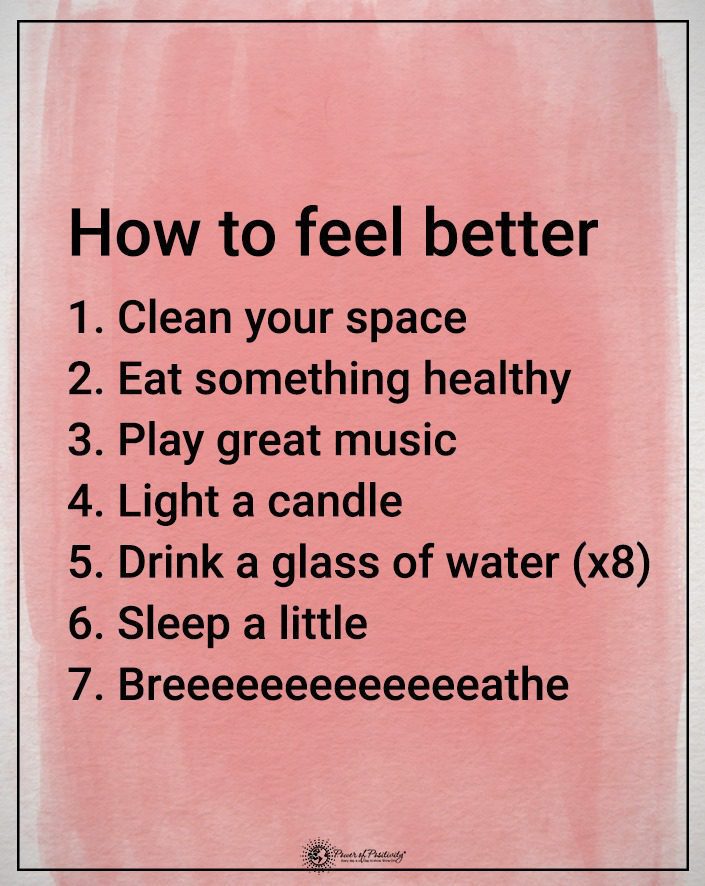
Weekly tips, affirmations, and small actions to feel your best.

Removing These Words from Your Vocabulary Can Increase Positive Thinking

Words seem like such a given in life that most people don’t even realize how powerful vocabulary can be. Of course, most people realize that words are essential for communication, but they do more than that. They aren’t just a way to tell someone else what you think. Your vocabulary and choice of words can also affect how you feel, not just what you communicate externally.

Words convey both emotions and meaning. That’s why people enjoy reading poems and stories. Because certain words make them feel happy, others feel sad, joyful, lost, or euphoric. But words can also fundamentally change how you view the world around you and even yourself. This is clear if you look at what words other people use.

A kid raised by parents who always called them dumb will believe they are dumb. And they’ll always use derogatory words to describe their intellectual capacity. Someone who always uses words with a negative connotation will generally be more harmful. But removing certain words from your vocabulary can help you increase positive thinking.

The Connection Between Your Vocabulary and Positive Thinking

Positive thinking is probably the essential component of a positive attitude towards life. And, contrary to how it sounds, positive thinking isn’t about being ignorant of the negative aspects of life. It’s not about seeing everything in shades of pink and believing everything is just rainbows and butterflies. Positive thinking is about being optimistic and getting the best outcome out of every situation. And according to many experts, positive thinking is rooted in positive self-talk.

The endless stream of thoughts constantly going through everyone’s heads is known as self-talk. These thoughts are often automatic. For example, if you see a flower on the street, you’ll probably see its name in your head. You’ll probably think of the word house if you see a house. And if you look at yourself in the mirror, your brain will probably fire off a string of adjectives to describe how you see yourself.

vocabulary

An overly negative person who has always been surrounded with negative words will instantly think that they are ugly. Or maybe they’ll believe they are fat, their face is uneven, their teeth are crooked, or a million other harmful things. This perception can happen with anything, not just body appearance. It can be about your intelligence, your personality, and more. This type of self-talk arises from misconceptions you create or preconceived ideas you have yet to get over.

But the other part of self-talk comes from logic and reason, so you can permanently rewire your brain to be more positive. Positive thinking has many effects on someone’s health. For example, optimistic people may live longer. That’s mainly because they have lower rates of depression and lower levels of distress. Aside from improving your general psychological well-being, positive thinking can impact your physical health. Optimistic people generally have better resistance to illness and better cardiovascular health.

Thus, optimism reduces the risk of death from cardiovascular disease and stroke. But it also reduces the risk of death from cancer, respiratory conditions, and infections. Additionally, positivity helps you improve your coping skills and stress management skills. This seems to be because positive thoughts affect your mentality and psychological condition. But it’s also been shown that optimistic people are usually the ones who have healthier lifestyles. They have better diets, work out more, and typically have a better work-life balance.

But even though being positive has clear benefits, it’s not that easy to change your whole vocabulary. If you’ve grown up around negative people and have internalized negativity, it can be a challenge to replace certain words. But that doesn’t mean it’s impossible. There are always ways to change your mentality and your vocabulary.

How to Remove Negative Words from Your Vocabulary

Stop allowing these phrases and habits to creep into your head or out of your mouth.

1.      Be Aware of Your Negative Self-Talk

Most people use negative words when they think without even realizing it. They believe that negative words aren’t that nig of a deal. But it’s also because most people internalize these words, and they don’t even realize how negative they are. It’s hard to stop and listen to your inner voice, especially when you’re always on the move, always busy.

One of the first things you need to do is designate some time in your day when you don’t have any responsibilities, and you can review your thoughts. But you can even take time to listen to your thoughts throughout the day. Instead of listening to music while driving, you can go in silence and allow yourself to be aware of your thoughts.

Or, instead of watching videos while you eat, focus on what’s going on in your head. Listening to what your inner voice is telling you will make you more aware of your vocabulary. You might catch yourself being negative in many instances. You would have never thought you’d be negative. This makes you more aware of your language and can help you avoid negativity.

You can even keep a thought log if you think that will be a better incentive to change your vocabulary. Keep a small notebook with you and write every time you negatively describe yourself. You can even record what triggered that thought. That way, you can tackle your vocabulary issue from the root.

vocabulary

2.      Stop Blaming Yourself by Using Negative Vocabulary

Most people who engage in negative self-talk are always blaming themselves. And even if they’re not directly blaming themselves, they’re probably catastrophizing or criticizing themselves. Even if you make genuine mistakes, you still don’t need to blame yourself. Just because you stumbled a little, that doesn’t mean that the world will end.

And it doesn’t mean that you are a terrible person or that your skills are subpar. But there’s so much pressure on people to be perfect that most of them forget that making mistakes is a normal part of being human. Being optimistic might be something you can do while your life is going smoothly. But it’s much harder to do when your life isn’t going quite as planned.

Because of this, you need to remove phrases like “it’s all my fault” or “I messed everything up” from your vocabulary. Being self-critical never helped anyone, contrary to what society seems to think. A self-critical person will always point out what’s wrong with themselves, but they won’t have a plan to better themselves. This way, you will destroy your confidence and motivation.

But when you accept your humanity, that’s when you can take responsibility without tearing yourself down. Don’t play the blame game because the truth is, the blame doesn’t matter in most cases. It doesn’t matter if you failed because someone else distracted you. You can still learn something from the whole situation. You can learn how to tune out better people who want to make you lose focus.

That being said, you can still learn to love yourself. One way to do that is by incorporating positive phrases into your vocabulary. Things like “I can still do it” or “I can overcome this hurdle” will lift you.

3.      Shift the Perspective

When it comes to positivity, the key is learning how to frame everything in a way that can benefit you. Objectively, missing a deadline is a negative thing. But an optimist will always look for the silver lining. Even though you missed that deadline, now you can start working on your time management, which will help you in every project you tackle.

And the same goes for self-talk. If you feel the urge to criticize yourself for something, look for the silver lining. Instead of thinking, “look how fat I am,” focus on the features you like. Think, “wow, my eyes are beautiful” or “my hair is nice and soft.” And if you are unhappy with something about yourself, don’t beat yourself up over it. Just try to devise a plan to change that you think you don’t like.

The most important thing you need to understand is that negativity will never help you, no matter who it’s directed towards. If you are negative towards someone else, you risk ruining their day or crushing their confidence. If you always talk yourself down, you will lose your motivation, and you even risk developing depressive thoughts.

But when you try to stay positive and to always talk kindly, you can start becoming a positive thinker. Just make an effort to shift your perspective over certain situations. For example, having a few extra pounds isn’t something to be ashamed of. Your body is your home, and you should cherish it no matter what. No situation is so bad that it requires you to be mean towards yourself.
vocabulary

Final Thoughts on How Removing Negative Words from Your Vocabulary Can Increase Positive Thinking

Many words people use daily carry more weight than it might seem at first glance. Words like “ugly,” “lazy,” and “stupid” are just some of the words that people use almost every day to describe themselves. And in most cases, they don’t even realize that they use them. Negative self-talk is something that most people have internalized, and they even think of it as usual.

Or, they don’t even have time to focus on their thoughts because of how busy people have become. They aren’t even aware of how negative they currently are and how changing a few words can make you much more positive. Becoming aware of what your self-talk looks like is the first step in changing it. Take some time to focus solely on your thoughts, even write down whenever you are being negative if you think that helps. That way, you can identify why you are harmful and what words you should change.

The second step is to stop blaming yourself and stop catastrophizing. Instead, take responsibility without being mean to yourself. It’s way better to motivate yourself than to tear yourself down. Lastly, it would be best if you worked on shifting your perspective and searching for the silver lining even in objectively bad situations. Going through these steps will help you become more positive. But what you need to remember above all else is that you need to stop criticizing yourself and start being kinder.

Psychologist Explains 6 Ways to Help When Someone Is Struggling in Life

Watching someone struggling is tough, especially when you care deeply about them. Your heart tells you to help, but you’re also aware that you could mess up, and maybe you’re not sure you can genuinely be of help. If you can’t directly relate to their struggle, it’s tough to say and do the right thing, and empathizing with them may not come naturally.

There are many different ways that someone might be struggling. Brown Girl Therapy founder Sahaj Kaur Kohli, an expert in clinical mental health counseling and advocacy, has a few suggestions of her own. Writing for TED, she outlines some methods to help someone who is struggling.

It’s worth noting that this expert’s work focuses on mental health struggles. However, her words can be applied to other struggles, too, and is, in this article, supplemented by other good advice! Here are six ways to help when someone is struggling in life.

1.      Be A Good Listener

People who are struggling will appreciate feeling heard and understood by you. When asking them questions, be sure to fully listen and express that you believe them and think their feelings and struggles are valid. Empathize with them with sympathetic and kind (but not coddling) words. Even something like “That sounds difficult” can be sufficient.

Remember to come from a place of genuine desire to understand. You should not bring your harsh judgment with you to the party. Don’t compare their struggles to other people’s, minimize their suffering, or try so hard to “fix” the problem that you neglect to validate them entirely.

If the person in your life is having trouble opening up, research suggests that this may be because of the stigma surrounding struggles, especially mental health ones. You can help remove the stigma by maintaining an open dialogue about mental health so they feel safe coming to you.

struggling

2.      Learn More About The Issue They’re Facing

One of the biggest missteps people make when trying to be helpful is well-meaning ignorance. This outcome happens when you want to help and your intentions are positive, but you have no idea what you’re dealing with. So, as a result, you say disrespectful things to someone struggling, give bad advice, invalidate them, or make things worse.

You can be so out of your depth even if you don’t fall into the trap of well-meaning ignorance. If you don’t know anything about their struggles, you can’t help them. You should try to learn more about those struggles if you want to help someone. Here are some ways to do so:

·         Educate Yourself On Why They Are Struggling

Whatever that person is struggling with, do more in-depth research about it. For example, if they have depression, read up what you can about it, researching scientific explanations and personal accounts from others with it. Or, if they’ve lost their job due to discrimination, look up information on how discrimination in the workplace happens and how that may continue to affect them going forward. Try to get more than a rudimentary understanding of the topic. After all, there are countless ways you can find information online! For more detailed guidance, consult an experienced employment law attorney like the ones at Michael T. Smith & Associates, who can provide valuable insight into your rights and help you navigate the complexities of employment law.

·         Don’t Act Like You Know More Than Them

Each situation is unique, and the person you’re trying to help understands their position more than you do. Your theoretical knowledge from research can’t compete with your real-life lived experience! Use your knowledge as a guide instead of a set of rigid rules as you learn more from the actual person’s practical experience. Even among similar struggles, not all issues look the same. You should remember that well!

·         Suggest Relevant Resources

If the struggling person is having trouble finding resources, look some up, research their backgrounds, and suggest them to the person if they fit their needs. Resources may come from aid organizations, charitable causes, or information. If some of these resources require in-person visits, you can offer to go with them for added support.

3.      Keep In Touch With Them

A lot of struggling people push those around them away. They tend to feel guilty that others take care of them or look after them. This guilt makes them self-isolate, worried about taking up other people’s energy and time.

Show this person in your life that you want to be there for them by regularly keeping in touch. Check in to ask how they’re doing. To be a companion, make time to hang out with them, even when you’re not helping. Remind them that you care about them and will be there for them. These things seem simple, but they mean the world to someone who’s struggling!

In addition, if they tend to isolate themselves, don’t stop inviting them out. They might always say no. But they will appreciate that you still think of them.

4.      Help Somone Struggling With Everyday Tasks or Errands

When people struggle, it’s not the vast gestures or big jobs that are often the most difficult. The small, simple, everyday tasks sneak up on them. It sounds strange – these tasks usually don’t seem that difficult. But somehow, you can always tell when someone is struggling based on how clean their home is, their hygiene levels, and how behind they are on something seemingly mundane.

Struggling individuals often feel overwhelmed by all the big things they have to do. This feeling makes everyday errands and chores seem almost impossible. They don’t have the time and energy to organize their to-do list and get everything in order, so they put it aside. By the time they can turn to do these tasks again, they realize that everything has piled up a lot, and they cannot tackle them all.

This is why one of the best ways to help someone struggling is by helping them with everyday tasks. They seem tedious and trivial, but they can make or break someone’s day. Studies show that those with mental health struggles lack quality of life. Try looking around to see what needs doing, then fill that need.

struggling

Here are some ways that you can pitch in when you see someone struggling:

  • Clean their house; even a bit of dusting, sweeping, and light decluttering session can completely transform the vibes of someone’s living space.
  • Offer to drive them somewhere or be their chauffeur for a day of errands.
  • Cook a good meal or two or buy them some takeout that will last a few days in their fridge.
  • Send them a gift card for necessities, such as groceries or meals.
  • Accompany them on potentially nerve-wracking but essential appointments.
  • Babysit or petsit for them.
  • Do their grocery shopping for them.
  • Just ask if there’s any help they need and be willing to take them up on their request, within reason.
  • Make them an excellent care package with valuable items to show you care.

5.      Communicate Any Noteworthy Concerns Well

People who are struggling still need to hear the truth where necessary. They’re not absolved from accountability, even if you understand that they may need some leniency in this trying time. Honesty must still be present.

As someone helping them, you have to communicate reasonable concerns that you have in a way they would be most receptive to. Here are some tips for navigating these difficult, complex conversations with healthy communication:

·         Engage In Timely Communication About Their Struggling

Don’t break difficult news to a struggling person when they’re at their worst. Wait for a calm, relatively relaxed moment if possible. This will ensure that they’re in a suitable headspace to hear you out.

·         Express Concerns With A Focus On Behavior

To get through to someone struggling, focus on their actions instead of making assumptions. Don’t throw out diagnoses left and right by saying, “I think you have anxiety” or similar things. Instead, zoom in on specific behaviors and highlight why they concern you. Emphasize your worry for them instead of casting any judgment.

·         Don’t Take Anything Personally

Don’t take it personally if the struggling person lashes out at you because of your communication. They’re doing this as a defense mechanism, and it has nothing to do with you. If they refuse to listen, take a step back and let them be. (Do note that you should listen to their grievances about your communication to ensure that the issue isn’t on your side. Judge this with rationality and openness!)

6.      Maintain Your Boundaries as You Help Someone Who Is Struggling

Helping someone who’s struggling is tiring, and if you overdo it, you could feel very drained. Your charitable acts also have limitations, and you need to have boundaries. If you don’t, you’ll be too exhausted to continue helping them and may even start struggling. Worst of all, you could begin resenting that person for how much you’ve had to do for them.

This is where maintaining boundaries comes in. It would be best to determine where your limits lie and what lines you won’t cross. When possible, openly communicate these boundaries to the person you’re helping. If they attempt to make you feel bad for setting limits, you may want to reconsider your decision to help them. It sounds harsh, but compromising on your limitations will only make things harder for you.

It’s also a good idea to ensure you don’t spend too much time with this one person. Continue to take time for yourself to unwind, do some acts of self-care, and spend time with other people in your life. You shouldn’t end up sacrificing your life to help someone who’s struggling. Remember, you can’t help someone if you’re not in a state where you can do so.

struggling

Final Thoughts On Some Ways To Help When Someone Is Struggling In Life

It’s difficult to help someone struggling in life, but you can certainly do it if you try! Be a good listener, take time to learn about their struggles, and keep in touch with them. You can also communicate your concerns healthily and pitch in with everyday tasks. Finally, don’t forget to maintain your boundaries for your health and safety–and theirs!

Nutritionists Reveal 12 Tips to Break Your Stress Eating Habit

Do you grab a cookie or two or three for comfort during a stressful day? It’s a common problem for many people. Stress eating is emotional eating. It’s a way to cope when you’re under stress. It usually has nothing to do with actual hunger, but you seek comfort when you feel sad or in a difficult situation. You may want to stop stress eating but feel stuck in this habit. Here are twelve tips nutritionists say can help break your stress eating habits.

Stress Eating Is Common

You might feel you’re the only person who grabs a bag of potato chips when you’re stressed, but it turns out you’re not alone. Studies show that roughly 40% of adults in the United States eat food when stressed. This intake means excess calories and weight gain. If you struggle with stress eating, here are some ways nutritionists say you can break your stress eating habit.

What causes stress eating?

Stress causes emotional responses. Stressful experiences include the following:

  • Personal conflict
  • Loss of a loved one
  • Unemployment
  • Illness
  • Drugs
  • Food deprivation

Even so-called “good” stress causes you to eat more. Researchers say that women are more likely to turn to food when stressed, while men are more prone to turn to tobacco or alcohol when under stress. Obesity is more common in women because of stress eating than for men.

stress eating

Nutritionists Reveal Twelve Tips to Break Your Stress Eating Habit

Here are twelve changes that can help you free yourself from snacking when you feel overwhelmed.

1 – Meditation

Some forms of meditation help lower your stress. Plus, meditation causes you to be more mindful of what you’re eating. Pay attention to what you’re doing the next time you feel tempted to grab a bag of chips because of stress. Take a deep breath and stretch. Meditation increases relaxation and reduces your impulse to eat when you feel stressed.

2 – Exercise

Your stress comes from work, home, financial pressure, health issues, relationships, and other life situations. Anything you go through may produce stress. Regular exercise blunts the effects of stress. Getting your body moving releases chemical changes in your brain that help you feel happier. If you think you don’t have time to go to the gym, don’t worry. You can find exercises that don’t require a gym membership, such as the following activities:

  • Walking
  • Riding your bike
  • Gardening
  • Jump rope
  • Cleaning your house
  • Running up and down your stairs at home

When the temptation to snack hits because you feel stressed, try taking a quick walk around your block.

3 – Drink lots of water

Sometimes when you think you’re hungry, you’re thirsty. It’s essential to drink water during the day to stay completely hydrated. Adults should drink at least 4 to 6 cups of water a day. What are the benefits of staying hydrated?

  • Water carries oxygen and nutrients to your blood cells
  • Water helps flush out bacteria in your bladder
  • It aids your digestion
  • It prevents constipation
  • Helps regulate your blood pressure
  • Cushions your joints
  • Helps stabilize your heartbeat
  • Protects your tissues and organs
  • Helps regulate your body temperature
  • Maintains your electrolyte balance

The next time you’re tempted to grab an unhealthy snack, reach for a glass of water. Squeeze a little lime or lemon into the chilled water for an extra flavor boost.

3 – Social support can ease stress eating

Is stress eating your little secret? It’s humbling to admit it, but you’ll be surprised how others struggle with similar issues when you tell others about your eating stress. It’s easier to break the habit if you have someone to talk with about your feelings. You can text or message them when you’re feeling stressed. Or you can find a support group with people who struggle with stress eating habits. Having people to talk with gives you hope for change to break the habit.

4 – Keep a food journal

Many people suggest keeping a food journal to break your stress-eating habits. Stress eating is mindless eating. When you write every bit of food, you eat in one day. You’ll be surprised how long the list is! Keep a food journal for one week. Then review the times of the day when you stress ate. Was it when your kids left for school? When you get home from work? A food journal reveals patterns and bad habits. This gives you a better understanding of yourself and when you need to be on guard against stress eating.

5 – Know your stress eating triggers

Do you know your stress triggers? Everyone is different, and they find other things stressful. A better understanding of what triggers your stress levels helps you not give in to stress eating. You’ll be able to identify the circumstances and prepare yourself to either avoid the situation or avoid eating because of it.

stress eating

6 – Beware of boredom

Do you stress eat because of boredom? Boredom is a feeling of being dissatisfied or restless. When you feel unchallenged, you feel bored. When you’re feeling bored, food is an escape. It helps you cope with your feelings by distracting you. Consistent boredom is associated with eating disorders. Come up with strategies to fill your time when you’re bored, so you’re less apt to stress eat.

  • Take a walk: Walk for fifteen minutes to pass the time–take your dog along with you, too.
  • Knit or crochet: These crafts keep your hands busy. They’re easy to pick up or put down, so you knit a few stitches if you’re bored.
  • Pick up your phone: Chat with someone you know who needs cheering up.
  • Play a game: Find a puzzle or game you enjoy and play it when you feel bored.
  • Paint by number: Perhaps this sounds like something your grandmother did, but paint-by-number kits have come a long way. Check out the latest ones online or at your local arts and crafts store.

7 – Stick with healthy snacks

Try to make better food choices for your snacks. Swap out some juicy apple slices dipped in almond butter instead of chips or ice cream. Stress eating leads to poor nutrition and weight gain. Avoid foods that are predominately sugar. Instead, choose protein-rich snacks such as the following:

  • Cheese sticks
  • Vegan cheese or plant-based chicken
  • Smoked tofu warmed up and served on gluten-free crackers
  • Popcorn topped with parmesan cheese
  • Celery dipped in peanut butter

8 – Intuitive eating

Intuitive eating is sometimes called mindful eating. It means you are attentive to what you’re eating and why you’re eating it. You listen to signals in your brain and your gut. Listening to your natural clues helps you determine when you’re having a craving or need to eat something. You can say “no” to your desires because you’re basing your decision on your signals rather than stress or your emotions.

9 – Remove tempting foods

Having high-calorie, sugary foods in your home sets you up for failure. It’s easy to slip into stress eating when you have unhealthy snacks at your fingertips. Remove tempting foods like candy, cookies, and chips. Of course, there’s nothing wrong with a sweet treat once in a while, but try to make it a healthy substitute, such as:

  • Nuts or seeds
  • Frozen blueberries, raspberries, and blackberries
  • Strawberries
  • Mango chunks
  • Pineapple chunks

10 – Get a pet

What does a pet have to do with stress eating? Plenty. Pets improve your life. Owning a dog or cat lowers your stress. When you play with your pet, it causes your brain to release serotonin and dopamine. These chemicals make you feel happier. Your furry friend forces you to get outside for walks. Plus, owning a dog is a great way to meet your neighbors because everyone wants to meet your little buddy. One study found that people experiencing stressful situations recover better when they have a pet. So, if you’re going to break your stress eating habit, maybe it’s time to find a furry friend.

11 – Don’t restrict your eating

One thing that nutritionists suggest is to not strict about eating. Overly strict eating leads to binge eating of high-calorie foods or overeating. Restrictive diets seem like a good way to stop stress eating. However, it rarely breaks the habit. It’s an ineffective way of weight loss and can trigger stress in your body.

12 –  Understand the timing of your stress eating

It’s thought that stress eating happens at certain times of the day. For instance, the afternoon or evening is a high-risk time for people to overeat. When you add stress into the mix, it creates a recipe for binge eating. Pay attention to your snacking habits. Do you overeat in the afternoon when you’re bored? Or tired? Figure out when you’re more likely to snack compulsively. Come up with healthy snack ideas and stick to a specific time to eat those snacks.

stress eating

Final Thoughts on Breaking Your Harmful Stress Eating Habit

Stress eating relies on food to comfort yourself when you’re feeling sad or having a hard day. It’s a common problem; women fall into this habit more than men. If you try to cope with stress eating, hopefully, these tips break you free of your stressful eating habit. Don’t be too hard on yourself. You’re not alone in your effort to break your stress eating.

How Playing Outside Helps Kids Learn Practical Risk Assessment Skills

Children thrive when playing outside and learn about practical risk assessment skills. While it’s tempting to keep them indoors and away from risk, it won’t help them grow or develop.

Developing practical risk assessment skills require kids to undertake challenges in the world around them. Through outdoor play, kids learn about and process the benefits of specific activities and the risks involved. The real dangers that they handle lead to powerful and memorable learning experiences.

The challenges a child encounters could be physical, psychological, or both. Additionally, the challenges might include real risk with immediate consequences or perceived threat. Whether it is accurate or perceived, it helps children understand the likelihood of risk and the effects of its negative consequences.

What are Practical Risk Assessment Skills

Practical risk assessment isn’t a skill that can be graded, but it is still essential for children to learn. When they learn that small actions at the moment lead to severe outcomes, they’ll learn to assess each situation as it occurs. Then they will understand which movements to avoid altogether.

You can calculate the risk of any situation by multiplying the consequence by the likelihood of occurrence. A child must learn this method and determine the worst possible outcome to consider how likely it is.

One example is taking a child to play near a body of water. Without training, supervision, and a flotation device, the risk is high, and the consequences are severe.

However, if you take your child into the woods and let them play on fallen logs, the consequences aren’t as high. Even if the child falls off, the outcome isn’t as severe as what could occur in the water.

risk assessment

Learning these skills during childhood can protect the child and help them understand what is safe and what isn’t. You won’t always be right by their side to guide them, so allowing them to build the necessary skills is essential. Kids need time to explore and learn about risks and consequences.

These learning opportunities cannot occur if a child isn’t allowed to explore the environment. They must have the chance to use their bodies in complex ways rather than always playing safely indoors. Risk assessment can’t be taught with a book, but it is an invaluable skill that requires adults to give a child the time and space to do so.

Is It Safe?

While you don’t want to see a child get hurt, children are made for this type of learning. They have more bones than adults because their cartilage hasn’t hardened and connected the bones yet. This difference makes children more flexible than adults, and they can handle things like falls better.

Children also have a different chemical composition in their bones than adults do. Adult bones are more likely to break because of their makeup, as they are more brittle. The chemical composition of children’s bones makes them heal quicker, making it the best time to develop a practical risk assessment.

Kids are closer to the ground and weigh less, and their bone structure is also different than adults. Their bodies are made to withstand twists, turns, and tumbles during childhood. When playing outdoors, kids learn about consequences and levels of severity that occur during their experience.

Use Your Best Judgment in Letting Kids Gain Risk Assessment Skills

Letting your child engage in risky play outside doesn’t mean putting them in situations that can cause serious harm. Instead, it means allowing them to explore and move in a natural environment. You know the things that won’t benefit a child, so use your best judgment.

You’ll find comfort knowing that your child can take risks without the potential of severe injuries. It’s best to remove things like:

  • Sharp edges
  • Unstable heavy structures
  • Things their head can get stuck inside

Additionally, children gravitate toward natural elements like water and fire, but you shouldn’t take these activities lightly. Adults should be with children when there’s the risk of severe consequences, guiding children instead of letting them learn the hard way. Children also enjoy learning about dangerous tools like saws, but again, those are things that they shouldn’t do alone.

How Playing Outside Helps Develop Risk Assessment Skills

Here are some excellent reasons to let your kids explore the outdoors.

They Can Experiment with Movement and Outcomes

When children play outside, they experience complex movements with different outcomes. They’ll get bumps, bruises, or scrapes to teach them what happens when they move a certain way.

If the child falls, they eventually learn that falling on concrete is different than falling on the grass. They’ll also discover that falling from a higher surface will likely hurt more than falling when closer to the ground. Given a chance, children will learn many differences about their environment.

It Prepares Children for Future Risk Assessment Experiences

Experts say that playing outside prepares children for the future by helping them do the following:

  • Have the chance to try again
  • Learn to cope and self-regulate
  • Develop self-esteem and confidence
  • Challenge themselves
  • Succeed
  • Express creativity
  • Become independent
  • Understand personal boundaries and limits
  • Develop social skills
  • Improve body awareness
  • Boosts motor skills
  • Understand the environment

It Promotes Growth and Development

Allowing children to play outside and learn practical risk assessment skills will stick with them forever. Risks are everywhere, and people must know how to manage them appropriately. As babies learn to walk, they often get bruises and experience falls.

When children learn to ride a bike, there are likely a few injuries. If those falls didn’t occur, the child wouldn’t have learned to master the task. The same idea persists well into adulthood, with the practical risk essential for growth and development.

risk assessment

Teaches the Risk Assessment of Uncertain Hazards

To teach children about assessing risks and managing them appropriately, you must allow them to climb, jump, play with sticks or rocks, and do other things when playing outdoors. Risky play gives children the opportunity to experience uncertain and unpredictable hazards that they can learn from.

They Learn About Likelihood

Children learn about likelihood as they grasp how likely it is that something might occur. If it happens once, they’ll start to realize that it can happen again. The more often they experience the same outcome, the more they grasp the idea of likelihood.

Kids can determine which risks are worth the potential outcome and how likely it is to occur. This thought process helps them make choices in situations they’re unsure of. It helps them stay safe while also learning developing.

Getting Your Children Outside

Think back to your childhood and make a note of what you recall. This exercise shows that their most memorable moments were spent outside for many adults. However, children in current times don’t experience the same opportunities for outdoor play.

Screen time is becoming more prevalent, and children spend less time outside playing. This problem is common because adults tend to worry about bad things happening more than they did before. Adults keep children inside when the adult can’t join them outside because of traffic, kidnapping, injuries, and other scary situations.

While being cautious in this regard is good, it’s also essential that children get time outside to learn about the world. When adults constantly regulate and control what a child does, the child doesn’t get the opportunity to explore. The best course of action here is to find a reasonable compromise.

If you work from home, consider taking your laptop and other material outside while your child plays without you. That way, you’re nearby to prevent the things you worry about, but your child still gets the independent exploration they need for learning. Plus, you still get your work done and don’t have to put your child in front of a screen to keep them occupied.

If you don’t work from home, you can be creative in finding ways to get your child outside more often. However, you must be willing to allow your child to take risks. You might think that removing all risks is best, but it hinders your child’s learning and development.

Risk-taking is a positive aspect of play and learning, and not allowing it comes with consequences, including:

  • Less physically fit
  • Poorer motor skills
  • Unable to manage daily risks
  • Lack of resilience
  • Mental health issues

What You Can Do

Children gravitate toward certain aspects, and they need to have the freedom to explore them. Children must learn about:

  • Heights, including balancing, hanging, or climbing
  • Speed, including running, biking, or going down a slide
  • Rough play, including wrestling and play fighting
  • Getting lost by playing in woodlands or other areas

You can encourage your child to learn practical risk assessment skills by providing what they need to make it happen. One idea is to add a climbing structure to allow height exploration and resiliency. Adding a trampoline will encourage them to experiment with speed and movement.

Letting children explore woodlands encourages freedom, independence, self-confidence, and respect for nature. Bikes, scooters, balls, and swings help with motor skill development. Rough play allows children to use risk assessment skills, develop social skills, be creative, and identify feelings.

When children don’t have these opportunities, they’ll start looking for them in other ways. They might do it unsupervised or in unsafe situations. However, if you allow them to take risks while playing outside, they won’t be as likely to look for the opportunity elsewhere.

risk assessment

Final Thoughts on How Playing Outside Helps Kids Learn Practical Risk Assessment Skills

While you want to ensure that the children in your life are being safe, you don’t want to take away every risky opportunity. Children must learn about the world around them and experience consequences when necessary.

Use this information to make your yard child-friendly, leaving opportunities to develop practical risk assessment skills. By doing so, you help the child develop and grow with beneficial skills.

Doctors Explain 12 Things That Help if You Live With Lupus

Lupus is an autoimmune disease that causes skin, joints, kidneys, brain, blood cells, heart, and lungs inflammation. Like other autoimmune diseases, your immune system attacks your body’s tissues. Lupus means “wolf” in Latin. A 13th-century doctor first used this word to describe the facial lesions he found on a patient because they reminded him of a wolf’s bite. Living with this disease is challenging.

Statisticians estimate that approximately 1.5 million Americans suffer from this painful disorder. If you or someone you know has lupus, doctors suggest these twelve tips for living with lupus.

Diagnosing lupus

Diagnosing an autoimmune disorder isn’t easy. Some lupus symptoms are similar to other autoimmune diseases. A diagnosis may take weeks or months. The most accurate test is a blood test looking for autoantibodies. Your doctor will also do a biopsy of your kidneys or skin. Your doctor will evaluate your long-term medical history to see if you have other risk factors that point to lupus. Once the physician reviews necessary blood tests and biopsies, your doctor can determine if you have it.

lupus

Common symptoms of lupus

Lupus is most common in women of childbearing age. However, men, teens, and children can also develop it. It attacks many parts of your body, but some common symptoms exist.

  • Extreme fatigue
  • Painful joints
  • Swollen face, hands, and feet
  • Low fever
  • Headaches
  • Sensitivity to sunlight
  • Chest pain
  • Skin problems
  • Hair or scalp problems
  • A rash shaped like a butterfly on your face or across your nose
  • Balding of your hair
  • Mouth or nose sores
  • Toes or fingers turn blue or white when stressed or cold
  • Feeling numb in your fingers and toes
  • Depression

What is the cause of lupus?

It’s not clear what causes lupus, but doctors think it develops from a response to several factors inside and outside your body, including the following:

Hormones

Hormones regulate your body’s activities. It’s thought that because so many people with lupus are women, there could be a relationship between estrogen and lupus. Some women have lupus symptoms before their menstrual period or when estrogen levels are highest during pregnancy. Still, no real connection seems to exist between estrogen and lupus. More women than men get an autoimmune disease, but doctors don’t know why.

Genetics

Genes could be part one significant risk factor, especially if your family has a history of autoimmune diseases in family members.  Certain ethnic groups are more prone to lupus, including the following:

  • Native Americans
  • Hispanic
  • African
  • Asian
  • Native Hawaiian
  • Pacific Island descendants

Environment

The environment may be another cause of this autoimmune disorder. It’s not clear what specific environmental things could be the cause. Silica dust, industrial chemicals, UV rays from light bulbs, sulfa drugs used in antibiotics, or viruses are all possible environmental causes.

Lupus flares

At times, lupus symptoms can get worse. This is called a lupus flare. Lupus flares come and go, making you feel sick. Sometimes, there’s a clear cause, but often they show up for no reason.

Twelve tips for living with lupus

If you have lupus, you can try these tips to help reclaim control of your life. However, if you get treated in a hospital and need more care afterwards, you can always get assistance from a post-hospital care service.

1. Learn all you can about lupus

The first tip for living with lupus is to learn everything you can about the disease. The more you know about lupus, the better chance you can take care of yourself and manage your symptoms.

2. Don’t ignore lupus triggers

Learn what triggers your flare-ups. Once you understand your triggers, you can avoid them or at least lessen their effect. Common triggers to avoid include the following habits:

Lupus triggers

  • Working too much
  • Not resting
  • Being stressed
  • Infections
  • Too much sunshine
  • Exposed to fluorescent lights
  • Injury
  • If you stop taking your medication

3. Set realistic goals for yourself

Once you’re diagnosed, your life will change. You won’t be able to do things you used to do. Your friends may want to go out for drinks after work, but you must go home and rest. Family members may expect you to join them for a vacation at the beach. But you shouldn’t have extended periods in the sunlight. You’ll need to take good care of yourself to avoid worsening symptoms. It’s all part of life with this disease.

4. Eat healthy foods

There’s a strong connection between lupus and a healthy heart. Eating nutritious foods and exercising reduces your risk of heart problems. Consume many veggies, fruits, lean proteins, and whole grains for optimum health. Other health considerations you should know about lupus include:

  • You can’t be in the sunlight, so try to eat vitamin D foods, such as dairy foods, orange juice, sardines, beef livers, salmon, or cod liver oil.
  • If you have hyperlipidemia-too high of fat in your blood, you’ll need to eat a low-fat diet
  • If you’re on steroids, you’ll gain weight

5. Find a support group

Dealing with lupus isn’t easy. Find local support groups to meet other people with this condition. Having the support of these people who genuinely understand what you’re going through will help you not feel alone on your journey with the disease.

lupus

6. Reduce stress

Like other autoimmune diseases, stress affects how you feel when you have lupus. It would help if you reduced stress as much as possible. Otherwise, your symptoms worsen, and you can have a lupus flare. Sometimes stress is unavoidable, but you can lessen your pressure with things like

  • Deep breathing
  • Going for a walk outside
  • Yoga
  • Meditation
  • Talking to a counselor

7. Limit your time in the sun

Limit your sun exposure and your time under fluorescent lights. A study found that skin exposure to ultraviolet light worsens symptoms of lupus. A single exposure to UV light sets off inflammation and injury to the kidneys. Many people living with lupus notice their other symptoms get worse when exposed to UV rays of sunlight. Exposure to sunlight causes severe symptoms, including:

  • Mouth sores,
  • Fevers
  • Extreme fatigue
  • Hair loss
  • Scalp sores
  • Anemia

Avoid the sun as much as possible. Wear sunglasses, long sleeves long pants, and sunglasses if you need to be outside.

8. Get enough sleep

Sleep is essential to offset your lupus symptoms. Not getting enough sleep increases your inflammation, depression, and joint pain. Lack of sleep adds to your extreme fatigue. Try to allow yourself at least 7 to 9 hours of sleep every night. Set up a regular bedtime routine to help you fall asleep.

9. Exercise

When you have lupus, it’s okay to do moderate exercise as long as your doctor gives you the okay and you’re feeling well enough to do it. Try things like

  • Walking
  • Gentle yoga
  • Biking
  • Swimming

10. Regular doctor visits

If you’re feeling well, skipping your regular doctor visits is tempting. But they’re essential to stay connected to your doctor so they can evaluate how you’re doing and recommend changes to your medication or routines. Plus, if you have a flare-up that requires hospitalization, as they sometimes do, your doctor will be up to date on your condition.

11. Be happy

Lupus is a lifelong disease, but you don’t need to give up. Like so many things in life, your perspective often changes the quality of your life. You can live relatively everyday life as you understand lupus and learn to watch for its triggers. Many people with lupus lead fulfilling, happy lives, and you can too.

12. Take advantage of the lupus resources

There are many local and national lupus programs and resources to help you. When you’re dealing with a chronic condition, it’s helpful to have others to talk to. The Lupus Foundation of America offers people living with lupus help.

Is lupus a fatal disease?

Even though there is no cure for this autoimmune disorder, and some people die from the disease, many people living with lupus can lead a routine life. This disorder varies in its intensity and symptoms. Some individuals have mild or moderate cases, while others have more severe symptoms. Severe flare-ups can be life-threatening, which is why management is so important.

lupus

Final thoughts on taking control of your life with lupus

Once you find out you have this disorder, your life will be different. You’ll want to find ways to deal with living with this autoimmune disease, such as learning as much as you can about lupus, eating healthy foods, and being sure you get enough rest and sleep. Because of better treatment and early diagnosis, lupus isn’t a death sentence. Still, it would be best to take precautions to avoid flare-ups. Most of all, don’t despair if you receive this diagnosis. Many people with lupus lead happy, fulfilling lives, and you can, too.

Experts Explain Why It’s Okay to Disappoint People Once in a While

Wanting to please others seems beneficial, but it can lead to issues. It’s okay to disappoint people occasionally when it means you can do what you want.

Letting people down is part of setting healthy boundaries in your life. You might give in to many things you don’t want to do out of fear of disappointing someone, but it shouldn’t be about that. When you do something only to avoid disappointing others, it wastes much of your time and energy.

Many people experience stress and fear, trying to please everyone around them. However, this urge comes from personal fear of being let down. Your natural desire for peace and empathy makes it hard to turn things down, but you must remind yourself that disappointing people is okay sometimes.

Why It’s Okay to Disappoint People Once in a While

You might want to make everyone around you happy, but it’s important to remember that it’s okay to disappoint people sometimes.

1 – It’s Not Natural to Please Everyone

disappoint people

Experts say that being a people pleaser is a learned behavior. Children learn from an early age to be obedient and compliant and see adverse reactions when they don’t do so. Adults often react critically when a child doesn’t please them; that lesson sticks with people forever.

As these people become adults, the learned behavior doesn’t become any less prevalent. Employers expect you to take on anything without questioning the reason, and you often aren’t allowed to say no.

These situations make it hard to accept that it’s okay to let people down sometimes. However, remember that it isn’t natural to go along with everything, so get comfortable saying no.

2 – It’s Good for You

While being friendly is usually good, it becomes detrimental when you never disappoint anyone. Some people will take advantage of you if they know you’ll never let them down. They might request unreasonable demands that give them more power over you.

Never saying no to someone creates issues because you never get what you want out of the relationship. You’ll continue being accommodating, only to have the other people ignore your requests or desires.

When you constantly give in and never put yourself first, it suppresses what you want in life and creates frustration, anger, and sadness. It also sometimes causes financial issues and mental health problems. Giving in to others cause you to lose sight of what you want to achieve, hindering your progress.

Some of the signs that you should disappoint people sometimes include:

  • Thinking that you don’t want to do something as you say yes
  • Going along with the wishes of others even if you don’t want to
  • Pretending everything is okay when you’re unhappy
  • Feeling bad for standing up for yourself
  • Apologizing when things aren’t your fault
  • Not doing what you want because you’re doing other things
  • Feeling intense guilt at the idea of letting other people down
  • Losing belief in yourself or not knowing who you are anymore
  • Feeling unappreciated or taken advantage of
  • Never receiving reciprocation

3 – Never Disappointing Others Leads to Self-Disappointment

While you want to help others so that you don’t disappoint them, it causes you to disappoint yourself. Giving all of your time and energy to things you don’t want to do sets you up for failure and pain. It makes it hard to be yourself and live authentically.

Plus, using all your time on other people and situations can leave you in a bind. When you’re overwhelmingly busy, it can lead to making mistakes and missing deadlines.

When you give all your time to others, you don’t have any left to invest in yourself. You don’t have to keep living for other people where there is a world of possibility to explore.

It’s okay to disappoint people sometimes because it’s how you can live your life passionately. Speaking up, prioritizing what’s important to you, and taking care of yourself should always take precedent. Your life won’t always align with others, and you won’t always want or be able to do things.

4 – The People Who Matter Will Understand That You Might Disappoint Each Other Some Times

You can still be mindful and empathetic as you disappoint others. The people who mean the most to you will understand when you can’t be there for every little thing.

In genuine relationships, you can comfortably ask for what you want, count on others, and trust people. These things are all essential to living a healthy, fulfilling life. You might not want to disappoint the people you care about, but it’s necessary sometimes.

5 – The Other Person Might Not Be Thinking About You at All

When you’re worried about disappointing someone, you’re likely not considering everything. Sure, the person might have a fleeting thought of the change, but it might end there. You could be guilt-tripping yourself while the other person isn’t even thinking about you.

Remember this thought the next time you don’t want to do something. Don’t waste your time and energy on someone who doesn’t think about you throughout the day.

disappoint people

If You Feel Like You Disappoint People, Here Are Some Tips to Make Positive Changes in Life

Disappointing people is unavoidable if you want to experience your journey. It will help with growth, self-discovery, authenticity, and overall fulfillment. These tips can help you put yourself first and determine who and when to let down.

1 – Think About What’s Important to You

If you had to prioritize the people and things in your life, it would be a clear sign of who to let down. Once you’ve prioritized, think about how much you’ve missed out on because you won’t disappoint anyone.

You could have focused more time and energy on the things and people at the top of your list. However, that time went to less important things instead. Prioritizing and considering how things could be different helps you feel confident about saying no to people.

2 – Practice Being Honest and Saying No

The more often you practice saying no, the easier and more natural it becomes. People-pleasers will struggle the most with this, but you must force yourself to do it to improve your life. Decline requests to do things you’re not interested in, and don’t be afraid to remove items from your schedule.

3 – Set and Enforce Boundaries Now So You Don’t Disappoint Others Later

When you know what you want and need, you must set boundaries. Be open about your limits, and enforce them no matter who you’re dealing with. Don’t let people push the limits, or they’ll begin taking advantage of you.

4 – Don’t Be Afraid to Speak Up

Many people fear asking for what they want or need and miss opportunities. They don’t want to disappoint others, so they stay quiet instead. However, you never know when the person you speak to will respond positively.

You’ll never get what you want if you are afraid to ask for it. Don’t worry about disappointing someone by advocating for yourself.

5 – Start With the Easy Answers

When a situation is presented, you likely have an initial reaction to the opportunity. Listen to your gut feeling and be honest about your thoughts.

If you don’t want to do something, don’t be afraid to say so. Don’t go along with anything you can easily say you don’t want to do.

6 – Use Your Intuition

Sometimes you’ll initially be okay with an opportunity, but you start second-guessing it. If you start feeling bad about the experience, it might be best to back out. Listen to your intuition every time because it could save you a world of trouble or wasted time.

7 – Consider Things You’re Unsure About

If you aren’t sure if you want to do something or not, it’s okay to say so. You don’t have to give a definitive answer whenever someone suggests an idea. Instead, be open that you’re undecided, and the other person won’t be as angry later.

Additionally, saying you’re unsure can help you if something comes up. If you know you have to work that morning, don’t give a definite answer just in case things run longer than you expected.

8 – Let It Go

Once you know who to disappoint and what to take off your schedule, it’s time to let it go. Don’t waste time worrying about how the person will react. It’s best to get it over with and tell the other person that things won’t be going as they’d hoped.

Once you tell the other person, don’t guilt-trip yourself about it. Let it go so you can feel better and move on to things you want to spend time on.

disappoint people

Final Thoughts on Experts Explain Why It’s Okay to Disappoint People Once in a While

No matter how hard you try, you will always disappoint people. You can’t do everything and be everywhere, so, inevitably, disappointment occurs occasionally. However, you don’t have to feel bad about it because you can prioritize other things.

Remember why it’s okay to disappoint people the next time you get asked to do something you don’t want to do. Put yourself first and do what you want to do. You only have one life to live, making it meaningful and fulfilling.

20 Red Flags of Thyroid Disease

One of your body’s most important glands, the thyroid, produces hormones that control your metabolism, which affects your weight, energy levels, vision, and even your heart. This butterfly-shaped gland sits on either side of your trachea. You may not be familiar with overlooked symptoms of thyroid disease, despite it being relatively common. Here is a list of twenty symptoms to never ignore.

What does a healthy thyroid gland do?

Normal thyroid glands produce hormones to keep your body’s metabolism working correctly. Hormones secreted into your pituitary gland (TSH) should constantly circulate through your blood. Your hormone levels go up and down as your blood changes. This regulation guarantees your T4 (thyroxine) levels stay steady and react correctly.

But sometimes, your thyroid gland doesn’t make the right amount of thyroid hormones. Your gland either produces too much or too little hormone, resulting in a slower metabolism (hypothyroidism) or overactive metabolism (hyperthyroidism).

Symptoms of hyperthyroidism and hypothyroidism

Both thyroid diseases are severe and require treatment. Some symptoms are similar, so you need a blood test to get an accurate diagnosis.

Two types of thyroid disease

Hyperthyroidism symptoms

  • Weight loss
  • Racing heart rate
  • Nervousness
  • Muscles weakness
  • Tremors
  • Missed menstrual periods
  • Insomnia
  • Eye problems
  • Sensitive to heat and cold

Hypothyroidism symptoms

  • Weight gain
  • Too slow of heart rate
  • Heavy menstrual periods
  • Memory problems
  • Dry skin
  • Hair loss
  • Hoarse voice
  • Intolerance to cold
  • Enlarged thyroid gland

Twenty red flags of thyroid disease

Do you experience these red flags?

1 – You might have thyroid disease if you feel cold all the time

If your hands and feet are icy cold even when the weather is warm, it could be a sign that you have thyroid disease. It’s an often ignored symptom of an underactive thyroid gland. If you’re always reaching for your sweater, especially when everybody else feels warm, don’t ignore this red flag of this thyroid problem.

2 – Fatigue may result from thyroid disease

Do you feel exhausted in the morning even if you’ve slept well? Extreme tiredness is a common sign of an underactive thyroid. When your hormones get off balance, it prevents your body from metabolizing food correctly. This results in low energy and fatigue. Feeling tired all the time could mean you’re in the early stages of thyroid disease.

3 – Weight fluctuations

Don’t ignore it if you notice the scale going up even when you’re dieting and exercising. Gaining or losing weight without trying are red flags that your metabolism isn’t working correctly.

4 – Your skin is a desert

Itchy, dry skin may be a sign your thyroid is out of whack. Your skin may look flaky and scaly. You may notice more wrinkles on your face and neck. These are sure signs that something isn’t right with your metabolism. If you’re constantly applying body lotion without results, you may be in the early stages of thyroid disease.

5 – Bald spots

If you notice an unusual amount of hair on your hairbrush or hair strands lingering on the sofa that doesn’t belong to your dog, you may suffer from hypothyroidism. Hair loss and even bald spots are common for individuals with thyroid imbalances.

6 – Forgetfulness

Did you forget where you put your iPhone or car keys? Or maybe you have trouble recalling a person’s name at work. These little experiences of forgetfulness are frustrating and embarrassing. If you’re having these foggy brain experiences more and more, it could be a sign your thyroid is off-balance. Healthy thyroid gland hormones tell your brain to signal your body, but if your thyroid isn’t producing enough hormones to send to your brain, you’ll experience brain slowness. Another red flag you may encounter is an inability to focus or think clearly.

7 – Constipated or diarrhea

If you notice you’re constipated or having a lot of diarrhea, it could be a red flag that your thyroid isn’t working right. Constipation is a common symptom of a slow functioning thyroid, while diarrhea could indicate an overactive thyroid gland.

8 – Swollen hand or feet

If you notice you can’t get your rings on because your hands are too swollen or your shoes feel tight, you may be suffering from edema. Edema is fluid or water buildup in your body. It’s common with thyroid disease. Swelling in your feet, ankles, legs, or hands could mean you have a thyroid disorder.

9 – Thyroid disease can cause vocal changes

Researchers say that even if you have mild thyroid failure, your thyroid hormones can cause changes to your voice. Hypothyroidism causes a low, coarse-sounding voice. Your voice may feel weak or tired. Hyperthyroidism may cause a similar problem with your voice, but it’s more typical with hypothyroidism. Other voice symptoms that can occur due to thyroid disease include:

  • Loss of voice
  • Hoarseness
  • Trembling voice
  • Breathing that you can hear

10 – Lost your libido

Have you lost that loving feeling lately? That’s a red flag that could show your thyroid levels are off. A low sex drive isn’t standard, but it’s sometimes a symptom of hypothyroidism.

11 – Feeling sad

Feeling moody and sad, along with other symptoms, could show hypothyroidism. Many people who struggle with depression and anxiety could have low thyroid. Doctors often miss this diagnosis. If you’re experiencing sadness, ask your doctor to do a blood test to check for low thyroid.

12 – Miscarriage or other pregnancy problems

Untreated thyroid disease may prevent you from getting pregnant or lead to a miscarriage. When your thyroid hormones are off-balance, it affects your ability to conceive. If you’re pregnant, your baby could be premature birth or low birth weight.

thyroid disease

13 – Taste buds not working

When you have thyroid disease, food tastes strange. You may think it’s the food. The hormone imbalances affect your taste buds. This common problem goes unnoticed, but don’t ignore this red flag.

14 – Puffiness in your face

If your face looks unusually puffy or full, it could be a sign you’re struggling with thyroid problems. This puffiness could be because of extra fluid or weight gain. Other symptoms of hypothyroidism include:

  • Puffy under eyes
  • Swollen feeling tongue
  • Swollen eyelids
  • Puffy lips

15 – Vision problems

Another often misunderstood symptom of thyroid disease is vision problems. The fluid buildup around your eyes enlarges your eye muscles, so your eyes bulge out. You may have trouble focusing or have double vision. Eye doctors don’t always check for thyroid symptoms, so be sure to bring up the subject with your eye doctor.

16 – Carpal tunnel disorder

When you have extra fluid in your body, it affects your nerves, especially those in your hands. The fluid presses on the soft tissue in your wrist, causing pain. Numbness and tingling are carpal tunnel syndrome. Treating your thyroid disorder will eliminate this problem.

17 – High blood pressure

If you have an underactive thyroid, you may have high blood pressure. This is because the thyroid hormones aren’t working properly. This puts pressure on your heart as it works to move the blood through your body.

18 – Goiter

Goiter occurs when your thyroid gland swells. Different things cause it but could be because of a lack of iodine in your diet. Because your body doesn’t make iodine, you need to include it in your diet. Left untreated, especially in kids, iodine deficiency can lead to learning problems and hypothyroidism. To eliminate iodine deficiency, which was very common in the 1920s, iodized salt was introduced—this pretty much-eliminated goiter. But many parts of the world don’t have access to iodine in their foods. You can get iodine naturally from eating foods such as

  • Beef liver
  • Chicken
  • Dairy foods
  • Shellfish
  • Seaweed
  • Eggs

Don’t take iodine supplements unless you talk to your doctor first. Iodine won’t help if you have hypothyroidism. In fact, too much iodine can cause hypothyroidism.

19 – Trouble sleeping

If you suffer from chronic insomnia, don’t overlook thyroid disease. This is another common symptom of a thyroid disorder that gets overlooked, especially in women. You may feel hyperactive and nervous, along with your insomnia. If you’re experiencing insomnia and some other symptoms, take this as a red flag that you have a thyroid imbalance.

20 – Your family members have thyroid disease

Thyroid disease runs in families. If a parent, sibling, grandmother, or uncle has thyroid disease, you are genetically at risk. If you notice these symptoms, talk with your doctor and ask for blood work to confirm. It may take several attempts before they determine your diagnosis.

How can doctors treat thyroid disease?

Hypothyroidism can be treated easily with safe medication. Hyperthyroidism is harder to treat and regulate. Surgery to remove your overactive thyroid is often the best choice for a healthy life. After surgery, you may need to take medication as if you had hypothyroidism.

thyroid disease

Final thoughts on identifying the red flags of thyroid disease

Thyroid disease often goes undiagnosed for a long time before you discover it. That’s because so many of the symptoms resemble other things going on in your body. If you notice these red flag symptoms, don’t ignore them. Get to the bottom of why you have these symptoms so you can get back to feeling your best.

Don’t Let These 9 Little Things Trigger Your Stress

The little things in life can make all the difference, whether they boost your mood or trigger your stress. Small parts of your day can set the tone and directly affect your well-being.

These little things are even more aggravating once you feel like you can’t avoid them. It will feel overwhelming when something feels out of your control, but you must suffer through it anyway.

Luckily, you can shift your mindset and develop a different attitude toward the little things that trigger your stress. There is always some way to combat the stressors of your daily triggers, and it’s up to you to figure it out. You can’t eliminate stress from your life, but you can work through your days with a positive mindset.

Nine Little Things That Can Trigger Your Stress

Everyone is exposed to stressors each day, but you can control your reaction. Start by identifying the little things that trigger you, and then you can think about how to change them.

little things

1. Inability to Laugh at the Little Things

Laughing might be the last thing on your mind when something doesn’t work out, but it will upset your mental well-being. If you can’t laugh when things don’t go your way, you’ll experience overwhelming stress daily. When you laugh in these situations, it helps you deal with the problems effectively.

If you can laugh at the little things that trigger your stress, you’ll notice that they don’t bother you as much anymore. Laughter takes the edge off things and will help you think more precisely because you’re not always thinking about serious things. Plus, it lowers blood pressure and reduces stress hormones, so it’s beneficial in more ways than you can imagine.

2. Other People’s Stressful Situations

When you spend time with other people, they’re sure to vent sometimes. Even when they don’t vent, their stress could show in their behaviors and attitudes. While this might not seem like a big deal to you, their anxiety can trigger your stress.

You must learn to shift your mindset if other people trigger your stress. Managing or carrying other people’s stress isn’t your job, so don’t let it interfere with your life. You can support their struggle, but don’t let it interfere with your mental state.

3. Dwelling on Stressful Situations

Don’t let things that have already happened interfere with your current mindset. Replaying stressful situations in your mind won’t do any good, and they can trigger stress if you let them. You’ve already experienced it once, so don’t let it interfere with your life again.

When you ruminate on stressful situations, your brain can’t differentiate between past thoughts and current experiences. When you relive something that happened in the past, your brain will perceive it as a present stressor or threat.

Sometimes it’s hard to stop thinking about something, but you can overcome the bad habit. When you feel the thought creeping in, switch your mindset and think about something else.

4. Hunger Pains

Little things cause stress that can bring on hunger pains or cravings. Even if you don’t realize it, hunger paints can make you grumpy and irritable. This situation is especially true if you don’t have any food around.

If you experience this situation often, consider keeping snacks nearby. When you work, keep snacks on your desk. If you are waiting in traffic, keep snacks in your car. Choose snacks with lots of protein to keep you full for a while.

5. Thinking About the Worst-Case Scenario

If you often think of the worst possible scenario, you’ll likely experience increased stress levels. Don’t predict how something will turn out because you never know when it can work out better than expected. It would help to not worry about something when you don’t know what will happen.

By thinking of the worst-case scenario, you worry about things that haven’t happened yet. It causes unnecessary stress because you don’t know what will happen yet. Sometimes, you’ll think the worst about something that won’t matter in a month or two.

Try to stay in the present and ignore worries about the future. They make no difference in completing daily tasks; you can do positive things right now. Instead, get lost in positive aspects of daily tasks, such as the smell as you do dishes or when you light a candle.

6. Political Discussions

You’re always going to find someone with different political views. Getting caught up in the discussion and becoming stressed out is easy. However, you don’t have to give in to the debates.

You don’t have to silence your thoughts but must find an equal balance. Give your opinion and allow others to do the same. You can engage in political discussion without letting it affect your mental well-being.

If someone is always looking for a fight, make it a point to ignore them. You don’t have to engage, and you’ll feel better if you don’t. Let it go and agree to disagree on this point.

little things

7. Social Media

Scrolling through your social media feed can quickly trigger your stress. Some people only post things that make it look like they have a perfect life. This situation can make you feel bad about yourself, but it shouldn’t because they only show their highlights. They don’t reveal the little things that trip them up in life!

No one is perfect, even if they appear that way on social media. The things people post aren’t always an accurate representation of their life, so you shouldn’t compare yourself.

If you get stressed out every time you log in to a platform, then change your life. Stop logging in as often or choose to unfollow the people that make you feel bad about yourself. Follow people and pages that encourage a healthy mindset instead.

Additionally, oversharing on social media can trigger stress. It makes you feel vulnerable, forcing you to experience more pain than necessary. Don’t share details of your life with people who haven’t earned your trust and respect.

8. Stressing About Money You’ve Already Spent

When you’ve already spent money, there’s no point in stressing yourself out about it. It is a form of dwelling on the past, and it’s unnecessary. You can’t undo what you’ve done, so focus on the present instead.

If you know you shouldn’t have spent the money, think of what you can do now. Make better financial decisions in the present rather than overwhelming yourself about what’s already gone.

If it helps, you can spend time making a list of how you can have fun without spending money instead. You can also brainstorm ways to avoid spending money, such as removing your credit or debit cards from your wallet.

9. Procrastination Over Little Things You Must Do

Procrastination occurs for many reasons but often due to feeling overwhelmed. If you have too much on your plate, it’s easy to put it off for a later date. However, procrastination only makes you experience more stress.

If you often procrastinate, try creating a plan to tackle the challenges. If you break your tasks down into smaller projects, it can simplify things. Set your long-term goal but have some tasks on your list that you can accomplish right now.

It’ll be easier to cross things off your list when you have smaller goals to reach. You’ll feel better about yourself when you accomplish tasks, no matter how small. It creates a sense of accomplishment and creates positive reinforcement.

How You Can Stop Stressing Over the Little Things in Life

There are several ways to stop giving in to the little things that trigger your stress. One way is to practice stress-relief strategies, which can be anything that helps you feel better. They are typically activities that take your mind off your problems, allowing you to feel calm and replenished.

However, you can’t practice stress-relief strategies once and expect to be stress-free. Practice these techniques regularly, or it won’t help long-term. You must take care of yourself each day, and it’s best to block out a space of time for it each day.

You might think you don’t have time for self-care, but you must make the time. Self-care is not a luxury. It is something that your body and mind require for your sanity.

There will be times when you have to sacrifice your relaxation time, but it should happen irregularly. You deserve and need time to yourself to relax, destress, and process the day’s events.

The other way to stop giving in to your is to learn to tolerate more stress before feeling overwhelmed. When you can handle the little things, you have worked on building mindset skills. These skills will help you endure disappointments, inconveniences, and other daily triggers.

How to Tolerate Stress

  • Become aware of your triggers
  • Learn to let go
  • Change your mindset

little things

Final Thoughts on Why You Should Not Let These Nine Little Things Trigger Your Stress

Life can be overwhelming, especially when things don’t work out as planned. However, you can make beneficial changes in your life. Change your mindset and learn stress management skills to help you overcome daily stressors.

Make it a point to stop letting little things trigger your stress. Your life is worth so much more than the things that won’t make a difference in a month or two. Shift your mindset and focus on the essential things in your life instead.

17 Reasons for Skin Bruising Never to Ignore

There are many reasons for skin bruising. Falls, bumping into things, or other minor injuries are usually the cause. Most of the time, bruises are harmless, but they can signify that you have a health problem. If you notice bruising on your skin for no reason or change how often you’re bruising, don’t ignore it. Here are ten causes of skin bruising not to miss.

What Causes Bruising?

You break the tiny blood vessels under your skin when you bump your skin. If your skin does not break, the blood from the blood vessels gets trapped under your skin. This injury causes a bruise. At first, the bruise may have a reddish color. Over time, the bruise will change colors and fade as your body breaks down the blood and absorbs it. This process is all part of your body’s natural healing process. Bruises can last a couple of weeks or a few months to heal.

10 Reasons for Skin Bruising Never to Ignore

Why do some people experience bruising while others seem relatively less likely to sustain these injuries? Here are some of the primary causes of a bruise.

bruising

1. Liver damage can cause bruising

A damaged liver doesn’t make enough blood-clotting proteins. This deficiency causes bruising and bleeding. Unexplained, easy bruising is a symptom of cirrhosis of the liver.

2. Some cancers

Although bruising isn’t a common sign of cancer, these symptoms can occur with certain cancers like leukemia. If you notice bruising in weird places on your body, like your stomach, or suddenly have nose bleeds or bleeding gums, this could be a sign that your blood platelets are low, which could mean blood cancer.

3. Certain medications

Some medications thin the blood, making you bleed or bruise more easily. Blood thinners such as warfarin, heparin, or aspirin can cause bruising. Like antidepressants and steroids, other drugs weaken your blood vessels, making you bruise or bleed more easily. Other medications that cause bruising or bleeding include these:

  • Plavix
  • Coumadin
  • Ibuprofen
  • Eliquis
  • Pradaxa
  • Aleve
  • Motrin
  • Prednisone
  • Chemo drugs

4. Certain herbal remedies

Specific herbal remedies increase your risk of bruising. When you combine herbal remedies, you may experience unexplained bruising. Herbs that may lead to bruising include the following herbs:

  • Ginger
  • Ginseng
  • Gingko
  • Biloba
  • Turmeric
  • Angelica
  • Clove
  • Large amounts of garlic

Combining a prescription medication with these herbal remedies will increase your risk of thinning your blood and bruising. It’s always best to talk with your doctor before taking an herbal remedy, especially if you’re already taking a prescription.

5. Alcohol abuse

Too much alcohol will damage your liver. The liver disease worsens over time, causing your liver to quit making proteins to help your blood clot. This causes injury and bleeding. You may also experience swelling in your legs, dark urine, and yellowish skin.

6. Bleeding disorders can cause bruising

Individuals with genetic bleeding disorders are prone to bruising and bleeding easily. Diseases like Hemophilia and Von Willebrand disease are two of the most common blood disorders or diseases. These rare diseases cause excessive bleeding or bruising from the slightest injury. Other symptoms include

  • Blood in your urine
  • Nosebleeds
  • Blood in your stool

7. A vitamin deficiency

Your body contains vitamins to help clot your blood. If you don’t produce enough of these vitamins, your body will bleed or bruise easily. A lack of vitamin C leads to scurvy, which causes bleeding gums. Scurvy is uncommon today, but it still occurs in some developing countries. Studies show that 10 to 14% of adults in the United States have a vitamin C deficiency. Other vitamin deficiencies that cause bruising include the following:

  • Vitamin B12 deficiency
  • Vitamin K deficiency

8. Getting older

As you age, your skin gets thinner, and your blood vessels weaken. Older people have less fat and collagen to cushion blood vessels. Your blood vessels lose their elasticity as you age, making them more susceptible to damage or break.

9. Sun damage

Overexposure to ultraviolet rays from the sun can break down the collagen in your skin. This causes your skin to thin and bruise easily. The elasticity of your skin and lack of collagen cause damage near your skin’s surface, making your skin fragile and easily damaged.

10. Being female

Women’s skin bruises more quickly than men’s skin. Men have thicker skin and higher collagen to protect their blood vessels. On the other hand, women have higher estrogen levels to preserve their blood vessel walls, which helps blood vessels open and close so blood slips out before it has time to clot.

bruising

11. Malnutrition causes bruising

Your diet affects how well your body functions. A junk food diet makes you susceptible to health problems, poor skin, and low energy. Individuals with an unhealthy diet may, over time, experience these symptoms:

  • Fatigue
  • Bleeding gums
  • Low iron, which causes bruising
  • Weakness
  • Feeling irritable

Low iron creates poor blood cell function, and your body doesn’t get enough oxygen. This lack makes your skin bruise more easily.

12. Overdoing exercise

If you exercise specific muscles too hard, you’ll develop bruises in the areas around these muscles. You may injure muscle tissue underneath your skin when you strain a muscle. This injury bursts the blood vessels in this area to pool blood and create a bruise. Take it easy when you exercise so you don’t cause undue damage to your muscle tissue.

13. Diabetes

People with diabetes experience bruising because it takes a long time for their skin to heal. Bruises last longer than other people’s bruises. Because it takes a long time to heal, individuals with diabetes need not injure themselves. Other symptoms of diabetes you should notice include:

  • Increase in urination
  • Increased thirst
  • Increase in hunger
  • Weight loss, even when you’re not trying
  • Blurry vision
  • Numbness in your hands or feet
  • Tingling pain in your feet or hands

14. You’re fair-skinned

People with fair skin may bruise more than dark-skinned individuals. Pale-skinned people aren’t prone to health issues that cause bruising. It could be true because bruises on fair-skinned people like redheads or blondes are easier to see.

15. Sepsis

Bruising can easily be a symptom of a bacterial infection called sepsis. Individuals with sepsis often get a rash with tiny blood spots on their skin. If the condition worsens, the areas get more extensive and look like bruises. These bruises can get larger, turning your skin purple.

16. Genetic tendency

If your parents or siblings bruise easily, your family may have a genetic trend toward bruising. It’s uncertain if fair-skinned people bruise easier or if it’s just easier to see bruises on fair-skinned people’s skin. Whatever the reason, if you have noticed your relatives have many bruises, you probably will too.

17. Low blood platelet count

Your blood platelets must function properly to help stop bleeding. Certain autoimmune conditions lower your blood platelet count. The disease prevents your blood platelets from working well. Thus, your blood is unable to clot. This will cause bruising on your skin.

What Can You Do to Prevent Bruising?

Some things listed are things you can do to prevent bruising. Some items on the list may be out of your control. The one thing you can do is limit the number of bruises you receive from bumps or falls. Here are suggestions to protect yourself from damage.

  • Make your house safer: Keep open walkway areas and clear the clutter so you don’t fall. Make sure you have good lighting to avoid running into furniture.
  • Use sunscreen: Apply sunscreen every day. Wear sunscreen even on winter days when the sun doesn’t feel as intense. This protective layer will prevent sun damage to your skin, especially when you’re older.
  • Avoid taking NSAIDs: Avoid taking too many over-the-counter pain relievers since they will thin your blood.
  • Check your medications: If you notice bruising after you take a pill, check to see if it has blood-thinning properties you should know. Don’t take an herbal remedy unless you’re sure it’s safe to take with your medications.

When should you be concerned enough about bruising to see a doctor?

Typically, bruising is not a cause for worry. But if you notice unusual bruises, try cutting back on aspirin or other pain relievers. Improve your diet to ensure you’re getting the nutrients your body needs. See your doctor if you notice any of the following symptoms:

  • A mark that gets larger over time or…
  • It doesn’t go away after two weeks
  • Bleeding that you can’t stop
  • Severe pain or tenderness in your legs, arms, neck, or head
  • Night sweats soak your clothes
  • Unusually heavy menstrual periods or large blood clots in your menstrual periods

bruising

Final Thoughts on Understanding the Reasons for Skin Bruising and How to Prevent It

Skin bruising is usually because of a minor injury. When the blood vessels under your skin get broken, the blood has nowhere to go, so it pools, forming a bruise. This type of bruising is harmless, but don’t ignore it if you notice an injury. Symptoms like swelling, pain, irritation, or numbness could show you have a severe condition. Be sure to talk to your doctor if you notice unexplained bruising or other symptoms. Being proactive could make a difference in staying healthy.

Skip to content