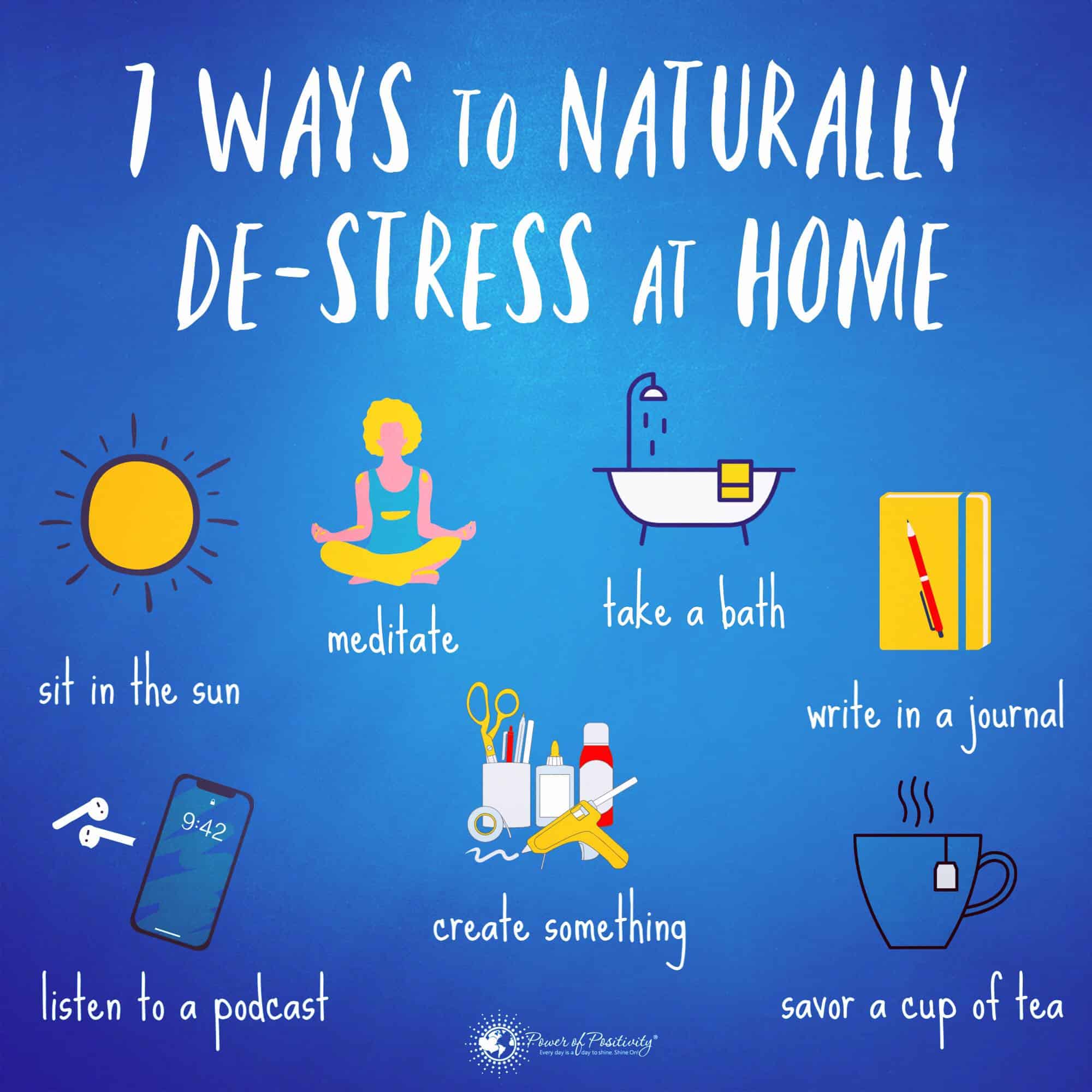
Weekly tips, affirmations, and small actions to feel your best.

10 Reasons Why Journaling Is What Your Soul Needs

Know the key benefits of a happiness journal.

If you aren’t into journaling, maybe it’s time to reconsider this practice. Like eating a healthy diet and exercising, writing in a journal is a form of good self-care. There are many benefits to your body, mind, and soul. So, if you’re unclear if you want to keep a journal, here are some reasons why it could be a worthwhile exercise and just what your soul needs.

10 Reasons Why Journaling Soothes the Soul

This should inspire you to start keeping a diary.

1. Journaling improves your mood

Writing in a journal helps you deal with your positive and negative feelings. Journaling improves your mood as you put down how you’re feeling on paper. It’s a form of self-talk that allows you to work out your emotions. It’s not understood why writing in a journal boosts your mood, but somehow the writing experience seems to help your brain get emotionally balanced. Whether you write a song, a poem, or a couple of short paragraphs, you’ll feel happier about your life.
journaling

2. It’s an outlet for your feelings

When you write in your journal, you get the chance to get stuff off your chest. If you’re stressed, write out why you’re feeling this way or who is stressing you out. Even though writing in a journal won’t change your circumstances, it helps you feel emotionally lighter and less burdened. As you jot out your innermost feelings, it’s like telling someone what’s going on in your life. Of course, journaling can’t replace therapy, but it’s a healing exercise. Dumping those feelings out on paper is a worthwhile exercise for your soul.

3. It lowers your stress

Face it. Life is stressful. Unfortunately, stress is unhealthy for your body, mind, and soul. Journaling is a form of stress management. It lowers the impact of the stress you’re feeling. Studies found that writing in a journal reduces anxiety and positively affects a person’s well-being. Try these journaling tips to reduce your daily stress.

  • Journal at the same time every day: Setting a specific time for journaling creates a habit. You may enjoy writing in the quiet of the morning or late at night before you go to bed. Whenever you decide is the best time, stick with this time slot.
  • Write for fifteen to twenty minutes daily: You don’t need to write for an extended period. Just a quarter of an hour could make a big difference in your feelings. Setting a timer helps you stay within a specific time frame. You’ll probably be surprised how quickly time will pass while writing. You can always extend your time to 30 minutes if you want a longer time to write.
  • Find a quiet place to write: Find a quiet secluded place to write in your house where you won’t be interrupted.
  • Choose a paper journal or online one: Depending on what you like, you can write in a paper journal or an online journal. If it’s online, be sure it’s a secure site.

4. A journal helps you find gratefulness

Being grateful increases the positivity in your soul. It’s a positive way of thinking about life. Gratefulness takes practice, but gratitude is the perfect thing to write about in your journal. It’s essential not to take anything for granted. Your life is a gift. Enjoy each moment of your day by focusing on gratitude. If you’re having difficulty coming up with ideas, here’s a list of essential things to be grateful for and write about.

  • Clothing
  • Food
  • Home
  • Family
  • Pets
  • Health
  • Sleep
  • Money for things
  • Fresh air
  • Clean water
  • Safe town
  • Car
  • Bike
  • Legs that work well
  • Friends
  • School
  • Job
  • Healthcare
  • Teachers
  • Music
  • Art
  • Color
  • Books

journaling

5. It helps you deal with fears.

Everyone struggles with fear. It’s good to write about your worries in your journal. When you write about your fears, it can help you address the fear. As you write, answer these questions to understand why you feel so fearful.

  • What is my biggest fear? Why?
  • Is this a realistic fear?
  • Is there an action I can take instead of giving in to fear?
  • Am I afraid of people? Why?
  • Do I fear what people think of me?

Acknowledging your fears will not necessarily make them go away, but it gives you a better understanding of what’s going on in your mind and heart. Plus, acknowledging fears lessens some intimidation and loosens their power over you.

6. Journal writing helps you remember

Journaling is a record of a day in your life. It’s a day you’ll never experience again. You can write about your feelings, what you did, who you saw, or even what you ate that day. You’ll remember this day when you look back at this entry several weeks, months, or years later. It’s a great way to record what you read or what someone said to you that touched your soul. Writing it in your journal memorializes your experience, so you never forget it, making it much more meaningful.

7. It keeps you focused

Life can feel out of control at times. When this happens, losing focus on what’s important is easy. If you have a situation at work that is stealing your joy, write about it. Don’t allow the problem to loom larger than life and eat away at your happiness. Write about what’s going on and what you feel. Allow your journal to be your dumping ground for all that’s going on inside your soul. This will help you let go of the situation and keep you focused with a freer mind.
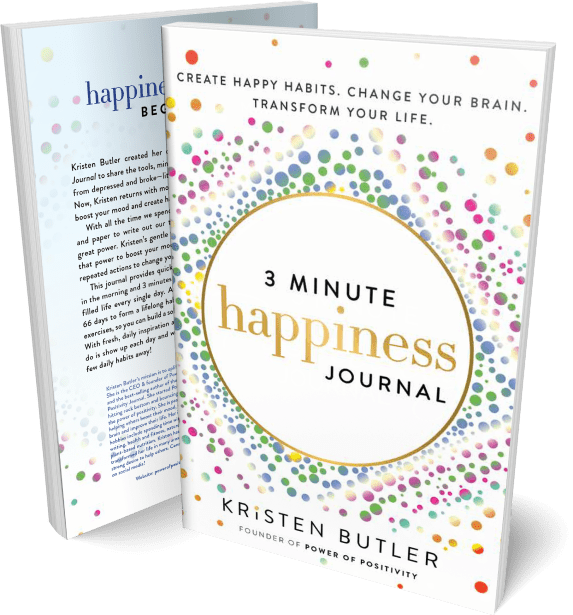
happiness journal

8. Journal improves your self-confidence

Writing in a journal can boost your self-confidence because you’ll have a more positive attitude. When self-confident, you are clear-headed enough to choose a good course of action. Writing about what’s going on helps you reflect and decide what to do. This, in turn, boosts your self-confidence so you can face challenges and not give up.

9. Writing in a journal helps you pray

Journaling your prayers is one of the best things to do, especially when life feels out of control. It’s a form of talking to God, even though you’re not saying anything aloud. There are many historical examples of famous people who wrote out their prayers. You may be surprised as you reread your prayers weeks later how many of your prayers have been answered by God.

10. It helps you work out your problems.

Getting your problems down on paper helps you let go of them. This process, in turn, allows you to step back and see a solution you may not have noticed before. Writing in a journal unloads the burdensome issues that are bothering you. As you let go of them, you feel better,, and the problem doesn’t loom as large as before you wrote about it.

Is there a negative side to journaling?

Of course, almost any self-improvement book or blog will tell you to journal. But surprisingly, there is a negative side to journaling. Here are a few downsides to journaling that you may want to consider.

You may not get as much self-awareness as you hoped you would-Journaling has its limitations. Even though you write out your feelings, thoughts, and problems, you may feel more self-aware than before.

  • Journaling can make you overly inside your head: Life will get very clinical and sterile if everything becomes a tool to examine yourself. There’s a mystery and stuff in life that is not worth exploring.
  • It can make you self-obsessed: You’ve met that person–everything they do and say becomes a study about themselves.
  • It causes you to wallow in negativity: If you’re using your journal to dump negativity, it won’t help you. Balance of both the good and the bad is key.
  • Cause you to feel passive: If writing out what’s going on in your life is enough, and you’re not interested in getting involved, your journaling isn’t healthy.
journaling

Final thoughts on journaling to feed your soul

Many people say writing in a journal makes them feel happy. Some compare journaling to good self-care, like eating healthy and exercising. If you haven’t tried keeping a journal, give it a try to see if you experience benefits.


4 Things That Cause a Bad Attitude (And How to Fix It)

People have a bad attitude for many reasons, and it isn’t always a reflection of their character. Bad days happen to everyone, and sometimes, the stress of life can become overwhelming. They may react by complaining or venting to loved ones or attempting to numb the pain somehow. It isn’t realistic or fair to expect everyone to have a perfect attitude 24/7.

Humans naturally have a wide range of emotions, and it’s healthy to express them in a safe, loving environment. However, it can become a problem if your bad day turns into a bad week, month or year. In other words, if you allow that negative experience to shape your entire worldview, it could change your personality for the worse.

Usually, people have a bad attitude because of things entirely outside their control. For example, some like to blame politics, the economy, coworkers, or any other external stressor for their behaviors. But, we can choose how to respond to situations and people and become more aware of how our actions affect others.

4 Things That Cause a Bad Attitude (And How to Reverse It)

Below, we’ll go over a few common behaviors that can lead to a negative outlook. Also, we’ll list some steps you can take to increase your optimism in life.

bad attitude

1.     Frequent Complaining Transforms to a Bad Attitude.

If you complain to friends and family when something terrible happens, that’s one thing. But, if you make a habit of complaining about every minor inconvenience, it can darken your outlook on life. This occurs due to neuroplasticity, or the ability of the brain to form new connections or pathways. When you complain, your brain begins to rewire itself for negativity.

It might feel better to vent your frustrations, but it can harm you in the long run. Complaining raises cortisol levels, but it could also even shorten your lifespan! A study published in the Archives of General Psychiatry discovered that optimists tend to outlive pessimists. They have a 55% reduced risk of all-cause mortality and a 23% lower risk of dying from heart failure.

How to Fix it:

Try to focus on positive things that happen each day. Or, limit your venting to a small window of time to get something off your chest. That way, you can move on quickly while still being able to express your emotions.

2.     Blaming Others For Problems Can Lead to a Bad Attitude.

Blaming others for difficulties or avoiding responsibility can also cause a bad attitude. It puts you in a victim mindset and makes you feel powerless to change anything in life. It may feel better to blame others in the short term because it liberates you from responsibility.

However, once you realize that the problems persist anyway, the victim mindset becomes a liability rather than an asset. The only way to take charge of your life is to tackle problems directly rather than running from them.

This builds character and increases confidence, helping to stave off a bad attitude. It also makes it easier to get along with others, as positivity makes you more magnetic and agreeable.

How to Fix It:

If you have a defeated mindset and don’t believe in yourself, it can cause a bad attitude. However, it starts by looking within for answers and having faith that you can overcome obstacles. You may have learned helplessness from your parents if they didn’t give you guidance or responsibility early in life.

But, you can still change this perspective by practicing resilience and getting outside your comfort zone. Ironically, having too little to worry about in life can lead to stagnancy and avoidance behaviors.

3.     Negative Self-Talk.

If you have a bad attitude, perhaps your self-talk is stealing your shine. Unfortunately, humans have a negativity bias, making negative thoughts or experiences stand out more than positive ones. This helped us survive in the wilderness when we constantly had to scan for threats. However, these negative thoughts no longer serve us, except for rare life-or-death situations.

Studies show that negative self-talk can exacerbate mental disorders such as anxiety and depression. So, not only does it rob you of mental wellness, it also can lead to a bad attitude.

How to Fix it:

Your perspective on yourself represents how you view the world, in many cases. So, if you can learn to love yourself, you will have a much brighter outlook on life. Practice self-compassion and rid yourself of any feelings of guilt or shame. Remember that you’re worthy and deserve to take up space on this planet just like everyone else!

4.     Comparing Yourself to Others.

Finally, seeing how you measure up against others can lead to a bad attitude. It’s human nature to compare ourselves to others, but it rarely leads to happiness or peace. If you feel jealous of someone else’s accomplishments or possessions, it can be bitter and resentful. You may feel inferior or behind in life by comparing yourself to others constantly.

How to Fix it:

However, remember that we’re all on a unique journey in life, and there isn’t just one blueprint to follow. If you have found inner peace and contentment, you’ve already won the game of life. Comparing yourself to others will only lead to disappointment, insecurity, and information overload. You’re enough already – you just need to realize that within.

chronic complaining

Final Thoughts on Behaviors that Cause a Bad Attitude

No one truly enjoys having a bad attitude; it happens unconsciously most of the time. We all deal with stressful situations, and if we’re overwhelmed, it isn’t easy to remain positive. However, we should remember that we can only control our reactions to life. We have no control over events or people outside ourselves, so we shouldn’t waste energy on them.

Only by changing ourselves can we alter our perception and, therefore, positively influence the world around us. So, try to see the silver lining in every situation, believe in yourself, and don’t play the comparison game. Also, talk to yourself the same way you’d talk to your best friend. By practicing these habits, you can stop a bad attitude and improve your mental well-being.

Silent Stroke Symptoms, According to Brain Region

A silent stroke has no symptoms. Strokes can happen when a blood clot obstructs the blood vessels in your brain. The blockage stops the blood and oxygen from getting to the parts of your brain, causing brain cells to die. Depending on where the clot is located, it will cause symptoms like weakness or problems with your vision. But a silent stroke is small enough and usually occurs in a part of your brain that doesn’t control any vital functions or significant movement. This is why it’s called a silent stroke. Here is some vital information on both silent and traditional strokes that you should know.

How can a stroke be silent?

It’s possible to have a stroke and not know it. This is because a silent stroke has no traditional symptoms. You may only find out you had a stroke if you have a brain scan for another reason. Many patients are surprised to learn they’ve had a stroke because they had no signs of it. This doesn’t mean that silent strokes aren’t severe. If you’ve had a silent stroke, it increases your risk of having a typical stroke.

Who is most at risk of a silent stroke?

Certain people have stroke risk factors because of their health issues. Remember, if you’ve had a silent stroke, you have a greater chance of having a stroke with symptoms.  Here are conditions that put you at risk of a symptomatic stroke.

silent stroke

  • Heart disease: Heart disorders increase your chances of having a stroke. This is because plaque builds up in your arteries, causing blockages of blood and oxygen to your brain.
  • High blood pressure: High blood pressure damages your blood vessels, causing them to get too narrow or rupture. It also causes blood clots in your brain or arteries, which blocks the blood flow to your brain.
  • High cholesterol: Having high cholesterol puts you at risk for a stroke. Cholesterol in your blood causes fatty deposits to plug up your arteries so they become narrow and complex, and blood won’t flow well.
  • Diabetes: Because diabetes prevents your body from assimilating food properly, your body can’t make or use insulin, which causes glucose to build up in your blood. High sugar levels damage your blood vessels and increase your stroke chances.
  • Smoking: Smoking almost doubles your chances of having a stroke. This is because smoking increases your blood pressure and lowers the oxygen levels in your blood.
  • Afib: If you have afib, you don’t have a normal heartbeat. This can lead to a blood clot that plugs up the blood and oxygen flow to your brain, leading to a stroke.
  • Obesity: Excess body fat is linked to bad cholesterol. This may lead to high blood pressure, diabetes, and hardened arteries.

What is the most common cause of a stroke?

You can have a stroke at any age. If you have a family history of strokes, this puts you at a higher risk. But if you have high blood pressure, you have a higher chance of having a silent or symptomatic stroke.  According to the Centers for Disease Control (CDC), high blood pressure is the leading cause of strokes. Talk to your doctor if you think you have high blood pressure. They will check your blood pressure and give you medication to bring it under control. You may also need to incorporate lifestyle changes to lower your blood pressure.

How can you prevent a silent stroke?

The best way to prevent a silent stroke and a symptomatic stroke is to follow these suggestions:

  • Don’t smoke: If you already smoke, try to quit. There are many helpful medications, patches, and even gum to stop smoking. You will sleep better, feel better and even be able to taste foods better.
  • Eat a Mediterranean diet: Eat a diet high in fresh, wholesome vegetables, pristine fruits, whole grains, chicken, and fish. Eat only a small amount of beef. Use olive oil for salads and cooking.
  • Lower the sodium in your diet: Aim to eat no more than five grams of sodium per day. This reduces your risk of high blood pressure, heart attack, and stroke. Use spices or lemon juice to add flavor to your foods.
  • Control your weight: Being overweight leads to health problems such as high blood pressure or diabetes. All these conditions put you at risk of a stroke.
  • Avoid too much alcohol: Don’t drink too much alcohol if you want to reduce your risk of a silent stroke. Alcohol raises your blood pressure levels and your triglycerides, which cause fat to form in your blood, which results in hardened arteries. Women should stick to no more than one alcoholic drink a day, while men should have only two drinks per day.
  • Regular physical: Staying active lowers your chances for both a silent and a symptomatic stroke. Add exercise to your daily life for the best results. You don’t need to join a gym. There are many ways to be active without gym memberships, such as biking, walking, gardening, hiking, or swimming.

What else puts you at risk for a stroke?

Several other factors put you at risk for a stroke, including:

  • Genetic circumstances: If you have a family history of high blood pressure, you might notice a pattern of strokes in your family. High blood pressure damages your blood vessels, making them too narrow to flow through. This leads to a rupture of stroke.
  • Sickle cell disease: This is another genetic factor that could put you at risk for a stroke. This condition is linked to an ischemic stroke, which affects mostly African Americans. If you suffer from this disease, your red blood cells don’t form in a regular shape. If one of the cells gets caught in your blood vessel, it leads to a stroke.
  • Family history of a stroke: It only makes sense that if your grandparents, parents, aunts, or uncles had a stroke, you are at risk. If you change your lifestyle while you’re young, it could help you avoid having a stroke later in life.

Symptoms of a silent stroke

The effects of a stroke depend on the area in your brain where the stroke occurs, the severity of the stroke, and the type and number of strokes you’ve had. When your brain gets damaged because of a stroke, you will lose some function in part of your body.

Your brain has three areas:

  • Cerebellum: Front and top of your brain
  • Cerebrum: Left and right sides of the brain
  • Brainstem: The base of the brain

silent stroke

Cerebrum

The effects of a stroke will be different depending on which region of your brain occurred.

If the stroke occurred in your cerebrum and what side of the cerebrum it occurs, these areas of your body will be affected.

Stroke on the left side hemisphere of your cerebrum side effects include:

  1. Speech problems
  2. Lack of understanding of language
  3. Right side weakness
  4. Paralysis on the right side
  5. Problems with your vision, especially the right field of vision in both eyes
  6. Failure to do math, reason, or analyze
  7. Behavioral changes such as hesitancy, extreme caution, or depression
  8. Can’t write, read or learn new things
  9. Memory difficulties

Stroke on the right hemisphere of your cerebrum. Side effects include:

  1. Left-sided weakness
  2. Left-sided paralysis
  3. Visual problems, especially the left field of vision in both eyes
  4. Can’t recognize body parts
  5. Memory problems
  6. Can’t localize
  7. Behavior changes such as inappropriate actions and speech, depression, and lack of concern for others and yourself
  8. Can’t toilet yourself
  9. Can’t dress or eat

Cerebellum

The cerebellum of your brain is behind and underneath the cerebrum at the back of your skull. Strokes aren’t as common in this portion of your brain, but if you have a stroke here, the effects can be debilitating.

Side effects of a stroke in the cerebellum include:

  1. Can’t walk
  2. Loss of balance and coordination
  3. Headaches
  4. Vomiting
  5. Nausea
  6. Dizziness

Brainstem

The brainstem is at the bottom of your brain, right at your spinal cord. Your life support functions are here, such as your heartbeat, your blood pressure, and your breathing. Damage because of a stroke in your brain stem is life-threatening.

Side effects of a stroke in your brainstem include:

  1. Heart function problems
  2. Breathing problems
  3. Balance problems
  4. Coordination problems
  5. Weakness
  6. Paralysis
  7. Swallowing difficulties
  8. Speaking problems
  9. Chewing problems
  10. Coma
  11. Vision problems
  12. Death

silent stroke

Final thoughts on knowing the signs of a silent stroke

Silent strokes may not have symptoms, but they are serious. If you’ve had a silent stroke, you may not know it unless you have a brain scan for some other reason. If you find you’ve had a silent stroke, you are at a greater risk of having a symptomatic stroke. This type of stroke can be debilitating, depending on where it occurs in your brain.

It’s important to be aware of stroke risk factors such as your family history, genetics, or sickle cell disease. Other lifestyle factors put you at risk. Your health is important. Choosing a healthful lifestyle will go a long way in helping to prevent a stroke.

Lack of Sleep Causes These 4 Diseases, According to CDC

Lack of sleep is linked to several chronic diseases. You may feel you can catch up on your sleep over the weekends or holidays, but sleep isn’t a luxury. It’s a necessity for your good health. Individuals who continually lose sleep end up with health problems. Here are four diseases connected to lack of sleep and sleep disorders like insomnia.

1 – Lack of Sleep Can Cause Depression

According to the CDC, one-third of American adults sleep less than the recommended seven to eight hours per night. If you do not get enough sleep, you’re at a higher risk for a car accident, work mistakes, and injuries. One of the health risks of a lack of sleep is depression.  Doctors know that sleep is a symptom of depression. They’ve also found when they treat sleep apnea, and a person is sleeping well, their depression symptoms decrease. If you struggle with depression, you may not have realized how important it is for you to get enough sleep. Sleep helps improve your mood and reduce your depression.

Ideas to Beat Sleeplessness

lack of sleep

Here are some suggestions to help you sleep better if you feel sad and depressed.

  • Keep your bedroom as dark as possible: Use blackout curtains to darken your room at night. If the street lights bother you, try double blackout curtains to block out all the light.
  • White noise: Make white noise with a white noise machine or fan to block outside noises. Noise during the night could cause sleeplessness.
  • Update your mattress: It can disrupt your sleep if it is old and lumpy.
  • Keep a bedtime routine: All living organisms have circadian rhythms that regulate your biological clock. Little things like changing daily routines can interfere with your circadian rhythm. Your sleep is affected when this rhythm gets disrupted. Having a set time to go to bed and get up helps you stay in sync with this biological clock.
  • Get up when you have insomnia: If you’re having difficulty staying asleep, it’s best to get out of bed. Then do something like read a book or listen to music for15 minutes. Then return to bed. This often resets your brain to allow you to sleep. If it doesn’t, try around fifteen minutes of reading and then go back to bed. Eventually, your body will calm down, and you’ll fall asleep.
  • Avoid blue screens: Blue screens have overstimulated your brain. Avoid using your devices at least an hour before bed.
  • Increase your exercise: Regular exercise helps decrease depression. This is because exercise stimulates your brain to release endorphins, that are a natural antidepressant which can improve your mood. Aim for thirty minutes of exercise every day.
  • Get into the sunshine: Try to get outside every day. Sunlight increases your vitamin D, which improves your mood. Sunlight also helps reset your circadian rhythms.

2 – Obesity May Result from Insomnia

Lack of sleep or not sleeping long enough contributes to obesity. Insomnia changes your metabolism, which results in weight gain. This was especially true for kids and adolescents. Sleep is essential for kids’ development. If a child lacks sleep while growing up, the hypothalamus, that part of the brain that controls their appetite and metabolism, can’t develop correctly. This causes them to gain weight. Adults who get less than the recommended seven hours of sleep repeatedly struggle with weight gain plus a higher body mass index (BMI). This is because of several reasons:

  • Insomnia or insufficient sleep increases your appetite: When you’re not sleeping, you have an enormous appetite. This is partly because your body is trying to compensate for lost energy. Also, when you’re not getting enough sleep, it affects your hormones that pick up your appetite. Plus, when you’re not sleeping, you crave high-fat foods and carbohydrates, which leads to weight gain.
  • Lack of sleep leads to a lack of exercise: It goes without saying when you’re not sleeping well, you feel tired and lack the motivation to exercise. If you try to exercise, you’re likely to shorten the length of your physical routine because you’re too tired to finish. Not getting enough exercise increases your risk of gaining weight.

insomnia

3 – Lack of Sleep Contributes to Cardiovascular Disease

Insomnia has been linked to a higher risk of cardiovascular disease conditions, such as:

  • High blood pressure
  • Stroke
  • Irregular heartbeats (arrhythmia)
  • Coronary heart disease
  • Cardiovascular events
  • A buildup of cholesterol plaque in your arteries

Doctors suggest that lack of sleep is a good indicator of a heart condition and even increases your death rate if you’re diagnosed with heart disease. It’s important to make sleep a priority. If you’ve tried all the conventional ways to get more sleep, and they haven’t worked, here are some strange but practical suggestions that might work for you.

How to Beat Insomnia

  • Tell yourself not to sleep: If you suffer from insomnia. It’s suggested that if you lie in bed with your eyes open and refuse to go to sleep, you’ll relax. This is because you aren’t trying to sleep. There’s suddenly no pressure. Before you know it, you’ll fall asleep. It’s reverse psychology for your brain.
  • Keep your feet warm: When you’re in bed; your body gets cool. Anecdotal reports suggest that putting a heating pad on your cold feet or wearing socks helps redirect the blood to your feet and warm them up.
  • Eat cheese: Cheese has a lot of tryptophan which enhances sleep. Always avoid high-fat cheeses late at night because this cheese can have the opposite effect and keep you awake. Eating a lower-fat cheese is better. Low-fat cheese to eat before bed includes the following:
    • Cottage cheese
    • Ricotta cheese
    • Low-fat cream cheese
    • Parmesan
    • Feta
    • Goat’s cheese
  • Make bee sounds: This sounds strange, but people say it works. The idea is to lie in your bed as if you’re going to sleep and make a humming sound like a bee for 10 minutes. Doing this helps eliminate your negative emotions and causes your brain to release chemicals that help you sleep.

4 – Diabetes Worsens With Insomnia

Insufficient sleep puts you at an increased risk for type 2 diabetes. Researchers say that the quality of your sleep and how long you sleep are predictors of your hemoglobin, a key marker of your body’s blood sugar control. They say increasing how long you sleep improves your blood sugar control.

So, if you find you fall asleep but wake up during the night, here are some things that could interfere with your ability to stay asleep and upping your risk for high blood sugar.

What to Do if You Struggle With a Lack of Sleep

  • Stress: If you fall asleep only to wake up in the middle of the night, it could be stress waking you up. Stress can interpret your circadian rhythms if you have a lot on your mind, even though you’re tired. Destress before bed by reading, calmly walking outside, or listening to peaceful music. Avoid action-packed television shows. They can stimulate your mind and cause you to wake up during the night.
  • Drinking alcohol: When you drink alcohol, it makes you sleepy. But drinking it even a few hours before bedtime can interrupt your sleep in the middle of the night. If you want an alcoholic drink in the evening, drink earlier so it won’t interfere with your sleep.
  • Going to the bathroom frequently: If you need to get up at night to go to the bathroom, you might drink too much water in the evening or have an overactive bladder. This is a common condition for many adults. Reduce your beverages after dinner so you won’t need to get up at night. Talk to your doctor if you think you have an overactive bladder. They can prescribe medication that can help you.
  • Drinking caffeine: Caffeine revs up your brain for hours. If you keep drinking it all day, your body is on caffeine overload when you’re ready for bed. You might fall asleep only to wake up during the night vigilant and unable to fall back asleep.

lack of sleep

Final Thoughts on the Harmful Impact of a Lack of Sleep

Sleep is essential for good health. It’s easy to assume that missing a few hours of sleep each night won’t make a difference. Trying to catch a few extra winks on the weekends or holidays won’t help. Sleep is a necessity for good health.

According to the CDC, lack of sleep can lead to at least four chronic diseases. Individuals who have insomnia because of work hours, eat high-fat foods before bed, consume alcohol or caffeine too close to bedtime, or are stressed are at risk of developing heart disease, depression, obesity, and diabetes. Stopping your sleeplessness will help you stay your healthiest and happiest.

15 Reasons You Will Never Get Away with Lying to an Empath

An empath is gifted because they can identify and relate to the emotions of others. They are highly sensitive and know more than many people realize. You can’t get away with lying to an empathic person for many reasons, and the reasons all relate to their ability to tune into your emotions.

If you know an empath, you’ve probably already learned that it’s almost impossible to lie to them. Even if you lie, you’ll likely feel that the person knows you’re being dishonest. They don’t always say that they know you’re lying, but they can see through the false words.

An empath won’t always call you out on white lies, but they won’t let you get away with serious lies. Once you lose their trust, you have to prove that you’ve changed before they’ll let you back in their life.

Don’t overestimate your ability to lie when you’re around someone who empathizes. Even the best liars can’t get their lies past this person.

How to Know When You’re Around an Empath

These people are deeply aware of the emotions of those around them. You’ve likely heard of it before, but it’s sometimes hard to pinpoint the empaths in your life. Some of the ways you can tell if you’re around one are if they are:

  • Aware of the emotional energy from those around them
  • Highly sensitive and loving
  • Likely to absorb the negative emotions and stress of others
  • Often overstimulated
  • Seemingly unable to set or enforce personal boundaries
  • A natural helper
  • Affected by their physical environment
  • Needing time to recharge after spending time with others
  • Deeply connected to the people around them

empathic empathetic people

Types of Empathic Personalities

There isn’t just one type as everyone is different. The different types include:

  • Emotional: They pick up and absorb the emotions of those around them. This situation occurs with both negative and positive emotions.
  • Physical: They notice and take on the physical symptoms of others. These people often experience the symptom themselves and are receptive to it when the other person feels it.
  • Intuitive: They have deep insight into the emotions and physical symptoms of others. These people often become mentally, emotionally, or physically overwhelmed.
  • Plant: They make great gardeners or landscapers because they know what plants need. While plants can’t talk, these people enjoy being around plants and determining what they need.
  • Animal: They notice the needs and feelings of animals and go out of their way to help. These people enjoy being around and working with animals.
  • Earth: They are receptive to the earth and all of nature. These people are affected by natural disasters, weather, and environmental harm.

Why You Never Get Away with Lying to an Empath

It’s nearly impossible to deceive a person with highly attuned empathic tendencies.

1. Empaths See Things Other People Don’t

These people can see your true intentions even when other people can’t. You can mask your purpose, but they’ll see through your façade and know what you want or intend.

2. Empathic People Sense Discomfort and Dishonesty

Your basic emotions allow an empathizer to see your discomfort when you lie. They’ll know something is off, making them pay more attention to your demeanor. As they pay close attention, they’ll recognize other small clues about your lies.

3. They Recognize Exploitative Behavior

These people know when you’re trying to get the better of them or someone else. They’ll recognize when you use them for selfish reasons and don’t often let those actions go. If you exploit their kindness and generosity, they’ll either call you out or avoid you.

4. They Notice Self-Destruction

If you have self-destructive tendencies, an empathetic person will notice. They recognize if you often play victim, tough guy, or falsely portray another personality. Plus, they will also see the reason behind your display.

They know if you’re truly living the life you portray or looking for attention. This behavior might not go ignored because it frustrates them. They’re likely to call you out and tell you to stop behaving that way.

5. An Empath Recognizes Insincerity and Lack of Authenticity

These people know when you’re not being sincere. If you pretend you’re happy or excited for someone, an empath will know if it’s a cover. They also recognize if you’re pretending to be someone you’re not.

If you’re afraid to be yourself, an empathetic person not only sees it but also notices the beauty in who you are. You can be true to yourself around these people because they’ll know if you’re not. However, if your lack of authenticity stems from wanting to show off or look better, they won’t take so kindly to the situation.

6. Empathic People Have Interpersonal Intelligence

These people can read your emotions with their interpersonal intelligence. They always know how you feel, even when you don’t say it. Since they are highly aware of other people’s emotions, it allows them to see through any lie.

empath

7. They Pay Attention to Details

You can’t get much past them because they pay close attention to little details. They notice how you conduct yourself by watching your body language, choice of words, and tone of voice. These details allow them to recognize dishonesty quickly.

8. They Recognize When You’re Not Trying Your Best

If you hide your maximum potential, they’ll know it right away. Whether you’re afraid to put yourself out there or have a malicious reason, you can’t get it passed them. Sometimes you might hide your potential because you’re scared, and they will even know your reasoning.

When they know you don’t have a malicious reason for not doing your best, they’re likely to help you out. These people know what you’re capable of and want to help you tune into that potential. However, they’ll walk away if they feel you have a malicious reason for hiding your potential.

9. Empathic People See the Dishonesty in Your Eyes

An empathetic person sees right through your dishonesty because they can see it in your eyes. They might notice a subtle shift in your eyes and can see how you feel. You might notice that they don’t break eye contact while talking to you because they don’t want to miss anything.

10. They Know if You’re Not Fine

You can repeatedly tell them you’re doing okay, and they won’t believe it if it’s false. These people can see if you’re not okay and usually want to help you. You don’t have to lie to them about how you feel because they’re naturally caring and non-judgmental.

While you decide if you want to discuss your feelings or not, an empath will be open to a discussion. They recognize when you are uncomfortable, tense, annoyed, or scared. You might as well help yourself by letting them help you through the situation.

11. They Know When You Don’t Mean the Praises You Say

Don’t try to flatter or praise an empath with things you don’t believe. They can tell when you don’t mean what you say, making them want to avoid you.

12. The Empath Knows if You’re Being Judgmental

Empathetic people don’t enjoy being around judgmental people and know when you’re judging. You might not say anything aloud, but they can sense your feelings.

This person notices the moment judgmental thoughts start going through your mind. They don’t always say anything but will likely walk away and create distance between you.

13. Empathic People Recognize Negativity

An empath can spot negativity immediately, and they avoid the drama and chaos negative people attract. They create boundaries and limit their time with anyone who portrays negativity.

Negative people tend to lie and be dishonest; their reasoning is never understandable. Since the reason for the lies is usually malicious, someone who empathizes will pass on helping and distance themselves.

14. They Sense Jealousy or Hatred

An empath can often recognize these characteristics as soon as they see you. You might think you’re hiding them well, but you can’t hide them from them. They can see jealousy and hatred in your eyes and in how you carry yourself.

15. Empaths Hear the Things You Don’t Say

Empaths hear even the things you don’t say. They notice the way your voice rises and if your tone changes.

They also recognize if there is a slight hesitation before you answer a question or respond to a statement. These people also know what your silence means if you don’t say anything.

empaths

Final Thoughts on Reasons You Will Never Get Away with Lying to an Empath

It’s nearly impossible to lie to an empath because they always seem to know the truth. Don’t waste your time and energy trying to convince an empathic person of lies because it could backfire. They are incredibly understanding but don’t want to be taken advantage of.

If you’re unsure if someone is an empath, it’s best to go with honesty. Lying is wrong regardless of who is listening, so make it a habit to tell the truth. Telling the truth will make you feel better anyway and help you deal with your problems.

17 Traits of Well-Adjusted Teens

Teenagers are challenging to manage, as their surging hormones and ever-changing moods make them unapproachable. As a parent, you must ensure your child is well-adjusted and gets the best skills to handle adult life. How do you know if teens are adjusting well and have what it takes to make a well-rounded grown-up?

Seventeen Signs of Well-Adjusted Teens

Raising teenagers is not for the faint of heart. They love you one minute and refuse to speak to you the next. Parenting is hard, even on a good day.

However, you must ensure that your child is armed with the skills they need to take them from childhood to running their household. Here are seventeen traits that reveal well-adjusted teens.

teens

1. Well-Adjusted Teens Know Their Strengths

Does your teen know their strengths? Can they solve math problems quickly, or are they a shoulder to cry on for their friends? Identifying and cultivating these strengths can put them on the right path for their career and life.

2. Understand their Limitations

While finding your strength is easy, it’s the limitations most people don’t want to admit. Does your child understand their limits, and are they working towards conquering their shortcomings? Some things can’t be defeated, so your child must learn to have a good relationship with themselves to find their boundaries.

3. Well-Rounded Teenagers Do Not Find Fault with Others

The sign of good raising is a child that accepts others. When people stop viewing the world through socioeconomic standings and things like skin color, you learn that everyone is equal and deserving of the same love and respect.

Parenting that teaches your teen to treat others equally is a positive step in the world. Does your child view everyone on the same plane as themselves?

4. Has a Realistic Perception of the World

Many teens struggle with their perception of the world around them, and reality usually hits them hard when they’re on their own. As parents, you must ensure that your child has a true sense of what life is all about, and they need to be ready for the changes that will occur.

5. Has Good Communication Skills

When your teen can effectively communicate with others, it signifies good parenting. They have no problem telling you how they feel or what’s bothering them. They aren’t inhibited by poor social skills that make communication a challenge.

6. Well-Adjusted Teens Feel Comfortable in their Surroundings

Like people of all ages, teens thrive when they’re in their comfort zone. An article published by the Association of Psychological Science states that they are more empathetic when home relationships are secure. If you create an atmosphere of support and trust, your teen is more likely to confide in you.

7. Takes Responsibility for their Actions

When teens grow up learning that it’s acceptable to blame others for their offenses and shortcomings, their adult relationships may be toxic. However, it’s a well-adjusted young person who can own their faults, ask for forgiveness, and make amends. They soon realize that with more privileges comes more responsibility.

8. Knows How to Communicate Effectively

Teens are well-known for mumbled one-word answers, slumping, shoulder shrugs, and eye-rolling. While some of it can be chalked up to awkwardness and angst, some young people haven’t learned to communicate effectively. If your high schooler has good conversation skills, it will serve them well in the future.

9. Develops Their Own Beliefs and Morals

Children usually learn their morals, beliefs, and traditions from parenting and other adult models. However, adolescence is the time when they test these standards for themselves. It’s normal for young people to accept some beliefs and discard others.

teenagers

10. Well-Adjusted Teens Can Set and Achieve Goals

During infancy and childhood, parents and other caregivers set the goals for their little ones. They record each milestone and help the child learn more and develop age-appropriate skills. By teaching your child how to select, achieve, and celebrate small goals, they learn to expand their aspirations.

Most teenagers aren’t mature enough to make adult decisions, so yours will still need your guidance. You can see how well they set goals and follow through from puberty to late adolescence. They’ll ultimately fail from time to time, but you’ve taught them to get back up and try again.

11. Displays Gratitude

Parenting also includes the role of teaching and modeling good manners. Two of the first polite words your kids learn are “please” and “thank you.” It’s a satisfying feeling when you still hear your teenager being mannerly and showing their gratitude.

During their times of darkest turmoil, gratitude can lighten their path. They know how to count their blessings and not take others for granted. Appreciation and other positive attitudes provide riches of the soul that money can’t buy.

12. Lives a Life of Passion

Socrates explained that it’s not worth living if your life isn’t carefully examined. In other words, you discover your passion and try to live daily with a purpose. Well-adjusted teenagers are insatiably curious and want to gain more knowledge and skills for their future.

Rare is the young person who has their life plans chiseled in stone. They may have a profound interest today that changes tomorrow. It’s why so many first-year college students change their majors a few times.

Your teen’s goals may be vague initially, but maturation and experience will help them narrow their focus. However, their basic passions will usually follow them for the rest of their life. These things bring them joy and make them want to wake each morning ready to start the day.

13. Cherishes Time with Family

Sometimes, it may seem that your adolescent has morphed into a brooding cat. They only slink out of their bedroom long enough to eat, hiss at you, and return to hiding. A study published by the National Library of Medicine suggests that teenagers may benefit from spending a little time alone.

Most importantly, your high schooler still enjoys being with you and the family. You have meaningful conversations and do fun things together. These are the times that create forever memories.

14. Well-Adjusted Teenagers Are Thick Skinned and Can Roll with the Punches

It’s only human to want to shelter your children from all the hurts and disappointments. While you’re usually even-tempered, you become a ferocious grizzly if anyone dares to threaten your young. Consequently, you can’t always protect them and must teach them how to be resilient.

Have they asserted their rights against bullies in school, and have they dealt appropriately with disappointment? Teaching resilience is one of the best skills you can offer your teen. Life can be challenging, but it’s your job to show them how to be strong and survive.

15. Doesn’t Give in to Peer Pressure

Since the beginning, kids have indulged in risky or forbidden actions. Of course, there’s safety in numbers, so they urge those in their group to do the same. Most adolescents face peer pressure to try addictive substances or promiscuity.

Bravo to your young person who dares to say “no.” They don’t need to prove themselves to anyone by making poor decisions. When they’re adults, they’re still more likely to refuse to bow to peer pressures and negative consequences.

16. Avoids Unsafe or Dangerous Activities

Haven’t you ever done something silly as a kid and ended up paying for it? Or perhaps it was something that could have hurt or even killed you. If that didn’t become a pattern in your life, you’ve lived to teach your teenager to learn from your mistakes.

Well-adjusted high schoolers value their lives and avoid dangerous activities to show off. You’ll also notice that your kid tries to drive carefully and is concerned about safety rules. Daredevils may occasionally impress, but the most significant impression they’ll give is using good judgment and avoiding catastrophe.

17. Good Impulse Control Is a Key Trait in Well-Rounded Teens

Grocery store marketers have a good reason for stocking the checkout lines with snacks and glittery toys. They hope something will attract your little angel’s eyes, and it must go into the cart. Or else a temper tantrum worthy of a Hollywood award will ensue with everyone in the store watching.

They call these “impulse” buys because children and some adults can’t resist them. Maturation and parental instruction help kids develop impulse control. When your adolescent adjusts well, they will use better judgment and not make as many snap choices.

teens

Final Thoughts on the Behaviors Well-Adjusted Teens Will Display

Teenagers are not perfect, and you cannot expect them to be. They can be resilient in an ever-changing world with good parenting skills and self-confidence. There’ll be a mixture of triumph and disappointment, but you’ve raised them to rise above each time as it’s the sign of well-adjusted teens ready to face the real world.

15 Reasons You Must Be Your Own Best Friend Making New Friends

There’s an old saying that if you want to love others, you must first learn to love yourself. It doesn’t have anything to do with selfishness or narcissism. You know to extend the same kindness and compassion to yourself as you would a best friend. Not only will you boost your self-esteem, but you’ll also improve other relationships.

Fifteen Ways Being Your Own Best Friend Helps Your Relationships

Countless books, poems, songs, and works of art have been dedicated to friendship. You can never have enough true friends in your life. Here are fifteen reasons you should befriend yourself before you do another person.

best friend

1. You’ll Learn Unconditional Love When You Become Your Own Best Friend

Watch your beloved pets if you want to learn about love with no strings attached. Animals don’t have hidden agendas and don’t demand a list of conditions for them to love you. Your fur babies accept you no matter what, and their love is pure and constant.

Offering yourself the gift of unconditional self-love teaches you the same principles for healthy relationships.

2. You’ll Gain Self-Awareness

It’s possible to go through your entire life and not be fully aware of yourself. You may know all the relevant facts about your life and preferences, but you’re so much more than times, dates, and daily events.

When you go below the surface and examine your mind and soul, you have a more profound sense of self-awareness. Meditation and other mindful practices are practical tools for gaining insights into yourself and understanding others better.

3. It Forces You to Treat Yourself Better–and Helps Other Relationship

Most religious traditions have a form of the Golden Rule of treating others how you want to be treated. However, what would happen if you treated your best friend the same as you treat yourself? Would the relationship be happy, or would it be quickly circling the drain?

Do you beat yourself up every time you make a mistake or have a shortcoming? Treating yourself gently doesn’t mean you make excuses or blame others. You benefit as well as your relationships when you forgive yourself with compassion.

4. It Makes You More Honest

Trust and honesty are the foundation of any healthy relationship. Your person trusts that you’ll always be honest with them. Unfortunately, sometimes being upfront with somebody doesn’t always feel good.

Consequently, how can you ever be honest with others if you’re not honest with yourself? You’ll always have internal challenges that need your attention. It’s your first step toward change when you can keep things accurate and recognize your faults.

5. It Allows You to Feel Less Lonely

It’s possible to be alone but not be lonely. Conversely, you can feel profoundly lonely in a crowded room. As you become more self-aware and comfortable in your own skin, loneliness isn’t as much an issue.

Robin Williams once said being alone wasn’t as bad as being with people who make you feel alone. Solitude and loneliness depend on your perspective. When you’re comfortable solo, then it makes time with your best friend more meaningful.

6. You Make Wiser Choices

Choosing the right paths isn’t as tricky once you’ve identified and visualized your goals. You know your destination and the route that’ll lead you to it. You learn to make better choices like you would advise your best friend.

It’s not that you’ll never make an occasional wrong turn. It’s only human, and you’ll do it countless times in your life. Using your goals as a GPS will help you turn around and get back on track.

7. It Boosts Your Self-Respect

Do you treat yourself as a person worthy of respect, dignity, and love, or do you tend to have a lot of self-loathing? If you don’t respect yourself, you may not gain the respect of others.

Your personal and professional relationships may tend to be more one-sided. An article published by the American Psychological Association explores the link between self-esteem and positive relationships.

Each aspect can affect the other one, either positively or negatively. One thing boosting your self-respect will do is not allow you to overpower people or allow them to control you.

strong relationship

8. Being Your Own Best Friend Helps You Learn How to Assert Yourself More

Some people have the misconception that assertion is synonymous with aggression. You needn’t even raise your voice or act threateningly to assert your rights. When you’re in a healthy relationship, you respect their boundaries and expect them to honor yours.

If not, you firmly assert your rights and teach others how you want to be treated. Assertion keeps the two-lane highway from being bottlenecked in one direction. Nobody can step on you unless you allow them to do so.

9. It Frees You to Follow Your Passions

Maybe one of the reasons you’re not enjoying a fulfilling life is that you don’t know your passions. What are your dreams, and what makes you feel you have a purpose? Mindful exercises and meditation can bring you greater clarity, and you can focus on your dreams.

Your inner voice will guide you intuitively to the things that bring you joy. A true best friend won’t stand in your way and will encourage you. You may even be the one standing in the way of success, and you must make changes.

Let’s say you have a successful career that you like, and it’s kept you reasonably comfortable. Yet, you feel like something is missing. Maybe you’ve built up the courage to change careers or fulfill a dream you’ve always had in your life.

10. It Help in Maintaining Your Identity in Other Relationships

Being in a relationship doesn’t mean discarding who you were in the past. While you may feel in tune with your partner, you still have separate personalities. You’re complimentary and aren’t replacements for each other.

It’s healthy to have a few hobbies and interests on your own. If you’re so much alike that there are no differences, neither of you will be happy. Remember that one plus one still equals two, and your individuality won’t be compromised.

11. It Helps to Create Stronger Relationships

As you work on being your own best friend, you develop skills that make you a better friend, relative, and coworker. You’ll also notice a more profound satisfaction with your significant other.

One of the reasons is that you’re more self-reliant and don’t depend on others for your happiness. You have more emotional independence, as well as more to offer. Plus, you don’t get hung up on egos and jealousy issues.

12. You’ll Be More Encouraging to Yourself

Everyone has an occasional bad day, and you want to drown your sorrows in a hot bubble bath. Sadly, when the bubbles are gone, and you’re wrapped in your favorite fluffy robe, you know nothing lasts forever. Even bad days and melancholy will pass.

You’re your own best cheerleader, and you encourage yourself. Maybe you failed this time, but you’ll try again. If someone doesn’t want to be your friend, you’re ok, and it’s their loss.

As you work on being a best friend to yourself, you’re more supportive of others. They can count on you to encourage them when things look bleak. In words and deeds, please do what you can to help them succeed.

13. You’ll Be More Positive When You Treat Yourself as a Best Friend

As you become more self-aware, you better recognize your potential. Your increased self-confidence gives you a better positive attitude. Pessimists and their negative vibes won’t hinder you.

14. You Use the Law of Attraction

Since you already know that like attracts like, the law of attraction makes sense. The Universe is your best friend and has your interests at heart. It will agree with any affirmation you send into it.

You’ll attract the same, whether it’s positive or negative. For example, most people don’t realize that their words have profound power. The Universe agrees when you speak affirmations of love and light and receive love and light in return.

However, affirmations of negativity, self-loathing, and darkness will keep you bound in that situation.

15. You’re Not as Easily Offended if You’re a Best Friend to Yourself

Plenty of mean people in this world have nothing to do but hate others. These negative individuals boost their low self-esteem by belittling others and making cruel remarks.

When you’ve learned to love yourself and be your own best friend, you see through them. Their mean-spirited comments and hateful conversation usually roll off your back. You’re human, and insults can hurt, but you realize they’re the ones with the problem, not you.

Likewise, you have enough healthy self-love that you don’t need to make others look bad. You value the importance of loyalty, and you’ll not engage in slander and gossip. You have your friends back just as they have yours.

best friend

Final Thoughts on Being Your Own Best Friend

Friendship is a basic human need that takes a lifetime of loving cultivation. The best way to learn how to be a friend is to treat yourself like one. When you practice self-love, compassion, encouragement, and esteem building, you’re better able to offer it to others in return.

13 Behaviors of a Megalomaniac

A megalomaniac has a delusional sense of self-awareness, believing they’re better than those around them. They boast about what they’ve done or will do and brag about what they have. These people have a personality disorder, causing an exaggerated sense of self-worth.

Everyone evaluates their abilities, but megalomaniacs go overboard. They’re often unsympathetic and tend to be dishonest. A megalomaniac overestimates their abilities, importance, popularity, power, and influence.

It’s okay to be proud of yourself and your accomplishments. Having a positive self-image and maintaining confidence is essential to your well-being. However, it can cross a line into something sinister and detrimental.

You’ll notice that a megalomaniac has a huge ego, but there are other ways to identify them. Figuring out if you have someone like this in your life can help you limit your time with them. It’ll also help you identify the people who might make you feel bad about yourself.

What is Megalomania?

The DSM-V includes megalomania as a psychological condition or narcissistic personality disorder symptom. It is associated with delusional ideas and fantasies of power or relevance. They believe they’re the only person capable of doing things and won’t believe in anyone else.

People with megalomania are obsessed with power and will do anything to gain it. They have delusions of grandeur and can’t see their faults or shortcomings. Additionally, they don’t always realize that their view doesn’t correspond to reality.

These people often use insults and narcissism to cover their subconscious fears. Deep down, they are self-conscious and want people to like them. Their fear of inferiority makes them want to hurt others with ridicule and threats because it makes them feel good about themselves.

megalomaniac

Causes of the Megalomania Personality Disorder

Sometimes progressive paralysis or craniocerebral injury can contribute to megalomania. This condition also often occurs with the following conditions:

  • Manic-depressive psychosis
  • Inferiority complex
  • Paranoid disorders
  • Schizophrenia
  • Neuroses

There are a few other things that can cause the condition. Some of the risk factors include:

  • Hereditary predisposition
  • Alcohol or drug dependency
  • Having syphilis at any point in your life
  • Childhood moral trauma

Historical Megalomaniacs

Some historical figures were megalomaniacs, making them think they could rule the world. They wanted to make rules for everyone else to promote their ideas. These figures include:

  • Napoleon Bonaparte
  • Hitler
  • Stalin
  • Mao Zedong
  • Benito Mussolini

These leaders all believed they were the only people capable of making decisions. They used this mindset to control people and conquer the lands. Their false belief that they could conquer the world led them to seek infinite power through dangerous means.

Thirteen Behaviors of a Megalomaniac

A megalomanic is sometimes hard to identify. These people hide their true intentions to manipulate people. Their megalomanic behaviors don’t always surface until they’ve gained control.

1. A Megalomaniac Forces Their Truths on Others

This person will force their truths on others, even when it’s not initially accepted. They will reword their explanations or ideas until their target agrees.

If you try to give them facts that disprove their truth, they’ll do what they can to make you look incorrect. They try to manipulate your reality so that you question what you know. If all else fails, they sometimes turn to violence to make you see things their way.

2. Fixation with Fantasy

A megalomaniac becomes obsessed with fantasies of overwhelming success, control, beauty, or love. They think they are essential and feel the world can’t go on without their ideas. Their fixation goes so far as to assume everything will work out the way they have in mind.

When things don’t go their way, they might get angry and try to manipulate those around them. They’ll do whatever they can to make it look like their fantasy is playing out in real life.

3. A Megalomaniac Might Experience Sleep Disturbances

These people experience high levels of nervous excitement, resulting in sleep disturbances. Their increased activity causes them to feel mentally and physically depleted, even if they don’t mention it. They also experience mental health issues, further hindering their sleep health.

If they feel like losing their sense of being the best, they can experience severe depression. These people need to feel like their fantasies are playing out, or they’ll struggle to take care of their needs. When they can’t sleep, it only worsens the condition.

4. They Isolate Themselves from Many People

Someone with this condition might isolate themselves from people they consider inferior. They’ll also avoid people they think will call them out or show them up.

Their arrogance can make them feel lonely because they won’t spend time with specific people. It creates an emotional void that disrupts their well-being, but they won’t admit it.

personality disorder

5. Episodes of Increased Activity

When megalomania stems from bipolar disorder, you will notice increased activity. Episodes of mania cause them to experience confidence in their false ideals. They’ll be overly energetic, doing more than usual, and seeming full of strength without feeling tired.

These episodes of increased activity won’t last. Eventually, they’ll revert to a depressive state, not getting much done or socializing with others.

6. Emotional Instability

A person with this condition experiences emotional instability ranging from violent activity to passivity. They can quickly switch from joyful to depressed or overly anxious. This person can’t control their mood swings, even when trying to hide them.

7. Those Who Have This Personality Disorder Often Lack Empathy

These toxic people don’t care about others or consider other opinions or feelings. They’ll pretend to care so that they can manipulate a situation, but the false appearance won’t last long.

If you don’t do what this person wants you to, they’ll quickly discard you and move on. When you must be around them, they’ll mistreat you and make you feel bad.

8. Acting as Nothing Can Phase Them

Megalomaniacs feel indestructible, even when the situation is out of their control. They believe they can solve any problem and force things to work out. Of course, this doesn’t always go as planned, but they still act like it doesn’t phase them.

9. Favoring People with a Lower Intellectual Level

This type of person prefers spending time with people of a lower intellectual level. Narcissists think they can manipulate these people because they are more likely to accept any request or statement.

A megalomaniac can easily impose their ideas on those with lower intellectual levels. Plus, they can take a leadership role with these people because they need more help. They think they’re less likely to be rejected by others in this situation, making them feel superior.

10. The Megalomaniac Experiences Hyperawareness

These toxic people are hyperaware of how other people react to them. They notice how people take their actions or statements and become obsessed with what other people think.

If someone rejects them, they believe the other person is the problem. Even when the things they do and say entice negativity, the narcissist doesn’t accept responsibility. They see the reaction and choose to justify that the other person is wrong.

11. They’re Judgmental

Someone with this disorder judges others based on intellectual knowledge, situations, and events. Even if they have no grounds for judging, they’ll have a negative opinion and aren’t afraid to voice it. They assume they know more and can do better, even when there’s no evidence of that idea.

12. The Megalomaniac Experiences Intense Envy of Others

Toxic people experience intense envy of others. They’ll deny feeling jealous if you ask them about it, but you can usually tell. They’ll also assume other people are equally envious of them because they view themselves highly.

13. They Don’t Admit Their Mistakes

These people often blame others for their mistakes and convince themselves it’s not their fault. They won’t admit when they did something wrong. This situation means they never learn from their mistakes because they don’t take a chance to reflect.

How to Handle a Megalomaniac

If you know someone with this condition, you must learn how to deal with it. The megalomaniac’s behavior will negatively impact your life if you don’t know how to handle it.

Remember that you don’t owe them anything and deserve to surround yourself with positive people. Some of the ways to handle a megalomaniac include:

  • Avoiding them whenever possible
  • Remembering that fighting makes it worse
  • Knowing that they won’t play fair
  • Not buying into their promises
  • Telling them that their behavior will make them look bad to others
  • Interacting with them only in the presence of other people
  • Documenting your agreements and conversations
  • Setting and enforcing boundaries
  • Protecting yourself by being ready for their manipulation
  • Not telling them personal information

megalomaniac

Final Thoughts on Behaviors of a Megalomaniac, a Personality Disorder

The behaviors of a megalomaniac can help you understand the person you’re dealing with. Once you know what to expect, it’s easier to determine your next course of action. You can’t let this type of person control your life, so you must plan how to deal with it.

You’ll get caught in their games if you don’t protect yourself from a megalomaniac. They’ll continue controlling you and using you to their advantage.

No matter who the toxic person is, you deserve to be treated well. Limit your time with people with this personality disorder to maintain your well-being.

12 Habits That Stop Overthinking Immediately

Everyone overthinks situations sometimes, but they can usually push it away or move on. Other times, overthinking is all-consuming, plaguing you with constant negative thoughts. You might repeat past conversations in your mind or second-guess every decision you make.

Overthinking can cause you to envision disastrous outcomes. You might think of negative words or picture catastrophic images, such as driving your car off the road or experiencing other distressing events. A problem continually enters your mind, and you can stop dwelling on it.

You spend your time and energy trying to find meaning to your negative thoughts. Plus, you’ll continually look for solutions to your issues, even when there’s no real threat. This thinking can cause mental health issues and interfere with your well-being.

Overthinkers know it’s a struggle, but there seems to be nothing they can do to stop the thoughts. You can use some methods to help you get past the issue, allowing you to focus on positivity again. When you can push away negative thoughts, it’ll empower you and alleviate stress.

How to Know If You’re Overthinking

Acknowledging that you’re overthinking is the first step to making yourself stop. You must determine if you’re overanalyzing or if your thoughts are healthy. Some signs that you’re overthinking include:

  • Constantly looking for threats when you’re in a safe place
  • Seeking reassurance as strategies to calm down
  • Planning excessively
  • Dwelling on the past
  • Replaying conversations in your mind
  • Obsessing over things you can’t control or change
  • Second-guessing all of your decisions
  • Rehashing past mistakes
  • Struggling to make decisions or take action
  • Thinking of the worst-case scenario

overthinking

How Overthinking Affects You

Overanalyzing might seem harmless, but it has many detrimental effects on you and your life. It can interfere with how you engage with the world around you. Plus, it can skew your view of your experiences.

It can prevent you from making necessary decisions or working toward your goals. Overanalyzing also interferes with your happiness and ability to enjoy the present moment. It drains your energy and affects your mental and physical health.

Some of the issues that overthinking can cause include:

  • Anxiety
  • Depression
  • Inability to cope with everyday stressors
  • Sadness
  • Loneliness
  • Feelings of emptiness
  • Fatigue
  • Nausea
  • Difficulty sleeping
  • Changes in appetite
  • Trouble concentrating
  • Headaches
  • High blood pressure
  • Poor cardiovascular health

How to Make Yourself Stop Overthinking Immediately

Try these techniques to help ease your worried mind.

1. Practice Mindfulness Exercises

Mindfulness helps you live in the present and stay aware of what’s happening. It’s hard to overanalyze the past if you only think of your current situation. The more you practice mindfulness, the better you’ll be able to push away negative thoughts.

2. Identify Your Triggers

If you know your trigger thoughts, you can work to avoid them. Studies show that your brain produces thousands of ideas daily, involving associations and memories. With all these things entering your mind, it’s easy to let them consume you.

Most thoughts you experience don’t hold significance and come and go without a second thought. However, overthinkers don’t have it so easy because some of the thoughts stick with them. These thoughts are trigger thoughts as they entice overanalyzing situations that don’t matter right now.

These trigger thoughts can develop into rumination or worry involving hypothetical situations. You’ll ask yourself “what if,” “why,” and “how,” followed by negative thoughts that are unhelpful or untrue.

Identifying the thoughts, you can’t dismiss can help you stop overthinking immediately. When you know what will happen, you won’t use as much energy or time letting your thoughts run wild. Your goal should be to release the trigger thoughts and return to your current task.

3. Take a Step Back and Assess

If you notice that you’re starting to overanalyze, take a step back and assess the situation. Your response to an experience can keep you in an endless cycle of repetitive thinking. When you reassess the situation, think about how it affects your mood, whether it makes you feel irritated, nervous, or guilty.

Sometimes it helps to consider how the situation will affect you five or ten years from now. Most of the things you overanalyze won’t affect your life later on. If you can think about it this way, you won’t let things bother you as much.

4. Do Something About It

Taking action is the best thing you can do when you’re overthinking. Don’t let the thoughts run wild without thinking of a plan. Let your negative thoughts lead you to make better life choices.

It might help if you write down ideas for how you can accomplish your goals. When the negative thoughts kick in, refocus your thoughts by taking notes. It can make all the difference and change your life for the better.

overthinker

5. Recognize When You’re in a Negative Thought Loop

When you overthink, it’s sometimes hard to even realize you’re doing it. If you recognize the thought patterns, you can snap out of them before it spirals too far. Remind yourself that the negative thought loop isn’t productive and won’t help you.

6. Consider What You Can and Can’t Control

Many times, overthinking occurs over things you can’t control. It leads to spiraling thoughts when you feel like you have no options and can’t make a positive change. While you can’t control the thoughts that come to mind, you can control how you respond to them. You can choose to let it go or to engage in negative thinking.

If you choose to ignore the thoughts and return to what you’re doing, the negativity will eventually go away. It might bug you for a while, but you can decide to continue ignoring them until they don’t bother you anymore. You might not be able to control every situation or thought, but you can control what you will engage with.

7. Do an Act of Kindness to Stop Overthinking

Doing something kind for others can make you feel like a new person. You’ll distract yourself from the negative thinking for a while as you focus on helping someone else. Doing something kind boosts your confidence and happiness, so it helps in multiple ways. Helping others also allows you to feel empowered, helping keep the negativity at bay.

8. Challenge Your Negative Thoughts

Negative thoughts can fester and turn into exaggerated assumptions. When this happens, challenge them. You don’t have to give in to every thought that crosses your mind.

If you don’t challenge your thoughts, it’ll interfere with your ability to move forward. Challenge them by considering what proof you have that your thoughts are accurate. Then consider what evidence you have to prove that it isn’t true. Chances are, you’ll have more evidence showing that it’s untrue.

9. Distract Yourself

Anytime you start overanalyzing something you can’t control, try to find a distraction. Do something that you enjoy and will keep your mind busy. You can also take the time to learn a new skill or find a new hobby.

While it’s not always easy to start something new when overthinking, you’ll be glad you did it. Once you find that it eases your negative thoughts, it’ll be an exciting activity for you to look forward to each day.

10. Focus on Problem-Solving

Overthinking isn’t helpful, but finding solutions to your problems are. Create a plan if your thoughts relate to something you can prevent or fix. Even better, come up with a few plans just in case one doesn’t work out.

Focusing on problem-solving allows you to put your energy into something helpful instead of letting your thoughts spiral. If you can’t do anything about the problem you’re thinking of, come up with a plan for how you’ll handle your feelings. You can always control your attitude, and sometimes that’s all the plan you need.

11. Practice Deep Breathing to Minimize Overthinking

Deep breathing can help refocus your thoughts and bring you to the present. If you can’t eliminate your negative thinking, take a few moments to breathe. Find a comfortable place to sit and relax while breathing through your nose.

Pay attention to the way your chest and stomach move as you breathe. Do this a few times daily for at least five minutes, and you’ll feel much better. It’ll help if you do it anytime your thoughts start racing.

12. Remember Your Successes

When overthinking, it’s easy to obsess over what went wrong in your life. Instead of giving in to those thoughts, remember all you have achieved.

Get out a notebook and write down a few things you have accomplished. Write one list of things that happened throughout your life and one for the past week or two.

These accomplishments don’t have to be prominent. They can include things like sticking to your budget or cleaning our bedroom. The goal is to help you see that things are going well, even when your thoughts threaten to convince you otherwise.

overthinking

Final Thoughts on Ways to Make Yourself Stop Overthinking Immediately

You don’t have to let overthinking interfere with or ruin your life. Take a step back and consider how the overanalyzing affects you now and long term. It hinders your progress and disrupts your well-being.

If you’re prone to overthinking and are ready to make a change, these ways can help you. Implement one or two methods at first, and then add more as you become comfortable. You’ll be pleasantly surprised by how well they improve your life.

Skip to content