Weekly tips, affirmations, and small actions to feel your best.

7 Ways to Respond to Verbally Aggressive People

Facing a verbally aggressive person can make you feel immediately defensive, which is perfectly normal, but there are 7 more healthy, harmonious and mindful ways to respond.

7 Ways to Respond to Verbally Aggressive People

Like a wild, rabid animal, verbally aggressive people come toward you on the attack, often with little or no reason. Basically, these people are adult bullies and you don’t have to take that kind of behavior from anyone.

Verbal aggression often moves into physical aggression and that becomes a scary situation. Researchers studying patterns of domestic violence among married couples found that verbal aggression is more likely to be a precursor to physical violence.

If you are concerned about someone who has been verbally aggressive toward you, take action now. These situations can lead to domestic or workplace violence. Consult with human resources in the workplace, the National Domestic Violence Hotline or the police to get help in handling a potentially violent situation.

1. Choose not to respond in kind.

Responding to anger, which is what verbally aggressive people are expressing, with anger in your own voice is pointless. It gets you nowhere. They are already angry and now you are too.verbally aggressive people

2. Choose not to take it personally.

Verbally aggressive people usually speak with hurtful words. Rather than being saddened by the painful words, realize that words cannot hurt you. You have a choice about how you respond. Taking their angry words personally only makes you feel bad and doesn’t help them feel better either.

3. Respond with caring.

In a study of psychiatric nurses who worked with non-physical methods to de-escalate a verbally aggressive patient, nurses who could identify an escalating situation then followed these steps to help the patients to come back to a calm state.

  • Check the aggressive person’s level of aggressiveness on a scale of 1 to 10
  • Attempt to understand the meaning of the aggressive behavior
  • Connected with the aggressive person
  • Matched a solution intervention to the person’s needs

You can use these same strategies to attempt to deescalate an aggressive situation.

  • Check their level of aggressiveness. Ask yourself if based on their actions they are just a little upset or if there is potential for injuries caused to either the angry person or others.
  • Don’t wait to call for help if you think someone could get hurt.
  • Listen to everything the angry person is saying and rephrase it back to them to make sure you understood them correctly.
  • Use language like ‘I understand why you would be upset’ or ‘I can see how that would be frustrating for you.’
  • Ask the aggressive person for a suggestion to fix the problem or offer your own solution.

4. Allow them a safe place to express their emotions.

You may recall that manipulation is a trait of passive-aggressive people. Avoid being manipulated by recognizing the aggression for what it is, anger. If you’ve done nothing wrong, don’t let the angry person force you into an apology.

What a verbally aggressive person needs is a place to vent their angry frustrations where someone will listen, empathize and try to find a win-win solution for both parties. Let the angry person know that you are willing to listen but only if they calm down so you can talk at a normal volume.

5. Allow them space to be alone.

Aggressive people often feel overwhelmed quickly. Besides that, they become frustrated by a lot of sensory input. Traffic and crowded places for example have lots of sights, sounds, and decisions that have to be made. Too much is going on and it becomes difficult to process making a person frustrated by sensory overload.

When the person goes beyond frustration to aggressiveness, it can become a dangerous situation for the focus of their anger. This type of aggressive pattern is a fairly common one in our lives of daily stress. Removing some of the stimuli that are making sound is one of the best ways to deescalate an aggressive person.

Allow them to have a quieter environment for a moment so they can calm down their level of anxiety. Aggression to you may just be a panic attack for them that has put them in fight or flight mode.

6. Respond with humor

No one likes to be the object of derision. But if you can be quick with a sincere joke, even one at your own expense, and laugh, that ability to add humor is the best way to respond to a verbally aggressive person. A comment like “Hey, I understand. I get a little more likely to get angry right before lunch too” or something non-hurtful that can possibly get a smile from the other person.

verbally aggressive

7. Suggest resources for help.

Ask the verbally aggressive person how best to help them if they ever feel this angry about something again in the future. Offer whatever resources you have that may help them. Counseling resources are more widely available now than ever before.

There are counseling apps, text lines, websites, phone and video chats available now. There is no reason to live with emotional pain if therapy can help. For more information on emotional problems and how they affect relationships read our article about warning signs you’re in a relationship with a sociopath. 

800-799-7233 (SAFE) is the phone number for the National Domestic Violence Hotline and you can also chat through their website if you have questions or need another resource.

These 5 Things Happen To Your Body When You Use Frankincense Oil

Frankincense oil probably makes you think of wise men traveling from afar. But this article will make you think about how your body can benefit from it instead. Ancient cultures have used essential oils for healing, and science is beginning to understand what happens in our bodies when we use therapeutic oils.

Oils are transdermal, meaning that the skin absorbs them into the body’s cells. You can apply frankincense oil directly to your skin, but most people mix it with a carrier oil, for example, coconut oil. You can also add one or two drops of frankincense oil to water and drink it.

Frankincense is an aromatic resin extracted from Boswellia trees, and it has several health-supporting properties. The oil is extracted by steam distillation from frankincense gum resin. There can be varying components found in frankincense oil due to the different regions where the trees grow and how producers prepare the oil.

This article will examine five things that happen to your body when you use frankincense oil as a holistic therapy. Please consult with your health professional to ensure that using frankincense essential oil will not interfere with any medications or cause harmful side effects.

5 Things That Happen To Your Body When You Use Frankincense Oil

The health benefits of frankincense oil are indisputable. The International Journal of Nutrition, Pharmacology and Neurological Diseases says of frankincense oil the following:

‘It helps in clearing the lungs and other mucus-related problems, lightens heavy periods in females, and eases postnatal depressions. It helps in healing wounds, sores, ulcers, carbuncles, hemorrhoids, and inflammations. In Ayurvedic medicine Indian frankincense (B. serrata), commonly referred to as ‘dhoop,’ has been used for hundreds of years, for treating arthritis, healing wounds, strengthening the female hormone system, and purifying the atmosphere from undesirable germs.’

frankincense

1. Frankincense oil can relieve arthritis pain.

Rheumatoid arthritis is an autoimmune disease in which the body attacks the lining of the joints and causes tremendous pain for those who have it. Frankincense oil has been used in the holistic treatment of rheumatoid arthritis and is an anti-inflammatory herbal remedy.

In traditional Chinese medicine, both myrrh and frankincense can treat blood stagnation and inflammation diseases, as well as to relieve swelling and pain. To use frankincense oil for arthritic pain, mix a few drops in a carrier oil, such as almond massage oil and rub it daily on the affected joints.

2. Frankincense oil kills cancer cells.

In a study of the technique of using Traditional Chinese Medicine by prescribing a combination of myrrh and frankincense oils, researchers found that cancer cells died when treated with frankincense and myrrh oils. In this study, myrrh had a better anticancer effect on the cancerous cells than the frankincense oil did, but the combination of the two may provide other health benefits.

Research has shown that frankincense oil can help against pancreatic, breast, liver, lung, and cervical cancers. Unfortunately, this type of research often indicates the effect of essential oils applied directly to the cancerous cells in a petri dish in a laboratory, not in a human study on a cancer patient.

If you or someone you know has been diagnosed with cancer, speak to an oncologist about using holistic healing options that include essential oils as part of a well-rounded therapy.

3. Frankincense oil can cure migraines.

You may have already read our article on curing migraine headaches with one natural ingredient. If not, read more information on how to relieve migraines fast in our guide here. Using essential oils for healing is inexpensive compared with the copays and medical costs of a doctor’s visit.

Frankincense essential oil instantly relieves migraine pain for some sufferers when rubbed on the temples, the back of the neck and when a drop is applied to the pad of the thumb and then pressed into the roof of the mouth.

4. Frankincense oil can help with anxiety and depression.

The National Institute of Mental Health says that ‘major depressive disorder is the leading cause of disability in the United States for people ages 15–44, affecting approximately 14.8 million American adults. A less severe form of depression, dysthymic disorder, affects approximately 3.3 million American adults. Anxiety disorders affect 40 million American adults and frequently co-occur with depressive disorders.’

Frankincense oil’s pleasing and therapeutic aroma can be enjoyed in an aromatherapy massage, as incense, in a diffuser, in a bath, or as a perfume oil. In a study of a blended oil containing bergamot, lavender, and frankincense that was massaged onto the hands of cancer patients who had anxiety and depression, those who received the aromatherapy massage had less stress, pain, and depression than those who did not get the benefit of aromatherapy.

The International Journal of Nutrition, Pharmacology and Neurological Diseases says that burning frankincense creates smoke which produces a psychoactive substance called tetrahydrocannabinol, which helps to expand consciousness. Burning frankincense on an incense burner may not only help anxiety and depression but might be a way to reach higher meditative states.

5. Frankincense oil can boost immunity.

Researchers studying the immune-boosting powers of frankincense oil in the body found that it exhibited a vigorous immunostimulant activity. This information could help activate the body’s immune response to fight diseases.

5 Other Uses For Frankincense Oil

frankincense oil

1. It May help with asthma

There is an ingredient in Boswellia frankincense oil that could help treat asthma. Some suggest they didn’t need to use their inhaler as much when they took frankincense oil regularly. Of course, you should never stop taking your medication without your doctor’s consent. Researchers are still studying how frankincense oil could benefit people living with asthma.

2. Aids digestion

Frankincense oil may improve your gut health by aiding and easing such digestive disorders as ulcerative colitis and Crohn’s disease. Studies on rodents suggest that frankincense oil could help prevent diarrhea. Frankincense is known to reduce inflammation, and inflammation causes many gut conditions.  Although researchers are still studying how it affects human digestive tracts, proponents are sure frankincense oil can aid human digestion.

3. Improves mouth hygiene

Frankincense oil may aid improve your oral hygiene and preventing gum disease. It has strong antibacterial properties which can treat oral infections. It’s helped treat gum disease and oral conditions. Some people suggest chewing gum with frankincense oil will kill bacteria microbes. Researchers are still studying frankincense oil’s effectiveness in killing bacteria that cause mouth infections.

4. Anti-aging benefits

Frankincense oil is a known antioxidant with anti-aging abilities. Antioxidants get rid of free radicals, which can damage your skin and cause aging. Frankincense oil reduces your skin’s age spots and evens your skin tone. You can use frankincense oil topically on your skin by mixing two to four drops of this essential oil with a carrier oil like jojoba or sweet almond oil. Rub it into your skin.

5. Moisturizer

Frankincense oil is a popular ingredient in many moisturizers and lotions. Its moisturizing ability keeps your skin soft and pliable. You can use it diluted in a carrier oil to apply to your arms, legs, neck, face, and hands. It helps even out any discoloration and redness on your skin. It also balances out your skin tone.

How to Choose the Best Carrier Oils

Essential oils, like frankincense, are highly concentrated. So you should dilute them before you apply them to your skin. Carrier oils are the best way to dilute frankincense oil. A good carrier oil will carry the concentration to your skin without changing the quality of the essential oil.

Choose natural carrier oils for the best health benefits. The best carrier oils have vitamins and antioxidants derived from plants. They should have no scent.

Best Carrier Oils:

Some of the best carrier oils include these:

  • Fractionated coconut oil: This oil is the liquid form of coconut oil. Like regular coconut oil, it won’t clump or go solid at room temperature. It has a light texture. Many people prefer to use this carrier oil in a roller bottle for easy application on the skin. If you’re looking for fractionated coconut oil, look for it by its abbreviated name: FCO. Many experienced essential oil users say this is the first pick for carrier oils.
  • Grapeseed: Even though this is a culinary oil, it’s also one of the best to blend with frankincense oil. This carrier oil is good for the skin. It’s light and non-greasy. Therapists like to use grapeseed oil for massage because it quickly absorbs into the skin. This oil is high in vitamin C, which aids the frankincense oil.
  • Jojoba Oil:  Jojoba oil is high in vitamins, fatty acids, and antioxidants. It’s an excellent moisturizer for your skin. People who use it regularly have a glowing complexion. It’s a suitable carrier oil because it’s fragrant-free and has a long shelf life. Blend it with frankincense oil to apply to your face or body as a moisturizer.
  • Sweet almond oil: Many people have never heard of sweet almond oil. It’s a rich anti-inflammatory, antiseptic oil. It’s a great carrier oil for any essential oil, including frankincense. Sweet almond oil is light, with a nutty scent that doesn’t interfere with an essential oil aroma. It re-conditions your skin and has a soft consistency. If you are allergic to nuts, you shouldn’t use this carrier oil.

What oils should you avoid as carrier oils?

Several oils don’t make good carrier oils. Whenever possible, avoid using these to blend with your essential oils.

  •  Olive Oil: Olive oil has a lot of health benefits, but using it as carrier oil isn’t one of them. Some people use it, but it doesn’t blend as well as other carrier oils. Plus, olive oil has a strong aroma that can change the scent of your essential oils. It also clogs up essential oil rollers. Olive oil can also leave a film behind on your skin. If you have no other carrier oils around, use them sparingly.
  •  Avocado oil: Another super healthy cooking oil, avocado oil is full of vitamins and fatty acids. Although it’s good for dry skin, it doesn’t blend well with essential oils.
    • It doesn’t have a long shelf life- no more than six months at most
    • It’s too thick and clogs a roller
    • It has a strong aroma that isn’t pleasant for the skin.
  • Coconut oil: This oil is famous for cooking, but it solidifies at 75 degrees. So, unless you can keep it warm all the time, your coconut oil carrier will clog up your essential oil roller. Some people still use it, but it gets lumpy, and it’s unpleasant to rub into your skin. If you want coconut carrier oil, use fractionated coconut(FCO) fat, always a liquid.

frankincense oil

Final Thoughts On The Many Benefits of Frankincense Oil

Frankincense oil benefits are limitless. If you’re looking for an all-purpose essential oil, this could be the one. Its healing benefits and antiseptic and anti-inflammatory properties make it a popular favorite among essential oil users. Be sure to blend frankincense oil with a good quality carrier oil for the best results. Try this fragrance today to experience some of the fantastic benefits of this popular essential oil.

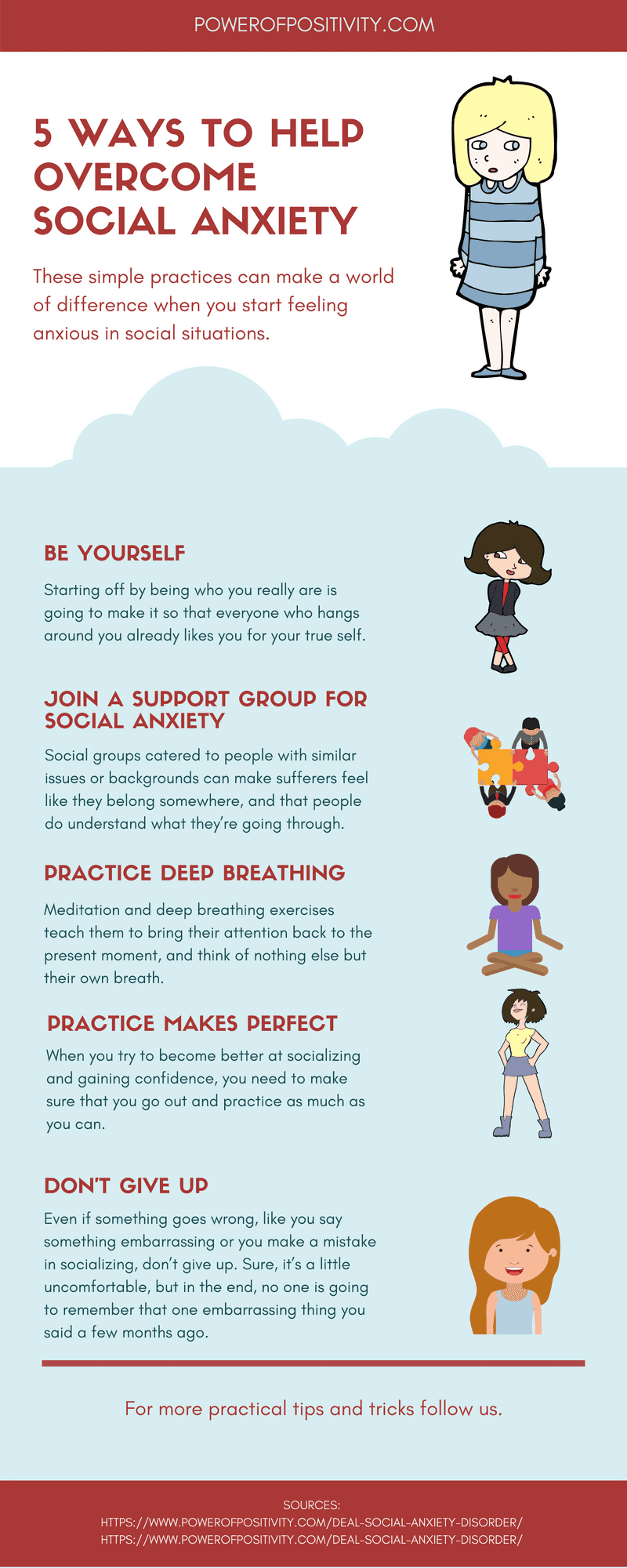
5 Things People With Social Anxiety Need You To Know

According to the Anxiety and Depression Association of America, social anxiety disorder affects 6.8% of the U.S. population or 15 million people. Social anxiety can afflict both introverts and extroverts, and isn’t necessarily synonymous with being shy. Those who suffer from it can become triggered in various social situations, from grocery stores to large parties to shopping malls. Despite efforts to calm the anxiety, it can easily debilitate the sufferer and become a fixation. People with social anxiety have an extreme fear of interacting with others in certain settings, and everyday life can become a constant uphill battle

Many people who suffer from social anxiety feel trapped inside their own minds and thoughts, and they tend to isolate themselves for periods if the anxiety becomes too much to bear. Many people unfortunately don’t understand what those who have social anxiety go through on a daily basis, so we made this small list correcting common misconceptions and clearing the air about what it means to have social anxiety.

Here are 5 things those with social anxiety need you to know:

1. Just because we have social anxiety, it doesn’t mean we hate people.

In fact, this is pretty much the opposite of how most of us feel. You don’t know how badly those with social anxiety wish they could talk to people normally, without feeling constricting in their chest, their heart beating in their throats, sweat beading on their foreheads, and every other physical symptom that goes along with social anxiety. Most of us actually love people, and long to approach them and have conversations without feeling scared or overwhelmed. We might seem a little standoffish or abrupt when you speak to us, but we don’t mean to be rude. We just feel anxious, but that doesn’t mean we don’t enjoy talking to you.

2. We need a lot of time to prepare for social gatherings mentally.

A big gathering can take us days to prepare for. Those with social anxiety know the feeling – going over what you’ll say to people, wondering who all you’ll meet and if the conversations will go smoothly, talking things over in your mind and trying to forget about how nervous you feel for the event, etc. Others might throw on some clothes, show up, and converse with everyone in the room, but we like to know days in advance about plans so that we have time to calm ourselves beforehand.

It takes a lot of energy for those who struggle to actually go to a special event, because we must battle our fears each time. Even showing up at all is a huge accomplishment in the minds of those with social anxiety.

3. We don’t want to have social anxiety.

We didn’t choose to have it. And we wish we didn’t have it. We try very hard to overcome it. But it might not ever dissipate completely despite our best efforts. People have anxieties of all kinds, but ours just gets triggered by social interactions. Even if we seem fine talking to others, that doesn’t mean we don’t have social anxiety. In fact, most people probably can’t tell the difference between those with social anxiety and those without it. We know that it starts in our minds. But controlling the mind doesn’t happen overnight.

We don’t respond well to people telling us to “stop being dramatic” and “get out of our heads.” We realize that the fear is irrational; however, this doesn’t stop social anxiety just because you don’t understand it or don’t believe in it.

4. We can’t just get over it and move on with our lives.

We hear far too often that we should get over ourselves and life our lives. Believe us, if we could, we would. If only it were that easy, no one would suffer from social anxiety. However, because millions of people around the world have it, it obviously means that people have probably tried that approach already. Like we said before, we can learn to manage our social anxiety through coping techniques, but that doesn’t mean it will ever go away entirely.


social anxiety tips


5. Just because we seem fine on the outside, doesn’t mean we aren’t freaking out on the inside.

You might say that you can’t tell we have it, but this doesn’t mean it isn’t there. Those with this condition tend to live inside their minds a lot, and often have a high intelligence level due to the constant stream of thoughts we have. Research on this topic is ongoing; some scientists believe it’s due to a chemical imbalance, others believe it’s genetic, and others think it happens because of one’s upbringing. Whatever the reason, calmness on the outside doesn’t reflect our inner selves. We just have learned how to hide our anxious thoughts for the most part, because daily life requires us to.

If you know someone with social anxiety, the best thing you can offer is love and support. You don’t need to fully understand social anxiety to show compassion and understanding to those who need it.

5 Signs You Have A Taurine Deficiency

Taurine is an amino sulfonic acid, but it is often referred to as an amino acid, a chemical that is a required building block of protein. Taurine is found in large amounts in the brain, retina, heart and blood cells called platelets. – WebMD

Taurine is one of those “unsexy” but necessary elements to consume. While gym-rats may not be raving about taurine between sets, this organic acid is responsible for a plethora of biological functions.

Taurine plays important roles in regulating metabolism, normalizing cognition, and maintaining eye health. The amino acid is usually produced in sufficient amounts by the body, but this is not always the case. Producing taurine requires healthy levels of various vitamins, minerals and enzymes – any imbalance in this intricate mix may create deficient amounts of taurine in the body.

The symptoms of taurine deficiency are quite similar to many other disorders. As such, it can be difficult to pinpoint inadequate amounts of taurine as the root cause of such symptoms. However, there are a few signs that may implicate that a deficiency of taurine as a culprit.

Here are 5 signs you have a taurine deficiency:

1. Impaired vision

Taurine is an essential amino acid for eye health. Adequate amounts of taurine are necessary for proper functioning of the retina – a thin layer of tissue lining the lack of the eye that focuses the lens, converts light and transfers visual signals to the brain for processing. A normal amount of taurine is required to regulate and maintain these vision processes.

Age-related vision loss is commonly caused by stress on the light-sensing cells in the retina. When such damage occurs, macular degeneration – an eye disease inhibiting the “focusing” role of the retina – is a frequent result.

As taurine levels in the retina tend to decrease as we get older, it should be a priority to occasionally check for deficiency.

2. Anxiety and/or depression

Because taurine is an essential element in cognitive function, a lack of it may manifest into depressive and anxious symptoms. Anxiety and depression occurs when there is an imbalance in the brain’s neurotransmitters serotonin, norepinephrine, dopamine, GABA and/or glutamate.

GABA is responsible for inhibiting excitatory brain patterns, a common cause of anxiety. Taurine is a building block of this important chemical; therefore, a deficiency in taurine can lead to inadequate levels of GABA. Without taurine supplementation, the brain’s ability to manufacture necessary chemicals required for normal cognitive functioning becomes very difficult.

Taurine deficiency can produce other cognitive symptoms such as insomnia, restlessness, irritability and problems concentrating.

3. Hypertension

Taurine has powerful effects on heart and blood vessels. Research has shown that those with sufficient levels of taurine are less prone to coronary heart problems – a by-product of taurine’s positive regulatory effects on body mass index (BMI), blood pressure and cholesterol levels.

In one laboratory study, taurine was shown to reduce blood pressure by lessening the resistance to blood flow in the blood vessel walls.  Brain activity responsible for increasing blood pressure was also inhibited. Oral supplementation of taurine assisted in reducing arterial thickening and stiffness associated with conditions such as arteriosclerosis.

4. Endurance and recovery problems

Physical activity of any nature is stressful on the body’s muscles; this is especially true in high-intensity exercise sessions. Supplementing taurine can help with improving endurance and performance while reducing the timeframe needed to recover.

In one study, professional cyclists that supplemented taurine showed demonstrable increases in endurance while the placebo group did not. This study also showed that the former group extracted fewer nutrients, such as creatine, post-workout. Researchers concluded that these results were indicative of taurine’s ability to improve recovery and reduce the effects of muscle fatigue.

5. Weight gain

Taurine plays an important part in the fat-burning process, while a diminished amount of the amino acid indirectly and unfavorably promotes weight gain. More specifically, taurine helps the body to metabolize fat and use it as energy – and this function goes beyond weight loss. Healthy fats play an important role in energy production, cognitive health and heart health.

Fat-burning requires the nutrient carnitine to transport fats into the cells, which is then used as energy for the body. Carnitine requires an adequate amount of taurine to perform this important role. In addition, fat loss cannot be achieved without effective metabolization – taurine’s role. Simply put: it’s easier to gain weight and harder to lose it without sufficient levels of taurine.

If You See Someone With These Tattoos, This Is What They Mean

If you have a sister, you know that unbreakable bond that exists between you two. Sure, you might fight sometimes and get on each other’s nerves, but at the end of the day, you have each other’s backs and would do anything for one another. Sisters tend to know each other to the core, and share love and friendship that will never go away no matter what might happen.

Life ebbs and flows, and within this pattern it can get a little crazy and unbearable at times. However, sisters get each other through the hard times and celebrate through the good ones. If you have a sister, you probably have some special way of showing just how much you mean to one another.

Some people like to wear jewelry to represent their siblings, some like to have matching shirts, but others enjoy showing off their sisterhood in a more unconventional, artful way.

If you see someone with these special tattoos, this is what they mean:

Tattoos can represent a multitude of themes, emotions, and relationships, including sisterhood. This trend of matching tattoos spans a variety of relationships, and sisters are no exception. Sisters already have a connection for life, but the tattoos bring them even closer together.

This tattoo represents the unbreakable bond between sisters – no matter how far apart they are, they’ll always keep in touch.

sister bond tattoo

These three sisters proudly show their bond with this special tattoo idea.

special sister bond tattoo

The timeless Hamsa symbol shows the protective nature of sisterhood, and represents the enduring relationship that sisters have.

hamsa symbol sisterhood

These cute matching flowers are a wonderful way to express the beautiful connection of sisterhood.

mathching flowers tattoo

Aren’t these tattoos just adorable?

cat costume tattoo

These sisters sure know how to show off their love for flowers.

love for flowers sister tattoo

These Russian nesting doll tattoos can help you keep track of your birth order, in case you ever forget.

russian nesting doll tattoo

You can’t ever go wrong with cats, right?

two cats sister tattoo

This tattoo represents in poetic beauty the beautiful bond between siblings.

poetic sibling tattoo

These sisters express their love for space while also showing off their special bond.

space tattoo siblings

And finally, these sisters might travel far from one another, but they will forever be connected by the pictures on their wrists.

bird sister tattoo

11 Things Sensitive People Should Do Every Day

The world is an overstimulated place. A sensitive person gets bombarded on a daily basis, and it affects the mind, body and spirit at a higher level than others. For us sensitive folks, there are things that can be done to decrease the overpowering chatter and barrage of emotions.

11 things sensitive people should do every day:

1. Make time for silence.

Daily practice of meditation, prayer, yoga, walking, hiking, or just sitting are imperative to charge the nervous system. Ram Dass said, “The spiritual journey is individual, highly personal. It can’t be organized or regulated. It isn’t true that everyone should follow one path. Listen to your own truth.” Making room for spiritual connection is a huge part of daily routine for the empath and sensitive person.

2. Be in nature.

Highly sensitive people need grounding in nature. We need to be outdoors, touching the earth with our bare feet. We need to be embraced by the natural elements of the earth. A walk outside is important to charge our bodies with natural light.  The sound of water clears the mind from negativity.

highly sensitive person quote

3. Create from source.

Writing, painting, music, and anything that puts us in a serene state of presence is needed to bring joy. Stress is released by utilizing our innate abilities of imagination to fabricate magic.  It doesn’t matter what you create…just do it.  “Write it. Shoot it. Publish it. Crochet it, sauté it, whatever. MAKE.” ? Joss Whedon

4. Turn off the news.

Because we are overly sensitive to our environment, we must turn the negative forces off. Bombarding energy from outside forces stresses the body. The media feeds on our emotions and a highly sensitive person takes on that energy quicker than others.  Shut down the computer, the television, or put away the tablets.  Stepping away from world news is a must in order to return to the present moment.

5. Recite a mantra.

Louise Hay says, “Every thought we think is creating our future.” We need to create a daily mantra for keeping focus of our desires. “I am healthy and in love with life.” When things get to be too much during the day, it’s important to remember that “this too shall pass.” Step back, close your eyes and recite your mantra while manifesting the desire for the ultimate level of peace.

6. Be conscious of breath.

We take breathing for granted. At least five minutes every hour, sit or stand and feel the breath of life go through your body. Allow for each inhale to bring love and each exhale to release tension. Conscious breathing has cured many ailments. “If you want to conquer the anxiety of life, live in the moment, live in the breath.” -? Amit RayOm Chanting and Meditation

7. Drink a good amount of water.

Sensitive people are prone to reach for sweet drinks and sodas.  Limit caffeine intake. We need more water in our bodies. Water helps with digestion and clarity of the mind.  Reaching for more water can also help reduce the anxiety of overeating.

8. Get more sleep.

Lack of sleep creates decreased concentration, moodiness, short-temper and depression. Highly sensitive people benefit greatly from short power naps during the day as well.  Sleep is underrated in our society.  It’s important to go to bed at the same time every day.

9. Compliment someone every day.

Feeling good starts with giving. A simple word of encouragement makes the world a better place. Sensitive people thrive on how others feel. When you share kindness, the body reacts with grace and love. “I will be generous with my love today, I will sprinkle compliments and uplifting words everywhere I go. I will do this knowing that my words are like seeds and when they fall on fertile soil, a reflection of those seeds will grow into something greater.”  Steve Maraboli, Life, the Truth, and Being Free

10. Love deeply.

It goes without saying that highly sensitive people feel profoundly. Being aware of such depth is sometimes painful, but if you allow it to come from the heart while loving yourself, it is beautiful. Love is the foundation of our beings. An open heart allows for the full spectrum of the human experience. Do not close your heart.

11. Laugh often.

There is truly nothing that a good belly laugh can’t cure. Toxins and strains release, leaving us feeling lighter. We need laughter and joy in order to find balance in a strenuous world of chaos. Call a friend, watch a comedy, participate in child play…these are all things that create grace and joy in our days.

Sensitive people, men or women, wear their hearts on their sleeve. They will go above and beyond to make another feel at home. But, first take care of your needs so that you are never depleted in a world that is constantly asking and begging for your attention. At the end of each day, make sure you return the favor to give back to your spirit.

5 Signs Your Partner’s Emotions Are Out of Control

If you are concerned that your partner’s emotions are out of control, you probably feel like you’re losing your mind. Don’t be worried, though, because most likely, your partner has made it all seem that way when the reality is that your partner is mentally ill.

People often use the terms sociopath and psychopath interchangeably. According to the DSM-IV (The 4th edition of the Diagnostic and Statistical Manual, the coding book for the field of psychology), both psychopaths and sociopaths fall under the heading of antisocial personality disorders.

Currently, the terms ‘psychopath’ and ‘sociopath’ are not recognized by the DSM-IV as separate disorders, but they have one major distinction. Psychopaths are believed to be missing the brain connection that accounts for a sense of ethics and morality. This means that a psychopath does not know right from wrong and they are dangerous to you and others.

People With Personality Disorders Display These Emotions and Behavior:

  • Disregard laws and social mores
  • Unable to get along with others
  • Disregard the rights of others
  • Don’t feel remorse or guilt
  • Display impulsive behavior
  • Act irresponsibly
  • Tend to display violent behavior

sociopath

You can learn more about what it’s like to be in a sociopathic relationship in our article 7 Warning Signs You’re in a Relationship With a Sociopath.

When someone is emotionally out of control, they may be hurtful to you in your relationship. Your healthiest option is to escape before it gets worse and take whatever bit of mental health you have left.

It is important to protect yourself if you have concerns that your partner could be a psychopath, emotional or otherwise. Contact the National Domestic Violence hotline at 800-799-SAFE (7233) or click the ‘Chat Now’ button on their website for help. You can also text 741741 for the Text Crisis Line, which has received over 13.6 million texts since August 2013.

5 Signs Your Partner’s Emotions Are Out of Control

Your partner could become violent. So take steps to find a safe place where you can reach out to a domestic violence survivor assistance group for help. Although you may not have experienced physical abuse yet, emotional abuse can also wreak havoc on your mental health.

1. Your partner lies better than anyone you know.

There are so many lies that you can’t keep track of them anymore. What you know to be true and the stories and lies that your partner has told you are all confused. If your partner covers up one lie with another one, it’s a sign that they are an emotional psychopath.

Lying is not all that the emotional psychopath is capable of. Psychopaths tend toward criminal behavior because they do not respect rules and authority figures.

In the book, The Clinical and Forensic Assessment of Psychopathy: A Practitioner’s Guide, psychologist Dr. Carl Gacono says that anger is a particularly dangerous trigger for a psychopath and they are likely to be angered by anything that prevents them from getting what they want.

2. An emotional psychopath tears away at your self-esteem.

If your partner is guilty of belittling you with angry, hurtful words, it’s a sign that they are an emotional psychopath. Your partner most likely is reacting, rather than responding to what you say and do.

The emotional psychopath doesn’t show caring with their actions, in fact, they do the opposite. When you feel like your partner is intentionally trying to hurt your self-esteem, it’s because they are. They can maintain control over you by making you feel ‘less than’.

3. Your partner controls everything about you.

When your partner isolates you from your friends and family, they take more power away from you. Again, a weak partner is easier to control than a strong partner.

By controlling who you see, finances, vehicle access, or anything that could allow you freedom, your emotionally psychopathic partner is preventing people from helping you out of the harmful relationship.

4. Your partner blames you for everything.

An emotionally psychopathic partner will want you to take the blame for everything, even their own actions. If ‘You make me act this way’ sounds familiar, get out of this unhealthy relationship quickly. An emotional psychopath has a negative pattern of behavior that keeps repeating.

In a study of psychopaths and criminal behavior, psychopaths were more likely to be repeat offenders of violent criminal acts. The author of the study recommended that the justice system use psychology assessment tools to prevent psychopaths from being allowed to leave prison where they can commit the same crimes again.

emotions5. Your partner only loves themselves or plays with your emotions.

Dr. Gacono says that the lack of a connection between emotions and thought is one of the distinguishing features of a psychopath. Unfortunately for you and your relationship, this means that your partner is likely incapable of true affection and love.

Although you can give love to your partner, they will not likely to be able to give you love in return. The only hope for them is a therapy where they learn to identify emotions and corresponding appropriate thoughts or medical interventions to balance brain chemistry. Your emotionally psychopathic partner may need a psychiatrist to be able to love you.

Here’s Why You Need to Stop Using Microwaves

The ability to quickly cook our food is what drew people initially to the convenience of the microwave, but when you read this you may want to stop using microwaves immediately.

Here’s Why You May Want to Stop Using Microwaves Immediately

How microwaves change the taste of food

Researchers looking at the differences in cooking methods found that the sensory analysis of vegetables that had been cooked by microwaving indicated that there were differences in color, flavor, texture, and moistness of the vegetables. You and your family members might have noticed this flavor difference yourselves when you steam broccoli on a stovetop versus how they taste when cooked in a microwave.

Another group of researchers who were looking at nutritional differences in microwaved food said, ‘There are differences in flavor and taste in certain food products prepared in a conventional and a microwave oven.’ The researchers also concluded that ‘nutritional and chemical changes in microwave heated foods are of approximately the same magnitude as those in foods prepared or processed by conventional methods. Microwave radiation is not powerful enough to break chemical bonds to cause the formation of radicals, which might be hazardous to human health.’

The results of these studies are that microwaving as a way of cooking by radiation is relatively safe. Nevertheless, the taste differences and other potential health risks might make it a reason to stop using microwaves immediately.

Radiation and microwaves

The World Health Organization says that ‘Microwaves are high-frequency radio waves (radiofrequency fields) and, like visible radiation (light), are part of the electromagnetic spectrum. Microwaves are used primarily for TV broadcasting, radar for air and sea navigational aids, and telecommunications including mobile phones’and in kitchens for cooking food.

Microwaves are reflected, transmitted, or absorbed by materials in their path, in a similar manner to light. Metallic materials reflect microwaves, while non-metallic materials such as glass and some plastics are mostly transparent to microwaves. ”  Materials containing water, for example, foods, fluids or tissues, readily absorb microwave energy, which is then converted into heat.’

The World Health Organization (WHO) says ‘Only dishes and containers specifically designed for microwave cooking should be used. Certain materials, such as plastics not suitable for microwave oven, may melt or burst into flames if overheated.’ Eating melted plastic that gets in contact with your food is definitely not healthy.

The WHO’s website also says ‘In June 2001 the International Agency for Research on Cancer (IARC), a specialized agency of WHO on cancer, classified low frequency (frequencies of 50 or 60 hertz) magnetic fields as a possible human carcinogen. The typical microwave oven operates at a frequency of 2450 megahertz (a megahertz is one thousand hertz). Anything over 10 hertz can harm the human body.

Risks from aging microwaves

You may not have checked your microwave door in a long time, but if you still plan to use a microwave, you need to check it immediately. The door seal is an important part of how safe your microwave is.

A microwave’s dirty rubber seal, cracked or missing, or even showing signs of yellowing, is not effective at keeping microwave radiation contained as a clean seal that is in good working condition.

When you use your microwave, stand away from it if possible. Leaking radiation will not be detected by your eyes, but your body will feel the influence of it as damage to your tissues.

Food safety and microwaves

Boiling water in a microwave is different than cooking a squash or potato. Piercing the skin of a dense vegetable is necessary to allow steam to escape from inside the vegetable or the food may explode in the microwave during cooking.

Microwaving food that is uneven in density or in its water content means that food is cooked unevenly. Undercooked food can be hazardous to your health in the case of undercooked eggs or chicken due to the risk of salmonella bacteria.

Burns from superheated water has also happened with microwaves, whereas this is unlikely when water is heated on a stove. This is because water may not bubble as it boils in a microwave, depending on the container used to heat the water. Bubbles may not rise along the walls of the container as the water heats in the microwave, unlike on a stove, so that when a utensil breaks the overheated water surface, the water quickly rises in a superboil.

You may have read our article about cancer-causing foods to avoid, and if so, you already know that plastic heated in a microwave is terrible news. The plastic trays that microwavable food comes in may still contain BPA. BPA, when heated, can leak into food which it may cause cancer. Even BPA-free plastics may melt in the microwave leading you to eat plastic accidentally.

Hidden safety risks of microwaves

The World Health Organization mentions on its website that ‘Only certain microwave ovens are designed to sterilize items (for example, baby’s milk bottles). The user should follow the manufacturer’s instructions for this type of application.’ Please check your microwave user’s manual before attempting to sterilize plastic or glass baby bottles in it. Also check the infant bottles themselves for any warnings regarding microwave cleaning. ‘

Microwaves can be hazardous to people with electronic medical devices, such as pacemakers, due to the potential for interference that disrupts the device. A 1996 journal article on microwaves and human safety says ‘A general public perception that microwaves are hazardous has been a key obstacle for acceptance of microwave power transmission (MPT). This perception will eventually dissipate, and then attention will focus on a real technical problem, that of interference (RFI). This can range from perceptible through annoying to hazardous.

This ONE Natural Ingredient Prevents the Cold and Flu

This cold and flu season may not be anything to worry about in the future, because this one natural ingredient can help make sure you never get sick. The flu is nothing to sneeze at because it can actually kill you. According to the Centers for Disease Control, 3,697 Americans died from influenza (commonly called the flu) in 2013.

Not only is the flu deadly, it results in a major financial impact. According to a study of the flu in the U.S. in 2003, researchers estimated that ‘annual influenza epidemics resulted in an average of 610,660 life-years lost, 3.1 million hospitalized days, and 31.4 million outpatient visits. Direct medical costs averaged $10.4 billion annually. Projected lost earnings due to illness and loss of life amounted to $16.3 billion annually. The total economic burden of annual influenza epidemics using projected statistical life values amounted to $87.1 billion.’

Those huge numbers don’t even begin to account for the sniffling, stuffy, coughing, nauseous suffering of people who come down with the flu every year, let alone the common cold. There are a number of over the counter remedies that help the symptoms of the cold and flu but prevention of an illness is always better than treatment.

Health-conscious readers are looking for ways to boost their immune systems and prevent themselves from getting sick in the first place. You can get a vaccination that prevents you from getting sick from one strain of the flu, and some over the counter supplements claim to boost immunity to prevent illnesses, but this one natural ingredient prevents you from getting the cold and flu.

This ONE Natural Ingredient Prevents the Cold and Flu

The virus-killing superpower of this one natural ingredient

Preventing the cold and flu is a wonderful benefit but this incredible natural ingredient has healing abilities far beyond that. It has been reported to repair damage from radiation such as X-rays, protect against the HIV virus, herpes virus, is an excellent antioxidant and free-radical eliminator, and also helps protect against cardiovascular disease.

According to intelegen.com: ‘The antibacterial, antiviral component derived from olive leaves is called oleuropein. In the late 1960s, researchers at the Upjohn Company discovered an antimicrobial fraction of oleuropein called calcium elenolate. This substance was lethal to every virus the researchers tested it against (using both in vitro and in vivo studies). Studies demonstrated that the components of olive leaf extract are also toxic to a wide range of bacteria, protozoa, yeasts, parasites and fungi.’

A 1975 study found that a monoterpene that was isolated from olive extracts acted as a virucidal agent that killed several viruses. The isolated compound was calcium elenolate, a component of Oleuropein. Researchers said that calcium elenolate killed every type of myxovirus that they had tested.

A myxovirus includes all types types of human influenza as well as animal flue viruses such as bird flu. Myxoviruses also include measles and mumps. Knowing that olive leaf extract is the one ingredient that can prevent cold and flu viruses is a wonderful tool to have in your fight to stay healthy.

Not only does olive leaf extract help fight the viruses that cause the common cold and flu, but this one ingredient can potentially kill the virus that causes HIV and herpes simplex virus. It is yet unknown if olive leaf extract can cure HIV by totally removing the virus from the body but its’ virus killing power is remarkable.

Other healing benefits of this one natural ingredient

You might want to add olive leaf extract to your survivalist gear because it could help you recover from radiation poisoning. One of the other protective health benefits of this one ingredient includes protection against radiation from X-rays.

When you visit the dentists office and they cover you with that heavy lead apron and run out of the room, there’s a good reason. X-rays are medically helpful, but can harm the tissues of the body.

One other amazing health benefit of olive leaf extract is that it is a powerful antioxidant. The oleuropein of olive leaf extract scrambles through the body searching out free radicals and disposing of them before they can cause damage to tissues. This antioxidant property is so strong that researchers think that olive leaf extract can be used to cure someone who has been poisoned by a common pesticide.

Still not convinced that you need to add olive leaf extract to your health routine? Researchers also found that oleuropein has protective effects found in studies of cardiovascular disease. Researchers found that antioxidant properties of the main polyphenols present in olive extracts, oleuropein and hydroxytyrosol increase the LDL resistance to oxidation and reduce the plasmatic levels of total, free and esterified cholesterol.

Researchers feel so strongly in the health benefits of the olive leaf extract that they suggest that it should be considered as a health-beneficial food additive. They also recommend that this natural ingredient be added to pesticides to remedy accidental poisonings. Heart health, poison protection, virus protection, and radiation protection are pretty powerful reasons to look into adding olive leaf extract to your regimen of healthy living.

Skip to content