Weekly tips, affirmations, and small actions to feel your best.

15 Questions To Ask Every Morning That Will Reveal Your True Personality

Are you on a journey to discover your true personality?

Before we get deep into the article, ask yourself this question: “Do I have a clear sense of who I am?”

If we are to poll everyone on this question, it’s likely that the majority of responses would be “Yes.” After all, we’re (mostly) adults now, having undergone the process of “finding ourselves” – an at-best cloudy notion that assigns a certain period for this “self-discovery.”

But then there are those who would answer “No” to our hypothetical poll. There are many reasons why someone would respond this way. For example, the wanderers and dreamers and those never feel settled into this existence (more on this later.) Either answer is okay – and can even be good. It all depends on the individual and their circumstances.

The idea that we all have “place” in this world is, in itself, both debatable and subjective. Maybe we don’t want to have or want “a place”(e.g. “the wanderers and dreamers). Some defiantly ask “what is “a place” in this world supposed to mean anyways?”

Perhaps we’re posing the wrong question. Instead, maybe we should ask “Do I know my identity?”

What is our identity?

“It is hard, so terribly hard, to please yourself. Far from being the easy thing that it sounds like, it is almost the hardest thing in the world, because we are not always comfortable with that true self that lies deep within us.

Put simply, our identity is the way we see ourselves. The vantage point of identity also influences how we view others and the world.

Our identity encompasses and intertwines multiple human elements. It is made up of our culture, family relationships, exposure to stress and trauma, life experiences, social relationships, personality, and other characteristics.

Our identity is also malleable and even fragile. Internal and external influences often shape our identity for better or worse, and can even incite an identity crisis – also known as a “loss of identity” or “losing oneself.”

When we lose our true identity, every facet of our lives is affected: work, relationships, disposition, motivation, and so on. A loss of identity is often perceived by the individual as “feeling lost,” often leaving someone bewildered and unsure about life and any meaning behind it.

Events that can impact personality

We experience a loss of identity for many reasons. Here are some common ones:

(1) Self-neglect: Putting the needs of others before our own, leading to a failure to recognize the worthiness and deservedness of our needs, goals, and dreams.

(2) Detachment: Separating from our inner-monologue and a loss of emotional intelligence. Instead of centering in on our thoughts, feelings, and emotions, we dull them by participating in self-gratification. Whether through technology, food, alcohol, drugs, or something else, we’ll (sometimes unknowingly) delay self-discovery.

(3) Life events: Transitioning from role-to-role due to the demands of life. Going through a divorce, job loss or other traumatic event often manipulates our brain chemistry and distorts our self-perception.

(4) Social expectations: Society can be cruel – something that we discover at a relatively young age. Any unique aspect of a person can be critiqued; from one’s appearance, intelligence, sexual orientation, perceived “quirks,” income, job title…on and on it goes.

When we’re looked upon as outsiders, we either adapt or isolate ourselves. Either way, such people will always “feel different.” As a result – in an attempt to navigate through life – we attempt “fit in” when necessary.

This false persona comes at a high price: loss of one’s identity. Some within this “group” resort to drug abuse or become victims of mental illness. Tragically, some people take their own precious lives, thinking that they’ll never be “understood.”
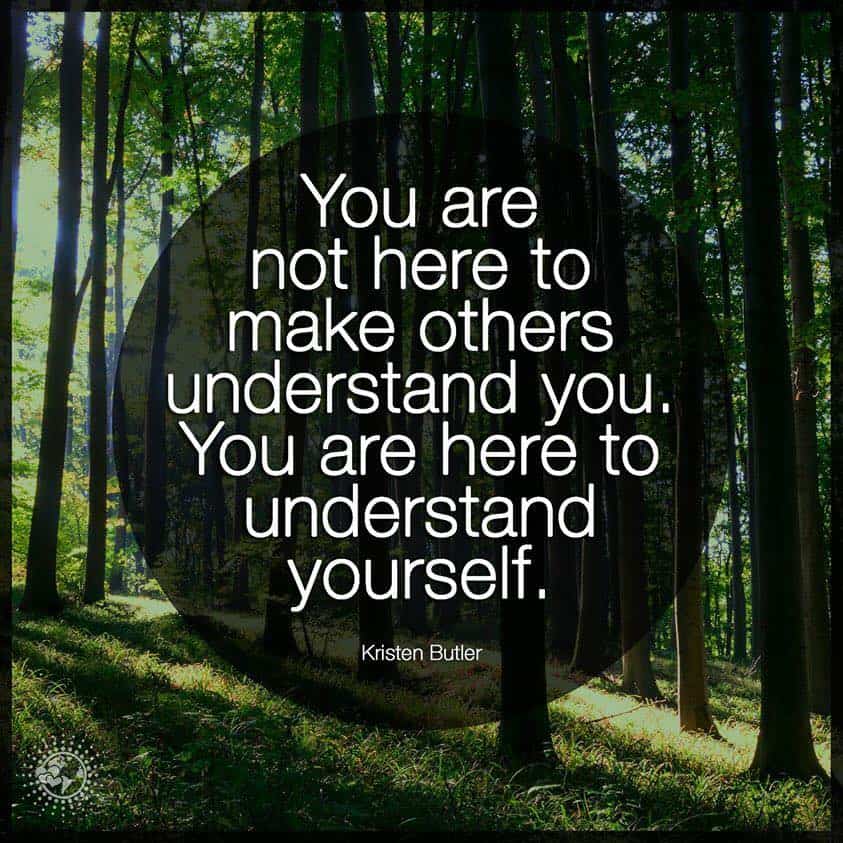
kristen butler quote

Rediscovering your identity

Now that we’ve defined identity, described potential influences, and touched on the ramifications of losing one’s identity, we are now in a good position to discover or rediscover our individualism.

Discovery necessitates both an inquisitive and open mind. To unearth our true identity is to acknowledge (answer to) certain queries to bring this true identity to our consciousness’s surface ultimately.

It is important to understand that repeated questioning of thoughts, behaviors, and emotions is necessary for this self-discovery to take place. As such, it is suggested that we do so at least once per day, preferably in the morning when we’re about to set out on the journey ahead.

Finally, here are the questions we should ask ourselves each morning:

1. Do I have short-term and long-term goals? What are they?

2. What am I, or have been, ashamed of in my life?

3. What consistently brings about anxiety or a sense of worry?

4. What or who gives me the most comfort? Is this source of comfort healthy?

5. Putting aside fear and uncertainty, what would I love to do?

6. Where and when do I feel safe? Unsafe?

7. What achievement am I proudest of?

8. What does my inner critic say about me? (Write them down)

9. Do I practice self-care and self-compassion? How?

10. What do I have to be grateful for? (There should be something here)

11. What do I dream about? What thoughts or emotions do they bring, if any?

12. Do I enjoy being around people or do I prefer solitude? (Either is fine, just know your tendencies.)

13. What do I most enjoy doing?

14. When my life is dark, what or who do I turn to? Why?

15. When I’m stressed, do I react rationally or impulsively?

(Bonus 5 questions!)

16. Am I an early riser or night owl? Can I make any changes to put my best self forward?

17. What are my passions? Am I living them out?

Related article: Asking Yourself These Questions Every Day Can Reveal Your Deepest Desires

18. What failure still haunts me to this day? Maybe it’s time to let go?

19. What values do I hold dear? Am I adhering to these values?

20. What are my strengths? Weaknesses? (Write them down)

We sincerely hope that answering these questions reveals more about the special person you arh. Appreciate yourself, love yourself, acknowledge what you’d like to change, and find your true identity!


7 Intelligent Ways to Deal with Toxic People

All of us experience the inevitable turbulence of life unfolding. We have our extreme ups, extreme downs, and everything in between. We will all behave in a way that can be perceived as toxic at one time or another. Does this make us toxic people? No, it does not.

One’s behavior does not necessarily indicate one’s identity. In fact, most times, they’re mutually exclusive. According to psychologists, a toxic person is not the whole person; but their behavior towards others, particularly those in any relationship, which often bears the brunt of such behavior.

Toxic people distinguish themselves by their propensity to “create drama in their lives, or be surrounded by it; try to manipulate or control others; be needy (“it is all about them all the time”); use others to meet their needs  (such as “narcissistic parents”); be extremely critical of themselves and others, bemoaning their bad fortune and others’ good fortune, abuse substances or harm themselves in other ways, and be unwilling (or unable) to seek help,” according to Jodie Gale, MA, a psychotherapist and life coach.

In short, a toxic person negatively consistently and adversely affects people around them through their (intentional or unintentional) toxic behavior.

“When a toxic person can no longer control you, they will try to control how others see you. The misinformation will feel unfair, but stay above it, trusting that other people will eventually see the truth, just like you did.” – Jill Blakeway

Here are 7 ways to deal with toxic people – and toxic behavior – in a positive manner:

toxic

1. Do not rationalize their toxic behavior.

Many people do not like conflict, something that is known as conflict avoidance. As such, recipients of toxic behavior will allow the behavior to continue to pacify the toxic person. Recipients that wish to avoid contention will permit the toxic person to ramble. However, such an approach is short-sighted. Yes, the toxic person may “get what they want,” but guess who they’ll seek out the next time?

This brings us to the second point…

2. Make your voice heard.

Not everyone who displays toxic behavior is a “bully,” but some are. Toxic bullies will often spew their toxicity to others as a means to an end. When such behavior is evident, it is time to make your voice heard and oppose such acts of intimidation. Oftentimes, the “bully,” when confronted with resistance, will back down and move on.

On a related matter, sometimes it is necessary to…

3. Make a stand.

You deserve to be treated as a human being – with courtesy, respect, and dignity. When someone violates this socially-accepted contract, it should be considered an act of aggression.

This is when it is necessary to set clear boundaries. Fortunately, you don’t need to get into a long-winded dialogue with them. Abruptly walking away from a toxic conversation can be enough, for example.

4. Exude (sensible) compassion.

As mentioned, it is necessary to separate one’s toxic behavior from their “true selves.” When we know that someone is acting negatively due to whatever reason; personal problems, work-related stress, medical problems, etc., it’s appropriate to respond compassionately.

However, practicing sensible compassion does not mean becoming someone else’s pin cushion. When the line is crossed, it is necessary to speak up.

5. Move on from toxic people, if necessary.

Exposure to toxic behavior on an all-too-frequent basis can be mentally and physically exhausting. We’ll instinctively know when a person is pushing us past comfort zone – and it is sometimes necessary to get away.

While this “exit strategy” may require some fortitude on our part, it is instrumental for our well-being. Be strong, remain confident and simply let go.

6. Don’t take things personally.

It can be hard to “not taking things personally,” can’t it? Especially when said advice applies to a toxic person. This behavior is most evident in a direct attack (e.g., a verbal assault) towards you.

Interacting with a toxic person – at some point in time –  will inevitably result in something being said that’s insulting, dehumanizing, embarrassing, and unnecessary. Exchanges of this type will almost certainly antagonize us in some way. Thus, it is important to remember that “it’s not me, it’s you.”

inspirational quote

7. Get some alone time.

How we deal with toxic behavior strongly depends on the person involved.

For example, if a toxic colleague sits across the office, it’s easier to devise a plan to avoid negative rhetoric. If it’s a close friend or family member – a spouse, kid, “BFF,” etc. – the situation (and the “answer”) can be a bit (okay, a lot) more obscure.

The closer we are to someone, the more time we spend with them. As such, in addition to helping them, we must prioritize our well-being. One of the best ways to do this is to plan (and make known) your designated alone time.

References:
Tartakovsky, M., M.S. (2014, February 26). What’s a Toxic Person & How Do You Deal With One? Retrieved February 23, 2017, from https://psychcentral.com/blog/archives/2014/02/28/whats-a-toxic-person-how-do-you-deal-with-one/
(C)Power of Positivity, LLC. All rights reserved

Researchers Reveal 10 Things That Make Kids Happier

Childhood is a special time in one’s life. It is a time of discovery, play, wonder, and amusement at the world as the child gets to know the world around them. For the parents, this time can bring about a sense of worry as they seek to ensure the child’s health and raise them to be happier.

Of course, life happens – to both the child and the parents – which can affect one’s childhood years. Regardless of circumstance, the child’s happiness almost always comes first to those who love them.

Here, we combine scientific research and childhood happiness. More specifically, we will look at ten scientifically proven tips to help ensure a happy and healthy childhood.

Whether you’re a parent, a want-to-be parent, or someone who loves kids, we hope that what you read below will provide great insight into making for a healthier and happier child.

Here are 10 (scientifically proven!) tips to make the little one happier:

“One of the luckiest things that can happen to you in life is, I think, to have a happy childhood.” – Agatha Christie

1. Give Them Plenty of Play Time

good kids

The primary responsibility of a kid is – or at least should be – to play.  Yes, the kid will eventually have homework, extracurricular stuff, and so on; but from toddler to adolescence, they should be given the freedom to have fun.

Peter Gray, a child psychologist and a professor at Boston College, states, “Children learn the most important lessons in life from other children, not from adults…they cannot learn, or are much are much less likely to learn, in interactions with adults.”

So, tell them to “go outside and play!”

2. Take Argument and Heavy Discussions Elsewhere

Kid’s brains develop at an extraordinary rate during early childhood. When they see and hear about adult-like problems and uncertainties, the child’s delicate psychological state can be negatively affected, potentially making them worried and insecure.

Children should not hear stressful conversations from adults – it is most definitely not the time.

3. Don’t Compare Them To Others–They Will Be Happier

The pressure to succeed in today’s society can make it enticing to instill an early sense of competitiveness – and some adults do so by comparing them to someone else. Sometimes, adults will also point out desirable personality traits in another child, hoping to duplicate them in the other.

Researchers say that such comparative tendencies can adversely affect a child’s confidence and sense of self.

4. Teach The Benefits Of Negative Emotions

Pointing out the obvious – a child is not very mature. Almost every kid will have spontaneous outbursts of anger, envy, sadness, etc. This behavior presents a good learning opportunity for the adult.

Dr. John Gottman at the University of Washington cites the popular tendency of adults to address a child’s perceived “misbehavior” – their negative emotions – by doling out some punishment. A better way is to acknowledge the behavior is by teaching the child that everyone experiences negative emotions, and finding ways to teaching the child how to deal with their emotions constructively.

things that make kids happier

5. Acknowledge Their Efforts

The child is going to reach the age when he or she knows that hard work is needed to get ahead. It is important to recognize when the child pushes themselves to accomplish something.

Talking about cognitive tasks during childhood, Dr. Carol S. Dweck at Stanford says: “Our message to parents is to focus on the process the child engages in, such as trying hard or focusing on the task – what specific things they’re doing rather than ‘you’re so smart, you’re so good at this…what (the adult) does early matters.”

6. Value Family Traditions

Having a variety of things that a family does together is a good sign of a stable household. Indeed, stability is an important aspect of childhood development.

According to the Child Development Institute, having regular family time induces five main benefits: the child feels important and loved; the child observes positive adult traits; adults can observe and learn more about their child’s weaknesses to guide them better; the child can verbalize their thoughts and feelings, and the parent and child develop a stronger bond.

7. Let Them Take Chances

Children require a certain amount of supervision. Still, adults can overdo it by monitoring their every move. This “overparenting,” however, is counterproductive to development.

Researchers, in an article published in the Journal of Psychologists and Counsellors in Schools, write: “Does an extreme attentiveness to a child and their imagined needs and issues, encourage parents to reduce their demands on their child, resulting in the child rarely facing adverse situations, learning to cope, and acquiring resilience, maturity, and other essential life skills? The current study raises the disturbing possibility that the answer is yes.”

8. Give Them A Sense of (Individual) Responsibility

Expanding on the last point, it is important to allow children to complete responsibilities (e.g. chores, homework) without micromanaging them.

Why? According to child psychologists, excessive oversight can manifest into the child developing an “I can’t do this alone” attitude. While some attention – and even, discipline – is necessary for a child to recognize the consequences of abdicating responsibility, inordinate supervision is ineffectual.

9. Create Happier Memories

In a multi-experiment study undertaken by two Harvard professors, adults who recalled good childhood memories “(seemed) to summon a heightened sense of moral purity.”

Researchers note the participants “were more likely to help the experimenters with an extra task, judge unethical behavior harshly and donate money to charity when they had actively remembered their childhood.”

Creating happy memories for a child can have a profound impact on their future, shaping them into happier and more benevolent adults. Whether it’s through small daily moments or grand experiences like a magical trip to Universal Studio, these joyful occasions become the building blocks of a positive and fulfilling life. If you’re looking for a Universal Studios Orlando scooter rental service look no further. They rental electric mobility scooters at a discount price.

happier

10. Be Happy Yourself!

Children learn by what they see and hear, for better or worse. The child is more likely to reciprocate if an adult exhibits positive behavior. According to Carolyn Cowan, a psychologist at the University of California: “children do not fare well if the adults aren’t taking care of themselves and their relationships.”

5 Things That Hurt Your Sleep (And How to Avoid Them)

The American Academy of Sleep Medicine and the Sleep Research Society recommend that adults aged 18-60 years sleep at least 7 hours each night to promote optimal health and well-being.

Sleeping less than seven hours per day is associated with an increased risk of developing chronic conditions, such as diabetes, high blood pressure, heart disease, stroke, and frequent mental distress. – Centers for Disease Control and Prevention

Did you know that lack of sleep is a public health concern or epidemic by U.S. public health institutions? Called sleep deprivation or sleep deficiency, the National Sleep Foundation (NSF) notes the condition affects “45 percent of Americans…(affecting their daily activities at least once in the past seven days.”

An immense amount of science and research subsists, yet nearly half of all Americans still do not get enough sleep on a regular basis. Part of this apparent disregard for the importance of sleep can be ascribed to the fact that unlike most epidemics (e.g. smoking), information pertaining to the importance of shuteye is not widely dispersed to the public.

But some of us have only ourselves to blame. Those that do not prioritize sleep almost always have some kind of habit that takes precedence over it.

Here, we take a look at five things that disrupt your sleep, including habits, and how to avoid them. We’ll also suggest how to overcome these difficulties.

Here are 5 things that hurt your sleep (and how to avoid them):

bed sleep

1. Problem: Feeling tired, but the mind will not stop racing.

Despite the mind/body connection that most of us accept as truth, at times they are at odds. Your body desperately needs shuteye, but your brain will not yield to the body’s demands. Instead, your mind races; reminding you of stuff that needs to be done, and other uncertainties that haven’t settled in your mind.

Solution: Allocate some time to “unwind.”

Most of us work hard and are pressed for time, but we still need to enjoy life. During the evening, many of us reach for the remote or do something else to procure some stimulation. Such activities are fine permitting that we understand our sleep schedule. To “ease into” sleep is the best way to do nod off. The best way to nod off is to do something relaxing, such as reading or taking a warm bath.

 2. Problem: Waking up shortly before the alarm.

The circadian rhythm, aka the sleep/wake cycle, is an entrenched habit that we all have. For light sleepers, two things this cycle doesn’t appreciate is light or noise, no matter how subtle. A common example: waking up an hour before the alarm goes off feels atrocious. We’re still tired and dazed but can’t go back to sleep.

Solution: Practice having a regular sleeping schedule.

As mentioned, our sleep/wake cycle is a deep-rooted habit. For early risers and light sleepers who consistently wake up earlier than necessary, readjusting this cycle can be difficult. However, there are a few things that can help: refrain from anything stimulating; go to bed earlier; avoid ambient light and wear ear plugs or a night mask to minimize early-morning noise or light.

3. Problem: Restlessness during sleep time.

Experiencing consistent wakefulness during the night is considered a form of insomnia. While not everyone can be diagnosed as an insomniac, there plenty of reasons why someone may feel that way. Restlessness can be ascribed to a number of things: a high-fat diet, drinking before bedtime, stress, and body aches among them.

Solution: Eat a healthy meal before bed.

It can be challenging to pinpoint exactly what is causing this period of restlessness. One solution is to consume a meal of lean protein and complex carbs prior to sleeping. Lean protein and complex carbs help to stimulate certain neurotransmitters that produce a relaxing effect on the brain. If you’re knowingly violating certain sleep hygiene habits, such as those mentioned above, the fix is a bit easier. Just stop doing them. Should the cycle continue itself, it is advised to schedule a doctor’s visit.

sleep quote

4. Problem: Working at night or being a “night owl”

There are two types of people: those that thrive working during the daytime, and those more productive during the evening (again, part of that circadian rhythm thing.) In the event that your work requires production into the late evening hours, it can be burdensome to correct any sleep-related problems.

Solution: Adjust your schedule according to your sleep habits, if possible.

First addressing the mandatory work-related issue; the best course of action is to examine if and when you can produce work prior to the late hours. Should this scheduling become a serious problem, it may be time to discuss other options with your employer. Concerning the day lark/night owl thing, well, if you’re getting an adequate 7 to 9 hours of sleep, and not suffering any adverse consequences, keep on keeping on.

It all depends on your schedule, in other words.

5. Problem: Problems sleeping with another

We can see you married folk nodding your collective heads in agreement with this one: sleeping with your significant other can be disruptive. This is especially true if he or she happens to snore or toss and turn. Also, if one is a night owl while the other is an early riser, these problems exacerbate. There is actually a medical term used to describe all of the above: “sleep incompatibility.”

Solution: Try to treat the underlying issues of “sleep incompatibility.”

In the event that an underlying medical condition is causing sleep incompatibility, a physician specializing in sleep medicine, otolaryngology, or neurology can prescribe an appropriate treatment. For the night owl/morning lark couple, the solution requires communication and compromise. An agreed upon sleeping solution or arrangement shouldn’t be too difficult.

7 Things To Do If You’re Tired All The Time

Are you tired all the time?

“Fatigue can be described as the lack of energy and motivation (both physical and mental). This is different from drowsiness, a term that describes the need to sleep…Fatigue is a very common complaint and it is important to remember that it is a symptom and not a disease.” – MedicineNet

Fatigue happens to us all, but especially as we age. Hitting middle age years (the mid-30s to late 50s), in particular, is when most people complain of feeling “worn down, “burnt out,” “overworked,” etc. Many of these folks are dealing with increased bouts of fatigue. The good news is that we can counteract this dreaded, tired feeling. All that’s needed is a bit of knowledge and willpower – and maybe a cup of coffee.

Here are 7 things to do if you’re tired all the time

tired

1. Get a checkup if you are tired often.

Do you get an annual checkup – a thorough wellness examination – on a regular basis? Health exams and tests can detect problems before they start. In the event a problem exists, the physician can prescribe a treatment regimen.

Fatigue can be a symptom of an underlying medical condition. A physical exam is necessary to determine this.

Duke Health – a medical institute of Duke University – recommends the following for each age group:

– Under 30: a check-up every two to three years. Sexually active women, at the age of 21, should schedule a Pap smear.

– Age 30-40: a physical every other year. Baseline mammograms are recommended for women beginning at age 40.

– Age 50 and over: a yearly physical. Men and women should schedule a colonoscopy at 50 and – in most cases – reschedule every 10 years.

2. Get your body in motion.

Exercise is often the last thing on someone’s mind who’s feeling fatigued. However, numerous studies have concluded that routine exercise is effective at boosting energy levels.

Kerry J. Steward, a professor of medicine and director of clinical and research exercise physiology at John Hopkins University School of Medicine, states:

“Exercise has consistently been linked to improved vigor and overall quality of life. People who become active have a greater sense of self-confidence. But exercise also improves the working efficiency of your heart, lungs, and muscles…(it’s) the equivalent of improving the fuel efficiency of a car. It gives you more energy for any kind of activity.”

3. Hydrate, hydrate, hydrate

Dehydration is when the body expels more fluids than it consumes; it is a mentally and physically taxing condition. Sweating, urinating, and even breathing causes the loss of water.

Frequently drinking water throughout the day will mitigate feelings of fatigue, as well as increase our alertness and concentration. Try to get at least 7 to 9, 8-ounce servings of water per day.

4. Have a regular sleep regimen

Inadequate and irregular sleeping patterns probably contribute to fatigue. They might also increase the risk of accidents and injury.

Experts recommend going to bed early enough to ensure a good night’s sleep. Healthy adults should aim for between seven and nine hours of sleep per night. Napping for 10 to 30 minutes during the mid-day is also a terrific habit for keeping fatigue at bay.

tired - sleep deprivation

Also, try getting into the habit of going to bed and waking up at the same time every day.

5. Get some Omega-3

Omega-3 fish oil, besides being good for heart health, may increase alertness and combat fatigue. There are plenty of ways to get Omega-3s: fatty fish (e.g. halibut, herring, mackerel, salmon, sardines, tuna), flaxseeds, and nuts.

The American Heart Association (AHA) recommends you consume two portions of fish (of approximately four ounces each) weekly for a heart-friendly diet. Around 4-5 ounces of Atlantic salmon can supply 3 grams of omega-3 fatty acids. While fish oil supplements generally offer around 300 milligrams in each capsule, the amounts can differ.

6. Eat regularly; poor nutrition can make you tired

The notion that eating 5 to 6 small meals throughout the day instead of three larger meals has been a topic of contention among the health community. Certain demographics, such as bodybuilders and athletes, often adhere to the five or six-meal regime. Most of us stick with the traditional 3-meal schedule.

Regardless of your preference, warding off fatigue requires adequate levels of vitamins, minerals, and nutrients in the body throughout the day.

Eating wholesome foods like whole grains and complex carbs can help regulate blood sugar levels. It’s a good idea to have some snacks handy in case feelings of fatigue begin to surface.

tired

7. Know your body clock

Understanding our circadian rhythm, the body’s 24-hour “physiological clock,” can positively impact our energy levels. Indeed, some people love mornings and get that “extra boost” to get things done. However, some folks are “night owls” and are most productive during the evening.

You probably know which of the two groups you fall into. Use this knowledge to your advantage by scheduling demanding tasks accordingly, preventing fatigue from setting in at the wrong time.

(C)Power of Positivity, LLC. All rights reserved

6 Things To Add To Your Water For Better Health

“Water is importance to the mechanics of the human body. The body cannot work without it, just as a car cannot run without gas and oil. In fact, all the cell and organ functions that make up our entire anatomy and physiology depend on water for their functioning.” – Advanced Purification Engineering (APEC)

Our body weight is comprised of 60 percent water. Every cell, organ, and tissue use water for a myriad of functions, from protecting tissues and joints to providing necessary moisture for the brain and spinal cord. Water is required for removal of waste products, healthy digestion, and maintaining optimal body temperature.

We all know and understand the importance of water, yet some of us are not mindful of this fact. Some of us go an entire day without bothering to reach for a bottle or fill a glass with water. Needless to say, this is a bad habit that is harmful to our health and well-being.

“But I drink coffee, that has water.” Yes, and, unless it is decaffeinated (what’s that?), it also contains diuretic properties that negate most of its inherent nutritional value. Tea? Same concept. Beer? Well, we’ll leave that one alone.

Some of us just don’t “like the taste” of water. That’s fair, which is why we decided to research and write about things we can add to our water that not only improves health but also help improve the taste.

In adding these ingredients to your water, you’ll benefit in a couple of ways. First, your body will be replenished, and you’ll likely “feel” healthier. Second, it will help you think clearer and promote a healthier state of mind.

So here are the six ingredients (and why you should add them):

1. Apples

Apples are an excellent addition to water, as they are packed with iron and low in calories. They’re also rich in antioxidants, flavonoids, dietary fiber, and phytonutrients. The antioxidant and phytonutrients contained in apples “may help reduce the risk of developing cancer, hypertension, diabetes and heart disease.”

Apples also taste great, and as there are numerous varieties of the fruit, it can enhance the taste of your water depending on your palette.

2. Cucumbers

Fresh cucumber is also high in water content, providing our body with an additional “health bonus.” Nutritionally, cucumbers contain plenty of vitamin C, vitamin A, calcium, iron, and potassium. Cucumbers also have cancer-fighting ingredients, such as fisetin, caffeic acid, and lutein.

Cut a few thin slices and mix them with a cold glass of H2O for a refreshing drink.

3. Blueberries

Regarding antioxidants, blueberries are among the most potent sources. Antioxidants are molecules that serve a vital role in preventing cell damage and eliminating free radicals.

Blueberries are sweet, colorful, and make for a great ingredient in a glass of water. Just buy some fresh blueberries at the local market, rinse them off, and drop them in. Enjoy!

4. Lemons and Limes

If you enjoy a bit of a sour taste, reach for a lemon. If you appreciate a bit or tart, reach for a lime. Either ingredient serves as a great compliment to a glass of water.

Lemons are among the most nutrient-dense of any fruit; containing B-complex vitamins, vitamin C, calcium, fiber, iron, magnesium, and potassium. They also aid both your digestive and immune systems.

Limes pack a bunch of antioxidants, vitamins, and minerals. They also promote healthy blood flow and heart health.

5. Oranges

A no-brainer here, right? Oranges are just plain delicious. They’re also excellent for health purposes. Of course, oranges are loaded with vitamin C which helps to strengthen the immune system. They’re also a sound source of B-complex vitamins, dietary fiber, calcium, copper and potassium.

Related article: These Things Happen To Your Body When You Drink Enough Water

Squeeze a fresh orange into a glass, or cut it into small sections. The latter option may help absorb some of the additional nutrients contained in the orange’s peel.

6. Mint leaves

While a mint’s taste may not be for everyone, fresh mint leaves are healthy for a number of reasons. Mint promotes healthy digestion, reduces indigestion and inflammation, and can counteract nausea.

Mint is a rich source of fiber, vitamin A, and potassium. Mint is also a decent source of antioxidants.

Oh, and it’s maybe the best option on the list for freshening your breath (of course!)

Sources:
Advanced Purification Engineering Corp (APEC). (2016). The Importance of water and Your health. (2016). Retrieved February 17, 2017, from http://www.freedrinkingwater.com/water-education/water-health.htm
Fanous, S. (2016, March 5). 8 Healthy Lime Facts (P. P. MS, RD, LD, CDE, Ed.). Retrieved February 17, 2017, from http://www.healthline.com/health/8-healthy-lime-facts
Laskey, J. (2015, February 16). The Health Benefits of Water (S. Sinha M.D., Ed.). Retrieved February 17, 2017, from http://www.everydayhealth.com/water-health/water-body-health.aspx
Occhipinti, G. (2015, April 09). 7 Fruits and Vegetables You Should Be Adding to Your Water. Retrieved February 17, 2017, from https://spoonuniversity.com/lifestyle/7-fruits-and-vegetables-you-should-be-adding-to-your-water
(C)Power of Positivity, LLC. All rights reserved

10 Signs Of An Unhealthy Gut

The esophagus, intestines, mouth, and stomach are constituent parts of the gastrointestinal (GI) system, or gut. The gut’s primary tasks are to process food, absorb nutrients, regulate the immune system, and balance the GI’s mix of bacteria.

As recently as a few years ago, scientists and others in the medical community had a somewhat limited perspective on the gut’s effects on our overall health.  However, a proliferating amount of research has linked problems with the gut (e.g., “leaky gut syndrome”) to a number of health issues, from allergies to rheumatoid arthritis.

Today, most experts within the medical community affirm the tremendous impact that a properly functioning gut has on our general health and well-being. This consensus can be attributed to a more thorough understanding of the human microbial system, or microbiome.

The Genetics Science Learning Center at the University of Utah describe the “micro-interactions” of microbes:

“Microbes interact in communities, and they respond to their surroundings. Just like organisms in the Earth’s ecosystems, our microbial populations shift than their environment changes…manipulating these interactions may help doctors understand and manage diseases.”

Our gut contains a disproportionately high amount of microbes, and they are essential to combating illness-causing agents such as bacteria and viruses. As such, preserving your gut health is one of the best ways to maintain a healthy mind and body.

Here, we talk about 10 signs of a possibly unhealthy gut:

unhealthy gut

1. Feeling anxious, dejected or depressed

On the surface, it seems odd to link our gut with emotions.

But did you know that 70 percent of your body’s serotonin is found in your gut? Low levels of serotonin have been linked to unstable mood, depression, and physiological functions such as digestion (of course), eating and sleeping.

 2. Craving sugar-loaded foods

Leptin and ghrelin (what?) are proteins that act similarly to hormones that stabilize appetite – and our gut bacteria secrete a lot of them.

These proteins influence our food cravings; so if you eat lots of sugar, the bacteria adapt to this unhealthy type of sustenance. As a result, your gut will desire it’s daily dose of sugar.

Correcting these problems can eliminate bacteria that cause sugar cravings.

3. Pre-diabetes or diabetes

In a study published in the journal Endocrinology Connections, three Russian scientists demonstrate a connection between large intestine microbiota and the presence and potential development of type 2 diabetes.

Some gut bacteria incite an immune response that “cause inflammation throughout the body, including liver and fat cells that can affect overall metabolism and liver sensitivity.”

inspirational quote

4. Skin problems

Skin rashes and the chronic skin condition eczema may suggest a problem in the gut; specifically, an imbalance in “good” bacteria. Leaky gut, a condition where excess foods “escapes” the gut rather than being digested, can provoke inflammation and suppress the immune system.

Inflammation, of course, is most evident on the skin’s surface.

5. Digestive troubles

A no-brainer, right?

Acute gut problems such as bloating, diarrhea, and gas can signify an imbalance in gut bacteria. Irregular bowel movements or gas may indicate low levels of stomach acid, adversely affecting your ability break down foods.

6. Autoimmune disease or suppressed immunity

Leaky gut and gluten intolerance are often cited as catalysts for autoimmune conditions. Gut problems can manifest into acute and chronic medical conditions.

“There is growing evidence that increased intestinal permeability plays a pathogenic role in various autoimmune diseases including celiac disease and type 1 diabetes,” says mucosal biologist, Dr. Alessio Fasano.

7. Food allergies or increased food sensitivity

Food intolerances (e.g. lactose intolerance) are almost always the byproduct of a leaky gut. Remember that a leaky gut will not properly digest all food. Instead of staying within the closed loop of the gut, the food permeates the intestines and enters the bloodstream.

Related article: This Two Ingredient Remedy Can Flush POUNDS Of Waste From Your Intestines

When this food “escapes,” the body interprets it as a threat and initiates an immune response. Developing or worsening food allergies, and sudden sensitivity to certain foods may indicate a problem.

8. Bad breath

Halitosis is the medical term for chronically bad breath. A microbial imbalance can transport to other areas of the body, including the mouth. Disparities or fluctuations in gut flora make the body increasingly susceptible to conditions that cause bad breath (e.g., kidney disease or diabetes).

9. Difficulty sleeping or insomnia

Troubles falling and staying asleep indicates some chemical imbalance in the brain. As mentioned, our gut stores and regulates serotonin. Indeed, it is an essential neurotransmitter for inducing and regulating sleep patterns.

When serotonin is lacking or out of balance, it can lead to bouts of insomnia or difficulty getting to sleep.

10. Fluctuating weight

Some gut bacteria promotes weight loss, and not of the good kind. Excess amounts of microbes within the small intestines, for example, can disrupt the absorption of fat, minerals and vitamins. In contrast, some bacteria causes weight gain by taking in more calories from food. It’s not uncommon for a person with a gut problem to see inexplicable changes to their weight.

How to Train Your Brain To Stop Overthinking

Overthinking may be something you want to train your brain to stop doing, especially if it causes problems for you. For example, does your overthinking lead to a negative mood or increase your level of anxiety? Does it stop you from doing things that you need to get done? Are you procrastinating making a decision because you want to weigh all of the possible outcomes?

Overthinking can have negative consequences for those who are chronic worriers. Focusing on future uncertainties makes us anxious when we feel a lack of control. Overthinking can also keep us from enjoying the present moment. Let’s explore ways to train your brain to stop overthinking and start appreciating what is here for us in the now.

Researchers at the University of California at Santa Barbara showed images of kaleidoscope colors to study participants. Next, she tested their ability to remember if they had seen an image before. Participants who took their best guess at the memory test did better than those who spent time trying to remember colors and patterns. The overthinkers focused their brain power on recalling the visual information that they were presented with did less well than those who did not focus their attention on remembering details.

The researchers say that this study shows ‘why paying attention can be a distraction and affect performance outcomes.’ The area of the brain in our prefrontal cortex that is active when we pay attention is the dorsolateral area. Participants with less prefrontal cortex stimulation during the test remembered the images better. In other words, paying more attention to details actually hurt their ability to remember what they had seen.

Fifteen Tips to Help You Stop Overthinking

overthinking


1 – Train your brain to stop overthinking and see the big picture

The research shows that a more broad overview approach may be better for recalling complex images. To train your brain to process information this way, try to imagine taking in all of the details at once. As a result, it feels like your brain is taking a photo and seeing all of the pieces of information at once.

You can practice underthinking by finding a picture book, opening to a random page and looking at an image for five seconds. Close the book and try to recall everything that you saw. The short amount of time prevents your brain from overthinking, but you will be surprised at how much you can recall. Try this repeatedly until you feel more confident in your brain’s ability to process information quickly.

2 – Train your brain to be comfortable with uncertainty

There are things you can know, and things you may never know. Overthinkers have trained their brains to focus on the uncertainties. That’s because they are trying to solve these problems. For an overthinker, their brain is like that of a two-year-old constantly seeking answers. Although some questions can be answered, overthinkers may tend to dwell on those that can’t.

Or at least they think they can’t be answered, for example, ‘What could they possibly have meant when they said that’ could be easily answered by asking the person to clarify their meaning. ‘I wonder what they think of me’ could be answered by asking the person whose opinion you are overthinking. Either seek the answer to the question that you are overthinking, or tell your brain that you’ll have to be okay with not knowing the answer.

3 – Train your brain to observe your negative self-thinking

Meta-thinking is thinking about how you think, which requires some self-observation. If you’re reading this article and have concerns about your overthinking, you are already aware of your own unproductive thinking patterns. People who experience distress about overthinking usually have negative thoughts about themselves because of their thoughts.

Allowing negative thoughts to exist while rejecting them as being part of what we identify as ‘self’ is part of a technique that can help overthinkers. Researchers in the journal Behavior Therapy found that mindfulness-based cognitive therapy (MBCT) helped people to feel more self-compassion rather than negative emotions about their overthinking. People who went through MBCT therapy experienced less stress associated with their thoughts.

4 – Find one thing you can control

If overthinking is happening because you need to gain control over a situation, then find one concrete action step that you can do to gain back some sense of control. For example, writing down the problem is simple and it allows your brain to stop trying to remember the issue. Then identify one more thing you can do that will be a step in the right direction. For example, make one phone call to get more information about something that worries you.

5 – Find your overthinking trigger

When you’re feeling anxious, it’s hard to stop your brain from going into overdrive. It’s important to understand what triggers your anxiety that results in overthinking. Everyone is different, so what triggers your anxiety will be different from someone else. Ask yourself some simple questions about what is triggering your feeling of anxiety, such as

  • What am I feeling anxious about right now?
  • What caused me to feel anxious all of a sudden?
  • Did I read something that made me feel worried?
  • Has someone said something to me that caused me to feel anxious?
  • Did I see something online that worries me?

Knowing what triggers your overthinking help you either avoid the trigger the next time or if you must face it, you can be prepared to fight your anxiety and avoid overthinking. Things that can trigger overthinking and anxiety include:

  • Family relationships
  • Work especially deadlines or poor co-worker interactions
  • School load or responsibilities
  • Health problems
  • Finances
  • Marriage problems
  • Teenagers

break from overthinking

6 – Help others

Getting the focus off yourself can be helpful for you to stop overthinking. When you help others, it reduces your stress and improves your mood. Plus, helping others actually releases chemicals in your brain called endorphins that boost your happiness. Helping others helps you because it can:

  • Gives you a sense of belonging: When you’re face to face with someone, it minimizes your feelings of loneliness and isolation. You feel a part of something bigger than yourself, which is comforting.
  • Gives you perspective: When you’re helping someone in need, you see how blessed you are. It gives you a better perspective on what you have and makes you happy to share with others.
  • Gives you the ability to pass it on: When you help others, it inspires those around you to get involved and help others.
  • You create memories: When you’re helping others. You’re encouraged, and later when you are alone, you’ll remember the good times with those people. You will feel a wonderful sense of contentment knowing you were there to help.

Some people suggest that doing daily acts of kindness helps ease anxiety, stress, and even depression.

7 – Find a community

Studies show that those who say they “think too much” feel it more when they’re alone.

A good social network such as family or community is helpful to boost your mood and reduce your feelings of isolation. Being alone gives you time to think about all the things that aren’t right in your life or the world. You’re apt to feel more lonely and sad. You can community in all kinds of places, but some of the best community places include:

  • Church, synagog, or mosque
  • Book clubs or writing groups
  • Jogging groups
  • Parent meetings
  • Art classes
  • Yoga class
  • Gyms

8 – Stay busy to stop overthinking

Staying busy keeps your mind active, so you’re less apt to think too much. Staying busy also increases your energy and your confidence. It keeps your mind engaged. Ways to stay busy include:

  • Reading
  • Visiting friends
  • Getting a part-time job
  • Volunteering
  • Gardening
  • Babysitting

Being busy won’t take away your anxiety, but it can help you keep your mind busy so you’re not overly aware of all the things you’re worried about.

9 – Talk with a close friend

Find a trusted friend you can talk with about what’s going on in your head. Sometimes just talking can ease the weightiness of the thoughts running around n your mind. Plus, you may be surprised to find out your friend has some same overthinking issues going on in their head, too. It’s always good to know you’re not the only one who struggles with overthinking. Plus, sharing your common struggles helps your friendship grow stronger. Studies found that having social support is essential to maintain your mental health and physical health. Find ways to maintain contact with your friends whether it’s having coffee once a week, setting up weekly playdates for your kids with another mother, or going with a friend to the gym several times a week. Constantly engaging with trusted friends will make your life fuller and help ease your tendency to over thing.

10 – Faith

One study found that those who suffered from anxiety-producing overthinking were helped when they sought out pastors, Buddhist monks, or church groups. Researchers have found that in general spirituality, prayer and church-based social support can ease your stress and anxiety. They even believe that depression is helped by faith. People of faith feel like a higher power is at work in their lives as well as the universe. It brings comfort knowing that they can get help outside themselves.

11 – Use laughter to decrease overthinking

Laughter is a simple way to feel better. It releases the same chemicals in your brain as when you exercise. Laughter improves your mood and reduces your stress. Being able to joke about funny things that happen to you during the day or laugh at your own silly mistakes helps you keep perspective on life. It eases the tension in relationships, lowers your blood pressure, and makes life feel less intense. Find laughter through

  • Reading a funny book
  • Watching a funny movie
  • Find a favorite comedian and watch their youtube videos
  • Listening to a funny podcast

Find ways to incorporate healthy laughter into your life. Avoid sarcasm or mean-spirited humor which tears others down. This type of laughter isn’t helpful to build you up and make you feel better.

12 – Eat a healthy diet

Eating a healthy diet can ease your anxious thoughts. When you load up on fast food, you feel sluggish and tired all the time. That leads to sitting around in your house and mulling over your problems. Fast foods contain a lot of fat and salt, which lead to health problems. Instead, start eating these foods to boost your mood.

  • Fish: Eat fish at least two times a week. Grill, broil, or saute salmon, tilapia, or mackerel.
  • Fresh vegetables: Broccoli, kale, tomatoes, romaine lettuce, and red peppers
  • Ripe fruits: Eat berries, apples, kiwi, or bananas for good brain health.
  • Seeds and nuts: Sunflower seeds, pumpkin seeds, and walnuts are superfoods that help improve your mood to fight overthinking.
  • Whole grain rice, pasta, or quinoa
  • Other foods: Dark chocolate, coffee, fermented foods

13 – Gratitude journal

When you’re anxious, your mind runs in a million different directions. Your problems loom larger than life. Taking a little time every day to write in a journal can help you fight the urge to overthink. Keeping a gratitude journal is especially helpful to help you focus on all that’s good, instead of all the things that aren’t going well in your life. It’s helpful to go back and reread your entries to reflect on how things have changed since that time.

Some people like to have online private journals or you can buy pens and paper journals. Whichever medium you choose, take some time every day whether it’s in the morning or evening, to write and reflect on all the good in your life. If you’re going through a difficult time, you may need to really search for something good. It may be as small as the sun came out, or that you cleaned your closet out for the first time in months. That’s okay, start small and work your way up until you can fill an entire page with gratitude.

14 – Exercise to Decrease Overthinking

There is nothing like exercise to make you feel happier and healthier. When you exercise your brain unlocks chemicals called endorphins that improve your mood. Plus, exercise gives you extra energy and a greater sense of well-being. Try these simple tips for getting some exercise.

  • Set small goals for yourself: At first try walking or working out for 20 minutes once a week. Then increase it to two times a week, then the following week try three times a week.
  • Get moving: Try to walk, dance, or jog around inside your house for at least 20 minutes.
  • Try different exercise classes: Try a dance class or join a biking club, anything to get moving.

15 – Resolve your problems

Studies show that people who struggle with overthinking found help when they resolve the underlying causes of their anxiety. Taking an action such as resolving a conflict, getting another job, or getting better health care reduced their anxiety. Worry won’t change your situation. You can’t solve your problems by thinking about them, sometimes you need to take action.

overthinking

Final Thoughts on How to Train Your Brain to Stop Overthinking

Thinking too much is a familiar phrase people use to describe their anxiety. If you’re thinking too much, you probably deal with fear and worry. It’s important to find ways to stop your thoughts from running away with you. Try some of these suggestions to stop overthinking. Begin with one or two suggestions, then work your way through another one until you’ve tried all of them. Find out which ideas help you the most to avoid overthinking and find freedom from an overactive mind.

(C)Power of Positivity, LLC. All rights reserved

5 Things To Never Brag About

When you brag, you may inadvertently turn people against you.

“There is a difference between conceit and confidence. Conceit is bragging about yourself. Confidence means you believe you can get the job done.” – Johnny Unitas

We decided on the above quote from the NFL Hall of Fame quarterback for only one reason: his (correct) association between conceitedness and ability to brag. Playful banter between friends? Sure. A little “trash talk” to get the ole’ competitive juices flowing? Okay. That’s all in good fun. Not in good fun is a boastful diatribe about how great this, that or the other thing is.

The bottom line: Bragging is not something mature adults should engage in. It is an excessive, self-aggrandizing behavior that should cease by the end of high school – and that is being generous. But many of us still do it. Unfortunately, the proliferation of social media outlets has exacerbated (yet, exposed) the braggadocios among us.

So, what do people brag about? What shouldn’t they brag about, besides everything?

Here are 5 things to never brag about:

less

1. Your car, truck or van

Okay, so not many people brag about their minivan. But log into Facebook, do a bit of browsing, and with minimal effort, you’ll find some pretentious shots of someone with their pimped out ride.

You name it, it’s on there: lifted trucks (some complete with mud flaps), sports cars with personalized license plates, and the occasional profile pic alongside – or even featuring – their prized possession.

2. Your sports team

There is one exception here. Take for example, the Cleveland Cavaliers, who won the NBA championship in 2016. Not only was this the team’s first championship in history, but it was also the city of Cleveland’s first championship in any sport in 52 years.

Anyways, when your team pulls an amazing comeback out of its bag of tricks, it’s cool to boast a bit. When your alma mater basketball team thrashes some no-name on a Wednesday night, please practice self-control and refrain from boasting.

3. Your “night to remember”

Well, make that the night to remember prior to your inability to remember. College fraternities are made up of 50+ young, testosterone-driven males that live to tap kegs and get ripped. This alcohol-infused time in one’s life – and the embellished tales incited by consumption of adult beverages – shouldn’t extend into one’s later years.

Beyond the age of 22 (okay, we extended the cutoff period a bit), boasting about the amount of booze consumed within (insert time frame here) is nothing short of sophomoric. Take a peek at that last invoice from your student loan. That should put things into perspective. Please don’t pontificate on about your latest drunken venture, for all of our sakes.

4. Your significant other

Let us explain – a significant other who happens to be insignificant to those beyond your closest inner circle. Indeed, your friends and family are elated you’ve found someone who makes you happy – and rightfully so.

But at some point, all of this mushy “he/she is great because…” becomes unnecessarily irritating. Intimacy is all about appreciating the little idiosyncrasies that only you know about. Don’t diminish the special nature of your beloved by pronouncing them to the world.

Instead, enjoy the other person. It isn’t necessary to brag about their greatness to others who often don’t care at all.

5. Your job

It’s great that you take pride in your work, as you should. You work hard and deserve the recognition that comes from such efforts.

That said, crowing on about your job is not particularly interesting. For many of us, a job is simply a means to an end. You may love your job, and if so, then great! Bear in mind, however, that many people are in a job they don’t particularly care for to provide for their themselves and their families. Time away from the office is their personal time – and the last topic they want to get into is work, particularly when someone is droning on about their latest work-related story.

brag

Final Thoughts on Why You Must Resist the Urge to Brag About Certain Things

When you brag, you may cause others to feel annoyed by your bravado or lessen them by inadvertently diminishing their accomplishments. That was probably never your intention. But now the you know how it makes others feel, it is time to take a deep breath and practice restraint and humility.

(C)Power of Positivity, LLC. All rights reserved
Skip to content