Weekly tips, affirmations, and small actions to feel your best.

How to Train Your Brain To Fall Asleep in 1 Minute or Less

In our constantly plugged-in, fast-paced society today, it’s no wonder why so many people have problems falling asleep. Some doctors and researchers have even called lack of adequate sleep a public health epidemic due to the number of sleep-deprived citizens today. In fact, according to a Gallup report, a staggering 41% of Americans don’t get the recommended 7-8 hours of sleep per night.

As you’ve probably heard before, our cells regenerate during sleep, allowing us to carry out all the tasks of a day’s work. However, improper sleep can lead to poor mental and physical health. In fact, David Earnest, Ph.D., a professor at Texas A & M University’s College of Medicine, warned that “Sleep deprivation’s effect on working memory is staggering. Your brain loses efficiency with each hour of sleep deprivation.”

Sleep deficiency can lead to chronic health problems, including high blood pressure, obesity, anxiety, depression, heart disease, and cancer, to name a few. Researchers found that the genes affected controlled inflammation, immunity, and stress response.

So, what can we do about this ever-growing sleep problem? For starters, it would help to learn how to fall asleep again, something that came very naturally to us as children. However, due to life stress and all the things that come along with “growing up,” many of us have simply forgotten how to fall asleep quickly. Our minds keep us awake at night, inducing anxiety and restlessness.
asleep

How to Train Your Brain To Fall Asleep in 1 Minute or Less

While clearing your mind before sleep may seem difficult, Dr. Andrew Weil recommends a simple breathing technique to help you relax.  He points to the 4-7-8 breathing technique as a natural sleep remedy for the nights when sleep seems to elude you. Below, we’ll discuss exactly how to do this breathing exercise.

  1. First, ensure you have the right posture to allow deep breathing. (Sit up straight, relax your shoulders, etc)
  2. Place the tip of your tongue on the roof of your mouth behind your front teeth. Keep it there throughout the exercise, even as you exhale.
  3. Exhale completely.
  4. Inhale through your nose to a count of four.
  5. Hold your breath for a count of seven.
  6. Exhale through your mouth to a count of eight.
  7. Then, complete the sequence three more times.

It might take a few nights of practice to work, but consistency is key. You might have trouble concentrating on doing the exercise at first, but remember to set aside some time before bed so that you can focus on nothing but breathing.

So, why does this technique work so well, you ask? We have three main reasons. Firstly, it allows you to slow your breathing, automatically making you feel more relaxed. Secondly, you will have more oxygen coursing through your body by taking deeper breaths. Thirdly, concentrating on solely your breathing will teach you mindfulness, which many scientists have proven to reduce stress, anxiety, and racing thoughts.

Maybe we’ve forgotten how to sleep because we’ve forgotten how to breathe, but by practicing this breathing exercise, you’ll fall asleep quicker and have a more restful sleep.

You can also do other things to induce sleep, a few of which we have outlined below.

asleep

More Tips on How to Fall Asleep Faster

  • Don’t do any work in your bed. You need to associate your bed with sleep and relaxation, not anything else.
  • Keep the house comfortable. Studies have shown that people sleep better when the thermostat is set to cool.
  • Write down any thoughts you might have before you go to sleep. This way, you can get out all of your stress and frustration before sleep so that you won’t lie awake thinking of everything under the sun that worries you.
  • Remove any distractions. Turn off your cell phone, TV, and other digital devices to prepare for sleep and avoid keeping your mind active.
  • Try to keep your house quiet. However, if relaxing music helps you fall asleep, by all means, turn it on before bed.
  • Have a routine. Our bodies require a specific wake-sleep cycle to function correctly, so go to bed at the same time each night and wake at the same time each morning.

Final Thoughts on Making Sleep a Priority in Your Life–You Deserve It!

Remember, sleep is vital to living your best life, so honor your needs and prioritize your sleep. You’ll feel more vibrant and happy once you have a regular sleeping schedule. Sweet dreams!


References:
In U.S., 40% Get Less Than Recommended Amount of Sleep. http://www.gallup.com/poll/166553/less-recommended-amount-sleep.aspx?utm_source=alert&utm_medium=email&utm_campaign=syndication&utm_content=morelink&utm_term=USA%20-%20Well-Being
The 4-7-8 Breath: Health Benefits and Demonstration. https://www.drweil.com/videos-features/videos/the-4-7-8-breath-health-benefits-demonstration/
(C)Power of Positivity, LLC. All rights reserved

How Changing The Clock Changes Your Brain

Daylight savings time is a fairly modern invention and it became a popular idea for practical and financial reasons. When people first used artificial light, they had to either burn either gas or oil lamps. The use of these fuels cost money, and the more dark hours that people were awake, the more money it took to light the home.

As lighting technology evolved, electrical bills made for a similar financial problem. By changing the time on the clock, we could save money by keeping the lights on less time that we were awake. At the other end of the clock in the morning, farmers were getting up with first light to work their fields no matter what the clock said.

Daylight Savings Time and Your Brain

Due to the tilting of the Earth on its axis at the Winter Equinox, we in the Northern Hemisphere loose precious hours of daylight while those in the Southern Hemisphere experience the reversed seasons. According to timeanddate.com, legislators in Canada were the first to propose that we simply shift our clocks to say that when the nights are too long, we extend waking hours by moving the clock forward an hour.

When the sun would be setting at around 6pm, we shift our clocks to say that sunset is now at 7pm, giving us an ‘extra’ hour of daylight. Time is a fluid concept in the sense that we have artificially assigned a number to the hour of the day. For example, the number 12 represents either noon or midnight. But we could just as easily call noon by the number 4 or 8.

According to the American Journal of Physiology, daylight savings time can have detrimental effects on the human brain, partly due to decreased levels of melatonin. The researchers say ‘We recently reported that humans have mechanisms, like those that exist in other animals, which detect changes in day length and make corresponding adjustments in the duration of nocturnal periods of secretion of melatonin and of other functions. We detected these responses in individuals who were exposed to artificial “days” of different durations.’

Our human senses have evolved to be able to detect changes in the natural light around us. The ability to detect small changes in light resulted in ancient humans developing the ability to increase secretion of melatonin and of other functions as they sleep. However, modern man isn’t adapting well to changes in daylight savings time.

Research shows that our use of artificial light has reduced our natural ability to detect daylight changes as the seasons change. The scientists say ‘The results of this study suggest that modern men’s use of artificial light suppresses responses to seasonal changes in the natural photoperiod that might otherwise occur.’

Circadian Rhythm and Your Mental Health

The amount of daylight we are exposed to can affect mental health by increasing the risk for depression. Depression from a lack of sunlight is a very real mental health condition. Sufferers of Seasonal Affective Disorder are those who feel the ‘Winter Blahs’ particularly strongly as symptoms that are like those of a depressed mood. The winter season with less sunlight can cause a lack of appetite, lack of energy, lack of desire to do anything, depressed feelings, and withdrawing from social activities.

Related article: 10 Types of Pain That Are Directly Linked To Your Emotions

By manipulating the amount of artificial light that a group of study participants received in the morning, researchers in the American Journal of Psychiatry were able to reduce symptoms of depression that are brought on by reduced daylight. The scientists found that the optimal amount of light was a 250-lux dawn simulation over a 2-hour period of time to reduce the effects of winter depression from a lack of daylight.

Avoiding Mental Health Problems During Daylight Savings Time

To improve your mental effectiveness during waking hours in the darker months and prevent psychological problems, look for light bulbs that give you a full spectrum of light. Using full spectrum light bulbs in light fixtures that you turn on in the morning will help your body to sense the artificial daylight and respond with more alertness.

Related article: NASA Research Reveals How ‘Eating The Sun’ Can Give People Superhuman Abilities

During the winter months when daylight savings time is in effect, try to spend at least 15 minutes outside when the sun is at its strongest, usually between noon and 2pm. A small amount of exposure to sunlight will fulfill your requirements to get your daily Vitamin D benefit. In the winter, even with typical head to toe body coverings, we need only approximately one square inch of skin exposed to the sunlight for about 30 minutes to produce adequate Vitamin D for our bodies.

Improving your diet with foods fortified with Vitamin D or dietary supplements will allow your body to have access to more of the only vitamin that your body naturally produces with exposure to sunshine. This may be necessary, especially in winter months if you limit your exposure to sunlight when it is cold.

(C)Power of Positivity, LLC. All rights reserved
Sources:
http://time.com/4560579/daylight-savings-mental-health/
Suppression of men’s responses to seasonal changes in day length by modern artificial lighting
http://ajpregu.physiology.org/content/269/1/R173.short
History of daylight savings time : timeanddate.com
https://www.timeanddate.com/time/dst/history.html
Dawn simulation treatment of winter depression: a controlled study
http://ajp.psychiatryonline.org/doi/abs/10.1176/ajp.150.1.113
http://www.amazinghealthfacts.org/Portals/8/AH_Sunlight_preview.pdf’ver=2012-10-24-171652-683

What Is Your True Age, According To Your Mind?

We all have our actual age, and then we have something called our “mental age.” What is mental age, you ask? Basically, our mental age relates to how we think, act, and talk, regardless of our birthday. In other words, some people might call you an old soul if you act older than your age, or a young soul if you act younger than your age.

Today, we’ve put together a little quiz for you to test your mental age. Don’t take it too seriously though; there’s no passing or failing here! Just answer the questions as honestly as you can, and read on to the bottom for your results!

What Is Your Age, According To Your Mind?

1. What color pops out at you most in this image?

age according to mind

A. Dark brown

B. Light brown

C. Green

2. How about this one?

age according to mind

A. Black

B. Light brown

C. Orange/yellow

3. Which is the dominant color in this photo, to you?

mind

A. Blue

B. Green

C. Orange

4. What color stands out the most here?

mind

A. Green

B. Red

C. Yellow

5. I think you get the idea now. How about this one?

mind

A. Green

B. Brown

C. Pink

6. How about here?

mountain age mind

A. Dark Green

B. Lighter Green

C. Red

7. What color stands out most here?

age mind

A. Orange

B. Yellow

C. Green

8. Last question, we promise. What color is most prominent here?

age mind test

A. Red

B. Orange

C. Green

Now, for what you’ve been waiting for: the results!

If you chose mostly A:

You’re an old soul. Your mental age is somewhere around 75-80. You’ve been called wise beyond your years by your friends and family, and they often go to you to seek advice about personal matters. You feel like you’ve been on this planet before. And you don’t really relate to most of what goes on here. You prefer to spend time by yourself doing quiet activities such as writing, reading, walking in nature, or gardening. You love the great outdoors, and find the most peace there.

If you chose mostly B:

You’re a vibrant, outgoing person, and prefer being around people. Your mental age is around 35-40. You have a fairly young spirit, but have a maturity about you that helps you remain balanced in life. You do enjoy the social scene. But you don’t allow yourself to go overboard when it comes to going out. You also take care of responsibilities. Perhaps you enjoy decorating your home, and allowing your creativity to flourish in whatever you do. You likely have a leadership role at work, because you do very well in dealing with people and taking the reigns when you need to. You stand out in the crowd, and you carry yourself very confidently.

If you chose mostly C:

You’re a very young soul. You have a mental age of around 5-10. You don’t take life too seriously. Instead, you feel compelled to follow your intuition and heart wherever they may lead you. You don’t really get along with people your age, and actually find yourself playing with the little ones whenever it comes to choosing between them and the adults. You just don’t have much to talk about with older people, because you feel like you came here to simply play, laugh, and love. People are drawn to you for your infectious smile and laugh, and your ability to see the bright side of everything and cheer others up when they’re feeling down.

What About a Combination?

If you chose a combination of answers: Eh, no worries. Your mental age likely changes depending on the seasons. Sometimes you feel like a kid, sometimes you feel like an old man/woman, and sometimes you feel somewhere in between. That’s perfectly normal, and most of us probably feel this way.

Lao Tzu’s Four Spiritual Rules Of Living

Lao Tzu, one of the greatest Chinese masters to live many centuries ago, created the Four Cardinal Virtues, or rules of living. When practiced, they can provide a life of true peace and purpose. Lao Tzu believed that centering one’s life around these virtues would allow one to access true wisdom from the universe and align oneself with Source energy.

“When you succeed in connecting your energy with the divine realm through high awareness and the practice of undiscriminating virtue, the transmission of the ultimate subtle truths will follow.” Lao Tzu

Lao Tzu means ‘Old Master,’ and many believed he had attained the highest state of consciousness available to man, which would make him a God-realized being. The Four Cardinal Virtues in the Tao Te Ching a religious text full of Taoist teachings and principles. The Tao (also known as the Way or the Dao) contains ancient universal wisdom in a very cryptic yet profound format. It invites seekers of wisdom to go within and find spirituality through their own interpretations of the book.

If you seek answers to life’s questions and want to impart on a spiritual journey, you might want to refer to Lao Tzu’s ancient teachings to help guide you through the world’s chaos into a place of true peace.

Here are Lao Tzu’s spiritual rules for living:

“To realize the constancy and steadiness in your life is to realize the deep nature of the universe. This realization is not dependent on any transitory internal or external condition, rather it is an expression of one’s own immutable spiritual nature. The only way to attain the Universal Way is to maintain the integral virtues of the constancy, steadiness and simplicity in one’s daily life.” – Lao Tzu

1. Reverence for all Life

The first cardinal rule states that we should respect all life forms in the creation and not seek to dominate or control them. We first must love and honor ourselves, and then this love will flow outwardly toward all beings. In this world, we must depend on other life forms for sheer survival, which means we must treat them with respect, kindness, and gratitude. Lao Tzu believed we can all live in peace and harmony if we remember this spiritual rule of living first.

2. Natural Sincerity

This virtue manifests as honesty, simplicity, and authenticity. It states to stay true to who you are and not allow outside forces to sway you. Own your true nature, and don’t let others tell you who to be. Once we can come into a place of realness and sincerity, we can begin to understand what we need to remain happy and peaceful, and we can extend this to include others who might struggle along their path. Live in your truth, and everything else will fall into place. Plus, you’ll inspire others along the way to also show their true selves and live authentically. Allow your thoughts and actions to align, and you’ll come to know the meaning of sincerity.

3. Gentleness

In the world we live in today, we greatly need this virtue to be practiced more often. Gentleness means being kind to all life and not coming from a place of egoistic desires. When we practice gentleness, we give up the need to be right because being kind is more important than being correct. When we’re sensitive to other people’s needs and throw away the desire to control or dominate them, we can live in harmony with one another. Many people mistake being gentle and kind as weak, but this is only because we live in a world full of inflated egos. Practice gentleness, and you’ll awaken yourself and the world to what truly matters.

“Gentleness generally implies that you no longer have a strong ego-inspired desire to dominate or control others, which allows you to move into a rhythm with the universe. You cooperate with it, much like a surfer who rides with the waves instead of trying to overpower them. Gentleness means accepting life and people as they are, rather than insisting that they be as you are. As you practice living this way, blame disappears and you enjoy a peaceful world.”Wayne Dyer

“My religion is very simple, my religion is kindness.”Dalai Lama

lao tzu quote

4. Supportiveness

This virtue implies that we must support all life forms, including ourselves. When we first attend to supporting ourselves, we can more easily help others we encounter along our life’s journey. This final cardinal virtue states to love and serve all, regardless of what we can get from it. We can shift from a place of receiving into a place of giving without wondering what we can get in return. This virtue comes naturally to us, but this world we’ve been born into tells us to focus on ourselves and become happier. In reality, many people do not feel fulfilled following this path. So, by putting ourselves aside and living to serve others, we may find a life of true purpose and joy by striving to make other people’s lives a little easier.

“The greatest joy comes from giving and serving, so replace your habit of focusing exclusively on yourself and what’s in it for you. When you make the shift to supporting others in your life, without expecting anything in return, you’ll think less about what you want and find comfort and joy in the act of giving and serving.” Wayne Dyer

Let these four virtues fragrance your life, and notice the grace and ease that will come your way. Each one of these virtues brings in the way of being that is light, graceful and flowing and will help you shed destructive, self-defeating patterns that sabotage your inner peace and happiness.

“The four cardinal virtues are a road map to the simple truth of the universe. To revere all of life, to live with natural sincerity, to practice gentleness, and to be in service to others is to replicate the energy field from which you originated.” –  Dr. Wayne Dyer

10 Tips For Creating More Happiness In Your Life

I think it’s safe to say that we all could use a little more happiness in our lives. We spend so much time searching for this seemingly elusive feeling, but usually come up empty-handed. So, how can we fix this tiresome pattern of searching but never finding? How can we truly break the cycle of unhappiness and frustration, and move into a place of bliss and freedom?

Well, we don’t claim to have all the answers here, but making a few simple lifestyle changes can make a world of difference. We have so much power in our minds to actually create happiness, so we want to help you realize this gift and utilize it to your full potential.

In this article, we’ll discuss a few helpful ways to create more happiness in your life, starting today.

10 Tips for Creating More Happiness In Your Life

1. Find happiness by releasing the things you cannot change.

“If a problem is fixable, if a situation is such that you can do something about it, then there is no need to worry. If it’s not fixable, then there is no help in worrying. There is no benefit in worrying whatsoever.” – Dalai Lama

Simply put, worrying does nothing except add more stress to your life. If you can fix something, then do not worry about it, but come up with solutions instead. If you cannot fix it, then don’t worry about it. Easier said than done, we know, but writing down the worries on your mind can help to alleviate them.

Make a list each day of the things that worry you, and then decide how many of those you can actually do something about. If you cannot feasibly change something, then cross it off your list. Take the problems left on your list, and come up with actionable steps you can take to greatly reduce those stressors. Once you can see all of this on paper, you can begin to sort out all the thoughts in your mind and compartmentalize them so they don’t seem so overwhelming.

2. Move your body for greater happiness.

It’s been said over and over again by countless scientists and researchers that we MUST exercise in order to remain healthy. There’s no way around this, unfortunately, but the key is to find some sort of exercise that you actually enjoy doing. Something that doesn’t feel like drudgery, in other words. Maybe you don’t know what you even like to do in terms of exercise, but the fun is in the process of figuring this out! Stay away from things you already know you won’t be able to stick to, and focus on trying new forms of exercise that you can at least tolerate.

Many people enjoy taking Zumba classes, for instance, because they still burn a ton of calories, yet you can have fun doing it in a group setting. Or, if you need to let out some aggression while getting a workout, try out kickboxing classes. If you enjoy the outdoors and being on the water, try kayaking. We have endless choices for exercise, but it’s up to you to decide what type of movement and activity you can commit to on a regular basis.

3. Make better dietary choices.

As you probably already know, you can’t out-exercise a poor diet. As much of a perfect world as that would be, our bodies simply cannot process certain foods efficiently. We, too, are animals, and we require certain vitamins and minerals in order to function optimally. Highly processed, overly sugary or salty foods are hard for our bodies to break down, and in terms of nutrition, they tend to have very little. Stick to mostly whole foods, and limit consumption of red meats, sugary or salty foods, alcohol, and other substances that have little nutritional value.

Look to what grows naturally on this planet, and fuel your body with that. It might take discipline, but the health benefits you will notice are going to be worth it, one thousand times over.

4. Practice mindfulness.

In our crazy, fast-paced world, we can easily become imbalanced and out of touch with ourselves. No matter what you have going on in life, you must take time to simply breathe and focus on the present moment. Even if you don’t like meditation, you can practice mindfulness at any given moment of your day without having to sit cross-legged on the floor in a quiet room away from society. You can bring awareness to your mind and body at any point during your day; in a work meeting, in the car on the way home, at the grocery store, during your workout, etc. Mindfulness simply means becoming aware of your thoughts and centering yourself within the present moment.

Once you practice this more often, it will come more naturally to you, and you’ll feel much more relaxed and balanced as a result.

5. Get rid of clutter to boost happiness.

A cluttered outer world becomes a cluttered inner world, so try out minimalism in order to clear out unnecessary items and bring more space into your environment. Plus, you could sell some of the things you don’t want, which would put more money in your pocket, too. We all just want more space, both mentally and physically, so one of the easiest and most rewarding ways to achieve this goal is to get rid of material items.

Creating more space in your environment will allow you to have more space in your mind, as well. Plus, you won’t have the burden of having to maintain and pay for all of the items you used to own, which will eliminate a great deal of stress.

6. Start appreciating the little things in life.

One main reason many people cannot create happiness is that they focus so much on what they don’t have, that they lose sight of what is already in their possession. Even if you own nothing, you can appreciate the miracle of being alive. You can be thankful for being above ground and having air to breathe, water to drink, and food to eat.

happiness

At the end of our lives, we won’t remember all of the cool gadgets we bought or the fancy houses we owned. We will remember our relationships with others, and the quality of life we lived. So, instead of always wanting more, learn to be happy with less. Be IN this world, but not OF it. It still holds true that the best things in life are free, so don’t let society tempt you with the illusions of happiness they want to sell to you.

7. Volunteer your time helping others.

We create much of our own unhappiness by dwelling on ourselves and our own problems. One easy fix for this is to give back to our world so that we can become a little less burdened by ourselves, and help others along the way. We’re all just walking each other home, so don’t get so caught up in your own world that you forget about the world outside yourself that desperately needs help, too.

8. Try new things.

Much unhappiness breeds from boredom and complacency, so to combat this, start changing things up a little. If you’ve always wanted to learn martial arts, look for a class in your area and try it out. We are our greatest obstacle, so stop letting your mind tell you what you can and cannot do. You are your own limit, and the only way to move past it is to challenge it, and go after what you want even if you have insecurities or doubts about what you can accomplish. Once life starts to feel dull and mundane, it’s time to start doing things that you enjoy again. Don’t be afraid to step outside of your comfort zone, because once you do, you’ll start developing a whole new sense of self-confidence and break the cycle of unhappiness as well.

9. Disconnect to reconnect.

As you have probably already noticed, we’ve become a very disconnected society. Sure, we’re more connected to each other in the virtual world, but we’re growing apart faster than ever in the real world. We spend most of our days engrossed in various screens, from our TVs to our phones to our laptops. When did we let it get to this? Our greatest asset in life is not our online image or status, but our real-life friends, family, and lovers. We must rely on other people in order to survive, so creating distance from them by way of social media and other online distractions only separates us further from what we need to truly be happy.

Related article: 25 Ways to Find Happiness (Without Chasing It)

Learn to put down the technology and talk to the people around you. We are social animals, and this hasn’t changed since the birth of early humans. We need each other, so don’t let the trends of today take away from the connections you share with others.

10. Get lost so you can find yourself.

Remember when you were a little kid running through fields of sunflowers, splashing in puddles after a rainstorm, and exploring the woods behind your house for hours on end? You didn’t have to be somewhere at a certain time, except at the dinner table in time for supper. You could get lost in nature and explore to your heart’s content, and you loved every minute of it. So, why can’t you do that now? On a day when you have time, drive to a nature spot you’ve always wanted to explore, and lose yourself once again. Run through the forest, jump in the river, lay in the sunshine among a bed of soft grass, let the wind whip through your hair, and enjoy the natural world like you used to, before you forgot about the importance of playtime.

Your inner child is calling out to you, so it’s time to answer its calls and be a little kid again, if only for a day.

How To Contact Your Guardian Angel

Guardian angel, spirit guide, spirit animal, higher self – whatever you want to call it, more people than ever wish to contact these otherworldly beings. Let’s face it; life on Earth can seem downright exhausting, confusing, and terrifying at times. But, learning to connect with your guardian angel can help you navigate the turbulent waters and sail to smoother seas once again.

These times can feel very isolating and scary, but our guardian angels want us to know that they are here with us and can help guide us along our unique paths. Maybe you have tried to contact your guardian angels before to no avail. On the other hand, perhaps you are interested in the spirit world but haven’t tried making connections yet.

10 Ways to Connect With Your Guardian Angel

No matter your situation, we will discuss some ways to connect with your guardian angel below.

guardian angel

1. Pay Attention to Your Physical Environment and How You React to It

Guardian angels like to communicate with us through physical sensations at times, so you don’t need to do anything except take note of how you feel. For example, if you start to get goosebumps on your skin for no apparent reason or feel a presence near you, it might be your guardian angel attempting to contact you.

When something in your physical environment occurs without you being able to pinpoint the source, recognize that it could very well be a spirit guide. If we pay attention to our surroundings and focus on the sensations we feel, we can have a better chance of contacting our guardian angel.

2. Meditate and Ask Your Guardian Angel to Reveal Themselves

Our guardian angels contact us in a different realm, so it can take time to receive their messages in our denser reality. However, meditation provides an excellent medium to get in touch with your guide, as this practice increases your vibration. This allows you to access higher realms yourself. During your meditation, ask your guardian angel(s) to make themselves known to you. They might respond immediately, or it could take some time, depending on your readiness to receive the messages.

Guardian angels often don’t make themselves known unless we initiate contact with them, and meditation allows them a way to communicate with us on Earth. During meditation, we can block out worldly distractions and focus on just ‘being’ and receiving messages as they come in.

3. Pay Attention to Repeating Numbers

According to Doreen Virtue, seeing 11:11 frequently means that your guardian angel wants to send you a message from the higher realms. It also means that your thoughts have begun manifesting into reality very quickly. The more you notice repeating numbers, especially 1’s, the stronger the connection between you and your guardian angel.

Learn to slow down and pay attention to these signs, as more and more people notice repeating numbers these days. This shows that our angels, or whatever you’d like to call them, are more desperate than ever to make contact with us.

4. Notice Messages in Songs You Hear or Other Types of Media

Also, if you happen to hear the same song on the radio every time you get in the car, pay attention to its meaning and how it may pertain to your life. Our guides often like to communicate with us through music on the radio, believe it or not. We quickly understand the frequency of music, so this may explain why guardian angels use it to send messages.

In addition, your guardian angels may talk to you through books or TV shows. Perhaps you feel drawn to a specific passage in the book you’re reading or relate deeply to a specific scene in a show. Spirit guides don’t discriminate in how they speak to us, as they know that we sometimes enjoy escaping into fantasy worlds.

5. Ask Your Guardian Angel to Communicate in Your Dreams

They also love to relay messages to us in our dreams since we have entered another reality and don’t have distractions left and right from daily life. In our restful state, we become much easier to contact. Before going to sleep each night, ask them to visit in your dreams, and make sure to write down anything you remember the following day.

Your dream will vary depending on what messages or signs your guardian angel needs to deliver to you. Don’t feel alarmed if you have a bad dream, though; it still offers an essential meaning to your life’s journey.

6. Pray for Their Assistance in Your Life

Doreen Virtue, a well-known psychic, angel healer, and motivational speaker, says: “No angel shall interfere with a human’s life unless asked, with the sole exception of a life-threatening emergency” in her book, Angel Therapy. Just like in real life, to receive help from our angels, we must ask for it first.

As long as you have a genuine need and desire to connect with your spirit guide, they will make contact with you and offer assistance. Remember, they want to help you, so don’t hesitate to call on them for support when you need it most.

7. Cultivate a Relationship With Your Guardian Angel

Just as you put effort into your Earthly relationships, your connection with heavenly beings also requires cultivation. Before work or school each day, take a few moments to pray or talk with your spirit guides. If you form a relationship with these exalted beings, they will make their presence more obvious in your life.

pop quote

8. Work on Your Spirituality

It’s difficult to contact angels if you have no connection to your spiritual side. Whether you pray, meditate, do yoga, or practice mindfulness, it’s crucial to develop your spirituality. This will make your energy field more open and receptive to any contact from spiritual beings.

9. Surrender to the Cosmic Order

Creation follows specific laws that make life on Earth possible; however, when people don’t adhere to the laws of nature, discord ensues. If you want to connect more with guardian angels, you should try to align with the spiritual laws of the universe.

Show kindness to others, practice minimalism, give more than you take, and do some form of meditation to cultivate your spirituality. If you surrender to the higher ways of existence rather than following your ego, you will feel more peace in your daily life.

10. Trust Your Spirit Guides

If you surrender to the cosmic law, the next step is to trust your guides and the messages they send you. They won’t lead you astray; even if a situation seems difficult or scary, your companions have your best interest at heart. We came to Earth to learn vital lessons and work out some of our karma. So, our guides already know what path we should take to become our highest selves. Please put your full trust in the universe because it won’t give you anything you can’t handle.

3 Signs Your Guardian Angel is Nearby

Now that you have an idea of how to reach out to spiritual beings let’s look at how to know when they arrive.

1. You feel comforted and safe all of a sudden.

Maybe you’ve been feeling stressed or disconnected in life lately. However, if you suddenly feel comfort or love pass through you, your spirit guides might be nearby. They want the best for you and hate seeing you suffer. If you have tuned yourself to the frequency of the angelic realms, you can quickly feel the presence of spiritual beings.

2. A butterfly lands near you, or you find other objects like a white feather.

Particular objects and animals have a spiritual significance. For instance, many cultures believe the butterfly symbolizes transformation or reincarnation throughout the world. If one lands on you, it might mean your guardian angels want to send you a message. Perhaps they wish for your spiritual transformation and growth as you enter a new chapter in life.

White feathers can also signify the presence of a loving spirit, as these feathers represent the white wings of angels. They symbolize purity and beauty, two qualities that every spiritual being embodies.

3. You get chills or goosebumps.

Sometimes spirit guides will make themselves known physically. You might get goosebumps on your neck or shoulders if they’re nearby, as their presence causes a vibrational change in the atmosphere. Also, you might feel a tingling on the crown of your head if a benevolent being is with you.

guardian angel

Final Thoughts on Ways to Contact Your Spirit Guides

If you’re a spiritual person, you will want to connect with higher beings to receive important messages. Whether you pray, meditate or practice mantras, you can begin making contact with higher realms with a personal practice. By forming a relationship with these heavenly beings, it will become easier to recognize their presence in your life.

You will start noticing subtle signs of their friendship, such as white feathers or butterflies nearby. They may direct your attention to certain songs on the radio or come into your dreams to contact you. No matter how they connect with you, it’s a life-changing moment when a guardian angel appears in your life.

10 Manners Every Parent Needs To Teach Their Kids

To exhibit good manners is nothing more than consciously understanding the importance of treating fellow human beings with dignity and respect. On the surface, this notion seems rudimentary and straightforward; however, many of our fellow humans lack the necessary understanding, along with the effects of treating people in such a way.

Why is this? Well, as with many cognitive and behavioral traits, its development begins at childhood. The human brain develops at a much quicker pace throughout childhood years than at any other stage of life. This understanding of development makes it all the more important emphasize the golden rule of “treating people how you would like to be treated.”

Any shortcomings in developing the empathetic nature of a child can yield undesirable consequences. Firstly, the child is less likely to exhibit the type of mutual understanding necessary to establish and nurture relationships. Secondly, the child is susceptible to becoming an outsider; one that resorts to isolation rather than social interaction – a genetically inherited element of human beings; traceable as far back as the “caveman” age.

Examining the sociological evolution of mankind throughout history is far (far) beyond the scope of this article. Instead, we have chosen to focus on what mannerisms children should understand in their early years.

Here are ten manners that every parent should teach their children:

‘Good manners: polite or well-bred social behavior. Example: “it’s nice to meet a young man with such good manners.”‘ – Oxford University Press

1. Saying “Please” and “Thank you.”

The simple words of “please” and “thank you” seemingly go a long way in a society inexplicably devoid of such basic, common courtesy. Not only are these basic words polite and well-mannered, but they also help to build a foundation upon which future relationships will be built.

2. Saying “Excuse me.”

People do not appreciate, whether right or wrong, having their personal space encroached upon. Whether it’s accidentally bumping into someone, attempting to get someone’s attention, or navigating through a crowded area, saying “excuse me” is not only polite but also increases the likelihood of someone respecting your right intentions and obliging accordingly.

3. Teaching them not to interrupt

Interrupting someone while they’re attempting to speak is perceived as incredibly rude and ungracious. Teach your child the “80/20” rule or the axiom of “2 ears and 1 mouth.” Active listening is, unfortunately, not a practice that is common in today’s “look at me” society.

4. Teaching the importance of gratitude

A simple thank you note or responding graciously to a gift is a great way of teaching a child the importance of gratitude. As the child develops, parents may wish to embellish upon the importance of being grateful for what one has regardless of circumstance.

gratitude quote power of positivity

5. Learning the importance of hygiene

This is not to say that your child should attempt to remain germ-free. But understanding the elementary rules of “covering your mouth when you cough” or “washing your hands after using the toilet” are subtle suggestions that promote self-discipline and courtesy towards others.

6. Teaching basic “table manners.”

Table manners are underappreciated in terms of teaching a child self-discipline and respectfulness. When a kid sits down to eat, please don’t allow them to leave without excusing themselves, teach them not to reach across the table to grab something, and so on.

7. Holding the door open for others

Wholeheartedly, the act of holding the door open for someone else epitomizes good manners. It also displays respect to others.

8. Responding to someone else’s question

Children have a short attention span. This is not to be considered a maladjustment of any kind. Their brain is still developing, after all. However, encouraging a child to respond to an adult’s inquiry is a terrific way to teaching them the importance of attention, discipline, and respect for authority.

Speaking of which…

9. Emphasizing respect for teachers and authority

An orderly society requires individuals who adhere to authoritative figures. Teachers, policemen, and those who carry the burden of enforcing societal order should be treated with respect.

What better time to teach this important aspect of society than during childhood? Emphasize the importance of respecting elders, raising a hand during class, and politely entering and exiting the classroom, which are just a few ways to encourage respect for those who keep our society in working order.

manners

10. Teaching the importance of cleanliness

Whether it’s assigning chores, insisting they clean their eating area at the table, or picking up toys in their bedroom, cleanliness is a close relative of orderliness. Children learn by what they see and are instructed to do. As such, insisting upon a clean and orderly environment that involves their participation is a great way of establishing a good sense of manners.

3 Ways To Melt The Most Stubborn Belly Fat

Stubborn belly fat can make you feel less than comfortable in your skin. If you hope to melt it away, understanding how it forms is an excellent starting point to making a change.

The fat contents in food are either visceral fat or subcutaneous fat. Visceral fat is stored in the abdominal cavity, meaning it’s around several essential internal organs, such as the liver, pancreas, and intestines. This type of fat responds well to exercise and a healthy diet.

Subcutaneous fat doesn’t respond as well to diet and exercise, but you can get rid of it. This type of fat is simply the excess fat lying directly underneath the skin, mainly in the stomach and abdominal areas.

In this article, we focus on how to melt away this stubborn type of body fat. As with any exercise and nutritional regimen, we must remain dedicated and focused on sticking with the process.

How to Eliminate Stubborn Belly Fat

get rid of belly fat

1. Aerobic and Interval Training

As subcutaneous fat is much harder to shred than visceral, we must allocate more time to aerobic training – or cardiovascular exercise (cardio). Harvard Medical School recommends at least 30-minutes of moderate-intensity cardio exercise. Intermittent exercise sessions (two or three days per week, for example) will not yield many measurable decreases in subcutaneous fat levels.

The American College of Sports Medicine states it may take between 60 to 90 minutes of aerobic training, up to five times per week, for some individuals to lose weight. The good news is that you don’t have to do the entire duration all at once. You can eliminate subcutaneous body fat in multiple workout sessions throughout the day.

An alternative to moderate-intensity cardio is interval training – a more intense form of cardio. Interval training is just alternating the high-low intensity of each movement during the workout. The main benefit of interval training is that you can expedite the fat-burning process – an excellent solution for those dealing with a tight schedule.

2. Weight Training

Though cardio and interval training are thought to be the best method of eliminating subcutaneous fat, experts state that we shouldn’t be dismissive of weight training – and its myriad benefits. The main advantage of weight training is that it boosts metabolic rate and burns calories, even while at rest.

Some experts cite weight training as superior to aerobic activities when you want to burn subcutaneous fat. Interval training using weights is a better method for burning subcutaneous fat than interval training or high-intensity interval training (HIIT) alone.

Regardless, weight circuit training will target all the main muscle areas of the upper and lower body. You will efficiently reduce the fat composition within these areas. The result will be that your body shreds fat and, eventually, appears more toned.

3. Strike the right nutritional balance

You can’t melt felt with exercise alone, and you must implement a healthy diet, too. Most scientific studies comparing the rate of subcutaneous fat loss and diet conclude that nutrition trumps exercise in almost every way.

A rigorous exercise regimen cannot overcome the bad foods we eat. For subcutaneous fat to shred, we must strike a balance between the two. You can’t undo bad dietary habits with a demanding exercise routine.

This idea is perhaps best illustrated by an important observation that you can lose weight by diet alone. However, you cannot lose weight with bad dietary habits with an exercise routine, no matter how challenging this routine may be.

The simple solution is to research and read up on ways to implement a healthy diet with an acceptable exercise regimen.

15 Foods to Help Shrink Belly Fat

Eat these foods to help melt away that stubborn fat.

1. Garlic

Studies show that garlic helps boosts visceral abdominal fat loss. Garlic contains allicin, a compound with antibacterial effects. It also helps reduce unhealthy fats and cholesterol in the body.

2. Red Bell Peppers

Bell peppers contain high amounts of Vitamin C, an essential nutrient for fighting fat. Three cups of red bell peppers will give you three times the necessary amount of the vitamin, making it an ideal addition to your diet.

If you often experience stress, your body can produce more cortisol, a hormone that triggers fat storage. Vitamin C can alleviate the effect, helping you keep the fat at bay.

3. Avocados

Avocados contain healthy monounsaturated fats, preventing blood sugar spikes. Blood sugar spikes trigger your body to store fat, so stopping the spikes is essential. Avocados also help your body absorb carotenoids, helping fight cancer cells.

4. Chickpeas

Chickpeas contain fiber, protein, and immune-boosting antioxidants. This healthy food can be a wholesome snack, or you can use chickpea flour to bake some sweet treats. It’s a versatile ingredient, so learning to implement it into your diet can be life-changing.

5. Yogurt

Yogurt helps prevent bugs that cause bloating because it encourages the growth of good gut bacteria. This food offers carbs and protein, stabilizing insulin and preventing the storage of calories as fat. Yogurt is a good option because you can implement it into any part of your diet, including meals and snacks.

6. Nuts and Seeds

Nuts keep you feeling full for longer and are effective in reducing fat. They contain Omega-3 fatty acids, tightening the belly and reducing inflammation. Rich in monounsaturated fats and phytonutrients, they help you melt the most stubborn belly fat.

Nuts also have high protein content, allowing you to burn excess fat. Additionally, they contain phytic acid, folic acid, and phytosterols that prevent fat storage.

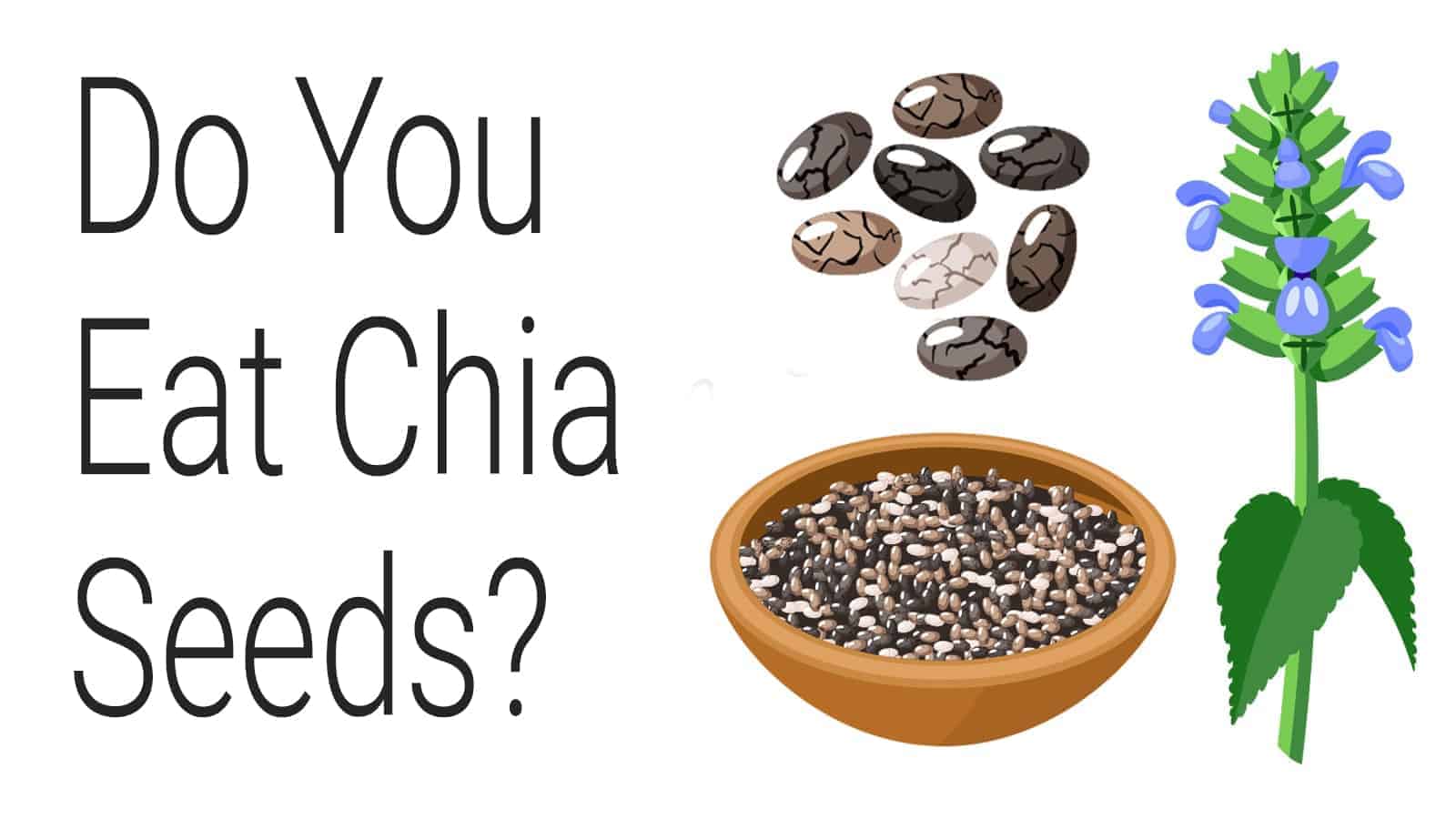
Seeds are also effective for melting fat, as they provide zinc and fiber. They also boost your immune system, giving you more energy and improving overall well-being.

chia seeds

7. Dark Chocolate

Dark chocolate contains cocoa butter, a monounsaturated fat. It is heart-healthy and contains stearic acid, a fat that doesn’t elevate fat levels in the blood as much as other fats. Dark chocolate also contains fiber, an essential nutrient for weight loss.

8. Tuna

Tuna is full of healthy fats and Omega-3 fatty acids. It also contains protein, making you feel full and preventing cravings throughout the day. You’ll find that you don’t eat as many mindless snacks after eating tuna, immensely helping your weight loss efforts.

Tuna not only burns fat, but it also helps with muscle building. It is a versatile option for losing weight without going hungry.

9. Whole Grains

Whole grains are fiber-rich and keep you feeling full for longer times. You can choose from oatmeal, brown rice, and so much more. It keeps your insulin levels low, preventing fat storage. Consuming whole grains instead of refined can make a huge difference in your weight and fat loss efforts.

Whole grains lead to weight loss and decrease LDL or bad cholesterol. It also improves your body composition even when a person’s weight stays the same.

10. Fruit

Most fruit can help melt stubborn body fat, making it an essential addition to your diet. Blueberries are full of fiber and antioxidants, and they contain less sugar than most other fruit. They are satisfying but sweet, making them a perfect snack or dessert.

Citrus fruit is also beneficial, as they combat bloating and fight antioxidants and inflammation. Plums also help, as they contain Flavonoids which help fight fat. Additionally, plums contain pectin, a fiber that reduces fat and blocks fat absorption.

Red grapes are another beneficial fruit because they have high levels of phytonutrients and flavonoids. These phytonutrients burn fat, and the phytonutrients prevent fat storage. Grapes also have a low glycemic fruit, improving insulin sensitivity and regulating blood sugar levels.

Apples also reduce fat and promote weight loss. They contain ursolic acid, triggering your body to burn more calories and generate heat. Apples also contain pectin, helping remove excess fat from the body.

11. Matcha Tea

Matcha tea contains epigallocatechin gallate (EGCG), catechin that burns fat. It has more fat-melting properties than green tea, making it a superior drink for your diet.

12. Olive Oil

Olive oil contains monounsaturated fats, satisfying cravings and regulating your cholesterol levels. While it doesn’t sound like you can do much with olive oil, there are plenty of options.

You can use olive oil with lemon as one of the most purifying remedies. It eliminates toxins from your body, allowing you to eliminate fat.

You can also use olive oil with ginger because ginger is a natural fat burner. It has a thermogenic effect and is easy to add to your diet. Incorporate it in your salad, and it’ll be easier than you ever imagined.

Another option is to consume olive oil with cucumber. Cucumbers have lots of water, making them low in calories while still containing high levels of fiber. The fiber eliminates toxins, and the olive oil works its magic simultaneously.

13. Kale and Spinach

Kale is a leafy green that is fat-free and low in calories. It also contains Vitamins A, K, C, B6, Calcium, Potassium, and magnesium. These nutrients and vitamins make it great for melting stubborn belly fat.

Spinach is another leafy green that is low in calories and promotes melting fat. It prevents fat storage and triggers the body to burn fat for energy. You don’t have to consume a large amount because two cups of spinach are enough to give you a nutrient boost.

14. Beans

Beans play a role in weight and fat loss as they are loaded with soluble fiber. The fiber eliminates inflammation in your digestive system, allowing you to melt fat regularly.

15. Eggs

Eggs are full of protein, allowing your fat to be used for muscles instead. They are a perfect option for breakfast, lunch, or dinner and can even be a filling snack. Eggs are full of muscle-building protein and fat-burning compounds, so don’t miss out on the benefits.

belly fat

Final Thoughts on Melting Stubborn Belly Fat

Melting stubborn belly fat isn’t always easy, but you can make it happen. Follow these tips to make a beneficial change in your life. Once you start melting fat, you’ll feel better about yourself and your life. You don’t have to sacrifice good food, as there are plenty of options for every food group.

10 Hidden Anxiety Triggers You Need to Avoid

Anxiety seems to be a near-universal condition. However, not all those with a diagnosis share the same anxiety triggers.

In the United States alone, approximately forty million adults – or eighteen percent of the population – suffer from an anxiety disorder. However, these numbers come as no surprise to most people.

The truth is that society is somewhat to blame (not to negate our sense of responsibility.) In fact, our society built a 24/7 “constantly connected” infrastructure that permeates our schools, businesses, and elsewhere. Many people are under constant pressure to succeed, most ironically by leveraging this very infrastructure. Of course, this expectation only exacerbates the problem.

“Prevention is the best cure” is a universal axiom within the medical community, including within the mental health sphere. Understanding what “triggers” specific symptoms or conditions can – in some instances – drastically reduce the likelihood of a sign or episode.

Here, we focus on ten established “triggers” that are known to induce anxiety symptoms and anxiety conditions. We hope that, by understanding what provokes anxiety, we can better mitigate any adverse consequences.

Here are ten common anxiety triggers that we need to avoid:

Living with anxiety is like being followed by a voice.
It knows all your insecurities and uses them against you.
It gets to the point when it’s the loudest voice in the room.
The only one you can hear.
– Unknown


inspiration

1. Alcohol

Consumption of alcohol, as it relates to the onset of anxiety, is a “Catch-22.” After a period of dealing with stress and its related stressors, some will turn to booze to calm themselves down.

As a depressant, alcohol can “accomplish” this task – but only temporarily. After this initial period, alcohol becomes the catalyst for anxiety – and this is the actual danger in relying upon the substance to ease anxious thoughts and feelings.

Finding a more constructive and sustainable outlet is strongly recommended by medical professionals.

2. Inadequate nutrition/diet

Our brain is a “hungry” organ in that it requires specific nutritional components – at adequate levels – to function correctly. Further, as the brain uses up much of our body’s resources (i.e., energy), our gray matter must receive said nutritional components in the right amounts.

A typical “Western Diet” is heavily processed, lacking nutritional value to provide for the brain and body sufficiently. According to Dr. Eva Selhub, Contributing Editor at Harvard University’s Health Publications:

“…studies have compared “traditional” diets, like the Mediterranean diet and the traditional Japanese diet, to the typical “Western diet” and have shown that the risk of (mental illness) is 25% to 35% lower in those who eat a traditional diet.”

Nutritionists, dietitians, and other health professionals recommend minimizing the consumption of processed foods and increasing the amount of whole, natural foods we eat.

3. Anti-social behavior

Depending on one’s personality, the desire to engage with fellow human beings can fittingly range on a scale of 1 to 10. Introverts, for example, require sparse social interaction, while extroverts require social interaction as a means of energy and motivation.

Secluding oneself to the extreme, however, can cause some unintended consequences. Too much solitude, particularly for introverts, can result in some serious overthinking – a prelude to an anxiety episode.

This is a highly individualistic and subjective recommendation, but we should seek some social outlet to better our mental health.

4. Certain sensory inputs

Certain lights smells, or sounds can (sometimes, inexplicably) negatively affect our state of mind. In addition to being an annoyance, they cause a stress reaction – and, more specifically, an anxiety reaction.

Noise, especially loud or blaring sounds, can activate and heighten the activity within the amygdala – a part of the brain responsible for the “fight or flight” response. Smells and sounds are much more nuanced but trigger anxiety in some.

Understanding and accepting the notion that certain stimuli can provoke an anxiety response, we are better equipped to manage our environment.

5. Overworking

The determination to push ourselves and create a better life is a respectable trait. However, some individuals possess a drive that – at a certain point – becomes more of a liability than an asset. Such folks do not “live in the moment” of any marked success but instead succumb to the “next big thing.”

Constantly working to achieve this “next big thing” can alter brain chemistry to where any perceived “setback” can ignite a sense of anxiety.

Practicing mindfulness, meditation or gratitude can help keep things in perspective.

6. Lack of sleep

Sleep is essential to the normal functioning of the brain. When we deprive ourselves of this vitally-important state, many unintended consequences can surface. This includes, of course, adverse psychological outcomes.

Lack of sleep often leads to an inability to sleep, aka insomnia. Ultimately, our mental and physical health suffers as a result.

If getting a good night’s rest becomes a consistent problem, you must seek medical advice.

7. Low blood sugar

The brain is a hungry organ; it requires a steady supply of glucose and other nutrients to function correctly. We’re susceptible to diabetes-like symptoms – shakiness, dizziness, weakness, etc.

Furthermore, low blood sugar creates unnecessary stress for the brain. As a result, the brain will perceive this inadequacy as a threat, which can trigger an anxiety episode.

The solution is to consult a physician, nutritionist, or another expert who can recommend a dietary regimen that benefits your unique needs.

8. Poor stress management

Without an excellent ability to manage stress, we’ll quickly succumb to anxiety triggers – both internal and external. Stress creates and exacerbates thoughts and feelings of anxiety, making stress management a priority for those who desire to alleviate anxiety and its associated symptoms.

Practicing mindfulness and deep breathing can help in dealing with these triggers.

9. Negative thought patterns

Negative thoughts breed negative thoughts, the consequences of which can be devastating. As necessary, negative thought patterns tend to worsen over time, resulting in a negative spiral that some cannot manage to get out of.

Positive activities can counteract some or all of the anxiety experienced due to such thought patterns. Sports, meditation, or yoga are all activities that can reduce negative and anxious thought patterns.

10. Loss of direction

Those who once had “a vision” for their life – and (realistically or perceivably) saw this vision crumble – are prone to experiencing high levels of depression, anxiety, and other mental health conditions.

These folks tend to be highly competitive and goal-oriented individuals. Therefore, losing your sense of purpose is devastating. Similarly, others who “lose their way” tend to experience bouts of anxiety.

Indeed, mindfulness, meditation, and practicing gratitude can help put things in perspective. Practice sitting in silence consistently. As a result, you may find the ever-elusive answer to this complicated problem.

These Habits Help You Avoid Your Anxiety Triggers

anxiety triggers

1. Poor health triggers anxiety

Your physical health can impact your mental health. Poor health causes you to feel lethargic, be tempted to overeat, and to feel depressed. Therefore, it limits your ability to work and go to school. Living day in and day with poor health could be one of your hidden anxiety triggers.

2. Too much alcohol

Alcohol is a known depressant. Large amounts of alcohol can cause feelings of sadness and depression. While drinking alcohol, people have reported that they sometimes feel nervous and anxious. So the more alcohol you drink, the more likely you will develop temporary anxiety and depression symptoms.

3. Poor diet

Your diet is an essential factor in your mental health. What you eat impacts your body, but a poor diet also hurts you mentally. There’s a clear connection between what you eat and the risk of depression. Studies show that a healthy diet is associated with a lower risk of depression and its side effects.

4. Dehydration

Dehydration is another one of the anxiety triggers you may have overlooked. Water, in many ways, is a nutrient for your brain. Not drinking enough water causes your brain to work slower and not function properly. If you’re feeling anxious, try drinking extra water to see if it helps you feel better.

5. Lack of sleep

Don’t underestimate the power of a good night’s sleep. Anxiety and sleep disorders go together. Sleep deprivation makes you prone to worry, fear and sadness. Even people who don’t usually experience anxiety have feelings of anxiety when they’re sleep-deprived.

6. Negative thoughts

Your negative thoughts could be one of your anxiety triggers. If your thoughts are rooted in pessimism, it will negatively affect your mental health and how you feel.  It’s easy to allow negative thoughts to repeatedly cycle through your mind until you feel anxious and depressed. Breaking the negativity is key to letting go of your negative thoughts.

7. Social isolation

Did you know loneliness and social isolation are proven anxiety triggers? Prolonged isolation can harm your mood. It puts you at risk for mental and physical health problems like

  • Depression
  • Substance abuse
  • Anxiety
  • Dementia
  • Heart disease
  • Diabetes

8. Fluorescent bulbs

Did you know that those fluorescent bulbs you shop under at the store and sit under at work or school could trigger your anxiety?  Fluorescent bulbs have higher levels of blue light. Blue lights interrupt your ability to sleep. They also flicker more than other light bulbs, which leads to stress or anxiety for sensitive people.

9. Some medications

Certain over-the-counter or prescription medications can trigger anxiety symptoms. The ingredients in these medications cause you to feel uneasy. These feelings lead you to feel anxious or unwell. Medicines that cause you to feel unwell include:

  • Cough medicines
  • Decongestant medications
  • Birth control medications
  • Weight loss medications

10. Caffeine

You may have heard of the caffeine jitters. These jitters make you feel almost the same as if you experienced a frightening situation. Your heart beats faster, your hands will get clammy, and you feel ready to run away.  Caffeine is a stimulant. It sets off your fight-or-flight responses, which can trigger your anxiety and, for some people, cause an anxiety attack.

9 Habits To Help You Avoid Your Anxiety Triggers

Now that you understand some of the leading causes of your anxious feelings try making these changes to your routine.

1. Stay hydrated

Being thirsty can lead to stress and trigger anxiety. Even mild thirst can lead to calm anxiety. Increase your water intake with these suggestions.

  • Keep your water bottle with you all the time.
  • Drink some water every time you go to the bathroom
  • Order water when you eat outside
  • Drink water after you work out
  • Serve water at mealtimes
  • Eat water-filled veggies and fruits
  • Drink herbal teas

2. Avoid too much alcohol

If you know it may tempt you to drink too much, try these tips when you’re going out for a drink.

  • Avoid drinking alcohol on an empty stomach-Eat a light meal before you drink alcohol.
  • Drink water and alcohol together-For every alcoholic drink you have, drink a glass of water.
  • Sip your drink-Take your time and drink slowly.
  • Limit yourself to only one alcoholic drink per hour
  • Set a limit on how you drink at one sitting

3. Understand how God cares for you

Understanding how God cares for you can give you hope and peace of mind. Your spiritual health is closely related to your mental health. When you nurture your relationship with God, it helps you trust him in those things in life that are out of your control. Your growth in understanding God and how he’s working in your life through:

  • Read scripture-Read Psalms for comfort
  • Give your troubles to God-Choose to pray about your worries. Ask God to help you trust him with the outcome.
  • Find a faith community-Find other people of faith who will help you grow in your relationship with God.

4. Stay healthy

Stress from an illness throws you off both emotionally as well as physically. Good self-care helps you stay healthy. Follow these self-care practices for optimum health and less anxiety.

  • Lower your alcohol intake
  • Eat a balanced diet
  • Stay active
  • Get your blood pressure checked regularly
  • Avoid sugar and high fats
  • Don’t smoke

5. Relieve your stress

Stress buildup leads to anxiety triggers. You can relieve your stress by doing these activities:

  • Being outside in nature
  • Exercising
  • Walking
  • Reading
  • Yoga
  • Social interactions
  • Owning a pet
  • Growing in your faith with God

6. Get enough sleep

Lack of sleep can make you more anxious. So even missing as little as one hour of sleep can make you feel more stressed and irritable. It affects your memory and even your muscles. People who struggle with anxiety feel the effects of sleep deprivation more than people who don’t have anxiety. Create a bedtime routine to help you sleep better, such as

  • Keep your bedroom dark and cool.
  • Avoid eating food or drinking alcohol too close to bedtime
  • Take a bath or read a book to relax before you go to bed
  • Avoid using your computer or smartphone close to bedtime
  • Take a calcium-magnesium supplement to help you sleep

7. Avoid negative thought patterns

Sometimes, the same way that you think can make you more anxious. When you’re focused on the negative things in your life, it affects how you feel about your life. It’s easy for your mind to wander, causing everything to look darker than it is. The next time you feel alone, sit down and make a list of all the people in your life. This could be your family, friends, church friends, people in your groups, or school. This can help you fight the lie that no one cares for you.

8. Avoid too much caffeine

Limit how much caffeine you drink. Curb your caffeine habit by following these simple tips:

  • Drink herbal teas during the day
  • Shorten how long your coffee brews
  • Read the labels of your drinks. Even some coffees contain caffeine
  • Drink a smaller cup of coffee
  • Limit how many cups of coffee you drink each day

9. Stay socially active

Staying socially active is one way to break your anxiety. Avoiding people is harmful to your mental health. Even if you don’t feel like it, try to get out with friends or family several times a week. Other ways to stay socially active include:

  • Attend church meetings or Bible studies
  • Join a book club or hobby group
  • Talk to your neighbors
  • Join your co-workers after work for a drink

anxiety triggers

Final Thoughts On Identifying Your Anxiety Triggers

It may surprise you how your everyday life experiences can be anxiety triggers. Simple things like being dehydrated, not eating well, or even missing out on some sleep, can trigger your feelings of anxiety. You can avoid these anxiety triggers by following some tips listed here.

Skip to content