Weekly tips, affirmations, and small actions to feel your best.

7 Reasons to Try Activated Charcoal

What is ‘activated charcoal’?

No, activated charcoal is not the same stuff used to heat the backyard grill!

Activated charcoal is among one of the biggest natural health crazes – and for a good reason. Also called activated carbon or active charcoal, it is fine black powder made from bits of bone char, coconut shells, coal, olive pits, peat, petroleum coke or sawdust.

The charcoal undergoes a very high-temperature heating process which alters the coal’s internal structure. Molecular changes in the charcoal result in a product that is more porous and absorbent.

Why do people use activated charcoal?

Activated charcoal is incredibly absorbent; a property that allows it to trap toxins and chemicals from damaging the body. As the body does not absorb activated charcoal, it effectively traps toxins and gases, which exit the body as feces.

Because of its toxin-binding properties, activated charcoal has numerous medical uses. Perhaps it’s most well-known application is as a poison antidote; treating prescription drug overdoses, as well as overdoses of over-the-counter medications such as acetaminophen, aspirin, and sedatives.

Here are 7 other reasons to try activated charcoal

1. Teeth Whitener/Oral Health

Activated charcoal whitens teeth and promotes oral health by changing the acidity levels (pH) in the mouth. The product also freshens breath while preventing cavities and gum disease.

It works to whiten teeth by absorbing bacteria and plaque that stain teeth. Consuming certain foods and beverages, including berries, coffee, tea, and wine, can also stain the teeth.
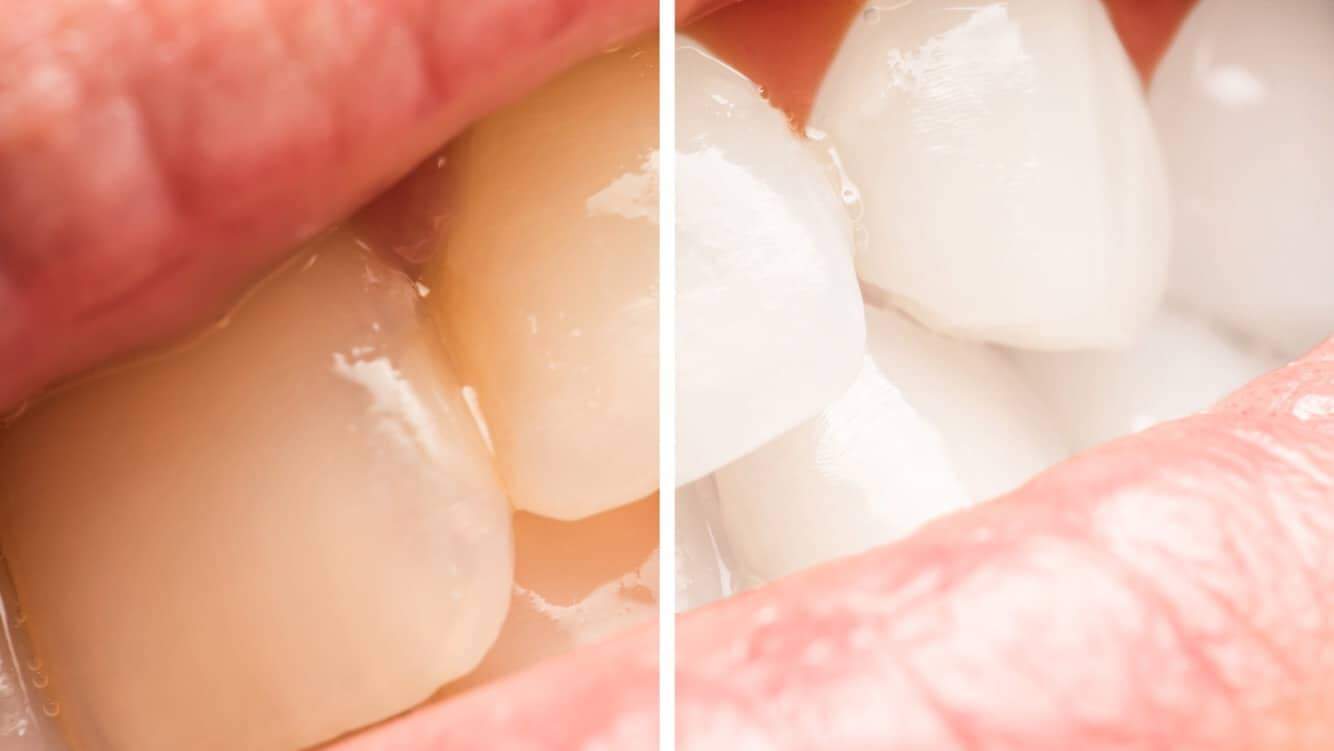
teeth whitening

2. Relieves gas and bloating

In a study published in The American Journal of Gastroenterology, scientists conducted a double-blind experiment on two population groups in the United States and India. (The two countries were chosen solely for the fact food differences vary considerably.)

Measuring breath hydrogen levels to measure amounts of gas produced in the colon, “activated charcoal significantly reduced breath hydrogen levels in both groups.” The scientists conclude that abdominal cramps and bloating are both significantly reduced by activated charcoal.

3. May help lower blood alcohol levels

Because of its extraordinary absorbent properties, activated charcoal can help eliminate toxins that contribute to alcohol poisoning. Further, some studies show that when someone consumes the charcoal immediately before drinking, it helps to regulate the body’s blood-alcohol levels.

Active charcoal is so efficient in relieving the physical effects of alcohol that it is often the first used when a person is unconscious or showing signs of acute poisoning.

4. Water filtration

Activated charcoal helps remove impurities in water. Some substances that active charcoal efficiently neutralize include chlorine, sediment, volatile and organic compounds. (It doesn’t adequately remove minerals, salts or dissolved inorganic compounds.)

Activated charcoal may also improve the taste and smell of water. Per the Environmental Protection Agency (EPA): “Activated carbon is commonly used to absorb natural organic compounds, taste and odor compounds, and synthetic organic chemicals in drink water treatment … (it) is an effective absorbent because it is a highly porous material and provides a large surface area.”

5. May reduce cholesterol levels

Activated charcoal appears to be effective in binding cholesterol within the gut and preventing absorption. In one study of patients diagnosed with high cholesterol, researchers note that plasma concentrations of total cholesterol and LDL (“bad”) cholesterol fell by 25% and 41%, respectively. HDL (“good”) cholesterol levels increased by 8%.

A second study reduced LDL cholesterol by 29-41% in those with high cholesterol levels.

6. May promote kidney health

In a study published in the journal Food and Chemical Toxicology, researchers concluded that activated charcoal was successful in removing urinary toxins in rats. Additionally, rats with induced chronic renal failure (CRF) showed improvements in kidney health following an activated charcoal regimen.

A second study, published in the Saudi Journal of Kidney Diseases and Transplantation, found that combining an oral activated charcoal treatment with a low-protein diet improved end-stage renal disease symptoms.

7. Reduces symptoms of Fish Odor Syndrome

A genetic condition known as trimethylaminuria (TMAU), or fish odor syndrome, causes the body to accumulate a fishy-smelling substance called trimethylamine (TMA).

Whereas healthy individuals convert TMA into a different chemical before excreting it via urination, people with TMAU do not. As a result, TMA builds up in the body, with only minimal amounts expelled in urine.

In a study published in the journal Life Sciences, researchers found that “the daily intake of charcoal and/or copper chlorophyllin may be of significant use in improving the quality of life of individuals suffering from TMAU.”

Final Thoughts on Activated Charcoal:

Many health claims surrounding activated charcoal are anecdotal and require additional research. You can try it as a supplemental, not a standalone, alternative treatment.

Although activated charcoal is safe for most individuals, certain medical conditions may inhibit it’s usefulness or produce undesirable side effects. Medical conditions that may cause complications include intestinal blockages, abdominal bleeding, poor digestion, or recovery from surgery. Activated charcoal may disrupt the absorption of medications, nutrients, and supplements.

When purchasing activated charcoal, make sure to look for fine, highly purified products. Coconut charcoal is a favorite among users because of its ease of digestion and very few side effects. As with any medication or supplement, please make sure to follow dosage recommendations carefully.
10 Things Alpha People Need In A Relationship

What is an Alpha personality?

If there is one thing glaringly apparent about Alpha folks, it’s their unabashed proclivity to tell it like it is. There’s no “uhm,” “hmm,” or “yeah, but” anywhere in their vernacular.

It’s not that Alpha folks are more “tough” than anyone else, (though they may be at times); it’s that they have a keen and almost stubborn sense of right and wrong. When they “set things straight,” Alphas don’t like where the conversation or situation is heading (hence, the quote above.)

In their book Engineering the Alpha, authors John Romaniello and Adam Bornstein list seven character traits of the Alpha personality:

  1. Helpful; but not condescending
  2. Confident; but not cocky
  3. Vain; but not conceited
  4. Prideful; but not arrogant
  5. Humble; but not self-loathing
  6. Tolerant; but not weak
  7. Dedicated; but not obsessed

Do the abovementioned traits carry implications for relationships? Absolutely.

In fact, here are ten things Alpha people need in a relationship:

“If you don’t like what’s being said, change the conversation.” ~ Donald Draper, ‘Madmen’

1. Stability

If you call an Alpha and cancel at the last second, you better have a dang good excuse. Alpha people cannot stand those who don’t keep their word; in fact, it isn’t unheard of for them to shut someone out who breaks a promise and fails to give a good reason why.

2. Organization

Alphas are highly-organized in every area of their life – work, personal, and otherwise. They are not okay with disorder of any kind, particularly in relationships.

But, don’t we all let things get messy once in a while? Of course, we do! Once in a while.

3. Ambition

Having some goals certainly puts you in good graces with Alphas – because they’re always striving for some personal aim. Being driven is more about self-respect than it is success; though Alphas tend to be successful in what they set out to do.

In short, better have some drive when you ‘get in’ with an Alpha.


4. Candor

In case you don’t know by now, Alphas are direct individuals. They don’t beat around the bush about anything. If you have something to say, it’s best to come forward and say it.

Personality type aside, this is something we should all embrace in our relationships.

5. Spontaneity

For all of their strengths, Alphas have some weaknesses too: their near inability to sit still, for one. Alphas tend to be very spontaneous and adventurous – almost to the point of mania. While this can be fun and exciting, us more relaxed folk may not be particular fans of the Sunday afternoon “Get up! Get up!” “Let’s go! Let’s go!”

6. Humor

Alphas can be just as funny – if not funnier – than anyone else. On the other hand, their mind is probably going 200 miles a minute trying to figure something out. If you can deliver a good dollop of humor during stressful moments, you may just turn out to be an Alpha’s soulmate.

7. Shared responsibility

The first question an Alpha will often ask themselves about a potential partner: “Is he/she self-sufficient?”

If not, you can pretty much forget it. This isn’t something to be taken either lightly or personally. Alphas, as with many others, work incredibly hard for what they have – and the thought of someone not contributing is unconscionable.

8. Respect

respect

A no-brainer, right? Alphas, like pretty much everyone else, want a partner that respects them and their decisions. You can bet that they will respect yours. Of course, the respect thing applies to every aspect of life: boundaries, family and friends, opinions, speech, work, and so on.

9. Energy

Alphas are not easily worn down. As such, it can be exhausting to keep up with one in a relationship that is almost certain to be high-speed. The chances are that there will always be something that needs doing, and they will attack the job. But they need a partner who will commit to sharing the workload.

All of this requires a steady supply of personal energy.

10. Restraint

Alphas are generally highly-disciplined individuals. Like everyone else, they feel the whims and tugs of instant gratification, but they rarely give into them. Successful relationships – a successful life – requires personal restraint.

How to Let Go And Forgive Someone Who Doesn’t Say Sorry

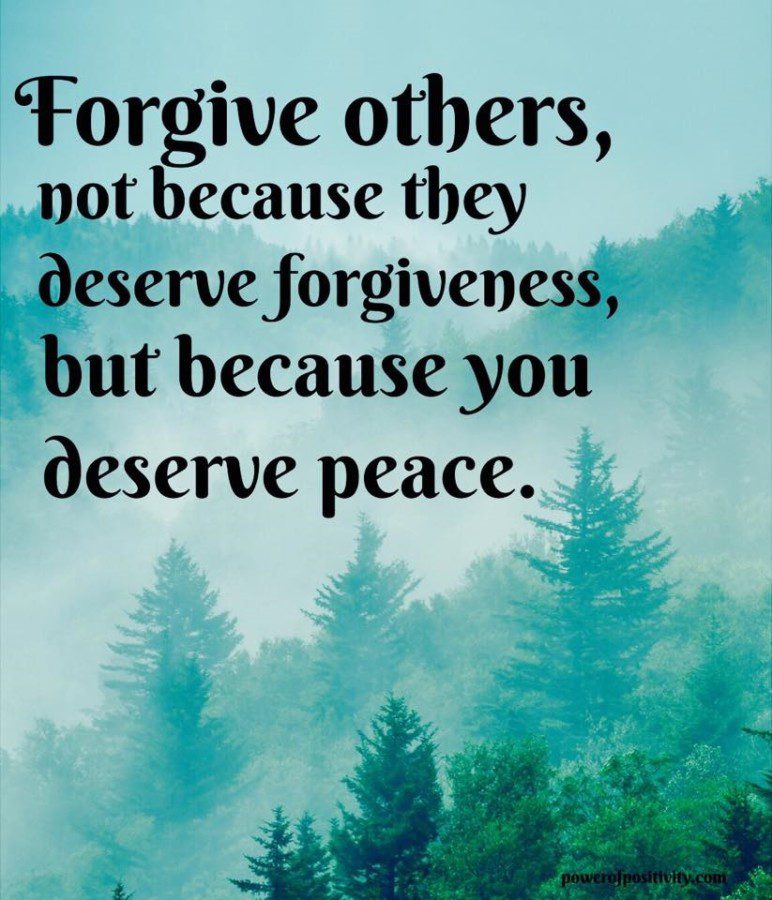
Forgiving someone doesn’t always have to be about the other person. When we forgive people, it’s mostly for ourselves and our own peace of mind. “Whether you realize it or not, if you hold on to resentment, you’re living in the past. When we’re fully present today, now, there is no past or future. And nobody’s making us feel bad,” says confidence coach and columnist Susie Moore.

When we forgive someone, it’s usually because they’ve already sought forgiveness from us. But what about when that never happens? What about the people who don’t say “I’m sorry”? Most people would think that they don’t deserve forgiveness, and continue carrying that hurt and pain with them. But there are ways for us to take steps to forgive them anyway. Not just for them, but for ourselves as well.

Here Are 6 Ways To Let Go And Forgive Someone Who Doesn’t Apologize

“Forgive, forget. Bear with the faults of others as you would have them bear with yours.” – Phillips Brooks

1. Focus on yourself rather than others

Forgiving seems to be about absolving the other person of wrongdoing. However, once you flip the focus from other people onto yourself, you’re now learning to heal from within. Allowing yourself to focus on how you feel and what’s best for you will make forgiving someone for your own peace of mind much easier.

When you decide to forgive someone, you are essentially liberating yourself from the anger and resentment caused by whoever has hurt you. It’s a decision to learn from the betrayal, see your part in it (if there was any) and move on after you’ve processed your feelings sufficiently,” says Dr. Amy Wood.

It only hurts us to hold onto grudges, and the grudges of those who don’t seek forgiveness are often the worst. You’re the only person who should matter when it comes to who and what you have control over.

2. Take responsibility for your feelings

Other people only have so much power over you. While their words and actions can have an effect on us, ultimately, we are in control of our own feelings and behaviors. Taking responsibility for our own feelings is a way to stop blaming others for how we feel, and start moving past those negative feelings. When we stop feeling hurt by others, we lose both the blame and judgement that keeps us trapped by our grudges.

By changing the way you choose to perceive the power that others have over you… you’ll see a bright new world of unlimited potential for yourself… you’ll know instantly how to forgive and let go of anything,” says Dr. Wayne W Dyer.

Recognize that you are the only person who has complete control of your feelings, and by doing so, you become able to free yourself of all negativity.

forgive quote

3. Accept responsibility

Not everything is one-sided. Because we can only see our own perspective, we often find that we perceive other people to be the wrong, judgmental ones. We don’t see that we could have done something to provoke their cold and icy personality. Accepting responsibility for the part you may have played in a grudge or argument means you’ll be able to let go of how the other person is acting much quicker. You may even be able to seek to reconcile the problem, and accepting your responsibility will make the other person more likely to reconcile.

4. Stop living in the past

When you refuse to release a grudge or past anger, you’re not able to fully live in the present. You may find that you’re always thinking back to the people who slighted you and you made you feel this way. When you keep thinking back and experiencing emotions that have long passed, you’re not giving your full self to the things in the present that need your attention.

Research also shows that people who hold onto chronic unforgiveness experience long-term stress, which affects your immune system, making it more difficult to fight off disease. Harmful thoughts have negative health ramifications. Forgiveness allows you to let go, not take things as personally and find true acceptance, even in the midst of chaos or trauma,” says divorce attorney-mediator, Lori S. Rubenstein, JD, PCC.

So, take a deep breath and start living in the now. Once you find peace in your present life, you’ll be much more capable of letting go of the grudging and forgiving people who haven’t said sorry.

5. Don’t look to feel slighted

Sometimes, we deliberately look for reasons to be offended. Righteous anger can feel good sometimes, and we all know those people who are a little bit addicted to the feeling. But in that same vein, going through life looking to be slighted can mean gathering grudges that will never be met with an apology. Letting some of these things go and not allowing yourself to feel offended over every little thing will mean that you’re going to be able to forgive things much easier.

6. Look at life with a loving lens

This doesn’t mean that you have to look at all of the bad things with love, but rather take all of the things that happen in your life and turn them into a lesson for you to learn something from.

Late professor Lewis B. Smedes once said, “Forgiving does not erase the bitter past. A healed memory is not a deleted memory. Instead, forgiving what we cannot forget creates a new way to remember. We change the memory of our past into a hope for our future.”

Therefore, if someone causes you harm, don’t hold the grudge. Look at what happened and learn from the experience. Do you need to be less tolerant of people walking all over you? Or do you need to learn to accept people for who they are? Whatever the lesson, take it and internalize it so you can keep moving forward in life.

Final thoughts

Forgiveness doesn’t have to be something that absolves another person of guilt at the expense of your own emotions. Rather, forgiveness should be something that helps heal you from the past and help you move forward. When you forgive someone who isn’t going to say sorry, it’s a way help heal your mind and soul. It’s “… a wonderful way to honor yourself. It affirms to the universe that you deserve to be happy,” says marriage and family therapist Andrea Brandt, Ph.D.

References:
https://greatist.com/live/how-forgive-someone-who-will-never-say-sorry
https://learnevolveandthrive.com/how-to-forgive-your-partner-even-when-he-she-is-not-sorry/
https://books.google.co.in/books?id=-n3AxT39SM4C&pg
https://www.yourtango.com/experts/lori-rubenstein/how-do-you-forgive-someone-who-not-sorry
https://www.psychologytoday.com/blog/in-therapy/201303/forgiveness-vs-reconciliation
https://www.psychologytoday.com/blog/mindful-anger/201409/how-do-you-forgive-even-when-it-feels-impossible-part-1

How to Release Emotional Attachments to Someone Who Stopped Loving You

I’ve heard of falling in love, but hardly have I come across people who have fallen out of love. Is this even possible? Can your partner suddenly stop loving you? Before we answer that question, you must know that there’s a huge difference between ‘loving’ and ‘being in love’.

Falling out of love is one of those awful parts of life that we don’t want to think about until we sense that it’s happening to us. At first, we think we’re imagining things, it’s rare we stop and ask ourselves, “does he love me?” But pretty soon it becomes clear that something is really, really wrong,” says dating coach Elizabeth Stone.

Letting go of someone that you never thought you would have to let go of is a difficult thing. When someone has stopped loving you, it may feel like the world won’t continue spinning. However, we all know that isn’t true. Letting go and moving forward with life is entirely possible, and it’s the healthy solution to having to say goodbye to someone you once loved.

When it’s time to let go and say goodbye, we are often left wondering how to go about doing that. After all, it’s not something that’s taught to us in school. Here are the best ways to let go of someone who’s stopped loving you, and move forward to a better and healing tomorrow.

Here Are 5 Ways To Help You Emotionally Release Someone Who Stopped Loving You

“Nothing in the universe can stop you from letting go and starting over.” – Guy Finley

let go of the past - loving

1. Understand why you broke up

What was it about the relationship that wasn’t working? What caused the rift that had the both of you part ways in the first place? If you can’t pinpoint the exact reason, you may want to think about what went wrong in the relationship. This doesn’t mean that it was your fault, their fault, or anyone’s fault.

Sometimes, people don’t work out in a relationship. That doesn’t mean there must be a good and bad guy in the breakup story. Even if it still hurts, understanding why the relationship ended is the first step to allowing yourself to let them go and learn to say goodbye.

You can stay civil and on speaking terms if necessary–or you can part ways for good. There’s no right or wrong answer, just what is best for your heart.

2. Take your time

You don’t need to get over your heartbreak right away. There’s a reason that the phrase “time heals all wounds” is as popular as it is. While it may not be true in the sense that time heals ALL wounds, taking your time can indeed make healing a lot easier. If you try to push yourself into feeling better and bottle up how you’re feeling, it will only come back ten times harder than before.

Sometimes time shows us that the feelings we felt were only to be felt in passing — as we passed on by and on to the next individual we love. That’s why you have to give time a chance. Even if it doesn’t do the trick of healing all your wounds, it will most certainly numb the pain. It will turn those vivid memories into blurry renditions,” says entrepreneur Paul Hudson.

When you’re learning to let go, the most important thing to do is to let yourself take all the time you need to heal. One day, you’ll wake up and realize that you aren’t feeling the same pain as when it first happened.

3. Understand why you need to let them go

Relationships don’t always end for good. There are times where a relationship can be rekindled and put back together. However, when you’re saying goodbye to someone who has stopped loving you, it’s best to understand that the relationship will not likely be fixed. Sometimes, we need to understand that relationships end so we can move forward and find that special relationship we’re meant to be in forever.

Understanding why you need to let them go is a great tool in healing “because if you don’t those emotions will catch up with you, and you’ll end up doing something that you’ll later regret,” adds Hudson. Once you have that understanding, you will no longer feel the need to be drawn back into a relationship that has reached its expiration date.

4. Meet new people

This doesn’t mean that you have to start going on dating apps and meeting people in bars right after you’ve said goodbye. Hooking up with people won’t fix that feeling of heartbreak. However, surrounding yourself with new people will aid in your recovery. You won’t fall in love with someone new right away, but if you allow yourself to enjoy new people, you may “fall in love” with parts of people, which can help you get the feeling back in your life as it moves forward.

Surrounding yourself with new people will also allow you to fill your days with learning about new people instead of wallowing. Also, be careful with rebounding because “at these early stages of grief, it’s easy to have tunnel vision: You dwell on what was wrong in the relationship—what hurt and wounded you,” says doctor and author Robert Taibbi, L.C.S.W.

So, what does this mean?

Whenever you are ready–you get to decide! Don’t cave into peer pressure. Let your heart heal, then consider relaunching your social life.

5. Open yourself to finding love

When we say goodbye to someone we truly love, it can feel like that was it for us. We met the love of our lives, and it didn’t work out, and there’s no one else for us. But that isn’t true! Spiritual matchmaker Heather Kristian Strang says, “In a spiritual sense, all true love is eternal. Death, breakups, divorce — whatever it may be — cannot destroy a true love.

Therefore, closing yourself to love can shut you off from finding the person you were meant to be with. Sometimes, relationships end so that we can find the love of our lives. When you meet that person, all of the pain from saying goodbye to your last love will heal like never before. Keeping yourself open to love is going to be the thing that helps you heal and move forward, every time.

loving

Final Thoughts on Moving on When Someone Stops Loving You

Saying goodbye is a difficult task. When we think that the person we were with will be with us forever, figuring out how to let them go isn’t easy. However, it can be done, leading us to richer, more fulfilling lives. It can even lead us to meet the love of our lives. Don’t be afraid of letting go and healing, even if it hurts for a while.

15 Early Warning Signs of a Potential Abuser

Bullies and abusers are cowards…

Sure, the argument can be made that bullies are victims too. Some kids who grow up in abusive or neglectful households may develop an “I’m the oppressor” mindset. Obviously, these cases are tragic – and help must be a priority; but such cases are the exception to the rule.

Regardless of motive, bullies and abusers inflict far more damage than they receive. As a consequence, society rightfully deems this behavior completely unacceptable.

Bullies and abusers are two peas in a pod. A bully is an abuser, and an abuser is a bully. Both “feel stronger, smarter, or better” than the person they’re harming. They see bullying as their right, and even a means of getting ahead.

Please keep in mind that these people are found everywhere; in schools, workplaces, shopping malls, grocery stores, churches, hospitals, charities, state and national governments, militaries, corporate boardrooms, you name it. They work in jobs where they swear to help people, only to do the opposite.

“Great spirits have often encountered violent opposition from weak minds.” ~ Albert Einstein

In this article, we’re going to discuss 15 early signs of a potential abuser.

As you read this list, and if you are being abused or bullied, please remember that there are good-hearted people who will stand up for what’s right. There are plenty of Good Samaritans that will not stand idly by while bullies and abusers try to inflict their pain on someone else.

Let’s talk about signs to look out for from potential abusers.

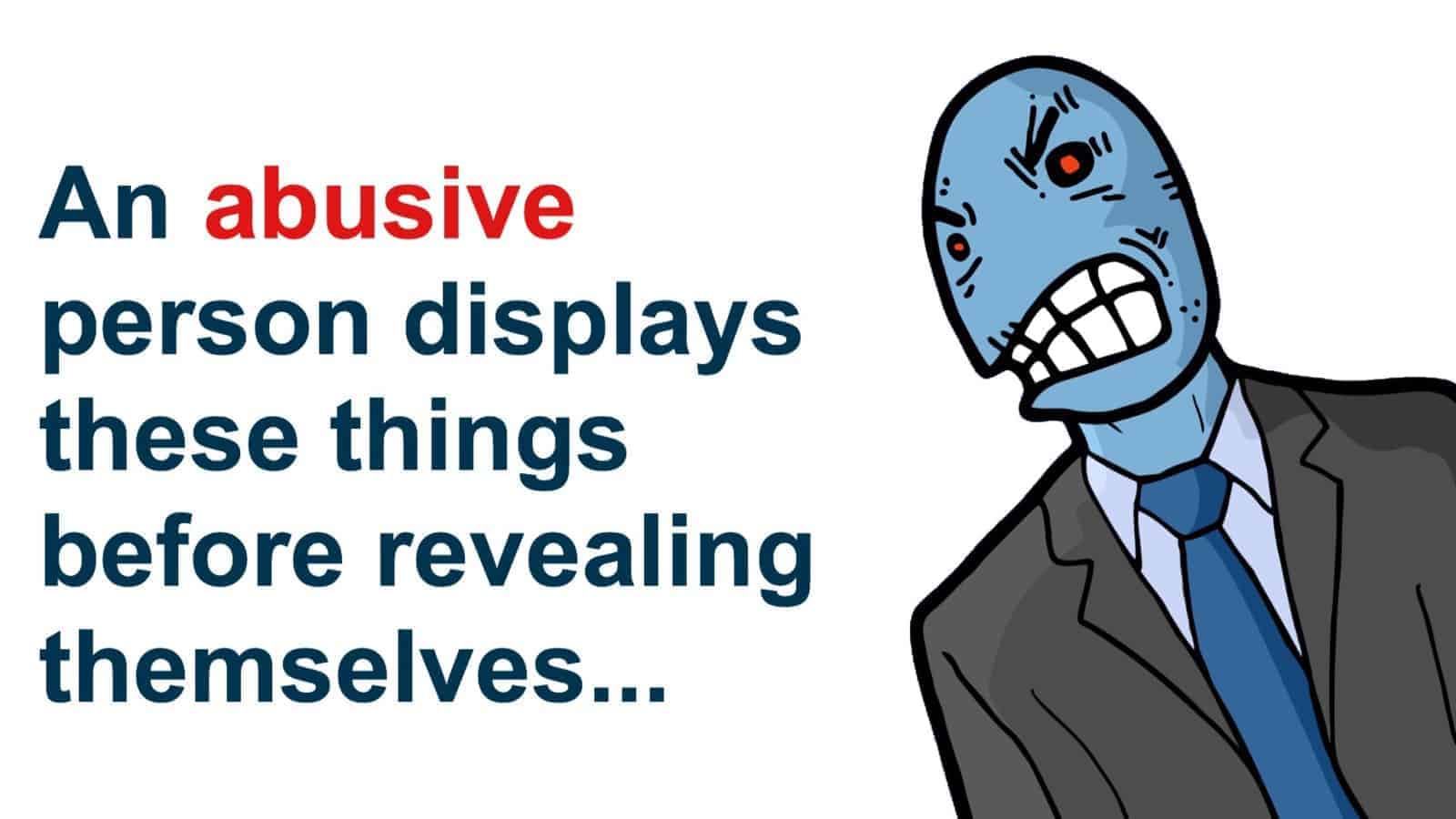
abusive behaviors

Here are 15 early signs of a potential abuser:

1. Boasting or bragging:

Abusers possess a narcissistic streak. They will dwell on about their “accomplishments” with the hope of impressing no one in particular.

2. A potential abuser is needy:

Yeah, abusers will display a “poor me” attitude with the hope of getting you to feel bad for them. They’ll cling, beg, and show insecurity. Go figure.

3. Lies and manipulates:

Abusers have the well-earned reputation of lying about the stupidest, most asinine things. Most bullies aren’t too bright either, so you can probably see through the “deception.”

survival

4. Oversensitivity:

Abusers are often overly-sensitive and uptight. This can be a dangerous sign, as they may seek to release their pent-up anger and hostility onto someone innocent.

5. Quick to commit:

As mentioned, abusers are needy and clingy people. As such, they may ratchet up the pressure for a committed relationship. The sooner they can control someone, the better.

6. Jealousy:

Abusers also have the reputation of claiming that their jealousy is a sign of love. Nuh-uh. Jealousy is a sign of immature aggression. Stay away.

7. Controlling behavior:

Being a control freak may be the number one sign of an abuser. They’ll question where you’ve been, who you’re talking to; they will probably check your phone, and – perhaps most disturbingly – call your friends and family.

8. A history of violence or abuse:

Abusers don’t fool anyone. Even those close to them (e.g., friends and family) may drop a hint about the person’s lack of self-control and propensity for violence.

9. Possessive:

A close cousin to controlling behavior, abusers may refuse to let you out of their sights. It’s not uncommon for these bullies to cut you off from your social circle.

10. Rage:

In reality, no one is safe from a bully, particularly someone who looks vulnerable. Abusers will often look for a place to direct their rage; even going so far as to provoke an innocent person.

11. Insist on “my way”:

Bullies are incredibly closed-minded individuals. They give no second thought to shutting down someone else’s opinions or suggestions.

12. Ignores boundaries:

The agreed upon social contract of not invading someone’s space doesn’t apply to abusers. If you get involved with an abuser, you can expect to have your privacy violated more than once.

13. Sabotages friendships:

Abusers are notorious for trying to end friendships which they see as threatening to their sense of control.

14. Insults your loved ones:

Oh yes, the abuser will almost certainly find fault with one or more of your family members or close friends. They’ll often show no hesitation in dishing out verbal abuse towards them.

15. Overly defensive:

Once again, abusers are cowards. The smallest perceived “threat” is enough to get them going. You can expect plenty of childish behavior like this.

If you or someone you love is being abused, please contact one of the following organizations:

– The National Domestic Abuse Hotline
Website: https://www.thehotline.org
Phone: 1-800-799-7233
Live chat services: available 12-6pm Central time.

– Stopbullying.gov
Website: https://www.stopbullying.gov/get-help-now/index.html

– Childhelp National Child Abuse Hotline
Website: https://www.childhelp.org
Phone: 1-800-4-A-Child (1-800-422-4453)

Of course, please contact your local police department in the event of an emergency or call 911.

Sources:
http://www.thehotline.org
http://www.womenaresafe.org/physical.html
https://www.childhelp.org
https://www.stopbullying.gov

Scientists Explain 5 Ways Technology Can Hurt Your Relationship

The above quote pretty much sums up this article in a nutshell. Technology has taken over our lives, and not in a good way. Sure, technology has its benefits, giving rise to advancements in medicine and machinery, but it doesn’t do much good for humanity regarding smartphones. We have become utterly addicted to our mobile devices, and you don’t need any studies to prove this statement. Just look around you – you’ll likely see most people glued to their phones no matter where you go.

When it comes to relationships, this addiction has disastrous consequences. In the U.S., the average smartphone user spends 2 hours and 37 minutes on his phone per day, according to research from Statista. In Brazil, the average is nearly five hours! What does this mean? Our phones have become a permanent extension of our hands, and we don’t pay much attention to the world around us. We have substituted virtual reality for reality, and it turns out that switching back and forth between the two worlds doesn’t come so quickly.

Many people report that their relationships have suffered due to the overuse of technology, and this doesn’t come as a surprise when people seem to spend every second of their free time on their phones.

“We are allowing technology to kill our relationships because we tend to give our phone more attention than we do our partner.” – Unknown

In this article, we’ll go over technology’s exact implications on relationships.

5 Ways Modern Technology Can Harm Relationships

Here are five ways technology can hurt your relationships, according to science:

relationships

1. It takes you away from the present moment

How often have you been conversing with your partner, only to see them pull out their smartphone in the middle? They probably don’t do this on purpose, but it can make you think your conversation isn’t as crucial as whatever they’re looking at on their phone. The more this happens, the less satisfied you’re likely to be in your relationship because your partner’s attention is divided between you and their phone. In fact, in a study published in Psychology of Popular Media Culture, researchers found that 70 percent of women said smartphones interfered with their relationships.

Eye contact and active listening are critical components of communication, both compromised when smartphones appear. Intimate relationships require trust and communication, and you can’t build on these when you or your partner decides to scroll through Facebook while having a conversation. It’s downright rude to stare at your phone while your partner is talking to you because this tells them that what they have to say doesn’t matter.

beautiful quote

2. Technology ruins quality time together

Most people today don’t have a lot of free time already, but when we spend an average of 2 hours and 37 minutes on our smartphones per day, that leaves practically nothing left for real relaxation. Not to mention, the same study that found 70% of women had “technoference” in their relationships also discovered that 62% of women said technology interfered with leisure time with their partner. 

The more we let technology interrupt our lives, our relationships will suffer. For example, when couples go out on dates now, they spend more time checking their phones than talking with their partner. This creates dissatisfaction and loneliness in a relationship, and isn’t the whole point of a relationship to have someone to talk to and bond with?!

3. It creates resentment

As we’ve already said, being on your smartphone while spending time with your partner essentially checks you out of the real world. Your attention goes to the myriad of apps and notifications on your phone, distracting you from your real life. It might feel nice to escape the real world for a while, but we have taken it over as a society. In relationships, resentment can easily build if one partner spends too much time on their phone, ultimately leading to a breakup. How silly does it sound that a little screen can sever the ties between two people. A small device that gives us a gateway to a virtual world can cause someone we love in the real world to fade away.

4. Technology can make you move too fast

Maybe you met someone online and realized they live far away from you. After talking for a few weeks or months, you decide to move in with them or invite them to move in with you. Then, you have an epiphany and realize that you never really knew them at all, and that they have become a completely different person. You can get into relationships with the wrong people by not allowing the relationship to unfold and taking time to get to know one another. Moving in with someone or even just moving to the city or state where they live is a huge deal, and shouldn’t be taken lightly.

5. It can lead to depression

We could write a whole book on the link between technology and depression, but for now, we’ll just summarize it as best we can. How does the use of technology cause depression? For one, the blue light emitted from smartphones can interrupt our circadian rhythm, leading to sleep problems and a depressed mood. For another, smartphones make us isolated, which creates feelings of depression. Furthermore, when your partner continually chooses their phone over you, it can make you feel unloved and neglected, which can cause depression. All of these factors are interconnected, and when combined, it can create severe mental health problems.

Final Thoughts on the Impact of Technology on Your Relationships

Smartphone technology has exploded in the past decade, and we’ve had to try to adjust to how it impacts our daily lives. Most people say they can’t live without their smartphone, and you certainly don’t have to. It’s how you use the technology that truly matters. As long as you set limits on your use of smartphones, give your full attention to your partner when they’re talking to you, and make sure you have a real life outside of your phone, it shouldn’t become an issue.

(C)Power of Positivity, LLC. All rights reserved
References:
https://clintonpower.com.au/2011/07/the-disturbing-effects-of-technology-on-your-relationships/
https://www.npr.org/sections/health-shots/2014/12/03/368213774/don-t-let-technoference-ruin-your-love-life
http://psycnet.apa.org/record/2014-52280-001
http://www.cnn.com/2013/01/10/health/kerner-social-relationship/
https://www.psychologytoday.com/blog/happiness-in-world/201006/the-effect-technology-relationships
http://www.businessinsider.com/people-spending-more-time-on-smartphones-chart-2017-5
https://www.washingtonpost.com/national/health-science/teenage-depression-and-suicide-are-way-up–and-so-is-smartphone-use/2017/11/17/624641ea-ca13-11e7-8321-481fd63f174d_story.html?utm_term=.e0e6f836b574

7 Signs You’re In A Toxic Relationship With A Narcissist

Did you know that a narcissist has a “split personality?”

Narcissistic personality disorder: a mental disorder in which people have an inflated sense of their own importance; a deep need for admiration and a lack of empathy for others…Behind this mask of ultra-confidence lies a fragile self-esteem that’s vulnerable to the slightest criticism. ~ Mayo Clinic

Instead of living as their highly-sensitive and vulnerable selves, narcissists develop and exhibit a deeply-held, false persona that is equal parts grandiose, unempathetic, conceited, self-centered, and entitled.

In other words, narcissists are highly-developed children. They choose to ignore past issues and act out in similar to a child who doesn’t get their dessert first. The narcissist will literally destroy other peoples’ lives to get what they want.

It goes without saying that narcissists are less-than-ideal romantic partners, friends, roommates, colleagues, or acquaintances. Once again, they are both unaware of and unconcerned with how their actions affect others.

Here are seven signs that you are in a relationship with a narcissist:

narcissist

1. They LOVE talking about themselves

“My father’s favorite responses to my views were: ‘but…,’ ‘actually…,’ and ‘there’s more to it than this.’ He always has to feel like he knows better.”

Narcissists love to talk about themselves to the point that they hoard an entire “conversation.” There is no two-way communication. If you try to get a word in, they’ll merely continue dwelling on about themselves.

2. They’re extremely entitled

“Why didn’t I get promoted? I’m the best employee here.”

Narcissists expect preferential treatment from everyone. They expect others to cater to their needs, without any questions being asked.

In a relationship with a narcissist, your partner will often feel as if they “deserve” something that they haven’t earned. Instead of pulling up their pants and getting to work, they’ll feel that’s beneath them and insist on someone else (YOU) doing it.

3. They focus entirely on the external

They’ll go out of their way to look the part. They take “fake it til you make it” very seriously. Often, hanging out with the who’s who, they’ll put themselves in the rooms they feel they deserve to be in even if it means lying to get there. If you as their partner don’t also look the part, you’ll find yourself being forced to change something about your appearance.

They’re the most handsome, the most beautiful, and if you don’t agree, or remind them of this often, you’ll find yourself in a verbal attack or given the silent treatment.


4. They are grandiose in thinking

narcissist

RELATED: Why A Narcissist Can’t Stay In Love

Ever heard the song “You’re So Vain”? The 1988 classic manages to capture a narcissist’s thinking perfectly. Here are a few lines:

Well I hear you went to Saratoga
And your horse, naturally, won
Then you flew your Learjet up to Nova Scotia
To see the total eclipse of the sun
Well, you’re where you should be all the time
And when you’re not, you’re with some underworld spy
Or the wife of a close friend

The lyrics are far-fetched to the point of being almost funny. The song also happens to accurately describe narcissistic delusions of grandeur.

5. They unabashedly break rules

“This queue is ridiculous; think I’ll just cut ahead of that old guy.”

Narcissists take pride in breaking the rules. As they don’t care about anyone else’s feelings, they show no hesitation in doing so. They’ll steal, break appointments, ignore traffic laws … they’ll do pretty much anything that violates social norms.

But what if they get caught? A hypothetical question leads us to the sixth sign:

6. They are supreme manipulators

“Let me tell you what ACTUALLY happened…”

Narcissists are skilled excuse-makers and schemers.

In a relationship with a narcissist, your partner will often play the blame game to get what they want. Guilt-tripping is another useful tool for the narcissist, as it can – often, capably – manipulate the victim into thinking that they’re wrong or at fault. It’s a sick, twisted game – and one that narcissists, unsurprisingly, enjoy playing.

7. They violate boundaries

“Oh, that’s your stuff? Don’t mind if I do…”

Surprise, surprise! Narcissists couldn’t give two craps about personal boundaries. They’ll blatantly disregard your personal space; along with your feelings, thoughts, and even possessions (turns out many love to steal, too.)

If you’re in a relationship with a narcissist, you can see their outright indifferent attitude towards people and things that you care for. This behavior is a manifestation of a narcissist’s deeply-held insecurities.

Final Thoughts

It’s crucial for someone who is in a relationship with a potential narcissist to understand the inevitability of emotional (potentially, physical) abuse. It’s also paramount to know that this behavior will never change. Narcissists make a living (literally) through being calculated, cold schemers.

It’s also crucial to grasp that it doesn’t matter if they “technically” qualify, i.e., are diagnosed as someone with a narcissistic personality disorder (NPD). In fact, this diagnosis is quite rare. However, experts estimate that around 6% of the U.S. population displays signs consistent with those of moderate NPD – roughly the same percentage of people diagnosed with depression.

If you or someone you know is the victim of emotional or physical abuse, please contact the National Domestic Violence Hotline at 1.800.799.SAFE (7233). NDV’s website site www.thehotline.org.

Sources:
https://www.mayoclinic.org/diseases-conditions/narcissistic-personality-disorder/symptoms-causes/syc-20366662
https://www.psychologytoday.com/blog/communication-success/201409/10-signs-youre-in-relationship-narcissist

7 Behaviors of Someone Who is Emotionally Addicted to Stress

When someone is emotionally addicted to stress, cortisol and adrenaline are pumping out in higher levels than for the average person, but the adrenaline junkies want to pile on even more stress. Identifying strongly with three or more of these 7 signs of emotional addiction is a good indication that stress is a favorite pill of choice.

Here are 7 behaviors that show an emotional addiction to stress:

1. Enjoying the thrill of the chase

Pressure is on to meet that deadline because they procrastinated on purpose, just to feel the rush of stress as they press to finish at the last minute. Procrastination for the purpose of creating emotional stress is less healthy than methodically completing tasks that need to get done before the deadline, but a stress addict likes the thrill of this game to see if they will be done on time.

2. They avoid down time

“I’ll rest when I’m dead” is the motto of someone who has an emotional addiction to stress. Planning for healthy mental and physical breaks from work is a less emotionally addictive way to handle their workload.

3. They find drama or it finds them

Military veterans have a high exposure to stressful situations in combat and often are thought of as ‘adrenaline junkies’ who crave the ongoing rush. A stress addict who purposefully finds drama in order to feel a rush may be doing a similar behavior by adding increasing risk or drama to normal daily situations.

Stress or adrenaline junkies have a tendency to engage in risky health behaviors, for example, drinking to excess or driving recklessly, and this may be due to low dopamine levels in their brains. Researchers find that people with lower functioning dopamine activity in the brain puts them at risk for violence, because it motivates them to experience aggression’s hedonically rewarding qualities, just like an addict.

stress quote

Frequently arguing is a sign that someone is emotionally addicted to stress. The brain releases dopamine when a person believes that they have ‘won’ an argument in addition to the adrenaline of having to ‘fight’ for the win. This neurotransmitter combination can be an addictive positive feeling that stress junkies crave over and over. Escalating the emotional state intentionally may harm the relationships people have, so the help of a mental health professional is suggested if someone finds their behavior to be negatively impacting connections with others.

4. They expect results immediately

Those who are used to getting their way will often take control and order others around, which then creates stress for others. Why do you need to drop your things for their thing? Issuing instructions and expecting you to jump makes you seem bossy and impatient, but if these actions do get results, it may be feeding their stress addiction.

5. They have an innate sense of time

You know exactly how many minutes have passed since you’ve been waiting for the elevator and exactly how many other things they could have been getting done in that same number of minutes. There are never enough productive minutes in the day for them and they enjoy being right about guessing what time it is on the clock throughout the day.

6. If there’s no pressure, they add it

Creating a rushed deadline to push your level of activity to a furious pace is a trait of someone who is emotionally addicted to stress. Objectively seeing a deadline without the emotion of stress associated with it, or being able to manage stress response by planning work appropriately, is a more effective response.

7. Worrying is something they do well

Thinking of the future is a sign that you’re emotionally addicted to stress because, although you can plan for the unknown, you can’t predict what will happen. Living in the present moment is difficult for those who enjoy the emotional rush of stress.

Final Thoughts:

Recognizing the problem is the first step to overcoming any addiction. An addiction to stress may be an avoidance of thoughts or emotions that have not yet been processed. Seeking the help of a mental health professional to find treatment resources is a great next step to overcoming stress addiction.

References:
https://www.huffingtonpost.com/2014/08/19/stress-addiction_n_5689123.html
military risky behavior: http://www.dtic.mil/dtic/tr/fulltext/u2/a562950.pdf
Dopamine and brain: https://www.thefix.com/content/winning-argument-addictive-adrenaline1365
https://www.researchgate.net/profile/David_Chester/publication/284518465_Looking_for_Reward_in_all_the_Wrong_Places_Dopamine_Receptor_Gene_Polymorphisms_Indirectly_Affect_Aggression_Through_Sensation-Seeking/links/566c851808ae430ab4fd6298/Looking-for-Reward-in-all-the-Wrong-Places-Dopamine-Receptor-Gene-Polymorphisms-Indirectly-Affect-Aggression-Through-Sensation-Seeking.pdf

Brain Science Explains Why Women Need More Sleep Than Men

“Sleep serves to re-energize the body’s cells, clear waste from the brain, and support learning and memory. It even plays vital roles in regulating mood, appetite, and libido.” – Dr. John Peever & Dr. Brian J. Murray

Arianna Huffington, the founder of Huffington Post, calls sleep ‘the next feminist issue,’ arguing that lack of sleep “affects their judgment, creativity, and ability to realize their potential. In 2007, Ms. Huffington collapsed from exhaustion amidst the pressures of building her media brand.

Huffington may just have a new best friend in Dr. Jim Horne. Horne, U.K’s leading sleep science expert, argues that women need more sleep than men. 20 minutes more on average, says the good doctor.

It all comes down to how women use their brains.

“Men are from Mars, women are from … *snore* …”

Okay, so we all know that the male and female brain couldn’t be more different. According to Dr. Horne, the executive operations of the brain – planning, attention, and organizing – operate very uniquely in women.

“Women tend to multi-task – they do lots at once and are flexible – and so they use more of their actual brain than men do. Because of that, their sleep need is greater,” says Horne, “The more of your brain you use during the day, the more of it that needs to recover and, consequently, the more sleep you need.”

Women Aren’t Getting Enough Sleep

why women need more sleep than men

Per the National Sleep Foundation (NSF), “While women need more sleep than men, many are not getting the proper amount.” And, really, all that’s needed is a couple of statistics to prove NSF’s findings.

According to Dr. Kimberly Babson, a leading sleep researcher and sleep advocate, women are twice as likely to suffer from insomnia than men. The female brain also tends to “age” more than men: “A typical 75-year-old woman has a comparable brain age to a 70-year-old man,” says Horne.

Neuroscientist Explains Why Women Need to Catch More Zzz’s Than Men

The NSF also cites several other factors that may impact women’s quantity and quality of sleep:

– As women are smaller than men, they’re more likely to be woken up and move around the bed. (Once woken up, it’s much more difficult for women to fall back asleep than it is for men.)

– Menopause produces hot flashes, which disrupt sleep.

– Pregnancy can make it challenging to snooze due to excess weight and position of the fetus.

– Worrying about problems and losing zzz’s over them are more common in women, which may be explained by increased activity in the brain’s executive regions.

Dr. Horne’s study found that 18 percent of women “claim to have a bad night’s sleep at least five days per week.” Just 8 percent of men claimed the same.

Effects of Multitasking

There is no question that women are better multitaskers than men. That said, neuroscientists have repeatedly demonstrated that multitasking is much less efficient than single-tasking in both sexes. Also, multitasking depletes cognitive energy reserves much faster, often leading to a “brain drain.”

Dr. Daniel Levitin, professor of behavioral neuroscience at McGill University, says, “(Multitasking) comes at a biological cost that ends up making us feel tired much quicker than if we sustain attention on one thing.” The biological toll that multitasking takes isn’t over, either. Dr. Levetin states that people: (a) eat more junk and (b) drink more caffeine when doing more than one thing at a time. “Often what you need in that moment isn’t caffeine, but just a break. If you aren’t taking regular breaks every couple of hours, your brain won’t benefit from that extra cup of coffee,” Levitin adds.

sleep

Putting it All Together

While Dr. Horne and other neuroscientists are adamant that women need to prioritize their zzz’s, they do not claim that men need less. In fact, men who work high-pressure and complex jobs may need more. While biology may always have a hand in sleep quality (or lack thereof), lifestyle habits are just as important. The NSF recommends a variety of ways to improve “sleep hygiene”: practices and habits necessary for good sleep quality and daytime alertness.

Here are some good sleep hygiene practices:

– Avoid stimulants (caffeine, tobacco) an hour or two before bedtime.

– Do at least 10 minutes of aerobic exercise per day.

– Establish a regular and relaxing bedtime routine (warm shower/bad, reading a book, stretching, etc.)

– Get adequate exposure to natural light.

– Limit daytime naps to 30 minutes.

– Limit evening alcohol intake to 1-2 drinks (too much alcohol before bedtime disrupts the vital stages of sleep.)

– Make sure that the environment is conducive to catching some rest.

– Turn off mobile devices.

– Use a digital or old fashioned alarm clock. If using a digital clock, rotate the clock’s face away from you.

Sources:
http://www.businessinsider.com/why-women-need-more-sleep-2017-2
http://www.dailymail.co.uk/health/article-1246029/Who-REALLY-needs-sleep–men-women-One-Britains-leading-sleep-experts-says-answer.html
https://qz.com/722661/neuroscientists-say-multitasking-literally-drains-the-energy-reserves-of-your-brain/
https://www.scientificamerican.com/article/what-happens-in-the-brain-during-sleep1/
Skip to content