Weekly tips, affirmations, and small actions to feel your best.

Science Explains How Many Steps You Need Daily To Lose Weight

Did you know that walking is one of the healthiest forms of exercise you can do to lose weight? Per the Mayo Clinic, here are just a few benefits of walking as exercise:

– Maintain a healthy weight
– Prevent or manage various conditions, including heart disease, high blood pressure, and type 2 diabetes
– Strengthen your bones and muscles
– Improve your mood
– Improve your balance and coordination

In no way is the above list all-inclusive. Here are some other known benefits:

– Relieves arthritis pain
– Boosts the immune system
– Tones your leg muscles
– Improves respiratory function
– Stimulates circulation
– Relieves symptoms of PMS
– Improves our memory
– Boosts libido

For this article, we’re going to discuss how walking can help a person lose weight. We’ll also provide some helpful tips for getting the most out of your walking experience.

Walking to Lose Weight: How much?

To start with, 30 minutes of brisk walking is a great goal. When beginning any exercise regimen, it’s important to progress at the rate that your body adjusts.

While 30 minutes may not sound like a whole lot, consider just how far you walk in a half-hour period:

– 1.5 to 2 miles (2.5 to 3.3 km)
– Approximately 3000 to 4500 steps (!)

It is helpful to set realistic, achievable goals for yourself; the Department of Health and Human Services (HHS) recommends a minimum of 150 minutes of moderate aerobic activity per week (brisk walking falls into this category.)
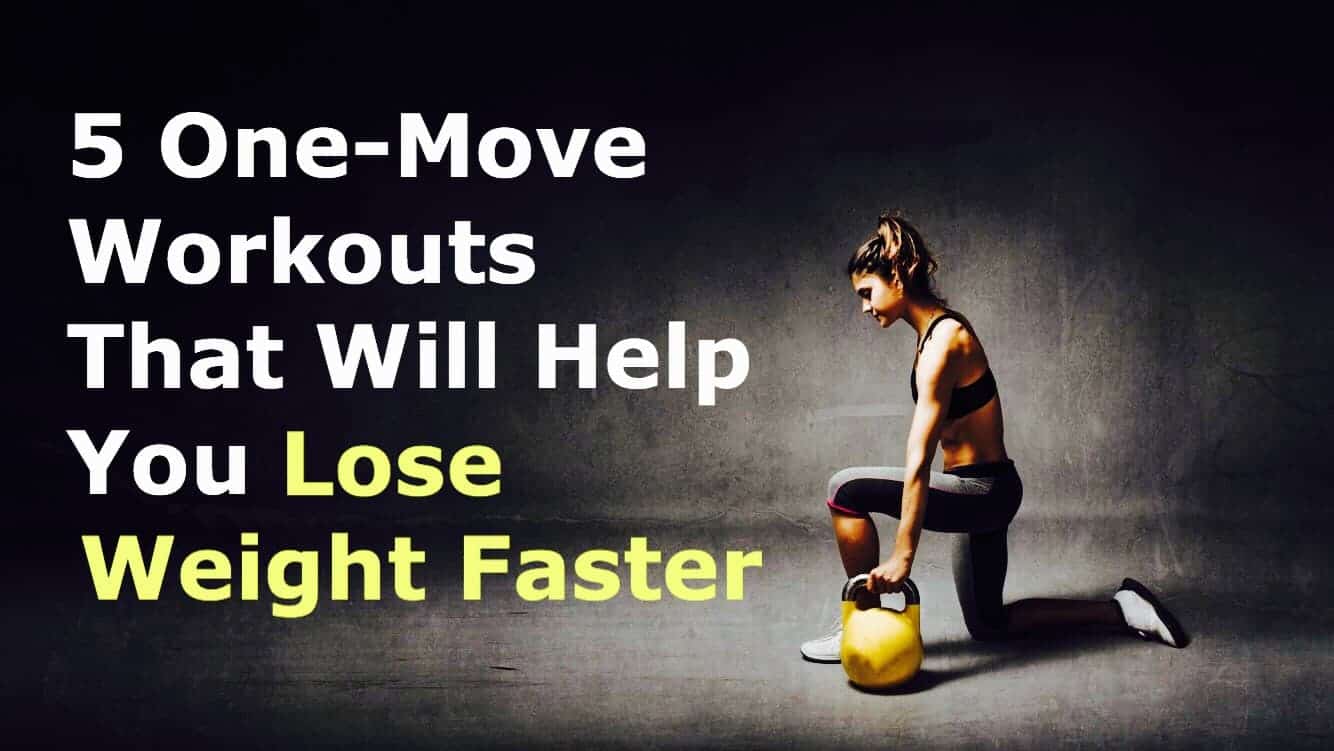
lose weight

When you add it all up, walking between 15,000 to 22,500 steps a week may help you to either (a) lose weight, or (b) help maintain a healthy weight range.

There are many devices available (some have gotten cheaper!) that can help you count the steps and lose weight; although, it works just as well to keep track of time – provided that you walk at a swift pace for a full 30 minutes each time!

Walking, although a relatively simple form of exercise, still requires some technique. Here are a few tips:

– Walk smoothly, rolling your foot from heel to toe.
– Slightly tighten your stomach muscles
– Keep your back straight, not leaning forward or backward
– Swing your arms freely and naturally, with a slight bend at your elbows. (“Pump” your arms if you prefer to get a bit more upper-body exercise.)
– Keep your back, neck, and shoulders relaxed at all times
– Keep your head up, looking forward, not at the ground.

As you prepare to get your walk on and lose weight that you are ready to release, here are a few important things to keep in mind:

– Get the right gear. Choose shoes with proper arch support, a firm heel, and thick flexible soles to cushion your feet and absorb shock.

– Wear comfortable clothes and gear appropriate for various types of weather. If you walk outdoors when it’s dark, wear bright colors or reflective tape for visibility.

– Choose your course carefully. If you’ll be walking outdoors, avoid paths with cracked sidewalks, potholes, low-hanging limbs or uneven turf. If the weather isn’t appropriate for walking, consider walking in a shopping mall that offers open times for walkers.

– Warm up. Walk slowly for five to 10 minutes to warm up your muscles and prepare your body for exercise.

– Cool down. At the end of your walk, walk slowly for five to 10 minutes to help your muscles cool down.

– Stretch. After you cool down, gently stretch your muscles. If you’d rather stretch before you walk, remember to warm up first.

While 30 minutes may sound like a lot of time, it can easily be broken up throughout the day! Here are some tips for getting in your 30 minutes of daily walking:

– Walk to work and elsewhere instead of driving
– Park farther away from your work office or building
– Take your dog for a longer-than-usual stroll (they’ll love it!)
– Keep a stopwatch (keep track of every minute)

It’s also very important to stay motivated if you really want to lose weight. Beginning a walking program takes initiative and a bit of self-discipline. Here are a few motivational tips:

– Make walking pleasurable: ask a friend or neighbor to tag along; put together a playlist of some of your favorite music.

– Take small steps: don’t fret about not getting in “exactly” 30 minutes every day. Set a mini-goal, such as “I’ll take a 10-minute walk during my lunch break.”

– Vary your routine: plan a few different routes to keep the walk engaging and enjoyable (always walk where it’s safe and well-lit.)

– Practice mindful walking: mindfulness has the amazing effect of keeping our brain and senses immersed in our environment. While your body is getting fit walking, your brain is getting a bit of a workout, too!

https://youtu.be/KKB0jThAfnQ
(C)Power of Positivity, LLC. All rights reserved
Sources:
https://blog.fitbit.com/should-you-really-take-10000-steps-a-day/
https://www.mayoclinic.org/healthy-lifestyle/fitness/in-depth/walking/art-20046261?pg=2

Researchers Reveal Blood Test That Finds Cancer Early

Can you imagine walking into a doctor’s office and asking for a simple blood test to catch cancer early?

This may soon be the new reality thanks to the efforts of scientists at The Sidney Kimmel Cancer Center at Johns Hopkins University.  Early detection of cancer reduces cancer deaths, as cancer is far more easily treatable when the tumors are localized. In other words, the tumor is not in the process of spreading (metastasizing).

Earlier detection is key to reducing cancer deaths. Here we describe a blood test that can detect eight common cancer types. ~ The Research Team

Let’s talk some more about this exciting, potentially lifesaving study!

An Important Note About Detecting Cancer Early

First, given the extremely high stakes – and the sensitive nature – of discussing a potentially life-changing subject like cancer prevention and treatment, we checked out the validity of the study’s claims. Per the University’s press release, the test’s “median overall sensitivity” – or the ability to find cancer – was 70 percent.

Please understand that we take the information that we provide about studies very seriously. We will only relay information from highly reputable sources. (We provide a list of these sources at the end of the article.)

Researchers Reveal Blood Test That Finds Cancer Early


cancer

What exactly is this test?

This groundbreaking, non-invasive (non-surgical) blood test is called CancerSEEK. The test detects and evaluates the levels of eight different cancer proteins and the presence of potentially cancerous gene mutations in the blood.

What does the test measure?

Per Nickolas Papadopoulos, Ph.D., senior author and professor of oncology and pathology, CancerSEEK measures selected biomarkers. Of these, the researchers painstakingly investigated and selected for test usage.

(In genetics, a biomarker [or ‘genetic marker’] is a DNA sequence that causes disease or is associated with susceptibility to disease.)

How is this cancer early screening test different?

Of the “several hundred” genes and 40 markers initially considered, the research team chose 16 genes and eight markers. Usually, molecular tests “rely on analyzing large numbers of cancer-driving genes.” In essence, the team at Hopkins greatly simplified the screening process.

Cristian Tomasetti, Ph.D., associate professor of oncology and biostatistics, delves into the innovative approach of CancerSEEK:

“A novelty of our (method) is that it combines the probability of observing various DNA mutations together (and) the levels of several proteins in order to make the final call.”

Who received this cancer early detection test?

Researchers received blood samples from 1,005 individuals diagnosed with cancers of the breast, colon, esophagus, liver, lung, ovary, pancreas, and liver. Additionally, they took samples from another 812 participants without a cancer diagnosis.

What cancers does CancerSEEK find?

So far, CancerSEEK is “aimed at screening for eight common cancer types that account for more than 60 percent of cancer deaths in the U.S.”

These include “nonmetastatic, stages I to III cancers of the ovary, liver, stomach, pancreas, esophagus, colorectum, lung, or breast.”

Here’s something noteworthy. Five out of the eight cancer types detected by the test currently had no screening test before the study. That is, CancerSEEK is the first test that detects cancers via a screening test successfully.

Is this cancer early detection test really groundbreaking?

According to scientific literature, CancerSEEK is a groundbreaking discovery in the field of cancer screening technology. The vast majority of successful cancer “screening” occurs in the later stages of disease progression. As mentioned, this is a problem, as late detection dramatically increases the risk of death from most lethal cancer types.

Aside from being (by far) the most accurate early screening tests, CANCERseek blood work successfully detected, in the early stages, five cancer types that previously went undetected. Second, although the test doesn’t pick up every cancer, it identifies many that would likely go unnoticed.

cancer early

Final Thoughts on Detecting Cancer Early…It Saves Lives

Bert Vogelstein, M.D., co-director of the Ludwig Center, Clayton Professor of Oncology, and Howard Hughes Medical Institute investigator, summarizes the importance of this research. But note she also issues a caveat:

“Many of the most promising cancer treatments we have today only benefit a small minority of cancer patients, and we (still) consider them breakthroughs. If we are going to make progress in early cancer detection, we have to begin looking at it in a more realistic way, recognizing that no test will detect all cancers.”

Still, says Vogelstein:

“This test represents the next step in changing the focus of cancer research from late-stage disease to early disease, which I believe will be critical to reducing cancer deaths in the long term.”

It is estimated that a CancerSEEK test will cost about $500. No specifics about insurance coverage are available. However, most assume that most major health insurance plans will cover the costs of the test. The test is still undergoing studies and further development.

Any test that can rescue someone from the clutches of the dastardly, gut-wrenching experience of this disease is a win in our book.

4 Signs You’ve Found A Love For Life

“True love doesn’t happen right away; it’s an ever-growing process. It develops after you’ve gone through many ups and downs, when you’ve suffered together, cried together, laughed together.” – Ricardo Montalban

Throughout life, we go through many different romantic relationships in an effort to find the person that is going to be with us forever. While some people are lucky enough to marry their high school sweethearts and still be in love 40 years later, some of us have to search a little harder. And that’s okay!

True love, what is it exactly?

There are many kinds of love. Passionate, romantic love is very important, but long-term couples also engage in deliberate acts of love that nurture their partner and their overall couple relationship,” says licensed marriage and family therapist Mudita Rastogi, Ph.D.

Clinical psychologist Yana Dubinsky, Psy.D, however, states that true love goes beyond feelings! According to her true love is “an act of will and judgment, intention and promise.

Finding someone that you know is going to love you forever is worth the time and effort it takes. When you find that special person, you may not know it right away. That’s why there are signs that you should look out for to let you know that you’ve found someone who is going to love you for life.

Here Are 4 Signs You’ve Found Love For Life

1. You have good communication

Communication is always important, in any kind of relationship! Whether it’s romantic or platonic, being able to effectively communicate will make any relationship strong. One of the biggest signs that you’ve found someone who will love you for life is to see how well you communicate together.

Marriage coach Eric Hunt says, “Many individuals find themselves in relationships where they have ‘fun together,’ but are unable to openly communicate their feelings, desires and wishes… Often this leads to further issues in the relationship and is usually the root cause of most major disputes…

Therefore, are you able to talk about things that are difficult while still maintaining an open flow of communication? Are you able to settle disputes or arguments without it blowing up in your face? Do you tell each other how you’re feeling? These are all signs of good and honest communication, which are some of the most important things in a relationship for life.

how to make relationship last

2. You have amazing compatibility

Not just physically, but emotionally and spiritually, too. Physical compatibility is important when thinking about someone who will love you for life. You need to be able to be intimate with one another and have it be fulfilling for both parties. But not only that, being emotionally and spiritually compatible will bring so much warmth and happiness into your lives.

What does being emotionally and spiritually entail? Well, it’s much like being on someone’s same wavelength. You understand each other’s emotions and can tell when they’re feeling happy or sad just by being near them. When you have someone who can practically predict your mood, then you’ll know that you’ve found a love for life.

3. You are looking towards the future

A sure sign that you’ve found a love for life is suddenly finding yourself excited and eager for what the future holds. When you think of your life, you’re now thinking a few years down the line and that person is always going to be in it with you. Before, maybe you never thought beyond the next few months.

Now, you might find yourself thinking about what kind of house you’ll want to buy and the kind of schools you want to put your children into, if you’re considering having children at all. Whatever you imagine your future to hold, you’re no longer afraid to look into it. In fact, you’re more excited than ever to see what the future will bring, as long as you have your partner by your side.

4. The rest of your relationships are improving

The thing about finding a love for life is that this relationship will actually help improve the rest of your relationships as well. When you find a love that is so empowering and energizing, you may find that your friendships and your relationships with your family also benefit from all of that love you’re feeling.

Taoist Master Shunya Barton says, “Whatever we align our vibration and frequency with, that is the vibration and frequency we become. When we speak beautiful and positive words, we become beautiful and positive.

Therefore, when you have a great source of compassion, kindness and positivity in your life, then you’ll be better able to extend that same positivity onto the other relationships in your life. The same way that bad relationships tend to suck the life out of the other relationships in your life, good and fulfilling relationships do the exact opposite. Take a look around at the other relationships you have with people in your life, and you’ll find that they’ve grown stronger and more positive.

Final thoughts

Throughout our lives, we can go through many different relationships – some good, some bad, some neither. We may look back on our relationships fondly, while still knowing that they weren’t the person who was going to love us forever. These are some tried and true signs that you’ve met the person who is going to love you for life.

References:
https://psychcentral.com/blog/relationship-experts-on-true-love-making-love-last/
http://www.thisisinsider.com/how-to-know-if-your-relationship-will-last-2017-8
https://www.elitedaily.com/dating/5-tips-finding-true-love-expert/1393780

Researchers Reveal 3 Secrets That Make Love Last Forever

Falling in love is an amazing feeling. At first, everything seems so intense and beautiful. Even when the honeymoon feeling begins to fade, relationships fall into that comfortable place where everything just seems happy. To keep that feeling, and to keep that love and relationship going strong, takes a bit of work on both partners’ parts.

Continuing to love someone and make a relationship work brings joy to everyone’s life, and researchers have now found the perfect way to make a love continue to go strong forever. Relationship experts have long been doling out advice on how to keep your relationship strong and your love burning bright. Now, we will reveal three secrets that will help your love last forever.

Here Are 3 Secrets That Will Make Love Last Forever

“You have been the summary of my entire existence; my biggest weakness, my greatest strength. The weathers of my life start and end with you. You complete me.” – Sapan Saxena

1. Open communication about you and your partner’s needs

Sometimes, we tend to expect our partners to be able to read our minds. Communication is key to any relationship, but what will make a relationship last forever is a very specific kind of communication: communicating your needs. Perhaps your partner is running late for a date that you’ve been planning for weeks. In your own head, you may feel like this means that your partner doesn’t care about your time together, and when they finally arrive, you give them the cold shoulder. On the other hand, your partner was actually held up at work and couldn’t get out of it, and they didn’t really mean to be late. All they could think about was getting to your important date on time.

In his book ‘Love Is Never Enough: How Couples Can Overcome Misunderstanding ‘, Dr. Aaron T. Beck writes, “When spouses’ high expectations are thwarted, they are prone to jump to negative conclusions about the partner’s state of mind and the state of the marriage. Interpreting a partner’s motives in this way is fraught with danger, simply because we cannot read other people’s minds.”

Without communicating your needs – in this case, the need for your time to be respected – your partner isn’t going to understand that their lateness hurt you, and you won’t know that your partner was thinking about you the entire time. Communicating what you need in these kinds of situations will keep both you and your partner happy, but also open the line of communication for compromising in situations.

When you tell your partner that you would appreciate a text or phone call if they were going to be late, you’re communicating your needs and letting your partner know how to better love you – which means your partner will do the same. Being open and honest about your needs, and receptive about your partner’s needs, is the key to a strong relationship. This will keep your love lasting forever.

lasting relationship

2. Get rid of any unspoken rules

Just the same way you can’t read your partner’s mind, they can’t read your mind either! When something feels obvious to you, it may not be obvious to them. When you find yourself becoming upset over something your partner has done, or not done, or said, or not said, take a step back and ask yourself what you expected your partner to do instead. If it isn’t something obvious that any polite adult would know to do, maybe it’s become an unspoken rule that your partner isn’t aware of. This can happen in the reverse as well, if your partner becomes upset over something you didn’t know to do.

A relationship is not a guessing game. Many people fear stating their needs and, as a result, camouflage them. The result is disappointment at not getting what they want and anger at a partner for not having met their (unspoken) needs,” says author Hara Estroff Marano.

Take some time to sit down together and air out those “unspoken” rules. Make them spoken, and then decide if they’re arbitrary or if you need them at all. A lot of the time, you’ll find that the answer is actually “No”. Relationships that work have an open and honest understanding of what is expected in the relationship from both partners. When you start laying out the expectations that you have for the relationship, both you and your partner will be able to love one another better – and for longer.

3. Assume the best of each other

We humans sometimes make it a habit to assume the worst of people. Fortunately, the “worst” is most often not the case, especially when it comes to our loved ones!

One of the biggest challenges in communication in relationships is that it is easy to misinterpret or be misinterpreted.  People often assume the worst possible interpretation instead of asking for clarification. This behavior makes mountains out of molehills and causes friction in marriages. It also leads to unwarranted overreactions, which can destroy a happy marriage,” says Mike Tucker, speaker and director for Faith For Today Television.

Learning to assume the best out of your partner will both ease a lot of arguments and tension, as well as keep your love flowing endlessly between the both of you. Of course, you would want your partner to assume the best of you, considering that you’re often trying your best!

So, take that urge to assume the worst and twist it around so that you can create a positive, loving environment in your relationship. Talk about things that are upsetting you quickly and without assuming what the other party meant until your partner is able to fully articulate their intentions.

Final thoughts

Loving someone is the easiest thing in the world! In the end, so is keeping your relationship strong and your love going forever. All you have to do is take a few steps back and make sure that your communication doesn’t falter. Just watch how wonderful and positive your life is when you utilize these secrets to make your love last forever.

Fitness Experts Reveal 10 of The Healthiest Foods on Earth

Superfood: a nutrient-rich food considered to be especially beneficial for health and well-being. ~ The Oxford English Dictionary

“Super-what?”

Superfoods! (Do you picture some fruit or vegetable with flying around with a cape? No?)

The foods that you choose to eat now determine how you’re going to feel later. Stated simply, nutrient-dense foods fuel our mind and body. Processed foods, like microwaved meals and fast food, drains us.

Fresh, wholesome foods positively impact just about every biological process, including brain and heart function, bone health, lung health, kidney health… you name it.

Incorporating superfoods into our diet is one of the best choices you can make healthwise. Apart from being a fun word to say, superfoods are a real thing. And, they deliver incredible benefits to the human body.

As you go through this list of the ‘Top 10 Superfoods,’ you’ll notice that we’ve covered just about every category. Antioxidants, minerals, vitamins, fruits, vegetables, nuts, and even chocolate!

We introduce you to the top 10 superfoods list:

1. Almonds

Besides being absolutely delicious, almonds pack some serious nutritional punch. As with most other nuts, moderation is important. One serving, or about 20 almonds, is all you need.

Just one serving of almonds contains 14 grams of heart-healthy unsaturated fat and 6 grams of protein.

2. Avocados

100 grams of fresh avocado contains 12 grams of healthy unsaturated fat. Contrary to asinine low-fat diet advice, monounsaturated fats are critical to health; they lower bad cholesterol levels, which in turn reduces the risk of heart disease and stroke.

3. Broccoli Rabe

Broccoli rabe (pronounced ‘rob’) is one of the most nutritionally balanced foods. It has a good amount of dietary fiber, calcium, iron, and potassium. It’s also a good source of vitamins A, C, and K.

Broccoli rabe also contains lutein, a powerful antioxidant that can lower inflammation, protect against Alzheimer’s, decrease the risk of hypertension, and slow the aging process.

4. Blueberries

Speaking of terrific antioxidant sources – blueberries are one of the best. Besides that, blueberries benefit skin health, aid weight loss, boost brainpower, fight cancer, combat aging, and support digestion.

Oh, and they’re delicious on pancakes.

5. Spinach

Spinach is packed with vitamins A, and C. It’s also a good source of folate and magnesium – two critical building blocks of the brain chemicals dopamine and serotonin.

Spinach also contains the carotenoids beta-carotene, lutein, and zeaxanthin (pronounced ‘zee-an-thin), which help protect against age-related vision disorders such as macular degeneration.

6. Sweet potatoes

Sweet potatoes are one of the best sources of beta-carotene, which is converted into vitamin A in the body. They’re also an excellent source of vitamins B6 and C, potassium and fiber.

7. Salmon

Salmon is perhaps the healthiest freshwater fish we can eat. We all know that it’s an excellent source of omega-3 fatty acids, which reduce the risk of cancer, depression and heart disease. What you may not know is salmon also contains 50 percent RDA of niacin, which may lower the risk of memory loss and dementia.

8. Garlic

Garlic is a potent anti-inflammatory that reduces bad cholesterol and blood pressure levels. It also strengthens the immune system and helps ward off bacterial and viral infections.

Just make sure not to overcook it. If garlic is exposed to high heat for longer than 10 minutes, it loses many of its nutritional benefits.

9. Lemons

Lemons boost our immune system due to their high concentration of vitamin C (just one lemon meets your recommended daily amount.) Lemon also raises good cholesterol levels and is a powerful anti-inflammatory.

Adding some lemon to your tea is a great way to get the benefits of both. Studies show that citrus may increase the absorption of antioxidants by as much as 80 percent.

10. Dark chocolate

healthy

Yes, dark chocolate is a superfood!

In fact, dark chocolate is one of the healthiest foods, period. Consider the nutrition label – a 100-gram bar of dark chocolate (70-85% cocoa) contains:

– 11 grams of fiber
– 89% RDA for copper
– 67% RDA for iron
– 58% RDA for magnesium
– 98% RDA for manganese

Oh, and the delicious treat boosts your brainpower too. Per a study published in the Journal of Cardiovascular Pharmacology, eating cocoa-rich dark chocolate before a cognitively demanding task increased blood flow to the prefrontal cortex!

Bonus: More superfoods!

We couldn’t squeeze every superfood onto this list, so here are “the best of the rest”!

– Greek yogurt: chock-full of probiotics and protein.

– Kale: plenty of calcium, fiber, iron, and antioxidants.

– Oatmeal: rich in antioxidants and fiber.

– Beets: contain betalains, which help fight off degenerative disease.

– Apples: low calorie, rich in fiber, and reduce the risk of asthma, cardiovascular disease, cancer, and diabetes.

Sources:
https://draxe.com/top-10-superfoods-whats-in-your-diet
https://www.fitnessmagazine.com/recipes/healthy-eating/superfoods/the-10-healthiest-foods-on-the-planet/?page=8
https://www.mayoclinic.org/healthy-lifestyle/nutrition-and-healthy-eating/multimedia/health-foods/sls-20076653?s=8
https://www.ncbi.nlm.nih.gov/pubmed/16794461

11 Early Warning Signs of Lupus to Never Ignore

“Lupus is an autoimmune disease, where the body attacks itself.” – Dr. Howard Smith

According to WebMD, “Lupus is an autoimmune disease, which means that the immune system mistakes the body’s own tissues as foreign invaders and attacks them.

Despite what Dr. House might think, sometimes all signs do, in fact, point to lupus. Lupus is an autoimmune disease that often acts like other illnesses. This makes lupus particularly difficult to diagnose, and also makes it hard for people to see the signs.

Doctors have come forward with some pretty important signs that everyone should keep an eye out for. These are some of the main signs to never ignore when it comes to lupus.

Here Are 11 Warning Signs Of Lupus To Never Ignore

1. Weight loss

Weight loss when you’re not concentrating efforts on losing weight can be a big sign of many different illnesses. However, because lupus is an autoimmune disorder, that means that it causes the body to attack itself. You may find that you’re losing a lot of weight within a short amount of time without changing our eating or exercise habits.

2. Fatigue

Fatigue is a pretty common symptom of a fair number of illnesses, which is why lupus is so hard to diagnose. But this kind of fatigue is beyond just feeling ‘tired’. “This isn’t just your everyday tiredness; with lupus you feel like you literally can’t get out of bed,” says Dr. Delphine Lee.

Not even the mid-afternoon coffee is enough to perk you up. If you have unnatural fatigue, make sure to get in touch with your doctor.

3. Poor blood circulation

If your fingers and hands can never seem to get warm, you might be showing signs of poor blood circulation. You may notice that your fingernails are always blue and every time you touch someone, they feel scalding hot because the circulation in your hands is so poor. This happens regardless of the weather or how warm the room is. If you’re having trouble with your circulation in your extremities, contact your doctor.

4. Heartburn

This is one of the lesser known symptoms of lupus, and one that often goes unchecked. If your heartburn seems to be persistent, you might want to check in with your doctor, especially if you’re getting heartburn when you haven’t eaten anything that might cause it in the first place. This type of heartburn is going to be constant and doesn’t seem to go away with antacids. See your doctor if your heartburn isn’t going away to check for other signs of lupus.

bad health

5. Swelling in the joints

Are you in your mid-twenties or early thirties, but feel like you have the joints of a seventy-year-old? Do you have a lot of swelling in your knees, elbows, and other joints that make it feel like you’re suffering from arthritis? This is another early warning sign of lupus.

Lupus arthritis often occurs on both sides of the body at the same time. It’s most often felt in the wrists, the small joints of the hands, and the elbows, knees, and ankles,” adds WebMD. Paired with the other signs on this list, it’s important to talk to a doctor when you feel like your joints just aren’t working like they used to.

6. Rashes

Sunburn is pretty common when you hang out in the sun for too long, but a warning sign of lupus can be a rash that shows up almost instantly when you’re in the sun. Because lupus is an autoimmune disease, your body is going to be constantly fighting against itself.

Other common skin symptoms include skin sores or flaky red spots on the arms, hands, face, neck, or back; mouth or lip sores; and a scaly, red or purple raised rash on the face, neck, scalp, ears, arms, and chest,” states WebMD.

Sunburn after hanging out at the beach all day without sunblock probably doesn’t mean you have lupus. However, see your doctor if a walk down the street on a sunny afternoon gives you a painful rash.

7. Constant, flu-like symptoms

With how many illnesses are floating around, it’s pretty common to catch a cold or the flu. This is what makes lupus so hard to diagnose. However, if you have persistent, flu-like symptoms that don’t seem to be getting better, you’re going to want to book an appointment with your doctor right away.

The difference between the flu and lupus is that the flu gets better in four to 10 days,” adds Dr. Lee. Therefore, if you feel like you have the flu but it just won’t go away, this could be a big red flag that you’re dealing with lupus and you should get help.

8. Hair loss

Everyone loses some hair every day, but when you start losing an unnatural amount of hair, you might want to go get checked out.

According to an article medically reviewed by rheumatologist and immunologist, Dr. Nancy Carteron, “Hair loss is the result of inflammation of the skin and scalp. Some people also have thinning of the beard, eyebrows, eyelashes, and other body hair. Lupus can cause hair to feel brittle, break easily, and look a bit ragged, earning it the name “lupus hair.”

Lupus can cause your hair to start thinning rapidly, resulting in your hair coming out of your head in large, unnatural clumps. Approximately 90% of all lupus cases diagnosed in women show some kind of hair loss in one way or the other.

9. Chest pain

Chest pain can be the precursor to all kinds of diseases and illnesses that have to do with your heart or lungs. However, if you’ve already been checked out for heart diseases and your chest pain persists, you might want to ask your doctor to run some tests for lupus. Lupus can cause swelling around the lungs, which results in chest pain that can trick most doctors into looking in the wrong place for the cause.

10. Miscarriages

In women, lupus can cause miscarriages due to the fact that lupus causes a lot of problems with blood clotting.

Although most pregnancies go well, there is an increased risk of miscarriage and premature birth. Women with lupus are at risk for renal [kidney] complications including renal failure if pregnancy occurs during a phase of active renal disease,” says rheumatologist Ignacio Sanz, MD.

Other than miscarriages, women might find that their periods are also extremely heavy. They may also have trouble tracking their period because of irregularity. Keep an eye out, but there are also many other illnesses specifically in women that can cause irregularities, heavy bleeding, and trouble carrying to term. It’s best to get checked by both an OBGYN and an autoimmune specialist.

11. Pain using the bathroom

Lupus often affects one’s kidneys, and anyone who has ever had kidney problems can tell you that urinating becomes painful, and fast, once your kidneys start acting up. If you have trouble using the bathroom regularly, along with other signs of lupus, get a hold of your doctor for testing.

Final thoughts

Lupus is a tricky disease because it often hides as other illnesses, which leads doctors down the wrong path. However, you can easily rule out other issues with some pretty simple tests, so make sure you keep track of all of your symptoms so you can go to your doctor informed about what you may or may not have.

(C)Power of Positivity, LLC. All rights reserved
References:
https://www.webmd.com/lupus/guide/understanding-lupus-basics
https://www.rd.com/health/conditions/lupus-symptoms/
https://www.healthline.com/health/lupus/early-signs
https://www.webmd.com/lupus/tc/lupus-systemic-lupus-erythematosus-symptoms
https://www.everydayhealth.com/lupus/pregnancy-risks-with-lupus.aspx

Science Explains 10 Things That Happen to Your Body When You Exercise Daily

“As time goes on, paper after paper after paper shows that the most effective, potent way that we can improve quality of life and duration of life is exercise.” ~ Dr. Mark Tarnopolsky

It’s simple: there is nothing that is better for human health than exercise. No medication. No ‘hack.’ Nothing. Exercise works – and it works incredibly well.

And the benefits of exercise are both numerous and wide-ranging; improving the function of every organ, muscle, and system within the body.

Here are ten reasons to exercise daily, according to science:

1. It makes you happier.

Everyone wants to be happy. And everyone who exercises knows that it makes them happier.

Exercise causes the release of our body’s natural opioid: endorphins. The process of regular exercise also balances brain chemicals, which helps regulate stress and anxiety and relieve depressive symptoms.

2. It helps you live longer.

A healthy lifestyle has been linked to a longer lifespan for centuries. Oppositely, a sedentary lifestyle is linked to obesity, disease, and an early death.

How much does exercise help in this regard? Well, according to a meta-analysis of studies conducted by Psychology Today, regular exercise has the same effect on life duration as quitting smoking.

3. It boosts your energy levels

Exercise is a real energy booster, especially for those suffering from fatigue-related conditions, i.e., “chronic fatigue.” Even a moderate amount of exercise (20-30 minutes a day) is enough to reap some of the advantages.

The workplace is perhaps the best opportunity to take advantage of these energy-boosting effects. Go for a 10-15 minute walk during your break. Park far away from the building and walk. Take the stairs!

4. It reduces the risk of chronic disease

Regular exercise is related to enhanced insulin sensitivity, body composition (muscle/weight ration) and cardiovascular fitness. Exercise also lowers blood pressure and fat composition levels.

Lack of exercise, meanwhile, often leads to significant increases in abdominal fat; increasing the risk of type 2 diabetes, heart disease, and even premature death.

energy and growth

5. It puts you to sleep

Have sleep problems? Get to the gym.

The National Sleep Foundation (NSF) states that regular exercise improves the quality of sleep. To achieve these benefits for your sleep quality, make sure to exercise either in the morning or afternoon. Working out too late into the evening revs up your nervous and motor systems, which may make it difficult to fall asleep.

6. It’ll boost your self-esteem

Regular exercise helps improve your appearance, which may help to explain some of its confidence-boosting effects. As a bonus, exercise gives you a nice feeling of accomplishment – especially when turned into a can’t-miss habit.

“Self-esteem,” “self-confidence,” whatever you want to call it – exercise helps give it a boost.

7. It’s a stress-killer

As mentioned, a workout stimulates the release of endorphins – our body’s natural “feel-good” chemical. Endorphins are also known for their stress-busting properties. Exercise forces your brain to focus on the task at hand. This makes for a potent one-two punch against stress buildup. (Bonus: exercise is also a great stress preventer.)

8. It enhances cognitive function

Movement gets your heart pumping which, in turn, feeds your brain a steady flow of blood and oxygen. Studies demonstrate that regular exercise combats oxidative stress and inflammation of the brain, as well. Lastly, neuroscientists found that exercise increases the density of the hippocampus, the part of the brain that’s vital for learning and memory.

9. It reduces pain

Studies show that physical activity has “favorable effects on the pain that’s associated with various conditions.” These conditions include bone and joint pain, chronic back pain, fibromyalgia, and shoulder pain, to name just a few. Additionally, workouts can increase pain threshold and decrease pain perception.

10. It may improve your sex life

Keeping a regular exercise routine promotes a robust cardiovascular system, improves blood circulation, tones muscles, and enhances flexibility.

As mentioned, routine exercise also increases your self-worth. Together, these factors may help explain why working out often contributes to a better sex life.

Final Thoughts

All of the evidence points to one thing: exercise is one of the best things you can do for your body and mind. (This isn’t an all-inclusive list, by the way.)

So, why don’t more people exercise? Well…

People come up with all types of excuses – and all of them are lame. “I don’t have enough time” is perhaps the most widespread (and lamest) excuse around. Everyone must watch the clock, but even some of the most hard-pressed for time find a way to fit in a quick workout.

The solution is very simple:

– Find something fun to do that also breaks a sweat (basketball, tennis, weights, etc.)

– Do it every day for 30 minutes – every day – for a month.

– If you finish this 30-day routine, the resistance you once felt will disappear, and you’ll feel much better about yourself!

5 Ways to Lose Weight (And Not Gain It Back)

Most of us of who are trying to lose weight often find that the toughest part isn’t actually losing the weight in the first place – it’s keeping the weight off! Many people who are trying to diet often lose and gain weight in cycles, having difficulty keeping the weight that they originally lost off.

According to a recent study by a group of scientists, “Combatting overweight or obesity can lead to large fluctuations in an individual’s body weight, often referred to as weight cycling or ‘yo-yo’ dieting. Current evidence regarding the potentially damaging effects of these changes is conflicting.

Losing weight is a fairly straightforward idea: calories in, versus calories out! You just have to make sure you’re eating good food and keeping your body moving. But what is the trick to not gaining that weight back once it’s all gone? Some of the best ways to lose the weight you’re looking to lose and to not gain it back may actually surprise you.

Here Are 5 Ways To Make Weight Loss Stick

“Successful weight loss takes programming, not willpower.” – Phil McGraw

1. Keep yourself accountable

Doing things that are difficult, like controlling our eating habits and maintaining an exercise routine, are always easier when we can be held accountable for our actions. Teaming up with a friend or family member as your weight-loss buddy can offer both support and accountability.

Your brain “knows the body’s fat cells are decreasing and it wants to get them back, even after you’ve reached your goal weight. Your brain is constantly telling you ‘eat, eat, eat.’ It will also deny that you are regaining weight, even if your clothes are getting tight. You need reliable ways to counteract these messages,” says Ken Fujioka, MD, director of the Center for Weight Management and of nutrition and metabolic research.

If you’re going to report to someone every week or so about your progress, you’re way more likely to keep yourself on track. If you don’t have a friend close by who wants to lose weight, try finding online communities where you can post your updates and keep each other accountable.

2. Keep your body moving

Once you lose the weight, it may feel tempting to just let yourself relax. Maybe you skip a gym day or two, and before you know it you’re not really working out the same way you used to. Keeping up your routine is key to losing weight, as well as keeping the weight off.

To maintain a weight loss, I recommend people exercise at least 30 minutes a day on most days of the week and do strength training twice a week, says registered dietitian Jim White, RD.

Research has proven that people who exercise and keep their bodies moving have more success in both losing weight and making sure they don’t gain it back. So, even when you finally reach your goal, make sure to keep your body moving – go for a walk, hit the gym, lift weights! Whatever your preferred method of exercise is, keep it up.

What about food restrictions?

Activity becomes the driver; food restriction doesn’t do it. The idea that for the rest of your life you’re going to be hungry all the time—that’s just silly,” says James Hill, psychologist and authority on weight loss.

hormones

3. Eat regular meals

The downfall of both losing weight and gaining it back comes from those mid-afternoon and late-evening munchies. Skipping breakfast can seem like a good idea at the time when you’re trying to cut down on your calorie intake, but research has shown that you don’t want to go about skipping breakfast.

Eating regularly throughout the day keeps your metabolism running at full speed, prevents dips in your energy, keeps you alert and focused, and [can help keep] your weight steady by preventing overeating at later meals,” says Brigitte Zeitlin, M.P.H., R.D., C.D.N.

Regular, healthy meals will keep you from overeating later in the day when you’re hungry from skipping meals. Smaller meals four or five times throughout the day may even be better than three big meals. Meal planning can help keep you on top of eating regularly throughout the day.

4. Don’t give up

If the weight comes back after losing it, it’s important not to get discouraged! Everyone who loses weight deals with a little fluctuation, either due to life circumstances, stress, or any other number of factors that can make exercising and eating good difficult. But that’s okay! The only thing you need to do when this happens is to take a deep breath and keep moving on. Motivate yourself.

We all need to constantly challenge ourselves to stay motivated. Give yourself a goal like a special date, a party, or other social event to help you maintain your weight loss,” adds White.

If you haven’t been to the gym in a week, don’t be too hard on yourself; instead, challenge and motivate yourself! Find some time to go and get started again, even if it’s only for an hour. Don’t blame yourself for eating a quick, unhealthy meal at the end of the day – just find time to go shopping for some healthy ingredients for the next week.

5. Monitor your habits

This means exercising, eating and weight. Make sure to weigh yourself regularly, and monitor what is going on in your life when or if healthy habits start to slip. You’ll start to find patterns in your life that can help alert you to when you need to be more cautious and vigilant about keeping yourself on track with your eating and exercise.

A busy week at work might mean you eat out more because you’re too tired to cook, which can cause the weight to come back. Once you know this pattern, you’ll be able to prepare yourself by hitting the gym more or preparing healthy meals beforehand.

Final thoughts

Many people experience gaining back some of the weight they lost after a few months of hitting their goals. If you’re one of those people, don’t feel bad! It happens to everyone, and it’s pretty common.

The healthy habits you learned while dieting shouldn’t disappear once you’ve lost the weight. You can eat a little bit more, of course, but don’t stop living that active, healthy lifestyle, concludes White.

Now you’ll be better prepared to help yourself keep that weight off so that you can enjoy every second of reaching your weight-loss goal.

References:
https://www.ncbi.nlm.nih.gov/pubmed/27840414
https://www.everydayhealth.com/weight/secrets-to-weight-control.aspx
https://www.scientificamerican.com/article/dropping-weight-and-keeping-it-off/
https://www.self.com/story/what-happens-to-your-body-when-you-skip-meals

Doctor Explains 15 Things That Happen To Your Body When You Take A Nap Every Day

“More than 85 percent of mammalian species are polyphasic sleepers, meaning that they sleep for short periods throughout the day.” ~ National Sleep Foundation. For the most part, our average day is divided into two periods: wake and sleep. As the quoted statistic shows, 85 percent of all mammals – humans belong to this group – take a nap every day. In other words, we’re the odd ones out.

Besides isolating ourselves from most of our mammal friends, humans are perhaps the only species that doesn’t get enough sleep: about 40 percent of us do not get the recommended 7 hours per night. While napping – brief periods of rest not exceeding 90 minutes – cannot correct our sleep deficit; it can certainly improve our efficiency, health and well-being, and mood.

Healthy Napping

You may not know that they’re actually divided into three categories: emergency, habitual, and preparatory.

Habitual napping, that is, the practice of taking a nap at the same time each day, is the healthiest option. They must be planned before sleepiness sets in (prepatory) are good for someone who knows they will go an extended period without sleep. Emergency napping – or suddenly falling asleep from exhaustion – is in no way healthy, as we’ve seen from work-related disasters.

The National Sleep Foundation (NSF) recommends taking 20-30 minute naps for a boost in alertness and performance. Any period of sleep lasting between 30 to 60 minutes may cause sleep inertia or a groggy feeling post-wakeup. In any case, a nap lasting between 20 to 60 minutes is mostly beneficial.

The Benefits of Napping

1. You’re happier

Science suggests that people who take a mid-day nap of 30 minutes or less enjoy an afternoon “happy boost” more often than those who sleep longer than 30 minutes, or who don’t nap at all.

2. You can beat the slump

Our circadian cycle feels a “slump” around 3 p.m. – an evolutionary hiccup. However, according to Harvard University, napping is an efficient way to bust this slump. (Yes, it’s even better than caffeine!)

3. You make fewer mistakes

According to the NSF, napping improves work performance, reduces mistakes, and avoids accidents.

benefits of naps

4. You’ll perform better

In a study conducted by NASA, pilots and astronauts who took a 40-minute nap experienced a sizable improvement in their performance and alertness: 34 percent and 100 percent, respectively.

5. You get a memory boost

College students, pay attention. Researchers at Saarland University in Germany found that taking a nap for 45-60 minutes improved their memory 500 percent. Get to your rack!

6. You’re more creative

Napping is not a mindless activity. In fact, research shows that the right side of the brain – where creativity and “whole picture thinking” takes place – is actively communicating with itself. (Napping has led to numerous creative insights throughout history. See: Henry Ford, Thomas Edison.)

7. You’re more heart healthy

Per a joint research study done by the Harvard School of Public Health and the University of Athens Medical School (Greece), people who nap for 30 minutes or more, at least three times per week, had a 37 percent lower risk of dying from heart disease.

8. You’ll eat less junk food

According to a study by UC Berkeley, a lack of sleep impairs the brain’s prefrontal cortex, or PFC, which is responsible for decision making and withstanding impulse. Clearly, any PFC impairment is no bueno for resisting temptations – including junk food.

9. You feel fuller

When asleep, the body produces less of the “hunger hormone,” ghrelin. Contrastly, a different study demonstrates a link between poor sleep patterns, excess levels of ghrelin, and higher rates of obesity. Researchers suggest that regular napping can increase satiety, or feelings of fullness.

10. You’ll bicker less

Have you ever seen the “You’re not you when you’re hungry” Snicker’s commercials? They’re pretty darned funny – and just happen to be true. People who have poor sleeping patterns tend to argue more than those who sleep and nap regularly.

11. You decrease risk of injury

Per the Centers for Disease Control and Prevention (CDC) and the National Highway Traffic Safety Administration (NHTSA), people are more likely to suffer a catastrophic industrial, motor vehicle, or medical incident if sleep-deprived. Just a 30-minute snooze can quite possibly save your life.

12. You’re more productive

Cornell University psychologist James Mass coined the term “power nap” –a practice that more businesses are embracing. Why? Because the data show that naps result in enhanced productivity and performance.

13. You defend against burnout

Per the National Institutes of Health (NIH), a quick snooze helps counteract information overload and mental burnout. NIH also discovered a direct link between snoozing and enhanced cognitive performance.

14. You’re helping your workplace

Nike and Deloitte Consulting reward employees for adding a mid-day snooze to their to-do lists. Nike, Deloitte, and others recognize that today’s employees, while working more, are getting less sleep. “Powering through” work by forgoing rest and working longer hours “isn’t good for the individual or the organization,” says UNC behavior professor Michael Christian.

15. You have better judgment

Your frontal lobe is in charge of all things related to decision-making. Lack of sleep negatively affects impulse control, which may lead to worse decisions than if one were fully rested. A 30-minute to 60-minute nap can hand us back the reins.

Sources:
http://www.kenan-flagler.unc.edu/news/2014/04/Sleep-study-release#sthash.hCgKqqgU.dpuf
https://lifehacker.com/how-long-to-nap-for-the-biggest-brain-benefits-1251546669
https://www.bloomberg.com/news/articles/2006-11-26/napping-your-way-to-the-top
https://www.huffingtonpost.com/2013/03/11/nap-benefits-national-napping-day_n_2830952.html
https://www.mensfitness.com/life/entertainment/21-science-backed-reasons-you-should-take-nap
https://www.rd.com/health/wellness/the-quick-fix-napping-sleep-help/
Skip to content