Weekly tips, affirmations, and small actions to feel your best.

Scientists Explain Why Your Legs Cramp At Night (And How to Fix It)

Per the Cleveland Clinic, when your legs cramp Nocturnal leg cramps (NLC) are pains that occur in the legs during the night that usually cause awakening from sleep. Though NLC most commonly arises while sleeping, they may also surface during periods of inactivity.

NLC generally target muscles in the calf area, but may spread to the feet or thighs; they can also be quite painful, creating the infamous and sudden ‘tightening and knotting’ symptoms. These symptoms may last anywhere from a few seconds up to several minutes.

Systematically having legs cramp is more common in adults over age 50 but may occur in younger adults and children. NLC appears to affect both sexes equally.

Differences between NLC and Restless legs syndrome (RLS)

‘Night leg cramps, also called nocturnal leg cramps, are painful, involuntary contractions or spasms of muscles in your legs, usually occurring when you’re in bed.’ ~ Mayo Clinic

NLC is not the same as restless legs syndrome or RLS. Symptom-wise, RLS creates a nagging discomfort as opposed to the sudden and relatively severe pain of NLC patients. Another RLS symptom different from those of NLC is the desire to move the legs for symptomatic relief.

Relatedly, movement of the legs often causes the symptoms of RLS to dissipate; this is not the case with NLC, in which the affected muscles must usually be stretched out to experience relief.

What makes leg cramps happen at night?

While the underlying cause(s) of NLC is not ascertainable, most cases wherein a person acquires the condition involves one of the following lifestyle habits:

– Prolonged periods of sitting
– Standing or working on concrete floors for extended amounts of time
– Over-exertion of the muscles
– Poor posture
– ‘Slouching’ instead of ‘sitting’

Pregnancy also appears to increase the occurrence of NLC.
care for your body

Medical conditions which positively correlate with NLC onset include:

– Alcoholism
– Dehydration
– Electrolyte disparities
– Endocrine disorders (e.g., diabetes, hypothyroidism)
– Kidney failure
– Metabolic problems
– Neuromuscular disorders (e.g., motor neuron disease, myopathy, neuropathy.)
– Structural conditions (e.g., ‘flat feet’, peripheral artery disease)
– Parkinson’s disease

Per the Mayo Clinic, if your legs cramp frequently, it is likely to be related to muscle fatigue and nerve problems.

The use of certain medications over a period, including beta-agonists, diuretics, and statins (blocks the production of cholesterol by the liver) may increase the risk of developing NLC.

Testing and Diagnosis

If your legs cramp during the evening hours, it is problematic for two reasons. First, and perhaps most importantly, NLC disrupts your sleep. Over the long term, the propensity to wake up when you should be sleeping may alter your circadian rhythm, throwing your sleep/wake cycle out of whack. Second, the pain can be quite severe; sometimes to the point where stretching and activating the muscles no longer seems to provide much relief.

Therefore, it may be necessary to see a licensed physician for testing and diagnosis (feel free to try the self-care tips first, though!) More than likely, the doctor will order lab work that includes tests for electrolyte imbalances.

The results will ultimately determine whether or not someone is diagnosed with NLC, RLS, or some other condition.

Preventing NLC (Self-care!)

Dehydration seems to be one of the leading causes of people who say their legs cramp at night – and is completely avoidable! With that in mind, make sure to drink plenty of fluids during the daytime. (Note: abstain from drinking too much water before bedtime, as the urge to go to the bathroom during sleeping hours won’t help.)

Speaking of pre-bedtime habits, get into the routine of stretching your leg muscles a few minutes before you go to bed. Riding a stationary bike for a few minutes may work, as well. Also, untuck any sheets or bed covers that may restrict foot movement.

Relief If Your Legs Cramp

The chances are high that, despite all of your (and/or the doctor’s) best efforts, nightly leg cramps may still happen –though they may be much rarer. In such instances, it’s helpful to have a few ideas for (hopefully!) immediate relief. Here are some suggestions:

– Take a brief warm shower or bath.
– Stand up, walk, and jiggle your affected leg(s).
– Massage the cramped muscles with your hands or with an ice pack.
– Lift the affected leg up and flex the foot upwards toward your head.

The American Academy of Orthopedic Surgeons (AAOS) also recommends:

– Applying heat to muscles that feel tense or tight.
– Holding the leg in a stretched position until the cramping ceases.
– Stopping or strictly limiting any activity that may have caused the leg cramps (see above for a partial list.)
– Use of cold packs on tender or painful muscles.

Medical Treatment

Per Medical News Today, there is no prescription medicine recommended for cramps. Instead, an over-the-counter (OTC) pain-reliever may help. Please note that no medical evidence exists that demonstrates the effectiveness of nonsteroidal anti-inflammatory drugs (NSAIDs) – Advil, Aleve, etc. – for NLC.

Supplement-wise, there is some evidence that calcium channel blockers, multivitamins, and vitamin B-12 may also help.


(C)Power of Positivity, LLC. All rights reserved
Sources:
http://mustseecenter.com/legs-cramp-night-stop-happening-ever/
https://my.clevelandclinic.org/health/diseases/14170-leg-cramps-at-night/management-and-treatment
https://www.mayoclinic.org/symptoms/night-leg-cramps/basics/when-to-see-doctor/sym-20050813
https://www.medicalnewstoday.com/articles/180160.php
https://www.medicinenet.com/statins/article.htm

Psychologists Explain 5 Ways To Show Compassion to Someone With A Mental Illness

So many people suffer silently from mental illnesses, but they shouldn’t have to. Recent reports have shown that one in five people have a mental illness diagnosis. People don’t hesitate to tell others if they need treatment or medication for cancer or diabetes. But when it comes to mental illness, many still keep their struggles hidden. Too many people commit suicide because they feel they can’t deal with life anymore and that no one cares about them. However, if we all showed more compassion and understanding to one another, maybe those people would want to stay in this world. Maybe they would regain a sense of hope in humanity.

1 in 5 Adults has been diagnosed with a varying degree of mental illness. That’s over forty million Americans, more than the populations of New York and Florida combined.

You never know what people struggle with in their own heads. So it only makes sense to show kindness to everyone. Think of how different the world would look if we filled it with love, peace, and understanding instead of hate, violence, and disregard. It’s no wonder that mental illnesses have been on the rise worldwide; our external world is full of chaos, stress, disconnection, and increasing responsibility, so how can one’s internal world remain calm?

If you know someone with a mental illness, try to keep the following things in mind because each day is a new battle for them.

Here are 5 ways to show compassion to someone with a mental illness:

mental illness

1. Be there for them.

There’s no denying that supporting someone with a mental illness can be tough. Their symptoms might frustrate or tire you. But remember that they are the ones that have to live with the illness. They have to live with their minds every day, which is beyond frustrating for them. Allow them space and comfort to open up about their struggles whenever possible. Maybe refer them to a therapist who could help, or look up some free online resources for them to look at.

People with mental illnesses should not be shunned and made to feel weaker or inferior; they need love and support just like everyone else, and sometimes, just listening and showing kindness could save their life.

2. Take their mind off the illness.

People are more than just their illness; sometimes, they have difficulty seeing that. Depending on the illness, they might withdraw from social activities and not have much energy to go places. If you know they don’t get out much and don’t have many friends, maybe take them on a fun outing. They might find a temporary distraction from their pain.

According to a blog (now deleted) on PsychCentral by Támara Hill, MS, LPC, “This is called reframing. Reframing is a great psychological tool because it takes a negative statement and puts a positive or more accurate spin on things. For example, instead of saying “you need to get out more, all you do is isolate” you can say “I read in an article that the best way to treat depression is by getting out sometimes and doing something you enjoy. Why not join me for dinner tonight?”

compassion for mental illness

3. Learn about their illness.

Without knowing the ins and outs of what someone goes through, you can’t really “take a walk in their shoes.” However, educating yourself about the illness will show them that you sincerely care about them and will give you a greater understanding of their mental disorder. Once you know why they act or think the way they do, showing compassion will seem easier because you’re armed with knowledge about the illness.

For example, if you once got angry at your friend with social anxiety for canceling plans on you last minute, you might have greater compassion the next time they do that because you’ll know that social outings and situations are very difficult for them.

4. Check up on them.

Everyone wants to feel cared about, but people with mental illnesses just need a little extra love and attention. Maybe they didn’t get the support they deserved as a child, which makes it difficult for them to lead a “normal” adult life. You don’t know their past, but you can treat them like they deserve in the present. Call a couple of times a week. A check-in can greatly impact their self-worth and well-being, especially if they live alone and don’t get out much. Knowing that someone out their cares about them can make it a bit easier to live with their condition.

5. Let them know they aren’t alone.

From the same article referenced above, Mrs. Hill said, “It’s wonderful when we can join with someone and make them feel supported and loved. The healing process or recovery process is always more successful when the person feels loved, supported, and understood. When you make someone feel like you are on their team, they are more likely to be motivated to succeed.”

No one should have to suffer alone, but sadly, many people with mental illnesses do. Restore a person’s faith in humanity; instead of telling them “You’ll get through this,” help them get through it. If we all simply cared about bringing others up instead of primarily looking after ourselves, the world would look a lot different. People need to feel like they belong somewhere. So if you can make someone suffering feel even a little more included, you might just change their whole outlook on life.

5 Behaviors That Reveal Someone Is Sabotaging Themselves (Without Knowing It)

Why would someone deliberately be sabotaging themselves? Why would someone knowingly get in their own way?

There are only two possible explanations. First, they’ve reached a sort of rock-bottom, and don’t want to care anymore. Second (and far more likely), they wouldn’t knowingly do these things!

Yet, sabotaging oneself happens all of the time – and our own mind is often to blame.

Check and see if you identify with any of the following thoughts:

“I’m not good enough.”

“I don’t belong.”

“It’s too hard.”

“I’ll do it later.”

Self-sabotage most often happens when we lack self-belief, we fear failure, or when we fail to exercise self-discipline. Indeed, we can be our own worst enemy.

Once again – and this is a critical point – YOUR MIND IS THE CULPRIT.

Here are five potential signs that someone is unintentionally sabotaging themselves:

“You will never have a greater or lesser dominion than that over yourself … the height of a man’s success is gauged by his self-mastery; the depth of his failure by his self-abandonment.” ~ Leonardo da Vinci

1. They Procrastinate

Procrastination is perhaps the most prominent saboteur of human beings. Making a habit of putting things off that one deems hard, boring, or otherwise unpleasant is as ubiquitous as it is personally damaging.

The solution is simple but, of course, not easy. And that is to be mindful of what you’re doing – no matter if the task is big or small. Be mindful of personal points of struggle; identify the behaviors and triggers which prevent you from completing a task or goal.

giving up quote

2. They Overspend

Overspending is a consequence of deeply ingrained subconscious programming. People who overspend place too much emphasis and importance on instant gratification, and not enough on the long-term good that comes from being financially diligent.

Breaking the habit of overspending is hard because it’s so entrenched in the subconscious. The urge to spend is overwhelmingly strong because the human mind is wired to put instant gratification first.

The undeniably tricky solution is multifaceted: know your spending triggers and avoid them, track every dollar spent, and – perhaps most important – resolve to be financially free.

3. They Focus on the Negative

While we all have an innate negativity bias, people who always seem to sabotage themselves are almost always more negative than most. Have you ever seen the Saturday Night Live skit “Debbie Downer?” Well, Debbie, played brilliantly by Rachel Dratch, takes every positive situation and manages to turn it into a depression-fest.

The solution is to make a note of your negative thoughts when you’re not feeling particularly good about things. Then, challenge yourself on each of these thoughts based on the evidence; the odds are that there’s not much substance to these self-defeating patterns of thought.

4. They’re Chronically Disorganized

Audrey Sherman, Ph.D., writes: “Although it appears to be a mundane sort of thing, I find disorganization and chaos to be one of the biggest problems reported by depressed and anxious individuals. Emotional baggage has a way of building up, and then expressing itself in an outward display of turmoil — as if a tornado had let loose in your brain and your surroundings.”

Disorganization can create problems in just about every area of our life, personally and professionally. Biologically, disorganization creates stress – and stress chemicals create irritability and panic.

The first step to solving the disorganization problem is identifying the major stressors. Is it time management, clutter, overwhelm, or something else? Second, create a sense of organization (and peace of mind) by writing down step-by-step how to solve each of the problems listed in step one. Lastly, take a deep breath and execute your plans.

5. They Have Very Low Self-Esteem

Low self-esteem is a huge saboteur. Without a sense of confidence or self-worth, an individual can be overcome with doubt; hesitating in the face of even the faintest opposition.

On the other hand, a positive mental attitude and understanding one’s worth can reap benefits far beyond the material. While this may take some time, practice daily affirmations and focus on the positive things you’ve done in your life.

You’re not dumb.

You’re not undeserving.

You ARE worth it.

And always remember that the only opinion that matters of yourself is your own. The truth is that most people are far too busy being self-occupied than to pay you more than a moment’s attention. So ,don’t let the ignorance of others influence how you see yourself.

Sources:
https://blogs.psychcentral.com/dysfunction/2016/06/the-link-between-disorganization-depression-and-anxiety/
https://suzie81speaks.com/2016/11/15/how-to-stop-sabotaging-yourself/

5 Things To Never Do During A Spiritual Awakening

A spiritual awakening means something different to everyone, one common understanding of it is simply believing in more than just yourself. For some, it’s trusting your gut or intuition more.  And for others, it’s even deeper – to begin to look past the physical limitations of this reality, and focus on going within to connect to what some call God, Source, Higher self, etc. A spiritual awakening can lead one down a road to higher understanding of themselves and their placement within this crazy world, and for many, they couldn’t imagine their lives without faith in something being the centerpiece.

However, along this road toward enlightenment, inner peace, greater understanding, or whatever you’d like to achieve, you might find yourself getting lost along the way. This is perfectly normal, of course, but please try to stray away from the following things that will only hinder your growth.

5 Things To Never Do During A Spiritual Awakening

1. Staying stuck in the past or future.

One common facet of spirituality is focusing on mindfulness, or being fully aware of the present moment. However, we cannot do that if we remain entrenched in the past or future. If we focus too much on times already gone or times not even here yet, we will wreak havoc on our inner peace. To gain inner peace, we must fully let go and embrace the present.

So, on your spiritual journey, we hope you will remember to lose yourself in the moment you have right now, and forget about moments gone or moments that haven’t yet arrived. Much of spirituality lies in going with the flow and not trying to control your surroundings, anyway.

2. Being too hard on yourself.

Along this path, you might find yourself being hyperaware of your own thoughts and actions, so much so that you start to judge yourself too harshly. While being conscious of the self is a big part of spirituality, you have to learn to simply watch yourself as a mindful observer, and not judge what you might hear or see. We live in a very judgmental world, but you have to learn to let go of these man-made judgements and pre-conceived ideas of who and what you should be. 

Your spiritual journey should not be about achieving perfection; rather, it should be about learning to love yourself IN SPITE of those imperfections that make you, you. Don’t believe what anyone else tells you about spirituality – it’s your own personal journey, and no one can tell you how to traverse it but you.

3. Feeling guilty about how you live your life.

When you start to delve deeper into your spiritual awakening, you might find that your ideals and morals have changed a bit. Thus, you find yourself at odds with certain people in your life, because they have gotten so used to the old you that they don’t really know how to deal with the “new” you. Of course, this is the natural course of life, as people change and find what makes them happy. However, don’t feel guilty about your life just because it doesn’t click with those around you. 

Maybe in your spiritual journey, you’ve found that you want to simplify your life, and live off-the-grid to get closer to nature, God, or whatever you call the center of your spirituality. If this makes your heart happy, you have to follow it, regardless of what others may think. You have to live your life for you, not for others.

gut instinct

4. Comparing yourself with others.

This sort of goes along with the previous point – don’t ever judge yourself against other people. You will either disappoint yourself, or allow your ego to become inflated. Neither of these things will help you in your spiritual journey; rather, they will hinder you. Your spiritual journey is highly personal, and totally unique to you. Therefore, it’s both unwise and irrational to compare yourself to others, because you have to move at your own pace in life. 

Related article: 7 Things That Can Cause A Spiritual Awakening

Someone might seem more spiritually advanced than you, but who’s really to say? Only you can judge yourself at the end of the day, so make sure to simply focus on your own life and do what you have to in order to feel fulfilled within yourself.

5. Not allowing yourself to feel emotions.

A common belief you’ll come across in your spiritual path is that we should strive to not let our emotions overpower us, instead becoming the watchful observer of our thoughts and feelings. However, this doesn’t mean to stifle your emotions so that you become a ticking time bomb. If you don’t deal with your emotions, you’ll have to later, and they will only gain strength from being bottled up for so long. Say what you need to say, feel what you need to feel. No apologies, and no feeling guilty. We are all human, and therefore have a wide spectrum of emotions. In order to feel alive, we must deal with how we feel now, and not bury our emotions just because we don’t want to face them.

https://youtu.be/Om1lmhaBngA

(C)Power of Positivity, LLC. All rights reserved

How to Flush Gas And Bloating From Your Stomach With Just Four Ingredients

One in ten Americans states that they suffer from bloating regularly, even when they haven’t eaten a large meal (say, a Thanksgiving feast).

Sometimes, bloating can become severe enough that it causes a noticeable swelling of the abdomen. Gas and bloating are usually diet-related, so you may find that a few simple changes to what you eat will do the trick. Still, if your stomach fails to settle, there’s no need to rush to the doctor or pharmacy (yet!)

In this article, we’ll talk about four natural ingredients – essential oils, to be exact. These may help relieve those gas and bloating episodes. We’ll wrap things up by making suggestions that may help.

What causes bloating?

Several things may instigate episodes of bloating and gassiness. Here are some common offenders:

  • Beans and lentils: These foods contain sugars called oligosaccharides, which bacteria must break down in the gut before they can be digested.
  • Certain fruits and veggies: Certain vegetables contain a fair amount of starch, including Brussels sprouts, cabbage, cauliflower, and carrots, which can create a gassy feeling. Fruits high in natural sugars, like apricots and prunes, may also contribute to gassiness and bloat.
  • Dairy products: Lactose, or milk sugar, can be a source of bloating and intestinal discomfort if you’re sensitive to it. More than likely, you already know if you’re lactose intolerant.
  • Sweeteners: Fructose, a natural sugar added to many processed foods, is difficult for many people to digest. Sorbitol, an artificial sweetener, can’t be digested. Both can create serious bloating trouble, so be aware of them the next time you eat. Try to limit the amount of fructose and sorbitol that you consume daily.
  • Whole grains: Natural grains contain many health benefits but can sometimes cause bloating and gas troubles. Fiber is an indigestible carbohydrate that, when consumed in large amounts, can create bloating, gas, and even constipation. This is one reason nutritionists do not recommend the sudden, sharp increase of fiber in one’s diet. Instead, slowly adding fiber and giving your body a period to adjust is a better option. Additionally, consume plenty of water, as H2O can help prevent the fiber from absorbing too much water within the digestive tract.

care for your body

Here are four ingredients that can help with gas and bloating

Now that we’ve discussed some potential food culprits, let’s discuss some essential oils that may help ease your tummy troubles.

1. Chamomile Oil

Chamomile oil has been shown to help reduce intestinal inflammation and ease pains brought on by cramping. This herbal extract may also help relieve diarrhea, chronic heartburn, loss of appetite, nausea, motion sickness, and vomiting. Though more research must be conducted, chamomile oil may also help rid the body of toxins.

2. Cumin Oil

Some believe that cumin oil works wonders for intestinal cramps and general pain in the stomach. It may also help with irritable bowel syndrome (IBS) symptoms such as constipation, diarrhea, and flatulence. Pregnant women should not use cumin oil. Nor should anyone spend time in the sunlight right after applying it.

3. Ginger Oil

Per Medical News Today, the potential health benefits of ginger include relieving motion sickness, nausea, lack of appetite, and pain. Ginger is also known for its carminative properties, which help to reduce flatulence, gassiness, and abdominal discomfort.

4. Peppermint Oil

Of the four oils mentioned here, peppermint oil is the most proven to help relieve gas and bloating. Whether taken in capsule form or applied and rubbed onto the skin, peppermint may help calm stomach muscles and reduce pain from cramping. It also helps eliminate gassiness.

10 Easy Ways to Prevent and Treat Receding Gums

Gum recession is the medical term describing when the margin of gum tissue surrounding the tooth pulls back, exposing more of the tooth, or its root. Receding gums can produce noticeable gaps, making it easy for disease-causing bacteria to build up.

If left untreated, the supporting tissue and bone structures of the teeth can be severely damaged, and may ultimately result in tooth loss.

Receding gums is a common dental problem because of its subtle onset. In fact, most people don’t know they have gum recession because it occurs so gradually. Generally, the first sign of gum recession is usually tooth sensitivity. Alternatively, one may notice a tooth appears longer than surrounding teeth. A little bump or ‘notch’ may be felt near the gum line.

Why Do Gums Recede?

There are many explanations as to why gums may start to recede; these include:

Genetic predisposition: Genetics account for many of the health conditions to which human beings are suspect – and dental health is no different. Studies show that more than 30 percent of the population is at risk for gum disease strictly because of their genetic makeup.

Harsh tooth brushing: Brushing your teeth too hard may cause the enamel of your teeth to wear away, leading to receding gums.

Inadequate dental care: Irregular brushing, flossing, and rinsing, in essence, invite bacteria to reside in your mouth. Accumulation of bacteria leads to tartar – a hardened substance that can only be removed via teeth cleaning.

Hormonal transitions: Fluctuations in female hormone levels throughout a woman’s lifetime, including menopause, pregnancy, and puberty, may cause the gums to become more sensitive; which then may lead to gum recession.

Periodontal diseases: Bacterial gum infections destroy gum tissue and the bone that surrounds the tissue. Gum disease, or periodontal disease, is the leading cause of gum recession.

10 Natural Ways to Treat Receding Gums

Now, let’s shift our focus onto ten rather easy and natural ways to treat gum recession! Here they are:

1. Sea Salt Rinse

Simply rinsing your mouth with a warm water and salt mix is one of the easiest methods for easing gum recession, pain, and inflammation.

Just dissolve a small amount of sea salt into a cup of warm water, swish the mix in your mouth for about 15 seconds and spit it out. Repeat 2-3 times daily for best results.

2. Sesame Seed Oil Rinse

Also known as ‘oil pulling’ in Ayurvedic medicine, rinsing with sesame seed oil produces some excellent benefits. Sesame oil possesses potent anti-inflammatory and antibacterial properties.

Swish one tablespoon of sesame oil for about 15 minutes, or until the oil becomes thinner. Spit out the liquid and rinse your mouth with fresh water. Repeat daily for approximately one month.

3. Chamomile Tea

The chamomile flower has some serious antiseptic properties and helps to reduce the inflammation accompanying gum disease and recession.

Add 2-3 teaspoons of chamomile tea mix into a cup of hot water. Allow the mix to steep for about 10 minutes; strain and cool. Repeat the process three times a day for as long as necessary.

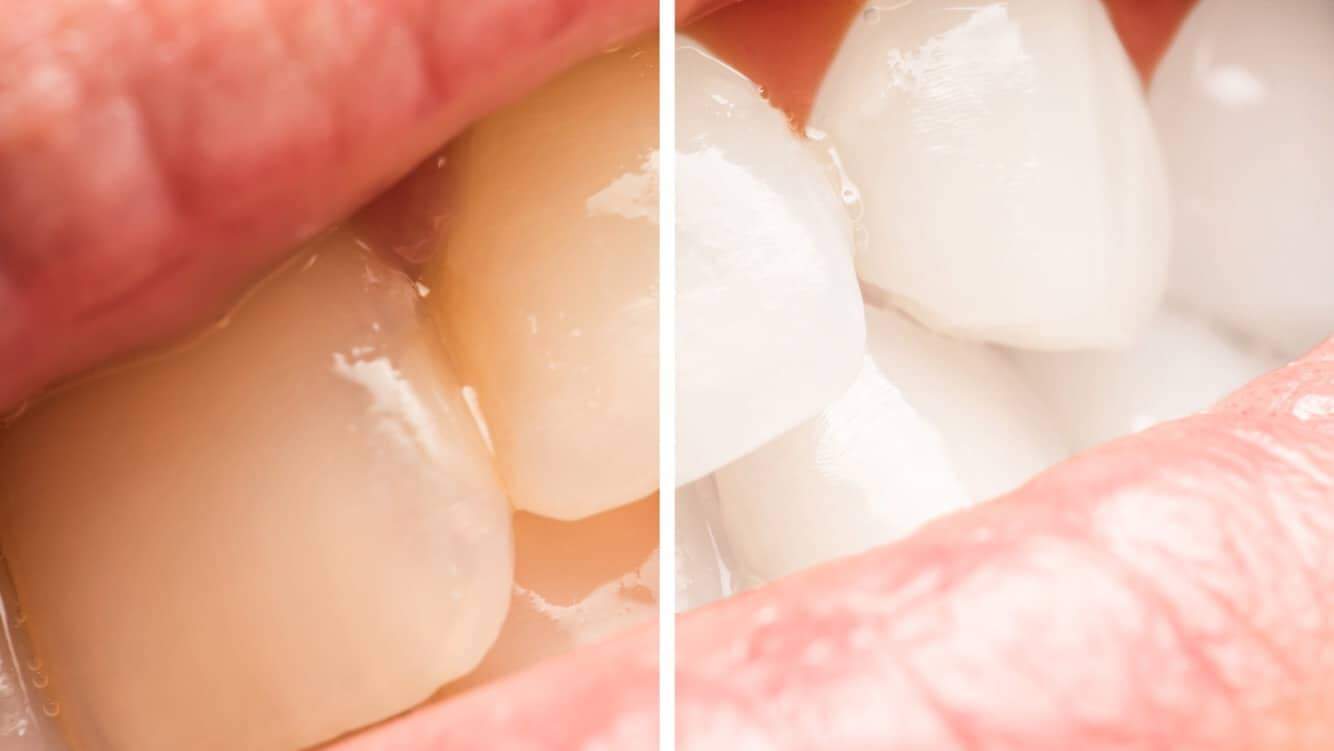
teeth whitening

RELATED: 5 Ways to Whiten Teeth Naturally

4. Tea Tree Oil

Similar to other ingredients on this list, tea tree oil has some awesome antibiotic and anti-inflammatory properties. A 2008 Australian study concludes that regular application of tee tree oil reduces gum bleeding and gingivitis.

Add 1-2 drops of tea tree oil on your toothbrush, or mix it in with your toothpaste. That’s it! Continue to brush using this essential oil two times a day for a few weeks.

5. Coconut Oil

While we’re on an “oil kick,” here’s another useful tidbit: coconut oil is useful as an effective treatment for gum disease! When mixed with baking soda, coconut oil helps to rid your mouth of bacteria-causing acids.

Simply mix two tablespoons of both coconut oil and baking soda. This mixture will serve as a toothpaste replacement once or twice per week until the problem subsides.

6. Myrrh Mix

Myrrh isn’t talked about much as an oral treatment, which is a shame considering that it’s highly recommended as a remedy for sore gums.

Put 10 to 12 drops of myrrh tincture into a cup of warm water. You’ll use this mix as a mouth rinse for your normal brushing routine.

7. Cranberry Juice

Cranberry juice is highly concentrated with vitamin C and makes for an excellent antioxidant in treating oral problems. Specifically, cranberry juice has shown to be effective in fending off receding gums and oral infections. Studies demonstrate that low intake of vitamin C is linked to higher risk of periodontal disease.

Simply drinking four ounces of cranberry juice per day may help prevent bacteria from accumulating and hardening into the teeth. Other excellent sources of ‘C’ include oranges, grapefruit, lemons, strawberries, papaya, broccoli, and red pepper.

8. Green Tea

Known for its age-fighting composites, green tea was found by Japanese scientists to help promote healthy teeth and gums. One study, published in the Journal of Periodontology, found that drinking a cup of green tea each day decreased periodontal pocket depth, improved the attachment of the gums to the teeth, and reduced gum bleeding. In fact, the more cups of green tea consumed, the better the results.

Green tea, along with cranberry juice, may just be the two best products we can drink to promote gum health.

9. Septilin

Spetilin is an Ayurvedic medicine shown to strengthen immunity. This traditional medicine is a mix of compounds that, in addition to supporting a healthy immune system, also reduce inflammation.

A study published in the Journal of Periodontal Implant Science found that dietary supplementation with Septilin improves periodontal treatment outcomes in just three weeks.

10. Flossing

Okay, we’re breaking the mix/compound/rinse/oil mold here with this last item. But flossing with an all-natural material helps reduce bacteria and plaque almost as well as oil pulling.

It isn’t necessary to floss every day, either. Flossing a couple of times per week, as well as maintaining good oral hygiene, may be enough to ward off gum recession.

Can A Relationship Be Bad For You? 5 Signs Your Relationship Is Becoming Bad For Your Health

Relationships can be both a source of joy and stress. The key, of course, is balance, and being able to healthily handle the stress in a relationship without allowing it to overwhelm you. Unfortunately, sometimes these relationships can turn toxic and impact your health.

A bad relationship can affect someone’s mental health. And mental health can have an overall effect on a person’s physical health as well. Understanding how a toxic relationship can hurt our minds and bodies is a step to recognizing when a relationship has become toxic to begin with.

This goes for all types of relationships, as well: romantic, platonic and familial. Cutting toxic people from our lives is a health decision, and can affect your overall health for the better.

5 Signs a Relationship Is Becoming Bad For Your Health

1. Upset stomach from relationship stress

When you’re experiencing high levels of stress and anxiety on a daily basis, this can cause your stomach to become constantly upset. The phrase ‘listen to your gut’ exists for a reason, after all. High levels of chronic stress can even cause ulcers, if you’re predisposed or you aren’t careful. Stomach symptoms like nausea, indigestion and vomiting can be caused by the high levels of stress and anxiety that is being caused by your toxic relationship. Medication can help calm the symptoms temporarily. But cutting toxic people will out of your life will improve your overall health quickly, and more permanently.

2. Substance abuse

If you’re constantly upset from a toxic relationship, you may find it tempting to turn to alcohol or drugs to make yourself feel better. While the high might feel good for a while, you’ll eventually need more and more of your chosen substance to make yourself feel better. This is dangerous, and can lead to substance abuse problems. Heavy use of drugs and alcohol can also lead to more anxiety and stress, as well as doing – sometimes irreparable – damage on your body. Be honest with yourself about how often and for what reason you use substance to cope – you may need help to get back on track, as well as help to step away from the toxicity that influenced you to abuse substances in the first place.

“Toxic relationships are dangerous to your health; they will literally kill you. Stress shortens your lifespan. Even a broken heart can kill you…” – Bryant McGill

3. Poor sleep schedule

The stress from a toxic relationship can disrupt your sleeping patterns, as well as the quality of sleep you get. You may find yourself waking up in the middle of the night, unable to fall back asleep. Or, you may find that you’re unable to fall asleep, and spend your days in a sleepy haze. Lack of sleep can become dangerous, and lead to a whole host of physical problems if you’re unable to get the sleep your body needs to function on a day-to-day basis. Locating the source of the stress, and dealing with it or removing it from your life, will make your sleep habits start to return to normal – even if that stress means ending a relationship or friendship.

toxic

4. Your immune system is compromised

A toxic relationship can cause stress so severe that it messes with your immune system, which means you’re prone to getting sick more often than you usually do. If you find that your relationship is so stressful that you’re battling your third cold of the month, you may want to reconsider that relationship. Your body can only put up with so much, and your immune system needs to be able to function properly. Anxiety and stress will suppress your immune system, and lead to a chronic array of illnesses that you just can’t seem to shake.

5. Your face starts breaking out

Stress is absolutely linked to acne. Your hormone receptors are hard at work when your body is suffering through chronic stress. As a result, it can lead to your skin producing more oil than usual. This can cause more pimples and blemishes in your skin. Stress can also cause you to pick at your skin, which will only cause your skin to worsen. If you’re surrounded by toxic people, or suffering through a stressful and toxic relationship, you may first notice it when you break out more often than you’re used to. The best way to get rid of your stress pimples, is to get rid of your stress. Your mind and body will thank you for it.

Taking into consideration how your health has declined after meeting or engaging in a relationship with a toxic person can help you recognize just when it’s time to get out. Listen to your body – it knows best, after all. When you cut ties with a toxic person, you’ll start to feel all of your facilities start to function better. Your mind will be healthier, and so will your body. From your stomach, to your mind, to your skin, your body will be able to function better when it isn’t overloaded with stress.

Therapists Explain 8 Ways To Deal With Loneliness And Avoid Depression

Everyone struggles with loneliness at one point or another in their lives. It can feel like you’re trying to breathe underwater. The often accompanying depression can be even worse. Even if you’re surrounded by friends and family, sometimes the loneliness creeps in. It can happen after a bad breakup, a divorce, or even the death of someone you hold dear.

According to Dr. Pamela Qualter, “While social isolation is an objective measure of how much we interact with others, loneliness is a subjective experience related to whether we feel we have enough friends or have good quality relationships.” Loneliness can feel impossible to escape from. Luckily, it doesn’t have to last forever. Learning how to handle and deal with loneliness will allow you to process the accompanying feelings, and then learn to move on.

Here are 8 ways to break free from loneliness (and avoid depression)

“Negative emotions like loneliness, envy, and guilt have an important role to play in a happy life; they’re big, flashing signs that something needs to change.” Gretchen Rubin

1. ACCEPT THAT THERE’S NO EASY FIX

If you came here seeking a 24-hour fix to loneliness, you won’t find it. But that’s okay! It shouldn’t be quick. Giving yourself time is the most important part of learning how to break free from loneliness. When you allow yourself time to feel your emotions, you learn to be patient and kind with yourself. These positive feelings and coping skills mean that you’ll be better equipped to handle the waves of loneliness.

2. ASSESS YOUR LONELINESS

Learning to assess what is making you feel lonely is the next step to breaking free from the overwhelming feeling. Is it a break up? Is it the death of a close friend or family member? Once you’re able to access that loneliness, you’ll have the knowledge you need to seek help moving past it.

According to Dr. Eric Maisel, “Nothing causes more emotional distress than the thoughts we think. We must do a better job than we usually do of identifying the thoughts that don’t serve us, disputing them and demanding that they go away, and substituting more useful thoughts.”

If you’re unable to pinpoint what it is that’s making you feel lonely, talking to a therapist can help you bounce ideas back and forth and maybe find what’s hiding deep in your subconscious that’s making you feel this way.

3. REMEMBER: LONELINESS IS JUST A FEELING

While it may feel overwhelming and unpleasant, your loneliness is just a feeling. It isn’t a state of being or a fact of life. When you’re able to conceptualize your loneliness as a feeling that can and will pass, you’ll be able to work on simply feeling it – and then, when it’s over, letting it go. Don’t allow the feeling of loneliness to trick you into thinking that it’ll never go away. It will, and you’re strong enough to move past it.

4. REACH OUT TO YOUR LOVED ONES

Building a support network in your time of need is one of the most proactive things you can do to combat the feeling of loneliness. As cognitive behavior therapist Ratna Golaknath mentions, “This is something I have struggled with in my difficult periods, but the truth is, we need to let others in. Remember there are people around you who are concerned and want to help. Just as you would want to be there for them, they want to be there for you.”

Your loved ones will be able to reassure you, validate your feelings, and most of all offer comfort and distractions. While it may be tempting to keep yourself locked away inside with nothing but the television for company, this is only going to exacerbate your feeling of loneliness.

5. TALK TO A THERAPIST OF COUNSELOR

Family and friends can sometimes be too biased to help us access our feelings, and they may not have the background necessary to offer sound advice. A therapist or counselor can give you tools and coping mechanisms to deal with your loneliness. A therapist can also offer an outside perspective that we won’t be able to get with friends or family. Therapists are also great at playing the devil’s advocate and forcing us to really examine why we feel the way we do.

6. PRACTICE SELF-AWARENESS

This is something that a therapist or counselor can help you with if you don’t know where to start. Self-awareness means that you’re able to become aware of what triggers your feelings of loneliness, and then understand how your mind and body react to those situations and feelings. This process will help you gain better control of the loneliness so you can process your emotions.

7. GET OUT OF THE HOUSE

It doesn’t have to be with a large group of people, or even one other person. Go to the art museum or see a movie by yourself. Learning to be alone and having fun by yourself will help combat that feeling of loneliness. Getting out of the house and allowing your body to move will help clear your mind. It may even distract you from your feelings and give you some relief.

8. KEEP TRYING

never give up quote

Always keep trying. Even if your loneliness persists for months and it feels like it’s never going to stop: always keep trying. Because each day that you keep trying is another day that you’re working towards getting better and breaking free of your loneliness. So, no matter how hard it feels: keep trying.

Loneliness can be overwhelming, but there’s no reason that you have to suffer alone. Having the tools to overcome your feelings is the first step to breaking free. Before you know it, you’ll wake up one day and find that the persistent loneliness is nothing more than a memory of a sadder time in your life.

(C)Power of Positivity, LLC. All rights reserved
References:
We asked experts how to combat feeling lonely and isolated http://metro.co.uk/2017/03/03/we-asked-experts-how-to-combat-feeling-lonely-and-isolated-6484232/
10 Tips for Emotional Healing https://www.psychologytoday.com/blog/rethinking-mental-health/201309/10-tips-emotional-healing
Ask the Experts: Learning to be Kind to Yourself When You’re Low http://healthcollective.in/entries/ask-the-experts/learning-to-be-kind-to-yourself

7 Deficiencies Almost Everyone Has (And Doesn’t Know About)

We need a certain amount of various nutrients daily; vitamins and minerals, in particular, are crucial elements to nearly every critical biological process in the human body. Given how much food the average American consumes, it’s astonishing to think that we’d have any problem acquiring the appropriate nutrients. However, we do have several nutritional deficiencies that are strangely common.

“Nutrient deficiencies alter bodily functions and processes at the most basic cellular level.” ~ Tricia L. Psota, Ph.D., RDN

Don’t Overlook Deficiencies of These Essential Nutrients

deficiencies

1. Iron Deficiency

Iron is the main component of red blood cells. It binds to the substance hemoglobin and transports oxygen throughout the body.

There are two dietary varieties of iron: heme and non-heme. Heme iron is easily absorbed and is mainly found in animal foods, especially red meat. However, non-heme iron is more common. You can find it in both animal and plant foods. However, your body does not absorb it as readily as heme iron.

The World Health Organization (WHO) advises that this deficiency causes anemia, a blood disease. They estimate that iron deficiency is the most widespread nutritional hurdle in the world, impacting:

  • 33% of non-pregnant women
  • 40% of pregnant women
  • 42% of children worldwide

Symptoms of iron deficiency include impaired cognitive function, impaired immune system function, fatigue, and a weakened immune system.

The best sources of heme iron include the following items: red meat, seafood, organ meat, and canned sardines. The best sources of non-heme iron include kidney beans, pumpkin, sesame, or squash seeds, broccoli, kale, and spinach.

2. Vitamin D Deficiencies

Vitamin D is critical for skin and bone health and nerve transmission throughout the body. Exposure to sunlight is paramount to natural Vitamin D acquisition, as the vitamin is created from cholesterol produced by the skin.

Vitamin D is the “sunshine vitamin” because the most potent source is spending time outdoors in the sunshine. However, that leaves people in cloudy regions apt to miss out on sufficient exposure.

One scientific article estimates that an average of 50% of people fails to get sufficient Vitamin D globally. This estimate includes the following:

“In the United States, 47% of African American infants and 56% of Caucasian infants have vitamin D deficiency, while over 90% of infants in Iran, Turkey, and India have vitamin D deficiency. In the adult population, 35% of adults in the United States are vitamin D deficient whereas over 80% of adults in Pakistan, India, and Bangladesh are Vitamin D deficient, in the United States, 61% of the elderly population is vitamin D deficient whereas 90% in Turkey, 96% in India, 72% in Pakistan, and 67% in Iran were vitamin D deficient.”

Symptoms of vitamin D deficiency include these symptoms: fatigue, muscle aches, and weakness. The symptoms of vitamin D deficiency can be vague, however.

Besides the sunshine, the food sources of vitamin D include these items: fortified milk or yogurt, fatty fish (mackerel, salmon, trout), cod liver oil, and egg yolks. It is tough to get enough vitamin D from diet alone, so exposure to sunshine daily is essential.

3. Vitamin B12 Deficiency

Vitamin B-12 is critical for proper brain and nerve function and the production of DNA. Per Harvard Health Publishing, vegetarians and vegans, in particular, may be at risk for developing B-12 deficiency as plants do not produce the nutrient.

Symptoms of B-12 deficiency may include numbness in the feet, hands, or legs; dizziness, weakness, fatigue; a swollen, inflamed tongue; memory loss, paranoia, and hallucinations. In addition, a 2018 article in BMJ Case Reports cites a lack of B-12 as the cause of hyperpigmentation of the fingernails.

The following people tend to lack this vitamin, according to science: 80 to 90% of vegetarians, 20% of older adults, and around 30% of U.S. adults.

The best sources of B12 include fish, chicken, milk, and yogurt. Besides, the best sources for vegans include nutritional yeast, meat substitutes, and fortified soy or almond milk.

bell peppers

4. Calcium Deficiency

Calcium, as we all know, is crucial to bone health and maintenance. But calcium is also essential to nerve transmission. Indeed, without it, our primary organs would not be able to function correctly.

Calcium deficiency estimates: 80 to 90% of vegans and vegetarians; 20% of elderly individuals. And 30 to 40% of U.S. adults.

Symptoms of calcium deficiency include abnormal muscle heart rhythm, bone fragility, and muscle cramps. The best sources of calcium include whole milk and dairy products, dark green vegetables, and boned fish.

5. Magnesium Deficiency

Magnesium is a critical mineral that affects just about every bodily function. ‘Mg’ is crucial for brain function, nerve signaling, bone structure, and enzymatic reactions.

It is estimated that up to half of the U.S. population consumes the required amount of magnesium. Magnesium deficiency can contribute to several diseases, including heart disease, osteoporosis, metabolic syndrome, and type 2 diabetes.

Symptoms of magnesium deficiency include loss of appetite, nausea, vomiting, fatigue, and muscle weakness.

Good sources of magnesium include nuts (almonds and cashews), whole grains, dark chocolate, and dark leafy green vegetables.

6. Folate Deficiency

Folate is a B vitamin that is naturally present in many foods. A form of folate called folic acid is used in certain dietary supplements and fortified foods. Folate plays a crucial role in the manufacturing and producing DNA and other genetic material. Besides that, your body requires it for cell division and synthesis.

Symptoms of folate deficiency include fatigue, mouth sores, and changes in the color of hair,  weak or brittle fingernails, and dry or flaky skin. Excellent sources of folate include beans, fortified cereals, dark leafy greens, and lentils.

nutrient deficiencies
7. Iodine Deficiency

Iodine is an essential mineral for normal thyroid function and the production of thyroid hormones.  Furthermore, it is vital for brain development, bone health and maintenance, metabolic regulation, and growth.

Iodine deficiency is one of the most common nutritional deficits in the world. In fact, a German study monitored iodine and found about 33% of participants to have low levels. Iodine deficiency may produce many symptoms, including increased heart rate, enlarged thyroid gland (goiter), trouble breathing and shortness of breath, and weight gain.

So what are the best sources of iodine? Try to include shellfish, seaweed, white fish, dairy, and eggs in your diet.

(C)Power of Positivity, LLC. All rights reserved
Skip to content