Weekly tips, affirmations, and small actions to feel your best.

25 Quotes to Remember From Zig Ziglar When You’re Feeling Down

When I was in my early twenties, I got depressed and for a year or two after the ‘great depression,’ I felt down more often than I normally should. Although it’s okay to feel a little down once in a while, it’s definitely not okay to stay down. Everyone is different and all of us have different ways of dealing with pain, but we all need a pick-me-up every once in a while. Zig Ziglar has plenty of wisdom to share with the world.

Next time you’re feeling down, remember one of these quotes from Zig Ziglar:

1. “Your attitude, not your aptitude, determines your altitude.” – Zig Ziglar

Even if you’re not the best at something, having a good attitude will get you further than you realize.

2. “Be helpful. When you see a person without a smile, give them yours.” – Zig Ziglar

Bringing positivity into the world is one of the best ways to make a change in someone’s life.

3. “You can make positive deposits in your own economy every day by reading and listening to positive, life-changing content, and by associating with encouraging and hope-building people.” – Zig Ziglar

Even when things seem bad, you are the master of your own destiny. Positivity is something that you can create and bring into the world.

4. “If you can dream it, then you can achieve it.” – Zig Ziglar

You’re capable of achieving anything you set your mind to, as long as you think that you can.

5. “Remember that failure is an event, not a person.” – Zig Ziglar

You are not defined by your failures. It’s something that happens to you, not who you are.

6. “When you are tough on yourself, life is going to be infinitely easier on you.” – Zig Ziglar

Don’t go easy on yourself. When you have discipline, you will be able to handle life’s challenges.

7. “Make failure your teacher, not your undertaker.” – Zig Ziglar

You should learn from your failures instead of allowing them to defeat you.

myself

8. “Don’t let someone who gave up on their dreams talk you out of going after yours.” – Zig Ziglar

If you want to achieve something, don’t allow anyone to talk you out of it.

9. “There is little you can learn from doing nothing.” – Zig Ziglar

If you don’t try, you’ll never learn.

10. “Look back in forgiveness, forward in hope, down in compassion, and up with gratitude.” – Zig Ziglar

Forgive those who hurt you, be hopeful of the future, allow compassion in your life, and be grateful to those around you.

11. “We cannot start over, but we can begin now and make a new ending.” – Zig Ziglar

You can’t start over from the beginning, but you can always make a new beginning.

12. “Where you start is not as important as where you finish.” – Zig Ziglar

It doesn’t matter where you are in your journey – it only matters that you finish.

13. “How you see the future is much more important than what happened in your past.” – Zig Ziglar

Your past doesn’t define you. Your future isn’t defined by your past.

14. “If you learn from defeat, you haven’t really lost.” – Zig Ziglar

You never really fail, as long as that failure has taught you something valuable.

15. “You never know when a moment and a few sincere words can have an impact on a life.” – Zig Ziglar

Don’t forget that you can change someone’s life just by offering your sincere, honest words.

16. “If you are not willing to learn, no one can help you. If you are determined to learn no one can stop you.” – Zig Ziglar

With knowledge comes true power. If you have knowledge, no one can hold you back.

17. “Hope is the power that gives a person the confidence to step out and try.” – Zig Ziglar

As long as you have hope, you’ll always be able to muster up the courage to try something new.

18. “Positive thinking will let you do everything better than negative thinking will.” – Zig Ziglar

Negative thoughts will only hinder your progress forward. Positivity is what will propel you towards your goals.

19. “Try to look at your weakness and convert it into your strength.” – Zig Ziglar

Don’t be afraid of your weaknesses because you can always learn and turn them into strengths.

20. “Don’t let mistakes and disappointments of the past control and direct your future.” – Zig Ziglar

Everyone makes mistakes, but it shouldn’t dictate how you live the rest of your life.

21. “Getting up and moving forward is a choice.” – Zig Ziglar

It’s a choice to give up, and it is a choice to keep on trying.

22. “You can start where you are with what you’ve got and go to wherever it is you want to go.” – Zig Ziglar

There is no “perfect time” to start a journey. You just have to start, no matter where you are in life.

23. “We cannot start over, but we can begin now and make a new ending.” – Zig Ziglar

There are never bad ideas or silly mistakes – they’re all experiences you have in life. You don’t have to start over, but you can write a better chapter from where you stand in life.

24. “Don’t count the things you do, do the things that count.” – Zig Ziglar

It doesn’t matter how many things you achieve; it only matters how many of those things matter.

25. “A lot of people have gone further than they thought they could because someone else thought they could.” – Zig Ziglar

Don’t underestimate how much your support means to the people around you.

https://youtu.be/vRnJsClMHU0
(C)Power of Positivity, LLC. All rights reserved

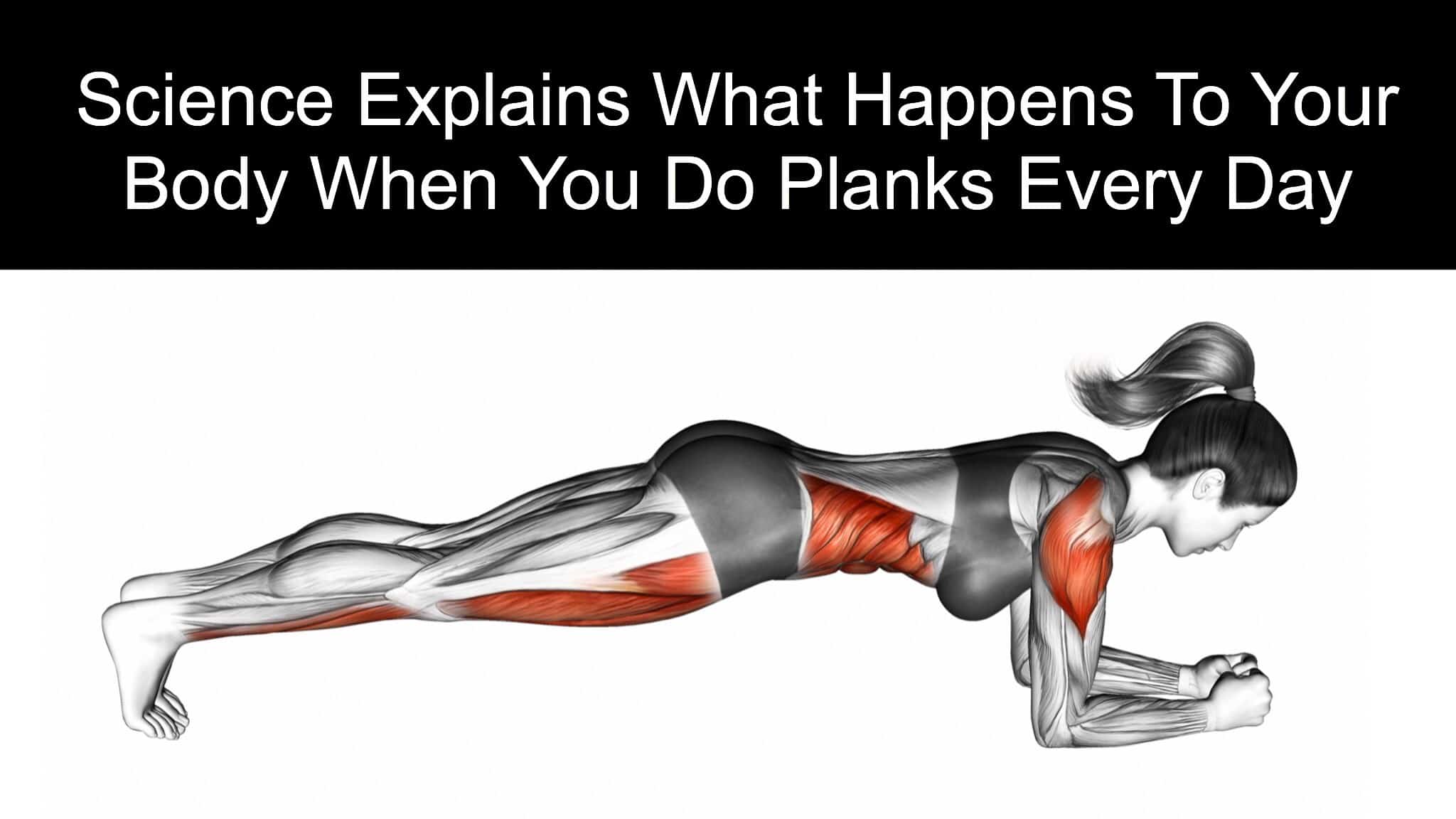
Science Explains What Happens to Your Body When You Do Planks Every Day

Planks have been called “The Perfect Exercise” to change your mind, attitude, and mood.

Alternative exercises are highly undervalued. It has gotten to the point where some people think they must dole out hundred-plus dollar gym memberships to get fit. That is all nonsense, of course.

There is plenty of value to be found in so-called minimalist exercises. Planks are one variety of exercises that are both old-fashioned and highly effective. This writing focuses on (a) the importance of core strength, (b) why planks are a helpful core exercise, and (c) how to perform the “classic plank.”

Let’s get to it!

Where Is Your “Core”?

First, let’s discuss what comprises your core muscles. The core consists of the abdominal, back, and pelvic muscles are broken down into primary and secondary muscles.

For fitness and science buffs, the primary core muscles are the: pelvic floor muscles, transversus abdominis, multifidus, internal and external obliques, rectus abdominis, erector spinae, and the diaphragm.

The secondary core muscles are the gluteus maximus, latissimus dorsi, and trapezius.

exercise

Why Is The Core Important?

The core has many vital functions. The core muscles are involved in just about every imaginable thing that you do, including:

– Back support: Lower-back pain affects eighty percent of all Americans at some point in life. Chronic lower back pain can be painful to the point of being debilitating. Core muscles play the primary role in ensuring a healthy back.

– Posture: Strong core muscles are vital to good posture, which “trims your silhouette and projects confidence.” Most importantly, good posture limits the wear and tear that inevitably takes its toll as we age.

– Routine movements: Any movement that involves the manipulation of your torso requires the core muscles to execute. This includes bending, sitting, rotating, and standing.

– Stability and balance: Your core essentially “connects” the upper and lower body parts. As such, good balance and stability require a well-conditioned core.

Regarding core health, it’s neither a good idea to overwork nor underwork these muscles. Overworking or overtraining abdominal muscles increases the risk of long-term injury, while underworking or undertraining the core can leave the area weak, not to mention flabby!

Why “Planking” Is Effective (and Its Benefits)

planks

The plank (which gets its name from a stiff board; you’ll find out why!) is a simple, anytime, anywhere core exercise that can produce some fantastic benefits for the entire body. Yes – the whole body, not just the core muscles.

The classic plank activates the abdomen muscles, biceps, shoulders, buttocks, quadriceps, and shins! Moreover, according to the American Council on Exercise, performing the classic plank regularly reduces the risk of lower and upper back pain.

Some other benefits of planking include:

  • A metabolism boost: Planks burn more calories than crunches or sit-ups.
  • Improving core definition: Planking engages all major core muscle groups.
  • Better posture: Planks help keep your bones and joints in alignment, which encourages good posture.
  • More flexibility: Planks stretch all the posterior muscle groups – shoulders, shoulder blades, collarbone, hamstrings, foot arches, and toes.
  • Mood benefits: While this benefit may seem farfetched, consider that planking stretches the muscles most prone to tension (read: stress). Planking stretches your legs, thighs, back, and shoulders, eases tension and stress and helps calm the brain’s fight-or-flight response.

Performing The Classic Plank

Here are a couple of pointers before we list the steps. First, remember to keep the abdominal muscles engaged and keep your back straight. Second, remember to inhale slowly and deeply and exhale stably.

While you can perform a plank without stretching, you should limber up first, mainly if you haven’t worked out.

Alright, let’s do this thing! Here’s how to perform the classic plank:

1. Lie face down on the floor in a “pre-pushup” position.

2. Keeping your upper and lower body straight and rigid, lift yourself using your forearms. (The upper arms and forearms should form a near-perfect 90-degree angle.)

3. Supporting your entire body with your forearms and toes, keep your body as straight as possible from head to toe.

4. Engage your abdominal muscles by sucking your belly towards your spine.

While performing the plank, remember that technique is far more critical than time. It does no good to hold a 30-second plank position if your belly is sagging down toward the floor. If you must, start with a 10-second hold and steadily increase the time as your core becomes stronger!

side planks

Final Thoughts on Doing Planks Every Day to Engage and Strengthen Your Entire Body

The plank, while a simple exercise, is far from easy. Do not become discouraged! Give it all you’ve got for as long as you can. And remember that technique comes first! You will achieve the myriad benefits of the plank exercise if you give your full effort and remember the basics!

5 Easy Ways to Lower Your Blood Pressure Naturally

Blood pressure, according to the Centers for Disease Control and Prevention (CDC) is “the force of blood pushing against the walls of the arteries that carry blood from your heart to other parts of your body.”

‘About 75 million American adults have high blood pressure – that’s 1 in every 3 adults.’ ~ The Centers for Disease Control and Prevention

Blood pressure (‘BP’) tends to fluctuate throughout the day. When you first awake, your BP is likely to be lower than average; contrast this with the annoyingly chatty coworker, when it rises rather considerably.

High blood pressure, also called hypertension, affects 1 in every 3 adults. Another 1 in 3 is in a state of prehypertension – when BP is higher than normal but not yet high enough to be labeled “high blood pressure.” Simple math: 2 of every 3 adults are experiencing some form of potentially dangerous high blood pressure.

There are plenty of statistics to demonstrate the dangers that hypertension poses, but the following tells the whole story: “Having high blood pressure puts you at risk for heart disease and stroke, which are the leading causes of death in the United States,” according to CDC. Only about 50 percent of people who suffer from hypertension report actively caring for and monitoring their condition.

The CDC estimates that hypertension claims the lives of over 1,100 people every single day.

care for your body

Naturally Treating High Blood Pressure

(Please note that this advice is not intended to serve as a replacement for that of your primary care physician. Before beginning or ending any medication or supplementation regimen, please consult with a board-certified physician, specialist, or other health professional.)

A class of drug called beta-blockers is typically prescribed to individuals with hypertension. Though relatively cost-effective, beta-blockers can create a slew of unwanted side effects, including cold hands and feet, constipation or diarrhea, dizziness, drowsiness, dry eyes, mouth, and skin, fatigue, headache, upset stomach, and weakness.

People wishing to bypass the possible side effects of beta-blockers and go ‘au naturel’ are not lacking in options.

Here are five ways to naturally treat high blood pressure, according to medical experts:

1. Lose weight

Dr. John Day, a cardiologist and electrophysiologist at the Intermountain Medical Institute in Salt Lake City, Utah, says “I can’t tell you how many patients I have seen where getting to a healthy weight dramatically dropped their blood pressure.”

Day goes on to cite his own weight-loss experience, where he lost 20 pounds; achieving a 30-point reduction in his systolic blood pressure. He says that losing 20 pounds if you’re obese is the best action you can take to lower your blood pressure.

2. Limit (or avoid) alcohol and drugs

Abusing alcohol or drugs damages both the kidneys and the liver. Kidney or liver damage create a sort of “liquid depository” where fluids accumulate in the body. This depository increases both heart rate and BP.

Over-the-counter (OTC) drugs such as naproxen and ibuprofen cause the body to retain sodium. Sodium retention creates additional stress on the heart. Stimulants (e.g., coffee, soda) have similar effects – causing the heart to beat faster and raising BP.

3. Meditation

Research concludes that practicing transcendental meditation for 20 minutes, twice daily, triggers an enzymatic response that, in effect, lowers BP. Still another study found that meditation can reduce brain aging; another found that mindfulness meditation reduces pain – the list goes on and on.

Should one require further proof that meditation and mindfulness is a highly effective antidote to stress and anxiety (therefore blood pressure), consider that both Harvard University Medical School and Johns Hopkins University have centers devoted to the mental health benefits of both.

4. Exercise

Per the Mayo Clinic, thirty minutes of exercise most days of the week can significantly lower your BP. However, the Clinic notes that consistency is important: “because if you stop exercising, your blood pressure can rise again.”

For those with prehypertension, moderate exercise can prevent full-scale hypertension. For individuals diagnosed with hypertension, exercise can get your BP down to a safer level.

The easiest way to stay consistent with exercise is to do something that you enjoy. There are a ton of ways to both break a sweat and have fun! Here are a few ideas: badminton, basketball, bicycling, climbing stairs with music, dancing, flag football, frisbee, hiking, racquetball, and so on.

5. Get Your Fiber

A meta-study focusing on the effects of fiber while dieting demonstrates that a high-fiber diet “was associated with a significant reduction in blood pressure levels among people with high blood pressure or hypertension,” according to WebMD.

Concerning fiber intake, the American Heart Association (AHA) recommends 25 to 30 grams of dietary fiber a day. Unsurprisingly, most Americans fall far short – averaging about 15 grams. Some of the best sources of fiber include beans, brown rice, bran cereal, berries, popcorn (unbuttered), nuts, oats, and whole grains.

Psychology Explains Why People Cheat In A Relationship

Cheating in relationships is incredibly common. John Howard, a therapist and behavioral scientist, claims that as many as 50 percent of people in a relationship cheat on their spouse. Perhaps not so coincidentally, the divorce rate also hovers around 50 percent. Many experts cite it as the number one reason for it.

So, why do people cheat (and divorce) in the first place? Many social scientists and relationship experts believe that monogamy – committing to one person – goes against the evolutionary grain. Here’s Franklin Porter, a couples’ therapist based in New York City:

“I don’t feel like it’s natural to be in a monogamous relationship. From an evolutionary standpoint, men are wired to impregnate multiple women to further the species.” Mr. Porter goes on to explain that humans began cohabitating and procreating despite the innate desire to “explore” – a longing that, Porter says, continues today.

Evolution aside, scientists dug a bit more into the “Why?” behind cheating in a recent study published in The Journal of Sex Research.

“When people cheat in any arena, they diminish themselves—they threaten their own self-esteem and their relationships with others by undermining the trust they have in their ability to succeed and in their ability to be true.” ~ Cheryl Hughes, Author

According to the research team, here are four commonly cited reasons why people cheat in a relationship:love

1. Lack of Love (“I had fallen out of love with my partner.”)

Unsurprisingly, a fair number of cheaters say that they’ve fallen out of love with their partner. While the statement “I just fell out of love” may seem straightforward, it may also be used as an excuse. Furthermore, likely, some other cause – lack of communication, boredom, non-attraction – may also be at play.

2. Low Commitment (“I wasn’t very committed to my primary partner.”)

The truth is that some people enter into a relationship with a lackadaisical attitude. To them, the word “relationship” implies something more open-ended. The problem, of course, is when the other person doesn’t share this apathetic outlook.

It goes without saying that commitment levels tend to coincide with relationship happiness. Commitment is the close cousin of intimacy – and a lack of either can spell doom for a partnership.

3. Esteem Reasons (“I wanted to enhance my image.”)

Sexual conquests may also serve to boost the ole’ self-esteem. Men and women who cheat for esteem reasons think (often incorrectly) that a roll in the hay with some stranger may bring them some confidence.

Other people will engage in cheating to enhance their social credibility. Cheating to elicit favorable social opinion is more common among younger adults, though it also occurs in older groups.

4. Situational Factors (“I was drunk and not thinking clearly.”)

Then there are situational “factors” – the wrong place at the wrong time while quite possibly doing the wrong thing. Alcohol and certain drugs lower inhibition and impair judgment; predictably, the odds of one making a poor choice and cheating on their partner are much higher under such conditions.

The Effects of Cheating

Regarding the effects of cheating, the psychological – and, many times, physical – toll inflicted doesn’t invite much opposition. Put, cheating can be devastating to one or both individuals.

In a study published in the Journal of Social and Personal Relationships, M. Rosie Shrout of the University of Nevada at Reno, found “a connection between (both) mental health and health-compromising behaviors.” Concerning the former, victims of cheating were at a much higher risk of developing anxiety and depression.

Also, Ms. Shrout says, “As we expected, people who experienced more emotional and psychological distress after being cheated on engaged in more risky behaviors. They were more likely to eat less or not eat at all, use alcohol or marijuana more often, have sex under the influence of drugs or alcohol, or overexercise. Being cheated on seems to have not only mental health consequences, but also increases risky behaviors.”

Rediscovering Commitment

As mentioned, many scientists and other experts believe that humans are not naturally monogamous. Before the widespread adoption of religion, humans regularly engaged in polygamy to ensure the survival of our species. Additionally, the brain seeks what is exotic and novel. Left unchecked (or under the influence!), the brain is likelier to act on the desire for lust.

cheating

Final Thoughts: Why stay committed?

The simple answer is emotional bonding. A life partner is one with whom you can share life’s delightful memories, someone you can rely on, someone who will be there and love you unconditionally when all is said and done.

Beauty fades. Hormones die down. We get old. Those who choose love and commitment will reap the most handsome of rewards.

Researchers Reveal 5 Deficiencies That Keep People Up At Night

Combined, vitamins and minerals – also known as essential nutrients – are responsible for hundreds of functions in the body. They are absolutely critical to good health – and are often the reason for not-so-good health. In fact, long-term vitamin and mineral deficiencies can lead to the development of potentially life-threatening diseases and illnesses.

Though vitamins and minerals are often grouped together, there are some significant differences between the two:

– Minerals are non-organic and maintain their chemical structure. They come from soil and water. Thus, thus we ingest them through the animals, fish, fluids, and plants that we eat.

– Vitamins are organic, and are broken down by air, acid, and heat. Since vitamins are so fragile, they are more difficult to absorb.

Why is this distinction important? Because both internal and external influences (body, environment, stress, insomnia, etc.) can lead to malnutrition; mainly through a shortage of vitamins within the body, but also through a lack of minerals. Further, the chemical makeup of vitamins necessitates additional dosing under certain conditions, such as those mentioned above.

Vitamins, Nutrients, and Sleep

bed sleep

“Sleep is important.” We’ve heard these three words – or some variation of them – over and over again. Yet, despite the mass of knowledge available explaining the essential nature of sleep, many of us shrug it off.

When we see a doctor about our sleep troubles, they are all-too-eager to prescribe a “knock-me-out pill.” (See: “Valium, Xanax, usage.”) It’s more time-consuming to evaluate things like diet and exercise and how they may be affecting our shut-eye.

It goes without saying that both diet and exercise profoundly influence sleep quality. Relatedly, both have various effects on the absorption and activity of vitamins and minerals.

Very quickly, here is a list of vital tasks that both minerals and vitamins perform – most of which directly affect sleep:

Minerals

– Ensure balance of water in the body
– Help build and maintain bone health
– Carry oxygen throughout the body
– Promote oral health
– Assist with the metabolism of vitamins
– Encourage cell formation and health

Vitamins

– Build bones (Vitamins A, D, and K.)
– Protect the immune system (Vitamins C, E, and others.)
– Help store other vitamins and minerals (Vitamin E.)
– Release energy into the body (B-vitamins.)
– Permit energy production (Biotin, niacin, pantothenic acid, riboflavin, and thiamine.)
– Build cells and proteins (Vitamins B6, B12, and folic acid.)
– Produce collagen (Vitamins C & D)

Now that we’ve gotten our “review” out of the way, let’s talk about a few specific vitamins and minerals needed to ensure a good night’s sleep.

Here are 5 nutrient deficiencies that can cause poor sleep:

1. Magnesium Deficiencies

Magnesium is sometimes referred to as “nature’s chill pill,” and for a good reason. ‘Mg’ relaxes both the brain and heart through regulation of blood flow. More specifically, Mg chemically activates the parasympathetic nervous system (PNS) – the automatic response that counters the fight-or-flight mode.

Mg also regulates the sleep hormone, melatonin. Melatonin controls the sleep-wake cycle of the body, also known as the circadian rhythm.

2. Potassium Deficiencies

Potassium, like magnesium, is a natural relaxant. While Mg helps get you to sleep, ‘K’ helps keep you asleep. (Unrelated question: can some chemistry major explain why the letter ‘K’ was chosen for potassium on the periodic table?)

Anywho, potassium supplementation may improve sleep quality and duration in healthy adults. Lack of potassium correlates with both heart irregularities and muscle spasms – the two most common causes of disturbed sleep!

potassium deficiency

3. B-vitamin Deficiencies

Numerous studies demonstrate that B-vitamins impact the quality of sleep and lack thereof. A deficiency of vitamin B-9 (folic acid) connects to the onset of insomnia. Meanwhile, vitamin B-12 is said to ease the symptoms of insomnia.

Consuming B-5 (pantothenic acid) is said to relieve anxiety and stress, which may help promote sleep.

4. Iron Deficiencies

The results from a study published in African Health Sciences found that iron deficiency anemia (IDA) – a condition wherein the blood lacks healthy red blood cells – contributes to poor sleep quality. (A relationship also exists between iron deficiency and the presence of anxiety and depression.)

Other research shows that low iron levels cause problems such as shortness of breath and heart palpitations. Iron deficiency is also linked to chronic fatigue syndrome (CFS) and restless leg syndrome (RLS).

5. Calcium Deficiencies

Per Medical News Today, calcium is directly related to sleep cycles. In a study published in the European Neurology Journal, scientists discovered that calcium levels are highest during REM sleep – the deepest phase. Thus, we can attribute some sleep disturbances to calcium deficiencies.

Besides magnesium, calcium may be the most important mineral for good sleep. This may help to explain why dairy products, which are rich in calcium, are the most widely-consumed products of the sleep-deprived.

Sources:
https://www.healthline.com/nutrition/magnesium-and-sleep
https://www.helpguide.org/harvard/vitamins-and-minerals.htm
https://www.livescience.com/38401-nutrients-linked-better-sleep.html
https://www.medicalnewstoday.com/releases/163169.php
https://www.ncbi.nlm.nih.gov/pmc/articles/PMC4480468/

When Should You Get Married, According to Your Zodiac Sign?

Your fate is not set in stone, but according to astrologers, each sun sign of the zodiac has an age they should ideally get married at. Researchers looked at beliefs about chance or fate and found that ‘The practice of astrology can be traced in most if not all human societies, in most time periods. Astrology has prehistoric origins and flourishes in the modern world, where it may be understood as astronomy practiced by the people.’

Read on to find out when, if ever, your zodiac sign says is the best age that you should plan to take the plunge and stand at the altar at your wedding.

Here’s when you should get married based on your sign:

ARIES MARCH 21 – APRIL 19

Aries as a group like to have a companion throughout their life. On the other hand, they also like to think they are very independent. Aries is likely to marry early in their 20’s and be blissfully partnered.

TAURUS APRIL 20 – MAY 20

Home stability is a preference for Taurus. Love, marriage, and a happy partner at home is a goal that Taurus will likely achieve early in life near their mid 20’s.

GEMINI MAY 21 – JUNE 21

Gemini is a zodiac sign that hopes for love that will exceed their romantic dreams. The Gemini will seek their romantic twin early on in life bumarryt will wait to marry until mid-30’s.

CANCER JUNE 22 – JULY 22

Cancer is lovable, not crabby, and their romantic marriage partner will find them irresistible around their early 30’s.


LEO JULY 23 – AUGUST 22

Lions love to pursue their love interests, but the one they marry will take a while to hunt down. Leo will wait until later in their 30’s to be sure that all their hunting for a mate is over.

VIRGO AUG 23 – SEPT 22

Virgo seeks a homey happiness and will look to marry early in life, in their mid to early 20’s. The Virgo will find an easy happiness in domestic life.

LIBRA SEPT 23 – OCT 22

Libras are in love with love, and so many people are worthy of their love, but this zodiac sign will be happy to marry early in life around age 20. Libras love to read their astrology, and, like other signs, often feel that they closely relate to what is written about them.

SCORPIO OCT 23 – NOV 21

Toughing it out and being fiercely independent until late in life is likely for the zodiac sign of Scorpio. However, the passion that this sign can feel for a mate may make them marry early. Either in their mid 20’s or late 30’s is when Scorpio could marry.

SAGITTARIUS NOV 22 – DEC 21

Do not try to trap Sagittarius romantically if you might hope to marry them in the future. Sagittarius wants to stay free, so a looser commitment than marriage may be what is needed. If they marry, Sagittarius could see themselves marrying at age 30.

CAPRICORN DEC 22 – JAN 19

Capricorn is a zodiac sign that wants to feel comfortable and secure with a partner before deciding on marriage. The Capricorn mate wants to feel you out and make sure that you can handle them at their worst, before they let you have their best. Getting married at age 25-30 is just about enough time for this zodiac sign to find the right spouse.

AQUARIUS JAN 20 – FEB 18

Aquarians have high levels of energy, enthusiasm, and vitality. This zodiac sign should wait to get married until they’ve aged and matured a bit, but they will likely rush into things in their early 20’s. Being overwhelmed with passion isn’t a bad thing when you’re young or old.

PISCES FEB 19 – MAR 20

Intense relationships can be scary to Pisces, so getting married is usually delayed until they feel more confident about the lasting power of the relationship. Pisces will look to wait to marry until well into their 30’s.

Researchers say of astrology ‘The Western tradition, which originated in Mesopotamia and was developed in the Greek world, has been most studied by academics. However, India is also home to a tradition, which has survived in a continuous lineage for 2,000 years. Complex systems of astrology also developed in China and Mesoamerica, while all other human societies appear to seek social and religious meaning in the stars.’

The zodiac signs will find the love they are meant to have in due time. The wheel of fortune may bring you someone whom you desire, but what age you get married at, or if you decide to get married, is something that only you get to determine.

(C)Power of Positivity, LLC. All rights reserved

Researchers Reveal Why It’s Good to Pee In The Shower

It’s people like Debs Torr and Chris Dobson who make the world a better place. Mr.’s Torr and Dobson are students at the University of East Anglia (UEA) – a world-renowned research institution in Norwich, England. According to them, their plan will save about 720 million liters (187 gallons) of water every year. Their radical idea? Pee in the shower.

“We’ve done the math,” says Dobson, “and this project stands to have a phenomenal impact. With 15,000 students at UEA, over a year we would save enough water to fill an Olympic-sized swimming pool 26 times over.”

The name of their movement? ‘Go with the Flow.’ Something that many people appear to be doing: according to a survey by Angie’s List, about 80 percent of us tinkle in the tub.

It’s understandable as to why 20 percent of us are reluctant. Peeing where you rinse and repeat doesn’t sound very hygienic (it is!). Others worry about urine staining their shower space.

An article published in Business Insider explains why it’s “a-ok” to let it flow (albeit, in the ocean):

“Human urine is 95 percent water. It also contains sodium (Na) and chloride ions – these are the same components that make up regular table salt (NaCl).”

(Note: According to the American Chemical Society, urinating in an enclosed area, e.g., a pool, is potentially dangerous. This is due to a chemical reaction that takes place between urine and pool cleaning liquids. Also, people with urinary tract infection [UTI] should refrain as well.)

Now that we know peeing in the shower helps the planet, let’s talk about some other benefits.

Here are 7 other reasons why you should pee in the shower:

1. Cleanliness

It’s cleaner – or at least as clean – to pee in the shower as it is the toilet. While a communal shower may be considered off-limits for many, your own shower serves as a hygienic second option. When it comes right down to it, your pee is going to backsplash anyways – might as well do it where you can rinse it off.

2. Saves Money

If you’re like most of us, you pay a water bill. While probably not the most expensive utility, you’ll probably save a few bucks by going in the shower going a while.

Most manufactured toilets use between 1.5 to 3 gallons of water with every flush. Older toilets are even worse, using 5 to 7 gallons every time. Thus, you save water.

3. Hygiene

Women have to use toilet paper every time they hit the john. By taking a tinkle in the shower, you don’t have to wipe, only rinse. Besides saving time and money, it’s more hygienic for females.

4. It prevents and kills fungus

The United States Army instructs soldiers to urinate on their feet when out in the field. Why? Because urine is a natural antibacterial and anti-fungal treatment. Urine is also a good antiseptic – and urinating on a wound can help disinfect it; a practice that goes back to ancient times.

5. It’s a time saver

Okay, so you’re probably not gonna save a whole lot of time – but in the morning, every minute counts. Not much else to say except you’ll be killing two birds with one stone. Who knows, maybe you’ll have enough time to down another cup of java (would that be defeating the purpose? Hmm … meh.)

6. It feels good

Oh, and peeing in the shower feels good. The warm water from the shower relaxes your bowels and urinary tract enough to make the experience pleasurable.

7. Because you can

Yeah! It’s your shower, after all (we hope.) Give that inner rebel of yours a reason to get fired up by doing something that “society” considers “unclean.” You can gain an extra bit of satisfaction knowing that the traitors who rail against shower pee are probably doing it too.

(C)Power of Positivity, LLC. All rights reserved

7 Sleep Habits of Highly Successful People

Here’s a riddle: What does nearly everyone do a lot, yet can’t seem to get enough of? Okay, so you probably know by the title of this article that the answer is (wait for it…) SLEEP!

It’s a bit generic to simply say “Sleep. It’s good for you!” So, let’s get more specific. In this article, we’re going to discuss the sleep habits of successful people. We’ll wrap up by going over some tips to improve your ‘sleep hygiene’, courtesy of the National Sleep Foundation.

Let’s start off by asking another (non-riddle) question: What does success require? If we were to have a deep discussion about “success principles” we’d be here a while.

So, let’s narrow it down to three things that we should all be able to agree on: energy, thinking, and health. As it turns out, adequate sleep is the most important activity for maintaining the healthy function of all three.

Sleep is important enough to success that companies all over the world now have “nap rooms” for their employees. You may have heard of this little company called Google. Yeah, nap rooms. (Meditation rooms, too!)

“Early to bed, early to rise, makes a man healthy, wealthy, and wise.” ~ Benjamin Franklin

We’re fascinated with how successful people live. Articles have been written about what successful people eat, the books they read, and yes, how they sleep.

While some wildly successful people have erratic sleeping habits, most of them stick to a schedule. Case in point: Ole’ Benny Franklin (quote, above) used to sleep from 10 PM to 5 AM.

Here are 7 other sleep habits that the vast majority of successful people have in common:

1. They’re asleep by 1 AM

According to nine different sources who compiled the sleeping habits of 21 successful people – from Barack Obama to Elon Musk – about 95 percent of them are snoozing by 1 AM. (Winston Churchill apparently didn’t drift off until 3…as in 3 AM!)

2. They’re awake by 7 AM

According to Home Arena, nine out of every ten successful people are awake by 7. Ellen DeGeneres, the widely-successful comedian and T.V. host, is on her feet at precisely 7. Others, like Pepsi CEO Indra Nooyi, are “up and at ‘em” as early as 4.

3. They get at least 6 hours

Speaking of Ms. Nooyi, she’s one of the few outliers who doesn’t get a minimum of six hours sleep (she registers five). Even Elon Musk, the insanely-driven inventor extraordinaire, hits the hay for at least a half-dozen hours. Musk’s biggest competitor, Amazon CEO Jeff Bezos, gets seven hours of shuteye.

4. They’re extremely disciplined

No real surprise here. By most accounts – at least, the ones that are available – successful people approach sleep like they do everything else … with an uncanny amount of self-discipline.

5. They have a morning routine

While routines differ widely among the successful, they do have one. The late, great Steve Jobs used to ask himself every morning, “If today was the last day of my life, would I be happy with what I’m about to do today?” Job’s biggest life rival, Mr. Bill Gates, spends an hour on the treadmill each morning without fail.

6. They have an evening routine

Like their morning routines, successful people differ. But they tend to unwind in bed the same way, every time. Arianna Huffington gets rid of the tech; Oprah Winfrey meditates, and Kenneth Chenault plans his to-do’s for the next day.

7. They understand the importance of sleep

Successful people are also exceptionally busy (Google “Elon Musk’s schedule.” Insane.) Highly successful people generally don’t have a need for payday loans no credit check type of scenarios – and also take on more responsibilities than many of us can fathom. Some manage billions of investor’s dollars; some keep non-profit’s afloat; some are heads of state. All hectic, demanding, stressful stuff.

The outrageously successful don’t get to where they’re at by being dumb: as these people’s sleeping habits demonstrate, the successful know the importance of shuteye.care for your body

Per the National Sleep Foundation, here are some tips and tricks for improving your sleep habits:

1. Keep the same sleep schedule every day (even on the weekends).

2. Practice a relaxing evening routine every night.

3. Switch off the technology. The blue light emitted from e-devices disrupts the brain’s production of melatonin – our body’s natural sleep chemical.

4. Do some moderate exercise every day.

5. Design a comfortable sleep environment. Your bedroom should be cool – between 60 to 67 degrees. It should also be noise-free with a minimal amount of light.

6. Use a quality mattress and comfortable pillows. (Mattresses have a max life expectancy of about 9 years.)

“We are such stuff that dreams are made on. And our little life is rounded with sleep.” ~ William Shakespeare

https://youtu.be/hXxTtXOz5JQ

(C)Power of Positivity, LLC. All rights reserved
Sources:
https://www.forbes.com/sites/alicegwalton/2015/11/13/the-sleep-habits-of-highly-successful-people-infographic/#4002a15b6d7f
http://www.goodhousekeeping.com/health/wellness/news/a35114/sleep-habits-of-highly-successful-people/
https://www.huffingtonpost.com/andrew-merle/sleep-routines-of-successful-people_b_8869634.html
http://www.independent.co.uk/news/business/news/from-steve-jobs-obama-jeff-bezos-mark-zuckerberg-how-8-of-the-world-s-most-successful-people-start-a6686466.html
https://www.lifehack.org/articles/productivity/6-habits-highly-successful-people-before-bedtime.html

Crohn’s Disease: Symptoms, Causes, Diagnosis, and Treatment

By understanding Crohns Disease, you can help yourself, or your loved ones get through the uncertainty. It might be hard to handle, but with a plan and treatment options, it is manageable. With information, you can navigate this time without as much worry and stress.

Inflammation from Crohns Disease often affects layers of bowel tissue, making it painful and debilitating. This disease can even lead to life-threatening complications, making it a condition that you can’t ignore. In other cases, the disease only produces mild symptoms, and the key is to find the best treatment options.

According to the Crohn’s and Colitis Foundation of America, more than 780,000 Americans have this disease. There is no known cure for it, but there are treatment options available. Getting a diagnosis from a medical professional is the first step to treatment, and they can help you come up with an effective plan.

If you know the symptoms and causes of the disease, you will know what to look for. When you recognize the signs, you will know when to see a medical professional and begin treatment.

What Is Crohn’s Disease?

crohns diseaseCrohn’s disease is an inflammatory disease of the gastrointestinal tract, and it can be debilitating and life-threatening. It is a type of inflammatory bowel disease and leads to uncomfortable symptoms and complications.

The disease weakens the lining of the small and large intestines, creating ulcerations. Crohn’s can affect any part of the digestive system, from the mouth to the rectum. It most commonly affects the end of the small intestine and the beginning of the colon.

Crohn’s affects the entire thickness of the bowel wall and can skip patches of the intestine. With treatment, you can enter periods of remission, but you might still experience relapses.

What Are the Symptoms of Crohns Disease?

The symptoms of Crohns Disease range from mild to severe and include the following:

  • Abdominal pain and cramping
  • Persistent diarrhea
  • Kidney stones
  • Skin problems
  • Weight loss
  • Fever
  • Fatigue
  • Blood in your stool
  • Reduced appetite and weight loss
  • Pain or drainage near or around the anus
  • Rectal bleeding
  • Inflammation of skin, eyes, and joints
  • Inflammation of the liver or bile ducts
  • Urgent need to pass a bowel movement
  • Incomplete bowel evacuation
  • Low energy and fatigue
  • Redness or pain in the eyes
  • Vision changes
  • Bumps, sores, rashes, or other skin complications
  • Night sweats
  • Abnormal menstrual cycle
  • Shortness of breath

What Are the Types of Crohn’s Disease?

Crohn’s affects different parts of your GI tract, resulting in different types of the condition. These types include:

  • Ileocolitis: The most common type is ileocolitis. This type of Crohn’s affects the end of the small intestine and the large intestine. The symptoms that accompany this type include diarrhea, cramping, pain in the abdomen, and significant weight loss.
  • Ileitis: This type of Crohn’s only affects the ileum, which is the small intestine. The symptoms are the same as with ileocolitis, but severe cases can also cause fistulas or inflammatory abscesses.
  • Gastroduodenal: Gastroduodenal affects the stomach and the beginning of the small intestine, also known as the duodenum. The symptoms of this type include nausea, vomiting, loss of appetite, and weight loss.
  • Jejunoileitis: This type of Crohn’s affects the upper half of the small intestine, called the jejunum. Characterized by patchy areas of inflammation, the symptoms include mild to intense abdominal pain and cramps after eating, diarrhea, and fistulas.
  • Granulomatous Colitis: Granulomatous affects the colon, including diarrhea, rectal bleeding, skin lesions, and joint pain. It also causes abscesses, fistulas, and ulcers around the anus.

What Causes Crohn’s Disease?

While the exact cause of Crohn’s is unknown, experts believe they have narrowed it down to a few factors, including:

  • Immune System: A virus or bacteria can trigger Crohn’s if the immune response is abnormal. When an abnormal immune response occurs, it causes your immune system to attack the digestive tract cells. Sometimes the bacteria your immune system attacks are harmless or beneficial, resulting in issues then, too.
  • Genetics: If you have family members with Crohn’s, you might have genes that cause the disease. Research shows that 20% of people with this disease have a relative with it. It isn’t always inherited, though, so don’t assume you’re safe because none of your family members have it.
  • Environmental Factors: Crohn’s is more common in developed countries, urban areas, and northern climates. It can also develop from something you’ve eaten, microbes, and cigarette smoke. Environmental factors can either trigger an immune system response or directly damage the intestine lining.

Who Is at Risk for Developing Crohn’s Disease?

There are many risk factors for Crohn’s Disease, including:

  • Age: It can develop at any age, but most people are diagnosed before they are 30.
  • Ethnicity: This disease can happen to any ethnicity, but it is more common in Caucasian people. The highest risk is for those of Eastern European Jewish descent.
  • Smoking: Smoking cigarettes increases a person’s risk of developing the disease. This controllable risk factor not only increases the risk, but it makes the condition more severe.
  • Anti-Inflammatory Medications: Taking ibuprofen, naproxen sodium, diclofenac sodium, and other anti-inflammatory medications increase the risk of developing the disease. While these are anti-inflammatory, they can cause inflammation in the bowel.
  • Stress: Stress triggers flare-ups of Crohn’s symptoms. People that experience long-term stress have a higher risk of developing the condition and exacerbating symptoms.
  • Unhealthy Diet: If you eat high-fat and processed foods, your risk increases significantly.

crohns diseaseWhat Are the Complications Associated with Crohn’s Disease?
The symptoms of Crohn’s disease are bad enough, but it can also cause complications, including the following:

  • Bowel Obstruction: Since Crohn’s affects every layer of the intestinal wall, it can cause your bowel to scar and narrow. Eventually, a bowel obstruction can occur, requiring surgery to remove that portion.
  • Ulcers: Chronic inflammation can cause ulcers or open sores. These sores can occur anywhere in your digestive tract, from your mouth to your anus. Sometimes they happen in the genital area or the perineum.
  • Fistulas: When ulcers extend through the entire intestinal wall, it creates a fistula. A fistula is an abnormal connection between one intestine and your skin, the other intestine, or another organ. If the fistula is left untreated, it can lead to infection, an abscess, and even death.
  • Anal Fissures: An anal fissure is a small tear in the tissue lining or around the anus. Infections can occur, and they can cause painful bowel movements.
  • Anemia: You can develop low iron or vitamin B-12 due to diarrhea, abdominal pain, and cramping. These symptoms make it hard to eat or for your intestine to absorb nutrients, causing anemia.
  • Colon Cancer: If Crohn’s affects your colon, it increases your risk of developing colon cancer.
  • Abscess: Pockets of pus can form on the walls of your intestines and bulge out, causing an abscess. You might notice pain, swelling, tenderness, or a fever.
  • Arthritis:  Inflammation can lead to pain, swelling, and lack of flexibility, causing arthritis.
  • Bone loss: Bone loss is similar to osteoporosis, and it prevents your body from absorbing calcium. It also boosts the production of cells that break down your bones.

How Is Crohn’s Disease Diagnosed?

If you have any symptoms, it is essential to visit your doctor for a diagnosis. The diagnoses process includes the following methods:

  • Blood Tests: Your doctor might suggest a blood test to check for anemia or signs of an infection.
  • Stool Studies: You might have to give a stool sample so your doctor can check for blood or parasites.
  • Colonoscopy:  A colonoscopy allows your doctor to see your entire colon and the end of your ileum. The doctor uses a thin, flexible, lighted tube that has a camera at the end. They can also take small samples of tissue for a biopsy.
  • CT Scan: A computerized tomography (CT) scan is an X-ray technique that provides more detail than a standard X-ray. The test scans the entire bowel and the tissues outside of it.
  • MRI: Magnetic resonance imaging (MRI) uses a magnetic field and radio waves to give a detailed image of organs and tissues. It can help with examining a fistula or the small intestine.
  • Capsule Endoscopy: This test requires you to swallow a capsule that has a camera inside of it. The camera takes photos of your small intestine and transmits them to a recorder that can download to a computer. Your doctor will use these pictures to check for the disease.
  • Chromoendoscopy: During this technique, a blue liquid dye gets sprayed into the colon. The dye highlights and detects slight changes in the lining of your intestine. It shows polyps that might need removing.

How Is Crohn’s Disease Treated?

There is no cure for Crohn’s disease, but treatments can reduce symptoms and limit complications. These treatment options include:

  • Medications: Your doctor might prescribe anti-inflammatory drugs like corticosteroids, oral 5-aminosalicylates, or immune system suppressors. These medications are often the first step in the treatment plan. In some cases, your doctor might prescribe antidiarrheals and pain relievers.
  • Antibiotics: When fistulas and abscesses are present, antibiotics can reduce the amount of drainage they produce. The antibiotics also help heal these issues and reduce harmful intestinal bacteria.
  • Nutrition Therapy: Your doctor will likely recommend a special diet, and they might recommend nutrients infused into a vein. This therapy can improve your nutrition, allowing the bowel to rest and reduce inflammation. Your doctor might also recommend a low residue or low-fiber diet.
  • Surgery: If other treatment options don’t work, you may need surgery. The surgeon will remove the damaged portion of your digestive tract and connect the healthy sections. Surgery is also required to close fistulas and drain abscesses.
  • Probiotics and Prebiotics: These live bacteria can help you rebuild the good bacteria in your intestinal tract. They can also help prevent microorganisms from disrupting the natural balance of your gut. Prebiotics, found in plants, help feed the good bacteria.

What Is the Outlook for People with Crohn’s Disease?

While there is no cure for Crohn’s, effective treatments help you manage it and enter remission. Your doctor can help you determine the best treatment plan that will help you take control of your life.

Remission occurs when your disease is no longer active and inflammation stops causing damage. You won’t experience the symptoms, and your blood tests will show normal inflammation levels. Remission isn’t a cure, though, because you can still have relapses.

crohns diseaseFinal Thoughts on Crohns Disease: Symptoms, Causes, Diagnosis, and Treatment

Crohn’s disease can be painful and debilitating, but understanding it can help you. With a better understanding, you will know how to ease the symptoms and possibly enter remission.

When you know the symptoms and causes, you will recognize when to visit a doctor. Your doctor will help with a diagnosis and treatment plan. With the best treatment, you can still live a fulfilling and meaningful life.

Skip to content