Weekly tips, affirmations, and small actions to feel your best.

12 Habits of Someone You Never Want to Marry

“The secret of a happy marriage is finding the right person. You know they’re right if you love to be with them all the time.” – Julia Child

Getting married is the ultimate commitment. Most people suggest that you marry someone who is not only your significant other, but also your best friend. Sometimes, however, we marry people that turn out to be complete strangers. Most people tend to show their hands before marriage occurs. People who aren’t marriage material tend to exhibit several signs and habits. Keep an eye out for these habits, and maybe rethink happily ever after.

Here Are 12 Habits of Someone You Never Want to Marry

1. Lying

When it comes to relationships, honesty is key. “There’s the idea that “what they don’t know won’t hurt them.” This is absolutely not true. Nothing will kill your relationship faster than secrecy and lies. Deception in any form is deadly to trust,” says couples’ expert, Stuart Fensterheim, LCSW.

Both partners in a relationship should be honest with one another. If one partner has a habit of lying, this is a red flag. You don’t want to spend forever with someone who has consistently lied to you throughout your relationship. Even if the lies didn’t seem all that bad to begin with, lies can pile up and ruin a relationship.

2. Judgmental

Your relationship should be a safe space. Having a partner who is judgmental, of either you or other people, is a recipe for disaster. If your partner tends to put you down, or judge the things that you like, you should reconsider just how happy they really make you. Marriages should be a place where both partners feel safe from judgement – especially from one another.

3. Infidelity

Dr. Phil McGraw once said, “The best predictor of future behavior is past behavior.” Maybe there was a time where your partner was unfaithful to you, and you decided to forgive them and try to move forward. Unfortunately, infidelity is a habit that you don’t want in a spouse.

If someone has spent past relationships cheating on a partner, chances are they will do so in future relationships, also,” says Cathy Meyer, a divorce coach, marriage educator and legal investigator. If your partner doesn’t respect your relationship enough to stay faithful, then you don’t want to make a long-term commitment to them by marrying them.

4. No outside relationships

What do your partner’s relationships look like outside of your own? Do they have friends? Do they have a good connection with their family? If your partner’s only relationship is you, then you might want to take a step back and look at the reasons why. Chances are, there are some skeletons in their closet that they don’t want you to know about. Someone who has no other positive relationships in their life except for their partner isn’t marriage material.

marry

5. Hot head

Emotional intelligence and emotional maturity are all skills that have to be learned throughout life. Someone who gets angry at the drop of a hat is probably someone you want to avoid when it comes to marriage. Letting anger get the best of us is a bad habit, and one that many people pay therapists to help them break. You never want to marry someone who is a hot head. They can go from 0 to 60 in a second, and that isn’t good.

6. Needs to be taken care of

Can your partner cook? Do they know how to do their laundry? Are they capable of cleaning up after themselves? Can they make basic financial decisions on their own? There are all things you need to ask yourself when considering marriage. If the answer to most or all of these questions is “no,” you might want to reconsider marriage.

Consider if you are dating someone you will have to carry along in life instead of a real partner you can depend upon. What appears fun and sexy now could eventually become deadweight that you have to carry—along with your children, household duties, and finances,” says clinical psychologist and author Jill Weber, Ph.D.

Your partner should be your equal! Marriage is starting a family together, not becoming the caretaker of your partner.

7. Mean to children

Not everyone is cut out to be a parent. That’s fine! There is a “child free” movement just for those adults who don’t see little ones in their future. However, there’s a huge difference between not wanting children, and being mean to them. If your partner doesn’t know how to act around children, bad mouths children, and just can’t muster kindness towards them… you might not want to marry them.

8. Jealousy

Everyone gets jealous sometime in their life. It’s a natural emotion that we all feel. However, when someone doesn’t know how to control their jealousy and lets it affect their relationship, that becomes a problem. Someone who is constantly jealous to the point where it is causes problems in your relationship is not someone you want to walk down the aisle with.

9. No goals

Some men with no ambition whatsoever like to talk up a good game, but at the end of the day, they are just saying what they know women want to hear,” says online dating and relationship expert, Joshua Pompey.

Someone who has no life goals is not going to be suited for your happily ever after. Being stagnant in life is a habit that you want to avoid when choosing a life partner. Your partner should have goals, dreams and ambitions, even if they might need some help achieving them!

10. No compromises

Compromise is key to a lot of marriages. You need to be able to work together to make a marriage work, and sometimes that means compromising on something that you want to happen. Relationships that don’t have compromise fall apart quickly. If your partner has shown no ability to compromise, they’re definitely not the one to spend happily ever after with.

11. Can’t keep promises

When you promise something, you are usually expected to follow through. There are some people, however, who consistently break their promises. If you’ve learned not to take a promise from your partner very seriously, it’s probably a sign that you’re not meant to be together forever. You want to marry someone who can keep their promises.

12. Lack of maturity

Marrying someone is a big commitment. It requires a fair bit of maturity. If the person that you’re with still seems like they’re stuck in high school, they might not be ready for the commitment that marriage requires.

Final thoughts

Hopefully, these twelve habits will give you an idea of what kind of person you should let into your life for the long haul. Marriage is a big step, and these habits will make it clear what kind of person is, or isn’t, ready for marriage.

https://youtu.be/DVqPIRU2EwQ
(C)Power of Positivity, LLC. All rights reserved
References:
http://www.thecouplesexpertscottsdale.com/2017/08/marriage-counseling-deadly-little-white-lies/
https://www.liveabout.com/marry-someone-with-a-history-of-cheating-and-you-will-be-cheated-on-1102862
https://www.psychologytoday.com/blog/having-sex-wanting-intimacy/201510/5-signs-you-might-really-be-dating-man-child
https://www.huffingtonpost.com/joshua-pompey/dating-advice-guys-to-avoid_b_2758814.html

5 Easy Ways to Clear Your Mind Naturally

If you’ve had problems with focus, you’re probably struggling to find a way to clear your mind. “Anything that goes on in the mind is ripe to be ‘clutter’ if you haven’t learned how to focus and organize internally,” says director of behavioral sciences, Craig Travis, PhD.

For some people, taking medication that helps them focus is the right course of action. But, if you’re looking for a natural remedy to clear your mind and help you focus on your day-to-day tasks, science has your back. Here are some of the ways that scientists have found that people can naturally clear their minds and have better focus.

Here Are 5 Ways to Clear Your Mind Naturally for Better Focus

1. Meditation

“We are shaped by our thoughts; we become what we think. When the mind is pure, joy follows like a shadow that never leaves.” – Buddha

Meditation isn’t just for new-age hippies anymore. Everyone from psychologists to scientists have spoken about the benefits that meditation can have on your mind. The purpose of meditation is to have designated time to yourself in order to gather your thoughts. This time should be alone and quiet.

Scientists who have studied the brain during meditation have found that it improves the neural pathways in our brains.We’re coming to recognize that meditation changes people’s brains… And we’re just beginning to gain understanding of what those changes mean and how they might benefit the meditator,” says assistant professor of neurology Rebecca Erwin Wells, M.D.

Meditation helps us stay focused, and to clear our minds of all of the busy static in our lives. All you need to do is find a quiet place to close your eyes and focus your mind and energy.

2. Mindfulness

Mindfulness is a technique that is used in therapy for all kinds of mental health issues, from anxiety to depression to emotional disorders. Science, and psychology, have long recognized that mindfulness is a technique that does so much good for our brains. For people who need a natural way to clear their minds, science has proven that mindfulness is the way to go.

People with anxiety have a problem dealing with distracting thoughts that have too much power. They can’t distinguish between a problem-solving thought and a nagging worry that has no benefit,” says psychiatrist Dr. Elizabeth Hoge.

Mindfulness is a technique where you actively focus on switching your attention from one thing to another. For those using it to focus, it’s actively recognizing your thought process, and making a concentrated effort to clear your mind and switch your attention to a task at hand.

3. Write

If your mind is full of distracting thoughts, science has found that writing is one of the best ways to clear it. Writing down all of your distracting thoughts is a physical way of taking them out of your head.

This can help get them out of your mind and alleviate the brain’s need to dwell or mentally try to work on things,” says psychologist Jennifer Gentile, PsyD.

If you’re struggling with a cluttered mind and really need to focus, taking a pen to paper can help you sort out your thought process so that you can move forward. Science has even found that taking the physical thoughts written on paper and destroying them – such as throwing them away or burning them – can help you clear your mind and keep it clear. The symbolic act of destroying negative or intrusive thoughts can do wonders for our mental health.meditation-quote

4. Move your body

Sometimes, all we need in order to help us focus and clear our minds is the physical act of moving. Exercise may help some people clear their minds. For others, just getting up and walking around, stretching, or doing a quick jog around the living room will work just as good.

According to a research by a group of scientists, “Overall, converging evidence suggests exercise benefits brain function and cognition across the mammalian lifespan, which may translate into reduced risk for Alzheimer’s disease (AD) in humans.

Taking our mind and using it to focus on doing movement and exercise is a tried and true way to clear our minds. When you find that you’re having a hard time focusing, try getting up and moving around.Take a walk, go for a jog, or do your favorite exercise routine.

5. Take initiative

Clearing your mind should be a step towards focusing your attention on a task at hand. You don’t want to linger on the actual step of clearing your mind. If you’re going to meditate, make sure you don’t accidentally take a nap at your desk! If you’re going to write your feelings, make sure you don’t get stuck writing too much out. If you’re going to use mindfulness, make sure you use it as a step towards focusing. And, if you’re going to physically move your body, don’t tire yourself out so you can’t focus! Taking initiative is probably one of the most important steps to clearing your mind: knowing when your mind is clear, and when it’s time to focus.

Final thoughts

Medication can work for some people when it comes to a focused mind, but for other people, natural remedies work better. Clearing your mind takes a little bit of practice, but once you find a technique that works for you, you’ll be able to command focus easily.

https://youtu.be/FWMSYeRHWU4

(C)Power of Positivity, LLC. All rights reserved
References:
https://www.prevention.com/mind-body/cluttered-mind
https://www.psychologytoday.com/blog/the-athletes-way/201504/5-neuroscience-based-ways-clear-your-mind
https://www.health.harvard.edu/blog/mindfulness-meditation-may-ease-anxiety-mental-stress-201401086967
https://www.ncbi.nlm.nih.gov/pubmed/24029446

10 Lists to Make When You Feel Like Everything Is Falling Apart

List making is something that can help all of us. Whether you need to make a grocery list, or a list of things you need to accomplish, having it all written down is a great way to stay organized.

But what about when you feel like your world is falling apart?

List making can help us put our life back in perspective. Lists can also help you keep your thoughts positive. Here are the best lists to make when you need to feel better.

Here Are 10 Lists You Should Make When You Feel Like Everything’s Falling Apart

1. Happy things that have happened to you

Whether they happened two months ago, two weeks or two days – keeping a list of all of the happy things that happened to you will keep you positive.

Positive things happen when you think positive because you take charge of your thinking. Because you take control of your thoughts you make good things happen. You become a powerful positive force,” says hypnotherapist Rex Steven Sikes.

Happy things often get lost in the fray of all of the negativity in our lives. Stress can make it difficult to remember happy things when you’re in the moment. But, when you sit down and focus on them, you’ll see that there are so many happy things in your life.

2. Things you love to do

What are your favorite hobbies? What are the things that you love to do? When things aren’t going well and stress hits, we don’t always have time to devote to our favorite hobbies. You may even forget the things that you love to do until you focus on them. Make a list of all your favorite hobbies so you can pick one to do when you need some time to yourself to de-stress.

3. Things you like about yourself

Stress can cause a dent in our self-esteem. Even if you think you have good self-esteem, it’s always good practice to remind yourself of your good qualities. Louise L. Hay once said, “You have been criticizing yourself for years, and it hasn’t worked. Try approving of yourself and see what happens.

When life feels like it’s falling apart, take some time to love yourself again. Make a list of all the things you like about yourself. Try to focus less on things you do for other people (“I’m reliable”, “I’m a good helper”), and instead focus on things about you, like “I am funny,” or “I am intelligent”.

proud

4. Ways you can make someone’s life better

When stress gets to be too much, we tend to feel helpless. But there’s no reason that we can’t take control of our lives. Taking control seem feel difficult at first. So, start with ways you can make someone’s life a little better. What are the ways you can help people in your life? It will make you feel good when you realize how much worth you have for other people.

5. Your favorite songs

It may seem cliché, but music can make all of our lives a little better. According to a group of scientists, “It has been reported that music may have physiological effects on blood pressure, cardiac heartbeat, respiration, and improve mood state in people affected by anxiety, depression and other psychiatric disorders.

Therefore, when you’re feeling down, listening to your favorite songs can be just the thing you need to make you feel better. It’s good to have a list of all your favorite songs so you can make yourself a playlist. It will be perfect for those days when your life feels like it’s falling apart.

6. Your bucket list

A “bucket list” is a list of things you want to do or accomplish before you “kick the bucket”. If life feels really overwhelming, reminding yourself all of the things you still want to do can make it easier to keep moving forward. Your bucket list can have big things or small things. Whatever you haven’t done yet but want to do before you “kick the bucket” can go on the list.

“Sometimes when we think our lives are falling apart what we don’t see, is that they might just be falling into place.” – L.J. Vanier

7. People who love you

When life feels like it’s falling apart, remembering the people who love you can be a positive and uplifting experience. Start with your family or significant others, and expand it to your circle of friends. You’ll be surprised by all of the people you know that love you. You can keep the list with you or put it somewhere you can see it. Whenever you need a reminder, take the list out and see all the names of the people that love you.

8. Places you want to see

Traveling the world is often expensive, and not everyone can afford it. But that doesn’t mean that imagining all the places that you want to go is a futile effort. Sometimes, all we need is a change of scenery to make our lives feel a little more in control.

Sometimes pain is so strong and so deep that the only way to heal it is to travel, just leave everything behind and give yourself the space to get over the hump so you can begin to move forward,” says transformational coach & tour leader and author, Halle Eavelyn. So, make a list of all the beautiful places you want to visit, and then pick one to start working towards.

9. Favorite quotes

Whether they be from people, books, movies or poems, a list of your favorite quotes can help bring positivity back into your life. They can be quotes that inspire you, make you smile, or make you laugh. Whatever they are, make sure they bring out a positive emotion. After you write them all down, you can place the quotes somewhere that you can always see them.

10. Good memories

Stress can make us forget all of our good memories. When life feels like it’s falling apart, remembering all of the good times in your life will bring you right back around. Positivity takes effort, sometimes. Write your favorite, happy memories down so that you can look at them when it feels like life keeps throwing you curveballs.

Final thoughts

List making is something that can really help focus your attention. It can also help you focus on the positivity in your life. Even if the list is only a few items long, it’s still a good exercise.

https://youtu.be/qWkzCo0h0Ok

(C)Power of Positivity, LLC. All rights reserved
References:
https://dailyinspirationandgratitude.com/2014/07/13/it-is-true-think-positive-and-positive-things-will-happen/comment-page-1/
https://www.ncbi.nlm.nih.gov/pubmed/17980967
https://www.huffingtonpost.com/halle-eavelyn/how-travel-can-heal-your-_b_5003407.html

5 Negative Behaviors of People to Never Allow Into Your Life

The people we allow into our lives come from all walks of life, and they bring with them their own energy and experiences. Sometimes, the people who come into our lives exhibit negative behaviors that affect us in certain ways. “This person is not your cheerleader,” says author Ann Clark, MFT.

Whatever the reason, it’s good to exert boundaries around the people that you let into your life. There are certain behaviors of negative people who shouldn’t be allowed in your life, whether they’re platonic, romantic or familial relationships.

When talking about toxic behaviors, psychiatrist and author Abigail Brenner M.D., says, “Dealing with such an individual can be difficult and draining, to say the least. In fact, it may challenge what you know about yourself and push you to the limits.

Here Are 5 Negative Behaviors of People to Never Allow into Your Life

“Toxic people attach themselves like cinder blocks tied to your ankles, and then invite you for a swim in their poisoned waters.” – John Mark Green

1. Gossip

Eleanor Roosevelt once said, “Great minds discuss ideas, average ones discuss events, and small minds discuss people.” Gossiping can be so tempting, especially when you want to know all about what’s going on in the lives of people around you. But, someone who gossips about one person will be much more likely to gossip about you, too.

Gossip isn’t a behavior you should tolerate in yourself, or in other people. The only thing that gossip brings about is hurt feelings and negativity. Your life will be so much happier when you’re not preoccupied in the gossip of other people.

2. Lying

Everyone has told a lie once or twice in their lives. Sometimes it’s just a little white lie to make someone’s day feel better. However, other people tell big lives, and they lie a lot. They may lie in order to get out of trouble or to get something they want.

Lying is a negative behavior that you shouldn’t allow in your life from anyone. It’s important to keep the lines of communication open and to be honest with the people in your life. If there’s someone in your life that you can’t trust to tell you the truth, take what they say with a grain of salt. If you don’t feed into the lies, they will eventually learn that you can’t be lied to.

chances

3. Controlling behavior

Do you have someone in your life that is always trying to control what you do, say, or think? Controlling behavior is a negativity that you don’t need to tolerate. Everyone should be able to be free to make their own decisions and have their own thoughts.

Someone who has controlling behavior may berate you for your decisions or give you unsolicited advice. They may also become angry if you don’t take their advice or conform to their wishes. Cut off contact with someone who exhibits this kind of behavior and focus on the people in your life who are accepting of your autonomy.

4. Gaslighting

Gaslighting is an abuse tactic that can take place in any kind of relationship. It’s an incredibly toxic and negative behavior that shouldn’t ever be tolerated. Gaslighting occurs when one person causes another to question their reality and thoughts by denying things that happened. “Their goal is always to win or secure whatever it is they want. And they’ll do whatever they have to do to get it,” says Dr. George Simon.

It’s a way to control and manipulate another person.

This isn’t something that should ever be tolerated, either in romantic relationships or platonic ones. If you notice that someone is attempting to gaslight you, the best thing to do is hold your ground. You should also have a support system to help you ground yourself in reality. Gaslighting is a behavior that should never be tolerated in your life.

5. Possessive behavior

If you have someone in your life who is constantly trying to get you to hang out with them and only them, you may have possessive behavior on your hands. You should be able to have multiple friendships and relationships in your life. If someone gets upset when you hang out with other people, this is a red flag. It’s a negative behavior that can cause a lot of stress in any relationship. Assert your boundaries when it comes to possessive behavior, and make sure you have a support system. There’s no need to tolerate someone who can’t respect your space.

Final thoughts

Negative behavior isn’t always avoidable. There are times where you will be met with someone who exhibits one or more of these negative behaviors in your life. The best thing to do is to not feed into it.

If the person’s toxic behavior doesn’t change, or the relationship is just too toxic for you, send them forward in life with love and compassion, and then move forward with your life,” says psychotherapist and life coach Jodie Gale, MA

Make sure you assert your boundaries and focus your energy on the positive behavior and positive relationships that other people bring into your life. When you do this, you’ll notice that negative energy has no power over you. Eventually, the people who have negative behaviors will realize that you can’t be swayed by their behavior.

https://youtu.be/lO-TMrAyth4

(C)Power of Positivity, LLC. All rights reserved
References:
http://www.diabeticconnect.com/diabetes-information-articles/general/1794-recognizing-and-dealing-with-toxic-people-in-your-life
https://www.psychologytoday.com/blog/in-flux/201608/8-things-the-most-toxic-people-in-your-life-have-in-common
https://psychcentral.com/blog/whats-a-toxic-person-how-do-you-deal-with-one/
https://counsellingresource.com/features/2011/11/08/gaslighting/

Researchers Reveal What Happens To Your Body When You Use Epsom Salt Every Day

If you love hot baths after a long day at work or school, you’ll love them even more with the addition of some Epsom salt! Before we get into this unique salt’s benefits, let’s review history first. Epsom salt originates from a bitter saline spring at Epsom (where it gets its name) in Surrey, England, where it was first distilled from water. It differs from other salts because its mineral makeup contains magnesium and sulfate.

It has a variety of uses ranging from health and beauty to household cleaners and even gardening. Most commonly, people use it to relax their muscles and relieve pain. However, we’ll go over a few other benefits of this fantastic form of salt as well.

Here’s what happens when you use Epsom salts regularly:

1. Boosts Magnesium Levels

Most importantly and perhaps obviously, Epsom salts can boost magnesium levels in the body. Magnesium provides essential human benefits, including aiding in muscle control, electrical impulses, and eliminating toxins. However, it should be noted that, despite claims of people absorbing magnesium in Epsom baths, no research indicates this is true. Epsom salt needs to pass through your gastrointestinal tract to boost magnesium levels in the body. Even then, not all of the magnesium will get absorbed; this is highly variable and depends on factors such as body magnesium levels and the source of magnesium.

You can add a bit of Morton’s Epsom to a glass of water and increase your magnesium levels. However, make sure to pay close attention to the serving size, as a magnesium overdose can be just as harmful as a deficiency.

2. Lowers Stress

Another well-known benefit of Epsom salt is its ability to reduce stress and anxiety. Combine that with a nice soak in a hot bath, and you’ll be in absolute heaven.

According to research published in the Journal of the American College of Nutrition, magnesium deficiency can make us more vulnerable to stress reactions. Another study showed that magnesium can reverse this reaction and lower stress levels, which makes Epsom salt all the more appealing. Magnesium helps with cell energy production, so adding Epsom salt to your bath or taking it orally can help you feel refreshed and de-stressed.

stress


3. Relieves Constipation

Epsom salt has been FDA-approved as a natural laxative, so that it can help with constipation and bloating. It helps to increase water in the intestines and flushes waste from the colon. A review of studies published in Therapeutic Advances in Gastroenterology found that Epsom salt “has potent laxative effect in vitro through the release of digestive hormones and neurotransmitters.”

To take Epsom salt orally, mix in one serving with eight ounces of water. You can add lemon or other fresh fruit slices to your liking.

4. Reduces Pain & Inflammation

One of Epsom’s most common benefits and uses is its ability to relieve pain and inflammation. It can also help to heal cuts and reduce swelling; some people have reported that it helps relieve headaches and migraines.

Overall, increased magnesium levels from Epsom salt can help with inflammation since low magnesium has been linked with higher C-reactive protein (CRP), one of the leading indicators of inflammation in the body.

5. Improves Blood Sugar Levels

By supplementing with magnesium from Epsom, you can lower your risk of diabetes and help your body more effectively produce and utilize insulin. Regular use of Epsom salts can help lower blood sugar and increase your energy. Studies have shown that men and women who get the daily recommended amount of magnesium have a lower risk of developing Type 2 diabetes, so Epsom salt can certainly help in this regard.

6. Flushes Toxins From The Body

Epsom salt can also help eliminate harmful agents from the body due to the sulfates in its mineral makeup. To allow the salt to draw toxins and heavy metals from your body, soak in the bath for about 40 minutes or add a serving to your water in the morning. You’ll feel rejuvenated and energetic once you add Epsom salt to your daily routine!

epsom salt bath

Final Thoughts on the Benefits of Epsom Salt

Epsom salt has the potential to be incredibly healing for the body, because magnesium is one of the most important minerals we need to function properly. However, keep the dosage in mind if you’re taking it orally, and if you’re using it in your baths, our only advice is to sit back, relax, and enjoy!

Harvard Researchers Reveal How Activating Your ‘Sirtuins’ Can Make You Healthier (And How to Do It)

The first question you’re all likely asking is “What in the heck are sirtuins?”

Sirtuins are a class of proteins that regulate our biological pathways. Biological pathways is a scientist’s way of saying “cellular changes.” Formation of new molecules or mechanisms that turn certain genes “on” or “off” are considered such pathways.

Sirtuins are linked to biological pathways that affect aging, apoptosis (cell death), caloric resistance, energy efficiency, inflammation, stress resistance, and transcription (genetic copying).

Why should I care?

Sirtuins are a biological and chemical phenomenon with a potential ability to impact the health and well-being of the human race.

Yes, we understand the previous sentence sounds like an intro to a sci-fi thriller, but it is nonetheless true.

The story begins with Dr. David Sinclair, an Australian-born Biology professor and founder of The Sinclair Lab at Harvard University. In a ground-breaking 2003 study, Sinclair and his team discovered the following:

Caloric restriction slows the pace of ageing and increases maximum lifespan…by increasing the activity of SIR2…evolutionary origins of this phenomenon suggest new lines of research into the therapeutic use of sirtuin activators. (We’ll discuss such ‘activators’ later on.)

It turns out that Dr. Sinclair was onto something, as his former company Sirtuis was purchased by pharma conglomerate GlaxoSmithKline for $720 million.

How Sirtuins May Be The Next Great Discovery

The Sinclair Lab, located within Harvard Medical School’s Department of Genetics states:

Though we are focus heavily on understanding fundamental mechanisms of aging at the genetic and biochemical levels, the more pressing goal is to find new and effective ways to treat common diseases including type II diabetes, Alzheimer’s disease, cardiovascular disease, heart failure and cancer.

You may notice  the diseases and illnesses cited by Sinclair’s team are the leading causes of death among human beings. As we age, the risk factors of the aforementioned conditions increase drastically; making Sinclair’s research all the more vital.

In short, Sinclair may have found the scientific “fountain of youth,” as it were: little protein enzymes called sirtuins.

Red Wine and Sirtuins: A fascinating link

We’ve all heard that red wine is beneficial for human health, which is absolutely true. What you may not know is why it’s so beneficial, and how it may play an essential role in slowing aging and age-related disorders.

(As with any type of alcohol, moderation is advisable. It is also necessary for maximizing health benefits.)

Red wine’s health benefits result from its high concentration of antioxidants called polyphenols. Polyphenols “help protect the linking of blood vessels in your heart,” which may reduce the risk of coronary artery disease, the condition that results in heart attacks.

The key ingredient – and the one linked to sirtuin – is called resveratrol. Resveratrol prevents damages to blood vessels, reduces LDL (“bad”) cholesterol and prevents blood clots. For these reasons alone, sipping on the occasional glass of red wine is worth it – and the benefits do not end there.

Resveratrol is also a potential catalyst for sirtuin activity. A 2013 Harvard University study concludes:

…resveratrol directly activates a protein that promotes health and longevity in animal models…researchers have uncovered the molecular mechanism for this interaction, and show that a class of more potent drugs currently in clinical trials act in a similar fashion.

Says Dr. Sinclair: “In the history of pharmaceuticals, there has never been a drug …to make (a protein) run faster in the way that resveratrol activates SIRT1 (a sirtuin, “Almost all drugs either slow or block them.”

In other words, Dr. Sinclair’s meticulous research provides, for the first time, convincing scientific evidence demonstrating the possibility of slowing the aging process – and, along with it – age-related diseases and illnesses.

Related article: 7 Things That Will Make You Feel Younger

Hening Lin’s sirtuin research

Hening Lin is a Professor of Chemistry and Chemical Biology at Cornell University. In a way, Dr. Lin has advanced Dr. Sinclair’s discoveries by focusing on other crucial health benefits of sirtuins.

Lin focuses on all seven sirtuin enzymes, and “follows on that of other researchers studying aging who linked some of these enzymes to longevity.”

But Lin has brought some new insight as well.

While Dr. Sinclair’s work focuses primarily on the anti-ageing functions of “primary” sirtuins (“SIRT1, SIRT 2, SIRT 3 SIR 4), Dr. Lin has discovered that the so-called “orphan” sirtuins have plenty of potential, as well.

Especially as a potential cancer treatment.

In collaboration with two of his colleagues, Robert S. Weiss and Richard A. Cerione (both Cornell researchers), Lin researched and developed prototype drug molecules capable of manipulating sirtuin activity. Results to this point have been extremely promising as the drug molecules have shown “excellent anticancer activity.”

As with Sinclair’s research, Lin’s may lead to future development of cancer pharmaceuticals (among other promising drugs.)

In conclusion…

That sirtuin regulates certain biological pathways is a well-known fact within the scientific community – and has been for years.

However, it was not until Dr. Sinclair’s groundbreaking research, first published in 2003, that people began to understand the enzyme’s potential. Sinclair’s brilliance had become so well known that Harvard University gave him his own genetics lab. Not something that happens too often.

Just as important (and impressive), Dr. Sinclair’s research has inspired many other geneticists, biologists and chemists to continue his important work. As noted, Dr. Hening Lin is one such scientist, focusing his efforts on the anti-cancer properties of sirtuins.

In other words, reversing the neurological effects of aging and bringing cancer to its knees may well be within the near future.

References:
Harvard Medical School. (2013, March 7). New study validates longevity pathway: Findings identify universal mechanism for activating anti-aging pathway. ScienceDaily. Retrieved April 5, 2017 from www.sciencedaily.com/releases/2013/03/130307145259.htm
Howitz, K. T., Bitterman, K. J., Cohen, H. Y., Lamming, D. W., Lavu, S., Wood, J. G., . . . Sinclair, D. A. (2003). Small molecule activators of sirtuins extend Saccharomyces cerevisiae lifespan [Abstract]. Nature, 425(6954), 191-196. doi:10.1038/nature01960
Mayo Clinic Staff. (2016, November 12). Red wine and resveratrol: Good for your heart? Retrieved from http://www.mayoclinic.org/diseases-conditions/heart-disease/in-depth/red-wine/art-20048281
Stipp, D. (2013, March 07). Thinning the Fog around Sirtuins. Retrieved April from https://blogs.scientificamerican.com/guest-blog/thinning-the-fog-around-sirtuins/
Swift, J. (2015). Seven Sirtuins and Anticancer Activities. Retrieved from https://research.cornell.edu/news-features/seven-sirtuins-and-anticancer-activities
The Sinclair Lab, Harvard Medical School Department of Genetics (2016, June 1). Research. Retrieved from http://genetics.med.harvard.edu/sinclair/research.php
(C)Power of Positivity, LLC. All rights reserved

Science Explains How Fasting Can Regenerate Your Cells And Fight Cancer

“Immune system defects are at the center of aging and a range of diseases. Here, we show that prolonged fasting … (leads) to … changes in long-term hematopoietic stem cells and niche cells that promote stress resistance, self-renewal, and long-age-balanced regeneration.” ~ Longo, V.D., et al.: Prolonged Fasting Reduces IGF-1/PK to Promote Hematopoietic-Stem-Cell-Based Regeneration and Reverse Immunosuppression

Whew … did you get all of that? If not, here’s a layman’s (my own) paraphrase: Fasting – abstaining from all or some kinds of food or drink – promotes the birthing of cells while fighting against many of the things that cause aging, stress, and fatigue.

Not bad, eh? But let’s take a step back and more specifically discuss the study’s finer points.

Here are the benefits of fasting for your body:

In a nutshell, here’s what the scientists discovered:

Fasting and the Immune System

“Prolonged fasting (PF) lasting 48-120 (hours) reduces pro-growth signaling and activates pathways that enhance cellular resistance to toxins in mice and humans.”

A couple of things:

– Using simple math, we convert 48 to 120 hours to 2 to 5 days. (That’s a long time to go without eating, huh? More on this later.)

– Per the authors, someone must undergo an extended period of fasting to achieve the specified health benefits. Relatedly, restricting calories does not appear to be useful:

“The physiological changes caused by PF are much more pronounced than those caused by calorie restriction or fasting lasting 24 hours or less.”

fasting

RELATED ARTICLE: Science Explains How Fasting Helps You Lose Weight And Strengthen Your Body

Key Findings of the Study

First and foremost, this research has some serious implications for both healthier aging and cancer treatment. Length of life depends heavily on how well our cells hold up. Thus, we depend on the health – and sustained normal function – of our immune system. Consequently, immune system dysfunction is the catalyst for many potentially life-ending cancers and diseases.

Regarding immune system function, it tends to become less effective as we age. Some destabilization or inhibition of this system is to be expected as a consequence of life’s “wear and tear,” so to speak. Genetics, environment, and lifestyle all play a role here.

However, effective functioning of the immune system declines much faster when actively and continuously repelling harmful foreign agents (e.g., bacteria, toxins, etc.). Scientists call these toxic effects on the immune system response immunosuppression, as it inhibits normal operation of the immune system.

The research team studied the role of multiple cycles of prolonged fasting on both age-dependent and chemotherapy-induced immunosuppression. As the study notes, chemotherapy drugs are known to induce cell death and DNA damage in bone marrow – a side effect that effectually prevents, to a large extent, cellular genesis.

Promisingly, prolonged fasting was found to protect the system that helps produce new cells – not just for chemotherapy patients, but for otherwise-healthy individuals!

The Hematopoietic System

The hematopoietic system, consisting of the lymph nodes, bone marrow, spleen, and thymus, is responsible for producing the blood components of cells. In other words, it creates necessary components of the blood that permit life.

It is this system that “(provides) a rich source of stem cells used to treat a variety of cancers, anemias, AIDS, and sickle cell disease,” according to Columbia University.

This brings us to perhaps the most poignant statement on the possible consequences of this groundbreaking study. Valter Longo, professor of gerontology and biological sciences at the University of Southern California (USC) Davis School of Gerontology and the Director or the USC Longevity Institute, says:

“We could not predict that prolonged fasting would have such a remarkable effect in promoting stem cell-based regeneration of the hematopoietic system.”

Why Fasting?

“When you starve, the (body) tries to save energy, and one of the things it can do to save energy is to recycle a lot of the immune cells that are not needed, especially those that may be damaged,” says Longo.

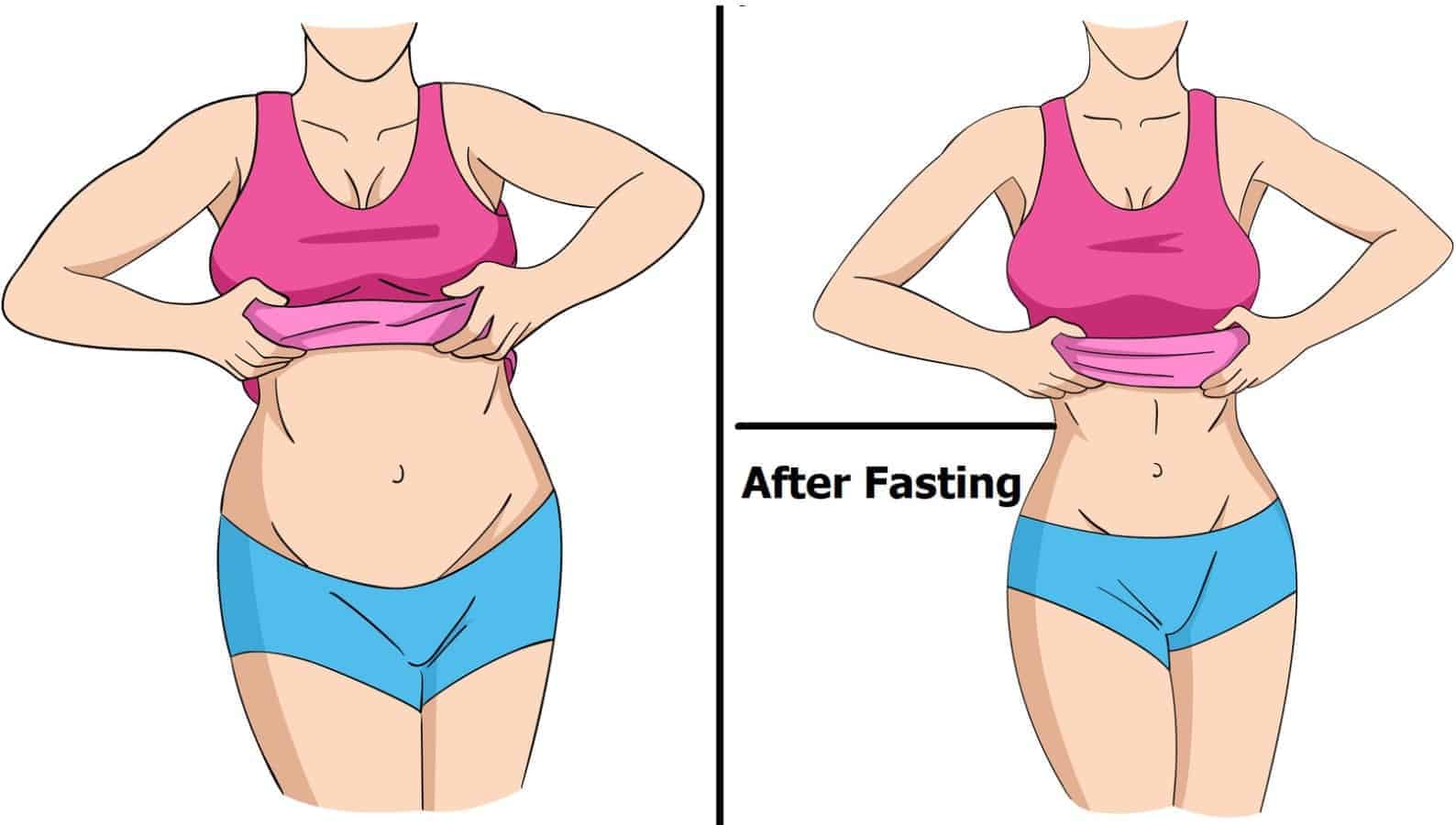
Extended periods of fasting (“prolonged fasting”) puts the body in a state conducive to cellular recycling. Besides obliging the body to burn fat, glucose, and ketones as energy, the process of fasting also breaks down old white blood cells (WBC’s).

Through the fasting cycles, the elimination of WBC’s is followed by a regeneration phase; specifically, the birthing of new immune system cells. Besides creating new immune system cells, prolonged fasting also reduced IGF-1, which Dr. Longo, his colleagues, and others link to aging, cancer risk, and tumor growth.

Final Thoughts

Accelerated recycling of immune system cells could make a big difference when it comes to preventing and treating diseases and other medical conditions. Extended periods of fasting, as it turns out, might be the answer.

Keep in mind that fasting is not deemed safe for everyone. It is particularly dangerous if your diet is unhealthy or if you have a liver or kidney condition. Those on prescription medications would be wise to consult with their physician before going on a fast.

Per WebMD, a 24 to 48-hour fast is otherwise “rarely a problem if you are healthy.”

(C)Power of Positivity, LLC. All rights reserved
Sources:
http://www.healthy-holistic-living.com/scientists-discover-fasting-triggers-stem-cell-regeneration-fights-cancer.html
http://stemcellbioethics.wikischolars.columbia.edu/Module+6+-+Human+Hematopoietic+System
https://ac.els-cdn.com/S1934590914001519/1-s2.0-S1934590914001519/

5 Early Warnings of Leaky Gut Syndrome (And How to Fix It)

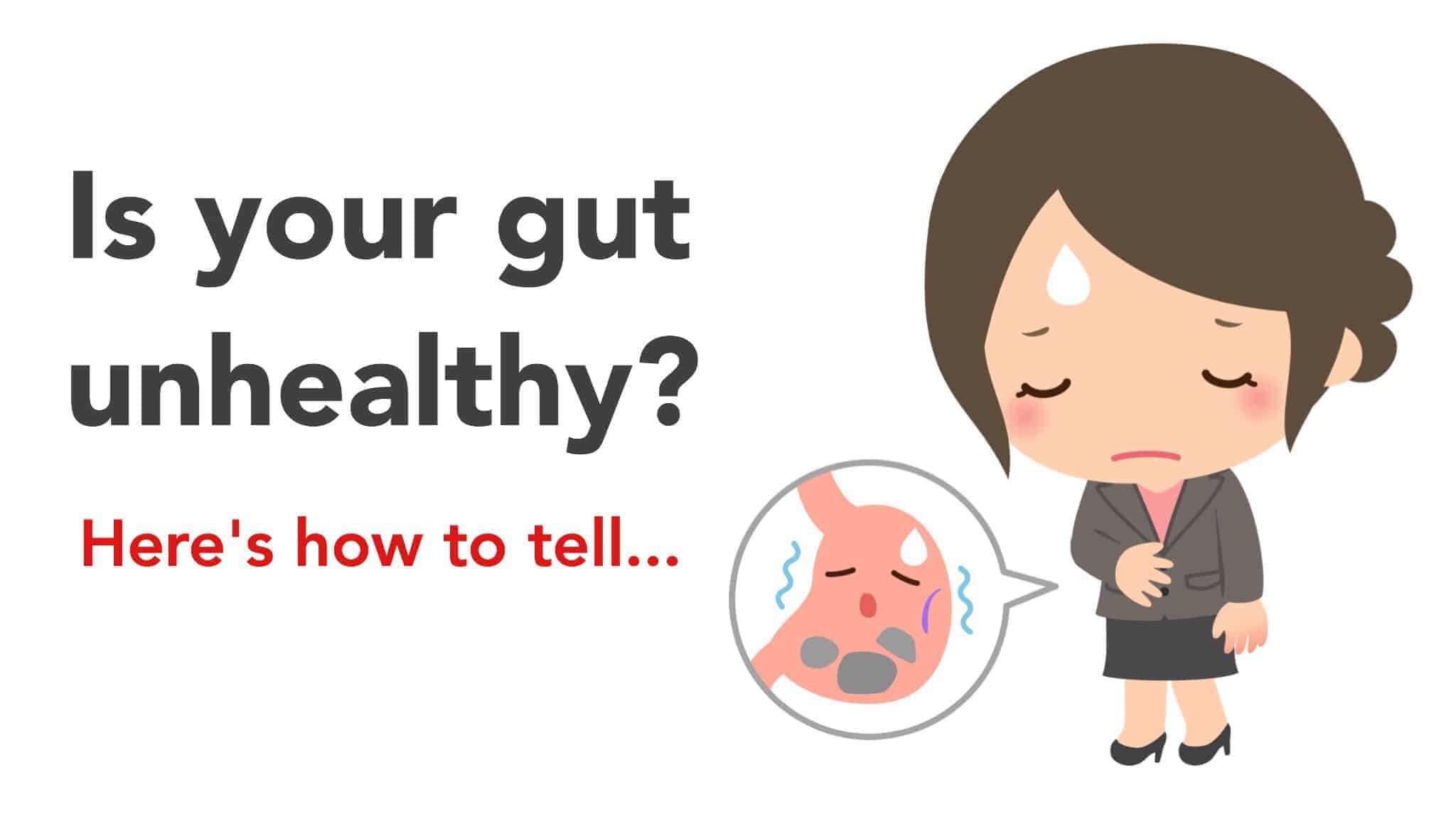
Leaky gut, or “intestinal permeability,” … is a condition in which the lining of the small intestine becomes damaged, causing undigested food particles, toxic waste products, and bacteria to “leak” through the intestines and flood the bloodstream. ~ Samantha Parent-Walravens

The gastrointestinal system, also known as the gut, includes the mouth, esophagus, stomach, pancreas, liver, gallbladder, small intestine, colon, and rectum. Home to the microbiome – a complex ecosystem of “good” and “bad” bacteria – the gut is one of the most intricate parts of the human body.

Donald Kirby, MD, director of the Center for Human Nutrition at the Cleveland Clinic, says, “Physicians don’t know enough about the gut, which is our biggest immune system organ.”

Immune system organ? Wait a second. Doesn’t the gut have to do with food, liquids, digestion and all that stuff? Indeed it does, but that’s just one (albeit, critical) function of the gut.

Dr. Kirby calls the gut the most important immune system organ in part because it houses about 70 percent of the immune system’s cells. Besides being an inextricable part of the immune system, the gut is an extension of the brain! Here’s Scientific American:

“Technically known as the enteric nervous system, the second brain consists of sheaths of neurons embedded in the long tube of our gut …”

Few scientists will disagree with the statement that the gut influences mood and well-being just as much – if not more so – than our immunity! In fact, the enteric nervous system uses more than 30 neurotransmitters; with the gut housing 95 percent of the body’s serotonin – the neurochemical responsible for mood stability, appetite and digestion, sleep, memory, and sex drive! It is also the neurotransmitter found to be deficient in people diagnosed with depression.

unhealthy gut

What exactly is leaky gut?

Our gut holds more than 4,000 square feet of intestinal lining called mucosa. Healthy intestinal mucosa create a barrier between the intestines and our bloodstream; when damaged, the intestinal wall can develop cracks or holes, permitting the release of bacteria, toxins, and food particles.

This, in essence, is leaky gut. Wouldn’t it would be just groovy if things were that simple? Alas, it is not. Many doctors and scientists do not recognize the expression “leaky gut,” much less identify it as a medical condition.

But it is very real. Here’s what Marcelos Campos, MD, contributor to Harvard Medical School, has to say: “(Leaky gut) may trigger inflammation and changes in the gut flora (normal bacteria) that could lead to problems within the digestive tract and beyond.”

Dr. Campos’ observations speak to common sense. After all, the intestinal wall is not impenetrable; and when bacteria and toxins “leak” into the bloodstream, the results can’t be altogether favorable.

What are the signs of leaky gut?

1. Fatigue

While it is difficult to explain precisely the mechanisms of leaky gut that cause fatigue, it is clear – from both medical observation and personal anecdotes – that intestinal troubles trigger fatigue. The most likely explanation is the GI tract’s ties to the nervous and immune systems.

Generally, the body does not react favorably to perceived threats – and leaky gut releases plenty. The different bacterium, compounds, and other elements not recognized by the immune system forces the body into overdrive, which invariably leads to fatigue.

2. Diarrhea

The symptoms of leaky gut are comparable to those of Crohn’s and Celiac disease. Diarrhea that lasts over an extended period, typically one month, maybe indicative of a leaky gut.

Put simply, when the digestive system is thrown through a loop, a bad case of diarrhea is soon to follow. Nausea may also surface from time to time.

3. Brain Fog

Brain fog is the umbrella term used to describe “memory problems, a lack of clarity, and an inability to focus.” The sufferer experiences a sensation of mental clouding, or a “foggy” feeling.

As we’ve discussed, the gastrointestinal system and nervous system are inextricably connected. The functions (or misfunctions) of one will typically affect the other. When it comes to leaky gut’s effects on the brain, the likely explanation is a disruption to the vast network of neurons that connect them to one another.

4. Digestion Problems

A rather obvious inclusion to this list, increasing permeability of the intestinal walls will cause problems with digestion and produce unwanted digestion troubles.

The symptoms of digestive troubles include abdominal pain, cramps, diarrhea, nervousness (“butterflies in the stomach”), and constipation.

5. Frequent Illness

Leaky gut can lead to feeling sick more often. The physical toll that the condition takes is very real, as are the symptoms that it produces. Sickness may be experienced as primary illnesses and symptoms, such as stomach and digestive troubles. Thus, as immunity is adversely affected, secondary illnesses (e.g. cold or flu) and symptoms may arise.

“Fixing” Leaky Gut

Physicians that recognize leaky gut as a legit condition state that lifestyle management is the key to controlling and (hopefully) eliminating it. Managing stress levels and maintaining a healthy diet appears to be perhaps the two most important factors. Additionally, identifying and eliminating foods that trigger flare-ups is critical to managing leaky gut.

Regarding stress, Linda A. Lee, MD, a gastroenterologist and director of the Johns Hopkins Integrative Medicine and Digestive Center, says, “You need to tend to your stress, whether through medication or meditation. So that’s what you need to focus on,” adding, “Chronic health problems are so often due to lifestyle, and we don’t have pills for those. We’re talking about the way we live and the way we eat.”

Sources:
https://universityhealthnews.com/daily/energy/5-top-reasons-you-might-have-leaky-gut-syndrome-and-feel-tired-all-the-time-or-have-depression-symptoms/
https://www.health.harvard.edu/blog/leaky-gut-what-is-it-and-what-does-it-mean-for-you-2017092212451
http://www.healthywomen.org/content/blog-entry/10-signs-you-have-leaky-gut%E2%80%94and-how-heal-it
https://www.scientificamerican.com/article/gut-second-brain/
https://www.webmd.com/digestive-disorders/features/leaky-gut-syndrome#1

Health Experts Reveal 5 Tricks To Eliminate Extra Sugar From Your Diet

Too much sugar can put us all at risk for obesity, diabetes and heart disease. Having sugar in moderation is fine, but many of us don’t know when enough is enough.

“The only things that smell good are fat and sugar. Tofu being boiled doesn’t smell good. Anything that smells good is fattening.” – John Madden

Cutting sugar from your diet can be incredibly beneficial for your health. Pediatric endocrinologist Dr. Robert Lustig says, “We need to wean ourselves off. We need to de-sweeten our lives. We need to make sugar a treat, not a diet staple.

Most people tend to have a bit of a sweet tooth and think cutting out soda and candy will suffice. This is a good start, but there are even better tricks to getting sugar out of your diet. Health experts have all kinds of ways to help you eliminate sugar from your diet and give your body a boost. These five tricks will make your diet well-rounded and sugar-free.

Health Experts Reveal 5 Ways To Eliminate Extra Sugar From Your Diet

1. Fresh fruits over dried fruits

Fresh fruits have sugar in them, but they’re way better for you than fruit juices, or dried fruits. Dried fruits are basically pure sugar. “Since it is dehydrated, the sugar [and the] calories are concentrated in a relatively small amount of food, which means it can be very easy to eat a lot of them without really realizing it. This is the reason why it only takes 1/4 cup to make up a serving,” says registered dietician Andy De Santis.

Apple juice, grape juice, and other juices are also pure sugar. While they’re delicious, it’s all because of the sugar. If you’re looking to eliminate some of the sugar from your diet, opt for fresh fruit instead of dried fruit or juice. Apples, berries, and grapes are great fresh fruits to add to your diet.

2. Switch to dark chocolate

Dark chocolate isn’t everyone’s cup of tea. It’s an acquired taste. But, if you’ve already acquired a taste for dark chocolate, you’ll be able to cut some sugar out of your diet. Milk chocolate is full of sugar, and most people don’t realize how much sugar they’re actually getting.  Not only does dark chocolate have less sugar, it also has many other health benefits for you.

Very dark chocolate could crank down your appetite by turning down levels of the hunger hormone,” says author, neurophysiologist, neuroscientist, and nutritionist, Dr. Will Clower. It’s a little more bitter than milk chocolate, so you may have to become acclimated to the taste. However, if candy is your weak spot, the dark chocolate is a great substitute.

care for your body

3. Buy “unsweetened” food and drink

There’s a medley of things that come in both “sweetened” and “unsweetened”, like almond milk, canned fruits, different nut butters, and apple sauces. The “sweetened” versions of these usually come with a whole load of added sugar. Because they’re not foods we usually associate with sugar, we tend not to notice. But, our bodies sure do. When shopping for these specific foods and drinks, it’s best to go with unsweetened. You can also get “no added sugar”. Either way, you’ll be able to cut a lot of sugar out of your diet by choosing “unsweetened.” And to be honest, you probably won’t even notice the taste difference!

4. Drink tea

If you’re not a tea drinker, it might be time to start, especially if you’re looking to help control your sugar cravings. Eliminating sugar from your diet can be hard, especially when you get those constant cravings. Pouring yourself a cup of tea is a great way to soothe those cravings without cracking open a sugary soda. Chai or cinnamon tea can give you that delicious, sugary flavor without filling you up with sugar. If you need more sweetness, try melting some honey into your tea. It’s healthy, delicious, and has less sugar than soda or juice.

5. No more “low fat” or “not fat” foods

When fat gets moved from a type of food, usually so does a lot of the flavor. What food companies do in that case is to focus on adding sugar to give some flavor back into the foods.

When you have fresh foods like fruit and vegetables, they don’t even claim to be low fat because it’s self-evident. It’s the manufactured foods that are the problem. The food industry has worked out that saying a product is ‘very low in fat’ or ‘non-fat’ sells,” says Professor Kerin O’Dea.

If you’re trying to watch your weight, don’t get tricked into using low-fat foods. The sugar will do the same thing that the fat would have. So, enjoy the great taste of the full-fat foods and help cut sugar out of your diet at the same time.

Final thoughts

Sugar is tasty, but it isn’t the best thing for us. If you’re looking to cut sugar out of your diet and lower your risk of obesity or heart disease, these five easy steps are the right place to start. Everyone knows about cutting out  candy and soda, but these tricks will put you ahead of the game. Health experts all agree that these tips will keep you healthy and put you on the path to eliminating sugar from your diet.

https://youtu.be/yG-G9_LOkLA

(C)Power of Positivity, LLC. All rights reserved
References:
https://www.medicalnewstoday.com/articles/288088.php
https://globalnews.ca/news/3729164/dry-fruit-actually-healthy/
http://www.abc.net.au/health/talkinghealth/factbuster/stories/2011/04/27/3198072.htm
https://www.mindbodygreen.com/0-23652/how-dark-chocolate-could-actually-help-you-curb-your-sugar-cravings.html
Skip to content