Weekly tips, affirmations, and small actions to feel your best.

7 Early Warnings of Liver Damage to Never Ignore

A properly functioning liver is vital to our health. Without it, you won’t feel well, and your health will severely suffer. If you recognize the signs of liver damage in yourself or someone you love, you must find a way to reverse the effects.

There are many potential causes of liver damage, including genetic predisposition, long-term liver diseases, and prolonged exposure to toxic substances. While you can’t prevent genetics, you can reduce the number of toxins you take into your body.

You must understand the potential signs of damage to preserve your health and well-being. Liver disease rates are steadily increasing and have become one of the most common causes of death. Understanding why your liver is so essential. So what can you do to keep it healthy can make all the difference in your life?

Why a Healthy Liver is Essential

Your liver cleanses the body by metabolizing alcohol and drugs and neutralizing poisonous substances. It also manufactures essential body proteins, including those preventing blood-clotting, open pathways for nutrient delivery to the blood, and proteins that ward off infection.

Additionally, your liver produces cholesterol, converting it into essential substances used by the body. This organ regulates energy supply by manufacturing, storing, and delivering glucose to the body and brain. Plus, it helps balance hormones, including those found in the adrenal and thyroid glands.

Seven Possible Signs of Liver Damage

diseased liver

Watch for these red flags.

1. Fatigue

Research shows that chronic fatigue and exhaustion are the most common symptoms of liver damage. Medical professionals speculate that liver-related fatigue and exhaustion occur because of neurochemical changes in the brain and hormonal imbalances.

Exacerbating the feelings of fatigue and exhaustion are elevated levels of toxic byproducts in the blood, which an impaired liver cannot properly eliminate.

2. Dry or Irritated Skin

Irritated and itchy skin that persists is another potential indication of liver damage. Healthy skin requires moisture via the transmission of fluids within the body.

Without the fluid, the skin can take on a different appearance. The changes might include a reddening of the hands or feet, yellowing the mucous membranes, or inexplicable skin spotting.

3. Abdominal Pain

If the liver is damaged, it is common to feel pain around the abdominal area. It sometimes seems like a stabbing or throbbing sensation – a symptom often relieved only by properly treating the underlying issue.

Long-term use of some over-the-counter or prescription medications can result in long-term liver damage. Those experiencing persistent abdominal pain of the stabbing or throbbing variety – and have used drugs for a substantial period – should visit a physician for evaluation.

4. Nausea or Vomiting

One of the liver’s primary functions is to eliminate toxic substances from the body. When the detoxification function is impaired, it can cause sudden changes in normal digestion and metabolism.

The liver is a large organ within the digestive system. Therefore, any liver-related condition can manifest into digestive problems. Nausea and vomiting frequently occur due to the accumulation of toxins that the liver cannot eradicate.

5. Bruising

Another function of the liver is to assist in producing necessary protein enzymes to prevent blood clots. Changes to the appearance of your skin are common when this blood-clotting mechanism is impaired.

Experts explain that decreasing liver functionality causes bruising and easy bleeding. If you notice any unexplained bruising, don’t ignore it.

6. Abdominal Swelling

Liver damage disrupts normal blood flow to the organ. It increases pressure in the surrounding veins. These surrounding veins include those responsible for transporting blood from the spleen and intestines to the liver. Disruption of this process causes blood pressure levels to spike – a condition known as portal hypertension.

Portal hypertension causes fluid accumulation around the abdomen, a condition called ascites. Ascites may also arise from the liver’s inability to make other blood proteins.

7. Jaundice

Liver problems can cause discoloration of the eyes and skin. This discoloration happens because of the buildup of a bile pigment called bilirubin, which cannot be disposed of properly.

Yellowish hueing of the skin or eyes is called jaundice. Aside from altering the eye’s appearance, jaundice can cause other symptoms, including darkening the urine, full-body itching, and cognitive impairment.

10 Foods That Help Reverse Liver Damage

Eating nutritious foods can help reverse the damage and prevent worsening conditions. Feeding your body nutrients is the only way to achieve positive results.

1. Garlic

Garlic is a beneficial option for reversing damage because it is so versatile. You can use it on almost any food, improving the flavor while adding nutrients. It contains antioxidants and is a natural antibiotic, as well.

2. Bananas

This fruit is a perfect snack. Additionally, you can pair this fruit with your other breakfast foods. It contains oligosaccharide, which is prebiotic that feeds good gut bacteria. Bananas also lower triglyceride levels in your body, making them highly beneficial for your liver.

Studies show that the starch in bananas improves blood sugar levels and insulin response. They also contain B-6, helping regulate diabetes. Since diabetes can cause liver disease, controlling it is essential to your health.

3. Avocado

Avocados are a great addition to salads, sandwiches, tacos, and anything else you feel like adding them to. They contain compounds that improve liver health more than many other foods.

If you’re skeptical about the high-fat content of avocados, don’t worry about it being unhealthy. The fats are almost all monounsaturated, helping reduce cholesterol levels. Avocados also contain vitamins E and C, fiber, potassium, and folate.

avocado pancakes

4. Fish

Omega-3 fatty acids are optimal for reversing liver damage, and fish contains high amounts. Salmon, sardines, and tuna are best for reducing scarring in the liver. Experts suggest eating fish at least twice a week, but you can do it more often.

5. Ginger

This root is highly beneficial to the liver, reversing damage from jaundice and bile duct blockage. It also contains properties that protect the liver from further damage. Scientists used a microscope to evaluate ginger’s effect on the liver and found that it resulted in noticeable improvements.

Ginger protects the liver from fibrosis, degenerative scars on the organ. It contains antioxidants that restore and treat the disease.

6. Oatmeal

Starting your day with oatmeal gives you a healthy dose of fiber, including beta-glucans. Beta-glucans are a specific type of fiber that helps fight inflammation and reduce obesity. Because of these benefits, beta-glucans assist with decreasing fat in the liver.

When choosing your oatmeal, avoid the processed options. You won’t receive the same health benefits, and quite a bit of pre-packaged oatmeal is unhealthy.

Consider pairing your oatmeal with probiotic yogurt, bananas, or chopped nuts. Not only will your liver benefit, but you’ll have plenty of energy to start your day.

7. Probiotic Yogurt

This type of yogurt is full of good bacteria that promote gut health. It can also reverse liver damage, allowing you to live a healthier life. Probiotic yogurt benefits the gut microbe and gut-liver axis and boosts liver enzymes.

8. Coffee

In moderation, coffee is one of the most beneficial things you can consume. That’s because it decreases your risk of developing liver disease and helps reverse damage that has already occurred. Drinking coffee also reduces your risk of developing hepatic fibrosis, hepatitis, cirrhosis, and liver cancer.

Coffee decreases gut permeability because it boosts the hormone Zonulin in your body. High gut permeability contributes to liver damage, so minimizing it is key to keeping your organ healthy.

9. Artichoke

Artichoke is delicious in dips. But you might not realize how good it is for your health. It protects your liver by fighting hyperlipidemia and high-fat levels in the blood. Artichoke also enhances bile production, helping remove waste and giving your liver a break.

Artichoke not only protects the liver but encourages healing, too. It also promotes the growth of new tissue, keeping your organ healthy.

10. Carrots

Carrots are rich in antioxidants and contain high amounts of fiber. They support the health of all of your organs, but they’re highly beneficial to your liver. Carrots contain beta-carotene, stimulating bile production and promoting waste removal.

Because beta-carotene and bile help your liver remove waste, your liver can recharge. It’ll regenerate liver cells instead of continually working to remove toxins from your body.

Foods That Can Increase the Chance of Liver Damage

When eating liver-friendly foods, you should consider eliminating a few things from your diet. Some of your favorite foods can cause or worsen the damage. These foods include:

  • Sugar and candy
  • Flour
  • Cookies
  • Muffins
  • Bagels
  • Donuts
  • White bread
  • Industrial seed oil (and foods fried in it)
  • Fast-food
  • Pizza

If you do consume these foods, do so in moderation. Because you increase the risk of liver damage, please don’t make it a daily habit.

diseased liver

Final Thoughts on Knowing the Early Signs of Liver Damage

The great news is that the liver is a highly adaptive and resilient organ. When treated, it is often capable of healing itself. So under the guidance of a medical professional, most liver-related illnesses receive a favorable prognosis.

Therefore, it is wise to consult with a medical professional if these symptoms persist. As with most medical conditions, the earlier the underlying cause is determined, the more streamlined and efficient any treatment will be.
8 Exercises That Melt Fat All Over Your Body

Right now, it seems that HIIT workouts have hit a peak in popularity, and for good reason. Aside from the time saved on the actual workout, HIIT workouts burn fat quickly and have plenty of health benefits. Studies have shown that HIIT workouts can improve metabolism, cardiovascular health, endurance, and markers for type 2 diabetes, as well as reduce overall body fat. Some studies have even found that people can show improvement in as little as two weeks. Of course, a workout that produces these kinds of results won’t prove easy – but it will definitely be worth it!

Today, we bring you a “body furnace” workout that will have you dripping in sweat and burning up calories before you know it.

Here’s are 8 great exercises that can melt fat all over your body:

belly fat

1. Squat Jumps

For this exercise, you won’t need any dumbbells. Simply stand with your feet shoulder-width apart, and arms at your sides or on your hips. Then, lower your body down into a squat, but make sure you keep your torso upright and buttocks sticking out behind you. When you get to the bottom of the squat, jump up as high as you can, and then lower your body back down into a squat. Do this for 3 sets of 60 second reps.

2. Crunches

No HIIT workout would be complete without working your abs! This one is super simple. Just lie flat on your back with your hands flat beside you or behind your head. Bring your torso up while simultaneously raising your legs to perform the crunch. Make sure you don’t pull on your head or neck. Hold the position for 2-3 seconds and then release. Do 3 sets of 40 second reps.

3. Jackknife to Melt the Fat

This exercise for your abs is basically a crunch except that your arms and legs are straight out behind and in front of you. Lie flat on your back with your arms and legs outstretched. Then, bring your arms and torso up while simultaneously raising your legs. You can bend your knees slightly, but try to keep them as straight as possible. Touch your hands to your feet, and then release. Do this exercise for 3 sets of 30 seconds.

4. Squat With Lateral Leg Raise

Alright, enough with the abs; now back to legs! For this, you can choose to use dumbbells or just your body weight. If you use dumbbells, hold them above your shoulders and bring your body into a squat position. Squeeze your glutes and hamstrings, and when you’re almost standing again, lift your right leg to your size while still squeezing your glutes and core. Hold your leg up for a couple seconds, and then lower it down again. Repeat on each side for 3 sets of 30 seconds.

5. Glute Bridge

This exercise is also really simple. All you need to do is lie flat on your back with your knees bent and heels on the floor. Keep your arms out beside you or behind your head. Squeeze your glutes and lift your hips off the ground until your knees, hips and shoulders are parallel to the floor. Hold this for 2-3 seconds, then release. Once again, do 3 sets of 30 seconds.

6. Donkey Kicks

Get down on all fours with your hands under your shoulders and knees under your hips. Squeeze your glutes and kick one leg backwards and upwards with your knee bent, squeezing at the top of the exercise for 2-3 seconds. Return this leg slowly into starting position. Repeat for the other side, and do 3 sets of 45 seconds this time.

lose weight

7. Swimmers–Reduce Fat All Over the Body

This is a great whole body workout! Lie flat on your tummy with your arms and legs outstretched. Keep your palms facing down and a few inches above the ground. Then, reach both legs off the ground and bring your torso up slightly. You’re mimicking a swimming motion. Lift your alternate arm and leg into the air, and squeeze all the muscles in your body. Repeat on the other side and do 3 sets of 30 seconds.

8. Plank Rotations–Decrease Gut Fat

This is a hard exercise, so if you’re a beginner, you might want to modify it by coming down on your knees. To begin, start off in a push-up position. Then, tighten your abs and shift your weight onto your right arm. Lift your left arm and rotate it until it’s pointing straight up. Hold for 2-3 seconds. Slowly come back to starting position and switch to the other side. Do this for 3 sets of 20 seconds per side.

(C)Power of Positivity, LLC. All rights reserved
Sources:
https://transformfitspo.com/cardio-furnace-rapid-workout-melt-full-body-fat-get-ready-insane-results/
https://www.ncbi.nlm.nih.gov/pmc/articles/PMC2991639/
https://www.sciencenews.org/blog/scicurious/high-intensity-interval-training-has-great-gains-%E2%80%94-and-pain


8 Behaviors That Reveal Someone Was Raised By Depressed Parents

According to The National Council on the Developing Child Working Paper on Maternal Depression, upwards of 20 percent of mothers suffer from feeling depressed at some time during their lives – and often when their children are still of a young age.

But depression doesn’t just affect women…

Though females are twice as likely to develop the condition. The American Psychological Association (APA) estimates that 9 percent of men in the United States have daily feelings of depression or anxiety.

Why are these numbers important?

Frankly speaking, children – particularly when they are younger – depend on continuous interaction from adults. Here’s Dr. Masgrove: “For young children, healthy development depends on the daily, consistent and responsive interactions with a primary caregiver.” It is worth mentioning at this point that up to one-third of fathers with working wives are regular caretakers.

Parents who battle untreated depression are less willing, or able to, say, help their kids with homework, remember a doctor’s appointment, or read them a bedtime story. In short, the quality of caregiving suffers – and the child’s development is often adversely affected.

Dr. Ann Masgrove, a developmental scientist and faculty member at the University of Arizona, specializes in family studies and human development. One wonders if this career choice was born out of what she herself experienced as a child. Indeed, Masgrove’s narrative is saddening and tragic…

“When I think back to my mother when I was a child, I don’t have a single memory of her smiling. She suffered from chronic, lifelong depression, and it affected me and my four siblings every day.” ~ Dr. Ann Masgrove: “How my mother’s depression shaped my whole life.”

“We quickly learned that we couldn’t depend on (my mother) for emotional or physical support,” Masgrove says. “At 7, I became my family’s caretaker.”

Transitioning to adulthood can be a difficult task, as well. Here we will focus on the possible effects of parental and maternal depression once a person reaches adulthood and beyond.

Here are 8 adult behaviors of someone who had depressed parents:

1. Disciplinary Problems

Most kids who have severe disciplinary problems are often experiencing some dysfunction in the home. Sadly, if the situation (i.e., a parent’s depression or poor caregiving) is not rectified, the odds of any behavioral and disciplinary troubles carrying on into adulthood increase considerably.

2. Social Difficulties

Per the World Health Organization (WHO), children with depressed parents are more likely to experience social problems: “The most compelling evidence for the impact of attachment status on the child is with respect to peer relations.”

The WHO report concludes that these social difficulties “have been shown to be related to behavioral problems, including disruptiveness, aggression, and delinquency, especially in boys.”

3. Withdrawal and Isolation

When a kid is worried about what’s wrong with mommy or daddy, the child may very well disengage from their external environment. This is a big problem because young kids require outside stimulation for healthy brain development. Sometimes, this relative lack of interest in the outside world extends to their peers.

In short, social withdrawal or isolation is one of the most damaging things to a child’s development.

things kids worry about

4. Anxiety and Depression

Studies show that children of depressed parents are up to three times more likely to develop depression and anxiety than kids of non-depressed parents.

According to Healthline, scientists “believe that as many as 40 percent of those with depression can track it to a genetic link.” Environmental factors, according to the research, account for 60 percent.

5. Poor Emotional Intelligence

The poor emotional intelligence (EI) of adults with depressed parents is likely attributable to one of two things: (1) infrequent caregiver interaction that stunts emotional development, or (2) withdrawal from peers, which is essential to this type of intelligence.

Self-awareness, self-management, social awareness, and relationship management, the four components of EI, are far more important to success than IQ or educational attainment.

6. Underachievement or Overachievement

Here’s Dr. Masgrove: “I was a perfectionist, an overachiever, always trying to get my mother to notice me, always longing for her acceptance, love, and attention that just never came my way.” Masgrove’s personality carried on into adulthood.

On the opposite side of overachievers are those kids-turned-adults who have, most unfortunately, deeply entrenched cognitive, psychological, and/or social troubles.

7. Physical Health Problems

According to a World Health Organization (WHO) review study, a fair amount of evidence exists that shows a link between the quality of psychosocial care – measured by the caregiver’s affection, openness, and warmth – and a person’s nutrition and growth status.

Depression often leads to inadequate caregiving, which may ultimately negatively impact a person’s physical health.

8. Loss of Direction

Per the WHO report, “Infant temperament, particularly infant difficultness, has been found to be associated with the caregiver-child interaction,” adding “Mothers report feeling overwhelmed by the challenges of caring for a vulnerable child.”

Feelings of overwhelm (e.g., anxiety) unquestionably have strong environmental roots – and it’s something with which we all must contend. However, one’s outlook on life is also shaped by their caregivers; and an inability to manage (and see past) life’s obstacles carries a real risk of leaving someone adrift.

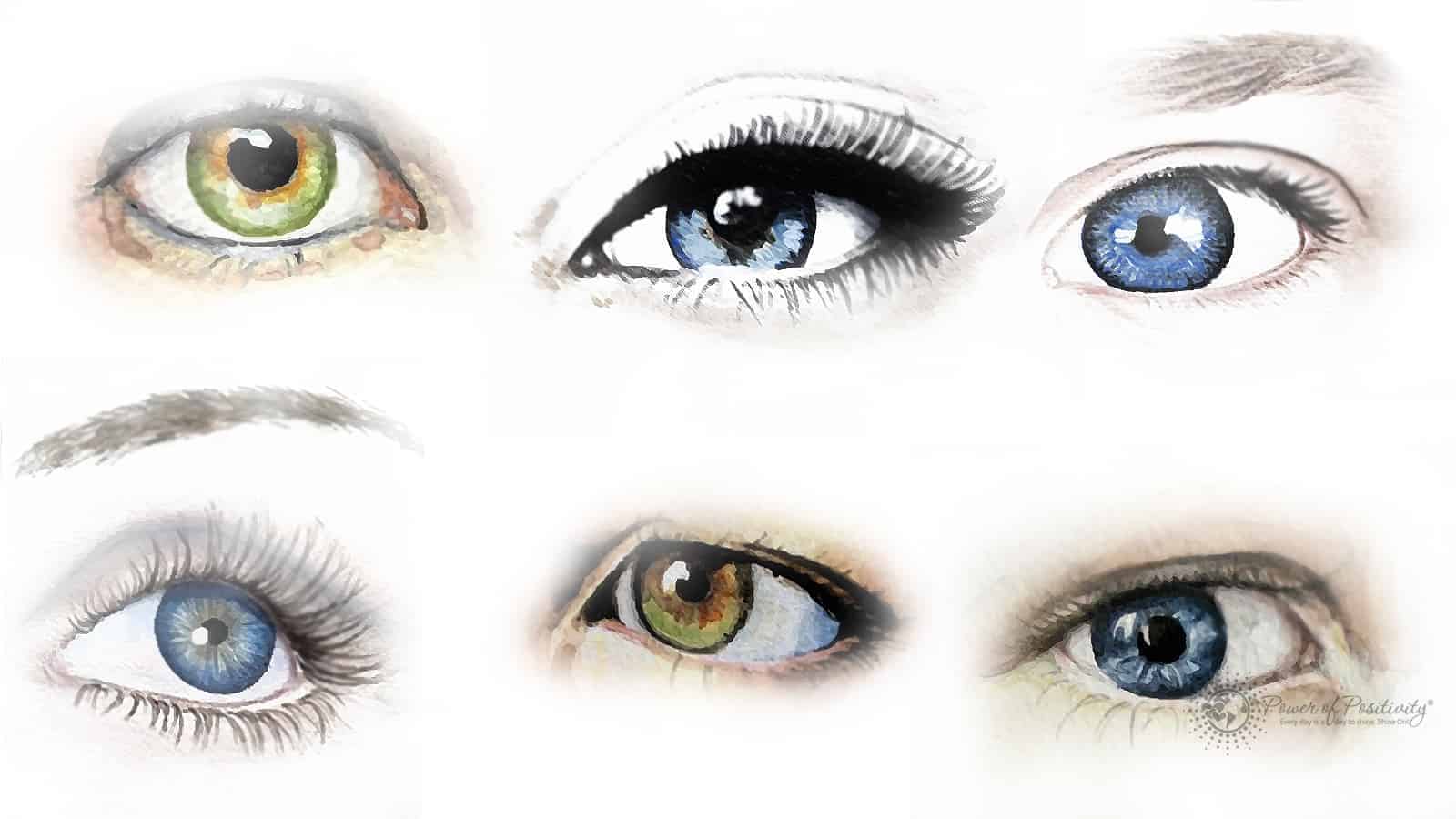
Researchers Explain What Your Eye Color Says About Your Personality

Do you know the factors that influence eye color? Surely, most of us simply answer “genetics,” and this is partially true. Partially.

Per the University of Delaware, “Eye color is not an example of a simple genetic trait. (Instead), eye color (is caused) by the variation of several different genes and the interaction between them … this makes it possible (for example) for two blue-eyed parents to have brown-eyed children.”

(It’s worth noting here that we’re NOT referring to the whites of the eyes, but the color of the iris. The former, of course, is at times a clear indicator of one’s state of health.)

While humans have successfully decrypted the human genome, these “interactions” are numerous – with many being inexplicable. Consider the title of this article. What in the heck could eye color say about your health and personality? Well, if the studies mentioned here are valid, they can reveal quite a bit.

Here are five things that your eye color may show about your health and personality!

Light eyes: You’re Competitive

In a 336-person study, Australian researchers surveyed people of white European descent with the aim of measuring personality traits. The assessment included statements like “I make people feel at ease, “I see myself as someone who is considerate and kind to almost everyone,” as well as one’s association with words such as friendliness, generosity, and empathy.

Analysis of the research found that people with lighter eyes (for example, blue and light green) are viewed as more competitive and less agreeable.

Light eyes: You’re Less Likely to Develop Vitiligo

Vitiligo is an autoimmune disease in which certain areas of the skin lose pigment cells. Symptoms and signs of vitiligo include patchy or depigmented areas of the skin that cover the body, including the hair, retina, and mucous membranes.

In a study undertaken by scientists from the University of Colorado School of Medicine, researchers found that just 27 percent of the nearly 3,000 people diagnosed with vitiligo had blue or grey eyes. A link also exists between vitiligo and other diseases, such as type 1 diabetes, lupus, and thyroid disease.

eye-personality

RELATED: WHAT YOUR EYE SHAPE REVEALS ABOUT YOUR PERSONALITY

Dark eyes: You Drink Less

“People with light irises drink more, that’s an undeniable conclusion of this study,” says Christopher Quinn, an ophthalmologist and board member of the American Optometric Association. But, how and why?

The study that Dr. Quinn speaks of is a Georgia State University survey of 12,000 men and women in which the researchers state they found “a real relation between eye color and alcohol consumption.”

Scientists note that the relationship between eye color and propensity for alcohol usage possibly stems from “greater sensitivity to alcohol (and some medications in dark-eyed individuals” and the connections between the limbic (emotional and arousal) centers of the brain and eye color.

Dark eyes: You’re More Trustworthy

In a study published in the journal PLOS ONE, participants asked 238 volunteers to rate the trustworthiness of a person based on eye color. “Eye color had a significant effect,” the authors note, but stating that they were a bit less certain whether additional facial features – the chin, jaw, brow, etc. – influenced the results.

As such, the researchers concluded with “…it was not brown eye color per se that caused the stronger perception of trustworthiness but rather the facial features associated with brown eyes.” Facial features such as larger eyes, bigger mouths, and broader chins also correlate with trustworthiness, according to the authors.

Dark eyes: You Have Healthier Eyes

Per a study published in Clinical and Experimental Ophthalmology, people with light-colored eyes may be up to twice as likely to develop macular degeneration than people with eyes of a darker shade. Macular degeneration is a condition which may result in blurred or no vision in the center of the visual field.

The reason, says ophthalmologists, is that darker irises block U.V. light more effectively than lighter ones. U.V. light is, of course, a significant risk factor for the development of several eye-related conditions, including progressively worse vision while aging.

(C)Power of Positivity, LLC. All rights reserved
Sources:
http://journals.plos.org/plosone/article?id=10.1371/journal.pone.0053285
http://blog.hecht-kontaktlinsen.de/wpcontent/uploads/2015/07/eyecoloralcohol.pdf
https://udel.edu/~mcdonald/mytheyecolor.html
https://www.mayoclinic.org/diseases-conditions/vitiligo/symptoms-causes/syc-20355912
https://www.rd.com/health/conditions/eye-color-health-and-personality/

5 Easy Ways to Relieve Thyroid Problems Naturally

Thyroid problems can wreak havoc on one’s overall wellness. If you seek information to try to reverse the harm, rest assured you are not alone.

“An estimated 20 million Americans have some form of thyroid disease. Up to 60 percent (are) unaware of their condition. Women are five to eight times more likely than men to have thyroid problems. One woman in eight will develop a thyroid disorder during her lifetime.” ~ American Thyroid Association

For such a small gland, the thyroid gland immensely impacts our health. So consider just some of the things that the thyroid hormone affects:

  • cholesterol levels
  • heart rate
  • body weight
  • energy levels and mood
  • muscle contraction and relaxation
  • skin and hair texture
  • bowel function
  • fertility
  • menstrual regularity
  • memory

Thyroid Conditions

Given its broad scope of responsibilities, it’s hardly a surprise that many things can go awry when the thyroid isn’t properly functioning. A thyroid problem is directly related to hormone production – conditions known as hypothyroidism and hyperthyroidism.

Hypothyroidism is the name given to an underactive thyroid. Low thyroid hormone levels define this disorder of the endocrine system. Hypothyroidism can cause numerous symptoms, including constipation, fatigue, depression, and weight gain.

The overproduction of thyroid hormones characterizes hyperthyroidism. An overactive thyroid can significantly accelerate the body’s metabolic functions. Symptoms of hyperthyroidism include irregular heartbeat, nervousness and irritability, heart palpitations, and sudden weight loss.

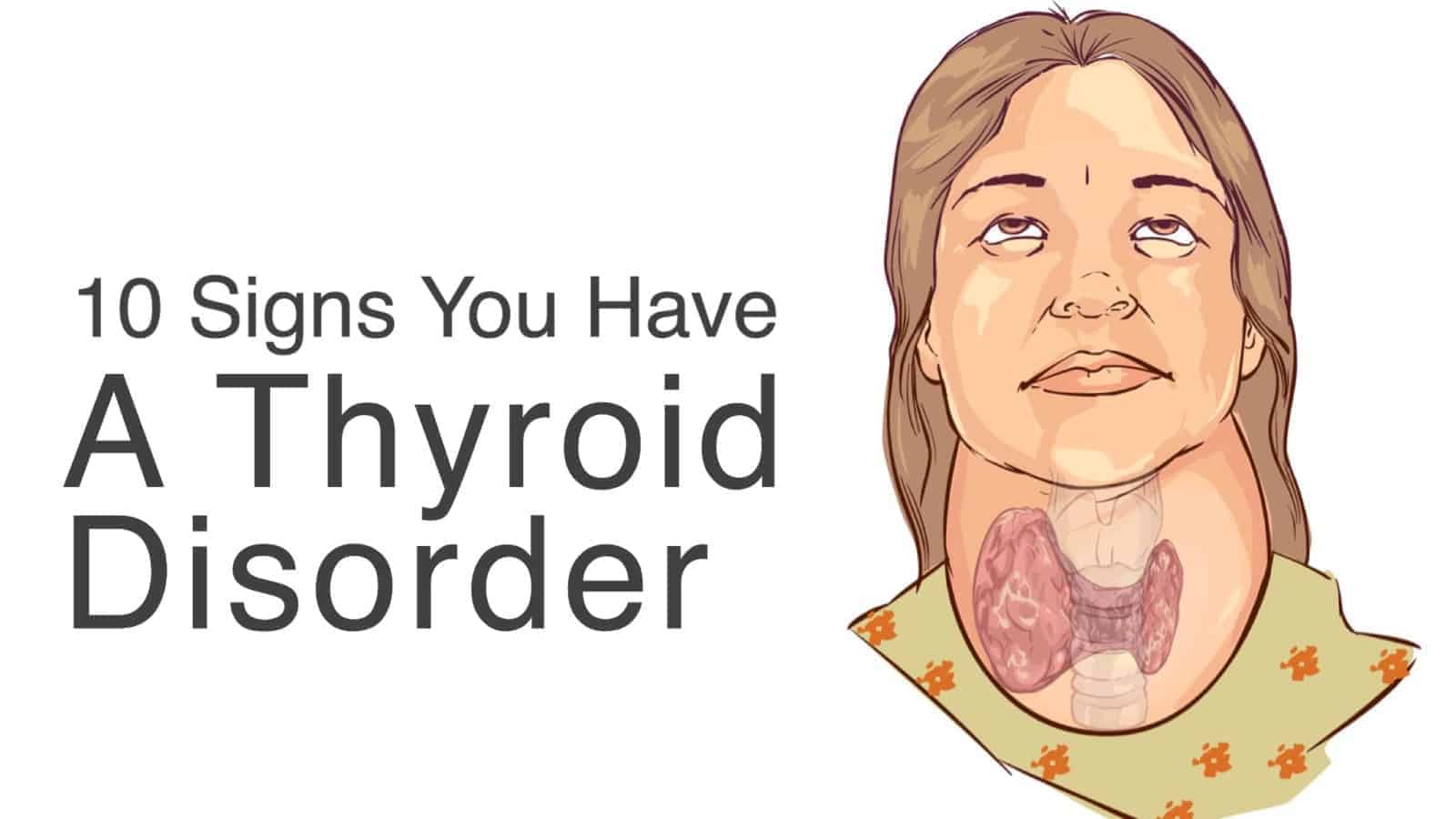
thyroid disorder

The causes of thyroid disorders include the following:

  • autoimmune deficiency
  • consuming too many soy-based foods
  • high estrogen levels or low progesterone levels\
  • nutritional deficiencies, including iodine, selenium, tyrosine, and zinc
  • toxic levels of mercury

Natural Thyroid Treatments

The problems with thyroid-related treatments mimic those of other medical disorders in that they’re costly, have numerous side effects, and are often ineffective. Then, of course, there’s the more significant issue of being on medication for the rest of your life and the long-term implications of such.

As mentioned, nutritional deficiencies are often a cause of thyroid troubles. On that note, it is crucial to ensure adequate intake of the above nutrients: iodine, selenium, tyrosine, and zinc.

Of the four nutrients, iodine deficiency is far and away the most common deficiency associated with thyroid troubles. Iodine enters the body through iodine-rich foods, including iodized salt, eggs, fish, sea vegetables, raw and unpasteurized dairy products, and certain whole-grain foods. If you ruminate over possibly not having enough vitamins and minerals in your diet, a good supplement will do fine (preferably all-natural or organic.)

Here are some other natural treatments that may ease some of your thyroid troubles:

1. Ashwagandha

As with most natural treatments, this Ayurvedic herb isn’t studied or talked about much in traditional medicine. However, some herbalists and other naturopaths (and some medical doctors) state that ashwagandha appears to directly affect the thyroid hormones ‘T3′ and ‘T4′.

“Ashwagandha is my favorite choice for supporting the thyroid when stress is also a concern,” says Natasha Turner, naturopath and author of The Supercharged Hormone Diet. She recommends taking between 750 to 1000 milligrams (mg) daily.

2. Coconut Oil

Coconut oil contains lauric acid, caprylic acid, and capric acid – all medium-chain fatty acids that increase energy and promote a healthy metabolism. Several studies have shown that merely adding a tablespoon of coconut oil to your diet can accelerate fat loss.

The oil of coconut is quite versatile. In fact, it can be used as cooking oil or as an additive. Many people who swear by coconut oil also add a tablespoon to their favorite smoothie.

3. Probiotics

Probiotics may help thyroid troubles by healing the gut. Products such as kefir, kimchi, kombucha, organic yogurt, sauerkraut, and others also contain their fair share of quality ‘Probs.’

Mechanically, probiotics promote a healthy balance of microflora bacteria in the gastrointestinal (GI) tract. A well-balanced microbiome helps to absorb nutrients, heal leaky gut syndrome, heal inflammation, and suppress adverse autoimmune reactions.

4. Seaweed

Quality seaweed is a beautiful source of iodine, the most common nutrient deficiency for people with thyroid problems. Quality and freshness are paramount when choosing a seaweed product.

Kelp, kombu, nori, and wakame are all seaweeds that are relatively easy to find. Dry varieties of seaweed can be found in local health food stores. Common recipes include seaweed added to fish cakes, tuna fish, and soups.

thyroid disease

5. Try a Shoulder Stand

Okay, we won’t try explaining this one for health reasons. Here’s Andrew Weil, M.D., explaining why it may help:

“…a shoulder stand (can) help by increasing circulation to the thyroid (this isn’t a good idea if you’re pregnant, menstruating, or have glaucoma and should be done with caution if you have high blood pressure or sinus problems).”

Before you engage in this athletic move, we advise seeking medical advice from your doctor, especially if you have additional health concerns. Another piece of advice: make sure to stretch, and if you feel pain at any time, immediately discontinue the pose.

Science Explains What Happens to Your Body When You Cuddle Every Day

Do you like to cuddle? Do you embrace the comfort of snuggling up against your love? Well, there may be some scientific reasoning behind these lovey-dovey feelings.

Our sense of touch is the very first sense that we develop. After just eight weeks in the womb, a 2.5-centimeter long embryo already has a highly developed sense of touch. Towards the end of life, our sense of touch is the last sense to diminish.

As it turns out, physical manifestations of touch are vital to psychological well-being. Katherine Harmon, an award-winning writer and journalist for Scientific American, wrote in 2010:

“…researchers have been discovering how emphasizing skin-to-skin contact between baby and parent can be a boon to both, and how consistent emotional engagement with infants can speed their development and recognition of self.”

Harmon notes, tragically, that babies who are deprived of touch and emotional engagement “are at a higher risk for behavioral, emotional, and social problems as they grow up.” These problems, Harmon states, could remain with a person throughout their life.

From Babies to the Bedroom…

Harmon’s research is mentioned for this reason: to demonstrate the incredible physical and psychological influence of human touch. We are biologically hardwired to receive touch and, as Harmon explains, the lack thereof can manifest into serious problems.

Which brings us to cuddling. Cuddling, as we all know, is the act of holding someone close as a way of showing love or affection. It is also one of the most intimately effective forms of touch. (Cuddling is also a common practice among members of the same sex – and the benefits are just as tangible.)

Here are a few of the things that science says happens to your body when you cuddle:

“Although poets and authors have tried to describe love, in the world of neuroscience, researchers have found that the naturally occurring hormone oxytocin and love are intimately related.” ~ Psychology Today

You Feel Happier

Cuddling stimulates release of the brain chemical oxytocin, one of the brain’s “feel-good” hormones. Some people also refer to oxytocin as the “love hormone,” as it creates strong feelings of relaxation, stability, and trust. Additionally, oxytocin also appears to reduce stress responses, including anxiety. It also positively influences bonding behavior.

Oxytocin also produces many physical and psychological effects. In females, oxytocin plays essential roles in reproductive functions, including breastfeeding, giving birth, and sexual activity.

cuddling

You Feel More Connected

According to Dr. Fran Walfish, a renowned child, couple, and family psychotherapist in Beverly Hills, California, cuddling is a powerful way to bring two people close together:

“The most obvious benefit to cuddling is getting close to your partner in the physical sense. There is also the release of dopamine which is an excitatory hormone that increases sexual desire.”

Cuddling also enhances the bond between parents and babies. Science points to the release of neuropeptides as the reason for this effect.

You Communicate Better

As we all know, non-verbal communication is just as powerful as the verbal kind. We all want to be understood, and communication is the underpinning of empathy and understanding.

Sarah Watson, a licensed marriage counselor, says “Cuddling is such a great way for couples to connect! (It) helps us bond, and can lower anxiety, depression and blood pressure. I recommend cuddling to increase intimacy with your partner.”

You Feel Better Rested

In a study published by the Max Planck Institute of Psychiatry in Munich, Germany, researchers found that activation of parts of the brain’s HPA axis helps promote restfulness. More specifically, the actions of neuropeptides in the HPA axis regulate healthy sleep-wake behaviors.

Any couple that loves to cuddle can undoubtedly attest to the study’s findings. In fact, this biological response associated with cuddling may help explain why restful sleep is more difficult for couples when one is away from home.

Cuddling Tips

Samantha Hess, owner of ‘Cuddle Up To Me’ and self-proclaimed cuddle expert, gives some practical advice. While ‘cuddle advice’ may sound silly, Hess’ professional tips can make the experience more enjoyable while helping safeguard your physical health.

1. Be creative: Believe it or not, there are up to 58 (!) different cuddling positions. Do a bit of research and find what positions are most personally enjoyable and relaxing for you and your cuddle buddy!

2. Listen to your body: While the benefits of cuddling are very real, it doesn’t do any good if your body is in pain. Resting on your side too often, for example, can cause inflammation of the shoulder; too much pressure on your back can lead to back pain, etcetera. So don’t stay in the same position for too long and make sure to change things up!

3. Start slow: Not everyone is comfortable with cuddling up to someone else. Hess recommends starting with simpler positions – while reading, or laying back-to-back or side-by-side. These subtler cuddle spots may help warm you both up.

Sources:
https://www.medicalnewstoday.com/articles/275795.php
https://www.psychologytoday.com/us/blog/love-and-gratitude/201310/oxytocin-the-love-and-trust-hormone-can-be-deceptive
https://www.sciencedirect.com/science/article/pii/S0167011503001186
https://www.scienceofpeople.com/the-power-and-science-of-cuddling/
https://www.scientificamerican.com/article/infant-touch/#

8 Behaviors That Reveal Someone Is Emotionally Abusive

Many people don’t realize that they’re confronting someone who is an emotionally abusive person. These people tend to hide their true identities and are able to charm the people that they’re not actively abusing. It’s important to know the behaviors of someone who is emotionally abusive. Psychologists have put together the top behaviors that reveal someone to be an emotional abuser.

Emotional abuse is no joke as it includes “… verbal assault, dominance, control, isolation, ridicule, or the use of intimate knowledge for degradation,” according to a study by the  US National Library of Medicine National Institutes of Health.

Here Are 8 Behaviors Of Someone Who Is Emotionally Abusive

“The only person that deserves a special place in your life is someone that never made you feel like you were an option in theirs.” – Shannon L. Alder

1. Gaslighting

One of the most important and major signs of an emotionally abusive person is their ability to gaslight people. Gaslighting is a term that means a specific form of emotional abuse, where the abuser makes “… you doubt yourself, your intuition, and your reality” in order to keep control over them, says relationship expert Susan Winter. Gaslighting is always a sign that someone is an emotional abuser and it should never be taken lightly.

2. Jealousy

Not every person who experiences jealousy is an emotional abuser. However, someone who is emotionally abusive will have extreme bursts of jealousy. They will be jealous of their partner’s friends, family, co-workers, or anyone else that their partner comes in contact with. If their partner shows any attention towards anyone that is not them, the abuser becomes enraged with jealousy.

3. Constantly checking in

Someone who is emotionally abusive will use everything in their power to make sure they know where their partners are at all points in time. They will constantly be texting and calling their partners to get updates on their location. They will also become extremely upset when their partners go somewhere without asking permission or checking in with them first. This is a red flag that this type of person is emotionally abusive.

4. Humiliation

Verbally humiliating someone is a form of emotional abuse. Someone who does this tends to do it in public and will make sure they do it in a way that they can brush off as “just joking around”. But the damage that it does is no joke. This behavior is indicative of more outwardly sinister emotional abuse. If someone doesn’t listen to their partner when they express discomfort, then it’s a red flag.

5. Picking fights

If someone feels like they always have to walk on eggshells around their partner, then that’s a red flag. Someone who is emotionally abusive will pick fights with their partner. The fights are never designed to be won. Someone who is emotionally abusive will know just how to manipulate the argument so that they seem like the victim. They also make it seem like the other person has to apologize, even if they did nothing wrong.negativity

6. Hot and cold behavior

Also known as the “honeymoon phase,” emotional abusers will often apologize and try to placate their partners after a round of verbal or emotional abuse. These people tend to run hot and cold from one day to the next. They will berate their partner one day, and then try to make up for it with kindness the next. Hot and cold behavior is a key sign of an emotional abuser.

7. Black and white thinking

If you’re not with them, then you’re against them. Emotional abusers have what is called “black and white thinking.” Neutral responses are often categorized as openly hostile. If their partner isn’t actively praising them, then it must mean that they hate them. It can make for a very turbulent and confusing relationship for the partner. If someone is unable to approach a situation with compromise or nuance, then there is a good chance they are an emotional abuser.

8. Withholding affection as punishment

When you’re in a relationship, affection is how you connect with your partner. However, emotional abusers will weaponize this affection in order to get what they want. If their partner is expressing autonomy, or isn’t behaving in a way that they want, they will give them the cold shoulder. These types of people will withhold love and affection from their partners in order to manipulate them. This can create a codependency and complacency in their partner, even without their knowledge.

Final thoughts

Emotional abusers try to twist reality in order to conduct their abuse. “Being subjected to emotional abuse over time can lead to anxiety, post-traumatic stress disorder, depression, inhibited sexual desire, chronic pain, or other physical symptoms,” says licensed marriage and family therapist Darlene Lancer, JD, MFT.

Fortunately, knowing the behaviors of an emotional abuser will allow people to get out of the relationship and start healing. There are always ways to get out of an emotionally abusive relationship, and people should always be prepared with the knowledge of the behaviors of someone who is emotionally abusive. Once free from an emotionally abusive relationship, finding a support system will help the healing begin. Always remember: abuse is never the survivor’s fault.

6 Early Health Warnings Women Should Never Ignore

“After women, flowers are the most lovely thing God has given the world.” ~ Christian Dior

One of the tragedies of being human is that serious illness or disease is always a possibility. While we may be able to control what goes on inside our bodies to some extent, we can’t account for every variable in this respect.

Which brings us to our female companions. While women serve in numerous societal capacities, it’s fair to say that women are the caretakers and nurturers of humankind.

It is an unfortunate truth that women are susceptible to more health issues than are men. Women, after all, are biologically hardwired to reproduce. Additionally, women continue to face marginalization in what is, to date, the domination of men in maintaining global society’s overarching framework.

Both of the above facts may help explain why women are more likely to suffer from a mental health disorder. Consider, for example, that females experience severe psychological distress (SPD) at a rate of more than five times that of men. These statistics are worrisome, especially since the relationship between psychological and physical well-being has been well documented.

Let’s discuss a few warning signs – and possible solutions – of six female-dominated health issues:

1. Severe Head Pain

The chances are that severe, throbbing-like pain in your head stems from a migraine. However, if the pain is not joined by some other migraine-related symptom (e.g., visual distortions, sensitivity to light, blurred vision, etc.), then you should consider it a medical emergency and act accordingly.

Arterial bulges occur in about 5 percent of women; the effects of which can be life-threatening. The bursting of an artery in the brain can cause possibly permanent damage within just minutes. Call 911 or your country’s emergency number right away.

Possible Solutions: See a doctor ASAP for prompt treatment; if you smoke, cut back or quit, and monitor your blood pressure regularly.

take care of yourself quote

2. Constant Gas or Bloating

Notice the word ‘constant’ here. Many women feel like an overblown balloon at times – mainly before menopause. However, if you experience near-constant bloating, abdominal pain, pelvic pain, and difficulty eating for longer than 2-3 weeks, see your doctor or gynecologist. Ovarian cancer occurs in about 1 in 70 women – and the abovementioned early symptoms are commonly reported.

Possible Solutions: Cut back or eliminate trouble foods; ensure that you’re adequately hydrated; get plenty of quality rest. If none of these work, see a doctor.

3. Extreme Fatigue

Chronic fatigue syndrome (CFS) is defined by Healthline as: “a debilitating condition characterized by extreme fatigue or tiredness that doesn’t go away with rest and can’t be explained by an underlying medical condition.” CFS occurs in women 3 to 5 times more frequently than men.

Symptoms of CFS include headaches, enlarged lymph nodes in the armpits or neck, brain fog, and loss of memory. If you experience progressive joint pain or are feeling depressed, it is recommended that you see a doctor.

Possible Solutions: Practice good sleep hygiene; get some light exercise; try mindfulness meditation; take an antioxidant-inclusive vitamin supplement; supplement with B-vitamins, magnesium, and zinc. If these measures fail, see a physician.

4. Facial Rashes and Swelling

Lupus is a chronic autoimmune disease that can damage a number of organs and creates a variety of symptoms. 90 percent of individuals diagnosed with Lupus are women. Often, rashes on the face; and swelling of the feet, legs, hands, and eyes are among the first physical symptoms.

Possible Solutions: If you experience any of the following symptoms, schedule an appointment with your physician: fever, fatigue, hair loss, trouble breathing, kidney inflammation, and gastrointestinal problems.

5. Lump in the Breast or Underarm

Per WebMD, the early stages of breast cancer often produce no symptoms, however, “As a tumor develops, you may notice … a lump in the breast or underarm that persists after your menstrual cycle.” Breast cancer is the leading cause of cancer deaths among women ages 15 to 54.

Other symptoms of breast cancer include: breast pain, skin irritation, skin dimpling, swelling of all or part of the breast.

Possible Solutions: Per the Mayo Clinic, the seven steps to reduce the risk of breast cancer include: regular exercise, moderating alcohol intake, not smoking, limiting hormone therapy, and avoiding exposure to environmental pollution and radiation.

6. Back pain and Inflammation

While back pain and inflammation are arguably more common in men, complications from these symptoms are often more severe in women. For example, females are more likely to have a disk that presses on the spinal nerve and suffer from nerve damage.

When it comes to severe back pain, it is wise to seek the advice of a specialist. After all, if you go to the family doc, they’ll probably refer you to one, anyways! Additionally, the latter group is notorious for prescribing painkillers without addressing the underlying issue.

Possible Solutions: Reduce inflammation by taking NSAIDs; eat a balanced diet; avoid inflammatory foods; stretch the back area to the extent possible; do not engage in heavy physical activity.

https://youtu.be/7BNGVmwxoHI

(C)Power of Positivity, LLC. All rights reserved
Sources:
http://www.lifeextension.com/Protocols/Immune-Connective-Joint/Chronic-Fatigue/Page-08
https://www.healthline.com/health/lupus/early-signs
https://www.mayoclinic.org/diseases-conditions/migraine-headache/symptoms-causes/syc-20360201
https://www.mayoclinic.org/healthy-lifestyle/womens-health/in-depth/breast-cancer-prevention/art-20044676
https://www.washingtonpost.com/news/to-your-health/wp/2015/05/28/women-of-all-ages-more-likely-to-have-serious-mental-health-problems-than-men-report-says/?utm_term=.f71115baa71d
https://www.womenshealthmag.com/health/health-warning-signs/slide/7

Avoid A Heart Attack or Stroke: 10 Foods to Never Ignore

Avoiding a heart attack or a stroke can be as easy as knowing what foods to eat. Nutritionists and doctors have been compiling the most heart healthy foods that anyone can eat. It’s not too early to start eating foods that will help you take care of your heart. If you’re getting older, it’s also very important to make sure you’re eating the right kind of foods to make sure your heart stays strong.

According to recent research by the Journal of the American College of Cardiology, “… the future health of the global population largely depends on a shift to healthier dietary patterns.” Taking care of our hearts and avoiding a heart attack or stroke is as easy as looking for the right foods to eat.

“You can’t afford to get sick, and you can’t depend on the present health care system to keep you well. It’s up to you to protect and maintain your body’s innate capacity for health and healing by making the right choices in how you live.” – Andrew Weil

Here Are 10 Foods To Never Ignore For A Better Heart

heart-healthy diet

1. Salmon

Any kind of fish is good for your heart, but salmon is one of the best kinds of fish for anyone to eat to stay heart healthy. Salmon is full of omega-3 fatty acids, which is well-known to lower someone’s risk of heart arrhythmia.

According to the American Heart Association, “Omega-3 fatty acids also decrease triglyceride levels, slow growth rate of atherosclerotic plaque, and lower blood pressure (slightly).” Salmon is both delicious and good for your heart. While salmon can be a little more on the expensive side, other fish can also do the job.

2. Dark Chocolate

For those with a sweet tooth, giving up chocolate isn’t at all needed for being heart healthy. Studies and doctors have found that dark chocolate is one of the best ways to keep your heart healthy. Dark chocolate has also been known to reduce the risk of stroke. Dark chocolate can help inflammation as well as clotting of the blood. For a heart healthy snack, always make sure to pick dark chocolate with the highest amount of cacao and lowest amount of added sugar.

3. Red wine

If you like to enjoy a glass of wine or a beer at the end of the day, try switching to red wine, because according to this study, red wine helps prevent cardiovascular disease. Just one glass of wine is actually thought to help prevent heart disease. Of course, drinking more than two glasses of wine is considered more dangerous. It’s a fine balancing act for most people. If you’re already drinking alcohol, lowering it to just one glass of red wine is more heart healthy than drinking liquor or beer. For perfectly chilled wine every time, consider investing in Enofaber Wine Coolers.

4. Avocado

Most people know that to be heart healthy, or to avoid strokes, you should also avoid foods with a lot of fat in them. While this is still true, there are certain foods that have “good fats” and “bad fats”. Avocados are considered good fats. If you’re looking for a food that will help keep you on the right track when it comes to heart health, avocados are the way to go. Avocados are good for cholesterol and also full of antioxidants that are good for the body.

5. Black Beans

A great way to avoid strokes and keep yourself heart healthy is to make sure you get your daily recommended amount of fiber. Black beans are a great way to get fiber into your diet. Nutritionists and doctors agree that black beans are one of the best foods that will help you avoid having a stroke, or even a heart attack.

6. Low-fat milk

Now, most people will tell you to avoid dairy if you’re looking to avoid a heart attack or a stroke. But actually, low-fat milk is good for you. In order to keep your risk of heart attack or stroke low, you need to keep your blood pressure in check. Low-fat milk helps keep your blood pressure and your risk of heart attack or stroke lower.

7. Bananas

Potassium is extremely important when it comes to keeping your heart healthy and your risk of stroke lower. What is the best way to get potassium into your system? Bananas, of course. Most doctors think that we should be getting a little over 4,000 milligrams of potassium every day. Thankfully, a banana is close to 500 milligrams, which is a good portion of your daily potassium.

8. Spinach

Any dark, leafy green is good for your body in a multitude of ways. But if you’re specifically looking to lower your risk of stroke or heart attack, spinach is the way to go. This is because spinach is full of folic acid. Most people get their folic acid in some vitamin pill form, but spinach is a great way to get your needed milligrams of folic acid, too.

9. Oatmeal

Another way to get the fiber that you need every day is to start your morning off with a bowl of oatmeal. Fresh oatmeal is the way to go, rather than instant. Oatmeal has a good amount of fiber, which helps lower your cholesterol. And as we all know, lower cholesterol results in a healthier heart and a lower risk of heart attack.

10. Fruit

Other than bananas, other fruits are a great way to get some of the best, healthy vitamins that you need. “Currently available evidence suggests that fruits and vegetables are the healthiest and most beneficial source of antioxidants for ASCVD risk reduction,” states the Journal of the American College of Cardiology.

That old saying “An apple a day keeps the doctor away” isn’t popular for no reason! Blueberries, specifically, are great for your heart, but other fruits like oranges, apples, and cantaloupe can help keep your risk of heart attack low.

Final thoughts

Heart healthy foods are easy to add into your diet! You just have to know where to start. No one is too old to start taking charge of their health. In fact, the earlier you start with foods that help your heart, the better off you’ll be when you reach the age where heart attacks are more likely. Make sure to incorporate all these foods in your diet to lower your risk and avoid a heart attack or stroke.

Skip to content