Weekly tips, affirmations, and small actions to feel your best.

How to Teach Yourself to Lose Weight (Without Going to The Gym)

Some wonder if losing weight without going to a gym is possible. The short answer is yes. Absolutely! However, it’s important to note that exercise still plays a valuable role in weight loss and overall wellness.

Research consistently shows that combining a healthy diet with regular physical activity yields the best weight loss results. 

We emphasize that we do not suggest you skip exercise altogether. Instead, you don’t necessarily need a gym or a structured program to get fit and reach your fitness goals. Ultimately, it comes down to your health goals and abilities.

Research repeatedly proves that people who eat well and work out obtain the best weight loss results.

Exercise offers a multitude of benefits beyond weight loss. It decreases your blood sugar and cholesterol. It also lessens the risk of cancer and heart disease, improves attention, energy, mood, and sleep, and strengthens muscles and bones. And it even expands lung capacity.

Let’s address some of the confusing and contradictory messages about weight loss that we’ve all heard:

  • “Cut out carbs completely.” 
  • “Only eat fat-free products.” 
  • “Eat as much food as you wish–but you can still lose weight!” 
  • “Take this magic pill for guaranteed results!” 

While these approaches may work for some individuals, it’s crucial to recognize that there isn’t a single “best” or “only” way to lose weight. What works for one might not get results for another, and that’s perfectly okay.

Remember this. Weight loss is a personal journey, and finding what works best for you may require trial and error. The most important thing is to embark on this journey with kindness and patience towards yourself. Focus on sustainable habits and lifestyle changes that promote physical and mental well-being. You’ve got this!

Nine Actionable Tips to Lose Weight Without Hitting the Gym
health quote

1 – Adjust Your Diet to Lose Weight

Read on for the dietary changes that will support your efforts. 

Incorporate Whole, Nutrient-Dense Food

Maintaining a healthy diet is undoubtedly the most fundamental aspect of weight loss. Instead of restricting diets, incorporate whole, nutrient-dense foods into your meals. Include plenty of fruits, vegetables, lean proteins, and whole grains. These foods provide essential nutrients and fiber, keeping you satisfied and promoting weight loss.

Focus on Portion Control and Mindful Eating

Another crucial aspect of weight management is portion control and mindful eating. Pay close attention to both your hunger and fullness signals. Eat until you’re comfortably satisfied, not overly stuffed. Practice mindful eating by savoring each bite, chewing slowly, and avoiding distractions such as TV or smartphones. Portion control helps you become more aware of your food choices and prevents overeating.

Include More Fruits and Vegetables in Your Meal Plan

Vegetable and fruits are lower in calories and increase your fiber, making excellent choices for weight loss. Incorporate various colorful fruits and vegetables into your meals and snacks. They provide essential vitamins, minerals, and antioxidants while keeping you full and satisfied.

Avoid Processed and Sugary Foods

Processed foods and sugary treats can hinder your weight loss efforts. These contain excessive calories and unhealthy fats. Instead, opt for whole, unprocessed foods. Choose fresh ingredients and prepare meals at home whenever possible. Limit your sugary snacks, desserts, and beverages, opting for healthier alternatives. Please consider fresh fruit or unsweetened drinks.

Healthy Fats Can Help You Lose Weight

Contrary to common beliefs, our bodies require healthy fats for optimal functioning. Some fats offer numerous benefits. 

First, consuming the right types of fatty foods can significantly enhance the feeling of satiety, making us feel fuller for extended periods. Second, fatty acids found in foods rich in healthy fats are crucial in stimulating the body’s mechanisms for efficient fat loss.

By understanding the importance of incorporating healthy fats into our diets, we make better-informed choices that support our overall well-being and weight management goals.

According to Harvard University’s fat consumption guidelines, you should consider the following healthful monosaturated fats:

  • Avocado
  • Peanut oil
  • High-oleic sunflower oil
  • Olive Oil

The same report also suggests you eat polyunsaturated fats from

  • Fatty fish (sardines, mackerel, salmon)
  • Walnuts
  • Flaxseeds
  • Unhydrogenated soybean oil

2 – Stay Active Throughout the Day if You Skip the Gym

Here are some gym-free ways to get up and moving to burn calories.

Take Frequent Breaks from Sitting

Sitting for extended periods can slow your metabolism and negatively impact your weight. Incorporate regular breaks from sitting throughout the day. Set a reminder to stand up, stretch, or take a short walk every hour. These small movements help increase your calorie expenditure and keep your body active.

Engage in Household Chores and Gardening

Household chores and gardening are excellent ways to stay active and burn calories without going to the gym. Vacuuming, mopping, gardening, and other household tasks engage your muscles and contribute to your daily activity. Embrace these activities as opportunities to get moving and burn extra calories.

Opt for Walking or Cycling Instead of Driving

Whenever possible, choose active modes of transportation like walking or cycling instead of driving. If your destination is nearby, consider walking or biking to get there. Of course, you will save money on fuel costs. But you will also burn calories and improve your cardiovascular health. It’s a simple and effective way to incorporate exercise into your daily routine without going to the gym.

Use the Stairs Instead of Elevators

Another easy way to stay active throughout the day is by opting for the stairs instead of elevators or escalators. Climbing stairs is a great cardiovascular exercise, engaging multiple muscle groups. Start by taking the stairs for a few flights and gradually increase the number as you build stamina. It’s a convenient way to increase your heart rate and burn calories.

3 – Replace the Gym With Home Workouts 

Some people don’t oppose exercise, but the gym requires an uncomfortable vulnerability. If that’s you, please consider an at-home workout.

Utilize Workout Videos and Online Resources

In the era of digital content, you can find an abundance of workout videos and online resources available for free or reduced cost. Search for home workout routines that suit your fitness level and preferences. Whether it’s yoga, Pilates, HIIT, or strength training, you can find a wide range of workouts that require minimal or no equipment. Follow along with these videos in the comfort of your own home and get a great workout without the necessity of a gym membership.

Keep reading–one section below will give tips on at-home workout routines that will shred calories and tone your muscles.

Try Bodyweight Exercises Such as Push-ups, Squats, and Planks

Bodyweight exercises are practical for building strength and toning muscles without fancy equipment. Push-ups, squats, lunges, planks, and burpees are bodyweight exercises targeting multiple muscle groups. You can perform these exercises in your living room, backyard, or traveling. They are versatile and easily modified to suit different fitness levels.

Use Household Items as Makeshift Workout Equipment

Get creative with household items if you seek additional resistance in your workouts. Use filled water bottles or canned goods as dumbbells for strength training exercises. Utilize a sturdy chair for step-ups or tricep dips. Use a towel to stretch or add resistance to core exercises. You can enhance your home workouts by improvising with everyday items and targeting various muscle groups.

gym

4 – Engage in Outdoor Activities 

Heading outside can increase your mental health–and steer you away from the kiddo’s cookie jar!

Go for Brisk Walks or Jogs in the Park

Outdoor activities provide an opportunity to enjoy nature while burning calories. Lace up your sneakers and head to a nearby park or nature trail for brisk walks or jogs. These activities contribute to weight loss and provide mental and emotional benefits by reducing stress and improving mood.

Take Up Hiking or Trail Running

If you can access hiking trails or scenic areas, take up hiking or trail running. These activities challenge your cardiovascular system and engage different muscle groups as you navigate various terrains. Not only will you shred the calories, but you will also reap the beauty of nature and explore new surroundings.

Try Swimming or Cycling Outdoors

If you can use a pool or a bicycle, incorporate swimming or cycling into your fitness routine. Swimming is a low-impact exercise that delivers a full-body workout and helps burn calories. Cycling is a great cardiovascular activity you can enjoy outdoors, whether biking through scenic routes or using a stationary bike in your neighborhood.

5 – Make Physical Activity Fun

The gym might sound like drudgery. But find a physical activity that’s fun for you.

Dance to Your Favorite Music

Dancing is an enjoyable way to burn off some calories and stay active. So put on your favorite music and dance around your living room. Not only does dancing elevate your heart rate and burn calories, but it also improves coordination and boosts your mood. So let loose, groove to the music, and have a great time while getting fit.

Join a Recreational Sports League

If you enjoy playing sports, please consider a recreational sports league in your community. Whether it’s basketball, soccer, volleyball, or tennis, participating in organized sports provides a great workout. It also offers an excellent opportunity to socialize and meet new people. It adds a competitive element to your physical activity, making exercising more enjoyable and engaging.

Play with Your Children or Pets

Take advantage of their energy and playfulness if you have children or pets. Engage in active playtime with them, whether playing tag, throwing a frisbee, or chasing them around the yard. It’s a win-win situation as you bond with your loved ones while burning calories and staying active.

6 – Practice Mindful Eating

Learn to love and honor the process of eating healthy meals. You’ll gain a newfound appreciation.

Slow Down and Savor Your Meals

In our fast-paced world, we often rush through meals without genuinely enjoying and appreciating the food. Slow down and savor each bite. Chew your food thoroughly, paying attention to the flavors and textures. Mindful eating helps you recognize when you’re full and prevents overeating.

Pay Attention to Hunger and Fullness Cues

Listen to your body’s hunger and fullness cues. Eat when you’re physically hungry, not just out of boredom or habit. Stop eating when you’re comfortably full, avoiding the urge to clean your plate if you’re already satisfied. Being in tune with your body’s signals helps maintain a healthy relationship with food and supports weight management.

Avoid Distractions While Eating

Avoid distractions such as watching TV, using your phone, or working while eating. When you’re distracted, you may not fully register the amount of food you’re consuming, leading to overeating. Instead, create a calm and peaceful eating environment, focusing on your meal and enjoying the sensory experience.

7 – Stay Hydrated

Water helps you feel fuller and ensures healthy bodily processes–including assisting you in losing weight.

weight lo

Drink Plenty of Water Throughout the Day

Staying hydrated is a crucial ingredient for overall health and weight management. 

How powerful is water? How powerful? Consider this: research shows that drinking about 16 ounces of water immediately before every meal may boost weight loss over calorie restriction alone.

Make water your go-to beverage during the day. Water helps regulate your body’s functions, supports digestion, and aids in appetite control. Additionally, sometimes thirst can be mistaken for hunger, so staying hydrated may prevent unnecessary snacking.

Replace Sugary Drinks with Herbal Tea or Infused Water

Avoid sugary drinks like soda, juice, or sports energy drinks. These can contribute to excess calorie intake. Instead, opt for healthier alternatives like herbal tea or infused water. Herbal teas are refreshing and can have various health benefits, while infused water with fruits or herbs adds a flavorful twist without the added sugars.

8 – Get Sufficient Sleep to Help Lose Weight

Adequate sleep is crucial for weight management and overall well-being. Lack of sleep can disrupt the hormones regulating appetite and cravings, leading to increased hunger and unhealthy food choices. Try for seven to nine hours of restful sleep every night to support your weight loss efforts. 

Establish a Consistent Sleep Schedule

To improve your sleep quality, establish consistency. Try to go to bed and awaken to the alarm daily, even on weekends. This habit helps regulate your body’s internal clock and promotes better sleep. 

Create a Relaxing Bedtime Routine

Create a relaxing bedtime routine by practicing relaxation techniques. Here are some ideas you might try:

  • Take a warm bath or shower
  • Practice gentle stretching or yoga
  • Engage in deep breathing exercises
  • Listen to calm music or a guided meditation
  • Read a book; listen to an audiobook
  • Write in a journal or practice gratitude
  • Drink a cup of herbal tea, perhaps calming chamomile or lavender
  • Dim the lights and create a cozy environment
  • Use aromatherapy using essential oils like lavender or eucalyptus
  • Practice progressive muscle relaxation or body scan meditation
  • Try a gentle and soothing bedtime yoga routine
  • Use a weighted blanket for a comforting and calming effect
  • Turn off electronic devices and establish a digital curfew
  • Engage in a relaxing hobby, such as knitting or coloring
  • Write down any worries or thoughts in a “worry journal” to clear the mind
  • Practice mindfulness or meditation to cultivate a sense of calmness

Everyone is unique. So exploring different activities and finding what works best to unwind and prepare for a restful night’s sleep is essential.

9 – Find Support and Accountability

Seek Out a Weight Loss Buddy or Join a Community

Your weight loss journey can take vulnerability. But having support can make a significant difference. Find a weight loss buddy with similar goals, or join an online or local community focused on healthy living. Additionally, sharing your progress, challenges, and successes with others provides motivation, accountability, and a sense of belonging.

Share Your Goals and Celebrate Your Progress with Friends and Family

Inform your friends, family, and close colleagues of your new fitness and weight loss goals. Sharing your aspirations with those around you helps create a supportive environment. They can encourage you, offer advice, and celebrate your achievements. Additionally, you can involve them in healthy activities like cooking nutritious meals together or going for walks to spend quality time while prioritizing your health.

Consider Working with a Nutritionist or a Health Coach

Consider hiring a nutritionist or health coach if you need professional guidance and personalized support. They can provide expert advice, and create a tailored meal plan. These pros can help you stay on track with your weight loss goals. A knowledgeable professional ensures you make informed choices and adopt a sustainable weight-loss approach.
home gym

Final Thoughts on Teaching Your Body to Lose Weight Without Going to the Gym

Losing weight without going to a gym is possible with the right approach. By adjusting your diet, staying active throughout the day, incorporating home workouts, engaging in outdoor activities, making physical activity fun, practicing mindful eating, staying hydrated, getting sufficient sleep, and finding support and accountability, you can achieve your weight loss goals.

Implementing these strategies may require some adjustments to your lifestyle, but they can lead to long-term weight loss and improved overall health. Choose the methods that resonate with you the most and gradually incorporate them into your daily routine. Remember. Consistency and commitment are vital to achieving and maintaining a healthy weight–without leaving the house for the gym.

7

5 Best Breastfeeding Positions For New Moms to Try

Babies, like every human being, are all different. They are also different in the way that they start breastfeeding – some are faster to master it than others, but all eventually get there. Trying out different breastfeeding positions to make things easier for your baby will require some trial and error.

One of the most important aspects of the process is which breastfeeding positions your baby prefers. Positioning your baby in an optimal way will help it latch on to the breast quicker, so it can start receiving its vital nutrients to help it grow.

The benefits of a proper breastfeeding position are not only for your baby – they are for you as well. You could be spending hours every day in this state, so you might as well make things easier on your body. Learning optimal breastfeeding positions will save you the pain in the back and hands due to crouching during breastfeeding that many women experience.

5 Best Breastfeeding Positions for New Moms

Nourishing your baby forms an unbreakable bond–here’s how to do so in comfort.

Cradle Hold

The cradle hold is a classical breastfeeding position that most are familiar with. The way to most comfortably nurse in this position is to be in a chair that has armrests for you to support your hands. You can also be on a bed or a couch and use pillows to support your lower back and arms. Put your feet on a raised surface like a stool.

Take your baby in your hands so the face, stomach, and knees are in your direction. Use the crook of your arm as a rest for the head laying on one side. Use the forearm and hand to support the back, neck, and bottom, and adjust how close its mouth is to your breast. Have its legs under your other breast supported by your other hand.

This position is perfect for a baby that already has stronger neck muscles and can latch onto the nipple easier.

Side-lying Position

It is typical for babies to wake up in the middle of the night to be fed. If you are already tired and don’t want to get up, this is one of the best breastfeeding positions for a rested mother and child. Lie down face to face with your baby. Your baby’s head should be at the same level as your breast. To make things easier, use a pillow to support your baby’s back so it doesn’t roll back. If the breast is too high, place a small pillow under its head. If you need to, support your breast with the hand on your non-lying side. You can also use this hand to cradle the baby’s head close to you. Tuck the bottom hand under your head, and enjoy this strain-free nursing.

best breastfeeding positions

Clutch Hold Position

This is one of the best breastfeeding positions for mothers who have delivered through a C-section as it does not put pressure on the healing abdomen. Women with large breasts will also prefer to use this as one of their favorite breastfeeding positions. If you have twins or a small baby, you might try out this nursing method.

Also known as the ‘football’ position, this one requires that you hold your baby like a football under the arm on the side of your nursing breast.

Position the baby so its face is looking at your breast and its feet are stretched towards your back. The body of the baby will be laying over a pillow right under your arm. Using a C-position of your arm, support its head with the palm of your hand. Using the forearm, support its upper back.

Crossover Position

Like the cradle hold, the body of the baby is supported by your hands. This time, the opposite hand is supporting the baby’s body and head (use the right hand when nursing from the left breast and vice versa). Rotate the baby’s body so that its stomach and chest are facing you. Use the palm of your hand to guide its mouth to the nipple. This is one of the best breastfeeding positions for newborn infants that have a hard time latching on for the first time.

Laid-back Position

This is a position for women with smaller breasts. Lay down on your back and have your baby lay on its tummy over your abdomen. Help it to find its way to the nipple. Once it latches on, you can relax and only slightly support its body with your hand.

Final Tips for Best Breastfeeding Positions

These positions have something for every mother. In order to get the most out of the breastfeeding, consider alternating the positions. Different positions place pressure on different parts of the breasts. Alternating them will prevent your breasts from becoming sore.

To make your breastfeeding experience more enjoyable, use everything to your comfort and spare no pillows in the process. The calmer and more relaxed you are, the calmer your baby will be.

Adopt These 5 Attitudes for a Perfect Work Life Balance

If you aren’t paying attention, too often you can lose your balance between work and life because you aren’t thinking about taking care of the small things at work and at home.

This means that just taking the time to think through some important daily plans and activities and how they affect you each day at work and at home will help you to be successful in both areas of your life. So, here are just a few work life balance tips to consider:

1. Know the Difference Between Respect and Judgment

Being afraid of what others might think of us will keep us from making important life decisions that affect our career as well as our personal life. Always keep in mind that there is a danger in over-valuing what others may think instead of what we feel is best for us.

Don’t equate respect with an actual fear of someone. We must know that we can respect others and still not always listen to them when it comes to our own personal intuition about what is best for us and our work life balance.

work life balance

2. Don’t Let Anyone Prioritize Your Time for You

Very often, we have overbearing bosses that demand our time beyond working hours. This could mean getting to work before your day actually begins and leaving for home well after the kids have gone to bed. That is not a realistic or healthy work life balance.

What you must do instead is set your own boundaries at work by making a daily assessment of your work activities and deadlines and setting up your calendar for the next day. So, when your boss insists on having you spend your personal hours at work, you can hand him a copy of your work priority schedule. Tell him he can expect daily updates from you before you leave each day. Then you can walk out the door and enjoy your personal time with family and friends.

3. Ask for Help

Sometimes trying and failing to find a work life balance has to do with attempting to be all things to all people. This usually means taking on more responsibility than one person can possibly handle. At work, this could mean doing the work of several people because you “want it done right.” Or it may mean that at home you don’t want to burden a spouse with extra duties, so you try to do them all yourself.

This is not healthy for your mind or your body. So, a brief meeting with a supervisor to go over your job duties may help as well as acknowledging that others can in fact do their job well without your input. At home, you can speak to your spouse about taking on some extra chores. They will more than likely acknowledge that you need help and do them without a fuss.

4. Always be Mindful of Learning Something New

We can find ourselves in a work life balance dilemma if we continue to repeat the same mistakes over and over again and don’t learn from them. This means we have to be open to other people’s perspectives when it comes to changing our ways or doing something in a different way that may benefit us at work or in our personal lives.

You may have to be ready to attend seminars on personal development, acknowledge some faults, and learn how to improve your skill set in those areas to either improve your job performance or your approach to being a parent or spouse for the balance in your life to improve.

5. Learn to Forgive and Forget

If we choose to hold grudges at work when a supervisor gives us a job to perform that we don’t like, or a peer receives a promotion over you, then at some point it will show in the way we conduct ourselves in our daily tasks and interaction with our co-workers.

work life balance - life quote

The same can be said for any resentment you might hold towards a spouse or other loved one that you allow to fester and not resolve. Letting go of these negative emotions allows you to take on a renewed attitude toward your job and your personal life for a work life balance that you may be missing.

These are just a few work life balance tips that you can follow to set your goals for a more stress-free existence both at work and at home.

You will see changes in positive responses from supervisors and co-workers about job performance. You will also experience more positive relationships with family members who see you more often and have gotten to know you much better.

10 Simple Self Care Practices to Live a Successful and Abundant Life

Learning how to practice self care will help you be a happier and more fulfilled person. When we work on self care, we are giving ourselves the gift of a more peaceful life. You don’t have to make huge changes in your life. Little tweaks to your routine here and there will have you feeling recharged and optimistic.

These ten tips are not an exhaustive list of self-care techniques, but they will get you started on the road to self-acceptance and calm.

10 Ways to Nurture Yourself with Self Care

Here are ten ways to dedicate time to making yourself a priority–every single day!

1. Let Go of the Past

Constantly going over our mistakes in our minds is a major source of stress and anxiety. Try to look forward in your life and anticipate the positive changes that are coming. When we visualize ourselves in the future, we are more able to work toward our dreams of a happy and fulfilling life.

2. Turn Off Electronics

Give yourself an hour when all of your devices are set to airplane mode. Put them away and live your life offline for a little while. The world will go on without you for an hour. You may feel panicky at first, but you will grow to look forward to your “unplugged hour” each day. It will give you a sense of calm and relaxation.

3. Change Your Routine

Something as simple as taking a new route to work is a nice form of self care. Give yourself opportunities to stretch your legs and do things a little differently. Do you always have certain meals on certain nights of the week? Change it up and you’ll look forward to the new meal routine.

4. Deep Breathing

Practice deep breathing for 10 to 15 minutes each day. You don’t have to relax in a comfortable place; this exercise can be done anywhere and anytime, but you might find it more relaxing if you do have the opportunity to sit or lie down in a quiet room. Breathe in for six seconds and out for six seconds. This will calm your mind, lower your blood pressure, and foster happiness.

5. Get a Little Exercise

Exercise is a proven way to lift the mood and make life easier to cope with. The “runner’s high” is real, but you don’t have to run to get this feeling. Start small by taking the stairs at work or going for a brisk walk at lunchtime. As you build more endurance, you can exercise longer.

6. Make Small Changes to your Diet

Don’t go for a major change, but make an effort to change one meal a day to something healthier. This is a great way to practice self care. This will give your mood a natural lift and give you the feeling that you are taking better care of yourself. When you make gradual healthy changes to your diet, you will feel better overall.

7. Be Your Own Best Friend

Rather than being critical of yourself, imagine you are your best friend. What would your best friend tell you if you were having problems? Chances are, your best friend would be much more patient and caring than you would be with yourself. Everyone makes mistakes, and it’s damaging to continually beat yourself up about them.

self care

8. Start Journaling

It can be a huge help for self care to start a gratitude journal. Taking the time to be grateful is a nice way to practice self care. Do whatever feels right, and spend some time every day counting your blessings.

9. Declutter Your Life

It may seem like a chore, but doing a little decluttering each day can work wonders for your peace of mind. Spend just fifteen minutes a day on a targeted area of your home or your desk at work. Living in a cleaner environment reduces stress and anxiety.

10. Let Go of Negative People

This can be as simple as not engaging with a coworker who constantly complains, or muting or removing negative people from your social media accounts. Spend time with people who lift you up, rather than people who break you down.

Final Thoughts

When you are learning how to practice self care, you will find things that don’t work for you, and you will find things that greatly increase your quality of life. If you find that one of these tips isn’t working or makes you feel guilty, let it go and move on to something else.

When we practice self care, we learn to become our own best friend. Supporting yourself will help you go a long way toward being happy and fulfilled.

https://www.forbes.com/sites/payout/2017/09/19/practicing-self-care-is-important-10-easy-habits-to-get-you-started/#79429dbb283a
https://tinybuddha.com/blog/45-simple-self-care-practices-for-a-healthy-mind-body-and-soul/
https://livepurposefullynow.com/live-with-purpose-create-an-abundant-future/

How to Move On : Finding your Recipe to Let Go & Move on For Better

It can feel as if it happens out of nowhere, and it strikes you like a bolt of lightning. Maybe it has built slowly over time and has now caused a dark cloud to loom over virtually every facet of your life. Whether your discontent stems from a dead-end job, a failing marriage or relationship, toxic friendships, a bad habit, family drama or your current location, learning how to move on and let go is the most difficult, yet rewarding, choice you can make to instantly transform and improve the quality of your life.

While it may seem impossible, the hardest part of taking back control of your life is to make the decision to change and take the first major step towards regaining your happiness. With change comes confidence, excitement, energy, growth, power and sublime happiness. You just have to push through the initial discomfort of trying something new; bliss awaits you on the other side. Here are some tips for how to move on in life.

Tips to Move On

Accepting The Truth And Showing Gratitude 

According to 1,000 Little Things Happy, Successful People Do Differently, this may be the most important step to take to move on. When you reflect on your experiences, good or bad, from an open mind, you can see the merit and lessons they provided along the way. You can use these lessons to show you how to move on and help shape and mold your future. Smile, laugh, yell, cry and do whatever you need to do to process these emotions and experiences so that you can let the feelings go, learn how to move on and take from the lessons.

Be Flexible 

This is a hard one for many people. As you embark on your new journey, you will hit speed bumps. Things may not always go exactly as planned or work out as you envisioned. It can often feel like you are taking one step forward and two steps back at the beginning of your journey towards greatness. Setbacks teach you how to move on and are an important part of the process of change. You are growing, learning and navigating uncharted waters. You cannot expect perfection when embarking on a new path that has not been traveled. Be patient with yourself.

You need to be an ally and not your own worst enemy; beating yourself up over perceived failures or setbacks will only halt your success. Create a plan, and set up many other backup plans to ensure continued success. If you give yourself wiggle room and create multiple alternative scenarios and opportunities, you create flexibility that will help you move on and succeed.

Distance Yourself And Change The People You Keep Around You 

Going inward and taking some time to clear your mind and focus on your goals is a vital part of making a significant life change. If you have supportive friends and family who understand your struggles, they will be happy to give you the time and space you need to rectify your situation. If family and friends begin to question or judge your decisions or you are surrounded by negative people, a complete overhaul to your social circle may be necessary.

It is common knowledge that we are a direct reflection of the people we choose to spend our time with; if you want to get ahead in life, you need to surround yourself with positive and successful people. Join some local meet-ups, connect with social media networking groups and attend community events to find a new like-minded tribe.

Focus On What You Can Do Today 

You may think you need a fail-safe plan that sees your change through to completion. While planning is great in many facets, over-planning is a setup for failure. Instead of viewing or working towards a life change as a whole entity, break up the goal into small tasks that you can complete daily. You will feel a greater sense of accomplishment achieving these tiny goals, and they will give you the confidence to move on in life and make it to the finish line.

how to move on

The single most important step to beginning your transformation is to accept responsibility and take ownership over your situation. It can be so easy to blame your parents, spouse or society for your problems.

You, and only you, are responsible for your happiness and success. You are the only one who knows how to move on and change your life.

We all get stuck in ruts from time to time. It is when these ruts begin to plague our thoughts and impact our interactions with others that a change becomes necessary. The main reason that people are afraid of change is because complacency offers stability.

We put so much time towards our jobs, interpersonal relationships and community that it can feel like failing to want to walk away from something that has garnered our attention and time for so long. Stagnancy, however, has a crippling and lasting impact on a person when endured for too long.

Trying to Lose Weight? Go for This Low Carb Diet for Fast Results

If you want to lose weight fast, a low carb diet might be right for you. For many people, cutting carbs results in fewer hunger pangs, more energy, and a slimmer figure. Could it work for you, too?

Low carb dieting isn’t a magic bullet, and it isn’t right for everyone. But if you’re interested in this diet, there’s never been a better time to try it out than right now. Here’s what you need to know about cutting carbs for fast weight loss.

Are Low Carb Diets Really Effective? Why Do They Work?

Many people report that cutting carbs helps them drop weight and maintain their new figure easily. But why is this?

Satiety plays a big role in the success of reduced-carb dieting. Many carb-heavy foods – think white pasta, white bread, and sugary desserts – are tasty but unsatisfying. Even if you eat a large portion of these foods, you’ll probably feel hungry again an hour or two later. This can lead to overeating and a cycle of carb addiction.

When you cut carbs, you’re forced to replace those foods with more satisfying alternatives. Meat, cheese, oils, and nuts are all more filling than processed carbs. When your diet consists of these foods, you’re less likely to get hungry in between meals, and you’re less prone to overeating.

The mechanism underlying all of this is your blood sugar. Processed carbs cause your blood sugar to rise rapidly and then to crash. That’s why you have an immediate spike of energy after eating a donut, followed by a period of low energy and irritability. Foods that are low in carbs don’t have this effect on your blood sugar, so they help to keep your hunger cues stable.

best low-carb foods

What Can You Eat on a Low Carb Diet?

At first, cutting carbs might seem to be a restrictive way of eating. But as you get used to following a low carb diet plan, you’ll realize that there are actually plenty of healthy and delicious foods you can eat. Various low carb diets have different guidelines for what you should eat, but in general, foods that are on the menu include:

  • Meat of all types, including beef, chicken, fish, and pork.
  • Cheese.
  • Eggs.
  • Nuts and seeds.
  • Healthy oils, such as olive oil.
  • Full-fat dairy products.
  • Plenty of non-starchy vegetables.

It’s not realistic for most people to cut out carbs entirely, so you’ll probably end up eating a small amount of carbs – between 50 and 150 grams – every day. Vegetables should be one of your main carb sources – it’s hard to eat too many fresh, colorful veggies, even on a carb-restricted diet. You may also be able to fit in moderate amounts of your favorite whole grains – for instance, a small bowl of oatmeal or a small portion of rice.

Is Low Carb Dieting Right for Everyone?

Going low carb is a useful strategy for many people, but it doesn’t work for everyone. People who are very active will probably not be able to get all the energy they need to fuel their workouts on a low carb diet. If you exercise a lot or work a physically demanding job, you should talk to your doctor about how much you can safely restrict your carbohydrate intake.

Some people also simply find that a low carb diet plan doesn’t agree with them. It’s normal to feel sluggish and foggy for a couple of weeks after you start cutting carbs, but if the feeling persists longer than that, it might be that your body simply functions better when you eat more carbs. There’s nothing wrong with quitting a low carb diet if it doesn’t work for you.

Tips for Making Your Low Carb Diet Successful

1. Eat nutrient-dense food.

You’ll feel clearer-headed and more energetic when you avoid processed foods and choose whole, nutrient-dense options instead. Steer clear of packaged food, even if it’s advertised as being low carb.

2. Be mindful of what you eat.

It can take a while to break the carb habit. Try writing down everything you eat for a week or two – by that point, limiting carbs will have become second nature.

3. Structure your carbohydrate intake around your workouts.

Your body needs more carbs when you exercise. Try to eat your carbs for the day either right before or right after your workouts.

4. Keep protein-rich snacks with you.

You’ll be less likely to crave high carb foods when you have some nuts or a cheese stick with you.

5. Explore new foods.

Don’t think of low carb dieting as a limitation. Instead, look at it as a way to discover new foods you love. Try a few new recipes every week, and you might soon find that you don’t miss your old way of eating.

low carb diet

Final Thoughts

Cutting carbs can be a very effective way to lose weight. Many people find that it evens out their hunger cues and helps them reduce their calorie intake effortlessly.

If you love high-protein, high-fat foods – like meat, cheese, nuts, and eggs – then following a low carb diet plan might be perfect for you. Give it a try and see how you feel. You might be surprised at how well a low carb diet works for you!

12 Proven Ways to Build Self Confidence & Self Esteem

Having low self esteem can cause us to sabotage our own lives, making it difficult to make any positive changes. When we are lacking self confidence, we are more likely to make decisions based on fear and unhappiness. If we don’t believe in ourselves, we feel that we are not worth others’ time or trouble.

It is possible to build your own self esteem and build self confidence. Taking the time to invest in yourself will pay off down the road.

Here are 12 great ways to build self confidence and boost your self esteem:

1. Take it One Step at a Time

No one expects you to be able to change your life overnight. As with many major life changes, it’s best to make small changes that over time will add up to positive change. Don’t be impatient with yourself when it is difficult to change your attitude.

2. Surround Yourself with Positive People

It’s very hard to have healthy self esteem when you are around people who are constantly bringing you down. Whether they disapprove of your life or your decisions, or whether they simply complain about their own lives to the point where they make you feel bad, it is worthwhile to limit the time spent with them.

toxic people quote

2. Let Go of the Inner Critic to Build Self Confidence

When we build self confidence, it helps to turn off the constant critical voice in the back of our heads that tells us we are unworthy. When you are talking to yourself in your mind, think of the way you would treat a friend. Would you tell a friend their ideas were terrible and that they were not worth people’s time? You wouldn’t, so why talk to yourself that way?

3. Give Yourself Rewards

When you do something positive for yourself, give yourself a treat of some kind. A day trip, a special dessert, or an afternoon binge watching your favorite show are great ideas.

4. Learn From Your Mistakes

Instead of beating yourself up when you make a mistake, build self confidence by viewing your errors as learning opportunities. When you make a mistake, think to yourself what caused it and what you would change next time. Then move on.

5. Use Yoga and Meditation

Yoga and meditation are great for building self confidence. These put your body in touch with your mind and help you learn to understand the needs of your mind and body.

6. Visualize Yourself

To build a foundation for positive change, spend time imagining the person you would like to be. Take a realistic look at your strengths and weaknesses, then visualize the person you would like to become. This positive thinking will bear fruit down the road as you build confidence.

7. Have Persistence

When you run into an obstacle, don’t immediately turn away and think about what a weak person you are. Keep trying. You will find that you are more capable than you thought. Your persistence will help you build self confidence.

8. Avoid Comparisons

As much as you can, avoid comparing your life to others. For example, it is damaging to spend time envying others’ lives on social media. Everyone has their own struggles and battles. Understanding this will build your self esteem.

9. Have a Positive Attitude

This one can be more difficult than it seems. When you have low self esteem, you often spend time thinking of your life in negative terms: your personality flaws, your shortcomings, and your failures. Try to turn your thinking around and think of the obstacles you have overcome to be where you are.

10. Take Time to Volunteer

Volunteering in the community can build confidence by giving you a positive outlet for your energy. Helping to build your community benefits not only the organization you are helping, but yourself as well.

11. Challenge Yourself

Don’t sit back and coast through life. Boredom will make you feel stuck and will drag down your self esteem. Give yourself small and manageable challenges at first, then work toward bigger and better things. This will reinvigorate you.

12. Learn from Friends

Learn assertive behaviors from the people around you. It’s great to have role models to look up to as you build confidence.

In Closing

Building self esteem and self confidence is something that needs to be done in changes. Begin by making small, positive changes in your life and build on these. Take the time to remove unnecessary negative influences from your life.

When you follow these 12 tips, you will find that building a more confident you is easier than ever.

The Right Way to Start a Keto Diet: Complete Diet Plan for Beginners

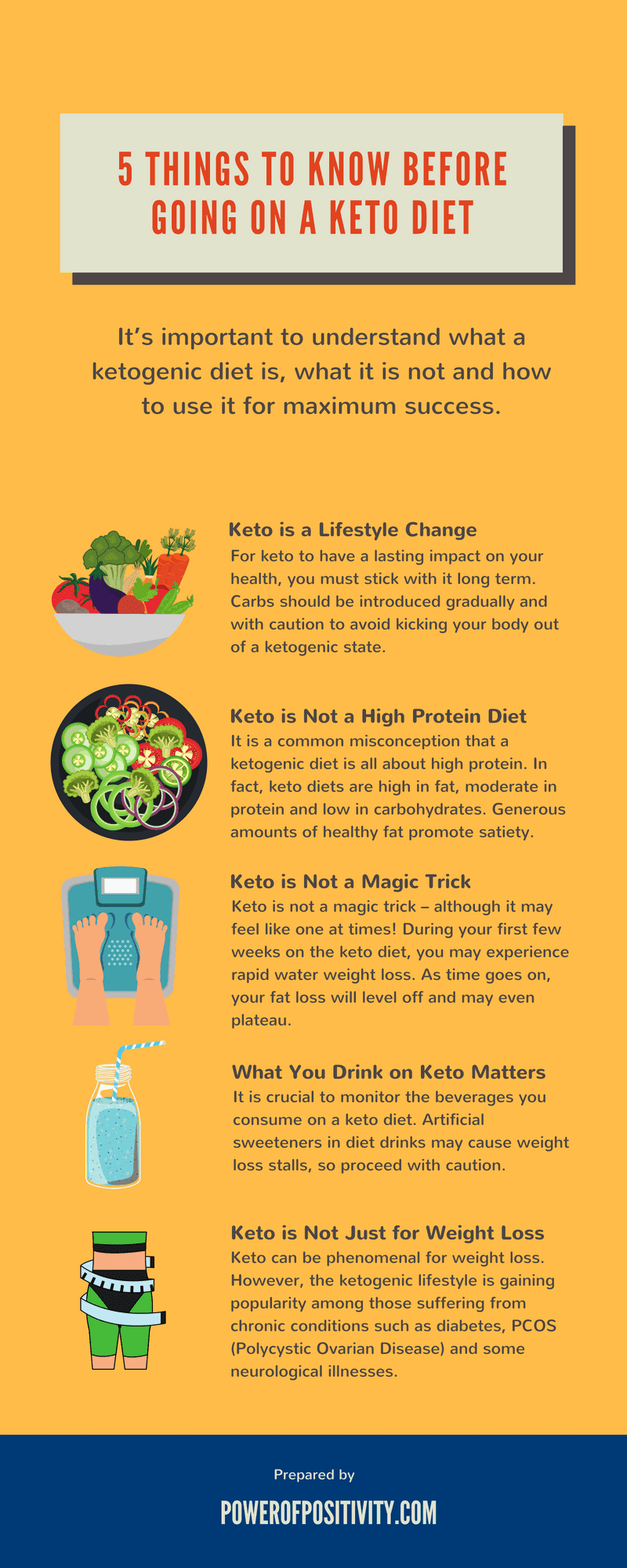
You’ve almost certainly heard of the ketogenic diet, often called keto for short. While keto isn’t a new diet plan (it’s been around for thousands of years), it’s become especially famous recently to lose weight, improve mental clarity, and treat specific health issues, among other things.

Are you thinking about trying a keto diet? If so, it’s important to do your research and preparation before you jump in. Keto can give you some remarkable benefits, but it’s not the most manageable diet plan to stick to when you’re just getting started. Here’s how you can give yourself the best chances of long-term keto success.

How to Start Your Keto Diet Plan the Right Way

1. Spend some time researching keto.

Make sure you understand what a keto diet food plan entails and what kinds of results you can expect to see. Keto is hailed as a miracle diet by many people, but the truth is that you’ll get out of it what you put into it. Read some keto blogs where other people write about their experiences with the diet, and see if it sounds like something you can realistically commit to.

2. Think about what you’ll eat on a daily basis.

Look up your favorite foods and see what their nutritional breakdowns are like. Then, think about how you can continue eating as many foods you like as possible while still sticking to your carb limit every day. Remember, a keto diet food plan is heavy on fat, moderate on protein, and light on carbs. You may need to start including new foods in your diet to hit your macronutrient goals.

health quotes

3. Get into the habit of reading nutrition labels.

Don’t assume that foods are low-carb just because they seem like they should be. Always read labels so you can be sure. Carbs can hide in a lot of sneaky places. You’re best off avoiding processed foods entirely and sticking to whole foods like meat, vegetables, and healthy oils.

4. Be aware that you might develop the “keto flu.”

Many people feel tired, foggy-minded, and easily distracted during their first couple of weeks eating low-carb. This phenomenon is called the keto flu, and it happens because your body is switching from burning primarily carbohydrates to burning fat for energy. When your body becomes fat-adapted, the flu-like feeling will disappear, and you’ll probably feel more energetic.

5. Measure your ketone levels.

Keeping an eye on your ketone levels can keep you on the right track with your diet. It’s especially important to monitor your ketones when you’re first getting started. You can get a breath meter, a blood meter, or urine tests to check your ketone levels regularly.

6. Track your micronutrients as well as your macronutrients.

Many people develop micronutrient deficiencies when they start following a keto diet plan. That doesn’t mean there’s anything wrong with the keto diet – it just means that many people don’t eat a balanced enough diet to get all the nutrients they need while doing keto. Keep an eye on your micronutrient levels, especially magnesium and potassium, and take supplements if you aren’t getting enough micronutrients from your food.

7. Get enough sleep and avoid stress.

Adapting to keto can be rough, and if you try to do it while you’re feeling stressed and tired, you might go back to your old way of eating. Make things as easy on yourself as possible by starting keto at a time when you don’t have any looming deadlines, family stress, or travel coming up. Make sure to get eight hours of sleep every night, too.

8. Avoid temptation as much as possible.

If you stick with keto long enough, you’ll stop craving carbs. Until then, though, it’s important to avoid temptation so you aren’t tempted to backslide. Don’t keep any high-carb foods in the house if you can help it, or store them somewhere you won’t see them. Let your friends and family know that you’re starting a keto diet, and ask them to support you by not offering you any high-carb foods.


Things to know before going on a keto diet

Final Thoughts on the Keto Diet

Adjusting to a keto diet is entirely possible, even if you’re currently hooked on carbs. The transition might be a little challenging for many people, but if you stay strong through those crucial first few weeks, you’ll find yourself feeling sharper, more precise, and more energetic on the other side.

Planning to start your keto diet soon? Preparation is your best friend. If you come up with meal plans, track all your nutrients, avoid stress, and keep an eye on your ketone levels, you’ll be well on your way to making your keto diet a part of your permanent lifestyle.

9 Carbs You Can Still Eat on A Gluten Free Diet Plan

In recent decades, healthy eating has become an obsession in the United States, mainly due to many overweight and obese people living in the country. One of the most popular healthy eating trends that are going on in the U.S. is the gluten-free diet. This diet helps manage certain diseases. Some people adopt a gluten-free diet for weight loss. The diet has also become popular among celebrities, Olympic athletes, and other prominent figures.

Over the last decade, gluten has become a villain of healthy eating. Gluten-free diets exploded on the market and many food manufacturers are now offering gluten-free versions of their products. Gluten-free diets have become so popular that in 2015 Americans spent over $4 billion on gluten-free products.

What is Gluten?

Gluten is a protein naturally found in cereal grains like wheat or barley. It affects the elasticity and chewiness of baked foods. Although gluten itself is considered a protein, it is more like a super-protein because it is made up of other proteins. For example, one of these proteins is gliadin. Gliadin is the protein responsible for making bread rise.

Gluten is bad for people who have certain diseases or conditions. Celiac disease is one of the most prominent anti-gluten conditions that a person can have. The disease affects around ten percent of people worldwide. Celiac disease is when the body treats gluten as a poison. Celiac is an autoimmune disorder, so it will attack and destroy the part of the small intestine that contains gluten. Eating gluten can make a person with a Celiac disease very sick and malnourished.

Some people have gluten intolerance. This isn’t as extreme as Celiac disease, but it can still cause complications in the body. When a person with a gluten intolerance eats gluten, they can get stomach pain, bloating, nausea, diarrhea, confusion, joint pain, etc.

Gluten intolerance mimics wheat allergy, but the difference is that gluten intolerance just causes discomfort, while a wheat allergy can be life-threatening.

The Gluten Free Diet Plan

The Gluten free diet plan is where the dieter restricts or completely cuts out gluten from their everyday meals. This doesn’t mean that all carbohydrates are excluded, just those with gluten protein. Restricted foods are triticale, barley, rye, sauces, beer, pasta, wheat, and any other food containing gluten. Wheat can be tricky because it can be called different names.

Different versions of wheat go by other names: durum, einkorn, emmer, Kamut, and spelt. All of these have gluten and should be avoided. Wheat flours also go by different names. They are enriched flour, farina, graham flour, self-rising flour, and semolina.

gluten free diet plan

Carbs That Can Be Eaten on a Gluten Free Diet

Only a few carbohydrates are restricted on a gluten-free diet. That leaves a long list of carbohydrates that can still be consumed on the diet. Here are nine carbohydrates that can be eaten on a gluten-free diet.

  1. Sorghum: Use sorghum in a meal and use it to make flatbreads and other baked items.
  2. Millet: Cook millet like porridge or ground like flour, and it has fantastic health benefits.
  3. Brown rice: This is rice that still has the bran layer and cereal germ
  4. Buckwheat: Grind buckwheat into a flour to make all kinds of foods like pasta, bread, or even alcohol
  5. Wild rice: This rice has a high nutritional value
  6. Quinoa: This protein dense grain contains all nine essential amino acids. Cook it whole or grind it into flour.
  7. Hominy (corn): This corn product makes several dishes, including grits and the Mexican dish masa.
  8. Soy: The bean from this plant makes many different products. However, it contains isoflavones similar to estrogen.
  9. Flax seeds: Sprinkle flax seeds in cereal or other foods or grind it into a powder for baking.
  10. Nut Milk: Almond milk, Cashew Milk, Hemp Milk, and Soy Milk are all great alternatives for consumption without the animal product.

Final Thoughts on Eating a Gluten-Free Diet

Eating a gluten free diet has become one of the most popular diet trends of the century. Many people avoid gluten because of Celiac disease, intolerance, or wheat allergies, but other adopt a gluten free diet plan just to be healthier. People also adopt a gluten-free diet for weight loss.

Despite the limited intake of carbs, sticking to a gluten-free diet plan is possible because not all carbohydrates are banned. A good gluten free diet plan still has a healthy mix of carbohydrates. Overall, reducing gluten intake has been found to have positive effects on the body. As a result, the gluten free diet is here to stay.

Skip to content