Weekly tips, affirmations, and small actions to feel your best.

10 Habits That Can Improve Mental Health, According to Psychology

The importance of mental health

The quality of your mental health affects pretty much every aspect of your life, including how you behave, feel, and think. The quality of your mental health determines how well you cope with stress, overcome adversity, and achieve your goals. When you’re energetic and positive, these things come easily; when you’re downtrodden and negative, everything seems much more difficult.

What does it mean to have good mental health? Well, contrary to popular belief, it does not mean feeling happy all (or even most of) the time. Of course, happiness is wonderful, and we should all feel happy now and again – it’s just not the cause or effect of good mental health. Instead, good mental health means feeling and thinking in a positive manner more often than not.

People with a good state of mental health often report the following:

  • Relatively high self-esteem and self-confidence
  • Feelings of compassion and love for others
  • Good balance between work and home life
  • Adaptability to change
  • Deriving a sense of purpose from something (work-related or otherwise.)
  • Enjoying one or more hobbies on a regular basis
  • Ability to bounce back from stress

mental health quote

Habits of the mentally healthy

“Out of suffering have emerged the strongest souls; the most massive characters are seared with scars.” – Khalil Gibran

Basic human psychology dictates that your habits –  at least to some degree – affect the state of your mental health. If you eat junk food all the time, drink too much, and forget to exercise, for example, you’re probably going to be in a less-than-ideal healthy mental state. If, on the other hand, you’re proactive about your health and practice the right habits, you’re likely to feel good mentally.

With that said, here are 10 habits that can improve mental health, according to psychology:

  1. Regular Exercise

If even 30 years ago you were to say that the mind can affect the body, some people – including so-called “experts” – would’ve looked at you as if you were crazy. Well, times are a-changin’. We’ve long established the mind-body connection and have learned some fascinating things.

Exercise increases the number of “feel-good” chemicals in the brain, improves memory, and sharpens thinking skills. It also enhances focus and concentration and works as an excellent outlet for stress.

  1. Meditation or yoga

“Meditation … has long been acknowledged as a tool to master the mind to cope with stress. Science is increasingly validating those claims …” – Mental Health America

While yoga and meditation are technically different practices, the latter is an integral part of the former. In fact, the two methods are very similar – and thus produce many of the same benefits.

  1. Getting good sleep

Psychology often points to sleep difficulties as a symptom of mental health disorders, particularly anxiety and depression. A study undertaken at the University of Oxford finds that the opposite may be the case. The study’s lead author Daniel Freeman, a professor of clinical psychology at Oxford, says that making a habit of getting quality sleep (the National Sleep Foundation recommends 7-9 hours) may “tackle a wide range of psychological and emotional problems.”

  1. Don’t Multitask

It’s estimated that less than 2 percent of the population can multitask “effectively.” Psychology, however, says that the brain is incapable of doing two things at once unless it’s, say, walking and chewing gum or driving and listening to the radio. (Of course, you don’t have to put much thought into chewing gum.)

The big problem with multitasking is two-fold. First, it depletes the brain’s energy reserves more quickly. Second, it can be very stressful. Both issues run counterproductive to good mental health. Instead, work on creating a habit of single-tasking. Focus on one thing at a time.

  1. Mindfulness

There really is nothing mystical about mindfulness. The practice generally involves two things: (1) attention to the present moment at the exclusion of everything else, and (2) the non-judgment of thoughts.

It does take effort, however, to make mindfulness a habit. Still, the benefits to your mental health can be extraordinary.

  1. Good work-life balance

Mentally-healthy people seem to strike a good balance between work and personal life. The cultivation of such balance (and its positive effect on our psychology) cannot be overstated. Too much or too little focus on one or the other can lead to the development of mental health problems including anxiety, depression, and burnout.

With this in mind, do your best to make a habit of keeping work at work.

  1. Stop procrastinating

Procrastination is one of the most stress-inducing habits there is – and it can wreak havoc on your mental state. If you have something that needs to be done, it’s much less mentally painful to just do it. You’ll discover that taking action immediately reduces stress. It turns out that the thing you were trying your best to avoid actually isn’t so bad, after all!

  1. Take Digital breaks

Relax! This is not to say that your gizmos are bad – far from it! Smartphones and other digital devices bring a wealth of relevant and profitable information to both individuals and businesses.

Instead, it’s the “joined at the hip” relationship that people have with such devices that may be unhealthy. It’s been argued, for example, that concentration and focus have waned with the proliferation of digital devices. Make a habit of taking a digital sabbatical every now and again. (Once a week seems to do it for many.)

  1. Eat well

Granted, the advice to “eat a well-balanced diet” sounds like it’s getting old. But do you know why it’s such enduring advice? Because eating well does wonders for your mental health.

Research shows, for example, that adequate amounts of amino acids, essential fats, complex carbs, vitamins, and minerals can create a balanced mood and an overall sense of wellbeing.

  1. Talk to someone

Once again, human beings are social creatures. We all experience issues with our mental health at some point. So if you are not feeling like your usual self, reach out to someone. A bit of talking can do wonders for your mental health!

(Note: The contents of this article are intended for entertainment and/or educational purposes only. Please see the advice of your healthcare professional regarding the diagnosing and/or treatment of any disorder.)

https://youtu.be/BrQHK272XcE

(C)Power of Positivity, LLC. All rights reserved
Sources:
http://www.mentalhealthamerica.net/meditation

https://www.helpguide.org/articles/mental-health/building-better-mental-health.htm
https://namimc.org/11-things-daily-mental-health-can-stay-balanced-happy/
https://www.independent.co.uk/life-style/health-and-families/ways-to-improve-mental-health-daily-habits-walk-tall-exercise-a8050651.html
https://www.livescience.com/60329-online-insomnia-therapy-mental-health-symptoms.html

10 Things That Happen When You Get Toxic People Out of Your Life

Holding on to relationships that make you unhappy won’t be good for your well-being. Yes, you used to value that person in your life, But if that person becomes a significant burden, the toxicity will slowly kill your sanity and even hinder positive thinking.  Letting go of toxic people could be the best thing you can do. It might sound harsh, but you will be a better person for it. Some good things can happen when you get toxic people out of your life.

Here Are 10 Things That Will Change When You Get Toxic People Out of Your Life

“There’s folks you just don’t need. You’re better off without em’. Your life is just a little better because they ain’t in it.” – William Gay

1. Your life will not be over.

It’s hard to let go of someone with whom you’ve shared a long history, and that’s understandable. It might be hard to imagine your life without this person because of your shared moments, so how could you cut them out? While moving on from toxic people can be complicated and painful, know that your life will continue.  You’ll soon realize that without them, more doors of opportunity will actually open, and like a Phoenix, you can rebuild your life after this loss.

2. You’ll be rid of the drama.

Toxic people love drama and like to involve people in it. You might have willingly offered sympathy and support to them before because of what they mean to you. You might have even given some advice because you care for their welfare. But they likely brushed your advice off. Toxic people, unfortunately, don’t want solutions to their problems, despite your intentions to help them. Once they are gone from your life, you’re no longer affected by their drama. You’re no longer fighting their never-ending battles with yourself and with other people. You’re free from the arguments, too.

toxic people quote

3. You won’t feel stressed out.

Toxic people are also called emotional vampires because they can bleed you dry. They can be manipulative and bring you down with them because of their pessimism, their criticisms, and their tendency to talk bad about other people. Being with a toxic person who always keeps you on edge isn’t a healthy way to live. In fact, the stress of dealing with them can actually wreck your brain cells, according to experts from Germany’s Friedrich Schiller University. Without them, your stress levels will decrease because you have controlled the chaos and blocked off the poison draining you.

4. You’ll gain more energy.

After staying in a relationship with an emotional moocher, you’ll find that you will have more energy to pursue other exciting things. Stuff you wanted to try out before but couldn’t because you had been convinced it was worthless. Because of your renewed optimism and regained positivity, your zest for life will return. You’ll have time to focus on and do other things.

5. You’ll enjoy life more.

You’ll pursue life with hope when you’ve finally escaped the negativity. Even failures or disappointments can’t shake you because you’re living according to your rules as you always wanted. You’ll see the worth in what you’re doing, whether it’s a big or small project, and enjoy life more.  You’ll find plenty of things to be happy about and grateful for because no one is constantly showing you what’s bad about something good.

6. You’ll regain your self-esteem and self-worth.

The venom that comes from toxic people might have dampened your self-esteem, but once they’re no longer in your life, you regain what you lost. You’ll find your power again and grow more confident each day you pursue new things … because no one says you can’t do it.

7. You’ll evolve as a person.

You won’t be the same person after you get toxic people out of your life.  You’ll evolve into someone better, someone more positive. You’ll find that you’ve smartened up about dealing with people. You’ve likely also reaped a lot of patience, empathy, and understanding for every person’s journey because you know how hard it can be for them.

8. You get to reconnect with other people.

When you are with a toxic person, your relationships with others might suffer casualties. You’ve probably distanced yourself from others so they wouldn’t be involved in a toxic individual’s drama, gossip, and meanness. But now that this person is gone, you can reconnect with friends and family. Better yet, you’ll have more room for new friends and acquaintances with whom you can form new bonds.

9. You’ll surround yourself with more caring people.

When you’ve regained or formed new relationships, you’ll have more good people surrounding your life. Life will be happier when you’re with friends and family who genuinely care for your welfare and help you to be positive. You’ll have the social support you didn’t have because of your relationship with that toxic person.

10. You’ll be happy with your life in general.

You’ll find that pursuing happiness is simple once you’ve cut out toxic people from your life. The secret is free to enjoy your choices, from pressures and negativity.

toxic people

Final Thoughts on Eliminating Toxic People From Your Life

Life’s too short to hold on to relationships that burden or hold you back. Letting go of toxic friends, family members, or intimate relationships is hard. Experts say you might feel guilt, but it’s still a choice you must make. Take that first step into a better life. You will be in a much better place with people and situations that let you fly and spread your wings.

11 Couples Who Define Everyone’s Relationship Goals

No matter if you’re single or in a relationship, it’s hard not to smile at two people who are obviously in love. Couples who truly love each other just exude an aura of pure joy that is utterly infectious. The pictures of couples below have relationship goals written all over them, and you’ll quickly see why. We hope these pictures either make you believe in love again, or help you appreciate your partner even more!

Here are 11 cute couples who are definitely every couple’s relationship goals:

1. Kissing in front of a gorgeous waterfall should be a couples goal for everyone.

A post shared by ETHAN GLENN (@ethantglenn) on

2. Even if you’re not a fan of Coachella, you have to admit that this is a beautiful couple!

A post shared by ? ? ?? (@ggrae) on

3. Same couple as above, but we had to post them again because they’re just so darn cute!

A post shared by D A V I D R I C E (@davidbenrice) on

end your relationship

4. This cute couple picture is set in a field of beautiful wildflowers, which makes them look even more perfect.

A post shared by Me and Mango (@me_and_mango) on

5. This cute couple is doing van life the right way!

b.y.o.b. // bring your own bus

A post shared by Abby Clayden (@abbyclaydenphoto) on

6. You can just feel the love between these two in this pic!

A post shared by Travel & Style (@julesshingarey) on

7. Traveling the world together = relationship goals.

A post shared by IEVA URENCEVA | travel lover ? (@catchagypsea) on

And a few more photos we couldn’t pass up …

8. Who wouldn’t want to wake up in a place like this with their partner?

9. The unbreakable bond between this dynamic duo is quite obvious.

10. We all just want love and a good view when we look out our window.

11. Awww, this picture makes us fall in love (and want a nap at the same time).

Are any of these photos relationship goals for you? Share with us in the comments!

https://youtu.be/LCiUY7nnVxo

(C)Power of Positivity, LLC. All rights reserved

How to Use Baking Soda To Relieve Arthritis Pain

Baking soda might be a miracle ingredient, especially in how it may help relieve inflammation and arthritis pain.

Raise your hand if your mom always kept baking soda in the house. (Raises both hands.) While stats are a bit sketchy, an unofficial estimate of baking-soda-loving mothers is around 95 percent. (Okay, I just made that up. But it’s probably close!)

Anyways, baking soda is another one of those miracle substances capable of handling just about every job, in or out of the kitchen. Baking soda (sodium bicarbonate) has been used for a long (long!) time. It works as a natural home remedy for various conditions. Just a half teaspoon of the stuff can ease or cure an acute acid reflux or heartburn. Need to whiten your teeth? Make homemade baking soda toothpaste!

Now, baking soda is being touted as an “inexpensive, safe way to combat autoimmune disease,” including arthritis!

What Is Baking Soda?

Baking soda, sodium bicarbonate (NaHCO3), is a white crystalline powder, perfect for cooking, cleaning, and personal care. It is a chemical compound comprising sodium ions (Na+) and bicarbonate ions (HCO3-). Baking soda is a versatile substance with both acidic and alkaline properties. That makes it useful in various applications.

In cooking, baking soda is primarily used as a leavening agent. It produces carbon dioxide gas when combined with acidic pantry ingredients like vinegar, lemon juice, or buttermilk. That chemical reaction causes the dough or batter to rise and become light and fluffy. This reaction is known as the “acid-base” or “alkali-acid” reaction and is commonly used in baking recipes for cakes, cookies, bread, and other baked goods.

Baking soda is also used for its cleaning properties. Due to its alkaline nature, it can effectively neutralize odors and act as a mild abrasive cleaner. It can be used to clean various surfaces, such as countertops, sinks, and stovetops. Additionally, it can help remove stains, deodorize refrigerators, and even be used as a natural alternative for cleaning personal care items like toothbrushes or hairbrushes.

Beyond cooking and cleaning, baking soda has many other applications. It can be used as a gentle exfoliant in skincare products or as a natural remedy for certain skin conditions like sunburns or insect bites. It is sometimes used as a household deodorizer, placed in the fridge, or sprinkled on carpets and upholstery to absorb unwanted odors.

It’s worth noting that while baking soda is generally safe for consumption and has many practical uses, it’s essential to use it in appropriate quantities and follow recommended guidelines. Excessive consumption or misuse can lead to health risks, particularly for individuals with certain medical conditions. It’s advisable to consult appropriate sources or healthcare professionals for specific guidance and precautions when using baking soda for therapeutic purposes.

The Study of The Use of Baking Soda for Inflammation

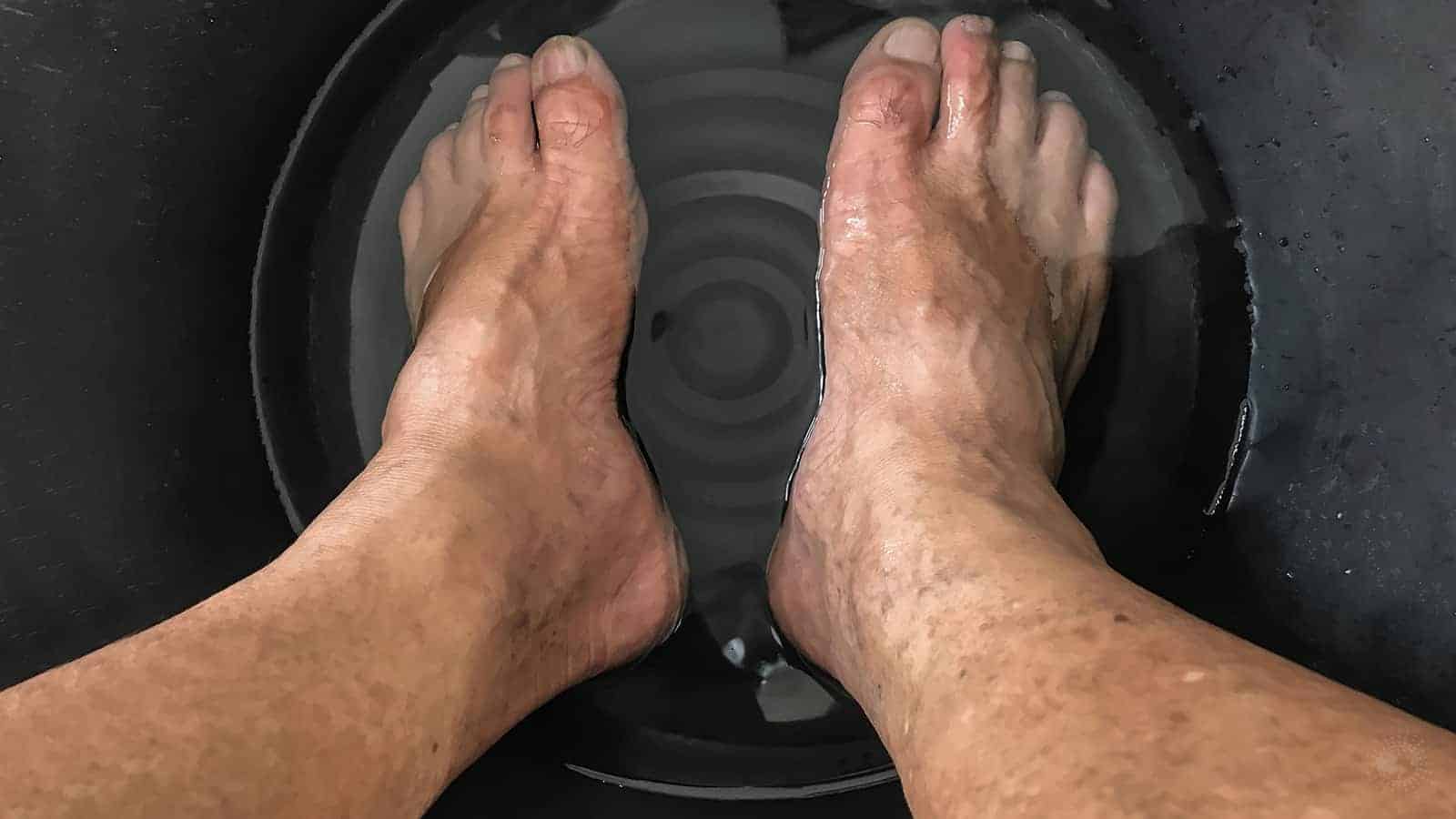
baking soda foot soak

Learn how to make a baking soda foot sook for callus removal.

Researchers at Augusta University’s MCG Department of Physiology say that baking soda helps promote a proper pH balance. We’ll bypass the science lesson for now; know that “pH” measures the body’s acidity levels. Health experts and other scientists believe balancing our body’s pH is vital for good health. Including for keeping inflammation in check.

Getting back to the study, Dr. Paul O’Connor, a physiologist, and co-author, says that consuming sodium bicarbonate helps normalize our pH levels. Baking soda does this by encouraging the production of stomach acid. This helps to ensure that we properly digest our next meal while making it less likely that we’ll suffer indigestion or stomachache. And, of course, this helps limit inflammation.

Besides smoothing over the digestive process – an essential aspect of limiting diabetes symptoms – consuming baking soda acts on the spleen. Here, the substance serves as a sort-of buffer: “Certainly drinking bicarbonate affects the spleen and we think it’s through the (cells),” says Dr. O’Connor.

Dr. O’Connor used an experiment involving humans and rats to test the degree of these benefits. (Scientists use rats in many medical experiments because their characteristics apparently resemble those of humans on a genetic and biological level – as well as behaviorally in some respects. Who knew?)

O’Connor and his team administered a mix of water and baking soda to each group over two weeks. Following two weeks and a series of tests, scientists found a change in the immune cells of the test subjects. Specifically, the sodium bicarbonate caused the immune cells to suppress inflammatory responses. This occurred even in the cells of people who, before the baking soda experiment, were having problems with inflammation.

How Baking Soda Works

Dr. O’Connor’s study demonstrates the powerful anti-inflammatory properties of baking soda, and does so in two big ways. First, sodium bicarbonate encourages the stable production of stomach acid, which is essential to the proper digestion of food. Our body’s ability to digest foods and absorb nutrients is critical to keeping inflammation in check.baking soda

Second, baking soda acts on both the stomach and the spleen – a part of the immune system – by calming the immune response and strengthening the anti-inflammatory response. Under the right conditions, the stomach and spleen cells perform two functions. It “tells” the immune system that it’s not under attack and “switches off” already-activated inflammation markers.

Final Thoughts on How to use Baking Soda to Reduce Arthritis Pain

“While there is no fix-all miracle cure out there, there is a reason that home remedies like apple cider vinegar and baking soda have been around for ages. This could really help … patients with inflammation.” – Michelle Neilly, integrative nutritionist

Convinced? Baking soda proves itself as an effective alternative treatment for arthritis. As mentioned, a faulty immune system and overactive inflammation signals both drive arthritic pain. Also, given this product’s relatively cheap cost, we lose nothing (and can gain much) by giving it a go! Especially in comparison to prescription arthritis medications, baking soda deserves a try.

(Note: Information provided in this article on baking soda for arthritis is intended for entertainment or educational purposes only. Please consult with your healthcare provider regarding any potential treatment.)

6 Things You Can Disagree On In A Relationship (Without An Argument)

Relationship disagreements are part of being with someone intimately. Experts say that couples who have conflicts from time to time are happier, healthier, and more emotionally “together” than those who claim to never fight. Agreeing to disagree on certain issues can spark passion. Also, since you arrived at that conclusion despite your differences, that effort took a lot of trust, which is one of the most important relationship goals.

“Just because you have a disagreement with your friends or family members does not mean there are not plenty of other areas on which you see eye to eye. It just means you have a difference of opinion.” – Victoria Osteen

Here Are Six Things That Are Completely Fine to Disagree on in a Relationship

1. Politics

You’re a Democrat; your partner is a Republican. You share different points of view and support different political leaders. However, you respect each other’s choices and don’t feel the need to change each other’s minds. As long as the political “debates” you have together involve positive thinking, then they’re not hurting anybody.

Although talking about politics at certain times can cause differences of opinion, this difference can be good for your personal growth – and good for your relationship as well. It will help you to develop a more balanced perspective on issues that matter.

relationship quote

2. Food

Your partner is a health nut and you love to indulge in junk food. Your partner would never stomach the kind of food you eat, but you enjoy basking in the glory of chili cheese fries and lip-smacking burgers! Neither of you has to completely change your diet though, according to dietician Alissa Rumsey, via Brides.

You can, however, compromise on your food choices and try each other’s meals or restaurants, or experiment with a new recipe from time to time. If you really don’t like the food, it’s not going to doom your relationship. However, if your partner ends up resenting how you don’t enjoy what he eats, then perhaps there’s more to the problem than just food. You might need to explore and discuss this, too.

3. Pets

A relationship argument over a pet is more common than you think. Survey shows that some couples fight over the dogs’ care and discipline as often as three times a week. A couple’s disagreement over pets is usually highlighted by the differences in how much they can tolerate. Therapist Catherine Hastings said via Web MD that it’s important for couples to focus on solutions to specific problems with the pets and take full responsibility for those.

By training your dog well, for instance, you can avoid arguments with your partner about these relationship differences. Having a pet is a big responsibility. If you’re considering one, however, be really thoughtful about bringing in a pet if your partner isn’t 100 percent into it because the pet might suffer from neglect later on.

4. Movies, TV Shows, or Music

If you enjoy the same movies, TV shows or music, then great! But there are couples whose tastes are poles apart, too, and it doesn’t make their relationship any less successful. You don’t always have to watch or listen to the same things together but the diversity can be an advantage to your relationship. Fortunately, tastes can evolve and develop. You might even surprise yourself when you’re halfway through a documentary he’s wanted to watch for a while and you realize you’re enjoying it.

As for spending quality time together, you don’t really have to watch what’s on TV while you’re in the same room, right? You can read a book or tinker with your iPad with your head on her lap while she’s watching a favorite Sunday drama on HBO!

5. Travel and Vacation Activities

You want to be at the beach in Cancun but your partner wants to go backpacking in Europe. Since these places aren’t going anywhere, there’s really no point in having a meltdown if you can’t go to Ireland this year. Some couples take turn picking their vacation destination or plan the trip without their partner and instead go with a close friend or family member. Besides, your relationship with other people is also important to your wellbeing. (Tending to your wanderlust is vital to a positive personal growth as well.)

As for what to do during the vacation, it’s not a crime to disagree. However, traveling is actually a good time to be open to any experience, so perhaps keep an open mind. You might end up enjoying camping after all, even if you thought you’d hate it.

6. Private Time

Yes, people in relationships need time alone and time apart from their partner once in a while. You can still value their solitude and “me-time” despite being in a comfortable twosome. You are, after all, an individual who needs to pursue personal passions.

You’re a lot better in a relationship if you get to enjoy your private time. According to counselor Lanada Williams via Huffington Post, the mark of a healthy relationship is secure attachment – when you’re together with someone but you can still enjoy some alone time.

Final thoughts

A happy, healthy relationship doesn’t always have to jive on every single point. If you want different things in life, you can always work out the kinks. Besides, it’s the differences that can make your relationship interesting every day.

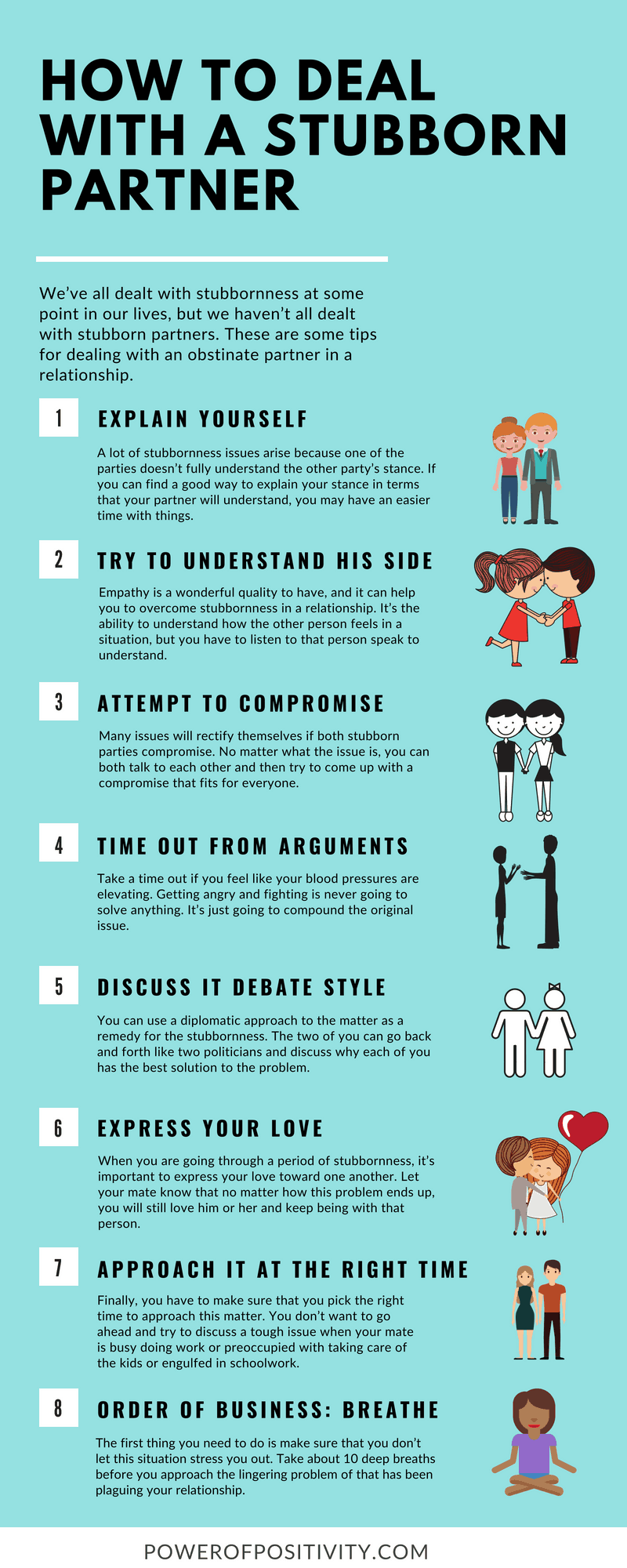
How To Deal With A Stubborn Partner In A Relationship

Share this Image On Your Site

(C)Power of Positivity, LLC. All rights reserved
References:
https://www.brides.com/story/marriage-advice-eating-habits-different
https://www.telegraph.co.uk/lifestyle/pets/9004698/Dogs-cause-three-family-arguments-every-week.html
https://pets.webmd.com/features/your-partner-vs-your-pet#1
https://www.huffingtonpost.com/galtime/10-relationship-behaviors-you-think-are-odd-that-are-totally-normal_b_3792781.html

How Much Water Should You Drink Every Day, According to Your Weight?

You’ve likely heard that you need eight glasses of water each day, but that isn’t always the case. Some people need more, and others can get by with less. Figuring out how much you should drink every day depends on many factors, including how much you weigh.

The amount of water someone should drink each day is different for everyone. Your body’s cells all need hydration, and they want the best quality, but your positive thinking mind is wondering how much you should drink.

How Much Water Should You Drink Every Day

Your body has a sense of what it needs, whether focusing on weight loss or providing your body with the tools necessary to be healthy. You want to arm yourself with the knowledge you need to give your body healthy hydration levels.

water weight

1. Are you Hungry or Just Thirsty?

If calories were the only thing that contributed to weight gain, replacing regular full-calorie drinks with diet beverages would make you lose weight. However, according to a scientific study, water is the best option.

This beverage did better for reducing body measurements and even improving insulin resistance than drinking diet beverages. Thirst can often be mistaken for hunger by our minds because they are busy managing our day, so it’s not paying that much attention to the body’s many cries for hydration.

Your body’s hydration needs get fulfilled when you drink enough for each cell to be filled, allowing nutrients to flow across cell membranes and stimulating all the other vital functions of the body. When we lack hydration, bodily functions begin to slow down because they can’t carry out their duties.

2. How Much Water Should You Drink if You’re Working Out?

Online bodybuilding calculators will encourage you to hydrate even more if you exercise. Drinking more is so that you can replace the hydration your body loses through sweat. For a workout that takes you more than an hour, you should take in approximately 75% of your body weight.

3. How Much Should You Drink if You’re Not Exercising?

If you don’t regularly exercise, your ideal amount will differ. You should drink a minimum of one gallon per day for healthy tissues and weight loss support, whether you exercise. Remember that temporarily seeing an increase in ounces on the scale after you drink does not equate to an increase in body mass.

Water doesn’t only help replenish lost fluid after exercise. Drinking plenty has the following health benefits:

  • Boosts mood
  • Improves cognitive abilities
  • Improves energy
  • Increases alertness
  • Decreases feelings of hunger

4. How Much Should You Drink for Weight Loss?

Increasing the quality and quantity of your beverage will increase your weight loss and health benefits. The gallon per day is not enough to achieve a positive change and improvement in health and weight loss. Bodybuilding water consumption calculators suggest a minimum of 64% of your body weight for targeting lower body fat.

Drinking enough quality mineral spring water according to your weight helps:

  • Flush toxins from your body
  • Flush excess waste from the digestive system
  • Improve muscle recovery after workouts
  • Reduce cravings

Focus on weight loss and learning how much you should drink to achieve your desired results. The consensus seems to be to drink a minimum of half your body weight in ounces every day and increase that amount if you are doing workouts. Positively thinking people know that increasing their intake based on their exercises and weight loss goals is better for optimal health.

Note: Always consult your wellness advocate before starting any new regimen.

8 Ways to Increase Your Water Intake

Now that you know why it’s essential to stay hydrated, it’ll help if you know how to do so. It’s easier than you might think, and these ideas can help you get started.

1. Know How Much You Need

Understanding your fluid needs is essential to increasing your intake. Take the time to figure out how much you should drink based on the above factors. You’ll find many differing answers online, but it depends on many factors, including activity level, location, health status, and other things.

2. Carry a Reusable Bottle

When you keep a reusable bottle with you, it’ll help you take in more fluids. Whether you’re running errands, sitting at home, working, or traveling, you’ll have a drink nearby constantly. It is a visual reminder to drink more fluids, encouraging you to sip throughout the day.

You’ll quickly reach your fluid goals by consistently taking sips throughout the day. You don’t have to drink an entire bottle at once, as you’ll find that the small drinks empty your bottle quickly.

water

3. Replace Other Drinks

Replacing other drinks can help you take in more water while boosting your health and reducing calorie intake. Start by replacing soda, sports drinks, and anything else with added sugar. These drinks are detrimental to your overall health, and they stand in your way of hydration.

It might help if you know how detrimental sugary beverages are. Even eight ounces of soda can exceed your daily recommended sugar intake. They contribute to weight gain, obesity, type 2 diabetes, heart disease, and other conditions.

If you miss the flavor, you can add some to your healthy beverage to help you drink more. Consider infusing your drink with fruit or use powder or liquid flavoring. Whatever you use, avoid artificial sweeteners or additives because some flavor options contain these ingredients.

4. Establish Routines

With hydration routines, drinking water becomes a habit for you. Your regime should extend throughout the day, with specific times you take in fluid.

Start in the morning, drinking a full glass as soon as you wake up or after you brush your teeth. It gives you a good start on your hydration goals and boosts your alertness. After that, drink a glass after each bathroom break to continue implementing beneficial habits.

Then, make it a point to drink a glass before each meal. With three meals a day, that would add three cups to your daily intake, a jump if you didn’t do that before.

Plus, drinking before meals can help you determine if you’re confusing thirst for hunger. It also fills you up and prevents you from consuming too many calories during the meal. If you frequently drink coffee, make it a point to drink a glass of water each time you brew a fresh pot.

When you’re at work, make it a point to drink a glass each hour. For an eight-hour workday, this will immensely boost your daily intake.

Finally, drink a full glass before you go to bed at night. It prevents you from waking up because of a dry mouth and keeps you hydrated until morning. These habits will immensely increase your hydration intake.

5. Set Goals and Reminders

You should always maintain hydration goals if you want to improve your health. Setting a goal can motivate you, but only if they’re specific, measurable, and realistic. Choose a set amount to take in, and record your progress throughout the day.

Your goals should also be time-bound, so determine how much you’ll drink by a specific time of day. Make sure your timeframe is attainable so that you can feel the achievement of reaching your goals. Set your timeframes for every eight ounces for the best sense of accomplishment.

It might help if you set the alarm for hydration, too. A thirty-minute reminder to finish your current glass or take a few sips can make a difference.

6. Invest in a Water Filter

Even if it’s safe to drink from your tap, you’ll be more likely to stay hydrated if you have a filter. You don’t have to spend a ton of money, as filters don’t have to be expensive. Filters make your beverage taste better and reduce levels of contamination.

Using a filter is also better for the environment than using disposable bottles. Plus, it is less expensive long-term, so you’ll save money.

7. Reward Yourself

When you reach your hydration goals, make sure to reward yourself. It’ll make you want to keep achieving the goal, helping you form beneficial habits. You can treat yourself to a latte or extra time watching your favorite show.

Make sure your reward is something you don’t already do, or it won’t help you achieve your goals. Your reward should be something that you look forward to, so you keep it in mind each day.

8. Eat Fruits and Vegetables

Fruits and vegetables contain water, so eating more of them will increase your fluid intake. Some of the best options include:

  • Watermelon
  • Lettuce
  • Celery
  • Cucumbers
  • Melon
  • Grapefruit
  • Cantaloupe
  • Honeydew melon
  • Grapes
  • Zucchini
  • Tomatoes
  • Cabbage

These foods are perfect for snacks, but you can also use them in your meals. They increase hydration and contain vitamins, minerals, and antioxidants.

sparkling water

Final Thoughts on Drinking Enough Water Every Day

The amount of water you should drink each day differs based on your weight and other factors. Hydration is essential for good health, and it can make all the difference in how you feel.

If you can’t seem to form the good habit of staying hydrated, these tips can help. It’s easier than you think, and you’ll quickly develop beneficial habits.


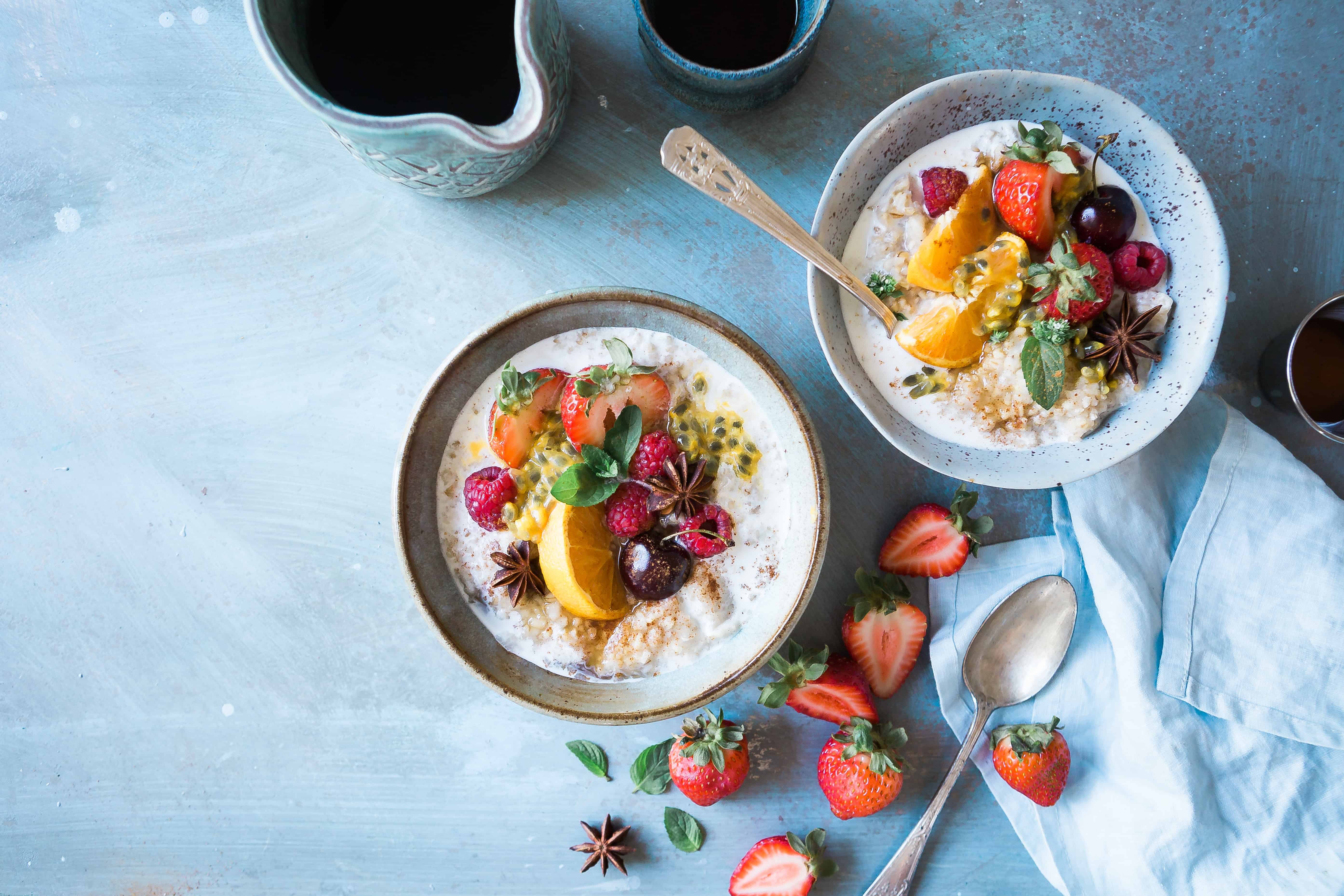
How To Make Easy Overnight Oats: Best Recipes for Busy Moms

If you’re anything like me, at times it may feel like you’re running around like a chicken with its head cut off. It seems like I’m always busy and on the go, running around to kid’s practices, work, and trying to manage a home. Finding time to cook breakfast for myself and my family in the morning has become a challenge, as I really value my beauty sleep!

The Solution: Overnight Oats! 

By making these super easy overnight oats, I’ve been able to take some stress out of my day by feeling more prepared and by knowing that what I’m eating is healthy and good for my body, which helps me keep up with my busy schedule. Being a student and a young adult means I’m also running on a college budget. Overnight oats start with just two ingredients, but you can add anything you want to change the flavor and mix things up all while staying within my budget. Other oats overnight benefits are the unending flavor options; peanut butter and jelly, chocolate, blueberry maple, pumpkin pie and even indoor s’mores flavor! The flavor possibilities are virtually endless, and there’s usually zero cooking involved; minimal time and effort in the kitchen. Plus, the time-saving opportunities are great, as you can easily create multiple jars worth all in a short period of time, the night before you need them! These super easy oats overnight recipes have been a great solution for me and I know that they will be for you too!

overnight oats

What are overnight oats? 

Overnight oats are just rolled oats mixed together with your choice of milk; dairy, almond or soy milk. Other ingredients such as coconut, chocolate chips, peanut butter or fruit can be added to ramp up the flavor. These ingredients all go into a mason jar and hang out in the fridge overnight, to be ready for you in the morning.

Original Oats Overnight Recipe 

What you’ll need:

  • rolled oats – ½ cup
  • dairy, almond or soy milk – 1 cup
  • cinnamon – 1 teaspoon
  • vanilla extract – 1 teaspoon
  • honey – 1 to 2 teaspoons
  • mason jar with lid
  • refrigerator

Directions 

First, add the half cup of rolled oats to the mason jar.
Then, pour in your cup of milk, covering the oats.
Add in a teaspoon of cinnamon, and vanilla extract.
To make your oats sweeter, add a couple tablespoons of honey, or another sweetener.
Stir and mix well before securing the lid onto the mason jar.
Put your jar in the fridge and wait for your oats overnight!
Toppings like berries, coconut, or chocolate chips can be added in the morning.

Bonus Oats Overnight Recipes to Please the Kids 

Use coconut milk instead of dairy milk, and add chocolate protein powder, coconut flakes, and chopped almonds for a healthy take on the Almond Joy candy bar.
Mix in some vanilla yogurt, sprinkles and top with more sprinkles or even crumble up some cake on top for a birthday cake inspired treat.
For a healthy apple pie overnight recipe, add applesauce and apple slices to your oats!


The flavor possibilities are truly endless and effortlessly easy to create, but the best part about making these easy oats overnight is that they can be super healthy. There are many oats overnight benefits that can also contribute to a healthier lifestyle. If you’re constantly crunched for time in the mornings, you may be tempted to grab something unhealthy on your way out the door. This can become a habit and can make you hungry later in the day and cause you to eat even more. By prepping oats overnight the night before, you can just grab them on your way out the door instead of a less healthy choice. The oats are high in carbs which is good for weight loss, as the carbs keep you feeling full for longer, minimizing your caloric intake for the day. Also, when the oats are soaked overnight, they expand, as opposed to regular oatmeal, that, when cooked, makes the oats shrink. Eating a bigger volume of food is what fills you up, not the number of calories.

Making this oats overnight recipe with added flavors to mix things up has helped make my life, as well as my family’s lives, way less hectic and a lot healthier. I no longer have to give my kids an unhealthy granola bar in the morning or, even worse, let them skip breakfast altogether. If you’re looking for an easy and healthy morning meal for the whole family, try out some overnight oats!

https://www.youtube.com/watch?time_continue=1&v=yG-G9_LOkLA

(C)Power of Positivity, LLC. All rights reserved

5 Things To Do Immediately When You Are Having A Panic Attack

Everyone who’s experienced a panic attack knows how hard they can be to handle. Hindsight is 20/20, and during an attack, it’s almost like you’ll never feel normal again. The next time you realize that you’re going to have a breakdown, don’t think that it’s too late to do something about it. You can always cope with them right as they rise within you that’ll help you lessen or even prevent it growing into a frightful experience.

Nearly six million Americans encounter panic troubles, and almost seven million endure General Anxiety Disorders. Each of these ailments usually grows into a full-fledged panic attack, and females are twice as prone to be affected by them as opposed to males. If you bear repeated panic attacks, or they’re random isolated events, or you want to know what to do if it happens for the first time, it’s good to understand the steps you can take.

5 Things to Do Immediately When You’re Having A Panic Attack

1. Exhale slowly 

Of course, breathing deep is one of the first things you’ll think of doing. Even though fast, shallow breaths feel like they are helping, it only hinders your efforts to overcome panic attack

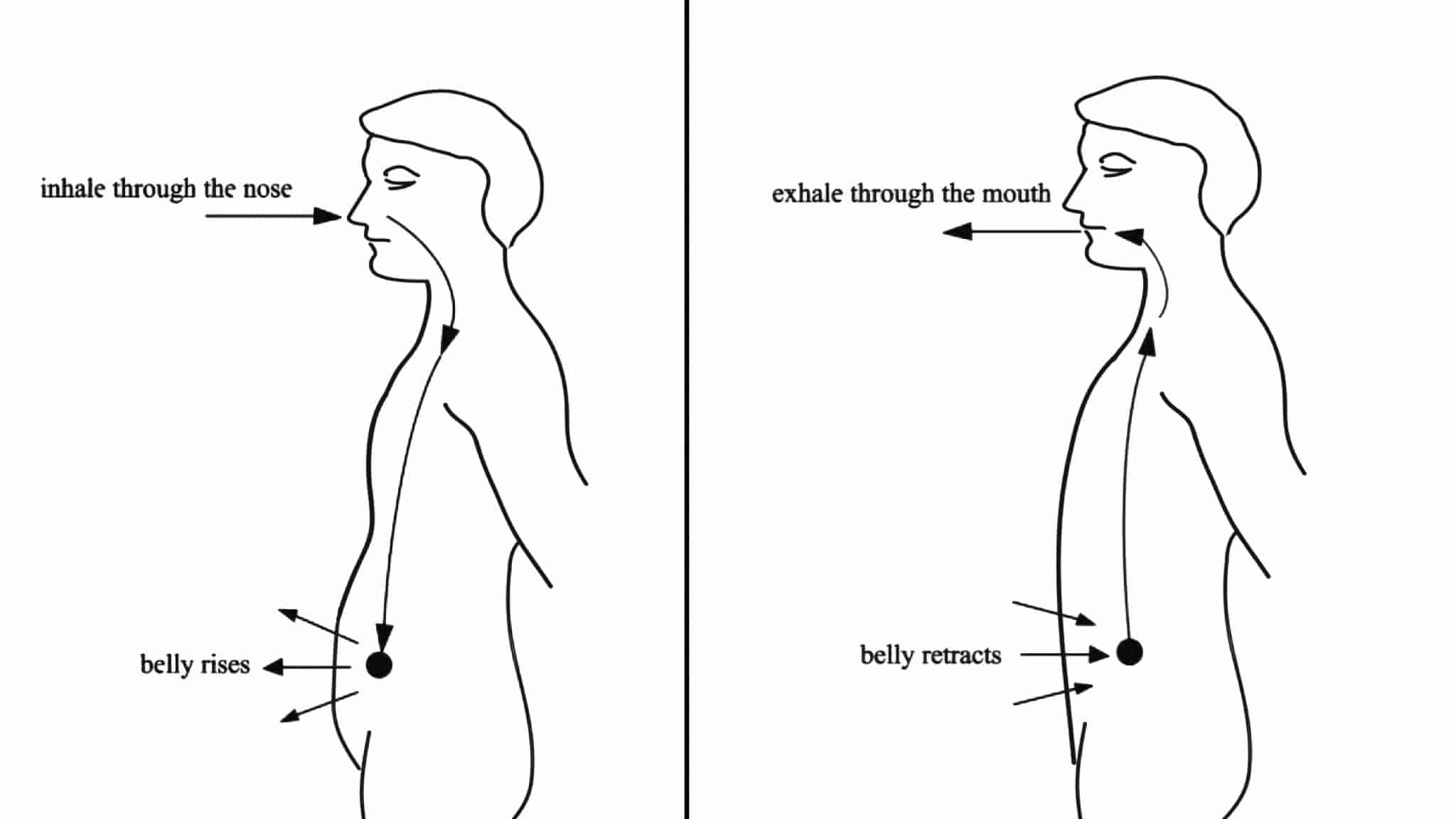
Try to focus on how breathing naturally makes you feel good, as it’s one of our most vital needs. Begin with a four second inhale and just let your breath go for a count of eight. The important part is to allow the exhale to be as long as possible as this is what Herbert Benson says triggers our “relaxation response.”

Practicing yoga every day is one soothing, healthy approach to begin a deep breathing habit which is essential if you’ve had regular panic attacks in the past.
Try adding a simple 10 minute session of yoga or meditation each day to your schedule, so next time that you want to stop panic attack from occurring, your body knows how it can use deep breathing to calm the storm.

breathing

2. Hold onto something (stuffed animal etc.) 

One typical sign that you’ll need to overcome panic attack is to become disoriented or confused. It’s hard to orient yourself, making your panic seem only to get worse. As you notice this starting to occur, the best thing to do is to “ground” yourself. For instance, maybe you’re standing upright as the panic sets in, locate something to physically latch onto, such as a doorknob or the back of a chair.

If you’re laying down as the attack is happening, it’s good to grab onto a smaller item such as your pillow, keys or anything you can hold onto within your reach and continue moving your fingers across it. Anything you can do to get yourself to feel that the moment is real will help you get through the most uncomfortable times faster.

3. Grab ice cubes 

As unusual as it may seem, using ice cubes to calm down panic attacks is a tried and true method. Grabbing onto an ice cube forces your brain and body to concentrate on how uncomfortable the ice is rather than the panic.

This will ultimately divert you from your panic and continue to reduce the attack until it’s completely stopped. Test how shifting the cubes from each hand works for you if you’re able to adjust to cold fast.

4. Move around 

As absurd as it is to advise that you give working out a shot during a panic attack, moving around can help alleviate stress and panic attacks. This isn’t to say that the next time you have a panic attack is an excellent time to complete an entire workout but get in a short walk or just take a quick shower. Do a physical activity which serves to liven up your body and thus your mind to keep you occupied.


It’s good to note as well that numerous studies show how regular exercise can create a 20% reduction in people’s symptoms of anxiety as opposed to people that do not train. Even if it’s something you hate, the long-term effects are astronomical and will support you with your mental and physical longevity.

5. Repeat positive thoughts 

Stop panic attack naturally from overwhelming your thinking with negative loops such as, “I’m dying,” “I’m going crazy,” or “Nobody likes me.” You might not have the ability to restrict thoughts like those from popping into your head, but you can oppose them with more realistic and positive words.

Get a pen and paper and jot down as many of the thoughts that incite the most positivity within you that you can. Here’s a great one: “I am loved.”

During a panic attack, it’s tough to get that perspective that your negative thought loops don’t have any power over you. They’re not the truth, and they’re 100% a manifestation of panic, as opposed to an accurate description of you, your situation, or what other people think about you.

So grab the list you made of positive thoughts and just read them aloud, one after another.

https://www.youtube.com/watch?v=FWMSYeRHWU4

(C)Power of Positivity, LLC. All rights reserved

How To Stop Being Socially Awkward With These Proven Tricks

We’ve all done it— made a joke that wasn’t funny, left an awkward silence hanging, or did something socially awkward. We weren’t all born charismatic social wizards, after all! At some point, you had to learn all those silent social cues, and there are many of them. But some people can’t get past that feeling of awkwardness.

Five Causes of Social Awkwardness

Maybe you have social anxiety. Maybe you’re an introvert. So you prefer not to bother with social interactions as much. Maybe you’re a hermit and never leave your cave (no judgment here)! For whatever reason, you can’t figure out how to navigate those social interactions.

Several factors can contribute to someone feeling socially awkward, including the following:

  • Lack of social skills or experience: Some people may not have had many opportunities to develop social skills and may feel nervous or unsure in social situations.
  • Anxiety or shyness: Social anxiety and shyness can make it difficult for someone to feel comfortable in social situations, leading to awkward behavior.
  • Low self-esteem: Feeling insecure or self-conscious can cause someone to feel awkward in social situations, as they may worry about being judged or rejected by others.
  • Neurodevelopmental disorders: Some individuals with autism spectrum disorder (ASD) or attention deficit hyperactivity disorder (ADHD) may struggle with social interactions, leading to awkward behavior
  • Brain injury or trauma: Brain injuries can impact social behavior and lead to awkwardness in social situations.

It’s important to note that social awkwardness is a shared experience, and many people experience it at some point in their lives. With time and practice, people can improve their social skills and reduce their feelings of awkwardness.

Whatever the cause, fear not, because we’ve compiled a list of ways to avoid awkwardness in public.

Five Tips to Avoid Awkwardness

socially awkward

1. Stop Scrutinizing Yourself

When unsure of yourself, you tend to be over-critical of every little thing you do. This is true of every situation, but nowhere is it more evident than when you’re trying to be social. Being too obsessed with your awkwardness can hurt your efforts to be more relaxed, calm, and collected in the future.

This sounds counterintuitive, but the best way to be better at socializing and stop being socially awkward is to stop thinking so much about how to avoid awkwardness. Relax! Being too tense and worried about every little detail of how you’re acting makes things worse.

2. Force Yourself to be Social

This sounds like putting out a fire by pouring gasoline on it, but there’s no better way to learn social cues than throwing yourself right into the thick of things. The human brain is great at picking up on tiny details and cues, but it needs time and exposure to them to learn them.

In a way, this is like developing muscle memory. Nobody knew how to type correctly or ride a bike perfectly the first time they did it, but practicing it over and over despite frankly sucking at it is how you learn to do pretty much anything. Go to a party, invite someone to dinner, or find some other way to talk to people. Practice makes perfect!

3. Remember: Everyone is Not Staring at You

When you’re unsure of yourself, it can be easy to feel like everyone is picking up on everything you do wrong. The truth is precisely the opposite! Most people are more concerned with how they’re acting than how you’re fidgeting with your shirt or how your voice cracked.

Everyone is navigating the same situation as you. If you’re feeling awkward, chances are nobody is internally laughing at you— they feel the same awkwardness that you do! Laugh it off and keep going. That leads to the next tip…

4. Learn To Laugh It Off

Even the most confident people make uncomfortable comments or jokes that fall flat. Nobody is safe from awkward silences or lulls in the conversation, and certainly, nobody is perfect! The difference between someone who’s socially awkward and seems to master every conversation they’re in is how they deal with the bad moments.

Laughing it off and moving on is the best way to avoid awkwardness. Dwelling on how much of an idiot you think you look like doesn’t help anything, and in fact it only serves to make the situation worse. So what if your joke wasn’t funny? Shrug it off and change the subject.

5. Listen More, Speak Less

This might sound like a quote you’d find on an embroidered pillow at your grandma’s house, but it is good advice. People who feel uncomfortable in social situations tend to over-talk to hide their discomfort. News flash: that’s the most obvious way to reveal your awkwardness! You’ll run out of things to say pretty fast, too.

Let the other person in a conversation lead. Interject with your comments whenever you have something relevant to say, but don’t talk over them. Listening is half of a conversation, after all, and you’ll automatically become a better conversationalist if you shift your focus to listening.


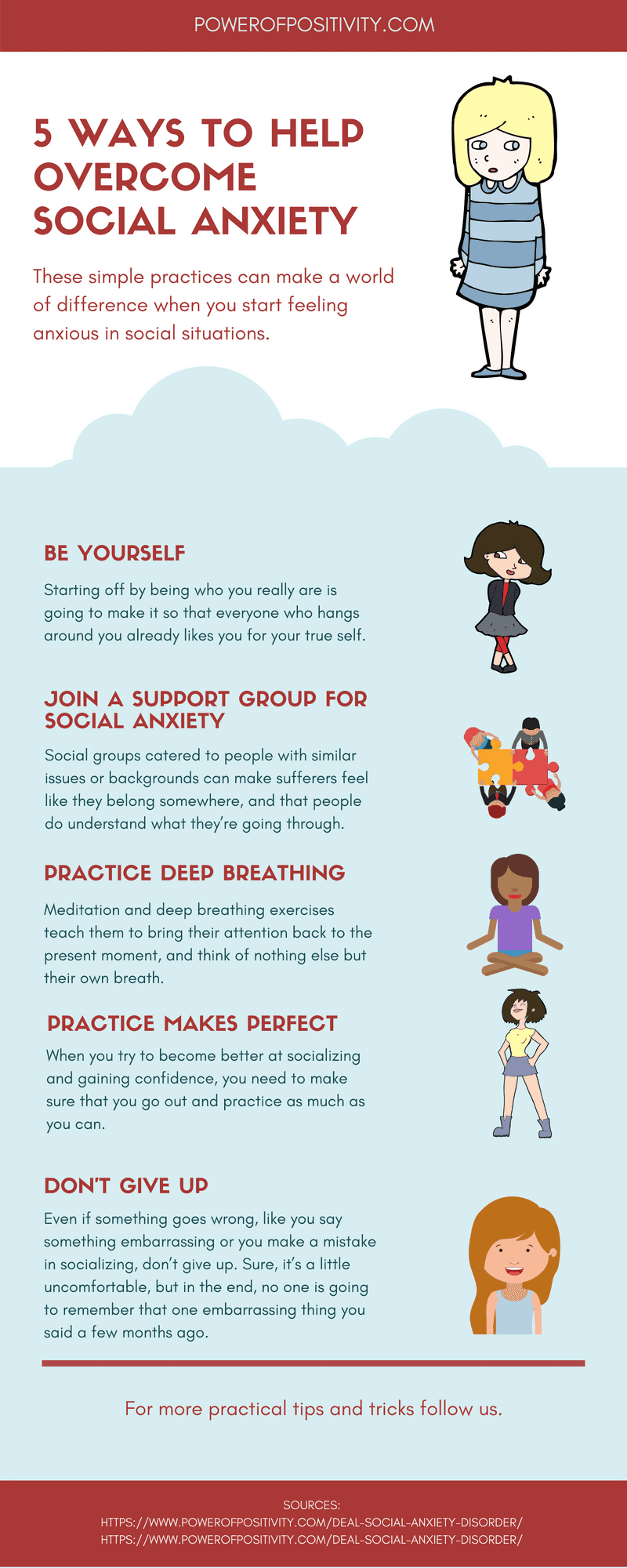
social anxiety tips

Final Thoughts on Mastering Tips to Avoid Awkwardness

Being less awkward has a lot to do with confidence, which isn’t something you magically wake up with one day. The bad news is that you won’t be suave and charismatic overnight. The good news is that anyone can overcome their awkwardness with hard work and patience, no matter how “weird” or uncomfortable in public.

Be less hard on yourself and have fun. While they can be hard sometimes, social interactions are supposed to be enjoyable and light up your life. You can take your newfound confidence to a party or stay home with a close friend. It’s up to you.

Skip to content