Weekly tips, affirmations, and small actions to feel your best.

20 Signs You’re Overanalyzing and Causing Drama

Many people struggle with overanalyzing every situation in their life. While it might seem harmless, it can make the situation worse. Before you know it, the thought process can cause drama in all areas of your life.

Thinking too much can affect your personal and professional life. It can make your partner dread being near you, and it can push your friends away. Plus, it can cause conflict at work and make things tense with your boss or co-workers.

Overanalyzing is unproductive and can create further problems. When you can go with the flow and stop dissecting every situation, life becomes simpler, and your relationships improve.

Understanding the signs that you’re overanalyzing and causing drama in your life can make all the difference. You’ll be able to identify when you’re overthinking again, and you can reel it in before it creates problems. However, it’s helpful to know what many people overanalyze before discussing the signs.

The Topics People Are Often Caught Overanalyzing

Everyone is different, but there are many common topics that people over-analyze. Think about these situations in your life to see if you notice any issues with overthinking:

  • Feelings between two people
  • The future
  • Spending time away from those they are closest to
  • Personal habits
  • The habits of others
  • Friends and family
  • Work or school
  • Physical intimacy
  • Parenthood
  • Finances
  • Characteristics and traits

overanalyzing

Twenty Signs You’re Overanalyzing and Causing Drama in Life

Identifying the signs can help you overcome the issues and make the most of your life again. Look for these signs in yourself and make changes as necessary.

1. You Get in Frequent Arguments

If you often get snappy and become angry for seemingly no reason, it’s a good sign that you’re overthinking. It causes you to get mad about things that may not have even happened. Or, you might get angry about what your thoughts have led you to believe about situations.

You’ll know that the arguments have created drama in your life if others start behaving the same way toward you. They will overanalyze you in return, and they’ll become angry at you for minor things. People typically mirror a person’s behavior, so watch for this in your life.

2. You Ask Everyone for Advice

It’s okay to ask those closest to you for advice but, beyond that, it’s not helpful. If you go to everyone you know, it’s a sure sign of thinking too much. This situation is especially true if you value the opinion of others over your own.

You’re the one who has to live with your choices, so asking for advice from everyone means you’re thinking about it too much. Plus, you’ve likely noticed that it quickly leads to drama when everyone knows the details of your life.

3. You Assume You Know What People Are Thinking

You’re not a mind reader, so you should never assume you know what someone is thinking. When people do this, it leads to misunderstandings and tension. Even worse, telling someone that you know what they’re thinking is a sure way to start an argument.

4. You Can’t Make Decisions

If you can’t make decisions or second guess yourself, you’re likely dissecting the issue. When this happens, overanalyzing leads to obsessing, making it harder to choose.

You might be overanalyzing if you regularly can’t make simple decisions like what to eat for dinner. Likewise, you create unnecessary drama in your life spend too much time going over a pros and cons list. These seemingly harmless situations signify an issue with overthinking.

5. The Other Person Changes the Conversation

If the people in your life change the conversation when you start analyzing, it’s a sign that they’re over it. They don’t want to listen to your never-ending stream of thoughts about the same topic, especially if it’s stressful. Watch for this sign in your relationships and use it as a tip to reel it in.

6. You Wake Up Wondering Who You’re Going to Get Mad at That Day

If you wake up and know you’ll be mad that day, you’re likely an overthinker. It shows that you’re ready to be angry over the slightest situations, starting your day out on a negative path. If you live this way, it’s time to make a change and shift your mindset.

7. You Keep Bringing Up the Past

Everyone makes mistakes, and we all spend time wondering how things could have turned out if we’d done one thing differently. However, it’s a bad sign when this becomes a regular focus of your thoughts and conversations.

Dwelling on your past won’t fix it, and it’ll only make you feel worse in the present. What’s worse is that ruminating hinders your progress, stopping you from reaching your dreams in the future. You’ll constantly wonder why things don’t work out for you, and it’s because your mind is stuck in the past.

8. They Stand in Doorways

Body language can tell you quite a bit about how people feel around you. If the people in your life often stand in doorways when talking to you, it’s an indication that they’re eager to leave. It shows that they’re expecting a tense situation because of your over-analyzing, and they want a quick way to exit.

9. You Assume You Were Left Out

If your friend forgot to call you about something, you might think you’re left out. You naturally assume that people don’t want to talk to you or tell you what’s going on in their lives.

Other times, you’ll assume someone is angry at you, even if you can’t identify anything you did wrong. If feeling left out is a natural occurrence in your life, it’s a sign that you’re overanalyzing and causing drama.

10. You Have No One to Laugh with Anymore

Think about the last time you laughed with someone you care about. If it’s been a while, it could be a sign that thinking too much is causing problems in your life. When people constantly feel tense around you, it ceases all humor from the relationship.
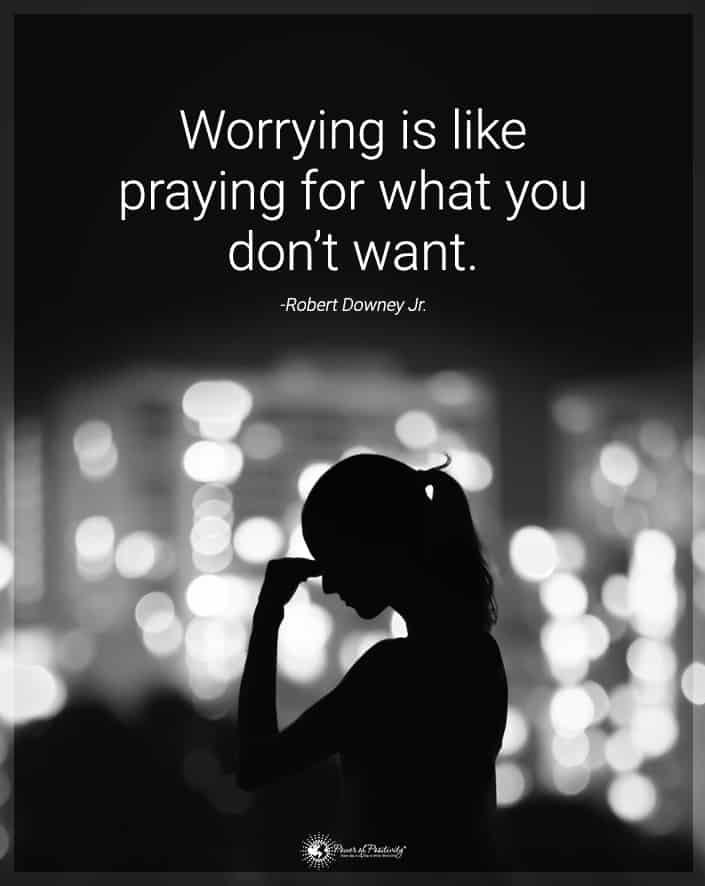
overanalyzing

11. You Have Different Memories of the Same Event

If you have a different memory than others of the same event, you likely spend too much time thinking about it. This situation is especially true if your memory is negative compared to other people’s memories. Your memories are remembered based on personal perspective, so it’s a good indication that your perspective is off.

12. You Read Too Much Into Text Messages

If you ever read a single text and create an entire story around it, you likely overthink things. It shows that you fill in the blanks without answers, assuming you know everything about the situation. Then, when you react to your fabricated story, the other person might become frustrated.

13. People Start Ignoring You

If people you were once close to start ignoring you, it could mean that your overanalyzing is creating drama. Their avoidance might be because you no longer have anything safe to talk about that won’t make you mad. Or, it could be that they don’t want to deal with the negativity anymore.

14. You Make People Feel Like They Aren’t Good Enough

If thinking too much causes drama in your life, it could signify how you make people feel. Your overanalyzing and accusations could make people feel like they aren’t good enough. Eventually, they’ll walk away from the relationship because it makes them feel bad about themselves.

15. You Always Have a Negative Mindset

A sign that your overanalyzing is causing drama in your life is if you always find the negative aspects. If you receive a gift but would have preferred a different color or flavor, you might become angry. You’ll point out the one negative aspect, ruining what could have been a good moment.

16. You Have Repetitive Thoughts

Repetitive thoughts are sure signs of thinking too much. It shows that you think about things too much, and the situation likely worsens in your mind each time. When you don’t find a way to overcome the thoughts, it harms your mental health and creates a repetitive cycle.

17. You Stop Seeing People As Often

You might notice that someone in your life is suddenly working tons of overtime when they never did before. If it isn’t overtime keeping them away, you’ll still notice an increase in their absences. Either way, it’s a sign that you’re creating drama, and they want to keep their distance.

18. You Need Constant Reassurance

If the people in your life always have to reassure you, then it’s a sign that you’re overanalyzing and causing drama. When they don’t give you constant reassurance, you start to assume they don’t like you. This type of behavior can push people away as it leads to drama.

19. You Easily Get Offended

If the most insignificant comments and actions set you off and you become offended, you probably think too much. It leads to drama in your life, and it doesn’t make anyone around you feel good.

20. It Keeps You Up at Night

When you can’t stop thinking about something after lying down in bed, it’s a sign you think too much. If your thoughts interfere with your sleep, it’s sure to have other effects on your life, too. You’ll be crankier towards others and unable to perform to the best of your abilities.
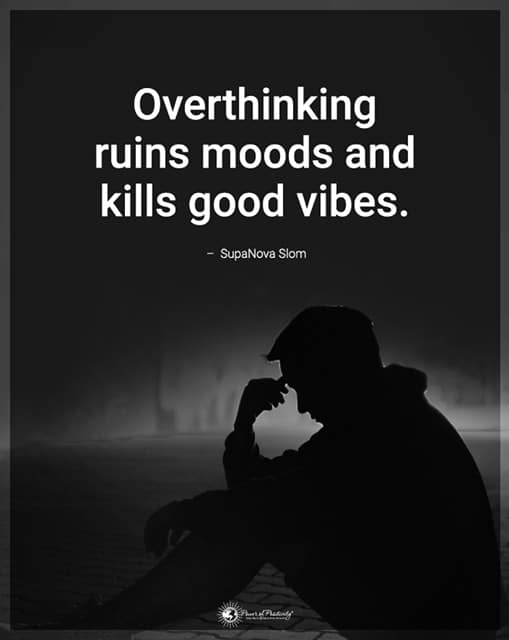
overanalyzing

Final Thoughts on Signs You’re Overanalyzing and Causing Drama in Life

These signs will help you recognize if overanalyzing is causing drama in your life. Once you know that it’s a problem, you can address it and overcome the situation. Don’t let your thoughts continue to interfere with your relationships and well-being. You deserve to live a happy and fulfilling life, so don’t ignore these signs.
15 Body Language Cues That Reveal A Failing Relationship

When you’re in a relationship, it’s sometimes hard to see the signs that it’s failing. The people around you usually see it first, but you can see it, too, if you know what to look for. Understanding the signs of a failing relationship can help you get out of it before things worsen.

Relationships might not seem complicated on the surface, but many subtle actions indicate issues. When relationships seem perfect, you can guarantee problems are going on when no one is looking. The same is likely true for your relationship because the last thing you want to do is share your relationship problems with everyone.

However, you know what is happening in your relationship to watch for the signs. These signs that reveal a failing relationship can help you decide what will be best for both of you. Plus, you’ll see what’s truly going on within your relationship.

You might notice that your partner is acting differently than they used to, or negative energy is present. While it’s normal for people to change, they shouldn’t treat you differently. Pay attention to the changes and see if they are on this list of signs that reveal a failing relationship.

Fifteen Body Language Cues That Reveal a Failing Relationship

Constantly arguing, having affairs, or generally being unhappy are apparent signs, but there are many other indicators, too. The symptoms typically start before the more obvious signs, allowing you to catch them early on.

failing relationship

1. There’s Physical Distance in a Failing Relationship

If your partner leans away from you when you’re together, it’s a sign that the relationship isn’t going well anymore. When you feel emotionally close to someone, it shows through physical closeness, so it’s a sign that something has shifted. It’s a subtle sign, but leaning away from one another is an obvious sign.

Additionally, they might do anything they can to put some distance between you. If your partner keeps their distance and doesn’t interact with you, it shows that they don’t want to be there.

2. A Parnter in a Failing Relationship Will Keep Their Hands in Their Pockets

When someone hides their hands while conversing, it’s a sign that they hide something from you. Dishonesty makes people want to keep their hands hidden and still so that they don’t give anything away. It’s their barrier from sharing their true feelings or telling the truth.

Additionally, hiding their hands shows that they don’t want physical contact. Please don’t ignore it when you’re sitting next to each other and they make sure their hands are unavailable.

3. They Sigh When You’re Around

Signs can come through in someone’s voice and intonations instead of only through physical movement. When your partner often sighs, pauses, or sits silently, it indicates deeper issues.

4. They Point Their Feet Away from You

When you talk to your partner, watch for which way their feet face. Even if you’re sitting down, the position of their feet can tell you all you need to know. If they consistently turn their feet away from you when speaking, it shows that they’re losing interest.

They might still turn their head toward you, but they’re only being polite. Their feet will show you when that is the case, allowing you to reveal a failing relationship.

5. They Fake Smile in a Failing Relationship

People in happy and healthy relationships don’t have to fake smiles at one another. If your partner fake smiles at you, it’s a sign the relationship might not last much longer. Their smile should reach their eyes, and if it doesn’t, you should pay attention to the way things are going.

6. You No Longer Do Nice Things for Each Other

When your relationship is going well, you’ll always want to do nice things for one another. However, once things start going wrong, you won’t notice the kind gestures anymore. Making each other happy won’t be at the top of the list, which is never a good sign.

Doing nice things for one another doesn’t mean you have to buy gifts. Instead, small acts of kindness don’t have to cost a thing. Think back to the beginning of the relationship and what you did for each other. Those actions should continue throughout a happy relationship.

7. Your Partner Rolls Their Eyes, and Their Eye Contact Is Off

If your partner takes to rolling their eyes at you when you speak, it’s a sign of disrespect and a failing relationship. They aren’t taking what you say seriously, indicating different desires and needs. If it only happens once, it isn’t a sure sign, but when it happens regularly, it’s a problem.

However, if you are the one rolling your eyes at your partner, you have some thinking to do. Ask yourself why you’re taking the things your partner says so lightly. If you aren’t on the same page anymore, it might be time to end things.

Additionally, a lack of eye contact indicates the same thing. It shows a lack of respect and an undesirable feeling not wanting to converse. Not making eye contact also shows that someone is lying or feels emotionally disconnected.

8. Someone in a Failing Relationship Might Cross Their Legs or Arms

When conversing with your partner, pay attention to if they cross their legs or arms. If they cross their legs, it shows that they are physically, mentally, and emotionally closed off. It isn’t an intentional reaction, so it indeed reveals how they feel.

If your partner crosses their arms, it shows a lack of trust and that things aren’t going well anymore. They will subconsciously cover their stomach area, which is a vulnerable space to expose to others. It shows their guard is up, and they no longer desire intimacy.

failing relationship

9. They Move Away When You Try to Touch Them

If your partner moves their hand away when trying to hold it, don’t assume it was an accident. One instance indicates an accident, but it’s a sign of something more when it happens all the time. They might shy away from holding your hand in public or at home because they’re developing feelings of resentment.

Your partner might also shy away from you no matter how you try to touch them. If you hug them, they might pull out or tense up. Anytime they seem to pull away from your touch, it could indicate a failing relationship.

10. They Gesture With Their Left Hand

Surprisingly, the hand someone uses to gesture with tells us quite a bit about their mindset. If your partner uses their left hand, it indicates that they are uncomfortable with the conversation. Additionally, if they rub their eye with their left hand, it’s because they don’t want you to pay full attention to what they’re saying. It shows that they might be lying to you about something.

11. They Continually Bite Their Lips

Your partner might attempt to cover up their true feelings, but continually biting their lips can give them away. It shows that they are nervous or uncomfortable and could mean they are holding something back.

You might also notice that your partner purses or licks their lips frequently. These subtle signs indicate nervousness, anxiety, dishonesty, or aggression. If you recognize these things often, you might want to start questioning your relationship.

12. Their Embraces are Unenthusiastic in a Failing Relationship

If the way your partner kisses and hugs you is different than it used to be, don’t ignore it. The difference could be a sign that the relationship has shifted and is on rocky terms. Their hugs and kisses won’t only be different, but they’ll also be much shorter than in the past.

The less your partner touches you, the more withdrawn they have become in the relationship. It shows that they don’t want to touch you but feel obligated to do so. Another sign of unenthusiastic embraces is if they keep their elbows locked. They do this to make as little contact as possible and resist a full embrace.

13. They Keep Their Distance When Walking with You

It doesn’t seem like walking together if your partner isn’t near you when you walk with them. However, they will do whatever they can to put distance between the two of you.

Your partner might walk fast without stopping to let you catch up. Or, they’ll walk slow and keep letting you get ahead of them. It shows that they don’t feel any romantic connection to you anymore.

14. Someone in a Failing Relationship Will Not Give You Undivided Attention

If your partner does anything to avoid giving you attention, it’s a bad sign for your relationship. They might constantly check their phone, even during serious conversations.

Sometimes they’ll be texting someone else, or they’ll be looking at YouTube, Facebook, or Instagram. No matter what they’re doing to divert their attention, it’s a sign of a failing relationship.

15. Their Pupils No Longer Dilate When They See You

Studies show that pupils dilate when they see someone they are attracted to. Dilated pupils indicate sexual arousal, so it’s a beneficial way to tell if your relationship is failing. If your partner’s eyes no longer widen, it likely means they don’t feel the same way about you anymore.

failing relationship

Final Thoughts on Body Language Cues That Reveal a Failing Relationship

Many signs indicate a failing relationship, and identifying them can help you get through it. You can either decide to end the relationship or find a way to fix it. Remember that sometimes relationships aren’t repairable, and it’s best to move on.

These signs can tell you everything you need to know about your relationship. You know when things are different, and these signs will help you pinpoint it.

10 Signs Someone Is Drinking Too Much Alcohol

Many people believe that the only signs of drinking too much alcohol are getting arrested or losing a job. However, there are many other signs you can look for to see if someone is consuming too much. Understanding alcohol use disorder (AUD), formerly known as alcoholism, can help you recognize the signs. Studies show that one in eight adults in America have AUD, and many don’t realize it.

However, you can look for alcohol use disorder in yourself and others to help you identify an issue.

Unfortunately, many people turn to drinking too much as a coping mechanism. Not everyone knows when they’ve gone too far or partake too often. Understanding when someone is drinking too much will help you recognize the signs in yourself and others.

How Much is Drinking Too Much

Experts say that drinking in moderation is different for men and women. Men can have up to two drinks daily, and women can have only one. Drinking more than these amounts is considered too much.

The differences between men and women are due to physiological differences. Women feel intoxicated quicker than men because their bodies contain less water, fatty tissue, and enzymes that break down foreign substances. However, it ultimately depends on an individual’s tolerance and metabolism.

drinking alcohol

Ten Signs Someone Is Drinking Too Much

The severity of AUD differs based on the number of symptoms over 12 months. A mild case of AUD means that two or three symptoms are present. If someone has four or five symptoms, it becomes a moderate case, with six or more severe symptoms.

1. They Drink Even When It Risks Safety

Everyone knows drinking and driving isn’t safe, but some do it anyway. Other activities are unsafe when drinking, too, including:

  • Skiing
  • Swimming
  • Hiking
  • Using machinery
  • Operating a boat

If someone does any of these activities while under the influence, it indicates they are drinking too much. Research shows that excessive drinking causes 10% of deaths for people between 20 and 64 years old. Drinking at the expense of safety is common for those with AUD.

2. It Creates Problems at Work, School, or Home

If someone has unexplained issues at work, school, or home, they might have a problem. Drinking in excess can affect all areas of someone’s life.

Research shows that one in four college students miss classes or get behind on schoolwork because of their drinking habits. Regularly drink employees report frequent tardiness, careless mistakes, or missed deadlines. After a while, these issues can lead to disciplinary action.

Excessive drinking can create problems at home, too. Studies show increased debt for those who drink excessively because they spend money carelessly. They also forget about paying bills later on.

Also, drinking habits affect a person’s partner, kids, friends, and loved ones. Drinking too much forces others into the role of caregiver and leads to codependency. However, some people might react differently and walk away from the relationship.

Children who have a relative with AUD are also at an increased risk of emotional issues and thoughts of suicide. Plus, the children are four times more likely to develop AUD at some point in their lives, too.

3. It Takes Up Too Much Time, or They Drink More Than Intended

If someone spends every weekend morning recovering from a hangover, it’s a sign of overconsuming. Having headaches and nausea indicates someone is overdoing it. Additionally, if someone is too tired to do any necessary tasks, it shows they are spending too much time drinking. They might also spend lots of time visiting the liquor store.

Not only will they spend too much time on drinking and obtaining alcohol, but they might drink more than intended. The person might say they will only have one drink and go home but then order a second and third. Before they know it, midnight rolls around, and they’re still out drinking.

4. They Develop Anxiety and Depression

There are many causes of anxiety and depression, and drinking too much is one. Alcohol affects the central nervous system, causing mental health issues. If you notice a sudden change in someone’s mental health, look at their drinking habits.

Additionally, it’s not a good sign if anxiety and depression worsen because the person doesn’t have a drink. They might become angry or overreact to little things and have a negative mindset.

5. Changes in Appearance and Balance When Someone is Drinking too Much

When someone drinks too much, it can lead to malnutrition. It causes them to lose interest in eating healthy foods, which lacks nutrition. They can lose weight quickly and often get tired after doing simple tasks.

Additionally, the person’s skin might change severely. You might notice they have red palms, a flushed face, and spidery veins throughout the body. Due to liver inflammation, part of their skin might also turn pale yellow.

You might also notice that someone who drinks too many struggles with balance. They might be unable to walk and remain stable, and their physical coordination decreases.

6. They Keep Drinking Even When They Know It’s Affecting Their Wellbeing

When someone keeps drinking when they know it’s negatively affecting them, it indicates a problem. It can cause sleep problems, and affect how someone thinks, feels, and acts. Many people with AUD know these issues are happening in their lives, but they still don’t stop.

The longer it goes on, the more it negatively affects their life. They still keep excessively drinking, making it difficult to get much done or do things they enjoy.

7. They Crave It When They Aren’t Drinking

Many people have cravings, but not everyone craves alcohol. If someone craves a drink, it’s a sign that they depend on it a little too much.

They will likely have intense cravings when experiencing anxiety in a social situation. Heartbreak or sorrow are other sensations that might trigger cravings. The cravings occur because alcohol abuse releases endorphins, promoting temporary feelings of happiness and pleasure.

8. They Experience Withdrawal

Anxiety is a typical result of excessive drinking, but it can indicate withdrawal. Sometimes the anxiety might get to the point of shaking, sweating, and experiencing chills. The symptoms indicate withdrawal, typically within five to ten hours after having a drink.

When someone has AUD for a long time, and their intake is reduced, it’s hard on them. Some of the other symptoms of withdrawal include:

  • Irritability
  • Headaches
  • Racing heart
  • Tremors
  • Insomnia
  • Seizures
  • Hallucinations

Eventually, the person will drink to prevent these terrible experiences rather than enjoy the beverage. They will no longer use it to have a good time or cope but to survive.

9. They Can’t Stick to Limits

When someone sets limits for themselves but can’t stick to them, it’s a sign of AUD. They struggle to stop drinking and end up getting drunk. When the issue becomes a consistent pattern, it’s a sure indication of AUD.

The person might promise their loved ones that they’ll cut back but fail to follow through. Or, they might promise themselves but struggle to stick to the plan. Someone without AUD will have no issue making a change for the better, so it’s a sure sign when someone struggles.

10. They Can’t Sleep and Often Lose Attention

Those who drink too much often have trouble sleeping. Part of the trouble comes from disruptions to their sleeping routine, which can also cause insomnia.

Heavy drinkers also have trouble paying attention to the world around them. One reason for the lack of awareness is that they didn’t get enough sleep. However, their inattention can also occur because they struggle with memory loss.

How to Stop Drinking Too Much

Helping a loved one or yourself stop drinking too much might sound like an intimidating experience. However, working toward recovery is possible. These tips can help you or your loved one get started:

  • Make a list of reasons to stop.
  • Set a limit on how much you will drink, and regularly decrease the limit.
  • Keep a journal to track every time you drink.
  • Sip slowly.
  • Choose specific days of the week that you won’t have alcohol at all.
  • Avoid peer pressure.
  • Stay busy by taking a walk or doing something fun.
  • Reach out to your support system.
  • Identify your triggers and avoid the temptation.
  • Talk with your doctor about how to quit – your body makes physiological changes when you consume alcohol daily. Thus, stopping can cause stress on your body.


AUD

Final Thoughts on Signs Someone Is Drinking Too Much Alcohol

When someone is drinking too much, you must address it as soon as possible. AUD can have long-lasting effects on both physical and mental health. Additionally, it affects professional and personal relationships and can take a toll on your life progress.

Don’t ignore the signs if you think you or someone you love overindulges in alcohol. The sooner it’s addressed, the easier it’ll be to overcome. Look for these signs and do whatever you can if you see a problem. Help is out there, and anyone can overcome AUD.

8 Isometric Exercises That Make You Stronger Every Day

Isometric exercises are when you tense your muscles but don’t move them. Many people believe that training requires lots of movement, but these exercises prove otherwise. These exercises are low-impact, and you can do them with no gym equipment, no matter where you are.

When doing isometric exercises, you strengthen your muscles by holding them in certain positions. You will maintain the poses for at least six seconds at a time, being careful not to move. These exercises make your muscles work overtime, strengthening them in ways other activity doesn’t.

You can do these exercises with weight-lifting or resistance training for optimal benefits. The activities often include yoga poses or Pilates but aren’t limited to those areas. With regular use of these methods, you’ll notice improved muscle endurance.

If you aren’t familiar with isometric exercises yet, this article will tell you all you need to know. Plus, it includes quite a few bodyweight exercises to help get you started.

How Isometric Exercises Work

You’ve likely done these exercises before without realizing it. Anytime you experience tension in your muscles, and your joints aren’t moving. It sounds easy, but holding still while contracting your muscles is challenging.

These exercises work because they activate your muscle fibers. When equal forces act against each other, but there isn’t any movement, it triggers the muscle fibers, building strength. You can target specific muscles, too, allowing you to use them to achieve your goals.

Static exercises don’t only strengthen the muscles, either. As you do these bodyweight exercises, your muscle tissues fill with blood and create metabolic stress. The metabolic stress increases physical endurance and stabilizes the muscles.

Eight Benefits of Isometric Exercises

Studies show that these exercises have a range of health benefits, including:

  1. Lower blood pressure
  2. Higher pain threshold
  3. Improved jump height
  4. Increased kicking ability
  5. Quicker recovery after surgery or an injury
  6. Decreases symptoms of rheumatoid arthritis
  7. Improves muscle stability
  8. Decreases pain in the lower back

Health benefits aren’t the only thing you have to look forward to. Other benefits include the following:

  • No gym equipment
  • It can be performed anywhere
  • Targeting specific areas without straining joints
  • Requires less practice to develop good form
  • Safe for those with restricted movement

Risks of Isometric Exercises

Similar to any form of exercise, these exercises come with some risks. While they are less intense for major muscle groups than other dynamic movements, they can still affect injuries. You shouldn’t perform these exercises unless your doctor clears you to do so after an injury or surgery.

Tips to Keep in Mind When Starting Isometric Exercises

Remember to squeeze your muscle as you hold each pose. Since you aren’t relying on movement to fatigue your muscles, you must tighten them to reach that point. Tighten up your muscles as much as possible, but stop if it becomes painful.

It is also essential that you remember to breathe correctly. When you tense up your muscles, it’s natural to want to hold your breath, but it isn’t suggested. Your muscles require oxygen to enhance performance, so you’ll want to focus on your breathing.

The proper way to breathe during static exercises is to fill up your belly with air on the inhale. On the exhale, push the air out through your nostrils until your belly contracts. Continue inhaling and exhaling this way throughout the exercises.

You’ll also want to ensure that you maintain proper form to avoid injury. If you don’t stick to the position, it could damage your shoulders or lower back. Plus, you can only target your muscles effectively if you hold the pose correctly.

Don’t overdo it, even if you want to keep pushing. If you can’t hold the correct position anymore, it’s time to stop. Anytime the pose doesn’t feel right, move on to another one and try that one again another day.

Another tip is to switch it up every day. Do different isometric exercises, and mix in other types of movement, too. You don’t have to give up running when you take up isometric options.

Try These Eight Isometric Exercises

isometric exercises

Now that you know what isometric exercises are and how to do them properly, it’s time to get started. Here are a few of the best static exercises to begin with, but you can add them to your routine at any time.

1. Wall Sit

Wall sits are a simple but powerful leg workout, targeting the glutes, quadriceps, and hamstrings. They also strengthen the hips and promote balance. Stand about two feet away from the wall with your feet shoulder-width apart. Then, lean toward the wall so that your back is flat against it.

Slide down the wall slowly until your thighs are parallel to the ground. You’ll be in a sitting position but using the wall for support. Make sure your knees don’t go out past your toes, and don’t put too much pressure on your knees.

Flex your legs as tightly as you can, and hold them for six to fifteen seconds, repeating the action two or three times. You should also keep your core tight so that you feel tension there, too.

2. Triceps Extension Against the Wall

Triceps extension against the wall works your triceps. You’ll start in a lunge position, but put your palms on the wall at head level. Then, use your triceps to push your hands into the wall. Don’t tense your shoulders during the exercise, and make sure you breathe deeply.

3. Glute Bridge

The glute bridge targets the gluteal muscles, which are behind the quadriceps. You’ll start by lying on your back with your knees bent upward. Keep your knees planted flat on the floor and extend your arms with your palms facing upward.

Then, engage the core muscles as you lift your hips off the ground until your torso is in a straight line. Use your arms throughout the exercise for stability, and hold the post until you can’t anymore. Do this exercise two or three times, holding for thirty seconds each time if you can.

4. Low Squat

A low squat works your glutes, quads, and adductors. You’ll start with your feet shoulder-width apart before squatting until your thighs are parallel to the floor. Once you become comfortable holding the position, push yourself by squeezing your feet inward without actually moving them.

When you try to squeeze your feet together, your inner thigh muscles will contract even more. Make sure your knees don’t go in front of your toes, or you won’t sit back far enough.

While squatting does require moving down into a sitting position, the muscle tension happens while you stay still. Hold the squat for ten to thirty seconds before returning to the starting position. Repeat the activity three to five times or until your muscles become fatigued.

5. Self-arm Wrestling

Arm wrestling with yourself sounds silly, but it’s an effective way to work out your biceps and triceps. You’ll start by bending your right arm at a 90-degree angle and then grab your right hand with your left. Push your hands together as hard as you can without moving them in either direction.

After six to fifteen seconds, switch to the other arm. Don’t tense your shoulders while you do it. The focus should be on using your biceps to prevent your arm from dropping and your triceps to push your arm down.

6. Forearm Plank

The forearm plank works your abs, but you must focus on your form. Keep your spine straight and tighten your abs as much as you comfortably can. Don’t let your butt fall or go too high, as your shoulders, hips, knees, and ankles should align.

7. Bent-over Press Against the Wall

The bent-over press against the wall works your shoulders. You’ll start in a low lunge position with your hands on the wall at chest level. Then, you’ll lean into the wall and push, staying upright. The lower you go into the lunge position, the more exercise your shoulders receive. Staying upright allows it to work out your chest, too.

8. Side Plank

The side plank works your obliques, spinal stabilizers, quadriceps, glutes, serratus anterior, shoulder stabilizers, and hip abductors. You’ll want to start by lying on your left side with your legs straight. Keep your hips, knees, and feet stacked over one another.

Then, bend your left elbow and place your forearm on the ground directly beneath your shoulder. Push your left forearm into the ground and lift your torso and hips. As you do this, keep your core tight and body straight.

You can keep your other arm straight in the air or by your side. Hold the position for at least ten seconds before switching sides.

Final Thoughts on What Are Isometric Exercises? Try These Eight Moves

You can do isometric exercises anywhere, as most don’t require any equipment. They are quick workouts that make a big difference. Consistently doing these exercises builds muscle and tones your body.

Combine these exercises with other workouts for optimal results. You’ll quickly feel stronger and more toned, and you’ll be able to push yourself further. Try these eight moves to get started, but don’t be afraid of branching out after a while.

Special Needs Animal Rescue and Rehabilitation Helps Pets Find New Homes

When Courtney Bellew opened a special needs animal rescue in 2011, she didn’t imagine how many lives it would save. The shelter prides itself on saving the toughest dogs to rehome – those that were abused, neglected, or have medical conditions. These dogs and cats would have otherwise been euthanized if not for SNARR Northeast, the shelter founded by Courtney.

SNARR stands for Special Needs Animal Rescue and Rehabilitation. Our mission is giving hope to the hopeless, and we just celebrated our ten year anniversary,” Courtney says. “So, we were founded in 2011, and in those ten years, we’ve rescued thousands and thousands of animals. In 2021 alone, we rescued over 1,500 animals, and we are really proud of where we’ve come.”

Many of the dogs that come to the pet rescue have serious health conditions. Some are paralyzed, blind, deaf, severely underweight, or suffering from neurological conditions. They may have behavioral issues, injuries, or orthopedic problems, as a few examples. However, the shelter doesn’t turn away any dogs, aiming to save as many as possible.

They also promote fostering as a way for the public to get involved, as they rely on volunteers to step up to the plate.

“For us, every foster home represents saving lives, because if we have one more open spot at our shelter, it allows us to pull one more animal to safety,” Courtney says. “Foster homes are also really important because it allows animals to live in a home environment.”

Fostering also conditions the dogs to human love while the shelter searches for their forever homes! Courtney says many people come into the special needs animal rescue asking to foster pets. If you’d like to get involved, the shelter accepts foster homes all over the country! However, if you’re local to New York and want to adopt or foster, you can stop by the rescue in person.

Special Needs Animal Rescue and Rehabilitation Helps Pets Find New Homes

“SNARR is still a very small, personalized rescue; we like to have a really personalized experience for adopters. We kind of live and breathe rescue every day – there’s so much that goes into it. You know, we have lots of volunteers and lots of moving parts to make everything happen,” Courtney explains.

The special needs animal rescue takes in dogs from all over the country in addition to locally. Many of their out-of-state dogs come from Texas and Tennessee. In order to transport so many dogs, it takes a lot of work from everyone involved. Volunteers help process applications, workers help transport the animals, and the public comes in to adopt and/or foster dogs. It’s a group effort and well worth it to save so many souls who want a loving, warm home.

Courtney says transport days are some of her favorite times at the shelter. They usually have regular transport once a week and significant transports one or two times per month. This entails a van or bus full of dogs arriving with between 20-50 animals.

“I always think that it’s such a powerful experience because it brings together all the different components of rescue. You’re watching these animals arrive to their new life and to safety,” Courtney says.

She also loves watching adopters and foster homes pick up their new furry friends off the transport. Many volunteers help out on these special days as well.

“You are watching these animals come off the van, and sometimes they’re nervous, sometimes they’re excited, but again, they’re starting their new life. So to me, transport is always a very important, memorable experience, no matter how many of them I do over the years,” Courtney says.

Saving Lives, One Animal at a Time

Other than that, Courtney greatly enjoys watching the beautiful transformation the dogs go through. They come in broken, both physically and spiritually, and the special needs animal rescue helps them heal. They get a chance at a new life, and it always warms Courtney’s heart to take part in that process.

The shelter pulls dogs from high kill shelters all over the New York and New Jersey area. While the special needs animal shelter mostly takes dogs with medical conditions, they also take in healthy dogs. If a dog needs help and a place to live, the shelter will do their best to accommodate them. They not only give the animals a warm place to lay their heads, but provide costly medical care and help train them.

After Courtney opened the shelter, she said, “I had found my passion and wanted to do more to help in my own area.”

“We take a lot of dogs with special needs, a lot of dogs with severe medical conditions that have been neglected for years, and I just love watching those transformations. It will never get old, it will never get boring, and it’s what continues to drive us to do what we do,” Courtney says. “And to be better and bigger every year, and save more animals. If you want to be involved, the best way is to visit our website at snarrnortheast.org. We can always use new volunteers, fosters, donors of course; there are so many different ways to be involved.”

If you’d like to help, you can also visit your local animal shelter and consider fostering or adopting. We can all do our part in small ways to make our four-legged friends feel loved and appreciated!

pet owner

4 Red Flags a Pet Owner Has Become an Animal Hoarder

Final Thoughts on Special Needs Animal Rescue in New York

There are hundreds of animal shelters around the country, but not many special needs animal rescues. The SNARR Northeast takes in animals with severe medical conditions, rehabilitates them, and tries to find their forever homes. They’ve saved thousands of animals over the years and continue to rescue as many dogs as possible. The shelter doesn’t turn away any animal, accepting dogs as they are.

We hope you enjoyed hearing about this beautiful special needs animal rescue! It’s always heartwarming to hear about people going out of their way to help the most fragile and vulnerable among us.

Northwestern University Develops Method to Shrink Tumors

Northwestern University scientists have created a new device that can shrink tumors rapidly by harnessing immune cells in tumor tissues. To do this, the team multiplied, sorted through, and harvested hundreds of millions of cells using a configurable microfluidic device. This method recovered 400% more of the tumor-eradicating cells than prior techniques.

Compared with other cancer therapies, the new approach tested in mice subjects could significantly shrink tumors. The findings were published on January 27, 2022, in the journal Nature Biomedical Engineering.

Currently, many cancer treatment therapies use dangerous chemicals and foreign substances that may cause unwanted side effects. Not to mention, these therapies tend to harm the body’s immune system, making patients more vulnerable to illnesses.

While immunotherapy – using the body’s cells and tissues to treat cancer – can shrink tumors in some cases, it’s not a foolproof method.

“People have been cured in the clinic of advanced melanoma through treatment with their own immune cells that were harvested out of tumor tissue,” said Shana O. Kelley, an expert in translational biotechnology and corresponding author on the paper. “The problem is, because of the way the cells are harvested, it only works in a very small number of patients.”

Kelley is a biochemistry and molecular genetics professor at Northwestern University Feinberg School of Medicine. She’s also the Neena B. Shwartz Professor of Chemistry and Biomedical Engineering at the Northwestern University Weinberg College of Arts and Sciences and McCormick School of Engineering.

Shortcomings of Current Cancer Treatments

shrink tumors

The targeted cells, called tumor-infiltrating lymphocytes (TILs), are potent, natural immune cells that penetrate tumor tissue. Researchers harvest these cells to shrink tumors; however, previous approaches haven’t always been successful.

In adoptive cell therapies used in clinics today, scientists use TILs with various phenotypes. This refers to the cells’ observable characteristics resulting from the interaction of their DNA with the environment. In many cases, scientists combine older and newer cells in cancer treatments. After they’ve extracted the TILs, they transport them to a lab to multiply and harvest them.

However, after they’ve populated and can return to the body, many cells have no energy left to fight the tumors. The cells have exhausted their resources after being in the body for so long.

Northwestern University Develops Method to Shrink Tumors

The team created a new technology to address this problem with current treatments. Researchers can identify the most active cells with microfluidic affinity targeting of infiltrating cells (MATIC). Using cell sorting techniques powered by nanotechnology, the scientists found the “Goldilocks population” of cells.

The scientists said this: “Compared with conventional cell sorting, immunomagnetic cell sorting recovered up to 30-fold higher numbers of TILs, and the higher levels and diversity of the recovered TILs accelerated TIL expansion and enhanced their therapeutic potency.

“Immunomagnetic cell sorting also allowed us to identify and isolate potent TIL subpopulations, in particular, TILs with moderate levels of CD39 (a marker of T-cell reactivity to tumours and T-cell exhaustion), which we found are tumour-specific, self-renewable and essential for the long-term success of adoptive cell therapies.”

By focusing on one cell phenotype, they noticed a significant shrinkage in tumors in the mice population. In fact, compared with traditional TIL cell therapies, the new method led to a dramatic uptick in survival rates. Also, the new technique could shrink tumors entirely in some cases.

“Instead of giving mice this mixture of cells with different phenotypes, we’re giving them the one cell phenotype that can actually help them,” Kelley said. “You see much more potency and a much higher response rate when you really home in on the sweet spot of T cell reactivity.”

The Future of the Cancer-Fighting Technology

The 3D-printed device offers another advantage that makes it feasible for hospital settings. The unimposing, easily replicated design means the technology doesn’t have to remain in laboratories. Having the cell therapy closer to patients would reduce costs and improve accessibility, benefiting more people.

Kelley joined Northwestern in August from the University of Toronto and continues researching how her device could improve cancer therapies. Currently, she’s using the technology to identify the same types of TILs in blood samples. This way, patients wouldn’t require surgery to remove small tumors before this type of cancer treatment.

She’s already launched a small company to make the technology commercially available. She also plans to collaborate with industry leaders and others at Northwestern to expand applications for the tool. So far, the platform has been utilized primarily for studying and measuring rare cells in the body.

“When we take on the development of a new technology, we typically end up with a hammer, and then need to go find a nail. We got introduced to problems in cell therapy, and it was immediately apparent that this was a perfect fit.”  -Shana O. Kelley

The study’s first author, Ph.D. student Daniel Wang, also joined Northwestern from the University of Toronto as a postdoctoral fellow. He plans to keep improving cell therapies that shrink tumors in Kelley’s labs on the Chicago campus.

With this high-precision approach to treating cancer, hopefully, cancer rates will dramatically decline in the future. Sadly, cancer is a leading cause of death worldwide and accounted for nearly 10 million deaths in 2020, according to the WHO.

While cancer therapies play a pivotal role in treatment, you can reduce your cancer risk with lifestyle changes. Maintaining a healthy diet, exercising, reducing stress, avoiding tobacco and overindulgence in alcohol, and protecting yourself from UV radiation can help prevent cancer.

shrink tumors

Final Thoughts on Scientists Finding a New Method to Shrink Tumors

As scientists continue to uncover new cancer treatments, it provides hope for millions worldwide. A team of scientists from Northwestern University developed a cutting-edge technology that improves the recovery of cancer-fighting cells. The device pinpoints the most active cells in tumors, which improves immunotherapy results. They’re currently working on making the devices commercially available for use in hospital settings.

PoP Features: The Rescue Husky With a Special Walk

Rescue Husky Fenix Lumiere lives with his loving human parents in beautiful southern California. He’s known for having a special walk due to a neurological condition called cerebellar hypoplasia. It affects his coordination and balance, but doesn’t cause any pain.

After Felix’s mom Zoe shared his story on social media, his cute prancing earned him thousands of adoring fans. They love that he’s not afraid to be himself, and his confidence inspires people around the world. We hope his story encourages you to show the world your authentic self as well!

“My best memory with Fenix, I’d have to say, is all the ordinary moments just day to day, getting blown away by how adorable his prance is. It never gets old; my husband and I often talk about how adorable it is,” Zoe says lovingly of the rescue Husky.

Since Felix is a rescue, Zoe says she’s unsure if he’s a purebred Husky. However, he’s definitely got the features of Huskies – the piercing blue eyes and bushy tail. They adopted Fenix when he was just 4 months old from a rescue called ‘I Stand With My Pack.’

Before that, he’d been abandoned at a kill shelter, likely because his previous owners couldn’t care for special needs pets. He would’ve been put down if the rescue didn’t intervene.

However, he still had a long journey ahead.

The rescue spent the next month taking care of him and bringing him to vet appointments. They knew he had a condition, but weren’t sure if it was parvovirus, distemper or some other virus. Finally, they discovered he had cerebellar hypoplasia, but he can still live a long, happy life. His adoptive parents have given him a second chance and make sure he enjoys every moment!

Meet Fenix the Rescue Husky Who Has a Special Walk

“We do spend a lot of time with Fenix; we take him everywhere. He loves to go in the car, even on long trips. We took him up to Truckee recently to the snow and he was great in the car for 9 hours, but mostly, he loves being outside,” Zoe says.

“He loves prancing, he loves walking; we take him for about 4 or 5 walks a day, mostly because his disability means that he can’t walk for a long time. But he loves it so much!”

Zoe added that Fenix has a goofy, fun-loving personality. She also describes the rescue Husky as being temperamental like a cat; one moment, he wants your attention and the next moment, he’s very independent. Overall, he’s a happy, silly, free-spirited type of guy. His laidback, rosy disposition also helps remind his parents what truly matters in life.

“Fenix brings so much positivity into our life. I think any dog really helps us to connect to more happiness because they have a profound gift to enjoy the little things – to be out on a walk, to be in the sunshine, to have a bone – just the ordinary, simple pleasures of life,” Zoe says.

She added that since Fenix seems so happy, it also brings them joy to know they’re adding value to his life. Not to mention, they’re both inspired by how much he’s overcome and grown through in life. The rescue husky has faced many challenges, but he continues to show up no matter what lies ahead.

For instance, many times at the dog park, the dogs don’t want to play with him since he can’t run. Even though he gets left behind sometimes, he follows them around to the best of his ability. His tenacity and self-confidence are truly inspiring!

“He just has the best attitude of any being I’ve ever met,” Zoe says proudly of her beautiful rescue Husky.

Fenix Spreads Joy Wherever He Goes

She says one of the most rewarding things about owning a dog is the cuddles. It never gets old waking up to him snuggled between her and her husband! Also, the fact that he teaches them both how to love unconditionally makes owning a rescue Husky totally worth it.

When he’s not cuddling with his mom, Fenix loves going on adventures with his dad! He also loves inspiring people online to live blissfully and not let anything stand in their way. For a dog, he makes a wonderful life coach!

Other than that, he enjoys playing with his other dog friends in the neighborhood. They often have playdates and pool parties. And thankfully, Fenix found an accepting group of friends who doesn’t judge him for his special prance. In fact, they love him for it!

He felt shy for a while because of his condition, but now, he owns his uniqueness! It took him a while, but he realized that embracing his differences helped others feel happier with themselves, too.

When he goes places with his parents, everyone loves to come say hi! They often ask about his condition and if he’s in pain; thankfully, he’s perfectly content as he is. It warms his parents’ hearts to see so many people care about him! They feel so thankful to have a rescue Husky like Fenix in their lives.

“I would just highly recommend adopting a dog from a shelter or from a rescue. There are just so many dogs out there that don’t have homes right now,” Zoe says. “And there is nothing like the reward of giving one of those dogs a home. I know when we were looking for Fenix, we just saw his photo and I started crying, because we used the PetFinder app and I knew he was my dog straightaway. And sure enough, everything happened really gracefully.”

Final Thoughts on the Rescue Husky Known as the ‘Happy Dog’

Fenix goes by the name “Happy Guy” on TikTok, and it’s very fitting for him indeed. Despite his neurological condition, he enjoys every moment to the fullest and makes so many people smile. He’s truly a special dog, and we hope his story encourages you to love yourself exactly as you are. Accepting yourself creates space for everyone around you to embrace themselves, too!

Meet the Graphic Designer Who Creates Typography Art

Dave Towers, an artist based in the UK, creates eye-catching typography art using little more than a pencil and graffiti pen. He’s won awards in both the UK and internationally, including a D&AD for graphic design and the certificate for excellence from the New York Type Directors Club.

Typography simply involves arranging letters and text in a way that makes copy legible, clear and appealing. So, every typography artist will have their own unique design and method of self-expression. Dave’s art is colorful, simple, and visually attractive at the same time, drawing viewers in with the giant letters and inspiring messages.

Typography plays a crucial role in marketing, as it directly impacts how your message is perceived by your audience. A well-thought-out typography strategy enhances the readability and clarity of your content, making it easier for potential customers to engage with your brand.

In today’s digital landscape, responsive web design has become essential, ensuring that typography looks impeccable across various devices and screen sizes. By utilizing distinctive fonts and thoughtful layouts, brands can create an inviting atmosphere that draws users in, encouraging them to explore further and connect with the brand’s message.

Moreover, effective typography not only elevates aesthetic appeal but also helps convey brand identity and values. It allows for a unique style that reflects the essence of the brand, setting it apart from competitors.

Here’s his story on how he got into typography art and what he loves most about creating it.

Graphic Designer Creates the Most Unique Typography Art

“I’m a graphic designer by trade. I’ve been practicing graphic design for 25 years, but I’ve always been looking for an outlet for self-expression. Lots of things inspire me – graphic design inspires me, typography, architecture,” Dave says.

“I began the art I create around about 2013, influenced by a large graffiti pen. I saw it on a design blog and I’ve been experimenting with that technique ever since. I create because, you know, I have a desire to express things I like. I work in the creative industry, I work with large clients, and creatively, you can’t be as adventurous as you might like to be.”

Many people find that they’re not fully satisfied with their careers for different reasons. Some want more freedom, flexibility, or autonomy, while others desire to create from the heart. Artistic types, especially, find the nine to five lifestyle too rigid and monotonous for their tastes. Luckily, Dave has been able to experience the best of both worlds.

“I find my personal projects help me loosen up the frustrations. And the joy and love I get from creating art then translates back into the commercial work. The discipline of meeting deadlines helps me in the art as well,” he says.

Dave Brings Positivity into His Artwork

He’s always looking for new ways to level up his creations and break new boundaries. His original artwork displays uplifting messages such as “Love,” “Joy,” “Hope,” and “Dream.” It’s always nice to see an artist use their platform to bring positivity into the world!


View this post on Instagram


A post shared by Dave Towers (@t_o_w_e_r_s)

“Something I can’t live without in my studio: masking tape. It just helps the process so much. I suppose the things that motivate me are to see how far I can push the art and the technique. I’ve got some large-scale work that I’m in the middle of at the moment. I gain new experience and I’m learning all the time, and being outside of your comfort zone is always good,” Dave says.

Dave proves that you can still follow your passions while holding down a “normal” job. Many people have turned their hobbies into careers, but keep their 9-5 until things start taking off. In the meantime, they create art on the side and find that this brings balance to a hectic schedule.  Plus, being able to share your creative works with others makes the process even more fulfilling.

“Posting things on social media and getting a positive feedback gives you encouragement to keep on posting, to keep on doing more. My advice to people starting out is to not procrastinate, just do what you have planned,” Dave says.

He added that it’s better to create something and realize you could improve than never try at all.

“You learn by doing things, that’s the most simple advice I could give you. Just keep on doing it!”


View this post on Instagram


A post shared by Dave Towers (@t_o_w_e_r_s)

Typography Tips for Beginners

Do you want to become a typography artist? If so, make sure to follow these tips for getting started.

  1. Master your understanding of fonts. Fonts are broken into font families, or sets of fonts with a common appearance. By studying various fonts, it will help you understand how to use them in your work.
  2. Stick with a few fonts. You don’t want to create art with too many fonts, as it can be distracting for viewers. Your pieces will have more unity and clarity if you use three or fewer fonts.
  3. Practice “kerning.” This involves creating space around letters to make fonts more visually appealing. Some fonts have letters closer together, which makes it harder to read in some cases.
  4. Understand typographic hierarchy. If you’re creating typography with multiple words, you’ll want to establish a logical content order. For example, the header should include the main message, and the subheader should provide further explanation. The body would include details and bring the message home for the reader.
  5. Use layers. Compare and contrast colors and illustrations to make your typography captivating. This may include contrasting black and white, gray and color, or words with photography, patterns and other graphics.
  6. Practice with stencils. Remember those from your childhood? Stencils make it easy to stay inside the lines and create uniformity in your lettering. It’s also a great way to practice with different font styles and designs.
  7. Create your own style. Most importantly, don’t focus on what other people are doing. Keep practicing until you’ve gotten into your groove and feel comfortable with typography. Then, keep building on that and learn as you go. Have fun and enjoy the journey!

typography

Final Thoughts on Man Who Creates Amazing Typography Art

Dave, a graphic designer, decided to try his hand at typography and inspires many with his positive messages. He’s won multiple awards for his art and loves getting involved in new projects that test his limits. Typography isn’t just words on a paper – it’s an art form that can help convey powerful messages. Font, colors, and design all play a role in the perception of the message.

Anyone can get started with typography, especially if you have a message you want to share with the world. Whether you enjoy graphic design, hand lettering, painting, sculptures, or anything in between, there’s something out there for everyone!

Brain Multitasking Study Explains Why We Can Walk and Chew Gum at the Same Time

A new brain multitasking study disproves the old idiom that says a person can’t walk and chew gum simultaneously. People sometimes use this phrase to describe someone who acts uncoordinated, clumsy, or inept. Of course, people shouldn’t judge a book by its cover because humans have an uncanny ability to adapt.

Scientists from the Del Monte Institute for Neuroscience at the University of Rochester have shown that we’re all capable of being multitaskers. They say a healthy brain can efficiently multitask while walking without hindering the performance of either activity.

“This research shows us that the brain is flexible and can take on additional burdens,” said David Richardson, an MD, Ph.D. student in his fifth year in the Pathology & Cell Biology of Disease Program, and first author of the study recently published in the journal NeuroImage. “Our findings showed that the walking patterns of the participants improved when they performed a cognitive task at the same time, suggesting they were more stable while walking and performing the task than when they were solely focused on walking.”

Study Explains How the Brain Multitasks Even During Challenging Activities

brain multitasking

For the study, researchers utilized a Mobile Brain/Body Imaging system, or MoBI, stationed in the Del Monte Institute’s Frederick J. and Marion A. Schindler Cognitive Neurophysiology Lab. The platform uses three types of technology: virtual reality, brain monitoring, and motion capture technology. While participants walk on a treadmill or move objects on a table, sixteen high-speed cameras record their brain activity and movements.

The MoBI recorded the participants’ brain activity as they walked on a treadmill and engaged in brain multitasking. It also recorded their brain activity as they performed the same tasks in a seated position. The team measured brain changes between tasks and discovered a more considerable neurophysiological difference between walking and sitting during more strenuous activities. This shows the neuroplasticity of a healthy brain and how it can quickly adapt to challenging tasks.

“The MoBI allows us to better understand how the brain functions in everyday life,” said Edward Freedman, Ph.D., lead author of the study. “Looking at these findings to understand how a young, healthy brain can switch tasks will give us better insight to what’s going awry in a brain with a neurodegenerative disease like Alzheimer’s disease.”

“Understanding how a young, healthy brain can successfully ‘walk and talk’ is an important start, but we also need to understand how these findings differ in the brains of healthy older adults and adults with neurodegenerative diseases,” said Richardson. “The next stage is expanding this research to include a more diverse group of brains.”

Additional authors include John Foxe, Ph.D., Kevin Mazurek, Ph.D., and Nicholas Abraham of the University of Rochester. The Eunice Kennedy Shriver National Institute of Child Health and Human Development and the Del Monte Institute for Neuroscience Pilot Program funded the research.

The Downsides of Brain Multitasking

However, just because we can multitask doesn’t necessarily mean we should. Brain multitasking can take place during three different scenarios. Either we’re attempting to complete two tasks simultaneously, switching rapidly between two jobs, or performing several tasks consecutively. While it may seem like we’re accomplishing more by multitasking, it can hinder productivity and cognitive performance. Scientists refer to this as “switching costs,” or the costs associated with rapidly switching between tasks.

One study by the American Psychological Association found that brain multitasking can reduce productivity by up to 40%. These time costs increased when volunteers performed complex or unfamiliar tasks. However, when switching between familiar tasks, their response time improved. So, this means that we’re capable of multitasking, but it doesn’t always equate to better performance.

While brain flexibility increases as we learn new tasks, that doesn’t mean we should perform them simultaneously. It largely depends on what we’re trying to accomplish. Checking emails and notifications on social media simultaneously isn’t too taxing on the brain. However, an air-traffic controller attempting to learn a new, complex skill could result in disaster due to mental overload.

Not to mention, multitasking lowers your IQ by up to 15 points, according to a study by the University of London. This decline in intelligence lowered their scores to the average range for an 8-year-old child. Furthermore, their scores compared to what researchers would expect from someone who stayed up all night or smoked cannabis.

We’re not saying you should avoid brain multitasking altogether, but try to confine it to more straightforward tasks. Approaching complex activities with focus will improve efficiency and reduce the time required to complete the job.

How to Improve Your Single-Tasking

  • Remove any distractions. While you’re working, keep your phone or tablet in a different room. When it’s out of sight, it is easier to focus on the task at hand.
  • Make a to-do list. Please write down your most important tasks and check them off one at a time.
  • Take short breaks. The brain doesn’t have unlimited energy, so it needs to rest every so often. Get up from your desk, stretch your legs, and allow your mind to wander for a while.
  • Focus on one task at a time. To avoid brain multitasking, it’s important to channel all your energy toward one activity. When you finish one thing, move on to the next task.

brain multitasking

Final Thoughts on Brain Multitasking Study

A new brain multitasking study by neuroscientists from the University of Rochester reveals the flexibility of our brains. They found that the walking patterns of participants improved when they performed a cognitive task simultaneously. This shows that the brain can adapt quickly to new stimuli.

However, multitasking during complex tasks isn’t recommended because of the mental strain it causes. Our brains weren’t meant to switch rapidly between complex tasks but rather focus intently on one task at a time.

We’re becoming burdened by the sheer amount of information we have to process in our modern world. So, to protect your mental health, filter through this information and decide what’s most important. Eliminating distractions and slowing our brains down will do wonders for our well-being.

Skip to content