Weekly tips, affirmations, and small actions to feel your best.

5 Reasons Why A Friend Ghosted You

You wake up, go to check your phone, and realize your best friend hasn’t responded in more than a day. You start to get worried, asking yourself, “Are they ok?” “Are they still alive?” “Do they have family issues?”. Then you start calling them, once, twice. Eventually, you have called them about twenty times, texted them, checked social media, and nothing. Has your best friend ghosted you–without you ever knowing what even went wrong in the first place?

Have you ever been in a similar situation?

Ghosting is a practice that has existed for ages and ages, though it only recently got an official name. We live in a society where social pressures and expectations become heavier and social media often overpowers genuine connections. Thus, ghosting is more frequent than some might think.

What Is Ghosting, And Why Does It Hurt?
ghosted youContrary to popular belief, the act of ghosting is not reserved for romantic relationships only. Nor does it tend to happen more often in romantic cases. You will find ghosting behaviors in all kinds of relationships. Think acquaintances of everyone from work relationships to best friends, partners, and even family.

It is so common nowadays that a study of 1300 people found almost 39% of the participants were ghosted by a friend, and about 32% admitted to doing the ghosting themselves. Another survey found even higher numbers, stating that 65% of participants had ghosted someone and 72% had been ghosted.

According to Kelifern Pomeranz, Psy.D., a clinical psychologist, and relationship expert, ghosting is the act of terminating a relationship by abruptly ceasing all contact and communication with someone without offering any justification or explanation while also ignoring the ghostee’s attempts to reach out.

Ghosting is more or less abandonment. Your friend leaves you behind without valid answers to your questions, just wondering what you did wrong and why it wasn’t enough. Karen Ruskin, Psy.D., a relationship and behavior expert, validated this, who stated that ghosting makes the person left behind feel dismissed. It makes them feel like they have been thrown away, discarded. Being abandoned leads to lower self-esteem, anxiety, self-blame, and low self-worth.

The fact that a reason, closure wasn’t provided for the ghosting hinders the healing process of the ghostee, not allowing their brain to ponder over the relationship and learn from experience. This can lead to long-term mental distress. Lack of closure can lead to increased feelings of mistrust in future relationships and increases concerns about the possibility of abandonment.

Your Best Friend Ghosted You…Why?

What was your bestie thinking? Here are five things that might have been in their mind.

1.      They Ghosted You To Avoid Having A Confrontation

Your closest friends are probably the ones you would have never imagined being scared to tell you what’s on their minds. But precisely because they have once been so close to you, because they know you trust them and care about them, they might be the most afraid to confront you with the truth if the relationship grows cold.

Vinita Mehta, Psy.D., a clinical psychologist and relationship expert, explains that people ghost because they want to avoid confrontation and risk hurting their or the ghostee’s feelings.

There are many reasons why someone might want to avoid confrontation at all costs, but whatever the reason, all people tend to stray away from it as much as possible.

For some, it’s their upbringing. They are either raised to bail when things are hard, or they have been in so many conflicts with family and other friends that they are scared of having to deal with that pain again. For others, it might be out of fear of not being liked. So a talk about why they want to stop being friends puts them at risk of confronting their issues. Some fear confrontation because they fear failure. For them, having to see something end or chance being wrong in front of others makes them want to bail as soon as possible.

For most, it’s just about not understanding that a discussion is not only what the other deserves but the best way to find closure for both parties involved.

Whenever you feel like the person who ghosted you is afraid of confronting you, either try to text them that talking to you is a safe environment in which to express their feelings. If that doesn’t work, remember that you are not to blame someone else failing to communicate appropriately.

2.    They Ghosted You Because They Lack Empathy

Sometimes even the people you trusted most lacking empathy. You might find out that the only reason they were your friend in the first place was only for their benefit.

Ghosting is a clear sign of emotional immaturity; it shows that the person doing the ghosting might have a low EQ (emotional intelligence). Ghosting allows them not to have to face any backlash when giving up on their friendship. Thus, the behavior enables them to emerge unscathed. It also saves them from the pain of introspecting and potentially accepting that they did something wrong.

People who lack compassion for others, or choose to put their feelings first in a powerful way, to the point where they end up causing others pain, weren’t your friends, to begin with.

3.   They Ghosted You Because They Can’t Handle All Of Their Social Connections

There was a time when you and your best friends were so close that no one could separate you. You had gatherings at least weekly, told each other everything, and talked every day. But now you can’t seem to remember the last time you went out for a coffee with them, the last time you texted or even saw them.

You might have wanted to avoid that. Or you might have tried to keep everyone together. But know that one day they just disappeared from your life.

As people grow older, they also tend to grow apart. That doesn’t mean that the fact they ghosted you is justified, it isn’t, but it might explain why some people disappear without reason.

The more circles someone enters, the harder it is for them to juggle every single relationship. Someone’s workplace, hobbies, life partner, and so on always drastically affect their social life. They might find that spending time with colleagues is better for their professional life. They might sacrifice their relationship with you to make time for those social activities that help them in other aspects of life.

Don’t cry over these kinds of people. If they chose to ghost you because they couldn’t value your friendship over other circles, that person wouldn’t have been there for you in times of need.

ghosted you4.    They Ghosted You Because Are Too Busy

On the surface, this might seem like a pathetic excuse. Do some people not value others enough to make time? But it isn’t as simple as it looks.

Until now, we discussed egotistical, mean reasons for ghosting someone. But sometimes, ghosting isn’t personal. Sure, it’s still wrong not to tell someone you are overwhelmed with work or personal issues. Thus you will not be able to maintain a close friendship, but sometimes it happens.

As time passes, responsibilities add up. Maybe it’s a more draining job, new hobbies, maybe they started a family, and they have to give it a hundred percent. Many things in life keep people occupied, so they can barely get a good night’s sleep.

Again, they did not explain this to you, but you must still be compassionate and consider this a probability. And remember, even if your friend ghosted you in hectic times, you need to cut your friends some slack and stop worrying; when they have the time again, you can still reconnect.

5.    They Are Dealing With Trauma…and They Ghosted You Without Harmful Intent

Many people are dealing with situations you don’t know about, even your best friends. No matter how close you are, they might be scared to share what they are going through.

They might need to isolate themselves when dealing with complex and painful situations. The isolation lets them continue a relationship where they have to pretend that everything is ok not to worry.

According to Dr. Holly Schiff, a licensed clinical psychologist, part of a trauma response is the inability to feel a full range of emotions and diminish a sense of self. This might render them unable to communicate properly. Thus, their only option is to disappear to protect themselves from a potentially uncomfortable discussion.

Other issues, like depression and bipolar disorder, might make people isolate and ghost you when they are going through tough times or low moods. This is not because they want to be jerks but because their brain is wired and cannot cope with the disorder in other ways.

Don’t take it personally if you sense that trauma or mental issues are why they disappeared. Instead, try to learn how to be there from them, whether that means checking in on them even if they don’t respond just to let them know you are there from them or leaving them alone altogether, not to cause them more problems. Different people need different things. So it would help if you learned what those needs are to be a good friend.
ghosted youFinal Thoughts On Why Your Friend Might Have Ghosted You

People might ghost you if you thought were true friends for many reasons. Most of the reasons aren’t even your fault. So it’s important to remember that just because someone couldn’t handle their business well enough doesn’t mean you did something wrong.

Some people can’t communicate or own up to their own decisions. Some are too selfish to think about your well-being. Those people are the ones you should give up on.

For the few that might be ghosting you for a legitimate reason, cut them some slack and be there to help them. Sure, they should have handled things better. But consider giving them some grace. They might hurt, deal with trauma, or be overwhelmed by responsibilities. Indeed, they might need to know you’re still there even though they disappeared. Chances are, you will rekindle the relationship.
6 Benefits of Collagen Supplements and How to Take Them

Whether you’re studying health, fitness, or beauty, you’ve probably read about collagen. Did you know that your body has approximately 28 different types of collagens? The most common associated with your body and skin are types one through three, which many people often boost with collagen supplements.

Collagen has several purposes in your body’s cells that are both basic and complicated. Your skin’s structure depends on this essential protein to remain smooth and elastic. Cells in your muscles, bones, and cartilage are also built with collagen.

Since the human body is one of the most self-sufficient machines in the universe, yours creates its own collagen supply. An article published by The National Library of Medicine explains the synthesizing process. Fibroblasts in your cells use amino acid power to replenish the collagen your body needs.

The article also mentions that the production of collagen usually declines as you get older. It can also be negatively affected by poor nutrition, stress, and other environmental factors. In these cases, collagen supplements may be helpful in your diet.

How Does Your Body Use Collagen Supplements?

collagen supplementsHumans and other vertebrate animals also produce collagen. Oddly, plants don’t have natural supplies of this protein. The collagen supplements available are usually derived from farm animals or fish, and they’re processed into a digestible powder. You may see these supplements called gelatin, collagen peptides, hydrolyzed collagen, or collagen hydrolysate.
Once you ingest these supplements, your body will use water to break the protein down into its essential amino acids, called collagen peptides. According to a passage in Molecular Cell Biology, 4th Edition, the amino acids that create collagen peptides include glycine, proline, and hydroxyproline. Once the water breaks them down, they are easier for your body to absorb.

As you ingest these supplements, they go throughout your digestive system and are absorbed into your bloodstream through your small intestines. They will now circulate in your body and support fibroblasts, your natural collagen, and elastin production. The collagen boost can benefit your skin, hair, nails, muscles, bones, and joints.

How Can You Benefit From Taking Collagen Supplements?

It stands to reason that if your body lacks collagen, you may benefit from taking a supplement. You may see results such as healthier skin, hair, and nails. Also, your bones and joints may be more solid and flexible. It all depends on the person.

Have you noticed that your skin is a little less elastic and your hair and nails brittle? Maybe you have a few problems with stiff and sore joints. Here are six possible benefits you may receive when you supplement your diet with collagen:

1. Healthier Skin

One of the inevitable processes of aging is wrinkles and sagging skin. While there are no magical pills or creams to stop this process, collagen supplements may make it slower. They can encourage your body to produce more collagen of its own to provide hydration and elasticity to your skin.

The more elastic your skin is, the less noticeable small lines and wrinkles will be. Collagen also may reduce blemishes and help give your complexion more smoothness and radiance. Supplementing your diet with collagen may help turn back the clock of aging a bit for you.

2. Stronger Bones and Joints

Do you battle joint pain or weak bones? Collagen has amino acids called proline and glycine that may reduce these conditions. It acts as a natural anti-inflammatory and can help your body repair damaged tissue. You may notice less pain and more flexibility in your joints.

The cartilage cushions around your joints wear down as you age, resulting in arthritic conditions and joint pain. When you supplement your diet with collagen, it may be stored in your cartilage. The stored protein may encourage your body to make more collagen to strengthen your cartilage and give your joints more cushioning.

3. Improving Your Workout Performance

Adding collagen to your diet may supply essential amino acids, no matter what exercise you enjoy. Proline and glycine can reduce inflammation and help repair tissue damage from prolonged physical activity. It might also facilitate your workout recovery and promote healing of workout and sporting injuries.

Another reason you may consider taking collagen is that it may reduce the risks of injuring your ligaments, tendons, and muscles during workouts or playing sports. Arginine is an amino acid found in collagen, and it may help you restore or maintain your muscle mass. No wonder so many fitness fans and athletes supplement their meals with this vital protein.

collagen supplements4. Promoting Better Sleep

It’s three in the morning, and you’re still staring at the ceiling in your bedroom. You’ve tried counting sheep but got bored after the 20th one jumped the fence. Does this sound like a familiar scenario?

Your body needs proper sleep for restoration and total well-being. If you don’t have it, you will spend the day with brain fog and may notice physical and psychological symptoms. Supplementing with collagen may be an option if you have occasional sleepless nights.

One of the essential amino acids in collagen is glycine, which affects your brain’s neurotransmitters. Glycine in collagen has several essential duties. Among these are to help your body produce serotonin to regulate moods and sleep.

5. Assisting With Weight Loss

Many nutritionists and dieticians recommend a healthy diet plan low in carbs, high in protein and good fats. One tablespoon of collagen peptide supplements has zero fats and carbs, 50 calories, and 12 grams of protein. That’s as much protein as you would get if you ate one-fourth cup of almonds.

Maybe you are following a keto or another low-carb diet plan. Adding the extra protein from collagen peptides may help your stomach feel full faster. This may lead to eating less and losing weight.

6. Digestive Aid

If you’re like most people, you may battle occasional upset stomach and digestive issues. These issues may be caused by poor eating habits, stress, or other health factors. Since your digestive system needs protein for optimal function, why not add collagen peptides to your daily meals?

The essential fatty acids in collagen may help soothe an irritated digestive tract. It can also promote healing of the mucous lining that protects the stomach and intestines from acid irritation. You may find it easier to digest food because collagen naturally helps break down fats and proteins for better absorption.

If you are having digestive issues, taking collagen peptides can work in the healing process. It can increase protein absorption and encourage your body to produce more hydrochloric acid. That’s good news for people who have issues with acid reflux.

What are the Different Types of Collagen Peptides Available?

You’re busy and don’t have time for complicated mixes and figuring dosages. One of the many advantages of taking collagen peptides is the variety of ways you can incorporate them into your diet. All these depend on your personal preference.

These supplements are available as capsules, powders, pre-mixed drinks, tasty gummies, and other forms. It’s easy to add a collagen capsule to your daily vitamin rations. If you enjoy protein shakes or other healthy drinks, you can easily mix collagen powder in them without affecting the taste or texture.

It’s important to note that you’ll get the optimal amount of protein per serving when choosing the powder option. Adding powder to your beverages can pack up to 20 grams of protein per serving. However, you can still reap health benefits from taking lower-protein forms in gummies and pre-mixed drinks.

When Will the Supplements Begin to Work?

Remember that no magic snake oil or supplements will produce instant results. Even when you take natural supplements like collagen peptides, it will take some time. Plus, results aren’t typical and may vary from person to person.

The timing depends on what area of your body you’re targeting. Some areas take longer than others to notice benefits. Here is an approximate time chart for seeing results from supplementing collagen peptides to your diet.

• Skin, Hair, and Nails

It won’t take long for you to see the cosmetic difference that collagen peptides can offer. You may notice benefits for your skin in as little as one to three months. Stronger nails and healthier hair may take up to six months or longer.

• Workout Benefits

When adding collagen peptides to your diet while doing resistance training, you may gain more muscle mass and strength. However, it may take about three months. You’ll be happy to know that within a few days of taking these supplements, you may feel minor soreness after your workouts.

• Bone, Joints, and Tendon Support

Bone density support is essential, especially for women past 40. After a year of extra collagen, your bones may increase their density. It will take about six months to notice a difference in your joint health and tendon support.

collagen supplementsFinal Thoughts About Collagen Supplements


Since collagen is one of the most used proteins in your body, it makes sense to ensure you have enough. Supplementing your meal plan with collagen peptides may be a healthy option. Find the supplement type that best suits your needs and preferences.

4 Ways To Stop Overeating Processed Foods

Are you guilty of overeating processed foods? If so, you are not alone in this struggle.

Processed food has become more common over the decades. Stores stock their shelves with unhealthy packaged food filled with preservatives and too much salt and sugar. Fast food is inexpensive, and their shops are everywhere, making them accessible. Worse still, these foods taste great because manufacturers engineer them to be addictive to your palette. So it’s hard not to want them!

This is why so many people wind up overeating processed food. They’re cheap, they last long, you’ll find them much everywhere, and they taste good. But they keep you coming back with unhealthy but addictive ingredients. It can be hard to break the cycle of eating and crave these foods all the time, even when you know they’re bad for you! But that doesn’t mean that it can’t be done. Here are four practical ways to stop overeating processed foods.

1.    Add More Of Certain Food Groups To Your Diet

The desire to always eat processed food can often stem from an already not-too-balanced diet. The less healthily you eat, the more your palette will crave unhealthy foods. This is why adding positive food groups to your daily meals is important, so you begin to enjoy those types of food just as much – if not more – than processed options.

Many food groups also benefit things like satiety, energy, positive thinking, and cognitive function. These benefits can help you reduce cravings for processed foods and give you enough energy to avoid the need to reach for snacks. Here are some food groups to add to your diet:

overeating processed foods·         Protein

Protein’s great for brain function, reducing brain fog, and helping you build muscle and strength in the process – but that’s not even why it’s so good for reducing processed food consumption! Research has also shown that protein makes you feel satiated, which is more than enough to reduce the need to snack or the desire to fill meal plates with too much food. Lean meats, white meat, fish, nuts, and beans are all great options for protein.

·         Whole Grains

Refined grains like white rice, white bread, and white pasta aren’t the worst things for your diet, but they’re processed, and a lot of the nutrients they could have had aren’t present as firmly as they could be. Whole grain alternatives like brown rice, whole-wheat pasta, multigrain bread, and other similar options provide much more fiber and satiety without removing the essence of the refined versions you enjoy. Plus, studies show they’re beneficial for protecting you against various diseases!

·         Healthy Fats

There’s a vast nutrition myth that all fats are bad. That’s completely false, and in fact, your body needs some of them! Some of them are even very heart-healthy, thanks to a high content of omega fatty acids. Nuts and avocados, for example, are excellent sources of healthy fat. They taste great and help reduce cravings, which is ideal for reducing processed food intake.

·         Fruit and Vegetables

It goes without saying that veggies and fruits are crucial for a healthy and balanced diet, but did you know that they can also help you to reduce your processed food consumption? With the natural, healthy sugars of fruit, you’ll get your sweet cravings filled without the need for sugary candies. And with all the fiber in both vegetables and fruits, you’ll feel full after each meal. Therefore, you won’t need as many snacks!

2.    Get Into The Right Mindset

Your mind is a powerful thing. You probably already know just how much the way you think can influence what happens in your life. Plus, you know how you manage decisions. That can be extended to food and regulating your diet, too! You can genuinely utilize your brain to trick yourself into making more positive food choices.

A study published in the Appetite journal revealed that if you negatively look at junk foods, you lose some of your desire to eat them. This even affects your favorite processed food options! This means that viewing craved foods with certain mindsets may entirely remove your desire to eat them. Some of the perspectives used in the study that you can use in your life are to look at the food as if you:

  • Just saw someone cough or sneeze on the food.
  • Can envision all the potential consequences of eating those foods, such as weight gain, lowered energy, stomach discomfort, blood glucose imbalance, or guilt
  • Feel full already and can’t eat another bite
  • Would instead save this food to eat for later (in which case you are likely to forget about that food)

These thoughts aren’t accurate or objective, but if you can convince your brain that someone really did sneeze on that muffin or that you’re too stuffed to eat a bite of chocolate, you’ll genuinely start feeling as if it’s happening that way.

Conversely, this mindset works on the other end of the scale, too, according to more studies! If you want to feel more eager to eat healthily, using positive thinking to consider your healthy options can help you wish to partake in them. Think about the great benefits of eating healthy, the end goal you want for your health and appearance, or how good certain healthy foods taste, and your brain will enjoy them more than junk food!

overeating processed foods3.    Plan and Prepare In Advance

A lot of times, overeating comes from a lack of available options. When you don’t have good healthy options that are easy to grab, you’re likely to reach for quick and simple things instead. After all, with the hustle and rush of daily working life, few people have the time to stop by the kitchen to prepare food every single time they’re peckish.

This is why planning and preparing options in advance is a big part of stopping the habit of overeating. Studies indicate that having a plan like this can reduce “food cue reactivity,” or the human tendency to react to and be influenced by exposure to food-related information during the day. You’ll be less susceptible to that advertisement about the new fast food store if you know you already have lunch packed!

Here are some tips for being prepared in advance to avoid overeating processed foods:

·         Plan Meals In Advance

The day before your work week begins, take time out to plan all your big meals. During the days when you work, you’ll be too busy to figure out what you’re going to eat correctly, so if you don’t have a plan already in store, you’re likely to slip up and opt for easy but unhealthy choices that seem more appealing at the time.

·         Keep Easy Snacks

Eating well need not be a challenge.

When you’re hungry for a quick bite, your mind may drift to potato chips, candy, and quick fast food options. But if you have even simpler snacks on hand, you can avoid giving in to those cravings. Pack fruits that can be quickly eaten make healthy batches of snacks in advance to bring with you, and if all else fails, do a little research on healthy snack options that you can buy and bring around with you.

·         Prepare Large Batches Of Food

You may not have time to cook every day, but you can likely find one or two days to spend doing so. Preparing big batches of food to keep in containers in your fridge allows you to have food ready to go for the next several days. Your easy options will suddenly also be healthy ones! Just make sure that the recipes you choose aren’t too overwhelming and that you like how they taste!

4.    Shop Smart

The processed food that you bring home with you is a result of poor shopping choices. Shopping smart will allow you to stop reaching for processed food or buying unhealthy options that pretend to be good for you. When you’re hungry at home, you’re going to go for foods that are accessible in your pantry, so shop well to keep that pantry suitable for a balanced diet! Here are some tips for shopping smart:

·         Check Labels For Small Print

The labels on packaged food provide all the information you need to make informed decisions, but it can be hard to decipher that data. Generally, if a food’s ingredients list is filled with long words that you don’t know and can’t pronounce, it’s probably heavily processed. You should also check that data even if the food packaging proclaims boldly that it’s sugar-free, natural, or healthy. Your attention should be on the Nutrition Information Panel, which will list the sugar, sodium, and saturated fats in each food – the less of those are in the food, the better it’ll be for you!

·         Shop The Perimeter At The Grocers

In grocery stores, the perimeter aisles are where the fresh food and produce are kept. This means you won’t find the worst of the processed foods there. Instead, whole foods like fresh fruit and vegetables cut meats and proteins, grains, and more. By restricting yourself to these outer areas, you won’t see and be tempted by junk food. And you fill your cart with healthy foods. You’ll probably feel less interested in adding something in garish, bright packaging to it!

·         Go To A Local Farmer’s Market

If you have the time and are in proximity of a farmer’s market, patronize it! Make this local market your primary place to stock up on produce. Produce options here will be sold when they’re in season and therefore have the most nutritional value. You can better trust that the produce here is genuinely farmed organically or with as few pesticides as possible. Supporting small local businesses is also a great way to ensure healthier options!

overeating processed foodsFinal Thoughts On Some Effective Ways To Stop Overeating Processed Foods

Changing your diet for the better can be a challenging task. You don’t need to eliminate processed foods all at once. Cut down on them one by one, substitute them with healthier options, and take it slow. And of course, remember that the goal is not to stop overeating processed food, not to swear them off permanently. If you want an unhealthy treat now and then, be sure to space those treats out, and you’ll be fine!

20 Motivational Statements to Add to Your Affirmation List

Your thoughts and self-talk directly affect your life and development. When you use positive affirmations, you’ll notice a positive change in all areas of your life. Adding motivational statements to your affirmation list can help you move forward and find success in life.

Your mindset determines your overall happiness and success in life. Avoiding negative thoughts and self-talk can make all the difference in finding motivation and determination. The more often you use affirming statements, the more effective they’ll be in your life.

Adding these statements to your affirmation list can improve your mindset and keep you moving forward. They will give you purpose as you understand why things happen the way that they do. Plus, the affirmational phrases will promote motivation and increase your overall sense of self-worth.

Twenty Statements to Add to Your Affirmation List

Daily mantras are most beneficial first thing in the morning, so implement them into your morning routine. However, you can say them anytime throughout the day and even before bed. Read these mantras and add your favorite ones to your affirmation list right away.

affirmation list1. I know that everything that happens is for the greater good.
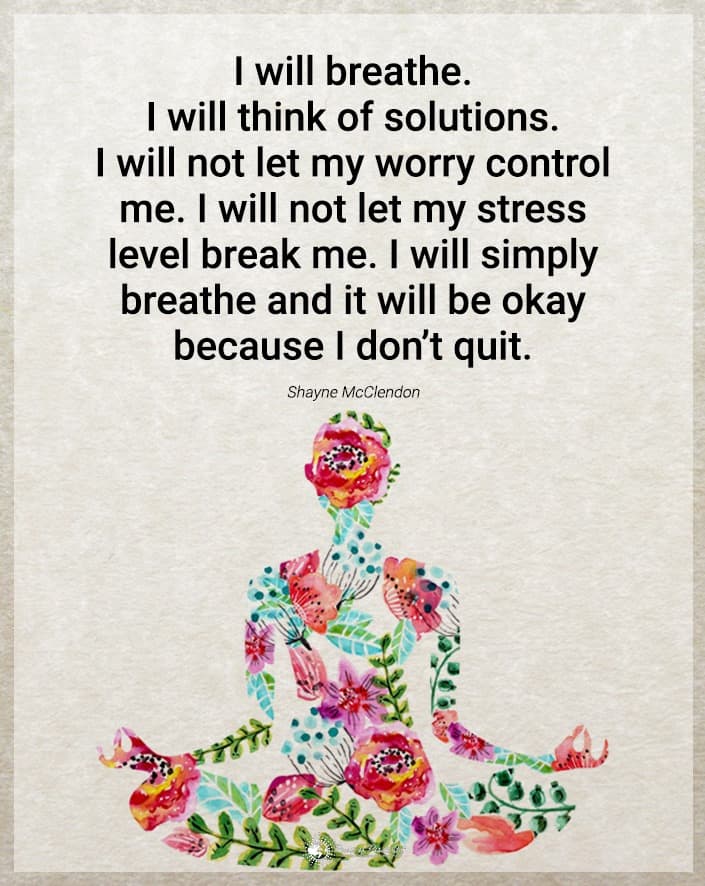
Sometimes, you’ll experience undesirable situations, and things won’t work out how you hoped they would. In these situations, use this affirmation to remember that everything will work out. Even if you can’t see it right now, everything that happens is for the best.

This positive phrase is beneficial because it helps you find hope and motivation to move forward. It can be hard to keep trying when it seems that nothing is going your way, but this phrase puts it in perspective. As you repeat the words, your mind will recognize them as truth, making you feel much better.

2. I do what is best for me so that I can be authentic moving forward.

If you want to stay motivated, you must do what is best for you. Don’t worry about doing what’s best for everyone else because you must put yourself firsts. When you do what’s best for you, you can stay true to yourself, giving you more motivation moving forward.

3. I have determination and ambition that allow me to reach my goals. (An essential addition to your affirmation list)

With determination and ambition, you’ll stay motivated as you work toward your goals. Using this phrase helps affirm your dedication in your mind, making hard work natural for you. No matter what your goals are, staying determined and ambitious will get you there.

4. I release negative thoughts and replace them with positivity.

Negative thoughts can hold you back in all areas of your life. They hinder your motivation and determination as you work on your goals. Use this motivational statement to help you let go of the negativity and embrace positive thinking instead.

5. I forgive the people who hurt me and release their presence from my life.

When someone has hurt you in the past, it can be hard to move forward. However, holding onto the pain can hinder your motivation and prevent you from reaching your goals. If you harbor any resentment or anger about what someone did to you, use this affirmation to help find forgiveness.

Once you’ve forgiven the person, it’ll help you release their presence from your life. As long as you hold onto the negative feelings, they will ruin your energy and consume your thoughts. Allow yourself to let go of it all so that you can focus on motivation for the future.

6. I utilize my talent with confidence. (Remember this, and add it to your affirmation list)

If you know you’re talented, embrace that talent and be confident. You can do something other people can’t do, so use this affirmation to encourage yourself to utilize your talent confidently.

7. I trust the decisions that I make in life.

When you trust your decisions, motivation comes easier. You’ll want to keep working toward your goals because you believe in what you’re doing. Add this statement to your affirmation list to experience motivation and success.

8. I am true to myself with judgment.

When you don’t judge yourself for your decisions and behaviors, you’ll be happy in life. Don’t beat yourself up over who you are because you are the person you are supposed to be. Stay true to yourself and your values, and resist comparing yourself to others or passing judgment.

9. I am the only person who can choose the course of my life. (An affirmation list must-d0)

You have control over your life, even when it doesn’t feel like it. At any moment in your life, you can make a decision that changes everything, and it’s okay to do it. When you change your life to fit what you want for yourself, motivation will come easier.

10. I think about my actions before I do them to ensure it’s the right choice.

When you think things through before you act, you’ll feel more confident in your choice. With confidence, you’ll feel motivated because you know you’re doing the right thing. This statement will help you avoid rushing into things and losing motivation in your journey.

affirmation list11. I have creative energy that gives me new ideas. (Don’t leave this positivity statement off your affirmation list)

When you feel creative and come up with new ideas, you’ll immediately feel motivated. Creativity has a way of making you want to get started right away, so this affirmation will help you. It helps when you feel like you’re stuck and can’t come up with new solutions, too.

12. I have everything it takes to achieve my goals.

Don’t wait to start working towards your goals. You already have everything you need to achieve them, so look within and find the strength and determination it takes. This phrase will help you get in touch with your talents and skills, building on them as you go along.

13. I trust my intuition and listen to my inner guidance.

When you trust and listen to yourself, you’ll be more motivated in life. If you are sure of each step you take, you’ll find happiness, encouraging you to keep moving forward. However, if you ignore or second-guess your intuition, you might not want to keep trying anymore.

14. I am happy and energetic.

Joy and energy are two things that you can use to motivate yourself. Repeat this statement during your morning routine, and you’ll begin to see the good in your day. It might help if you look in the mirror as you say it, smiling and processing the words as you speak.

15. I can overcome any setback along my journey. (Must-add to the daily affirmation list).

Setbacks and obstacles sometimes make you feel like giving up. You might feel stuck if you can’t figure out an easy way to overcome them, causing you to lose motivation. When that happens, use this affirmation to help you remember that you can always find a way around a problem.

16. I learn valuable lessons each day to improve my life.

Even on seemingly normal days, you can learn something new. This phrase helps you stay motivated because you’ll focus on finding learning opportunities. Sometimes your life begins to seem mundane and repetitive, but having this mindset will help overcome those feelings.

17. I feel the strength and clarity that sets me up for a good day.

When you experience inner strength and a clear mind, you’re sure to feel motivated. Repeating this phrase will help you feel both as it encourages you to look within for the things you need.

Recognizing and feeling your inner strength can help you keep moving forward even when things get hard. Clarity can help you find new ways to accomplish tasks and make good decisions for your life. With strength and clarity, you’re ready for a good day full of motivation.

18. I can conquer every task ahead of me today. (Affirmation list daily essential!)

You never know what will happen in life, so use this affirmation to prepare yourself each day. By adding this statement to your affirmation list, you’ll be ready to conquer anything that happens without losing motivation.

19. I am at peace with everything in my life right now.

When you feel peaceful, you’re more likely to stay motivated. If anxiety, worry, or stress disrupt your mindset, add this phrase to your affirmation list.

20. I work on improving areas of personal weakness.

When you aren’t bettering yourself, it can be easy to lose motivation in life. You must continually learn and grow if you want to stay motivated. Set goals to improve areas that you feel could use some work.

affirmation listFinal Thoughts on Motivational Statements to Add to Your Affirmation List
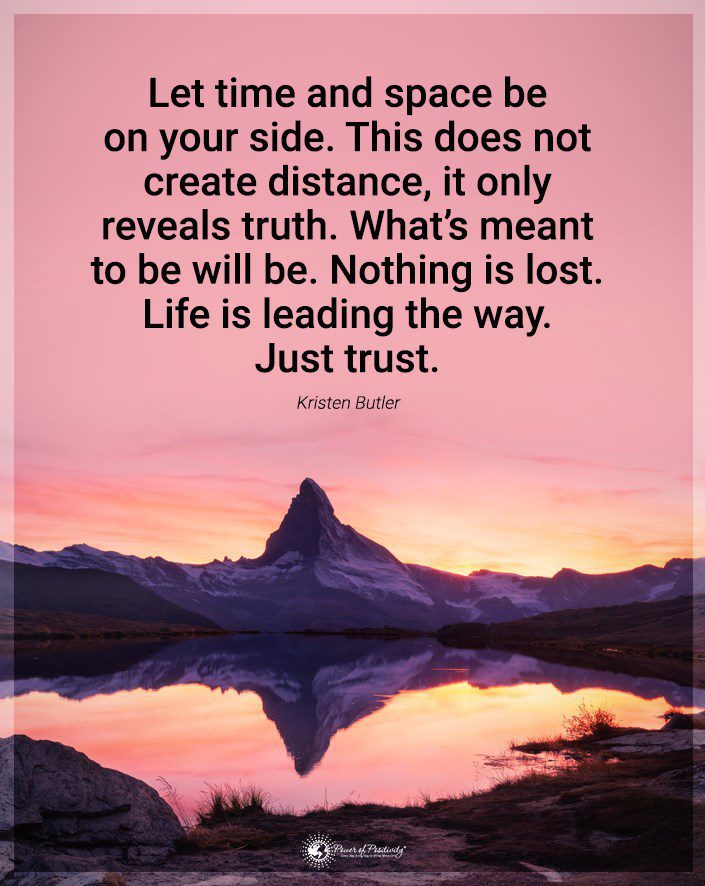

When you need some motivation in your life, add these positive phrases to your affirmation list. Recite them each day to help you stay motivated and determined as you work toward your goals. It’s normal to experience times when you struggle to work hard, but these mantras will quickly help.

Your affirmation list might already have plenty of phrases, but it never hurts to add a few more or switch it up. Find the statements that resonate with you the most right now, and implement them into your routine. Once you make it a habit, you’ll feel motivated more often than before.

3 Powerful Ways Nature Can Help You Heal

Have you ever wondered why being outside, walking, or doing any outdoor activity makes you feel instantly better, happier, and more energetic? Nature can be a powerful way to help heal the body and soul.

Unfortunately, people evolving technology means people stray further and further away from nature. Many exist in online echo chambers. So they forget to take a breather and enjoy all the benefits that nature can provide. Are you stuck in your old ways? Or are you unconvinced that nature can heal the body and soul? Then, read on to find out what miracles nature has in stock.

1.    Nature And Spiritual Well-Being

You might hear the word “spirituality” and immediately think about religion. But that couldn’t be further from the truth. Spirituality, as characterized by the academic community, is a multidimensional construct that defines relationships with community, self, the environment, and theological components.

In this instance, spirituality is used to group the former three items (self, community, and environment).

body and soul·         Nature Makes You Feel Connected

Have you ever been awestruck by the sheer magnificence and magnitude of the world surrounding you? Have your surroundings stopped you in your tracks, and you just found yourself staring at how beautiful the world is?

Nature can have that effect on people. It would be impossible not to be mesmerized when you look around and see colorful flowers, towering trees, mountains so high you can’t even imagine, seas as clear as crystal; the list goes on and on.

The wonder you feel when you take the time to internalize everything around you instead of being glued to a screen 24/7 can make you feel connected to everything around you. This can help you shift your perspective from irritable and moody to immediately grateful for being where you are. Acknowledging how small you are compared to everything in the universe, yet how vital you are nonetheless, can help you feel gratitude, making you more self-fulfilled.

·         Nature Grounds You to Help Heal Body and Soul

Grounding is an emerging field of study concerned with the positive effects of your body electrically connecting to the earth. The earth pulses out an electromagnetic frequency (the Schumann Resonance) that connects to the human body that is fully conductive

Laura Koniver, M.D., states that when grounding, everything from your brain to your muscle tension and heartbeat responds in a healing way to the process.

The human cells are immediately grounded whenever the body touches the earth. Thus the body naturally goes into a healing state. This restoration improves circulatory function, and sleeping rhythms and reduces inflammation, stress, and anxiety.

·         Nature Allows You To Focus On Your Senses

When you are in an office, surrounded by technology, your only stimulation is provided by said technology and the need to get everything done and go home and rest. Nature can provide an escape from that by allowing you to relax and let your senses be stimulated by everything around you.

When in nature, you can enjoy all types of sensory experiences. From the sound of a branch snapping to the sight of a colorful bird to the smell of the grass, everything can be taken in without thinking about it. No stress, no overthinking, just feeling and being present in the moment.

The stimulation of all your senses can help you relax, meditate, and understand who you are and what makes you happy, and is the best way to connect to your inner self.

2.    Nature Heals Mental Health, As Well as Body and Soul

One of the main ways in which nature heals is through the mind. Whenever you are out in nature, without any distractions, your mental health immediately improves.

·         Nature And Ecotherapy

Nature effectively alleviates mental health issues, and psychologists now support ecotherapy as a healing measure.

Ecotherapy is essentially being in nature to boost growth and healing. It can range from adventure therapy to arts and crafts to animal-assisted treatment and much more. Anything you can do outside with the assistance and guidance of a counselor falls under the umbrella of the term.

Ecotherapy is not limited to people with mental health conditions. Anyone can do it, and everyone who does it benefits from it. You don’t need to be frightened by the idea. It’s not all about exhausting physical activities. It can be how challenging you want it to be. Don’t like the idea of walking for hours? Maybe gardening is for you. Or maybe growing plants, playing with animals, sailing, meditation, or whatever crosses your mind.

This type of therapy connects to fewer depression symptoms, less anxiety, and increased relationship connection.

·         Nature Leads To Less Stress

Have you ever dreaded leaving the outdoors, knowing that later in the day, you will be stuck inside, in a city entirely of buildings, bricks, and asphalt? Without question, you would rather be on a beach right now than in an office or stuck inside your house.

The environment is directly tied to your stress levels. When you step outdoors, you evade closed, cluttered, ugly, or inefficient surroundings. This dysfunctional space will immediately lead to a more stressful life. As soon as you swap that environment for the outdoors, you will feel yourself becoming more and more relaxed.

What you are seeing, hearing, smelling, or otherwise sensing is tied not only to your mood but also to how your endocrine, nervous, and immune systems work.

Nature is directly tied to lower cortisol levels and other stress-related hormones, making you feel more relaxed and freer. This correlates to less anxiety and depression and an overall better mood.

Simply having plants in your office or home can do the trick if you cannot enjoy a full day outdoors without any distractions.

body and soul·         Nature Can Boost Your Confidence And Self-Esteem

Simply exploring nature will inevitably teach you new things. Maybe you learn something about flora and fauna, perhaps you try a new sport, whatever you might choose to do it will be a unique experience.

Research at UCL has found that learning new things, coupled with the fact that the outdoors is the perfect place to self-reflect, can give you a massive boost in confidence.

Another study shows that adults with higher exposure to nature reported a more positive body image and higher self-esteem. Professor Viren Swami, the lead author of the study, shared that spending time in nature can help people develop a sense of ownership over their physical self, and give them tremendous respect and understanding for what their bodies can do. It can switch the focus from the aspect of the body to the capabilities of the body.

Nature can also help facilitate social interactions, helping you make new friends, which can help you feel like, thus increasing confidence.

3.    Nature And Physical Well-Being

No matter how lazy or out of shape you might be, just being in nature is going to make you want to explore as much as you can. Why not walk through those woods? Look how pretty they are! Why not explore the mountains? Why not try sailing if you are at the beach? The wonders of nature will make even the most sedentary person enjoy the experience.

·         Nature Helps Lower BMI

Studies have found that the simple act of walking around can help you reach or sustain a healthy BMI. Having a healthy BMI is important because it indicates that you aren’t prone to heart disease and other issues related to either obesity or being severely underweight.

Being in nature is an exercise, even if you don’t specifically mean for it to be. So what are some ways you can heal your body and soul by getting outdoors?

  • Walking around a park
  • Taking care of animals
  • Gardening
  • Birdwatching
  • Outdoor sports

Nature is so beautiful that you will look forward to spending this time outside.

·         Nature Can Prevent Certain Diseases

As we discussed, being in nature leads to lower levels of stress. This is important not only for the immediate psychological benefits but also because lower levels of stress directly link with the prevention of many health issues.

Many plants have also been shown to release immunity-boosting organic compounds into the air, filtering the air and reducing stress hormones in your body.

Lower levels of stress prepare you for better sleep, which can prevent the risk of insomnia. Lower blood pressure is another benefit, which reduces the risk of developing heart problems. Less stress can also improve your digestion and boost your immune system.

·         Nature Improves Cognitive Function

Studies have shown that time in nature improves the acquisition and goal-oriented use of knowledge by improving memory formation and recall and goal-oriented or directed attention.

Allowing you to relax and focus on one thing at a time can help boost your attention span and short-term memory functions, thus allowing you to execute better different tasks required of you when you inevitably return to society.

body and soulFinal Thoughts On How Nature Helps You Heal Your Body and Soul

Not feeling incentivized to spend a lot of time in nature is understandable in the context of today’s society. It is normal to feel tied down to your city, your job, technology, and urban life in general. Remember that even a simple walk in the park can help whenever you feel suffocated by the big city life.

Whether you are suffering from fatigue, mental problems, physical issues, or simply feeling lost, exposure to nature can be the best way to help you heal. Nature allows you to connect with yourself spiritually, thus giving you time to introspect and become more fulfilled.

It can be the best therapist when you are feeling down, helping you navigate feelings of stress, anxiety, and even symptoms of depression. And, last but not least, it is the best medium through which to keep your physical health in check, making sure that your BMI levels are normal, preventing certain diseases, and improving mental acuity. So it is clear that nature can help heal the body and soul.

3 Best Ways To Making Friends As An Adult

Remember being a kid and making friends effortlessly on the playground? It seemed like you never really had to try, and friends just got made as you played together. You could find new connections anywhere, especially at school, but also sometimes with any similarly-aged child, you happened to run into! Making friends as an adult, however, proves to be a bit more challenging.

Now that you’re all grown up, though, you probably have found that it’s not that simple anymore. People are more complex as adults, and you don’t have all the time and opportunities you were afforded in childhood to find, make, and keep friends. But that doesn’t mean all is lost! Here are the three best ways to make friends as an adult.

1.    Be The Initiator When You Want to Make Friends

Many people believe that friendships happen organically, but that’s not always the case – especially in adult life! Sometimes, you need to take time out to seek out friends and initiate intentionally. If you don’t, you’ll end up never finding the friends that you want, and you’ll spend forever waiting for friendships to “happen.”

A study found that those who believe that friendships “happen” wind up lonelier and less socially active, often with decreased positive thinking and other adverse effects on wellbeing. The truth is that if you want friends, you have to go out and make or find them, especially if you’re not in an environment where making friends comes easily.

Of course, initiating friendships by reaching out and finding people isn’t the most straightforward task. It can be daunting, so here are some tips!

make friends·         Use Social Media

The people in your friends, followers, and mutuals lists on social media are often not your actual friends beyond the internet sphere – but they could be! Instead of letting your interactions take place only in the confined space of Facebook, Twitter, Instagram, or other social media platforms, take the first step in reaching out through private messages to catch up. If you see someone you’re “friends” with posting about something you’re interested in or about a life event you can comment on, why not forge a connection that’s about more than likes and comments?

·         Join Clubs and Events

If you want to make friends outside your immediate circle of interaction, you can find them through events that guarantee you have something in common. Join clubs for things you’re interested in, get on a sports team for people your age, attend networking events that appeal to you, or even volunteer at local organizations! There are many ways to find people who share your interests, and friendships can blossom quickly when you’re engaging in similar activities together.

·         Connect To People Right Here

There are already people in your life that you could befriend but haven’t thought of reaching out to. Your neighbors, colleagues, and even fellow congregational members at your place of worship are all already in your circle. Some of them may be people you’d really like, so reach out and forge connections beyond the casual encounters you already share. Your proximity and the pre-existing relationships you have (to your work, neighborhood, or worship, for example) ensure there’s common ground to begin with.

·         Just Start Anywhere

The risk of rejection often makes people too afraid to initiate conversations with the people around them. But research shows that almost no one will ever really be rejected when they strike conversations, even in places like trains and buses, where you’d assume no one wants to talk. Not all conversations will blossom beyond a brief social encounter between strangers, but some may turn into friendships. Regardless, you’ll be building social skills by learning to initiate and hold these interactions!

2.    Assume That Others Like You

One of the biggest struggles involved with making friends as an adult is pushing past fear of rejection. That’s especially true if you’re shy, dislike social interaction, or get anxious around others. Making new friends, after all, involves putting yourself out there in potentially vulnerable ways, and that can be not very comforting to many!

If those thoughts describe yours, then here’s some good news! The chances are that the people you talk to like you genuinely. It’s almost always safe to assume that others like you when you’re meeting new people, and the vulnerability you show may even push that further. It sounds a little arrogant, but research backs this up. Here’s why you should assume that others like you:

·         There’s A Liking Gap

The “liking gap” refers to a pattern of social interaction where people consistently underestimate how much others like them. No matter who they speak to and in what setting, people always think that others like them less than they do, according to research. It makes sense when you think about it; how many times have you met someone and immediately decided you didn’t like them? The truth is that everyone’s more concerned about being liked than about passing judgment on near-strangers. In a nutshell, in most cases, your conclusion above how much others like you will be wrong – because they probably like you more!

·         Awkwardness Is Normal When You’re Trying to Make Friends

Sometimes, you might lose positive thinking about how much others like you because you’re experiencing awkwardness in your new friendship. Just remember that this is entirely normal! Over time, as companies grow, the awkwardness decreases. Showing you know how to laugh off or move past awkwardness proves that you’re a good person to be around, and that’ll be even more likability on your part as a result!

making friends·         Being Vulnerable Makes You Likable

Many people try to stick to neutral, uninteresting topics when striking up conversations with new people. You might talk about the surface-level description of your job or provide generic information on your family, for example. But studies show that being open and vulnerable when choosing conversation topics makes others like you more! The more you share, the more likely people are to feel connected to you.

This doesn’t mean that you should behave with extreme vulnerability, let yourself get taken advantage of, or share things you’re not comfortable talking about! It just means that it’s okay to be open about yourself. Put yourself out there and talk about something you’re afraid will lead to rejection. Opening up a little bit more takes away the shallow aspects of small talk. Plus, it makes discussions more exciting and genuine. People will appreciate that, respond in kind, and like you for it!

·         Believing You Are Liked Makes You Likable

Being liked is a self-fulling prophecy. If you’re constantly afraid of others disliking you, you’re going to be withdrawing and putting up your defenses, which makes it harder for others to connect to you. But if you trust that people think well of you, you’ll glow! According to studies, when you think that others like you, you will behave in more positive and open ways to improve your perceptions of yourself. You’ll be more agreeable, more engaged in interactions, and happier to share things about yourself, which creates a better impression.

3.    Maintain New Connections

The new friendships you make aren’t going to be self-sustaining! Make an effort to maintain them, keep them alive, and help them become more robust. The beginning stages of friendships require attention, so they don’t fade away and drift you apart into mere acquaintances again.

It would be best if you made an effort to see your new friends again and repeatedly become more familiar with each other. This provides several benefits that can lead to real, long-term friendships. This happens for the following reasons:

·         People Like Those They Remember

The less you see a brand new friend, the less likely they are to remember you. With all the people you might meet in a week, a lack of maintenance of connections means those people will slip into the back of your mind. That’s part of the reason you need to maintain those connections. Studies show that people think in more positive ways about the people who they remember and that they recognize the people who they see more of. Therefore, the more someone sees you, the more they’ll remember you – and in turn, the more they’ll like you!

·         Accepting Invitations Encourages More Of Them

When your new friends invite you to their events, try your best to make time for them! Schedule a little time just for maintaining these friendships, and you’ll encourage those friends to feel comfortable continually inviting you. This allows a balanced relationship where you both reach out equally and are as invested in the friendship as the other. If you always refuse, eventually, these connections will assume you don’t want to spend time around them. Thus, they will stop asking. That situation can make things uncomfortable when you try to reach out again in the future. If you really can’t go to something, be direct and open about why you’re not free, and follow through on any rain checks that you ask for.

·         Maintaining Friendships Shows Your Intent

People want to know that you care enough about seeing them again before they fully invest themselves in a friendship. If you don’t make an effort to reach out and tend to be lackluster in responding to their efforts, people are likely to assume you don’t want to maintain the connection and will move on. By equally reaching out, you showcase that you care as much as they do or that you’re serious about the budding friendship.

·         People Like Those They Know They’ll See Again

People naturally think more favorably of the people they think they’ll have to interact with more, according to research. It’s a naturally socialized behavior that occurs because, subconsciously, everyone wants to ensure that future interactions will be harmonious. When you maintain your connections by planning to see each other again in the future, you help those friendships become more enjoyable, too.

making friendsFinal Thoughts On Some Best Ways To Make Friends As An Adult
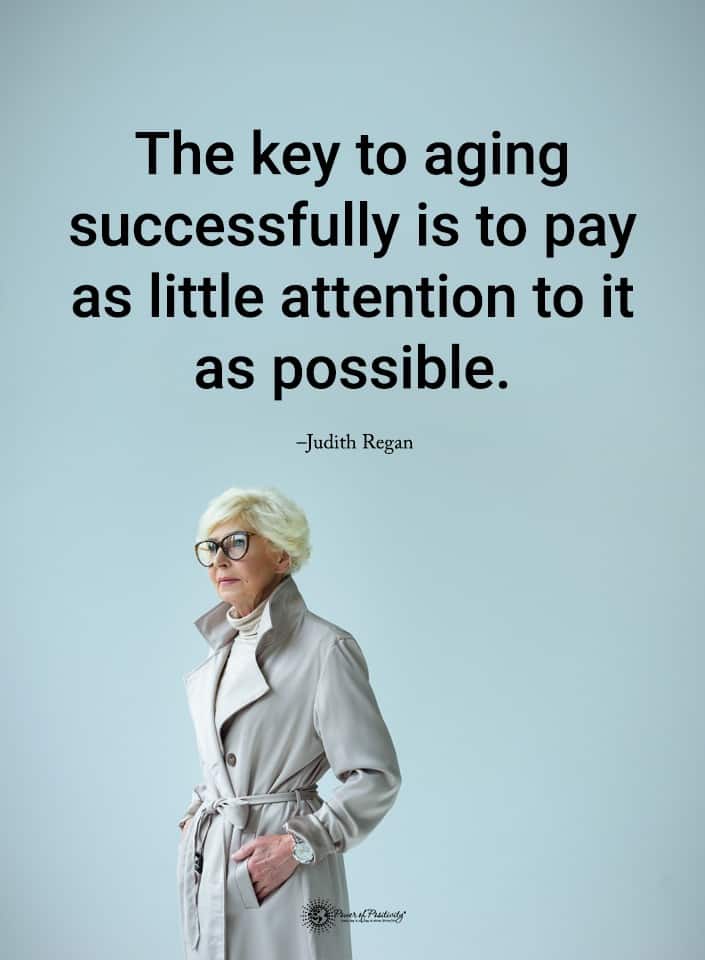

Making friends as an adult isn’t easy. So learn to initiate, overcome personal and social hurdles, and then work to keep any new connections you make. But even though it can be difficult at first, the payoff of having good, close friends is very much worth the effort. And once you learn to make friends well, you’ll be able to do it time and time again!

How to Improve Your Health by Being Kind (To Yourself)

People are rarely as kind to themselves as they are to those around them. The self-criticism you throw at yourself involves ideas and words you’d never say to a friend. You know all your weaknesses and flaws, so you tend to be the hardest on yourself. It becomes a dangerous cycle when that’s allowed to run unchecked into self-criticism. Thus, you can improve your health by treating yourself compassionately.

Self-compassion involves three components. The first is self-kindness, which is understanding yourself and considering yourself worthy of concern and care. The second is common humanity, or the knowledge that you aren’t alone and that everyone makes mistakes as part of being human. Finally, there’s mindfulness, which is the act of staying present while maintaining awareness of feelings and experiences.

All of these components combined are incredibly good for you! Here are four ways that being kind to yourself helps improve your health.

1. It Decreases Stress To Improve Your Health Physically

Being kind to yourself is all-around excellent for mental well-being. However, this isn’t to say that there are no physical benefits! Research has shown that of the many positive effects of self-kindness, stress relief is significant. When you’re kind to yourself, you don’t trap your brain in a loop of constantly stressful self-criticism. This allows you to learn from difficult situations and past mistakes without getting bogged down by them.

But indeed, stress is only one tiny aspect of overall health. Wrong! Lower stress levels play a huge role in physical well-being. Here are some of the many, many ways that better stress management helps your body’s health:

improve your health·         Lower Blood Pressure

Research shows that stress can be a driving factor for increased blood pressure levels. Learning to manage stress is often advisable for reducing this problem. High blood pressure is linked to a variety of different illnesses. Studies are pretty clear about its adverse effects on mortality and health. These risks include cardiovascular disease, metabolic syndrome, dementia, and neurodegenerative disorders, and kidney disease.

·         Better Immunity

When stress is present, the human body is designed to focus on survival. This involves Many functions, mostly tied to cortisol, the stress hormone. This hormone does what it can to keep your system ready for action. One of the ways it does this is by reducing inflammation to increase immunity. Unfortunately, when stress is chronic, your body develops an impaired response to this, according to studies. This makes inflammation worse all around. On top of that, stress reduces the number of lymphocytes in the body. Lymphocytes are white blood cells designed to fight infections; without them, you get sick much more quickly.

·         Better Digestion

Research has long indicated links between poor stress management and poor digestion. Being constantly stressed out can be bad for the positive bacteria in your gut. You’re at risk for many gastrointestinal disorders under these conditions. You might have also noticed that heightened levels of nervousness or anxiety tend to give you stomach discomfort. That’s a mild, short-term version of the long-term damage that stress can cause!

·         Reduced Muscle Tension

You probably know that being stressed out makes you tense your muscles. You can imagine how much that happens in the background when you’re constantly stressed out! While this isn’t the worst effect of continual stress, research has shown it leads to long-term pain problems. This can even develop into chronic pain, worsening your anxiety even more!

2.    Improve Your Health Mentally

Self-compassion has been noted to have loads of positive effects on mental health. It’s a logical conclusion to draw, and it’s supported by research. You’re less likely to develop anxiety, depression, or symptoms. You’re also more likely to enjoy higher levels of personal life satisfaction. In other words, you’re happier all around, and your mental health soars as a result.

This is because being kind to yourself invokes a lot of healthy thinking patterns and breaks old, toxic thought cycles. Studies show that these forms of positive thinking from self-compassion allow for:

·         Reduced Self-Criticism

Self-criticism isn’t always a bad thing. You can use it to correct yourself and set yourself on the right path. It’s an excellent way to hold yourself accountable and commit yourself to improvement – but only in balance. And unfortunately, most people’s self-criticism is unhealthy and unbalanced. That’s why self-compassion here is so important. It allows you to be reasonable with the critique you give yourself. You’re also more likely to genuinely improve and grow if you tone down the harsh self-critique and pepper it with compassion. If you’re going to judge yourself, you have to do it reasonably!

·         Higher Courage In Risk Of Failure

Lots of people are afraid of failure. Being kind to yourself can help to mitigate that. Calculating risk and reward well before diving into a venture is a good idea. But at the same time, you must accept that failure will always be a possibility with all efforts to grow. There’s nothing wrong with that, and being so afraid of failure that you refuse to try can stagnate you. Being able to step outside of your comfort zone is great for your mental health. You’ll become more confident in your abilities and less anxious in daily activities.

·         Better Acceptance Of Self

Tons of people struggle with self-acceptance. When you’re kind to yourself, that effort becomes less of a struggle. You can love all your different parts and features if you look at yourself with continual acceptance and understanding through compassion. Being self-compassionate also improves your capacity to rely on yourself for intrinsic validation. You’ll be more focused on making yourself happy than on pleasing others to meet a norm or expectation.

improve your health3.    It Increases Motivation, Which Helps To Improve Your Health

Improving health by eliminating the most common unhealthy risk factors works well. But there’s only so far that this goes! A lot of times, you need to be committed to maintaining positive health throughout your life. This commitment is also crucial in keeping the risk mentioned above factors away from you, especially if they involve vices.

This is why motivation is such an essential part of staying healthy. The trick is finding the correct type of motivation. Extrinsic forms, such as the opinions and praise of others, can work, but they’re not the best continual source of inspiration. When you rely too much on external motivation, you are not convinced to continue on your own. You’ll also start to bend and conform to what others want of you as you seek repeated validation.

On the other hand, intrinsic motivation drives you to want to improve yourself for your own sake. You want to grow, overcome struggles, and better yourself because you care about yourself. Research has shown that this benefits even the most complex personal hurdles. This contradicts the false concept that self-compassion is likely to be used as a way to excuse your negative behavior.

Your health can flourish when you have the right blend of intrinsic and extrinsic motivation coupled with being kind to yourself. You’ll want to be healthy because you think you deserve to be. You’ll want to live long and happily because you like being you.

This motivation from self-compassion further helps by:

  • Reducing the risk of unhealthy coping mechanisms, like substance abuse and gambling
  • Increasing healthy goal-setting, plan development, and engagement in health-related ambitions
  • Reducing the reliance on external rewards for health-consciousness, focusing on health for health’s sake instead
  • Forwarding long-term commitment toward maintaining various health-related goals
  • Increasing the desire to challenge yourself to greater, healthier heights

4.    Improve Your Health With Mindful Behavior

Mindfulness is a powerful tool that allows you to engage with and acknowledge emotions without being swept up by them. It’s essential to stay grounded, avoid negative thought patterns, and develop a healthy way of reflecting on and processing information. It’s also a key component in self-compassion, meaning you can’t be kind to yourself without it.

Interestingly, the kinder you are to yourself, the more you become mindful. This creates a self-perpetuating, ever-replenishing cycle that research indicates is ideal for positive thinking. Most commonly, mindfulness on its own is known for its mental health benefits. For example, studies say it’s good for reducing anxiety, and other research has shown its improvement in body satisfaction. The American Psychological Association also states that it is effective in treating depression.

But in addition to all of that, mindfulness is also an excellent tool for physical health. That’s even more reason to be kind to yourself! Here are those physical health benefits:

·         Stronger Immune Function

Believe it or not, mindfulness can make your immune system much more robust. It’s incredible what the brain can do when it’s in that mindful state! Research shows it can replenish T-cells in immuno-compromised patients, and further studies indicate faster wound healing.

·         Better Cognition

Studies indicate numerous cognitive benefits stemming from mindfulness and mindfulness meditation. Even short-term training in these skills does the trick! You’ll enjoy better working memory, reduced fatigue for mental clarity, improved visuospatial processing, longer attention spans, and high executive functioning. Other research suggests these effects have even more positive implications by reducing the severity of neurodegeneration.

·         Improve Your Heart Health

With heart disease being a significant risk for many in the modern world, mindfulness may be a way to combat that. Studies show that it can be an ideal way for those with heart disease to manage their symptoms and improve future prognosis. Those with issues like blood pressure can also benefit since research shows that mindfulness helps by lowering stress.

·         Reduced Cell Aging

Cell aging is a natural process, but accelerated rates increase the risk of various diseases and mortality. Studies have found that mindfulness meditation can lengthen the size of telomeres. Telomeres are a kind of protein crucial in managing cell age, and protecting chromosomes. Even if mindfulness itself doesn’t do this, self-compassion, in general, has been linked in some ways to telomere lengthening. Research in this area is still growing, but it’s promising overall!

improve your healthFinal Thoughts On Some Ways Being Kind To Yourself Helps Improve Your Health

Self-compassion is a fantastic way to take control of your health, both physically and mentally. Life is full of ups and downs; ultimately, learning to be kind to yourself throughout your hardships is powerful! The fact that it can improve your health and well-being is merely a fantastic bonus on top of that.

4 Reasons Why You Should Write in a Gratitude Journal

Journaling is a well-loved practice! It allows people to reflect on their days, preserve memories, and spend time on a productive hobby. Throughout history, you’ll find no shortage of people who kept diaries to organize their thoughts and process emotion. But why not take things a step further and up your game and write in a gratitude journal?

Gratitude journals are a method of cultivating higher levels of gratitude. They involve spending routine time writing down what you can be grateful for since you last wrote. They can be as simple as access to food and water and as notable as getting a job promotion. It’s a form of journal writing that encourages you to share positive experiences and express your gratitude for them.

But is there any point in journaling this way? It can feel a little silly and overly sappy when you’re not used to it, but its benefits are clear! Since it trains gratitude, it also provides all the positive effects of increased appreciation. Not convinced? Here are four reasons you should write in a gratitude journal backed by science!

1.    It Creates Happier Emotions If You Write In A Gratitude Journal

When you write in a gratitude journal, you actively express positive emotions. You bring good thoughts to the front of your mind and focus on them. This naturally trains your brain to continually focus on positive emotions, even seeking them out in everyday life. Studies have long shown how good gratitude can make you feel! Here are some of the happier feelings that a gratitude journal can create:

write in a gratitude journal

·         Happiness

We can’t leave out the most fundamental positive emotion! Gratitude increases overall happiness by boosting your satisfaction with life. In fact, it does so in a unique way, according to research. You see, there’s a concept known as hedonic adaptation. This concept shows that we resist pleasurable emotions and experiences over time. Things that once filled us with happiness tend to fade in effectiveness slowly. It can then require more intense, satisfying experiences to achieve similar satisfaction again. But gratitude isn’t one of those emotions! No matter what, appreciation continues to increase happiness over time, immune to the woes of hedonic adaptation!

·         Increase Optimism When You Write In A Gratitude Journal

It’s only natural that you also think more positively when you look for more positive things in life. Studies show that the act of keeping a weekly gratitude journal results in a 5% optimism increase. Similarly, when you write in a gratitude journal daily, you boost optimism by 15%. This makes sense: the more you perceive good things in the world around you, the more you believe in the potential of your life. You see so much positivity, so you naturally think it will happen to you – and you’re right!

·         Relaxation

Gratitude can help you feel less stressed out with life’s challenges. When you’re grateful for things, you don’t feel as bogged down by stressors as your focus isn’t on them. While not as effective as meditation, when you write in a gratitude journal, you help yourself relax!

·         Resilience

Resilience, or the ability to bounce back from negative emotions and input, is aided by gratitude. While gratitude can’t make you immune to these bad experiences, it can help you cope. Research shows that those who have higher levels of gratitude have a more positive and proactive way of coping. They’re also more likely to experience growth through tough times, are less likely to develop trauma disorders, and are more likely to request help when needed.

2.    When You Write In A Gratitude Journal, It Improves Your Social Life

positivity-journal-3

Did you know that gratitude can work wonders for your social life? When you write in your gratitude journal, some of your grateful expressions will be directed at those in your life. These feelings you have towards them shine through. They also make you a more approachable person who radiates positivity. To get specific, gratitude journals can help your social life by:

·         Making You More Selfless

Self-centeredness is the enemy of a healthy social life. Some degree of selfishness is acceptable, but being so focused on yourself that you neglect or hurt others is sure to kill bonds! When you’re more grateful, you tend to shift the focus to other things. You appreciate the people around you more than you spend time focusing on yourself. In moderation, this attracts great people to your circle! Plus, this selflessness is born from higher self-esteem, meaning it’s intrinsically rooted. You think better of yourself, so you’re not concerned with proving yourself or making others like you. You can be authentic and interested in others much more quickly.

·         Helping You Make and Keep Friends

Being grateful to others is a great way to make a first impression. People draw closer to you when you express appreciation and let your positivity shine through via gratitude! Plus, that appreciation towards your existing friends makes them feel valued, deepening your bond. You’ll get closer to those in your life by showing how much you’re thankful for in your relationships!

·         Reducing Feelings Of Envy

Envy can kill and smother relationships with unhealthy comparisons and toxic competition. Luckily, the more gratitude you feel, the less envy you experience. It’s hard to covet the things that others have when you’re appreciative of your blessings and theirs, after all. Research goes as far as to show that daily experiences of gratitude inversely affect everyday experiences of envy. This means that if you start being grateful today, you’ll already be less controlled by the green-eyed monster!

·         Making You Friendlier In General

When you’re grateful, you can perceive kindness and positivity from others better. That which you perceive then radiates, in turn, from you. Because you see and appreciate friendliness from others, you’re more likely to provide friendliness of your own back outwards!

write in a gratitude journal

3.    It Can Boost Your Career When You Write In A Gratitude Journal

Everyone wants to do well in their career. If you write in a gratitude journal, you may get that boost you’ve wanted! It sounds far-fetched, but it’s entirely true. Here are some ways that journaling about thankfulness can provide career improvements:

·         It Improves Decision-Making

Making choices is constant throughout life but is imperative in your career. You likely have to make many decisions every day in your work environment. It’s a tiring endeavor, and many people automate it, letting their subconscious do the work for them. But when you write in a gratitude journal, you get to process your thoughts in a safe space. You get to lead with gratitude and its benefits, like optimism and confidence, which help you make wiser choices.

·         It Improves Your Management Skills

This is a pretty hefty benefit, as management at an adequate level requires considerable skills. At its core, it requires utilizing multiple facets to coax the best performance out of a team. Criticism is a go-to option for many managers to keep teams in line. But that doesn’t always work! Specific, appropriate, and behavior-oriented praise is much more effective, but it has to be genuine.

When you write in a gratitude journal, you’ll likely take note of the things you appreciate about your team. Studies show that praising them in this honest, accurate, and timely way can boost motivation. Better yet, these types of gratitude don’t lose effectiveness over time and can continue to keep a team on-task long-term. In a work culture so often devoid of appreciation, you can promote improved management through thankfulness!

·         Write In A Gratitude Journal To Boost Goal Achievement and Productivity

Everyone has goals in their career, but not everyone can meet them. It can be stuff to stay on track! Those who practice gratitude regularly often have better concentration and direction with their goals. This allows them to be more productive. Plus, focusing on gratitude will make you more intrinsically motivated!

4.    You Don’t Need To Share Your Gratitude To Benefit From It

Gratitude itself has all of the benefits above. But gratitude journaling is a unique way to gain those benefits for a specific reason. That reason is that gratitude doesn’t have to be shared with others for you to benefit from them. You gain all these benefits just because you write in a gratitude journal, say studies, without expressing those thoughts aloud!

This is not to say that you shouldn’t express thanks to those in your life who deserve it! Instead, it serves to prove that journaling in this way has benefits for those who aren’t able to do so. You can write out detailed accounts of your gratitude towards people who’ve inspired you but never met, and you’ll still get excellent benefits.

The power of the pen in a diary is significant! You don’t have to communicate gratitude to experience it and appreciate it. So when you can’t express your thanks out loud, you can take comfort in a simple journal. You’ll understand those around you – and yourself – so much more, and that will speak for you while uplifting you in numerous ways.
write in a journal

Final Thoughts On Why You Should Write In A Gratitude Journal

When you write in a gratitude journal, you receive tons of mental, physical, and social benefits. The slow and steady training of a grateful mindset will only provide good things for you in your life and should be encouraged! You don’t have to journal daily, but writing at least once a week is a good start.

Are you trying to get into the habit of writing in a gratitude journal? Try leaving it by your nightstand, so you see it every night. You can also set the alarm to remind you to write in it. You don’t need to write a lot – just fifteen minutes of quiet contemplation is often sufficient! You should aim to write between five and ten things you’re grateful for each time, or more if you desire.

Many people think a gratitude journal should be deep and detailed. There’s an idea that it has to be thoughtful or insightful. But it’s just a journal for you to write down your thoughts, free of judgment, where no one will ever see them!

You can write things that are as simple or as detailed as you like. Shallow or deep, it doesn’t matter! At the end of the day, the benefits of gratitude speak for themselves. Writing in a gratitude journal may enhance your life and your appreciation of the world around you!

7 Ways Nature Can Be The Best Healer

Being outdoors in nature is so refreshing! It can be fantastic to connect to the world outside in such a close and personal way. But did you know that nature is more than just a refresher? It also has scientific benefits as a healer of various problems.

For years, experts have touted the healing effects of nature. It has been implemented in many recovery programs for patients from all backgrounds and with many forms of illnesses. Whether you face physical injury or disease, mental illness, trauma, or psychological distress, the great outdoors has the answer for you. Here are seven ways nature can be the best healer.

1.    As A Healer, Nature Improves Mental Health

Those with mental health issues tend to get lost in their thoughts. They may constantly replay old negative thoughts or have a strong inner critic. In many cases, this is a part of a pattern of rumination or disordered overthinking.

Studies have shown that spending just ninty minutes walking in nature can reduce the risk of rumination. Rumination is a crucial symptom of depression and anxiety and tends to lead to adverse mental wellbeing. As a healer, nature can help to reduce the severity of those experiences by alleviating symptoms.

Going for a quick walk is all it takes to perk yourself up short term. And in the long run, regular nature exposure has clear benefits. In general, those who spend time in nature tend to feel happier and better. Research has shown that nature can improve general emotional wellbeing, leading to greater life satisfaction. It does so by expanding feelings of human connectedness, which encourages more positive thinking in life.

But this isn’t all that nature does for mental health! Spending time in nature is known to:

  • Reduce stress
  • Increase relaxation
  • Manage anger
  • Improve self-esteem and self-confidence
  • Boost mood
  • Forge more robust peer and social connections

healers

2.    It Encourages Exercise (One Of The Best Healers)

When you’re outdoors in nature, you’re likely walking or exerting yourself in some way. Even if it’s mild, this is a form of exercise. And exercise is known to be a fantastic healer, so you get benefits from them. For example:

  • Strength exercises, such as weight-lifting, can preserve motor function, say studies. Research says that they are also capable of benefiting those who are at risk of cardiovascular disease.
  • Cardiovascular exercises, as their name suggests, can provide significant benefits to the cardiovascular system. Those at risk of or recovering from cardiovascular diseases can heal through careful movement, say studies.
  • Moving meditation exercises, such as Tai Chi, can be beneficial to those dealing with cognitive impairment. Studies show its healing capabilities can extend to protecting or even halting further impairment.
  • General exercise improves immunity and speeds up the healing of wounds, says research.

Exercising in nature can also make you further enjoy your workouts. You’ll feel more energized and invigorated, so you’ll want to do it even more. This is beneficial to those who need to stay committed to exercise in their healing journey.

3.    It Reduces Blood Pressure

Blood pressure, also known as hypertension, is a severe problem, and it’s a widespread one. The Centers for Disease Control and Prevention states that almost half of all US adults have hypertension.

In 2019, the organization’s research also found that over half a million deaths in America were related in some way to hypertension. This is made worse because high blood pressure increases your risk of stroke and heart disease. These two diseases are also the United States’ leading causes of death!

For many, high blood pressure is a constant, looming problem. That’s why healing from it is so important, and yet only 1 in 4 adults who have this issue have it under control. If only more people knew that nature is an incredible healer for hypertension, at the cost of just half an hour a week!

Yes, you read that correctly. Studies show that just thirty minutes spent outdoors in a park can be enough to control the hypertension of almost ten percent of those who have it. For those with more severe cases, more time in nature is needed, but the results are the same! The stress-relieving and exercise-inducing effects of being out in greenery work wonders.

4.    It Strengthens Immunity

One of the critical ways that nature can be the best healer is through the immune system. After all, you can’t heal without solid immunity. Studies have shown how exposure to nature strengthens and reinforces the functions of the immune system. But how does this happen? Is it just a placebo?

There’s some scientific basis for this! Breathing in fresh air from natural environments means breathing in healthy airborne chemicals called phytoncides. Phytoncides are produced by plants as a means of protecting themselves against insects and pests. As such, this chemical has immense antifungal and antibacterial properties.

When you inhale phytoncides, your body naturally responds, increasing white blood cell activity. White blood cells play highly crucial roles in immunity. One essential type of white blood cell is the Natural Killer cell, often called NK. These cells kill various cells infected with viruses, tumors, and other problems. Just being in nature increases the efficiency and effectiveness of NK activity, leading to tons of immunity benefits that aid healing!
nature

5.    It Improves Sleep (An Essential Healer)

If you want to get a good night’s sleep, you need to look no further than right outside your door! Nature is highly beneficial in aiding sleep quality, say studies. Time outdoors can reduce stress and boost positive energy expenditure, allowing you to enjoy better rest. It can also make you more energized overall, so you’ll need less sleep to enjoy the best effects.

But how is sleep beneficial as a healer? As it turns out, it plays a pretty significant role in immunity and recovery, as research has found. Have you noticed that you feel terrific after a healthy sleep? That’s because sleep puts your body to work while you rest! One of the sleep cycles involves deep, restorative recovery, where your body does what it can to fix any illness or damage.

This deep sleep cycle requires healthy sleep quality to achieve. Interrupted sleep doesn’t allow the body to reach its restorative phase. On top of that, too-short sleep periods don’t let the body get to that phase of the cycle enough times. When you manage to achieve high-quality and consistent sleep, your body protects and energizes itself well.

During that phase, the body grows and repairs tissue, muscles, and bone. It also produces more of the components that the immune system needs to function. A lack of sufficient rest can lead to:

  • Injury inflammation
  • Symptom amplification
  • Diminished cognitive function
  • Diminished physical function
  • Emotional distress
  • Mood swings
  • Fatigue and exhaustion

How Sleep Can Become a Great Healer

For sleep to do its best work as a healer, you need a consistent sleep/wake cycle. This cycle stems from the Circadian rhythm or the body’s natural sleepiness and wakefulness for 24 hours. If you don’t have any sleep disorders, you’ll feel awake when the sun is up and feel drowsy as it goes down. It’s essential to maintain regular sleep patterns to get ideal results. You should aim to get 8 hours of sleep per night!

  • Other benefits of sleep are:
  • Improved participation in healing efforts
  • Faster recovery speed
  • More energy and reduced fatigue
  • Decreased levels of stress and anxiety
  • Long-term sleep habit improvement for long-term results
  • Stronger cognitive function

6.    It Increases Awe

Few people realize the power of awe. It seems like a simple, isolated feeling, but it has vast effects on those around it. In fact, awe is often a tool in various forms of marketing and propaganda. That’s how effective it is for psychological states! So why not use that as a method for psychological healing, too?

Nature is one of the most potent ways to experience life-changing awe. Research has found that looking at beautiful, towering trees in forests can produce an incredible feeling of awe. These emotions were more substantial than what was experienced by those who look at tall buildings. But how can awe be a healer through nature? Well, it:

  • Attunes you to more significant concepts and the realization that the world is more significant than you
  • Reduces feelings of selfishness and entitlement
  • Promotes altruism, generosity, and helpfulness in you
  • Energizes you.
  • Reduces inflammatory bodily compounds, thus improving physical health
  • Increases the desire to socialize with others and form a community
  • Boosts general prosocial behavior
  • It motivates you to make changes in your life towards more positive directions
  • It makes you feel a stronger sense of purpose

For those healing from difficult times, nature can be a way to reignite a spark of awe within you. This can bring you back to life in surprising and enriching ways.

7.    It Even Works Indoors

Going outside to access nature’s properties as a healer isn’t feasible for all those who are recovering. Some may not find going into nature to be accessible to them at this stage in their lives.

But there’s good news! While nature in person has the most benefits, you can still gain its positive effects from indoors! This can be done by:

  • Listening to nature sounds, which can help you recover from stress, according to studies.
  • Smelling scents from nature, which research says can promote better health and immunity.
  • Performing indoor nature events, like gardening, which studies show may provide similar benefits to outdoor events.
  • Viewing nature through a window, which can provide similar results as being outdoors, according to research.
  • Looking at pictures of nature, which studies say improves cognitive function.

healer

Final Thoughts On Why Nature Can Be The Best Healer

Human beings were born into lands filled with nature as far as the eye could see. Over time, the modern world has decreased our overall interaction with nature. It’s a real shame, especially given nature’s many benefits!

Luckily, it’s not hard to get involved with nature in this day and age. So go to a park or forest reserve or buy some potted plants for your home. Spend a little time walking around a garden. Whatever you choose to do, you’ll be able to benefit from nature’s abilities as one of the world’s best healers!

Skip to content