Weekly tips, affirmations, and small actions to feel your best.

A Romantic Partner Won’t Fix Your Depression, According to Psychology

In our world, we elevate the idea of having a romantic partner and often consider it the ideal state of being. We see people bemoan their fates whenever they’re single, and some may genuinely believe they’ll be happier if they were only in a relationship. There’s already quite a lot wrong with this mentality, but it gets even worse when applied to things like depression. This diagnosed condition makes everything feel bleaker, and it’s easy to think that having someone special in your life will ease the pain that comes with that. But a romantic partner won’t fix your depression, and that’s a psychological fact.

Here’s why.

1. Depression Is An Illness

The biggest issue with the idea that a romantic partner can fix your depression is simple: depression is a mental illness. Like all other illnesses and disorders, in most cases, it cannot be fixed by non-medical means. And, even when some treatment options include non-medical interventions, such as lifestyle changes or mindfulness, entering a relationship is not one of the potential solutions.

Adding a romantic partner to your life significantly changes your everyday experience. When you’re depressed or have any other type of illness, the last thing you need is to add more stress – even positive stress – to your life. Significant life changes and even minor alterations to your daily world will make things more challenging.

That’s not even considering all the other elements of an illness that mess with your life. With depression and other similar mood disorders, you can struggle with mood swings, have trouble wanting to take the initiative and be social, and even be unable to accomplish basic daily tasks. Suffice to say that this is not the best time to gain a romantic partner.
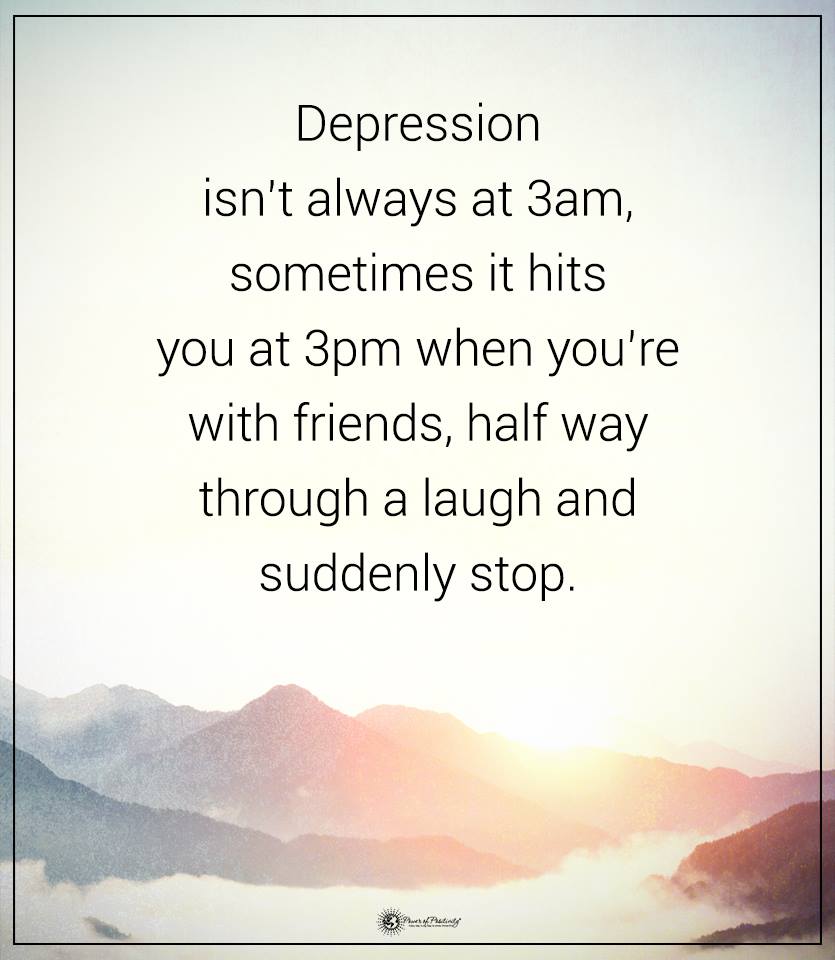
depression

On top of that, a romantic partner who knows you want to be fixed by them will only meet frustration and failure. This can make them feel inadequate, cause resentment, or even lead to them belittling or invalidating your depression out of their frustration. It’s a losing battle.

Not that those with depression cannot have healthy and happy relationships. Research has shown that healthy relationships can withstand the effects of depression and even slightly help mitigate symptoms. Those who learn to manage their symptoms and receive proper treatment can continue with the rest of their lives and be successful in all the ways they want to be! But to enter a relationship hoping it will cure any illness is simply not how it works.

2. Codependency, Depression, and Relationships

The expectation that a romantic partner can fix depression has a severe risk of leading to an unhealthy, codependent dynamic. Codependency is a theory in sociology that explains certain kinds of unbalanced relationship dynamics. As the term suggests, this situation occurs when two people become dependent on each other to an unhealthy extent, unable to function correctly without the other person.

In early theories, codependency was reserved for alcoholics and their partners. In recovery, a partner to an alcoholic would tend to “overhelp,” thus accidentally enabling the alcoholic.

The enabling partner would provide endless chances to the alcoholic, allowing the afflicted to continue to relapse while trusting the safety net of their partner. This ultimately harmed the recovery process, often causing the enabler to make countless sacrifices while preventing any long-term change.

The Impact Of Codependency On Depression

Today, we understand that codependency can apply to numerous other relationships in varying forms. An “enabled” partner in a codependent relationship may suffer from:

  • Poor mental health
  • Addiction
  • Irresponsibility
  • Under-achievement

Depression alone does not necessarily lead to codependent relationships. However, wanting someone to “fix” your depression can certainly grow that unhealthy dynamic. You end up holding someone else responsible for your moods and may use your depression as an excuse for negative behavior, poor treatment, or unreasonable expectations.

Signs Of Codependency

Meanwhile, the other party in the codependent relationship suffers and benefits from this arrangement. This gives them an incentive to feed into their partner’s depression, intentionally or unintentionally, making healing more difficult. Research states that they may:

  • Only feel fulfilled or good about themselves when helping others
  • Feel the desire to fix or control others to be secure or safe
  • Experience severe people-pleasing tendencies
  • Eagerly step into the role of a self-sacrificing martyr so they feel that they are a good person
  • Eagerly step into the role of a self-sacrificing martyr because they want the ability to play the victim

Worse still, this happens subconsciously often, meaning no innate hostile intent may exist in either partner. As long as one person depends on the other because of a lack of self-sufficiency and the other depends on the first for fulfillment, it’s codependent. This is too easy to do when you expect a romantic partner to fix your depression.

3. How Depression Negatively Impacts Relationships

A romantic partner is more likely to complicate things than improve them when you have depression. In most ways, depression negatively affects relationships, leaving little room for the romance you might be seeking. Among the adverse effects of depression on a romantic partner and partnership include:
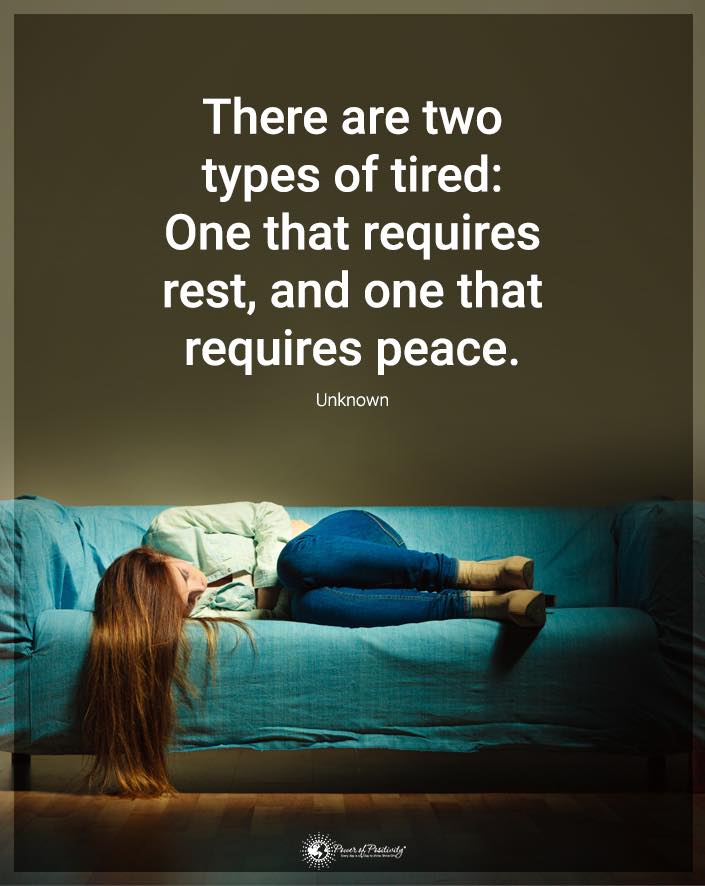
depression

·         Increased Conflict With Your Romantic Partner

Depression often presents as simple sadness or lack of energy, but it can manifest in other ways. One of these ways is increased irritability or a higher tendency to be harmful to others. This can lead to a lot of fighting and conflict and quickly sour any relationship and its dynamic. On top of that, depression can often push you to act out your feelings by lashing out at those around you and taking it out on an innocent partner, say studies.

·         Decreased Communication

Communication is a central, essential part of any healthy relationship. But when you’re depressed, your thoughts and feelings feel like they’re your worst enemy. You tend to push away your feelings and repress them, breeds resentment and worsens those emotions in the long run. And, of course, no relationship can survive healthily when communication is minimal.

·         Diminished Intimacy In The Bedroom

While the intimacy of this nature isn’t essential for some relationships, most romantic partnerships involve a little bit of fun in the bedroom. This is especially true in new relationships, and many partners find this to be a positive way to bond. But a whopping 75% of individuals with depression also experience a decreased sex drive, say studies. This can be due to poor body image, performance anxiety, shame concerning intimacy, and depression medication, which may be possible to overcome. But other probable causes are complete exhaustion from depression or simply never feeling quite in the mood. Regardless, this can leave both partners feeling inadequate or insecure, thus adding to the depression.

·         Desire To Isolate Yourself From Your Romantic Partner

Depression makes you want to be alone. You feel more like withdrawing and can feel like you don’t have energy for anyone, including a romantic partner. This would kill a new relationship, so even if there were a chance it could fix you, it’d be next to impossible to keep it alive when you don’t have it in you to even talk to your partner.

·         Less Interest In Taking Care Of Yourself

A genuine partner in this with you for the long run won’t care if you “let yourself go.” But unfortunately, brand-new partners are likely to be slightly more superficial, and your lack of ambition, self-care, and motivation is unlikely to make a good attractor. While you’re perfectly worthy of love regardless of your mental state, dating and finding a romantic partner means playing the field. In this process, you will find many people with no interest because of your issues. And yes, some will be cruel people. But their words and actions are likely to affect you still, especially when you’re already depressed and in a vulnerable position.

·         A Feeling Of Hopelessness Goes With Depression

Hopelessness is a prevalent symptom of depression, as research has shown. This sense encompasses everything, from your career to your friendships, and it certainly affects relationships. Cognitive distortion can cause you to feel that the future is bleak and things will always end badly. While it’s possible to overcome this, this is a reason a romantic partner can’t fix your depression. Your perception will be skewed when you enter the relationship, and you’ll only see a dire future ahead. This is a lot of stress for a new relationship!

Worse still, an unhappy relationship or dynamic with a romantic partner is likely to feed into depression, making it even worse. This forms a destructive cycle, as studies show.

4. Your Expectations Aren’t Reasonable

The bottom line is that even the most genuine romantic partner cannot fix your depression. Indeed, expecting that is entirely unreasonable. These expectations are likely to create an extremely unhealthy dynamic in your relationship. This dynamic may involve:

  • Your partner thinks that you don’t love them; if you loved them, their presence would be sufficient in “curing” your depression.
  • You think your partner doesn’t truly love you, as you perceive them as not doing enough to fix your depression.
  • Your partner feels responsible for your mental and emotional state, often becoming ashamed, growing scared, or losing confidence when you have depressive episodes.
  • Are you wondering if your partnership is genuine since it’s not working in fixing you?
  • Both partners cannot focus on good times and live each day peacefully one step at a time, as all concentration is on fixing the depression.
  • Your partner spends their entire time trying to change you to be less depressed while you lose your self-esteem because you feel pressured to change.
romantic partner

Final Thoughts On Some Reasons Why A Romantic Partner Won’t Fix Your Depression

Depression requires professional treatment from a mental health professional, not the addition of a romantic partner to your life. While it’s possible to have a good relationship while you’re depressed, that relationship should not be used as an attempt to cure the disorder.
10 Attractive Traits to Look For in a New Partner

True love is something you experience only if you learn to care for someone despite their flaws or how they look. However, you shouldn’t fall in love with just anyone. Just because you can theoretically love someone who hurts you doesn’t mean you should. If you are looking for a new partner, you should always look past physical attraction to ensure they have some attractive traits.

Many people think that having standards for dating means you are shallow. And that can be true if your criteria are about appearance or wealth. If you only date blonde-haired people, don’t be surprised if you’re seen as shallow. Physical attraction is important as someone’s looks give you the first impression of them. If someone is not your type, then no one can condemn you for not dating them.

But there are many other attractive traits that you should prioritize. The most essential qualities are the ones that define someone’s personality. How they act and how they can treat you can make or break a relationship.

10 Attractive Traits to Seek for a Stable Relationship

Beauty transcends looks…what’s inside also counts. Look beyond physical attraction for these qualities.

attractive traits

1.      Honesty (Maybe the most essential of these attractive traits)

At the core of every successful relationship lies honesty. If two people are honest, they can communicate and have trust. Moreover, honesty is fundamental to ensuring your relationship doesn’t become toxic. So, when you look for someone new, learn if they are honest.

This is an attractive trait that you should never give up on. Don’t settle for someone comfortable with lying to you from the beginning. Even if they are white lies, they still show that the person cannot be trusted. If they can lie to you about what they ate yesterday, what’s to say they won’t lie to you about more significant things? That’s not the type of person you need in your life. Your new partner should be able to be open with you, no matter what.

2.      Respect

One of the most attractive traits someone can have is being respectful. Your relationship will never work if your partner doesn’t treat you equally. To be happy, you need to find someone who would never consider you beneath them. Someone who respects you will listen to you and consider your perspective. You can tell if they do even from the first date.

If they insist on going to a place you don’t like, that’s your sign to get out of there. But they’re a keeper if they ask for your opinion and plan everything with your preferences in mind. Also, if they try to get to know you and never act condescendingly, that’s a good sign. Of course, respect means much more than that. But these are a few things that you can look for as early as your first date.

3.      Integrity and Values Are Highly Attractive Traits

You should always strive to be with someone who has integrity and a robust set of values. One thing that you will always consider an attractive trait is when someone shares your values. Sure, society has become more and more open-minded. You can be with someone of a different culture, religion, or economic background. But it’s always nice to share your values with the person you are dating.

Even if you don’t have the same values, being with someone with integrity is essential. That shows they are good and want to do good in the world. If they keep their word and take accountability for their mistakes, that’s an attractive trait. This is the kind of person you can create an emotional connection with.

4.      Maturity

Everyone likes to have fun. But an attractive trait in a potential partner is their maturity. When you want to build a life with someone, you must know they can be serious.

Being mature doesn’t mean being stuck up. It just means that they know how to balance fun and responsibilities. A mature person can converse intelligently and care for their issues when necessary. That means you won’t be stuck caring for the person you are dating.

5.      Openness

You never want to fall for someone who will try to impose their views on you. Nor will you be able to form a meaningful emotional connection with someone close-minded. An attractive trait you should look for in a new partner is openness. Being open doesn’t mean they won’t have opinions and values. But it means you can openly communicate and share your thoughts and feelings. They won’t judge you for who you are.

On the contrary, they will embrace it and try to learn from you. More importantly, look for someone who isn’t bigoted and accepts everyone regardless of their background. If you date someone who looks down on people because of their culture or race, it’s time to dump them. This kind of internalized hatred will inevitably seep into your relationship. But that’s not a risk if you date someone accepting.

physical attraction

6.      Patience

In any long-term relationship, problems will arise. There’s no way to avoid having some issues. You won’t always see eye to eye. Sometimes you want different things. To solve these issues, you need to be patient with someone. You need to know they won’t get angry when things don’t go their way.

Patience is also essential when you are dealing with personal issues. Having someone willing to take their time to help you out is imperative. If your partner isn’t willing to wait for you to solve your issues, the relationship won’t last.

7.      Independence

This might seem counterintuitive to some people, but independence is one of the most attractive traits. When you are with someone, you don’t always need to be all over each other. It’s way better if you can have your own life. In that case, the relationship will be a bonus instead of the center of your existence.

If someone is too clingy or always relies on you, that’s a red flag. Your job in a relationship is not to take care of your partner as if they are your child. They need to be stable and have a life of their own. Of course, that doesn’t mean you shouldn’t help them during tough times. But, if they always hang out at your place as if they lived there from the beginning, that’s not ok.

8.      Look For Satisfyingly Attractive Traits, Such As Empathy and Affection

Having an empathetic and affectionate partner is something everyone wants. But they must be like that with everyone, not just you. Sure, they must treat you right. A good partner will always want to take care of you. For example, they won’t be ashamed to hold your hand in public. But you can only tell how genuine they are by seeing how they treat others.

Pay extra attention to how they treat strangers. Many people can treat their family and friends nicely. But true empathy is about being kind and understanding towards everyone. If they help people in need, that’s your sign they would make a great partner.

9.      Ambition

Ambition will always be an attractive trait. It shows that they won’t just settle. Instead, they will always try to improve on all fronts. And it’s not just about getting a promotion, though ambitious people want a promising career. It’s also about personal growth. They will always strive to learn and fix their flaws.

As you go through life, you will change and grow. And you want someone willing to take that path with you. Knowing you are with someone who will work to improve will also strengthen your faith in the relationship. But you need to be careful, as they could become too ambitious. Make sure they won’t sacrifice you for their growth. When you meet someone new, discussing how both of you see your future is important. This way, you can gauge if their ambition is healthy or not.

10.  Sense of Humor

So far, all the attractive traits we’ve discussed have been more serious. But it’s essential to have a fun relationship. Not everything needs to be somber all the time. Research shows that partners with a shared sense of humor have stronger relationships.

So, look for someone who gets your jokes and has a similar sense of humor. If you are sarcastic and dry, you’ll get along the best with someone whose jokes are the same. This is because you’ll get each other instead of coming across as offensive. Humor is very personal; you don’t want to spend your whole life explaining your jokes.

Plus, you can bond and create a deep emotional connection through humor. You don’t just need someone who is objectively funny. They can be objectively unfunny. You’ll have a strong relationship if you share a sense of humor.

attractive traits

Final Thoughts on Some Attractive Traits to Look For in a New Partner, Besides Physical Attraction

Many people make the mistake of conflating physical attraction and true romantic attraction. Even though looks are important, there is a difference between lust and love. For love, you need a more profound connection than the one given by physical attraction. And there are many other things more attractive than looks. Personality and values are things you should value at least as much as looks, if not more.

Meeting someone new can be scary. It can be hard to read new people from the first date. But that doesn’t mean you can’t have guidelines for what you are looking for. Plus, knowing that you can have a stable relationship is more attractive. Sure, having flings can be excellent. But your potential partner must have certain qualities if you want something more.

That doesn’t mean you need to be stuck up about your choices. Give them a shot if someone isn’t as tall as you’d wished but is a fantastic person. But don’t settle for someone dishonest and unreliable just because of physical attraction. Make sure your partner has integrity and is respectful and affectionate. You should always look for the ten attractive traits listed above when dating someone. And, if they don’t have them, maybe it’s time to dump them.

6 Signs of Social Wellness Most People Overlook

Social wellness is a concept that encompasses your relationships with those around you and your relationship with yourself. Essentially, if you can maintain individuality while actively taking part in the world around you as a part of the greater picture of humankind, you are socially well. This often creates more excellent care for your community, larger society, and the people around you.

Many people overlook social wellness as an essential part of their overall well-being. In reality, this pillar of health is just as important as physical, emotional, and spiritual wellness. When you surround yourself with genuine relationships, healthy friendships, and lovely connections with the people you regularly interact with, it ultimately improves your life.

Social wellness can improve other aspects of your well-being. Do you think you’re socially well? How can you tell? Here are six signs of social wellness most people overlook.

1 – Assertiveness Without Aggression

A lot of people struggle with assertiveness. Essentially, this is the ability to stand up for yourself without feeling afraid or ashamed and without apologizing. When you’re capable of doing this, you’ve achieved some degree of impressive social wellness. 

For some, assertiveness can teeter over into aggression, as many people struggle with the conflict of being assertive. Crossing this line can lead to passive aggression or direct aggression, which is not the same as being assertive.

social wellness

Traits Of Assertiveness That Reflect Social Wellness:

Research shows that you’re assertive if you have the following traits and capabilities:

  • You don’t experience any negative emotions when you communicate boundaries and needs.
  • You can maintain comfortable and positive relationships with the people around you.
  • You’re well aware of your rights.
  • You feel free to express your desires, emotions, and thoughts.
  • You don’t bottle up your thoughts, so you don’t get resentful and angry about your needs not being met.
  • When you do experience anger, you have control over it and can express it productively.
  • You’re willing to compromise with the people around you without reducing your rights.
  • You know a good mix of verbal and non-verbal forms of assertiveness and can utilize both as needed.
  • You’ll easily differentiate between assertiveness, aggression, and passive-aggression.
  • You don’t feel ashamed for expressing your needs; set healthy boundaries without apologizing.

2 – Respectful Treatment Of Others

The ability to treat the people around you with respect is a huge sign of social wellness. It means you have excellent or comfortable relationships with the people around you and are happy to be the “bigger person” in times of unfair conflict. You don’t feel threatened by the people around you and have no interest in bringing them down for any reason. 

Respect is a reasonably nuanced topic. It doesn’t mean agreeing with everyone all the time. It doesn’t mean allowing people to walk over you or always letting them have their way. And it certainly doesn’t mean giving space or compromises with those who have abhorrent or inherently negative, harmful views and intentions.

Instead, respecting others means knowing the rights of all human beings and knowing that these people, no matter who or what they are, deserve those rights. It also means having positive interactions with others and respecting their boundaries, needs, and communication. 

3 – Well-Balanced Social And Personal Time

Everyone must balance their “me-time” and the time they spend with others. Even introverts benefit from social interaction and must have it in their lives, and even extroverts must take time to recharge on their own. 

Studies explain that social interaction is crucial to well-being, but personal time is just as important. Further research indicates that having me-time is vital for work and home well-being and can even strengthen relationships.

Many people struggle with loneliness when not with others, but you can be alone without being lonely. Learning to enjoy your own company is an enriching experience, and the ability to take yourself out on dates and sit with yourself is a clear indication of social wellness.

On the flip side, some people struggle to make friends and dislike regular social interaction. Taking it slow and steady by joining online groups, community clubs, local volunteer organizations, and other similar circles can be a great way to incorporate more social experiences in life.

Once you have balanced personal and social time, you have one aspect of social wellness. To take it a step further, you must have good social times with strong circles of uplifting, genuine people you like. After all, your social wellness depends on the people you’re social with.

4 – An Ability To Be Oneself

relationships

It may surprise you, but many signs of social wellness lie in yourself. When you connect with others, you want to be authentic if you aim to be socially well. It sounds simple, but it’s something many people struggle with. The ability to ultimately be yourself is a powerful and valuable trait.

When you’re socially well, you can be entirely who you are when introducing yourself to others and hanging out with friends or family. This state means that you:

  • Are you comfortable in your skin
  • Feel valued and appreciated just as you are
  • Are relaxed around your friends and family
  • Feel like you belong in the spaces you’re in
  • Can step outside your comfort zone without compromising your identity
  • Are secure about yourself and don’t compare yourself to others or bring others down
  • Love and accept yourself, even while acknowledging things you’d like to improve
  • Have healthy self-esteem and don’t rely on others for validation

5 – Participation In Community and Having Fun Doing It

Social wellness isn’t just about your close friends and family. It’s also about having plenty of acquaintances with whom you have positive or neutral relationships and can confidently interact. For many who struggle with social confidence, this seems like an impossible concept, but human beings are naturally social creatures. We thrive on human-to-human connection, and those moments are ones to be grateful for!

Sometimes it can be challenging to participate in a community, even if it’s one you’ve grown up around or spent many years being technically a part of. You can attempt to increase your community participation in the following ways:

  • Spending a few minutes chatting with those in your neighborhood
  • Joining clubs and groups locally that you’re interested in
  • Striking up conversations with those you see regularly
  • Expanding your horizons and seeking out new communities and friends beyond your usual sphere
  • Volunteering for organizations that you believe in
  • Participating in community events
  • Play a community sport
  • Seeking mentors in your field

On top of this, one of the critical features of social wellness is your ability to have fun when you’re in social situations. There’s not much point in being around other people if you’re constantly anxious, uncomfortable, or otherwise unhappy in those situations. Having fun improves your overall happiness and forms positive connections, facilitating bonding moments that encourage you to perform further social interaction.

This isn’t to say that you can’t ever be socially well if you have social anxiety. But you can’t deny that being at peace, letting loose, and having tons of fun is part and parcel of spending time with the people you like. If social interaction robs you of any ability to have fun, then you have a little way to go on your journey to social wellness.

6 – Good Communication Skills And Better Relationships

The absolute cornerstone of social wellness is your ability to communicate. Without good communication, conflict arises, and any relationship can fall apart. No one can read anyone else’s mind, so if there’s something that needs to be said, that has to be said out loud!

But communication is about more than just talking about what you think. It’s about knowing how to do so productively and positively. This facilitates better conflict-solving abilities and helps relationships to stay strong and grow stronger. This involves:

  • Using non-blaming languages when pointing out an issue that you have with someone, allowing for open discussion
  • Having excellent listening skills and aiming to understand people when you hear them out, instead of simply listening to formulate a response
  • Expressing your thoughts and feelings without feeling ashamed of them
  • Letting go of avoidant behaviors and directly dealing with conflict, thus reducing the build-up of resentment
  • Being constructive and firm without being harsh or unfair when calling someone out for negative behavior
  • Knowing when it’s time to take a break and try again when it comes to complex conflicts or communication
  • Feeling comfortable expressing your needs and talking about what you want without providing a disclaimer or apologizing. 

Good communication skills also allow you to open up to the most trustworthy people in your life. You’re not overly generous with who gets to see you at your most vulnerable, but you’re also not unnecessarily closed-off. This means that you form genuine and close relationships with a select few people who have earned your trust and feel the same about you. 

These communication skills also allow you to learn from the people around you. You always have your listening ears open and are curious about what people have to share. If you leave most conversations a little bit wiser and are happy about that, then you have a high level of social wellness!

social wellness

Final Thoughts On Some Signs Of Social Wellness Most People Overlook

Social wellness is an integral part of a healthy and happy life. If you notice that you tick off many of these signs of social wellness, congratulations! You have a healthy social life and a good balance of prioritizing and loving yourself while caring about others. You have a healthy support system, a good circle of close friends, and positive interactions with your community.

Do you think you’re not socially well? The good news is that you can improve your social wellness by strengthening your social skills and working on your self-confidence and self-esteem. If you need some help, don’t be afraid to reach out to a mental health professional, especially one who specializes in socialization and social anxiety!

4 Ways to Stay Positive, Even Through an Illness

To live your life to the fullest, you should always look for ways to stay positive despite all of life’s crazy surprises. Positivity is a fantastic drug.

Research shows that happy thoughts can make you more resilient to sickness and other adverse life events. But it can be tough to stay positive when you’re not feeling well, and even more so when being unwell has completely upended your life.

Sadly, many people experience sadness, anxiety, depression, stress, and other negative emotions when sick. This can make recovering even more difficult. Read on if you need a pick-me-up to help navigate a tricky health crisis. Here are four ways to stay positive, even through an illness.

1.    Stay Positive by Letting Yourself Experience Emotions

It’s a common misconception that those who stay positive never let themselves feel bad. For genuine positivity to take root, you must first process your emotions. It sounds counter-productive, but it’s how it works. When you don’t acknowledge your emotions, you repress them, exacerbating them. Studies show that it strengthens them as they influence you in subconscious ways. It’s like being weighed down by negativity!

That’s why the best way to stay positive through an illness is to permit yourself to feel the natural and valid emotions of being sick. To do this, you can:

stay positive

·         Name Your Emotions

The emotions you feel when you’re sick are bound to be complex. Try to name them out loud or describe them. This can help your brain process these feelings and help you understand how these emotions impact you.

·         Have a Good Cry

There’s no shame in having a good cry when you need it. Being sick can be overwhelming, especially when the future feels uncertain. Studies have shown that crying can sometimes help relieve negative emotions and uplift mood. More importantly, it’s a release of your feelings that comes from allowing yourself to express your negative emotions.

·         Let Yourself Be Sick of Being Sick

It’s normal to get sick of being sick, especially if your illness requires a lot of treatment or a prolonged recovery period. You might feel guilty for tired of feeling this way, but don’t be ashamed! Your body is not working as it should, and it’s expected to tire of dealing with that. This is a normal, healthy emotion to feel and shouldn’t be excluded so that you can stay positive. Toxic, unrealistic positivity is not genuine positivity at all!

·         Stay Positive by Writing in a Journal

If you have trouble letting yourself feel your emotions, it can help to write them down. Use a journal, Word document notes application or anything else to express all your thoughts. Do not, at any point, pause to judge yourself for what you feel. Write whatever pops into your head and allow yourself to release your emotions through the medium of the written word.

2.    Stay Positive by Accepting the Help You Need

When you’re sick, do you try to do everything yourself? Do you tell people not to help you and tend to push yourself to perform daily tasks that leave you exhausted and even sicker? This is a common situation for people who are ill, and it may happen because:

  • You worry about being a burden to the people around you, so you reject their help
  • You feel like everything is spinning out of control, so you attempt to take control of your daily life
  • You hate being dependent on others and force yourself to behave independently to avoid that situation
  • You feel ashamed or insecure about how you act and appear when sick, so you keep others out as much as possible

While these are all reasons worthy of empathy and understanding, they will also render you unable to stay positive. The fact is that when you’re sick, you deserve help and care, and it’s crucial to your healing that you accept assistance from those who care about you. If you reject all help, you’ll be exhausted and unable to recover, and you won’t have any energy left for positivity.

If you want to embrace positivity, you should accept help in the following ways:

·         Ask for a Listening Ear

As you already know, being ill can be emotionally taxing, and sometimes, what you need is a shoulder to cry on and an ear to listen to without judgment. Find trusted people in your life to who you’d like to be able to vent and ask them if they’d be happy to listen. Talking to someone can relieve stress, allowing you to stay positive with their support.

·         Let People Take Care Of You

You must allow the people in your life to take care of you. These people care about you deeply, want to help you recover and seek to make your time spent ill more comfortable. Don’t shut them out or push them away! It’s lovely to set boundaries for lines you’d prefer not to be crossed, but don’t forget that you deserve to receive help in this difficult time.

·         Take Time to Care for Yourself to Stay Positive

When you’re sick, self-care often goes out the window. You forget to take the time to eat well, drink enough, take nice baths, and do things you enjoy. But how are you going to stay positive if you feel so awful? While illness can reduce the number of ways you can take care of yourself, there are always options you can use. Taking care of yourself while you’re sick means permitting yourself to nap multiple times daily. Other times, it means going for a short walk. Tailor your methods of self-care to your specific illness and circumstances.

positivity

3.    Stay Positive by Joining a Peer Support Group

Being ill can be incredibly isolating because your life changes so dramatically while the lives of those around you remain mostly constant. And, even when your loved ones do all they can to be there for you, the fact is that they might not fully understand what it’s like to be in your shoes.

Thankfully, we live in the internet age, where it’s easy to go online and find various support groups for those with all sorts of illnesses. Finding a community of people like you can make you feel less alone and help you stay positive. Better yet, these individuals may have unique advice and wisdom based on their experiences that can be helpful for you.

If you go for treatment somewhere regularly and have the energy, you can also try making friends in person. Having a “buddy” physically present in the same or similar circumstances can boost your mood and help you stay positive. After all, research shows that social relationships can have a pretty significant impact on health!

4.    Reflect on Life And Sickness

Many people receive a lot of extra time as a side effect of being sick. This often makes a positive mindset so tricky when you’re ill. You have all the time in the world, limited energy to fill it, and nothing but your thoughts for the company a lot of the time. This can quickly lead to depression, resentment in your life, and general negativity.

Instead of allowing yourself to wallow in self-pity, use these empty moments to reflect critically on life, sickness, and yourself. This can be a massive moment of self-discovery for you, and having this free time can allow you to get in touch with yourself on a deeper level. You’ll not just learn to stay optimistic right now but to stay positive in a healthy way long-term. Here are some potential topics for reflection:

·         Your Behavior and if it Serves You

Examine your recent behavior in light of your sickness. This doesn’t mean your actions or energy levels, but your personality and how it has responded to illness. Has your behavior served you, or has it harmed you? What kind of behavior would you instead put forward? How can you move toward adopting that desired behavior without falling into toxic positivity or repression?

·         The Universal Laws of Impermanence

The only thing sure in life is that nothing is permanent. Your current situation is not permanent. Your mood is not permanent. Your current state is not permanent. You will feel different tomorrow, even a little bit, than you feel today. You can take comfort in knowing that things can be better, that things have been worse, and that if things are worse tomorrow, well, you’ve overcome bad things before – because those bad things aren’t permanent!

·         Seek Out the Good Things Around You

Finding positive aspects of life when sick can be challenging, but that doesn’t mean they aren’t there. Don’t allow yourself to get stuck in clouds of unhappiness that you can’t see through. Find things that you like and are grateful for despite everything. This can be simple, like a comforting warm drink in bed or the intrigue in the books you read and the shows you watch.

Positivity can also be more nuanced, like being grateful that you have time off work or being glad that you’ve been able to reconnect with someone since you’ve been sick. Challenge yourself to find good things around you. If you can’t find them, create them! Please arrange for your favorite flowers to be delivered to your house and display them in a nearby window. Curl up with a good book. Play music that you like. Make friends online. Good things are always enjoyed, even in the most challenging times.

stay positive

Final Thoughts On Some Ways To Stay Positive, Even Through An Illness

Optimism and positivity can be hard to maintain. It’s challenging to stay positive in everyday life, but when you’re sick, that can be even harder. Following these four tips for remaining positive in times of illness, you can slowly but surely rise from the fog that has obscured your world due to sickness.

3 Ways Unconscious Bias Holds You Back

Unconscious bias is an unavoidable part of existing in a world filled with moving pieces and lengthy histories that make their mark on today. To deny that you can be biased is to deny the truth. Everyone is affected, to some degree, by bias. People are judgmental by default. Believing that you are completely capable of total equality without pausing to consider and unlearn bias first is a doomed affair!

Many people deny the existence of their own unconscious bias because they are ashamed or afraid of what that bias says about them. But the fact is that these hidden forms of judgment are not a reflection of your character unless you agree with those thoughts. Unconscious bias comes from external factors – the media you watch, how you live, and how society treats you and those around you.

There are many forms of unconscious bias. Some of them can be helpful. For example, if you’ve seen enough cartoons about bees swarming people who disturb their hives, you instinctively steer clear of any hives. But most unconscious biases are negative, unhelpful, and even wholly untrue! And then, these wrong things proceed to dictate your life.

Unconscious bias roots itself deep down in your mind, and it takes a lot of work to confront and uproot those concepts. But if not removed, these issues can significantly harm your life and slowly seep into your interactions with others, altering your ideals, values, and the way you see the world. And all of this happens because of things you aren’t even consciously aware of! 

1 – You Jump To Conclusions Due to Unconscious Bias

judgmental

The human brain innately can only consciously process forty bits of information each second. This sounds like a lot, but did you know that the brain still processes unconscious information during that process? Indeed, research shows we unconsciously process a shocking eleven million informational pieces each second! This is why we jump to conclusions – we feel the need to create mental shortcuts to speed up our processing.

This wouldn’t be a problem if we could always trust our unconscious processing as objective and factual. Unfortunately, that’s not the case. As previously mentioned, your implicit bias is inaccurate and can often include beliefs that your conscious self abhors. 

As such, the conclusions you jump to as a result of unconscious bias are inaccurate. After all, jumping to conclusions is expertly recognized as a form of cognitive distortion. This means that it is an inherently irrational pattern of thought. Here are some ways that jumping to conclusions can hold you back:

  • Being Judgmental

You make quick, snap judgments about the people around you and miss out on unique and valuable connections. This judgmental way of thinking can also make you uncomfortable to be around, costing you your career and social life.

  • Labeling

Instead of understanding nuance, complex situations, and critical thought, you opt to label people, things, and events without thinking. You lose opportunities to learn more from these nuanced situations and gain new perspectives and understanding. And it certainly doesn’t help that you’re sure to label yourself, which limits your success and keeps you trapped in a box of your own making!

  • “Mind-Reading”

Of course, no one can read minds, but many people perform the cognitively dissonant process of “mind-reading.” This involves making assumptions about how others think or why they behave a certain way instead of communicating to clear the air. These assumptions cost you your professional and personal relationships at some point and can even become a mental prison. For example, if you think, “I have a stutter, and no one respects people with a stutter,” you might opt out of participating in big projects at work or be too afraid to take risks.

  • Fortune Telling

This is one of the most harmful things to hold you back in your life. Like with “mind-reading,” sure, you’re not fortune telling with any accuracy. Instead, you’re jumping to conclusions about how an event or situation will turn out. You choose not to audition for a role because you’ve already decided that you will probably not get in. You don’t try for a promotion because you think everyone else has a better chance of winning. Ultimately, all you do is kill your prospects before they’ve even begun. No wonder this judgmental behavior holds you back!

  • Confirmation Bias

This bias refers to the innate tendency to seek out and interpret information so that it confirms your current views. This ends up forming a never-ending cycle where your unconscious bias creates conscious bias, further reinforcing your unconscious beliefs. It takes a lot of effort to break the process; if you don’t, it only gets stronger throughout your life. 

At its core, this causes you to become close-minded. Gone are your opportunities to learn from others, seek new ideas, and broaden your horizons. You’ve already jumped to conclusions about most things, so you don’t think there’s anything else to learn!

2 – You Live A Life Governed By Emotions Instead Of Facts

unconscious bias

Unconscious bias may be a process in your brain, but it’s emotional, not logical. You’re basing your thoughts and actions on half-baked, unproven, and ultimately untrue ideas, and you refuse to leave the comfort zone of those thoughts because of their emotional importance. 

Maybe you’re afraid of thinking of other, more complex perspectives. Perhaps you’re uncomfortable with the idea of confronting your biases. Either way, this is an emotional view, not a perspective ruled by facts or rationality.

Emotions are healthy and normal, and there’s nothing shameful or wrong about having emotional thought processes. However, to manage these feelings, you have to sit with them, process them, and then question them to see what isn’t accurate to the situation. One might easily ignore this with their unconscious bias since jumping to conclusions is easy to do when it comes to emotional circumstances.

When you view things through the lens of your emotions, being judgmental holds you back in the following ways:

  • Appeals easily manipulate you to emotion and people pushing your buttons.
  • You’re unable to confront hard truths and are therefore unable to process reality and move forward to face that reality.
  • You have a lot of unprocessed emotions and trauma, which can lead to increased negativity and severe resentment.
  • You lose the ability for intelligent thought because you see most things in black or white and stick to binary extremes.

3 – You’re Unable To Detect Unconscious Bias In Others

As you’ve likely already gathered, unconscious bias affects everyone. But not everyone is interested in unlearning those biases or using more profound, critical thought to overcome their prejudices. Some insist they have no biases or decide that their unconscious biases are innately correct, shifting them into conscious bias.

When you interact with the people around you, you cannot know how much work they’ve done to unlearn or manage their own biases. The way they treat you could be rooted in numerous forms of intolerance. If you don’t realize that they’re letting this irrationality dictate how they perceive you, you could be caught up trying to fix things about yourself to reach their expectations without realizing that it’s a non-starter. You might also lose self-esteem in the process.

Worse still are the biases that could make or break significant moments in your life. Even those with expertise in their field are subject to their preference, and you need to know when to listen to someone, stand up and advocate for yourself, and seek other opinions from the less biased. 

You may not realize it, but implicit bias is deeply steeped in our world and culture. If you don’t acknowledge your preferences, you likely won’t know how other people’s biases affect you. Typical forms of unconscious bias that can be dangerous include:

  • Medical Bias

Some studies have gone far into detail about the existing unconscious bias that pollutes much of the medical world. Doctors and similar medical professionals may deny treatment or downplay the issues of women, people of color, and overweight individuals. These forms of implicit bias are systemic, so you must notice when you’re a victim of it so you can advocate for yourself and seek second medical opinions.

  • Racial Preference (Maybe The Best-known Unconscious Bias)

This controversial topic is, sadly, very well-studied. Research shows that employers are judgmental and more likely to prefer white-sounding names to names of other ethnicities when seeing equally qualified resumes. It’s pretty easy to see how racism can hold you back in life, so the harmful effects of this go somewhat without saying.

  • The Halo Effect (A Sneaky Way of Being Judgmental)

The halo effect is a psychological phenomenon whereby you are more likely to see positive things about someone or something you already have a positive impression of. At first glance, this doesn’t seem dangerous, but research says otherwise. But that means you’re more likely to trust someone you find attractive and less likely to question the intentions of someone who has impressed you in another way. This makes you easier to take advantage of, and you can be completely blindsided and unable to view your relationships objectively.

unconscious bias

Final Thoughts on Some Ways Unconscious Bias Holds You Back

Unconscious bias is a serious personal issue, but it’s also a severe issue in the larger society. These innate judgments of other people and various situations can and have led to widespread systemic problems, and it can all be a lot to take in and process.

For something so prevalent, it’s certainly unfortunate that it can so easily hold you back. By understanding the effects of this implicit bias and how it affects your life, you can learn to manage, overcome, and rise above the bias that you’ve internalized. There’s always an opportunity to learn and improve, so don’t be hard on yourself for your preferences. What you choose to do about those judgmental ways of thinking defines who you are!

Woman Shares 14 Tweets About Miscarriage Most People Don’t Know

Sadly, millions of women worldwide experience a miscarriage each year. Most often, miscarriages happen due to the baby having extra or missing chromosomes. Scientists estimate that around 50% of all pregnancies end in miscarriages before the mother realizes she’s pregnant. In addition, 15-25% of women who find out about the pregnancy will miscarry.

Over 80% of miscarriages occur during the first trimester; having them after twenty weeks is rare. Common symptoms reported when a woman miscarries include heavy bleeding, painful cramps, and stomach pain. She may also experience back pain, body weakness, contractions, weight loss, blood clots, and pink mucus.

The traumatic experience of losing a baby also triggers a cascade of emotions. Some women find healing by talking to supportive people in their lives, such as a partner or family member. Others may seek mental health counselors or support groups to process their feelings.

However, some women may feel too embarrassed or ashamed to admit the loss of a baby. They might even blame themselves, despite the situation being out of control. Despite increased awareness about miscarriages, many still consider it a taboo subject. Therefore, some women may not feel comfortable talking about it, even with their loved ones.

Woman Shares Fourteen Tweets About Miscarriage Most People Don’t Know.

miscarriage

To help end the stigma and shame, Kristen R. Moore created a Twitter thread detailing her miscarriage. She hoped that being upfront about the experience would encourage other mothers to join the conversation. Below, we’ll share the raw truth about miscarriages that often goes unnoticed.

The pain of losing a baby doesn’t just go away overnight.


Medical professionals may not have the training to deal with miscarriages.

Some pharmacists may pass judgment when it comes to miscarriage medications.

The pharmacy does not always provide all the information you need.

But, a good pharmacist will explain more about the medication.

When you get pregnant again, you immediately worry about losing another baby.

No one can truly understand the pain you’re going through.


So many emotions arise when a woman miscarries.


Men also suffer from losing a baby, but their feelings often go unnoticed.

“My husband adds that the miscarriage experience was really traumatic and long for him too. And unexpectedly so. He needs/needed those conversations as much as I did and do,” she said to Buzzfeed News.

The body takes time to adjust even though you’re not pregnant.

It’s challenging to discuss miscarriages with others.

Remember to never say these things to someone who miscarried.

Even if it feels lonely, you still have people who care.


As if losing a baby wasn’t heartwrenching enough, the process of miscarrying itself can cause pain. And, the procedure doesn’t come cheap.

According to an interview with Buzzfeed News, Moore conceived one child through IVF. 

 “We tried for seven years before we got our first positive pregnancy test through IVF, after a laparoscopy, several rounds of insemination, and years of trying ourselves,” she said.

However, she had an unexpected pregnancy a few years later, which resulted in a miscarriage. Her doctor performed a dilation and curettage (D&C) procedure to clear her uterine lining.

“I was 13 weeks along by the time I had the D&C,” she said. “I was almost 12 weeks when we couldn’t find the heartbeat. We’d heard the heartbeat several times before and had gotten the all-clear on our genetic tests. We’d just started telling people because the tests were all good,” she added.

Moore Believes Women’s Healthcare Should Be More Accessible.

Moore said that despite having great insurance, the procedure cost over $1,200. That didn’t even include the cost of copays, follow-up doctor visits, and medications. After paying the bill, she felt compelled to share her experience on social media.

She and her husband felt grateful to have the means to pay for the procedure. But, the high cost makes it inaccessible to many parents who may not have insurance. We have enough money to incur a surprise bill like that now. But a few years ago, that would have really sent us into a financial tailspin,” she said.

“I believe we should implement comprehensive healthcare reform, especially for women. That healthcare reform should include post-miscarriage support, including time off after birth and miscarriage, therapists/doula support, and a more holistic approach to training medical professionals dealing with this kind of loss. This might include articulating the complexities (physical and emotional) of recovering from miscarriage (and birth),” she said.

“But most importantly, you shouldn’t have to have a ton of money in order to receive this support. The way that class inequities shape patient care is indisputable, and those inequities intersect with other forms of inequity, like race and gender. So, Black and trans patients are likely to struggle to get the care they deserve in miscarriage situations (among others). We can and should do better,” Kristen added.

Kristen hopes her story can help other women who have experienced a miscarriage feel less alone. Some women may fear they can never get pregnant again after losing a baby. However, around 85% of women who have miscarriages go on to have healthy, full-term pregnancies.

And, having a miscarriage doesn’t always signal a fertility issue. But if you have repeated miscarriages, you should talk with your doctor. They can perform specific tests to determine why you’re miscarrying.

pregnancy workout

Final Thoughts on Things Most People Don’t Know About Miscarriages.

When Kristen Moore experienced a miscarriage, she felt so alone and misunderstood. Even pharmacists and doctors didn’t know how to deal with it. So, she took to Twitter to voice her concerns and experience.

Many women seemed to relate to her story and agreed that healthcare should have serious reform. Every woman should have access to miscarriage treatment, regardless of the cost. They also shouldn’t feel ashamed to seek care or ask questions about the procedure.

Hopefully, Kristen’s honest account of her experience provides support and comfort to many women (and men). Perhaps it will encourage women to continue advocating for their health and wellbeing.

Researchers Find a Cancer Kill Switch That Could Replace Chemotherapy

Northwestern University scientists have found a cancer kill code in the body that could eliminate the need for chemotherapy. Every cell in the body comes equipped with this kill switch to destroy cancerous cells.

When the “kill switch” begins to detect cancer in any of the body’s cells, it uses this code to eradicate it. Both small ribonucleic acids (RNAs) and large protein-coding RNAs have the cancer elimination code embedded in them.

Scientists believe that microRNAs developed the cancer kill switch over 800 million years ago as a survival mechanism. This natural defense helps protect the body from cancer, but chemotherapy also triggers these small RNA molecules.

When cancer comes in contact with damaging RNAs, it can’t adapt or survive. Therefore, Northwestern University scientists believe a synthetic duplication could be a viable treatment in the future. Their study marks the first discovery that cancer cells cannot resist microRNA molecules.

“Now that we know the kill code, we can trigger the mechanism without having to use chemotherapy and without messing with the genome. We can use these small RNAs directly, introduce them into cells and trigger the kill switch,” said the lead author Marcus E. Peter, the Tomas D. Spies Professor of Cancer Metabolism at Northwestern University Feinberg School of Medicine.

Chemotherapy can result in many unwanted side effects, including causing additional cancers. This happens because it attacks both healthy and unhealthy cells. However, a natural treatment using microRNA would have a more targeted approach.

Through their research, the scientists determined that small RNA molecules kill cancer cells in a process called DISE. This stands for Death by Induced Survival gene Elimination.

When the team examined noncoding RNA molecules that inhibit gene expression, they found DISE nucleotide sequences on many RNA strands. They also found the same sequences embedded in many protein-coding molecules.

Scientists Discover Cancer Kill Code That May Replace Chemotherapy

cancer

“We found weapons that are downstream of chemotherapy,” noted Peter, a member of the Robert H. Lurie Comprehensive Cancer Center of Northwestern University.

“We think this is how multicellular organisms eliminated cancer before the development of the adaptive immune system, which is about 500 million years old,” Peter said in a statement in 2017. “It could be a fail-safe that forces rogue cells to commit suicide. We believe it is active in every cell, protecting us from cancer.”

However, they still needed to determine what caused the cells to self-destruct. The team found that a sequence of six nucleotides (6mers) in small RNAs created a toxic environment for cancer. Nucleotides are present in both DNA as G, C, A, or T and U in RNA.

In the study, Peter and his team tested all 4,096 combinations of nucleotide sequences in the 6mers. They finally determined the most harmful combination included mostly G nucleotides. MicroRNAs use this 6mer to eliminate cancer cells in the body.

The research on how the microRNAs use the kill switch to extinguish cancer cells was published in Nature Communications. Peter and his team also did a subsequent study detailing how protein-coding large RNAs can convert to small RNAs.

They wanted to determine how the body develops microRNAs that activate the DISE sequence. In the second study, the team determined that our cells break down a more significant RNA strand into multiple microRNAs.

The cells chop a gene involved in tumor growth (Fas ligand) into small pieces that act as toxins to cancer. Peter’s team found that around 3% of all large protein-coding RNAs in the genome can trigger DISE.

That research was published in the journal eLife.

“Based on what we have learned in these two studies, we can now design artificial microRNAs that are much more powerful in killing cancer cells than even the ones developed by nature,” Peter said.

The Future of the Cancer Treatment

“We absolutely need to turn this into a novel form of therapy,” Peter added. He and his team have begun investigating ways to trigger a cancer kill switch. However, he notes that a possible treatment may take decades to develop.

The Northwestern team published groundbreaking research in Oncotarget in 2017 on a potential therapy. They utilized nanoparticles to transfer DISE microRNAs to human ovarian cancer cells grafted in mice.

Remarkably, the treatment reduced tumor growth dramatically without any dangerous side effects. The team hopes to increase the efficiency of the treatment in the future.

“My goal was not to come up with a new artificial toxic substance,” Peter said. “I wanted to follow nature’s lead. I want to utilize a mechanism that nature developed.”

He added that even newer, more advanced medications and gene therapies couldn’t eradicate aggressive cancers. For example, pancreatic, lung, brain, and ovarian cancers don’t respond well to gene therapy.

This treatment can only target one gene simultaneously, even though several genes cause cancer. However, the DISE microRNA approach can treat multiple genes simultaneously to eliminate even serious cancers.

Hopefully, the treatment will become available shortly. Peter and his team will continue researching ways to improve the therapy. They hope it will affect many types of cancer by eliminating it at the source.

In many ways, returning to nature would positively impact our mental and physical well-being.

chemotherapy

Final Thoughts on Cancer Kill Switch Found in RNA Molecules

Northwestern University scientists have made notable progress in cancer research in the past five years. They have discovered a cancer “kill switch” embedded in microRNAs and larger protein-coding RNAs.

In several studies, the team found that when cancer comes into contact with these molecules, it cannot survive.

The body developed this survival tactic against cancer over 800 million years ago, which still exists today. Scientists hope creating a synthetic replica of this natural process will eradicate many cancers.

They have already proven that DISE microRNA treatment can reduce human ovarian tumors. The next step will be perfecting the therapy and making it commercially available. Perhaps in the next several decades, cancer will become a disease of the past.

German Shepherd Finds a Forever Home After 2,381 Days in a Shelter

A senior German shepherd named Higgins found his forever home after spending almost seven years in a shelter. Volunteers at the shelter feared that no one would ever adopt him, as older dogs often receive less interest from potential parents. Many visitors at the kennel even suggested putting him to sleep to put him out of his misery.

However, Leslie Renner, The Humane Society of Preble County in Ohio’s executive director, never gave up hope. She felt Higgins just needed the right person to come along and fall in love with him. The German shepherd breed offers loyalty and protection, making them popular pets.

Renner ignored the suggestions about putting the poor dog to sleep and continued sharing his pictures on social media. She thought someone out there would love to have the beautiful dog as their best friend.

Despite her best efforts, it would take time for anyone to adopt the German shepherd. His previous owners had adopted him as a young puppy but didn’t treat him well. After a negative experience at his first home, Higgins returned to the shelter in 2012.

“We heard he was nothing more than a dog chained up to a dog house,” Renner said to The Dodo. “About a year later, someone walked in with a stray dog — and it was him.”

At least the German shepherd had escaped the abusive environment, but the memories stayed with him.

“Nobody ever came looking for him,” she added, “nobody ever cared.”

Now, Higgins would have to adjust to life in a shelter. While he received much better treatment there, it still didn’t feel like home. Volunteers at the Humane Society noticed that Higgins enjoyed being alone, away from other dogs.

This likely stemmed from the fact that his previous owners kept him isolated. However, Higgins’ antisocial behavior seemed to discourage potential adopters.

The Humane Society Never Gave Up on the German Shepherd

german shepherd

Renner realized she must remain patient until someone gave Higgins a chance. Unfortunately, people continued to overlook the adorable German shepherd. Renner believed that his age contributed the most to potential adopters rejecting him.

“People are looking for puppies or dogs that are six months old,” Renner said. “When he came back, he was a year old, and then two and then three.”

Since Higgins lived in the shelter most of his life, adopters assumed he had issues. After all, why would people continue to pass him up?

“His face always had such a worried look on it that he was a little intimidating when he was in his kennel,” Renner said. “People just walked past him.”

However, after 2,381 days (7 years!) living in the shelter, Higgins finally found his human. When 22-year-old Brendon Reed saw his picture on social media, he instantly fell in love with him.

At that moment, he knew he wanted to bring Higgins home and drove to the shelter. Upon meeting the German shepherd, he felt an instant connection, as if they were soulmates.

“He was just a beautiful dog,” Reed told The Dodo. “He just seemed so cute … I don’t know how he didn’t get adopted.”

When Reed walked into the shelter and said he wanted to take Higgins home, Renner couldn’t believe her ears. Reed had recently purchased his first home and wanted a canine companion.

After nearly seven years, Higgins finally found a forever home and a dad who cares for him deeply. The German shepherd finally felt loved and comforted, something he had never experienced.

Older Dog Found His Forever Home After 2,381 Days in Shelter

Reed went above and beyond to ensure his new home had a welcoming atmosphere for the senior pet. He bought a soft, fluffy couch for Higgins to sleep on and watch TV with him. Reed also enjoyed watching Higgins run playfully in his backyard and roll around in the grass.

The anguish and uncertainty of shelter life soon became a distant memory for Higgins. Now, the German shepherd can live out his years in a warm, loving home. His dad ensures he feels safe and loved daily, and Higgins returns the love tenfold.

“He is just so happy; it’s kind of crazy,” Reed told The Dodo. “He just likes to chillax.”

This story proves that older dogs can still make wonderful pets! They usually have less energy than puppies, making them ideal for busy pet owners. Senior pets feel content to cuddle on the couch or just lay around the house. They don’t need much stimulation or entertainment, preferring more low-key activities.

However, if you adopt an older dog, take them for regular vet visits. As dogs age, they become more susceptible to health problems and may need additional care. Veterinary bills can add up, so ensure you have the resources to care for a dog before adopting.

According to the American Veterinary Medical Association (AVMA), senior dogs may also require more specialized diets. Make sure to buy foods with anti-aging nutrients that they can digest quickly. Also, older German shepherd breeds and other dogs still need exercise despite declining energy levels. A ten to twenty-minute walk twice daily should suffice for most pets.

If you have the patience and time for an older dog, it can be a rewarding experience.

older dogs

Final Thoughts on Dog Who Got Adopted After Nearly Seven Years

An older German shepherd named Higgins finally found his human after 2,381 days in a shelter. Before Brendon Reed came along, the poor dog didn’t know love or compassion. Volunteers at the Humane Society did their best to care for Higgins, but he still needed a forever home. His previous owners left him tied to a chain all day, but he eventually freed himself and roamed the streets.

Passersby brought him back to the shelter, where he remained until Reed came across his picture online. After falling in love with a photo of Higgins, he drove to the shelter to bring his new best friend home. The beautiful German shepherd now lives a peaceful, happy life, thanks to those who never gave up on him.

Courageous People Display These 23 Traits Without Realizing It

When you think of a courageous person, what picture comes to mind? Do you envision the firefighter who rushes into a burning building to pull people to safety? Perhaps, you see the person whose life has been beaten down one too many times get up and fight again.

Many people envision courage as a physical trait, but it’s also very much a mental characteristic that’s good to have too. Remember the iconic movie “The Wizard of Oz” where the cowardly lion just wanted some courage? Courage is one of the things that you need to thrive in this life.

23 Traits Courageous People Display

How do you know if you’re courageous, or do you have some work to do to conquer your fears? Here are some habits that people with courage display.

courageous

1. Courageous People Display Confidence

Courageous people believe in themselves even when no one else does. When the odds are stacked against them, they still think they can do whatever they set their mind to accomplish. They’ve learned to be their cheerleader and pump themselves up even when the whole world is in opposition.

2. Mindful Living

The courageous person knows nothing good happens when you keep turning to the past. They embrace mindful living and focus on the here and now. They know that ruminating about what’s behind them isn’t helping them reach their goals, so they keep moving forward.

3. Courageous People Have Integrity

Though they have the drive to compel them forward, the courageous person still has integrity. They won’t sacrifice their principles to get ahead in life. They live by a strict set of morals and guidelines and won’t compromise.

4. Boldness

Someone with courage has fears, but they will stand up for what they believe in and put those worries aside. They have no problem putting someone in their place or making moves against the grain. They have leadership qualities that bring out the boldness deep inside.

5. Visionary

Everyone has a dream inside them, but some people are afraid to chase after this vision. Having an idea creates clarity, and Forbes Magazine says it’s helpful to have a personal vision statement. This statement helps you to understand yourself and your future a bit better.

6. Natural Born Leaders Have Courage

Whenever a courageous person is put into the mix, they will always be the one leading the troop. Their leadership skills are hard to deny; even though they have fears, they will still see the mission through. They know how to utilize the skills of others to make the best impact.

7. Positive Thinking and Optimism

Courageous people know the power of positive thinking. It’s easy to be negative and naysay things when the picture is bleak, but they know that the key to getting anything done is the proper mindset. They know that positive thinking is the key that opens the lock to fulfilling your dreams.

8. Courage Requires Tenacity

Having courage means slaying some significant hurdles that get in your way. Someone tenacious will keep going because their inner drive compels them. Even if the whole team bails on them and doesn’t believe in the task anymore, the person with courage will keep going because of their tenacious spirit.

9. Prompt

Procrastination isn’t a word that’s in the brave person’s vocabulary. These people show up and show out. They know that the early bird gets the worm, an excellent skill to have in both the personal and professional worlds.

According to the Association for Psychological Science, procrastinating people have a gap between attention and action. Some folks have fears or feel something is overwhelming, so they put it off because they don’t want to do it.

The study also found that some people struggle to regulate their moods and emotions. However, these are not a problem for the fearless person.

10. Courageous People Are Flexible

Having courage means being flexible. Life never stays the same, and what’s here today may be gone tomorrow. Getting up the nerve and facing your fears means being flexible to get things done. There’s always a plan B in life, and the courageous person knows that sometimes it ends up being the best path.

11. Courageous People Are Fair and Objective

Being objective is an essential part of courage. A person who stands up and faces the crowd must learn to be objective. They look at all sides and try to be fair in their decisions. They aren’t biased and don’t play favorites, but they’ve learned that objectivity is imperative.

courage

12. Authenticity

What you see is what you get. When someone has courage inside them, they don’t need to wear a mask or put on a show for people. They’re genuine on the inside and out. They wouldn’t dare hide behind a façade as they’re genuine and authentic.

13. Compassion Requires Courage

Putting someone else’s needs above your own is compassion, which often runs hand-in-hand with courage. Responsibility comes with taking charge, which means you must look out for the group and not just your personal needs. Selfless acts are commonplace with this person.

14. Intuitive

Everyone has an inner voice, but a courageous person knows they need to trust their intuitive side to help them make good decisions. They don’t depend on others to make choices in critical situations, as they know it’s better to trust their intuition to make the right decision.

15. Humble People Have Courage

Are you humble? Many people know this word but don’t know what it means. A humble person isn’t haughty or arrogant and would never see themselves as better than anyone else. They choose humility in all aspects of life.

16. Conviction

It’s not uncommon for people to ride the fence on an issue and wait until someone pushes them to either side. They know where they stand and don’t need anyone to help them decide. This person would never dream of following a crowd, and they won’t alter their opinion when the wind changes or because of their fears.

17. Courageous People Are Dedicated

Having courage means not being afraid of hard work. This person is the one who will roll up their sleeves and help their team, as they don’t see themselves as any better than others. They care about their group and will do whatever it takes to get the job done.

18. Honest

A brave person is genuine. They won’t tell you what you want to hear to save face, but they will be who they are, regardless of whether you like them. It takes courage to stand up and be yourself, knowing there’s a good chance you won’t be received well.

19. Motivated

You know that courageous people aren’t much for procrastination, but part of the reason they keep going is a deep motivation. It’s what makes them get up every morning even though they’re exhausted from the day before. They’re not afraid to take risks, stand out in the crowd, and be the voice of the others in the group. They’re motivated and have a desire to complete whatever they start.

20. Self-Discipline

If a person doesn’t have self-discipline, then nothing is possible. The person with courage knows that the desire to succeed within them is greater than the consequences if they don’t master it. They try to control whatever they do, so they see the job done from start to finish.

21. A Surprising Connection Between Courage and Curiosity

They may seem unrelated at first glance, but curiosity is the very thing that drives a person with courage. It’s the hallmark of learning that helps keep your mind sharp. Learning is a part of your journey in this life that will never end.

22. Prioritization

Some things take precedence in life, while others are not as important. Someone with courage knows you must prioritize the relevant from the irrelevant, as you will spin your wheels on stuff that doesn’t matter if you don’t.

They know that if you want to move a rock pile, you start with the big rocks first, as these will have the most impact. They understand that the pebbles will make an insignificant dent in the job. They’re not afraid to go after the big things as the small items will be easier to do last.

23. Courageous People Have Healthy Self-Esteem

Most courageous people have a healthy personality, and part of it comes from good self-esteem. They appreciate their passion and discipline, and their reputation is spot on. They never compare themselves with others. In fact, they know this comparison isn’t fair. They feel positive about themselves and comfortable being who they are.

courageous

Final Thoughts on Traits Courageous People Display

Do you see any of the traits listed above in yourself? Maybe you just need to become bolder and gain courage in your life. You can build your courageous nature by first starting with building your esteem. When you believe in yourself, you can conquer anything that stands in your way.

Skip to content