Weekly tips, affirmations, and small actions to feel your best.

How to Become an Extroverted Introvert: Practical Tips to Enjoy Socializing Without Burning Out

Many people see socializing as easy — a casual chat at the coffee machine, a laugh over dinner, or a quick “how’s your day?” in the hallway.

But for introverts, it’s not always that simple. Learning how to become an extroverted introvert means finding ways to enjoy these moments without feeling drained.

Extroverts often draw their energy from crowds and conversations. Introverts, on the other hand, recharge in quiet spaces, savoring small groups and meaningful exchanges over loud, bustling scenes.

Still, being introverted doesn’t mean avoiding people altogether.

In fact, human connection is something we all need to thrive—it just looks different depending on our personality.

The good news is that you can learn to enjoy socializing without feeling like you’re hiding or depleting your mental energy.

In this guide, we’ll explore what it means to be an extroverted introvert, why certain interactions leave you worn out, and practical ways to socialize at your pace—while still being true to who you are.

extroverted introvert


🌗 Understanding the Extroverted Introvert

An extroverted introvert is a personality type that blends introvert and extrovert traits. If you’ve ever wondered about the meaning of an extrovert-introvert, it refers to someone who can enjoy socializing in appropriate situations while still valuing their alone time.

You can enjoy meeting new people and even thrive in certain social situations—but only in moderation.

Too much interaction, especially with large groups or shallow conversations, can leave you feeling mentally drained.

Imagine yourself enjoying a deep, one-on-one coffee chat with a friend, yet attending a loud networking event feels like a mental marathon.

This isn’t about being shy or antisocial—it’s about how your brain processes stimulation.

Although you may appear outgoing to others, you are actually carefully managing your social energy.

Recognizing this about yourself is empowering.

It allows you to choose environments, activities, and people that fit your personality. You don’t have to force yourself into every party or say yes to every invitation.

Instead, you can create a social life that’s balanced—energizing without being exhausting.

💭 Why Socializing Feels Draining for Introverts

If you’ve ever left a party feeling like you need a nap, even if you enjoyed yourself, you’ve experienced the classic introvert recharge need. The reason lies partly in the brain.

Research from psychologist Hans Eysenck suggests that introverts have a naturally higher level of cortical arousal, meaning their brains are already more alert and sensitive to stimulation.

So when you’re in a loud, crowded environment filled with conversations, music, and movement, your mental “energy tank” empties faster than an extrovert’s.

It’s not that you dislike people—in fact, introverts often value deep, meaningful connections. It’s just that large doses of interaction can feel overwhelming.

Compare it to a phone battery: extroverts might have a social “power bank” they can keep charging mid-event, while introverts have a smaller battery that drains faster and needs a quiet corner to recharge.

Understanding this isn’t an excuse to avoid socializing—it’s your guide to choosing environments that keep you feeling balanced instead of burned out.

Introverts
Extroverts
🔋 Energy drains faster in crowds
⚡ Energy increases in crowds
🧠 Higher baseline cortical arousal
(*Eysenck’s theory*)
🙂 Lower baseline cortical arousal, seek stimulation
🔇 Prefer deep, one-on-one talks
🗣 Thrive in group discussions
🛑 Need breaks to recharge
▶ Gain momentum with continued interaction

🌟 The Benefits of Socializing (for Introverts)

Although introverts may naturally gravitate toward quieter environments, building meaningful connections can provide powerful benefits—both mentally and emotionally.

In fact, social interaction is a key factor in overall well-being, regardless of personality type.

🧠 Better Mental Health

Studies show that maintaining strong social connections can lower stress levels, reduce feelings of loneliness, and even decrease the risk of depression. For introverts, the goal isn’t more interaction—it’s better interaction. A single heartfelt conversation can elevate your mood more than having a dozen polite small talks.

🚀 Opportunities for Growth

Every new person you meet offers a fresh perspective. Socializing can lead to unexpected opportunities, from career advice to discovering a hobby you never considered.

❤️ Emotional Support Network

Life has its ups and downs, and having people you trust makes those challenges easier to navigate. For introverts, having a few deep and reliable friendships can be more valuable than maintaining a large social circle.

Socializing doesn’t mean losing yourself in a crowd; rather, it’s about finding connections that nourish you instead of draining your energy.

Discover Where You Fall on the Introvert–Extrovert Spectrum

Take the Personality Insights Journey

🤝 Ways to Be More Social Without Feeling Overwhelmed

Becoming more social as an introvert doesn’t mean forcing yourself to accept every party invitation or pretending to be someone you’re not.

Instead, it’s about finding activities that feel natural, energizing, and enjoyable. Here are seven introvert-friendly ways to expand your social circle without feeling drained.

☕ Frequent Coffee Shops, Bookstores, or Quiet Local Spots

Choose places where you feel comfortable and at ease.

Coffee shops and bookstores often attract like-minded individuals who enjoy calm, focused environments.

If possible, visit at the same time each week—familiar faces make starting conversations easier. Even a friendly nod or a casual “good morning” can open the door to more meaningful exchanges over time.

📅 Join Community Meetups

Websites like Meetup.com and local Facebook groups offer events tailored to a wide range of interests, from hiking to poetry nights.

Start with smaller gatherings so you can get to know people without feeling lost in a crowd. If you’re nervous, bring a friend along for moral support.

🎨 Take a Class in Something You Love

Sign up for a class that aligns with your interests, such ascooking, pottery, painting, or even photography.

Classes provide a built-in topic of conversation and help you meet people who share your passions. Plus, learning something new can boost your confidence, making social interactions feel easier.

🧘 Try Yoga or Meditation Groups

If you prefer a calmer setting, yoga and meditation classes are perfect. These spaces naturally foster connection without constant talking. Before or after class, you can chat with others about your practice or share tips. It is a low-pressure way to bond over wellness.

🥾 Jog, Hike, or Bike on Public Trails

Outdoor activities are a wonderful way to meet people casually.

When you see familiar faces on the same route, conversation flows more naturally. You might even join a running group or a hiking club, which allows you to blend exercise with social time.

🤲 Volunteer for a Cause You Care About

Whether you are helping at an animal shelter or organizing a community garden, volunteering puts you alongside people who share your values.

Having a shared goal makes conversation effortless and rewarding.

🏡 Host Small Gatherings at Home

Start with just two or three people so you can keep the environment relaxed. Game nights, potluck dinners, or movie marathons are perfect low-pressure ways to connect without the chaos of a big event.

🔋 Energy Management Tips for Social Introverts

You don’t have to choose between being social and protecting your energy. With the right habits, you can enjoy social connections without feeling like you need a week to recover.

Here’s how to keep your social battery charged:

🗓 Schedule Social Days Wisely

Space out big events so you have downtime in between to recharge.

🛑 Learn to Say No

Declining invitations that you are not ready for is an act of self-care, not rudeness.

🏠 Choose Familiar Environments

Meeting in a familiar place reduces sensory overload and anxiety.

⏳ Set Time Limits

Create an exit plan for yourself so you can leave when you feel your energy dip.

🧘 Recharge Intentionally

After socializing, spend time on solo activities that relax and restore you.

❌ Common Mistakes Introverts Make When Trying to Be Social

Even with the best intentions, introverts can sometimes make socializing harder than it needs to be. Avoiding these common mistakes can make your experiences much more enjoyable.

Overcommitting to too many events—saying “yes” to everything can quickly lead to burnout.

Choosing the Wrong Settings—Loud, crowded environments can be overwhelming; smaller, calmer spaces are more effective.

Ignoring Your Boundaries—Feeling obligated to stay longer or interact more than you are comfortable with can quickly drain your energy.

Remember, successful socializing for introverts isn’t about quantity—it’s about quality and comfort.

success


Frequently Asked Questions

Can introverts really become more outgoing?

Yes, but it’s less about “becoming outgoing” and more about learning how to enjoy social situations that feel authentic to you.

How do I talk to strangers without feeling awkward?

Start with small talk based on your surroundings—a comment on the coffee shop music, a compliment, or asking about their favorite menu item.

How can I avoid social burnout?

Space out your events, schedule recovery time, and choose activities that genuinely interest you.

What if I still feel uncomfortable even after trying?

That’s okay. Social comfort builds over time. Keep practicing in low-pressure settings.

Are some activities better for introverts than others?

Yes — activities with built-in focus (classes, hobbies, volunteering) often make conversation easier than purely social events.

💬 Final Thoughts

Being social as an introvert doesn’t mean becoming someone you’re not.

It’s about finding a rhythm that lets you connect with others while honoring your need for peace and solitude. The key is quality over quantity—focusing on the relationships and experiences that make you feel seen, heard, and valued.

You don’t have to dominate the conversation or work the room like an extrovert.

Your quiet presence, thoughtful listening, and ability to connect deeply are strengths in their own right.

Start small. Say yes to the activities that truly interest you. Protect your energy, but don’t be afraid to stretch it now and then. With time, you’ll build a social life that fits—one that’s both energizing and deeply rewarding.

And remember: you don’t need to change who you are to belong. The right people will appreciate you exactly as you are. 🌟
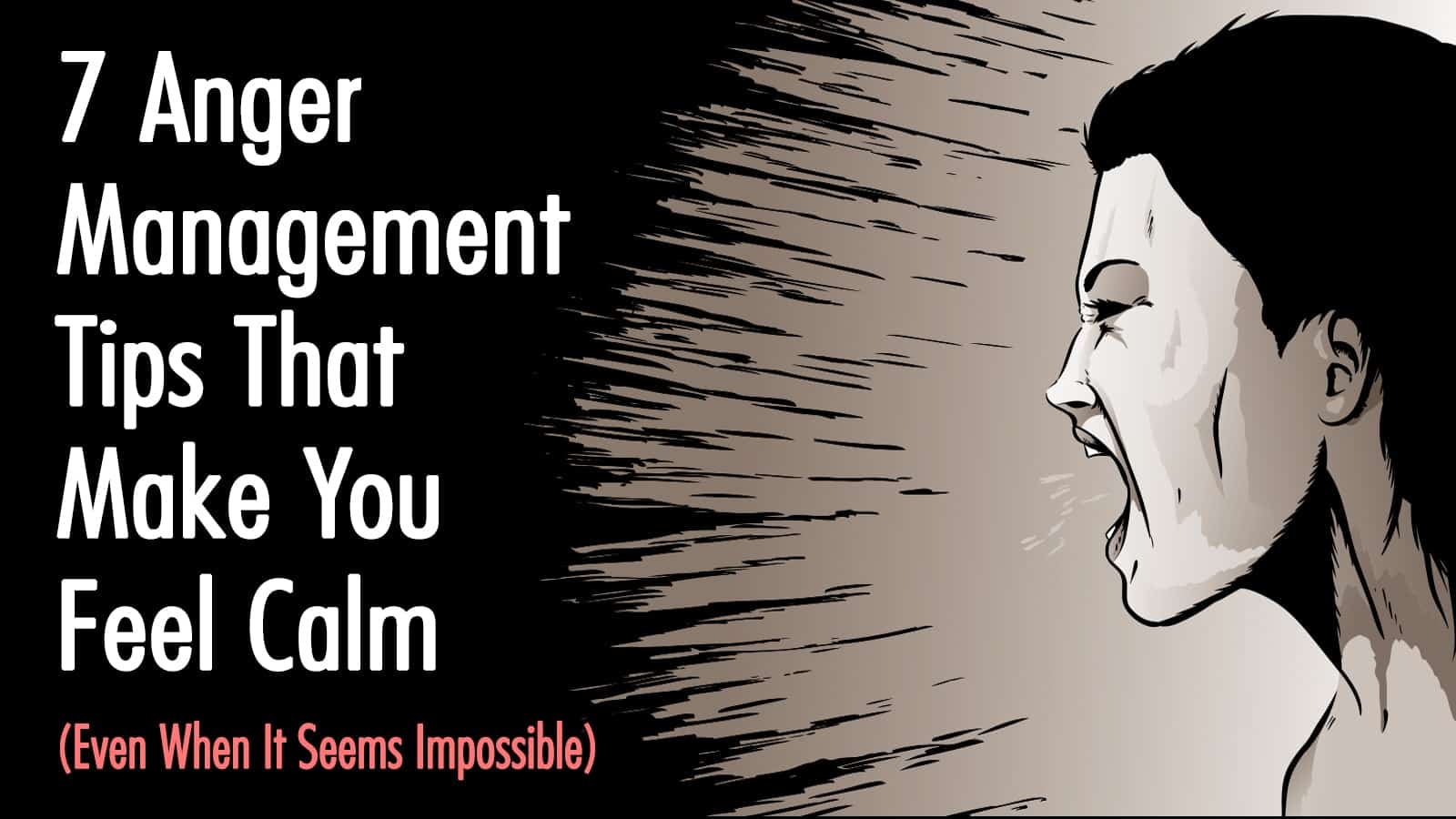

7 Things You Need To Learn About Your Temper

A temper is something in all of us that is at the heart of much of the negative energy that we have seen in our history, both recent and ancient. Anger is a very natural feeling, but how we behave in response is what can get out of our control. The following are important facts about your temper that everyone should keep in mind.

7 Things You Need to Learn About Your Temper

1. You are still learning how to be angry

You observe how other people respond to frustration all the time. When someone throws the remote at the TV in anger, you make a judgment that you don’t want to act that way. You see someone else who is frustrated with an incompetent clerk at the store. They are clearly frustrated but their response is to sigh heavily, tell the clerk to take their time so that they get it right and then they turn and apologize to the people in line behind them. You know which response you’d prefer to have yourself and you make that choice.

By seeing others in stressful situations, we select our behavior role models and try to follow in their footsteps. We tell ourselves that next time we get angry we will try a deep breath first.

2. You are still angry about your childhood

Your parents treated you differently from your siblings. One of your parents wasn’t there for you when you needed them. Your parents fought too much. Almost all of us can identify with one or more of these statements because these are inevitable parts of growing up.

If someone let you down and you were unable to stand up for yourself as a child, you might still be feeling resentful about it, even to this day. If you lived with siblings, you always felt that your parents liked them best and you were angry about it. You wish that your dad or mom was there more often when you needed them and you are still angry that thy weren’t.

Have a chat with yourself and ask what you’re still upset about from your childhood. Work through those issues on your own, with your parents, or find a licensed therapist to talk to about your lingering anger.

Related Article: 10 Things Your Inner Child Is Trying to Tell You

3. Managing your anger can help you succeed

Successful people are the picture of grace under pressure. That stereotype is one that hiring managers are looking for. In fact, they will almost always ask you in an interview about a time when you faced a lot of pressure and how you responded in a time of crisis.

How you appear outwardly when you are under pressure can say a lot about how you are perceived by those who might promote you. If you can never let them see you sweat, you’ll go farther than if you do.

Related Article: 5 Ways to Manage Anger

4. The health of your relationships is at stake

A major cause of broken romantic relationships is the anger of one partner over the behavior of the other. Expressing anger rather than hurt feelings can mean that the relationship is doomed. Expressing hurt communicates to your partner that you acknowledge what they said but that you took it personally whereas expressing anger blames them for your hurt feelings. In a study of positive versus negative patterns of emotional expression in childhood and teenage years, researchers could predict subjects’ success in future romantic relationships. Those who had a negative pattern of emotional expression with anger had more conflict in their relationships.

5. Others can sense your anger

We have evolved to have the ability to sense anger as a strategy to protect ourselves from harm. This makes sense when you are faced with an angry bear coming at you, but we have also adapted to learn to detect anger in human speech.

Your voice conveys anger to others whether you know it or not. A Swedish study found that anger can be recognized 83% of the time from speech intonation, even if angry words are not used. The research is being used to develop a voice recognition tool to help telephone call centers to get irate customers helped faster.

temper

6. Your temper is a killer

Rapid heartbeat, high blood pressure, increased cortisol hormone levels, and muscle tension are the physiological signs of anger. They are also the signs of stress and we know that living in a state of chronic stress leads to heart disease and other illnesses.

Not only that, intense anger that is out of control can lead to violent outbursts that cause people to kill each other. If you are concerned about violent thoughts that may lead you to violent actions, please contact a Crisis Counselor.

7. You can learn a lot from your anger

When you notice that you are angry, ask yourself, ‘Why am I angry?’ This will help you get to the root cause of your anger and you can learn about how to manage your temper better.

You can also learn to not be angry. When something happens that provokes your temper, you can chose not to get angry. You can choose to slow your breathing, relax your physical body and change your thoughts to reframe the event. Instead of taking it as a personal attack, try thinking of it as that person feeling tired and lashing out at you.

What You Can Tell About Someone’s Personality In 10 Seconds

They say that you can’t judge a book by its’ cover, but first impressions are often lasting impressions. Making a quick judgment of someone’s personality is something that we do subconsciously when we first meet someone.

Whether we are looking to date someone, hire someone, or partner with them, we need to know if we can rely on them. So we must see if they are compatible with our own personality. Further, we need to determine if we click with them.

Our perceptions of others sway our decisions about how to treat them. We do this with everything from making a decision about who to vote for in the election or whether to accept a date from someone. Although making a snap judgment about someone or having someone do that to you may seem unfair, it happens.

Sometimes even evidence to the contrary cannot sway our initial impression of a person. Imagine this. You see a tatted woman riding a motorcycle. You presume she’s rough and tumble. However, you strike up a conversation and learn she’s the CEO of a non-profit dog rescue agency. Would you change your first impression now that you have more information? Or is your first impression too strong to change?

What You Can Tell About Someone’s Personality in 10 Seconds

attractive

1. Trustworthiness

As part of our human evolution, we learn quickly to judge trustworthiness in order to protect ourselves from harm. In the first 10 seconds, people believe that they can get a gut feeling for whether or not they should trust someone. You can read more about how to tell if you are being lied to here.

2. Attraction

In a culture of speed dating and swiping right, we can most easily tell if we are initially physically attracted to someone based on their appearance. You probably know your type and if you’re set on a brunette, then blondes just won’t do it for you. We tend to be attracted to people who are similar to us, so we look for similar traits in our potential mates and tend to rate them as more attractive if they are more like us.

Sexual orientation is also something that we think we can determine based on appearance, and according to one researcher, we can. People who were allowed to view photos for less than a second were accurate at guessing sexual orientation 60% of the time, even when those photos had no makeup, piercings, hairstyles, glasses or tattoos.

In a study of speed dating, women initially said that they were looking for someone with a good earning potential while men chose attractiveness as their preferred trait. However, these traits were not what the daters actually ended up selecting in their eventual romantic partners. What we think we want in our mate may not be the deciding factor for us.

3. Extroversion

Is the person you are meeting an outgoing personality, or are they shy? This personality trait is fairly easy to determine in the first ten seconds. Indeed, we learn someone’s social intelligence from these cues:

  • Body language
  • Eye contact
  • An excitement in their voice
  • Animated facial expressions
  • Hand gestures

4. Neuroticism

Germophobic behavior like avoiding a handshake, fidgeting, personal hygiene, and some repetitive habits like nail biting are things we can also tell about someone in a short amount of time. We may assume someone behaving this way is anxious, even if the reason for the fear is not obvious to us.

5. Competence

Researcher Alexander Todorov studied people’s responses to faces and found that subjects perceived photos of people with thin lips and wrinkles at the eye corners as distinguished, intelligent, and determined. Photos of people who were baby-faced were judged to be physically weak, naive, and submissive, although they also thought they were honest, kind, and warm.

In another study about how voters choose candidates based on appearance, participants were asked to rate photos of congressional candidates for how competent they looked. The study participants selected the candidate who turned out to have won for 71.6 percent of the Senate races and 66.8 percent of the House races based only on how competent-looking they thought they were.

personality meme

6. Openness

Body language is easy to tell if someone is open in a 10-second initial meeting. If they are receptive to you, their feet should both be pointing toward you, arms relaxed, shoulders back, and their head should be up, and they will make eye contact with happy facial expressions.

When someone is not receptive to you, their body language will be more turned inward. Their shoulders round forward, they cross their arms, they avoid eye contact and their facial expression seems more disagreeable.

According to Nicholas Rule, a researcher who presented his findings at the annual conference of the Society for Personality and Social Psychology, “Not only should people not assume that others will be able to overcome aspects of their appearance when evaluating them, but also those of us on the other end should be actively working to consider that our impressions of others are biased.”

What Does Your Favorite Music Reveal About Your Personality?

A world without music seems almost unfathomable. We rely on music to help us express and understand our emotions; we get lost in music when nothing else seems to make sense. We allow it to transport us to another place, another time, another plane of understanding. I’m sure you can think back to a hard time in your life and remember that music, in part, helped you to get through it.

Music plays an undeniably pivotal role in our lives. It makes life more meaningful, but our taste in music can also reveal aspects of our personality. Professor Adrian North of Heriot-Watt University in Edinburgh, UK, performed the most comprehensive study to date on the relationship between musical taste and personality. He surveyed over 36,000 people in over 60 countries to learn more about their musical preference, as well as their personality. Based on their answers, North was able to connect a liking for certain music genres to specific personality traits.

Here’s what your favorite music says about your personality:

Indie

Indie fans have a high level of creativity, but low levels of self-esteem and work ethic. They also have a headstrong nature, not letting others sway their opinions or outlook on life. They usually have a contemplative, rather quiet disposition, but are friendly and warm upon getting to know them.

Heavy Metal

Fans of this type of music have high self-esteem and feel comfortable with themselves, but don’t have very much work ethic. They have a rather reserved personality, but open up to others easily. Despite the harsh sounds of their music, they have a gentle, loving personality, and share many traits of classical music lovers. However, heavy metal fans tend to be younger, in most cases.

Rap/Hip-Hop

Rap fans have both an outgoing personality and high self-esteem. They tend to blurt out whatever’s on their mind, without thinking twice about it. Fans of rap usually enjoy sharing music with others, instead of blocking out the world with headphones. Because of their extroversion, you can probably catch them dancing and singing along to their favorite songs. However, they tend to be a little self-centered, and not have much sensitivity or empathy to other people and issues in the world.

Electronic/Dance

Fans of dance and electronic music also enjoy the social aspects of music. They like going to concerts and raves to experience music with other people, and have an outgoing, friendly personality. They’re approachable, creative, and have strong opinions about things.

Country

Country fans work hard, have an outgoing personality, and are relatively easy to get along with. They are unassuming deeply caring about other people, but aren’t very willing to learn about other types of art or music. Country music fans can be set in their ways, and are very opinionated. They also tend to be conservative, but can have a friendly conversation with pretty much anyone.

Reggae

Reggae fans have many positive traits, including high self-confidence, creativity, extroversion, generosity, and kindness. They feel comfortable with themselves overall, but don’t have much work ethic. They prefer to move at a slower pace in life, simply enjoying each moment and observing the overwhelming beauty around them.

Classical

Classical music lovers have high self-esteem, feel at ease with themselves, and possess extreme creative talents, but tend to be reserved and quiet. They also are highly intelligent, worldly, and financially well-off, typically.

Pop

Pop fans have a bubbly, charismatic, outgoing personality. They have high self-esteem, but fall short in the creative realm. Also, they tend to worry incessantly over little things, and often use music to regulate their mood. Pop fans hate spending time alone, preferring to surround themselves with lots of people.

Rock

Rock fans have high self-confidence and creative talents, as well as a strong work ethic. However, they tend to dwell on negative events or people in their lives, and use music to get their frustrations out. They also tend to obsess over themselves, and don’t offer the same kindness and generosity as lovers of other types of music, such as reggae.

Blues

Blues fans have high creativity and self-esteem, much like fans of classical music. They also score highly in introversion, and tend to reflect deeply on their feelings and thoughts. They feel comfortable with themselves, but tend to enjoy their time alone more than with other people.

5 Things You Need To Know About Being In A Relationship With An Introvert

Introverts have so many desirable, positive traits, but are still largely misunderstood both in general and oftentimes in a relationship. Introverts make up 16-50% of the population, which means you probably know at least one introvert in your life. People mislabel them as aloof, unfeeling, or shy, but they just require ample alone time to recharge their batteries. They actually love people, but spending too much time around others drains their energy stores. They acquire their energy from within, which explains why they don’t mind time in solitude.

If you’re in a relationship with an introvert, it’s important to understand their personality traits so you can have a thriving, healthy partnership with them.

Here are 5 things you need to know about being in a relationship with an introvert:

relationship

1. They love having deep, stimulating conversations.

Dating an introvert means you had better prepare yourself for hours of conversation ranging from the meaning of life to quantum physics to aliens to everything in between. They may not show off their conversation skills much when you first meet them, but give them a chance to warm up to you. Introverts don’t like small talk, and would rather just cut to the chase and peel back the layers of your soul immediately without playing games. They enjoy a conversation that teaches them something new, or challenges their opinions.

Gossip, fashion, sports, and other common topics of conversation just don’t interest them. Introverts live for midnight talks that really make them think, ones that cut their soul wide open and give them a broader perspective of life.

2. An introvert takes a while to open up to others in a relationship.

Sometimes, talking to an introvert can feel like pulling teeth, but show some patience with them. They will come around; they just need some time to feel comfortable with you. Introverts may not have the best history with relationships, as people tend to walk all over them or leave them in the dust from a lack of understanding. An introvert needs a lot of mental stimulation, and frankly, most people don’t give them what they need.

Just show them that you do find them interesting and worthy of talking to, and your support will have them opening up in no time.

3. They require a lot of time alone to restore their energy.

Introverts acquire their energy from spending time in solitude, so respect their boundaries. If they don’t feel like going out on the town with you tonight, don’t push them to do so. While introverts don’t mind having fun and going places, they also need time to themselves so they can decompress and recuperate. The world moves at a very fast pace, and sometimes, an introvert just can’t keep up. They put their self-care and self-love at a high priority, so spending time alone allows them the chance to slow down and work on their mental and spiritual health.

Don’t make them feel guilty or wrong for needing some space; support them instead, and realize that they can be a better partner to you if you allow them some time to recharge their batteries.

4. An introvert may have a hard time sharing their feelings in a relationship.

Like we said before, introverts may have been burned by people a few times before. They have a high sensitivity to energies and feelings, and sometimes feel overwhelmed by the conflicting and turbulent frequencies on the planet. An introvert might retreat into their shell from time to time, afraid of feeling too vulnerable. If they don’t want to open up to you just yet, don’t pressure them to. Simply tell them: “You can talk to me whenever you feel ready.” This will show them that you support them, but also care about hearing what they feel deep down inside.

Introverts just need someone to make them feel safe and loved, so offer this to them, and they will eventually pour their heart out to you.

love relationship

5. They stray away from loud, crowded places.

If you pursue a relationship with an introvert, keep in mind that they tend to avoid noisy, bustling places. They would much rather spend a quiet evening with Chinese takeout, Netflix, and you than try to fight crowds and pretend to enjoy themselves. Of course, they do go shopping and to the grocery store and other “normal” activities, but they just do these things in small doses. The hectic environment of most places tends to overwhelm their senses, as they have a high sensitivity to stimuli.

However, inviting them to a picnic in a quiet meadow or taking them hiking in the wilderness will light up their soul and show them that you do understand them. Especially if you treat them to these things after a noisy party or chaotic shopping trip.

Remember, introverts just need balance in life. Offer this to them, and they will likely stick around for a while.

5 Signs You’re In A Relationship That’s Bad For Your Mental Health

When we enter into a relationship, it should always be good for our mental health.  Our sincere hope is that we can share mutual, positive thoughts and feelings with the other person for a long time to come without burden. Much of the happiness that we derive out of a relationship is dependent upon our positive state of mind.

Ultimately, the success or failure of any relationship, friendship, courtship, marriage, etc., hinges upon the frequency, depth, and quality of interaction that we have with someone else. Eventually, our mental state is affected either positively or negatively, depending upon these interactions.

Unfortunately, there are many unhealthy relationships. Take divorce for example. While the statistics vary according to the source, about half of all marriages end in divorce (the actual stat is probably a bit less than half, actually). Divorce is an extremely painful event; one that can potentially damage someone’s mental health before, during, and afterward.

It’s not just divorce, however. Our friendship and dating relationships also have the capability to affect our mental health.

Five Factors That Impact How a Relationship Might Impact Mental Health

boost mental health

In the midst of a relationship whirlwind, it can be quite difficult to slow down and evaluate our mental state. Much of the time, our focus lies in one of two areas: (1) healing the relationship, or (2) devising a way to get out of it. The degree of damage that a negative relationship causes to our health depends on a few different variables, including the following:

  1. Length of relationship
  2. Type of relationship (marriage, friendship, courtship, etc.)
  3. If any violence occurs (mental or physical)
  4. Whether you have children together
  5. If infidelity took place

That said… any length of time that our emotional and/or mental health is suffering is too long. This is especially true when it is a direct result of a person that is unworthy of our love, affection and attention.

“How people treat you is their karma; how you react is yours.” – Wayne Dyer

Is Your Partner Harmful to Your Mental Health?

Here are 5 five signs that your partner may be bad for your mental health:

1. Continuously second-guessing thoughts and feelings (thinking perhaps you’re overreacting or being too dramatic/sensitive/etc.) when you have the right to be.

Occasionally, it is normal to second-guess our thoughts and feelings. After all, we’re human. That said, it is not normal for someone that we’re in a relationship with to act in a way that constantly causes us to evaluate our mental state and second-guess our emotions. If this happens repeatedly over time, there is a strong possibility that the other person is acting manipulatively.

It’s worth noting that there is often denial at this phase, either by the person causing the harm or by the recipient of it. The one causing the harm will generally deny intent, often saying things like “I didn’t know you felt that way…” or “I didn’t mean to …” However, the recipient will often deny the other person’s intent for them, as in trying to rationalize another person’s behavior!

2. It harms your mental health if you make excuses about their behavior

If we ever find ourselves making excuses for someone else, well, we need to stop. Now, this can be a difficult thing, especially if it’s someone we deeply care for and/or love. The problem with continuously making excuses for someone else is two-fold: (1) it enables the other person to continue their negative behavior without consequence, and (2) making excuses to other people about their behavior will harm another relationship: the person we’re giving excuses to. It’s only a matter of time before they begin to feel used and mistreated.

But, we also need to watch the excuses we make. For example:

  • “I’d rather settle for him/her than be lonely”
  • “They’re a great friend, I’ve done something wrong”
  • “I don’t want to hurt their feelings…”
  • “I’ll bring it up later…”

3. Denying yourself the right to think/feel/act…

If our excuse-making gets out of control or we’re so keen on sustaining a relationship that’s not working, we’ll often flat-out deny ourselves the right to think, feel or act. Some of us will even talk ourselves into thinking that we’re somehow a benefactor for putting someone else before us!

We see this often with couples, especially those that have children. One person is completely disillusioned with the relationship, but “for the sake of the kids” or “not wanting to stir the pot” they’ll just bury their thoughts, feelings, and emotions. They certainly won’t take any kind of action that may change their circumstances. This will also happen with someone who’s been a close friend for a long time.

4. Unsettled anger, fear, or anxiety when interacting with your partner can harm mental health

In a relationship that’s been mentally unhealthy for some time, there will often be a sense of negative emotions being amplified by communicating with the other person. There’s almost a sense of dread that never quite dissipates, despite our best efforts. It’s as if we’ve been hurt for so long, that any conversation or other type of interaction causes negative feelings to resurface. The frequency and intensity of these thoughts and emotions are generally related to the severity and length of the mistreatment. Consistently negative thoughts and emotions will harm our mental health.

mental health meme

5. Constantly trying to ‘fix’ the relationship to little avail

A relationship is a two-way street. Both people have to be willing to give and take from time to time. When someone is not willing to reciprocate the type of effort needed to sustain a healthy relationship, there is often little that can be done. If, despite our effort to do so, the other person either: (1) seems to change only for a short period of time or (2) refuses to make any type of change to their behavior, it is likely a telltale sign that the relationship is just not going to work out. Friendships cannot be forced. Dating cannot be forced. Marriage cannot be forced. We can “work” on a relationship, but that’s only possible if both people are willing to put in the time and effort to do so.

In summary, we should not be willing to tolerate a continuously negative relationship. While we may be reluctant or fearful in cutting ties with someone else, it is oftentimes for the best – both for us and for them. We should be proactive in taking our mental health with the utmost seriousness while refusing to engage with people who threaten to unsettle our emotional and mental stability.

7 Things That Will Make You Feel Younger

All it takes is an exhausting day to make you feel 10 years older. Remember when you pulled all-nighters and still managed to function the next day? Whether Father Time has actually caught up to you or you just feel older lately, having an energy that makes you feel younger would sure make your life easier.

Aging gracefully in our physical appearance and health is what we all aspire to. Feeling young is something less tangible. Happiness at any age depends mostly on our attitude. One study found that people in mid-life and later adulthood who felt young had less fear of aging and more overall life satisfaction.

In other research, negative perceptions of aging could affect health later in life. Those who felt negatively about getting older were less likely to seek services for health care or other assistance. Their negative attitude is picked up on by others that they encounter who may avoid or neglect them as a result of wanting to avoid the negativity.

No matter how old you are physically, we all get stuck in a rut that feels old. Shaking things up a bit will give you a fresh perspective and will help you feel better and younger than you have in years. If chasing the elusive fountain of youth is all in our attitude about the aging process, here are 7 things that will make you feel younger.

7 Things That Will Make You Feel Younger

1. Smile and laugh more

Smiling gives you an instant facelift. It may sound like a platitude, but smiling does actually help to lift the apples of the cheeks. Exercising these facial muscles can help prevent the visible signs of aging and also helps uplift your mood.

Research has shown that not being able to frown as a result of having botox injections helped to improve a person’s mood. Of course, it is possible that having the anti-aging treatment could also have made those patients feel better about their appearance, which helped their mood.

Laughter is also a mood elevator that can make you feel younger. Bonus points for acting young if you share a laugh with a friend rather than alone. You can read more about how laughter works as a natural high here.

2. Have more sex

Even if you still haven’t found the right partner, give yourself some love. Having an orgasm releases endorphins, which makes you feel good. If you have a partner, try to add one more night per week for intimate touching. Just touching each other releases oxytocin which makes you feel happy and secure.

Looking and feeling sexy is another way to feel younger. Put on something that you look darn good in, even if you aren’t going anywhere. Get a massage or a salon treatment that will have you admiring yourself and your youthful glow every time you pass a mirror.

3. Try something you’ve never done before

The rush of excitement over a new experience will help you to feel younger. Pushing yourself out of your comfort zone will give you a feeling of uncertainty, but embrace that and be brave anyway.

Remember how fearless you were as a kid. If someone gave you roller skates, you didn’t worry about the danger of falling, you laced them up and started skating for the pure joy of the activity.

Fear is sometimes described by the acronym False Evidence Appearing Real. Ask yourself if you have any real evidence about why you shouldn’t try a new activity. If the answer is no, then go for it.

4. Dance like no one is watching

Put on some music that makes you want to move and let loose. Getting active in a joyful way elevates your mood and energy level. Listening to music gives you a boost of dopamine, and so does exercise.

5. Meet new friends

Your long time friends know most of your stories, but when you have to talk about yourself with someone new, you get the benefit of a fresh perspective on who you are as a person. Start up a conversation with someone you may never see again. You may find a new companion who has more in common with you that you would ever know.

6. Learn something new

Being a lifelong learner is a great way to keep your mind active while adding education and skills to your resume. Find a local community college course list and sign up for a class on your favorite subject or one you know nothing about. For a small fee you can stimulate your mind and feel like a freshman in college again.

7. Volunteer with the elderly

Yes you will feel young by comparison when you volunteer with older people, but that’s not what we meant. When you donate your time to people who need help, you feel good about what you’re doing. Find a cause that you can support and get involved.

Getting older isn’t easy, which is why your life experience up to this point can help you sail through this part of your life with ease. With a positive attitude and a willingness to change, you’ve lost 5 years off your mental age already.

5 Signs You Have Anger Issues and How to Fix Them

Imagine that someone that you made plans with changed things on you at the last minute. Do you sigh heavily in frustration but go along with the new plan, refuse to change from your original plan, or yell at them about how inconsiderate they are of your time? How you respond shows how well or poorly you control your emotions.

Anger is a natural human emotion, so having feelings of anger is not a problem. When anger affects your well-being or those around you, it can signify that your outward expressions of anger have become a problem.

5 Signs You Have Anger Issues

Here are five signs that you get angry too often.

1. Your Anger Issues Concerns You

anger issuesIf you have concerns over how often you get angry, the inability to keep control over your anger, how long you stay angry, or your behavior that corresponds to the anger, it’s a sign that you have an anger problem. Your feelings about your emotions are a significant clue to your anger being something you need to control before it gets worse.

In one study, anger predicted substance use for women, and impulsivity was more strongly associated with delinquency for males. Lack of control over strong emotions can lead to other out of control behavior.

2. Your Anger Issues Cause Other People to Fear Your

Experts diagnose sudden outbursts as Intermittent Explosive Disorder, and it impacts approximately 16 million Americans.

If you are prone to overreacting when you are angry, others may have been avoiding you. You can see signs of fear in others by observing their body language. When you do finally see them, their body language might seem defensive. For example, their arms are crossed over their chest, and they stand with one foot turned toward the door. They may avoid eye contact or seem to apologize excessively.

On the other hand, it is unlikely that you would notice how your behavior affects others if you have an anger problem. You may have become blind to the impact that your actions have had on those closest to you. If you think that your anger may be affecting your relationships, it is a sign that it may be a problem.

3. You Have Anxiety About How You Will Feel After an Angry Outburst

You may have noticed that you can’t predict how you will respond when someone tells you something you don’t want to hear. If you are worried that you will overreact at any given moment when you interact with someone, you likely have an anger problem.

You may also feel depressed about your actions after a bout of anger. If your emotions swing to sadness, you are more prone to harm yourself with other out of control behavior such as self-medication with alcohol or drugs. Seek the help of a licensed counselor to work through your emotional distress if it concerns you.

4. It Takes You an Hour or More to Regain Emotional Control

Everyone gets upset, but it could be a good reason to be concerned if you have trouble releasing your angry feelings. It can be unhealthy for you to have these feelings over a long period of time. An article published in Psychology Today explains that it takes the body about twenty minutes to calm down after the fight or flight response kicks in.

Here’s how that works.

When you get angry, your blood pressure increases, and your heart rate speeds up. You might sweat, and you have a rush of adrenaline. A prolonged period of heightened arousal from anger is similar to the effects of stress on your body.

After an angry outburst, your physiological stress levels should return to normal within a fairly short amount of time. You should be able to feel calm and relaxed again within 30 minutes following the angry episode.

You should also be able to move your thoughts on to focusing on a solution to whatever upset you. If you are having trouble with either your physiological anger response or your thoughts returning to a calm state, it is a sign that you have an anger problem.

5. You Have Violent Thoughts or Actions

Throwing things, kicking or overturning furniture, slamming doors, or other violent actions are signs of a problem. Violence toward objects can become violence toward others. Seek help before you cause harm to another person.

Similarly, violent thoughts about causing harm to others are concerning. If you have thoughts about hurting people, it can be frightening to confront those thoughts. You can text the Crisis Text Line at 741741 if you are experiencing an emotional crisis and need help. You can also seek a licensed counselor in your area to work through your feelings of anger.

According to the team at the Kentucky Counseling Center, Cognitive-Behavior Therapy proves to help reduces negative feelings in those who try the therapy. The therapy uses techniques of relaxation and restructuring thoughts, focusing on solving problems and learning to prepare for stressful situations.

Ten Practical Ways to Manage Your Anger Issues

Now that you see you have anger issues, how do you address them? Here are ten things you can try.

anger issues1. Practice Relaxation Techniques to Cope With Your Anger Issues

When you feel anger set in, practice your relaxation skills. Focus on deep breathing, imagine your favorite place, repeat a calming phrase, listen to music, or write in your journal. Yoga is another good way to relax, so learning a few yoga poses can help, too.

The best relaxation technique for you might be different than what works for someone else. Focus on finding an activity that helps you reduce your anger, and practice it to make the techniques to make them more effective.

2. Work on Forgiveness and Empathy

Forgiveness is more powerful than you might initially realize. Letting go of the negative feelings will help you let go of bitterness, injustice, and anger. As you practice forgiveness, you will feel the anger leave your body.

Empathy can also help you let go of the anger. As you view the situation from someone else’s perspective, you might form a new level of understanding. With understanding, you can begin to let go of the negative feelings as you recognize the reasoning.

3. Identify and Avoid Triggers

To fix your anger issues, start by identifying your triggers. You can’t blame other people or circumstances for your behavior, but you can figure out what sets you off. Spend a week or so tracking your anger issues by making notes of the following:

  • people that were involved
  • the place it happened in
  • what the situation was
  • the time of day

While you can’t control other people or situations, you can structure your day differently to help. You can also try to avoid certain people or events that trigger your anger. Even if you can’t avoid the trigger, knowing that it is coming will help you handle it better.

4. Don’t Speak Without Thinking It Through

When you’re angry, it’s tempting to say the first thing that comes to mind. It’s also tempting to say something that you know will hurt the other person. Avoid doing this, though, because it will only make you feel worse.

Rather than saying things that you’ll regret later, take a few minutes to collect your thoughts. You can even practice what you want to say before having the conversation to see how it sounds. Avoid saying anything offensive as it can do more harm.

5. Walk Away When You Feel Angry

When you feel your anger rising, walk away and take a few minutes to yourself. Doing this will give you a chance to prepare for what’s ahead without letting your anger issues control you.

As you’re taking this timeout, think about if your anger will help or hurt the situation. If it’s helpful, work on changing the situation rather than focusing on your anger. However, if it isn’t helpful, try to change your mindset and emotional state instead.

Once you’ve calmed down a little and thought about the situation, you can positively address it. Assertively express your frustration or anger, ensuring that you aren’t confrontational.

6. Find Something to Laugh About

You can release tension and anger by finding humor in the situation. Try using a light-hearted joke or doing something funny to make things less tense. Be careful to avoid sarcasm, though, as it can make things worse.

If you can’t find humor in the situation making you angry, find something else to laugh about. Watch a comedy, listen to a funny podcast, or play with your kids. Whatever it is that makes you laugh and brings joy, spend time on that activity.

7. Do a Physical Activity

When you get angry, physical activity can help alleviate the feeling and clear your thoughts. Since anger makes you more energetic anyway, you might as well put it to good use.

When you first start feeling the anger escalating, go for a run or a brisk walk. You could also do some strength training at the gym or find other physical activities that help you decompress.

8. Learn to Recognize Warning Signs That Trigger the Anger issues

Even if you feel like your anger hits unexpectedly, there are usually some warning signs first. If you can learn these warning signs and recognize them in yourself, you can control your anger issues. Some indicators to watch for include:

  • a faster heartbeat
  • your face feeling hot
  • clenched fists
  • racing thoughts

9. Put Your Energy into Finding an Immediate Solution

Instead of focusing on the situation angering you, try switching your mindset and thinking about a solution. If it is the same trigger most of the time, learn to adjust to the problem.

For instance, if your child often leaves for their friend’s house without cleaning up their room, shut the door. If your partner is continually late for dinner, choose a later meal time. While this doesn’t resolve the underlying issue, it keeps your anger in check, helping you maintain your wellbeing.

10. Talk to a Close Friend

Choose someone calming that you are comfortable with and talk to them about what’s bothering you. Explain your issue and feelings to them and listen to their feedback.

Your friend can help you find a solution other than an angry outburst, and you can work through your feelings. A fresh perspective can help diffuse any situation.

encourage memeFinal Thoughts on Managing Anger Issues

How we respond to being upset is something that we learn as children by watching those around us. We can unlearn those behaviors and learn to replace acting out with more productive actions instead. A trained therapist is the best option for you if you have unsuccessfully tried to make changes on your own.

You can try one or two of the coping strategies on your own. If you need additional help to restore peace and calm, try seeing a counselor. There is no shame in seeking professional help for your anger issues. You can only grow stronger from experience.

This ONE Ingredient Remedy STOPS Migraines Instantly

If you’ve ever had a migraine, you know that the pain can be excruciating, and you would do anything to make it stop. Although traditional medicine offers migraine relief, other home remedies exist. So you might not believe how easily this one natural ingredient might relieve your migraine pain.

According to the Migraine Trust, 54% of sufferers experience one or more attacks per month, and 13% claim one or more episodes per week. As a result of migraines, an estimated 25 million days are lost from work or school because of migraine worldwide. The World Health Organization classifies severe attacks as the most disabling illnesses, comparable to dementia, quadriplegia, and active psychosis.

Migraine sufferers know that it’s not like a usual headache. The severity of the pain and the duration typically set a migraine apart from a regular headache.

If you are unsure what type of head pain you are experiencing, you can read more on this topic here.  Consult your doctor for help if the pain does not subside with over-the-counter medication or home remedies.

What Happens During a Migraine?

Inside your head, blood flows in a circle like a halo, providing oxygen to all of your brain tissue. Neurons are firing, and all of your bodily functions are controlled by the computer that is your brain.

When it happens, two things are causing you pain. First, blood vessels dilate. They open up, and more blood than usually starts flowing to your brain. The pressure on the blood vessels of the increased blood flow is one cause of your pain.

The second cause of pain, according to the Migraine Relief Center, is that “cranial vessels leak, causing swelling in the area.”

migraine

Indeed, it’s no wonder you feel pressure in your brain when you have this headache. These headaches can last from 4 to 72 hours. During that painful time frame, some people feel nausea to such an extreme as to cause vomiting. Often, people experiencing one need to lie down and rest to recover until the pain subsides.

Some people will also experience visual hallucinations during a migraine, like tiny lights appearing or tunnel vision where their field of vision is closed off. This experience is common, but it can make any normal activities like driving impossible until it passes.

What Causes a Migraine?

They can come from an environmental triggers such as red wine, stress, sustained loud noise, dehydration, soy products, or even weather pressure changes. Sufferers quickly learn to look for and avoid the possible triggers that brought on the migraine.

Women have a higher incidence of migraines due to hormonal changes. Women sometimes find that they are more likely to experience a migraine during the same time of their monthly menstruation cycle. Other hormonal changes like pregnancy or menopause can bring on a change in migraine frequency.

Over the Counter Migraine Remedies

The Migraine Trust says that “migraines remain undiagnosed and undertreated in at least 50% of patients, and less than 50% of migraine patients consult a physician.” Most try to fix the pain by taking their usual pain relievers such as ibuprofen, aspirin, or acetaminophen.

Both aspirin and ibuprofen act to thin the blood, and they will have a negligible effect on migraine by reducing the pressure on blood vessels in the brain. The time it takes for these to impact is excruciating for the person suffering from the headache.

Prescription medications are also available from a doctor in pill, patch, injection, or nasal inhalant forms. For oral medication, migraine sufferers take them at the first sign of symptoms. Other forms might be faster acting or in the path form. Thus, they deliver a steady dose of medication to help prevent migraines.

This ONE Natural Ingredient Can Stop A Migraine Instantly

The one miracle cure for your migraine? A drop of high-quality essential frankincense oil placed on the pad of your thumb then pressed into the roof of your mouth is a natural remedy that can stop migraines instantly.

Ancient Egyptians used frankincense oil as a natural migraine remedy when applied externally to the head. Some people report disliking the taste of the oil, so they use it in specific massage points on their heads. Put the oil on your fingertips and rub your temples, forehead, back of your neck, and scalp.

One study found that the monoterpenes in Frankincense and other essential oils act as a potent anti-inflammatory. This reduces the swelling of the blood vessels and reduces the pain. A second study showed that frankincense oil reduced the intensity and frequency of headaches in patients who experienced debilitating cluster migraines.

If you are one person for whom the frankincense oil does not work, try something to constrict your blood vessels, such as applying cold. A wrapped ice pack applied to the back of the neck or even running cold water over your head should help reduce the size of your blood vessels. Holding some cold water in your mouth while breathing through your nose will also help.

10 Additional Ways You Can Benefit from Using Frankincense Oil (Besides Treating Migraines)

Frankincense oil can do much more than alleviate a migraine. Here are some other fantastic uses for this essential oil.

1. Reduces inflammation

Chronic inflammation may cause a migraine, but it can also lead to different diseases, such as these:

  • Cancer
  • Type 2 diabetes
  • Rheumatoid arthritis
  • Heart disease
  • Hay fever
  • Periodontitis
  • Arterial disease

Inflammation is your body’s way of trying to protect itself from injury. Inflammation happens when your body gets rid of cell or tissue damage from an injury. Frankincense contains boswellic acid, which helps your body to calm down. Applying Frankincense to the injured area can reduce inflammation that causes swelling, redness, and warmth in the injured area. Be sure to mix the Frankincense with a carrier oil to maximize its benefits.

2. Heals wounds

Besides stopping a migraine headache, Frankincense has antibacterial properties to heal wounds on your skin. It regenerates skin tissue, opens your pores to remove toxins, and prevents infection. Some suggest that Frankincense reduces age spots and can even out your skin tone. You can use Frankincense topically by mixing two to four drops with coconut oil or shea butter. Rub it directly on your skin.

3. Antifungal treatment

This fantastic oil also has antifungal properties. It can kill some types of fungal yeast. You must always dilute Frankincense in a carrier oil such as:

  • Almond oil
  • Argan oil
  • Coconut oil
  • Grapeseed oil
  • Jojoba oil
  • Rosehip oil

To get rid of toenail fungus, follow these directions. Clean your toenails with soap and water. Dry them off with a towel. Apply a couple of drops of Frankincense mixed with a carrier oil. Let the oil soak into your toenail for fifteen minutes. Then scrub your toenail with a nail brush. Do this treatment once a day for several months, noticing the fungus disappearing.

migraine

4. Kills some cancer cells

Melanoma is a very aggressive form of skin cancer.  It metastasizes quickly, and once it’s in this state, it’s hard to cure. There are 132,000 new cases of melanoma diagnosed in the world each year. In 2019, one study found that Frankincense essential oils suppress melanoma cancer in mice.

5. Helps treat asthma

Frankincense oil helps improve the symptoms of bronchitis and asthma. Those who use Frankincense report fewer episodes of asthma symptoms of wheezing, shortness of breath. This aromatic essential oil calms your respiratory tract so that you can breathe easier. Put a few drops of Frankincense on a cloth and inhale the scent for a few seconds. Or you can use an oil diffuser to fill a room with the smell of Frankincense to help you breathe easier.

What is a diffuser?

Diffusers come in all shapes and sizes. They’re prevalent today for releasing essential oil scents into the air. These electric devices spread essential oils of your choice throughout a room in your home or car. A good diffuser will include these things:

  • Easy to clean
  • It has a timer to allow for the right amount of time to diffuse the oil
  • Should run for at least an hour
  • Will disperse fragrance into a room in less than thirty minutes

Don’t diffuse your essential oils for too long since they may irritate your nose, skin, or eyes.

6. Faster recovery from a cold

If you have a cold, Frankincense can speed up your recovery. It breaks up the phlegm in your lungs and opens your respiratory tract. Frankincense’s anti-inflammatory benefits help you get rid of your migraine. That’s because it can reduce the swelling in your nasal passages so you can breathe better. If you’re suffering from a cold, use a diffuser with some Frankincense oil to improve your breathing and faster recovery from a cold.

7. Reduces anxiety

Another tremendous benefit of Frankincense essential oil is its ability to reduce your anxiety. Breathing in this aromatic oil calms you almost immediately. Like how Frankincense stops a migraine, this essential oil reduces stress and improves your mood. You can apply Frankincense oil to the bottoms of your feet to enhance relaxation. Try using it every morning to boost a positive attitude as you face the day.

8. Gut health

Another helpful benefit of Frankincense is reducing gut bloating and pain from conditions like

  • Irritable bowel disease (IBS)
  • Ulcerative colitis
  • Constipation
  • Stomach cramps

People who took Frankincense once a day for four weeks had a significant decrease in stomach symptoms of pain and cramping. Researchers hope to learn more about the healing properties of Frankincense related to gut health.

9. Skincare

People swear by Frankincense’s skincare benefits. This essential oil acts as an astringent, bringing balance to your skin’s oil production. It works as a toner that tightens and strengthens your skin’s elasticity. Frankincense provides a natural barrier against bacteria that causes blemishes.

Plus, when you use this essential oil, you’ll notice your skin is softer. Be sure to mix it with an appropriate carrier oil for the skin, such as jojoba oil or coconut oil. Many feel it’s a natural anti-aging remedy and smooths out pigment discolorations.

10. Improves oral hygiene

Frankincense may prevent gum disease and improve your overall oral health. Its potent antibacterial properties fight gum disease infections. In the Far Eastern parts of the world, Frankincense is a traditional medicine used to fight cavities and other mouth-related infections. Researchers are studying other therapeutic benefits for oral hygiene of this fantastic therapy.

migraine

Final Thoughts on Frankincense Oil for Migraine Relief

If you suffer from migraines, you understand how debilitating they can be. When you have a migraine, you need to hit the pause button on your life. Blinding pain makes it impossible to function at work, home, or school. Prescription medications can relieve the pain, but they have some dangerous side effects. Frankincense’s natural ability to stop a migraine is a God-send for sufferers.

This essential oil’s ability to reduce inflammation and swelling can end your migraine in short order. Put one or two drops of Frankincense on your thumb, and then press your thumb into the roof of your mouth. Quickly, you’ll notice your migraine fading away. If you are unconvinced of Frankincense’s effectiveness, why not try it the next time you get a migraine?


Skip to content