Weekly tips, affirmations, and small actions to feel your best.

5 Real People With “Unexplainable Superpowers”

Science can explain a lot of things. The scientific method has been the catalyst to some of our world’s most breakthrough discoveries. Yet, there remain facets of our existence that even the most brilliant scientific minds can’t manage to posit a reasonable explanation.

We’re not talking about space, time or some other uber-complex scientific contemplation. We’re discussing human beings; specifically, human beings that have superhuman capabilities. Traditional geniuses are often fixated upon because of their tremendous and extremely rare intellectual gifts, but they’re not the only ones that display remarkable abilities. Genius manifests itself in a number ways – some of them quite beautiful.

One common trait that is seen among anyone with extremely rare talent is their incredible ability to use their mind. The phrase “Mind over matter” is one commonly iterated between people that seek greatness. For those on this list it’s an innate trait – one that is self-evident when witnessing the abilities of a truly paranormal human being.

Here are 5 people with unexplainable superpowers:

1. Uri Geller: Psychokinesis

Psychokinesis is the ability to manipulate objects with absolutely no physical intervention. Uri Geller, an Israeli Psychic, is well-known for his ability to bend spoons, move items and reveal details of unseen objects.

During a demonstration given at the U.S. Capitol building, Geller showed his ability to bend a spoon upward with absolutely no force applied. Remarkably, after Geller set the spoon down and continued his speech, the spoon continues to bend.

Despite of Geller’s astonishing demonstration, physicists and other scientists – even the military – have continually noted that kinesis is a reality. Military leaders even conducted an experiment where invitees were given step-by-step instructions on how to manipulate objects using the mind.

According to various sources, the test subjects were often able to contort metal without physical interference or manipulation. The late Jack Houck, once one of the world’s most well-known engineers and physicists, even published a paper detailing the positive results.

2. Isao Machii: Superhuman Reflexes

Isao Machii is a Japanese laido master – an expert at drawing and utilizing a traditional samurai sword. Most Japanese are quite reserved and extremely private, so not much is known about Machii other than his supernatural abilities with a sword.

However, Machii holds a number of Guinness World Records for his sword skills…and they’re impressive. Some worthy mentions among Machii’s various records: most sword cuts in three minutes, most sword cuts in one minute and the fastest tennis ball to be cut by a sword (509 MPH/820 KPH).

Perhaps Machii’s most impressive feat came via television, where the sword master sliced a shot BB in half.

Here’s how the expert witness, Dr. Ramani Durvasula, explained Machii’s achievement: “This is about processing at an entirely different sensory level. He’s not visually processing this…this is a different level of anticipatory processing.”

3. Stephen Wiltshire: Photographic Memory

Stephen Wiltshire is not just any British architectural artist. Well, unless any architect can look at any structure – cities included – just one time before drawing a perfectly detailed replicate. But Wiltshire’s talent doesn’t even scratch the surface of a truly beautiful mind.

Wiltshire was a mute when he was young – a disorder that rendered the boy unable to speak. At the age of three, he was diagnosed as autistic. In the same year, his father tragically died of a motorcycle accident. Fortunately for the rest of the world, Wiltshire persevered and created some magnificent work in the process. The motorcycle accidents lawyer helps them make sure they get the right compensation, even paying for the hospital bill.

Wiltshire has the innate ability to look at any subject one time and draw a detailed and accurate picture. Most times, he is flown only once on a brief helicopter ride before putting his pen to paper. For example, his nineteen-foot-long drawing encompassing over 300 miles of New York City was the product of a 20-minute long helicopter trip.

His largest work – a 32.8 foot-long canvas of Tokyo – was completed in seven days…he needed only one helicopter ride to memorize and draw the vast metropolis.

4. Kevin Richardson: Animal Whisperer

Wiltshire isn’t the only superhuman with an ability that touches the heart. Kevin Richardson, a South African animal behaviorist, has the uncanny ability to communicate with a number of different animals.

Richardson also faced setbacks of his own, nearly deciding to call it quits in his zoology endeavors. After dropping out of his zoology program, Richardson studied and eventually became an exercise physiologist. At 23, Richardson began working with lion cubs – an experience that reignited his passion for animal work.

Nowadays, Richardson is most famously known for his work with big cats – lions, hyenas and leopards. He’s a famous face on many animal television networks and shows, often seen being leapt on by a massive lion.

Richardson attributes his superhuman abilities to a relationship built on love, respect and patience. He often disavows traditional rules and status-quo, instead choosing to rely on intuition and experience. “A lion is not a possession; it’s a sentient being, so you must pay attention and develop your bond like any relationship.”

5. Veronica Seider: Eagle-eye Vision

Seider, a German-born dentist, did not discover her superhuman vision until she was 21, when it was discovered by the university she was attending.

To truly understand Seider’s incredible eyesight, it’s necessary to compare it with the average human.

– Normal human eyes have a visual acuity of 20/20. Seider’s is 20/2.

– Normal human eyes can see detail from 20 feet away. Seider can see the same thing from over a mile – 5,280 feet.

In short, Veronica Seider’s vision is over 20 times more powerful than the normal human eye. Biologically-speaking, this should be impossible. However, Seider has continuously subjected herself to multiple tests in which she has verified her miraculous eyesight abilities.

Despite all of the fame and fortunate she could’ve accumulated by displaying her gift, Seider was intent on living a normal life outside of the spotlight, choosing instead to become a dentist in Germany…after setting a Guinness World Record, of course.

25 Mind Blowing Psychology Quotes From Carl Jung

Carl Jung was a psychological genius who expanded on our understanding of the mind, and his writings contain some of the most thought-provoking ideas you’ve read recently. Jung expanded on the ideas of Sigmund Freud and developed his own psychological theories.

Carl Jung also pioneered the thought-provoking concept of the introvert and extrovert personality types, which you can read more about in our articles Are You an Introvert or an Extrovert? and 7 Life Changing Lessons to Learn From Introverts. Jung believed that dreams were a way for us to make up for missing parts of our personality.

Jung was the founder of the idea of a collective unconscious. The collective unconscious is a group-mind that we all share; something we are born with that contains humanity’s shared concepts, called archetypes. Archetypes are things like having parents, finding a mate, having children, and confronting death. Jung was also interested in the way we use myths to tell stories about these archetypes with a shared meaning.

According to Charles Cowgil of muskingum.edu,

“Jung wanted to investigate the similarity of symbols that are located in different religious, mythological, and magical systems which occur in many cultures and time periods. To account for these similar symbols occurring across different cultures and time periods he suggested the existence of two layers of the unconscious psyche. The first of the two layers was the personal unconscious. It contains what the individual has acquired in his or her life, but has been forgotten or repressed. The second layer is the collective unconscious which contains the memory traces common to all humankind. These experiences form archetypes.”

You can see some of Carl Jung’s thought-provoking ideas reflected in these 25 quotes.

25 Of The Most Thought-Provoking Carl Jung Quotes

1. There is no coming to consciousness without pain.

2. The shoe that fits one person pinches another; there is no recipe for living that suits all cases.

3. The word ‘happiness’ would lose its meaning if it were not balanced by sadness.

4. In all chaos there is a cosmos, in all disorder a secret order.

5. The healthy man does not torture others – generally it is the tortured who turn into torturers.

6. A man who has not passed through the inferno of his passions has never overcome them.

7. It is a fact that cannot be denied: the wickedness of others becomes our own wickedness because it kindles something evil in our own hearts.

8. Your vision will become clear only when you can look into your own heart. Who looks outside, dreams; who looks inside, awakes.

9. Neurosis is always a substitute for legitimate suffering.

10. It all depends on how we look at things, and not how they are in themselves.

11. Mistakes are, after all, the foundations of truth, and if a man does not know what a thing is, it is at least an increase in knowledge if he knows what it is not.

12. The collective unconscious consists of the sum of the instincts and their correlates, the archetypes. Just as everybody possesses instincts, so he also possesses a stock of archetypal images.

13. Dreams are the guiding words of the soul. Why should I henceforth not love my dreams and not make their riddling images into objects of my daily consideration?

14. The greatest and most important problems of life are all fundamentally insoluble. They can never be solved but only outgrown.

15. Shrinking away from death is something unhealthy and abnormal which robs the second half of life of its purpose.

16. For a young person, it is almost a sin, or at least a danger, to be too preoccupied with himself; but for the ageing person, it is a duty and a necessity to devote serious attention to himself

17. Understanding does not cure evil, but it is a definite help, inasmuch as one can cope with a comprehensible darkness.

18. Our heart glows, and secret unrest gnaws at the root of our being. Dealing with the unconscious has become a question of life for us.

19. All the works of man have their origin in creative fantasy. What right have we then to depreciate imagination.

20. Often the hands will solve a mystery that the intellect has struggled with in vain.

21. Everyone knows nowadays that people ‘have complexes’. What is not so well known, though far more important theoretically, is that complexes can have us.

22. Man’s task is to become conscious of the contents that press upward from the unconscious.

23. Show me a sane man and I will cure him for you.

24. Who has fully realized that history is not contained in thick books but lives in our very blood?

25. If one does not understand a person, one tends to regard him as a fool.

8 Things You Shouldn’t Believe About Being An Adult

What does being an adult mean anyway? Does it mean going to a 9-5 job, rushing out to the grocery store afterwards while trying to get the kids to behave, and paying our bills on time? Does it mean having a certain amount of money in our bank account, owning a house, and slowly paying off our student loans? Unfortunately, most of the world probably agrees with these definitions of being an adult. After all, we can’t really avoid responsibilities as we grow older, but should we let these obligations define us?

I mean, most of us don’t really know what we’re doing anyway – we’re just making choices, and hoping they’re the right ones for us, whatever that means. We all just kind of get thrown onto this planet, and have to adjust and try to make sense of it all as we go along. So, maybe being an adult means nothing more than getting older, and trying to have some fun along the way.

“I am convinced that most people do not grow up…We marry and dare to have children and call that growing up. I think what we do is mostly grow old. We carry accumulation of years in our bodies, and on our faces, but generally our real selves, the children inside, are innocent and shy as magnolias.” – Maya Angelou

Here are 8 things you shouldn’t believe about being an adult:

adult

1. That you need to have it all figured out

Newsflash: no one knows all the answers. They might act as they do, but we never got a guidebook on how to live life. We never had a class in school called “How to Make the Right Choices and Not Screw Up.” If we did, life probably still wouldn’t make that much sense because at the end of the day, we all live in a way that feels best to us. No one can teach us how to feel good about our decisions, or how to make the right ones. Just because you have a degree and a nice job, doesn’t mean you shouldn’t question your life from time to time. Having doubts doesn’t mean you are totally lost – it means you’re human.

Perfection doesn’t exist, and knowing all the answers to life’s questions doesn’t, either. Forget about knowing, and instead, focus on being. All the rest will work itself out.

2. That you need to own a house

Who said you need to shell out $150,000+ on a piece of property? Who said to be a successful, upstanding citizen of society that you need to have ownership of a giant box? It doesn’t make you any less of a person to either rent for your whole life, or have roommates until you turn 60, or whatever other living situation makes sense to you. Having a house sounds nice in theory, but it doesn’t come cheap most of the time, and the maintenance fees can really add up. According to a survey carried out by Hart Research Associates, over half of Americans can’t actually afford their house. Meaning, they’ve had to make major sacrifices or take a second job in order to cover their mortgage.

So, does it still sound appealing to have your own house?

3. That other people know how to adult better than you

Comparing yourself to others won’t get you anywhere, except in a depressed state of mind. Also, you don’t know what happens behind closed doors just because people appear to have it together on the surface. They might have crippling debt, rising mortgage payments, and other struggles that they don’t tell you about. So what if they make more money than you? That doesn’t equate to more happiness. In fact, a groundbreaking global study including 54 countries confirmed this fact back in 2010.

So, even if people seem to have more than you or appear to know all the answers, this doesn’t mean they have mastered adulting. They probably just know how to pretend really, really well.

4. That you should get married and have kids

Again, no one said that to have a happy, successful life, you need to tie the knot with someone and reproduce. Society might pressure us to do these things, but we don’t have to listen. If you want these things, by all means, go for it, but you can have a fulfilling life without bearing children or having a life partner.

5. That you have to work at a 9-5 job

What if you want to own a business? What if you want to draw and paint for a living, out of your own home? If you want a 9-5 job, then great! But if not, don’t feel like you have failed in adulthood or life. People follow different paths in life; maybe yours doesn’t involve a 40 hour workweek. Your dream might involve something different, so just allow it to manifest without feeling guilty about carving your own path.

6. That you have to deal with life on your own

When we grew up, we had our parents or guardians to help us with life’s hurdles. They taught us to tie our shoes, to stand up to bullies, to take out the garbage at night, and other important things about life. However, when we become adults, we are expected to do everything independently. However, we are social animals, so sometimes we will inevitably need some help and support. Don’t hesitate to speak up and ask questions or reach out to someone when you feel alone. This actually makes you more of a mature adult because you know your limits and don’t feel embarrassed to ask for help when you need it.

7. That you should never make mistakes or struggle

Mistakes allow us to learn and grow. If we didn’t make them, we would never transform from a caterpillar into a butterfly. We would stay in one spot, and never know what it means to overcome challenges. Adulthood DOES NOT equal perfection, so don’t expect everything to go smoothly. The bumps in the road make the journey worth it, as you’ll discover when you look back on the hard times and realize how much you grew because of them.

adult

8. That you have to pretend to be okay

Adulthood also doesn’t mean putting on a fake smile and hiding your true feelings from the world. If you need to cry, scream, and throw things, then do it (as long as you don’t hurt yourself or others). Pretending and putting up walls doesn’t make you more of an adult; it just means you are suppressing your true emotions. Remember, we’re all just kids running around in adult bodies, stumbling around and trying to make good lives for ourselves. You don’t have to smile every day if you don’t feel like it. Some days will be harder than others, and if that means crying over a pint of ice cream and asking your best friend to come over, then so be it. You’re under no obligation to pretend, because humans have all sorts of emotions, and you don’t have to feel guilty for feeling them.

This ONE Thing Can Help Reverse Lung Damage

You take over 23,000 breaths per day. And you should count every one of them as a blessing if you are concerned about reversing lung damage. Your breath must carry oxygen to help your metabolism and other bodily functions work effectively.

If you aren’t or weren’t a smoker, an asthmatic, or someone with a lung problem already diagnosed, you might not believe you have lung damage. You might not have anything to worry about. But you might also be ignoring warning signs of lung damage.

The American Lung Association says, ‘ Cigarette smoke can narrow air passages and make breathing more difficult. It causes chronic inflammation, or swelling in the lung, which can lead to chronic bronchitis. Over time cigarette smoke destroys lung tissue, and may trigger changes that grow into cancer. If you smoke, it’s never too late to benefit from quitting.’

Exposure to pollutants like ‘Secondhand smoke, outdoor air pollution, chemicals in the home and workplace, and radon’ can all lead to lung damage that you may need to work to heal and reverse. If you are concerned about home pollutants, many houseplants can help purify your air. See the link to our article below for more information.

Outdoor pollutants like ozone, dust and particulates, nitrogen dioxide, sulfur dioxide, carbon monoxide and 200 other air pollutants can really take a toll on your lungs’ health. Get smart about your local air quality rather than buying personal air filtration systems and walking around in a bubble of filtered air. Watch your local weather for warning about high pollution days and avoid outdoor exercise on these days.

Symptoms of Lung Damage

The American Lung Association, a premier authority in respiratory health, highlights some early symptoms that may suggest an underlying lung condition. This information is critical as it could be the first step in detecting and treating lung diseases such as Chronic Obstructive Pulmonary Disease (COPD), asthma, and lung cancer.

If you have previously battled conditions such as COPD, Asthma, Pneumonia, or Influenza, it’s essential to know that these diseases could have left some damage to your lungs. Don’t be alarmed by these symptoms. Instead, they should warn you to be vigilant about your respiratory health. Remember, early detection and treatment is key in managing these conditions.

Now, let’s jump into the specific symptoms that may indicate lung disease. Understanding these signs could differentiate between identifying a potential problem early or missing it until it’s more advanced.

lung damage

Shortness of breath may signal lung damage

Shortness of breath is one such symptom. If you find yourself out of breath, even after doing simple tasks that you used to handle easily, it could be a signal that your lungs are not operating at their full capacity.

Closely related to this is the experience of having trouble catching your breath after mild exertion. Whether you’re climbing a flight of stairs or simply doing some light household chores, if you’re struggling to regain your breath afterwards, it’s a sign you should not ignore.

Wheezing may indicate lung damage

Wheezing is another common sign of possible lung disease. If your breaths also have awhistling or hissing sound, it may indicate that your airway constriction or inflammmation. That’s a common characteristic of diseases like asthma or COPD.

A persistent cough may mean trouble with your lungs

Persistent coughing is a symptom that some overlook. That’s because it’s commonly associated with less serious ailments such as the common cold. However, a continuous cough, especially one that doesn’t seem to improve over time, may suggest an underlying lung condition.

Overproducing mucus may be a sign of unhealthy lungs

Overproduction of mucus is another warning sign. While it’s normal for your body to produce mucus to trap and eliminate foreign particles, an excessive amount could be your body’s way of telling you that something is not quite right in your respiratory tract.

Coughing up blood means something is wrong with your lungs

Lastly, and perhaps most critically, coughing up blood should never be ignored. This is a serious symptom that warrants immediate medical attention. Although there are several possible causes, one of them could be lung disease, including a severe condition like lung cancer.

Remember, these symptoms are not a definitive diagnosis but potential warning signs that should prompt you to seek medical advice. Listening to your body and taking these symptoms seriously can lead to early detection and treatment, thereby improving the prognosis of these respiratory conditions. Your health and well-being are always worth the attention and care, so please, don’t delay if you notice any of these symptoms.

This ONE Thing Can Help Reverse Lung Damage

Vitamin A or beta carotene can help reverse lung damage. However, this may be only true for men who are nonsmokers. In a study of the use of beta carotene and retinol supplements to reverse lung cancer and cardiovascular disease, women and smokers had an increased risk with the use of vitamin A supplements, even at a 6 year follow up.

The authors of one study say that ‘Increasing evidence suggests that beta-carotene, retinol (vitamin A), and alpha-tocopheral (vitamin E) may have important protective effects in the lung.’ Research into the mechanisms of how vitamin A help with reversing lung tissue is still ongoing.

Other Things That Can Help Reverse Lung Damage

  • Quitting smoking: Not only can stopping smoking stop further lung damage. But the lung heals itself as you reverse the damage!
  • Humid air: Living in a desert climate means living in a dusty area. Dust particulates suspend in the air for you to breathe. That causes allergic reactions and irritations in lungs. So try a humidifier in your home to reduce the dust in the air.
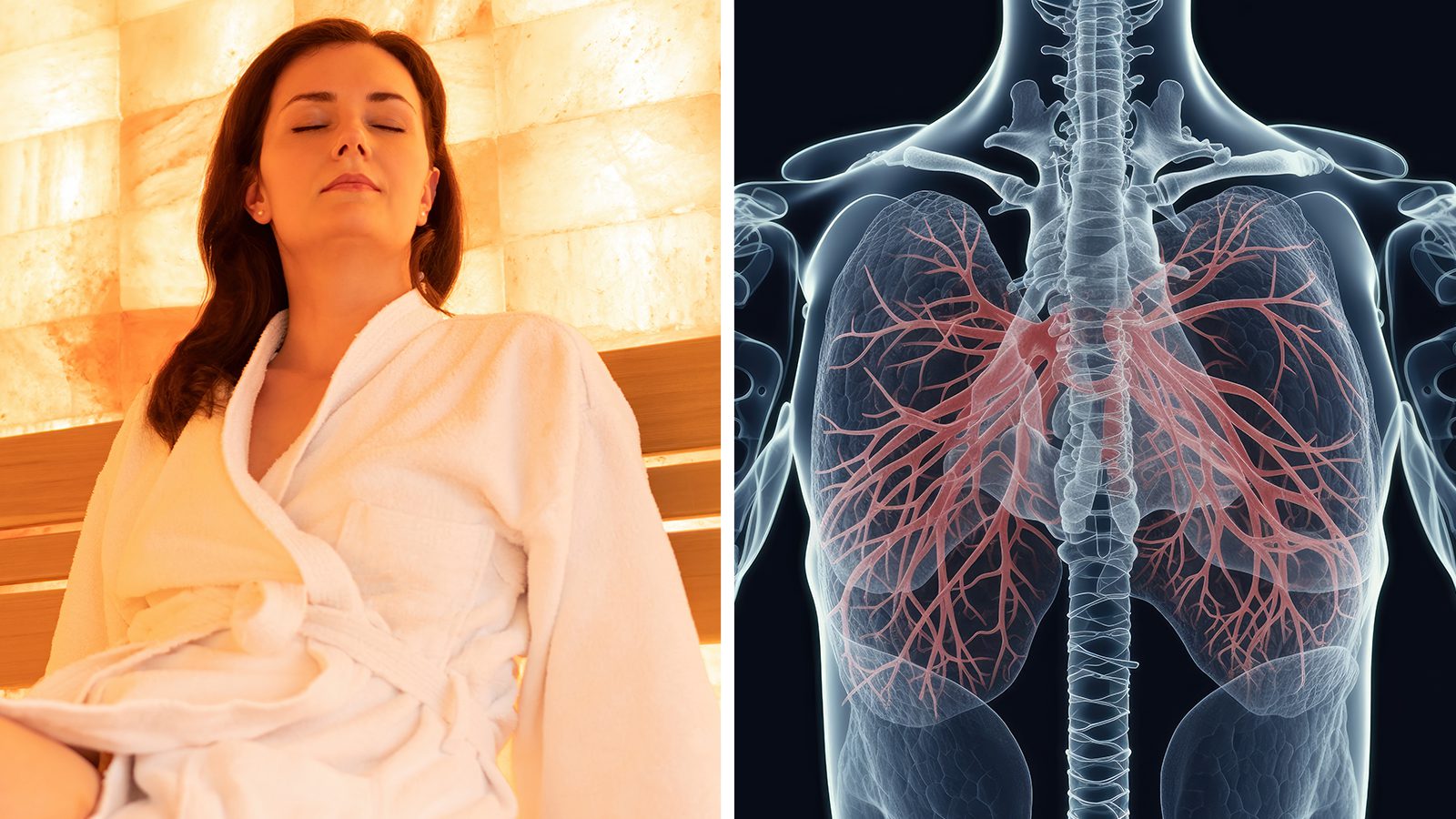
  • Salt air: Breathing salt air is known as halotherapy or speleotherapy. If you live near the beach, you already get this benefit. You can use a salt crystal lamp or saltwater aerosol at home. Healthyguidance.org says that “Salt water aerosols have been found to be effective in treating cystic fibrosis and at 3% have been shown to be effective in treating infants with acute viral bronchitis.”
  • Eucalyptus: That vapor-rub feeling of inhaling a big whiff of eucalyptus is refreshing and feels cleansing.
  • Breathing exercises: You can strengthen your lung capacity by using breathing exercises.
  • Get checked: See a medical practitioner to check for esophagus, sinus, or other issues
  • Houseplants: Read about how houseplants help purify your air at home.
salt therapy

Read how visiting a salt cave can improve your breathing.

For your next exotic vacation, look into a visit to a salt cave, like the ones in Moldavia and Cacica, Romania. Salt caves have been used therapeutically for lung health for centuries or longer. The air of a salt cave is humid and saturated with salt. Breathing this therapeutic salt air is beneficial for lung heath and may help reverse lung damage.

A recent Wall Street Journal article says salt rooms have been popping up in cities such as New York, Orlando, Naples, Fla., Boulder, Colo., Chicago and Los Angeles. While most of us associate salt air with the beach, from a medical standpoint, the experience mimics salt caves. These facilities are a long-time therapeutic in Eastern Europe. Salt room owners say salt can help skin conditions such as psoriasis and eczema and a range of respiratory ailments, including colds, asthma, allergies and bronchitis.’

This Ancient Breathing Technique Can Help Relieve Anxiety

Yogic breathing techniques are an ancient technique that can help you with anxiety, depression, metabolism, and more. Practicing cyclical breath control and breathing techniques is familiar to yoga practitioners.

When you try this ancient breathing technique, you will be surprised at how quickly you will notice a change in your bodily tension. It only takes a minute, or more if you have the time, to notice a reduced sensation of anxiety. Let’s explore this breathing strategy in more detail.

Pranayama

anxiety

The practice of controlling one’s breath is part of the calming of the mind that accompanies yoga. Pranayama is the Sanskrit word for control of the breath. There are different types of controlled breathing that accompany the practice of yoga.

Drawing conscious attention to the breath is an awareness technique that helps keep you centered and at the moment rather than focusing on the future or the past. Some believe that those who have depression live in the past. Conversely, those who suffer from anxiety live in the future. Practicing breathing techniques helps keep our minds on the here and now.

Researchers who reviewed the practice of breathing techniques called Sudarshan Kriya Yoga, or SKY, found that the cycles of breathing and awareness may work on many biological systems in the body at once. One of the benefits of this ancient breathing technique is ‘strengthening, balancing, and stabilizing the autonomic and stress response systems.’

Other researchers have found similar benefits for stress and anxiety and improving metabolism. In a study of alternate nostril breathing, researchers found an 18% increase in metabolic function for the study participants who used this technique. Researchers came to the same conclusion as the other study mentioned above; ‘These results suggest that breathing selectively through either nostril could have a marked activating effect or a relaxing effect on the sympathetic nervous system.’

This Ancient Breathing Technique Can Help Relieve Anxiety

Controlling your breathing through one nostril at a time is known as Nadi Shodhana in Sanskrit. Spot.pcc.edu says that it is also called “the “Sweet Breath,” “Sukha Pranayama” (Sukha translates as comfortable or happy), “Channel Purification Breath,” or “Alternate Nostril Breath.” This breathing technique is also good for promoting clear thinking, balancing the brain hemispheres, and relieving anxiety.

To do alternate nostril breathing, curl your index and middle finger of wither hand into your palm, with your thumb, ring and pinky fingers sticking out. The ring finger and thumb are what you will use to close each nostril. Use this hand as a pincher to gently press the outside of each nostril.

How to Do Alternate Nostril Breathing:

Spot.pcc.edu suggests the following pattern to achieve alternate nostril breathing:

“Curl index and middle finger of the right hand into the palm, forming a “pincer” with thumb and ring finger (little finger is “superfluous”). Take a deep inhale and exhale, then gently close the right nostril with the thumb, and inhale slowly and deeply through the left nostril. In the moment of pause after the inhale and before the exhale, gently close the left nostril with the ring finger, release the thumb from the right nostril and exhale through the right nostril just as slowly.

Observe the moment of pause after the exhale and before the next inhale, then inhale slowly and deeply through the right nostril. In the moment of pause after the inhale and before the exhale, gently close the right nostril again with the thumb, release the ring finger from the left nostril and exhale through the left nostril just as slowly. Again, observe the moment of pause after the exhale and before the next inhale, then inhale slowly and deeply through the left nostril. Continue breathing alternately through one nostril only, closing the other nostril and releasing the one that was just closed in the moment of pause after an inhale and before the next exhale.”

Other breathing techniques to relieve anxiety

Another yogic breathing technique that can help anxiety is “ocean breathing,” which some call “Darth Vader breathing.” This technique is simply deep inhaling and exhaling through the nostrils but with the throat slightly constricted to allow the air to make a sound as it comes in and exhales.

Regular abdominal breathing can also expand to give further relaxation and stress relief benefits. Continuing the inhale after the abdomen rounds, so that the collar bone rises, and then inhaling even further, uses the total lung capacity. Then, on the exhale, continue pulling the abdomen toward the spine to fully contract the diaphragm and expel all of the air from the lungs. These deeper, controlled breaths can also help bring awareness to the present and quiet the mind.

These TWO Ingredients Can Heal Your Colon

Have you run a gamut of colon remedies without any relief?

Amazingly, pharmaceutical companies rake in millions of dollars on pills that either (a) don’t work very well or (b) have natural replacements. This is not to say that some medications aren’t necessary – some are. But natural remedies that work just as well – if not better – have been around for thousands of years.

Holistic medicine has built a tremendous following because it works, it’s cheap (at least much cheaper than traditional medicine), and we aren’t forced to ingest some unknown pill. The following quote by Mark Hyman – bestselling author and renowned physician – is a testament to how the doctor’s trained in traditional “diagnose and prescribe” medicine have circumvented the entrenched money-hungry establishment of Modern Medicine:

It’s more important to understand the imbalances in your body’s basic systems and restore balance, rather than name the disease and match the pill to the ill. – Dr. Mark Hyman, M.D.

New combinations of well-known ingredients that heal or relieve common maladies are materializing every day. A simple Google search will produce thousands of remedial ingredients for headaches, muscle pain, arthritis, and countless other health conditions. Take apple cider vinegar and raw honey, for example.

You Just Need These Two Household Items

colon

Two common household items – apple cider vinegar and raw honey – can strengthen our immune system, counteract aging properties, and regulate blood pressure, among many other things.

The mixture can also help heal our colon – cleansing it of toxic substances that produce many unhealthy symptoms. Combining apple cider vinegar and raw honey can help reduce inflammation, counteract infection and aid digestion.

Among the numerous areas of our body, the colon is one that doesn’t receive much attention. Although we can’t “feel” pain in the colon as often relative to our other muscles and certain regions of the body, it nonetheless requires care. Also known as the large intestine, a healthy colon is vital for proper digestion and the removal of waste.

What Happens to an Unhealthy Colon

Various adverse health conditions can arise if the colon is not properly cared for. Among these conditions are:

  • Colitis: colon inflammation, usually resulting from a bowel disorder or infection.
  • Chron’s disease: ulceration of the colon, which results in inflammation.
  • Diarrhea: frequent, liquidated release of stool.
  • Polyps: small, irregular growths that can potentially develop into cancer.
  • Colon cancer: cancer of the colon area that affects more than 100,000 Americans each year. Most cases are avoidable through proper care and screenings.

So, how exactly does apple cider vinegar and honey assist in caring for our colon? Explaining this cumulative effect requires a breakdown of each ingredient’s properties.

These TWO Ingredients Can Heal Your Colon

The apple properties of cider vinegar provide a multitude of vitamins, minerals, antioxidants and fiber. Combining these properties with vinegar – preferably of the raw and unfiltered variety – helps to ease digestion and protect colon health. More specifically, apple cider promotes the relief of acid reflux, effectively breaking down fats and safeguarding the colon of potent stomach acid. Further, apple cider vinegar binds to toxins and expedites these toxins removal from the body.

Honey not only sweetens the bitter taste of vinegar, it is a powerful anti-inflammatory agent. In a 2013 study published in the Indian Journal of Medical Research, honey’s abundance of antioxidants also helps to defend against illness. The study also states that honey is effective in alleviating sinusitis and other oral problems. Further, honey is also a valuable nutrient that aids in reducing the symptoms of reflux by providing a protective coating of the esophagus.

Mixing these two potent ingredients yields a variety of health benefits for the colon. As stated, a vinegar-honey mixture is a terrific anti-inflammatory formula. Inflammation of the colon is one of the most prolific causes of colon disorders, which is counteracted through the ingestion of vinegar and honey. Secondly, this mixture accentuates the cider vinegar’s anti-toxin properties and aids in ridding the body of toxic substances that can damage the colon.

Benefits of a Colon Cleanse

To recap, the cumulative health benefits of apple cider vinegar and honey for the colon:

  • Reduces inflammation of the large intestine.
  • Binding to and elimination of numerous toxins within the colon.
  • Promotes natural and healthy digestion, a vital function of the colon.

One last thing…the recipe, of course!

Ingredients:

  • 2 tablespoons of raw honey
  • 2 tablespoons of apple cider vinegar
  • A glass of warm water

colon

Preparation:

  • Mix the honey and vinegar in the warm water.
  • Continue to mix the ingredients until the honey is completely dissolved.

That’s it! A glass or two daily is recommended to achieve maximum health benefits. Apart from the mixture’s healthy effect on the colon, it also:

  • aids healthy blood circulation
  • soothes parts of the throat
  • fights fatigue and promotes energy
  • helps fight age-related symptoms
  • promotes vitality in those with exhaustion

If You See Someone With This Piercing, This Is What It Means

People who have frequent migraines often turn to a Daith piercing to try to relieve the agony.

If you have ever had a migraine before, you know exactly how unbearably painful it can feel. According to the Migraine Research Foundation, approximately 18% of American women and 6% of American men suffer from migraines on a regular basis. Migraines don’t just mean a bad headache. Indeed, they can completely debilitate the sufferer. Some cause extreme pain on either one or both sides of the head.

They occur due to a complex assortment of neurological symptoms. These signs can include nausea, vomiting, disorientation, dizziness, and extreme sensitivity to light or sound. Attacks can last anywhere from 4 to 72 hours, on average.

Many people turn to pharmaceutical drugs for help. But did you know that getting a particular ear piercing can help to alleviate your migraines? You might wonder how a piece of jewelry attached to your ear could possibly aid in eliminating your migraines, so allow us to explain below.

Here’s how this ear piercing is helping people with migraines:

piercing

If you love piercings and also happen to suffer from migraines, you will love this idea. Daith piercings have existed for around three thousand years. But the name wasn’t coined until the 1990’s. The daith piercing goes through the cartilage nearest to the ear canal, appearing to actually enter it if you look at it from a distance. It works in the same way as acupuncture to relieve pain, and actually, acupuncturists target this pressure point during treatment if the patient suffers from migraines.

Simply put, piercing the skin allows blood vessels around the needle to open up, stimulating blood flow to the tissues in the area. While daith piercings haven’t been formally studied in regard to relieving migraines, countless people who have gotten the piercing have reported little to no migraines after getting their ear pierced.

Acupuncture works to relieve pain since your body releases endorphins after having the needles penetrate the skin. In the same way, your body releases endorphins after getting a piercing. That explains why the daith piercings seem to work for so many people.

However, even though acupuncture might work to alleviate your migraines, you might want to go ahead with the daith piercing if you also enjoy a little bit of ear jewelry. So, the daith piercing serves as a stylish way to relieve migraines.

Symptoms of a Migraine

Symptoms of migraines can vary depending on severity, frequency, and stage of migraine. These are the most common signs of an impending migraine:

  • intense, throbbing headache, usually isolated to one side
  • nausea
  • vomiting
  • trouble speaking
  • light and sound sensitivity
  • numbness and/or tingling
  • fatigue
  • sleep disruptions
  • visual disturbances such as bright lines, flashing dots, or lights
  • temporary loss of vision
  • dizziness
  • pale skin color
  • loss of appetite
  • sweating or having chills

As you can tell from these symptoms, a migraine isn’t just a bad headache. This neurological condition can result in crippling pain that leaves the sufferer bed-bound for days! While migraines can cause all of the above symptoms, the telltale sign of migraine involves an intense, throbbing pain. It can affect the whole head or just one side, and even shift from one side to the other.

It’s rare that a migraine comes on suddenly; most people experience symptoms in the days prior to a migraine. Migraines tend to occur in four phases: prodrome (preheadache phase), aura, headache, and postdrome (migraine aftermath), which can take between 8-72 hours to go through. Around 30% of people will experience symptoms before their headache becomes noticeable.

Four Phases of a Migraine

1.     Prodrome

This first phase can last anywhere from a few hours to several days. You may not even experience it since it doesn’t occur with every migraine. Also known as the preheadache phase, common symptoms include difficulty concentrating, irritability, depression, trouble speaking, sleep disruptions, nausea, fatigue, light and sound sensitivity, food cravings, muscle stiffness, and increased urination.

2.     Aura

The aura stage usually lasts between five and sixty minutes. However, most people don’t experience auras; only 15-20% of people get them. Auras refer to a group of sensory, speech, and motor symptoms that warn of an imminent migraine. While it usually occurs before the headache, it can also happen during and after. Aura symptoms can include:

  • Blind spots in your vision
  • Seeing bright, flashing lines, dots, or lights
  • Numbness or tingling in the skin
  • Slurred speech
  • Ringing in the ears (tinnitus)
  • Temporary loss of vision
  • Seeing wavy lines
  • Changes in smell or taste
  • A “funny” feeling

daith piercing

3.     Headache

A migraine headache can last anywhere from four to 72 hours. However, the term “headache” doesn’t accurately describe the condition since it can cause excruciating pain. Most people report a throbbing, pulsating sensation on one side of the head, but it can spread to the other.

Other symptoms during this phase include sensitivity to light and sound, nausea and vomiting, difficulty speaking, loss of appetite, stomach pain, fatigue, a tender scalp, and pale skin. You may also experience dizziness, blurred vision, sweating, and chills. Diarrhea and fever may also occur, but rarely.

4.     Postdrome

The postdrome or migraine “hangover” stage may last one or two days. Around 80% of migraine sufferers report experiencing this phase, with symptoms including difficulty concentrating or understanding information, depression, fatigue, and euphoria.

Other Ways to Manage Headache Symptoms (Besides a Daith Piercing)

Not everyone wants to get a Daith piercing, especially those with a low pain threshold. Luckily, you don’t have to get your ears pierced to manage headache symptoms effectively. Below, we’ll go over a few ways to keep migraines at bay, or at least make them less painful.

1.     Keep a Migraine Diary

Maintaining a regular migraine journal can help you understand and avoid triggers. Some people find that eating certain foods or being exposed to bright lights can cause a headache. Others are sensitive to loud sounds, weather changes, or highly stressful situations. If you can identify a pattern before a headache occurs, it will help you sidestep the triggers.

2. Eat a Balanced Diet

According to the American Migraine Foundation, certain dietary habits can make headaches more likely. Many migraine sufferers report that skipping meals or going long periods between meals can trigger headaches due to low blood sugar. Also, drinking excess caffeine or sugary drinks like sodas instead of water can worsen symptoms.

Commonly reported food triggers for migraines to include alcohol, caffeine, cured meats, aged cheeses, chocolate, smoked fish, yeast extract, artificial sweeteners, and certain preservatives like nitrates. This is where the migraine journal would be useful, so you can pinpoint which foods contribute to your headaches.

3. Minimize Noise Exposure

A report by the National Institutes of Health found that many migraine patients have sound hypersensitivity; in fact, it affects around 70-80% of patients. Common sound triggers include ambulance and police sirens, and railroad crossing bells. If you live in a busy city, consider purchasing noise-canceling headphones, or soundproofing your home to block out excess sound.

4. Keep Your Stress Low

According to the American Migraine Foundation, many patients also suffer from anxiety and/or depression. These conditions may exacerbate headaches, worsening anxiety symptoms, creating a vicious cycle. However, keeping your stress at a minimum can improve your mental health and reduce headache severity.

Research published by the National Institute of Health says chronic stress may trigger migraines. You can lower stress naturally by practicing relaxation techniques such as meditation, yoga, deep breathing, aromatherapy, or walking in nature.

If you notice, virtually every ailment can be cured by returning to our roots. Exercising, eating well, getting outside, prioritizing sleep, and taking care of ourselves, in general, will improve mental and physical well-being. In this modern world, you can regain your power by reconnecting with nature, the most powerful healer.

piercing

Final Thoughts on the Ear Piercing That Relieves Migraines

Research shows that an ear piercing called a Daith could reduce migraines in some people. It works like acupuncture to relieve headaches, and many people report having fewer migraines after getting the piercing. However, if ear jewelry isn’t your cup of tea, you can alleviate headaches in other ways, such as exercising, eating a balanced diet, reducing stress, and minimizing noise exposure.

Also, make sure to keep a migraine diary to record your triggers, as this can help you avoid them in the future.

The Tragic and Inspiring Story of Keanu Reeves Revealed

The name Keanu Reeves most likely brings to mind the myriad of roles he has played on the big screen, but the real story of his life is both tragic and inspiring. The 51 year old musician and actor’s name is a derivative of his great-great-uncle Keaweaheulu, whose name means “the soft breeze raising” in Hawaiian.

The Tragic and Inspiring Story of Keanu Reeves Revealed

We most often think of Keanu Reeves as Ted in Bill and Ted’s Excellent Adventure, as Johnny Utah in Point Break, or as Neo in the Matrix. Or you may know him best for his ‘Whoa’ expression from Bill and Ted’s Excellent Adventure which has been used as a funny conspiracy-themed meme in social media since 2010.

Keanu was born in Beiruit, Lebanon, the son of Patricia Taylor and Samuel Nowlin Reeves Jr. His mother was born in England and his father is Chinese and Hawaiian. Far too early in his life at age 3, Keanu Reeves’ father left him and his mother to fend for themselves. Although it is tragic, the abandonment by his father might have been best for both of them because his father would later go to prison for selling heroin at a Hawaii airport.

Keanu Reeves’ mother remarried several times and her career as a costume designer as well as her numerous marriages led the broken family to travel extensively. Keanu attended many different schools in Lebanon, Australia, Toronto, and America. But at the age of 17, he had had enough and dropped out to become an actor.

Keanu Reeves tragic adulthood losses

His co-star and friend River Phoenix who played opposite him in My Own Private Idaho in 1991 sadly died of a drug-related heart failure on Halloween 1993 at the far-too-young age of 23.

In fall of 1999, Keanu’s girlfriend Jennifer Syme, tragically had their stillborn daughter, who the couple named Ava Archer Syme-Reeves. A short time later in April 2001, Jennifer Syme was killed instantly in a tragic car accident.

His sister Kim fought leukemia for over a decade. During that time Reeves stayed with her in her home to care for her. He had his own room so that he could be near her during her recovery. Reeves wasn’t trying to be inspiring, that’s just his genuine big-heartedness.

The unknown inspiring story of Keanu Reeves

The true tragedy for the story of Keanu Reeves is that his intellect is far superior to our generalized idea of him. He reads voraciously, can quote Shakespeare from memory, and seems to be genuinely unconcerned about the views of the public and the media.

The man whose most famous line may be ‘Dude’ is an inspiringly un-Hollywood person who resembles the casual self-confidence that we all hope to embody. He prefers to be out of the limelight of the film-promotion merry-go-round and keeps some parts of his life private; his love life and losses, his absent father, his sister Kim’s cancer, River Phoenix’s death, and his feelings about his childhood. But we shouldn’t need to ask. The answer to every one is that he grieves these tragic losses.

Keanu Reeves’ dark ‘demon ride’ side

Keanu loves being active and is a bit of a thrill seeker and an escapist. In his younger days he played hockey and is reported to enjoy ballroom dancing, horseback riding, surfing, and riding on fast motorcycles, of which he owns two English-made Norton Commandos.

In 1988 he took what he calls a ‘demon ride’ on a twisting canyon road with the lights off on his motorcycle and crashed going 50 miles an hour. He had another motorcycle accident in 1996 that left a scar on his leg.

Keanu Reeves’ inspiring generosity

Keanu Reeves’ generosity is sort of a legend. He prefers anonymity when it comes to his inspiring monetary gifts as well as his gifts of spirit. Actor Robert Mailhouse said of Reeves ‘I thought he was eccentric in a sense that he was drinking a real nice bottle of wine out of a coffee mug. Probably it was a hundred-dollar bottle of wine. It was a Montana State Highway Patrol mug.” Mailhouse also said of Reeves that “He’s a really giving person. He’d give you his last shoe. Really smart, too. He’s incredibly booksmart. He’s a really interesting person who doesn’t talk a lot of shit.”

According to celebritynetworth.com: ‘Over the years Keanu has given millions of dollars to charity. Reeves has supported PETA, the SickKids Foundation, Stand Up To Cancer, among others. His sister [Kim] has leukemia, and he has spent more than $5 million dollars to help her in her fight against the disease. Reeves also reportedly has set up a private cancer foundation to help a handful of children’s hospitals and cancer research. Reeves does not attach his name to any his gifts. ‘

The site also credits Reeves generous spirit with sitting for lunch with a homeless man, donating one million dollars of his Matrix salary to each employee of the costume and special effects design teams, giving the entire stunt team on the “Matrix” sequels their own Harley Davidson motorcycles, and giving $20,000 to a set builder he had never met as a Christmas bonus to help him out when he heard about difficulties that the man was having.’

What Does Your Sweat Reveal About Your Health?

Sweat can tell a lot more about your health than just showing that you are properly hydrated (read our article on 10 Signs You’re Dehydrated here). Sweating is a naturally healthy way to rid yourself of toxins, clean the pores of your skin and keep you cool on a hot day.

Sweating is a sign of a healthy body. Also, it is a good sign that you are burning fat in aerobic exercise. Sweating means that you should hydrate. An excessive amount of sweat can mean a fever. Having less sweat can mean dehydration. These are a few sweat-related health facts that most of us know. Here’s one that you might not know.

Babies that cry are experiencing some distress and when that happens, they sweat. By the age of three weeks, water loss from the palms of an infant was as much as that of an adult would experience.

Here’s What Your Sweat Says About Your Health

1. Sweat can reveal the health of many bodily functions

Doctors frequently use the blood levels of electrolytes and other substances to test for healthy levels of body functioning. By using these four biochemical measurements, health professionals can check for kidney function, dehydration, muscle fatigue, management of diabetes and more.

2. Sweat can reveal if you have anxiety

Most people sweat when they are feeling a “fight or flight” response to a fearful stimuli. People who experience chronic anxiety sweat in small amounts in response to perceived threats in their environment.

Researchers studying the perception of choice and reducing anxiety used finger sweat print as a measurement of anxiety levels. The group who was given a choice of taking a test in any order had reduced sweat amounts than those who did not get a choice.

3. Sweat might mean that you’re lying

Lying isn’t necessarily part of your physical health but it could help with understanding more about your psychological health. Lying often produces similar sweat responses as being anxious does, because the brain knows that the words spoken do not match the event as it happened in the mind. The difference between the two creates stress and can cause sweating.

Lie detectors often use skin conductivity to test for the amount of or presence of sweat. On a more personal level, we can learn to sense when we are sweating and identify if we are lying to ourselves about our shortcomings. Believing a lie that we tell ourselves is often the beginning of a mental health problem.

4. Sweat can signal to potential romantic partners how healthy you are

Hormones are naturally secreted in your sweat as pheromones, which can be detected by smell. When you are a healthy male or female, you send out sweat pheromone signals to potential mates. These pheromone signals can tell a man if a woman is fertile or not and they may also send signals of a woman’s receptivity to sex.

You can read more about how pheromones help attract a mate in our article 5 Things That Make a Woman Beautiful (Besides Her Looks). Both men and women who use synthetic sweat pheromones reported an increase in being approached by the opposite sex over those who did not use the pheromones.

5. Sweat can determine hair growth

Again, crime show enthusiasts know that the human hair can be used to show markers for use of drugs because the shaft acts as a timeline of when drugs came into the body. However, a recent study has shown that it is actually sweating that plays a role in how the drugs get into the hair shaft in the first place. When sweat is secreted at the follicle, it is likely incorporated into the hair shaft.

This sweat and hair data that is collected from a patient provides drug use information that can be used in addiction treatment facilities, by law enforcement, or by health professionals who are doing deeper analysis of bodily functions for a patient. This is true for both illegal drugs and prescription pharmaceuticals.

Sweat band detection devices will likely soon be incorporated into personal wearable fitness trackers. According to some, future applications for wearable sweat data devices could “diagnose a heavy metal poisoning. They will warn a person that they’re in a severe enough depressive state to warrant medication and signaling that the body is getting an infection.”

Skip to content