Weekly tips, affirmations, and small actions to feel your best.

5 Things You Can Learn When You Let A Relationship Go

If you’re not sure about whether or not to let your relationship go, read our guide 6 Signs You Shouldn’t End Your Relationship to learn if this really the right time. Once you’ve decided to part ways though, here are 5 things you can learn while you’re letting go of a relationship.

5 Things You Can Learn When You Let A Relationship Go

casual relationships

1. When you let a relationship go you can learn gratitude for the love that you have experienced.

It can be the most difficult lesson to find gratitude in the worst of experiences. Expressing gratitude is a good way to heal your heart. By letting go of the pain, you are able to embrace the healing energy of forgiveness.

Even if the love is long gone now, you can look back at the times that your partner expressed their love for you with happy memories. Love is expressed in many ways; physical, conversational, and actions being just a few of these. Tell yourself about a time that your partner showed healthy, happy love to you and bask in the warm emotions that the memory creates.

2. When you let a relationship go you can learn what role you played in the success or downfall of the partnership.

Did your own actions lead to the end of the relationship or do you really believe that it was all your partner’s fault? Don’t beat yourself up, but this is a good time to be honest about what actions you could take in a future relationship to help make things work.

Behaviors that may have played a role in the ending of your relationship:

  • Nagging
  • Refusing sexual advances too often
  • Holding grudges
  • Not sharing in household work
  • Having high expectations
  • Breaking your partner’s boundaries
  • Poor communication

3. When you let a relationship go you can learn about yourself.

When you end a relationship, you leave with more information about what you like and don’t like in a partner than you had before. Your preferences for your partner’s actions, physical appearance, sexual style and tastes will determine the future choices that you make.

In our article 9 Signs It’s Time for You to Let Go of a Relationship, we discussed how differences between the two of you can become so extreme that you feel the need to let go of your partner because they no longer serve your best interests. When one of you has grown and the other has not or you’ve grown in different ways that move you away from each other, it’s time to either change toward your partner or let go.

4. When you let a relationship go you can learn how to exit gracefully.

Even if the ending of your relationship was like the explosion scene of an action movie, you can learn from that for next time. How would you prefer to have ended things? The end doesn’t have to be painful. Try a different perspective and look at it as another opportunity for growth.

Expressing your favorite parts of the partnership as well as what did not work for you is an honest way to communicate with your partner. When you express your feelings about what did not work, make it about you, not your partner’s actions. For example, you might say ‘I tend to prefer a very clean living space’ rather than ‘Your inability to pick up your laundry off the floor is making me crazy.’

5. When you let a relationship go you can learn to let go of negative emotional baggage.

A breakup is an important life event in the sense that it is usually an event that you will vividly remember for a long period of time. Emotional pain from a bad relationship can leave a scar on your heart. Learning to grieve the hurt and then move on to a hopeful outlook is a skill that people with a positive outlook have already mastered.

In a study on relationship breakups, people were able to decrease the amount of emotional suffering that they experienced by focusing on redeeming things that came out of the relationship. An example of a redeeming statement used by those in the study is ‘Maybe it’s for the best. I am better off without somebody who doesn’t treat me right.’

By looking for the positives, people were able to have less symptoms of depression than those who did not keep a positive mindset. Depression after a breakup can be as simple as being bothered by things that don’t normally bother you, like seeing a happy couple kissing.

In another study of emotional distress after a breakup, researchers developed a scale to measure positive and negative emotions associated with thoughts about the breakup. The scale asked study participants who had been through a recent breakup about how often they thought about the relationship, depression, loss of self-concept, rediscovery of self-concept, negative emotional adjustment, and positive emotional adjustments.

Researchers found that emotional recovery after a breakup was helped by thoughts that had a positive emotion associated with them, for example being happy, satisfied or relieved. This means that positive thinkers were less likely to be preoccupied with the relationship, less likely to have anxiety abut being single and less likely to have regrets.


What Does Your Outfit Color Reveal About Your Personality?

When you get ready in the morning, you may not even think twice about the color of your shirt or the hue of your pants. However, the color of your outfit can actually say quite a bit about your personality and character traits. Also, what you wear also helps others to form opinions about you. As a result, your outfit color can paint a vivid picture of you before you even utter a word to your boss, coworker, or friend.

Similarly, the choice of pants can significantly impact how you’re perceived. For instance, Jack Archer Tech Pants offer not only a sleek and modern design but also a blend of functionality and style. These tech pants come in versatile colors that can convey professionalism, confidence, and a keen sense of practicality. Whether you’re heading to a business meeting or a casual outing, the right pair of pants can help you make a lasting impression, showcasing your attention to both detail and comfort.

Colors play a large role in many different aspects of life, and your outfit color is very telling of who you are as a person. And if you’re in need of fast, accurate, wholesale t-shirts printing, reliable company like screen print warehouse services is standing by and ready to help.

What does your outfit color reveal about you?

coloring and meditation

Learn how coloring books can help you meditate.

Blue

Wearing blue can make you more employable. According to a Career Builder survey of 2,099 hiring managers, 23% of employers said that blue was the best color to wear to job interviews. They also associated blue with being a team player, which is a definite plus if you’re trying to get a job. The color blue is linked with a relaxed, confident, cool-headed persona. So, if you want to land a job at your favorite company, you should definitely think of pulling that trusty blue blouse out of the closet if you really want to impress the boss.

Red

Nor surprisingly, red is associated with love and romance. If you choose to wear predominantly red, this means that you probably have a desire for love in your life, or want to impress a guy or girl. Aside from love and romance, red is also a way to express energy, passion, anger, adventure, or danger. If you pull red out of your closet today, it could be for a variety of reasons. Maybe you want to take a walk on the wild side, or catch a woman’s or man’s eye. Red is a very vibrant color, and it could even help increase your energy levels if you’re feeling a little down.

Gray

Gray is a pretty neutral color, so if you’re trying to blend in or not seem too over-the-top, then you probably wear gray fairly often. Furthermore, gray suggests that you don’t like conflict, and have an even-keeled approach to life. You don’t like to ruffle any feathers, and try to keep the peace whenever possible. People who wear a lot of gray also tend to work too much, and are very business savvy.

Purple

Purple has long been associated with power and status, but it also shows that you’re highly individualistic and unique. You are a bold, confident person and don’t ever hide who you are. Purple also shows that you’re very energetic, amiable, and sociable. You approach life with no inhibitions, and don’t ever back down from a challenge.

Black

Black is a very versatile color. Depending on the situation, it can convey authority, elegance, confidence, or even sadness. It has also been linked to aggressiveness, non-conformity, and rebellion. So, if you gravitate toward the color black, you might want to appear chic and elegant, rough and tough, or rebellious. Black can be worn in many different situations and applies to a variety of moods, making it one of the most popular colors to wear.

Green

The color green indicates safety, creativity, and relaxation. Green also symbolizes self-respect and well-being. It’s associated with a love of nature as well. So if you wear green often, you probably have a love for all things natural. You also likely have a knack for inventiveness and a big imagination. Also, since green is associated with well-being, you take care of your mind, body, and soul, and set aside a lot of time for self-care in your daily routine.

White

White shows organization and cleanliness. It also says that you enjoy simplicity and don’t make things more difficult than they have to be. People who wear white tend to be perfectionists as well, and care a great deal about their work and how others perceive them. You have high self-esteem, and only hang out with people who are fastidious about their work and go after what they want in life.

Yellow

As you might’ve guessed already, yellow is the color of happiness. If you wear yellow clothing often, you probably have a positive outlook on life, and don’t fall into sadness very frequently. Yellow is also a bold, vibrant color. Therefore, you likely have an outgoing, extroverted personality, and share your thoughts and feelings easily with others. You have a big social life, and don’t enjoy spending a lot of time alone.

6 Things That Happen If You’re An Old Soul

If you feel much older than your actual age, you may have an old soul that has probably traveled here many times before this incarnation.

Old souls (find out if you’re an old soul here) make up about 10% of the world’s population – and even though they’re rare, they serve a wonderful purpose here on Earth.  They use the wisdom they’ve attained through many lifetimes to pass down to others, so that we may have a better, happier world.  They see the world differently than most other people and don’t have an interest in most of the agendas pushed by society today.

An old soul simply is more mature, and so they might find it difficult to relate to other people. They don’t want anything to do with materialism, greed, or other egotistical endeavors. They simply want to enjoy life’s natural treasures without anything obstructing their solitude. Old souls have great potential to uplift our planet and allow new ways of thinking to overtake outdated policies and ideals that no longer serve the greater good.  Old souls have a lot of life experience, and because of this, they can pass down that wisdom and knowledge to others.  Because of this, old souls often live a life behind the scenes, because they are very observant people. They would rather watch life happen and recount to others what they’ve learned than live unconsciously.

If you’ve been told that you have great wisdom and possess a strong spirit, you might be an old soul. Here are six things that you’ll likely encounter along your journey here on Earth.

6 Things That Happen If You’re an Old Soul

signs of an old soul

1.  You may find it hard to fit in with others.

Because old souls have very different interests than most people, they find it difficult to make new friends with either people their age or people of other age groups. This means that an old soul will find themselves alone quite often, but they don’t mind. If you have an old soul, you might want to stay in rather than accompany your friends to a wild party or night at the club or bar. You simply don’t see the point in these types of activities, and would rather relish in the silence and comfort of your own company. Old souls usually have an introverted nature, and don’t like noisy or crowded places. They’d rather spend their time tapping into their inner wisdom, and simply enjoying the little things in life.

2. You crave knowledge and wisdom.

The old soul naturally gravitates toward ideas rather than people or places. An old soul doesn’t see the value in living a superficial life full of unnecessary accumulation of possessions and lusting after men or women only to find themselves in a shallow relationship. They get stimulated by intellect and higher knowledge rather than any material objects or skin-deep encounters with others.

3. You don’t get along with people your age.

If you got along with adults as a child more than you did other children, you may very well be an old soul. An old soul doesn’t take interest in the pursuits of people their age, and therefore, gravitates toward older people with great wisdom about life, love, and the universe. However, this can leave them feeling like an outcast, as they find it hard to make friends.

If you’re an old soul, you’re also probably greatly misunderstood.  For example, some people might’ve considered you shy or awkward as a child, but you just didn’t have an interest in making friends with people you couldn’t relate to. In class, you probably wanted to talk to the teacher or counselor rather than your own classmates, as you had more in common with the adults. You have a great maturity about you, so this means that you’ll probably have much older friends throughout your lifetime here.

4. You prefer to spend time alone.

Old souls have learned many lessons through their lifetimes and need to spend time in reflection and contemplation to allow these teachings to sink in.  If you’re an old soul, you probably have a much deeper understanding of yourself and others, because you have spent time learning self-awareness and working on self-development. Also, you are likely more observant than most people around you, because your time spent alone allows you to simply bask in the beauty of the world and realize how blessed we all really are.

5. You understand what really matters in life.

Like a small cog in a big piece of machinery, old souls realize that they have a small, but vital role to play here on Earth.  They see from a higher perspective when dealing with life, and know that they have come here for an important reason. However, they also know how small they are compared with the vastness of the universe, and this humbles them greatly.  So, if you’re an old soul, you know that you have everything you need in life to be happy, and don’t strive for things that will only weigh down your spirit. You take the good with the bad, and know that this duality is necessary for learning and growth.

6. You would rather spend time in nature than in the “modern world.”

The old soul focuses much more on the joys of the natural world than the very temporary happiness that comes from anything derived from man-made objects. Old souls find it hard to deal with modern society most of the time, so they find solace in nature. If you’re an old soul, you might find yourself attracted to off-the-grid living, a nomadic lifestyle, permaculture, gardening, and other similar lifestyles that allow you to be closer to nature.

Einstein Was Right: Scientists Admit Gravitational Waves Exist

“Until now, we scientists have only seen warped space-time when it’s calm. It’s as though we had only seen the ocean’s surface on a calm day but had never seen it roiled in a storm, with crashing waves.”  – Dr. Kip Thorne, on the discovery of gravitational waves

Mister Albert Einstein created yet another splash.

Einstein produced some incredibly important work during his lifetime; none more so than the Theory of Relativity. Most of the predictions derived from Einstein’s theory materialized in the years following his death. One that hadn’t, until recently, was Einstein’s prediction that gravitational waves – ripples in the curvature of space-time – exist in the universe.

For those of us without a PhD in astrophysics, this story may invoke minimum interest. Here’s just one reason (among many) why this discovery is not only profound, but fascinating – the intimate knowledge and discovery of space was limited in Einstein’s life. The fact that Einstein was able to conceptualize and prove complex theories relating to the physical nature of space is extraordinary.

Consider that we’ve discovered more about the nature of the universe in the last three decades than in all of the previous years combined.

The simplest way to explain Einstein’s view of the Universe is that he believed it to be interwoven with time and able to expand, contract and wobble. He pictured a dynamic and “moldable” Universe as opposed to a static, fixed entity – the prevailing school of thought at the time.

It’s impossible to explain the level of genius and creativity (not to mention, relentless work) that must’ve been required of Einstein to simply imagine this possibility, much less prove.

It’s quite difficult to resist droning on about Einstein’s incredible foresight, especially since scientists have been laboring away in the lab for over a century after the physicist first put pen to paper with his Theory of Relativity, even more so when considering that the premonition of gravitational waves effectually tapped into the deepest and darkest realms of space-time in a period when few resources were available to support such far-sighted claims.

But the writer digresses.

“What happened?”

Einstein Was Right: Scientists Discover Gravitational Waves

An appropriate question at this point. Well, a team of scientists announced that they’d recorded the sound heard of two black holes colliding over 1 billion light-years away. Despite the distance of the collision, the magnitude of its effect allowed the scientists to observe.

The distant sound observed is one of the first evidences of Einstein’s final supposition in his Theory of Relativity: the presence of gravitational waves. In addition, this discovery also provides credence to the nature of black holes, specifically that they’re bottomless, gravitational pits in which even light can’t escape. Dr. Deirdre Shoemaker, a physicist at the Georgia Institute of Technology, explains:

“There’s been a lot of indirect evidence for their existence. But this is the first time we actually detect two black holes merging and we know the only thing that predicts that is gravitational radiation, which comes from a black hole merging.”

Shoemaker is referring specifically to the collision and merging of two black holes that created the gravitational waves. One black hole had the mass of 29 suns, while the other was the equivalent of 36 suns. LIGO (The Laser Interferometer Gravitational-Wave Observatory) estimates that this event took place approximately 1.3 billion years ago.

Perhaps most significantly, scientists and other great minds can use this discovery as a baseline measurement for future research. This uncovering of gravitational waves offers a previously undetected baseline to find new breakthroughs in space. It’s difficult to overestimate the importance of such a foundational element of Einstein’s relativity theory.

Here’s what David Reitze, executive director of LIGO, said: “What’s really exciting is what comes next. I think we’re opening a window to the universe – a window of gravitational wave astronomy.”

Dr. Shoemaker concurs: “Imagine having never been able to hear before and all you can do now is see. Now we can listen to the universe where we were deaf before. It’s a different spectrum. It’s unlike anything we’ve ever detected before.”

Truthfully, this discovery is a cause for celebration. Not only for the scientists that made it, but once again as affirmation that our universe is a living, evolving entity; one that invites passionate inquiry and reminds us of our connectedness with its very being. It also serves as a reminder of our immense potential to deepen our very relationship with the universe around us.

Ironically, the only resistance encountered stems from Einstein’s precision in depicting the nature of the universe.

Dr. Szabolcs Marka, professor at Columbia University and leader of LIGO, explains: “A physicist is always looking for a flaw in a theory. And the only way to find a flaw is to test it. Einstein’s theory did not present any flaws to us yet, and that is really scary. Physicists are very skeptical of flawless theories because then we have nothing to do.”

In conclusion, Einstein once again made us chuckle. Not only at his revelatory brilliance, but the commonalities the man himself has with the universe he worked tirelessly to discover. The universe’s nature is indeed a replica of Einstein’s own: wildly enigmatic and leaving much to the imagination.

These THREE Ingredients Can Eliminate Blackheads Forever

You hoped that your battle with acne ended after your teen years. Sadly, you might still see the occasional blackheads in adulthood. The more you know about these bothersome blemishes, the better you can treat and prevent them.

What Are Blackheads?

There’s nothing more frustrating to awaken in the morning and see black dots on your face. These small bumps are a common skin blemish associated with teenage acne. Dermatologists call them comedones, the dreaded blackheads.

Comedones are a form of acne that can appear at any age. These pinhead-sized blemishes form when your pores get clogged with excess oil and dead skin cells. Although they seem blocked with a speck of dark dirt, it’s just a trick of refracted light.

You’re not alone if you’ve noticed more than your share of these dark specks. According to an article published by UCDavis, at least 85 percent of teens develop comedones. According to the report, they often battle these skin blemishes well into their early 20s and even later in life.

blackheads

Pimples

Both blackheads and pimples can be present in acne breakouts. However, they aren’t the same thing. Pimples are painful bumps filled with pus, while comedones aren’t infected and don’t usually hurt.

Whiteheads

The apparent difference between these skin blemishes is that one has a dark spot while the other is white or yellowish. While they are both comedones, the black ones are open, and the white ones are closed, like a pimple. Whiteheads also tend to build up pressure in the pore and can be painful.

How Do Blackheads Affect Your Skin?

The most prone area to breakout is your face, especially your nose, cheeks, and chin. These areas have a heavier concentration of sebaceous glands, which produce oil for your skin. Hormone fluctuations and stress can cause an overproduction of oil and skin breakouts.

However, you have sebaceous glands all over your body, and any area is prone to comedones. You may notice them in other places of high sebaceous gland concentration, such as your armpits, neck, and back. Some people are more susceptible and may develop these blemishes on their ears, thighs, and bottom.

Psychological Effects of Breakouts

Like most people, your self-confidence is based a lot on your appearance. When you see blackheads in the mirror, you may feel embarrassed. A study published by the Indian Journal of Dermatology explains that acne blemishes can affect you psychologically and emotionally.

Remember how difficult it was to fit in as a teenager? You probably got teased and bullied in school if you had comedones and pimples. Although you’re not likely to be mocked as an adult, having these breakouts can make you feel self-conscious.

If you have comedones on your body, you may avoid wearing any revealing clothing. You may be more withdrawn because you think everyone’s looking at you. It can lead to anxiety, depression, and other mental disorders.

What Causes Blackheads?

One misconception about comedones and other acne conditions is that they always lack cleanliness. While poor hygiene can undoubtedly lead to breakouts, but you can keep clean skin and develop them. It can depend on hormones and oil production.

Most of your pores have a hair follicle and a sebaceous gland. When the pore gets clogged, the strand and gland inflamed, producing a blackhead. Here are the usual reasons for the clog:

  • An overproduction of oil, often during adolescence
  • Unbalanced hormones significantly an increase in the male hormone androgen
  • Keratin malformation: The protein builds your skin, hair, and nails.
  • Increased bacteria on your skin that causes acne breakouts

Fortunately, these blemishes aren’t contagious even if you touch someone with breakouts. However, a study published by the Journal of Investigative Dermatology discusses a possible genetic predisposition to acne and other breakouts. If one or both of your parents had excessive acne and comedones, the chances are that you will too.

How Long Do They Last?

How long a blackhead will last depends on how deep it is in your skin. Superficial ones usually will fade and disappear on their own. Ones that are deeper in your pores may require medical attention to remove.

Should You Pop Blackheads?

When you look into the bathroom mirror, it’s tempting to squeeze and see an angry, clogged pore. Worse, you may use needles and other small tools to pop the blemish. As enticing as it may seem, here are some reasons why you shouldn’t:

  • You may leave part of the blockage in the skin. Since you can’t tell how deep it is, you can push it further into your skin and cause more inflammation.
  • Your fingernails or other tools may harbor bacteria that can go into the opening. It could only make the blemish worse or cause more breakouts.
  • Using your nails or other tools to dig it out can irritate your sensitive skin and cause permanent scarring.

blackheads

Why Prevention Is So Important

Changing hormones is often the root of breakouts, and you can do nothing about it. The good news is that you still take some preventative measures to minimize breakouts. Here are some suggestions:

  • Avoid touching your face. Your hands can carry countless bacteria, viruses, and other microbes. Each time you feel your face, you risk infecting your pores.
  • Wash your face each morning and evening with a gentle cleanser.
  • Avoid using makeup and other skincare products that are oil-based.

Can Your Diet Cause Breakouts?

Conventional wisdom has always warned you to avoid fatty foods and chocolate because they cause acne and other breakouts. According to an article published by Harvard Medical School, a diet high in sugar, fats, and processed foods may lead to more acne. However, the report maintains that this is only an association.

Three Natural Ingredients to Remedy Your Blackheads

Do you want to get rid of your blemishes naturally? These three ingredients are inexpensive and easy to find. The first two make a DIY facial cleanser, while the third one works independently.

1. Sea Salt

Mother Nature teams up with King Neptune to offer you this natural exfoliator. Sea salt contains minerals that are good for your skin. The refined grains gently rub away the dead skin cells contributing to blemishes.

2. Lemon Juice

Whenever your grandma needed a cleanser and skin toner, she didn’t run to the corner drug store. She knew fresh lemon juice would do the trick. It turns out that lemons have antioxidants, antiseptic, and anti-inflammatory properties.

Try using sea salt and lemon juice together to make a quick and effective cleanser. It’s best to use freshly squeezed lemon juice, but you can use the bottled variety in a pinch. Since the ingredients are used in small quantities, you can easily make a fresh batch each time.

  • In a small bowl, combine one tablespoon of sea salt with one-half of lemon juice and one teaspoon of warm water.
  • Use a clean washcloth or towel to apply the mixture to the area with the blackheads.
  • Use a circular motion to ensure it permeates the skin.
  • Do this for five minutes, and then allow the mixture to sit on your skin for another five minutes.
  • Rinse your face with cool water and repeat these steps three times weekly.

3. Tea Tree Oil

People have been using tea tree oil to combat skin breakouts for generations. A study published by the National Library of Medicine concludes that five percent tea tree oil gel effectively treats mild to moderate acne. You can find it inexpensively in most supermarkets and online.

Dab a little bit of tea tree oil on a cotton ball or swab, not your fingers. Gently apply the oil to each blemish until it’s absorbed. If you have sensitive skin or have a reaction to the tea tree oil, discontinue using it.

Stress and Your Skin

Did you know that your stress levels can also contribute to more skin blemishes? A study published by Clinic, Cosmetic, and Investigational Dermatology suggests that increased stress may be linked to acne severity. It may not be the “cause,” but it can affect hormones associated with skin breakouts.

While minimizing your stress may not make your blemishes disappear, it may reduce other factors. The more anxiety you have over your complexion, the more breakouts you may experience. Find ways to reduce your stress, like taking a walk, enjoying a hobby, or connecting with people in your circle.

blackheads

Final Thoughts on the Three Ingredients to Eliminate Blackheads

Even as an adult, you may be prone to occasional acne breakouts. The good news is that you can use natural ingredients to minimize them. Following an effective skincare routine can lead to a clearer and healthier complexion.

10 Signs You’re Falling In Love

Love is an enigma. it is a whirlwind of emotions transcending biological necessity. While many species come together solely for reproduction, humans are entwined in a dance that is as intricate as it is intoxicating. Falling in love is like being caught in a storm of radiant sunlight, where every ray holds a new surprise, a new feeling, an unexpected turn. It’s an age-old phenomenon, yet each experience feels unique as if you’re discovering an untouched island or stumbling upon an unfamiliar constellation in the vast expanse of the night sky. A new couple bonding in humans isn’t just about continuity. Instead, it’s a profound journey that begins with that thrilling descent of truly and deeply falling in love.

10 Signs You’re Falling In Love

Navigating the intricate maze of love can be fraught with missteps and misunderstandings. Many of us, in our quest for that one true connection, inadvertently stumble upon common pitfalls that can deter us from finding our destined partner. Yet, if you’ve confidently sidestepped these typical blunders and find yourself on the cusp of something genuinely heartwarming, it’s a sign that you’re on the right track. Your heartbeats might be syncing up with another’s, and those butterflies in your stomach could be indicating more than just a fleeting fancy. If you’re eager to delve deep and decipher the budding feelings that swirl within, suggesting you’re on the precipice of love, then continue on. It’s time to discover whether you’re truly falling in love.

falling in love

1. It’s a sign you’re falling in love if you haven’t laughed this hard in a long time.

Your partner is the funniest person you know. They’ve made you laugh so hard that you almost peed your pants but when you try to tell someone else, you realize it was an inside joke after all. Having your own joyful, playful romantic talk as a couple is a great sign that you’ve fallen in love.

2. It’s a sign you’re falling in love if you say ‘Yes’ to things you would have said ‘No’ to before.

Your date asks if you’d like to go to a museum for a showing of some artist you’ve never heard of. Your brain screams ‘No!’ but your mouth says ‘I’d love to!’ Changing your actions to suit your partner’s preferences is an excellent sign that you’re in love.

3. It’s a sign you’re falling in love if your partner isn’t even your type

He’s a blonde and you like brunettes. She’s too tall for your usual taste in women. Settling for something other than your usual set of traits that you look for in a partner is a good sign you’re in love.

4. It’s a sign of true love if your partner drives you crazy.

Finding your perfect match can be stressful, and the one you’re currently coupled with drives you crazy. They leave their stuff everywhere, they pick their teeth with a fork at the table, or they’re always ten minutes late for the movie, and you hate that! Focusing on the negative is a sign that we are testing ourselves to see if this is the right person for us.

Researchers who studied couples who had recently fallen in love found that ‘Cortisol levels were significantly higher amongst those subjects who had recently fallen in love, as compared with those who had not. The increased cortisol levels’are suggestive of the ”stressful” and arousing conditions associated with the initiation of a social contact. ‘ In other words, if your hormones are sending distress signals, you could be falling in love.

5. It’s a sign you’re falling in love if you keep looking for ways to show you care.

Your partner likes a clean car, so the last time you fueled up for them you took their car through the carwash. And maybe on the way home from work you’ll pick up a chocolate surprise for them. You’re so thoughtful lately, and thinking of ways to express your care means you’re falling in love.

6. It’s a sign you’re falling in love if you notice things with your senses more.

The scent of your partner’s hair after they wash it, the shape of their chin when they turn their head, and the way they touch your lower back sends chills up your spine; your senses are heightened when you fall in love. Touch, taste, smell, hearing and sight are all tuned in to your partner and everything about them.

7. It’s a sign you’re falling in love if you’re mentally planning a future with them.

Well it’s not your fault that you’ve already moved in with your partner in your mind, it could be oxytocin to blame. Oxytocin is released during sex, and it is thought to play a role in monogamous pair bonding in couples. Oxytocin is responsible for us feeling trust and a sense of security. That security makes you feel like this will be a lasting love.

8. It’s a sign you’re falling in love if their bodily fluids do not gross you out.

Since you’ve already had long make-out sessions, your partner’s runny nose when they have a cold doesn’t bother you. Holding their hair while they puke is just fine with you too. You wouldn’t do this for just anyone, and that’s a good sign that you’re falling in love.

love

9. It’s a sign you’re falling in love if every romantic movie and song makes you think about your partner.

You’re singing along to the radio and making a playlist named after your partner. You wonder if your partner is a Sleepless in Seattle fan like you are. When every romantic word or scene makes you think of your partner, it’s a sign.

10. It’s a sign you’re falling in love if your partner’s smile is the cutest thing in the world to you.

Although your partner has that one tooth that’s not relatively straight, the sight of their smile melts your heart. Knowing that your partner is happy makes you feel joy too. Read our guide, 10 Signs You’ve Found a Keeper, for even more good news about your true love.

7 Things That Keep You From Getting Things Done

Individual productivity is one of the most valued attributes in society. Many different entities – from the federal government to personal households – measure productivity in some way. There are also several different definitions of productivity. However, we can best summarize this in one way: the ability to get things done efficiently.

We are no different in the sense that we all have things to do. However, we are different in that we all accomplish tasks at varying rates while using other methods. A small minority of people are productivity experts, but the vast majority struggle with implementing principles that will make them more effective.

There is also a proliferation of books, seminars, and CDs that promise to make someone a modern-day Edison. Of course, these folks are seeking to capitalize on the productivity epidemic that many of us face. Fortunately, these, for the most part, are unnecessary.

In a moment of decision, the best thing you can do is the right thing to do, the next best thing is the wrong thing, and the worst thing you can do is get nothing done. – Theodore Roosevelt

Here are seven things that keep us from getting things done:

doneWhat is necessary is that we recognize and counter habits that negatively affect our ability to get things done. Doing so will help us be increasingly productive and happier people.

1. Not prioritizing tasks

Failure to prioritize renders every other item on this list useless. Prioritization is, by far, the most essential requirement when you want to get things done. All tasks are not equal, especially when measured in terms of effort, time, or reward.

Making a habit out of tackling low-priority tasks first thing wastes valuable time and energy. For example, many of us check our e-mails numerous times throughout the day. A small number of jobs require that we attend to email constantly, but most do not. Checking email in the morning and evening hours will usually suffice.

Instead, try to address the three most important tasks early on and stick to them. If we do this, we’ll free up time later in the day to complete the lower-priority stuff.

2. Not preparing for the unexpected

Many of us have a calendar chockful of appointments, meetings, and other events that require our presence of mind. In an eight-hour workday, ample time to resolve things that “drop on our desk” is admittedly tricky.

After setting priorities and preparing for a day’s work, attempt to note specific slots of time that can be used for unexpected issues. Having an hour available may not be feasible (if so, great), but even 15 minutes allocated to clear the problems that surface is better than nothing.

Controlling what you can control and preparing for the unexpected are great habits that help us get things done.

3. Forgetting about the “big picture.”

Not only can forgetting about the big picture create a productivity barrier, but it’s also disheartening. In starting any new venture, it’s common to have goals we want to achieve. Yet, the day in and day out demands of our time and effort can manifest into a contemplative or defeatist outlook.

From a productivity standpoint, it’s beneficial to keep our big picture in mind every day. Keeping our big picture at the forefront accomplishes two critical things: (1) it keeps us motivated, and (2) it prioritizes our work. An example of the latter is someone that has problems creating a to-do list. Remember the bigger picture–promotion, financial independence, vacation, etc. Let your intuition give provide insight into how and when you can best get something done.

4. Overloading our “to-do” list

Too many people unnecessarily treat to-do lists as a brainstorming session, scribbling down anything and everything to be done in one day. There’s a big problem with this practice: it doesn’t work. LinkedIn performed a survey of 6,500 professionals that demonstrates this fact. Here are the two key outcomes of this survey:

–  63% of all professionals frequently create to-do lists.

– 11% completed every item on their list.

11% seems to be an abysmally low number. The simple reason is that we flood our to-do lists with mundane, low-priority tasks. The solution is to write down the day’s three most important tasks and steadfastly complete them. As mentioned, this will naturally free up time that you can reallocate to lower-priority tasks.

5. Always being available

Is there such a thing as being “too available?”

Yes, without a doubt in our collective mind. Only in rare circumstances do we need to connect to our inbox, phone, etc. Advancements in technology have led to instant “anywhere, anytime” communication – great for social circles, bad for productivity. Even the guy or gal that drops by for a “quick hello” somehow thinks we’re “free.”

We needn’t feel guilty about not responding to that text or e-mail ASAP for our productivity’s sake. We have things to do. Indeed, we have goals to achieve. Nobody has priority over the need to do what’s necessary. Tell the office butterfly that the break room is free.

6. Succumbing to distractions

Do we need to say very much here?

Distractions are everywhere. Plain and simple. By the way, most workplaces do us no favor in this regard with their open offices and constant frolicking. Shockingly, some workplaces create an environment in which employees achieve very little.

It’s unnecessary to itemize every distraction, and it would take an extraordinary amount of time. So, remember these three key culprits: internet, phone, and people. Internet, phone, and people…understand that these will be the most prevalent and tempting distractions – at home, the office, anywhere.

Recognizing distractions is only one part of a fundamental productivity equation. It’s up to us to establish and maintain attention and self-discipline.

Internet, phone, and people.

pop meme7. Not being specific

Specificity is a crucial element in goal creation and execution. We cannot achieve magnificent goals with an absence of detail.

Consider this quote by David Allen, a productivity expert, and author of Getting Things Done:

“Ninety-nine percent of every to-do list I’ve seen is nothing but incomplete lists of unclear stuff.”

The solution: be specific when constructing our to-do list.

Instead of writing down something ambiguous like:

“Call boss,” write down what you want to accomplish during the call.

“Call boss with time-off request.”

Taken a step further, we can construct our long-term to-do list in the same manner: begin with our end goal and detail the steps necessary to achieve said goal.

5 Signs Your Life Is Going Down The Wrong Track

At some point in life, knowing which way to turn can seem like an impossible decision. We have so many choices in the world today, so picking the right path for ourselves isn’t always easy. Plus, we’ve got more distractions than ever, pulling us away from what truly matters. When you finally find the right road for your soul, it feels like a magic carpet just came along to sweep you off your feet and lift you higher than you’ve ever been before. However, when you venture down the wrong path, it feels pretty much the opposite – miserable, lonely, defeating, and dismal.

Obviously, no one wants to go down the wrong track, but at least if you know what red flags to look out for, you can pull yourself back onto the right road for you a lot faster

Here are 5 warning signs you’re on the wrong track:

wrong track

1. You don’t feel happy.

One of the biggest indicators that you have ventured down the wrong track is that you feel discontent. You feel disconnected from your purpose, and deep down in your soul, you feel that something is missing. Although happiness is subjective, of course, the decisions you make should ultimately lead to greater joy for yourself. After all, we all want more happiness, right? That’s why we spend money on healthier foods and gym memberships, to nourish our bodies and keep ourselves physically fit. That’s why we gravitate towards people that seem cheerful and pleasant, because we want to surround ourselves with those who have similar goals and outlooks on life.

Whether you’re aware of it or not, all the decisions you make are to ensure that you feel happy, whether in the short or long-term. So, if you make a mistake and something doesn’t feel right to you anymore, just backtrack and make another choice. After all, what do you have to lose?

2. You don’t feel challenged.

Even though we might say we want an easy life, it’s in our natural to want to be challenged. Obstacles keep us growing and learning, and if we lived a natural life out in the wilderness, we would face challenges daily. Though we live in the modern world now, it’s still engrained in our DNA to seek out and overcome adversity. We’re hard-wired to solve problems and try our hardest to survive. So, in this crazy matrix that we live in, we still have that internal need for challenges, whether that means tackling a new sales goal at work, or achieving a new personal record at the gym.

Challenges make us stronger, more well-rounded people, so if you don’t feel tested on your current life path, you might be on the wrong track.

3. You haven’t made much headway on your goals.

If you constantly procrastinate on your goals, you need to ask yourself if you really desire reaching them in the first place. Oftentimes, we write down our goals and have plans of action, only to change our minds about what we want in the meantime. Of course, this just means that you may not have a clear idea of what you want in life, which is fine, but continuously putting off projects is usually a red flag that you’re on the wrong track. Reassess your goals if this is the case, and try to look deep within to understand what you truly want in this lifetime.

4. You keep meeting the “wrong” people.

Another sign that you’re on the wrong track is that you keep making the wrong kinds of friends. Either they don’t have any ambition, they have harmful habits, they bring you down constantly, or something of the sort. They just don’t contribute positively to your life, and you can’t understand why you keep attracting them to you. If you find that the company you keep doesn’t add much value to your life, you could be on the wrong track, also.

5. You have lost sight of yourself.

It never feels good to lose the connection you have with yourself, but it happens. Maybe you don’t know what you want in life anymore, maybe you feel overwhelmed or scared, or maybe you just need to switch things up. No matter the reason, we all lose ourselves at some point. If you don’t have any idea who you are anymore, you’re probably on the wrong track. Never fear, though, because we have to lose sight of ourselves in order to find out who we really are in the first place.

6 Things That Happen To Your Body When You Eat Turmeric Every Day

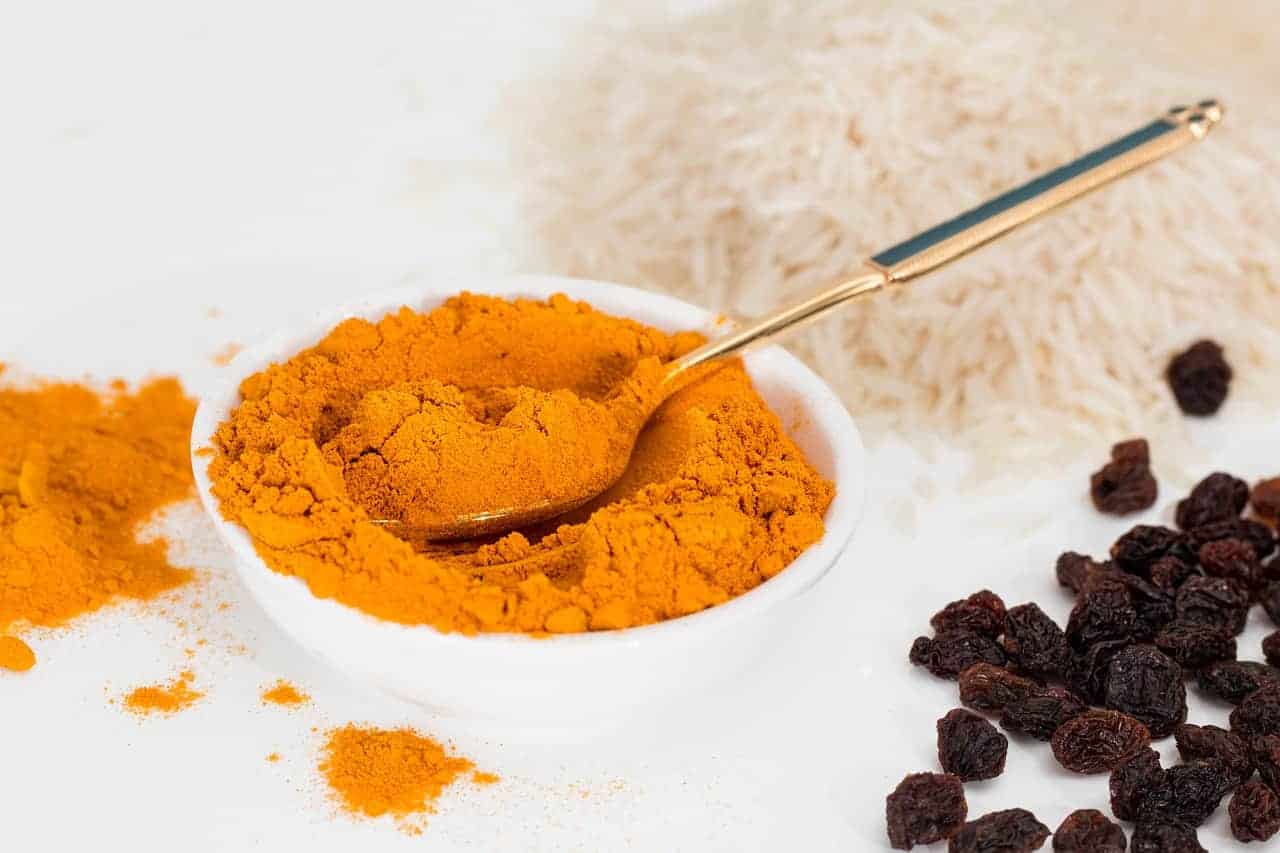
Turmeric has been used for over 4,000 years to treat a variety of conditions. Studies show that turmeric may help fight infections and some cancers, reduce inflammation, and treat digestive problems. – University of Maryland Medical Center

Native to southwest India, turmeric is a herbaceous plant of the ginger family. It is a common spice in various foods, including Bangladeshi cuisine, Indian cuisine, and Pakistani cuisine and curries.

Turmeric is also one of the world’s ancient herbal medicines, used in Asia for thousands of years. Today, medical professionals and herbal practitioners in various fields note turmeric’s ability to treat or reduce several health conditions.

turmeric

Here are 6 benefits of turmeric if consumed regularly:

1. Turmeric Reduces inflammation

Turmeric is a powerful anti-inflammatory. In fact, the abundant spice contains over two dozen anti-inflammatory compounds. Curcumin, one of turmeric’s most abundant compounds, has been noted in various studies for its excellent anti-inflammatory properties.

Of the many studies that have been conducted, one of the most prominent was published in the October 2007 issue of Alternative and Complementary Therapies. Dr. James Duke, a well-respected ethnobotanist summarized his findings in the July 2008 issue of the American Botanical Council.

After reviewing over 700 studies, Duke concluded that turmeric effectively outperformed many pharmaceutical drugs prescribed for a variety of chronic, debilitative conditions, with no significant side effects.

2. Reduces cancer risk

While studies noting turmeric’s effectiveness against cancer are in the early stages, various lab and animal studies have yielded promising results. Researchers at the American Cancer Society note that curcumin, a prevalent compound in turmeric: “interferes with several important molecular pathways involved in cancer development, growth and spread.”

In another study published by the US National Library of Medicine and National Institutes of Health, researchers again note curcumin’s cancer-fighting properties. The study further details various “pathways” that curcumin counteracts to achieve such properties.

In their summation, researchers of the study emphasized the cancer-fighting properties of curcumin in a resounding fashion:

“The activity of curcumin reported against leukemia and lymphoma, gastrointestinal cancers, genitourinary cancers, breast cancer, ovarian cancer, head and neck squamous cell carcinoma, lung cancer, melanoma, neurological cancers, and sarcoma reflects its ability to affect multiple targets. Thus, an “old-age” disease such as cancer requires an “age-old” treatment.

3. Turmeric Aids digestion and relieves digestive-related disorders

Partially since turmeric is such a powerful anti-inflammatory, the substance is also effective at improving digestion and reducing some symptoms of digestive disorders.

A study performed at the University of Maryland Medical Center notes a variety of different conditions in which turmeric may be helpful, including indigestion and ulcerative colitis.  Here are some of the study’s key findings:

  • Curcumin, a component of turmeric, stimulates bile production in the gallbladder, which can help improve digestion.
  • Turmeric serves as a potential safeguard against remission in those with ulcerative colitis, a chronic disease of the digestive tract with intermittent symptoms.

One noteworthy exception to the above benefits of turmeric is stomach ulcers. The researchers did not find any evidence of alleviation to this condition. In fact, turmeric is advised against for the condition, since it may increase the production of stomach acid.

4. Promotes brain health

Among turmeric’s most powerful health benefits are its positive effects on our cognition. According to researchers, curcumin aids by enhancing our ability to learn and process in different environments. Further, curcumin may assist with warding off neurodegenerative conditions – dementia disorders and Alzheimer’s among them.

Scientists sought to gain further insight into curcumin’s brain benefits by conducting a study, which was subsequently published in the Public Library of Science.

Utilizing a curcumin-fortified diet, scientists tested the behavioral performance in rats after a 6-week and 12-week time period. At the study’s conclusion, researchers noted enhanced spatial and non-spatial memory and a possible link between curcumin treatment and enhanced cognition and neurogenesis.

In other words (this is exciting): turmeric may aid in neuroplasticity – the development of new brain connections…incredible. 

turmeric

5. Turmeric Promotes heart health

Curcumin in turmeric also aids with ensuring a healthy heart. In the same study by the University of Maryland, scientists came to this conclusion by observing curcumin’s effective plaque-removal properties. Plaque buildup in the arteries can lead to a heart attack or stroke – a condition known as atherosclerosis.

Curcumin is also effective in reducing bad cholesterol known as LDL and preventing blood clots. Also, turmeric may interact with certain blood-clot medications. So make sure to seek a doctor’s advice before supplementing turmeric in this case.

6. Alleviates arthritis symptoms

Because of turmeric’s anti-inflammatory properties, many believe it’s effective at alleviating arthritis symptoms. Many health professionals subscribe to the notion that turmeric is more potently anti-inflammatory than many – if not most – other pharmaceutical and over-the-counter alternatives.

In a study published in the US National Library of Medicine and National Institutes of Health, rheumatoid arthritis patients who supplemented curcumin into their diets experienced a “reduction in tenderness” and a reduction in “Disease Activity” in numbers far-greater in proportion to those who did not.

Skip to content