Weekly tips, affirmations, and small actions to feel your best.

15 I Miss You Quotes Perfect For Every Relationship

Heartfelt “I miss you” quotes can effectively convey emotions and strengthen relationships. Miss you quotes can help you tell someone how much you wish to be near them and how often you think of them.

When you miss someone, it makes you feel sad or empty in their absence. You might only be away from them temporarily, or they may have passed away. Either way, I miss you quotes can help you express your emotions and process what you’re experiencing.

Expressing your emotions is essential to strengthening your relationship and building trust. It also allows open communication that identifies your needs and desires or helps you overcome hardship. If you miss someone who has passed away, expressing your feelings can help you during your grief process.

These quotes to express missing someone are perfect for every relationship, helping you convey your feelings no matter how far someone is. There are quotes for every situation and relationship, allowing you to find some that resonate within you.

“I Miss You” Quotes for Romantic Relationships

miss you quotes

Romantic quotes convey longing and help you express to your partner that you wish you were with them. It doesn’t matter how long you’ll be apart because love and distance are hard. These quotes can help you express your feelings during those times.

“I can’t wait to hold you in my arms again.”

When you send this miss you quote to your partner, they’ll recognize your strong desire to be close to them. It helps communicate intimacy even when you’re not physically together.

“I miss you once I wake up and I miss you once I fall asleep. I wish that we could always be together.” – Unknown

This quote expresses how much you miss someone and wish to be near them. It’s an all-consuming feeling that stays with you throughout the day. Your partner will know how deep your feelings are if you share this miss you quote with them.

“Every minute without you feels like an eternity.” – Unknown

This miss you quote expresses longing and helps you communicate to your partner how much you miss them. It details how time seems to slow when you’re not together and that you want to see them soon.

“I Miss You” Quotes for Long-Distance Relationships

Long-distance love can be hard, but I miss you quotes can help with keeping love alive. They help your partner understand that you are thinking of and desiring them despite the distance challenges.

“The pain of missing you is a beautiful reminder of the joy of loving you.” – Dean Jackson

This quote can help you feel closer to your partner no matter how far apart you are because it reminds you of happy times. It allows you to find joy each day, even through the pain, because you know you have each other.

“I miss you even more than I could have believed; and I was prepared to miss you a good deal.” – Vita Sackville-West

When someone you care about is going away, you expect to miss them. However, you’ll likely miss them more than you could have imagined.

This quote conveys to your partner that you deeply miss them, and it encourages keeping the love alive. When they recognize that your feelings intensify when they’re away, it’ll help them see how deep you are in the relationship.

“You may not always be here at my side, but you are always right here in my heart. I miss you.” – Unknown

Love and distance can be hard to manage, but telling one another how you feel can make a difference. It can also help you both look forward to the next time you’re together in person.

“I Miss You” Quotes for Family Relationships

Experiencing homesickness is hard to express, but conveying to your loved ones how much you miss them can deepen family bonds. Family love can get you through the hard times and let them know how much they mean to you.

“Missing someone is a part of loving them. If you’re never apart, you’ll never really know how strong your love is.” – Gustave Flaubert

As this miss you quote explains, being away from someone helps you recognize your deep bond. It allows you to see the joy and fulfillment they bring, which is easy to overlook when you’re always together.

“Distance can never change the love of family; but missing your family is hard to handle.” – Unknown

Being away from your loved ones is hard, even when you know the distance won’t change anything between you. You can send this quote to your family members to communicate your feelings and help you feel closer together.

“Family is not an important thing, it’s everything.” – Michael J. Fox

This family quote conveys how much you love and care for your family. Sending them this phrase will let them know you’re thinking of them and that they make your life more meaningful. If your family is your support system and where you feel you belong most, this quote likely applies to you.

miss you quotes

“I Miss You” Quotes for Friendship

Missing friends when you’re apart shows you have good people who have impacted your life. They might be away temporarily or have moved away, and either situation can be hard to handle at times. The people who have become your friends forever will entice feelings of nostalgia and longing, and they will likely feel the same.

“A true friend is someone who is greatly missed when they are not around.” – Unknown

When you deeply value and cherish your friend, this miss you quote will apply to your friendship if you’re apart. You’ll miss what they brought to your life and how they made you feel when they were around. It also gives hope that distance and time can’t disrupt your connection.

“I miss you, not the ‘I haven’t seen you in a while’ kind of miss you, but the ‘I wish you were here at this very moment’ kind of miss you.” – Unknown

It doesn’t matter how long it’s been since you’ve seen your friend, you can miss them anytime. This quote conveys how much you wish they could spend time with you in that specific moment.

“Good friends are like stars, you don’t always see them but you know they’re there.” -Unknown

Having good friends doesn’t require that they always be nearby. Instead, it’s about knowing they are in the world, supporting you, and cheering you on.

You can turn to them when you need someone to talk to and reach out whenever you want. Not seeing them is hard, but you still have a friend who loves and cares for you.

“I Miss You” Quotes for Loved Ones in Heaven

While you can’t share these quotes with loved ones you’ve lost, you can use them in remembrance to overcome grief. These quotes focus on loss and longing and can help you process your feelings. You can also share them with friends or loved ones experiencing loss.

“Your memory is a keepsake that I treasure forever.” – Unknown

This phrase highlights the beauty of having memories with someone no longer here. When someone passes away, the memories remain in your heart forever.

This quote helps you remember to look within when you miss your loved one the most. You can also use this quote as inspiration to preserve your memories through memory boxes, journals, and other sentimental items.

“I miss you every second of every minute, every minute of every hour, every hour of every day.” – Unknown

This quote conveys a deep desire to see someone, even when you know you can’t. The longer your loved ones are gone, the more you miss them.

It’ll feel like everything makes you think of them, even when you try to distract yourself. These words can help you express that you feel this way and process it as a natural part of grieving.

“Missing someone is the reverberating echo of everything beautiful about her—her laugh, her song, her touch, her smell, the power of her words, and the constant shadow that lingers on as her perfect image in your memory.” – Unknown

Using this quote to describe your feelings helps you express how you physically miss someone. It also allows you to convey how you miss their memory and the happiness they brought to your life.

You’ll miss everything about them, but this quote can help you remember long-term. It can trigger memories of your lost loved one that makes you smile, even if they also make you cry.

relationships

Final Thoughts on How to Strengthen Bonds Through “I Miss You” Messages

Using I miss you quotes in your relationship has a positive emotional impact, helping you strengthen your bond. It allows you to convey your feelings and clarifies the state of your relationship while expressing longing. Your partner will know you miss them and care for them deeply, helping them recognize the connection.

I miss you quotes for friends and family help you convey the person’s importance to you. It communicates how much you want them around and the support and fulfillment they bring. Sharing these quotes with the people you care about will make them feel good because they’ll know you’re thinking of them.

You can also use I miss you quotes to guide you through the healing process after losing a loved one. The phrases can help you understand your feelings and focus on moving forward with love in your heart. With quotes for every situation, you’ll find the perfect one to convey heartfelt longing in relationships.

10 Ways to Improve Your Sleeping Posture

Poor sleep posture can leave you exhausted in the morning – know how to fix it.

Medical professionals and sleep experts provide insights into possible solutions and lifestyle changes for improving sleeping posture – and its possible contribution to back pain.

While many people consider posture while working and moving, not everyone considers it during sleep. However, it’s essential to think about it because you’ll spend plenty of time sleeping. It affects your overall well-being and health, so it’s not something you should ignore.

Your sleeping posture impacts your sleep quality and can trigger back pain, snoring, and other issues. Improving sleeping posture for health benefits can make a difference in your life. You’ll wake up feeling rejuvenated and well-rested, so you’ll be ready for your day.

NOTE: Persistent or extreme neck or back pain can be a medical emergency. Your primary care provider or other medical professionals should diagnose or treat it.

Understanding Sleeping Posture

Research shows that people spend one-third of their lives sleeping. So it’s essential to prioritize healthy sleeping positions. It is when your body restores and repairs itself, and how you sleep can boost or disrupt the process. Your posture should allow for the natural curvature of your spine, or you can wake up with aches, pains, and health complications.

Improving your sleeping posture eases spinal stress and helps you get more restful sleep. On the other hand, continuing to sleep in an improper position causes back pain, stiffness, and low sleep quality. The pain and stiffness can occur in your arms, back, or shoulders.

Any sleep position that allows for natural spinal alignment is beneficial and varies depending on what you prefer. Some positions are better than others, with side or back sleeping being the best option.

Sleeping on your stomach isn’t ideal because it doesn’t allow your spine to align. It’s also unsafe for pregnant women and isn’t recommended for anyone with neck or back pain or those concerned about wrinkles.

sleeping posture

Importance of Mattress and Pillows

Using the right mattress and pillows can boost your sleep ergonomics and help you feel better when you wake up. You’ll want an orthopedic mattress that allows your hips and shoulders to sink lower than the middle of your spine. It should be a moderately firm mattress because if it’s too soft or firm, it can cause or exacerbate pain.

While you may think pillows are only for your head, you can use them in other areas to promote proper alignment. Using supportive pillows between your knees allows you to keep your hips even. Then, you can put a pillow on each side of your body to prevent movement as you sleep.

When placing a pillow under your head, ensure it supports your spinal alignment. It shouldn’t be too high that it strains your back, neck, and shoulders. Instead, it should allow your neck to align with your lower back and chest.

Sleeping Posture for Back Pain

If you experience back pain, it could be due to your sleep position. You can make some changes to alleviate the pain and feel better daily.

Sleeping posture for back pain requires positioning for adequate lumbar support. It can alleviate the impact of sleeping posture on chronic back conditions. Some methods for avoiding sleep discomfort and back pain include the following:

  • Back sleeping: This position is best for alleviating and preventing back pain because it aligns your spine.
  • Side sleeping: If you don’t like sleeping on your back, side sleeping is the next best option.
  • Avoiding sleeping on your stomach: Sleeping on your stomach is the worst thing you can do to ease back pain.
  • Using a body pillow: Placing a body pillow between your knees can help you maintain spinal alignment.
  • Supporting your arms: When sleeping on your back, placing a low pillow beneath both shoulders can promote proper alignment.

Sleeping Posture for Breathing and Snoring

Some sleep positions can affect your breathing patterns and cause snoring. It can also lead to sleep apnea.

If you want some sleep apnea and snoring solutions, considering a new sleep position can help. Side sleeping is one position that helps because it helps open your airways, reducing snoring and easing sleep apnea.

Sleeping on your back with your head elevated is another position that can help. It limits airway blockage to minimize snoring and help you get better sleep.

Consult a healthcare professional if changing your position doesn’t help alleviate the issue. It could indicate an underlying sleep disorder that requires medical intervention.

Side-Sleeping Techniques

Studies show that more than 60% of people prefer side sleeping because it’s comfortable for the spine. Side sleeping benefits include the following:

  • healthy spinal alignment
  • easing back pain
  • promoting correct sleeping posture
  • reducing heartburn
  • easing snoring
  • promoting sleep during pregnancy

It’s most beneficial for pregnant women or people with back pain. The left-side sleeping position also eases acid reflux issues and can benefit older people.

Experts indicate that pregnant people should sleep on their left side with their knees bent. It eases pressure on their liver and belly and allows their heart to pump blood. However, they don’t always have to stay on their left side because occasionally switching to the right can relieve left hip pressure.

It helps to put a pillow between your knees when side sleeping to promote spinal alignment. It helps ease back and neck pain and prevents it from reoccurring.

It’s important to note that side sleeping won’t help those with shoulder discomfort, including soreness or tightness. If you’re worried about wrinkles, you may also want to avoid this position because pressing your face into the pillow can lead to stretching and skin compression.

sleeping posture

Back-Sleeping Techniques

Sleeping on your back with a pillow beneath your knees reduces stress on your spine. It supports a neutral spine if you follow appropriate head elevation. The pillow you use for your head should support the natural curve of your neck and shoulders rather than only your head.

Back sleeping benefits are better than side-sleeping, although both are good sleeping postures. Being flat on your back makes it easier to distribute body weight and align your spine. It also benefits your skin because your face isn’t pressed into a pillow.

This position helps those with congestion, but you must prop yourself up more. It keeps your airways open and allows your nose to drain better while you sleep. Back sleeping also eases neck pain because it aligns your body better than other positions.

Sleep Hygiene and Habits

Sleep hygiene is the habits that influence your sleep, and they can influence your sleeping posture. It includes following a regular sleep schedule, and a pre-bedtime routine can help. You’ll fall asleep easier and remain resting throughout the night to feel rejuvenated when you wake up.

A pre-bedtime routine helps signal your mind and body that it’s time to rest. Your routine can include anything you want and doesn’t have to match anyone else’s. You might consider:

  • writing in a journal
  • planning tomorrow’s to-do list
  • taking a warm bath or shower
  • listening to calming music
  • enjoying aromatherapy
  • meditating
  • repeating affirmations

Another sleep hygiene tip is to focus on good posture throughout the day. While that doesn’t sound like it has anything to do with sleep, it promotes alignment while resting.

Other tips to consider include:

  • Being consistent: Prioritize going to bed and waking up at a set time, even if you don’t have anything to do that day.
  • Avoiding electronics before bed: Electronics are stimulating and can make it hard to wind down for bed. It might help if you remove them from your bedroom to avoid temptation.
  • Limiting naps: Daytime napping can disrupt your sleep schedule and make it hard to fall or stay asleep at night.
  • Creating a relaxing sleep space: A quiet, dark, relaxing, and comfortable room can make all the difference in helping you fall asleep.
  • Managing stress: Stress can keep you awake at night or disrupt your rest. Finding ways to alleviate it can help improve your sleep hygiene and habits.

Exercises for Better Sleeping Posture

A pre-sleep workout can help you maintain good posture while sleeping. Strengthening exercises can help your core, allowing you to keep good sleeping posture. Stretching exercises can help ease tension so you can sleep better and stay comfortable.

Yoga is beneficial because it can help you get stronger, relax, and ease muscle tension. Some poses to start with include:

  • Cat/cow: This pose eases neck tension and helps you relax because it stimulates the vagus nerve. You’ll start on your hands and knees, then lift your head and tailbone toward the ceiling on the inhale. Then, you’ll round your spine towards the ceiling on the exhale.
  • Child’s pose: This pose is calming and helps release shoulder tension so you can go to bed comfortably. You’ll stand on your hands and knees, then push your bottom to your feet until you’re sitting on your heels. Then, stretch your arms forward and place your forehead on the floor before taking deep breaths.

These yoga poses aren’t the only exercises you can try for better sleep posture. They are only a starting point to help motivate you.

back pain

Final Thoughts on Reducing Neck and Back Pain With Better Sleep Posture

These tips can help you improve your sleeping posture and get better quality rest. Everyone is different, so your ideal position may differ from others. Take the time to find a mattress and pillow that promote proper spinal alignment.

Listening to sleep experts on maintaining proper sleeping positions can make a difference. Consider making lifestyle changes for better sleep posture so you feel better and maintain positive well-being.

10 Ways to Create a Joyous Life

In pursuing a fulfilling and joyous life, joy is a beacon, radiating its vibrant light upon our daily experiences. Yet, joy is not something that happens to us; it is an active creation. To lead a joyful life requires a deliberate effort, an intentional weaving of practices that infuse our existence with positivity, meaning, and contentment.

Defining a joyous life goes beyond momentary happiness or fleeting pleasure. It encompasses a state deeply rooted in gratitude, resilience, and genuine connection with oneself and others. A joyous life transcends the mere absence of sorrow or hardship. It is an active pursuit of experiences that uplift the spirit, nurture personal growth, and foster a sense of purpose.

Practices for a joyful and meaningful existence help access the transformative nature of consciously engaging in activities that nurture joy. These practices serve as guiding principles, empowering individuals to make deliberate choices and shape their lives to promote long-lasting happiness. The importance of actively creating a joyful life cannot be overstated.

Our overall well-being and happiness hinge upon our ability to navigate life’s ups and downs with resilience and optimism. Individuals can cultivate a joyous life filled with fulfillment and positivity by incorporating specific strategies.

1. Expand Your Comfort Zone for Positive Growth and a Joyous Life

joyous

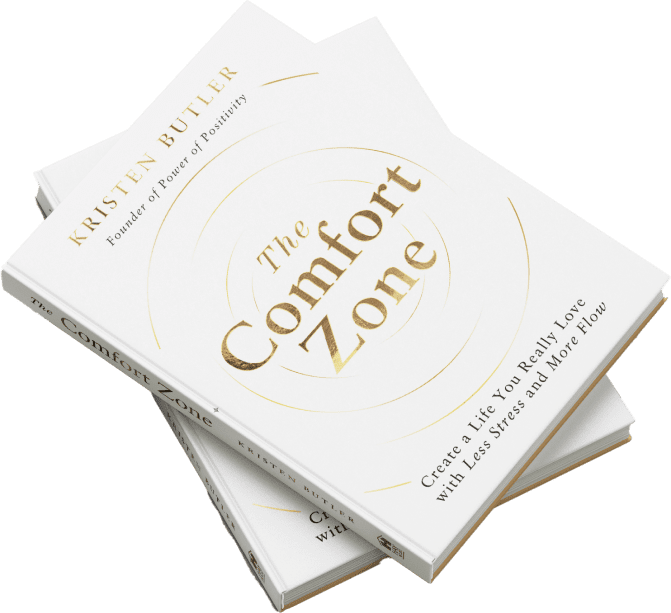
Expanding our comfort zone is a powerful catalyst in pursuing personal growth and a joyous life. Kristen Butler’s insightful book “The Comfort Zone” offers a unique perspective that challenges the notion of abandoning our comfort zone entirely.

Instead, she advocates for gradual growth within it, recognizing that true transformation and fulfillment lie in stretching our boundaries and embracing new experiences. Comfort zone expansion leads to personal growth, opens doors to new experiences, and ultimately enhances our joy and well-being.

Embracing new challenges nurtures resilience and strengthens our confidence. We encounter obstacles and setbacks that test our abilities as we navigate unfamiliar territory. However, with each challenge overcome, we expand our comfort zone further and build resilience and a deeper sense of self-belief. This newfound confidence catalyzes even more growth and joy in our lives.

2. Practice Gratitude and Appreciation

One of the most transformative practices we can adopt is cultivating gratitude and appreciation. It involves developing a grateful mindset, counting blessings, and engaging in regular appreciation practices. Gratitude is recognizing and appreciating the abundance, beauty, and goodness within and around us.

When we cultivate gratitude, we train ourselves to see and savor the small moments of joy and the blessings that often go unnoticed. Regular appreciation practices deepen our connection to the present moment and enhance our well-being. It can take various forms, such as keeping a gratitude journal, expressing appreciation to loved ones, or simply taking a moment each day to reflect on what we are thankful for. These practices cultivate a sense of mindfulness and presence, allowing us to experience and savor the joys and blessings surrounding us.

3. Cultivate Positive Relationships and Connections

Healthy and positive relationships serve as a source of support, encouragement, and inspiration. Meaningful connections foster a sense of belonging and companionship. Humans are inherently social creatures, and our happiness thrives when we feel connected to others. Cultivating relationships based on mutual respect, trust, and shared values allows us to experience a deep sense of belonging.

Positive relationships also contribute to our personal growth and self-discovery. We gain new perspectives, insights, and knowledge through interactions with others. Meaningful connections challenge us to expand our horizons, step outside our comfort zones, and embrace diverse experiences.

They provide a platform to learn, evolve, and uncover hidden aspects of ourselves. Moreover, positive relationships directly impact our mental and emotional well-being. They provide emotional support, reduce stress, and increase our overall resilience.

4. Prioritize Self-Care and Well-being for a More Joyous Life

Self-care encompasses a range of practices that nourish and nurture our mind, body, and spirit. It involves taking deliberate actions to prioritize our well-being and setting aside time for activities that replenish our energy and restore our balance. By engaging in self-care practices, we proactively attend to our needs, allowing us to show up fully and be more joyful.

Physical well-being is an integral component of self-care and mind-body wellness. Caring for our bodies through regular exercise, proper nutrition, and adequate rest helps us maintain optimal health and vitality. Mental and emotional well-being are equally important aspects of self-care. Engaging in activities that promote relaxation, stress reduction, and mindfulness cultivates a positive mindset and emotional balance. Setting boundaries and honoring our personal needs are essential acts of self-care.

5. Embrace Mindfulness and Present Moment Awareness

Mindfulness involves intentionally bringing our attention to the present moment without judgment. It is a practice of observing our thoughts, feelings, and sensations as they arise without getting carried away by them. Being present allows us to fully engage with our experiences and savor the beauty of life’s small pleasures.

When mindful, we notice and appreciate sights, sounds, and sensations that would have otherwise been ignored. The mind-body connection helps you experience joy and contentment. When we embrace mindfulness, we become attuned to the sensations within our bodies. Mindful living has always been tied to joy and happiness.

joyful

6. Pursue Meaningful Goals and Passions That Make You Joyful

Meaningful goals give us a sense of focus and drive, infusing our lives with vitality and enthusiasm. They act as a roadmap that guides us toward a more joyous and purposeful existence. Finding purpose and meaning in life is a fundamental human need.

We experience a profound connection to something greater than ourselves when we have a sense of purpose. It gives us a reason to wake up each day with excitement and a sense of anticipation.

Pursuing goals and passions that align with our values and contribute to the well-being of others allows us to create a positive impact. While pursuing meaningful goals and passions, it is important to maintain a balance between ambition and self-care.

7. Practice Acts of Kindness and Generosity

Through random acts of kindness, helping others, and giving back to our communities, we spread positivity and compassion. We experience a deep sense of fulfillment, purpose, and joy by brightening someone else’s day. Contributing to the happiness of others through acts of kindness creates a profound sense of fulfillment. Acts of kindness also foster a sense of interconnectedness and gratitude.

Moreover, acts of kindness and generosity can be simple and accessible to everyone. They can range from offering a listening ear to someone in need, performing small acts of service, or even participating in volunteer work. The key is to approach each interaction with a genuine intention to uplift and support others.

8. Foster a Positive Mindset and Optimism for a Joyous Life

A positive mindset begins with cultivating optimism and hope. It is the belief that no matter the circumstances, there is always a silver lining or a lesson to be learned. By adopting an optimistic outlook, we embrace a proactive approach to life, recognizing that we can shape our experiences and responses to be more joyful.

This mindset fuels our resilience and allows us to navigate challenges with determination and confidence. A mindset shift can help you adopt a positive way of thinking. Focusing on solutions rather than dwelling on problems is a fundamental aspect of a positive mindset. When faced with difficulties, a positive thinker looks for opportunities and solutions rather than getting stuck in a cycle of negativity.

9. Embody a Joyful Life Through Playfulness and Laughter

Playfulness and laughter can remarkably uplift our spirits and infuse our lives with joy. They can help us rediscover the childlike wonder within us. We tap into a sense of freedom and spontaneity when we do activities that bring us joy and amusement. Finding joy in simple pleasures and spontaneous laughter is a profound way to experience the beauty of the present moment.

Laughter, in particular, has incredible healing and transformative power. It releases endorphins, reduces stress, and enhances our overall well-being. Laughter connects us with others, strengthens relationships, and creates a sense of camaraderie and connection. It can help you adopt a playful attitude and live joyfully.

10. Foster a Healthy Work-Life Balance for a More Joyous Life

A healthy work-life balance lets us prioritize activities that bring us joyful interactions and fulfillment outside work. Setting boundaries between work and personal life is essential for maintaining a healthy balance and achieving work-life integration.

It allows us to create distinct spaces and time frames for work and leisure, preventing work-related stress in our personal lives. Maintaining our well-being while pursuing professional goals is a key aspect of a healthy work-life balance. It involves prioritizing self-care in the workplace, maintaining physical and mental health, and creating a supportive work environment.

Time management is also important in achieving a healthy work-life balance. We can allocate sufficient attention and energy to work and personal commitments by effectively managing our time. We create space for joy, fulfillment, and meaningful experiences by striking a balance and being intentional with our time.

joyous

Final Thoughts on Taking These Steps for Cultivating a Joyous Life

In our quest for a joyous life, we have explored ten powerful ways to cultivate happiness and fulfillment. Expanding our comfort zone allows us to embrace growth and positive change. Gratitude, positive relationships, and prioritizing self-care and well-being ensure we have the energy and balance necessary for joy.

Mindfulness, fostering a positive mindset, and pursuing meaningful goals and passions bring purpose and fulfillment. Acts of kindness and generosity benefit others and foster a sense of interconnectedness and gratitude within ourselves. Embodying joyful feelings through playfulness and laughter brings lightness and spontaneity to our lives.

Lastly, fostering a healthy work-life balance ensures that we prioritize time for relaxation, leisure, and personal fulfillment alongside our professional endeavors. Incorporating these strategies into our daily lives requires commitment and self-reflection. It is an ongoing journey that requires us to be intentional and proactive in creating joy and fulfillment. By taking small steps daily, we can gradually transform our lives into ones filled with joy, contentment, and a deep sense of purpose.

10 Signs Your Body Needs a Digestive Cleanse

Understanding the signs that your body needs a digestive cleanse can lead to improved health and well-being. Toxins and pollutants from the environment and things you consume can build up and cause issues within your gut.

Identifying the signs that you need body detoxification can help you cleanse your body before it causes long-term issues. It encourages you to eliminate anything that disrupts optimal activity, maintain good health, and protect your body and mind.

Learning when your body needs a digestive cleanse and how you can safely do it can make a difference. This article provides the necessary information to start living your best life now.

Understanding the Importance of a Digestive Cleanse

Your body has natural mechanisms for detoxification, including eliminating toxins through sweat, urine, bowel movements, and breathing. Sometimes these processes slow and contribute to waste and toxin accumulation in your colon. When accumulation occurs, it can trigger digestive problems or other health complications.

Body detoxification helps you develop and maintain optimal health and energy levels. Without a detox, your body is susceptible to many harmful effects. You’ll take in toxins from the environment and what you eat or drink, and it’s not always avoidable.

When you have toxic accumulation, it can lead to an overload that potentially damages organs and tissues. It makes it so your body isn’t functioning optimally, disrupting your mental, emotional, and physical well-being.

Doing a digestive cleanse helps you return to a healthier lifestyle and improved well-being. It promotes gut health, helping restore functioning and natural digestion.

digestive cleanse

Benefits of a Digestive Cleanse

When your body can’t keep up with the detoxification process, your body will show signs that indicate there’s a problem. When these things happen, it signifies it’s time for a cleanse to help speed up the process. It involves changing your dietary habits to improve your overall quality of life and avoid free radicals damage.

Some of the physical benefits of a digestive cleanse include:

  • improved digestion
  • increased energy levels
  • reduced bloating
  • less burden on your detox organs
  • clears the colon
  • weight loss or maintenance
  • boosts immunity
  • decreases your risk of cancer and other diseases

The physical benefits aren’t the only perks you’ll experience, as there are also many mental benefits, including:

  • enhanced mood
  • increased clarity
  • reduced fatigue
  • lowered risk of depression, anxiety, and other disorders

10 Signs Your Body Needs a Digestive Cleanse

Recognizing when your body needs more can boost your health and well-being. When you identify the signs, you can do a digestive cleanse that improves your overall health.

1 – Persistent bloating may reveal the necessity of a digestive cleanse

If you consume too much salt or have toxin buildup, you’ll likely experience boating. It can cause you to retain excess water weight, and you might notice your clothes become uncomfortable. Bloating also indicates a lack of digestive enzymes necessary for breaking down food.

2 – Unexplained fatigue

Feeling groggy throughout the day or experiencing extreme fatigue by the end of the day indicates toxicity overload. When you deal with this situation often, it can lead to adrenal fatigue and improperly functioning glands. It signifies excessive toxin levels and the need for a cleanse.

3 – Brain fog

An unhealthy gut can cause brain fog because your body ferments undigested food. It can make you feel drunk or hungover as the fermentation produces alcohol. Changing your diet to include nutritional foods and drinking plenty of water can do the trick.

4 – Mood swings

Toxins build up can make you feel overwhelmed, affect your mood, and trigger anxiety. Toxins cause hormonal imbalances that affect your gut and contribute to issues with your mood and mindset.

One of the reasons this occurs is that gut inflammation can interfere with serotonin levels. When this happens, it can lead to mood swings and irritability.

5 – Overconsuming processed foods

Processed foods contain many toxins, including unhealthy fats, refined carbohydrates, and artificial additives. They also limit how much fiber, vitamins, and minerals you consume and absorb, further impacting your health.

When you regularly consume processed foods, you likely need a cleanse to eliminate some of the toxins. Otherwise, your risk of developing complications and diseases increases because it can lead to:

  • heart disease
  • cancer
  • diabetes
  • obesity

leaky gut

6 – Regular alcohol consumption can cause a decrease in gut health

When you regularly consume alcohol, you’re likely to need a digestive cleanse. Your liver metabolizes alcohol to acetaldehyde, potentially leading to cancer development. Typically, your liver converts the acetaldehyde to acetate for elimination, but sometimes it gets overloaded.

Excessive drinking makes it hard for your liver to keep up and rid your body of these chemicals and toxins. It can cause liver damage because it causes inflammation, scarring, and fat build-up that hinders natural functioning. When this happens, your body can’t keep up with detoxifying processes, and you may experience health problems.

7 – Infrequent bowel movements

Indigestion indicates an overload of toxins in your body. Your liver filters everything in your body, and not having frequent bowel movements could be a sign of an issue.

Removing waste is an essential aspect of a healthy life. If you don’t have bowel movements, you won’t eliminate toxins from your body, causing them to enter your bloodstream.

8 – Skin breakouts or rash may prove the need for a digestive cleanse

Frequent skin breakouts or rashes indicate a lack of circulation and dilation of blood vessels due to toxic buildup. It limits blood flow, oxygen, and nutrients to your skin and cells, creating these issues.

Additionally, a malfunctioning digestive system can exacerbate issues. It can also indicate candida overgrowth in your gut that triggers skin problems.

9 – Weight fluctuations

If you gain or lose weight despite your efforts, it often indicates the need for a digestive cleanse. Toxins get stored in your fat cells, and your body will recognize them as unhealthy to break down. When this happens, it can cause weight gain, and eliminating the toxins can promote weight loss.

10 – Sleep changes can come from poor gut health

Lack of sleep can happen when toxins build up because it makes it so your organs can’t function properly. Research shows sleep is essential for detox processes, negatively impacting your health and well-being if you don’t get enough. Not getting enough rest can lead to a harmful cycle because it can occur from lack of sleep and contributes to more build-up.

Without enough sleep, you can face many health consequences, including the following complications:

  • high blood pressure
  • stress and anxiety
  • obesity
  • type 2 diabetes
  • heart disease

Effective Execution of a Digestive Cleanse

Digestive cleanses have existed since ancient times, and many harmful misconceptions can lead to unhealthy attempts. Experts indicate you’ll want to ensure you do it correctly and safely so it doesn’t harm your health. It won’t involve specific diets or consuming products because your body naturally cleanses, even if the process slows sometimes.

Instead, the essential aspects of a successful cleanse include consuming a nutrient-rich, balanced diet with plenty of hydration. Other tips for a successful cleanse include the following:

  • get plenty of sleep
  • consume prebiotics or probiotics
  • engage in activities that make you sweat
  • hydrotherapy
  • eliminate processed foods
  • limit environmental toxin exposure
  • reduce or limit alcohol intake
  • increase your fiber intake
  • stop smoking tobacco
  • don’t use added salt on your food

You Don’t Have to Stop at a Digestive Cleanse

You can consider a digital detox to clear your mind and thoughts. It means taking a break from electronics, including your smartphone. Doing this can improve your mental health by reducing stress and improving your overall well-being.

You don’t have to go for extended time away from your devices to detox from them. Instead, consider leaving them inside while you spend time outdoors or complete your workout routine. Once you learn to enjoy that time, you can shift to a full-day digital detox.

Digestive Cleanse and Overall Wellness

A digestive cleanse promotes long-term health and improved wellness. Cleansing your body helps eliminate negative thoughts and emotions, opening space for better things. It also allows you to recharge and recover, allowing your body to function normally for improved physical well-being.

When you cleanse your body and fill it with healthy foods, you’ll experience long-term health benefits. Your uncomfortable symptoms will ease, and you’ll live a fulfilling life while feeling good. It also allows your body to absorb essential nutrients and vitamins to ensure balance.

digestive cleanse

Final Thoughts on Recognizing When Your Body Needs a Digestive Cleanse

A digestive cleanse helps eliminate toxins and can make you feel refreshed and healthy. Listening to your body and prioritizing detoxification can help you live a fulfilling life while feeling good physically and mentally.

When you know when you need a detox and how to do it, you can prioritize your well-being and overall health. Eating a balanced diet, staying hydrated, and maintaining a healthy lifestyle can help you live better.

You don’t need specific products for a cleanse because your body will do it naturally when you follow these tips. Living a healthy lifestyle and ensuring healthy nutritional intake allows your natural detoxification system to function optimally. Developing new habits can make all the difference in your short and long-term health and well-being.

8 Behaviors That Reveal a Hidden Personality Disorder

A personality disorder (PD) refers to persistent, unhealthy cognitive, emotional, and behavioral patterns that negatively affect one’s life. People suffering from these disorders may have difficulty forming and maintaining relationships. They also usually struggle to hold a regular job and display impulsive, reckless behaviors. Also, someone with this mental disorder often displays an unstable, uncertain sense of self. In other words, their perception of themselves can change drastically from moment to moment.

People with severe psychological conditions may develop maladaptive coping mechanisms such as avoidance, drug use, or codependency. The causes of personality disorders vary, but most health professionals believe a combination of childhood trauma, brain chemistry, and inherent personality traits are to blame. Also, these mental disorders are highly heritable, with some studies estimating genetics contributes 35-60% to a PD diagnosis. Most often, symptoms manifest in adolescence or early adulthood but can emerge in childhood in rare cases.

However, specific therapies such as CBT, psychiatric medications, and lifestyle changes can help with symptom management. Plus, talk therapies can provide valuable coping skills and teach patients self-love and compassion, which can help them reframe negative thoughts. Below, psychologists and mental health experts reveal the behavioral signs that suggest an underlying personality disorder.

Understanding Personality Disorders

personality disorder

As defined above, personality disorders are a group of disorders characterized by unhealthy, abnormal patterns of thinking, feeling, and behaving. People with these mental health conditions often have a negative self-image, difficulty maintaining relationships, and struggle to complete daily tasks. They tend to act impulsively based on fluctuating moods, making it challenging to manage adult responsibilities. Psychologists separate psychiatric diagnoses of these disorders into three clusters based on similar traits and behaviors.

Cluster A or odd/eccentric disorders include paranoid, schizoid, and schizotypal mental health conditions. Cluster B or dramatic/impulsive psychiatric conditions are borderline, antisocial, histrionic, and narcissistic PD. Finally, Cluster C or anxious/inhibited illnesses include obsessive-compulsive (OCD), dependent, and avoidant personality disorders.

A Hidden Personality Disorder Means Inconsistent and Unpredictable Behavior

People with undiagnosed personality disorders usually display inconsistent behavior and frequent mood swings. This unpredictability may manifest as reckless or irresponsible behavior, acts of violence or aggression, or even suicidal ideation. Because of their ever-changing emotions and thoughts, people with these mental health conditions may seem different daily. They struggle with self-control due to their intensity and volatility and often act out as a coping mechanism.

Difficulty Maintaining Relationships

Another hallmark of a PD includes relationship difficulties and regular conflict with loved ones. Interpersonal problems affect every relationship, but people with conditions like borderline personality disorder (BPD) experience them more frequently. Since they have an unstable self-image and struggle with codependency, they oscillate between idealizing and devaluing their partner or favorite person. People with avoidant or paranoid personalities may avoid relationships altogether if they intensely fear rejection or believe others want to harm them.

anger

aggr

A Hidden Personality Disorder and Extreme Reactions to Criticism

Someone with a maladaptive personality may display heightened sensitivity and defensiveness when criticized. Childhood trauma often causes these extreme reactions to criticism if the child must protect themselves from neglect or abuse. This response follows them into adulthood if they remain in survival mode and haven’t received proper therapy or treatment. Oversensitivity can occur in all PDs but is most prevalent with narcissistic or borderline personality disorders.

Frequent Lying or Deceptive Behavior

Also, people with abnormal or unstable personalities may begin lying and resort to manipulation as a survival mechanism. They utilize deception because they don’t know how to form healthy, mutually beneficial relationships. Many people with severe mental illnesses resort to these behaviors out of fear or desperation, not necessarily because they lack empathy.

Impulsive and Risky Behavior

As mentioned, someone with a PD will often exhibit impulsivity and risky behavior. Excessive spending, unsafe sex, gambling, alcohol and drug addiction, and breaking the law are typical in people with these conditions. Unfortunately, some may even self-harm to relieve themselves from mental pain or take their life. Dangerous behaviors such as these shouldn’t be overlooked, especially if someone displays suicidal tendencies.

A Hidden Personality Disorder Usually Means Difficulty with Empathy

Another sign of a possible personality disorder includes a lack of empathy and blunted social skills. People with PDs often have difficulties understanding others and may seem cold or distant during conversations. They may desire deep connections with others but lack the skills, experience, and self-awareness to cultivate meaningful relationships.

Persistent Feelings of Emptiness or Boredom

You may also notice feelings of emptiness and chronic boredom in someone with a maladaptive personality. While this behavior can manifest with any mental illness, it’s most common in those with BPD. Because they struggle with emotional regulation, they may rely on unhealthy coping skills such as substance abuse to numb their feelings. People with disordered personalities are at a heightened risk of developing drug and alcohol addictions, according to research.

Outbursts of Anger or Aggression

Finally, an abnormal psychological state can lead to anger and aggression if left unaddressed. Some people with atypical or dysfunctional personalities may have frequent temper tantrums, while others can become violent or dangerous. This behavior is most common in people with antisocial, borderline, narcissistic, obsessive-compulsive, and paranoid personalities. Talk therapy and antipsychotic medications can help patients manage anger and teach them positive coping skills.

behaviors

Final Thoughts on Knowing the Signs of a Hidden Personality Disorder

Psychologists and mental health experts categorize PDs into three groups or clusters according to similar behaviors. Cluster A disorders are characterized by suspicious or eccentric behaviors, while Cluster B conditions present along with overly dramatic, unpredictable thinking. Finally, Cluster C personalities are revealed by anxious, fearful behavioral patterns. If you notice these behavioral signs of personality disorders in your loved ones, encourage them to seek professional help or practice mindfulness techniques.

Seeking help for personality disorders and engaging in self-care can significantly alleviate symptoms and help patients lead normal, happy lives. People with maladaptive personalities can learn to accept themselves by increasing their self-awareness and loving themselves genuinely. As this becomes a regular habit, positive thoughts and behaviors will feel second nature to them.

5 Differences Between Puppy Love and Mature Love

Understanding the differences between puppy love and mature love can help individuals navigate their romantic relationships with clarity and maturity. Puppy love is often the first stage and involves infatuation that occurs based on attractiveness. It is often what happens when people think they fell in love at first sight.

Everything tends to be exciting during this stage, and there will be little conflict. It doesn’t involve long-term commitment but can lead to rushing into things you’re not ready for as a couple.

Mature love involves stability and a deeper understanding of one another. It often occurs after you get to know each other better and see all aspects of each other’s personality. You’ll know you’ve reached this stage when you love everything about your partner, even their imperfections.

When you’re in a mature relationship, you can overcome change and hardship while remaining respectful to one another. Distinguishing puppy love from mature love is essential for developing a healthy, long-lasting relationship. It can help you identify the status of your romance and ensure you and your partner are on the same page.

5 Key Differences Between Puppy Love and Soulmates

It’s sometimes hard to distinguish between puppy love and soulmates, but doing so can help you understand your relationship better. When you know how to differentiate, you can consider what it will take to move past the early stage. Here are some of the key differences between the two types of love:

puppy love

#1: Infatuation of Puppy Love  vs. Deep Emotional Connection

Puppy love involves intense emotions that lead to infatuation. It is often temporary because your feelings can unexpectedly change without explanation. This type of love is often shallow and centered around superficial attraction.

You can identify this early stage when you can’t stop thinking about a new partner. During this stage, you might not want to be away from them and want to touch them or be close to them constantly. It’s an exciting time in your life, but it doesn’t involve a deep emotional connection because you don’t know one another well yet.

On the other hand, mature love involves a genuine emotional bond because your connection will deepen. It goes beyond physical attraction, allowing you to experience a long-lasting emotional bond based on trust, respect, and shared values. With a deep emotional connection, you and your partner will show self-awareness and gratitude to help you strengthen the relationship.

#2: Idealization vs. Acceptance of Reality

During puppy love, everything about your partner and the relationship will seem perfect. The idealized image will make your life more exciting, and you may overlook compatibility issues, flaws, and shortcomings while forming unrealistic expectations.

You might love the idea of the relationship and being with your partner rather than cherishing the person they truly are. The excitement wears off once reality sets in, and you realize it’s not perfect.

You’re also likely to be on your best behavior and hide your flaws in the beginning stages of a relationship. This stage shows you don’t feel safe enough to let your guard down, but it can change if you’re both willing to deepen your connection.

Mature love differs because you’ll let go of the idealized image and begin embracing imperfections. You’ll accept your partner’s strengths and weaknesses rather than pretending they’re perfect. It also involves open communication, compromise, and understanding.

You’ll know you’ve reached mature love when you can be open with your partner. It involves being comfortable enough to let them see the unperfect parts of yourself,  and it’ll likely come with hardship. However, if you’ve developed a healthy relationship, you can overcome anything that happens.

#3: The Dependency of Puppy Love vs. Independence

Puppy love involves dependency with reliance on your partner for self-validation and happiness. You, your partner, or both might experience neediness during this stage.

Mature love overcomes dependency and promotes encouragement of individual growth and self-sufficiency. It involves independence while supporting one another’s dreams and goals. Instead of needing validation from your partner, you’ll want to share your life with them while being true to yourself.

Each of you will be responsible for your happiness and well-being rather than depending on one another to provide it. The relationship becomes fulfilling as a source of joy rather than a reliance on the other.

#4: Passionate vs. Compassionate Love

When your relationship is full of intense passion, excitement, and desire, it might be puppy love. It focuses on the physical aspects and romantic intensity rather than building a deep bond.

Mature love is deeper and has more of an empathetic connection. It develops as couples get to know one another and have a better chance of developing empathy, understanding, and a long-term commitment. You’ll accept and embrace one another’s strengths and be compassionate toward your partner.

Compassionate love develops as you get to know your partner better and learn to appreciate everything about them. It involves a conscious choice to care for your partner and love them. Without this step in your relationship, the passion can quickly and unexpectedly fizzle, potentially causing your romance to end.

#5: Short-Term vs. Long-Term Perspective

Puppy love is an exciting stage in your relationship, but the temporary nature isn’t sustainable. It emphasizes a need for immediate gratifications rather than helping you develop a long-term perspective for mature love.

A long-term perspective involves commitment, future planning, and investment in building a life together. When you reach this future-oriented stage, you’ll know you’ve found mature love that can sustain hardship and change.

Being in a long-term relationship means being transparent and saying things you wouldn’t have early on. You’ll know personal things about one another and feel comfortable discussing health issues, bodily functions, and other intimate details.

Opening up in a long-term relationship can help you strengthen the bond and feel fulfilled by the romance. You’ll feel secure and stop worrying that specific things about you will make your partner want to leave.

puppy love

Puppy Love Can Turn Into True Soulmates

Puppy love and mature romance differ and describe two separate relationship stages. The evolution of love can lead to true soulmates and a deepening connection. The transformative journey can take you from the idealized aspects to a mature, long-lasting romance.

You must nurture the relationship and foster growth if you want mature love. It will allow the natural progression to occur and deepen your connection as you experience things together and build a solid foundation.

Some of the factors that contribute to the transformation into soulmate love include the following:

Time and shared experiences

As partners spend more time together and go through various life experiences, their connection can deepen and evolve. You might travel together, try new things, experience hardship, and make memories. All of these things contribute to mature love.

Growth

Individual growth is essential for developing a long-lasting connection. Becoming the best version of yourself is good for you and your relationship and shows that you’re committed to deepening your connection. It indicates you’re willing to do what it takes to make the relationship work.

Commitment

Choosing to be committed to your partner is an ongoing effort. You’ll have to decide to stay committed in every situation you experience, thinking long-term about how things can affect your relationship.

Emotional maturity

As individuals grow and mature emotionally, their understanding of love and relationships becomes more profound. You’ll begin to understand each other in a way that builds a bond that’s hard to break. It also involves being sensitive to their needs to find a balance that works for both of you.

Acceptance

During the early stages of your relationship, you’ll likely ignore flaws and shortcomings. Acceptance is essential for developing a soulmate scenario as you get to know each other better.

Building a foundation of trust and respect

Developing trust and mutual respect forms a solid foundation for a deeper soulmate connection. It requires open communication and being honest with yourself and your partner about your needs, desires, and feelings.

Nurturing the relationship

Couples who actively invest in their relationship, communicate openly, and work through challenges have a higher chance of growing into soulmates. Get to know one another by discussing hopes, dreams, and values.

mature love

Final Thoughts on Understanding the Key Differences Between Mature Love and Puppy Love

Puppy love involves intense attraction and infatuation, while mature love is based on a deep understanding of one another. Both types can be passionate, but they have differing aspects. Puppy love involves surface-level attraction and intensity, while mature love goes beyond that.

With mature love, you’ll experience a deep connection involving respect and trust. It allows for a long-term commitment and shows that both partners are willing to overcome hardship to make things work.

While puppy love is exciting, nurturing a deep emotional connection in love is the way to go if you want a long-term commitment. Building a mature and lasting relationship requires getting through the infatuation stage and developing a deeper bond. Don’t end your relationship if you’re happy but haven’t reached the mature love stage because it can still happen.

Doctors Explain What Swollen Hands Reveal About Your Health

Swollen hands occur when water and other bodily fluids accumulate in tissues and cause inflammation. Usually, hand swelling happens due to several factors, including injury, pregnancy, or certain diseases such as arthritis. Your hands can provide essential health indicators such as blood pressure and fluid balance.

For instance, eating excess salt can cause hypertension, leading to swollen, puffy hands and feet. Other causes of may include kidney disease, chemotherapy, exercising or working outside in hot weather, and certain vascular diseases.

However, most of the time, hand swelling shouldn’t alarm you since it usually subsides quickly. Plus, you can treat hand inflammation with home remedies such as taking a warm shower, applying ice packs or heating pads, or doing simple stretches.

But if the symptoms persist, you should visit a doctor for an accurate diagnosis and treatment plan. Medical professionals can often glean insight into your overall health from symptoms like swollen hands, underscoring the importance of recognizing and addressing this issue.

Understanding the Causes of Swollen Hands

Understanding the causes of swollen hands is essential to treat symptoms and helps you know when to schedule a doctor’s appointment. You should consult a health professional immediately if you have a hand injury or underlying medical conditions like high blood pressure or kidney disease. These conditions could seriously impact your health and even become life-threatening if left untreated.

For example, disease symptoms like hand swelling may seem harmless initially, but they may indicate a thyroid condition requiring medication. People with untreated thyroid problems may develop heart disease, infertility, thyroid cancer, and other serious issues.

In most cases, however, hand swelling usually indicates a fluid imbalance in the body due to excess salt consumption. Lifestyle factors like consuming too much processed, salty foods and a sedentary lifestyle can significantly contribute to swollen hands.

What Swollen Hands Can Reveal About Your Health

swollen hands

Physical signs: potential links to conditions such as arthritis, kidney disease, or heart disease

As mentioned, swollen hands can signal underlying conditions such as arthritis, heart problems, kidney disease, and thyroid disorders. According to the National Kidney Foundation, swelling in the extremities is one of the telltale warning signs of both kidney and heart failure. Usually, the kidneys filter waste from the blood and eliminate excess water through the urine. When they malfunction, it leads to fluid retention and the dangerous accumulation of waste products.

Arthritis can also cause swollen hands due to inflammation and joint pain. Finally, thyroid conditions like hypothyroidism may lead to hand swelling because of hormone imbalances caused by a slower metabolism. Certain cancers like liver, breast, and kidney cancers may cause edema (swelling) in addition to chemotherapy medications.

Mental stress signs: How swelling could potentially indicate stress and anxiety disorders

If you experience acute or chronic anxiety, you may notice uncomfortable symptoms such as swollen hands. When you feel stressed, your body produces excess adrenaline and cortisol, redirecting blood flow to the vital organs. Less blood flowing in your extremities can lead to problems like swelling of the hands and fingers, tingling sensations, and weakness. Excess cortisol can also contribute to fluid retention because it increases inflammation. Therefore, having high stress levels and imbalanced hormones can easily cause swelling in the extremities.

Doctors Explain What Swollen Hands Reveal About Your Health

You should discuss your symptoms and concerns with a doctor if you experience frequent stress-related symptoms or physical health issues. It’s imperative to seek medical advice if you’ve had swollen hands for prolonged periods, as this could indicate an underlying condition. However, you probably have nothing to worry about if the problem disappears after several days. Still, it’s better to be safe than sorry about your health, and a doctor’s appointment could help ease your mind.

swollen hands

Effective Management and Treatment of Swollen Hands

  • Dietary changes: Incorporate a diet consisting of nutritious and fresh foods. This can help reduce inflammation and promote overall health, potentially alleviating hand swelling.
  • Hand exercises: Engaging in specific exercises that target the muscles and joints of the hands can help improve circulation and reduce swelling. These exercises may include finger stretches, wrist rotations, and squeezing stress balls.
  • Regular physical activity: Maintaining an active lifestyle promotes blood flow and reduces fluid retention, which can worsen things. Engage in walking, swimming, or cycling to improve overall circulation and minimize swelling.
  • Increased water intake: Staying hydrated is crucial for maintaining optimal fluid balance. Drinking adequate water can help reduce water retention and minimize hand swelling.
  • Stress management techniques: Chronic stress can contribute to inflammation in the body. To reduce stress, practice relaxation techniques such as deep breathing, meditation, or yoga.
  • Sufficient sleep: Getting enough restorative sleep is essential for overall health and well-being. Lack of sleep can increase inflammation in the body. As a result, it may worsen the problem. Aim for seven to nine hours of quality sleep each night.
  • Stretching arms above the head: Simple stretches where you raise your arms above your head can aid in improving circulation and reducing hand swelling. Perform this stretch several times a day to experience potential benefits.
  • Ice packs: Applying ice packs to the hands can help constrict blood vessels, reduce inflammation, and alleviate swelling. Wrap the ice pack in a cloth or towel before applying it to prevent direct contact with the skin.

It is important to note that if the trouble persists or is accompanied by severe pain, redness, or other concerning symptoms, it is crucial to seek medical attention. For more serious causes of hand swelling, such as kidney or heart disease, specialized care from healthcare professionals may be necessary for an accurate diagnosis and effective treatment. Always follow the guidance of your doctor and adhere to any treatment plans to address underlying conditions contributing to hand swelling.

The Importance of Recognizing Symptoms for Overall Health

Recognizing and understanding symptoms like swollen hands contributes to proactive healthcare because it addresses problems head-on. The best time to get treatment for a potentially serious health problem is when it first arises. That way, your symptoms will be more manageable, and the disease or injury won’t have time to spread. Positive health management can help reduce it since your doctor will give you a comprehensive treatment plan. Or, if you experience mild symptoms from working in the heat or being pregnant, at-home remedies can nip your swelling in the bud.

hand swelling

Final Thoughts on What Swollen Hands Reveal About Your Health

If you see these signs, you must recognize your symptoms before they become serious. By understanding the signs of trouble, you can take preventative measures such as drinking more water or exercising to reduce inflammation. Making a few positive lifestyle changes can improve your physical and mental health, including symptoms of swelling. Usually, many people find that exercising regularly, eating a balanced diet, and reducing salt can drastically reduce inflammation and edema.

However, if the symptoms have persisted for months or years, a health consultation is ordinarily necessary to diagnose the problem. Doctors can pinpoint the exact cause of the swelling and prescribe certain medications and other therapies to manage symptoms. Remember to take your health seriously and put yourself first because you deserve to feel your best.

She Built a Better Life From Her Comfort Zone and Never Looked Back

There’s a common belief that growth happens only outside one’s comfort zone. But this is far from the truth.

Many theorists and experts, like Alasdair White, define a comfort zone as a behavioral state where a person maintains a consistent level of performance. Inside this comfort zone, as experts claim, there is little anxiety and stress.

According to them, this discourages people from taking risks and leaving their comfort zones to achieve success. Then again, some studies prove that a certain degree of anxiety and stress can encourage people to achieve their dreams and live their best life. While there are people who work best under pressure, the question is, why should you suffer to succeed?

Since anxiety and stress cannot be measured, you won’t know how much or how little you’re stressing to achieve your goals! When something doesn’t go as planned, we stress. When something goes as planned, we stress! A certain degree of anxiety can help us pave the way forward; too much can be damaging. No conclusive evidence reveals how much anxiety and stress are helpful to us.

No Pain, Yes Gain!

comfort zone

Experts agree that your comfort zone doesn’t expose you to unhealthy stress and anxiety levels. You’ve often heard “no pain, no gain,” but does this apply to everything? Do you have to endure anxiety, stress, and discomfort only to be happy? When you step out of your comfort zone, you expose yourself to extreme anxiety, stress, and discomfort, damaging your mental, emotional, and physical health.

This also disturbs your relationship with your inner child and the connection with your subconscious mind. Growth within the comfort zone is possible, so you don’t have to worry about stepping out into discomfort for personal growth and development. Kristen Butler created a foundation for a fulfilling life and achieved meaningful personal growth by embracing and nurturing her comfort zone.

But life wasn’t always smooth for her. She was constantly criticized, body-shamed, and ridiculed as a young child. From an early age, she was fed with the belief that discomfort is a good thing. Take a moment and reflect on how frequently you have advised the same thing. As a result, some of us believe that discomfort makes us stronger, but that probably applies to physical exercise, not goals and achievements!

Kristen was advised that she had to embrace discomfort to change her circumstances. Her teachers and some family members believed that stepping out of her comfort zone was the only way to achieve anything important.

Redefining the Comfort Zone

First, you must forget everything you’ve learned about stepping out of your comfort zone for personal growth, self-improvement, and positive change. Consider this: How can you achieve positive change in constant discomfort? Many of us are taught to believe comfort means complacency. Comfort and complacency are two different things and two different zones altogether.

When you’re complacent, you feel content with what you have and lack the motivation, focus, and purpose to strive for greater things. People stuck in the Complacent Zone have experienced so much failure that a heavy doubt keeps them from achieving more. In your Comfort Zone, you’re always looking for ways to achieve more while being grateful for what you have. Unfortunately, our comfort zone has acquired a negative reputation due to its misuse over the years.

Many people refer to the Complacent Zone when talking about the Comfort Zone. Comfort Zone is far from being the pause button in your life. If anything, it’s a cushion so you can achieve your goals and ambitions while you’re comfortable and stress and anxiety-free. Staying in your comfort Zone doesn’t stop you from living your best life. It’s a place of security, stability, and growth. You don’t have to be uncomfortable, stressed, or anxious to achieve important things. Remember, you can live a purposeful life only when you’re focused, motivated, and grateful – qualities that naturally arise when you’re stress-free and comfortable.

Building on Personal Strengths Occurred From Her Comfort Zone

At some point in her life, Kristen believed she could polish her strengths, skills, and talents only if she stepped outside her comfort zone. She was continually criticized for following her heart and doing things that felt natural to her. If she talked too much, she was considered loud. She was called a slow learner if she took longer to understand concepts.

In our lives, we’ve constantly been criticized for not being perfect enough. With each passing year, Kristen allowed the world to undermine her self-image and self-worth. She did what we’ve all done at some point in our lives – let people walk all over us. If you resonate with this, it’s important to reflect and return to your comfort zone where you’re welcome, loved, and cherished for being you.

You dream, plan, and achieve more when you feel like yourself. When you leave your comfort zone, the world will force you to suppress your strengths, skills, and talents. This will leave you at the mercy of luck, discomfort, and the crumbs of success you manage you pick on your path. When Kristen stepped out of her comfort zone to achieve her dreams, the world made her forget what she was made of. She soon began questioning if she deserved success in life.

How to Facilitate Growth From Your Comfort Zone

Here’s how to build on strengths and skills while remaining in your comfort zone:

1. Healthy Boundaries

Boundaries are healthy because they shield you from the outside world’s negativity that can shatter everything you’ve done to build a purposeful life. Boundaries help you define and communicate your needs, establish respectful relationships with others, and prevent unnecessary stress and burnout. Boundaries empower you to prioritize self-care and maintain a healthy work-life balance.

2. Practice Self-Care

Everything on this planet needs maintenance for proper function, which also applies to humans. In the same way, your home needs maintenance, your inner state needs attention to feel safe and function at your best. Self-care involves engaging in activities and behaviors that promote self-nurturing, relaxation, and rejuvenation.

  • For example, you can swim, walk, or cycle for physical self-care.
  • You can repeat positive affirmations and practice meditation or mindfulness for mental self-care.
  • For emotional self-care, you can try journaling, practicing gratitude, doing acts of kindness, or listening to uplifting music.
  • For spiritual self-care, you can reconnect with your inner child by practicing gratitude, connecting with like-minded individuals, or simply taking long walks surrounded by nature.

Investing time and energy to care for yourself can improve your overall well-being, happiness, and quality of life.

comfort zone

3. Express Who You Are

When you express yourself, you improve your self-image, a safety net that filters out negativity, criticism, and ridicule the world throws at you. The way you express yourself gives people an idea about who you are, your worth, and your boundaries. How you express yourself acts like a magnet that draws in the right people and repels the wrong ones. It shows people how you want to be treated, not how they think they should treat you. To improve your self-image, you can:

  • Practice self-acceptance
  • Discourage negative self-talk
  • Set realistic goals
  • Surround yourself with positive people
  • Practice gratitude

The idea behind expressing yourself is to help you get to a place where you can be proud of your achievement. All while staying inside your comfort zone.

Setting Achievable Goals

Effective goal setting involves focusing on incremental progress rather than unrealistic long-term goals. This is because small, achievable, and measurable goals increase in value and worth over long-term goals that are too far-fetched.

By staying within your comfort zone, you understand your strengths and weaknesses. With this knowledge, set goals that you can realistically accomplish. Instead of rushing to achieve these goals, adopt a slow and steady approach. This helps prevent burnout and ensures that you maintain your motivation throughout the journey toward achieving them.

Fostering Healthy Habits Happened From Her Comfort Zone

Our daily lives are filled with habits we’ve developed to survive, sustain ourselves, and find satisfaction. Our subconscious mind is aware of the difference between healthy and unhealthy habits and often communicates this through our inner voice. This inner voice is stronger when we’re in our comfort zone than when we step outside of it.

To transform into the person you aspire to be, foster healthy habits that guide you. One example is practicing self-care. Self-care is not a luxury; it’s a way to recharge. By taking the time to recharge, you can increase your endurance and stay committed to achieving your goals, ultimately leading you to a prosperous future.

  • First, list down all your daily habits, whether healthy or unhealthy, big or small.
  • Once you have your list look at each habit and see if it aligns with your goals in life.
  • Put a check mark on habits that directly or indirectly relate to your life’s purpose.
  • Put a cross beside habits that won’t help you achieve your goals.
  • Put a question mark next to habits you’re not sure about.
  • Look at all the habits you’ve crossed out – are there any healthier alternatives?

You’ll need discipline and consistency to change your habits and effectively transform your life.

Cultivating Positive Relationships

Positive relationships, a strong support network, and a sense of connection are crucial to our well-being and happiness. All relationships provide us with an opportunity for growth. Positive relationships and a caring support network propel us to greater heights. Making positive connections makes us feel understood, valued, and deeply linked to others.

It goes beyond surface-level interactions and involves genuine emotional engagement and empathy. When we feel connected to others, we experience greater happiness, reduced stress levels, improved self-esteem, and enhanced mental health. Staying in your comfort zone helps you attract like-minded people who provide value to your life.

Learning from Failures and Setbacks Happened in Her Comfort Zone

When Kristen stepped out of her comfort zone, she continued to convince herself that discomfort was the only way to achieve important things. Blaming her failures on her comfort zone, she ventured into unfamiliar territory for a deeper connection. Although stepping out of her comfort zone didn’t make sense, she could see some progress from her discomfort.

This only meant one thing for Kristen – to become even more uncomfortable. On the outside, Kristen rocked it all, but on the inside, she was battling endless waves of anxiety, stress, and a deep need to stay relevant. Her refusal to address her inner battles manifested as hormonal imbalances, weight gain, and extreme anxiety. It wasn’t long after that an exhausted and overwhelmed Kristen had to drop out of college.

It took Kristen a long time to walk back to her comfort zone to be herself. Kristen realized that the problem wasn’t with her identity but with neglecting her intuition and inner guidance. She understood the importance of resilience, the ability to bounce back and find strength in her comfort zone.

Resilience became her tool to overcome challenges, embrace change, and ultimately achieve success. If this sounds like something you’re going through, you must return to your comfort zone to practice resilience and be who you are while striving to be the best version of yourself.

growth

Final Thoughts on Embracing the Comfort Zone

Your comfort zone can be a positive space for personal growth and development. Kristen learned a valuable lesson about the power of her comfort zone as a foundation for growth. She realized that self-improvement and positive change can happen within the boundaries of her comfort zone. Ultimately, she learned to redefine her comfort zone and embrace it as a source of strength.

If you are in a similar situation, remember you don’t have to sacrifice your well-being and inner voice to achieve success. Embrace your comfort zone as a place of growth and transformation, and practice resilience to overcome obstacles. Your comfort zone is the foundation for a purposeful life where you can be yourself and achieve personal growth and success.

Counselors Reveal 12 Long Term Effects of Stress (and How to Fix It)

Coping with long-term stress is essential to your health and well-being. Understanding the long-term effects and implementing effective stress management techniques can improve your overall well-being and quality of life.

Sometimes feeling stressed is common, but chronic conditions lead to long-term health issues. It also impacts your relationships and career.

Understanding the experience and finding healthy coping methods can improve your life and reduce health issues. You don’t have to let it control your life when you find ways to manage it, allowing you to live peacefully.

Understanding the Long Term Effects of Stress

A stress response occurs when you experience fight, flight, or freeze mode. It’s intended to protect you from danger, but with chronic issues, it sometimes happens at other times. Your hypothalamus alerts your brain and body of a threat, triggering a surge of hormones that prompt a response.

It can be caused by:

  • trauma
  • cultural climate
  • your workload
  • bills
  • taking care of your family

While your body can handle small amounts of tension, it has detrimental effects if it becomes long-term. It impacts your physical and mental health, affecting all areas of your life. Individuals respond to stressors through their coping mechanisms and responses. These things differ for everyone, and multiple methods can ease your burden.

long term effects of stress

Twelve Long Term Effects of Stress

The long-term effects can disrupt your mental and physical health, including leading to the following:

1. Chronic Fatigue

Tension can lead to chronic fatigue, meaning frequent tiredness that disrupts daily life. When depleted energy levels last for an extended time, it negatively disrupts your overall well-being.

It triggers your sympathetic nervous system (SNS), and your parasympathetic nervous system (PNS) takes over once the tension passes. The PNS helps your body recover and allows you to relax.

Long-term tension causes the SNS and PNS to activate continuously, draining your body and causing fatigue. It also triggers your adrenal glands to produce more cortisol, leading to fatigue.

2. Weakened Immune System

Studies show that stress can contribute to a weakened immune system, making you more susceptible to infections and illness. Increased cortisol levels suppress your immune function and limit the circulation of antibodies that help you fight infection. A strong immune system is essential for maintaining good health, and easing tension levels is highly impactful.

3. Anxiety and Depression

Chronic tension can impact your mental health, leading to anxiety and depression. If you experience these disorders, it interferes with your well-being, causing many symptoms and issues. You might notice changes in your mood or increased anxiety and depression.

It triggers hormone release, including cortisol, which can affect brain function and lead to changes in mood and behavior. Over time, it can cause changes in the brain and lead to long-term neurotransmitter imbalances. These imbalances include serotonin and dopamine, which are associated with mood regulation.

It can also exacerbate the symptoms of existing mental health conditions. It can worsen the symptoms and make them harder to manage.

It’s important to note that the relationship between stress, anxiety, and depression is complex. Many factors influence the risk of developing these conditions.

4. Sleep Disturbances

Stress can disrupt your sleep quality, potentially leading to insomnia or restlessness. It triggers the release of cortisol, a hormone that can keep you in a state of alertness. When this happens, it makes it harder to relax and fall asleep.

Additionally, it can cause racing thoughts and anxiety that can interfere with sleep. The link between stress and sleep is bidirectional, meaning poor sleep can also contribute to tension levels.

Lack of sleep can make it harder to cope, leading to a cycle of tension and sleep deprivation. Good sleep hygiene, including a regular sleep schedule and relaxing bedtime routine, can reduce the impact.

5. Weight Gain or Loss

Being stressed can contribute to weight fluctuations and appetite changes. You may eat more or less than usual or consume different foods than usual.

When the body is under chronic tension, it produces high levels of the hormone cortisol. Cortisol can stimulate fat and carbohydrate metabolism, creating a surge of energy in the body. This surge can lead to an increase in appetite, and if you consume more calories than you burn, you may gain weight.

It can cause individuals to engage in unhealthy behaviors like overeating or consuming unhealthy foods, leading to weight gain. In some cases, however, it can also cause weight loss due to decreased appetite and changes in metabolism.

Additionally, cortisol can lead to fat redistribution to the abdominal area. It increases the risk of health issues such as type 2 diabetes and cardiovascular disease.

6. Digestive Problems

Your gut contains neurons communicating with your brain and bacteria affecting health. Tension can disrupt these aspects, leading to pain, bloating, nausea, and other gastrointestinal issues.

When your bowel bloats, it can change the rate of food moving through your body. You might experience diarrhea or constipation, and it can trigger bowel muscle spasms.

It worsens symptoms for people with irritable bowel syndrome (IBS) or inflammatory bowel disease. With these disorders, your gut nerves are more sensitive to changes in bacteria and how quickly food gets digested.

When you have digestion issues, it can negatively impact your daily life and overall well-being. You may struggle with getting comfortable and avoid things because of the problems.

health

7. Heart Disease

Stress increases your risk of heart disease because it causes long-term problems for your heart and blood vessels. It can increase your heart rate, hormones, and blood pressure, leading to complications.

It can also inflame your circulatory system, including your coronary arteries. Additionally, it can impact your cholesterol levels, further contributing to potential health issues.

These issues can increase your heart attack, stroke, or hypertension risk. You must care for your cardiovascular health problems can lead to death.

8. Memory and Concentration Issues

Stress impacts your memory by disrupting your cognitive function. You might experience concentration problems that affect your daily life and overall well-being.

During a stress response, your brain might become overstimulated. When this happens, you can forget things and have trouble recalling events. It also triggers difficulty focusing, even when you know you should be.

9. Relationship Problems

You might experience problems in your personal and professional relationships. Healthy relationships are essential to your well-being, and this negative effect can impact you long-term.

Sometimes you’ll bottle up your issues within a relationship, showing a lack of communication. It can lead to excessive conflict because none of the problems get addressed until it harms the relationship. Your tension will affect other people, causing them to experience negativity and unease.

10. Substance Abuse

Studies show that stress can increase your risk of substance abuse as a coping mechanism. You might use alcohol, tobacco, or drugs more frequently when experiencing prolonged tension. However, these substances can lead to more tension, creating a toxic cycle.

Addiction sometimes occurs when someone believes it’s a way to ease hardship, especially when dealing with prolonged negativity. It negatively impacts your overall health and well-being by changing your brain and negatively impacting impulse control, pleasure, behavior, and motivation.

11. Accelerated Aging

Chronic tension triggers accelerated aging, impacting your overall health, well-being, and quality of life. Your body will be in a constant battle to overcome tension, draining your body and wearing it out.

It impacts cellular aging because it triggers the release of glucocorticoids, leading to increased mitochondrial activity. This activity leads to damaged telomeres, accelerating aging, making you appear older than you are, and triggering quicker aging within your body.

When your body ages quicker than it could, you’ll experience health issues. It’ll also interfere with your overall well-being and quality of life.

12. Hair Loss and Skin Issues

Stress can lead to hair loss and skin issues, potentially impacting self-confidence and overall well-being. It can cause problems like eczema, acne, and more.

Your brain and skin are linked, and you’ll notice the effects when you experience prolonged tension. Hormones and excessive oil production can make your skin vulnerable to breakouts, itching, inflammation, and infection.

It can limit wound healing and trigger issues like psoriasis and eczema. If you already experience these conditions, it can cause a flare-up that’s hard to tame without healthy coping methods.

Increased hormones can break down collagen and elastin, speeding up cellular aging. It causes fine lines and wrinkles as well as hair thinning and loss.

Strategies for Managing and Reducing Your Stress

Now that you know the long-term impacts, finding ways to reduce it is essential. You can’t always change your situation, but learning effective stress management techniques can help you improve your health and well-being. It can counteract the long-term effects of stress and allow you to live a fulfilling life.

Finding ways to cope can offer peace of mind, improved quality of life, less depression and anxiety, better health, improved relationships, and better self-control and focus. It can also promote a longer, healthier, and more fulfilling life.

Some strategies you can try include:

  • Self-care routines: Prioritize your well-being, putting yourself first. You can also take self-care time to engage in hobbies, write in a journal, or do things that help you smile.
  • Mindfulness practices: Cultivating mindfulness techniques can help you manage tension and improve your health. It helps regulate your body and mind and experience relaxation.
  • Relaxation techniques: Helpful relaxation techniques might include yoga, deep breathing, meditation, or massage. Order disposable carts online if vaping helps you relax.
  • Exercise: Physical activity triggers anti-inflammatory responses that help improve your overall well-being. You’ll be in a better mood and find better ways to cope.
  • Having healthy social support: Interacting with positive people helps distract you from your worries. Talking to someone you trust also helps make coping easier.
  • Talking to a professional: A professional can help you learn healthy coping techniques. They provide unbiased insight that can help you get through.
  • Eating healthy foods: A healthy diet can help you feel better, have a clear mind, and manage your emotions.
  • Spending time in nature: Being outdoors can boost your mood and ease tension. Enjoying nature can positively impact your mental health, promote relaxation, and help you reset.

Long Term Effects of Stress

Final Thoughts on Overcoming the Long Term Effects of Stress

The long term effects of stress can include mental and physical health problems. It can cause cognitive issues, mood changes, anxiety, depression, heart problems, and more. Learning to cope is essential to maintaining your health and overall well-being. It’ll help you develop habits that prevent long-term damage. Overcoming the effects can help you lead a more fulfilling life, so start your self-care journey today.

Skip to content