Weekly tips, affirmations, and small actions to feel your best.

5 Types of Partners to Never Tolerate

“Chemistry is like those perfume ads, the ones that look so interesting and mysterious but you don’t even know at first what they’re even selling. Or those menus without the prices. Mystery and intrigue are going to cost you…What I’m saying is, chemistry is a place to start, not an end-point.” – Deb Caletti

Attraction. Mutual interests. Novelty. Excitement. Chemistry. Everything just seems so right, doesn’t it? We’re talking about the “perfect date/person/soulmate,” of course. It’s natural, even expected, that our stomachs will flutter at the thought of loving someone for the rest of their life.

Things do seem right…at least for the time being.

But all those emotions mentioned prior – attraction, mutual interests, novelty and excitement – do eventually fade to some degree. This leaves chemistry, the underlying emotional equation that either progresses or regresses during any relationship.

Some people fall for the wrong person based on perceived chemistry. Others have had, and continue to have, a long relationship with someone that is not right for them. Some have married that person and had children with someone who is not right for them.

In most cases, incompatible people simply part ways during the dating process. Even then, money is spent, time is “wasted,” and people (potentially) get hurt. Many times – in the case of a long-term relationship – the ability to trust a potential mate is damaged.

Why does this happen? Because they’re a different “type,” more specifically, an incompatible type. Which brings us to the topic of this article: types of partners to never tolerate.

Here are 5 such types of partners to never tolerate:

1. “The (Always) Eligible Bachelor/Bachelorette”

The Eligible Bachelor/Bachelorette is generally a person that is relatively put together. They’re often attractive, intelligent, polite, successful and well-spoken. It’s hard to understand why someone hasn’t grabbed this gem a long (long…) time ago.

When asked about their long-term singlehood, they’ll often give the cliché answer of “I just haven’t found the right person.” Of course, this response can intrigue the senses of the other person…what if they’re the “right person?” This thought process is all well and good until the realization hits that no one is the “right person.”

A telltale sign that someone fits this description is the unwillingness to introduce the other person to anyone close to them, such as friends or family. Or, if they remain hush-hush about previous relationships.

2. “The Mooch”

In the context of an intimate relationship, money often isn’t that big of an issue. Most of us are generous, and willing to give something to help someone out whom we care for.

Then it happens again…and again…and again after that. Have they paid for anything, ever?

Ladies and gentlemen, meet “The Mooch.” This lover of greenbacks is all-too-willing to let their date/partner pick up the tab on, well, just about everything. Infuriatingly, The Borrower also constantly makes half-hearted excuses to why they can’t fork over some cash, even if they’re able.

The Borrower is perhaps the easiest one to spot on this list; which is simply because they’ve never been observed reaching for a bill/purse/wallet.

3. “The Mama’s Boy/Daddy’s Girl”

Listen…we all love our moms and dads. For many of us, the price our parents paid for us is a debt that can never be repaid.

But there’s love, and then there’s immaturity.

When someone’s date/partner’s parents can’t resist wriggling their hands into the relationship cookie jar, there’s a problem. If someone’s date/partner accepts this type of behavior, there is a very serious problem. When someone’s date/partner expects this behavior, we’re dealing with a Mama’s Boy/Daddy’s Girl.

Oddly, interfering in the relationship isn’t the only annoyance. These types of people generally allow the actions of their parents to override any notion of individual choice.

Really…does anything else need to be said? Maybe one thing: this is a terrible person to be in a serious relationship with.

4. “The Egomaniac”

There is nothing wrong with a bit of self-adulation. Many of us have worked very hard to earn our lot in life, and we want to gloat a bit. “The Egomaniac,” our next type, seems deserving of such a privilege; they’re often successful, hard-working, intelligent and accomplished.

But many of this type engage in a sort of “self-worship.” They’re someone always pontificating about accomplishments, intelligence, superiority, etc. Even if some of that self-glossing is true, it is entirely inappropriate.

To make matters worse, The Egomaniac will often downplay the other’s accomplishments to feel superior in some way. Since an intimate relationship encompasses a sense of mutual respect and appreciation, it is not difficult to understand why being close to The Egomaniac would be incessantly frustrating.

5. “The Control Freak”

Perhaps no other attribute is more unattractive than a penchant for attempting to control another person. The mischievous aspect is that “The Control Freak” will deliberately convey an outward sense of security and acceptance, only to eventually reveal their true colors.

Related article: 6 Ways to Find the Right Partner

Their controlling ways extend from the small to the significant; from choosing which restaurant to patron, to which house to buy (it happens!). More disturbing, The Control Freak meticulously demands the whereabouts and details for periods of time where the other person is not within their immediate company.

Someone that is controlling innately lacks the ability to trust their partner. A lack of trust, plus a tendency to “micromanage” their partner’s life, equals someone that is not worth the pain.

Harvard Psychologist Explains Why He Thinks ADHD ‘Doesn’t Really Exist’

Jerome Kagan is not only a tenured professor at one of the most prestigious universities in the world; he is also considered one of the world’s best psychologists. In fact, his fellow academics ranked Kagan the 22nd most eminent psychologist of the 20th century. This ranking put the good professor ahead of Carl Jung (Yes – THAT Carl Jung), who was ranked 23rd.

So, if anyone has earned the right to critique one of the most diagnosed mental health conditions in existence, it’s Jerome Kagan. And critique the condition, he does.

See, Kagan doesn’t believe that ADHD is a real condition. That’s right, Kagan’s position is that Attention Deficit Hyperactivity Disorder is a complete hoax. Needless to say, Kagan’s proclamation has ruffled a lot of feathers. Psychologists and other medical professionals have gone on the offensive, attempting to discredit Kagan’s statements. However, Kagan stands firm in his position.

Harvard Psychologist Reveals ADHD ‘Doesn’t Really Exist’

“…(ADHD) is an invention. Every child who’s not doing well in school is sent to see a pediatrician, and the pediatrician says: “It’s ADHD; here’s Ritalin.” In fact, 90 percent of these 5.4 million (ADHD-diagnosed) kids don’t have an abnormal dopamine metabolism. The problem is, if a drug is available to doctors, they’ll make the corresponding diagnosis.” – Jerome Kagan, Psychologist and Professor at Harvard University

But, when you’re considered a more impactful psychologist than Carl Jung and Ivan Pavlov, discrediting you is a very difficult thing to do.

Kagan is scathing in his criticism of the pharmaceutical industry. In Kagan’s view, the excessive amount of money circulating from the sale of prescription drugs is creating a number of problems.

First, physicians can financially benefit from promoting and prescribing certain medications. Of course, this can incentivize medical professionals to over-diagnose a condition in order to earn supplementary income. Some doctors earn in excess of hundreds of thousands of dollars just for working with the pharmaceutical industry. In Kagan’s view – and in the view of most – this is both an immoral and corruptive practice.

Second, pharmaceutical companies have amassed a sizeable influence on the political process. “Big Pharma” spends billions of dollars each year lobbying politicians to get what they want. In Kagan’s view, this is contributing to the corruptive influences within Washington D.C. and elsewhere.

Finally, Kagan says that more money flows to psychologists, psychiatrists and others who conduct research on conditions such as ADHD – a result of over-diagnosis and over-prescription. So, they are certainly not exempt from Kagan’s criticism.

The Problem of Misdiagnosis and Over-diagnosis

According to Kagan, “If you do interviews with children and adolescents aged 12 to 19, then 40 percent can be categorized as anxious or depressed. But if you take a close look and ask how many of them are seriously impaired by this, the number shrinks to 8 percent.”

Kagan uses depression as an example here, but he says that misdiagnosis – and hence over-diagnosis – occurs across an entire spectrum of mental health conditions. In simple terms, not everyone who displays a symptom or behavior has a mental health problem. Especially children, who are a “bit” prone to unpredictability.

Misdiagnosis leads to over-diagnosis, which is – in Kegan’s view – a problem plaguing the mental health profession. Looking at the number of children diagnosed with ADHD, it is difficult to disagree. According to the Centers for Disease Control and Prevention (CDC), “approximately 11% of children 4-17 years of age (6.4 million) have been diagnosed with ADHD as of 2011.”

Kagan also makes the point that most children diagnosed with ADHD fall under one umbrella: “Who’s being diagnosed with ADHD? Children who aren’t doing well in school. It never happens to children who are doing well in school. So what about tutoring instead of teaching?”

The Answer

In Kagan’s estimation, a number of big problems exist across the entire fiend of psychology. While he is sharply critical of ADHD over-diagnosis, and for good reason, the problems Kagan speaks of span the entire mental health field. As such, there are no simple answers.

But Kagan is adamant that mental health professionals must shift their approach to diagnosing ADHD, depression, anxiety, and other disorders. The answer? Psychiatrists and other mental health professionals need to begin making diagnoses similar to how most other doctors do: by looking at the causes, not just the symptoms. Again, this is especially with children, who often don’t have a great ability (or desire) to fully explain themselves.

adhd

He is under no illusion that doing so will be easy. In fact, when confronted with recent criticism that he is implying mental illnesses are an invention of Big Pharma and others, Kagan goes on the offensive:

“There are mentally ill people who need help. A person who buys two cars in a single day and the next day is unable to get out of bed has a bipolar disorder…There are people who, either for prenatal or inherited reasons, have serious vulnerabilities in their central nervous system that predispose them to schizophrenia, bipolar disease, social anxiety or obsessive-compulsive disorders. We should distinguish these people…”

In other words, those responsible for administering brain-altering drugs to children need to search a little deeper. Doesn’t seem like an unreasonable proposition.

Right, Big Pharma?

https://youtu.be/CU2LlJxEdJ4

References:
CDC (2016) Data & statistics. Available at: http://www.cdc.gov/ncbddd/adhd/data.html (Accessed: 4 November 2016).
(2012) SPIEGEL interview with Jerome Kagan: ‘What about tutoring instead of pills?’ – SPIEGEL ONLINE. Available at: http://www.spiegel.de/international/world/child-psychologist-jerome-kagan-on-overprescibing-drugs-to-children-a-847500-2.html (Accessed: 4 November 2016).
(C)Power of Positivity, LLC. All rights reserved

5 Signs Your Liver Is Toxic And Is Making You Gain Weight

Would you know if your liver is toxic?

Poor liver function may increase your chances of cardiovascular diseases such as atherosclerosis, high blood pressure, heart attacks and strokes. If the liver does not regulate fat metabolism efficiently, weight gain tends to occur around the abdominal area, and a protuberant abdomen (pot belly) will develop. – Sandra Cabot, MD. 

Proper liver function is critical to our overall health and well-being. Conversely, improper liver function can manifest in a myriad of symptoms, some of which are life-threatening. The responsibilities of the liver are multifaceted and include:

  • Production and excretion of bile
  • Excretion of cholesterol, drugs, and hormones
  • Activation of enzymes
  • Protein synthesis
  • Detoxification and purification of blood
  • Metabolism of fats, carbohydrates, and proteins

We’re going to focus on the last (certainly, not least) item on this list. Poor dietary/nutrition habits can cause the liver to become enveloped in fatty tissue. This development can adversely impact liver function, including effectively removing toxins.

When the toxin removal function of the liver is inhibited, mechanisms can be established to stimulate physiological responses promoting weight gain. Of course, this can result in several undesirable (and potentially dangerous) effects.

First, we will name and discuss some potential signs of suboptimal liver function. Second, we’ll review a few things you can do to promote a healthy liver.

Here are five signs that your liver is toxic and is making you gain weight:

1. “Brain fog”

Brain fog is a general term used to describe suboptimal cognitive function. Symptoms of “brain fog” often include: inability to concentrate, lack of awareness, memory problems, and slow response times.

Per the American Liver Foundation, toxins can accumulate in areas of the brain. When this happens, the abovementioned symptoms of brain fog often surface. Also, progressive mental confusion can be an underlying symptom of liver disease.

2. Chronic fatigue

Chronic fatigue – tiredness that is abnormally long in both duration and frequency – is one of the most common symptoms of liver toxicity. Physiologically, toxins in the liver often disrupt muscle metabolism. As a result, you’ll feel aches, pains, and physical tiredness.

In addition, chronic fatigue can often manifest into emotional and mental instability (ex: brain fog). Sometimes, the condition can lead to more severe mental health issues, such as depression.

3. Allergy symptoms

A healthy liver will produce antibodies that will, in turn, seek out and eradicate allergens within the liver.

However, an unhealthy liver will instead store allergic substances instead of eliminating them. This buildup of allergens causes the brain to initiate a defense mechanism against perceived threats, which it does via the creation of histamine. This response systematically loops, resulting in buildup of the chemical. When this occurs in someone with a fatty liver, allergic symptoms – headaches, itchiness, skin irritation, etc. – often surface.

4. Hypertension

Someone with a fatty liver is more likely to experience hypertension (i.e. high blood pressure). However, the real danger lies not only in the symptom, but its effect on the body. A liver covered by fatty tissue, combined with elevated blood pressure, can either: (1) promote liver disease, or (2) signify advanced states of a liver condition.

Compounding the problem is the fact that hypertension often accompanies high cholesterol. This can lead to blood clotting – a dangerous and potentially life-threatening condition.

processed foods

5. Profuse sweating and/or body odor

The liver is a disproportionally-large organ. When it becomes overworked, it naturally releases a large amount of heat. This is a common occurrence in someone with a fatty liver.

Of course, elevated heat transferred throughout the body results in sweating, as the body attempts to regulate its temperature and cool itself. Excessive sweating leads to unpleasant body odor…and the heat, sweat, stink cycle repeats.

What you can do…

Fortunately, the liver follows the trend of other organs in that it can self-heal to a degree. We will give you a few ideas on what can be done to initiate this healing response. Of course, these ideas are also beneficial for maintaining liver health.

  • Eat a balanced, nutritious diet. This point cannot be emphasized enough: dietary and nutritional habits greatly impact liver health. As such, try to prioritize a good balance to your diet: fiber sources, high-quality proteins, healthy fats, whole grains, etc.
  • Lay off the booze. Even moderate amounts of alcohol significantly damage the liver. In advanced stages, the liver becomes scarred and swollen (known as cirrhosis) – a condition that can be fatal.
  • Know your medicines and supplements. An array of drugs exist that include liver problems as a side effect. Many of them say so on the packaging! Supplements are unregulated, which necessitates caution as well. So before you make any big changes, research, research, research!

Editorial Note 08/22/2023: Added link to American Liver Foundation article.

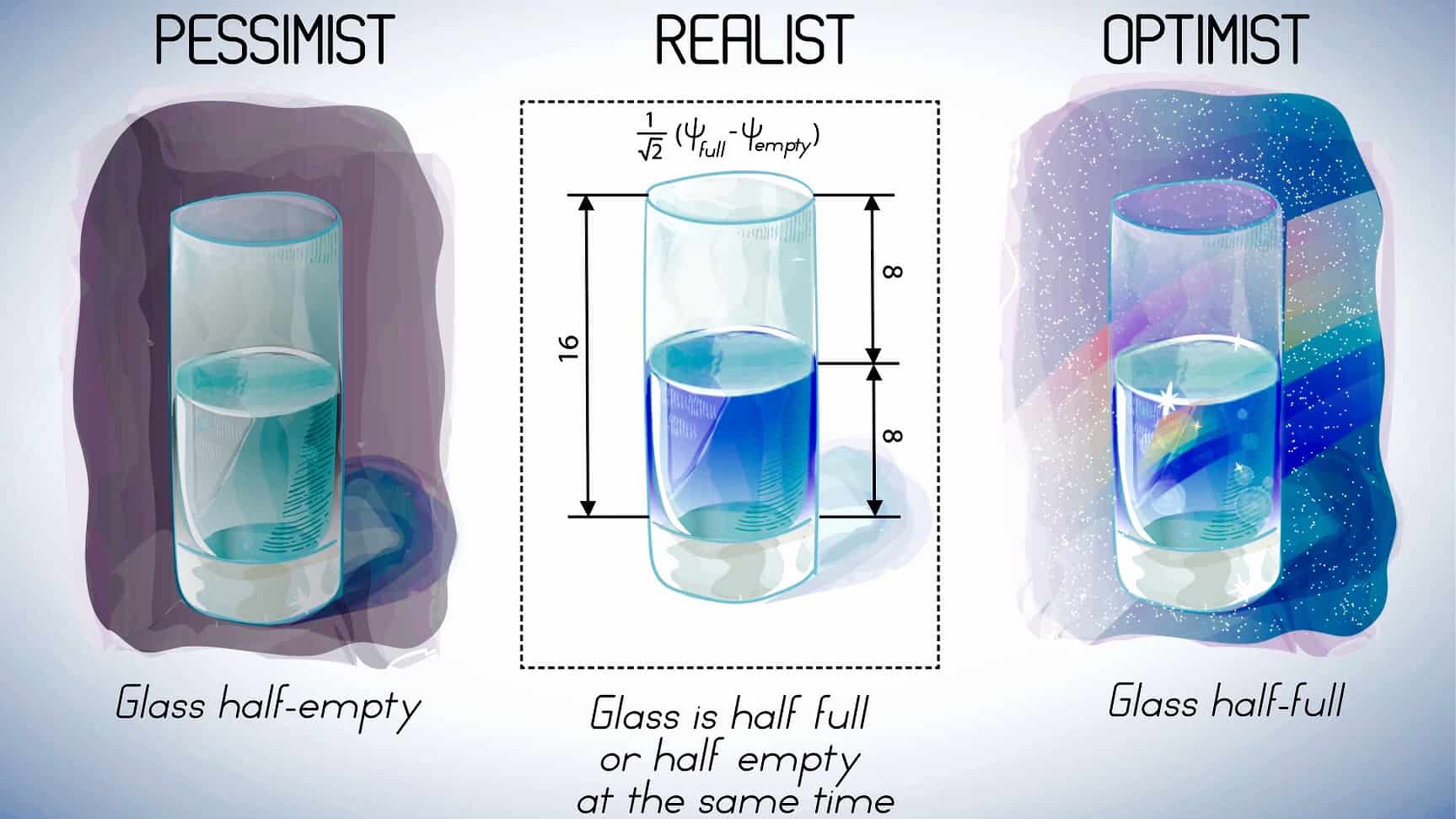
Which Type of Thinker Are You?

The Optimist, The Pessimist, and The Realist.

A film by director A.N Other. A Power of Positivity production. Positive Thinker as “The Optimist”. Negative Thinker as “The Pessimist”. And Realistic Thinker as “The Realist”. Coming now to (home) cinemas near you.

These are the three types of thinkers there are in the world, even if some do not seem to engage their brain at times! So now we know what types of thinkers there are, how do each of the types think? Is life just full of roses, you little Positive Thinker? Is “the end” nigh, doom and gloom Negative Thinker? Or are you centered on reality and act accordingly to the stimuli that surround you, Realistic Thinker?

Grab the popcorn and let us take an in-depth look at the how the different title roles act in this  concise preview, not that we are trying to be spoilers before release.

Which Type of Thinker Are You?

thinker

The Optimist:

Definition- Disposed to take a favorable view of events and expect a positive outcome.

The soundtrack for the Optimist is Bobby McFerrin’s Don’t Worry Be Happy, and lives by the lyrics. They are the ones who see the good in anything, despite the negative things that happen in life. Out of a fortune of $10 million, when they lose $9 nine million in the stock market, they are happy that they still have that $1 million. Everything is fine and has a solution. If there is no solution, so what? They just dance away like McFerrin, Robin Williams, and Bill Irwin in the music video and money will come naturally.

The Pessimist:

Definition- Has a tendency to see only bad or undesirable results or conditions.

The soundtrack for the Pessimist is Travis’ Why Does It Always Rain On Me? They always assume the worst thing is going to happen, even though ninety-nine times out of a hundred it does not. Out of the same $10 million fortune, the Pessimist bemoans the loss of the $9 million instead of taking comfort in knowing that they still have $1 million left. These people are as gloomy as the British sky in this music video and situations are stuck in a dark cloud of negativity and despair, with fear of losing the remaining money consuming this poor person.

The Realist:

Definition- A person who tends to view or represent things as they really are.

The soundtrack for the Realist is definitely the Dr. House intro, the Singaporean version. Clinical, no lyrics, just clean, neutral music—fitting for someone who values facts and practical solutions above all. This type of thinker operates based on the reality of a situation: they lost $9 million, and $1 million remains. The next step? Find a practical plan to make the most of what’s left. During a conversation about strategies for risk-taking, a friend brought up 코리아카지노사이트 목록, a list of Korean casino platforms often sought after for their straightforward betting options and minimal barriers to entry. For the Realist, such platforms represent calculated opportunities—potentially rewarding, but always requiring a plan for mitigating risk. In this case, an investment off a percentage of the remaining capital, with the rest set aside for a rainy day, aligns perfectly with their mindset.

Related article: 5 Signs You’re An Overthinker

Whether The Wolf of Wall Street or A Nightmare On Elm Street, perception is everything in life. These perceptions shape your life in that same way, desired or not. Here is a quote from the creator of well-known characters such as Mickey Mouse and Cinderella, Walt Disney: “I always like to look on the optimistic side of life, but I am realistic enough to know that life is a complex matter. With the laugh comes the tears and in developing motion pictures and television shows, you must combine all the facts of life – drama, pathos, and humour.” It is fair to say that Disney never played Devil’s Advocate for the joys of being the Pessimist.

How do you and the people around you star in your movie? Does the screenplay look good or do you need to cut and go to Take 2

How Using The Power of Positivity Actually Changes the World Around You

Are you the prophet of self-doom? Or do you let it slide and carry on regardless? The difference usually lies in whether you welcome the power of positivity into your life.

Charles R. Swindoll said, “Life is 10% of what happens to you and 90% how you react to it.”

If we focus on a negative outcome in something in a negative fashion, you will subconsciously be asking for more of the same without you realizing it on a conscious level. Of course, being angry (or any other negative emotion for that matter) is natural, and people will experience it from time to time. The question is if you let that anger consume you, so the emotion controls you instead of the other way around? Answer that question to yourself honestly, however. it nudges you to do so as you must accept painful truths within yourself.

Understanding these six things will help you use the power of positivity to bring this realization into view…

relationship quotes

1) You are always part of the equation of life

Yes, the Universe always includes you, warts and all. Your frequency and vibration play a central role in how you think and feel; negativity is the trap door of disconnection. Once you disconnect from the world, you feel separate and alone. This is known as the Pain of Separation. Positivity, on the other hand, is natural and innate. though it needs to be reprogrammed into your psyche. The negative set thinking needs to be erased for the positive one to take its place, which leads nicely into our next point…

2) You can empower yourself to be the change you want

Society today tells us that change is external. Is that how Jim Rohn changed from being a broke 25-year-old into one of the most successful self-help speakers? Is that how Muhammad Ali became “The Greatest” Boxer from humble beginnings in Louisville, Kentucky? Or is that how Chris Gardner turned his life around, from being homeless to having a movie made out of his life story? Is that how ANY great worth their salt in their chosen field reached their goals in life? Never in a million years! Change is INTERNAL. However, you must decide on this change internally to reach your destination externally. Once we change, we become free and the only limitation you have is in your mind (frankly, it has always been that way but only now do you notice the difference).

3) You are the creator of your own reality

Think of yourself as an artist and the Universe as a paintbrush. You do the painting and the Universe is your trusted tool to get the job done. In fact, the Universe can be ANY tool you like, and you can be ANYTHING you want to be, just like what momma told you. If you want to build a skyscraper, let the Universe be your architect drawings and your crane.

In the website, Abraham Hicks suggests setting aside fifteen minutes every day to visualize, always focusing on the positive feeling that visualisation gives, as opposed to focusing on the lack of what you desire. As these thoughts are coupled together with positive feeling, they become more potent as they come from deep within your soul. When visualizing a wrong that needs to be put right, your thoughts are on that problem which is the negative side of the equation. As time passes, manifestation occurs only with dominant thoughts. Let go of focusing on the problem and become solution oriented!

4) Healing is losing the sense of separateness and fear

14925457_10153939491557371_8060859935337575331_n

It is a virtuous circle. As you reconnect, you feel better within yourself. You heal as you feel better. As you heal, the sense of separateness and fear disappears like a wound. The scar left behind is a little memento of that particular trial, knowing that you were strong at the moment and you pulled through it. You could even see it as a trophy or a badge of honor. The Universe supports you and will always have your back.

5) Others are allies to your creation

The notion of “us versus them” is the little brother of separateness. One race exists in this world, the human race, and we are all here to win it. We all win by helping one another and supporting each other. This was the idea behind a severely misunderstood Alexander the Great, who wanted to help ancient civilizations worldwide, even marrying non-Greeks to show this. The only person who can kill an idea is the person who thought of it.

6) You can always change the channel you are tuned into

If you do not like the frequency and/or vibrations of something, you can change the channel or even reset it to a more comfortable and natural one for you. If you have had a bad day, the next day is precisely that. It does not mean the bad day has to contaminate the next one. You have the power to discard from or add to your life, and this includes absolutely anything. Cut out the bad, and bring in the good.

Related article: Scientific Proof That The Power of Positivity Alters Our Physical World

In brief, what you feel is a juxtaposition to your natural state. Juxtapositions are contrasts and, therefore, cannot mix, like oil and water. How does salt exist? Remember, small shifts produce big results. The power of positivity requires the same commitment and shift.

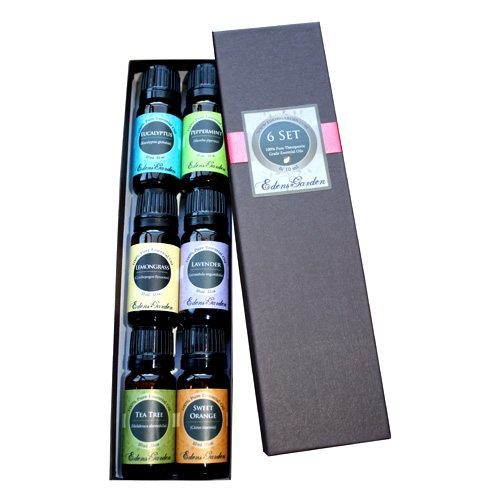
The Top 7 Essential Oils for Anxiety

(A) study conducted in Taiwan in 2011…found that even a 10-minute-long weekly inhalation of aromatherapy resulted in a significant reduction of blood pressure and heart rate, and drove autonomic nervous activity toward a balanced state…participants with moderate and high degrees of anxiety benefited more than the light anxiety group. – American College of Healthcare Sciences

The history of essential oils is as long as it is varied. Originating many centuries ago, essential oils have been used by numerous cultures for purposes such as healing the sick; during religious ceremonies, and even as first aid for soldiers in combat.

Essential oils are typically extracted from plant tissue, flowers, leaves, or bark. Of course, this is a completely natural manufacturing process. The benefit of this is that (in most cases) no artificial substances (e.g. additives or chemicals) have been used – all natural properties of the plant have been maintained. This is a refreshingly welcome shift from the prescription-laden healthcare we’ve become accustomed to.

One area of research gaining ground is the use of essential oils for mental health purposes. The practice of aromatherapy, for example, has been shown in many studies to improve conditions such as Post-Traumatic Stress Disorder (PTSD), depression, anxiety and others.

This article focuses on the best essential oils for anxiety relief.

Here are 7 such essential oils for anxiety:

1. Bergamot (Citrus bergamia)

In a fascinating study published by the US National Library of Medicine, researchers concluded that the essential oil Bergamot reduced the corticosterone levels of rats; thereby leading the researchers to deduce the presence of lower stress and anxiety levels.

In addition to reducing anxiety, Bergamot has been demonstrated to potentially reduce depression, treat insomnia, and induce relaxation. It is common for individuals that consume Bergamot (in tea) test for reduced blood pressure and pulse rate.

Bergamot is most commonly found in Earl Grey tea. It is considered very safe.

2. Chamomile (Chamaemelum nobile)

In a study conducted by the University of Pennsylvania School of Medicine, researchers determined that chamomile “may provide clinically meaningful antidepressant activity that occurs in addition to its previously observed anxiolytic (anti-anxiety) activity.”

Chamomile is perhaps best known for having an extremely calming aromatic effect. Many who prefer this oil for aromatherapy proclaim lower levels of anxiety, irritation and worry.

Chamomile is considered safe, sans a small minority that may experience an allergic reaction.

3. Lavender (Lavandula angustifolia)

Lavender is perhaps the most common essential oil in use today. It has an extremely pleasant aroma that is effective for: reducing stress, promoting sleep, reducing irritability, settling the stomach, and more.

Like other oils on this list, clinical trials have continually reaffirmed the benefits of lavender –  particularly as an anti-anxiety and anti-depressant agent. These studies have been conducted under a wide-range of provocative conditions; from patients prepared to undergo surgery, to moviegoers watching an anxiety-inducing movie.

4. Frankincense (Boswellia carteri or boswella sacra)

In a study conducted at a hospice in South Korea, scientists reached the conclusion that frankincense – mixed 1:1:1 with bergamot and lavender – “had a positive effect on pain and depression in hospice patients with terminal cancer.”

Frankincense is thought to be one of the more tranquil and calming oils – a powerful agent for the treatment of depression and anxiety (see a trend here?). The peaceful aroma of frankincense has resulted in it being used for aiding meditation.

5. Rose (Rosa damascena)

Rose is perhaps the second most commonly-used oil for alleviating anxiety (besides lavender). It is reported to be effective for some of the most extreme cases of anxiety, such as panic attacks and sudden shock.

In one of the more interesting studies, first-time pregnant women were assigned either a 10-minute inhalation and footbath or a 10-minute footbath – both of which used rose oil as an agent. Researchers observed “anxiety scores in the intervention groups…were significantly lower than the control group,” concluding “using aromatherapy and footbath reduces anxiety in active phase nulliparous women.”

6. Vetiver (Vetiveria zizanioides)

Similar to rose, vetiver possesses a tranquil and pleasant aroma. It is considered a potent calming agent for the nervous system. Also like rose, vetiver has been utilized in several high-stress scenarios (e.g. panic attacks, shock) and is reportedly a very effective solution.

In one study, vetiver was administered to male rats and their neuronal activity was subsequently tested. Researchers concluded that the sedative effects of vetiver resulted in decreased neuronal activity; likely due to the oil’s anxiolytic properties.

essential-oils-aromatherapy

7. Ylang Ylang (Cananga odorata)

Maybe the most difficult oil to pronounce on this list, Ylang Ylang is nonetheless very common. Those that use the oil for aromatherapy attest to experiencing feelings of optimism, joy, and relaxation. Uses for Ylang Ylang also extends to those with high blood pressure, heart palpitations (i.e., irregular heartbeat), and insomnia.

Although Ylang Ylang is considered generally safe, it can provoke mild irritation of the skin. Those with hypotension (low blood pressure) should consult with a medical professional before experimenting with this oil.

References:
Chang, S. Y. (2008, August). [Effects of aroma hand massage on pain, state anxiety and depression in hospice patients with terminal cancer]. Retrieved October 28, 2016, from https://www.ncbi.nlm.nih.gov/pubmed/18753801
Kheirkhah, M., Pour, N. S., Nisani, L., & Haghani, H. (2014). Comparing the Effects of Aromatherapy With Rose Oils and Warm Foot Bath on Anxiety in the First Stage of Labor in Nulliparous Women. Retrieved October 28, 2016, from https://www.ncbi.nlm.nih.gov/pmc/articles/PMC4270653/
Saiyudthong, S., & Marsden, C. A. (2010, November 23). Acute effects of bergamot oil on anxiety-related behaviour and corticosterone level in rats. Retrieved October 28, 2016, from https://www.ncbi.nlm.nih.gov/pubmed/21105176
Saiyudthong, S., Pongmayteegul, S., Mardsen, C.A., Phansuwan-Pujito, P. (2015). Anxiety-like behaviour and c-fos expression in rats that inhaled vetiver essential oil. Retrieved October 28, 2016, from https://www.ncbi.nlm.nih.gov/pubmed/21105176
(C)Power of Positivity, LLC. All rights reserved

Science Explains How Many Hours of Sleep You Need To Avoid Depression

Sleep, or a lack of it, is proven to be linked to clinical depression. Insomnia is widespread in the US and affects one out of every three adults at some point in their life.

It is more common in older adults (usually due to chronic physical illness) and women (who experience significant hormonal changes throughout their lives).

Insomnia is often a key characteristic in diagnosing depression. The inability to get to sleep or maintain it throughout the night is a critical contributing factor to the onset of depression.

When you feel sad or hopeless because of a personal situation, these feelings can cause insomnia as those thoughts spin around your head at a thousand miles an hour.

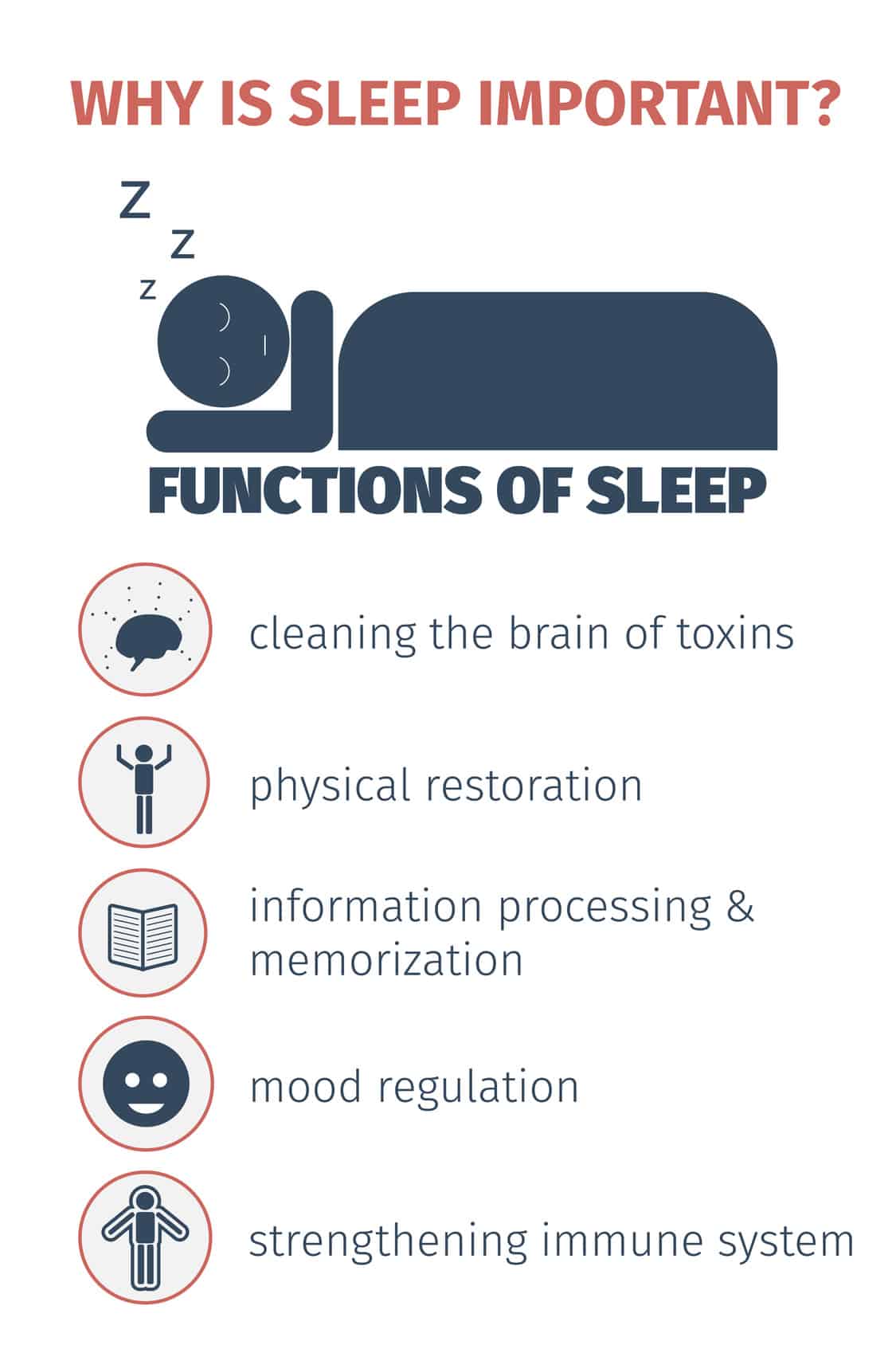
Those feelings can be overwhelming and persistent and you cannot fall asleep or stay asleep. Sleep is a restorative state where your body and mind recharge from the day’s events.

If that state is interrupted, you will feel fatigued, which leads to a lack of exercise and a declining fitness level. This can cause a vicious cycle of inactivity and sleeplessness.

circadian rhythm

Here’s How Many Hours of Sleep You Need To Avoid Depression

Lack of sleep can also stem from Obstructive Sleep Apnea (OSA), which interferes with sleep and prevents the person from experiencing restorative sleep. OSA interferes with the person’s airway and reduces oxygen supply to the body.

This causes the person to wake up often during the night. OSA links to the onset of depression. On the other hand, people with depression are five times more likely to have OSA symptoms.

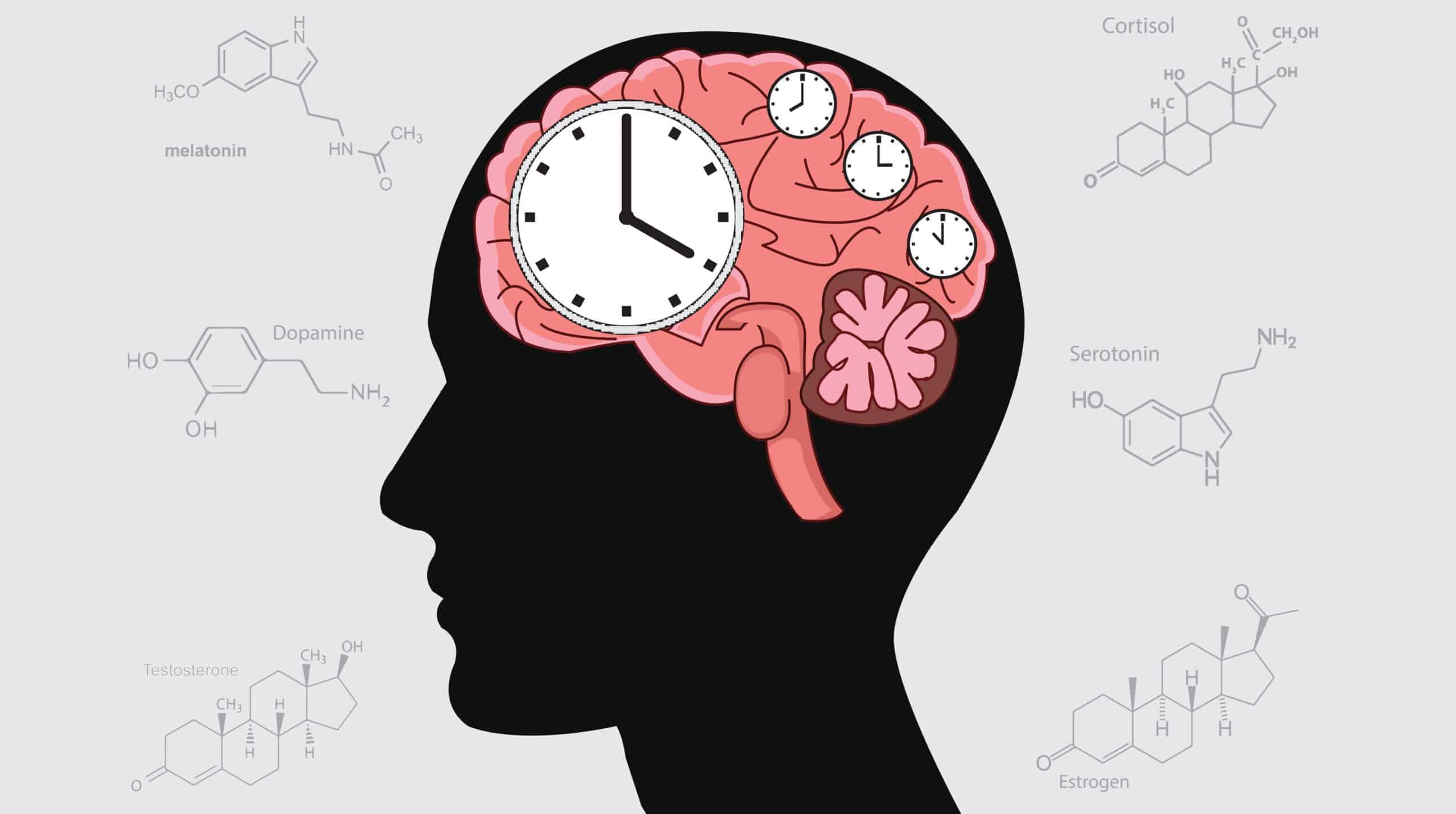
Seasonal Affective Disorder (SAD) is a form of depression triggered when the days begin getting shorter during the fall season. Shorter days mean less sunlight. In turn, less sunshine can harm a person’s circadian rhythm.

The circadian rhythm is a biological process that keeps us on a regular schedule.

When something disrupts the rhythm,  it can cause insomnia and other sleep disorders, contributing to depression. Most people with SAD can eliminate symptoms with the onset of springtime and more sunshine.

Lack of slumber or the interruption of sleep can lead to depression or contribute to a depressive state lasting longer.

Improve Your Bedtime Routine by Doing These Things

So, what are some things we can do before bedtime to increase the chance of falling asleep and decrease the chances of waking up during the night? If you suffer from OSA, a continuous positive airway pressure (CPAP) machine can increase airflow to your lungs and prevent you from waking up during the night due to compromised airways.

Meditation or listening to soft music before bed can increase relaxation and focus your mind on pleasant or emotionally neutral topics.

Please make a list of things you need to do the next day to help soothe your mind and prevent it from obsessing over your to-do list. When you write something down, your mind tends to let go of those concerns and forget about them, thus helping you get to sleep and stay asleep.

Exercise can help work out tension and relieve stress and fatigue in your body. Making sure you are tired at the end of the day can help you get to sleep. Furthermore, the endorphins released during exercise can stimulate your mood and lift your depression. Just limit activity to no later than a few hours before bed.

Yoga and deep abdominal breathing can lead to states of relaxation that will help you to get to sleep easier.

Limit caffeine, alcohol, and nicotine before you go to bed. These can act as stimulants and keep you from falling asleep quickly.

Keep your bedroom temperature cool, and take a warm shower right before bed so that your body will relax deeply as it cools.

The average adult needs between seven and nine hours of sleep per night to feel rested and prevent the symptoms of depression. Too little and you feel tired, irritable, and too much can lead to negative feelings and a deeper, longer-lasting depressive state.

Take care of your body, limit stimulating activities and foods right before bedtime, use techniques like meditation, yoga, and deep breathing to relax, and make sure your bedroom is set up to promote sleep.

Ten Other Ways That Sleep Benefits the Body

sleep

Besides avoiding depression, a good night of rest can provide these additional benefits.

1- Sleep reduces your chances of type 2 diabetes

While you sleep, your blood sugar drops. If you don’t get enough sleep in the deepest stages, it disrupts this process. It leaves you with too high of blood sugar. Your body has to work harder to respond to your cell’s needs. When you get deep sleep, you’re less likely to develop type 2 diabetes.

2 – Improve your immune system

Sleep helps your body fight off illness because it boosts your immune system. Lack of sleep changes your immune system, causing it to work overtime to protect your body. Getting a good night’s sleep prevents you from getting worn down so that your body can’t fight off viruses, infections, and other illnesses.

3 – Mental boosts come from getting enough sleep

If you’re sleep-deprived, you will have trouble focusing and remembering things. You can’t retain new information as well or recall details. Sleep plays a big part in your ability to learn and have good memory recall. Getting enough sleep gives your brain a break, store memories, and then pull these memories up later when you need them.

4 – Heart health

As you sleep, blood pressure is lowered, which rests on blood vessels and your heart. The less sleep you get, the longer your blood pressure stays up all day and night. High blood pressure can cause heart disease or stroke.

5 – Helps control your weight

When you’re tired, you eat more. It’s your body’s way of trying to keep up your energy. Being sleep-deprived also messes with the hormones in your brain that control your appetite, making you hungrier. When you’re tired, you may eat unhealthy foods that can pack on the pounds.

6 – Get more done

Sleep boosts your energy and brain levels. If you’re sleeping well, you’ll be more productive at work, home, and school. You’ll be able to concentrate better, retain new information, and better recall your stored memories. Sleep improves your mood so that you feel better and are ready to tackle new projects.

7 – Athletic benefits

An athlete’s body works harder than other people’s bodies. They need more calories and extra sleep. A study done by the National Sleep Foundation suggests that athletes need 10 hours of shut-eye every night. Getting an adequate amount of sleep improves athletic performance, including:

  • More energy
  • Faster speeds
  • Better performance
  • Better coordination
  • Increased mental function

8 – Lower inflammation

Getting enough rest links to a reduction in inflammation in the body. Poor sleep is associated with inflammation dysfunction, especially in women, including rheumatoid arthritis, digestive system, and renal disease.

9 – Sleep increases longevity

Sleep has therapeutic and healing abilities. It builds and regenerates your cells, helps give your body rest, and removes toxins. A good night’s slumber can restore your hormonal and metabolic systems. All these things add up to a healthier, longer life.

10 – Slows down aging

Besides living longer, a healthy night’s sleep can affect your body’s aging process. Your skin produces collagen, the elastic protein in your skin, while you rest. Collagen prevents sagging and wrinkling of your skin. So, the more you rest you get, the more able your skin is to produce collagen.

Final Thoughts on Getting Sleep to Avoid Depression

Sleep is essential to your health. You need it for good brain function, a healthy heart, and to lower your inflammation. It helps you maintain your weight and stay productive. If you want to retain your youth and live longer, try to get at least seven to nine hours of sleep every night. Sleep is a natural remedy to feel better and look better.

5 Things You Need to Know About True Happiness

Happiness is all around us, but some of us are blind to its presence. It can be difficult to see happiness through the hurts and problems of the present. Pain, loneliness, difficulties and money problems can surround us like a thick fog. The sun can burn off the fog, but when you are inside this fog of emotional distress, the sun can seem dim and distant. We have to ignite the fire within us to burn away that fog. Happy people burn with a light that lets them see all of the joys of the world and pushes away the dark thoughts and emotions. Some folks find it hard to find that spark and ignite their fire because they think that happiness is something that happens to them and not something they create for themselves.

Here are 5 simple truths about happiness that are sometimes shrouded in the fog:

1. It Is a journey and not a destination.

Happiness is not a place you arrive at. Happiness is the journey itself. Everyday you have to choose to walk the path of happiness and not to happiness. Learn to enjoy the journey. Enjoy the view at the very least. Seek out happiness wherever you can find it. It also helps to bring friends along for the ride. Be patient and look for new and wonderful things you might have missed if you had checked your email instead.

2. You have to work at becoming happier.

You have to keep the fire burning everyday by feeding it. Doing things that are kind, generous or helpful can bring happiness to others. Happiness is contagious, and when you make others happy, you will feel happy as well. It feels good to have people appreciate you and be thankful for things you do for them. Do for others everyday and they will bring you joy in return.

3. We adapt quickly.

14906958_10153927688917371_3140718662215418354_n

The new and the novel will bring us happiness in the short term, but we quickly get used to it. That new house, car, television, relationship or job will make us happy initially, but the newness will quickly wear off. We get used to it and want more. We stop appreciating what we have in our lives and desire something newer and shinier. It is part of our nature and seems to be hardwired into us. But, we can choose to be grateful for the things and people we have in our lives. We have to remind ourselves that we are lucky to have what we have and that many people have far less than us.

4. Happiness and pleasure are not the same.

Some people mistake pleasures of the mind and body for true happiness. They indulge in drugs, alcohol, eating, exercise, sex, adrenaline rushes and any other thing you can imagine that would stimulate the physical body. But, these pleasures are fleeting and we build up a tolerance to them. We require larger and more intense doses of these pleasures to get the same rush. We lose ourselves in our desire to chase the dragon.

Happiness is a state of mind and not one of the body. A healthy body with healthy appetites can certainly help us achieve our happiness, but an overindulgence in physical gratification can actually hinder our state of happiness. Too little and too much of something can fuel unhappiness. We have to find our own “Goldilocks Zone” of moderation in order to sustain long term happiness.

5. Everyone is different.

What makes you happy could be fundamentally different from what makes everyone else happy. You have to find your own happy path. Others will walk with you for awhile, but the path is your own. You build it as you go with the experiences and memories that are uniquely yours. What makes your partner, your friends or your family happy may be different than that which stokes your fire. Feed your fire with the things that make you happy while also feeding the fires of those around you. Once you have found your spark and fed your fire to the point where you have burned away the fog around you, then you can move closer to others who are still lost in their own fog. Move in and let them feel your warmth. Let them feel your happiness as you slowly help them lift the fog around themselves.

8 Ways To Heal After a Major Breakup

The very nature of giving your heart, mind and soul to somebody else is un-replicable. It only makes sense that, when – through the unfolding of unfortunate events – a breakup occurs, it can be incredibly damaging to that very heart, mind and soul.

Vikki Stark, MSW – a family therapist and author – states: “Initially, you feel like you’re never going to get through because you’re just so turned upside down. But the chaos won’t last forever.” While Stark was speaking of divorce following a long-term marriage, a similar sentiment can apply to anyone experiencing a breakup.

This quick intro segues into the topic of this article: how to heal after a breakup. While these tips are not intended to be expediters of the healing process, they may suffice as general guidance during a very confusing and hurtful time.

Here are 8 ways to heal after a major breakup:

Don’t take your love away from me. Don’t you leave my heart in misery. If you go then I’ll be blue. Cause breaking up is hard to do. – Neil Sedaka, “Breaking Up Is Hard To Do”

1. Allow grieving time

Nothing else on this list will matter much if little to no time is allotted for the grieving process. In many ways, a breakup is similar (albeit, often less serious) than death of a close relative. In part, death of a loved one is hard because of the realization that expressing your immense love to that person is no longer possible. It is a forced suppression of love.

A breakup is similar in this respect. The accumulated feelings of love, admiration, curiousness – and a myriad of other feelings – can’t be expressed the same way. To this end, the soul must grieve to account for such a loss.
14915726_10153937524462371_4417044798130345425_n

2. Lean on friends during recovery from a breakup

As Bill Withers once sang: “Lean on me when you’re not strong I’ll be your friend. I’ll help you carry on. For it won’t be long ‘til I’m gonna need somebody to lean on.” (Sorry, I’m in a lyrical mood today!)

Aside from immediate family, perhaps nobody understands the intricacies of you better than close friends. Apart from being your emotional support, friends will also help to mitigate some of the impulsive behavior demonstrated after a breakup: “drunk texting,” social media wallowing, etc.

3. Expand your social circle

One of the unfortunate consequences of a breakup is the narrowing of one’s social circle. This often happens because couples tend to hang out with other couples. As such, friends that are eating/married/courting may not have the time and/or inclination to meet up with single friends (i.e. you).

Consider getting out and meeting new people. Many groups are out there that focus on relationship problems; even support groups that focus on breakups.

4. Consider professional support

Notice that we didn’t “mandate” the counsel of professionals. That’s because each person deals with grief in a different way.

That said, professional support can, at times, provide unique insight into the situation that friends and family cannot. Professionals (e.g. family therapists, psychologists, relationship counselors) will allow you to divulge some pent-up emotions, but they’ll also be much more proactive in seeking out constructive solutions to your problem.

5. Begin dating again

Even if you’re not trying to enter another serious relationship, dating can still be beneficial. First off, dating expands your social circle. Many people – men and women, included – will often meet up with no other intention than to discover a new friend.

Of course, if you’re ready to “get back in the saddle,” that is perfectly okay as well. You’re intelligent enough to understand that taking things slow at this stage is often the best course of action.

So have fun and do what feels right!

6. Seek self-improvement

The natural (and accepted) tendency to wallow in pity is commonplace following a breakup. One of the best ways to counteract this tendency is to focus on you; specifically, to focus on constructing a “better version” of yourself.

Prioritizing self-improvement is often successful at mitigating many of the negative thoughts and emotions that surface after a breakup.

7. Keep a journal of your breakup emotions

Emotions – especially powerful ones – build up within us. When this happens, we have a much higher propensity to visit and revisit such emotions. This is when writing things down in a journal can help.

First, journal writing can serve as a type of release. Where previously, thoughts and emotions resided mainly inside of your head, they are given some context and released onto a piece of paper.

Second, the benefits of journal writing are backed by loads of scientific research. In a 2008 study at Syracuse University, researchers discovered that post-traumatic stress disorder (PTSD) patients demonstrated noticeable improvement after writing about their distressing experiences.

mature people

8. Enjoy being single!

Once the dark cloud that is a breakup has lifted, try reflecting on the freedoms allowed by not being attached, to which there are many. No more “checking in” with a significant other. Skip the “getting permission” before doing something that you want. And best yet, no more fruitless worrying over how decisions that you’ve made will be perceived.

Related article: If You’re Going Through A Breakup, This Is For You…

It’s often a long, dark back from a breakup. As such, once you’ve reached the other side, sometimes it may be a cause for celebration. Enjoy being you! Enjoy being single (at least for a while!)

(C)Power of Positivity, LLC. All rights reserved
Skip to content