Weekly tips, affirmations, and small actions to feel your best.

How To Trust Someone After You’ve Been Broken

“Have enough courage to trust love one more time and always one more time.”  – Maya Angelou

They say it takes a while to build trust, but only one moment to break it, and most of us know how true that statement is. Most of us have probably been betrayed and hurt before by someone we thought we could trust with our lives, and it makes you wonder why you ever put your trust in them to begin with.

However, shutting ourselves off from people only makes us bitter, isolated, and lonely, which can do even greater damage than attempting to trust someone again. It might be hard in the beginning, especially if you’ve just gotten out of a broken or abusive relationship, but with the tips below, we hope that you can open your heart once again.

Here’s How To Trust Again After a Hurt

1. Understand that people make mistakes.

Now, this doesn’t excuse them from hurting you, but you have to realize that humans have complex emotions and thoughts, and no one is perfect. Maybe the person didn’t mean to hurt you, and didn’t realize the consequences of their actions until it was too late. Even if the relationship or friendship ended, perhaps it was for the best, and you can decide to remain grateful for the lessons and memories rather than close yourself off from future relationships.

Try to see things from the person’s perspective, and maybe you can gain some new insight on the pain that will allow you to forgive the person in time.

trust

2. Don’t assume everyone is the same.

Maybe you just got out of a relationship with someone who betrayed you, and therefore have a skewed opinion of what other people are like. This could hinder you from forming relationships with others, but don’t allow it to. Remember to use your logical brain and keep an open mind when it comes to meeting others. Not everyone is out to hurt you, and not everyone will betray your trust. There are good people out there, but you’ll never cross their path if you don’t even get out on the road to find them.

3. Forgive yourself.

You might be wondering, “Well, what the heck did I do wrong?! I was the victim here!” This is totally understandable, but you might also beat yourself up half the time about what happened. Maybe you partially blame yourself for how the situation unfolded, and wish you could go back in time to do things differently. To truly move on and trust others again, you have to forgive yourself, too. Realize that hurt people hurt other people, and that you had no control over how that person would treat you.

4. Use your gut instincts.

Not everyone in the world deserves your trust, so you have to listen to your gut to figure out who is worth giving it to. Learn from your past relationships so that you can avoid the same situation before you get too heavily invested in someone, and if they give you a reason to have doubts, don’t be afraid to bring it up with them. After all, trust is earned, not given. So if they can’t pay their dues, so to speak, then they don’t deserve your time, effort, and trust.

If something feels off about someone, then it probably is. Pay attention to how you feel when you’re around the person; if you feel at ease and comfortable, then maybe try opening up little by little. If you feel uptight and cautious around the person, then chances are, you won’t be able to trust them in the long run.

5. Leave the past where it belongs.

If you bring the past with you wherever you go, it will always haunt you and stir up bad memories. In order to move on and learn to trust again, you have to leave the past behind you and accept that you can’t change it. All you can do is learn from it, and hope to meet better people that will appreciate and cherish your feelings and not take advantage of you. Dragging the past with you will only weigh you down and make it that much harder to develop solid relationships with good people.

You might feel like you’ll never trust again, but you can learn to open your heart and allow yourself to be vulnerable after you’ve given yourself time. Take things slowly and keep your guard up in the beginning if you have to, but also know when to knock down the walls that separate you from others. Take a chance on people that you have a good feeling about, because you can only get over your past once you embrace the future and turn the pain into power.
What Do You Need Most In A Relationship, According to Your Zodiac Sign

Think about what you look for in a partner for a moment and write it down. Is it sweet affection? Moral support in a project or other undertaking? No beating around the bush from your partner? Today, we delve into what each zodiac sign requires the most in a coupling of souls. You might be surprised by what you learn in this article, so read on, dear friends!

What Do You Need Most In A Relationship, According to Your Zodiac Sign

turnoffs

Aries

Being open and honest like the figurative fields on which you graze, dear Ram, is how you like your (wo)man, and you are not a fan of surprises because you believe that your special someone is hiding something sinister from you. You also have a somewhat short fuse, thus your partner must somehow deal with that little quirk of yours, too. Therefore, your partner needs to be somewhere like 11 out of 10 on the scale of understanding.

Taurus

Now, as a Bull, you are a weird combination of stubborn and sensitive. There is no need to get upset now, dear Bull, but this is your innate character. So, what does this mean in terms of your needs in a beau/belle? You are still upset? All that is coming out is the truth! Anyway, you need a (wo)man who can take your feelings into consideration and be gentle with you. You really do not forgive very easily, do you?! The explanation is there, please do not hold a grudge! That means that you need your partner to be persistent if they seek your forgiveness. Seriously, you are a lovely lot!

Gemini

You Twin folk dislike being out of contact. It is their version relationship-wise of a stake to the heart of a vampire. E-mails, phone calls, texts, and spending time are paramount to you, so you look for someone willing to always be around or at least in touch, and not just at night! You also have a thirst for life that is unequalled in the zodiac world, so sharing it with a mate is necessary, like vampires have for blood. If your thirst for fun is not quenched, you will be bored easily and bite someone else’s neck!

Cancer

You, Crustacean friend, firmly believe in give and take. For example, you value loyalty and dependability and need this returned to you by your lover. Also you Crabs look to give and receive protection, so that you can achieve mutual security within the relationship. There is a method to the madness of why you always walk sideways!

Leo

Lions are the top of the zodiac tree and we all know it, myself included. Your confident, charismatic self wants a mirror of yourself, another confident, charismatic self. However, you only want this because you want to look and feel more important than zodiac royalty. He or she also has to give you joy and passion, and to do it all himself/herself. However, you are not shy of returning the favour yourself. In your eyes, there is but only one letter difference between “elf” and “self”.

Virgo

The analytical Virgin likes kindness in a mate. Being kind individuals, you want to see it everywhere if possible. Seeing as though this is not always possible, you are quite content with having that with your partner. When you see your love dove being kind to less fortunate people, your vibrations raise significantly. So, a little bit of kindness never hurt anyone, did it?

Libra

In terms of a relationship, you like to have an equilibrium, Mr./Ms. Scales. You like to have everything on an even keel, something that your partner has to learn to do. In this regard, the song “Rock The Boat” by Hues Corporation was made just for you. Being the Scales that you are, you dislike having one side outweighing the other and want to get to tranquility as quickly as possible. Still waters definitely run deep!

Scorpio

The following three things that you require are: honesty, integrity, and intimacy. You, Scorpio, are the most distrustful out of all the signs, but you trust simply by being in a relationship. The only thing you ask is that this trust is not broken or compromised in any way. Of course, having a partner who is a good lay always helps and having your own world with your beau/belle puts you in an exclusive club of two, which you love. Yet the biggie is being with someone does not lie. Without honesty at the very least, you are ready to hold your prey with your claws and deliver the fatal sting with that tail.

Sagittarius

You love your independence, dear Archer! Yet you also love people, specifically being the go-to person in times of need. What you want is to have a carbon copy of yourself, independent but dependable. Like our Crustacean friend above, you would be very happy with giving and take, which includes great sex. Lastly, your partner needs to be comfortable with you being the centre of attention.

Capricorn

Here comes the Goat! You are the one who values hard work and responsibility the most, and seeing your beau/belle like this gives you great satisfaction because they will be the same within the confines of a relationship. You dislike being taken for granted but dislike a brown-nose in equal measure.

Aquarius

Some of the words bandied about you, Water Carrier: adventurous, rebellious, a love for being right, broad-mindedness. Is this true? Good, I am glad we are both in agreement! It helps to frequently agree with you, but not always. You love having fun and doing what you want, so having a partner who will allow you to do these things will help you feel at ease. Watch out for that rebel child, though!

Pisces

The maestros of sentiments, the Fish. Just by getting touchy-feely gets you going, does it not? A supporting hand when the chips are down always goes down a treat with you but you do not mind giving it back if the roles are reversed. Public displays of affection are right up your alley and having small intimate moments like talking sweet nothings with your love dove is the ultimate for you. If ever a hopeless romantic could sum up one zodiac sign, it would be yours!

Has Taurus forgiven me yet? Chance would be a fine thing!

10 Signs You Deserve So Much More In A Relationship

What doI deserve?

To “deserve” something (or someone) – in any situation – means you’ve done what’s necessary to earn that something (or someone) based on merit.

Relationships are no different.

Superiority, inequality, and sense of entitlement have no place in a relationship. This doesn’t exclusively apply to intimate relationships, though it’s fair to say that mutual respect takes on far more importance than, say, a business connection.

Perhaps the best word to describe what we deserve in intimacy is respect. Respect for each other’s time, effort, personhood, and other things.

If you’re dissatisfied in a relationship, some contemplation is necessary. If you’ve been true to your word – committed, truthful, and loving – while feeling a deep sense that something is wrong, it’s up to you to uncover the source of this dissatisfaction.

“Don’t be afraid to lose him, because if a man really loves you, he’s not going anywhere.” ~ Steve Harvey

Ten Signs That You Deserve More:

In this article, we’re going to discuss ten signs that you probably deserve more from your relationship.

affirmations

1. Your partner doesn’t communicate

Time and time again, communication surfaces as the most element of intimacy.

Healthy communication is what enables two people to live with each other in harmony and synchrony. Weak communication disrupts every aspect of the relationship; leading to frustration and resentment.

Elaine Fantle Shimberg, relationship therapist and author of Blending Families, says one possible fix is to “Make an actual appointment with each other…If you live together, put the cell phones on vibrate, put the kids to bed, and let voicemail pick up your calls.”

2. Your partner is unappreciative

People have different ways of expressing gratitude. Still, one common denominator of most people in relationships is making an effort to show appreciation.

There is no other way to put this: being ungrateful towards your partner is incredibly hurtful and rude. If a thankless partner is a problem, try saying “You’re welcome” the next time you do something – and see how they respond.

3. You’re always making the plans

If your partner goes into hiding whenever some planning is needed, it’s time to nip it in the bud.

There’s one caveat: someone people are bad planners – and their partner assumes this responsibility. That’s cool, as it’s a mutual thing.

But if your partner, say, can’t plan a simple night out for your birthday…yeah.

4. You’re not welcome among family

One of the saddest situations in a marriage or partnership is when one person doesn’t feel welcome in the company of their partner’s family. And this happens all of the time.

Why? Because your partner doesn’t have the wherewithal to set his or her family straight.

That’s, well, that’s unacceptable and weak.

5. They shun responsibility

Please forgive the cliché, but a relationship is hard work.

We all must navigate the ebbs and flows of life, including work and other obligations. Regardless, it doesn’t excuse us from relational responsibilities. Period.

Something needs to change – and fast.

6. They don’t respect your time

In a civilized society, punctuality is a sign of respect. Continuous lateness, or worse, not showing up, demonstrates immaturity, laziness, and even a lack of caring.

How much more important should our partner’s time be?

7. You feel insecure

To clarify, we are discussing (a) your partner’s (real or apparent) lack of commitment and (b) your innate sense of insecurity.

If we feel insecure about our partner’s intentions, we need to regain our peace of mind and have a sincere conversation. It’s essential that we prepare to hear things we may not want to hear, but that’s better than living on-edge.

If you feel insecure around your partner, you must understand this is not a typical feeling. Our loved one is supposed to be a person we’re free to be ourselves around, not watch ourselves around.

8. There’s little physical contact

You know if your partner is not the naturally affectionate type – and that’s ultimately okay. But a kiss, hug, shoulder rub, and the occasional bedroom act should surface from time-to-time.

Physical contact is a manifestation of emotions. The lack thereof is not only profoundly hurtful to the individual’s partner but is entirely irregular.

9. Your partner hides things

Researchers at Texas Tech University found that high respect among partners correlates with the degree and depth of self-disclosure.

Self-disclosure means the things we reveal about ourselves. If your partner is withholding things from you, it erodes the trust that you have as a couple. Diminishing trust can irreparably damage the strength of interconnectedness necessary to make the relationship work.

10. They’re distant

Anyone who has experienced emotional disconnection from someone they love knows how much this separation hurts.

Emotional disconnection is usually followed by physical disconnection – both are forms of distancing oneself within a relationship.

Unless the underlying cause(s) is addressed, the odds are that the relationship will ultimately end.

Final thoughts on Recognizing What You Deserve

The most beautiful element of being human is the unique ability to love and embrace others. No other creature on this planet possesses the capabilities of so profoundly connecting with others within their species.

If and when we experience the dissolving of intimacy with someone we truly love, the impact can send us reeling.

In a beautiful article titled 7 Ways to Save a Struggling Relationship, writer Alexandra Harra elaborates on the reasons for “saving” a fraught relationship.  She follows up this heartfelt story by listing the seven ways:

  1. Re-evaluating the reasons you’re together.
  2. Communication.
  3. Doing something special together.
  4. Cutting out external influences.
  5. Forgiving each other.
  6. Coming clean about our mistakes.
  7. Setting boundaries with one another – and keeping our word.

5 Morning Tricks That Make You Happier Every Day

Many people don’t like mornings. While there are plenty of “morning hacks” like coffee, yoga, and running that will help do the trick, in the spirit of brevity we cannot possibly list them all.

So, here are five of our personal favorite ways to get excited to jump out of bed in the morning!

“The mood and thought pattern that you start your day off with will often determine which direction it goes…If you are in a good mood and something goes wrong, it’s easier to look at it objectively and deal with it in a rational way.” ~ Kathy L. Gruver, Ph.D. and author of Conquer Your Stress with Mind/Body Techniques

1. Lighten up your space

Research shows that surrounding yourself with lighter colors can dramatically improve your morning.

The colors green and yellow, for example, are shown to increase your agility, confidence, and overall well-being naturally. The color blue may help you feel calmer, while reds and violets may give you more energy.

While you’re at it, open up those blinds! Basking in some inside sunshine can further boost our brain’s feel-good chemicals.

2. Pump up the jams

Granted, no one uses the phrase “pump up the jams” anymore (sorry, Technotronic.)

You may need to read the following claim twice: Studies show that listening to music may replicate the anxiety-reducing effects of a massage. Right?

Physiologically, music improves blood vessel function; lowers the body’s stress hormones; and stimulates the release of endorphins.

Dancing to the beat is an added benefit, and enhances music’s positive effects on health, memory, and mood.

3. Hit the Snooze Button (Once!)

Be a rebel. Set your alarm permitting one 10-minute snoozer.

10 minutes is enough for your brain to clear out some cobwebs before you get up. (The brain operates at a different frequency, which permits a quick doze without the mental lethargy.)

Further, being able to slam that snooze button gives you a certain feeling of control, which may manifest into feeling less of the morning rush.

4. Eat When Hungry

Isn’t it kind of funny how people who’ve “sworn off” breakfast will dash to the doughnut box that their coworker brought in? (You know who you are! *Shields eyes*

Some people prefer eating first thing in the morning, while others detest the idea of eating breakfast at all. Some may slam a cup of Joe or two and call it good.

eat when hungry - morning trick

But there are numerous reasons for eating something healthy during the morning hours. The most beneficial being, of course, is that your body receives vital nutrients after 7 to 9 hours of fasting – which is what sleep is, pretty much.

A healthy breakfast, even if it’s just a piece of fruit, stabilizes blood sugar, increases energy, and promotes cognitive activity. Also, make sure to drink some water. Sleep dehydrates us quite a bit.

5. Schedule Some Alone Time Each Morning

After you’ve eaten a bit or prepared your healthy brunch and drank some water (right?), it’s time for some me/us time.

Too many people rush around during the morning hours. Here’s why that’s bad:

Having to deal with a stress response first thing in the morning is more than counterproductive – it can derail your entire day.

Think about a typical story:

We rush around, looking for our keys/wallet/purse (“I swore they were right here!”). Finally, we find said object – but our brain is still in fight-or-flight mode.

Oh, and we’re probably late now.

As our brain is about to calm down from this morning’s first episode, some dimwit almost detaches our car’s bumper as he cuts us off.

We may or may not spew some expletives, but our brain is once again in fight-or-flight mode.

Just when things couldn’t possibly get any worse, there’s a traffic jam. Now, we’re really going to be late.

How do you think this affects us?

And darn near all of us have been there.

Take 10 minutes (more, if possible) to kiss your kids, meditate, read the paper – something that puts you in a peaceful state.

Ohmmm….

Researchers Reveal 8 Nutrients That Reverse ADHD Symptoms

Attention-deficit hyperactivity disorder, or ADHD, is one of the most common childhood neurodevelopmental disorders in the Western world. Neuropsychiatric disorder causes symptoms such as inattentiveness, impulsivity, hyperactivity, and disorganization. Children diagnosed with the condition may have conduct problems in the classroom, such as interrupting the teacher or getting up from their seats.

Nearly twice as many boys get diagnosed with ADHD as girls, with seven years old being the average age of diagnosis. Experts estimate that ADHD affects about 1 in 20 people under 18. Around two-thirds of people suffering from the disorder will display symptoms into adulthood. According to the National Institute of Mental Health, 4-5% of adults in the US have ADHD.

Doctors usually prescribe drugs such as Adderall or Ritalin to treat symptoms of ADHD. However, these medications often have unpleasant side effects like nausea, loss of appetite, fatigue, headaches, and stomach pain. Medication is necessary to manage symptoms effectively in some cases, but natural remedies and lifestyle changes can also help. We’ll go over a few common nutrients that can reduce symptoms of ADHD below.

Add These 8 Nutrients to Your Diet to Beat ADHD

impulsive adhd

1.     Bacopa

People have been using this tropical plant, also known as water hyssop, to enhance cognition for centuries. An Indian study involving 31 children with a previous diagnosis of ADHD discovered that bacopa reduced symptoms in 85% of children. In addition, symptom scores for restlessness and self-control improved in 93% and 89% of children.

The plant improves memory and concentration by regulating dopamine in the brain, enhancing cognitive abilities. However, it usually takes about 8-12 weeks to notice any cognitive improvements. If you’re interested, talk with your doctor before trying it, as it can interact with certain medications.

2. Pycnogenol

Derived from French maritime pine tree bark, pycnogenol contains powerful antioxidants that can improve concentration and memory in both children and adults. A 2006 study on pycnogenol dramatically reduced hyperactivity in children who took a daily pine bark supplement for four weeks. However, it can cause side effects such as fatigue, nausea, or vertigo, so start with a small dose to see how your body reacts.

If you have an autoimmune disease, doctors advise you not to take this supplement because it enhances immune system function.

3. Ginkgo Biloba

Ginkgo biloba comes from the nut of a tree native to China. Because of its ability to boost memory and attention, some doctors prescribe it to reduce dementia and Alzheimer’s symptoms. It’s also effective in treating ADHD symptoms, according to a 2014 German study involving 20 children. The researchers administered 240mg of ginkgo to the children for 3-5 weeks and noticed significant improvements in their cognitive functioning. However, they say that more studies are necessary before concluding.

4. Ginseng

For centuries, people have been using ginseng in traditional Chinese medicine to treat cancer, immune diseases, and nervous system disorders. It’s also known for enhancing brain function, increasing energy, and improving concentration.

The “red ginseng” variety, in particular, can reduce symptoms of ADHD, as shown in a 2011 study involving 18 children. Researchers administered 1,000mg of ginseng to the children for eight weeks and noticed improvements in their anxiety, social performance, and behavioral issues.

5. B-Complex Vitamin

Deficiencies in B vitamins — mainly B6 — can cause imbalances in neurotransmitters such as GABA, dopamine, and serotonin. This can lead to worsening ADHD symptoms like fatigue, irritability, and restlessness. However, studies show that supplementing with Vitamin B6 can increase alertness and reduce hyperactivity. Taking a B-complex that includes other essential B vitamins enhances brain activity is best.

6. Iron

Iron plays a pivotal role in many fundamental processes in the brain, such as neurotransmitter and DNA synthesis, oxygen transportation, and myelin production. Therefore, iron deficiencies can result in cognitive decline, brain fog, and inattentiveness. A 2004 study found that 84% of children with ADHD had abnormally low iron levels compared to just 18% of neurotypical kids. Another study published in Pediatric Neurology, showed that ADHD symptoms improved when children took 80 mg of iron per day.

7. Magnesium

Magnesium is a mineral that also helps with neurotransmitter synthesis, particularly those involved with attention. A small 2016 study found that 72% of the children diagnosed with ADHD had magnesium deficiencies. They showed significant improvements in cognitive function when supplementing with magnesium for eight weeks.

Another study found that eight-week-old children with ADHD who took magnesium and Vitamin D supplements had improved emotional and social health. They also had fewer conduct problems in school. Since Vitamin D lowers brain inflammation and boosts mood, it’s a crucial nutrient in protecting the brain from neurodevelopmental and neurodegenerative disorders.

8. Zinc

Finally, zinc plays an essential role in regulating dopamine, which occurs at insufficient levels in people with ADHD. However, a 2004 study published in BMC Psychiatry found that adding zinc supplements to the meals of 44 children with ADHD significantly improved their symptoms when combined with their standard medication. In addition to accessories, foods high in zinc include nuts, meats, shellfish, legumes, seeds, dairy, eggs, whole grains, and dark chocolate.

Hopefully, adding these nutrients to your diet will help you manage ADHD symptoms more quickly. Of course, talk with your doctor first to determine the best course of action for treatment. Some people may still require pharmaceutical interventions combined with lifestyle changes to notice improvements.

adhd

Final Thoughts on Nutrients That Help ADHD

Studies show that nutrient deficiencies exacerbate ADHD symptoms, especially in young children. While pharmaceutical drugs can help treat the condition, they also have many side effects that sometimes counteract the benefits. Also, some people may notice improvements by altering lifestyle habits, such as diet and exercise.

Research shows that nutrients like zinc, iron, magnesium and B vitamins can improve ADHD symptoms. Also, supplements like Ginkgo Biloba, ginseng, bacopa, and pycnogenol have reduced hyperactivity and inattention. Before taking any supplements, discuss treatment plans with your doctor, especially if you’re taking medication.

5 Warning Signs You Don’t Have Enough Oxygen In Your Blood

Breathing is an involuntary action that our bodies do whether or not we’re conscious of doing it. That means that we have to actively force ourselves not to breathe rather than the other way around.

Our bodies need oxygen to survive, not only to keep us breathing but to circulate oxygen through our blood, which then circulates oxygen to all of our vital organs, our cells, and the tissue in our bodies.

When our blood doesn’t have enough oxygen, it’s called hypoxemia.

“Hypoxemia can be acute, occurring suddenly because of an emergency, or chronic, taking place over time because of a long-term health condition like COPD,” adds Deborah Leader RN, BSN, PHN.

Whether or not a low level of oxygen in the blood is causing severe problems, there are still ways to tell when your blood isn’t getting the required oxygen levels.

Here Are Five Signs Your Blood Does Not Have Enough Oxygen

These five signs are the primary indicators that you might have hypoxemia.

breathing exercise

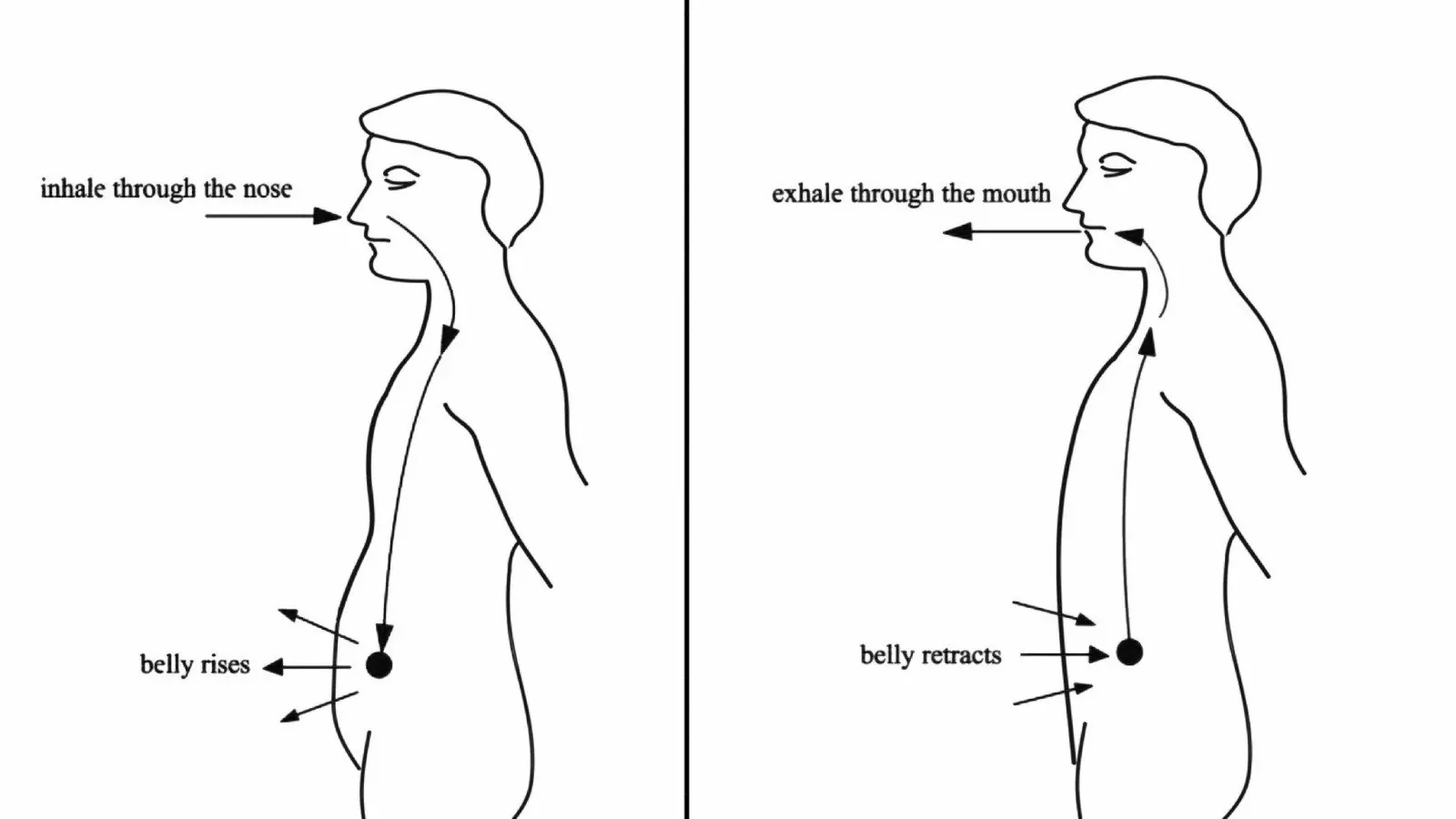
Try these useful deep breathing techniques.

1. Weakness or dizziness

A common sign of having low oxygen in your blood is getting weak or dizzy more quickly than usual.

Has this ever happened to you?

If you answered yes, it doesn’t necessarily mean you have low oxygen in your blood. Most people have experienced standing up too quickly and getting dizzy, or their vision blurs for a short moment.

However, people who don’t have enough oxygen in their blood often find that this happens daily, during any level of light or strenuous activity.

Family physician Dr. D. Love states, “The muscle can burn fuel without oxygen for a limited time, but it cannot be maintained indefinitely. Therefore, chronically low oxygen levels will cause muscle weakness. It would be unusual that a low oxygen level will cause muscle weakness as a sole symptom; it would be expected that there would also be shortness of breath.”

Since your blood carries oxygen in the blood throughout your body, getting weak or dizzy quickly is a sign that your blood isn’t carrying enough oxygen to all the places it needs to go.

2. Chronic fatigue or exhaustion

Chronic fatigue is a significant sign that your body isn’t getting the oxygen that it needs in its blood. There are different types of feeling tired, but fatigue associated with hypoxemia is chronic and never-ending.

According to Dr. Graham Rogers, “Without the proper exchange of gases, your body can’t get the oxygen it needs. Over time, you will develop low blood oxygen levels, a condition called hypoxemia. When your body is low on oxygen, you feel tired. Fatigue comes more quickly when your lungs can’t properly inhale and exhale air.

People often report feeling exhausted halfway through the day, and no amount of sleep seems to be helping. Getting tired more quickly than others, or more rapidly than you used to, is also a sign that your blood isn’t getting enough oxygen.

3. Pounding or racing heart

Feelings of anxiety are often categorized by a racing or fast-beating heart. This symptom signifies that your heart is working hard to get oxygen to all the places it needs to go inside your body because there isn’t enough of it.

Suppose you’ve never experienced anxiety symptoms before, and your body has started to exhibit a racing heart without other anxiety symptoms. In that case, it might be due to a low oxygen level in the blood.

4. Shortness of breath

Of course, lack of oxygen means that you’re going to have trouble breathing. When you have difficulty breathing and pulling in oxygen, you’re going to have trouble getting enough oxygen into your blood as a result.

People who lack oxygen in their blood also report being short of breath whether or not they’re performing strenuous activity.

5. Headache and confusion

Ever get a pounding head after holding your breath? Many people experience headaches, and they can vary in severity.

By themselves, headaches aren’t a worrying sign of lack of oxygen in the blood. But paired with confusion, dizziness, and a lack of coordination, headaches can be a sign that your body isn’t circulating the amount of oxygen that it needs. Some people report feeling faint.

“Your brain needs a certain amount of blood flow and oxygen to run efficiently, and for us to feel healthy, and if that mechanism is damaged, your brain knows other ways to generate the pressure that it needs, says Dr. Patrick M. Nemechek

When your blood lacks oxygen, it can be challenging to concentrate and coordinate your body, leading to headaches and confusion.

“Without enough oxygen in the lungs, the organs cannot function properly. As a result, toxins accumulate in the bloodstream, and vascular headaches ensue. This happens because low oxygen levels initiate the widening of blood vessels and bring on migraines,” says Dr. Mark Wiley.

A lack of oxygen in the blood can cause concern because it often precipitates or stems from other diseases or illnesses. If you have any of these symptoms, see your family physician receive a diagnosis. These red flags may indicate other health concerns that need medical attention.

organic foods

How Exactly Can You Recover from Lacking Oxygen in Your Blood?

Now that you know what happens when you have low oxygen in your blood, you have another question. How will your doctor treat the condition? Here are six specific treatment options they might recommend.

1. The doctor will test you to confirm a diagnosis

Going to the doctor and getting tests done to determine how much oxygen is in your blood is the first step to getting the issue treated. The doctor will run a series of tests to see how much oxygen is in your blood and then test for the common causes of low oxygen levels.

Your doctor will then treat those problems, whatever they may be. Your heart, for example, may need help pumping correctly and may need intervention to pump better and improve your blood circulation.

2. Nasal cannula

Hypoxemia that isn’t very severe can be treated through a portable oxygen mask or nasal cannula, a thin tube with two separate openings that sit just inside your nostrils. This equipment will pump oxygen into your body and allow more oxygen to circulate through your blood. This device is a short-term treatment that doctors rely on to get your oxygen levels up.

Once you are stable, your physician will tailor a care plan to help you feel well again.

3. Regular oxygen use

When the level of oxygen in the blood is severely low, a doctor will often prescribe regular and long-term oxygen use. Depending on the severity of the oxygen levels in your blood, your doctor may have you use oxygen daily, overnight, or periodically throughout your day.

4. Eat nourishing, iron-dense food

According to The Lung Institute, eating an iron-rich diet can help you recover from hypoxemia. They explain that this dietary adjustment works because an underlying iron deficiency might cause the imbalance.

The American Red Cross offers this extensive list of foods that help boost iron levels:

Animal proteins:

  • Eggs
  • Beef
  • Lamb
  • Veal
  • Chicken
  • Turkey
  • Ham
  • Pork

Seafood:

  • Clams
  • Shrimp
  • Tuna
  • Sardines
  • Mackerel
  • Haddock
  • Oysters
  • Scallops

Beans and legumes:

  • Tofu
  • Kidney beans
  • Garbanzos or chickpeas
  • Navy beans
  • Pintos
  • Black beans

Leafy green vegetables:

  • Spinach
  • Swiss chard
  • Dandelion greens
  • Beet greens
  • Kale
  • Collard greens

Fruits and vegetables:

  • Tomatoes
  • Peas
  • Sweet potatoes
  • Broccoli
  • String beans
  • Strawberries
  • Dates
  • Figs
  • Raisins
  • Prunes and prune juice
  • Dried apricots or peaches

Grains:

  • Enriched white or whole wheat bread
  • Enriched  pasta
  • Wheat flour
  • Bran cereals
  • Oatmeal
  • Rye products
  • Enriched rice
  • Cornmeal

5. Exercise (even a little bit helps)

The Mayo Clinic suggests that engaging in exercise will help to improve breathing difficulties, boosting your respiration. Thus, you will replenish the oxygen in your blood.

Talk to your doctor on how to get started safely. They will likely tell you to start with short walks once a day, building up from there. They might also recommend you try gentle exercises such as yoga or light stretching exercises.

As you build up a tolerance for easy exercise, you will build stamina. Your doctor will challenge you to take your efforts to the next level once they believe you are ready to do so.

As an additional benefit, you might also shed a few pounds as you become more active, making it much easier to breathe.

6.  Avoid cigarette smoke

Whether you are a smoker or find yourself in second-hand smoke, you should avoid it altogether.

A study published in the European Respiratory Journal points to cigarette smoke as a significant contributor to COPD, hypoxemia, and narrowed arteries. Each of these can lead to heart attack, stroke, brain damage, and other devastating outcomes.

Speak with your family doctor about quitting.  If you are a non-smoker who lives with someone who smokes, discuss your health with them and support them in their effort to quit their nicotine habit.


blood oxygerFinal thoughts on Restoring Oxygen in Your Blood to Healthy Levels

“Oxygen is one of the most abundant elements in the universe. It’s a bit ironic, then, that people with breathing problems can’t seem to get enough of it.” –  Deborah Leader RN, BSN, PHN.

If you’re concerned with symptoms of low oxygen levels in your blood, it’s best to book an appointment with your doctor and have any necessary tests done to ensure that everything is working right.

Low oxygen levels can cause other health risks, so getting it addressed and treated as quickly as possible is the best course of action.

6 Things Your Nails Can Tell You About Your Health

Many of us look, trim, and – yes – bite on or chew (please stop!) without giving our nails much thought. But that could be a mistake, as healthy nails often reveal good health. On the other hand, dull, dry, splitting, or easily breaking fingernails might be an early sign of a health issue brewing.

But you don’t need to take our word for it. Here’s what the professionals say:

“Nails often reflect our general state of health. Changes in the nail, such as discoloration or thickening, can signal health problems including liver and kidney diseases, heart and lung conditions, anemia, and diabetes.”~ American Academy of Dermatology

Let’s take a step back and ask: what are nails, exactly?

Wikipedia provides an excellent definition:

“A nail is a horn-like envelope covering the tips of the fingers and toes in most primates and a few other mammals…Fingernails and toenails are made of a tough protective protein called alpha-keratin.”

Keratin is the same protein product in your skin and hair.

Now that we’ve got the mini-physiology lesson, let’s discuss six things that nails can reveal about your health.

What Do Your Nails Reveal About Your Health? The Answers Might Surprise You…

fingernails nails

1. Dry, Cracked, or Brittle Nails

Dry, cracked, or brittleness indicates exposing your hands to frequent water submersion. If you’re a dishwasher, diver, fisherman, or swimmer, you’ve likely experienced this symptom occasionally.

It’s also worth mentioning that dryness may reveal a Vitamin A, B, or C deficiency. Brittleness may result from frequent use of nail polish remover or chemical exposure (from household cleaning products, for example.)

2. Parallel Ridges

Parallel ridging, known as ‘Beau’s lines,’ shows an abnormality in growth. Beau’s lines may be a sign of diabetes, psoriasis, or a zinc deficiency. They can also be the product of nail trauma or a high fever that sometimes accompanies a severe illness.

 3. Puffy Fold

If the skin surrounding the cuticles is puffy and red, this is referred to as nail fold inflammation. Infection can cause nail fold inflammation, as can a connective tissue disorder such as lupus.

4. “Clubbing”

Clubbing occurs when the fingertips become engorged and your nails curve downward. It’s common for them to appear almost sickly white, which is often a sign of low oxygen in the blood. Clubbing could signify an internal problem, such as heart disease, inflammatory bowel disease, kidney disease, and lung disease.

5. Yellow Nails

A fungal infection most commonly causes yellowing. This often occurs after a viral infection, which weakens the immune system. The infection starts in the skin surrounding the nailbed and moves to under the nail plate. According to NIH, topical treatments tend to be ineffective, so connect with your doctor for a treatment plan.

6. Bluish color

Nails – and sometimes, fingertips – that appear blue can be a serious sign that the body is not getting enough oxygen. A bluish color may indicate a lung problem, such as emphysema, or a heart problem.

fingernails nails

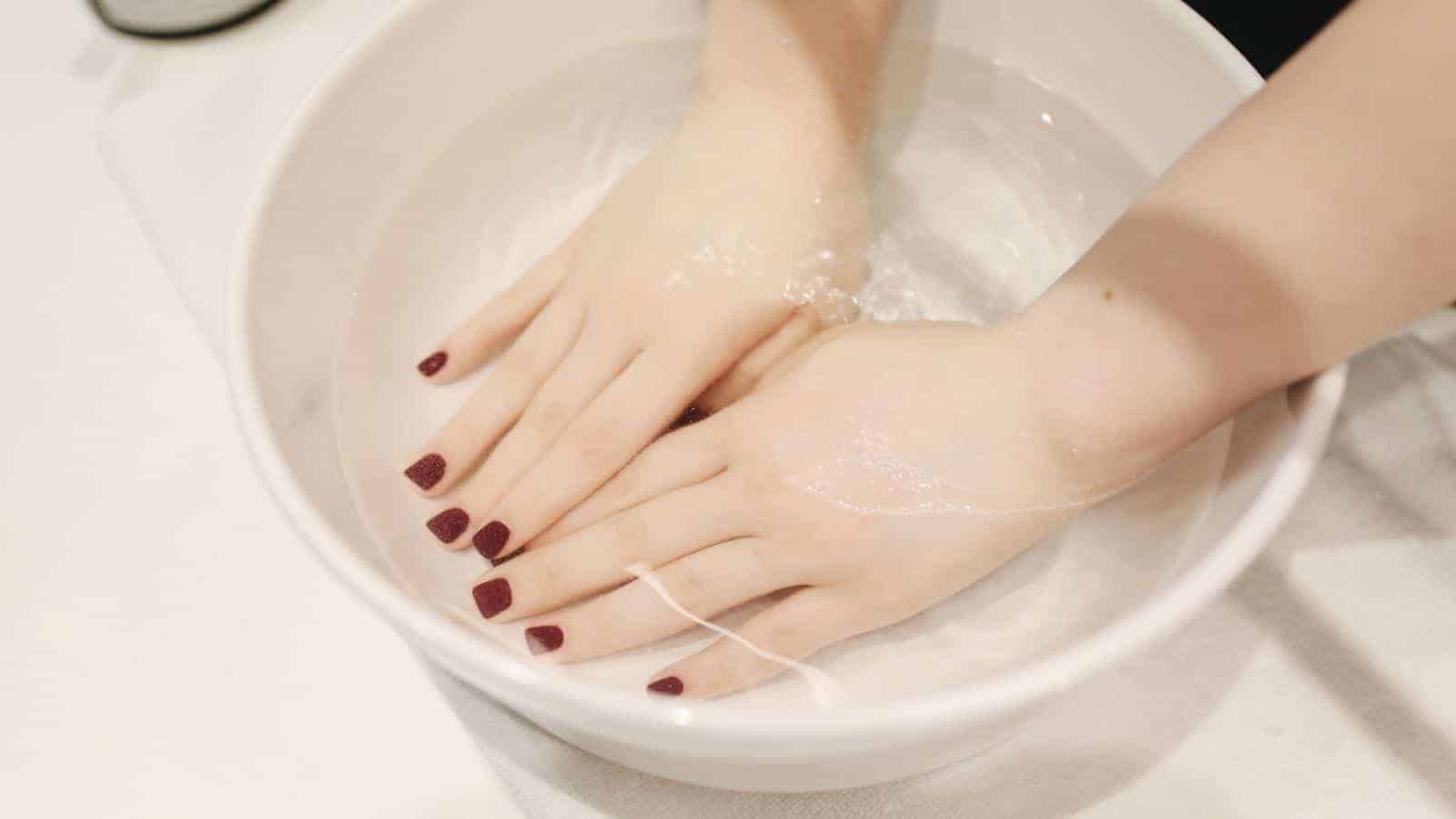
Learn the proper steps to provide at-home nail care.

Final Thoughts: When it Comes to Nails, A Little Prevention Goes a Long Way

AAD gives the following seven recommendations for keeping them healthy:

  • Keep them clean and dry. This prevents bacteria from accumulating below the surface.
  • Cut them correctly– straight across and rounded slightly in the center. Proper cutting will help keep them healthy and prevent ingrown nails.
  • Soak your feet in warm salt water for five to ten minutes. This will make them easier to trim properly.
  • Shoes should fit properly – not too snug or too loose. It helps to consult with an expert in determining the proper fit, such as a podiatrist.
  • Don’t bite them, as this can transfer infectious bacteria between your fingers and mouth. Nail-biting can also damage the skin around your fingers, allowing infections to enter.
  • Apply a moisturizer, especially after removing polish or any other product containing chemicals.

If you experience recurring problems, it is advisable to seek advice from a medical specialist. Dermatologists specialize in diagnosing and treating skin, fingernail, and hair disorders.

10 Promises You Must Make Yourself In A Relationship

It can be hard to keep up with ourselves and form a healthy relationship. The thing is, though, is that when we make relationship promises with ourselves, it can help us keep a clear head when it comes to everything else going on in our lives! Instead of letting the rest of your life take control, make a few basic promises to yourself to help keep you going strong.

“Nourishing yourself in a way that helps you blossom in the direction you want to go is attainable, and you are worth the effort. ” – Deborah Day

Steve Maraboli once said, “The most powerful relationship you will ever have is the relationship with yourself.” When focusing on our relationships with other people, we often forget the importance of focusing on our relationships with ourselves. Life can be stressful, between work, outside relationships, family troubles, and pressure to perform.

Here Are 10 Promises You Must Make For Yourself

promises men make

1. Eat well, but treat yourself

Our bodies need all the right stuff to keep us going through all the stress in our day to day lives. However, that doesn’t mean that your body doesn’t need something that tastes good, too! Keeping your food healthy for your body is great, but letting yourself cheat every once in a while, is important, too.

Why?

If you’re never eating the foods you really enjoy or which give you pleasure, then that’s going to result in feelings of deprivation. If you have these feelings of deprivation, it can increase the chance of bingeing or overeating, and this can end up being quite an unhealthy cycle,” says accredited practicing dietitian Chloe McLeod.

Lesson? Give yourself what you want, because you more than deserve it. And it’ll keep you healthy too.

2. Don’t fret over the things you can’t change

Sometimes, you just can’t decide the outcome of what’s going to happen. No matter how hard you work, you may find that some things just end up the same. In that case, it’s time to just let it go. You did your best, but you can’t change everything. Don’t stress out too much over things that are immutable.

3. Take time for yourself

If you’re the type who loves to hang around other people, then you’ll want to remember that it’s important to take time for yourself, too. Give yourself time to recuperate from the social obligations and expectations. Take a long, hot bath or spend time reading your favorite book. You’re going to be the person looking out for you the most.

Or as Dr. Aymee Coget points out, “By not taking a little time out of each day for yourself, you might be less happy than possible. Start by focusing on yourself. Acknowledge that your own happiness is important and practice happiness-boosting routines.

4. Find time for your passion

You have to do something you love, and do it a lot! You may find yourself swamped with work or social expectations, which can be stressful. A great way to combat this and feel more like yourself is to find something you’re passionate about. Whether it’s yoga, dance, writing, or drawing, you’ll want to find time to do something you love.

positive life

5. Read a book

Any book! It doesn’t have to be a good book. After all, you’ll never know if it’s good until you read it! Just read. It’s a great way to relax and escape from reality, as well as getting our creative and logical juices flowing. You may also find that reading can help you figure out how to deal with your own day-to-day problems. It’s true!

Author Ceridwen Dovey says, “Reading has been shown to put our brains into a pleasurable trance-like state, similar to meditation, and it brings the same health benefits of deep relaxation and inner calm. Regular readers sleep better, have lower stress levels, higher self-esteem, and lower rates of depression than non-readers.

6. Stop putting energy into things that make you unhappy

If something in your life is making you miserable, you need to stop and reassess how badly you want to continue on the path that you’re on. Or if your job is making you unhappy, it may be time to start sending your resumes to somewhere else. If your major in school is driving you crazy, it might be time to see if there’s something else you want to do with your life. Finally, if you spend too much time on the things that make you miserable, there won’t be any time to do the things that make you happy.

7. Travel

Traveling around the world isn’t feasible for everyone. But if you can travel, you should. You don’t have to travel far – drive one state over, or stay in a new city. Traveling is a great way to meet new people, see new things, and experience new cultures that you would have otherwise been closed off to. It can help open up your entire worldview into something new.

Secretary general of the World Tourism Organization Taleb Rifai says, “Travel makes us different people. It opens our hearts, opens our minds and we see the world differently. The world will be a better place when we travel.

We couldn’t agree more!

8. Love your reflection

Unless you’re an identical twin, there’s no one else in the world who looks just like you. And that’s amazing. It can be difficult to look at yourself in the mirror and genuinely love what you see – but it’s one of the things that will make your relationship with yourself ten times more amazing. Learning to love your reflection is something that will help you realize that you deserve all of the love that is directed your way – even from yourself.

9. Stop comparing yourself to others

If your classmates went on to college a year before you did, that’s okay. If someone younger than you is succeeding in the field you want to be in, that’s fine too. Comparing yourself to other people will only make you feel miserable about where you are now.

While comparisons can be informative, they’re almost always discouraging, because someone’s always going to end up on the bottom,” says professor of sociology Deborah Carr, Ph.D.

You’re where you are for a reason, and things will work out for you in their own time. You should only be focusing on how to achieve your goals – not what other people have achieved.

10. Love your life

Create an environment that will make you genuinely happy, and genuinely fall in love with your life. Don’t focus on what other people have. Stop wishing that you could be doing something else, and instead just do it. Your hopes and dreams are yours to achieve, and only you will be able to make them come true.

Final thoughts

Your relationship with yourself will be the most important one you have in your entire life! It only makes sense to make these promises that will help keep you on the right track in life. When life gets too heavy or stressful, you’ll always have yourself to fall back on.

References:
http://www.huffingtonpost.com.au/2016/06/23/this-is-why-treating-yourself-to-bad-foods-is-totally-okay_a_21400471/
http://www.blogher.com/increase-your-happiness-making-time-yourself
https://www.newyorker.com/culture/cultural-comment/can-reading-make-you-happier
https://www.tripsavvy.com/travel-makes-you-happier-says-science-4093550
https://www.psychologytoday.com/blog/bouncing-back/201508/3-reasons-stop-comparing-yourself-others
Skip to content