Weekly tips, affirmations, and small actions to feel your best.

What Causes Migraines: Doctors Explain 5 Things That Cause Migraines (And How to Avoid Them)

Migraines are a common disorder that cause extreme pain, nausea, and blurry vision. According to Danette C. Taylor, DO, MS, FACN, “The exact cause of migraines is not known. Changes in neurotransmitter levels within the brain are thought to play a role. Migraine headaches usually are associated with sensitivity to sound, light, and smells. Some people have symptoms of nausea or vomiting.

For most people, this pain can be managed with medication and avoiding triggers. However, figuring out where most migraines stem from can be a great tool in figuring out how to best take care of them. Doctors have isolated some of the main causes of migraines. Check out this list of common headache triggers for something that could help you.

Doctors Reveal These 5 Things That Can Cause Migraines

“ Migraines are a result of specific changes within the brain. It causes severe head pain that is often accompanied by sensitivity to light, sound, or smells. ” – Danette C. Taylor, DO, MS, FACN

1. Medication

Medicine is supposed to help us heal from sickness or disease. Even so, some medication can have adverse side effects. For women, some forms of birth control can cause migraines as a side effect. Dr. Helen Webberley MBChB MRCGP MFSRH says, “Some sleeping pills, hormone replacement therapy (HRT) medications, and the combined contraceptive pill have all been named as possible triggers.

If you recently started a new medication and have migraines as a side effect, talk to your doctor.

2. Stress

We all know the things that stress can do to our body. Stress headaches are incredibly common. It’s no wonder, then, that doctors have pointed out that stress is one of the major causes of migraines. When your hormones get out of whack, muscles tense up and blood sugar drops; it becomes a recipe for disaster – and migraines. Chronic stress is one of the main causes of migraines in adults.

Chronic stress defaults the body into fight or flight mode and we are never in a relaxed state to repair and regrow. When we focus on a positive and let all the other worries melt away, our bodies begin to relax and repair,” says health coach Amanda Patrick.

3. Poor physical health

Our bodies are usually finely tuned machines. However, there are still ways for that machine to go a little haywire. When it comes to migraines, our physical health can be a root cause. Anything from poor sleep schedules to bad posture that puts unnecessary pressure on our bodies can be the cause. If you have many sleepless nights and poor physical health, you might be at risk for this pain.

4. Gluten intolerance
gluten

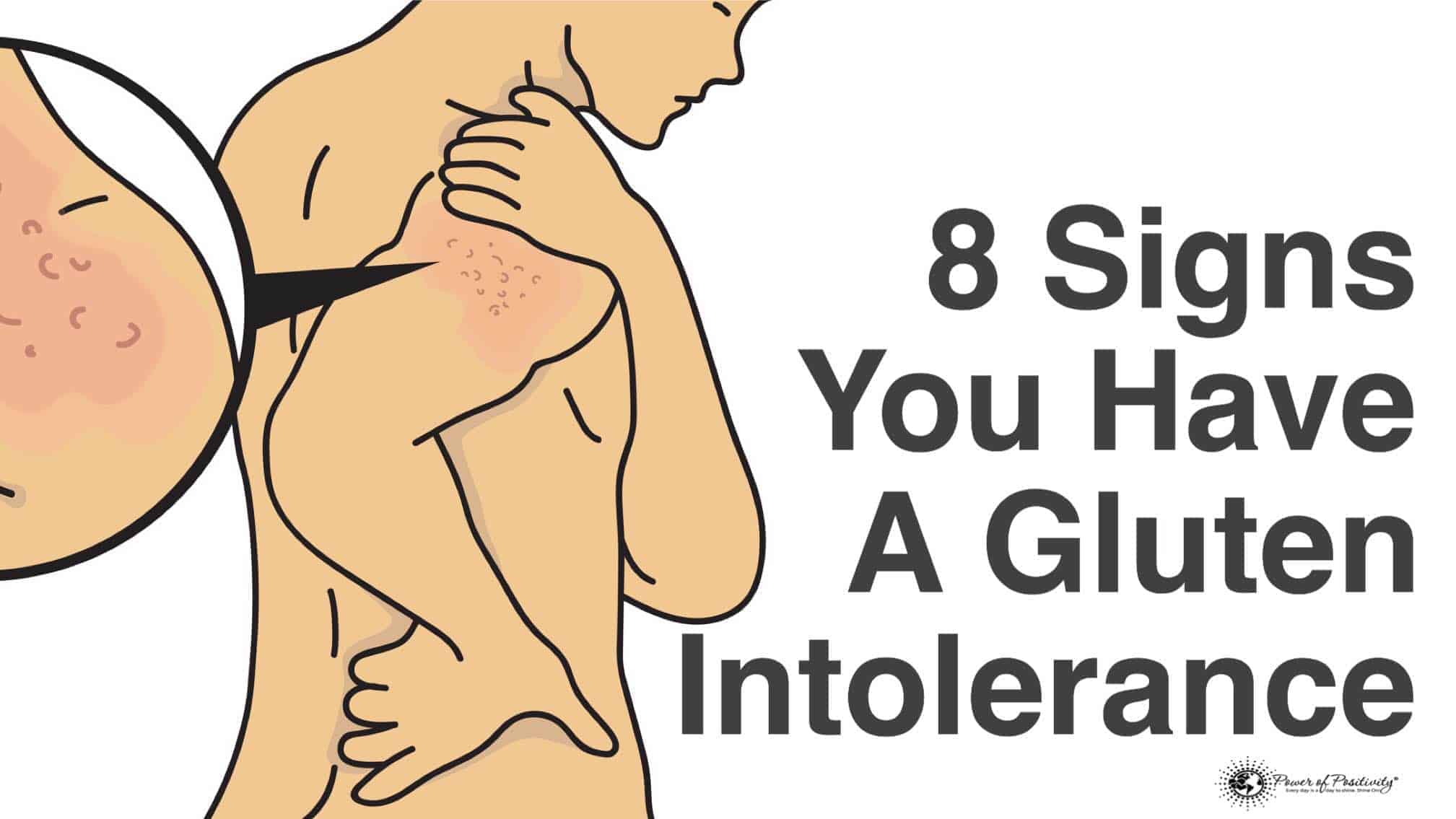
Gluten is in just about everything. If you notice that your migraines come on after a meal, this is a red flag. Doctors have found that people with gluten sensitivity or intolerances are more likely to experience migraines. People who have gluten intolerances, like Celiac disease, aren’t able to absorb gluten. This can cause all kinds of problems, like chronic migraines.

5. Sensory stimuli

One of the main causes of migraines is environmental stimuli. Sensory or environmental stimuli usually involves bright lights. According to a recent study by a group of scientists, “… exposure to visual, auditory and olfactory stimuli may trigger a migraine attack. These observations suggest a role for multisensory integration in migraine pathophysiology.

Loud sounds can also trigger or cause a migraine. Even extremely strong smells or temperature changes can be the culprit. Keep track of what’s going on around you at the onset.

Here Are 5 Best Ways To Avoid Migraines

With migraines, figuring out how to deal with the cause will help the condition itself. Doctors have also come up with the best ways to fix the root of the migraine.

1. Diet change

When it comes to migraines, making sure there’s not an underlying gluten intolerance is important. This can be easily ruled out with a two-week diet change and food trial. “Take 2 weeks and eliminate gluten and dairy. Keep track of how you’re feeling. After cutting out gluten and dairy for 2 weeks you can slowly add them back in one at a time and continue to track your symptoms,” says Patrick.

Talk with your doctor about the best way to go about cutting gluten out of your diet to see if this is the cause of your migraines.

2. Switch up your medication

Of course, you never want to go off your medication without consulting your doctor. However, if one of the side effects happens to be migraines, you may want to talk about changing your medication. For a lot of medicine, there are several different kinds. Doctors are often willing to switch it up, especially if one of the side effects.

3. Stress relief

Chronic stress can cause all kinds of issues, so it’s best to start dealing with your stress right away. According to Web MD, “During stressful events certain chemicals in the brain are released to combat the situation (known as the ‘fight or flight’ response). The release of these chemicals can provoke blood vessel changes that can cause migraine headaches.

This is why it’s important to be able to unwind from a long day, especially if migraines are an issue for you. Getting into meditation or yoga can be a great way to learn how to release tension and stress from your body, both mentally and physically.

4. Sleep and exercise

Sometimes, the best thing to avoid a migraine is simply making sure that you’re getting enough sleep. According to a group of scientists, “Consistent with prior studies on chronic migraine, poor sleep quality is uniquely associated with episodic migraine, and this relationship is not solely attributable to comorbid psychiatric symptomatology.

You might also want to make sure that you’re getting exercise and keeping your body in good physical health. You’d be surprised what a consistent sleep schedule will do for migraines!

5. Know your triggers

When it comes to sensory stimuli, sometimes the best preventative measure is to simply know what triggers the pain. If you know that bright, flashing lights or loud noises set off your migraines, then be prepared. You may also have other underlying causes that can be setting off your pain. So, make sure you speak to a doctor about what else could be going on in your body.
References:
https://www.medicinenet.com/migraine/article.htm#migraine_headache_definition_and_facts
https://www.medicalnewstoday.com/articles/148373.php
http://blisshealthcoaching.com/top-5-causes-migraines/
https://www.ncbi.nlm.nih.gov/pmc/articles/PMC4038337/
https://www.webmd.boots.com/migraines-headaches/guide/headache-stress
http://onlinelibrary.wiley.com/doi/10.1111/head.12168/abstract
 

Nutritionists Reveal 10 Foods That Help You Sleep Better

“Sleep is that golden chain that ties health and our bodies together.” – Thomas Dekker

A good night’s sleep is essential for our bodies. “The consequences of sleep deprivation are being increasingly recognized. These problems range from car crashes and workplace errors to immune dysfunction. Insufficient or poor quality sleep has been linked to heart problems and to obesity,” says Dr. Wallace E. Johnson, director of the Center for Primary Care at the University of Rochester Medical Center.

We need to be getting at least eight hours of sleep a night to function properly. Unfortunately, that isn’t always the case. Some of us have trouble getting to sleep, or staying asleep. Nutritionists know a natural way to help our bodies sleep better: food. There are foods that are perfectly designed to help us sleep better. Here are the top foods that nutritionists suggest in order to get a better night’s sleep.

Here Are 10 Foods That Will Help You Sleep Better Tonight

1. Milk

Milk (Almond, Soy or Dairy, whatever your preference) often is a great source of calcium. This night-time snack has just the right amount of calcium that you need for your brain to unwind at the end of the day. The calcium helps your brain produce melatonin, which is the hormone that tells your body it’s time to sleep.

Dr. Saundra Dalton-Smith says, “Calcium is effective in stress reduction and stabilization of nerve fibers, including those in the brain.” The next time you have trouble falling asleep, grab some cheese and a glass of milk.

2. Rice

Rice is a quick and easy meal that will help you fall asleep. Rice is a food that has a high glycemic index. This basically means that it helps your brain tell your body that it’s time for some shut eye.

Studies have shown that people who eat certain types of rice, like Jasmine rice, often report having an easier time falling asleep at the end of the day. “These kinds of foods may boost tryptophan and serotonin, two brain chemicals involved in sleep,” said Dr. Chin Moi Chow.

3. Fish

Fish have a natural sedative chemical in them known as tryptophan. According to a group of scientists, “Fatty fish (>5% fat) is a good source of vitamin D and omega-3 FAs, nutrients important for the regulation of serotonin and therefore sleep regulation.

Tuna, halibut, and cod all have the highest levels of tryptophan, so after a delicious fish meal you’ll probably feel the urge to lay down and take a nap. These fish will make it easier for you to fall asleep naturally without having to take any kind of medications.

4. Chamomile

Tea is definitely one of the best ways to get yourself to fall asleep when sleep is hard to come by. Specifically, chamomile tea is pretty much every nutritionist’s go-to drink that can help you fall asleep. Chamomile is a natural remedy for sleepless nights that has been in use for hundreds and hundreds of years. Plus, it’s fairly inexpensive and delicious.

According to a group of doctors, “Chamomile is widely regarded as a mild tranquillizer and sleep-inducer. Sedative effects may be due to the flavonoid, apigenin that binds to benzodiazepine receptors in the brain.

5. Turkey

You know how you feel ready to pass out after a big Thanksgiving dinner? That’s because turkey is actually helpful when it comes to making you feel sleepy. Just like fish, turkey is high in tryptophan which is important for digestion, nerves, and serotonin.

Registered dietician and author Elizabeth Somer, MA says, “When levels of serotonin are high, you’re in a better mood, sleep better, and have a higher pain tolerance…” Therefore, if you’re having trouble falling asleep, try making a turkey sandwich for your bedtime snack. With any luck, you’ll feel like you just had a delicious Thanksgiving meal.

6. Bananas

Looking for another source of tryptophan? This natural sedative can also be found in bananas. There’s also a good amount of magnesium in bananas, which is a vitamin that can also help you fall asleep. Nutritionists suggest having a banana before bed because they’re such a good source of vitamins that our bodies need to function.

Bananas are an excellent source of magnesium and potassium, which help to relax overstressed muscles. They also contain tryptophan, which convert to serotonin and melatonin, the brain’s key calming hormones,” says Dr. Dalton-Smith.

7. Whole grain bread

When you’re looking for something to eat with your turkey sandwich, make sure you’re picking whole grain bread.

Registered dietician Amy Jamieson-Petonic says, “… different types of carbs affect sleep differently. Choose complex carbohydrates—the type found in 100 percent whole grain breads and pastas, oatmeal, brown rice, and dried beans and peas. On the other, avoid simple carbohydrates…

Carbs will give you a spike of glucose, but then once they get digested, you’ll be left feeling sleepy. Put together whole grain bread with turkey, and you’ll feel a good dip in your energy levels so you will be able to drop off to sleep at the end of the day.

8. Fiber

Foods that are rich in fiber are a great way to get better sleep at night. According to a group of doctors, “Low fiber and high saturated fat and sugar intake is associated with lighter, less restorative sleep with more arousals.

Fiber helps your body resist spikes in blood sugar, which often hinder your body’s ability to produce melatonin. When you eat food that is rich in fiber, you’ll find that it’s a lot easier to fall asleep at night – and stay asleep – since fiber is associated with deep sleep.

9. Nuts

Nuts like almonds and walnuts are rich in tryptophan and magnesium, two vitamins that help your body produce melatonin.

Dr. Jacob Teitelbaum says, “Almonds are a winner. They contain magnesium, which promotes both sleep and muscle relaxation. And they have the added benefit of supplying proteins that can help maintain a stable blood sugar level while sleeping, and help promote sleep by switching you from your alert adrenaline cycle to your rest-and-digest cycle.”

Like bananas, nuts are a great bedtime snack to help our body know when it’s time to fall asleep. You can also use nut butter and pair it with jam and whole grain bread so you can make the perfect, sleepy time meal.

10. Honeycare for your body

Cut sugar off of your menu!

Honey is the perfect food to add to your milk or tea. You can even add some honey to whole grain toast. Honey is full of natural sugars that make it easier for your body to send tryptophan right to the brain, which will help your brain tell the rest of your body that it’s time for sleep, says nutritionist Lindsey Duncan, ND, CN. Take some chamomile tea with a touch of honey right before bed, and enjoy a long night’s sleep.

Final thoughts

Nutritionists all agree: these foods will make falling asleep and staying asleep much easier. What’s better is that many of these foods make a perfect bedtime snack. If you’re having trouble falling asleep, check out these natural foods that nutritionists say help you fall asleep.

https://youtu.be/sbCcRc2CwKg

(C)Power of Positivity, LLC. All rights reserved
References:
https://www.livescience.com/35629-5-experts-answer-trouble-sleeping-health.html https://www.womansday.com/health-fitness/nutrition/g2317/foods-that-can-help-you-sleep/
https://academic.oup.com/ajcn/article/85/2/426/4649589
http://sydney.edu.au/news/84.html?newsstoryid=1585
https://www.ncbi.nlm.nih.gov/pmc/articles/PMC5015038/
https://www.ncbi.nlm.nih.gov/pmc/articles/PMC2995283/
https://www.webmd.com/food-recipes/features/the-truth-about-tryptophan#1
https://www.psychologytoday.com/blog/minding-the-body/201212/foods-soothe-you-sleep
http://jcsm.aasm.org/viewabstract.aspx?pid=30412
http://www.doctoroz.com/blog/lindsey-duncan-nd-cn/honey-s-unknown-benefits

Stress Management: 5 Stress Management Tricks That Make You Feel Calm Again

Stress, stress, stress. Leading public health organizations like the Centers for Disease Control and Prevention (CDC), American Institute of Stress (AIS), and the National Health Service (NHS) in the United Kingdom are all reaching the same conclusion:

“Britain in the grip of a stress epidemic…”

“Workplace stress now a worldwide epidemic.”

“What’s behind the new stress epidemic?…”

Stress is killing us, and we’re not doing nearly enough about it.

In just the last couple of weeks, The Telegraph, one of the U.K’s most widely read publications, released an article titled ‘Britain in the grip of a stress epidemic because of ‘always on’ culture, survey finds.’

Epidemic: a widespread occurrence of an infectious disease in a community at a particular time. ~ The Oxford English Dictionaries

Which begs the question: why in the hell aren’t we – as a society – doing anything to solve the problem?

Unsurprisingly, the answer seems to come down to money.

Organizations, particularly for-profit corporations, are demanding more productivity – often with fewer resources; globalization has resulted in immense competition from all corners of the planet, and elected officials are reluctant to ruffle the feathers of businesses that fill their money troughs.

In essence, there’s a stalemate. And it’s the working man and working woman – blue collar and white collar working-class folks – who are bearing the brunt of this massive societal failure.

In short, it’s up to each one of us to care for ourselves. It’s up to each one of us to better manage our stress. On that note, we’re going to discuss five science-backed methods of effective stress management.

Here are 5 ways to cope with stress:

1. Practice Deep Breathing

Most people “chest breathe,” which can quickly elevate stress levels. The reason is that our brain’s ancient “fight-or-flight” mechanism won’t slow until we breathe deeply and slowly.

L. Kevin Chapman, Ph.D., an accomplished clinical psychologist, states “Deep, controlled, and slowed breathing from the diaphragm combats many of the physiological symptoms that we experience when stressed.”

Dr. Chapman is referring to the parasympathetic nervous system (PNS), which activates when we focus on the exhale. Slowly inhaling through the nose to a count a four and exhaling through the mouth to a count of six is one method of activating the PNS.

2. Get Off E-mail

Researchers from the University of British Columbia (UBC) found that compulsively checking, and responding to, work emails is a significant source of stress for many of us. In a study of 124 individuals, scientists found that people reported far lower stress levels when checking their email less often.

Similar studies have found the obsessive checking and responding to text messages as producing similar stress-related problems.

If possible, only check your work emails at specified times during the day. Unsubscribing from emails in your personal (non-work-related) inbox is a practical way of reducing information overload – another form of stress.

emotional addiction to stress

3. Write It Down

Pay attention: stress that is not released somehow merely accumulates in our subconscious.

Stressful thoughts and feelings are, in part, made more stressful because we don’t inquire and elaborate as to what’s bothering us. Instead, we feel stress and allow it to linger, hoping that when we remove ourselves from the situation, everything will settle back down.

This is one of the bigger problems with stress: we’re too cavalier about its long-term effects; instead, we fixate on the “here and now.”

It turns out that journaling your thought processes is an efficient solution to this. “When we experience stress and the negative emotions associated with it, we typically stay in our own heads and do little to address our thinking,” says licensed psychologist L. Kevin Chapman, Ph.D. “But a process called ‘objective recording’ forces us to view our circumstances and thoughts from an outsider’s perspective.”

Make it a habit of labeling and writing down negative emotions, feelings, and thoughts – and what you can do about them, if anything. If whatever happens to bother you is outside of your control, allow the emotions to dissipate.

4. Meditate

Mindfulness meditation may just be the most powerful way to combat stress. Do yourself a favor and reread the previous sentence – this should motivate you to, at a minimum, learn the basics of meditation and mindfulness.

Hundreds, perhaps thousands, of research studies have repeatedly shown the benefits of meditation in reducing stress.

Dr. Elizabeth Hoge, a psychiatrist at the Center for Anxiety and Traumatic Stress Disorders at Harvard-affiliated Massachusetts General Hospital and assistant professor of psychiatry at Harvard Medical School, says it perfectly:

“If you have unproductive worries, you can train yourself to experience those thoughts completely differently. You might think ‘I’m late, I might lose my job … mindfulness teaches you to recognize, ‘Oh, there’s that thought again. I’ve been here before. But it’s just that – a thought and not a part of my core self.”

Start your mindfulness meditation practice by sitting in a quiet place for 10 minutes. Focus on nothing other than the sensations of your breath during this time.

5. Laugh

According to the Mayo Clinic, a hearty chuckle packs some serious short-term health benefits. Laughter stimulates your cardiovascular system and releases endorphins – our brain’s natural feel-good chemicals.

Some research has found that individuals who laugh more often have a lower risk of anxiety and depression, better immune function, and are more resilient to physical pain.

Taking just a few minutes at work to watch some hilarious YouTube clips may be enough to put you in a better mood for the next hour or so!

https://youtu.be/lFdcCXmGpy4

(C)Power of Positivity, LLC. All rights reserved
Sources:
http://www.boldselfimprovement.com/stress-management/232/
https://www.health.harvard.edu/blog/mindfulness-meditation-may-ease-anxiety-mental-stress-201401086967
https://www.mensfitness.com/life/entertainment/20-science-backed-ways-reduce-stress
https://www.telegraph.co.uk/news/2017/11/13/britain-grip-stress-epidemic-always-culture-survey-finds/

8 Adult Behaviors of Someone Who Had Depressed Parents As A Child

Today almost twenty percent of the population meet the criteria for some form of depression. Of course, that does not mean people who are temporarily feeling the blues and will be better next week, but depressed people who are having real difficulty functioning in life.

“Count every fifth person you see on the street — that’s how many people in your community may be suffering from depression. I think we need to understand the connection between adult depression and children’s behavior.” – Richard O’ Connor, Ph.D.

The number of people suffering from depression has reached epic proportions, and the problem only seems to be getting worse.

Take long work hours. Then combienthat with increased responsibility, little time to relax, mountains of debt, poor diet, no time to exercise, plus other stressors. As a result, you have a recipe for disaster. Unfortunately, this list of stressors applies to most people today, and the end result is usually underlying negative emotions, which can lead to depression and other mental health problems.

However, depression is not just environmental – it’s also genetic. This is why children of depressed parents have a much higher likelihood of developing depression themselves. In fact, according to a study that appeared in the December 2011 issue of Pediatrics, 25% of children with two depressed parents had emotional or behavioral problems.

In this article, we’ll discuss typical behaviors of adults who had depressed parents so that you can get the help you need if you suffer from depression, or watch for the signs in your loved ones.

8 Behaviors People Who Had Depressed Parents Display As Adults

Understanding the cycle of depression is the key to ending the harm.

1. Substance abuse

Because of their reoccurring or even constant depression, adults who had depressed parents often attempt to drown their feelings out with drugs or alcohol. According to the Anxiety and Depression Association of America, “about 20 percent of Americans with an anxiety or mood disorder such as depression have an alcohol or other substance use disorder, and about 20 percent of those with an alcohol or substance use disorder also have an anxiety or mood disorder.” 

The substances might temporarily ease depressive symptoms, but in the long run, studies have shown that drugs and alcohol make the mental illness worse.

2. Antisocial behavior

Because parents with depression are more likely to disengage from others and spend more time alone, the child may start to mimic this behavior once they reach a certain stage of development. This can easily carry over into adulthood if the child doesn’t have any adult influences other than his/her parents.

According to an article on NCBI, “depression is significantly associated with more hostile, negative parenting, and with more disengaged (withdrawn) parenting.” Because parents may not provide the emotional support the child needs, the child himself starts to withdraw because he feels either neglected or is mimicking the parents’ behavior.

depression

3. Trouble maintaining relationships

Depression makes it difficult to have steady relationships with others. That’s because the person simply doesn’t have the energy to keep up with the relationship. Also, social anxiety often occurs comorbidly with depression, which can hinder adult relationships even further. If the parents don’t have many friendships outside of their marriage, they tend to spend more time at home. As a result, they might smother the child, which can lead to an unhealthy attachment.

Furthermore, the child may display difficulty making friends, and this can carry over into adulthood as well.

4. Low self-esteem

Adults who had depressed parents usually have low self-confidence because they were never taught how to develop their own personalities. According to Michelle Sherman, Ph.D., a clinical associate professor of psychology at the University of Oklahoma Health Sciences Center in Oklahoma City, children of depressed parents might even blame themselves for their parents’ depression. This, along with negative parenting, can lead to low self-esteem and trouble maintaining a sense of self.

5. Underachievement

Healthy parents normally support a child’s endeavors and encourage them to go after their goals. However, a disengaged parent with depression might not have the ability to be there for their children emotionally. Indeed, this parent can hinder a child’s performance. Because the child doesn’t have the parents cheering them on, they may not perform to the best of their ability. Consequently, that can lead to problems in school and the workplace later on.

6. Loss of interest in life

People with depression tend to lose interest in things they once found enjoyable, and if parents display these behaviors, children may begin to withdraw as well. This can lead to a distorted sense of self, as the child doesn’t learn what h/she likes or dislikes, or may not have the confidence or willpower to try out and stick with new activities.

7. Difficulty concentrating

According to an article on NCBI,

“Trouble concentrating and making decisions, as well as other symptoms, may emerge as early signs of depression in the children and have the strong potential to interfere with intellectual and academic functioning, while associated school failures may independently increase the risk of depression.”

Children who have difficulty concentrating in school who don’t get treatment for depression have a greater likelihood of displaying these symptoms as adults. This behavior, once again, can be attributed to disengaged parenting.

8. Feelings of overwhelm

Not surprisingly, adults who had depressed parents may not learn effective coping skills for stress. Thus, they may develop other mental disorders, such as anxiety. The adult may feel that he or she is inadequate for dealing with everyday life. Therefore, he or she may start to withdraw from many activities as a result.

(C)Power of Positivity, LLC. All rights reserved
Sources:
https://www.ncbi.nlm.nih.gov/books/NBK215128/
http://www.health.com/health/condition-article/0,,20214527,00.html
https://www.webmd.com/parenting/news/20111104/dads-depression-may-raise-risk-of-kids-emotional-problems#3

11 Things You Need to Text Yourself When You Feel Down

Like most people in this digital era, you’ve probably sent your fair share of text messages. (Some people send hundreds of texts per day. Crazy!)

But have you ever sent reminders or text messages to yourself?

While this idea seems a little outlandish, sending messages to yourself can actually be a good way to stay on track mentally. Sending solo text messages is also an excellent way to keep your head on straight and to remind yourself to keep looking forward.

Depending on the model of your phone and the apps available, you may be able to send yourself delayed text messages. (There is a free way to do this with an Android smartphone via the “Messages” app, and a paid application is available via the App Store on the iPhone.) Reading a well-timed message is great for times like the notorious mid-afternoon slump at work or the hellish early morning!

Here are 11 things to text yourself when you catch yourself feeling down:

1. “Remember your strengths/accomplishments/wins.”

However you want to phrase your message is cool. The point here is not to allow the frenzy of life sabotage your sense of self-worth.

So often, we forget what a real badass we are – things we’ve overcome, achieved, and won. Reminding yourself of these things is not egotistical; it’s necessary.

2. “Emotions are fleeting.”

That’s right, this includes the good emotions. Why remember this quote? Why text this to yourself?

Because human beings, when their mind is adrift (which is most of the time), gravitate towards impulsivity and negative emotions. If you’re feeling great when you get this message, that’s okay! Enjoy the moment! If you’re feeling bad, remember that it’s only temporary!

3. “Adversity breeds character.”

Building strength requires frictional force. When you’re having a crappy day, remember that you are becoming a stronger individual. You’re building a more refined character.

It’s hard to remember these points in the throes of a maddening workday or overscheduled evening, which makes it a perfect memo to send to yourself.

4. “Here and now.”

This quote is all about mindfulness. The fact of the matter is that our minds tend to fixate on the past or the future; what has happened and what could happen. These ruminations are the antithesis of mindfulness, which is based on accepting your present condition, be it good or bad.

Be here. Now.

perfect moment

5. “The only constant is change.”

In today’s 24/7, always-on society, the only constant is continuous change. This isn’t a bad thing. Can you imagine a world where nothing changed, whether good or bad? In the former scenario, we’d be in a utopia; the other, hell.

Good, neutral, or negative; change happens. Embrace it – or at least accept it.

6. “You’re not an island.”

A twist on “No one is an island,” this personalized quote serves to remind you that people are standing by and willing to help. In the midst of turmoil, it’s easy to feel a dark sense of solitude.

Remembering that good souls are there to lend their ear is something we all need to remind ourselves from time to time.

7. “Attention regulates emotion.”

To all the parents out there, how many times have you used the “What’s that?!” or “Look over there!” trick to calm your rambunctious or wailing child?

What happens? Well, your kid stops (at least for a while!) The reason is that where we put our focus (on the inner, outer, or “other”) is what determines our emotions. The fact that we can choose our emotions through our attention is very powerful when applied with a purpose.

8. “Remember to move.”

Nothing beats moving around to get yourself feeling better faster. Today’s office jobs are (sadly) ruled by the stationary, sit-in-your-chair-and-don’t-move-till-it’s-breaktime old-fashioned ways of working.

Remind yourself to move around when you can – even if it’s just a quick stretch or jaunt around your desk. You’ll feel better almost instantly.

9. “No one is perfect.”

As mentioned, our mind tends to gravitate towards the negative when it’s adrift. And, unsurprisingly, our mind drifts off much of the time. Sometimes, these negative thoughts may ruminate on your imperfections.

Well, everyone has imperfections. Even “Mr. and Mrs. Perfect” live seriously imperfect lives. This message serves to remind us to be content with who we are and to stop comparing ourselves to other people.

10. “Breathe.”

Did you know that deep breathing is one of the best ways to ease your nerves? It’s absolutely true! Known as the “relaxation response,” inhaling to the count of four and exhaling to the count of six activates the parasympathetic nervous system, or PNS.

The PNS slows your heart rate, calms your nerves, focuses your brain, and puts you in a better state of mind!

11. “All you need is love.”

This self-message serves to remind you that – when all is said and done – love is the thing that matters the most in this lifetime. You may feel bad, but know that someone loves you.

Use this message to remember your loved ones and to send them a bit of love during the day!

https://youtu.be/m-qoeOxXwXM

(C)Power of Positivity, LLC. All rights reserved
Sources:
https://www.cosmopolitan.com/uk/body/health/a17850623/mental-health-things-to-remember-feeling-down-sad-not-okay/
https://www.ricksdailytips.com/reminders-via-text-message/

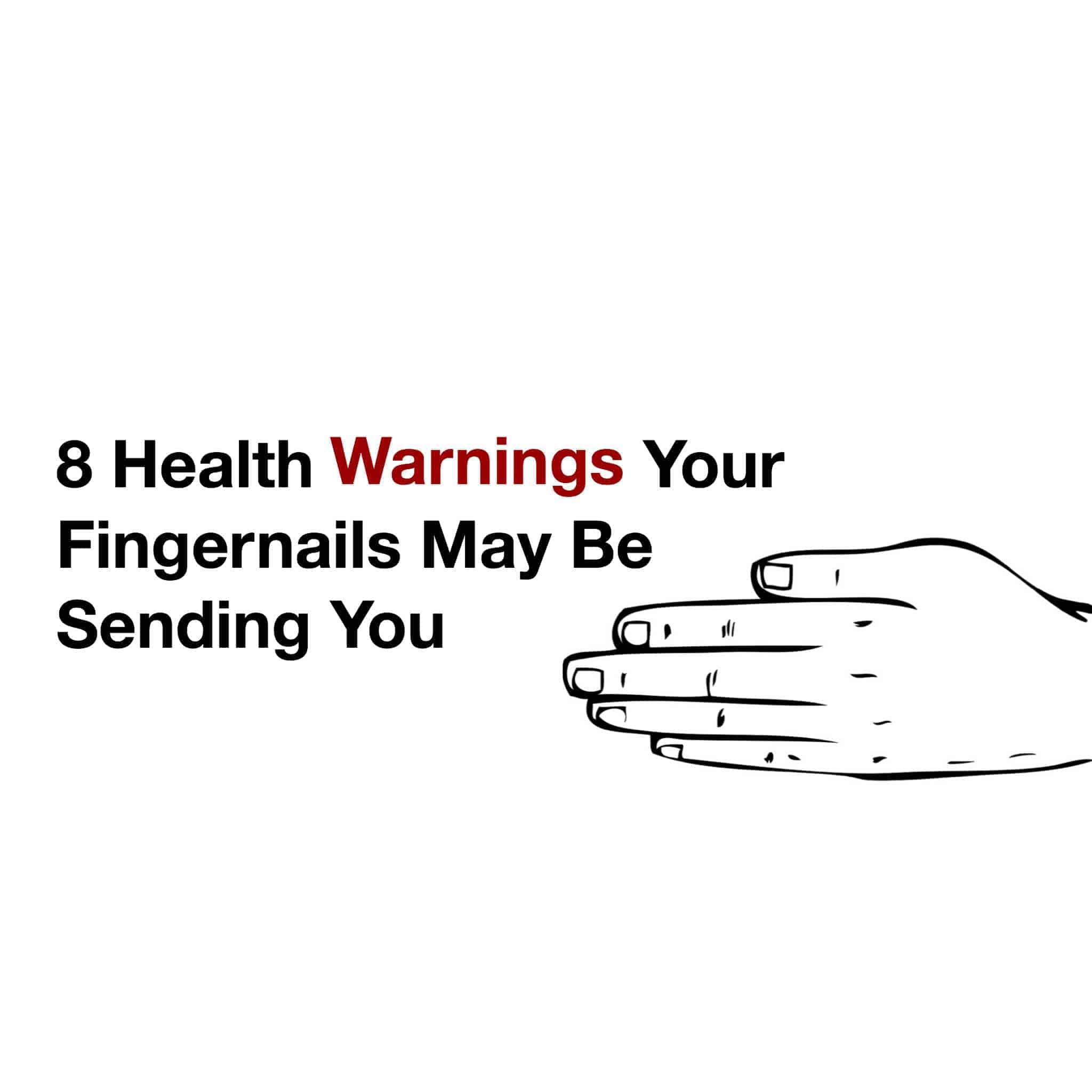
Researchers Explain What Your Fingernails Can Tell You About Your Health

Can fingernails provide a quick glimpse into the state of our health?

As it turns out, there exists a multitude of conditions and diseases that affect your nails.

Fingernails, after all, are extensions of the skin. Per the American Academic of Dermatology (AAD), nail health – as with skin health – is vital.

Let’s take a step back and ask a question: what are nails, exactly?

Here’s Wikipedia’s definition of a nail:

“A nail is a horn-like envelope covering the tips of the fingers and toes in most primates and a few other mammals … (they) are made of a tough protective protein called alpha-keratin.”

Keratin is a protein that is used in many skin and hair products. It’s fair to say that our nails, skin, and hair are all biologically related. Here’s one example of this:

“A 2012 paper noted that 77 percent of psoriasis sufferers have nail abnormalities, most commonly (the nail conditions) pitting and onycholysis (seperation of the nail from the nail bed). Though far more common on toenails, fungus can also infect fingernails (onychomycosis), causing nails to thicken and turn yellowish.”

In short, nail abnormalities often accompany skin conditions – and vice-versa.

Here are five other nail conditions and their associated health indications:

– Nail clubbing

Clubbing occurs when the fingertips become engorged, and your nails curve downward. It’s common for the nails to appear almost sickly white, which is often representative of a sign of low oxygen in the blood. Clubbing has been associated with heart disease, inflammatory bowel disease, kidney disease, and lung disease.

health-fingernails

– Horizontal indentations (Beau’s lines)

Parallel ridging of the nails, known as ‘Beau’s lines,’ show an abnormality in nail growth. Beau’s lines may be a sign of diabetes, psoriasis, or a zinc deficiency. They can also be the product of nail trauma, or a high fever that sometimes accompanies a severe illness.

– White Bands (Muehrcke’s Nails)

Whitish bands that appear as strips across the width of the nail characterize the condition known as Muehrcke’s Nails. The condition may be related to kidney or liver disease and may also occur as a result of chemotherapy treatment.

– Brittle, Cracked or Dry Nails

Dry, cracked or brittle nails is indicative of exposing your hands to frequent water submersion. If you’re a dishwasher, diver, fisherman, or swimmer, you’ve likely experienced this symptom on occasion.

It’s also worth mentioning the dry nails may reveal a Vitamin A, B, or C deficiency. Brittle nails may result from frequent use of nail polish remover or chemical exposure (from household cleaning products, for example.)

– Spoon nails (koilonychia)

Nails that appear abnormally flat, thin, or bowl-shaped are often associated with severe iron-deficiency anemia. Systemic illnesses may also be the cause, commonly resulting from repeated exposure to nail trauma or toxic chemicals.

Proper Nail Care and Good Health

AAD gives the following seven recommendations for keeping nails healthy:

Keep your nails clean and dry. This prevents bacteria from accumulating below the nail’s surface and causing the growth of unsightly fungal infections of the nails.

– Cut your nails correctly – straight across and rounded slightly in the center. Proper cutting will help keep the nail healthy and prevent ingrown nails.

– Soak your feet in warm salt water for 5 to 10 minutes. This will make the nails easier to properly trim (see above).

– Shoes should fit properly – not too snug or too loose. It helps to consult with an expert (podiatrist) to determine proper fit.

Don’t bite your nails, as this can transfer infectious bacteria between your fingers and mouth. Nail-biting can also damage the skin around your fingers, allowing infections to enter.

– Apply a moisturizer, especially after removing nail polish or any other product containing chemicals.

If you experience recurring nail problems, it is advisable to seek advice from a medical specialist. Dermatologists specialize in the diagnosis and treatment of skin, nails, and hair disorders.

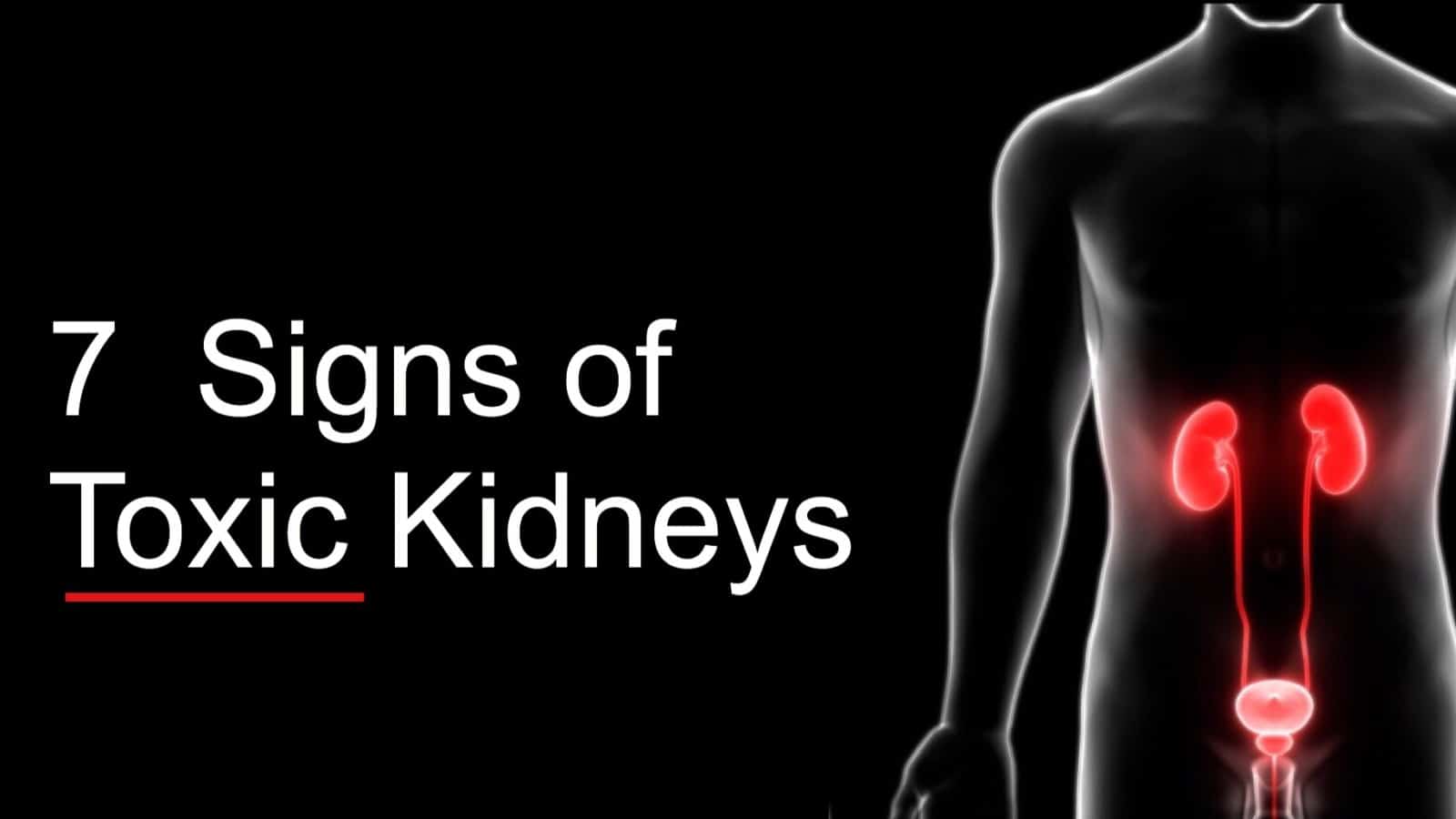
How to Flush Kidney Stones Naturally With Just Four Ingredients

What are kidney stones? And how is it possible to flush kidney stones naturally?

Kidney stones are a solid, crystal-like mineral material that forms within the kidney or urinary tract. Kidney stones are relatively uncommon. In fact, they occur in just one of every 20 people worldwide.

Kidney stones form when there is a decrease in the amount of urine produced and/or an excess of stone-forming substances in the urine. Relating to the former, dehydration is one of the leading causes of kidney stones.

Kidney stones are notoriously painful. When the stone moves around the ureter – the tube that connects the kidney and bladder – severe pain is often felt in the side and back, below the rib cage. The pain may then radiate to the lower abdomen and groin.

Nearly every kidney stone is passed from the kidney through the ureter and bladder through the urethra. Consuming plenty of fluids facilitates the passage of kidney stones, though most people find it necessary to take some type of prescription medication for pain control.

Other symptoms of kidney stones include: abnormal urine color, bloody urine (in some cases), chills, fever, and nausea.

Four ingredients that may help kidney stones

To begin with, you will need the following four ingredients:

– 2 cucumbers
– Some mint leaves
– 1 liter of water
– Natural, organic honey

toxic kidneys

Cucumbers contain multiple B-vitamins, including B1, B5, and B7 (biotin). B vitamins help ease anxiety and buffer some of the damaging effects of stress. Additionally, cucumbers contain plenty of fiber and water – two essential ingredients for healthy digestion.

Mint is a potent anti-inflammatory and also helps promote digestion. It’s also a natural nausea-reliever – and can help ease the stomach of gas and indigestion.

Honey provides relief from inflammation and moderate pain. Similar to cucumbers and mint, honey helps to promote healthy digestion as well. Honey is, of course, an excellent and healthy natural sweetener. It adds a nice flavor to the drink you’re going to prepare.

Water is a must-have ingredient, especially when fighting kidney stones. You should be drinking at least ten 12-ounce glasses of water per day until the stone passes. This recipe calls for a liter, which is approximately 34 ounces. Water helps dissolve the kidney stone and promotes urination – two things critical for kidney stone passage. Plenty of water will help flush out toxins and relieve the pain of kidney stones as well.

On that note, here are the instructions to make this kidney stone-relieving concoction:

– Put all of the ingredients in the blender (do not peel the cucumber.)
– Blend until the mix appears smooth and texturized.

It is recommended that you drink this mix after breakfast. Alternatively, you may serve yourself a glass 30 minutes before each main meal if the stone passage proves slow.

Kidney stone facts

Please keep this information about kidney stones in mind going forward:

– Calcium stones are, by far, the most prevalent type of kidney stones, and are caused by excessive salt intake and metabolic and/or urinary abnormalities.

– Dehydration, diet, family history, and obesity are the four primary risk factors.

– Low fluid intake and overconsuming animal products and/or salty foods increase the risk of developing kidney stones.

– Prevention is the best cure. To prevent a kidney stone from development, stay well hydrated, decrease salt intake, moderate calcium intake, and limit consumption of animal protein.

– Most kidney stones eventually pass through the urinary tract, on their own within 48 hours. Adequate fluid intake is essential to pass the stone within this timeframe.

– Over-the-counter (OTC) pain medications may not be effective against some stones. Injectable anti-inflammatory drugs and narcotics may be prescribed for pain control.

Psychologist Explains How To Release Emotional Attachments To Toxic Relationships

Leaving toxic relationships can feel like both the best and worst moments of your life. The best because, well, you’re out of a relationship that sucked your soul dry. And the worst, because you have no idea where to go next.

Loving yourself is the most important step in a relationship, and recognizing when to leave a relationship is the second. Relationships can consume a vast amount of our mental and emotional space, and when they go wrong, they can cause immeasurable pain,” says physician Kristen Fuller, M.D.

If you’re recently free of a long-term relationship that turned out to be utterly toxic, here are the best ways to put yourself back together.

Here Are Ten Ways To Release Emotions and Heal From Toxic Relationships

These tips can help you let go and restore your peace of mind.

toxic relationships

1. Get help!

Really, honestly. Get help. It doesn’t have to be a therapist, but once you’re free of a bad relationship, you’re going to want to find someone to help you deal with yourself. Maybe it’s your mom, or maybe it’s your best friend. You’re going to need a support system to get through the next few tumultuous months.

People in toxic relationships need help from friends, family, and professionals to commit to change. There is no AA or NA for this. Changing is a process and not simply a decision,” adds Fuller. So even if you pride yourself on being a strong, independent woman, it’s time to text your bestie and ask for some support. You can thank me later.

2. Let yourself wallow outside of the toxic relationship

In the absolutely timeless words of Lorelai Gilmore: you have to wallow. Sure, you might be happy that the relationship is over, but feelings are way more complicated than that. When a relationship is over, trying to bounce back into your normal life isn’t the best solution. It’s totally okay, and recommended, to take a day or two over the weekend and eat an entire pint of chocolate ice cream while listening to the worst songs available on iTunes.

3. Okay, now stop wallowing

The wallowing stage needs to happen for a weekend, max. Then, it’s time to put on your big-kid pants and face the world again. You’re going to have many feelings to process, but it’s time to process them more healthily.

Once you have given yourself four days of moping, it is time to cope. Sign up for community service, join a new yoga class, and go to brunch with your girlfriends … and plan your schedule out so that you are busy meeting new people and remembering how much fun life can be without your ex,” says celebrity matchmaker and relationship expert, Alessandra Conti.

Letting yourself feel your emotions is important. However, you want to ensure you’re not letting them overwhelm you. Bad feelings happen, but there’s always a time to let them go and move on. Better yet, think of all the super cool things you can do with your newfound independence! Think positive.

toxic relationships

4. Find a new outlet for stress (other than toxic relationships)

The relationship is over, and now you’ve got all these feelings inside of you. Not good, right? Definitely not. But now is the time to find your brand-new stress outlet.

Spend time with people who make you feel good, treat yourself to your favorite meal, go to church, spend time outside, or do whatever brings you joy. Going through a tough time in a relationship can cause incalculable stress: It’s important to try to replace those negative emotions with positivity,” adds Fuller.

Maybe you’re the type of person that really needs to write out all of your feelings. If so, buy yourself a brand-new journal, some fancy pens, and let her rip. Or, maybe you’re a more physical person. Taking up jogging or hitting the gym is probably a better way for you to burn off all those excess feelings.

5. Get out of your house and hang out with your friends

Seriously. How tempting is it to hang out by yourself after the end of a relationship in your apartment? If your friends know about the break-up, they’re probably already chomping at the idea of getting you back in the groove. So, take them up on their offer. Treat yourself to feeling good and surrounding yourself with friends. It’s part of the healing process, so don’t think you can skip it. Because you shouldn’t.

6. Let yourself have brand new experiences

At the end of a bad relationship, you can experience all kinds of new things that you otherwise wouldn’t have. Don’t let yourself chicken out. You’re on the cusp of a brand-new chapter of life!

Often, people in dysfunctional relationships start to lose themselves, forget themselves, and their happiness is often no longer a priority,” says therapist Samantha Carbon.

Moving on and keeping yourself sane after a breakup practically requires trying new things, even if those new things are something as small as a drink you’ve never tried before. New experiences are going to keep you going for a while, so don’t turn them down.

7. Stop checking up on them! Stop it!

“Toxic people defy logic. Some are blissfully unaware of the negative impact that they have on those around them, and others seem to derive satisfaction from creating chaos and pushing other people’s buttons.” – Travis Bradberry

Yes, it would be best if you stopped pulling up their Facebook profile.

You are deluding yourself and wasting precious time if you believe that you can somehow still be friends or have a phone relationship with a toxic ex-partner. These people have a way of manipulating and getting others to feel sorry for them. If you keep contact going, then you enable this individual to continue to work to draw you back toward them,” says psychologist Jill Weber, Ph.D.

Quit sneaking peeks of their Instagram. Don’t peek at what is on their Twitter feed. Stop texting your mutual friends to see how they’re doing. The relationship is over, and unless it ended amicably and you’re both still friends, there’s no reason to keep snooping on your ex.

8. Embrace the fact that you’re now single

The world is your freaking oyster! Sure, you might not feel ready to hit the dating scene again for a couple of months, and that’s fine. But you’re single now, which opens up a whole new world of possibilities for you. It’s time to embrace it. Become the hot, single friend and enjoy it while it lasts.

9. Date, but casually

After you’ve embraced being the hot, single friend, it’s time to date. Casually, though. You don’t want to rush into another relationship or have someone you genuinely vibe with becoming a rebound. Dating casually and meeting new people may be the thing to help you feel like a normal human being, especially after the end of a rocky relationship. However, no problem if you’re not comfortable with dating just yet. Take your time and do what feels right for you. Remember, you come first.

10. Remember: you’re going to be okay

As cheesy as it sounds, you’re going to survive this.

… the only way to heal from these types of relationships is to give yourself both space and time that you need to reevaluate the relationship in a healthy way to prevent repeating the same cycles,” says relationship expert and author Alexis Nicole White.

busy stress memeFinal Thoughts on Exiting Toxic Relationships

In the beginning, it may seem rough or even impossible. You will survive this. When the going gets tough, sometimes all you need to do is remind yourself that you’re going to be just fine. Because you will. Don’t believe me? Look at yourself in the mirror; what do you see? I see you with a fierce determination to succeed.

Harvard Psychologists Reveal: Parents Who Raise ‘Kind’ Kids Do These 5 Things…

Parents are saddled with the difficult task of raising tiny humans. These tiny humans learn all kinds of things from their parents. Most importantly, though, children learn how to treat other people. Raising a child considered “kind” may seem easy, but many parents can tell you that it’s not always the case.

Grades and athletic/artistic accomplishments matter, but most of us would agree raising kind kids matters more. If we spend our days drilling math facts and chauffeuring our kids to “enrichment activities,” it begs the question: What are we prioritizing most—and why,” adds Dr. Robin Berman.

Thankfully, Harvard psychologists have pinpointed the best ways to raise your child to be “kind”, and to retain that kindness throughout their lives.

Here Are 5 Things Parents Who Raise Kind Kids Do

kind

1. Be their role model

Nobody is perfect, and everyone makes mistakes. However, being a parent means your child will soak up information from you like a sponge. Especially during their formative years, children will look to you as a role model. To raise a kind child, knowing how to be “kind” is essential.

According to a study by Harvard University, “Being a role model doesn’t mean that we need to be perfect or have all the answers. It means grappling with our flaws, acknowledging our mistakes, listening to our children and students, and connecting our values to their ways of understanding the world.

Being honest with your child, especially regarding difficult emotions, is one of the best ways to be a good role model. Children will learn their values and how they interact with the world from their parents.

2. Teach your children using empathy

When you’re teaching your child how to interact with the world, it can be hard for you to imagine how they see things. Children have all the same kind of emotions and feelings that adults have. However, they’re not fully prepared to express them yet. When you teach your child by using empathy, you can show them how to care for other people.

Kind children know how to connect with other people on a personal level. That connection involves being able to feel what other people feel. Show them how by empathizing with them first. “Unfortunately, selfie culture is not helping our children grow their highest or happiest selves. Studies show that the more we connect to others, the happier we are. So we need to make sure we are spending more time looking out, rather than looking at our own selfies,” says Dr. Berman.

things that make kids happy

3. Make caring for others important

As humans, we often make caring for ourselves the most important thing. And sometimes, that’s what we need to do to get through life. However, making caring for others an important part of their life will teach your children how to reach out to other people.

With guidance from adults and practice, young people can also develop the skills and courage to know when and how to intervene in situations when they and others are imperiled. They can become effective “upstanders” or “first responders.”,” states the study from Harvard University.

Show your children that caring for others is important to you and will also become important to them. You will no doubt raise a child who thinks of others before themselves and works hard to ensure they’re being their best and kindest every day.

4. Help them process their emotions

Not all emotions are fun. Some emotions, like anger and frustration, can be difficult for children to understand. When children become upset, they need to be taught how to deal with those feelings. Children who aren’t taught tend to lash out physically – hitting, kicking, screaming. That kind of behavior doesn’t make for a “kind” child at all. Instead, Harvard psychologists say to focus on dealing with and healthily processing emotions.

We need to teach children that all feelings are ok, but some ways of dealing with them are not helpful. Children need our help learning to cope with these feelings in productive ways,” add Harvard psychologists. Children need to learn that it’s okay to feel unpleasant emotions and how to handle them and let them go.

5. Praise one another consistently

“The power of mindful words can’t be overstated. Words can inflame or inspire. The diplomacy you teach will allow your kids to be heard in the future. It also feeds a gentler narrative in their head.” – Dr. Robin Berman

Praise and consistency are key to raising an emotionally well-rounded child. It’s also key to raising a kind child. Kindness comes from practice, and all practice requires consistency. When your child does something kind, make sure you recognize and acknowledge it. Praise them for their kindness so they know they’re on the right track. Don’t just do it with your children, either!

Parents should praise one another for kindness, because your tiny humans are always listening. Get the rest of the adults in your child’s life to get on board, too. The more they see adults being kind, recognizing it, and reinforcing it with praise and thanks, the more they’ll learn.

Final thoughts

Kindness is something that children have to learn – like manners, please and thank you, right and wrong, and empathy. Learning kindness becomes easier when their parents are on board and know how to instill kindness into their children. If you’re worried about bringing your child up in a way that helps them be “kind”, here are the ways other parents did it. Don’t be afraid to make mistakes, though! Just know how to correct them – because your child is always learning.

Skip to content