Weekly tips, affirmations, and small actions to feel your best.

Relationship Experts Explain 7 Ways A Baby Changes Your Relationship

Ask most parents, and they’ll say that having a baby is one of the most thrilling, joyous, and loving things a person can experience. It’s also incredibly hard work. In this article, we’ll discuss 7 ways that having a baby may change the relationship dynamic with your partner. (We’d love to read your comments, Moms and Dads!)…Let’s go!

Here’s how having a baby with your partner changes your relationship:

1. There’s a ton of additional responsibility

Meeting the demands of a newborn can be overwhelming. All of a sudden, you realize that you’re entirely responsible for another human being. No easy task! While new parents may have an idea of what lies ahead, once the little bundle of joy shows up, Moms and Dads often are often taken aback by just how much responsibility comes with being a parent.

Experts say that when both parents partake in baby care, intimacy strengthens. The challenge, they say, is getting new momma bears to loosen their grip long enough for daddy to share some of this workload. But this experience is vital: “It helps (the father) understand the challenges of meeting the needs of an infant,” says Gary Direnfeld, a social worker and marriage expert.

2. You’ll probably hate one another at times

Taking care of a baby is often an exhausting endeavor. When you’ve got two incredibly fatigued parents, that’s a recipe for some conflict.

It’s important to understand that bickering and criticizing between new parents is entirely rational. However, conflict can frequently be averted by (a) coming to an agreement about shared responsibilities, and (b) having some basic knowledge of baby care.

Perhaps the essential piece of regulating conflict with your partner is to understand that mistakes are inevitable, particularly if this is your first child. Once again, both parents would do well to learn about the basics of child care before the due date (knowing how a baby sleeps is a good starting point!)

3. Your “alone time” is pretty much gone

Ask a new parent how he or she “fits in some alone time,” and they’ll probably clench their stomach in uninhibited laughter. “Alone time? Are you kidding me?” They’ll probably go on to explain that what now counts as “alone time” is often spent catching up on precious sleep. Because, you know, sleep deprivation.

Throughout the first few months of a child’s life, they will constantly wake up, go to sleep, wake up, and go back to sleep. Oh, and most of their time sleeping is during the day. This cycle takes a heck of a toll on the ole’ circadian rhythm.

4. Date nights are both more expensive and rare

While you do love spending time with your little one, you’ve gotta get out of the house at some point! The stark realization soon hits that you can’t just throw on some clothes and drive away. Enter, the “new parent dating dilemma.”

First, you’ve got to be comfortable with the idea of someone watching your child (not easy). Second, you’ve got to find someone (a bit easier). Third, you’ve got to pay ‘em (okay, that sucks.) Oh, and since the babysitter is likely to be some school kid, they’ll need to be home in a few hours.

“On second thought, how ‘bout a pizza and some Netflix?”

5. Sex takes a backseat
make love

There are a number of reasons as to why sex takes a backseat. First, you’re utterly exhausted. Maybe your body doesn’t feel like it, or the baby starts crying when the time comes to spend together

Dr. Shannon Hardy, a sex educator and midwife, says “Your partner suddenly becomes sort of secondary.” She goes on to suggest alternate ways of being intimate – caressing, hugging, and kissing – that does not necessarily always lead to sex.

For men, understanding that it takes their partner a few months to get back “in the mood” can help. Eventually, a biological equilibrium will be reached, and you’ll “carry on” per usual.

6. Money tightens up

Babies are expensive. Per a study conducted by the United States Department of Agriculture (USDA), an average middle-income family spends roughly $12,000 on child-related expenses during the baby’s first year of life.

The advice is somewhat common sense: plan for and stick with a “post-baby” budget. Consider saving a bit of money by cutting back on extras, like gifts and entertainment, and through purchasing expensive items (cribs, swing, etc.) secondhand. “The baby doesn’t know the difference!” one mother adds.

In addition to budgeting, thoughtful gifting can play a significant role in easing the transition into parenthood. Friends and family often want to support new parents, and practical gifts can be a game changer. Items like baby products, diapers, and clothing can relieve some of the financial pressure while ensuring that parents have the essentials they need. Opting for high-quality, practical gifts is a great way to show support, and it can also prevent parents from accumulating items that may not be used.

Another great idea is to consider pregnancy gifts that can help the parents-to-be prepare for their new arrival. From maternity clothes to prenatal massage vouchers, these thoughtful presents can make the pregnancy journey a little more enjoyable.

Giving gifts that prioritize comfort and well-being for the expectant mother not only shows your thoughtfulness but also helps them feel appreciated during this transformative time. The right gifts can make a lasting impact, ensuring that new parents feel supported as they embark on their parenting journey.

7. An unparalleled sense of joy

If caring for a child is so hard, why do people keep having kids? For the same reasons that anyone does anything worthwhile: the benefits far outweigh the costs.

Ask any good parent, and they’ll tell you that having a baby is the best thing to ever happen to them. Newborns bring about a sense of love, pride, and compassion that is almost inexplicable.

Out of these shared feelings – and despite the challenges of raising a child – couples often experience a new, profound sense of intimacy. They may just have to wait awhile, is all!
3 Signs of Diastasis Recti (And How to Fix It)

Don’t let the sophisticated name fool you: diastasis recti (pronounced “dye-uh-stas-is rec-tie”) is very straightforward and familiar, particularly among pregnant women. It’s estimated that 2 out of every 3 women who become pregnant will develop the condition.

“‘Diastasis recti’ means your belly sticks out because the space between your left and right belly muscles has widened. You might call it a ‘pooch.’” ~ WebMD: Abdominal Separation (Diastasis Recti)

Diastasis means separation and the word ‘recti’ refers to your ab muscles, or the “rectus abdominis.” This is precisely what diastatic recti is: separation of your ab muscles.

‘D. recti’ can also affect newborn babies and men, with the latter mainly acquiring the condition from fad dieting or from performing incorrect weightlifting techniques. But primarily, d. recti affects women during pregnancy when excess belly pressure from the extra weight causes the ab muscles to lose their shape. This extra pressure usually results in a protrusion around the mid-abdominal area. Per the Mayo Clinic:

“During pregnancy, the growing uterus … can cause the two large (bands) of muscles that meet in the middle of the abdomen to separate … Diastasis recti might cause a bulge in the middle of the abdomen where the two muscles separate.”

A couple of other factors can increase the likelihood of developing d. recti: having a child after age 35, delivering twins/triplets, and giving birth to more than one child throughout life.

In the medical community, and even among post-partum mothers, diastasis recti isn’t often mentioned. Part of the reason, understandably, is that women are hesitant to share information about what they consider private matters. Another reason is that many post-partum women are unaware as to just how prevalent – and potentially serious – this condition is.

A Woman’s Wisdom

The truth is that no physician, however intuitive and smart, can replace a woman’s instinct regarding her own body. Fortunately for us, women who’ve had troubles with the condition shared their story – and gave some invaluable advice.

With regards to her experience, the woman says:

“During my pregnancy with my first child, I continued doing abdominal specific exercises like crunches … I thought it would (help) my body stay fit and recover more quickly after pregnancy,” but, the woman adds, “… it did the opposite, and I noticed after that pregnancy that my stomach didn’t regain its previous ‘flatness.’”

While obstetricians and gynecologists do not consider d. recti to be a serious and threatening condition, it can cause problems.

Here are the three main signs of Diastasis Recti:

belly fat

1. Constipation

Diastasis recti creates a continuous, heavy pressure in both the pelvic floor and the abdominal wall, causing strain between the upper and lower intestines. This extra pressure on these two areas may both cause and worsen constipation symptoms.

Per the Mayo Clinic, symptoms of constipation include:

  • passing fewer than three stools a week.
  • having hard or lumpy stools.
  • straining to have bowel movements.

How to Fix: Constipation may be fixed by making some small adjustments to diet. First, try incorporating more probiotics to encourage digestion. Fermented foods such as yogurt and sauerkraut are excellent sources.

Second, consider taking a magnesium supplement. Magnesium draws more water into the stool, which softens the texture and makes them easier to pass. It is also a muscle relaxant, so it may help relieve tension along the intestinal wall.

2. Lower back pain:

Per Minnesota’s Sport and Spine Physical Therapy Practice, lower back pain is a common complaint among those with d. recti. The lower back is separated by abdominal muscles. Therefore, any separation or weakness of these muscles may cause chronic lower back pain.

As with constipation, d.recti can be either cause or worsen the symptoms of lower back pain.

How to Fix: First, if you suspect that you’re affected by d. recti, it is important to ask your obstetrician for a quick check. If your instincts prove to be right, they’ll give you some preventative advice.

Second, it is essential to avoid lifting heavy objects or remaining on your feet for extended periods. Also, refrain from extreme bending and twisting of your torso. Finally, make it a priority to practice daily stretching.

3. Poor posture

Abdominal muscles are important to keeping our torso upright. Therefore, weakening of the tummy muscles can affect the ability to maintain a good posture.

D. recti inevitably affect the abdominal muscles most during the late stages of pregnancy. During this time, these muscles may not be able to contract, leading to a structural misalignment and poor posture. Pregnant women report the postural effects of d. recti most commonly during the second or third trimester.

How to Fix: It’s essential to have proper alignment and posture both during and after pregnancy. Maintaining both helps to strengthen your body’s core functions and decreases aches and pains. Therefore, remind yourself to stand tall and engage your core muscles.

As always, ask your obstetrician for personalized advice. Commonly dispensed advice includes:

  • avoid looking down
  • don’t lock your knees
  • occasionally engage your core while sitting or standing
Sources:
https://paleoleap.com/magnesium/
https://www.livestrong.com/article/404959-exercise-restrictions-for-diastasis-recti-in-men/
https://www.mayoclinic.org/diseases-conditions/constipation/symptoms-causes/syc-20354253
https://www.mayoclinic.org/healthy-lifestyle/pregnancy-week-by-week/expert-answers/diastasis-recti/faq-20057825
https://www.webmd.com/baby/guide/abdominal-separation-diastasis-recti#1

5 Things That Happen Naturally When You Start Respecting Yourself

Without respecting yourself, you can’t really improve on yourself and your life. Why? Well, because self-respect is the foundation for the life we build. When that foundation is lacking, we have nothing to build upon. Self-respect influences your relationships, your career, your outlook on yourself…pretty much everything. Sadly, a lot of people don’t have much self-respect. This comes from not having a very good relationship with themselves, but luckily, everyone can learn how to love and honor themselves by changing their thinking patterns.

If you don’t have much motivation to love yourself, maybe we can convince you to start with these life-changing things that happen when you give yourself respect.

“Self-respect permeates every aspect of your life.” – Joe Clark

Here are 5 things that happen when you begin respecting yourself:

respect yourself

1. You learn self-love, too.

Self-love and self-respect pretty much go hand-in-hand. People who have more self-respect tend to have better self-worth, which translates into more love for themselves. Learning to like and love yourself has profound implications for your life. For one, you won’t tolerate anything or anyone that doesn’t love you as you are.

You won’t invite toxic friendships or relationships into your life any longer, because the level of love you have for yourself won’t allow it. You won’t indulge in poor dietary choices because you will only want to put loving things into your body. You won’t accept a job you hate because that means you don’t love or respect yourself enough to do something you actually enjoy. The list goes on and on, but the point is that self-respect paves the way to self-love, and armed with both of these, your life will flourish like never before.

2. You’ll learn to like being alone.

People who disrespect themselves generally don’t like solitude because that means being alone with their own thoughts and feelings, and this terrifies them. Why? Well, if you don’t have much self-respect, you probably don’t like yourself much and allow a lot of negative self-talk. However, when you have respect and love yourself, you’ll practice positive self-talk and engage in more loving behaviors, which means you’ll actually look forward to alone time.

3. You won’t care what others think.

People with low self-worth and self-respect tend to look to others for acceptance and admiration. However, when you enhance your view of yourself, all that will change. Instead of looking outwardly for a sense of belonging, you’ll find it within. You’ll feel comfortable in your own skin because you’ll realize that only your opinion of yourself matters. Caring what others think and looking to them for approval creates a prison in your mind; however, counting on yourself for those feelings creates liberation.give up - respecting

4. The world will look a little brighter.

When you have a negative view of yourself, you also have a pretty bleak view of the world around you. Your thoughts dictate your reality, so whatever you see in yourself will spread into your life, too. So, by respecting and loving yourself, you’ll learn to have a more positive outlook, which will help you have more optimism about both yourself and your world. People with low self-respect tend to see a glass half-empty, but you’ll start to see it half-full. This attitude will help you to navigate obstacles and challenges in life much more effectively, too.

5. The comfort zone won’t appeal to you anymore.

To most people, the world seems pretty scary, so they hide inside their covers to avoid anything uncomfortable. However, what they fail to see is that a lot of this discomfort stems from within. They don’t trust or love themselves enough to see that they have all the necessary tools to create a life that feels good to them. Self-respecting people, however, have confidence in their abilities and love pushing the envelope to test their limits. They know that self-imposed limits only hold them back.

Final thoughts

Sadly, too many people feel inadequate or inferior, and these beliefs greatly hold them back. It seems difficult to change thinking patterns and behaviors that have been learned, but in reality, all it takes is persistence and determination. No one can decide your self-worth but you, so remember this as you travel through life. Having respect for yourself can literally change your life if you’re willing to do the work to get there.

Health Experts Explain 5 Ways to Make Your Bones Stronger (Without Dairy)

“Despite what those milk-mustachioed celebrities in those ‘Got Milk?’ ads have been telling us for years, humans have no nutritional requirements for milk, and it may be doing us more harm that good because of all the sugar (that) even plain nonfat milk contains.” ~ Dr. David Ludwig

David S. Ludwig, MD, PhD, founder of the New Balance Foundation Obesity Prevention Center at Boston Children’s Hospital and Harvard Medical School:

“Humans have no nutritional requirement for animal milk, an evolutionarily recent addition to diet. Anatomically modern humans presumably achieved adequate nutrition for millennia before domestication of dairy animals…”

Uh, ok, but there’s a bunch of health benefits – like healthy bones – right, Dr. David?

“Throughout the world, bone fracture rates tend to be lower in countries that do not consume milk compared with those that do. Moreover, milk consumption does not protect against fracture in adults…”

Well, at least milk still has protein (sheesh). Anyways, there are plenty of other ways to strengthen your bones without milk, which may indeed be the best move if Ludwig’s research is any indication.

Here are 5 ways to strengthen your bones without dairy:

1. Chop some kale

Besides raw milk, cooked kale is the best vegetarian source of calcium there is. Just one cup of cooked kale contains 245 milligrams (mg) of calcium, or 24 percent of recommended daily intake (RDI).

Besides being rich in calcium, kale is loaded with antioxidants which help fight against illness and disease. It’s also great for aiding digestion, containing 5 grams of fiber in each serving!

care for your body

2. Eat white beans

Here’s a fun factoid for ya: beans are the least expensive source of protein, which is arguably just as important to bone health as calcium. Also, white beans are the best source of calcium in the legume family, containing 191 mg in one cup, or 19 percent of RDI.

White kidney beans are also rich in antioxidants, fiber, and iron. (Lack of iron is thought to be the leading mineral deficiency in developed countries.)

3. Do strength training

Strength-training, a.k.a. weight training, is not only great for increasing muscle mass – it helps to improve and maintain bone health, as well. A meta-analysis (“multiple study” analysis) shows that strength training protects against bone loss in women of all ages.

Research demonstrates that performing weightlifting and resistance training exercises can help increase bone formation during bone growth and protect bone health in older adults, including individuals with low bone density.

4. Maintain a healthy weight and balanced diet

Having a stable, healthy weight – i.e., neither underweight or overweight – helps to support bone health. Concerning the former, low body weight is associated with a higher risk of both osteoporosis and osteopenia (both conditions refer to bone density that is lower than normal, with osteoporosis being the more severe condition.)

Of course, keeping a healthy weight is much easier when you eat the right foods. Besides the foods on this list, make sure to get plenty of whole grains, fruits, and vegetables. Also make sure to drink plenty of water, which has been shown to increase the number of calories burned throughout the day.

5. Get some Omega-3’s

In a study published in the American Journal of Clinical Nutrition, individuals who consumed a diet rich in omega-3’s demonstrated higher bone mineral density at the hip and spine. These results suggest that omega-3 fatty acids “may play a vital role in preserving skeletal integrity in older age.”

In other words, fatty acids promote the creation of new bone while protecting against bone loss in older adults.

Although fish is often cited as the best source of omega-3’s, there are numerous plant sources of the fatty acid, as well, including chia seeds, flaxseeds, and walnuts.

https://youtu.be/7BNGVmwxoHI

(C)Power of Positivity, LLC. All rights reserved
Sources:
https://jamanetwork.com/journals/jamapediatrics/article-abstract/1704826?redirect=true
https://www.healthline.com/nutrition/build-healthy-bones#section2
https://www.healthline.com/nutrition/maintain-weight-loss#section17
https://www.mindbodygreen.com/0-23391/5-ways-i-build-strong-bones-without-dairy.html
https://www.ncbi.nlm.nih.gov/pubmed/15817874
https://www.webmd.com/osteoporosis/tc/osteopenia-overview

Scientists Explain 5 Things That Happen To Your Body When You Eat Too Much Salt

Salt makes things taste a lot better, but overeating of it can have disastrous effects on your health. Food companies have spent billions figuring out what keeps us coming back for more, and unfortunately, they found that salt will increase their profits while keeping us addicted, sick, and unhealthy.

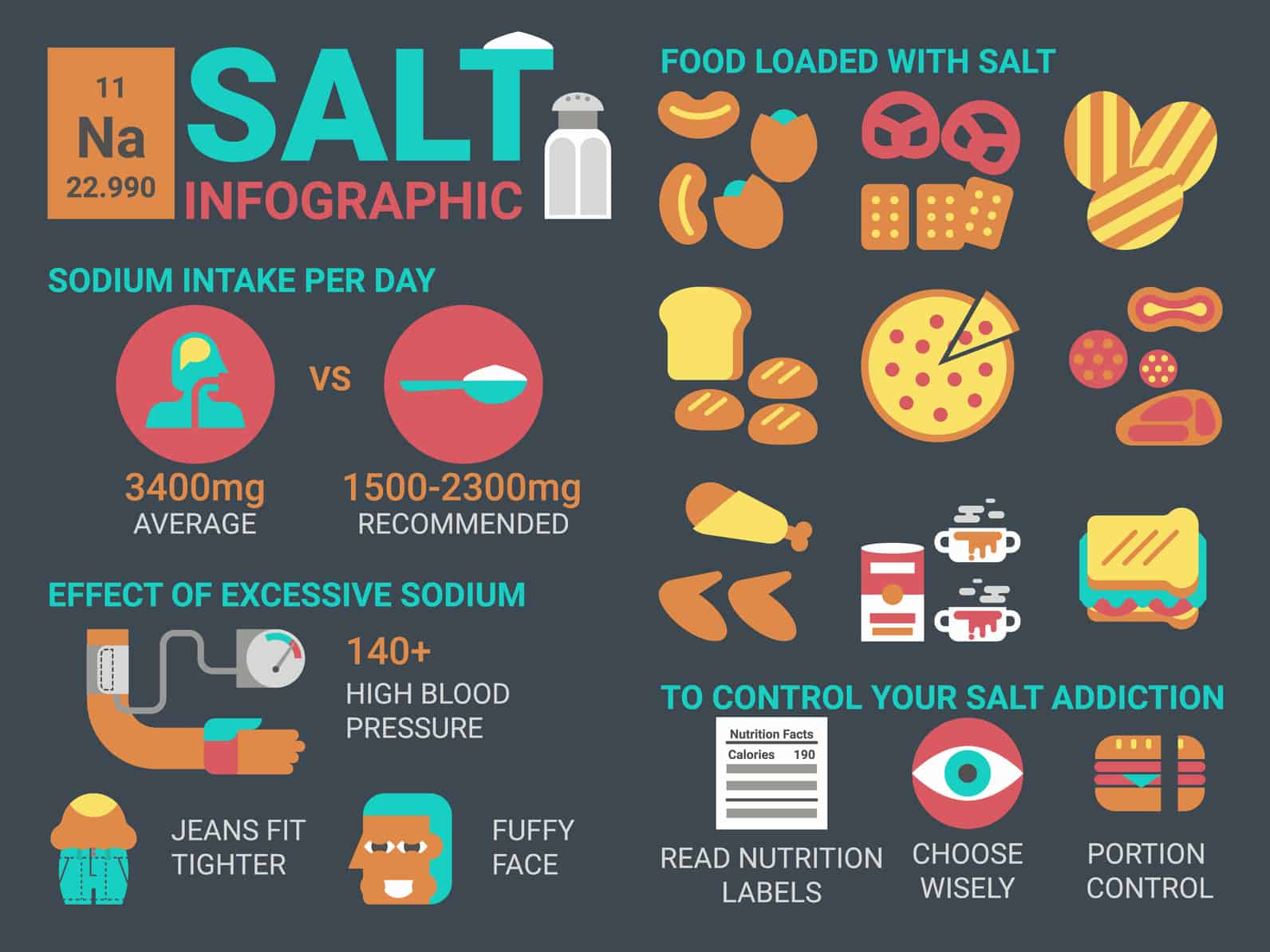
The American Heart Association (AHA) recommends eating 1,500 to 2,400 mg of salt daily. With that said, Americans eat an average of 3,400 mg per day, most of which comes from processed foods. This further exacerbates risks for health problems, because processed foods have very little nutrients, a ton of calories, and a few too many pinches of salt.

To illustrate the dangers of high-sodium diets, a study published in The New England Journal of Medicine found that there are an estimated 1.65 million deaths worldwide linked to high sodium consumption annually. In the U.S., 10 percent of all heart-related deaths are caused by too much sodium. While most people don’t die from eating too much salt, it can still pose other health risks.

Below, we’ll go over what can happen if you consume too much salt and how to limit your added salt intake.

Here’s what happens when you eat too much salt:

hidden salt

1. You start to have kidney problems.

A high-sodium diet increases your risk of developing kidney stones because it increases the amount of calcium in your urine, which is a key factor in the formation of the stones. As you consume more salt, the body holds on to more water to try to dilute the sodium. Your body normally removes excess fluid by filtering blood through your kidneys to draw water out of your blood. However, when you have a diet high in sodium, the kidneys will remove less water, and therefore, your blood pressure increases. This can cause kidney failure because, as your blood pressure rises to accommodate the excess sodium, it puts tremendous strain on arteries leading to the kidneys.

2. Salt can increase blood pressure.

As we briefly mentioned above, people who consume a lot of sodium in their diet have a greater risk of developing high blood pressure. This happens because salt makes you retain water, which makes your heart pump harder. This puts a lot of strain and pressure on your organs, which can lead to heart disease, strokes, dementia, cardiovascular disease, and other serious problems.

3. You feel bloated.

When you consume too much sodium, you retain water, as we mentioned. Most people think of bloating in their abdomen only; however, sodium can cause you to hold onto water throughout your body. Called edema, you can even develop swelling in the feet, legs, and hands due to excess salt consumption. While one night of eating too much salt won’t usually cause severe swelling, over time, fluid retention caused by a high-salt diet can certainly lead to chronic bloating.

4. Salt can cause brain fog.

Many things can cause cognitive impairment, including excess salt. One study published in the Neurobiology of Aging in 2011 found that older people who consumed high amounts of salt and led a sedentary lifestyle had more cognitive decline. Brain fog is usually a sign of inflammation, which can be caused by excess sodium. Also, people who consume a lot of salt usually don’t drink enough water, and dehydration can cause cognitive disturbances as well.

5. It can lead to osteoporosis.

Normally people don’t think of this when it comes to high-sodium diets, but your body loses calcium when you urinate, and the more salt you consume, the more calcium you lose. When you don’t have enough calcium in your blood, it can get leeched out of you bones, which can cause osteoporosis.

Limiting intake of salt

salt

Pin It!

– Avoid or severely cut down on processed foods and take out. Many of these products contain way too much salt and don’t have quality nutrients.

– Make sure you get plenty of potassium in your diet. Potassium can counteract the effects of excess sodium and lower blood pressure. Ideally, you should aim for 3,500 – 4,700 mg per day. Healthy sources include bananas, sweet potatoes, spinach, avocados, and tomatoes.

– Prepare more meals at home, and add sodium-free seasonings to your food. If you look in your local grocery store, you’ll find plenty of choices for seasonings that don’t necessarily include sodium.

– Buy fresh foods such as fruits, vegetables, and meats, and limit consumption of canned foods with added salt. If you do buy canned food, try to find salt-free versions.

6 Exercises You Can Do Without Getting Out of Your Chair

You know that working off extra pounds can mean time spent on fierce exercise, but it can also be something easy that you can do from your chair.

Belly fat is a marker for cardiovascular and other diseases. According to Harvard Health, “a large study of European women ages 45 to 79 concluded that those with the biggest waists (and those with the largest waists in relation to their hip size) had more than double the risk of developing heart disease.” Keeping your heart healthy and lowering your risk of cardiovascular disease means getting rid of your belly fat and deeper visceral fat.

Your abdominal muscles are just waiting for you to try these 6 exercises so they can reveal themselves to you underneath that fat layer.

Here are 6 simple exercises you can do without even getting up:

1. Let it all hang out

Push your belly out as far as you can, making your stomach look big, round and full. This is a move that we usually try not to do because of how we look, but actually by not fully releasing our abdominals, we fail to experience our full range of motion. Excess belly fat can be caused by stress, and muscle tension in our abdominals is one area we store tension and fat in. Push your abs out and hold for a count of 10 seconds. Repeat for 3 sets.

workout

2. Big belly breath

As you inhale, inhale into your belly first. Expanding the belly with air allows the lungs to be supported by a balloon under the diaphragm. This then allows your upper chest to fill with air. These are the 3 parts to a full inhale and exhale that fully expand your belly, mid and upper chest. Focus on several 3-part, full, deep breaths.

3. Bicycle hips

Lift your right hip up off the seat like you are adjusting your position without standing. Then lift your left hip. This alternating hip lift that moves your hips like riding a bicycle is a belly dance move that helps work the lower abdominals. Lift alternating hips for a count of 20. Repeat for three sets.

4. Chest drops

Pilates was originally developed for people on bed rest who weren’t physically able to do most exercises, so since you aren’t incapacitated, sitting all day is no excuse for belly fat. And we know that muscle cells burn more calories than fat cells.

As you inhale, your chest rises. Try lifting your chest by using your muscles, rather than your breath. This move is similar to putting a small arch in your back and sticking your chest out with your shoulders back. Now drop your chest down as if you were punched in the gut, but with a normal exhalation of air. Try 3 sets of 15 drops.

5. Touch your belly button to your spine

This exercise is the opposite of letting it all hang out. Pulling your abdominals in, contract your belly so that you feel like your belly button is going to be able to touch your spine from the inside. You should be able to breathe normally in and out while contracting your belly. Pull your belly button in to your spine and hold for a count of 10 seconds. Release. Repeat for three sets.

6. Breath of fire

A common yoga move, breath of fire is a panting breathing technique that is a great workout for your diaphragm muscle. Your upper abdominals are on top of the diaphragm muscle, which helps the lungs fully inhale. Do the breath of fire by sticking your tongue out and rest your hands on your thighs. Focus on a spot about 6” away on the ground in front of you and pant like a happy puppy.

Although exercises will help, they may not be all that is needed to reduce belly fat. Researchers at the National Institute of Health studied the effect of abdominal exercise on belly fat. They found “Six weeks of abdominal exercise training alone was not sufficient to reduce abdominal subcutaneous fat and other measures of body composition. Nevertheless, abdominal exercise training significantly improved muscular endurance.”

A sitting lifestyle is a modern annoyance, but you can find ways to rid yourself of belly fat without getting out of your chair. Consciously focusing your energy on abdominal strength exercises during your sitting hours will allow you to add healthy activity to a sedentary life.

https://youtu.be/yG-G9_LOkLA

(C)Power of Positivity, LLC. All rights reserved
Sources:
http://shareozone.com/post/6-exercises-flat-belly-can-right-chair/
https://www.health.harvard.edu/staying-healthy/taking-aim-at-belly-fat
https://www.ncbi.nlm.nih.gov/pubmed/21804427

5 Loving Ways To Support Someone Who Just Left An Abusive Relationship

“If you walked away from a toxic, negative, abusive, one-sided, dead-end low vibrational relationship or friendship — you won.” – Lalah Delia

Someone who has recently exited an abusive relationship needs to be treated with respect and compassion. They’re going to need a lot of support to help them get back on their feet. According to The National Domestic Violence Hotline, “Abuse is about power and control, so one of the most important ways you can help a person in an abusive relationship is to consider how you might empower them to make their own decisions.

Many people aren’t sure exactly how to help support someone who has recently left an abusive relationship. It’s always important to know the best ways to support someone in this situation, because you never know when you might be someone’s support network. Here are the best ways to compassionately support someone who has just left an abusive relationship.

Here Are 5 Ways to Support Someone Who Has Just Left An Abusive Relationship

1. Let them talk

Emotional venting is important for people who have recently left an abusive relationship. For some people, their relationship consisted of being silenced by their abusive partner. They weren’t able to talk about their feelings and were often left walking on eggshells. You never know how long someone spent being silenced or being coerced into keeping their thoughts and feelings private. Their abuse may have even consisted of gaslighting.

To be supportive, it’s important to allow them to talk about the abuse they endured. “Let them know that the abuse is not their fault,” adds The National Domestic Violence Hotline. Let them vent, because it might be the first time they’ve been able to in an incredibly long time.

kind

2. But don’t make them talk

As important as it is to be supportive by letting them talk, it’s just as important not to make them talk. Someone who has left an abusive relationship has a lot of emotions. They may not know where to begin when it comes to processing them. They may also not want to talk about the abuse they endured. It’s okay if they want to process things privately. Be a listening ear, but don’t try to force them to talk about anything they don’t want to. If they’re not ready to talk, respect that and let them be silent. Sometimes, silence is the strongest compassion.

3. Use neutral language about the abuser

It might be really tempting to tell someone that their abuser is trash, and that they’re an evil human being. While all those things may be true, a lot of people who come out of abusive relationships still feel loyalty towards their abusers. It’s important to use neutral language when you’re talking to them about their abusers. They will be more likely to open up and talk about their experiences if they don’t feel the need to defend their abuser.

4. Help them find a professional

Sometimes, we don’t have the right things to say. We may not always know how to handle someone’s emotions when it comes to dealing with an abuse victim. Professionals, like counselors and therapists, will have a better time helping someone who has recently left their abusive relationship. Help connect them to a professional and recognize that your advice may not be the best thing that they need right now. Helping them find a professional is one of the most compassionate things you can do when it comes to supporting someone.

5. Let them have a distraction

Abuse victims need to have fun just as much as everyone else. Some days will be better than others. For someone who’s recently left an abusive relationship, getting their life back to normal is incredibly important. If you want to support them, it’s a good idea to allow yourself to be a distraction for them. Make it clear that you still see them as the same person they were, even if they may not feel like the same person. Take them to the movies or spend a day shopping together. It’s okay if they want to pretend like everything is normal once in a while.

Final thoughts

Abusive relationships are life-altering. Some people bounce back to normal quicker than others. If you find yourself in the position of being someone’s support system, it’s important to know the best ways to go about doing it. Everyone has a different idea of what is supportive – some people might take the mothering approach, while others try using tough love. But really, what someone who has just left their abuser needs is compassion. Compassion will help people heal from their abusive relationships. These are the best ways to compassionately support someone who needs it, especially in the wake of leaving their abuser.

https://youtu.be/lO-TMrAyth4

(C)Power of Positivity, LLC. All rights reserved
References:
http://www.thehotline.org/help/help-for-friends-and-family/

10 Foods That Put Your Metabolism Into Fat-Burning Mode

When did you last hear someone say, “I’m trying to lose weight, and I need to eat in a way that supports my metabolism”? It seems we’ve drifted away from this balanced approach, instead focusing on weight loss as a process of rigorous “dieting,” often involving low calorie foods or fat restriction. There’s also an emphasis on exercise, despite the potential for low energy due to these restrictive practices. Finding the strength to work out when we’re not sufficiently fueling our bodies can be a challenge.

It’s essential to understand that our current perceptions of weight loss and dieting might be influenced by widespread misinformation. Unfortunately, the weight loss industry, worth billions, can sometimes propagate deceptive narratives. In some cases, this even includes misrepresentation of scientific studies.

Are Diets Even Effective?

The effectiveness of dieting is frequently brought into question, and for a good reason. The simple yet powerful truth is this: sustainable weight loss is about 80% dependent on eating the right foods. Furthermore, research has shown that conventional diets fail more than 95% of the time. This is a sobering fact that calls for a reconsideration of our approaches to weight management.

Portia de Rossi, in her book “Unbearable Lightness: A Story of Loss and Gain,” poignantly states, “The diet industry is making a lot of money selling us fad diets, nonfat foods full of chemicals, gym memberships, and pills while we lose a piece of our self-esteem every time we fail another diet or neglect to use the gym membership we could barely afford.”

This observation also highlights the high cost of gym memberships and personal training, which may not be affordable or sustainable for many people.

Dr. Yoni Freedhoff, an assistant professor of family medicine at the University of Ottawa and a contributor to the U.S. News & World Report, provides some compelling insight. He explains, “I believe that 95 percent of diets fail people … For at least the past 100 years (and likely many more), dieting has been synonymous with suffering. It’s been “die” with a “t,” where adherents to diets have been instructed to either suffer through hunger and cultivate the skill of white-knuckled willpower, or to consider food to simply be fuel and deny themselves either the dietary indulgences they love the most or eliminate entire food groups.”

Let us take these reflections as an opportunity to reevaluate our understanding of weight loss and nutrition, placing our focus on sustainability, balance, and overall well-being. Let’s remember that the journey to better health is not about punishing restrictions but about nourishing our bodies and minds in a meaningful, enjoyable, and maintainable way.

foods

Eating to Boost Metabolism and Lose Weight

Dr. Freedhoff, unsurprisingly, is a staunch advocate of eating to lose weight. Like millions of other physicians specializing in nutrition and health, he understands the vital importance of incorporating foods that stimulate the metabolism.

10 Foods That Rebalance Your Metabolism So You Can Lose Weight

Here are ten such foods that put your metabolism into fat-burning mode:

1. Beans

Beans are rich in dietary proteins and require a fair amount of metabolic energy to digest properly. Additionally, beans are rich in fiber which – along with protein – is a catalyst for a fueled-up metabolism.

2. Chia Seeds

Chia seeds are packed with omega-3 fatty acids, fiber, and protein. Besides being terrific for both heart and brain health, omega-3’s regulate metabolic rate by affecting the fat-burning hormone leptin.

3. Egg Whites

Egg white, like chia seeds, contain concentrated amounts of fatty acids. Also, eggs whites include what are called branched-chain amino acids, which get your metabolism revved up. Finally, egg whites are packed with protein – and that’s always good for fat-burning!

4. Chili Peppers

Chili peppers contain a chemical compound called capsaicin, which boosts your metabolic rate. Merely adding a tablespoon of chopped chili peppers to your meals throughout the day is enough to obtain their fat-burning benefits.

5. Whole Grains

Unlike processed grains (e.g., white bread and pasta), whole grains break down slowly. This extra digestive effort requires a higher metabolic rate and, you guessed it, this added effort burns more calories. Fiber-rich foods, such as brown rice and oatmeal, are particularly effective.

6. Curry

This Indian specialty provides a few noteworthy benefits. The reason for its nutritional versatility is that curry contains a wide array of different spices – all of which have properties that help burn calories. Among these are ginger and turmeric.

7. Green Tea

Green tea supplements are top-rated for weight loss, although one can get the same benefits from fresh tea. According to a study published in the American Journal of Clinical Nutrition, green tea extract boosts metabolic rate by as much as 4 percent.

8. Lean Meats

Lean meat, such as that found in chicken and turkey, is packed with iron. As it turns out, iron deficiency is one of the most common in developed countries; which is strange considering the abundant mineral sources. (Fortified cereal is another excellent – and vegetarian/ vegan-friendly – source of iron.

9. Cocoa

Studies show that cocoa may help prevent weight gain by reducing the absorption of calories. Additionally, extracts of cocoa activate the genes associated with fat-burning. Dark chocolate containing over 70 percent cocoa (sometimes called ‘cacao’) is best.


metabolism

Share this Image On Your Site

10. Water

No metabolism-boosting article would be complete without water. H2O prevents dehydration, which slows down metabolism; it also promotes proper digestive function – a crucial part of losing weight. Drinking cold water is best, as it forces your body to use more calories for digestion.

Final Thoughts on Eating to Feed Your Metabolism

Maintaining metabolic health is an essential part of our overall well-being. As we have learned, the process doesn’t have to involve grueling diets, expensive gym memberships, or harsh restrictions. Instead, it’s about nourishing our bodies with the right foods that support our metabolism.

The 10 foods highlighted in this article are not only delicious and easily accessible but also packed with the nutrients necessary to fuel our metabolism. Including these foods in our regular diet can help support energy production, aid digestion, and promote a healthy weight, among other benefits.

Remember, it’s not about strictly adhering to a diet but developing sustainable eating habits that nourish our bodies. The key is to have a balanced diet that includes a variety of nutrient-dense foods, and these ten foods are an excellent place to start.

Let’s change our mindset from deprivation to nourishment, focusing on foods that will support our metabolism and contribute to our overall health. This shift in perspective might be what we need to sustainably manage our weight, enhance our well-being, and lead healthier, more fulfilling lives.

It’s your health, and you have the power to influence it positively. Every meal is an opportunity to provide your body with what it needs to function optimally. So, take this information to heart and enjoy the process of nourishing your body, knowing that you’re supporting your metabolic health with every bite.

Dentists Explain 7 Habits That Ruin Your Teeth and Gums (And How to Fix It)

Taking care of your teeth and gums is vital for overall health.

There’s a direct relationship between what goes on in your mouth and what goes on in your body. Indeed, maintaining good oral health can prevent medical disorders such as diabetes, heart attack, and stroke.

Poor oral care invites the accumulation of bacteria along the gum line, which creates a haven for bacteria. Additionally, not regularly brushing and flossing one’s teeth may lead to more severe conditions like gingivitis, periodontitis, and trench mouth.

Eventually, poor oral care begins to show. This may mean the loss of teeth, gum disease, or a severe medical condition such as cardiovascular disease. For those who have lost some or all of their teeth, dental implants offer a durable and natural-looking solution. Many people are now considering the full mouth  dental implants Turkey package deals, which provide a comprehensive and cost-effective approach to restoring a full set of teeth. These packages often cover everything from initial consultations to implant procedures, making it easier to achieve a complete smile transformation. You may see specials here.

Unfortunately, far too many of us have acquired some bad habits. Of course, most of us are unaware of the damage these behaviors cause – and you can cut yourself some slack. It turns out that unless you happen to be a dentist or dental hygienist, you wouldn’t know, and that’s why is so important to visit the dentist Charlotte NC to get the best attention and recommendations for your dental health.

Here are seven habits that can damage your teeth – and what to do about them!

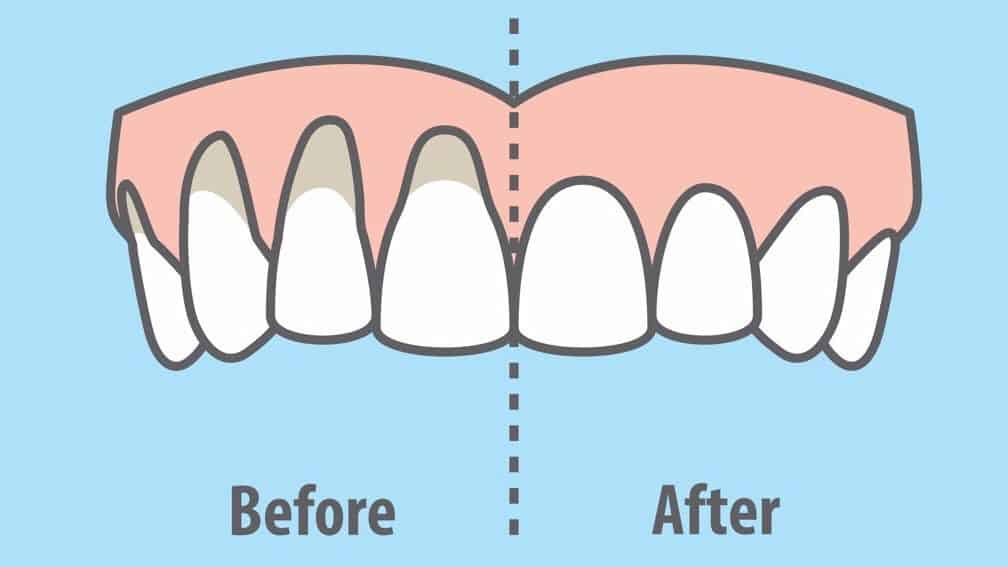
receding gums

RELATED: 5 Easy Ways to Heal Receding Gums Naturally

1. Opening things

Your teeth are not meant to replace a knife, scissors, or bottle opener! Most of us are guilty at some point or another of cracking something open (mainly nuts, bags, and soda bottles) with our chicklets. When we do this, we increase the odds of breaking or chipping one or more teeth.

2. Using tobacco

Not much of a surprise here. Mountains of research link tobacco use with an increased risk of gum disease and oral cancers. Besides potentially acquiring cancer (as if that isn’t a good enough reason!), snuffing and smoking tobacco can permanently stain your teeth.

3. Biting your nails

“Quit biting your nails!!” Does anyone else remember being screamed at for munching on your digits? Well, there are a couple of good reasons.

First, think about how many things our fingers encounter during the day. Throughout 24 hours, we’ll accumulate millions of bacteria on our hands and under our nails. So our chances of getting sick go way up, we may very well chip or otherwise damage a tooth.

4. Piercings of the cheek, lip, and tongue

While considered trendy among some youngsters, piercings anywhere around the mouth are risky. According to the Canadian Dental Association (CDA), these piercings can lead to ‘chronic injury to adjacent teeth and mucosa (inside of cheeks, lips, taste buds), including tooth fracture, and gum recession, which can lead to tooth loss.’

5. Consuming too many acidic foods

Eating too many foods high in acidity (lemons, limes, oranges, etc.) may damage your teeth’ enamel (hard outer layer). Enamel damage dramatically increases the risk of cavities and oral diseases.

6. Clenching the jaw or grinding teeth

People who clench their jaw and grind their teeth generally do so out of nervous habit or stress. While widespread, dental experts claim that jaw clenching and tooth grinding increases the risk of a misaligned jaw and deterioration of the teeth. Furthermore, either habit may cause the surfacing – or worsening of – headaches and jaw pain.

7. High sugar consumption

As a rule, the more sugar eaten, the higher the presence of oral bacteria. As if this isn’t bad enough, sugar consumption also correlates with higher levels of bacteria and toxins in and around other body parts. Surprisingly, throat lozenges are considered products that should be avoided due to their sugar content. And don’t forget…bubblegum also contains sugar!

teeth

Final Thoughts: Reversing Damage to Teeth and Gums

Depending on the severity of any present condition, it may be entirely possible to reverse or limit damage to the teeth and gums. Here are a few pieces of advice, courtesy of the experts.

First, begin practicing excellent oral care. This means thoroughly brushing your teeth twice daily and flossing at least once. Proper brushing and flossing are your two primary tools to guard against damage.

Second, see a dentist if you notice significant gum recession. Receding gums are a common oral problem, and a dentist can prescribe various treatments that can both repair gum tissue and prevent further damage. Moreover, having the opportunity to customise your treatment plan with a trusted provider like The Brace Place means you’re never compromising on quality or appearance. The flexibility and discretion offered by private braces make them an increasingly attractive option for adults and teens alike.

Third, abstain from any behavior or habit that may damage your teeth. Besides not engaging in any of the seven habits mentioned above, it is helpful to be aware of other patterns that may cause problems. According to the American Dental Association (ADA):

  • Binge eating
  • Brushing too hard
  • Chewing ice cubes
  • Drinking too much coffee or red wine
  • Eating too many snacks
  • Gnawing on writing utensils
  • Playing sports without a mouthguard
  • Snack on veggies. For example, cucumbers are a yummy, crispy snack that’s a great alternative to high-sugar or salty snacks and doesn’t harm your teeth. Consuming them also has many other health benefits.
Skip to content