Weekly tips, affirmations, and small actions to feel your best.

12 Behaviors to Never Apologize For

Do you apologize too much, even when it is unwarranted? How about apologizing when it isn’t necessary? Do you say “I’m sorry” when there’s no reason? Some of us are chronic apologizers without even realizing it.

While there are indeed worse offenses than declaring an unnecessary apology, what makes the behavior potentially damaging is the cause and effect. We often state an unnecessary apology out of caring too much about what others think or putting their feelings above our own. Consequently, others may view incessant apologizing as a sense of weakness or lack of confidence. So, by all means, apologize when necessary – but stop saying sorry when you have no reason to.

Why Do Some People Apologize Too Much?

The societal expectation to apologize for our actions or emotions often stems from deeply ingrained norms and codes of behavior. However, it’s critical to distinguish between times when an apology is genuinely needed and when it’s not. Certain things in life don’t warrant an apology. So understanding these instances can lead to healthier and more authentic relationships with ourselves and others.

Let’s look at some of the occasions we might say, “I’m sorry,” even when we should not.

12 Things You SHoulde Never Apologize For

sorry

1. Do not apologize for how you feel

Expressing your feelings is a responsibility in any relationship (plutonic and romantic.) Telling someone how you feel lets them get to know you better, deepening the connection. If someone else has a problem with you constructively expressing your thoughts and feelings, it’s their problem, not yours.

But it’s essential to recognize that everyone’s emotional responses are unique and that they can’t be controlled or modified to fit someone else’s expectations. Researchers at Yale University’s Department of Psychology underscore the importance of emotional expression as a key element in developing platonic and romantic relationships. It can facilitate understanding, empathy, and connection. So, when you’re constructively expressing your thoughts and feelings, remember it’s not your problem if someone takes issue with it, but rather a reflection of their emotional management.

2.  Don’t be sorry about saying “no”

Saying “no” to someone is okay. Of course, most people have no problem with it. While saying no may feel uncomfortable, there is no reason to make an apology for doing so. To be less abrasive, provide a quick explanation as to why saying no is necessary.

Some argue that the power to say “no” is integral to maintaining personal boundaries. It’s perfectly acceptable to decline a request or an invitation, and it’s a critical aspect of self-care. The University of California, Berkeley’s Greater Good Science Center agrees. They emphasize the importance of setting boundaries to maintain mental well-being. Apologizing for saying “no” is unnecessary, and an explanation, while it might soften the perceived blow, is not obligatory.

3. For following your own path

Most of society is still obsessed with the “school, work, family, retire” way of life. Indeed, there is certainly nothing wrong with traditional and conservative advice. However, no one else’s concerned about how others choose to live.

Despite societal norms and traditional trajectories, individuals are entitled to follow their unique path. The American Psychological Association’s APA PsycNET supports the notion that forging your path in life can lead to a more fulfilled and content existence. Your life’s course is your concern, and you should never apologize for living according to your own rules and desires.

4. For your appearance

“Sorry, I look tired.”

“I’m having a bad hair day, sorry.”

Some people will say I’m sorry reflexively, assuming that others don’t like or appreciate their appearance.

Self-presentation is personal, and there’s no need to apologize for your appearance. This aligns with research conducted by Rutgers University that highlights the importance of body positivity and acceptance. As long as you’re comfortable and respectful of your surroundings, your appearance should never warrant an apology.

5. Never apologize for asking questions

Some people hate others asking questions. It’s wasting their precious time, see? Well, that’s too dang bad for them. If you don’t understand something, you don’t understand it and need clarity. If someone takes issue with you questioning something, it’s probably because of insecurity about their knowledge – or lack thereof.

Curiosity and the quest for knowledge should always be encouraged. The University of Washington explains that questions are central to learning. If you want clarity, it’s perfectly acceptable. So there’s no need to apologize for desiring to understand something better.

6. Don’t say “I’m sorry” for taking alone time

You can’t take care of someone else if you can’t take care of yourself. An essential part of self-care is knowing when you need to be alone. Refresh, rejuvenate, and then get back out there. But remember – only you know when YOU are ready.

Self-care and mental health have gained significant recognition recently, with mental health professionals championing the need for regular alone time. It’s a critical part of self-care and rejuvenation. Thus, it should never warrant an “I’m sorry.”life

7. For other people’s behavior

Has anyone ever come to you with sharp criticism about someone else as if you were that someone? They seem not to understand that you aren’t responsible for how someone else acts. Anyways, ignore them; and certainly do not apologize.

You are not responsible for someone else’s actions or behavior. Experts at Stanford University have identified personal responsibility as a key factor in individual development. No one should feel obligated to apologize for someone else’s actions.

8. For not responding right away

Just putting this out there: people who send a text or leave a voicemail with the misplaced belief that they’re the priority are super annoying. Why? Because those same people are more likely to berate you for not responding to them immediately. Because, you know, they are busy. No apologies are necessary.

In the era of instant communication, expectations for immediate responses can be high. However, the University of Pennsylvania affirms the importance of maintaining personal boundaries in communication. Responding at your convenience is wholly acceptable and shouldn’t require an apology.

9. For rightfully being upset

Some folks try to guilt trip others into believing their anger is unjustified. But this isn’t always the case. Sometimes they have a valid reason. The same goes for when and why one is anxious, sad, or depressed. A person has the right to feel how they feel, be it “right” or “wrong.” If they aren’t hurting anyone, expecting someone to be apologetic about their feelings is unfair.

The legitimacy of your emotions is not up for debate. If you’re upset, anxious, sad, or depressed, these feelings are valid. Emotional validation is a critical concept backed by the University of Minnesota. So there is no need to say sorry for your feelings, even when perceived as unfavorable.

10. For standing your ground

If some people had their way, they’d strip freedom of speech from anyone who disagrees with their opinions. When you stand up to them, they act offended, as if you overstepped the boundaries. Forget these types of people. They are toxic. Instead of apologizing, hold firm and let your voice be heard!

Free speech and respectful disagreement are fundamental tenets of a more compassionate society.

11. For being you

The great author and poet Oscar Wilde once said, “Be yourself; everyone else is already taken.” Going a bit further, it’s magnificent to be “weird” or “different,” regardless of what others think.

So go ahead. Be your own person and don’t even consider the idea of apologizing. After all, individualism and diversity are part of what makes life a beautiful thing.

 

apologize

12. Don’t apologize for an honest mistake

Mistakes are an inevitable part of life. Everyone makes a blunder here and there. Unless your error happened to harm someone else, there is no need to apologize. People who insist that you apologize or otherwise explain yourself concerning a mistake that didn’t impact them are not worth your time.

Mistakes are an integral part of learning and personal growth. Making mistakes is a natural part of human cognition and behavior. An honest mistake should never necessitate an apology unless it harms someone else.

Final Thoughts on the Things You Should Never Apologize For

As we navigate through life, it’s essential to remember that not all situations require an apology. Standing firm in your beliefs, asking questions, expressing your feelings, and being unapologetically are just a few examples of situations where an apology is unnecessary. These instances should be recognized as part of your unique human experience rather than something warranting an apology. Recognizing and embracing these aspects of life can lead to a healthier relationship with oneself and more genuine connections with others.
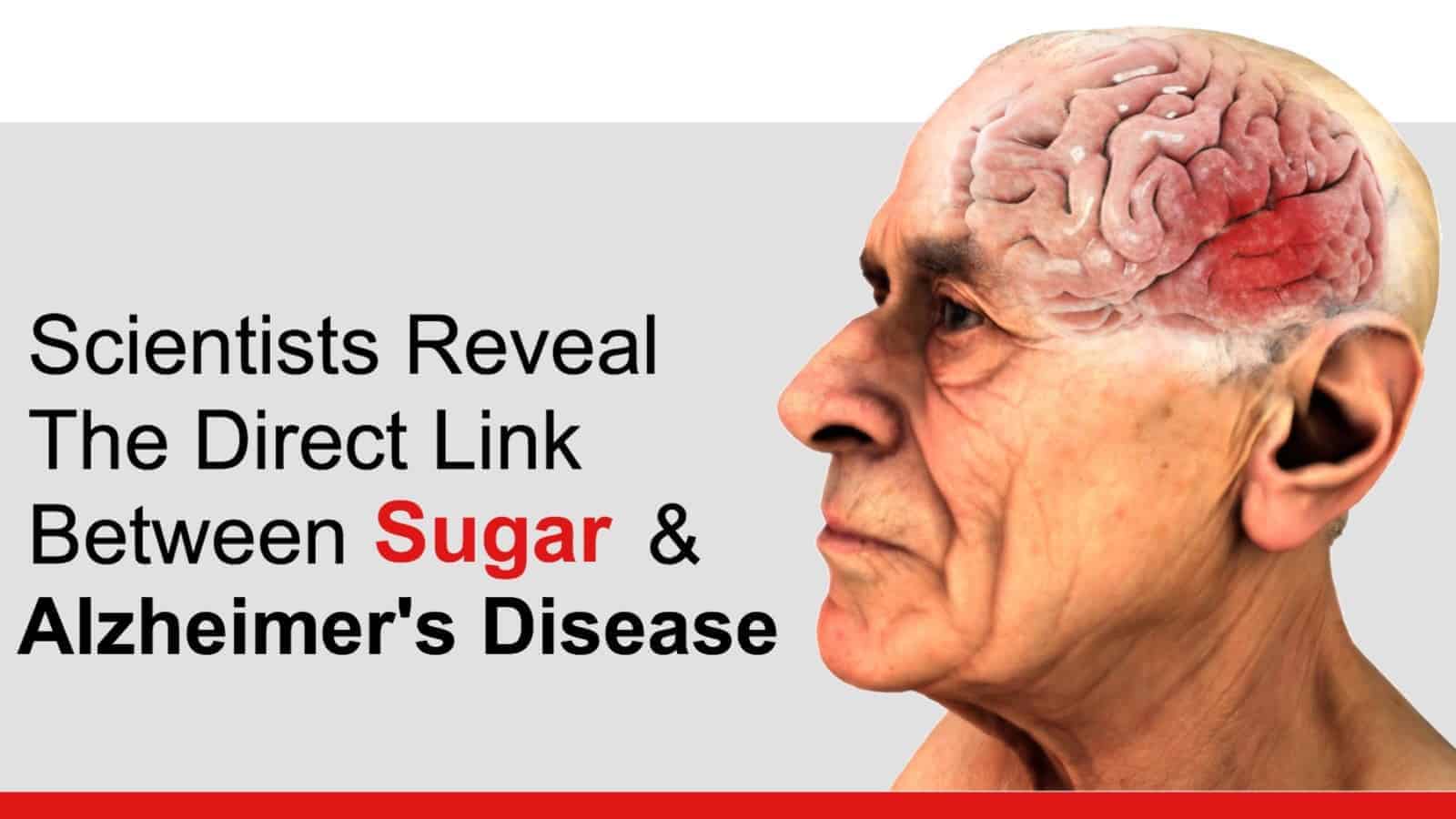
Scientists Explain How Anxiety Can Cause Alzheimer’s Disease

Most people are aware of the tragic outcomes of dementia, including Alzheimer’s, but most do not know that depression is one of the most common preclinical signs of the disease. Researchers from Brigham and Women’s Hospital in Boston, Massachusetts now say that a rise in anxiety symptoms may be an early sign of Alzheimer’s.

“Anxiety disorders are common across the United States, thought to affect around 40 million adults each year … as if these feelings of worry and fear aren’t enough to contend with, a new study suggests that older people who have worsening anxiety symptoms may be more likely to develop Alzheimer’s disease”, says Medical News Today.

The Degenerative Process of Dementia and Alzheimer’s

Cognitive impairments associated with dementia, otherwise known as the degenerative process, begin between 10 to 20 years before dementia symptoms surface.

As a reminder, here are the 10 early onset symptoms of dementia, including Alzheimer’s:

– Difficulty completing familiar tasks
– Difficulty determining time or place
– Difficulty finding the right words during conversation
– Difficulty making decisions
– Difficulty planning and solving problems
– Habitually misplacing things
– Memory loss
– Personality and mood changes
– Vision loss
– Withdrawal from work and social events

Here’s what the research says about the possible connection between Alzheimer’s and anxiety:

The Alzheimer’s Study

For a long time, researchers have been looking into psychiatric conditions that increase the risk of developing Alzheimer’s. Surprisingly, while studies have linked depression to increased risk of Alzheimer’s, relatively little research has been done for its symptoms.

Dr. Nancy Donovan, a geriatric psychiatrist from Brigham and Women’s Hospital, explains:

“Rather than just looking at depression as a (whole), we looked at specific symptoms such as anxiety. When compared to other symptoms of depression such as sadness or loss of interest, anxiety symptoms increased over time in those with higher amyloid beta levels in the brain.”

alzheimers

Amyloid beta, commonly referred to as beta-amyloid, is a protein found in the fatty membrane surrounding nerve cells. A “sticky” chemical substance, beta-amyloid tends to build up into a plaque progressively. Neurologically, it is thought that beta-amyloid obstructs nerve cell (neuron) firing, leading to the decline of cognitive functions.

According to Donovan and her colleagues, Alzheimer’s patients with higher than average beta-amyloid levels tend to experience an increase in anxiety symptoms.

Donovan’s study involves 270 healthy senior citizens between the ages of 62 and 90 years old. Throughout the five-year period, participants would routinely undergo positron emission tomography (PET) scans. PET scans are useful in determining the levels of substances within areas of the brain, including beta-amyloid.

In addition to the PET scans, each participant completed an annual mental health assessment. Researchers were looking for each subject’s self-rating across three primary depressive symptoms using a 30-item depression scale: anxiety, apathy-anhedonia (extremely low levels of motivation), and dysphoria (unease or dissatisfaction with life.)

The researchers discovered that participants with an increase in anxiety symptoms also tested for higher levels of beta-amyloid levels. The effect was not nearly as significant for other depressive symptoms.

In short, this new research shows that worsening anxiety symptoms can be an indicator of Alzheimer’s disease prior to the surfacing of cognitive impairment.

Implications

“If further research substantiates anxiety as an early indicator, it would be important for not only identifying people early on with the disease, but also, treating it and potentially slowing or preventing the disease process early on.” ~ Dr. Donovan

Currently, there is no cure for Alzheimer’s disease (or other types of dementia.) While more research must be done, Dr. Donovan believes that her study may eventually contribute to a cure. Many neurologists think that a cure for Alzheimer’s is within reach – with a possible breakthrough likely within the next five years.

However, prevention is always the best medicine, particularly for brain disorders such as dementia. Now, patients, physicians and caretakers possess convincing evidence that anxiety and depression are a frequent precursor to this devastating illness.

Increasing anxiety and depression levels – particularly among the elderly – should warrant serious caution. As mentioned, it is almost certain that depression is a catalyst for dementia. It is safe to assume that future studies will replicate Donovan’s – adding anxiety disorders and anxiety symptoms to this list as well.

https://youtu.be/CU2LlJxEdJ4

(C)Power of Positivity, LLC. All rights reserved
Sources:
https://newatlas.com/alzheimer-anxiety-early-onset-symptom/52964/
https://www.alz.org/braintour/plaques.asp
https://www.healthline.com/health/alzheimers-disease/signs-of-early-onset-alzheimers#3
https://www.medicalnewstoday.com/articles/320604.php
https://www.sciencealert.com/anxiety-early-manifestation-alzheimer-s-amyloid-beta

Doctors Explain The 4 Worst Types of Headaches (And How to Stop Them)

Do you know what causes common headaches? If not, you’re not alone.

The answer is somewhat complicated: nerves of your head muscles and blood vessels switch on and transmit pain signals to your brain. As to why these signals activate in the first place is perplexing to even the most brilliant minds.

Most of us experience what is called tension-type headaches, which fall into one of two categories: chronic or episodic.

Episodic headaches are the most common and occur sporadically. About 90 percent of all headaches experienced are episodic. Episodic headaches last anywhere from 30 minutes to a few hours. Chronic headaches are more consistent, and occur most days, lasting for days at a time. Because of their frequency, chronic headaches usually require some pain management strategy.

And then some pains do not go away. This rare form of headache condition, which may last for years, is known as new daily persistent headache – and experts have no clue what causes it.

The most frequently experienced pain produces somewhat moderate discomfort, particularly compared to the conditions discussed in this article. Here, we will talk about the five most painful types of headaches, including their symptoms, causes, treatment, and prevention.

How Common Are Headaches?

home remedies for tension headaches

According to the World Health Organization, WHO, headaches are widespread, with almost everyone experiencing them at some point. If they happen often, it’s a sign of a headache disorder. The most prevalent type is the tension-type headache, affecting over a third of men and half of women in developed countries, with similar rates in developing nations. Some people even experience daily affliction.

Migraine is another common headache, affecting 1 in 7 adults globally. It’s less frequent in the Far East and is more common in women due to hormonal factors. Migraines often begin around puberty and are most common between ages 35 and 45. However, they can also impact children.

Headaches can severely impact one’s quality of life, causing pain and distress. Moreover, for some it may affect work and social interactions. Yet, many overlook their significance, including some healthcare professionals. This leads to an underestimation of the emotional, social, and economic impacts of headaches.

The good news is that most headache issues don’t require costly treatments or specialists. Proper care mainly involves recognizing the problem, accurate diagnosis, lifestyle changes, and using effective medications. Most headache treatments are best managed in primary healthcare settings.

Here are the worst types of headaches:

1. Cluster headaches

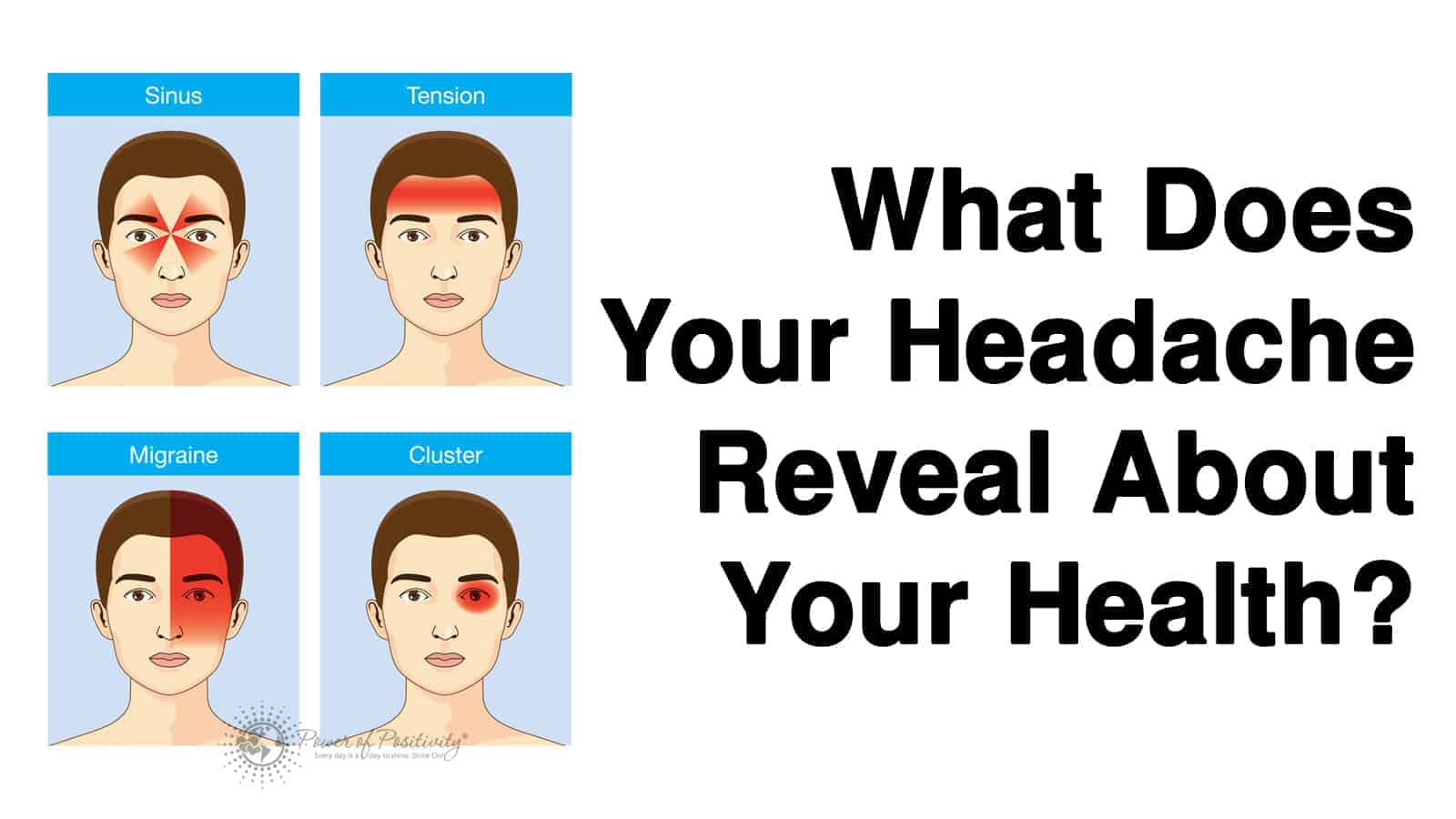
Cluster headaches may be the most painful headache condition. Estimated to affect one in 1,000 people, cluster headaches target one side of the head and are excruciatingly painful. The pain feels burning and piercing, often located behind or around one eye.

Symptoms of clusters include drooping eyelid (on one side), reddening of the eye, swelling, sweating, flushing, and nasal congestion.

Scientists believe that cluster headaches tend to run in families. Triggers of cluster headaches may include alcohol or strong scents (e.g., perfume, household cleaning items, gasoline.)

Treatment for cluster headaches is multifaceted and includes painkillers, nasal spray, and the administration of pure oxygen.

2. Migraine

Similar to cluster headaches, migraines commonly target one side of the head. The pain produced by migraines is often moderate to severe and is often characterized as a throbbing and pulsating ache. Migraine headaches generally last between two and 72 hours.

Symptoms of migraine headaches include nausea, vomiting, blurred vision, lightheadedness, and sensitivity to light. A migraine episode may be preceded by an aura or warning symptoms such as blind spots, light flashes, or tingling on one side of the face, arms, or legs.

Treatment for migraines includes painkillers, anti-nausea medications, and gluticosteroids. Prevention is essential for migraine sufferers who know how to avoid common triggers.

3. Allergy or Sinus headaches

Allergy and sinus headaches occur when cavities within the skull, called sinuses, become inflamed. Allergic reactions may spawn the familiar allergy or sinus pain. Pain is most often located in the front of the head and sinus areas.

Symptoms of allergy or sinus headache include runny nose, fever, swelling of the face, and green and yellowish nasal discharge. Sinus infections are likely to produce sinus headaches as well.

It’s worth noting that migraines are often misdiagnosed as sinus pain. Upwards of 90 percent of diagnosed sinus headaches are, in reality, migraines.

Treatment of allergy and sinus headaches involves nasal steroid sprays, antihistamines, over-the-counter (OTC) decongestants, and antibiotics.

4. Hypertension headaches

Chronic hypertension, or high blood pressure, may produce a hypertension headache. Pain is often moderate to severe and is usually located on both sides of the head.

Symptoms of hypertension include chest pain, vision changes, numbness or tingling of the hands or feet, and trouble breathing. Hypertension headaches arise from dangerously high blood pressure, which is a medical emergency. So please seek immediate medical attention.

Treatment of hypertension varies but generally involves something to monitor blood pressure. Your doctor might prescribe beta-blockers, medications that lower your blood pressure, to fix it. OTC pain medications may help to ease short-term pain.

headache

Final Thoughts: Prevention Is the Best Strategy

Most of us will only ever experience the common, tension-type described earlier. As it turns out, professional advice on preventing tension and migraine-type headaches is (surprisingly) very similar!

For acute and chronic headaches, mild and severe, the most critical advice is to avoid headache triggers, the most common being long-term stress, alcohol, excess caffeine intake, skipping meals, poor sleeping habits, and medication overuse.

Additionally, getting adequate sleep and exercising regularly is very beneficial.

(C)Power of Positivity, LLC. All rights reserved

Therapist Explains 5 Reasons Why It’s Okay To Not Be ‘Everything’ For Your Partner

When it comes to relationships, we can only do so much for our partner. We may want to be their “everything,” but relationship experts agree that trying to do that is only going to make the relationship more strained.

‘You are my everything’ is a lousy pop-song lyric and an even worse relationship plan. No one can be ‘everything’ to anyone. Create relationships outside The Relationship, or The Relationship isn’t going to work anymore,” adds couples therapist Matt Lundquist, LCSW.

After all, we never really know how much “everything” really is. It might just be too much for any one person to handle. It’s okay if you can’t be “everything” for your partner. After all, you only need to be one thing: and that’s yourself. Here are some of the reasons why it’s okay, and even healthy, not to be your partner’s “everything.”

Here Are 5 Reasons Why Its Okay To Not Be “Everything” For Your Partner

“No one can be ‘everything’ to anyone.” – Matt Lundquist

1. You might encourage bad habits

As far as relationships go, we can sometimes find people who enable us to continue down the wrong path. When you try to be your partner’s “everything,” that sometimes includes being their enabler. Not wanting to make your partner upset, or create tension in the relationship, can lead to you encouraging habits that they should be trying to stop. Try not to be the enabler in the relationship. You can be loving and caring while still standing strong on not allowing them to continue bad habits.

what ruins relationships

2. You need boundaries

According to Dr. Deborah Hecker, a relationship expert, boundaries are extremely important in relationships. People need to be able to keep their own individuality when it comes to a relationship. That’s why trying to be your partner’s “everything” can sometimes turn south. If you both start combining your personalities into one, you may find it difficult to exert boundaries when you need to. It’s important, and healthy, to exert boundaries during the early stages of the relationship. When you start doing it early, then you’ll be able to adjust them as the relationship grows together. Some boundaries might disappear entirely, while new ones can be added.

3. You can’t be their parent

When it comes to being your partner’s “everything,” that can sometimes mean that your roles become more like parent and child. According to Marina Edelman, a marriage and family therapist intern, this type of thing can occur after marriage, and especially after having children. This specific type of relationship issue often happens when one of the partners starts to “parent” the other, which leaves more responsibilities and stress to the “parent” partner. As much as you want to be, and do, everything for your partner, you also have to be able to be your own individual adults.

4. You both need friends outside of the relationship

Friendships are practically crucial for any relationship to survive! So many people tend to forget that their friends are still around, especially after getting into an intense relationship. An unhealthy marriage is one where you or your partner become isolated from outside relationships, like friends or family. Relationship experts all agree that maintaining outside friendships is important to keep a relationship last. You need to be able to have time away from your partner. Spending time with people outside the relationship will give you a healthy reality check and keep your relationship strong.

5. You deserve an equal relationship

When you start to be “everything” for your partner, things can become unbalanced. Your partner may start expecting things to be done for them, or they may start expecting the relationship to go a certain way. This can leave you feeling neglected, or that your needs aren’t getting met. Dr. Nicole Martinez, a psychologist and life coach, says that equality in a relationship allows for both partners to feel understood.

This creates more harmony, more willingness to express their thoughts and opinions, but also more willing to hear the other persons in return, as they know that each person’s thoughts and contributions will be of equal weight,” adds Dr. Martinez. When a relationship has uneven parts, or one partner expending more emotional labor than the other, things can become toxic or complicated.

Final thoughts

Being “everything” for your partner isn’t realistic. Even the most perfect and loving relationships can’t possibly provide everything. It’s okay if you can’t be that for your partner. It doesn’t mean that you don’t love them. In fact, it means that you know how to respect yourself and your partner enough to keep the relationship healthy and strong. Relationship experts agree that trying to be “everything” for your partner isn’t a realistic expectation for any relationship. It’s okay if you can only bring so much to the table in the relationship. On the contrary, it’s perfectly normal.

https://youtu.be/lO-TMrAyth4

(C)Power of Positivity, LLC. All rights reserved
References:
https://www.linkedin.com/pulse/boundaries-romantic-relationships-dr-deborah-hecker
https://www.rvcc-inc.org/poc/view_index.php?idx=119&d=1&w=1&e=40696
https://www.eharmony.com/dating-advice/dating-advice-for-you/relationship-not-balanced/
https://greatist.com/play/best-relationship-advice

Psychologists Explain 5 Ways To Let Go Of Toxic Relationships

“Losing will not always amount to a loss, sometimes you have to lose those toxic relationships and bad habits to create a space for better things.” – Gift Gugu Mona

Toxic relationships can be difficult to let go of. Many people get caught in a cycle of going back to relationships that are not good for them. This only creates a cycle of grief and hurt. There are ways to let go of toxic relationships.

Psychologists have worked with people who have had this problem enough to be able to write an entire handbook on the subject. Here is some key advice to letting go and freeing yourself from the grip of a toxic relationship.

new relationships

Here Are 5 Ways To Let Go Of Toxic Relationships

1. Recognize that it’s toxic

The very first step to freeing yourself from a toxic relationship is to admit to yourself that the relationship isn’t okay. You may notice the signs of a toxic relationship and try to justify them to yourself. If you notice that uncomfortable feeling in the back of your mind, it’s called ‘cognitive dissonance’, and it’s your brain trying to protect you from what you know is true.

Take note of the things in the relationship that make you feel this way. Accepting that your relationship is toxic is the first step. Before you can really be free, you have to be aware of all the things that are harming you.

toxic relationships

2. Don’t blame yourself

Relationships are a two-way street. Two people are participating in the relationship, which means that two people are participating in all of the disagreements, arguments, and behavior. You can’t take the blame fully on yourself. If you blame yourself for all of the problems in the relationship, you will find yourself going back to try and fix them. Recognize that sometimes, both parties are at fault for a toxic relationship.

Acknowledge your responsibilities – but only your responsibilities. You don’t need to be putting up with anyone else’s problems in a toxic relationship. When you’re not to blame, there’s no reason to hoist it on yourself.

3. Cut off contact

Cutting off contact is one of the best things that you can do when trying to let go of the toxic relationship. Keeping in contact is only going to make letting go harder. This includes checking up on toxic people who are no longer in your life. Resist scrolling through their social media or asking your mutual friends how they’re doing.

According to Sarah Newman, M.A, you should always follow your gut when it comes to cutting people out of your life. Even though it may sound extreme, Newman advises loosening the ties when it comes to a toxic relationship. In order to move on, you need to be in a place where you’re able to feel neutral about the lack of contact, rather than pain.

raise your standards

4. Find closure

Mariana Bockarova, Ph.D., says that closure is one of the best things for moving on from a broken and toxic relationship. Bockarova acknowledges that closure can help people reconstruct their entire lives in a healthy and productive manner. Finding closure is one way to help you let go of a toxic relationship.

For a lot of people, closure comes from within and recognizing all the ways that the relationship went wrong in the first place. For others, writing one final letter or having the other person acknowledge their toxicity can bring closure. Whatever it is, closure is important for moving on.

5. Use your support system

The most important thing in leaving any toxic relationship and letting it go is having someone there to catch you if you fall. Letting go of toxic relationships can be jarring, especially if they’re long-term. Get together with friends and family who can help support you during the more difficult times.

They can also help keep you accountable when it comes to not checking up people that you have already cut off. Support systems are invaluable when it comes to letting go of toxic relationships. Don’t be afraid to reach out to the people who love you most.

Final thoughts

Once you know the signs of a toxic relationship, the next step is letting it go. If you’re having trouble letting go of a toxic relationship, these are the ways that psychologists have found work best for all kinds of people, and all kinds of toxic relationships. Whether these are romantic, platonic or familial, letting go is a process.

Experts Reveal 10 Foods That Fight Inflammation

Inflammation is a tricky thing. On the one hand, “inflammation serves as a good friend to our body,” says Mansour Mahamazadeh, Ph.D., director of the Center for Inflammation and Mucosal Immunology at the University of Florida. “But if immune cells start to overreact, that inflammation can be totally directed against us.”

When inflammation is “totally directed against us,” we can end up with a number of health problems: immunity problems, joint pain, heart disease, cancer, insomnia, trouble breathing, gum damage, obesity, skin disorders, bone damage, and even psychological issues.

Signs of Inflammation

Per Medical News Today, the symptoms and effects of short-term inflammation (acute inflammation) are represented by the acronym PRISH:

Pain: Inflamed areas are likely to be sensitive to the touch. Inflammation releases chemicals that stimulate nerve endings – this heightens the pain response.

Redness: Capillaries underneath the inflamed area are flush with blood which makes the area appear red.

Immobility: Inflammation can cause the loss of function if located around joints and muscles.

Swelling: The inflammatory response always induces swelling due to the release of histamine and fluid buildup.

Heat: As more blood flows to the inflamed area, it begins to feel warm to the touch.

Chronic (long-term) inflammation can create new and overlapping symptoms including:

– abdominal pain
– chest pain
– fatigue
– fever
– joint pain
– mouth sores
– skin rash

care for your body

The causes, onset period, duration, and health outcomes of acute and chronic inflammation are very different. Acute inflammation is caused by harmful bacteria or tissue injury; chronic inflammation by pathogens, viruses, and overreactive immune responses. Acute inflammation has a rapid onset of symptoms; chronic inflammation is progressive and often slow. The short-term variety lasts a few days while chronic inflammation can last months or even years.

Inflammation and Diet

Per WebMD “In a nutshell, anti-inflammatory foods are those that any mainstream nutrition expert would encourage you to eat.” In other words, plenty of fruits and vegetables, whole grains, plant-based proteins, fatty fish, and fresh herbs and spices.

It goes without saying that proper diet is absolutely crucial to a healthy inflammatory response. As an added bonus, an “anti-inflammatory diet” is both well-rounded and incredibly healthy!

Here are 10 foods that fight inflammation, according to experts:

1. Blueberries

Besides being delicious, blueberries are loaded with anti-inflammatory agents. In fact, it’s one particular antioxidant – anthocyanin – that provides many of these health benefits and gives the fruit its beautiful deep-bluish hue.

Blueberries are also low in sugar, high in fiber, and contain plenty of the vitamins A, C, and E.

2. Bone Broth

Bone broth contains a number of healing agents including collagen, gelatin, and amino acids. Broth also helps give the bones strength with a healthy dose of calcium and keeps our body humming along with plenty of magnesium and phosphorous.

3. Broccoli

Broccoli may be a somewhat “boring” vegetable (thanks, childhood!), but it is nonetheless one of healthiest. Actually, broccoli is classified as a ‘superfood’ – a rare designation befitting of its nutrient- and vitamin-packed goodness.

4. Dulse

Okay, so if you’re one of the five people who recognize this food, go ahead and give yourself a pat. For the rest of us, dulse is a sea vegetable that happens to be one of the healthiest foods around. This seaweed contains plant-based protein, iron, iodine, fiber, and potassium aplenty.

5. Kale

Kale is also a member of the prestigious ‘superfood’ group – and is one heck of an inflammation fighter. Packed with antioxidants and phytonutrients, kale helps promote cellular health and is a natural detoxifier. Kale is rich in vitamins A, C, and K; calcium, fiber, iron, magnesium, and other amino acids.

6. Mushrooms

Mushrooms may be the most versatile food on this list in terms of health benefits. ‘Shrooms are an anti-microbial, anti-inflammatory, and antiviral food. They contain potent antioxidants including one, in particular, ergothioneine, that pounds inflammation into submission. Mushrooms are also an excellent source of B vitamins, fiber, and protein.

7. Pineapple

Who knew that something as delicious as pineapple could be so healthy? This fibrous fruit contains health-promoting enzymes which also ease digestion, boost immune system function, and reduce inflammation in the gut.

8. Salmon

Wild salmon is a fantastic source of omega-3 fatty acids, which are among the most potent anti-inflammatory substances. Omega-3s are also known to reduce the risk of chronic illness and improve mental health and cognitive function. Salmon is abundant in protein and tons of minerals including potassium and selenium, and vitamins B-3, B-12, and D.

9. Sauerkraut

Sauerkraut is packed with probiotics which are crucial to improving and maintaining digestive health. Healthy gut bacteria also helps keep inflammation in check. Besides probiotics, sauerkraut is crammed with vitamins C and K, fiber, and iron.

10. Spices and Herbs

More specifically, garlic, ginger, and turmeric. All three are excellent for warding off and neutralizing inflammation. Turmeric contains curcumin, which is one of the best compounds for cellular health; ginger is an excellent immune booster, and garlic is a natural antifungal agent!

https://youtu.be/yG-G9_LOkLA

(C)Power of Positivity, LLC. All rights reserved
Sources:
http://www.health.com/health/gallery/0,,20898778,00.html
https://www.healthline.com/health/food-nutrition/anti-inflammatory-food-list
https://www.medicalnewstoday.com/articles/248423.php
https://www.webmd.com/diet/anti-inflammatory-diet-road-to-good-health#1

7 Habits That Reveal Authentic People

“To be yourself in a world that is constantly trying to make you something else is the greatest accomplishment.” ~ Ralph Waldo Emerson

Just to make this clear from the get-go, this article is not intended to label ourselves as “real” or “fake.” If we’re honest, we should have no problem acknowledging the fact that no one, including us, acts one way or the other all the time. We are human, after all!

Moving On…

With our fallibility in mind, to remain faithful to yourself in today’s society takes courage. We are all pressured to conform in some respect – and this is partially because we highly value people perceived as “real.” In contrast, most of us utterly despise those who come across as “fake.”

Just as there are habits that may indicate a “fake” person, there are habits that generally indicate when someone is “real” or authentic.

Here are seven habits of authentic people:

1. Authentic people are honest

Kind of a no-brainer, but here you have it. Honesty is a prerequisite for authenticity, not to mention a trait that is becoming increasingly rare. Authentic people are not afraid to speak up no matter the circumstances. Relatedly, people with authentic personalities do not hesitate to admit when they’re wrong – it happens.

Fake people have a tendency to speak mistruths. In fact, it’s this habit that often leads to a faker being exposed.

2. Authentic people do not fear rejection

Many of us walk on eggshells in fear of what others think. Authentic people don’t have this problem. They understand that some people will like them and others won’t – no big deal. There is one important distinction: being conflict-averse is not the same as being fake. People who are shy or anxious, for example, will often avoid conflict by holding something back.

Fakers, on the other hand, will say whatever gibberish comes to mind if it makes themselves look better.

powerful

3. Authentic people have their own expectations

Genuine people don’t concern themselves with the expectations of society. Because of this strong sense of individualism, they’re often cast as misfits or outsiders. No matter how difficult, an authentic person tries to resist the influence of external beliefs and standards, including those of family and friends.

People that are less than authentic are more vulnerable to voicing beliefs and ideas that aren’t necessarily their own. As a result, they are more likely to live a life they never wanted in the first place.

4. Authentic people love deep conversation

It was Eleanor Roosevelt who once said: “Great minds discuss ideas; average minds discuss events; small minds discuss people.” The odds are pretty dang good that you’ll never find an authentic person engaging in gossip or otherwise pointless banter. Instead, real people love real conversations – deep, meaningful, genuine discussions.

In other words, we can pretty much forget about making celebrity and reality television as central points of discussion.

5. Authentic people don’t pass judgment

People who are authentic are open-minded, flexible, and approachable. In other words, they do not pass undue judgment on someone else’s character. It is easy to have a conversation with a genuine person because they know that they are going to pay active attention and be thoughtful in their responses.

Fake people are quick to pass judgment onto others – often without even making an attempt to get to know them. They are likely to hold onto these abruptly ignorant opinions, often expressing them at the expense of some undeserving person.

6. Authentic people are self-assured

When you’re true to yourself, it’s much easier to remain cool, calm, and collected. Social anxiety goes out the window and confidence comes in. While none of us are free from insecurities, authentic folks find a way to keep their light shining.

Untrue people are typically more worried about what others think than remaining faithful to themselves. This is too bad, as they probably have something to offer to the world – if they would only let go of deep-seated uncertainty.

7. Authentic people are optimistic

While maintaining a sense of realism, authentic people are generally more optimistic than not. Much of this is attributable to how they choose to think and live – even in the most challenging of circumstances.

One important and often overlooked aspect of optimism is the ability to understand what is and is not within one’s control. For example, someone in a stressful work environment can do one of two things: fret and complain or make the best of the situation. An authentic person is far more likely to make the best of the situation – in nearly every situation.

One more quote worthy of committing to memory:

“Be who you are and say what you feel, because those who mind don’t matter, and those who matter don’t mind.” ~ Bernard M. Baruch

(C)Power of Positivity, LLC. All rights reserved
Sources:
https://www.goodreads.com/quotes/tag/be-yourself
https://www.linkedin.com/pulse/importance-being-genuine-dr-travis-bradberry
https://www.psychologytoday.com/us/blog/the-squeaky-wheel/201503/the-7-habits-truly-genuine-people
http://www.talentsmart.com/articles/10-Unmistakable-Habits-of-Utterly-Authentic-People-2147446679-p-1.html

10 Behaviors A Narcissist Shows In A Relationship Before Revealing Themselves

“(The signs of narcissism) depends on what kind of narcissist you’re dealing with. The obvious kind, the overt, or the more insidious type, the covert narcissist.” ~ Jasmin Berrera

Narcissism or narcissistic personality disorder is “a mental disorder in which people have an inflated sense of their own importance, a deep need for admiration, and a lack of empathy for others.” A narcissist will often display a false persona of extreme self-confidence that is ultra-sensitive to even the slightest criticism to account for their innate insecurities.

How do you know if the person that you’re dating or have dated is a certifiable narcissist? As Ms. Berrera touches on in the initial quote, “overt” narcissists demonstrate clear signs of the disorder. On the other hand, “covert” narcissists are much more discrete, although gathering “intel” with astute observation may be possible.

Multiple problems may arise when dating a narcissist, but perhaps the worst damage is that inflicted on the other person’s self-esteem. Dating a toxic person can be a confusing, despondent experience that slowly erodes the victim’s sense of self-worth. It isn’t unusual for the person to be diagnosed with clinical depression or even post-traumatic stress disorder (PTSD).

According to psychologists, therapists, and other experts, here are ten common behaviors that a narcissist displays in a relationship:

1. The Need to be The Center of Attention

A narcissist’s ego is analogic to a semi-truck’s fuel tank: huge and quickly depleted. And guess what? Your attention is the gas station. Bad analogies aside, a narcissist always need to be at the COA. If not, they’re deeply unsatisfied – and when they’re unsatisfied, you can guarantee that they’ll make your life a living nightmare.

2. They Hoard Conversations

Do you notice how most normal conversations involve the “sharing of words?” There’s a reason for this: social etiquette. The problem, of course, is that social niceties just do not apply to narcissists. Combine the need to be at the COA with the tendency to hoard conversations, and you get a partner who won’t stop talking about themselves.

3. They Are Scheming

Narcissists are schemers. If they aren’t actively executing some sort of trickery, they are in the planning phase. Narcissists will commonly make unreasonable demands not only of their partner, but also of their partner’s close inner circle of friends – and even family.toxic

4. They Feel Entitled

Narcissists believe that anything worth doing is worth finding someone else to do it right. While most of us pull up our pants and get to work doing what we need to do, a narcissist believes honest effort to be beneath them. In a relationship, this entitled point of view is evident by their unwillingness to carry their weight.

5. They Are Grandiose

This person’s view on what to expect – in terms of money, possessions, attention, love, etc. – is grandiose and highly unrealistic. Have you ever seen the movie ‘The Great Gatsby?’ Well, the unwieldy mind of a narcissist is laughingly comparable.

6. They Violate Boundaries

Narcissists could care less about their partner’s need for space. This is evident by their complete disregard for the feelings and thoughts of other people. It isn’t unusual for a narcissist to break promises and dismiss obligations – and without the slightest expression of remorse.

7. They Embody Negativity

Narcissists get off on arousing the negative emotions of other people. For some twisted reason, displays of anger, stress, anxiety, and others make a narcissist feel powerful and self-assured. Flip the script, however, and the person quickly dons their rightly-deserved “Drama Queen” hat, verbally admonishing or otherwise acting extremely immature towards their partner.

8. They Are Rule Breakers

Given that narcissists are chronic boundary violators, it should come as no surprise that they aren’t fond of rules. This applies even when the violation of a rule (e.g., a law) carries potentially serious repercussions. In the context of a relationship, they may refuse to adhere to set relational norms like coming home on time, sharing important responsibilities, or meeting financial obligations.

9. They Display a False Persona

It is important to understand that self-preservation is a narcissist’s top priority. One reason why those with Narcissistic Personality Disorder project an alter ego is to keep their perceived “damaged goods” – the person they’ve become – from being found out. Narcissists who are found out typically are not adept at keeping their alter ego under wraps.

10. They Have No Close Friends

Finally, the last telltale sign of a narcissist involves their social circle – or lack thereof. If a narcissist does have “friends,” they are there for one reason and one reason only: to service their immense ego. As normal friendships typically involve a “give and take” sort of attitude, a narcissist’s inability to reciprocate kindness often leaves them completely alone – which is what they prefer anyway.

4 Phrases Manipulators Use to Make You Think They’re Harmless (And How to Respond)

Most people don’t realize when they’re being manipulated. This is because manipulative people are good at what they do. They tend to use certain phrases that can make them seem like they’re entirely harmless. Most people don’t realize that these are the hallmark phrases of an abuser – or know how to respond when they’re met with them. Here are the common phrases that manipulators use and how to stop them in their tracks.

Here Are 4 Phrases Manipulators Use to Appear Harmless

toxic

1. “Look what you made me do.”

This is one of the key phrases that manipulators use. It makes them seem like they’re not in control of their actions. They want you to think you are the reason for their behavior. This phrase can be particularly jarring, especially when the manipulator has done something to punish you for a perceived slight against them. Manipulators are particularly fond of this phrase because it can be used to control other people by making them hyperconscious of their words and actions.

How to respond?

“I didn’t make you do anything”. It is key to standing your ground and letting a manipulator know you won’t fall for their tricks. You don’t have control over anyone but yourself. A manipulator has control over their actions. Don’t let them trick you into thinking they don’t. According to Preston Ni, M.S.B.A, it is vital to avoid self-blame when it comes to a manipulator and make sure to keep the responsibility of their actions on them.

2. “You’re acting crazy.”

Manipulators want to get into your head and make it seem like you don’t know what you’re talking about. When you try to bring up a problem that you have, a manipulator will often respond with “You’re acting crazy”, or something similar. They may also accuse you of being irrational or insist you’re not making sense. This is to get you to back off and to reframe them as the logical person in the argument.

How to respond?

Stay calm and collected. You may feel yourself getting more and more frustrated, but it’s important to stand your ground when it comes to responding to this phrase. State your position clearly and calmly, and refuse to get caught up in trying to prove that you’re being rational.

3. “You’re overthinking things.”

Manipulators love using this phrase to make it seem like whatever concerns someone has are just a figment of their imagination. If a manipulator deliberately does something to upset you, they may claim that you’re just ‘overthinking’ it when you try to confront them. Pattern recognition is important when it comes to avoiding manipulators, and this is one of the most giant red flags.

How to respond?

This phrase may be the beginning of a manipulator trying to gaslight you. If you are ever told you’re overthinking something, trust your gut instinct. Say, “I am thinking clearly, and I need you to respond to my concerns.” Forcing the manipulator to face their actions is a key step in responding to their manipulation.

4. “I’m sorry.”

Most people would be over the moon if they got an apology from someone who had hurt them. But “I’m sorry” is a manipulator’s favorite phrase. This is because a manipulator will use the “Catch and release” tactic when manipulating. A manipulative person will repeatedly apologize without ever actually modifying their behavior. But since they always apologize, it seems like they’re trying to be better … even when they’re not.

How to respond?

“Thank you for apologizing, but I’m not ready to forgive you until I see a change in your behavior.” According to Preston Ni, controlling your boundaries is key to handling a manipulator. Knowing how to say “No” will help keep you safe when responding to manipulation. If someone doesn’t change their behavior, they need to know that you can see right through them.

manipulators

Final Thoughts on Manipulators

“The basic tool for the manipulation of reality is the manipulation of words. If you can control the meaning of words, you can control the people who must use the words.” – Philip K. Dick

Manipulators know their targets’ weaknesses. A manipulator deliberately “creates an imbalance of power and exploits the victim to serve his or her agenda,” concludes Ni. They also know how to act and usually have just the right things to say to make them seem more innocent than they are. Being able to respond to common manipulative phrases will keep you from getting caught up in a manipulator’s web.

(C)Power of Positivity, LLC. All rights reserved
Skip to content