Weekly tips, affirmations, and small actions to feel your best.

Here’s Why Toxic People Project Their Toxicity

When the toxicity gets to be too much, remember these facts.

We all live in a world with a wide range of people with unique personality traits – and shortcomings. That makes it essential to understand why some people develop toxic behaviors. Perhaps more importantly, we must understand why they then project their toxicity onto others. 

This article will help you better understand the psychology behind such toxic behaviors. It will also help you realize why they may behave so badly. But why does that matter to you? A little empathy might help them get on the right track. 

Understanding the Bad Behaviors of Toxic People

Toxic behavior is a term we often use in casual conversations, but we may not pause to understand exactly what it means fully. The terminology refers to those actions and attitudes that can harm or negatively impact the well-being of those around them.

The behaviors are many. But they can include the following:
toxic people

Subtle manipulative behaviors

Here’s a hypothetical example. Imagine you work with a colleague called Jane. She often notices and compliments you for all your hard work. But then she uses that flattery to trick you into taking on her share of the company’s workload. While it’s disguised as kindness, she’s actually manipulating you. 

Overt aggression

Let’s look at another hypothetical scenario. John, your co-worker, often raises his voice and bullies other team members when they make minor mistakes. He openly threatens to report co-workers to the manager, thus threatening his teammates’ source of income. John uses aggression and fear to manipulate people. But he does tend to get his way in the workplace.

 On the surface, these seem like pretty mean people. But if you could peel their behaviors back like an onion, you would likely find many personal struggles and psychological issues.

What Causes Toxic People to Behave This Way?

Toxicity is usually an incredibly complicated issue. We’ll look at some hypothetical toxic people and their projections to illustrate each point. Here are a few factors that might explain the “why” of such unacceptable behaviors:

Toxic people are insecure and have low self-esteem

Often, people who exhibit toxic behavior battle deep-rooted insecurities. They also have a pervasive sense of low self-worth. These negative behaviors, such as overly critical comments or sarcastic remarks, can secretly be a shield to protect their fragile self-esteem. 

For instance, Emily is insecure about her professional achievements. To cover her insecurity, she frequently undermines her more successful colleagues. She may do this not to diminish their accomplishments but to cover up her inadequacies – real or perceived.

Toxic people and past traumas

Traumatic past experiences can play an enormous role in shaping current toxic behaviors. Individuals with unresolved traumas might unconsciously project their internal conflicts onto others. 

For example, David was neglected in his childhood. Today, he destroys relationships with his clingy or overly suspicious behavior when he meets someone new. This projection is a way to cope with deep-seated fears and anxieties rooted in past experiences.

Toxicity means a need for control

For some, exhibiting toxic behavior is a means to exert control, often stemming from a sense of helplessness in other areas of their life. This need for control can manifest as micromanaging in the workplace or extreme possessiveness in personal relationships. 

Take Sarah, who feels out of control in her personal life. She learned to be overly controlling at work, imposing strict rules and monitoring her team’s every move. This behavior is how she compensates for her feelings of vulnerability elsewhere.

Toxic people and environmental influences

The environment one grows up in, including family dynamics, societal pressures, and cultural norms, significantly impacts the development of toxic behaviors. These behaviors are often both internalized and normalized over time. 

An example of this is Alex, who grew up in a family where parents often resolved conflicts through yelling. In that case, Alex might adopt this behavior unconsciously, believing it to be a normal communication method. The learned behavior reflects the environmental influences that shaped his understanding of interaction and conflict resolution.

The Projection of Toxicity

Projection is a psychological defense mechanism. During this process, toxic people transfer their unwanted feelings, thoughts, or traits to another person. 

The concept of manipulation in close relationships has been studied extensively. That included looking at its connection with different personality traits. Research conducted by the University of Michigan and published in the Journal of Personality identified twelve manipulation tactics used in close relationships. 

They also linked these manipulative tactics to five major personality dimensions. As a result, they connected how individual traits influence the use of specific manipulative behaviors. The study’s findings highlight the complexity and variety of manipulation in interpersonal relationships, underscoring the importance of understanding personality factors​​.

This research can provide valuable insights into the behaviors of toxic people. These primarily include blaming others, judging and criticizing, and manipulating relationships. By understanding the psychological underpinnings of these behaviors, we can better navigate and address the challenges posed by toxic relationships.

toxic people

Here are three ways toxic people might project their toxicity:

Blaming other people for their setbacks

Toxic individuals often blame others for their shortcomings or failures. This projection is a way to avoid facing their issues. It helps them completely avoid responsibility or fixing their setbacks.

Judging and criticizing

Persistent judgment and criticism towards others can be a projection of their internal self-criticism and dissatisfaction.

Manipulating relationships

Toxic people might manipulate others to fulfill their needs. Thus, they frequently project their insecurities and desires onto those around them.

How to Deal with Toxic People Effectively

Toxic people present a challenge – you want to understand or help them. But it would be best if you did so in a way that doesn’t trap you in their negativity. 

Some find it easier to disassociate themselves from the toxicity. But that might be nearly impossible in some situations (like within a workplace). 

Setting boundaries with toxic people

Establishing firm boundaries is essential when you are dealing with a toxic person. For example, imagine John, who limits communication with a co-worker who belittles him often. John communicates very clearly what behavior he won’t tolerate. He also limits interactions strictly to professional necessity. This decision was wise, as it safeguards his emotional well-being when dealing with the toxicity.

Practicing empathy

Understanding the reasons behind toxic behavior doesn’t excuse it. However, it can help someone take a more empathetic approach. 

Consider Lily, who realizes her friend’s constant barrage of critical comments stems from an unresolved insecurity. By understanding this, Lily can approach interactions compassionately while maintaining her boundaries.

Seeking support when dealing with someone’s toxicity

If toxic behavior impacts you deeply, it’s important to seek support. In the worst cases, a support network may be a significant other, a friend, or even a professional counselor.

Take the case of Sam, who feels overwhelmed by a family member’s manipulative tendencies. Sam reaches out to friends to ask for support. While Sam’s friends are concerned, they can’t offer much guidance. Eventually, Sam seeks the help of a therapist for guidance and support. This network can provide the necessary perspective and coping strategies to handle the situation effectively.

Self-care is essential when coping with toxicity

Dealing with toxic people is stressful – physically, mentally, and emotionally. Spending time after dealing with their behaviors is helpful to decompress and look after your needs. You might like exercise, journaling, or saying affirmations. You do whatever helps you reclaim your positivity.

Maria has a close family member constantly belittles her, making her feel small. She knows the person started doing this to feel better after a traumatic incident. While somewhat puzzled by this behavior, she tries her best to be kind. The person’s hurtful words leave her incredibly frustrated. But she has a good way to cope. After interacting with this family member, she runs three miles to “sweat out” the anger that builds up. It works like a charm for her!

Note: Alex, Lily, Sam, and Maria are not real people. Instead, they are merely hypothetical examples to illustrate these strategies.
toxicity

Final Thoughts: Toxic People Project Toxicity, But You Can Counter Their Tactics

Understanding the roots of toxic behavior is the first step toward healthier relationships and creating more compassionate environments. It’s important to approach this topic with kindness. It’s also helpful to desire to understand rather than judge that other person. 

Change starts with awareness. And awareness starts with an often difficult but necessary conversation.

When you explore the complexities of human behavior, we can create a more empathetic, kinder, and supportive community where positivity and mental well-being are at the forefront. 

Let’s leave this with some food for thought: What will you do the next time you have to deal with a toxic person? 

71-Year-Old Wins Diving Gold Medal, Vows to Compete Until 90

Meet an incredible senior who proves that age is just a number.

Sports news is often a youth-dominated world of sports. In the sporting world, age is frequently viewed as a limiting factor. However, extraordinary stories occasionally surface. These incredible exceptions to the rule show people breaking through these age-related barriers. They also help in redefining our perception of what it takes to compete. One such awe-inspiring tale is that of 71-year-old diver Jorge Zegarra. Zegarra’s recent triumph in a global diving competition has become a poignant reminder that age is, indeed, just a number.

The Unwavering Spirit of Jorge Zegarra

Jorge Zegarra’s journey to the top of the diving world is a story of resilience, dedication, and passion. Returning to the sport after a significant hiatus, Zegarra, who dedicated 36 years to working within the diving federation, faced the daunting challenge of re-entering a highly competitive environment. Because of his dedication, his remarkable comeback came at the age of 71. His triumphant return speaks volumes about his enduring love for diving and his commitment to excellence.

Zegarra embarked on a rigorous training regimen, setting his sights on the prestigious World Aquatics Masters Championships in Kyushu, Japan, in 2023. 

This event is usually known for promoting swimming across generations. It also famously provides a sense of community among participants and local citizens. Thus, the location was the perfect stage for Zegarra to compete again.

compete diving

A Golden Performance Against All Odds

Competing in the 70-74 age category for the 10-meter platform diving event, Zegarra stunned audiences and competitors alike with his exceptional performance. Scoring an impressive 120.40 points, Zegarra showed the world not only his technical prowess but also his unwavering spirit. Zegarra’s victory, securing the gold medal against accomplished divers like British Jim McNally and Belgian Giovanni Dolcimascolo, transcended the sport itself.

This win was more than just a medal for Zegarra. Many observe how it was the culmination of a lifelong journey in diving. His coach, Gioconda Cabrejos, shared the immense joy and pride this sports medals achievement brought, highlighting the significance of this moment in Zegarra’s career.

A Testament to Timeless Passion and Determination

Jorge Zegarra’s story is a powerful example of how age need not be a barrier to achieving greatness. In fact, his resolve to continue pursuing his passion for diving into his 90s reflects a mindset that challenges conventional views on aging and athleticism. Zegarra’s dedication to his sport inspires individuals of all ages and backgrounds. As a result, he shows how it’s possible to compete with passion and perseverance.

Breaking Age Barriers Beyond Sports

The story of Jorge Zegarra resonates beyond the world of sports. It finds a similar story in the journey of 73-year-old model Colleen Heidemann, who has similarly shattered age stereotypes, this time in the fashion industry. Heidemann’s successful modeling began a career at an age when most would consider retiring. Hers is the tale of belief in one’s limitless potential to pursue one’s passions without regard for age.

Other Inspiring People Who Were Able to Compete in Their Senior Years

kristen butler quote

The world is chock full of senior citizens who continue to defy age and achieve remarkable feats in various fields. In addition to Zegarra and Heidemann, you may enjoy reading about these inspiring senior citizens:

Seniors who continued to compete into their golden years:

  1. Hiromu Inada: At 86, this Japanese Ironman athlete became the oldest person to complete an Ironman triathlon. That grueling race includes a 3.86 km swim, a 180.25 km bike ride, and a full marathon.
  2. Iris Apfel: A style icon and New Yorker, Apfel, at 98, signed a modeling contract with IMG Models. Thus, she left her enduring impact in the fashion industry.
  3. Ernestine Shepherd: This 83-year-old from Baltimore began her journey as a bodybuilder at 56 and holds the title of ‘oldest competitive female bodybuilder’ by the Guinness Book of World Records.
  4. Kathryn “Kitty” Hodges: At 103 years old, Hodges became the oldest female tandem skydiver, proving it’s never too late to embark on thrilling adventures.
  5. Betty White: The legendary actress, well-known for her role in “The Golden Girls,” continued her acting career and humanitarian work well into her 90s. Of course, White was beloved by all. Largely, she earned respect for being a perfect example of career longevity.
  6. Harriette Thompson: This American runner ran her first marathon at 76 and continued running marathons into her 90s. She set a record for the fastest marathon time for a woman over 90 to compete at the San Diego marathon.
  7. Julie “Hurricane” Hawkins: At 105, Hawkins became the first female track and field athlete to set a world record in the 100-metre dash for the 105+ division.
  8. Nola Ochs: Ochs made headlines as the oldest person to graduate from college at age 95. Later, Ochs went on to complete a master’s degree.
  9. Rosemary Smith: At 79, this Irish race car driver became the oldest person to drive a Formula 1 car.
  10. Teiichi Igarashi: At 100, Igarashi became the first centenarian to climb Mount Fuji, Japan’s tallest mountain.
  11. Dame Judi Dench: Achieving fame in her 60s, Dench has received all seven of her Oscar nominations after age 60. Dench won the honor of Best Supporting Actress at 64.
  12. Momofuku Ando: At 61, Ando formed Nissin Corporation. They famously became the producers of Top Rame and Cup Noodles. As a result of Ando’s concept, his company redefined the instant food industry.

compete diving

Final Thoughts on How Zegarra Won and Promises to Compete Until 90

These inspiring stories of Jorge Zegarra and Colleen Heidemann are powerful reminders that age should not dictate our abilities. Nor should we allow it to limit our dreams. They represent a broader narrative of resilience and passion. They also tell the story of the enduring human spirit that continues to compete and win regardless of the passage of time. As society evolves, these narratives are essential in reshaping our perceptions of aging. Thus, these examples encourage us to approach our lives with the same vigor and enthusiasm, regardless of age.

18 Things to Never Say to Someone With Depression (and What to Say Instead)

Here’s how to be more supportive for someone who’s depressed.


According to professionals like those in south Florida psychiatry, depression is a multifaceted mental health condition that affects millions worldwide. Its causes are as complex as the condition. It may stem from genetic, biological, environmental, and psychological factors. Understanding these underlying causes is crucial in empathizing with and supporting those who are depressed. 

In this article, we will first look at a few key causes of depression, providing a foundation for understanding this condition better. Then, we’ll look into a crucial aspect of support and communication: what not to say to someone with depression. We’ll cover eighteen unhelpful or potentially harmful phrases and offer compassionate alternatives to help foster a supportive dialogue. Once you start recognizing the complex nature of depression and learning the most supportive ways to communicate, you can be better supporters to those experiencing this challenging condition.

What Causes Depression?

Depression is not simple; rather, it is a complex mental health disorder. It comes from a variety of potential causes. Researchers find no singular cause of depression but point out how it may come from many factors. It’s also worth mentioning that research continues to evolve as scientists continue to learn more about our brains.

depression

Genetic Factors and Depression

Depression can run in families. Some studies suggest the presence of a genetic link. If you have a close relative with depression, you are more likely to experience it yourself. However, no single gene is responsible for depression. It’s likely a combination of several genes that increase susceptibility.

Brain Chemistry and Neurotransmitters

The brain’s neurotransmitter systems, particularly serotonin, dopamine, and norepinephrine, play a key role in mood regulation. Imbalances in these chemicals can lead to depressive symptoms. Medications that alter neurotransmitter levels are often used in treating depression, which supports this theory.

Hormonal Changes

Hormonal imbalances can trigger or worsen depression. For instance, changes in hormone levels during periods like puberty, menstruation, pregnancy, postpartum, and menopause can increase the risk of developing depression. Thyroid problems or changes in other hormonal systems can also contribute to depressive symptoms.

Physical Health Conditions

Chronic illnesses like cancer, heart disease, diabetes, and Parkinson’s disease can increase the chances someone will have depression. That is likely due to the stress and physical strain of dealing with a serious illness. Additionally, the medications that doctors prescribe to treat these conditions can have side effects that worsen the depression.

Environmental and Social Factors

Environmental stressors such as exposure to violence, neglect, abuse, or poverty can make individuals more prone to depression. Traumatic events, the death of a friend or loved one, a difficult relationship, work stress, or social isolation can also trigger depressive episodes. Chronic stress can alter brain function, contributing to the onset of depression.

Psychological and Personality Factors

Certain personality traits may also increase the risk of depression. These personality traits can include:

  • Low self-esteem
  • Being overly dependent
  • Self-criticism
  • Pessimism

Additionally, traumatic experiences during childhood, such as physical or emotional abuse, can affect the way a person reacts to fear and stressful situations as an adult.

Lifestyle Choices and Depression

Lifestyle factors can influence mental health. Some impactful factors include the following:

  • Eating a poor diet
  • Being sedentary
  • A lack of sufficient sleep
  • Substance abuse and alcohol consumption

Each of the above can lead to or exacerbate depression.

Never Say These Things to Someone Struggling With Depression

Before diving into the specifics, it’s essential to recognize the power of our words. Depression isn’t just a bad day or a fleeting feeling of sadness. Our language should reflect an understanding and respect for anyone who is depressed.

1 – “Just cheer up!”

This phrase, though often well-intentioned, oversimplifies depression. It’s not a matter of willpower or a choice that can be easily reversed.

What to Say Instead:  “I’m here for you. Is there anything I can do to support you right now?”

2 – “It’s all in your head.”

Being depressed is indeed a mental health issue. Still, this statement can come off as dismissive of the person’s real struggles.

What to Say Instead: “Your feelings are valid. I’m here to listen if you wan to talk about what you’re going through.”

3 – “You have nothing to be depressed about.”

Depression doesn’t discriminate based on external circumstances. This statement invalidates the person’s experience.

What to Say Instead: “Depression can be really tough. I’m sorry you’re going throug this. How can I help?”

depressed

4 – “Others have it worse than you.”

Comparisons are unhelpful. They can make someone feel guilty for struggling with their mental health.

What to Say Instead: “I’m sorry you’re feeling this way. Your feelings are important. Let’s work through this together.”

5 – “You’ll get over it.”

This phrase can sound dismissive. It might also imply that the person’s depression is temporary or insignificant.

What to Say Instead: “I’m here for you for as long as you need. We can face this together.”

6  – “You’re just being lazy.”

Depression can drain energy and motivation, making daily tasks challenging.

What to Say Instead: “I see you’re having a hard time. How can I assist you with you daily tasks?”

7 – “Happiness is a choice.”

This phrase oversimplifies the complexities of depression. Sadness and depression are not the same thing. This language may also feel accusatory to someone who struggles with mental health.

What to Say Instead: “I care about your happiness. I’m here to support you in fi ding ways to feel better.”

8 – “This is all in your mind.”

 While depression is a mental illness, it’s not something that can be willed away or ignored. (See #2!).

 What to Say Instead: “I understand that what you’re experiencing is very real. I’m here to support you.”

9 “You don’t look depressed.”

Depression doesn’t have a specific look. This comment can make people feel misunderstood or like they need to prove their struggle.

What to Say Instead: “Depression affects everyone differently. I’m here to understand and su port you, no matter what.”

10 – “Snap out of it!”

This phrase is not only unhelpful but can also be hurtful. It implies that overcoming depression is easy and within immediate control.

What to Say Instead: “I’m here for you. We can work through this toge her at your pace.”

11 – “You’re just overthinking.”

While overthinking can sometimes lead to mental health struggles, this comment can sound dismissive of the person’s feelings and experiences.

What to Say Instead: “It sounds like you have a lot on your mind. Do you want to talk about it? 

12 – “You should get out more.”

Isolation can be both a symptom and a cause of depression. However, this advice is an oversimplification. People feeling depressed often have difficulty even waking up and showering in the morning, let alone going out to interact with the world.

What to Say Instead: “Would you like some company for a walk or a change of scenery? I’m here if you need me.”

11 – “You’re just seeking attention.”

This accusation can make someone feel ashamed or misunderstood, discouraging them from seeking help.

What to Say Instead: “I see that you’re struggling, and I want to help. Your feelings matter to me.”

 12 – “You should be more positive.”

Yes. a positive outlook can be beneficial. Still, it’s not a cure for depression. This advice can feel dismissive.

What to Say Instead: “I’m here to help you find moments of positivity, but it’s okay to feel how you feel.”

13 – “Depression isn’t real.”

Denying the existence of depression is both harmful and untrue. It’s a recognized medical condition.

What to Say Instead: “I understand that depression is a serious health condition. How can I support you?”

14 – “Stop feeling sorry for yourself!”

This phrase can make someone feel guilty for their condition, which is beyond their control.

What to Say Instead: “It’s okay to feel upset. Let’s talk about what you’re eeling.”

15 – “You should try being more social.

Socializing can be challenging for someone with depression. This advice can seem like a too-simple solution to a complex issue.

What to Say Instead: “If you feel up to it, maybe we can spend some time together. But no pressure.”

16 – “It’s just a phase.”

Depression is not something people will magically outgrow. This phrase minimizes the person’s experience.

What to Say Instead: “I’m here to support you, no matter how long it takes.”

17 – “You have to be strong.”

These words imply that experiencing depression is a sign of weakness, which isn’t true.

What to Say Instead: “Showing your emotions and asking for help takes strength. I’m proud of you for that.”

 18 – “I know exactly how you feel”

Even if you’ve been depressed before, everyone’s experience is different. This sentence can come off as presumptuous.

What to Say Instead: “I may not fully understand your experience, but I’m here to support you in any way I can.”

depression depressed

Final Thoughts on the Things You Should Never Say to Someone Struggling With Depression

Supporting someone with depression requires empathy, patience, and an open heart. Remember, the goal isn’t to fix their problems but to provide comfort and understanding. By choosing our words wisely, we can create a safe space for those battling depression. Your words must help them feel seen, heard, and valued.

15 Things Never to Say to an Adult Child Struggling in Life

Saying these to an adult child can strain your relationship.

Life can be incredibly complicated challenging, especially for adult children struggling with “adulting.” As parents, it’s natural to want to offer advice or share your wisdom, but sometimes, what we say can do more harm than good. 

This article will examine fifteen phrases you should avoid saying to your adult child facing difficulties and why they might be unhelpful or hurtful.

Why an Adult Child May Struggle

Understanding the root causes of why an adult child may be struggling is key to providing appropriate support and empathy. Adulting is complex and comes with challenges, some of which can be overwhelming. 

Here are some common life situations that may cause issues for adult children:

adult child

Your Adult Child May Face Financial Difficulties

One of the most common stressors for adults is financial strain. These could stem from unemployment, underemployment, student loans, or simply the cost of living. Financial stress can lead to myriad issues, including anxiety, depression, and a feeling of being stuck or unable to progress in life.

Your Adult Child Had a Romantic Breakup

The end of a significant relationship can be a profound source of distress. Romantic breakups can lead to loneliness, a loss of identity, and questioning plans. The emotional toll of a breakup can impact other areas of life, including work and social interactions.

Your Adult Child Experiences Workplace Pressures

The workplace can be a considerable source of stress. This pressure could be due to a demanding job, conflicts with colleagues or superiors, job insecurity, or feeling unfulfilled in their career choice. The pressure to succeed and climb the career ladder can be overwhelming, leading to burnout and mental health issues.

An Adult Child Can Have a Physical or Mental Illness

Dealing with a physical or mental illness can be incredibly challenging. It can affect every aspect of life, from daily routines to long-term plans. Mental health issues, in particular, can be debilitating, affecting their ability to function, maintain relationships, and meet societal expectations.

Yes, Your Adult Child Might Face Peer Pressure

Even as adults, individuals can face peer pressure. That can manifest in various ways, such as pressure to conform to social norms, maintain a certain lifestyle, or make choices that align with their peer group. That can lead to feeling lesser-than, low self-esteem, and anxiety.

An Adult Child Might Not Cope Well with Life Transitions

Adult life is full of transitions, such as moving to a new city, starting a family, or changing careers. While often exciting, these transitions can also be sources of stress and uncertainty. The pressure to make the ‘right’ decisions can be daunting and can lead to self-doubt and anxiety.

Recognizing these common struggles can help you approach your adult child with greater understanding and empathy. It’s important to remember that these challenges are a normal part of life and that your support can make a significant difference in how your child navigates these difficulties.

Here’s How These Phrases May Damage Your Relationship With Your Adult Child

The words we use with our adult children, especially when struggling, carry immense weight. The phrases we’ve discussed can inadvertently harm the delicate parent-child relationship. Understanding the potential impact of these words is crucial in maintaining a healthy, supportive bond.

Eroding Trust and Openness

When you use phrases that minimize or dismiss their feelings, your child might start to feel that their emotions and experiences are not valid or important in your eyes. It can lead to an utter breakdown in trust and openness, as they may no longer feel safe or comfortable sharing their struggles with you.

Creating Emotional Distance

Phrases that compare, belittle, or trivialize their experiences can create an emotional barrier. Your child might feel misunderstood and alone in their struggles, leading to a sense of isolation even when you are physically present in their lives.

Fostering Resentment

Criticism, even when well-intentioned, can breed resentment. If your child feels constantly judged or compared to others, they may harbor negative feelings towards you. This resentment can be a significant obstacle in maintaining a healthy relationship.

Hindering Self-Esteem and Growth

Negative or dismissive language can impact your child’s self-esteem and personal growth. Suppose they are constantly told that they are overreacting, lazy, or not trying hard enough. In that case, they may begin to internalize these criticisms, hindering their ability to cope with their struggles and grow from their experiences.

Preventing Effective Problem-Solving

When a child feels that their problems are not taken seriously, they may be less inclined to seek your advice or support in the future. Critical language deprives them of a valuable resource – your guidance and experience – which could be instrumental in helping them navigate their challenges.

Damaging Long-Term Relationship Dynamics

Repeated use of these phrases can fundamentally alter the nature of your relationship with your child. They may view the relationship as a source of stress rather than support, which can have long-lasting effects on how they interact with you and other family members.

Never Say These Words to an Adult Child

Here are the fifteen phrases to never say to your grown-up offspring:

adult child

1 – “When I Was Your Age…”

Comparing their struggles to your past experiences can minimize their feelings. Each generation faces unique challenges, and what worked for them might not be relevant for them. Acknowledging that their struggles are valid and unique to their circumstances is more helpful.

2 – “You Just Need to Work Harder”

Telling someone to work harder overlooks the complexities of their situation. It implies that their struggles are due to a lack of effort, which can be demoralizing. Recognize that hard work is important, but it’s not always the sole solution to life’s challenges.

3 – “You Should Be More Like Your Sibling/Friend”

Comparisons to others can create feelings of inadequacy and resentment. Appreciating your child’s journey and strengths is important, rather than measuring them against someone else’s achievements.

4 – “You’re Just Being Lazy”

Labeling your child as lazy is hurtful and dismissive. It fails to acknowledge the real issues they might be facing, such as mental health struggles or external challenges. Encouragement and understanding are more productive than judgment.

5 – “You Should Have Listened to Me”

This phrase can come across as I-told-you-so and can shut down communication. Focusing on the present and how you can support them in finding solutions is more helpful than dwelling on past decisions.

6 – “Just Cheer Up”

Telling someone to cheer up when they’re struggling can feel dismissive. It’s important to acknowledge their feelings and let them know it’s okay not to be okay. Offer a listening ear and support instead of oversimplifying their emotions.

7 – “It’s Not That Big of a Deal”

Minimizing their problems doesn’t make them go away; it just makes your child feel unheard. Take their concerns seriously and offer empathy and support.

8 – “You’ll Get Over It”

While this phrase is often meant to be reassuring, it can come across as insensitive to an adult child. It’s more helpful to acknowledge that their struggle is significant and offer to help the child through it.

9 – “I Don’t Know Why You’re Making This So Hard”

This statement implies that their struggle is their fault. It’s more constructive to acknowledge that life can be complicated and offer your support in navigating these challenges.

10 – “Everyone Goes Through This”

While it’s true that many people face challenges, this phrase can trivialize your child’s experience. It’s important to recognize that their struggle is unique and deserves individual attention and understanding.

11 – “You’re Just Overreacting”

Telling someone they’re overreacting dismisses their feelings and experiences. It’s crucial to validate their emotions and understand that their response to their situation reflects their current state of mind.

12 – “You Have So Much to Be Grateful For”

While gratitude can be helpful, using it to overshadow their struggles can feel dismissive. It’s more supportive to acknowledge their difficulties before gently guiding them towards a more positive perspective.

13 – “This Is Just a Phase”

Labeling their struggle as a phase can belittle the seriousness of their experience. It’s more helpful to recognize that what they’re going through is a significant part of their life journey and deserves attention and respect.

14 – “Stop Feeling Sorry for Yourself”

This phrase can come across as harsh and unsympathetic. It’s important to encourage self-compassion and understanding rather than making them feel guilty for their emotions.

15 – “Why Can’t You Be More Positive?”

Demanding positivity can invalidate their genuine feelings of distress. It’s more beneficial to acknowledge their feelings and offer support in coping rather than pressuring them to adopt a positive facade.

What to Do for Your Adult Child Instead

Your goal should serve as a source of comfort and guidance, not criticism. Listen to all concerns, acknowledge their feelings, and offer help in a way that empowers them. Your support can make a significant difference in their journey through tough times. Sometimes, your loved one simply needs someone to them, letting them “think out loud” without judgment.

children

Final Thoughts on What You Should Never Say to an Adult Child

To maintain and strengthen your relationship with your adult child, it’s essential to communicate with empathy. You must also validate their feelings and offer support without judgment. Avoiding phrases damaging your relationship creates a foundation of trust and understanding. And that can be invaluable in helping your child through their struggles.

The 2024 GRAMMY® Gift Bags Are Worth $35,000…Here’s What’s in Them

The GRAMMY Awards® will be held this coming Sunday, February 4, 2024, at 8 p.m. ET. at Crypto.com Arena in Los Angeles and the Official GRAMMY® Gift Bags are in! 

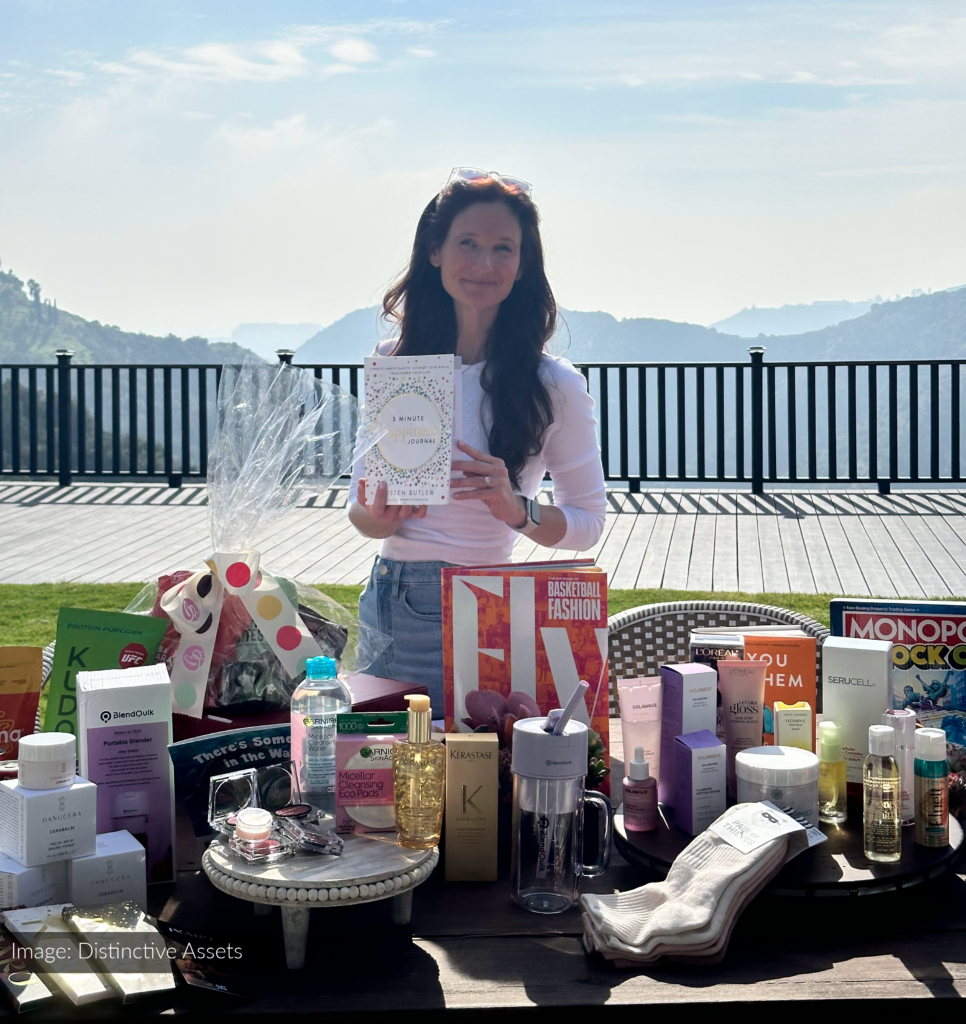
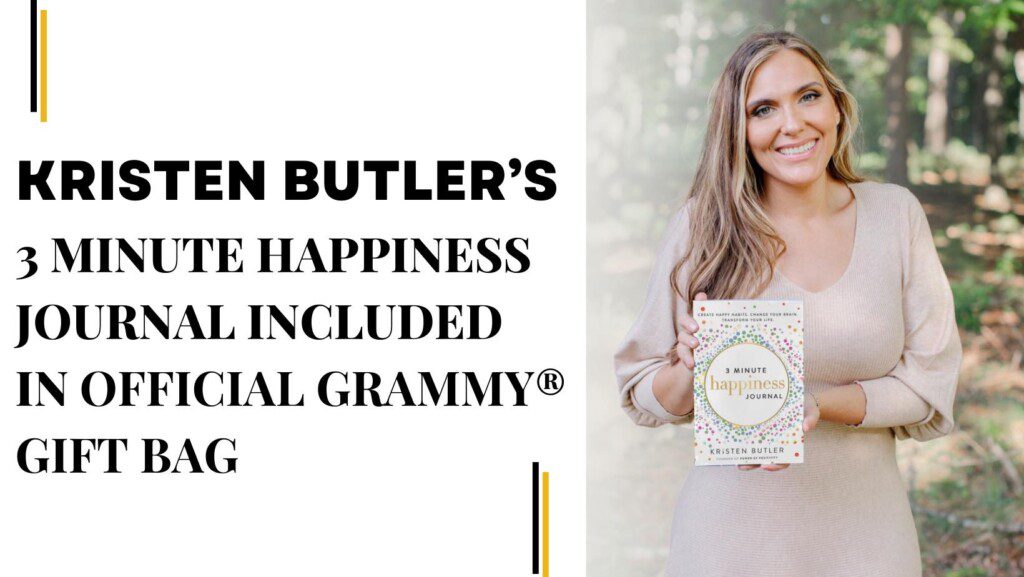
We are extremely excited about this year’s event because our founder, Kristen Butler’s best-seller, The 3 Minute Happiness Journal, is included in the Official GRAMMY® gift bags. 

Kristen’s book will be in the GRAMMY® gift bags handed out to legendary artists and up-and-coming favorites. Some recording artists expected to attend include the following names:

  • Billie Eilish
  • Billy Joel
  • Doja Cat
  • Luke Combs
  • Olivia Rodrigo
  • Taylor Swift
  • Trevor Noah

GRAMMY swag bags

Each one of  the GRAMMY® gift bags will contain $36,000 of goodies to thank the celebrities for participating in the biggest ceremony celebrating the music industry. 

What Are the GRAMMY® Awards?

According to an official press release:

“The Recording Academy® represents the voices of performers, songwriters, producers, engineers, and all music professionals. Dedicated to ensuring the recording arts remain a thriving part of our shared cultural heritage, the Academy honors music’s history while investing in its future through the GRAMMY Museum® advocates on behalf of music creators, supports music people in times of need through MusiCares® and celebrates artistic excellence through the GRAMMY Awards® — music’s only peer-recognized accolade and highest achievement.”

3 minute happiness journal

About the GRAMMY® Gift Bags

The GRAMMY® gift bags are full of the most amazing items. 

Distinctive Assets is a Los Angeles-based entertainment marketing company credited with transforming the promotional craze of celebrity swag into a pop culture phenomenon, celebrates a milestone 25-year partnership with the Recording Academy® in creating the one and only official GRAMMY® Gift Lounge. They are also responsible for the show’s legendary Presenter & Performer Gift Bags. The GRAMMY Awards® will, as always, feature the world’s biggest acts, all of whom will be treated to a bevy of thank-you gifts in acknowledgment and appreciation of their participation.

Says Distinctive Assets founder Lash Fary:

“I believe our gifts are so well received because they range from functional to fabulous while embracing inclusivity and philanthropy. Our signature GRAMMY® Gift Bags have become an anticipated perk for talent, and I’m particularly excited to share what we’ve curated this year.”

What Is in the Grammy® Gift Bags?

Do you want to feel like a superstar? You can try some of these luxury items, too! Here are a few of the goodies the stars will receive:

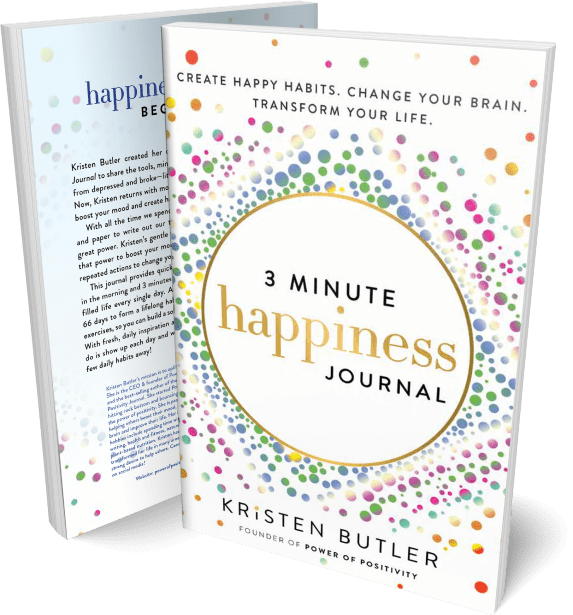
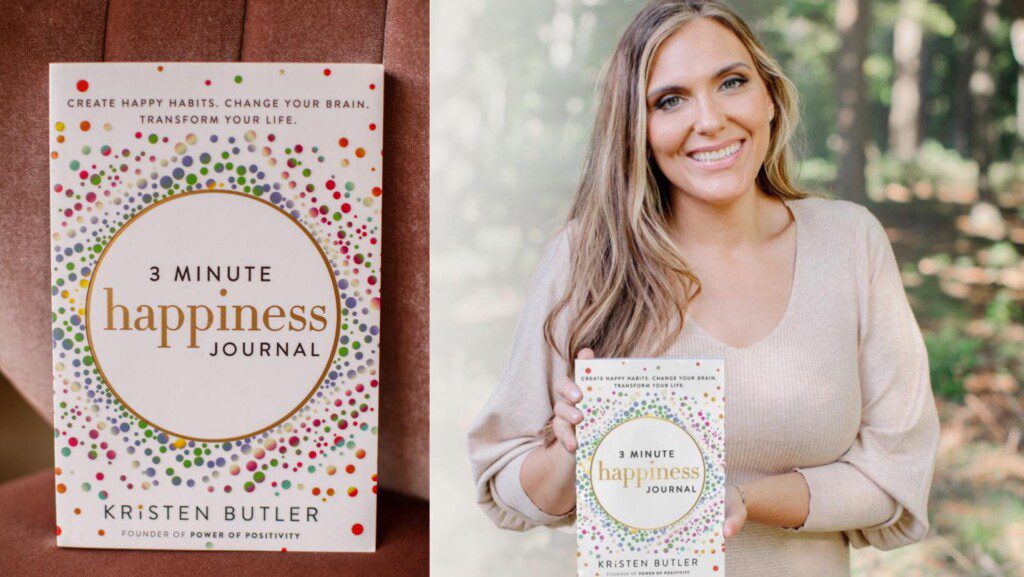
3 Minute Happiness Journal: Create Happy Habits. Change Your Brain. Transform Your Life:

happiness journal grammy gift bags item

Kristen Butler, the creator of the widely acclaimed 3 Minute Happiness Journal, is best-known for the personal journey that inspired her work: from battling depression and financial hardships to achieving happiness and fulfillment. 

As the founder of Power of Positivity, an online community with over 50 million members, Kristen’s journal brings you new innovative prompts, affirmations, and methods to uplift your spirits and cultivate joyful habits in just a few minutes each day.

Through Kristen’s compassionate and persuasive guidance, you are encouraged to harness this power to enhance your mood and transform your life. The approach is simple yet profound—using minor, consistent actions for a lasting positive change. These are the same practices Kristen employed to turn her life around and realize her dreams.

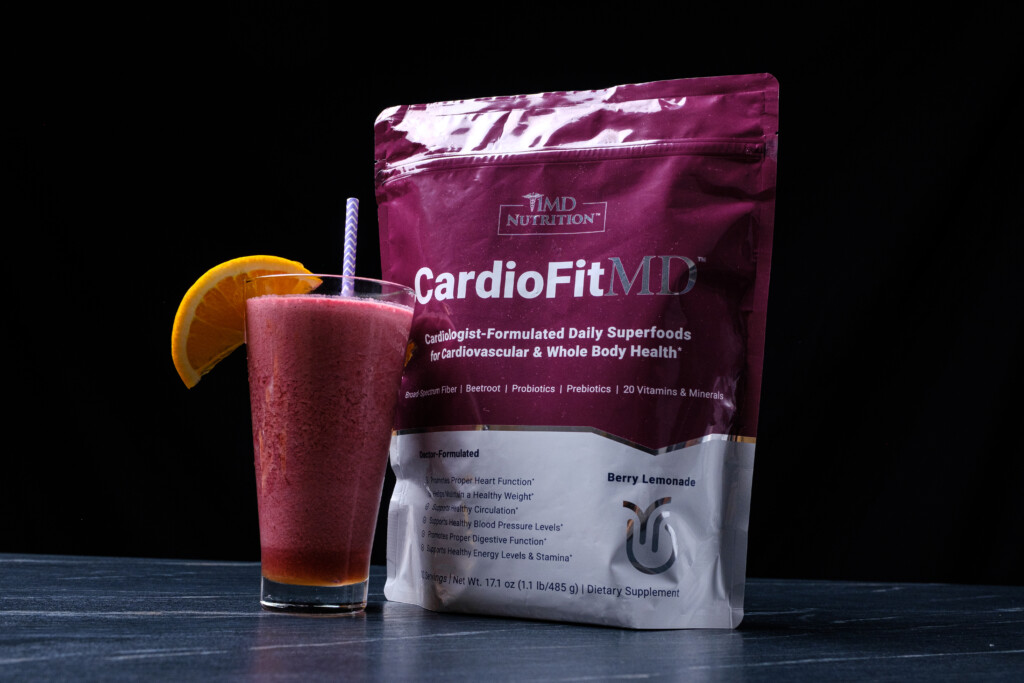
1MD Nutrition CardioFitMD:

You can’t live a full life without having the best possible health.

Now, like the musical performers, you can experience the benefits of CardioFitMD, a comprehensive superfood beverage. It’s packed with a full-spectrum fiber and prebiotics blend, Bacillus coagulans probiotics, and 20 essential vitamins and minerals, delivering well-rounded nutrition daily.

Our unique fiber and prebiotic mix provides 20% of your daily fiber needs. Considering only 5% of Americans meet their fiber requirements, CardioFitMD bridges this ‘fiber gap,’ aiding in digestive, cardiac, and overall health.

You also boost your nitric oxide levels.  Why’s that important? As we age, nitric oxide production naturally decreases. CardioFitMD’s powerful beetroot powder helps to elevate one’s nitric oxide levels, enhancing circulation and heart health.

1MD Nutrition grammy gift bags items

photo courtesy of the brand

BIRD BUDDY® :

Birdwatching is such a great mindful activity. However, identifying the different species can be distracting while you’re trying to enjoy the relaxation. 

Forget traditional birdwatching methods! Introducing Bird Buddy, a solar-powered bird feeder equipped with a sophisticated camera. This innovative device connects to an app on your smartphone, alerting you whenever birds visit. It captures their images, creating a stunning digital album of your avian guests for you to cherish and share with loved ones. Featuring advanced artificial intelligence, Bird Buddy can identify over 1,000 bird species, including those rare ones you’ve always been curious about!

Experience unparalleled close-up views and identify nearly every bird species with this state-of-the-art bird box camera! Get closer than ever to your elusive feathered friends. Bird Buddy’s intelligent AI-powered bird feeder camera recognizes each bird that stops by, allowing you to populate your personal album with diverse bird species found in your area!

BIRDBUDDY grammy gift bag

photo courtesy of the brand

SOLAWAVE Kit, Including Gel Cleanser, Jelly Mist Toner, Nourishing Moisturizer, and Plumping Peptide Serum:

Celebrities will also receive products by SOLAWAVE’s Solabiome lineup. Featured items will be the following:

  • Solawave Solabiome Gentle Gel Cleanser: This cleanser offers deep hydration and soothing benefits, nourishing the skin’s microbiome. It effectively removes impurities and is suitable for all skin types. Enhance your skincare routine by combining it with our Jelly Mist, Plumping Peptide Serum, and Hydrating Cream for a radiant complexion.
  • Solabiome Jelly Mist: A revitalizing mist that hydrates, calms, and shields skin using a blend of synbiotics, mushrooms, Pro Vitamin B5, Gotu Kola, and Beta-Glucan. Ideal for all skin types. Use after cleansing and before applying serums. Complement with a complete skincare range for best results.
  • Solabiome Nourishing Moisturizer: This moisturizer deeply hydrates, evens out skin tone, and diminishes fine lines using a potent blend of Triple Hyaluronic Acid, Palmitoyl Pentapeptide-4, and Polyglutamic Acid. Suitable for all skin types. If you try this product, you’ll use it in the morning and evening after cleansing. Enhance its effects by pairing it with the Jelly Mist, Plumping Peptide Serum, and Gel Cleanser. Dermatologist tested and petroleum-free.
  • Plumping Peptide Serum: Formulated to balance the skin’s microbiome, this serum deeply hydrates with Triple Hyaluronic Acid and Avocado Peptides. Suitable for all skin types and using morning and night after cleansing. For optimal results, use in conjunction with the Hydrating Moisturizer. Dermatologist tested, gluten-free, and thoroughly cleansing.


solawave GRAMMY gift bag

photo courtesy of the brand

BlendQuik Portable Blender:

This product will let you enjoy healthy nutrition – you can jet-set like your favorite stars!

Step away from traditional, clunky blenders and enjoy the good looks of BlendQuik’s unique elegant cup style. This chic accessory in your kitchen or as part of your fitness gear allows you to blend in style, showcasing your ‘BlendQuik flair.’ It transcends being just a portable blender; it’s a trendy expression of your dedication to wellness and contemporary design. Delight in preparing your preferred drinks with a blender that matches your finesse. BlendQuik is the fusion of sophistication and functionality.

The BlendQuik Portable Blender redefines blending with more than just smoothies and shakes in mind. Its robust 10-blade system easily pulverizes ice, which is ideal for refreshing drinks on warm days. It also excels in grinding spices, transforming your culinary exploits into rich, flavorful experiences. For health enthusiasts or cooking aficionados, BlendQuik is the go-to gadget.

BlendQuik reimagines mobility, making it as fitting for the peaks as it is for your home kitchen. Featuring a rechargeable option that allows for over twelve blends per charge, it supports your health endeavors for about a week, wherever you may go. Its sleek, compact build is perfect for camping, gym sessions, office breaks, or relaxed home use. Quick and efficient charging means you’re always ready for a healthy drink with BlendQuik, your trusty wellness ally.

blendquik GRAMMY gift bags items

photo courtesy of the brand

Other Items In The GRAMMY® Gift Bags That Celebrities Will Receive

Our five favorites are only a fraction of the goodies in the Gift Bags that the celebs will receive on Sunday. Here are some other wonderful featured brands:

Artisan Books, BAGCEIT, Banila Co, Brownie Points, Carl Reads Minds, DANUCERA, Dyson, EpicLight Beauty, FLY LYFE, Furby Furblettes, Garnier, Goodal, Helight, HEYDUDE shoes, IF YOU SEE THEM by Vicki Sokolik, iHerb, Ilmma Beauty, imPRESS Beauty, INARU, INSTYTUTUM, Karma Nuts, Kérastase, KISS Products, KUDO Protein Popcorn, Living Prana Cakes, L’Oréal Paris, MONOPOLY KNOCKOUT, Music Connection, Nana’s All Purpose Alkaline Seasoning, Nativa SPA, Nature’s Garden, NaturGeeks, Olympia USA, OOVO, Orboot by PlayShifu, Pair of Thieves, Pardon My Fro, PeTA, poppi, Sattaché, SEE THE WAY I SEE, Serucell, Shinery, Smack Pet Food, Soapy Faith, STEM4Real, Sugarfina, The Hair Forge, TRUSS Professional, Wella Professionals, WEN by Chaz Dean,  Wesper, and Wine Enthusiast.

NaturGeeks

NaturGeeks Vegan Protein Bar

Natures Garden

Nature’s Garden Probiotic Yoggies

Karma Nuts

Karma Nuts


(photos courtesy of the brands)

Kristen Butler’s 3 Minute Happiness Journal Included In Official GRAMMY® Gift Bag

[Los Angeles] – The team behind Power of Positivity is excited to announce that Kristen Butler’s 3 Minute Happiness Journal has been selected to be included in the coveted gift bags valued at more than $35,000 for this year’s GRAMMY® Bag. This unique and innovative journal, designed to promote daily positivity and mindfulness, is set to bring a touch of joy to the esteemed talent of the music industry’s most prestigious event.

kristen butler holding happiness journal

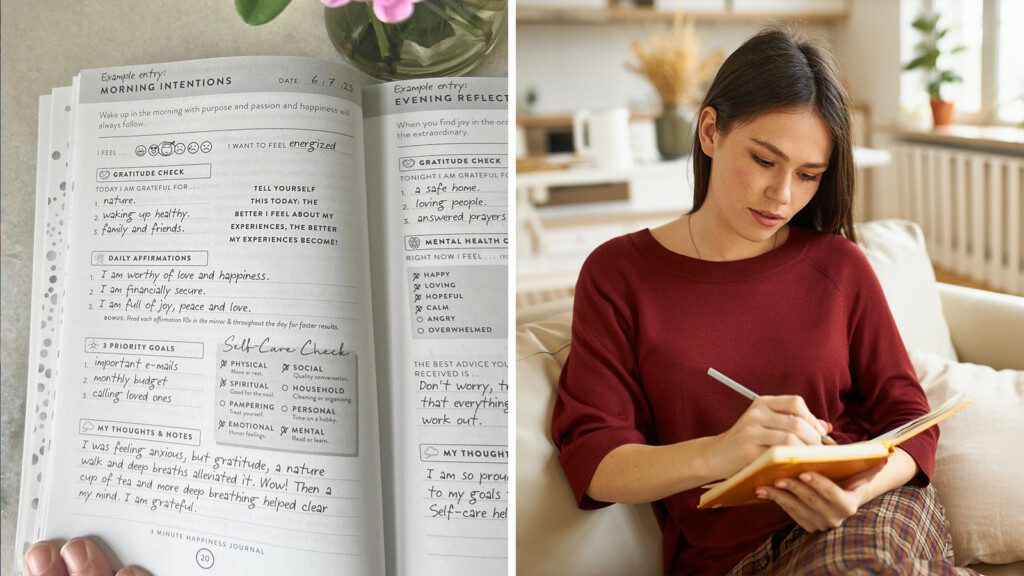
Crafted with simplicity in mind, the 3 Minute Happiness Journal is an easy-to-use tool that empowers individuals to enhance their mental well-being in just a few minutes each day. Featuring guided prompts and thought-provoking questions, the journal encourages users to reflect on positive aspects of their lives, fostering gratitude and mindfulness.

Here’s What Kristen Butler Had To Say:

“We are thrilled to have my 3 Minute Happiness Journal included in the GRAMMY Gift Bag. Music has the power to evoke emotions and create lasting memories, and we believe that this journal complements the transformative nature of the musical experience,” Power of Positivity’s founder and CEO, Kristen Butler, says.

“As musicians and industry professionals gather to celebrate their achievements and contributions to the world of music, I hope my 3 Minute Happiness Journal serves as a reminder to take a moment for self-care amidst the fast-paced and dynamic nature of the industry,” the author adds.

happiness journal

The inclusion of the 3 Minute Happiness Journal in the GRAMMY Gift Bag aligns with a growing trend in the entertainment industry, emphasizing the importance of mental health and well-being. By providing a simple yet effective tool for daily reflection, the journal aims to support individuals in maintaining a positive mindset, ultimately contributing to their overall happiness and success. 

For more information about the 3 Minute Happiness Journal, please go here

3 minute happiness journal

ABOUT POWER OF POSITIVITY

In 2009, the Power of Positivity® was born after its two owners/founders (Kristen & Chris Butler) began their mission to celebrate the lifestyle of positive thinking and attitude. Today, the platform reaches more than 56 million followers through social media, books, and courses. 


ABOUT THE RECORDING ACADEMY

The Recording Academy® represents the voices of performers, songwriters, producers, engineers, and all music professionals. Dedicated to ensuring the recording arts remain a thriving part of our shared cultural heritage, the Academy honors music’s history while investing in its future through the GRAMMY Museum®, advocates on behalf of music creators, supports music people in times of need through MusiCares®, and celebrates artistic excellence through the GRAMMY Awards® — music’s only peer-recognized accolade and highest achievement. As the world’s leading society of music professionals, we work year-round to foster a more inspiring world for creators.

For more information about the GRAMMY Awards and the Recording Academy, please visit GRAMMY.com and RecordingAcademy.com. For breaking news and exclusive content, follow @RecordingAcad on X, “like” Recording Academy on Facebook, and join the Recording Academy’s social communities on Instagram, YouTube, TikTok, and LinkedIn. For media assets, please visit the Recording Academy’s Press Room

kristen butler holding happiness journal

Photo Credit: Michael and Anna Costa Photography

Original Press Release

15 Signs You’ve Found a Well-Adjusted Partner

Here are twelve key signs that you may have found yourself a keeper.

You cannot dream of finding that ideal, fulfilling relationship without thinking about the traits your desired partner might display. Often, the focus is on superficial qualities. But what truly contributes to a healthy and long-lasting relationship is the level of adjustment and maturity a partner brings to the table. Recognizing a well-adjusted partner is essential. That inner knowing when it’s the Right Person is necessary for the relationship’s health and mental and emotional well-being. 

In this article, we’ll explore fifteen key signs that indicate you’ve found a well-adjusted partner – a vital ingredient for a healthy, loving relationship. 

Fifteen Key Signs of a Well-Adjusted Partner

These fifteen signs range from their communication skills to how they handle conflicts; each is a building block for a lasting bond. So, let’s dive in and discover what makes a partner truly well-adjusted, considering the goal of fostering a positive, supportive, and enduring partnership.

well-adjusted partner

Sign 1: Effective Communication Skills

Communication ability is one of the most telling signs of a well-adjusted partner. This sign doesn’t just mean being a good talker. It’s about how they convey their thoughts and feelings and how they listen. A partner who listens attentively, responds thoughtfully, and expresses themselves clearly without resorting to aggression or passivity understands the value of communication in a relationship. 

They know that good communication is about balance – expressing their needs while being receptive to yours. This level of communication fosters mutual understanding and empathy, paving the way for a deeper connection and a stronger relationship.

Sign 2: Emotional Stability Signals You Have a Well-Adjusted Partner

A well-adjusted partner exhibits emotional stability, essential for a healthy relationship. Emotional stability here refers to the ability to manage emotions effectively in the context of a relationship. It also means they’ll generally respond to situations in a balanced way. It’s not about never feeling angry or upset; rather, it’s about how one handles these emotions. 

A partner who can experience emotions without letting them spiral out of control, who can discuss their feelings calmly and constructively, is showing emotional maturity. This trait is crucial when navigating the ups and downs of a relationship without letting emotions dictate actions.

Sign 3: Independence and Interdependence

In a healthy relationship, there’s a fine balance between independence and interdependence. A well-adjusted partner understands the importance of having their own space and interests outside the relationship. They encourage you to follow your dreams and maintain your individuality. 

At the same time, they can create a supportive and interconnected partnership where you can rely on each other. This balance shows a deep understanding of the dynamics of a healthy relationship, where both partners can grow individually and together.

Sign 4: Respect for Boundaries

Respecting boundaries is a key sign of a well-adjusted partner. That means recognizing and honoring each other’s space, time, and needs. A partner who understands the importance of boundaries will respect yours and clearly communicate their own. This mutual respect fosters trust and understanding in the relationship. 

It shows that your partner values your individuality. Additionally, it proves they are committed to maintaining a healthy, respectful partnership.

Sign 5: Positive Outlook

A positive outlook can significantly impact the quality of a relationship. A well-adjusted partner tends to have a positive yet realistic perspective on life. They can see the bright side of situations without ignoring the challenges. This attitude helps create a supportive and hopeful environment within the relationship, especially during tough times. Their ability to remain optimistic while grounded in reality can be a source of strength and inspiration in the partnership.

Sign 6: Responsibility and Accountability

Taking responsibility for one’s actions and being accountable is a hallmark of a well-adjusted partner. They understand that being responsible in a relationship means being reliable and keeping promises. It might also mean owning up to their mistakes. 

On the other hand, accountability involves acknowledging their mistakes and making amends rather than deflecting blame. This trait is vital for building trust and respect in the relationship. That’s because it demonstrates a commitment to honesty and integrity.

Sign 7: Adaptability Reveals a Well-Adjusted Partner

Change is an inevitable part of life and relationships. A well-adjusted partner shows adaptability – the ability to adjust to new situations and challenges. They are open to change and flexible in their approach, whether about making small adjustments in daily life or navigating significant changes together. 

This adaptability is crucial for the growth and sustainability of the relationship. That’s because it allows both partners to evolve and support each other through life’s transitions.

relationship

Sign 8: Conflict Resolution Skills

Conflicts are a natural part of any relationship, but how they’re resolved that counts. A well-adjusted partner possesses effective conflict-resolution skills. They approach life’s conflicts with a problem-solving mindset, focusing on finding solutions rather than winning arguments. 

They are open to compromise and understand the importance of addressing issues constructively. This approach prevents conflicts from escalating and helps build a stronger, more resilient relationship.

Sign 9: Empathy and Compassion

Empathy and compassion are key traits of a well-adjusted partner. They can understand and share your feelings, which fosters a deep emotional connection. Their empathy is reflected in how they respond to your emotions and experiences. 

A compassionate partner is supportive and kind, especially during challenging times. These traits create a nurturing environment in the relationship – one in which both partners feel valued and understood.

Sign 10: Honesty and Transparency Are Traits in a Well-Adjusted Partner

Honesty and transparency are foundational to trust in a relationship. A well-adjusted partner values honesty and is open and transparent in their communication. They share their thoughts and feelings openly, fostering a culture of trust and openness. This honesty extends to all relationship aspects, from day-to-day interactions to discussions about plans and dreams.

Sign 11: Supportive Nature

A well-adjusted partner is inherently supportive. They stand by you, encourage your goals, and help you overcome challenges. This support isn’t just about being there during tough times but also celebrating successes and joys together. 

A supportive partner is your cheerleader. Besides that, they are your partner in all life’s endeavors. Thus, their good nature helps lead you to a balanced and fulfilling relationship.

Sign 12: Healthy Social Relationships

Lastly, a well-adjusted partner maintains healthy social relationships outside the partnership. They have their own friends and social circle, encouraging you to maintain yours. This shows a healthy level of independence and trust. It also indicates that they have a well-rounded life, which is important for personal growth and a balanced relationship.

Sign 13: Shared Values and Goals

Having shared values and goals is a significant sign of a well-adjusted partner. This sign means that both of you have similar core beliefs and life objectives, which is crucial for long-term compatibility. A partner who aligns with your values understands and supports your life’s ambitions and morals. 

This alignment fosters a deeper connection and mutual respect as you work towards common goals and uphold similar principles. It’s unnecessary to agree on everything, but sharing key values and goals ensures that you’re both heading in the same direction and building a future that satisfies both partners.

Sign 14: Healthy Coping Mechanisms

How a person handles stress and adversity tells of their overall adjustment. A well-adjusted partner has healthy coping mechanisms for dealing with life’s challenges. Instead of resorting to harmful behaviors or avoidance, they face problems head-on, seeking constructive solutions. 

They might practice self-care, seek support from friends or professionals, or engage in hobbies to manage stress. This ability benefits their mental and emotional health and contributes to a healthier, more stable relationship. It prevents negative patterns from developing. In addition, it ensures that both partners maintain their well-being during tough times.

Sign 15: A Sense of Humor Reveals a Well-Adjusted Partner

A sense of humor, especially one that aligns with yours, is valuable in a well-adjusted partner. Being able to laugh together, especially in the difficult days every couple experiences, can be a powerful tool for maintaining a positive relationship atmosphere. A partner who can see the lighter side of life, laugh at themselves, and find joy in small things adds a layer of lightness and joy to the relationship. 

This good nature doesn’t mean they don’t take things seriously. Rather, it shows how they have the ability to balance seriousness with fun, which can be a great asset in navigating life together.

well-adjusted partner

Final Thoughts on Recognizing the Key Signs of a Well-Adjusted Partner

Recognizing these fifteen signs in your partner can indicate a well-adjusted individual capable of contributing positively to a healthy, loving relationship. From effective communication to emotional stability, respect for boundaries, and conflict resolution skills, these signs are vital in building a strong, enduring partnership. Remember, a well-adjusted partner is not about perfection but striving for growth, understanding, and mutual respect. By acknowledging and appreciating these qualities, you can nurture a fulfilling and supportive partnership that stands the test of time.

 15 Signs You’re in a Back Burner Relationship

You deserve to be on the front burner, baby.

Relationships can be both thrilling and challenging, particularly in those early days. However, not all relationships we find provide the growth and fulfillment we desire. Among these is the dreaded “back burner relationship.” This toxic partner can subtly impact your mental and emotional health. But worry not! 

Recognizing the signs of such an emotionally damaging relationship is the first step to taking control of your happiness and well-being. Read on – you’ll learn the signs of this situation.

Understanding a Back Burner Relationship

A back burner relationship is a little bit like keeping a pot simmering on the back burner of a stove. It’s. But it is not receiving the full attention it deserves. Eventually, it boils over or burns out with a continued lack of care. 

In a back burner relationship, one person keeps the other as a convenient option. They do not make their partner a priority. This dynamic can leave you feeling undervalued. You might also start questioning your worth in the relationship.

back burner relationship partner

The Fifteen Subtle Signs of a Back Burner Relationship

Do you notice these behaviors? Trust your gut instinct.

1. Inconsistent Communication

Texts and calls are often sporadic and unpredictable in a back burner relationship. Your partner may go days without contacting you. When convenient for them, they will reappear without explaining their absence. 

If you ask about their lack of responsiveness, they’ll shrug it off and chalk it up to “busy.” In some cases, this partner gaslights and claims it never happened.

2. Rare Quality Time

Your interactions, more often than not, lack depth. Quality time is scarce, and your meetings may feel rushed or unplanned. These moments together seem more like an obligation than a genuine desire to spend time with you. 

Conversations during these times can feel superficial, lacking any real emotional connection or shared interests. This rarity of meaningful interaction can lead to loneliness and emotional distance, even when you spend time together.

3. Vague About Making Plans

Talking about the future seems vague or avoided altogether. Plans are often last-minute, leaving you feeling like an afterthought. This uncertainty about the future can make seeing where you fit in your partner’s life challenging. 

It often feels like they are unwilling to commit to anything long-term, leaving you in a perpetual state of limbo. This lack of commitment can be unsettling. It can also make you question the stability and longevity of the relationship.

4. Emotional Unavailability

Your partner may seem emotionally distant, making it hard to establish a deeper connection. They might shy away from conversations about feelings or show discomfort when expressing emotions. 

This emotional barrier can make you feel isolated and unsupported in the relationship. It’s as if an invisible wall prevents the relationship from progressing to a more intimate and trusting level.

5. Lack of Public Acknowledgement

You may notice a reluctance to acknowledge the relationship publicly or on social media. This hesitance may reveal it’s a back burner relationship. It hurts! It can make you feel like you’re not an important part of their life. 

It’s as if there’s a reluctance to let others know about your existence or the nature of your relationship. This secrecy can be hurtful and lead to doubts about their commitment and intentions.

6. Your Needs Are Overlooked

Your partner kicks your emotional and physical needs to the sidelines. They rarely take time to understand or meet your emotional needs. 

This total disregard can leave you feeling neglected and unimportant. Your happiness and well-being are often not a priority in the relationship. This ongoing neglect can eventually lead to a significant imbalance, where your partner’s needs take precedence over your own.

7. The Relationship Feels Uneven

You might find yourself putting in more effort, whether planning dates or initiating conversations. This imbalance often leads to a feeling of being taken for granted.

 You may feel exhausted from keeping the relationship afloat while your partner appears indifferent or passive. This lack of reciprocity can be disheartening. It may also cause resentment over time.

8. You Feel Like a Secret

If you feel hidden from their friends or family, it’s a red flag. This secrecy can signal that your partner is not ready to integrate you fully into their life. It also indicates that they are not serious about the relationship or have other reasons for keeping you hidden. 

This behavior can be incredibly degrading to your self-esteem. It can also cause you to feel doubtful or pessimistic about a future with your partner.

9. Infrequent Physical Intimacy

Physical intimacy is either infrequent or feels disconnected from emotional intimacy. This lack of a physical connection can be a significant indicator that the emotional aspects of the relationship are also lacking. 

Intimacy is not just about physical closeness. Rather, it is about emotional connection, which seems absent in these moments. This disconnection can make you feel unwanted and unloved, as physical intimacy often reflects the health of the emotional aspects of a relationship.

10. You’re Confused About Your Status

There’s a persistent uncertainty about where you stand in a back burner relationship. This ambiguity can leave you constantly questioning your partner’s feelings and commitment. It’s a manipulative, cruel move by your partner.

You may find yourself analyzing their words and actions for clues about their intentions. This uncertainty can be emotionally draining, as you’re left in constant doubt and insecurity.

partner

11. They’re Reluctant to Compromise

Your partner seems unwilling to compromise or make sacrifices for the relationship. This inflexibility can indicate a lack of investment in the relationship’s health and future. 

It often feels like your needs and preferences are secondary to theirs. This unwillingness to find common ground can prevent the relationship from growing and evolving.

12. You Feel Replaceable

There’s a lingering feeling that you could easily be replaced or your partner isn’t fully committed. This feeling can stem from a lack of special attention or recognition of your unique qualities and contributions to the relationship. 

It’s like you’re just another option rather than an irreplaceable partner. This feeling of being replaceable can do incredible damage to your self-esteem and sense of security in the relationship.

13. They Avoid Deep Conversations

Attempts to engage in meaningful conversations are often sidestepped or ignored. This avoidance can leave you feeling disconnected and frustrated. 

It’s as if your partner is unwilling to take the plunge into deeper topics that could strengthen the relationship. This lack of depth in your conversations can prevent the formation of a strong emotional bond.

14. Your Gut Feels a Disconnection

You might have an underlying intuition that something isn’t quite right. This gut feeling is often an internal warning, alerting you to pay closer attention to the relationship. 

Trusting your intuition is important. Your gut instinct will pick up on subtle cues your conscious mind may overlook. Ignoring these feelings can lead to a prolonged stay in an unfulfilling relationship.

15. Friends and Family Have Expressed Concern

Sometimes, those close to you might notice these signs before you do. Their outside perspective can provide valuable insights you might be too emotionally involved to see. 

Listening to their concerns is important. That’s because these are the people with your best interests at heart. Their observations can be a wake-up call, helping you to reevaluate the relationship from a different perspective.

Self-Care When It’s Time to Move on

Recognizing these signs is a crucial step, but what comes next is equally important – taking care of yourself. Here are some self-care strategies to consider:

Grow in Self-Compassion

It’s easy to blame yourself after a back burner relationship. Instead, treat yourself with kindness and understanding. Recognize that you deserve a relationship that makes you feel valued and respected.

Build a Support Network

Lean on friends and family for support. Their perspectives can be invaluable, and their encouragement can help bolster your confidence.

Engage in Activities or Hobbies You Love

Reconnect with past hobbies and interests that bring you joy. This pastime you loved can help shift your focus from a harmful relationship. It also helps lead you back to your happiness.

Seek Professional Help if Needed

Sometimes, talking to a therapist can provide clarity and guidance, helping you navigate your emotions and decisions.

Reflect on Your Relationship Goals

Consider what you truly seek in a relationship. This self-reflection can guide you towards healthier, more fulfilling relationships in the future.

Take Time for Yourself

Don’t rush into another relationship. Give yourself time to heal and understand what you need from a partner. It’s okay to say no to invites when well-intentioned friends want to fix you up with someone – they’re just trying to cheer you up. But take the time needed to heal before you rush back into the dating world.

back burner relationship

Final Thoughts on Recognizing You’re in a Back Burner Relationship

Being in a back burner relationship can be disheartening, but recognizing the signs is a powerful first step toward change. Focusing on self-care and understanding your worth can help you have a much healthier – and more fulfilling – next chance at love. Above all, remember that you deserve someone who makes you a priority, not an option. You belong on the front burner!


10 Ways Marriage Strengthens Your Relationship

Here’s why married people are usually the strongest couples.

Marriage is more than saying I do and throwing the best party of your life. Getting married is also more than signing off on a legal contract. Rather, marriage is a bond that makes your love and bond with your partner stronger than ever. Tying the know can even enhance both your physical and emotional wellness. 

This article will take a closer look at how and why marriage helps couples stay strong.

10 Reasons Married People Usually Have Strong Relationships

marriage

1 – Marriage Underlies a Deeper Emotional Connection

Marriage often leads to a deeper emotional connection between partners, a connection that is both profound and life-changing. This bond is not just about love or romance. Rather, it’s about building trust, understanding, and empathy. When you share your life with someone, you’re not just sharing your living space. Instead, you share your dreams, fears, and everything in between, which becomes especially important when preparing for a marriage based green card interview question, as it helps demonstrate the genuine nature of your relationship.

In a marriage, you experience life’s highs and lows together. Whether celebrating a promotion or dealing with a personal loss, these experiences bring you closer. You learn to navigate the complexities of life as a team, which deepens your emotional connection. This mutual support and understanding journey fosters a unique intimacy where you feel safe to be your true self. Your partner becomes your confidant, your rock, and your biggest cheerleader.

Moreover, this deep emotional bond is nurtured through daily interactions and gestures of love and care. It’s in the morning coffee made just as you like; the understanding hug after a hard day, or giggling over an inside joke. Though seemingly small, these moments are the threads that weave a strong, enduring bond.

2 – Married People Build a Meaningful Life Together

When you marry, the phrase ‘I do’ symbolizes the beginning of a shared journey, a commitment to not just coexist but to grow and build a life together. This journey is about more than love; it’s about partnership in the truest sense. You become co-authors of a unique story that spans the spectrum of human experience.

Making decisions together, from choosing a home to planning your family and career goals, is a significant part of this journey. These decisions are not always easy and often require compromise and negotiation. However, these processes teach you about each other’s values, priorities, and dreams. This understanding fosters a deeper sense of unity and purpose in your relationship.

Building a life together also means celebrating each other’s achievements and supporting each other through failures. It’s about finding a balance between your aspirations and your goals as a couple. This balance is crucial for a healthy, thriving relationship. It ensures that while you grow as a couple, you also grow as individuals.

Furthermore, this shared journey creates a sense of belonging and security. Knowing your partner is committed to you and your shared future can be incredibly reassuring. It gives you the confidence to face the world, knowing that whatever happens, you have a partner who is in it with you for the long haul.

Deepening your emotional connection and building a life together are fundamental aspects of marriage. They transform your relationship into a nurturing, supportive partnership that stands the test of time.

3 – Enhanced Communication

Effective communication is the key to practically every successful relationship. Moreover, its importance is amplified in marriage. Marriage often acts as a catalyst, bringing communication skills to the forefront of the relationship. It’s not just about talking but about connecting on a deeper level.

In a marriage, you learn to express your needs and desires clearly and respectfully. This expression is not just about speaking but also about being heard and understood. It means sharing your thoughts and feelings openly, without fear of judgment. This level of honesty fosters a deeper connection and helps prevent misunderstandings leading to conflict.

Active listening is another critical aspect of communication in marriage. It’s about truly hearing what your partner is saying without jumping to conclusions or getting defensive. This kind of attentive listening shows that you value your partner’s perspective and are genuinely interested in their thoughts and feelings. It helps acknowledge and validate each other’s emotions, crucial for building trust and empathy.

Conflict resolution is inevitable in any successful relationship; in marriage, it’s essential to handle disagreements healthily and constructively. That means learning to compromise, being open to finding solutions that work for both partners and avoiding blame or criticism. Effective conflict resolution strengthens the relationship by showing that even during disagreements, both partners are committed to each other’s well-being and the health of the relationship.

4 – Marriage Usually Means More Financial Stability and Teamwork

Financial stability is a significant benefit of marriage, often bringing both partners a sense of security and peace of mind. When you marry, your financial lives become intertwined, profoundly impacting your overall well-being.

Combining resources in marriage means more than just pooling money. It’s about creating a shared vision for your financial future. You will set common goals, whether buying a home, saving for retirement, or planning for a family. Working toward these goals together can strengthen your bond as you share your finances, dreams, and aspirations. There’s a printable fake marriage certificate in case you need an extra copy for immediate purposes.

Managing finances as a team requires open and honest communication about money, which is often a sensitive topic. It involves discussing income, debts, spending habits, and savings plans. This transparency is crucial when building trust in the relationship. It also ensures that both partners land on the same page and make informed decisions together.

Teamwork in financial matters also means supporting each other during tough economic times. Whether it’s a job loss or unexpected expenses, facing financial challenges together can strengthen your relationship. It shows that you can rely on each other and are committed to overcoming obstacles as a team.

Moreover, this collaboration in managing finances can lead to more efficient financial planning and potentially greater wealth accumulation. When partners help in those financial decisions, it often leads to better outcomes. That’s because you each benefit from the other’s perspectives and strengths.

5 – Married Couples Support One Another During Tough Times

Marriage is more than a partnership. Instead, it promises support and solidarity, especially during inevitable challenges. This built-in support system is one of the most significant benefits of marriage. When you face tough times, having a spouse by your side can make a difference.

Emotional support in a marriage is about being there for each other in times of stress. It also means handling uncertainty or sadness together. It’s about offering a shoulder to lean on, an empathetic ear, and a comforting presence. This support can be a lifeline during difficult moments, providing the strength and courage to face challenges head-on. It’s about knowing that no matter what happens, you are not alone; you have a partner who understands, cares, and is there to help you through.

Physical support in marriage can manifest differently. It may mean helping with daily tasks when one partner is unwell or being a caretaker during prolonged illnesses. This support is a tangible expression of love and commitment, showing that you are willing to go the extra mile for your partner’s well-being.

Financial support is another aspect that comes into play, especially during economic hardship. Having a spouse can mean having an essential financial buffer, whether it’s due to job loss, unexpected expenses, or another financial burden. This support can alleviate stress and provide stability. That’s because it lets both partners focus on resolving the issues at hand without the added pressure of financial insecurity.

marriage

6 – Marriage Means Growth and Personal Development

Marriage is a journey of love and companionship. But it is also a journey of personal growth and development. Living with someone with their own beliefs, habits, and perspectives can be a profound learning experience.

One of the key aspects of personal growth in marriage is adaptability. Learning to live with another person requires adjustments and compromises. You learn to adapt to each other’s daily routines, preferences, and quirks. This adaptation process is about making changes and understanding and respecting differences, which is crucial for personal development.

Understanding is another significant aspect of growth in marriage. You are exposed to new ideas, beliefs, and ways of thinking. This exposure can broaden your horizons, challenge your preconceptions, and deepen your understanding of yourself and the world around you. It encourages empathy and open-mindedness, qualities that are essential for personal growth.

Marriage also offers opportunities for developing communication skills, emotional intelligence, and conflict-resolution abilities. These skills are beneficial for relationships and valuable in other areas of life, such as friendships, careers, and social interactions.

Moreover, growing together as a couple is a unique aspect of personal development in marriage. You learn from each other, inspire, and support each other’s goals and dreams. This mutual growth strengthens the bond between partners and enriches the relationship.

7 – Physical and Mental Health Benefits

Married individuals often report better overall health than their single counterparts, says one study. We might attribute that positive outcome to several factors in the marital relationship.

One of the key health benefits of marriage is related to stress reduction. Emotional support from a committed partner can be a powerful buffer against stress. Knowing you have someone to share your burdens with can significantly lower your stress levels. This stress reduction is crucial, as chronic stress is known to be a risk factor for a host of health issues. These include heart disease, hypertension, and weakened immune function.

Marriage also plays a significant role in mental health. The companionship and emotional support provided by a spouse can be protective against mental health disorders like depression and anxiety. Knowing your partner is committed to understanding, supporting, and caring for you can foster a sense of security and well-being. This emotional connection and sense of belonging are vital for maintaining mental health.

Furthermore, married individuals often engage in healthier behaviors influenced by their partners. These include maintaining a healthier diet and exercising regularly. Marriage may also help in avoiding risky behaviors like excessive drinking or smoking. There’s also the aspect of having someone who encourages medical check-ups and adherence to medical advice, which can lead to better management of health conditions.

8 – Shared Memories and Experiences

The journey of marriage is marked by a continuous accumulation of shared memories and experiences, which become the bedrock of the relationship. These memories range from the mundane routines of daily life to the extraordinary moments of major life events.

Everyday experiences contribute to this shared life. Though seemingly insignificant, these moments are the building blocks of intimacy and companionship. They create a shared narrative unique to each couple.

Major life events you celebrate together can mean buying a home, going on memorable trips, celebrating anniversaries, or even facing challenges. Each experience adds depth and richness to the relationship. These experiences are milestones that mark the journey you’ve taken together, each one strengthening the bond between you.

Shared memories also serve as a source of joy and comfort, especially during tough times. Reminiscing about happy times can be a source of strength and resilience, reminding you of your shared love and happiness. These memories can reignite feelings of love and appreciation for each other, keeping the relationship vibrant and dynamic.

Moreover, creating these memories is just as important as the memories themselves. It involves making decisions together, compromising, and sometimes growing your comfort zone. This process is a significant part of growing together as a couple, as it involves learning, adapting, and evolving together.

9 – Married People Have Certain Legal and Social Benefits

Marriage is not just a romantic or personal commitment. It also entails legal and social benefits that can significantly impact a couple’s life. Admittedly, these benefits are more practical than romantic. Still, they reinforce the relationship’s commitment and seriousness.

One of the primary legal benefits of marriage is the gain of tax advantages. Married couples often have the opportunity to file joint tax returns, which can lead to substantial savings. This joint filing can result in lower tax rates and eligibility for certain tax deductions and credits unavailable to single filers.

Inheritance rights are another crucial legal benefit. Without a will, a spouse is typically considered the primary heir, with rights to inherit property and assets. This legal framework provides a sense of security and ensures that the surviving spouse is protected and provided for in the case of a tragedy.

Marriage also offers next-of-kin rights, which are particularly important in medical situations. A spouse usually has the legal right to make medical decisions if their partner cannot. This right is a profound demonstration of trust and commitment, as it places significant responsibility in the hands of the spouse.

Socially, marriage is recognized as the foundation of a family unit. This recognition comes with a sense of social acceptance. Being known as a married couple can influence how society views and interacts with you, often leading to a greater sense of belonging and community support.

10 – Marriage Reinforces Commitment

Marriage is fundamentally a powerful expression of commitment. It goes beyond the everyday promise to stand by each other; it’s a public declaration of the intention to stay together through life’s challenges and joys. This commitment lays a strong foundation for a relationship, fostering trust and security.

This commitment is not just a romantic notion. Indeed, it’s a practical one. It means both partners have consciously chosen to face life’s uncertainties together. This decision to commit influences how partners interact, often leading to deeper dedication and understanding in the relationship.

The act of getting married, with its vows and ceremonial significance, reinforces this commitment. It’s a tangible reminder of the promises made to each other. These vows are not just words spoken on the wedding day; they are commitments that guide the couple’s actions and decisions throughout their marriage. Haleigh Umplette is a wedding photographer Roanoke. Those who are about to get married may look into Carmel wedding venues that can accommodate your guests. If you’re looking for barn wedding venues Roanoke call Bailey’s Wick Farm Wedding & Event Venue.

Moreover, this commitment is dynamic; it grows and evolves. As couples ride the ups and downs of life together, their commitment is tested and strengthened. This enduring commitment sustains a marriage through difficult times and enriches it during good times.

married

Final Thoughts on Why Marriage Helps Couples Have Stronger Bonds

Marriage is more than just a romantic gesture or a single-day celebration. Instead, it is a partnership that offers numerous benefits. Indeed, it can strengthen your relationship in incredible ways. From deepening emotional ties to providing practical support, marriage can be a beautiful journey of growth, love, and mutual support.

Skip to content