Weekly tips, affirmations, and small actions to feel your best.

10 Delicious Whole Food Recipes You Can Make On A Budget

Are you one of those people who skips making food at home because it’s simply cheaper to buy fast food? You know that eating at home and preparing your dishes from raw ingredients is best for your health. It is also a creative way of spending time at home. (And isn’t it great to see your own creation turn into a delicious meal?)

Well, where there is desire, there is a way. You can use the cheap whole food recipes given here to save yourself money and make healthy choices for yourself and your family. Additionally, these recipes will help you prepare your own whole food meals in a matter of minutes.

10 Delicious And Easy Whole Food Recipes

whole foods market

Greek Roasted Fish

For this traditional Greek recipe, you will need:

  • 5 small potatoes, cut into wedges
  • 1 sliced onion
  • 2 chopped garlic cloves
  • 1 tbsp olive oil
  • 1/2 tsp dried or fresh oregano
  • 1/2 lemon, cut in wedges
  • 2 large tomatoes, cut into wedges
  • 2 skinless fish fillets
  • Roughly chopped parsley to taste

Heat your oven to 350-390 degrees Fahrenheit. Tip the onion, garlic, oregano, potatoes, and olive oil into a roasting tin. Season them, and mix well. Roast for 15 minutes, turn over the ingredients, and roast for another 15 minutes. Add the tomatoes and lemon. Bake for another 10 minutes. Add the fish fillets, and cook for another 10 minutes. Take out the dish, and sprinkle with parsley.

Spinach and Sweet Potato Breakfast Hash

Ingredients:

  • 2 sweet potatoes, cut and peeled into small cubes
  • 1 large bag of spinach
  • 1 egg
  • Salt and pepper

Preheat your oven to 350 degrees Fahrenheit. Place a baking sheet, and lightly spray with a cooking spray. Place the cubes on it. Bake until the fork goes through them. Turn the cubes once while cooking.

Meanwhile, use a non-stick skillet over medium-high heat to wilt the spinach until it becomes soft. Place the sweet potatoes in a dish, and add the spinach on top. Crack an egg into a pan over a cooking spray. Once it’s done, place on top of the spinach and potatoes. Add salt and pepper, and serve.

Almond Butter Bar

To make this whole food recipe, heat one cup of almond butter and 3/4 cup of honey in a saucepan on low heat. Stir until it melts, and remove from heat. Pour it over three cups of oats. Stir well. Pour and press into a baking pan, and bake for 15 minutes at 350 degrees Fahrenheit.

Avocado Smoothe

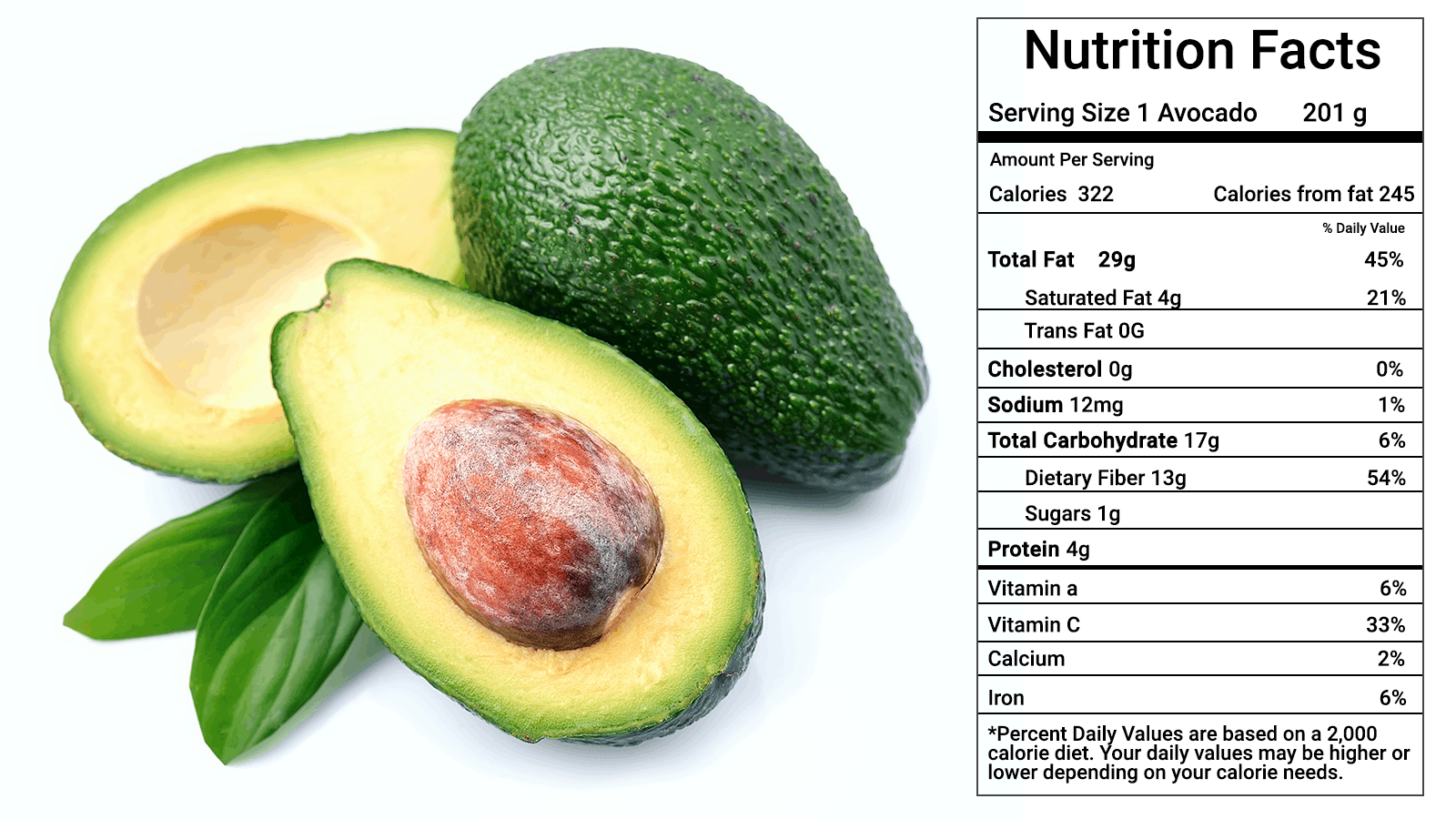
Smoothies are the peak of whole food dishes. To make an avocado smoothie, blend one cubed avocado, two chopped bananas, and 400 ml (four ounces) of milk in a blender. Mix until all ingredients are creamed, and drink up.
whole food

Lentil Ratatouille

The famous French recipe has a cheap whole food version you can make at home. For this one, you will need these ingredients:

  • 1 cup of dry lentils
  • 1 small cubed eggplant
  • 2 cans of diced tomatoes
  • 2 large chopped onions
  • 1 sliced and chopped sweet pepper
  • 2 summer squash
  • 1/2 cup of water
  • A pinch of black pepper

In a slow cooker, combine lentils, eggplant, and tomatoes. Add the onions, sweet pepper, water, black pepper, and summer squash. Cover, and cook on low heat for 8 to 9 hours or high heat for 4 hours.

Black Bean Soup

Combine 10 ounces of rinsed and drained beans and 8 cups of water in a large pot. Boil. Reduce the heat. Simmer for 10 minutes. Cover, and let it stand for an hour. Drain the beans. Transfer the beans to the slow cooker. Put in 1 chopped onion, 1 jalapeno pepper (if you want), 3 minced cloves of garlic, 6 cups of vegetable broth, 1 tbsp of chili powder, and 1/2 teaspoon salt. After it is done, mash the beans coarsely with a potato masher. Add 1/2 cup chopped cilantro, a couple of lime slices, and top off with sour cream.

Mexican Cauliflower With Rice

Pulse 4 cups of cauliflower florets in a blender. Heat 3 tablespoons of oil into a skillet on medium-high heat. Add 1/2 cup of onion and 1 jalapeno pepper that are both finely chopped. Stir until the ingredients are soft. Add 1/4 cup of crushed tomatoes, the blended cauliflower florets, 1/2 teaspoon salt, and 1/2 tsp cumin. Cook for 5 more minutes or until the cauliflower is soft. Add cilantro when done, and serve with lime wedges.

Tomato Soup

Put 2 pounds of chopped tomatoes, 1 carton of vegetable stock, 2 cups of chopped vegetables of choice, 1 can of tomato paste, 1 tsp of sugar, and 1/4 tsp of salt into a pot. Cook on low heat, and serve hot.

Whole Wheat Couscous

Bring 2/3 cup of water to a boil. Add 1/2 cup of whole wheat couscous, and stir until the water is absorbed completely. Fluff with a fork, and season to taste.

Grilled Asparagus

Preheat the grill. Put 1 bunch of asparagus into 1 tbsp of olive oil, 1/4 tsp salt, and 1/4 tsp of ground pepper. After seasoning, grill the asparagus for 5 to 10 minutes.

Easy Recipes

Cooking has never been easier with these whole food recipes. Whole food eating is healthier for you, and a tight budget should not be a reason to consent to less. Dig in with these recipes, and create unique meals each day.
10 Evidence Based Health Benefits of Coconut Oil For Skin

Coconut oil is a fantastic superfood that works wonders inside and outside our bodies.

More than 1,500 studies indicate that it is truly a natural miracle potion. Now that medical research recognizes the immense benefits of saturated fats such as those found in this oil, more people are turning to this priceless treasure for a wide range of benefits. It is steadily gaining popularity as a staple in cooking, health, and beauty regimens.

Boost your savings and your health by using coconut oil for your skin instead of expensive synthetic ingredients. Not only is this oil significantly more cost-effective, it is more effective in penetrating your skin due to its lower molecular weight and how it bonds with proteins. Beauty enthusiasts and health professionals constantly discover new uses and advantages of coconut oil for the skin. So here are a few.

Here are the top ten ways to use coconut oil for skin:

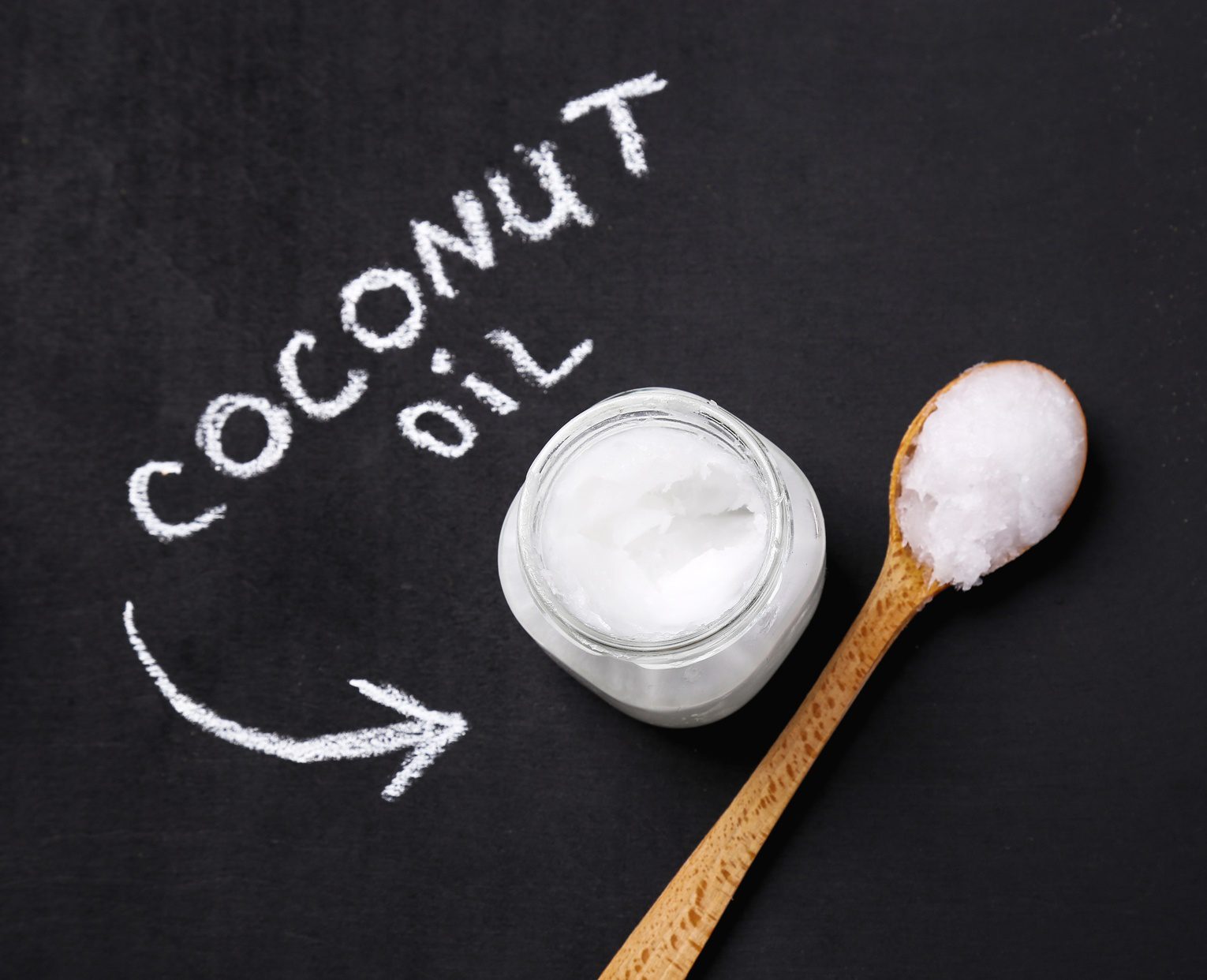
coconut oil

Body Butter

Add coconut oil to other skin-loving ingredients such as shea butter, jojoba oil, and your favorite essential oils. Apply generously after bathing. The saturated fats in these oils help slow down moisture loss through the skin and give the skin an even, smooth, and healthy tone.

Deodorant

Say goodbye to toxic store-bought deodorants and replace them with this miracle oil. Make your own non-irritating deodorant with just a few health-promoting ingredients.

Facial Scrub

Combine oil with sugar to exfoliate and moisturize your skin. This can be used all over your body, too.

Detox Bath

Add ¼ cup of oil, ¼ cup of Epsom salts, and a few drops of essential oils to a hot bath for a quick detoxing bath. Exercise caution as the tub may be slippery.

Body Oil

To treat extremely dry skin, use this oil instead of chemical-laden body lotions. Lightly coat problem areas like the feet, knees, and elbows.

Cuticle Oil

Home manicures can be a breeze now. Rub the oil into your cuticles to protect against germs and loosen cuticles.

Shaving Gel

This oil wears yet another hat: shaving gel. It offers moisture and protection against razor burn and ingrown hairs. Simply apply to skin, shave, and dry for silky smoothness.

Sunscreen

Coconut oil provides minimal sunblock protection, roughly SPF 4. However, it is quite effective in soothing and rehydrating sunburnt skin.

Skin Disorders

This oil contains lauric and caprylic fatty acids, which reduce internal and external inflammation. It also contains many antioxidants that augment its healing properties for the skin. It is antimicrobial, so it can balance out fungi that cause many skin problems. With great success, this oil has consistently been used to treat burns, dandruff, dermatitis, eczema, and psoriasis.

Cold Sores

A dab of oil will help accelerate healing and reduce pain and scarring. The antimicrobial and disinfectant properties of caprylic, lauric, and capric acids help protect against infections, too.

Diaper Rash

No one is too young to experience the benefits of coconut oil for the skin. Apply a tablespoon over the diaper area to protect against or soothe diaper rash.

Insect Repellent

Keep chemicals and bugs at bay by making your repellent. Combine one cup of oil with forty to fifty drops of insect-hating oils like clove, mint, lemongrass, and citronella. You will need to apply more often, but your skin will be nourished and not assaulted by toxic ingredients.

Night Cream

You can use this versatile oil as a stand-alone night treatment or add a little to your favorite face cream. It will boost your skin’s ability to repair itself as you sleep and help maintain hydration.

coconut oil

While you can safely apply coconut oil directly onto your skin or as a carrier for your favorite essential oils and blends for skin care, you can also boost your overall health by including it in your daily diet. Organic, extra virgin oil lends a subtle tropical flavor to foods, has a high melt point, and provides the benefits you expect. Avoid refined oil; bleaching, overheating, and chemical processes alter the chemical makeup and strip away the healing power of the oil.

Your skin is your body’s largest organ. It needs and deserves the best of care. Coconut oil for skin virtually replaces a cabinet of “must-have” synthetic products that expose your pores to unhealthy chemicals. This incredible ingredient is your at-home dermatologist for a plethora of skin treatments. Amaze your skin for a fraction of the cost of unnatural remedies with coconut oil.

(C)Power of Positivity, LLC. All rights reserved

Researchers Reveal How Meat Filled With Cancer and Other Disease Is Still Sold to Consumers

Researchers are very clear on the topic of meat and cancer. Many types of meat, especially red meat, are linked to an increased risk of bowel cancer. Of course, you may think that you’re safe if you don’t eat that particular product too often but still consume processed meat, such as bacon, ham, sausages, and so on. Well, we’ve got some bad news – those aren’t too good for you either. In fact, the WHO has a list of very clear statistics on their website about the carcinogenic qualities of both red and processed meat.

With those frightening statistics coming out about commonly sold meats, many more customers are turning to local butchers and farmers’ markets to find out the healthier cuts. But even that hasn’t turned out to be safe. An experienced butcher has confessed that he has seen his colleagues cut out cancerous portions of meat, yet still sold the healthier-looking part to unwitting customers.

While this may be shocking to some, it may not be completely surprising news. For years, the FDA has been trying to exercise stricter control over the meat that enters the food chain. However, as demand keeps growing every year, manufacturers are struggling to cope and are having to resort to desperate measures to save their businesses. Recent studies have shown varying percentages of all sorts of things in meat that aren’t beef, pork, chicken or lamb, – including dog meat, horse meat, and human DNA (most likely from saliva or other bodily fluids from meat processing factories).

However, if you’re feeling desperate at this bleak picture, think positively. There are a few different things you can do to ensure that you’re healthy and enjoying your favorite food at the same time.

Here Are Some Things to Do to Ensure Your Favorite Food Is Healthy for You

“Processed meats fall into the same category that cigarette smoking does with lung cancer. In other words, it’s an item that causes cancer at some point in the future if you consume high amounts.” – Dr. Alok Khorana

1. Raise Your Own Food

First, the only way to ensure that any produce is fresh and risk-free is to produce it yourself. If you see something grow in front of you and nurture it, then you know for a fact what goes near it. You know how to get rid of anything that might be a problem. However, that approach is increasingly less common. Additionally, with meat, it requires much more effort.

2. Check the Meat You Purchase

Second, always double- and triple-check the meat that you buy. Whether it’s from your local butcher or the supermarket, there’s nothing easier than doing a quick check to see if everything looks normal. A healthy cut should look the part, with no discolored sections, no odd growths. Also, there should be no reluctance on the part of the grocer to show where the meat has come from. Any self-respecting meat merchant needs to be open about the true source of their products; otherwise, you may be looking at something suspicious.

3. Eat Less Meat

Third, you can try to include less meat in your diet. It doesn’t mean that you should stop altogether – even though that would, admittedly, be your healthiest option. Simply reduce the amounts that you consume on a week-to-week basis. Try looking into replacement proteins such as seitan and tofu. While they might not look appetizing, once cooked they can sometimes rival the flavor of your favorite meats!

4. Cut Meat from Your Diet

Last but not least, cut out animal products altogether. After going on a vegan diet, many people note various health benefits related to the increase of fiber and vegetable protein in their diet. Many might believe that animal products are an invaluable source of protein; however, that’s not the case. In fact, a lot of people who choose to go vegan report almost immediate health benefits as a result. Organizations such as The Vegan Society of America and PETA have many helpful tips on their website if you decide to cut out all animal products from your diet.meat

Final thoughts

The American Institute for Cancer Research has issued some helpful tips on balancing your diet to remain healthy and reduce your cancer risk at the same time. Processed and red meat might be an indispensable part of your day-to-day life. Before consuming them, however, it’s important to consider just how pure and healthy those meats are.

Confessions from butchers may indicate that meats they sell simply are not pure. With disease rife among some populations of cattle, it’s never been more important to be careful. But remember positive thinking – it’s not impossible to include healthy meat in your diet.

Be aware of what diseased meat looks like and know the people that you’re buying it from. Many times, the healthiest variety is bought from farmers and producers that you know personally, and you know the conditions in their farms.

And if you’re feeling like making a lifestyle change – why not go vegan instead? Not only will you be helping fight climate change, but also you’ll be able to definitively say where your food has come from. Either way – staying healthy is the main thing, so find a diet and approach that works for you. Then stick to it!

(C)Power of Positivity, LLC. All rights reserved

Scientists Explain Why Running Isn’t That Great For You (And What To Do Instead)

Now, before you runners get things all “twisted,” please understand that the writer isn’t saying that running isn’t beneficial – under the right conditions. Indeed, running can be healthy, and most certainly for the cardiovascular system. But running probably isn’t the best form of physical activity; in fact, Harvard Medical School doesn’t even list running in the top five.

To clarify a bit more: when we say running, we mean running; not jogging. Here is a breakdown of both by:

  • Pace: Jogging is defined as going six miles per hour (MPH), max. Running is anything over above that benchmark.
  • Muscle activity: The faster the pace, the less time your legs spend impacting the ground. Look at sprinters (sprinting is an excellent workout by the way.) Most sprinters have lean, athletic builds. Contrast the sprinter physique with that of marathon runners, who often have a very slender build.
  • Oxygen consumption: Running has jogging beat in this category. More intense exercise requires the body to spend more time and expend more energy “recovering” depleted oxygen reserves. As a result, the body burns more calories post-workout (also known as the “after-burn” effect.)

The Dangers of Prolonged, Intensive Exercise

“Strenuous exercise is thought to put additional stress on the cardiovascular system. Marathon running has … been associated with sudden death in several instances.” – Alice G. Walton

shin splintsWhile running once or twice a week to shed a few pounds won’t hurt, years of very intense exercise is potentially debilitating, even deadly. Dr. Peter Schnohr, a cardiologist and leading researcher who led the over 5000-person, 12-year Copenhagen City Heart Study, found that joggers had a 358% lower chance of death than non-joggers. Interestingly, high-intensity runners had the same rate of death as people who performed little to no exercise.

The people with the lowest death rate? Light joggers.

Dr. Schnohr, noting that light jogging falls into the “vigorous” exercise category, warns that strenuous jogging poses “health risks, especially to the cardiovascular system” when performed over the long term.

What to Do for Exercise Instead of Running

“If your goal is to decrease risk of death and improve life expectancy, jogging a few times a week at a moderate pace is a good strategy. Anything more [such as running] is not just unnecessary, it may be harmful.” – Peter Schnohr, MD (source)

So, what are some alternatives to running?

Here are five:

1. Aerobic exercise:

Moderate types of aerobic exercise – e.g., biking, brisk walking, and jogging – are excellent for promoting heart health, burning calories, and boosting mood. A simple rule to remember: if you’re unable to talk to someone while doing cardio, you’re most likely pushing too hard. Besides possibly damaging your heart, you may also cause real problems for your bones, joints, and muscles.

Try getting at least 30 minutes of moderate-intensity aerobic exercise four days per week.

2. Resistance training:

Strength training with free weights, weight machines, resistance bands, and body-resistance exercises can help burn belly fat and create lean muscle mass. Studies show that a combination of aerobic exercise and strength training may lower bad cholesterol levels as well.

Try mixing in two nonconsecutive days of resistance training per week.

3. Circuit training:

Circuit training involves a variety of strength training exercises with little or no rest between sets. While this type of exercise will surely get your heart pumping, most circuit training programs and techniques call for just a few minutes per cycle.

While circuit training is classified as a resistance type of exercise, you may also incorporate some cardio as well. Every other week, do circuits in place of either aerobic or resistance training.

running

4. Rowing:

For those of us who hate the idea of a stationary bike or treadmill, a rowing machine is a great option. Rowing machines provide an excellent upper-body workout, including the lat muscles in the lower back. Rowing also works on the leg’s calve muscles, quadriceps, and hamstrings.

This exercise can be done as either a complimentary exercise or standalone workout.

5. Yoga:

Yoga is the ultimate flexibility and durability workout. Moderate to advanced yoga will also give you one heck of an upper body workout. Authentic “guru-inspired” yoga brings benefits to both mind and body. For this reason, make sure to do your research before signing up for anything.

(C)Power of Positivity, LLC. All rights reserved

The Amazing Benefits Of Apple Cider Vinegar For Treating Acne

Acne can be one of the most annoying and embarrassing things to have to deal with. It can put you in a bad mood, or even a panic if you had a special event planned. While there are plenty of lifestyle changes you can make in order to prevent breakouts from happening, it seems like there’s always the one that still slips through to ruin your day.

Apple cider vinegar can help treat your acne after its already made an appearance. It helps the breakout heal faster while also helping to eliminate scars in the process. This can be especially helpful if your acne is particularly stubborn and you get frequent breakouts. This article will cover some reasons you should consider using apple cider vinegar (ACV), as well as things to make sure you’re aware of to help make the process go as smooth as possible.

Should You Use Apple Cider Vinegar for Acne?

Using apple cider vinegar for acne can be a great idea, and there are many ways to incorporate it into your beauty routine. One reason you should consider using ACV is that it has antibacterial properties.

Acne is caused when there is a build-up of dirt, oil, or other particles in the pores of your skin. This can become infected and result in the pus that some people enjoy squeezing out of their pimples. This is actually a bad idea because not only can it spread the bacteria, but it will also keep your acne from healing quickly. The lactic acid in apple cider vinegar helps prevent this by destroying the bacteria that causes your breakout. It also helps reduce scarring for most people.

Tips for Using Apple Cider Vinegar for Acne

There are basically two different ways to use ACV for its acne-reducing benefits. You can either drink it in the morning or you can make a paste or scrub out of it and apply it directly to the affected area. The drink can be very bitter tasting by itself, so many people opt to mix it into something. For example, you could make a lemonade or smoothie drink and use apple cider vinegar as one of the ingredients.

The easiest way to topically apply the apple cider vinegar is as a toner. Mix two tablespoons into two cups of water. You can also add a teaspoon of aloe vera gel to provide further anti-inflammatory benefits. Then, simply spray this mixture on your face for the full effect.

Another way to use ACV is to mix two tablespoons with three tablespoons of baking soda. This will make a paste that you can apply. Leave it on for twenty minutes and then wash it off.

Things to be Aware of

If you are applying ACV directly to your skin for acne treatment, then there are a few things you need to be aware of. First, you should definitely do a patch test on a smaller area of skin. You can apply it to your hand or inner elbow to make sure you aren’t allergic. The last thing you want during an acne breakout is an additional allergic rash.

Another thing you need to watch out for is that you aren’t putting it on any broken skin. This could lead to additional health problems and only end up making things worse.

apple cider vinegar

Lastly, you will need to make sure you always dilute your vinegar. The strong acids contained in ACV applied directly to your face can cause damage that may be painful. Try to mix with equal parts water or more in order to get a great product that will help your acne.

Conclusion

As you can see, there are many benefits to using ACV as a way to treat your acne. It can help clear up breakouts by using one of the methods described, and the lactic acid it contains can have a chemical peeling effect to reduce acne scars. Overall, this is a great and natural product to try at home.

https://www.youtube.com/watch?v=YeKgaiwOtXo

(C)Power of Positivity, LLC. All rights reserved

11 Surprising Ways to Use Long Pepper

When you are looking for an exciting new addition to your spice cabinet, you may find long pepper, a spice native to India. While it is often confused with the chili pepper family, it is closely related to the plant that produces black pepper. In Indian grocery stores, long pepper is easily available and is called “pippali.”

The flavor of the long pepper is more complex than that of the black pepper. Spice experts have compared the taste to popular Indian spice blends like garam masala. The pepper has a longer finish on the palate, and the flavor reminds some people of tobacco.

This beneficial ingredient lesser-known in the United States. Still, you should not overlook its culinary and health applications. Here are ten fantastic ways to use the long pepper in cooking as well as for your health.

11 Amazing Ways to Use Long Pepper

1. This Special Pepper Fights Cancer

The active ingredient in this pepper, piperlongumine or PL, has been shown to fight against many different types of cancers. Prostate, lung, and breast cancers are among those affected. Long pepper benefits are exciting for people with cancer and other chronic illnesses.

2. This Amazing Pepper is a Traditional Medicine

In India, this pepper is important in Ayurvedic medicine. Scientific studies are beginning to show long pepper benefits in a serious light.

3. Use it in Curry Dishes

This delicious pepper is a perfect ingredient for use in curry dishes. It is especially good with red meat curry dishes, such as those in Indonesian and Thai cuisine. It is also great with savory vegetables. When you use this pepper in your curry, you will achieve an authentic flavor that isn’t possible with supermarket blends.

4. This Pepper Encourages Weight Loss

Along with its other fantastic qualities, long pepper benefits a healthy body while helping with weight loss. It helps the body to burn fat and metabolize food.

5. Spice Up your Love Life

This pepper is also a traditional aphrodisiac in Indian culture. Its properties are listed in the Kama Sutra. Consuming this pepper may bring you happiness in the bedroom as well as in the kitchen.

6. Use it to Fight Diabetes

While this pepper isn’t a cure-all, it has documented benefits for diabetics. It helps to regulate blood glucose and to encourage insulin production.

7. Good for Stomach Ailments

While too much long pepper may cause stomach upset, using it in moderation may help with many types of digestive ailments. Diarrhea, constipation, and even infectious digestive diseases like cholera may be eased with this pepper.

8. Make Delicious Tea

Combine one-half tablespoon of this pepper with cardamom seeds, six cinnamon sticks, and four slices of fresh ginger. Simmer these ingredients in two quarts of water for thirty minutes. Strain the tea and add milk and honey to taste. This preparation is the famous “yogi tea.” It is an easy way to incorporate the benefits of this pepper in your daily diet.

long pepper

9. Traditionally Used for Allergies

In Ayurvedic medicine, this pepper is used to help with springtime allergies. It can help with sniffling, sneezing, and mucus production. Spicy foods in general are good for congestion and sinus problems.

10. Substitute for Black Pepper

You can use long pepper anywhere you would normally use black pepper. It provides a special flavor that will stand out in your everyday dishes. Unlike black pepper, it is tricky to grind. Try using a mortar and pestle, food processor, or microplane grater. You will find success with any of these methods.

11. Good for Menstrual Problems

This pepper is also great for menstrual problems such as cramps. Drink the “yogi tea” whenever you are having difficulties.

Final Thoughts

While this spice may be obscure, it has a host of exciting benefits for the entire body. Medical studies are beginning to show that this pepper has clear and documented uses for diabetes, weight loss, cancer, seasonal allergies, and menstrual difficulties. Add this incredible superfood to your diet and reap the benefits of this traditional Indian ingredient.

11 Habits of Successful Women

Success means different things to different people, but no matter what it means to you, success takes a lot of hard work and grit. Successful women don’t just wake up one day with everything in the palm of their hands; they have to shed blood, sweat, and tears to achieve their goals.

Successful people usually have a few habits in common that they practice to get results. If you want to see more abundance in your own life, follow these habits of successful women.

Here are 11 habits of successful women:

“Define success on your own terms, achieve it by your own rules, and build a life you’re proud to live.” – Anne Sweeney

1. They educate themselves.

Successful women know that knowledge is power. This doesn’t just mean knowledge you gain from school; it means real life knowledge as well. Women who succeed take time to learn about what a Bitcoin Wallet is, and general finance, business, the stock market, and other important facts of becoming successful. They spend a lot of their free time learning, because the more knowledge they have, the more they can leverage that in their own lives to achieve their dreams.

2.They set goals and try their best to meet them.

Successful women try their best to achieve their goals, no matter how big or small. Of course, most women start with smaller goals first, and once they have followed through with those, they tackle the bigger goals. Goal setting is important in any woman’s life, because it gives her a sense of direction and purpose. Once they reach their goals, successful women make time to celebrate as well, because they worked hard to turn their dreams into reality.

3. Successful women stay organized.

Staying organized and writing down tasks for the day is essential for the successful woman. Professional keynote speaker Neen James shares, “My #1 daily success habit professionally is investing 15 minutes every morning to identify my top 3 not negotiable activities for completion today. I do it every day and write it on a post it note that says ‘Today I will …’ and list my three.

Before you do anything, you must get organized; a cluttered workspace leads to a cluttered mind, and you won’t be able to see your goals clearly that way.

4. They have a support system.

Even the strongest women can get overwhelmed by life at times; balancing all the responsibilities and chores can take a toll on one’s mental health sometimes. However, successful women stay connected to the family and friends who care about them and who can help them manage that stress.

5. They have a routine.

Successful women make sure to keep work separate from playtime. In other words, they have set times during the day that they work, and once they’re finished, they have time to do other things that are important to them. They know exactly when they will hit the gym, go grocery shopping, meet up with friends, etc. Having a schedule is an important factor in success because it will give you a blueprint of what your day ahead will look like, which will help you stick to your goals.

6. They challenge themselves.

Even if they fail at something, successful women will keep striving toward their goals. They know that failure is an essential part of growth, because without it, they wouldn’t learn from their mistakes. Because failure doesn’t hold them back in life, they constantly set the bar higher for themselves; getting better at things brings happiness to their soul.

7. They make time for themselves.

Even the workaholics among us need time to decompress and relax. So, successful women make sure to pencil time for themselves into their schedule. Whether that means yoga, meditation, biking, coloring, or drawing, successful women always make self-love and care a priority.

8. Successful women try new things.

Even if it means going to a new place for lunch or taking a new route to work, women who achieve their goals like to shake things up and keep life interesting somehow. They know that variety is the spice of life, so once things start feeling mundane, they take that as their cue to think outside the box a bit.

9. They don’t compare themselves to others.

Instead of seeing other women as competition, successful women view them as potential friends and business partners. They know their worth and don’t see the point in comparing themselves to others. They view other women as their equals and stay in their own lane, using positive thinking as a key tool to keep their self-esteem high.

successful women

10. They help others and share kindness.

The most prosperous women know that when they lift everyone else up, the whole team wins instead of just one person. Successful women know that to get ahead in life, they will need others to help them. So, they make a point to extend a helping hand to others as much as possible, because those same people might just return the favor someday.

11. Successful women smile even through the bad times.

Not every day will be a good one, but that doesn’t mean you can’t find the silver lining in the turmoil. Successful women try their best to maintain a positive attitude, because a healthy mindset is key to achieving their goals.

(C)POWER OF POSITIVITY, LLC. ALL RIGHTS RESERVED

Top 8 Reasons Why You Should Use Avocado For Healthy And Strong Hair

You all know how important healthy hair is for feeling beautiful and confident, but most people have no idea what kind of contaminants are floating around in their environment or the damage those contaminants are doing to their hair. Sometimes it feels like your hair is under attack.

Anything that can be used to protect and strengthen hair with natural ingredients is more than welcome. For many women, an avocado mask is the perfect solution. Here is a rundown of eight reasons why this trendy-hair treatment is an absolute winner.

Do You Really Need More Chemicals in Your Hair?

Most hair products are filled with chemicals that are nearly unpronounceable. If it’s that hard to pronounce, then it probably doesn’t belong in your hair. One of the best things about using an avocado hair mask is that you get to pick the ingredients, and you can make them 100 percent natural.

Here are 8 reasons why you should use avocado in your hair products:

avocado pancakes

The Fruit that Keeps Your Hair Strong

It’s commonly known that avocados are one of the world’s healthiest foods. Now, hair-health specialists have learned that the fruit is great for hair too! Avocados are rich in antioxidants, minerals, fatty acids and vitamins A, B6, E and D. When these nutrients are absorbed into your hair, they’ll leave it feeling healthy and strong.

Protect Your Hair from Damage

Not only will the vitamins absorbed by your hair make it stronger, but antioxidant-rich avocados will help protect your hair from damage throughout the day. Studies show that the fat-soluble properties of vitamin E protect your hair from solar radiation. That means no more dry, brittle hair after a few hours in the sun.

Stop Your Hair from Falling Out

If you’ve had children or reached a certain age, you might have noticed your hair starting to thin. For some women, simply washing their hair can be a stressful ordeal. For them, an avocado treatment can be a godsend. According to Dr. Oz, the monounsaturated fats in avocado will help prevent hair loss when eaten or used in a mask. The oils are great for your scalp as well!

Find the Mix that Works for You

One of the best things about using avocado for hair is the versatility of your mix. You get to experiment and find a formula that works with the ingredients that you regularly have on hand. Some people just use a little olive oil and honey. Others like to mix in milk, essential oils or bananas. Every one of these ingredients will enhance the health of your hair. Experiment until you find a mix you like!

Save Money by Using what You Already Have

Nobody wants to sit down and actually do the math on how much they spend on their hair. Sometimes it’s better not to know. Whatever it is, it’s a lot. Hair treatments can be incredibly expensive. It’s a small price to pay for beauty, right? Wrong! You can get incredible results on a budget by using what you already have with this treatment.

No Risk of Damage

Do you ever want to put your hair treatment in and forget about it while you check your social media or do a few chores around the house? The great thing about an avocado hair mask is that you can literally set it and forget it without worrying about whether it’s been in your hair too long. It’s one less thing to worry about.

Environmentally Friendly

These days, everyone is trying to do their part to be a little greener. If it’s possible to protect the planet while protecting your hair, why not do it? So many beauty products have chemicals in them that make you think twice about rinsing your hair out into the water supply. Save your avocado skins and banana peels and throw them into a compost pile if you want to get really crazy. With a mask that is 100 percent biodegradable and all natural, it’s nice to be able to feel good about feeling good!

avocado

How it Comes Out in the Wash

If you’re like most women and you’re always keeping your ear to the ground about the latest beauty hacks, you know how many fads have quickly come and gone with good reason. Whenever women hear about a new trick they can use to be healthier, look their best and do it in a way that will help the environment, most get excited, but a little skeptical, too. There have been a lot of broken promises.

Maybe you’re thinking, “Maybe for a salad, but using avocado for hair treatments is a little strange.” It might just be time to embrace your inner strange. This is one beauty hack that doesn’t disappoint!

These 10 Fiber Rich Foods Will Help You In Reversing Type 2 Diabetes

Whether your diabetic, pre-diabetic, or just want to eat a little better, boosting your fiber intake and reducing the amount of processed foods you ingest is a great investment in your well-being.

Fiber rich foods have some great benefits. Generally, they’re less expensive and can be purchased in bulk, such as beans and whole oats. Additionally, they’re lower in processed sugars, preservatives and unhealthy chemicals that offer no nutritional value.

Make Things Easy: Eat Simply

Highly processed and refined foods get in the way of addressing your diabetes in two ways. These foods

1) have had all the fiber processed out of them, and
2) contain hidden sugars

It’s easy to load up your cupboards with these unhealthy choices, and these foods are often just a box or bag away from your reach. Whenever possible, load your cupboards and refrigerator with easy to grab, fiber rich foods and nutrient-dense vegetables, fruits and whole grain products.

Ten Fiber Rich Foods For Diabetes Management and Reversal

  • Leafy Greens, such as spinach, kale and collard greens
  • Sweet potatoes
  • Beans, including black, pinto and navy beans
  • Oranges and grapefruits
  • Berries
  • Whole wheat pasta
  • Pears
  • Broccoli
  • Carrots
  • Bran flakes

New Ways To Use These Foods

The list above may lead you to believe you need to exist on salads. This is not at all necessary! Fresh greens do make great salads, but you can also steam, boil or chop greens into delicious soups and stews.

If you’re one of the people who gave up on sweet potatoes after one too many Thanksgiving failures, try again! These delicious vegetables thrive in savory settings.

Also, put your roasting pan to work. If carrots in any form are less than thrilling, clean and slice up some large carrots, toss them in olive oil and salt, and roast or grill them. The roasting and searing process brightens up the natural sweetness of carrots, turning them from bunny food to a gourmet treat.

Finally, try to add something raw to each meal. Again, if you’re not a traditional salad fan, you can still make this work. A pear, cut into quarters, goes great with whole wheat toast or a cheese sandwich. Skip the sandwich and chips for lunch and have tuna salad on crackers with a bowl of fresh strawberries.

Plan Ahead

If you love oranges and other citrus fruits but never seem to use them up before they spoil, plan ahead. Rather than toting an orange to the office, peel and section it into a storage bag before you go to the office.

Invest in a small cooler and stock it with low calorie, fiber rich foods such as hummus, whole grain crackers, and some fresh crunchy veggies. When you feel an urge to hit your local snack machine loaded with highly processed foods, open up that cooler instead!

Embrace This Change!

Altering your diet to address your diabetes concerns doesn’t mean you can never have sugar again. You do need to watch your carbohydrate intake. However, you can plan a sugary treat for a special occasion by working this food into your carbohydrate intake for the day.

Pay Attention To Your Taste Buds

If your daily routine included a candy bar at 3 p.m., you will probably need to build a new habit for long-term success. Luckily, by making dietary changes that include more fiber rich foods and fewer processed ones, your cravings for sweets will change as your taste buds adjust.

fiber rich foods

What used to be delicious will taste far too sweet. Do you remember your favorite holiday treat from childhood? If you were to eat a handful of that item, such as popcorn balls or burned marshmallows, you likely would find it far too sweet. Often, an eating choice that we’ve turned into a habit can be changed by reducing our exposure to empty calories and highly processed foods.

Conclusion

The Standard American Diet (SAD) is just not healthy. Over-exposure to hyper-processed, sugar, and chemical-laden foods isn’t doing any of us any good. Eating to control, reverse or avoid a diabetes diagnosis can actually help you reduce your exposure to inflammatory toxins. Making these dietary changes will take time, but you are worth it!

https://www.youtube.com/watch?v=yG-G9_LOkLA

(C)Power of Positivity, LLC. All rights reserved
Skip to content