Weekly tips, affirmations, and small actions to feel your best.

Researchers Reveal The Body’s Natural “Kill Switch” For Cancer

Cancer has plagued humans for centuries. Over that time, medical experts have come up with at least three major breakthrough treatments to fight this disease. Doctors either go with surgery, radiation therapy, and/or chemotherapy to treat cancer patients. More recently, scientists have also developed aggressive cancer medications that can poison the cancer cells, albeit with some side effects.

Experts at the National Cancer Institute say that 40 percent of the population will get some form of cancer diagnosis in their lifetime. As cancer still plague humans despite medical advances, the quest for the perfect cure continues.

Today, groups of scientists are doing many extensive studies on how to hone on the body’s natural “kill switch” to defeat cancer through different types of immunotherapies. Here’s what you need to know about the latest discoveries on these potential cancer cures.

Researchers Reveal The Body’s Natural “Kill Switch” For Cancer

“Cancer is only going to be a chapter in your life, not the whole story.” – Joe Wasser

1.    One cancer research was originally not about finding a cancer cure.

Scientists from Northwestern University in the U.S. have been analyzing the human genome for at least eight years. They created a pathway or sequence of small RNA molecules (siRNAs) in order to study the genes. But in doing so, they stumbled upon a trigger mechanism that could be the cancer cure medical science has been waiting for.

2.    The small RNA molecules apparently force malignant cells to “commit suicide.”

Through their research, the scientists learned that these small RNA molecules can force cancer cells to destroy themselves.

  • Study lead author Marcus Peter described in the press release that any malignant cells have no possibility of surviving once this trigger mechanism is introduced in the body.
  • What’s even more positive about their discovery is that the siRNAs do not seem to harm healthy and normal cells.
  • On paper, this sounded like the perfect, fail-safe method for fighting cancer. Peter’s team expanded their research with a series of experiments to find out if it was effective.

3.    Tests showed that the RNA molecules slowed down the cancer tumors.

The scientists used nanoparticles to introduce the siRNAs in the body of mice test subjects implanted with human ovarian cancer cells. The method apparently worked because the cancer cells did not advance. This proved that the tumors were not resistant to the molecules. The mice’s toxicity levels also did not increase, which means that the healthy cells remained protected.

4.    The siRNAs work like super assassins.

Through more tests, the scientists learned that siRNAs worked like well-trained assassins. They attacked and eliminated the cancer cells in a simultaneous manner to create a pathway for multiple deaths of these cells. The experts termed this process “Death Induced by Survival gene Elimination” (DISE). Last year, they published their initial findings of DISE in the journal Oncotarget.

5.    The siRNAs have been in the human genes for millions of years.

Peter said that nature intended the human body to have this fail-safe since the beginning of life.

  • Cells have been fighting toxins even then and still survived years of evolution.
  • However, finding the kill switch was a bit trickier because it required the cancer cells to be aggressive, meaning a patient has to be quite sick in order to get a better chance for treatment success.
  • It also took millions of years for this to happen, thanks to the advancements in medicine and technology.

6.    Hopefully, their findings will work for ALL types of cancers.

For the last few decades, hundreds of cancer studies have shown promise and success when it came to detecting and diagnosing this deadly disease. However, there has been little progress in finding more effective treatment than surgery, radiation therapy, chemotherapy, and medications to completely eliminate cancer.

Certain cancers also have a higher success rate of remission with immune therapy. But this form of treatment isn’t effective for all types of cancer. The Northwestern scientists hope, therefore, that their discovery will be able to help every cancer patient. It’s still unclear, however, when their method will be viable for human immunotherapy.

7.    Other studies have also looked into honing a different kill switch in the body to eliminate cancer.

At the Trinity College in Dublin, scientists have been working on understanding how certain cancer-killing cells attack the tumors. These Natural Killer (NK) cells, found innately in the body’s immune system, may apparently be boosted to fight cancer by a switch in the body’s metabolic process.

Once this switch has been turned on, the NK cells can power up the body’s biochemical engine that can set off a tumor-killing machine. The experts published their findings in the journal Nature Immunology.

8.    The Natural Killer cells rely on a protein called SREBP to turn on the kill switch.

What triggers the NK’s activity to go on a “special mission,” if you will, is a protein known as Sterol regulatory element-binding proteins (SREBP). These proteins deliver energy during the metabolic process. They work to synthesize fatty acids and regulate cells that are healthy.

However, the SREBP’s function may also be disrupted. A type of cholesterol-like molecule known as oxysterols can block the SREBP. They can, in turn, prevent the Natural Killer cells from doing what they’re supposed to do to eliminate the tumors.

9.    The cancer cells also produce oxysterols.

The experts further learned that cancer tumors may also produce oxysterols. Its impact is more evident in people suffering from both cancer and obesity. This apparently explains why Natural Killer cells cannot be effective in cancer patients who have weight problems or higher cholesterol levels. More studies are being undertaken to determine if lowering a cancer patient’s cholesterol level may improve the function of the NK cells to fight the tumors.

10. Scientists in the U.K. are also working on the Natural Killer cells to fight cancer.

A third study on the body’s natural kill switch to fight cancer has also been ongoing in the U.K. Since the NK cells function to destroy toxic cells in the body, including cancerous tumors, experts at the Walter+Eliza Hall Institute of Medical Research wanted to find out how to keep the NK cells healthier. Doing so could improve the chances of cancer patients to win against this disease.

11. Even without any switch, other cells can be NK cells.

Their findings revealed that NK cells rely on proteins like the ID2 and IL-15 to form and thrive. The ID2 makes the NK cells more responsive, while it needs the IL-15 to survive. A lack of IL-15 can essentially kill the NK cells in the body, thus making a cancer patient’s body weaker.

However, experts learned that even without any switch, the body can transform other healthy cells into Natural Killer cells if there is enough ID2 and IL-15 in the body.

  • Essentially, what this means is that if the number of NK cells is higher, the body’s immune system will be better equipped to fight the disease.
  • Cancer patients, therefore, must be supplied with the essential proteins to boost their NK cells.
  • This method might be limited to fighting breast or colon cancer and melanoma only.
  • It’s still unclear if it can work for other forms of cancers or if the experiments have moved on to human testings.

12. Making the immune system work against cancer is not a new medical marvel.

Even before these discoveries, two scientists in America and Japan have already been working to harness the immune system to win against cancer. In fact, they were recently awarded a Nobel Prize for Medicine for their work in revolutionizing the treatment for cancer.

James Allison and Tasuku Honjo found a way to stop malignant cells from shutting down a cancer patient’s immunities. They did it by blocking a protein known as the CTLA-4. This protein functioned like a circuit breaker for the body’s immune response. It keeps the Natural Killer cells in check, ensuring that NK cells won’t get out of control and damage healthy cells.
cancer

However, the experts learned that the cancer cells take advantage of the body when the CTLA-4 turns on those circuit breakers. So, the scientists found a way to jam this protein to allow the NK cells to continue to attack the cancer cells. Their method did destroy the tumors and, in most cases, completely cured the cancer patients from the disease.

The scientists and their team have been working on this study since 1994. They have been injecting cancerous mice test subjects with CTLA-4 but the tests on humans with cancer did not start until 15 years later.

13. Admittedly, there’s a downside to this type of immunotherapy.

However, while this method was indeed a breakthrough in the cure for cancer, blocking the CTLA-4 did have serious side effects. Some patients reportedly developed toxicities from the immunotherapy.

But then, its positive results outweighed the negative side effects. Many medical experts who reviewed the work of Allison and Honjo agreed that the cure works well after seeing the response of a stage 4 terminal cancer patient who became cancer-free during the human trials.

Final Thoughts On The Body’s Natural Kill Switch For Cancer

The human body’s immune system usually does an excellent job of sorting healthy and unhealthy cells. It also eliminates foreign elements that should not be there. However, it’s still quite helpless against cancer. This disease remains deadly and continues to take the lives of millions of people around the world every year. But thanks to the work of these scientists, humans could finally have a chance to truly beat cancer.

In the past, people diagnosed with cancers usually did not get promises of a cure from their doctors. In fact, the word “cure” might not be ideal to use because; it has seemed like a wishful thinking or a fantasy. No doctor would like to get their patient’s hopes up only to disappoint them when a treatment doesn’t work.

Today, however, there are many indicators of hope. Some people have actually gained positive outcomes from participating in trials. While not everyone has the privilege of participating in these trials, there is light at the end of that tunnel. Hopefully, it won’t be long before cancer, regardless of the type, will finally be eradicated.

https://www.youtube.com/watch?v=KKB0jThAfnQ
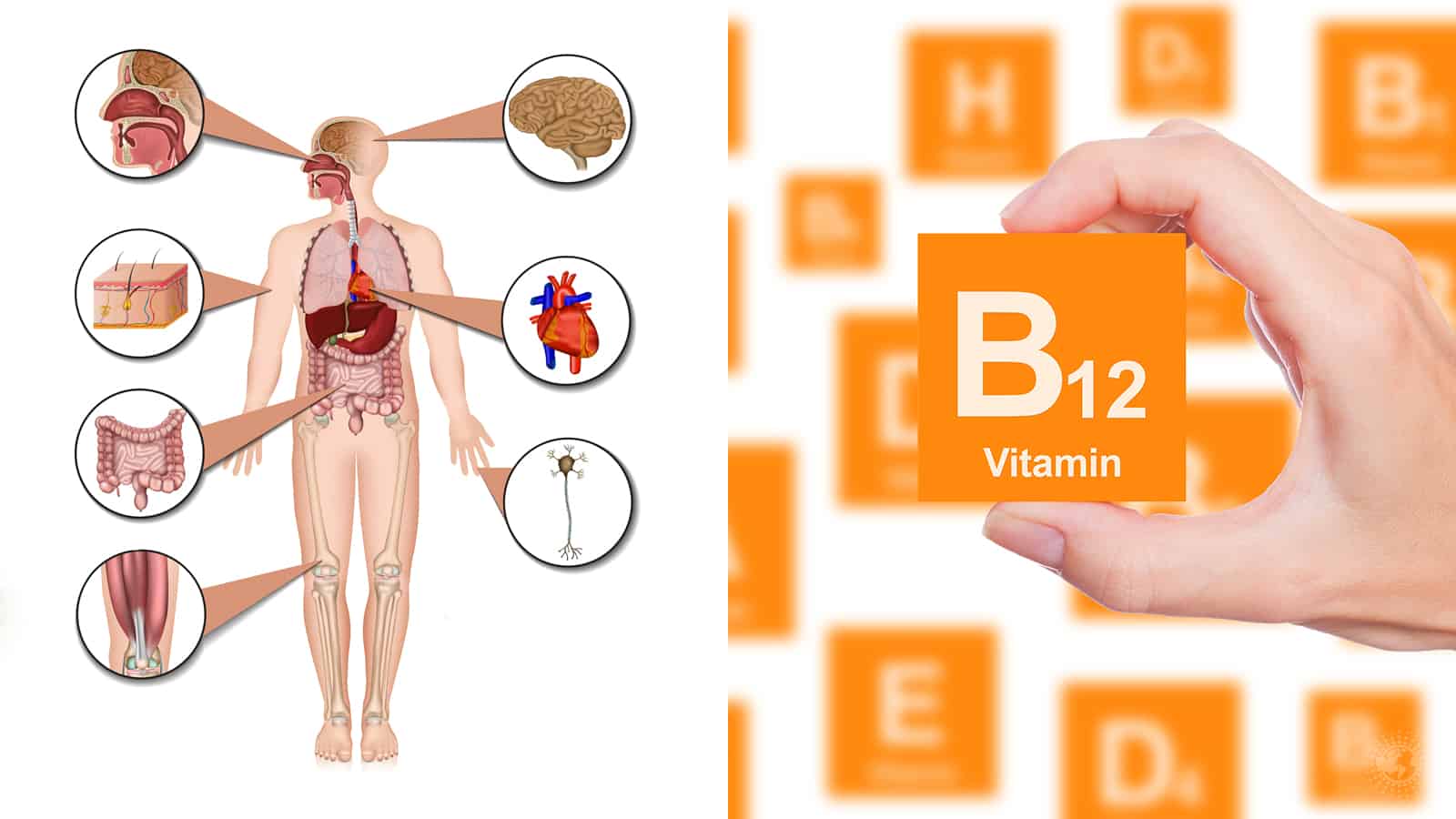
7 Things About a Vitamin B12 Deficiency to Never Ignore

The body receives most of its vitamins from the food we eat. As our diets change, so do the nutrients that the body absorbs.

When it comes to vitamin B12, the body begins to lose its ability to absorb this important nutrient, making it easier than ever to become deficient.

Identifying a Vitamin B12 Deficiency

In order to keep our bodies at their healthiest, we need a diet filled with foods high in B12 or take vitamin B12 supplements.

B12 allows the body to create red blood cells, helping us to function normally. If you aren’t receiving an adequate amount of B12, the following are a few tell-tale signs you should look for:

1. You Find it Difficult to Stay Awake

Struggling to stay awake? This could be a symptom of many things, so it isn’t wise to automatically assume that you are B12 deficient.

When trying to determine the cause of your drowsiness, start by figuring out if you are getting an adequate amount of sleep each night. Receiving eight hours of sleep or more and still feeling tired? Then it’s time to consider that you may be lacking B12.

In a healthy body, vitamin B12 is responsible for the creation of red blood cells. These red blood cells help the body function properly. The fatigue that is associated with a B12 deficiency is due to the fact that the body isn’t producing the right amount of red blood cells.

Dizziness

This drowsiness caused by a B12 deficiency is often accompanied by dizziness. This sensation is usually felt if a person stands up too quickly from sitting down. Additionally, the dizzy feeling can occur when walking up or down the stairs.

B6

Dietitians explain the dangers of a B6 deficiency (and how to beat it!).

2. Your Muscles Feel Exceptionally Weak

If you are lacking in B12, you will feel weak in addition to feeling tired. This is due to the fact that healthy and strong muscles need a substantial amount of red blood cells. Without B12, your red blood cells won’t be able to send oxygen to your other cells, increasing the weakness in your muscles.

Feeling Pins and Needles

In addition to causing muscle fatigue, a B12 deficiency often causes a person to feel pins and needles. These sensations are often followed by numbness or electric shocks caused by nerve damage. These nerve issues are caused by lower oxygen levels.

3. You’ve Started to Experience Memory Loss

B12 is also responsible for the red blood cells needed to send oxygen to the brain. A lack of oxygen to the brain will result in a foggy memory, as well as other symptoms of improper brain function.

People who suffer from B12 related issues often assume they have Alzheimer’s. In reality, these people aren’t getting the necessary amount of B12.

Improving Your Memory

After visiting a doctor, a blood test will be able to help diagnose a B12 deficiency. If this is the case, the doctor will usually prescribe a vitamin B12 supplement to help you improve your memory.

4. Your Skin Seems Pale

Is your complexion yellow? This symptom of a B12 deficiency is caused by broken blood cells. These cells then release bilirubin.

As the skin also yellows in individuals dealing with jaundice, it’s best to see a doctor to confirm the cause of the problem.

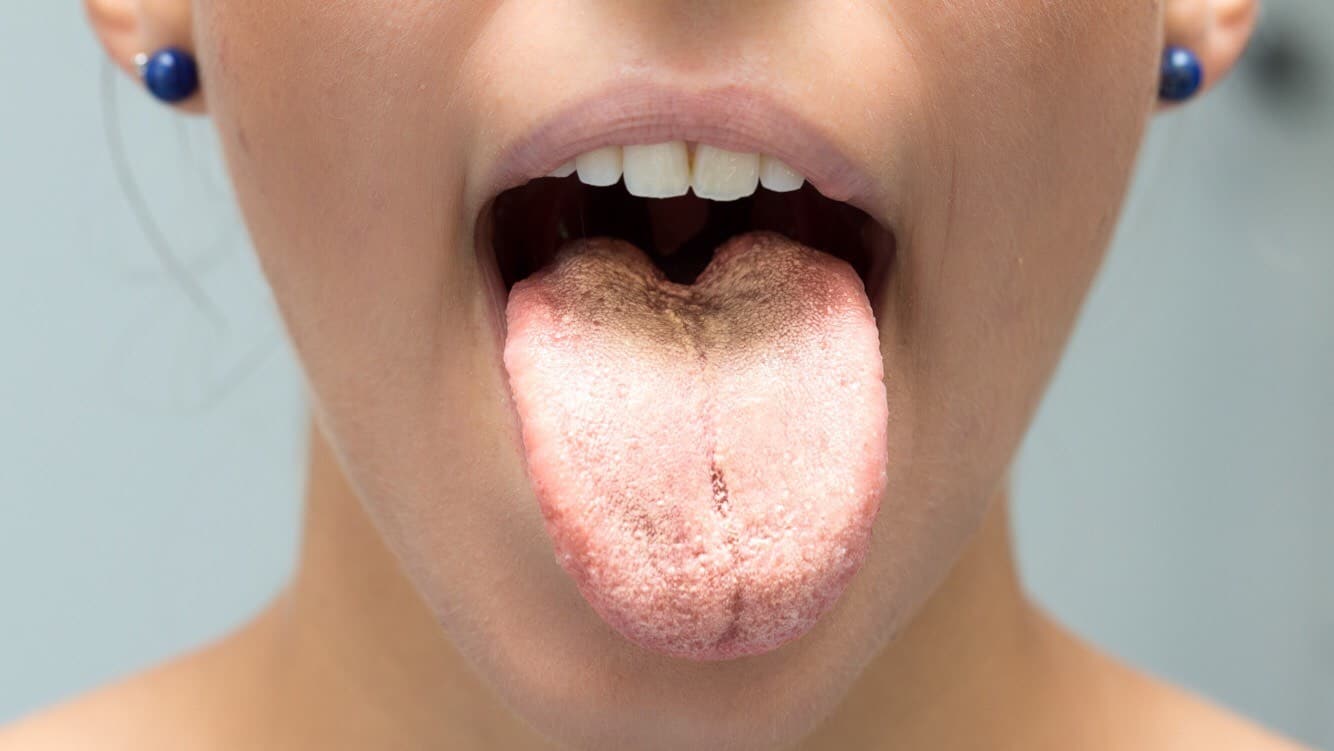
5. Your Tongue is Smooth and Red

Bumps on the tongue are completely normal and are indicators that you are healthy. These bumps are known as papillae. Without B12, you’ll find that the bumps on your tongue are no longer there.

6. You’ve Started Losing the Ability to Taste

Moreover, without B12, you may lose some of the taste buds on your tongue. You also may find that there’s pain towards the back of your tongue. You’ll notice that food loses its taste the more your body is lacking in B12.

7. You’ll Begin to Experience Eye Issues

Being deficient in B12 can cause damage to the optic nerve in your eyes. This damage can lead to blurry vision, double vision, and even vision loss.

In order to pinpoint if these eye issues are related to a B12 deficiency, you’ll need to visit a professional. By self-diagnosing, you won’t be able to improve your vision if the problem isn’t B12.

Other Common Symptoms

Trying to determine if you have a B12 deficiency? While it is necessary to visit a medical professional to accurately diagnose your condition, you can work to narrow down your symptoms if you think you are lacking in vitamin B12.

Keep an eye out for these additional symptoms:

  • Shortness of breath when performing simple activities
  • Frequent headaches that won’t go away
  • Unexplained or sudden weight loss
  • Experiencing an upset stomach
  • Constant and extreme mood swings
  • An excessively dry mouth
  • Ringing in your ears
  • Difficulty falling asleep
  • Lower levels of melatonin
  • White nails as a result of anemia

The Benefits of B12

Knowing all the symptoms and consequences of a B12 deficiency are just as important as knowing all of the benefits of having an ample amount of B12.

1. Prevent Birth Defects

Expectant mothers should be at their healthiest during their pregnancy. This includes having a sufficient amount of B12, either from taking supplements or eating a protein-heavy diet.

Women who are hoping for a healthy pregnancy should up their intake of B12. As the baby develops in the mother’s body, the B12 will work to ensure that the baby’s nervous system and brain develop properly.

Women who have a deficiency of B12 earlier on in their pregnancy are at risk of increasing the potential for birth defects, which can include neural tube defects. Additionally, mothers deficient in B12 are more likely to miscarry or give birth prematurely.

2. Improve Bone Health While Preventing Osteoporosis

While osteoporosis is often associated with old age, B12 plays a role in our bone density as well.

Maintaining healthy levels of B12 will help to improve your bone health. With the adequate absorption of B12, your body will be able to regulate its bone mineral density.

A healthy bone mineral density will help reduce the risk of developing osteoporosis.

3. Ease Symptoms of Depression

B12 plays a role in the creation of seratonin. Individuals with a B12 deficiency may find that they are experiencing symptoms of depression.

With an increase of B12, individuals can improve their moods while working to reduce their depression.

Improving Your Intake of Vitamin B12

A change in your diet can lead to your body having trouble maintaining B12. Oftentimes, people who drastically change their eating habits notice that they are deficient in this important nutrient.

Anyone experiencing a B12 deficiency will need to alter their diet to include more B12. By changing their eating habits, they will be able to ensure they are getting the right amount of B12.

Eat More Meat for More B12

The best way to improve one’s diet to include more vitamin B12 is to eat more chicken, lamb, and fish. These foods are high in B12 and are an easy way to help your body absorb this nutrient.

Try a Vitamin B12 Supplement

Individuals who are vegan or vegetarians may find themselves lacking in B12. If this is the case, they can use a vitamin B12 supplement to help ensure they are getting the right amount of B12.

The most popular choices for a vitamin B12 supplement are Cyanocobalamin and Methylcobalamin. These are the preferred options for a vitamin B12 supplement for non-meat eaters.

vitamin b12

Take More Probiotics

Quality probiotics help individuals absorb B12 more efficiently. The best foods to help with your intake of B12 include dark chocolate, kefir, kombucha, and more.

Cut Back on Inflammatory Foods

The overall amount of B12 in your body is highly dependent on your gut’s health. Focusing on avoiding inflammatory foods will help to ensure that your body is well taken care of, in addition to getting enough B12.

Receive a B12 Injection from the Doctor

An efficient way to receive a boost of B12 is via injection. If a doctor finds that you are deficient, he or she may recommend that you receive a shot.

Final Thoughts on Vitamin B12 Deficiencies

At first, it can be hard to detect a B12 deficiency. However, once this deficiency has been identified, getting back on track takes a concentrated effort. In addition to changing your diet, it’s important to monitor your intake of this essential nutrient.

As you work to live a healthier life, keep an eye out for any of the aforementioned symptoms. By understanding the importance of B12 and the consequences of a B12 deficiency, you will be better prepared to take care of yourself and prevent any of these symptoms from occurring.

https://www.youtube.com/watch?v=yG-G9_LOkLA

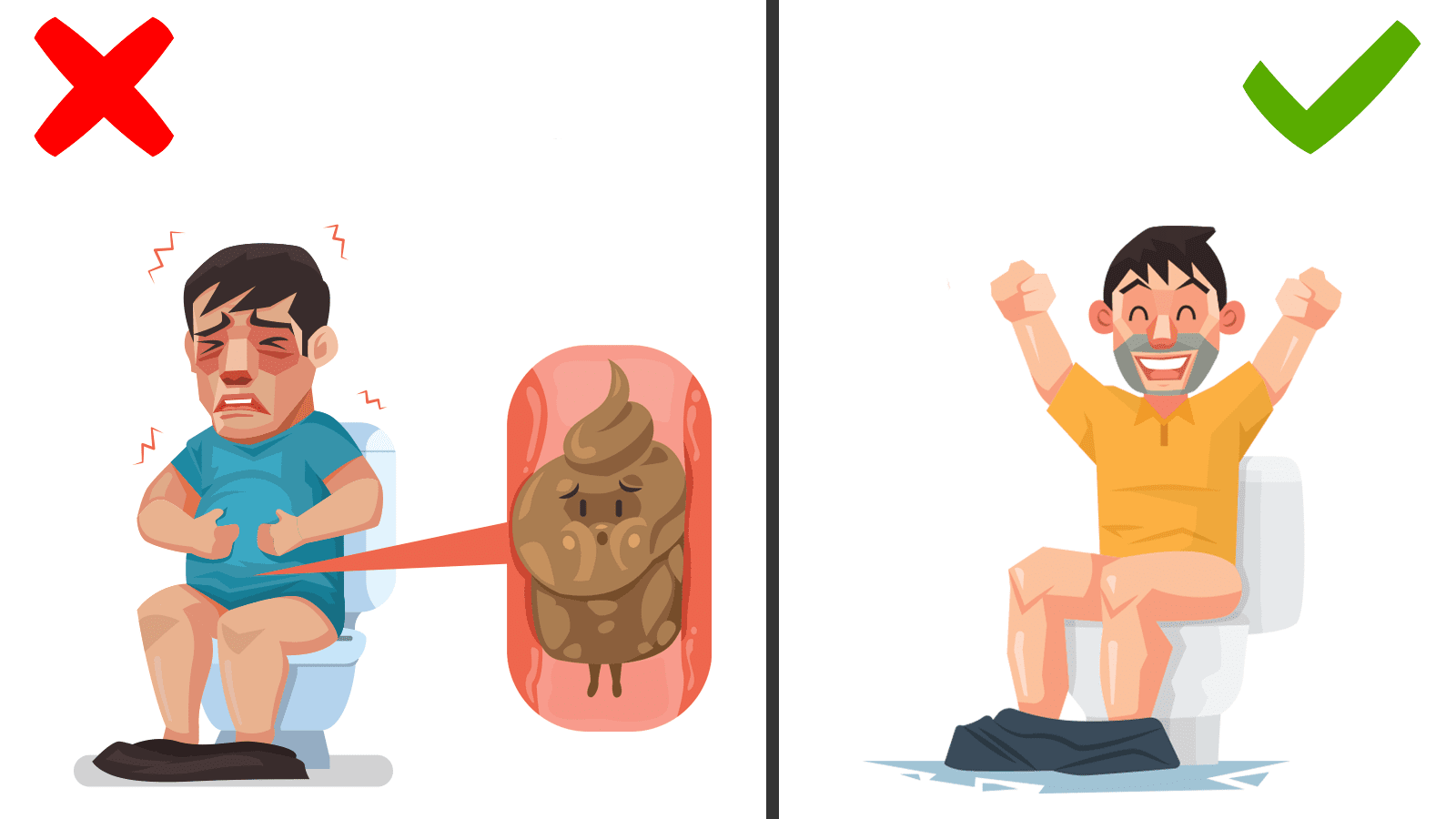
7 Things Your Poop Says About Your Health

Talking about poop is uncomfortable for some people unless you’re dealing with potty training. It is a messy subject to tackle and might even be regarded as an inappropriate topic for discussion. For others, talking about poop may elicit a laugh or an embarrassing giggle. While no one takes poop talk seriously, the topic is actually very important to your health.

With a growing interest in the human body’s gut health, scientists and doctors are no longer dismissing poop talk and keeping it behind closed doors. They have come out in the open and are now saying that you should discuss and carefully study this often-overlooked bodily function. In fact, it is the key to our health, as per The Guardian.

More than half of the human body is apparently made up of microbes. The most concentrated part of these microbes exists in the bowels, according to the BBC report. Pooping is the body’s way of naturally eliminating these microbes and toxins. It’s a normal process that every human experiences pretty much every day so why must it be embarrassing to talk about it?

Do you know how to analyze your poop? What can you discover about your health when you pay attention to your pooping habits? Here are some things to keep in mind about your poop’s health.

7 Things Your Poop Says About Your Health

baby poop

1.    The composition of the microbes in your poop is critical to your health

The microbes inside your body comprise cells, bacteria, fungi, and viruses. This is known as the microbiome, where the “bugs” outnumber the cells with a ratio of 1.3 to 1, as per a study in the journal PLOS Biology. But the ratio of other microbes to cells may be higher, depending on how often you poop.

So, if you don’t poop regularly, the accumulation of bugs in the microbiome may impact your health and well-being. These bugs are critical because they contain both good and bad bacteria. The good bacteria are responsible for boosting your immune system. The bad bacteria may contribute to developing diseases like autoimmune disorders, diabetes, hypertension, inflammatory bowel disease, and even mental health disorders.

2.    Fecal transplant exists and may help people with a severely unhealthy gut

Your microbiome builds up as soon as you start consuming food at birth. As soon as you learn to eat solid foods, your microbiome has been primed and prepared for your development as an adult. So, what you eat impacts the microbiome’s composition, which in turn influences your body’s metabolism.

If you’re fond of eating foods rich in artificial sweeteners, fat, fiber, and sugar, the microbiota in your gastrointestinal tract could be modulated, as per a study by National Institutes of Health. Your body’s hormone production may increase, which may then dictate the rest of your bodily functions.

Research at the University of Newcastle also shows that an imbalance in your microbiome affects how food tastes in your mouth. This explains why you’re more partial to eating foods others might not like. Needless to say, your food choices impact your nutritional needs.

Scientists, to this day, are still discovering new things about the gut. But given the insights above, they have made it possible to facilitate a fecal transplant to help those with severe gastrointestinal problems. A fecal transplant involves the transplantation of poop bacteria coming from a healthy person to a recipient. Although that might sound gross, it could become a widely accepted treatment procedure for various diseases in the future.

3.    The changes in your poop’s color show the state of your health

It’s normal for poop to change color every day. The color will help you analyze if there are alarming concerns that you should look into. Some color tones that reflect the fall season – such as brown, yellow, and green – are usually normal. But you need to get yourself checked as soon as possible if the color of your poop is deep red, black, or whitish-gray.

  • If your poop is BROWN, you’ve got a healthy gut and digestive system. You’re good!
  • If your poop is GREEN, it means that you’ve been eating a lot of vegetables with high chlorophyll content. It’s also possible you’re taking more food and supplements with green coloring. But sometimes, your feces may turn green even if you haven’t eaten any vegetables. This may mean that your digestive tracts quickly processed the content with little or no bile and bilirubin.
  • If your poop is YELLOW, you may have eaten plenty of carrots or drank yellow-colored liquids. But it may also indicate poor fat absorption in your bile ducts. Yellow bowel movements may sometimes be a sign of cystic fibrosis, celiac disease, or pancreatitis.
  • If your poop is RED, it’s a cause for alarm because that could indicate the presence of blood. Your tissues may be damaged, causing bleeding. In some cases, blood in the poop are symptoms of hemorrhoids, colitis, or cancer.
  • If your poop is BLACK, it’s likely because of the medicine you’re taking, like iron or ibuprofen, or you may have been eating plenty of blueberries and licorice. But it may also be a sign of internal bleeding, so get yourself checked, especially if you feel anything odd or unusual in your stomach.
  • If your poop is WHITE or a shade of gray, it might be a symptom of problems in your liver and gallbladder. You should get tested for gallstone formation, blocked bile ducts, cirrhosis, or Crohn’s disease.

bowel

4.    The shape of your poop also gives doctors hints about your health

Specialists who read the medical tests of your poop rely on the Bristol Stool Scale to figure out if there’s something wrong with your health just by looking at its shape. This scale was developed in 1997 by experts from the University of Bristol.

·         Soft and smooth

A normal and healthy poop resembles a soft, smooth, and evenly-shaped sausage. This shows that you’ve been eating a balanced diet, doing physical activities, and avoiding stress.

·         Many small solid lumps

You’re constipated if your poop resembles peanuts or pellets or looks similar to goat feces. You need to increase your fiber intake if this is the case.

·         Large and bumpy lump

This stool shape also indicates constipation and lack of fiber. It may also mean that you’ve been sitting too long and you’re not doing any physical activities. You have to eat more vegetables and fruits, as well as do exercises regularly.

·         Pencil thin

When you have a narrow poop shaped like a pencil, visit a doctor immediately. This may be a symptom of a type of colon cancer.

·         Small and lumpy, but soft

You suffer from diarrhea if your poop is small, lumpy but soft. Try eating a banana or crackers, as well as low-fiber foods for the meantime.

·         Fluffy, flat, and ragged

You also have diarrhea if your poop is fluffy, flat, and ragged. You should take medications and drink lots of water instead of eating bananas. If this condition persists after two days, visit a doctor.

·         More liquid than solid

A poop that’s more liquid than solid is full-blown diarrhea. Visit your doctor to get tested for food poisoning or lactose intolerance so you can get the proper treatment.

5.    The unusual smell of your poop is also a red flag for a possible health problem

Your feces include a combination of digestive gases like carbon dioxide, hydrogen, methane, nitrogen, and sulfur. It ferments in your colon and produces bacteria, so poop generally smells because of these combinations. However, if the stench is stronger and worse than usual, it may indicate problems in your digestive system.

For one thing, you’ll likely be constipated if your fecal odor is strong. The smell is a hint that your poop has stayed inside your digestive tracts far longer than it should be.

But if you’ve been to a foreign country for a trip and have developed foul-smelling poop, consult a doctor as soon as possible. You need to get tested for a bacterial, parasitic, or viral infection.

6.    You may need to change your diet if your poop that floats in the toilet bowl

You might need to change your diet if your poop doesn’t sink in the toilet. According to the Cleveland Clinic, you’re likely more gassy than normal if your fecal matter keeps afloat and stays like this for several days. It’s also possible your body isn’t absorbing the nutrients well or you may develop a gastrointestinal infection.

7.    You don’t need to poop every day

It’s not a huge concern if you ca unable have bowel movements every day, as long as your poop isn’t hard and painful or its color and stench are not unusual. According to a study found in the American Journal of Gastroenterology, people are still in the average range when they poop somewhere between three times a day to three times per week.   If you’re in this range, then there’s no need to see a doctor unless you have other stomach issues.

poop

Final Thoughts On What Your Poop Says About Your Health

Now that you have some ideas on analyzing your poop, consider visiting a professional to talk about this often-avoided subject. If you’ve got a good doctor, he or she will guide you on how to actually look at your stool to improve your health apart from the tips above.

Some people wait too long to seek a consultation, while others don’t consider it until it’s too late and they’ve got an irreversible condition. Apparently, a lot of discomforts about bowel problems go unreported.

For instance, a study from the experts at the Loyola University Health System revealed that fecal incontinence is actually a widespread condition affecting older women in the U.S. But this problem has yet to come to the public’s awareness. Other illnesses related to poop don’t get enough attention as well.

People don’t usually go to their doctor for advice on how to make their poop healthier because it’s odd and embarrassing. But doctors are now telling their patients to never feel awkward about it. There’s a good chance your doctor has heard of worse bowel problems than yours. So, if you do feel something in your gut, don’t hesitate to open up a to a professional.

5 Reasons You Get a Metallic Taste in Your Mouth (And How to Avoid It)

“Why does my mouth taste like old pennies?” Have you ever had that metallic taste in your mouth? To when you almost expected to find a 1975 penny buried somewhere in your oral cavity? It’s weird, yes, but it’s also quite common.

According to Dr. Michael Rabovsky, Chairman of the Department of Family Medicine and Vice Chairman of the Medicine Institute at the Cleveland Clinic, the cause of metal mouth is usually harmless. Of course, this is not always the case, as we’ll get to in a moment.

In this article, we’re going to discuss five main reasons – and a few others – why you get metal tang on your palette. We’ll wrap things up by explaining how you can manage and prevent the metallic taste in your mouth.

“Dysgeusia”

The taste of metal in the mouth is a known medical condition called dysgeusia, a distortion of the sense of taste. Dysgeusia may come on suddenly or gradually and may be acute or chronic in duration. Additionally, there are two other taste disorders: ageusia, the absence of taste, and hypotenuses, the “decrease in taste sensitivity.” Concerning the latter, recent research, published in the journal Prevention in Clinical Oral Health Care, cites aging as a primary cause.”

Physiologically, a metallic taste and other taste disorders surface from changes to the olfactory sensory neurons. Through interaction with the taste buds, olfactory neurons help produce the sense of taste. The nerve endings in your taste buds communicate with sensory neurons in your brain to identify the taste of foods and beverages. As with any mechanism involving complex messaging of the senses with designated parts of the brain, one’s sense of taste is a combination of various processes. Because of this complexity, things can – and do – go wrong.

Though having a condition altering your sense of taste may not seem altogether harmful, dysgeusia can be both difficult to manage and stressful. Further complicating matters is that fact that solving impaired sense of taste is very difficult. To be more specific, pinpointing the cause as either diminished sensitivity or distorted perception is a considerable medical challenge. Because of this, accurate diagnosis and treatment can be evasive.

Five reasons you get that metallic taste in your mouth

“An altered sense of taste can cause patients to self-manage in ways that are detrimental to their health.” – Jeanette Y. Wick

  1. Chemotherapy

Chemotherapy is the treatment of diseases, particularly cancer, using chemical substances (usually medication). Impaired perception of taste is quite common for patients receiving chemotherapy treatment, with around 56 percent of patients reporting symptoms.

Dysgeusia is even more common in patients undergoing radiotherapy and chemoradiotherapy, with 66 percent and 76 percent of patients reporting symptoms. It may take as long as three to four weeks for the former group to experience said signs.

Chemotherapy medications may produce changes in the body resulting in a metallic taste. Drugs known to induce a metallic taste include cisplatin, cyclophosphamide, nitrogen mustard, and vincristine. Other related causes of dysgeusia include nerve damage from radiotherapy, mucosal infections, and tumor location.

The metallic taste produced by chemotherapy is particularly troublesome and may lead to malnutrition and weight loss if not properly managed. As such, patients may wish to alter their routine by doing one or more of the following:

  • Adding or cooking with herbs and spices, which may add more flavor
  • Consuming acidic drinks, e.g., lemon juice or orange juice
  • Delaying food or drink intake for 2-3 hours following treatment
  • Eating with plastic utensils instead of silverware
  • Eating chilled or frozen foods
  • Using condiments such as chili/hot sauce, barbeque sauce, ketchup, teriyaki sauce, etc. to add flavor
  1. Zinc deficiency

Zinc deficiency is perhaps the leading cause of metal taste in the mouth – and potentially the most overlooked. Found in cells throughout the body, zinc plays critical roles in cell division, cell growth, digestion of carbohydrates, and wound healing. Researchers estimate that zinc deficiency affects about 17 percent of the world population – including 35 to 45 percent of adults over the age of 60.

Sometime in the last 20 years, scientists began to discover and study the effect of zinc on smell and taste. It turns out that the metal zinc has an intricate relationship with the olfactory nerves and taste buds. Concerning the former, medical experts concluded that nasal sprays containing zinc might cause anosmia, the loss of smell. Upon further examining the data, researchers posit that zinc deficiency also causes impaired taste and a metallic taste, although researchers are unsure as to the exact mechanism. Deficiencies of vitamins B12 or D may also produce a metal taste.

  1. Prescription medication

Researchers estimate that more than 300 medications may cause a residual metallic taste. Medicines that produce this taste do so through one of six side effects:

  • Blockage of the sinuses
  • Changes to the nerve pathways of the nervous system
  • The decrease in saliva production
  • Inhibition of cell division (mitosis), such as in chemotherapy
  • Impairment of the cranial nerves
  • Upper respiratory infection

Some of the more popular pharmaceuticals known to produce metal taste as a side-effect include: acetylcholine inhibitors, anesthesia (post-exposure; common in dental anesthetics), antibiotics, anticholinergics, anti-thyroid drugs, Adenocor (adenosine), angiotensin-converting enzyme (ACE) inhibitors; Rocaltrol, Calcijex, or Decostriol (calcitriol), clindamycin (antibiotic), ethionamide, flecainide, gallium nitrate, lithium, lorcainide, metformin, metronidazole, methocarbamol, oncological chemotherapeutics, phenytoin, and tetrofosmin.

By no means is the above listing comprehensive. Make sure to check with your doctor if you are on any prescription medicine and experiencing a metallic taste in your mouth. Also, many of the drugs mentioned above are specialized and only prescribed for particular medical conditions. As such, seek the advice of your healthcare professional before altering your dosage.

  1. An underlying medical condition

Known medical conditions that may produce a metallic taste in the mouth include Bell’s palsy, cancer, CNS disorders, common cold, diabetes, ear infections, head injury and trauma, gingivitis, kidney or liver problems, periodontitis, and respiratory or sinus infection.

While any of the above conditions may produce dysgeusia (or parageusia) as a side effect, the most common medical conditions those that act on the ear, respiratory system, and central nervous system (CNS). Women in the early stages of pregnancy may notice changes to smell and taste, including a metallic taste.

  1. Poor oral health

Finally, not properly caring for your mouth can leave a nasty metal taste. Neglecting your teeth may lead to gingivitis or periodontitis and, eventually, gum disease.

An oft-overlooked aspect of proper oral care is scraping (or brushing) the tongue. Bacteria live on your tongue that may produce a metal taste, as may food particles and other debris. While mouth rinses may kill some surface bacteria and germs, it will not penetrate the surface of the buildup, meaning that you must brush or scrape to eliminate it entirely.

tongue color health

Avoiding (and preventing) the nasty metal taste

Before discussing how to avoid and prevent the nasty metal taste, it is important to understand when to see a healthcare professional. If you’ve been unsuccessful in eliminating that metallic taste, see a doctor to check for any underlying medical condition. Medical professionals who specialize in the treatment of ear, nose, and throat disorders are called otolaryngologists. Your doctor may refer you to one.

Now, depending on the cause, there is sometimes little that can be done to prevent or avoid the metal taste in your mouth. If the taste is caused by an acute illness, such as a sinus infection or common cold, the issue should go away once the virus has left your system.

All the above in mind, here are a few things that you can do to avoid or temporarily get rid of taste distortion:

  • Avoid smoking (and stay clear of second-hand smoke)
  • Brush your teeth thoroughly after eating and drinking
  • Chew sugar-free gum or use sugar-free mints
  • Drink water throughout the day (an overlooked method, but effective!)
  • Experiment with different food types, spices, condiments, etc.
  • Remember to practice good oral hygiene. Brush and floss at least twice a day and scrape your tongue at least once daily.
  • Use non-metal cooking, eating, and serving tools.

https://www.youtube.com/watch?v=T1ke5KbOAZs

13 Top Supplements For Your Immune System

With cold and flu season upon us now, it’s vital to keep your immune system healthy by boosting it with a good diet and exercise routine, quality sleep, and supplements. While it’s possible to get all your nutrients from diet alone, supplements offer a convenient and cost-effective way to ensure you’re meeting your nutritional needs. Fresh food is wonderful, but it can be challenging to keep on hand, and supplements provide a long-lasting alternative. If you’re looking to boost your intake of essential vitamins and minerals, good supplements like Microdose Mushrooms can be an excellent choice.

We’ll go over some of the best supplements out there to help protect you from getting sick and provide immune system support.

13 Top Supplements for Your Immune System

“Seventy-six percent of U.S. adults—more than 170 million—take dietary supplements.” – CRN 2017 Survey on Dietary Supplements

1. Vitamin D

Vitamin D helps the body absorb calcium and strengthen bones. It is also believed to protect against heart disease, depression, and certain types of cancer. Because we get Vitamin D from sunlight, those who live in the northern hemisphere may find themselves at a disadvantage due to inadequate sun exposure. More than 36 percent of adults suffer from a Vitamin D deficiency, which can lead to decreased immunity and other health problems.

Supplementing with Vitamin D can help protect your body’s immune system and support healthy bones. If you decide to take Vitamin D supplements, nutritionists recommend taking Vitamin D3 instead of D2 because it is the natural form that our bodies make from sunlight.

2. Zinc

Because this mineral is high in antioxidants and serves as an anti-inflammatory, it’s a powerful tool to boost your immune system. Zinc also helps with enzyme function, protein synthesis, and wound healing. Studies have shown that people who took a zinc acetate lozenge (13.3 milligrams zinc) were able to nip their cold symptoms (cough, nasal discharge, and muscle aches) in the bud much quicker than those who took a placebo.

While you can get zinc from foods like seafood, eggs, legumes, nuts, seeds, and soy products, an estimated 1.1 billion people worldwide suffer from a zinc deficiency. This is why zinc supplements are vital for those who don’t get enough zinc from their diet alone. If you choose to take a supplement for your immune system, make sure it contains zinc methionate, since this is a highly absorbable form of the mineral.

3. Elderberry

While more research still needs to be done on elderberry, many people swear by it for its ability to ward off colds and flus. In fact, a 2016 study found that people who traveled by plane frequently and supplemented with elderberry had fewer colds and lower symptom scores than the placebo group. Elderberry is high in Vitamin C and antioxidants, which might explain why it protects the immune system so well. You can take this supplement in syrup, gummy, or capsule form, but make sure to read the ingredients to ensure no additives (such as sugar) are present.

4. Probiotics

Did you know that the gut houses 70 percent of your immune system? Unfortunately, many people don’t have enough good bacteria in their gut, which can lead to poor immune system function. Probiotics can bring good bacteria into your gut, decrease inflammation, and promote better digestion. You can also eat fermented foods such as yogurt, kefir, kimchi, and sauerkraut, but probiotics are easier to take. They are often more affordable as well.

However, with so many probiotics on the market today, how do you know which one to buy? In general, you need to make sure the supplement has the genus, species, and strain you’re looking for. There are thousands of different strains, all of which work differently in the body, so research what you need before purchasing it. Also, make sure it says somewhere on the bottle how much bacteria you will get in one dose.

One good supplement is the GoodBelly Probiotic Supplement since it contains ten billion live cultures of probiotic strain LP299v, plus it’s been proven to promote healthy digestion and flood your gut with good bacteria in more than 50 human clinical trials.

5. Oil of oregano

People use oregano in a variety of dishes, but it has been used for medicinal purposes as well for thousands of years. Oregano contains antibacterial and antiviral properties that may reduce coughing frequency. It may also boost your immune system by increasing the flow of bile. If you decide to supplement with oil of oregano, choose one that’s free of additives and is organic, if possible.

6. Chlorella

This blue-green algae is available in powder or capsule form and is rich in Vitamin B12, iron, Vitamin C, potassium, magnesium, zinc, other B vitamins, Omega 3s, and fiber. Chlorella also contains a high amount of antioxidants which can help boost your immune system.

7. Mushroom extract

Mushrooms provide a powerhouse of nutrients such as B vitamins, selenium, Vitamin D, potassium, copper, iron, and phosphorus, among others. However, not everyone enjoys the taste and texture of mushrooms in their diet. This is where mushroom extract comes into play. Mushrooms help the immune cells fight infections, which will aid in boosting immune support. As always, if you want to try mushroom extract, make sure to research the company thoroughly before purchasing.

8. Garlic

Garlic is one of the most widely used natural cold and flu remedies. People have used garlic to cure diseases for thousands of years. It is believed that a compound called allicin, an antibacterial and antifungal, is a key component to preventing illnesses. However, garlic must be consumed raw, as cooking it virtually destroys the healing parts of the vegetable.

9. Astragalus

Though you may have never heard of this herb before, astragalus is used in traditional Chinese medicine to keep the immune system working properly.

study from Beijing, China showed that astragalus helps control T-helper cells 1 and 2, which regulate the immune system. It also contains antioxidants that can prevent damage from free radicals. You can find this root in powder or pill form.

10. Ginseng

Ginseng root has been proven to prevent colds, ease a sore throat, and reduce sneezing. Some research shows that ginseng could help nip colds in the bud faster as well. The recommended dose is 200 mg of ginseng per day, which you can also take in powder or capsule form.

11. Multivitamin

In the cold winter months, the body must work harder to keep itself going, which means it needs a steady dose of nutrients. However, many people don’t feel like eating cold fruits and vegetables in the winter, so a multivitamin can prove useful to make up for any shortages. It can also bolster your immune system, helping to prevent colds and flu.

Choosing a multivitamin can be tricky, however, as there are literally thousands to choose from. When you start your search, keep these tips in mind:

  • Don’t take a supplement that has more than 100% of the daily value for any vitamin or mineral.
  • Choose a vitamin with a maximum of 3,000-3,500 International Units (IUs) of vitamin A.
  • Men and postmenopausal women should choose vitamins with 50% or less of the DV for iron.
  • Most vitamins won’t have 100% of the DV for calcium or magnesium because this would make the pills quite large.
  • Look for the USP (United States Pharmacopeia) symbol, which means the vitamin is high quality.
  • Watch out for additives such as herbs, which are unnecessary and make the product more expensive.
  • Buy generic when you can, and stay away from vitamins designed for certain sexes or age groups.

12. Vitamin C

Anytime you get a cold, people will urge you to take Vitamin C to get better quickly. Because Vitamin C helps with antibody production and function, it is vital to a healthy immune system. However, Vitamin C doesn’t just support your immune system when you already have a cold. It’s been shown that higher doses of vitamin C help the immune system fight infections, which might mean your body can fight off a cold before it even infects you.

immune system

If you don’t get enough Vitamin C through diet alone, you can supplement with Emergen-C packets, which also contain other vitamins and minerals. Or, you can opt for another Vitamin C supplement; just make sure to read the ingredient list for any impurities. Also, you want to ensure that the supplement you choose has all three types of Vitamin C – ascorbic acid, calcium ascorbate and sodium ascorbate – in order to increase effectiveness.

13. South African geranium

South African geranium, or umckaloabo, is commonly used orally for upper respiratory infections such as bronchitis, sinusitis, and sore throat. Some studies have shown that it may speed up recovery from the cold and flu and also lessen the severity of symptoms. You can get South African geranium as a chewable tablet, capsule, or liquid. If you choose the liquid form, be sure to add honey to ease a sore throat.

Final thoughts

We hope one of the supplements listed above will help strengthen your immune system and keep colds and flus at bay this winter season. As always, the best course of action for keeping yourself healthy is eating right, exercising, getting enough sleep, practicing positive thinking, and making time for self-care. However, if you find yourself needing an extra boost, these supplements will do just the trick.

https://www.youtube.com/watch?v=KKB0jThAfnQ
Science Explains When It’s Ok to Ignore Your Partner

Is ignoring your partner completely wrong? Is avoidance or withdrawal from your partner always an indication that there’s trouble in your relationship?

Relationship gurus have always stressed the importance of communication in a relationship. We’ve been told that for partnerships to work, couples must always open up and face their problems together.

But a study published in the Journal of Personality and Social Psychology cited that there’s an exception to this rule. It turns out that, sometimes, ignoring your partner is actually OK and that withdrawing from your significant other may actually lead to greater satisfaction in life.

Science Explains When It’s Ok To Ignore Your Partner

“What if the partner being asked to change just does not have access to and control over all the resources needed to make that change? In this case, disengaging may be necessary.” – Jaclyn M. Ross

The Demand-Withdraw Pattern

Experts from the American Psychological Association visited 1,000 couples for this study over the course of 18 months. The participants willingly discussed their problems and the things they hoped to change in their relationship.

The researchers studied the dynamics of the couples and saw a familiar demand-withdraw pattern. This usually happens when one partner asks for something, while the other partner ignores the demands.

  • Traditionally, the demand-withdraw pattern gives rise to conflicts in a relationship.
  • This behavior is often linked to high dissatisfaction when pressure and blaming come into play.
  • But surprisingly, the demand-withdraw pattern did not have such an unfavorable impact on the relationships of low-income couples compared to those who were better off economically and socially.

Ignoring and Relationship Dissatisfaction

The findings revealed that the relationship satisfaction of more affluent couples dwindled when there were too many demand-withdraw interactions. On the other hand, the relationship satisfaction of economically and socially disadvantaged couples was more stable despite the demand-withdraw interactions. But when the low-income earning husband did not ignore his wife, that’s where the dissatisfaction rated lower.

Study lead author Jaclyn M. Ross explained the implications of their findings in the press release. She confirmed that the dynamics of a demand-withdraw pattern can work differently for couples, thus shunning long-held beliefs that this pattern is distressing for every relationship. Ross cited an example where a wife demands that her husband should ask his boss for a raise.

  • A husband with a low income might be reluctant to do it, knowing there are risks.
  • Instead, he withdraws from his wife.
  • In the process of ignoring her, however, the husband protects his self-esteem, as well as the vulnerability of their situation.
  • In this case, ignoring the wife was more positive for the relationship.

But if a husband earned more and was in a better position to ask for a raise, ignoring his wife’s demand could be seen as an unwillingness to make his family’s life better. This can easily draw friction and increase the wife’s dissatisfaction and displeasure toward her husband.

High Expectations vs. Realistic Expectations

While it might seem easier for well-to-do couples to fix their problems because they have the resources, their higher status can also lead to high expectations. So, if those are not met, then conflicts in the relationship can develop or worsen existing problems.

Ross emphasized that because low-income couples have realistic expectations of their situation, the demand-withdraw pattern makes less of an impact. Couples in a socially disadvantaged situation are more aware that their problems in life go deeper than what they can control. So, if changing their situation might not be possible, then disengaging becomes not only a healthier response but also a necessity.

How to Ignore Your Husband in A Healthy Way

Being in a relationship is a lot of work. As much as you love your partner, you do have episodes where you just wish he’d leave you alone. Despite the importance of communication in a relationship, there are times when ignoring your partner is actually OK as the above study demonstrated. But here are a few more ways to withdraw from your partner while still working to forge a positive relationship.

1. Don’t engage your partner when he’s in a bad mood

It’s best to disengage and give your partner some space when he’s in a bad mood. It will be difficult to have a proper conversation with someone who is angry. Just ignore your partner until his negative mood has subsided.

In the same manner, if you’re the one who is angry, you should let off steam away from your partner. This is a positive way to avoid a fight that might not even have something to do with your relationship.

  • For example, your husband comes home after a bad day at work.
  • Because he’s a bit stressed and sensitive, he could overreact with anything you do or say.
  • If you start defending yourself by answering back sharply, a full-blown fight might spark between the two of you.

Sometimes, your partner might try to bait you into an argument as his way of unloading his frustrations.

  • Understand that when a person is stressed and angry, there may be no logic to his feelings. Don’t take these comments personally.
  • Instead of taking the bait, it’s better to respond to him with a simple “Yes” or “Okay.”
  • If he senses you’re not up for engaging in an argument, he’ll likely leave you alone.

But avoiding your partner so that you won’t fight is only a short-term solution. It shouldn’t be something you do over and over because it’s not a healthy coping mechanism for your relationship. When he’s calmer and no longer temperamental, make sure that you sit down with him and talk about what’s really going on at work.

2.    Ignore some of his bad habits

Nobody is perfect and that’s the universal truth. There are things about your partner that will continue to annoy you and he will likely get annoyed about some of your bad habits, too. But if you let every single imperfection get to you, then you’re never going to truly live harmoniously with your partner. So, in some cases, it is better to ignore the bad habits and just let things be.

Despite what people say, it’s not always easy to change those bad habits. When something has been ingrained in your husband since childhood, you might need to accept that he will never change some of his ways.

  • For instance, your partner tends to forget to turn the lights off when he leaves the room.
  • You’ve told him a hundred times to stop being wasteful but he still keeps doing this.
  • Instead of scolding him, consider ignoring the habit altogether.
  • Don’t be like his mother, who probably also nagged about turning off the lights.

It’s not a personal attack on you if he forgets to do something you’ve reminded him about multiple times. He’s not doing this to be disrespectful or to devalue you. It’s really just a bad habit he cannot shake off anymore.

Sometimes, you need to overlook some of his flaws and not let it upset you. If it’s not directly affecting your relationship, there really is no harm in shrugging it off.

3.    Go ahead and sleep, even if you’re angry at your husband

“Don’t go to bed angry” is what they say. You may have heard this age-old advice many times before. The idea behind this advice is that couples should foster positive thoughts and not negative memories. Therefore, they should settle their fights before sleeping.

But a study found in the Journal of International Society of Psychoneuroendocrinology revealed that it might be better to ignore your partner than to engage in an argument before bed. You’ll do your health a favor because, apparently, fighting before bedtime can lead to sleep deprivation. This, in turn, can raise your risk for high blood pressure, cardiovascular diseases, arthritis, and diabetes.

Experts followed 43 married couples in this experiment and studied their blood samples before going to bed. When an argument struck, the scientists took more blood samples after the fight to analyze if there were differences.

  • Their findings showed that couples who were sleep-deprived, because they had to settle a fight the night before, had more indicators of inflammation in their body.
  • If you make a habit of never going to bed angry, at the cost of sleep due to settling an argument, you’ll likely have a high level of inflammation.
  • Inflammation is a precursor for many types of diseases.
  • The study has raised a red flag against the idea that you must settle an argument before you sleep.

Worse, couples who try to settle a fight but lose sleep over it often end up arguing again the following day (or night). And it’s likely because their sleep deprivation made them short-tempered.

It seems marital conflict and short sleep do not make for a good combination, health-wise. So, if you’d rather get a good shut-eye than engage in an argument with your partner, then go ahead and ignore him for the time being.

4.    Politely tell your husband you’re avoiding him

Sometimes, being upfront is a more mature way of handling a situation that could get stressful and tense. So, if you need to avoid your husband, perhaps it will be better to tell him this in a direct but polite manner.

In some relationships, couples call a time-out when they are angry at their partner but they don’t want to make the situation worse than it is. Usually, the couples aren’t on speaking terms because they are still processing their anger. In such cases, it helps if they make their intentions of avoiding each other known.

partner

  • For example, if you don’t want to be in the dining room with your husband for dinner you can politely announce that you would rather have your meal in the bedroom.
  • Say, “I’m still upset about what happened but I’m not yet ready to talk. So, if you’ll excuse me, I’d like to take my dinner upstairs.”
  • This isn’t a manipulative tactic if you’ve both agreed beforehand that this how you handle your anger when one of you is not yet ready to sit down and talk.
  • It comes with a great deal of respect if couples agree to this term because you never have to use the destructive silent treatment.
  • It still shows good manner and maturity even if you’re raging in anger deep inside.

Final Thoughts On When Its Ok To Ignore Your Partner

Even if there are positive ways to ignore your husband, it doesn’t erase the fact that there are issues that you have to address in your relationship. So, after you’ve had your space for a day or two, the next step would be to communicate.

It will also help your relationship if you don’t ignore the good things you see or feel in regards to your partner. Express your gratitude and affection for your partner every chance you get. These moments will keep re-invigorating your love for each other.

https://www.youtube.com/watch?v=WeJ8dXDZUcA

5 Reasons Most Diets Don’t Work (And What to Do Instead)

“…diet plans don’t make money by making people permanently thin, and food companies don’t make money by selling crunchy fresh apples.” – Sandra Aamodt, Why Diets Make Us Fat: The Unintended Consequences of Our Obsession With Weight Loss

If you research “diets” online, you’ll find thousands of different plans and programs. Each one claims to have all the answers to your weight loss struggle. Most of them promise big results in a short amount of time. Because we live in a culture obsessed with instant gratification, diet plans sell like hotcakes.

The Diets of Early Man Versus Modern Man

Our modern world has severely disrupted and skewed our relationship with food. People have lost touch with their hunger cues and natural instincts. When we lived closer to nature, our bodies told us when and how much to eat. And we listened. If we couldn’t find food for a while, our bodies would go into starvation mode. The body would hold on to calories in order to survive. No foods were off-limits because food was scarce, so when we did find food, we indulged in it.

Fast forward 100,000 years and we have almost no connection to nature. We can get virtually any kind of food whenever we want, provided we have enough money. Additionally, we eat to our heart’s content. Because there is such an abundance of food available now, our bodies don’t recognize when we’re actually hungry. We eat for reasons other than hunger, such as to numb our emotions or to avoid being bored.

We’re told by the food industry to eat more, but the diet industry tells us to eat less. Who should we believe? And, more importantly, how can we know what and how much to eat when we are bombarded with such conflicting messages?

In this article, we’re going to attempt to dispel as many myths surrounding diet culture as possible, and tell you what you can do to take control of your health once and for all.

Here are 5 main reasons why diets don’t work:

1. They are only meant to be temporary.

Think about it: out of all the diets you’ve heard of, do any of them claim to provide lasting results? Most of them boast about being able to lose a drastic amount of weight or lose inches in “just six weeks” or even less. None of them talk about the long-term; they’re only concerned with the short-term. After you’ve gotten off your diet, you’ll just go back to the way you used to eat and regain any weight you lost. Very few people keep the weight off because the diet doesn’t teach them sustainable, healthy eating habits.

Instead of thinking about a short-term solution, you should think about what will work for you in the long-term. You have to make healthy eating and exercising a part of your lifestyle so that you can maintain your habits over time. Dieting teaches you to do extreme things like restrict calories, cut out whole food groups, or exercise vigorously for hours at a time to lose weight. This is why diets are temporary, because they are simply not designed for the average person to maintain.

And, if you’re looking to lose weight, diets are not the answer. According to a review of over 30 studies, diets are one of the main predictors of weight gain. Our obsession with losing weight to “get healthier” might, ironically, be driving us in the opposite direction.

2. They’re bad for your health.

The diet industry desperately wants you to believe that you’re finally taking charge of your health once you buy into their clever scheme. However, you’re only setting yourself up for failure and actually going backwards when it comes to getting healthier. Dieting in itself isn’t sustainable; in fact, it’s dangerous to your health because it can lead to yo-yo dieting, where you’re constantly gaining and losing weight. This can lead to an increase in inflammation, which can cause a host of illnesses and diseases.

It also puts your body under tremendous stress, because any time you lose weight, your body fights back. It wants to stay at a certain set point, so any time you disrupt your body’s natural biology, it will do whatever it can to make you regain that weight. This happens due to a hormone called leptin; when you diet, this hormone decreases, signaling your body to increase your appetite to replenish the energy it thinks you need to survive. Studies show that one in three dieters ends up gaining more weight than they lost on a diet.

Other health risks include muscle loss, higher body fat percentage, fatty liver, increased risk of heart disease and diabetes, and increased blood pressure.

3. Diets are expensive.

Americans spend roughly $60 billion per year on weight loss products and services. This includes money spent on weight loss programs, gym memberships, and products with the word “diet” in them, such as diet soda. Roughly 45 million Americans go on a diet every year, and most of them fail to achieve their weight loss goals. Sadly, this just means that most people waste their money on products and services that don’t deliver results as promised. The solution?

Don’t spend money on fads and programs claiming to help you lose weight. Instead, buy healthier foods at the store and move your body a little bit each day. You can be healthy at a higher weight, so don’t make weight loss the focus of your life. If you eat well and exercise frequently, you’ll have much better health markers than a person of average weight who doesn’t exercise or eat well.

4. Diets increase cravings.

Obviously, if you restrict a food, you’re going to want it even more. You will have a harder time avoiding it the longer you deem it off-limits. Some scientists believe certain foods cause neurons to fire in the reward center of the brain, as drugs do. Additionally, studies show that the reward and pleasure centers of the brain light up even more when a food that has been previously restricted is reintroduced into someone’s diet. This means you’ll want to eat that food even more. It makes you feel intense pleasure, more than before you cut it out of your diet.

5. You start to obsess over food.

A research study conducted in the 1940s on a group of 36 men attempted to analyze the effects of calorie restriction. Researchers cut their calorie intake in half for six months. They observed mood changes such as irritability, lack of motivation, and fatigue. They also noticed that the subjects had become obsessed with food. One subject wrote that he, “stayed up until 5 a.m. last night studying cookbooks,” not a common pastime. The men began ripping out pages from cookbooks and stealing food. Some even started chewing up to 30 packs of gum per day to stave off cravings.

They had become obsessed with food simply because their bodies weren’t getting the fuel they needed! This is exactly what happens when people go on diets, and the weight loss and diet industries capitalize on this because they want you to think something is wrong with you. However, something is actually gravely wrong with them for profiting off of our biological responses to calorie restriction.

What to Do Instead of Dieting

Don’t give up on losing weight just yet. If you learn to listen to your body instead of the diet industry or others who don’t have your best interests at heart, you can start seeing results. In fact, a large study of more than 120,000 adults in the United States found that establishing certain habits could help people gradually decrease and maintain their weight.

Here are some of the tips researchers found helped the study participants:

  • Eat healthy foods like yogurt, fruits, vegetables, and nuts.
  • Avoid junk foods like chips and soft drinks.
  • Limit starchy foods like potatoes; these should be eaten in moderation.
  • Exercise at least a few times per week doing something you enjoy.
  • Get quality sleep of 6-8 hours per night.
  • Limit TV watching, as this promotes laziness and lethargy.

As you can see, this study focused on lifestyle changes that people can make and stick to over time. This approach proves more effective than a fad diet that requires some form of extreme behavior.

diets

Another study of 439 overweight women showed that a lifestyle intervention designed to promote gradual weight loss over time was equally effective in both women with and without a history of yo-yo dieting.

This is good news for people that may have a hard time losing weight due to dieting in the past and are looking for a permanent solution.

Final thoughts on Reasons Diets Don’t Work

We hope this article has shed some light on the corruption of the diet industry, because it has permeated virtually every facet of our culture today. People have become obsessed with their appearance and food, which has led many to develop eating disorders.

The diet industry is dangerous because it is only interested in lining its pockets and pays little regard to people’s health. As long as you stay active, eat healthy most of the time, get enough sleep, and do things you enjoy, you should have nothing to worry about. Steer clear of diets and instead focus on making healthy living an aspect of your life rather than a “quick fix” for a larger problem.

Science Explains How Turmeric Helps Your Body Lose Weight

Turmeric is a yellow-orange spice made from the herb of the same name. That plant, which is also known by the scientific name Curcuma longa, is a member of Zingiberaceae or the ginger family. It is native to India and parts of Southeast Asia.

The spice is made from the plant’s roots which are ground into a powder. People have used turmeric powder as a dye and a traditional medicine for generations. They have also used it in cooking to add flavor and coloring to various dishes, especially curries. The turmeric benefits in cooking include an earthy aroma resembling that of mustard and a bitter flavor reminiscent of black pepper.

Turmeric benefits health in the following ways: reducing inflammation, promoting cardiovascular health, aiding digestion, and relieving arthritis. It can also help people lose weight.

Turmeric Benefits for Weight Loss According to Scientists


1. Curcumin Can Suppress the Growth of Adipose Tissue

Curcumin is an antioxidant and anti-inflammatory found in turmeric. In 2009, researchers at Tufts University reported a study that indicated that curcumin slowed weight gain in mice by preventing new adipose tissue from forming. As a person or mouse gains weight, new blood vessels form along with the increasing fat tissue. The researchers found that feeding mice curcumin prevented them from developing new blood vessels, and the mice developed less fat tissue. They also had less fat in their livers and lower cholesterol levels than did mice who weren’t fed curcumin.

2. Curcumin Can Help Convert White Adipose Tissue Into Brown Adipose Tissue

There are actually two types of adipose tissue: white and brown. White adipose tissue stores energy. When people gain weight, they gain more and more white adipose tissue. Brown adipose tissue helps produce heat by burning fat. A neurotransmitter called norepinephrine helps convert white adipose tissue into brown adipose tissue.

In 2015, the science journal “Biochemical and Biophysical Research Communications” described a study in which researchers found a way that turmeric benefits health. More specifically, they found that feeding curcumin to mice increased the amount of norepinephrine in their bodies. The added norepinephrine triggered the browning of their white adipose tissue, and the mice lost both weight and fat, even though they were still eating the same amount of food.

A year later, “The Journal of Nutritional Biochemistry” published a study conducted by Korean scientists who identified four mechanisms curcumin used to induce browning in white adipose tissue. For example, they found that curcumin could stimulate the production of mitochondria, which are organelles found in brown fat. Known as the “powerhouses of the cell,” mitochondria convert sugars, proteins, and fat into energy.

The researchers also found that curcumin could both suppress the production new fat and increase the protein levels of the enzymes p-acyl-CoA carboxylase and hormone-sensitive lipase. The latter augmented the enzymes’ ability to destroy fat cells.

Similarly, curcumin can stimulate AMP-activated protein kinase (AMPK). AMPK is an enzyme that helps regulate the metabolism. The more active it is, the easier it is for a person to reach or maintain a healthy weight.

The fourth mechanism that curcumin can boost is the expression of genes specific to brown fat. In other words, curcumin can stimulate the genes involved in turning white fat into brown fat.

3. Curcumin Suppresses Obesity-Linked Inflammation

Adipose tissue produces adipokines, and some of these substances, like TNF-? and IL-6, cause inflammation that can lead to such disorders as diabetes, metabolic syndrome, or heart disease.

“The Annual Review of Nutrition” described a 2010 review of various studies of curcumin. Over the years, researchers have worked with mice, rats, rabbits and sometimes humans. Back in 1972, researchers found that curcumin could lower the blood glucose levels in patients with diabetes. Since then, they have found that curcumin can suppress the production of adipokines.

4. Curcumin Helps the Liver

As an antioxidant, curcumin can both protect the liver from damage and alleviate existing damage. In 2016, the science journal “BMC Complementary and Alternative Medicine” published a study in which researchers fed different dosages of spice extract and curcumin to rats with induced liver damage over a four-week period. They then took blood and liver samples from the rats and analyzed them. The scientists found that the rats with damaged livers had gained more weight than had a control group with healthy livers. They also found that the rats with damaged livers that had been given the highest doses of curcumin and spice extract had gained less weight than had those that were given smaller doses.

The scientists performed a similar experiment that used mice. They found that the mice given the highest doses of curcumin and spice extract showed the fewest signs of liver damage. They also had lower cholesterol levels. The researchers concluded that both curcumin and spice extract could prevent at least some types of liver disease.

The liver helps metabolize fat, and a healthy liver can burn more fat than a damaged or diseased liver. Turmeric benefits people and helps them lose weight by improving the liver’s health.

5. Curcumin Helps Fight Conditions Linked to Obesity

Other turmeric benefits include curcumin’s affects on conditions linked to obesity like metabolic syndrome, hypothyroidism, stress, and polycystic ovarian syndrome (PCOS). The last three all increase the chances of somebody becoming overweight or obese, while metabolic syndrome makes it harder for an obese patient to lose weight, even if they exercise and follow a healthy diet. Many obese people also have insulin resistance, which reduces their body’s ability to respond to insulin. As the excess insulin accumulates within their blood, it increases the body’s ability to store fat. Consequently, many people with insulin resistance become overweight. Curcumin helps patients with insulin resistance by increasing their body’s ability to use insulin.

Stress can cause obesity for many people suffering from stress or disorders like anxiety or depression will eat to try to make themselves feel better. When somebody is under a lot of stress, their body produces a lot of the stress hormone cortisol, which can cause chronic inflammation and increase fat storage. Curcumin relieves stress by lowering cortisol levels and increasing the production of dopamine and serotonin, which are both hormones that improve mood.

6. Turmeric Benefits Dieters By Helping Them Lose Weight More Quickly

The spice contains components, mainly carbohydrates, that the body simply can’t digest. They thus fill up the stomach and are simply expelled with other waste products. The spice also contains fibers that aid digestion.

7. Curcumin May Help Gut Bacteria

“The Journal of Evidence-Based Integrative Medicine” published a 2018 study in which researchers studied the effects of turmeric and curcumin on healthy adult humans. They gave tablets containing either substance to two groups of volunteers while a control group got placebo tablets. The scientists then analyzed the volunteers’ stool samples, and they found that the control group had fewer bacteria species in their digestive tracts than did the other two groups. They also found that some bacteria genera were more responsive than others. The researchers described curcumin as having “prebiotic-like” effects on gut bacteria.

Obese people tend to have fewer and less diverse bacteria genera living in their digestive tracts than do lean people. Researchers believe that different bacteria perform different tasks within the digestive tract, and that diverse groups of bacteria perform more efficiently than do less diverse groups.

8. Spiced Lemon Water Has Multiple Benefits

An easy way to enjoy the turmeric benefits is to add the spice to lemon water, and both lemons and water provide their own health benefits. Water, for example, can aid weight loss by providing a feeling of fullness. Lemon juice contains nutrients like Vitamin C, Vitamin B6, thiamin, potassium, phosphorous, folate, and calcium. It also contains citric acid that helps digestion.

Spiced lemon water can be drunk with ice, or it can be heated like a tea. People who don’t like the taste can also add cinnamon, honey, or mint to get a more pleasing flavor.

Turmeric

9. Curcumin Supplements

Curcumin makes up about 3 percent of turmeric. Moreover, the bloodstream only absorbs a small amount of it. Ergo, people generally don’t get the desired amount of curcumin by simply adding spice to their foods; they need to take supplements. Currently, the best and most effective supplements contain piperine, a natural substance found in black pepper. It can increase the body’s ability to absorb curcumin by an impressive 2000 percent.

In addition, curcumin is fat soluble. Taking it with a fatty meal can also increase the body’s ability to absorb it.

Researchers have been looking for more ways to make curcumin more “bioavailable” or more easily absorbed by the body. The “European Review for Medical and Pharmacological Sciences” published a clinical study in which researchers combined with a substance called phosphatidylserine to make it easier for the body to fully absorb it.

The researchers then administered the curcumin to 44 overweight volunteers who had all been diagnosed with a condition called metabolic syndrome that increased their risk of developing cardiovascular disease and diabetes. Over the two months of the study, the participants also exercised and followed healthy diets. By the end, they had lost weight and slimmed down. The scientists were hopeful that curcumin could be used to help people control their weight.

10. Spices Have Health Benefits

Spices, in general, are often good for people. They don’t contain sugar or salt and can be used to replace both. Sugar has calories but no nutrients and salt can cause bloating by making the body retain water. While some spices contain compounds that increase metabolism, others can make people feel full longer.

https://www.youtube.com/watch?v=yG-G9_LOkLA

Science Explains How Much Vitamin D You Need to Be Healthy

Despite being one the most readily available nutrients, vitamin D ranks as one of the highest in terms deficiencies around the world. Although vitamin D can be absorbed naturally from sunlight, some regions are not exposed to enough sunlight for people to get the requisite amount of vitamin D they need for good health.

In fact, according to healthline.com, one of the fastest growing health information platforms in the U.S, more than 42 percent of Americans have a D vitamin deficiency. Why is this worth mentioning? Well, vitamin D is essential for healthy bones and a strong immune system. In this article, we will take a look at the two variants of this particular vitamin as well as how much is needed for optimal health.


HOW DOES D VITAMIN WORK IN THE BODY?


It should be noted that vitamin D is actually a group of fat-soluble secosteroids, responsible for increasing the body’s ability to absorb an array of minerals, including magnesium, calcium, phosphate, and many more. These fat-soluble secosteroids are referred to as vitamin D2 and D3. Vitamin D2 can be found naturally in certain mushrooms while vitamin D3 is found in egg yolks and certain oil fish. Those who don’t receive the necessary amounts of vitamin D2 and D3 through food consumption, typically receive the remainder from sunlight. Large amounts of this vitamin can be absorbed through the skin when it is exposed to the sunlight’s ultraviolet rays with any excess being store away in body fat.


WHAT HAPPENS IF HAVE A VITAMIN D2 OR D3 DEFICIENCY?


The effects of being low in vitamin D2 or D3 has a lot to do with age; for example, adults who are deficient in D2 or D3 may start to experience vision problems, fatigue, sudden weight gain, and decreased bones density, which increases the risk of possible fractures. In younger children, these deficiencies could stunt their growth and may also cause rickets and osteomalacia (softened bones). Across all ages, however, deficiencies in vitamin D2 and D3 have been linked to various forms of cancer, high blood pressure, and thyroid problems.


HOW MUCH VITAMIN D2 AND D3 IS NECESSARY?


The necessary amount of vitamin D can vary from person to person, often coming down to age, sun exposure, and race. Regardless of these factors, there is one thing that is salient across all demographics, every cell in the human body has a receptor for these vitamins, and these receptors help to fight off diseases and improve health in one way or another. Having said that, the daily intake of vitamins D2 and D3 should be 400–800 IU (10–20 micrograms) for adults.


If we look at these requirements from a blood level standpoint, however, 400–800 IU (10–20 micrograms) may not be sufficient. Studies have shown that those with blood levels above 20 ng/ml needed a daily intake of 1120–1680 IU to satisfy their vitamin D2/D3 requirements. For those who are overweight, the daily intake is even higher. If all of this sounds confusing, you can take solace in knowing that the optimal intake for most people, regardless of weight and other extenuating factors, is 1000–4000 IU (25–100 micrograms).


IS THERE AN OPTIMAL BLOOD LEVEL FOR VITAMIN D?


To determine an optimal blood level for vitamin D, we have to first understand how blood levels are measured. Blood levels are determined based on a measurement of 25(OH) D in the blood, which denotes the amount of vitamin D stored in the body at any given time. The Institute of Medicine has determined the following as it pertains to optimal blood levels for vitamin D2/D3:


  • Deficient: 25(OH)D less than 12 ng/ml
  • Sufficient: 25(OH)D greater than 20 ng/ml
  • Insufficient: 25(OH)D less than 20 ng/ml

Obviously, this is a lot of information to take it, but what you can distill from all of this data is that 20 ng/ml is considered optimal for most people. Having said that, there is no data available to support that blood levels over 20 ng/ml would provide additional health benefits.


WHY YOU SHOULD TAKE VITAMIN D2/D3 SUPPLEMENTS

One the biggest misconceptions about vitamin D2/D3 is that you get your complete daily requirement by simply frolicking in sunlight. While you can absorb vitamin D2/D3 from sunlight, there is a good chance that you won’t be able to get your recommended intake, especially if you live in a region where sunlight is limited. Also, for those with darker skin, vitamin D2/D3 is not easily absorbed. For this reason, it would be a good idea to take supplements and to eat foods that contain these vitamins like salmon, egg yolks, and milk.

If you are fair skinned and live in a region where sunshine is abundant, sun exposure may be all you need. Studies have shown that fair-skinned individuals who sunbathed for 5 to 20 minutes while the sun is at its strongest were able to receive their recommended dose of vitamin D2/D3. The take away here is that you’re more likely to get the recommended intake of these essential vitamins during the summer and if you’re fair-skinned. What about during the winter, you ask? Well, to get your vitamin D benefits during the winter you’ll have to rely on food sources and supplement as these will be your only options.

Here are a few important points worth noting on sun exposure and vitamin D2/D3:

  • More than 70 countries around the world don’t receive enough sunlight to make receiving vitamin D2/D3 naturally feasible.
  • Clothing, weather, weight, genetics, and sunscreen can all impede your ability to absorb vitamin D2/D3.
  • In certain countries, the sun is only strong enough to receive vitamin D2/D3 between October and March.

Basically, when it comes to sun exposure, geographic location and season will dictate who will benefit the most from the sun’s ultraviolet rays.


IS THERE SUCH A THING AS TOO MUCH VITAMIN D2/D3?

With so much emphasis being placed on getting the recommended dose of vitamins D2 and D3, you’re probably wondering if it is possible to overdose on this needed vitamin. If so, the answer is yes and no. While the likelihood of overdosing is possible, it is very rare. An individual would have to take an abundance of vitamin D2/D3 supplements in order to reach the point of overdose/toxicity.

vitamin d

Basically, a high volume of calcium and phosphates will need to be present in the bloodstream, your parathyroid hormone levels will need to be extremely low, and higher dose must be taken for more than a month. To help put this into context, a study published by the Jackson Sun, found that those who took vitamin D2/D3 supplements in excess of 20,000 IUs per day for more than a month were at no risk of overdose/toxicity. Obviously, they didn’t gain anything any additional vitamin D benefits in the process, but they didn’t suffer any ill-effects either.

IN CONCLUSION

All in all, vitamin D benefits the body in a variety of ways; however, not getting your recommended dose can lead to a number of problems. That said, many people around the world are deficient when comes to this particular vitamin. If you fall into this category, you’ll be happy to know that remediation is not only easy but also cost-effective. Vitamin D benefits can be derived from many foods, and the cost of supplements don’t have to break the bank. That aside, here are a few important points worth reiterating:


  • If you live in a place where you’re fortunate enough to have access to strong sunlight all year-round like countries closer to the equator, for example, you should make it a point to get your recommended dose of vitamins D2/D3.
  • If sun exposure is not an option for you, consider taking supplements or eating foods rich in vitamins D2/D3. Of course, keep in mind that you should be aiming for 1000–4000 IUs (25–100 micrograms) per day.
  • The only way to gain vitamin D benefits is to get your recommended daily dose, but if you’re not sure what you’re dosage should be, you will have to make arrangement to have your blood levels accurately In measured.

The information contained in this article is intended to provide general information on the topic of vitamin D2/D3. This article should not be used in place of information provided by a licensed physician. For more information on vitamin D2/D3, you’re encouraged to click on the links provided throughout this article and to speak with your doctor.

https://www.youtube.com/watch?v=7BNGVmwxoHI

Skip to content