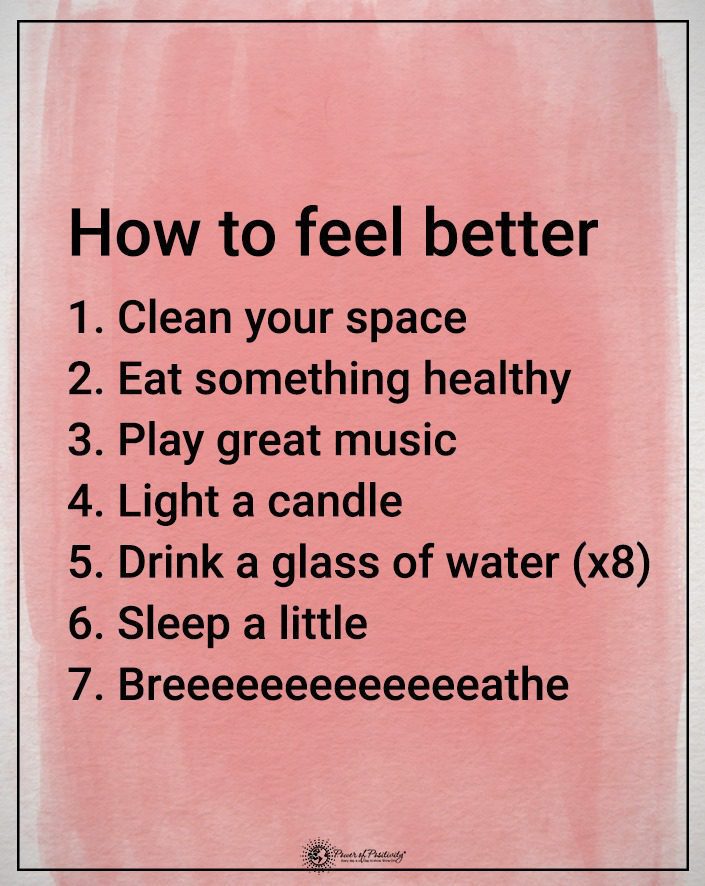
Weekly tips, affirmations, and small actions to feel your best.

Innovative Technology Can Help Office Workers Heal Lower Back Pain

Office workers commonly experience lower back pain due to sitting for a prolonged time. When you’re sedentary much of the day, it can lead to stiff joints and muscles. It’s tough on your lower back since stress tends to accumulate in this area.

Having an uncomfortable office chair or poor posture can exacerbate the pain from sitting too long. Some experts recommend getting an ergonomic chair to alleviate back pain and improve posture. Also add an anti fatigue mat to give you comfort and prevent physical stress.

Standard features of ergonomic chairs

Ergonomic chairs have adjustable components so that everyone can customize them according to their needs. Below are the most often included features:
office workers
1. Adjustable seat height

If you’re buying an ergonomic chair, you’ll want to ensure you can adjust the seat height. It’s an important feature to look for because it allows for a comfortable seating position. Ideally, you want your feet flat on the floor while working for the best posture. Also, your knees should sit above your hips for the best back support. Make sure to choose a chair that offers a seat height of around 16-21 inches.

2. Seat width and depth

Being able to adjust the depth of your chair can also help office workers. This feature can relieve pressure at the back of the knees caused by the unequal placement of the legs. If your legs don’t receive equal blood flow, it can lead to deep vein thrombosis (DVT). To prevent this, make sure you have between two and four inches between the seat’s edge and the backs of your knees.

3. Seat tilt

Office workers should also select a chair with a seat tilt option. This keeps the pelvis at the correct angle, which will improve posture during long hours of sedentary work. When you’re seated, keep the pelvis neutral with 80-degree angles at the ankles, knees, and hips.

4. Lumbar support

Of course, any office chair should have lumbar support to protect your lower back. This added cushion will help prevent slouching, reducing stress on the pelvis and spine. Having a customizable backrest keeps the spine aligned with the curve in the chair, relieving lower back pain.

5. Backrest recline

When you want to take a break, having an adjustable recliner built-in can provide much-needed relief. Being able to stretch your back and shoulders throughout the workday will alleviate tension and sore muscles.

6. Headrest

This feature supports the back of the head, neck, and shoulders to reduce tension.

Innovative Technology Can Help Office Workers Heal Lower Back Pain

In addition to buying a comfortable chair, researchers have discovered another way to lower back pain. In Japan, 10% of seemingly healthy office workers experience lower back pain regularly. Stretching and exercise and help relieve some of the pain, but often, the damage has already been done.

So, researchers brainstormed ways to alert office workers before the pain becomes unmanageable. A team from Tohoku University in Japan developed a new pain sensor that workers can install on their chairs. The pressure sensors detect workers’ movements on the chair throughout the day. These “smart chairs” can alert workers of worsening lower back pain in real-time.

The researchers tested the sensors in a real-world setting outside the lab. They compiled data from 22 participants over three months and analyzed the results. The group poured over the information to study sitting posture and identify lower back pain progression.

They also employed machine learning techniques to organize the data. Researchers found a common occurrence in most participants’ sitting behavior. They identified small motions in the body that prevent the fixation of vertebral joints, preventing worsening lower back pain. The frequency of the posture could help predict lower back pain progression during the day compared to a baseline state.

The researchers hope they can employ the technology in other areas of the body in the future. “Although the current method focused on LBP, we hope to collect data relating to head and neck regions to be able to predict and prevent stiff necks and headaches, said paper coauthor Ryoichi Nagatomi.

The study was published in the journal Frontiers in Physiology.

Five Easy Tips to Improve Posture for Office Workers

Lower back pain affects all age groups and is the leading cause of disability in working-age people globally. Researchers believe the global burden of this ailment will only increase as the population ages. However, even if you’re sitting for prolonged periods, you can still protect your back. Here are a few ways to do so:

  1. Keep your computer screen about an arm’s length away. Your upper arms should sit parallel to your spine, and your eyes should align with the top of the monitor. Your elbows should rest at your sides at a 90-degree angle.
  2. Office workers should sit up straight and avoid slumping in the chair. Your neck should remain in a comfortable, neutral position.
  3. Adjust the armrest so that your shoulders lift slightly, which will relieve tension from your neck as well. Also, this will improve your posture and prevent you from slouching.
  4. Sit with both feet flat on the floor, not with your legs crossed. This keeps the blood flowing equally in both legs, helping to prevent blood clots and other issues.
  5. Keep your bottom pressed into the back of the chair. Also, have a cushion handy to keep your lower back arched, so you don’t slouch forward. This alleviates strain on your lower back, spine, and lumbar discs.

office workers
Final Thoughts on the New “Smart Chairs” That Can Reduce Lower Back Pain for Office Workers

If you ask any office worker, they’ll likely complain about lower back pain at some point. It’s inevitable that your back will feel tense after sitting for 8+ hours a day. However, researchers from Japan have developed a new pressure sensor that can detect worsening back pain. The sensor alerts office workers when they need to adjust their posture or take breaks.

With more people working sedentary jobs than ever, it’s essential to protect their health. Sensors such as the one Tohoku University researchers created could provide a solution to one of the most common ailments today.

12 Ways to Put Assertiveness to Work in Life

Assertiveness means having the right balance between passivity and aggressiveness. If you’re asserting yourself, you’re able to speak your mind respectfully but firmly. Do you think you’re assertive enough? If not, here are effective ways to put assertiveness to work in your life.

What’s the difference between assertiveness and aggressiveness?

How do you know if you’re being aggressive or assertive? Here are some distinctions between these two attitudes.

Assertiveness Aggressiveness
Positive expression Negative expression
Respect others Ignoring others’ value
Value yourself Disrespect others
Stand up for yourself Hurts others
Non-threatening Angry, impatient

Thirteen ways to put assertiveness to work in life

Try these tips to being asserting yourself. You will become more self-confident.

assertiveness1 – Initiate conversation

Being assertive means, you have the self-confidence to start or end a conversation with other people. You may start talking about something simple, but then you lead the discussion to more complex subjects. When someone wants to know your opinion about something, be sure to give them your honest answer. You don’t worry what people think about you because you’re confident in who you are.

2 – Assertiveness empowers you to make requests

If you’re an assertive person, you ask for things when you need them. You’re respectful but don’t come across as passive. Your tone and body language exhibit self-confidence. You stand straight, lean forward, and look the person in the eye when you make the request. What shouldn’t you do when you’re making a request?

  • Apologize for asking
  • Dismiss yourself saying, “It doesn’t matter.”
  • Look down at your feet.
  • You smile, but inside you’re struggling with fear.

Remember, there’s a difference between being assertive and being aggressive. Using “I” statements to avoid sounding aggressive. Use phrases with “I” messages, like the following:

  • I feel
  • I think
  • I’m curious if
  • I would like

Avoid aggressive phrases, such as:

  • You always
  • You’ll never
  • You should

If you get aggressive when you’re making a request, people stop listening to you. They’ll feel alienated by you.

3 – Listen well

Asserting yourself means you’re an active listener. You listen to what people say by focusing on them and not what you want to say. You focus on them, which makes them feel you care about their opinions. The listening skills of an assertive person include:

  • Not interrupting others
  • Not quick to answer, you think first
  • You ask questions to confirm you understand what they meant
  • You affirm their ideas
  • Doing the hard work to understand the other person’s point of view
  • Allow differences in the way people think
  • Listen respectfully
  • Don’t feel insulted if someone doesn’t agree with you

4 – Problem solve by using assertiveness

If you want assertiveness to work in your life, strive to be a problem solver. Look for ways to compromise in situations. Remember, you can’t always get exactly what you want, but initiating a compromise is decisive action. You work to meet the needs of everyone involved without becoming aggressive or passive.

5 – Validate other people’s feelings

If you’re an assertive person, you are considerate of others. You show them validation by understanding and accepting them. When people feel validated, they think you have heard them and that you understand them. Here are statements you can make to validate others.

  • I’m so happy to work with you.
  • Thank you for…
  • How are you feeling today?
  • Help me better understand what you’re thinking.
  • I don’t know what I’d do without you.
  • What happened (versus what’s wrong.)
  • It makes sense you feel that way.
  • I wonder if you…
  • I need your help.
  • Thanks for being someone I can trust.
  • I’m proud of you.
  • Will you forgive me?
  • You were right.

6 – Adopt a stance of assertiveness

You know that communication isn’t just verbal. It also includes your tone and body language. Gestures like your posture, eye contact, or hand movements all send a message to your listeners. An assertive posture is a relaxed stance. You may have your hands in your pocket. A strong stance makes you feel comfortable and confident. Researchers say that eye contact is part of your assertive stance. Staring at people shows aggression, but paying attention to others and what’s happening around you sends a powerful message of confidence.

assertiveness7 – Able to set boundaries

Assertiveness means you state your needs respectfully within personal boundaries. For instance, if your supervisor keeps piling work on your desk without asking if you can take on more work, at some point, you need to talk to them. You must have enough self-confidence to schedule a meeting with them to talk about a better communication system between the two of you. You may also bring up the need to delegate this extra work. Furthermore, you are setting boundaries so others don’t take advantage of you.

8 – Confidence

Even if you don’t feel confident, convey self-confidence by incorporating certain things into your life. Make a habit of doing these things to display you are optimistic.

  • Smile-Smile at your co-workers, initiate a greeting like, “hello.”
  • Walk confidently- Move with a spring in your step. Walk like you’re headed somewhere. Act busy.
  • Dress with authority- Dress like you’re the boss. Choose clothes that express your personality but still look professional.
  • Show others respect-Display respect for others with a self-confidence attitude.

An assertive person knows how to set boundaries for what they want and what they don’t want. Do a little self-exploring to figure out your opinions on things so that setting boundaries can become easier for you.

9 – Assertiveness empowers you to say “no”

If you’re prone to saying yes all the time, it means you need to grow in assertiveness. Instead of saying yes all the time, have some handy phrases available when people ask you to do something. Say things like:

  • I’ll get back to you on that.
  • I need to check my calendar before I can commit.
  • I already have plans.
  • No can do; I have something going on.

Remember, it’s okay to disagree. You can say something like, “This is a difficult situation, but I think I have another solution.” You are still saying no, but respectfully, that makes the other person feel you listened to them.

10 – Speak up

If you want to be more assertive in your life, speak up about your needs directly. Without diminishing others, stand up for yourself. Don’t assume people can read your mind, but you let others know what you need. If you’re assertive, people will respect you for your directness, especially if you are respectful in the way you explain your needs. Here’s an emphatic style you can adopt when you speak up. It should include:

  • Sincerity with honesty
  • Firm, respectful voice
  • Eye contact
  • “I” statements rather than “you” statements

11 – Emotional intelligence

Putting assertiveness to work in your life means you’re growing in emotional intelligence. This position means you can understand and control your own emotions, which helps you influence others’ emotions. To succeed in emotional intelligence, you should be.

  • Thinking about your feelings
  • Controlling your thinking
  • Learning from what triggers intense emotions
  • Show humility
  • Demonstrate honesty
  • Show empathy
  • Act genuinely

12 – Calm under pressure by applying your assertiveness

If you’re an assertive person, you stay calm when things are difficult. Being overly excited in a situation may lead to aggressive behavior. So, express yourself in a confident, honest way without losing control. The people around you will pick up on your peaceful vibe and feel less anxious. If you need to make a quick decision, keep a calm mind, speech, and actions. This builds others’ trust and sets the tone for everyone.

How do you know if you’re assertive?

Are you an assertive person, or do you lean towards being aggressive? Are you passive and expect others to protect you? If you are actively powerful, you will do these things.

  • Openly express your feelings and thoughts.
  • Share your ideas
  • Speak up about your needs and others’ needs
  • Can’t be taken advantage of

If you’re weak in assertiveness, you’ll be

  • Seen as supportive and a team player, but it could be at the expense of your own beliefs or thoughts.
  • Over-reliant upon others to protect you
  • Don’t share your opinions
  • It gives a lot but feels like no one notices you or your ideas

assertivenessFinal Thoughts: Assertiveness is a learned skill


Researchers say assertiveness is a learned skill, not a personality trait. Learning to be assertive means stepping out into the uncomfortable territory of speaking up. The first step is to suggest a solution to a problem and express your feelings about the issues with “I” statements. Assertiveness is a more balanced approach instead of acquiescing or getting aggressive. It’s said that assertiveness allows you to say and do more things in your relationships that make them more prosperous and more meaningful.

4 Parenting Tips For Raising Grateful Teenagers

At a young age, you teach your young children and teenagers good manners. You tell them all about saying “please” and “thank you” when appropriate. You try to explain why these things matter. And, for the most part, that seems to work.

But gratitude is about more than just the phrase “thank you.” It’s an entire mindset that involves being wholly and genuinely thankful for what you have.

Teenagers can often struggle with gratitude. They’re surrounded by peers to compare their lives to and can be very focused on themselves. That’s why it’s so important to instill this trait in them on a deeper level. Here are four parenting tips for raising grateful teenagers.

1.    Model Gratitude for Your Teenagers

The first and most important step to teaching teenagers (and kids of any age) a value is to lead by example. If a teenager sees that you demand gratitude from them but don’t perform it yourself, they’ll see it as hypocritical. Which, of course, it is!

Studies show that grateful parents raise grateful teenagers and, again, children of all ages. Your kids will learn from your example and need to see the behavior applied to believe in it. This foundational aspect is at the core of every single one of these parenting tips and quotes for teenagers that we’ll be sharing!

Raising children can be a humbling experience for this exact reason. They’re mirrors of you at a young age and copy everything you do, even the wrong things. As such, teenagers who aren’t grateful may not have had enough examples of gratitude as kids. And then, at an older age, your children will notice inconsistencies and will call you out on them!

Modeling gratitude is a beautiful thing because of that humbling experience. You’re a parent, yes, but you’re also a human being, and you make mistakes as you learn and grow. Yes, the main goal is to teach your teenagers to be thankful, but the result is something more significant. Making an effort to model desired behavior for your teenagers is part of your personal growth and the development of your family, too. Here are some tips for modeling gratitude for your teenagers:

teenagers·         Say “Thank You” Often

When was the last time you thanked your spouse for something they did? Do you ever thank your children? Do you thank service workers, like waiters, cashiers, and sales assistants? Have you expressed gratitude to mail officers, bus and taxi drivers, and strangers who perform acts of kindness for you? Make it a habit to say “thank you” to everyone who helps you, even if they’re doing it as part of a job.

·         Be Specific About Your Gratitude

Be specific when you say you’re thankful for something or say “thank you” to someone. This transforms the statement from an innocuous and habitual behavior to something more meaningful. Your teenagers will hear you pick out specific things that helped you when you thank others. It adds a layer of thoughtfulness that solidifies gratitude as something more than just good manners.

·         Change Your Perspective To Teach Teenagers About Gratitude

Gratitude is something that ultimately shines through. The best way to model gratitude is to be grateful genuinely! How many times a day do you think, “I have to do…” or “Ugh, I still need to…”? These thoughts are valid, but you can change your perspective on them to create more gratitude. Say “I get to…” instead, or “I’m so glad I can…”, giving yourself a paradigm shift. This view of change is vital in cultivating naturally existing gratitude. Gratitude is a unique trait because, unlike many other characteristics, you don’t build up a resistance to it over time. Instead, studies show that gratitude continues to grow consistently the more that you practice it. So keep working on building your gratitude!

2.    Cultivate Intrinsic Motivation In Teenagers

Gratitude is a trait that can only indeed be cultivated genuinely. You can’t fake gratitude, and it has to be developed for the sake of gratitude itself. This is where intrinsic motivation comes in. Your teenagers need to learn to consider gratitude its reward, and they can’t do that if their motivation is external.

Research shows that intrinsic motivation is a crucial factor in wellbeing and continual positive action. Kids who value this motivation over extrinsic ones are likely to continue exhibiting positive traits without external rewards. Here’s how to raise them this way!

·         Provide Only Genuine Encouragement

Words of support and praise are great, but only when they’re genuine and proportional. You want to provide gentle encouragement and state your pride for your teenager’s growing gratitude. You don’t want to inflate their heads with feelings of grandeur over a simple “thank you”! Providing huge praise for almost nothing will have adverse effects, teaching teenagers that the bare minimum is rewarded. That’s not even counting the fact that superficial praise is often condescending to teenagers and could be counterproductive!

·         Stop Using Rewards

Rewards, especially of the material kind, are vast sources of extrinsic motivation. Teenagers who know they’ll get a reward for showcasing gratitude will be performing thankful behavior for the wrong reasons. Plus, rewards also gamify gifts and presents, making them feel conditional. If you want your teenagers to be grateful for what you give them, you should give them genuinely and with no strings attached.

·         Focus On Effort Over Outcome

Your teenagers will face failure a lot of times in their lives. If they haven’t been raised with a lot of gratitude, it will take some time to change their perspective. If you only reward successful outcomes, those outcomes may never arrive. Your teen needs to feel like you’re proud of them for trying and making progress. When you encourage, focus on what they’ve worked on over what they’ve accomplished. This way, their steps towards gratitude will feel worth it, and they’ll learn to associate personal growth with positivity!

teenagers3.    Provide Opportunities For Teenagers To Contribute

Many teenagers don’t get the chance to showcase their feelings of gratitude or cultivate thankfulness. They also might get much of an opportunity to be thanked for anything in their lives. That’s why you need to open up these opportunities for them!

Of course, teenagers might complain about these opportunities at first, primarily if they’re not used to doing them at all. But that’s just part and parcel of raising your kids in general! You’ll have to accept that gratitude for teens isn’t learned without a few eye-rolls here and there. Here are some ways for teenagers to contribute to their family and the world around them for better gratitude!

·         Implement Familial Contributions

Chores are a drag. Everyone knows that! But they’re also necessary, and teenagers should have some that they do regularly. Instead of presenting these tasks as chores, phrase them as contributions. Every person in the family must make their contributions, be thankful for the assistance of others, and be thanked for their contributions. This instills habitual responsibility and gratitude all in one! If your teens have a busy schedule, try to develop a regular chore system that works for everyone. Remember to thank them every time they do their contributions well, pointing out specific things you appreciated.

·         Volunteer Regularly

Make volunteering something that your family does together as a unit! You can participate in charity events, volunteer at shelters and kitchens, or even help neighbors when they need assistance. Volunteering helps put the world into perspective and teaches people of all ages many valuable things about gratitude. As your teenagers become more interested in volunteering, they can suggest places they’d like to help at. Consider their suggestions as useful as yours and do some of the acts of service that they’d like, too. Remember, it’s a family activity, so everyone gets a say and takes turns!

·         Encourage Random Acts Of Kindness

When you raise grateful teenagers, they’ll become more aware of the world around them and may want to make a difference in it. Please encourage them to do so by offering support for their ideas and providing opinions when asked. You can even embark on a family project for a cause your teenagers are passionate about. For example, you could cook meals for a family in need or write thank you notes to first responders. If you teens express interest in performing random acts of kindness, your efforts in raising them to be grateful are paying off. As such, it’s essential to make sure their new perspectives are backed by the family!

4.    Keep Lessons For Teenagers Clear, But Not Preachy

If there’s one thing, teenagers can’t stand, it’s being lectured to! Most of them want to learn, but they can’t stand it when it turns into a sermon. And, to be honest, they don’t need a speech to get the picture! Instilling lifelong lessons is about consistency in small moments as opposed to one single day-long preaching session.

When raising grateful teenagers, lessons related to gratitude should be taught in a clear, concise way. It would be best if you remembered that your kids are at an age where they’re more than capable of grasping your point quickly. On top of that, lessons taught through action instead of words can be more productive as they allow your teenagers to live through them. Here are some ways to provide these clear lessons:

·         Go Without Something For A Short Time

Is there some convenience or item that the family uses but could go without for a while? Try taking them out of the picture for a week or two! Removing certain things that the family is used to can put things into perspective. Remember that you also need to go without that thing, not just your teenagers! This means you can’t only remove things that only your teenagers will miss. It has to affect you similarly. This shared experience gives you the chance to work with them, as a family, to determine how to live without that thing.

·         Talk To Teenagers About The Things You’re Grateful For

Regularly stopping to express appreciation for life is a great way to model gratitude. Sure, teenagers can have a surly response to your extra dose of positivity at first. But in time, they’ll start to automatically see and note the things that you’d usually point out in these expressions. This is especially true when you’re looking for silver linings in various challenging situations. Talk about what you’re glad about, even if it’s as simple as the presence of your family.

·         Implement A Gratitude Routine

Spend some time every day at the dinner table expressing what you feel grateful for. If you’re religious, you can implement these things as part of a prayer. If you’re not, you can go around the table talking about what you’re thankful for. Teenagers are probably going to sulk about this for a bit, but keep doing it! Make sure the adults in the family are on board to do their part to keep the routine going. The whole family needs to help make it work!

teenagersFinal Thoughts On Some Parenting Tips For Raising Grateful Teenagers

Gratitude is a lifelong skill that will have enormous benefits for your teenagers. Teenagers who learn to be grateful are ones that research says will lead happier, healthier lives. So do your best to cultivate thankfulness in your children as they grow up. You can do this by modeling gratitude, building intrinsic motivation, providing opportunities for contribution, and teaching clear, concise lessons!

Researchers Prove How a 5:2 Diet Can Prevent Gestational Diabetes 

New research from the University of South Australia finds that a 5:2 diet can protect from gestational diabetes. Studies also show that losing weight after the onset of gestational diabetes may prevent type 2 diabetes from developing. However, finding the proper diet to maintain weight loss for moms with a newborn can present challenges.

The new study shows that the 5:2 diet, or an intermittent fasting plan, encourages weight loss as effectively as conventional diets. This eating plan allows women more choices and flexibility when it comes to losing weight. People who follow typical restrictive diets may find it challenging to maintain and revert to old eating habits.

The 5:2 intermittent fasting diet works well since it requires only two days of significantly restricting calories during the week. People who follow this diet can eat as usual the other five days.

On the other hand, traditional diets require calorie restriction every day, explaining their high failure rate. A study published in Nature Medicine found that around 80% of people who lose significant weight will not maintain it for 12 months. In other words, they will start gaining a portion of the weight back. Another meta-analysis discovered that dieters regain over half of what they lose within two years.

What is gestational diabetes?

gestational
When you have gestational diabetes, it is crucial to shed unwanted pounds. Not only can it affect your health, but it can also prevent you from having a healthy baby. Gestational diabetes impacts around 2-10% of pregnancies in the U.S. each year. It occurs when your body doesn’t make enough insulin during gestation.

All women have some level of insulin resistance later on in their pregnancy. Some women have this condition even before getting pregnant, increasing their risk of developing gestational diabetes. It usually doesn’t present with any symptoms, so a doctor will need to run tests to diagnose it. Gestational diabetes can increase your risk of developing high blood pressure during pregnancy, however.

According to the CDC, it also may affect your baby’s health in the following ways:

  • Increases the likelihood of C-section delivery
  • Increases risk of having a large baby (9 pounds or heavier)
  • Raises the risk of having a premature birth, which can lead to breathing trouble and other issues
  • Makes it more likely the baby will have low blood sugar
  • Enhances the risk of the baby developing type 2 diabetes

Most women find that their blood sugar normalizes after giving birth. However, women with gestational diabetes have ten times the risk of eventually developing type 2 diabetes. Researchers estimate half of the women with diabetes during pregnancy will develop T2D.

Being overweight and suffering from gestational diabetes enhances that risk. Type 2 diabetes can even result in chronic conditions like cancer and heart disease. That’s why it’s essential to lose weight after delivery. Luckily, the 5:2 diet shows promise for women struggling to lose weight post-labor.

Researchers Prove How a 5:2 Diet Can Prevent Gestational Diabetes

Researchers compared the effects of both the 5:2 diet and a conventional diet on weight loss for the study. They also investigated how these diets impacted diabetes risk markers in women with gestational diabetes.

The 5:2 diet involved five days of eating normally and two days of consuming 500 calories. The continuous energy-restricted diet involved eating 1500 calories per day or less. Both diets restricted calories by around 25% each week.

Lead researcher, UniSA’s Dr. Kristy Gray, says this about the research:

“Gestational diabetes is the fastest growing type of diabetes in Australia, affecting 15 per cent of pregnancies. Healthy eating and regular physical activity are recommended to manage gestational diabetes, with continuous energy restriction diets — or diets that cut calories by 25-30 per cent — being the most common strategy for weight loss and diabetes prevention.

“The trouble is, however, that new mums often put themselves last — they’re struggling with fatigue and juggling family responsibilities — so when it comes to weight loss, many find it hard to stick to a low-calorie diet.

“The 5:2 diet may provide a less overwhelming option. As it only cuts calories over two days, some women may find it easier to adopt and adhere to, as opposed to a consistently low-calorie diet requiring constant management.

“Our research shows that the 5:2 diet is just as effective at achieving weight loss as a continuous energy-restricted diet in women who have had gestational diabetes, which is great, because it provides women with greater choice and control.

“Of course, women should seek advice from a health professional before commencing this type of diet, to make sure that it is suitable for them.”

The authors say some limitations to the study included a small sample size and a significant dropout rate. Therefore, it’s difficult to say which diet offers superior results without further investigations. However, the 5:2 diet gives new moms with gestational diabetes a less restrictive option.

Weight Loss Advice for New Moms

Either way, losing weight after pregnancy will help prevent any other health problems. Another study found that women with previous gestational diabetes who lost just 5kg (11lbs) lowered their risk of diabetes by 53%. In general, you want to make sure you’re eating fewer calories than you’re burning.

Since it takes far longer to burn calories through exercise than by restricting calories, focus primarily on your diet. Eat fiber-rich foods such as dark, leafy greens, legumes, and whole grains to increase satiety. By incorporating high-quality foods into your diet, you’ll remain full for more extended periods. A brisk 30-minute walk once a day will provide adequate exercise if you’re mindful of calories.

gestational
Final thoughts on a new study that shows how a 5:2 diet prevents diabetes

A recent study by the University of South Australia found that a 5:2 diet can help reverse gestational diabetes. It can also lower a new mom’s risk of developing type 2 diabetes later on. The study didn’t find significant differences in effectiveness between this diet and conventional diets. However, restricting calories only a couple of days a week instead of every day provides more flexibility to new moms.

Hopefully, further studies will provide more evidence that moms with newborns would benefit from intermittent fasting.

Psych Study Shows How Couples Can Bond Over a Natural Disaster

Researchers from the University of Texas Austin say that a natural disaster can bring couples closer together. While they cause devastation to homes, businesses, and lives, storms also have a silver lining. In the aftermath of hurricanes, tornadoes, and other acts of nature, we turn to each other for support. This feeling of camaraderie may not last, but it helps improve morale following an emergency.

The study involved analyzing couples in the Houston metro area before and after Hurricane Harvey. It marked the first of its kind to look at how couples bond during a significant storm.

Hurricane Harvey caused about $125 billion in damage, making it the second-costliest hurricane since 1900. It’s surpassed only by Hurricane Katrina, which hit the New Orleans area in 2005 and cost $160 billion.

Meteorologists consider Harvey the worst flood in history since it dumped over sixty inches of rain in a matter of days. While it made landfall in south Texas, it crept along the coast, stalling out near Houston. Harvey led to over 100 direct and indirect deaths, most due to flooding.

Other interesting facts about Hurricane Harvey

natural disaster

  • The hurricane dumped over 27 trillion gallons of rain in Texas, making it the wettest tropical cyclone ever recorded in the Atlantic.
  • The National Weather Service had to create two new colors on its weather charts to account for the catastrophic rainfall. Some areas of Houston received 50-60 inches of rain.
  • According to a California geophysicist, the sheer weight of the water caused Houston to sink one inch.
  • Harvey made three landfalls in Texas – one in San Jose Island, another near Rockport, and final landfall near Port Arthur.
  • It first made landfall as a Category 4 hurricane on Aug. 25, 2017, packing winds of 130mph.
  • It marked the first major hurricane to strike southern Texas in nearly 50 years.
  • A study found that climate change increased Harvey’s rainfall totals by nearly 38%.

Psych Study Shows How Couples Can Bond Over a Natural Disaster

So, you can see how living through this monstrous storm could bring couples closer together. The study by UT Austin researchers may help advise families as they navigate stressors like natural disasters. The findings have been published in the journal Psychological Science.

The research team surveyed 231 newlyweds about their relationship satisfaction shortly before Harvey made landfall in August 2017. With the storm approaching, researchers wanted to take the opportunity to analyze how it would affect relationships. A relationship study on relationship dynamics before and after a major storm had never been done before.

What the experts say:

Hannah Williamson, an assistant professor of human development and family sciences at The University of Texas at Austin and lead author of the study:

“We originally set out to study the effects of everyday stressors, such as financial problems and the transition to parenthood, on couples in the early years of their marriage,”

“When the hurricane hit in the middle of the study, it allowed us to look at the effects of a major acute stressor. Unfortunately, more and more people are going through disasters such as hurricanes and wildfires.”

The study revealed that immediately following the hurricane, couples felt significantly more satisfied in their relationship. This came as a surprise to the team since previous studies yielded opposite results. Everyday stressors like finances and bills typically put a considerable strain on relationships and lower satisfaction levels.

However, daily problems pale in comparison to a life-threatening hurricane. When you’re faced with a life-or-death situation, it makes you realize what’s truly important. You put aside petty differences and arguments in favor of cooperation and good communication.

With survival at stake, you focus on what’s directly in front of you instead of worrying about trivial matters. Making it through something so traumatic together may explain couples’ renewed happiness with each other.

A Natural Disaster Helps People Overcome Differences

“Based on previous studies, we expected to see people who were happy with their relationships before the hurricane would be even happier afterward, and people who were unhappy would be more unhappy,” said Williamson. “We actually saw the biggest jumps in relationship satisfaction among the couples who were the most unhappy before the hurricane.”

Researchers also took note of how badly the hurricane-impacted couples. For instance, they asked them about damage to their homes, financial losses, and more. Surprisingly, the couples’ varying experiences didn’t affect their relationship satisfaction after the storm.

Of course, this doesn’t mean that couples going through a rough patch should hope a hurricane comes their way. Researchers found that the couples experienced better relationship satisfaction only temporarily. Within a year, they eventually returned to their baseline happiness levels. However, couples should try to remember their importance to one another every day, regardless of circumstances.

“A natural disaster can really put things in perspective. People realize how important their partner is to them when they are jolted out of the day-to-day stress of life,” Williamson said. “There may be therapeutic applications to this if couples can shift their perspective in a similar way without having to go through a natural disaster.”

Thomas N. Bradbury and Benjamin R. Karney of the University of California, Los Angeles, also contributed to the research. The National Institute of Child Health and Human Development helped fund the study.

natural disaster
Final Thoughts on How Surviving a Natural Disaster Can Help Couples Bond

Every couple goes through difficult times where you aggravate one another. The stresses of modern life can take a toll on everyone eventually. However, a new study found that unhappy couples who survived a major hurricane found renewed joy in their relationship. That’s not to say couples should actively seek out dangerous situations, of course.

It does show that going through a survival situation together can put things in perspective for couples. When you face stress like a monster hurricane, it reminds you of the essential things in life. In the aftermath of a storm, couples realize the fragility of life and feel more thankful to have a loyal partner by their side.

NYU Warns How Fast Food Restaurants Increase Type 2 Diabetes

Research by the NYU Grossman School of Medicine found that fast food restaurants increase type 2 diabetes risk. Unhealthy processed food also raises the likelihood of developing heart disease and certain types of cancer. Other studies have confirmed that residents living near fast food outlets have a higher risk of developing chronic diseases.

Diseases of modernity like obesity and diabetes continue to rise due to our urban, fast-paced lifestyles. We have access to more food than ever before, but much of it lacks nutrition. Indeed, some scientists call them “food-like substances” because they’re so far removed from nature. Our increasingly sedentary lifestyles only compound the problem, creating the perfect breeding ground for disease.

The journal JAMA Network Open published the New York University study on October 29, 2021.

The research found that building more supermarkets in food deserts could help prevent T2D, especially in suburban and rural areas. Nearly 39.5 million people — 12.8% of the U.S. population — live in food deserts, according to the USDA’s 2017 food access research report.

The Largest Geographical Study of Its Kind

fast food restaurants
The longitudinal cohort study included over four million veterans living in 98% of U.S. census tracts across the country. Participants did not have type 2 diabetes at the beginning of the study. Researchers followed up with them for a median of 5.5 years until 2018.

For the study, the team counted fast food restaurants and supermarkets relative to other food outlets. The study marks the first large-scale research to analyze type 2 diabetes risk in four different types of neighborhoods. It included high-density urban, low-density urban, suburban, and rural areas nationwide.

“Most studies that examine the built food environment and its relationship to chronic diseases have been much smaller or conducted in localized areas,” said Rania Kanchi, MPH, a researcher in the Department of Population Health at NYU Langone and the lead author of the study.

“Our study design is national in scope and allowed us to identify the types of communities that people are living in, characterize their food environment, and observe what happens to them over time. The size of our cohort allows for geographic generalizability in a way that other studies do not.”

NYU Warns Fast Food Restaurants Increase Type 2 Diabetes Risk

The team compiled data from the U.S. Veterans Health Administration (the most extensive single-payer healthcare system in the United States). The data includes over 9 million veterans across more than 1,200 health facilities throughout the country between 2008 and 2016.

The researchers then organized this data and created a national cohort of over four million veterans without diabetes. Researchers tracked each veteran’s health through the VA electronic health records (EHR). They followed them through 2018 or until the participant developed diabetes, died, or went two years without appointments.

The team counted the proportion of fast food restaurants and supermarkets in each distinct neighborhood type. They used the following metrics for calculations:

  • one-mile walk in high-density urban neighborhoods;
  • two-mile drive in low-density metropolitan areas;
  • six-mile drive in suburban communities, and;
  • 10-mile drive in rural communities.

They followed the veterans for a median of five and a half years. In that time, 13.2% of the cohort had a new diagnosis of type 2 diabetes. They observed that males developed T2D more often than females (13.6 versus 8.2 percent). Researchers also noted significant racial disparities in diabetes prevalence and incidence.

Rates of type 2 diabetes among ethnic groups

  • Non-Hispanic Black adults: 16.9 percent
  • Non-Hispanic Whites: 12.9 percent
  • Non-White Asian and Hispanics: 8 percent
  • Native Hawaiian and Pacific Islanders: 15 percent
  • Native American and Alaskan Indians: 2 percent

Fast Food Increases Burden of Disease in Vulnerable Populations

When classifying the data by community types, 14.3% of veterans in high-density urban areas developed T2D. The researchers observed the lowest incidence among people living in suburban and rural areas (12.6 percent). In conclusion, the team reported that the association between fast food restaurants and T2D varied based on neighborhood type. However, they said the effects did not differ further when comparing regions of the country.

“The more we learn about the relationship between the food environment and chronic diseases like type 2 diabetes, the more policymakers can act by improving the mix of healthy food options sold in restaurants and food outlets, or by creating better zoning laws that promote optimal food options for residents,” said senior author Lorna Thorpe, Ph.D., MPH, professor in the Department of Population Health at NYU Langone.

Authors say that a caveat of the study is it may not apply to non-veteran populations. U.S. veterans usually have more significant health burdens and have higher rates of disability, obesity, and other chronic conditions. They also tend to experience more financial instability and are predominantly male. All of these factors could skew the results.

In the future, say Thorpe and Kanchi, the team wants to study how the neighborhood environment impacts other subgroups’ diabetes risk. Specifically, they want to investigate if relationships between fast food restaurants, supermarkets, and community types vary by gender, race or ethnicity, and socioeconomic status.

The Centers for Disease Control and Prevention helped fund this study.
fast food restaurants

Final Thoughts on a New Study That Reveals How Fast Food Restaurants Fuel Diabetes

We can drive down the street and get a meal with over 2,000 calories in today’s world. It requires almost no effort on our part, making it an appealing choice for many. However, these foods contain unhealthy fats and very few nutrients, leaving us hungry and unsatisfied. With such an abundance of calories available, much of the world still suffer from malnutrition.

Indeed, hunger and food deserts should not exist today. Yet, over ten percent of our population lack access to supermarkets and high-quality food choices. This study revealed that living in areas with a high concentration of fast food restaurants increases type 2 diabetes risk.

It highlights the dire need for policymakers to revise zoning laws and nutrition requirements. Everyone deserves healthy food, especially since modern farming creates such a bounty. We need better distribution methods to ensure every population can enjoy it.

15 Inspiring Mantras to Stop Overthinking

If you’re an overthinker, you know how hard it is to stop the negative thought cycle. Overthinking can occur for many reasons, even about things that aren’t important in your life. If it’s a problem for you, repeating inspiring mantras can help you shift your mindset and end the cycle.

Daily mantras are helpful because they promote positivity and mindfulness. You’ll quickly find peace within if you use affirmations each day, and your entire life will improve. Choose a few of your favorite phrases and see what a difference they make in your life.

Repeating mantras in the morning is the most helpful, but you can repeat them anytime throughout the day. Using the positive phrases at night can also help you put your mind at ease and sleep more peacefully. Memorize your favorite inspiring mantras so that you can use them whenever you feel like you need a boost of positivity.

Inspiring Mantras to Stop Thinking too Much

As you read through the affirmations, focus on the ones that resonate with you the most. You want them to be meaningful to your life so that they can improve your problematic areas. These inspiring mantras will quickly help you stop thinking too much, helping you live a more joyful life.

inspiring mantras
1. I relax my thoughts and stay focused on the present.

By telling yourself that you relax your thoughts, you’ll find them settling quickly. This phrase helps you stay focused on the things in front of you right now.

Repeat this affirmation, taking a few deep breaths in between repetitions. Relaxing your thoughts and staying focused is a sure way to stop thinking too much and put your mind at ease.

2. I release thoughts of the past because I cannot change what happened.

The past has already occurred, so there’s nothing you can do to change it. If your overanalyzing relates to past experiences or mistakes, use this affirmation each day. You can’t change what already happened, but you can change the future.

Don’t let the things you can’t change hold you back in your endeavors. Release the toxic thoughts and replace them with ideas of what you can do to improve yourself and your life.

3. I feel peace within my mind.

Sometimes all it takes to feel peace within is telling yourself that your mind is already at ease. As you repeat this mantra, envision your negative thoughts drifting from your mind. You’ll notice the difference and quickly begin feeling better.

4. I am looking at things in a new way.

If thinking too much is a common occurrence for you, then try this affirmation each morning. Begin your day on a positive note by looking at things differently. When you make this change, you’ll find that you start focusing on what’s happening in the present.

Your overanalyzing can lead to distraction and missing out on the beauty of life. This inspiring mantra can make all the difference in shifting your mindset and radiating positivity.

5. I am free from thoughts that weigh me down.

Using the word ‘free’ in your mantra helps your mind release things that hold you back. Repeat this mantra each morning to prevent negative thoughts from setting in at all. It’ll also help you if you encounter negativity throughout your day too.

You never know when you might start overanalyzing again, so memorize this mantra to help you overcome it. Using affirmations throughout your day will help improve your mindset while helping you develop positive habits.

6. I find peace in focusing on things that I can control.

If you find yourself thinking too much, it’s likely about something outside of your control. You can’t change the past, and you can’t predict the future, no matter how hard you try. Rather than worrying about those things, try focusing on things that you can control.

When you use this inspiring mantra each day, it helps you focus on what you can control right from the start. Then, as you go through your day, you’ll have an easier time focusing on the task at hand. Use this affirmation to help you find peace while living in the present.

7. I know that everything is okay right now.

When you reassure yourself that everything is fine right now, you’ll feel much better. The stress and worry about what might happen later or what happened in the past aren’t worth your well-being. If you find your thoughts returning to those uncontrollable situations, use this affirmation.

inspiring mantras
8. I breathe in relaxation and release tension and unhelpful thoughts.

This mantra is perfect to use when practicing deep breathing techniques. Inhale deeply and envision feelings of relaxation coursing throughout your body. On the exhale, visualize tension and unhelpful thoughts leaving your body.

Continue using the affirmation and deep breathing until you feel lighter and more positive. This mantra is helpful any time of day and can bring about a sense of relaxation. Use it in the morning or throughout the day, but it’s also great for helping you ease your thoughts at night.

9. I challenge any negative thoughts so I can move on from them.

When you find yourself overanalyzing, use this affirmation to help you challenge the thoughts. For each negative thought that comes through, use positivity to challenge it. As you do this, you’ll find peace and relax your mind.

Once you make a habit of challenging your negative thoughts, you can move on. Moving on is essential if you want to end the overthinking cycle for good.

10. I release unhelpful thoughts about things that aren’t important.

You might find yourself thinking too much about things that don’t truly matter. If that is the case, then this mantra is for you. As you repeat this mantra, it’ll help you end the vicious cycle of unhelpful thoughts.

The more often you repeat the mantra, the easier it’ll become for you to release the thoughts. Once it becomes a habit, you’ll find that your mind naturally pushes away unimportant thoughts.

11. I am free of fear about the future.

When you’re free of fear about the future, you’ll find peace within. The freedom will allow you to stop overanalyzing and enjoy life again. If you ever find that you’re afraid of something you can’t predict or control, this mantra will help ease the thoughts.

12. I refocus my thoughts on helpful things.

Negative thoughts aren’t helpful, so you must learn to refocus your thoughts. As you use this affirmation, think of all the things you could think about that would benefit your life. When you can shift your mindset in this way, you’ll find that you can solve your problems and move forward.

Unhelpful thoughts only hold you back, so you must release them. Think of all the things you can do right now that will improve your life and future.

13. I am managing my thoughts without anxiety.

Learning to manage your thoughts can make all the difference in changing your mindset. This affirmation can remind you to look for ways to overcome and cope with your thoughts. You don’t have to let the anxiety take over, so use this mantra as a reminder.

If you can manage your thoughts, you can overcome the cycle of overanalyzing. Remember that you have control of your mind, and you can choose the way that you feel. It’s not always easy, but the more often you make a conscious effort, the easier it becomes.

14. I am happy and think joyful thoughts.

When you tell yourself that you’re happy, you’ll be happy. Sometimes all that it takes is convincing yourself that you’re already what you want to be. Repeat this mantra each morning, and you’ll find more happiness and joy throughout your day.

With happiness and joy, your negative thoughts won’t take over your mind so often. You’ll be able to end the cycle of repetitive thoughts and move forward productively and positively. This mantra is also beneficial throughout your day to help you overcome setbacks and disruptions.

15. I free myself of stress and worry.

You don’t have to suffer from stress and worry all of the time. This mantra can help you shift your mindset and eliminate overanalyzing everything. Your mind is free to think anything you want it to, and this reminder can make all the difference.

If you choose to release negative feelings and thoughts, you can quickly make it happen. This affirmation can help you along the way, encouraging and motivating you to let the thoughts go.
inspiring mantras

Final Thoughts on Learning How to Stop Overthinking

Thinking about things too much can take over your life if you let it, but these inspiring mantras can help. Find the affirmations that apply to your life and resonate within your mind. Then, implement the daily mantras into your morning or nighttime routine.

As you use the affirmations, switch them up every few days. You can use your favorite one for a longer time, but if you notice any aren’t working for you, choose a new one. Additionally, you can create inspiring mantras to target specific areas in your life.

Once you make affirmations a normal part of your life, you’ll quickly notice an improvement. Overthinkers don’t have to let their thoughts hold them back. Instead, refer to these inspiring mantras to help you stop overanalyzing.

Neurologists Explain the Causes and Signs of Small Fiber Neuropathy

Small fiber neuropathy affects the tiny fibers of the peripheral nervous system. Damage to these fibers can cause numbness, tingling sensations, and/or burning pain in the feet and legs. Small fiber neuropathy may sometimes signal an underlying health condition like diabetes or an autoimmune disorder.

Medical providers don’t know how many people suffer from small fiber neuropathy worldwide. However, experts say that an increasing number of people have been experiencing symptoms of SFN over the last twenty years. A study published in Neurology®, the medical journal of the American Academy of Neurology, analyzed these symptoms more closely. That’s because researchers wanted to investigate why small fiber neuropathy has become more prevalent.

The condition presents with different symptoms than large fiber neuropathy, which often causes weakness and stabilization issues. However, many people suffer from both types of neuropathy.

Common symptoms of small fiber neuropathy include the following:

  • pain or burning feeling in the extremities
  • a tingling or prickling sensation in the hands and feet
  • hypersensitivity to touch and temperature fluctuations
  • either numbness or pain in the feet, legs, or lower stomach
  • incontinence
  • constipation
  • genital dysfunction
  • either excessive or scant sweating
  • skin discoloration
  • dry eyes and mouth
  • very low blood pressure that may lead to fainting
  • either a rapid or irregular heartbeat

small fiber neuropathy

Causes of small fiber neuropathy

Usually, people who develop small fiber neuropathy have a pre-existing health condition like diabetes. According to the National Institutes of Health (NIH), up to 50% of people who have prediabetes or diabetes develop SFN.

Additionally, the NIH found that mutations in the SCN9A and SCN10A genes can lead to SFN. These genes provide instructions for creating sodium channels that transport sodium atoms into cells. These channels play an essential role in helping cells generate and transmit electrical signals.

Other medical conditions that can cause this disease:

  • metabolic and endocrine disorders
  • celiac disease
  • Sjogren’s syndrome
  • primary systemic amyloidosis
  • familial amyloidosis
  • Fabry disease
  • sarcoidosis
  • lupus
  • fibromyalgia
  • HIV

Other causes include:

  • vitamin B-12 deficiency
  • substance abuse disorders
  • chemotherapy
  • physical injuries
  • prescription drug use

While most patients have an underlying condition, some do not. In this case, doctors may diagnose a patient with idiopathic small fiber neuropathy. In a 2018 study involving 921 people with SFN, researchers found that 53% of participants had no underlying cause.

The American Academy of Neurology Study

For the research, the team analyzed records for patients diagnosed with small fiber neuropathy in Olmsted County, Minn., and adjacent counties over two decades. Next, they compared these 94 patients with 282 people of similar age and gender without neuropathy. Researchers followed the participants for an average of six years.

The research revealed that SFN occurred in 13.3 people per 100,000, with increasing prevalence during the study period. Researchers postulate several reasons for the uptick in small fiber neuropathy cases.

“This increase could be due in part to greater awareness,” said study author Christopher J. Klein, MD, of the Mayo Clinic in Rochester, Minn., and a Fellow of the American Academy of Neurology. “Another possibility is that increasing levels of overweight and obesity in our area could be a factor in the higher rates of small fiber neuropathy. Higher body mass index, or BMI, is a risk factor for diabetes and high triglycerides, which may also lead to neuropathy.”

What the researchers found

Participants with neuropathy had an average BMI of 30.4, while those without neuropathy had an average BMI of 28.5. Physicians classify a BMI of 18.5 to 24.9 as healthy, 25.0 to 29.9 as overweight, and 30.0 or higher as obese.

In the study, about 50% of people with neuropathy had diabetes, compared to only 22% of participants without neuropathy. Those with small fiber neuropathy also suffered from insomnia more often, at 86% compared to 54% of those without neuropathy.

In addition, they had a higher risk of experiencing heart attacks, at 46% compared to 27%. Finally, those with SFN had a greater probability of taking opioids for pain management.

“Based on these findings, people with small fiber neuropathy should be screened for heart problems, and their blood glucose should be monitored for signs of diabetes,” Klein said.

For 67 of the people with neuropathy, researchers couldn’t pinpoint an underlying cause, called idiopathic neuropathy. Moreover, they determined that diabetes caused SFN in 14 participants. Other reasons included Sjögren syndrome and lupus.

36% of participants developed large fiber neuropathy during the study period, an average of five years after developing SFN.

“The good news is that most people with idiopathic neuropathy do not develop major impairments or disability, but they did have many other conditions and an increased risk of a heart attack. So the development of treatments and prevention methods is crucial,” Klein said.

Current treatment options for small fiber neuropathy:

  • antidepressants
  • antiseizure medication
  • lidocaine creams and patches
  • either narcotics or opioid-based pain medications
  • immunosuppressive drugs for people with autoimmune diseases
  • losing weight, eating a balanced diet, and managing blood glucose levels
  • exercising regularly and quitting smoking

Indeed, focusing on the pillars of health will lower risk factors for many diseases. So making lifestyle changes along with medical treatments could provide relief for many.

The team explained that looking back at previous medical records limited the study’s results. Klein added that they would need to perform another study investigating people with SFN and following them over time to confirm the findings.

The Mayo Clinic Foundation, Mayo Clinic Center or Individualized Medicine, and Mayo Clinic Center of MS and Autoimmune Neurology helped fund the study.
small fiber neuropathy

Final Thoughts on How Neurologists Explain the Causes and Signs of Small Fiber Neuropathy

Small fiber neuropathy affects a growing number of people in today’s world. Researchers say that increased awareness of the disease may explain the rise in cases. However, underlying conditions that have become more prevalent, such as diabetes and obesity, may also contribute.

In the study, researchers found that 50% of people with neuropathy had diabetes. They also had an average BMI of 30.4 and a higher risk of experiencing insomnia and heart attacks. Thus, researchers say doctors should prioritize treating underlying conditions first to resolve small fiber neuropathy.

15 Inspiring Affirmations to Help When You’re Feeling Sadness

It’s okay to feel sad, but you can’t let it control your life. When you feel overwhelmed with sadness, you must find a way to get some relief. These inspiring affirmations can make all the difference in finding peace and happiness in your life again.

While you can choose how you feel, it’s sometimes hard to pull yourself out of sadness. By using these inspiring affirmations, you can shift your mindset and learn how to overcome the feeling. Once you change your thought process, the rest will come together.

Fifteen Inspiring Affirmations to Lift You Out of Sadness

As you read through these affirming statements, say them aloud and see how they make you feel. By doing so, you’ll have a better feel for which ones resonate within you the most. These affirmations will help inspire positive thoughts and happiness in your life.

inspiring affirmations
1. I am strong and resilient.

When you’re sad, you might feel like you’ll never get through the experience. However, remember that you’re strong enough to get through anything. Remind yourself of your strength and resiliency, and it’ll help lift you out of your sadness.

You’ll notice that this affirmation begins to help right away. When the sadness starts to feel overwhelming again, take a few minutes to yourself to repeat the affirming statement right then. You won’t heal right away, but recognizing your strength will help.

2. I release past pain and trauma so that I can move forward.

If your sadness stems from past pain and trauma, try using this inspiring affirmation. You can’t change what happened in the past, but you can heal and move forward. Don’t let things you can’t control affect your well-being today.

As you repeat this inspiring affirmation, envision the sadness and pain leaving your body. Then, fill yourself with thoughts of things that inspire you and make you feel happier.

3. I acknowledge that the way I feel is my choice.

While it’s sometimes hard to pull yourself out of sadness, you can do it. You can control the way that you feel, and you can choose happiness anytime you want. When you choose joy, you’ll look for the good in the world around you.

While choosing happiness won’t eliminate the source of your sadness, you’ll find better ways to cope. You’ll still have moments when you feel sad, but it won’t consume your life anymore. Remember that you are allowed to be happy and find joy in the little things, even as you grieve.

4. I forgive myself and others for all wrong-doings.

If you haven’t forgiven past mistakes and wrong-doings, you’ll likely struggle to overcome your sadness. Forgiveness is the only way to move on, but that doesn’t mean you have to allow the person back into your life. You can forgive someone and move on from that time in your life entirely.

However, when you must forgive yourself, you have to let it go afterward. You can’t keep beating yourself up for things because that means forgiveness hasn’t occurred. If you want to overcome sadness, focus on forgiveness and moving forward, as suggested by this inspiring affirmations.

5. I am watching for positive experiences around me today.

When you use this inspiring affirmation, you’ll start consciously looking for good things around you. There is no better way to overcome sadness than by seeing beauty and positivity in the world. Even in hard times, you can find something that brings a little joy to your life.

After using this affirmation and making an effort to see the good in your day, it’ll quickly become a habit. Before you know it, you won’t need a reminder to find happiness in all parts of your life.

6. I am more than my sadness, and I don’t let it define me.

It’s okay to feel sad, but you can’t let it define who you are. When you let it define you, it begins to control your life and inner thoughts. This affirmation can help remind you that you can still find joy in your day, even if you feel sad.

7. I am taking things one step at a time so that it’s manageable.

When you feel sad, overwhelming yourself with everything at once will only make it worse. Instead, take your life one step at a time. Focus on the current moment, and figure out what you can do right now.

When you take things one step at a time, you’ll find that your sadness eases a little more. Each small step you take will bring you one step closer to happiness and joy in life. When you make your tasks and lifestyle manageable, everything else will fall into place.
inspiring affirmations

8. I am hopeful about the future.

With hope for the future, you’ll feel a letter better each day. If you know that there are better days ahead, your sadness will begin to lift. Think about all of your goals and dreams, and set your sights on achieving them.

With a clear picture of what you want and a feeling of hope within, you’re sure to start feeling better. Anytime you feel that negativity and sadness are creeping in, use this phrase to reaffirm and inspire.

9. I am healing more each day.

Remind yourself that sadness is temporary, and you will overcome it. Each day gets a little easier to handle, and this inspiring affirmation will boost your mood. When you remind yourself that you’re healing, you’ll be more likely to recognize the signs of moving forward.

Healing won’t happen overnight, but watching for small milestones will help you see the difference. Don’t rush your healing process, but remember that it is happening.

10. I am worthy of love and happiness.

If you feel like you aren’t worthy of happiness, you must eliminate that thought process. You are worthy of good things, and acknowledging your worth will help lift you out of your sadness. Be open to positive thoughts and good things so that you can fully embrace your life.

11. I choose happiness and joy in all moments.

When you choose happiness and joy, you’re sure to see more of it. Use this affirmation during your morning routine so that you can start your day off on the right path. By choosing happiness, the sadness won’t consume your day anymore.

Choosing happiness doesn’t mean you don’t care about what happened or that you’re not sad about it anymore. It means that you can still see the good things in your life and embrace positivity when it comes your way.

12. I am watching for all of the beauty in the world around me.

You can’t expect to be happy if you’re not looking for the good in the world. Use this affirmation to help yourself consciously watch for beauty and happiness. When you remember to look for it and stay open to receiving the good things, you’re sure to feel better.

It’s easy to fixate on negative aspects of life when you feel sad, so you must switch that mindset. Remember to push away the negative thoughts and replace them with positive statements about your life. As you use this inspiring affirmation and change your thought process, you’ll experience less sadness.

13. I recognize that everything is okay right now.

If you’re sad about something that happened in the past or fear the future, then this affirmation is for you. Use this positive statement to remind you that right now, at this moment, everything is okay. Focus on the present and the things happening right now, and you’ll begin to lift out of your sadness.

14. I am excited about all the little things in life.

When you’re excited about life and the little things that happen each day, you’re sure to be happier. Think of your daily tasks as moments of joy rather than as upsetting parts of your day. No matter what you’re sad about, finding excitement can help boost your spirits.

Dreading the little things in life will lead to deepening sadness because you’ll fixate on the negative. Make a change in the way you think and learn to enjoy the things you must do. Even if you can’t bring yourself to love it, you can find small moments of happiness in everything you do.

15. I am okay, even if things don’t go as planned.

Life isn’t always perfect, so things won’t always work out the way you planned. Rather than giving in to the sadness, use this affirmation to remind yourself that everything is okay. You’ll find a new plan or a way to overcome your obstacle.

This affirmation will not only lift you out of your sadness, but it’ll also help you stay motivated. As you release the negative feelings and remember that you’re okay, you’ll have an easier time moving forward.
inspiring affirmations

Final Thoughts Lifting Yourself Out of the Sadness

When you encounter hard times, it can be hard to pull yourself out of a negative mindset. As long as you can remember that you are allowed to be happy, you’ll be well on your way to achieving it. You choose how you feel, so use these inspiring affirmations to lift you out of sadness.

As you repeat the inspiring affirmations, you’ll quickly feel the sadness ease a little. You won’t heal right away, but you’ll make a little more progress each day.

Skip to content