Weekly tips, affirmations, and small actions to feel your best.

20 Foods That Detox Liver: What to Eat for a Cleaner Body

Your liver works hard, harder than you might think. As your body’s ultimate filter, it relies on powerful foods that detox the liver to stay strong. By continuously removing toxins, balancing nutrients, and maintaining your energy levels, your liver plays a vital role in your well-being. But here’s the catch: when your liver gets overwhelmed, your entire body feels it. Fatigue, brain fog, and even skin issues can creep in.

The good news? Simple dietary changes can make a big difference. By adding a few powerful foods to your plate, you can give your liver the boost it needs to thrive. Ready to feel lighter, brighter, and more energized? Let’s dive into the best foods that help detox your liver — and your body!

Key Liver Functions

Your liver is a multitasking powerhouse. It’s not just a filter – it’s a full-time manager of your body’s internal balance. Here’s what it’s quietly handling every day:

🧪 Breaks Down Toxins and Medications – Alcohol, medications, and even processed foods? Your liver works overtime to neutralize them.

🔥 Supports Metabolism and Energy Production – It helps turn food into fuel, giving your body the energy it craves.

💪 Stores Essential Vitamins and Minerals – From vitamin A to iron, your liver keeps vital nutrients on standby.

Every day, your liver is hustling to keep you healthy,  and it’s time to show it some love!

Risk Factors for Liver Damage

more happy and fit

Your liver is a vital organ, tirelessly working to detoxify your body and support overall health. However, certain factors can overburden it, leading to potential damage. Understanding these risk factors empowers you to make informed choices for better liver health.

1. Excessive Alcohol Consumption

Chronic heavy drinking is a leading cause of liver diseases, including cirrhosis and alcoholic hepatitis. The liver metabolizes alcohol, producing toxic substances that can damage its cells over time. This damage impairs the liver’s ability to function properly. ​

2. Chronic Viral Hepatitis (B and C)

Infections with hepatitis B and C viruses cause liver inflammation and increase the risk of developing cirrhosis and liver cancer. These viruses can lead to chronic liver disease, often progressing silently over decades. ​

3. Non-Alcoholic Fatty Liver Disease (NAFLD)

NAFLD, characterized by fat accumulation in liver cells, is associated with obesity, insulin resistance, and metabolic syndrome. It can progress to non-alcoholic steatohepatitis (NASH), cirrhosis, and liver cancer if left unmanaged. ​

4. Obesity and Metabolic Syndrome

Excess body weight, particularly abdominal obesity, along with conditions like type 2 diabetes and high triglycerides, increases the risk of developing NAFLD and subsequent liver damage. ​

5. Certain Medications and Supplements

Some medications, including acetaminophen (paracetamol), when taken in excessive doses, can cause liver injury. Additionally, certain herbal supplements have been implicated in liver toxicity.​

6. Exposure to Environmental Toxins

Industrial chemicals like carbon tetrachloride and natural toxins from the Amanita phalloides mushroom can cause acute liver injury. Occupational exposure to solvents has been linked to toxic hepatitis.​

7. Genetic Disorders

Inherited conditions like hereditary hemochromatosis (iron overload) and Wilson’s disease (copper accumulation) can lead to liver damage. Early diagnosis and management are crucial to prevent progression.​

8. Autoimmune Hepatitis

This condition occurs when the body’s immune system mistakenly attacks liver cells, leading to inflammation and potential scarring. If untreated, it can progress to cirrhosis and liver failure.​

Recognizing and addressing these risk factors can significantly contribute to maintaining optimal liver health. Regular medical check-ups, a balanced diet, moderate alcohol consumption, and avoiding unnecessary medications or supplements are proactive steps toward a healthy liver.

20 Best Foods That Detox Your Liver

Your liver is your body’s natural detox powerhouse. Every day, it filters toxins, breaks down fats, and processes nutrients. But to keep it running at full strength, your diet plays a major role.

Adding liver-friendly foods can boost its ability to cleanse and protect your body from harm. Here are 20 powerful foods that help your liver thrive:

  • 🧄 Garlic: Activates liver detox enzymes; contains selenium.
  • 🥬 Leafy Greens: High in chlorophyll; neutralize heavy metals.
  • 🥦 Cruciferous Vegetables: Boost detox enzyme production; contain glucosinolate.
  • 🍊 Citrus Fruits: Enhance detox enzymes; rich in vitamin C.
  • 🟠 Turmeric: Contains antioxidants; repairs liver cells.
  • 🌰 Walnuts: Assist in detoxifying ammonia; high in glutathione.
  • 🍵 Green Tea: Packed with antioxidants; supports liver function.
  • 🫐 Berries: Rich in polyphenols; protect liver from damage.
  • 🍇 Grapes: Contain antioxidants; may reduce inflammation.
  • ❤️‍🔥 Beets: High in antioxidants; support detoxification.
  • 🐟 Fatty Fish: Rich in omega-3s; reduces liver fat accumulation.
  • 🫒 Olive Oil: Provides healthy fats; may reduce liver fat.
  • 🥑 Avocado: Contains glutathione; supports liver cleansing.
  • 🍎 Apples: High in pectin; aid in toxin removal.
  • 🌾 Alternative Grains: High in fiber; reduce liver fat storage.
  • 🌿 Artichokes: Support bile production; enhance detoxification.
  • 🌱 Asparagus: Contains glutathione; promotes detoxification.
  • 🍃 Collard Greens: Rich in sulfur compounds; support detox processes.
  • 🟩 Spinach: Low in calories; packed with nutrients.
  • 🌵 Prickly Pear: May protect liver; contains antioxidants.

Incorporating these foods into your diet can naturally support your liver’s health and its ability to detoxify your body.

Bonus Tips for Liver Detox Success
detox your liver

Supporting your liver’s natural detoxification processes involves a combination of proper hydration, balanced nutrition, and healthy lifestyle choices. Here are some effective strategies to promote optimal liver function:

Hydration Strategies for Optimal Liver Function

  • Maintain Adequate Water Intake: Drinking sufficient water aids the liver in flushing out toxins and performing its metabolic processes efficiently. Aim for at least 8-10 glasses of water daily to stay well-hydrated. ​
  • Incorporate Hydrating Foods: Fruits and vegetables with high water content, such as cucumbers and melons, contribute to overall hydration and support liver health. ​
    realsimple.com

Meal Planning for a Liver-Healthy Diet

  • Focus on a Balanced Diet: Consuming various fruits, vegetables, whole grains, lean proteins, and healthy fats supports liver function. Fiber-rich foods, like leafy greens and whole grains, aid in detoxification processes.
  • Adopt the Mediterranean Diet: This diet emphasizes plant-based foods, healthy fats like olive oil, and lean proteins, which have been associated with improved liver health. ​
  • Limit Processed Foods and Sugars: Reducing intake of high-calorie meals, saturated fats, refined carbohydrates, and sugars can prevent fat accumulation in the liver. ​

Lifestyle Tips to Complement Liver Detox

  • Engage in Regular Physical Activity: Exercise helps maintain a healthy weight, reduces liver fat, and improves insulin sensitivity, all of which support liver health. Aim for at least 150 minutes of moderate-intensity exercise per week. ​
  • Limit Alcohol Consumption: Excessive alcohol intake can lead to liver damage. Moderation is key; if you choose to drink, do so responsibly. ​
  • Be Cautious with Medications: Some medications can affect liver function. Always follow dosing recommendations and consult a healthcare provider regarding potential liver-related side effects. ​
  • Stay Informed About Liver Health: Regular check-ups and being aware of risk factors can lead to early detection and management of liver-related issues. ​

Implementing these strategies can enhance your liver’s ability to detoxify and maintain overall health. Remember, consistent healthy habits are key to supporting liver function.

Foods to Avoid for Better Liver Health

​Maintaining liver health is crucial for overall well-being. Certain dietary choices can adversely affect liver function, leading to conditions like non-alcoholic fatty liver disease (NAFLD) and cirrhosis.

Being mindful of these foods and substances can promote optimal liver health:​

  • Processed Sugars: Excessive sugar intake can lead to fat buildup in the liver, contributing to NAFLD.
  • High-Fructose Corn Syrup: This sweetener is linked to increased liver fat accumulation and inflammation. ​
  • Excess Alcohol: Heavy drinking can cause liver inflammation and scarring, leading to cirrhosis. ​
  • Trans Fats: Found in many processed foods, trans fats can increase liver fat and contribute to inflammation. ​
  • Processed Meats: High in saturated fats and preservatives, these can exacerbate liver damage. ​
  • Fried Foods: Rich in unhealthy fats, fried foods can strain the liver and lead to fat accumulation. ​
  • Salty Foods: Excessive salt intake can lead to fluid retention and liver dysfunction. ​
  • White Bread and Rice: Refined grains can spike blood sugar levels, increasing fat deposits in the liver. ​
  • Soda and Sugary Drinks: High in added sugars, these beverages can lead to liver fat accumulation. ​
  • Red Meat: High consumption of red meat is associated with an increased risk of NAFLD. ​

By limiting these foods and substances, you can support your liver’s health and reduce the risk of liver-related diseases.

Frequently Asked Questions

1. Are over-the-counter liver detox supplements effective?

Most over-the-counter liver detox supplements lack clinical evidence supporting their efficacy. Some may even cause harm. It’s essential to consult a healthcare provider before using such products. ​

2. Can liver detox diets aid in weight loss?

There’s no scientific proof that liver detox diets contribute to weight loss. Any observed weight loss is often temporary and primarily due to fluid loss, not fat reduction. ​
continentalhospitals.com

3. How can I naturally support my liver’s health?

Supporting liver health involves maintaining a balanced diet, regular exercise, limiting alcohol consumption, and avoiding exposure to toxins. These lifestyle choices promote optimal liver function without the need for detox diets. ​

4. Are there risks associated with liver detox programs?

Yes, certain liver detox programs can pose risks, including liver injury from herbal and dietary supplements. It’s crucial to approach detox programs cautiously and seek medical advice before starting any new regimen. ​

Keeping Your Liver in the Clear

Your liver works hard, and it deserves some love in return. By adding liver-friendly foods and ditching harmful ones, you’re giving your body a powerful reset. Small changes make a big difference. Swap soda for water. Choose whole foods over processed junk. Your liver will thank you,  and so will your energy, skin, and overall well-being.

Remember, a healthy liver is a happy liver. So, treat it right and let it do what it does best, keeping you feeling amazing. Now go on, give your liver some love… it’s been working overtime!

Breathe Easier: 10 Foods That Eliminate Mucus from Your Body

Mucus isn’t the enemy. In fact, your body needs it! It protects, hydrates, and keeps everything running smoothly. But when there’s too much? That’s when the trouble starts—stuffy nose, congestion, and endless throat clearing. The good news? Certain foods can help eliminate mucus and keep your airways clear.

Here’s the good news: what you eat can make a difference. Some foods thin mucus and help clear it out, while others make it thicker and harder to drain. The trick? Choosing the right foods to keep your body balanced and breathing easy.

Ready to clear the excess and feel lighter? Let’s talk about the best mucus-fighting foods—simple, natural, and delicious. Your body will thank you!

The Science Behind Mucus and Diet


six best doctors

Mucus plays a crucial role in protecting and lubricating your airways, digestive tract, and other tissues. However, excess mucus can cause congestion, coughing, and discomfort. While your body naturally regulates mucus production, certain foods can either increase or decrease its levels.

Research suggests that a diet rich in antioxidants, fiber, and anti-inflammatory compounds helps thin mucus and clear congestion. Meanwhile, processed foods, excess sugar, and dairy (for some individuals) may thicken mucus.

  • 🛑 Mucus traps toxins and protects airways from infections.
  • 🥦 High-fiber foods  help reduce mucus buildup and support gut health.
  • 🍓 Antioxidant-rich foods fight inflammation and keep mucus thin.
  • 🥛 Dairy may thicken mucus but doesn’t increase production
  • 🍩 Processed foods & sugar can worsen mucus buildup and inflammation.

Role of Specific Nutrients

Certain nutrients have been identified to influence mucus characteristics:

  • Sulforaphane: Found in cruciferous vegetables like broccoli, sulforaphane has been shown to protect the gut against oxidative damage and may influence mucus production.
  • Polyphenols: These compounds, abundant in foods like berries and apples, possess antioxidant and anti-inflammatory properties that can protect the gut lining from oxidative stress, potentially influencing mucus consistency.

10 Best Foods That Eliminate Mucus

Certain foods thin, break down, and flush mucus out of the body. These foods reduce inflammation, clear congestion, and support lung function to help you breathe easier.

#1 Ginger 🫚 – Nature’s Anti-Mucus Remedy

Ginger contains gingerol and shogaol, compounds that reduce inflammation and prevent excess mucus production. It also stimulates circulation, helping the body expel mucus faster. Studies suggest ginger’s anti-inflammatory effects may improve respiratory function by relaxing airway muscles, making breathing easier and reducing congestion-related discomfort.

#2 Berries 🍓 – Tiny but Mighty Detoxers

Loaded with vitamin C, polyphenols, and flavonoids, berries fight oxidative stress and inflammation, both of which contribute to excess mucus. Their high fiber content also supports the body’s natural detoxification processes, flushing out mucus and other toxins. Studies indicate that diets rich in antioxidants help protect lung health and reduce airway irritation.

#3 Pineapple 🍍 – The Secret Weapon Against Mucus

Pineapple contains bromelain, an enzyme that breaks down mucus proteins and reduces sinus and respiratory congestion. Medical research highlights bromelain’s effectiveness in clearing airways, making it a natural treatment for sinusitis and post-nasal drip. Its anti-inflammatory properties help reduce swelling in nasal passages, promoting easier mucus drainage.

#4 Pumpkin Seeds 🎃 – Small but Powerful

Pumpkin seeds are high in magnesium, zinc, and antioxidants, which reduce airway inflammation and prevent mucus buildup. Magnesium helps relax bronchial muscles, improving airflow and making breathing easier. Studies indicate that diets rich in magnesium can lower the risk of respiratory conditions like asthma that often involve excessive mucus production.

#5 Onion & Garlic 🧄 – Nature’s Decongestants

Both contain organosulfur compounds and quercetin, which thin mucus, break up congestion, and fight respiratory infections. Research shows that sulfur compounds act as natural expectorants, helping the body expel mucus more easily. Additionally, their antimicrobial properties combat bacteria and viruses that contribute to excessive mucus production.

#6 Apples 🍏 – Crisp, Refreshing, and Mucus-Busting

Apples are rich in quercetin, a flavonoid known for reducing airway inflammation and preventing excessive mucus production. Studies suggest quercetin may benefit those with chronic respiratory conditions like asthma or bronchitis. Apples also provide fiber that helps eliminate toxins that contribute to inflammation and mucus buildup.

#7 Broccoli 🥦 – Green Goodness for Clear Lungs

Broccoli and other cruciferous vegetables contain sulforaphane, a compound that activates detox pathways, clears mucus, and supports lung health. Research suggests sulforaphane helps reduce oxidative stress in the lungs, improving breathing and preventing mucus buildup. Cruciferous vegetables also enhance immune function, aiding mucus clearance.

#8 Citrus Fruits 🍊 – Zesty and Cleansing

Citrus fruits are loaded with vitamin C, which boosts immunity, thins mucus, and reduces respiratory inflammation. Studies suggest that vitamin C supports lung function by reducing histamine levels, which can trigger excess mucus production. Their high water content also keeps mucus from thickening, making it easier to clear.

#9 Fatty Fish 🐟 – Omega-3s for Inflammation Control

Salmon, sardines, and mackerel are rich in EPA and DHA, omega-3 fatty acids that reduce airway inflammation and prevent excessive mucus buildup. Research shows that omega-3s help improve lung function by lowering inflammatory markers, making breathing easier and reducing phlegm production in individuals with respiratory conditions.

#10 Herbal Teas 🍵 – Soothing, Healing, Hydrating

Ginger, peppermint, and chamomile teas contain natural anti-inflammatory and decongestant properties, helping loosen mucus, clear sinuses, and relax airway muscles. Studies indicate that warm herbal teas promote hydration, which keeps mucus thin and easier to expel, while certain herbs may have additional antimicrobial benefits.

Foods That Cause Excess Mucus (Avoid These!)

more happy and fit

Some foods worsen mucus buildup, making it thicker, stickier, and harder to clear. While mucus is essential for protecting the body, excessive amounts can lead to congestion, coughing, and respiratory discomfort.

Highly processed, inflammatory, and sugary foods are known to trigger increased mucus production and may make symptoms worse. Avoiding these foods can help your body maintain a healthy balance, reducing irritation and promoting clearer airways.

If you’re struggling with persistent mucus, cutting back on these common culprits might make a noticeable difference.

Lifestyle Tips to Naturally Reduce Mucus

Managing mucus isn’t just about what you eat—it’s also about how you hydrate, breathe, move, and rest. Small daily habits can help thin mucus, clear congestion, and improve respiratory function. Here’s how to keep mucus under control naturally:

1️⃣ Stay Hydrated: The Power of Water & Warm Liquids

Mucus becomes thicker and harder to expel when the body is dehydrated. Drinking enough water, herbal teas, and warm broths helps thin mucus, making it easier to clear from the airways. Studies show that warm liquids are more effective than cold ones in relieving nasal congestion and soothing irritated throat tissues.

2️⃣ Breathing Exercises & Steam Therapy

Deep breathing techniques, such as diaphragmatic breathing and alternate nostril breathing, improve lung function and help expel excess mucus. Steam inhalation with essential oils like eucalyptus or peppermint can loosen thick mucus, clear nasal passages, and provide instant relief from congestion.

3️⃣ Importance of Regular Exercise & Proper Sleep

Physical activity stimulates circulation and lung function, helping clear excess mucus and improve breathing. Low-impact exercises like walking, yoga, and swimming are especially effective.

Sleep is equally important—during rest, the body repairs and regulates mucus production. Elevating the head while sleeping can also prevent mucus buildup in the throat and chest.

Frequently Asked Questions

1. Can spicy foods reduce mucus?

Yes, spicy foods like chili peppers contain capsaicin, which helps thin mucus, reduce nasal congestion, and improve airflow.

2. Does honey help reduce mucus?

Yes, honey’s antibacterial and soothing properties can reduce throat irritation, thin mucus, and help clear respiratory passages.

3. Can stress increase mucus production?

Yes, chronic stress can trigger inflammation and weaken immunity, leading to increased mucus buildup and worsened respiratory symptoms.

4. Are cold drinks bad for mucus?

Yes, cold drinks can temporarily thicken mucus, slowing drainage. Warm liquids are better for loosening mucus and soothing congestion.

Mucus, Be Gone!

Mucus isn’t the villain—it protects your body. But too much of it? That’s when the trouble starts. The good news? Food, hydration, movement, and rest can keep things flowing smoothly.

Ditch the mucus-triggering foods. Load up on natural decongestants. Sip warm drinks. Breathe deep. Move often. Sleep well. Small changes, big relief.

Feeling clogged up? Your body is asking for a reset—give it what it needs! With the right choices, you’ll breathe easier, feel lighter, and keep mucus in check.

Now, go take a deep breath… and say goodbye to mucus for good! 💨

Nature’s Ozempic: How to Naturally increase GLP-1 Levels

Are you looking for a natural way to support your health and feel your best?

GLP-1, a powerful hormone that controls blood sugar, appetite, and even weight, plays a giant role in your well-being. While medications like Ozempic have gained attention for boosting GLP-1, nature has its own remarkable solutions. 🌿

The best part? These methods don’t require prescriptions, just simple tweaks to your diet, lifestyle, and daily habits. By embracing these natural strategies, you can improve your energy, balance your metabolism, and feel more in control of your body.

Ready to discover nature’s version of Ozempic? Let’s dive into the proven ways to naturally boost your GLP-1 levels—no needles required!

Can You Naturally Increase GLP-1 Levels with Food?

be mindful of your diet

Absolutely! Nature has packed plenty of foods with the power to support your body’s GLP-1 levels.

By adding these smart choices to your plate, you can improve blood sugar regulation, curb cravings, and even support fat loss.

1. 🥦 Eat Fiber-Rich Foods (Especially Prebiotic Fiber)

Fiber not only aids in digestion but also significantly influences your hormones! Soluble fiber feeds the beneficial bacteria in your gut, which helps increase GLP-1 production.

A thriving gut microbiome encourages this powerful hormone to regulate blood sugar and reduce appetite naturally. Plus, fiber slows digestion, keeping you full longer, a win for anyone aiming to manage cravings.

Best sources: Chia seeds, flaxseeds, psyllium husk, oats, legumes, sweet potatoes, and leafy greens.

2. 🍳 Consume More Protein

Protein isn’t just for muscle growth—it’s your secret weapon for boosting GLP-1 levels. Eating protein-rich foods stimulates GLP-1 secretion, helping you feel fuller for longer while stabilizing blood sugar.

This powerful hormone response reduces hunger cravings, making protein-packed meals a smart choice for those seeking weight management or better energy levels.

Best sources: Eggs, Greek yogurt, fish, tofu, lentils, and whey protein.

3. 🥑 Prioritize Healthy Fats

Don’t fear fats; the right kinds are fantastic for your GLP-1 levels. Healthy fats promote hormone release and slow gastric emptying, which keeps you feeling satisfied for hours. Adding these fats to your meals can help you maintain steady energy, curb cravings, and improve gut health, all essential for enhancing GLP-1 naturally.

Best sources: Extra virgin olive oil, avocados, nuts, seeds, and fatty fish like salmon and sardines.

4. ⏳ Try Intermittent Fasting

Your body responds to a break in your digestive system by boosting GLP-1 levels. Intermittent fasting enhances gut hormone signaling, improving blood sugar regulation and appetite control. Fasting windows of 12-16 hours are ideal, and you’ll likely find that after a short adjustment period, your body naturally adapts to this rhythm.

Pro tip: Try finishing your last meal 3-4 hours before bed and delaying breakfast slightly for optimal results.

5. 🥒 Eat More Fermented Foods

Fermented foods maintain a strong relationship between your gut and GLP-1. Fermented foods promote a healthy gut microbiome, which directly supports GLP-1 secretion. Plus, they help improve digestion, nutrient absorption, and immune function, giving your body the tools it needs to thrive.

Best sources: Sauerkraut, kimchi, kefir, Greek yogurt, and kombucha.

6. 🏋️ Exercise Regularly

Movement is one of the most powerful natural triggers for GLP-1 release. Both strength training and aerobic workouts stimulate your gut to produce this hormone. Exercise also improves insulin sensitivity, reduces inflammation, and enhances overall metabolic health—all essential for supporting GLP-1 naturally.

Best approach: Aim for a mix of resistance training, walking, and moderate-intensity cardio for the best results.

7. 😴 Prioritize Sleep & Stress Management

Your body can’t thrive without quality rest—and that includes your GLP-1 levels. Poor sleep and chronic stress can suppress this important hormone, making it harder to control appetite and maintain balanced blood sugar.

Tips: Aim for 7-9 hours of restful sleep, limit blue light exposure before bed, and unwind with calming activities like meditation, deep breathing, or gentle stretching.

8. 🍵 Add Polyphenol-Rich Foods

Polyphenols are powerful antioxidants that work wonders for your gut—and your GLP-1 levels. These compounds help reduce inflammation, improve insulin response, and stimulate GLP-1 secretion. The best part? Polyphenol-rich foods are also delicious and easy to incorporate into your routine.

Best sources: Green tea, berries, dark chocolate, turmeric, and coffee.

9. 🥜 Optimize Magnesium & Zinc Intake

Magnesium and zinc may not be glamorous, but they’re vital for your body’s GLP-1 response. Both minerals support gut health, improve insulin sensitivity, and enhance metabolic function, all of which encourage healthy GLP-1 production. Ensuring you meet your daily magnesium and zinc needs can give your body the boost it craves.

Best sources: Pumpkin seeds, spinach, almonds (magnesium), oysters, beef, and chickpeas (zinc).

10. 💧 Stay Hydrated

Don’t underestimate the power of hydration! Proper water intake helps your gut function efficiently, improving digestion and nutrient absorption, both key factors in GLP-1 secretion. Dehydration can weaken your body’s hormone response, so staying consistently hydrated is essential.

Tip: Sip on filtered water throughout the day and consider adding electrolytes if you need an extra hydration boost.

➡️ How to Rehydrate Fast: Best Ways to Recover Quickly


💡 Small steps lead to big wins! By adding these foods and habits to your routine, you can naturally support GLP-1 levels — and feel stronger, healthier, and more energized in the process. 🌟

Can Activities or Lifestyle Habits Act as a Natural Ozempic?

happy and healthy

Yes! Certain lifestyle habits can naturally boost GLP-1 levels, helping to regulate blood sugar, control appetite, and improve metabolic health. While medications like Ozempic have gained attention, your body already has powerful tools to achieve similar effects.

By adopting a few key habits, you can stimulate GLP-1 naturally — and feel energized, more balanced, and in control of your health.

13 Proven Ways to Elevate Your GLP-1

1️⃣ Strength Training & Resistance Workouts – Build muscle and improve insulin sensitivity with squats, deadlifts, push-ups, or resistance band workouts.

2️⃣ Walk After Meals – A 10-30 minute walk post-meal boosts GLP-1 and reduces blood sugar spikes.

3️⃣ Morning Sunlight Exposure – Get 10-20 minutes of sunlight to regulate hunger hormones and reduce stress.

4️⃣ Cold Therapy – Try cold showers (30-60 seconds) or ice baths to activate brown fat and boost GLP-1.

5️⃣ Sauna Sessions – Spend 15-20 minutes in a sauna 3-4 times weekly to improve insulin sensitivity.

6️⃣ Breathwork & Meditation – Reduce stress and stimulate GLP-1 with box breathing, meditation, or deep breathing.

7️⃣ Prioritize Quality Sleep – Aim for 7-9 hours of restful sleep to support appetite control and hormone balance.

8️⃣ Time-Restricted Eating – Follow a 12-16 hour fasting window to improve gut health and trigger GLP-1.

9️⃣ Eat Mindfully – Chew slowly and eat without distractions to enhance digestion and support GLP-1.

🔟 Grounding (Earthing) — Walk barefoot on grass or soil for 10-15 minutes daily to reduce inflammation and support hormonal balance.

1️⃣1️⃣ Socializing & Laughter – Positive social interactions reduce stress hormones and promote healthier gut function.

1️⃣2️⃣ Meal Timing – Eating earlier in the day and finishing dinner 3 hours before bed optimizes GLP-1 levels.

1️⃣3️⃣ Stress Management – Activities like yoga, deep breathing, or journaling reduce cortisol and improve GLP-1 secretion.

💡 Simple habits. Big results. By making these small lifestyle changes, you can naturally enhance GLP-1 — and improve your energy, appetite control, and overall well-being.

Frequently Asked Questions

1. What are thylakoids, and how do they influence GLP-1 levels?

Thylakoids are tiny structures found in green plants like spinach, kale, and lettuce. Consuming foods rich in thylakoids can stimulate the release of GLP-1, helping you feel fuller and reducing cravings.

2. Do natural GLP-1 supplements work as effectively as prescription medications like Ozempic?

Natural GLP-1 supplements, often containing ingredients like berberine or green tea extract, may modestly boost GLP-1 levels. However, they lack the robust evidence supporting the efficacy of prescription GLP-1 receptor agonists like Ozempic. It’s essential to consult a healthcare provider before starting any supplement regimen.

3. How does fiber intake affect GLP-1 secretion?

Dietary fiber, especially soluble fiber found in foods like barley, can improve insulin sensitivity and increase GLP-1 secretion. This enhancement in GLP-1 levels aids in better blood sugar regulation and promotes satiety between meals.

4. Are there specific foods that mimic the effects of GLP-1 medications?

Certain foods, such as avocados, berries, and chia seeds, have been identified to mimic the effects of GLP-1 medications. These foods help maintain fullness and balance blood sugar levels, offering natural alternatives to support weight management.

The Natural Glow-Up: Your GLP-1 Game Plan

Nature’s Ozempic isn’t found in a pharmacy, it’s in your habits, your meals, and your mindset.

By embracing fiber, protein, movement, and mindful living, you can boost GLP-1 naturally and feel wonderful doing it.

Skip the shortcuts—your body thrives on consistency. Small steps lead to big wins.

So, eat well, move often, and laugh loudly.

Because when you nurture your body, it rewards you in ways no prescription ever could.

Start today; your future self will thank you.

Healthy choices now? That’s the ultimate power move! 

7 Negative Things to Stop Telling Yourself Today

Find out the 7 harmful things you should stop telling yourself to foster a positive mindset and enhance personal growth. Learn how to overcome negative self-talk for a happier, more fulfilling life.

Our thoughts shape our reality. The way we speak to ourselves has a profound impact on our emotions, behaviors, and overall well-being. If you constantly fill your mind with negative self-talk, you reinforce limiting beliefs that can hold you back from reaching your full potential. Over time, these thoughts can lead to stress, anxiety, and even feelings of unworthiness.

The good news? You have the power to change that narrative. By identifying and eliminating harmful thoughts, you can reframe your mindset, boost your confidence, and cultivate a more positive and fulfilling life.

Think of your mind as a garden—if you plant seeds of self-doubt and negativity, they will grow into barriers that prevent you from thriving. But if you choose to plant seeds of self-belief, encouragement, and resilience, you’ll cultivate a mindset that empowers you to achieve your dreams and live with joy.

Today, let’s dive into 7 common negative things to stop telling yourself and explore how shifting these thoughts can transform your mindset and life. By the end of this article, you’ll have actionable strategies to replace self-defeating beliefs with empowering affirmations that propel you forward.

seven things to stop telling yourself

7 Harmful Things to Stop Telling Yourself Today

1 – “I’m Not Good Enough”

Have you ever caught yourself thinking, I’m not smart enough, talented enough, or worthy enough? This belief can stop you from chasing your dreams and seizing opportunities.

Whether it stems from childhood experiences, social pressures, or personal insecurities, the idea of not being “good enough” can be incredibly damaging. It creates a cycle of self-doubt that prevents you from taking risks, stepping outside your comfort zone, or even recognizing your accomplishments.

The truth is, everyone has strengths and weaknesses. No one is perfect, and no one has it all figured out. Instead of focusing on what you think you lack, start recognizing what makes you unique. Identify your skills, talents, and achievements—no matter how small they may seem.

Self-worth isn’t about perfection; it’s about embracing who you are and acknowledging your growth potential.

How to Overcome It:

  • Keep a journal of your daily achievements, big or small.
  • Surround yourself with people who encourage and uplift you.
  • Replace self-critical thoughts with self-compassionate ones.

Try this instead: “I am capable of learning and improving every day.”

2 – “I Can’t Do It”

This phrase is one of the biggest roadblocks to personal growth. Whether it’s a challenging task, a new career path, or a big life goal, telling yourself that you “can’t” do something shuts down the possibility before you even try.

Fear of failure, lack of confidence, or past setbacks can make this belief feel true, but in reality, the only way to truly know what you’re capable of is to give it your best effort.

Instead of allowing fear to dictate your actions, try shifting your mindset. Break the task into smaller, manageable steps, and focus on progress rather than perfection. Many successful people faced failure numerous times before achieving greatness—the difference is that they kept going.

How to Overcome It:

  • Adopt a growth mindset: see challenges as opportunities to learn.
  • Break down large goals into small, actionable steps.
  • Remind yourself of past challenges you’ve successfully overcome.

Try this instead: “I may not know how yet, but I can figure it out.”

3 – “I’ll Never Be Successful”

Success isn’t about luck—it’s about persistence, effort, and resilience. When you tell yourself that you’ll never be successful, you create a self-fulfilling prophecy that keeps you stuck in place.

Everyone defines success differently. Whether it’s career achievements, personal growth, financial stability, or emotional well-being, success is a journey rather than a single destination. Comparing yourself to others can make you feel inadequate, but remember that everyone progresses at their own pace.

How to Overcome It:

  • Set realistic, achievable goals and celebrate your progress.
  • Learn from those who have succeeded and apply their strategies.
  • Focus on personal growth rather than external validation.

Try this instead: “Success is a journey, and I am making progress.”

4 – “I Always Mess Things Up”

Mistakes are an inevitable part of life. However, telling yourself that you “always” mess things up can create an identity centered around failure. This belief not only affects your confidence but can also make you hesitant to try new things.

Instead of labelling yourself based on past mistakes, start viewing them as learning experiences. Every failure provides valuable insights that can help you grow and improve. Even the most successful people have made mistakes along the way—it’s how you respond to them that matters.

How to Overcome It:

  • Shift your mindset: see mistakes as learning opportunities.
  • Keep track of things you’ve done well to balance your perspective.
  • Practice self-compassion—nobody gets everything right all the time.

Try this instead: “I learn from my mistakes and grow stronger.”

5 – “I’m Not Worthy of Love”

Many people struggle with the belief that they are unworthy of love, often due to past heartbreaks, toxic relationships, or childhood experiences. This thought can lead to self-sabotage in relationships, isolating yourself from potential connections and love.

The truth is, love isn’t something that must be earned—it’s a fundamental human experience that everyone deserves. No matter what you’ve been through, you are worthy of love, kindness, and meaningful relationships. The key is to first love yourself.

How to Overcome It:

  • Practice self-love through affirmations and positive self-talk.
  • Surround yourself with people who uplift and support you.
  • Seek therapy or coaching to work through emotional wounds.

Try this instead: “I am lovable and deserving of deep, meaningful connections.”

6 – “I Don’t Deserve Happiness”

Many people believe they don’t deserve happiness because of past mistakes, guilt, or feelings of unworthiness. This mindset can lead to self-sabotage, preventing you from experiencing joy and fulfillment.

Happiness isn’t something that has to be earned—it’s something that is available to you, just as it is to everyone else. By practicing gratitude, engaging in activities that bring you joy, and allowing yourself to experience happiness, you can break free from this limiting belief.

How to Overcome It:

  • Practice gratitude daily by recognizing the good in your life.
  • Engage in activities that bring you joy and fulfillment.
  • Release guilt and embrace the idea that you are worthy of happiness.

Try this instead: “Happiness is my birthright, and I welcome it into my life.”

7 – “It’s Too Late for Me”

Age, past failures, or missed opportunities do not define your future. The belief that it’s “too late” to change, pursue a passion, or start over is simply untrue.

History is filled with people who achieved greatness later in life—because they refused to give up. Every moment is a chance to start fresh. No matter where you are, you have the power to redefine your future.

How to Overcome It:

  • Take small steps toward your goals—progress is still progress.
  • Find role models who achieve success later in life.
  • Remind yourself that personal growth has no deadline.

Try this instead: “Every day is a fresh start, and I am in control of my future.”

things to stop telling yourself

The Power of Positive Self-Talk

Your words matter—especially the ones you say to yourself. Positive self-talk isn’t about ignoring reality or pretending everything is perfect. Instead, it’s about framing challenges in a way that empowers you to grow and push forward.

Research shows that individuals who practice self-compassion and positive affirmations tend to experience lower stress levels, improved mental health, and greater resilience.

If you wouldn’t say something hurtful to a close friend, why say it to yourself? Treat yourself with kindness, patience, and encouragement. The more you practice, the more natural positive self-talk will become.

How to Strengthen Positive Self-Talk:

  • Start your day with an uplifting affirmation.
  • Counter negative thoughts with encouraging ones.
  • Keep a gratitude journal to focus on the good in your life.

Rewiring Your Mind for a More Positive Future

Changing your mindset isn’t an overnight process, but every small step makes a difference. Neuroplasticity—the brain’s ability to form new connections—proves that with consistent effort, you can rewire your thoughts and beliefs.

Surround yourself with positivity, whether it’s inspiring books, uplifting people, or daily affirmations. The more you reinforce positive messages, the easier it will be to shift away from negative self-talk. Over time, you’ll find yourself naturally thinking in a way that supports growth, confidence, and self-love.

power of positivity book

Final Thoughts

The things you tell yourself every day shape your mindset, your decisions, and ultimately, your life. Negative self-talk can act as an invisible barrier, holding you back from happiness, success, and personal growth. But the good news is that you are in control of your inner dialogue. You have the power to replace self-defeating beliefs with empowering thoughts that uplift and motivate you.

Start by recognizing when negative thoughts arise. Pay attention to your inner voice and challenge statements that limit your potential. When you catch yourself thinking negatively, pause and ask yourself: Is this thought really true? More often than not, the answer is no.

Replacing these harmful thoughts with positive affirmations takes practice, but it’s worth the effort. Every time you choose to speak kindly to yourself, you reinforce a mindset that fosters confidence, resilience, and self-worth.

Remember, self-improvement is a lifelong journey, not a destination. No matter where you are right now, you can take steps to create a more positive mindset.

Ready to embark on your path to personal growth? Explore our resources and offerings at PositiveKristen.com and PowerofPositivity.com to find tools, articles, and support to guide you on your journey.

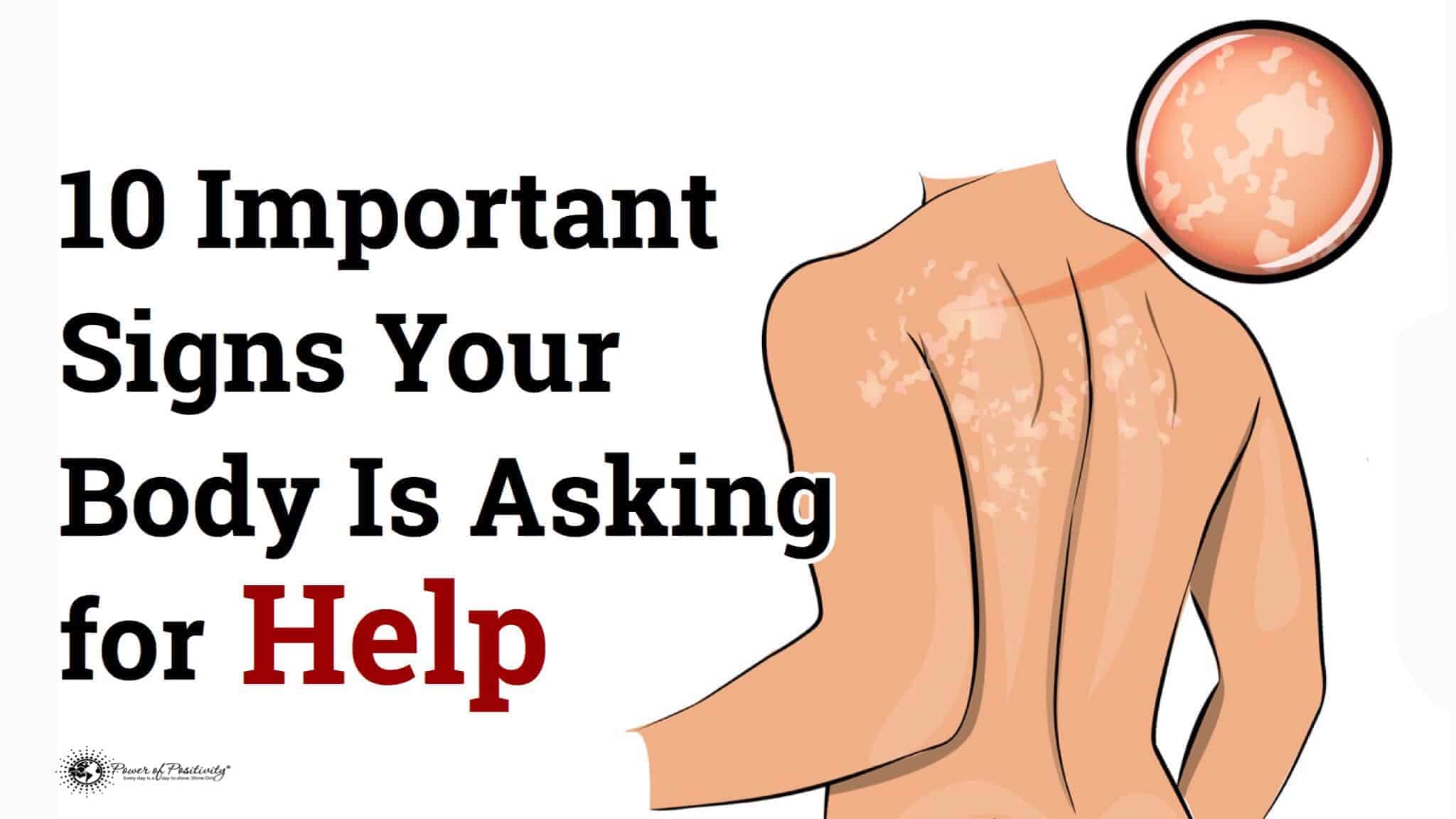
10 Signs Your Body Is Asking for Help That You Shouldn’t Ignore

Signs your body is asking for help are always there—the question is, are you listening? From small cravings to sudden fatigue, your body has a way of signaling when something’s off. Unfortunately, most people brush off these warning signs until they become impossible to ignore. That’s when health issues snowball. But guess what? You don’t have to wait until things get worse.

When you tune in early, you can fix imbalances before they turn into full-blown problems. No complicated routines. No unnecessary stress. Just simple changes that help you feel your best.

So, let’s break it down. Here are 10 crucial signs your body is asking for help—and how to give it the care it deserves.

Common Physical Signs Your Body Needs Help

inner peace

Your body has its own language. When something’s amiss, it sends signals. Early recognition of these signs can significantly impact the situation. Let’s explore some common physical indicators that your body might be crying out for attention:

1. Persistent Fatigue

Feeling tired after a long day is normal. But if you’re constantly exhausted despite adequate rest, it could hint at underlying issues like anemia, thyroid imbalances, or chronic stress. Persistent fatigue shouldn’t be ignored.

2. Unexplained Weight Loss

Shedding pounds without trying might sound like a dream, but it can signal serious health concerns. Conditions such as diabetes, inflammatory bowel diseases, or even certain cancers can lead to unintended weight loss. If you’ve lost more than 5% of your body weight without changes to your diet or exercise routine, it’s time to consult a healthcare professional.

3. Frequent Headaches

Occasional headaches are common. However, frequent or severe headaches can indicate dehydration, vision problems, or high blood pressure. Monitoring their frequency and intensity can provide clues about your overall health.

4. Digestive Issues

Bloating, constipation, or frequent stomach aches can be more than just dietary indiscretions. They might point to food intolerances, gastrointestinal disorders, or stress-related digestive problems. Listening to your gut can reveal a lot about your health.

5. Changes in Skin Appearance

Your skin is a window to your internal health. Sudden rashes, discolorations, or persistent dryness can indicate allergies, nutritional deficiencies, or hormonal imbalances. Monitoring these changes can aid in the early identification of potential issues.

6. Shortness of Breath

If climbing stairs leaves you unusually breathless, it might be more than just being out of shape. Respiratory issues, cardiovascular problems, or anemia can manifest as shortness of breath. It’s essential to address this symptom promptly.

7. Muscle Cramps or Joint Pain

Experiencing frequent muscle cramps or joint pain can be a sign of dehydration, electrolyte imbalances, or nutritional deficiencies. Ensuring adequate hydration and a balanced diet can alleviate these symptoms.

8. Changes in Urination or Bowel Habits

Sudden changes in frequency, color, or consistency can indicate infections, dietary issues, or more severe conditions like kidney problems. Monitoring these changes can provide early warnings.

9. Persistent Cough or Hoarseness

A cough that lingers for weeks or a hoarse voice without a clear cause can be signs of respiratory infections, acid reflux, or even throat cancer. It’s crucial to seek medical advice if these symptoms persist.

10. Swelling in Legs or Feet

Unexplained swelling, especially in the lower extremities, can indicate poor circulation, heart issues, or kidney problems. Noticing and addressing this early can prevent further complications.

Being attuned to these physical signs empowers you to take proactive steps toward better health. Remember, early detection and intervention are key to maintaining well-being.

Cravings and What They Mean for Your Health

health care for your body

Cravings—those sudden, intense desires for specific foods—are more than mere whims. They often signal underlying physical or emotional needs. Understanding these urges can provide insights into your body’s nutritional requirements and overall well-being.

By decoding these cravings, you can make informed choices that support a balanced and healthy lifestyle.​
medicalnewstoday.com

The Science Behind Cravings

Cravings can stem from various factors, including hormonal imbalances, stress, lack of sleep, or nutritional deficiencies. For instance, a craving for sweets might indicate low serotonin levels, as carbohydrates can boost this “feel-good” hormone.

Alternatively, desiring salty snacks could be your body’s way of compensating for sodium loss after intense physical activity. Recognizing these signals is the first step toward addressing the root cause and maintaining optimal health.

Common Cravings and Their Potential Meanings

Cravings aren’t random—they’re your body’s way of sending signals. Instead of ignoring them or indulging mindlessly, take a moment to decode what your body truly needs. The answer might surprise you!

  • 🍫 ​Chocolate: May indicate magnesium deficiency or a need for mood enhancement.
  • 🧂 ​Salty Foods: Could signal dehydration, stress, or adrenal fatigue.
  • 🍭 ​Sugary Foods: Might suggest blood sugar imbalances or a need for quick energy.
  • 🥩 ​Red Meat: Potentially points to iron or protein deficiency.
  • 🧀 ​Cheese: Could be a sign of fatty acid deficiency or a need for comfort.

​By paying attention to your cravings and understanding their potential meanings, you can take proactive steps to address nutritional gaps and support your overall health.

Hidden Signs of Internal Imbalance

invest in yourself

Our bodies possess an intricate system designed to maintain internal harmony. However, subtle disruptions can occur, often manifesting as hidden signs that we might overlook. Recognizing these subtle cues is essential for maintaining optimal health and well-being.

Persistent Fatigue

Feeling tired after a long day is normal, but constant exhaustion despite adequate rest may indicate underlying issues such as anemia, thyroid imbalances, or chronic stress.

Digestive Disturbances

Frequent bloating, constipation, or diarrhea can signal imbalances in gut health, food intolerances, or stress-related digestive disorders.

Mood Swings and Irritability

Sudden changes in mood, unexplained irritability, or feelings of anxiety can be linked to hormonal imbalances or nutritional deficiencies.

Sleep Disruptions

Difficulty falling or staying asleep might be a sign of stress, hormonal fluctuations, or other internal imbalances affecting your body’s natural rhythms.

Skin Changes

Unexplained rashes, acne, or dryness can reflect internal issues such as hormonal imbalances, allergies, or nutritional deficiencies.

Being attentive to these subtle signs allows for early intervention, helping to restore balance and prevent more significant health concerns.

How Your Behavior Reflects Your Health

Your actions, even without words, can convey a significant amount about your well-being. Sudden shifts in behavior—like isolating from loved ones or neglecting daily routines—aren’t just quirks. They’re signals. When motivation fades or responsibilities feel overwhelming, it’s not always just “laziness.” It could be your body and mind calling for help.

Uncharacteristic risk-taking, impulsivity, or reckless decisions may also point to deeper struggles. Some people seek distractions to escape emotional distress, while others lose interest in things they once loved. These shifts might indicate anxiety, depression, or even hormonal imbalances affecting mood regulation.

Even subtle changes—like avoiding conversations, feeling overly sensitive to criticism, or struggling with focus—can hint at something deeper. When your behavior doesn’t align with who you truly are, it’s worth pausing and investigating why.

  1. 💡 Your daily habits reflect your internal state. If you observe any changes, please take a moment to reflect and assess your feelings.
  2. Tip: Keep a behavior journal for a week. Write down mood shifts, social interactions, and sleep patterns. Noticing trends can help you take proactive steps toward balance.

FAQs

1. How can I differentiate between normal fatigue and fatigue that signals a health issue?

Occasional tiredness is common, especially after physical activity or a long day. However, if you experience persistent fatigue that doesn’t improve with rest, it could indicate underlying health concerns such as anemia, thyroid disorders, or chronic fatigue syndrome. Consulting a healthcare professional is advisable if fatigue persists or worsens.

2. Are digestive issues like bloating and gas always related to diet, or could they signify something more serious?

While diet plays a significant role in digestive health, persistent symptoms like bloating, gas, or changes in bowel habits can also signal conditions such as irritable bowel syndrome, food intolerances, or gastrointestinal infections. If these symptoms are ongoing or severe, it’s important to seek medical advice for proper evaluation.

3. What are the subtle signs of heart disease that people often overlook?

Beyond the well-known symptoms like chest pain, subtle indicators of heart disease include shortness of breath, fatigue, swelling in the legs or ankles, and irregular heartbeats. Recognizing these early signs is crucial for timely intervention and management.

4. How do mental health issues manifest through physical symptoms?

Mental health conditions can present physical symptoms such as unexplained aches and pains, changes in appetite or sleep patterns, and chronic fatigue. These physical manifestations often accompany emotional symptoms like persistent sadness or anxiety. Addressing both physical and mental aspects is essential for comprehensive care.

Your Body, Your Move

Your body is a reliable companion that consistently supports you. But just like any friendship, it needs attention. Those small aches, weird cravings, or sudden mood swings? They’re not random. They’re messages.

Ignoring them is like leaving texts on read. Eventually, the body stops whispering and starts shouting. And trust me, you don’t want to wait for the shouting.

So, listen early. Make small changes. Hydrate, rest, and nourish yourself.

Because when you take care of your body, it takes care of you.

And that’s a lifelong relationship worth investing in. 💪

Now, go be good to yourself!

10 Early Blood Clot Symptoms You Should Never Ignore

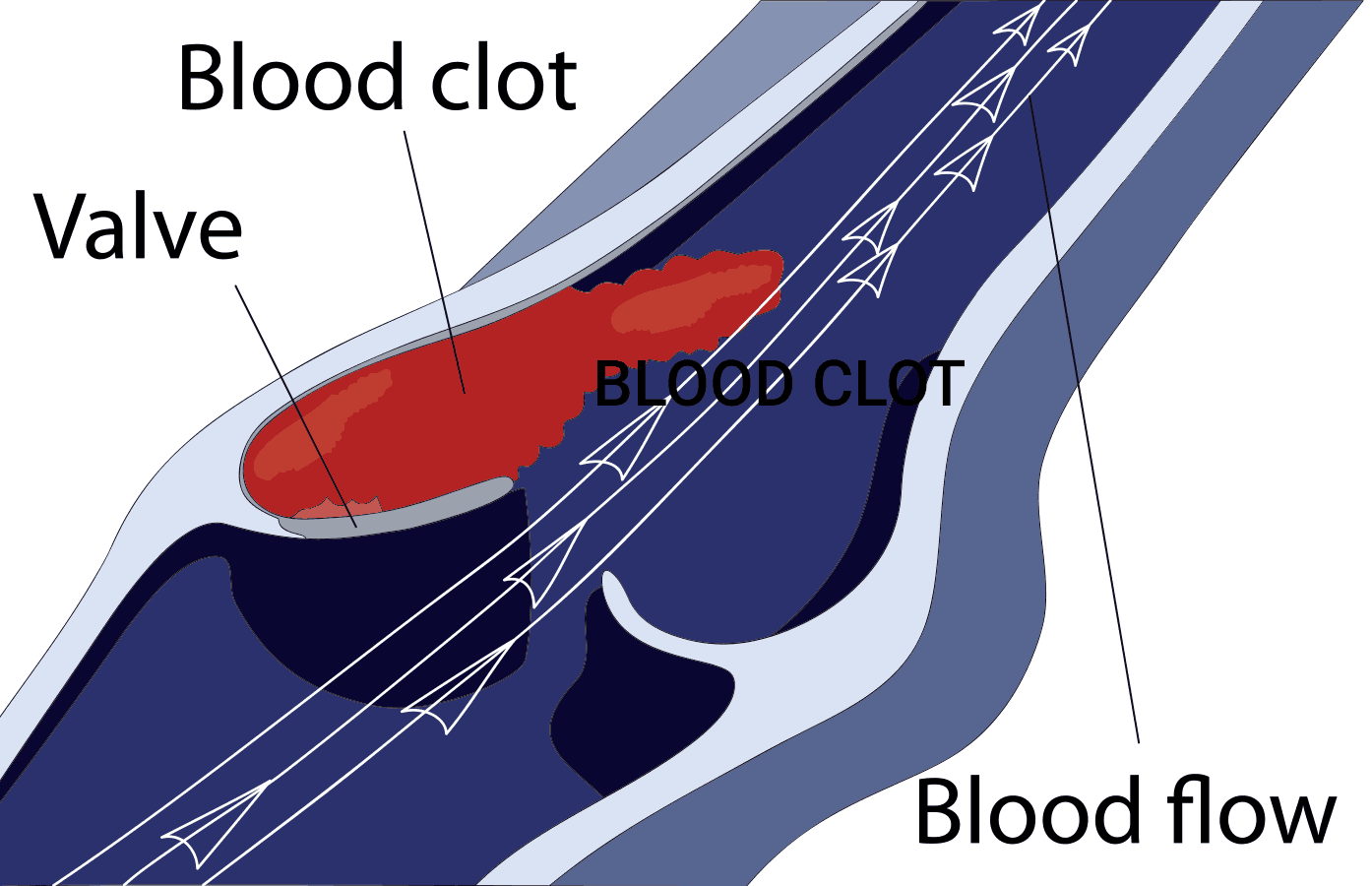
Blood clots are your body’s built-in repair system—a natural response to injury. When you get a cut, your blood thickens to stop the bleeding and begin the healing process. Sounds helpful, right? It is—until it forms where it shouldn’t. When a clot develops inside a vein, it can disrupt circulation, leading to serious blood clot symptoms that often go unnoticed. Understanding these early warning signs can distinguish between a manageable condition and a life-threatening emergency.

Sometimes, clots form when they’re not needed—deep inside veins, restricting blood flow. This is where things turn dangerous. When a clot develops in the deep veins of the legs (Deep Vein Thrombosis, or DVT), it can lead to swelling, pain, and serious complications. Worse? If that clot breaks loose and travels to the lungs (Pulmonary Embolism, or PE), it can block oxygen supply—sometimes fatally.

These conditions often develop silently, with symptoms mistaken for minor discomfort. But the sooner you recognize the red flags, the better your chances of preventing a life-threatening emergency.

What Causes Blood Clots?

blood clot in article

Blood clots don’t just appear randomly—they develop when something disrupts normal blood flow or triggers excessive clotting. While clotting is essential for healing wounds, an unnecessary clot inside a vein can become a silent but deadly threat.

 Factors That Increase Blood Clot Risk

  • Prolonged Inactivity & Immobility – Sitting for long periods slows circulation, increasing the chance of clot formation. Whether it’s a long-haul flight, post-surgery recovery, or bed rest due to illness, reduced movement allows blood to pool, making clotting more likely.
  • Surgery & Underlying Medical Conditions – Major surgeries, especially those involving the abdomen, pelvis, or legs, can damage blood vessels and increase clotting risk. Conditions like heart disease, cancer, diabetes, and autoimmune disorders also make blood more prone to clotting.
  • Genetics & Blood Disorders – If blood clots run in your family, you may have an inherited clotting disorder, making your blood more likely to thicken abnormally.
  • Hormonal Changes – Birth control pills, pregnancy, and hormone replacement therapy can increase estrogen levels, which raises clotting factors in the blood. Pregnant women are particularly at risk due to increased blood volume and pressure on veins.
  • Smoking, Obesity & Lifestyle FactorsSmoking damages blood vessels and increases clot risk. Obesity adds pressure on veins, reducing circulation, while dehydration thickens the blood, making it easier for clots to form.

💡 Can You Reduce Your Risk?

Yes! Movement, hydration, and a healthy lifestyle play a huge role in preventing unnecessary blood clots. Small daily changes can make a life-saving difference.

10 Early Warning Symptoms of a Blood Clot

Blood clots rarely announce themselves with a bang; instead, they whisper warning signs that are easy to overlook. But when ignored, these subtle symptoms can turn life-threatening fast. Here’s what to watch for:

1️⃣ Swelling in the Leg or Arm – A sudden, unexplained swelling, especially in one limb, could mean a clot is blocking circulation. If paired with pain, get it checked.

2️⃣ Skin Discoloration – A red, bluish, or pale area on the skin (especially in the legs) could indicate reduced blood flow due to a clot.

3️⃣ Unexplained Warmth in the Affected Area – If part of your leg feels noticeably warmer, a clot may be the cause.

4️⃣ Persistent Cramping in the Calf – If cramps don’t go away with stretching or hydration, a deep vein thrombosis (DVT) could be forming.

5️⃣ Foot or Ankle Pain – Poor circulation from a clot can cause discomfort, aching, or tightness in the foot.

6️⃣ Shortness of Breath – Feeling winded for no reason? A clot in the lungs (PE) may be restricting oxygen flow. Seek immediate medical help!

7️⃣ Sharp Chest Pain – A sudden, stabbing pain in the chest, especially when breathing deeply, could signal a pulmonary embolism (PE).

8️⃣ Unexpected Coughing – Coughing up blood or experiencing a dry, persistent cough could indicate a clot has reached the lungs.

9️⃣ Dizziness & Rapid Heartbeat – If you feel lightheaded, dizzy, or your heart is racing, it could be your body reacting to reduced oxygen from a clot.

🔟 Unexplained Fatigue & Weakness – When your body fights a clot, it works harder, often leaving you feeling exhausted for no clear reason.

💡 Pay Attention to the Signs

Some blood clots are silent. Others send warning signs before things get dangerous. If you notice one or more of these symptoms, don’t wait—get medical help ASAP!

How to Recognize a Medical Emergency

Some blood clot symptoms are mild, but others signal a life-threatening emergency. The key? Knowing when to act fast.

When to Seek Immediate Medical Attention

signs your body is asking for help|be selective in battles

Recognizing a medical emergency can be the difference between early intervention and life-threatening complications. One of the most critical signs to watch for is severe shortness of breath, a sudden inability to breathe properly that may feel like your lungs aren’t getting enough air. This could indicate a pulmonary embolism (PE), where a clot has traveled to the lungs and is blocking oxygen flow.

Another serious symptom is persistent chest pain that doesn’t subside. Unlike mild discomfort, this pain is often sharp, intense, and worsens with deep breaths. It may feel like pressure or tightness in the chest, signaling a clot-related emergency.

Dizziness, sudden fainting, or confusion can also be warning signs, as they may indicate that oxygen supply to the brain has been compromised. Similarly, a swollen, painful leg that feels warm to the touch could suggest deep vein thrombosis (DVT), which, if untreated, could break loose and cause severe complications.

These symptoms should never be ignored. If any of them occur suddenly, seek emergency medical help immediately.

🚑 What to Do in an Emergency?

  • Call 911 immediately if you have breathing issues, chest pain, or feel like you might pass out.
  • Don’t try to “walk it off”—movement can cause the clot to travel.
  • Stay as still as possible until medical help arrives.

Blood clots can escalate quickly, but early action saves lives. Know the warning signs—because seconds matter.

Prevention & Lifestyle Changes to Lower Your Risk

exercise changes body mind

Blood clots may seem unpredictable, but in many cases, they can be prevented with the right habits and lifestyle choices. While some risk factors, like genetics or medical conditions, can’t be controlled, others are completely within your power.

Simple daily actions—like staying active, eating well, and managing your overall health—can significantly reduce the likelihood of clot formation. Prevention isn’t just about avoiding serious complications; it’s about making small, sustainable changes that protect your well-being for years to come.

Keep Your Circulation Moving

One of the best ways to prevent blood clots is to keep blood flowing smoothly. Sitting for long periods—whether during travel, at work, or due to medical conditions—slows circulation and increases clot risk.

Regular movement helps blood stay thin and fluid, reducing the chance of it pooling in the veins. Even simple activities like stretching, walking, or changing positions can make a big difference.

Simple Daily Habits for Prevention

Making a few mindful changes can help protect you from blood clots before they become a problem.

  • 🚶‍♂️ Move frequently – Stand, stretch, or walk every hour to keep blood circulating.
  • 💦 Stay hydrated – Drink water regularly to prevent blood from thickening.
  • 🥗 Eat clot-friendly foods – Leafy greens, citrus, and omega-3s support vascular health.
  • 🚭 Avoid smoking – Smoking damages blood vessels and increases clot risk.

Prevention starts before symptoms appear—by making small adjustments, you lower your risk and stay healthier, longer.

FAQs

How can I reduce the risk of blood clots during long flights?

Prolonged immobility during long flights can increase the risk of developing blood clots, particularly deep vein thrombosis (DVT). To mitigate this risk:

  1. Stand up and walk down the aisle periodically.
  2. Flex and extend your ankles to promote blood flow.
  3. Drink ample water and avoid alcohol or caffeine.
  4. These can help maintain proper blood circulation in the legs.

Implementing these measures can significantly lower your risk of flight-related blood clots.

Are pregnant women at a higher risk for blood clots?

Yes, pregnancy increases the risk of blood clots due to hormonal changes and reduced blood flow from the legs back to the heart. This risk persists up to six weeks postpartum. It’s crucial for pregnant women to be aware of this elevated risk and consult with healthcare providers for personalized preventive strategies.

How does smoking influence blood clot formation?

Smoking damages blood vessels and alters blood properties, making it more prone to clotting. This elevates the risk of developing conditions like deep vein thrombosis (DVT) and pulmonary embolism (PE). Quitting smoking is a significant step toward reducing blood clot risks and improving overall cardiovascular health.

Can dehydration lead to blood clots?

Yes, dehydration can thicken the blood, increasing the likelihood of clot formation. Ensuring adequate fluid intake is essential, especially during situations that may promote dehydration, such as long flights, hot weather, or intense physical activity. Maintaining proper hydration supports optimal blood viscosity and circulation.

Blood Flow, Not Blood Woes: Final Takeaway

Blood clots don’t come with a warning siren—but your body does drop hints. The key? Listening before it’s too late.

Swelling? Unusual pain? Shortness of breath? Don’t brush it off. These could be warning signs that your body is displaying for a specific purpose.

The best defense? Know the signs. Stay active. Take action. Blood clots are preventable—and when caught early, treatable.

Your health isn’t a gamble. It’s your power.

So, stay ahead. Stay smart. And most importantly—stay clot-free! 💙

10 Stretches That Relieve Anxiety And Stop Overthinking

Anxiety weighs on the mind, but did you know it also tightens the body? Stress causes muscles to clench, breathing to shorten, and thoughts to spiral. But here’s the good news: stretching can help.

Gentle movement signals the nervous system to relax, allowing tension to melt away. Science backs it up—stretching lowers cortisol levels, boosts serotonin, and encourages deep breathing. Stretching acts as a rejuvenator for both the mind and body.

No fancy equipment. No expensive therapy sessions. Just you, your breath, and a few simple stretches. Let’s dive into ten powerful poses that help relieve anxiety and stop overthinking—so you can feel lighter, calmer, and in control.

How Anxiety Affects the Body

anxiety stay strong breathe

Anxiety is a comprehensive physical and mental experience. Stress triggers your nervous system, causing your body to flood with cortisol and adrenaline. Your heart races. Muscles tense. Breathing becomes shallow. Your body prepares for danger, even if there’s none in sight.

At first, this response is normal. It’s how humans survive threats. But when anxiety lingers, the body stays in fight-or-flight mode, leading to chronic tension, headaches, digestive issues, and even sleep disturbances. Shoulders creep up, jaws clench, and posture suffers. Over time, this can have a significant impact on both mental and physical health.

The good news? Stretching is a natural antidote. It encourages deep breathing, relaxes tight muscles, and signals the nervous system to switch from stress to calm mode. The result? Less tension, more clarity, and a body that finally feels at ease.

When Stress Takes Over: Body Red Flags

  • 🧠 Mind Fog: Racing thoughts make it hard to focus or stay present.
  • 😰 Tight Chest & Shallow Breathing: Stress limits oxygen intake, keeping the body tense.
  • 💥 Stiff Shoulders & Neck Pain: Chronic anxiety leads to muscle clenching, often without realizing it.
  • 😩 Digestive Issues: The gut-brain connection means anxiety can trigger bloating, nausea, or stomach discomfort.
  • 😴 Sleep Disruptions: An overactive nervous system makes it harder to fall—and stay—asleep.

The body and mind are deeply connected. By loosening tension physically, you also quiet the mental noise. Up next, let’s explore how stretching actively works to break this cycle.

Best Stretches to Relieve Anxiety and Overthinking

When anxiety takes over, movement can bring you back to balance. Stretching isn’t just about flexibility—it’s about releasing tension, calming the nervous system, and grounding yourself in the present moment.

Each of these stretches is designed to ease stress, improve circulation, and quiet an overactive mind. The best part? No special equipment is needed—just your body, your breath, and a little space to unwind.

Let’s dive into the most effective stretches for anxiety relief.

Upper Body Stretches for Tension Relief

💆‍♂️ Camel Pose (Ustrasana)

This heart-opening stretch counteracts the hunched posture caused by stress and anxiety. It expands the chest, deepens breathing, and releases built-up tension in the shoulders and back.

How to do it:

  1. Kneel on the floor with your knees hip-width apart.
  2. Place your hands on your lower back for support.
  3. Inhale, lift your chest, and gently arch backward, reaching your hands toward your heels.
  4. Keep your neck relaxed—only tilt your head back if it feels comfortable.
  5. Hold for 20-30 seconds, breathing deeply.

Bridge Pose (Setu Bandhasana)

This backbend stretch loosens tight shoulders, strengthens the lower back, and promotes relaxation by increasing circulation and stimulating the nervous system.

How to do it:

  1. Lie on your back with your knees bent and feet flat on the floor, hip-width apart.
  2. Place your arms at your sides, palms facing down.
  3. Press through your feet and lift your hips toward the ceiling.
  4. Roll your shoulders underneath and clasp your hands below your back.
  5. Hold for 30 seconds, then slowly lower down.

Hip and Lower Back Stretches for Emotional Release

Butterfly Pose (Baddha Konasana)

Tight hips can store stress and emotional tension. This gentle stretch opens up the hips and groin area, encouraging relaxation and better circulation.

How to do it:

  1. Sit on the floor with your legs extended.
  2. Bend your knees and bring the soles of your feet together.
  3. Allow your knees to drop toward the floor (don’t force them).
  4. Hold your feet and sit tall, keeping your back straight.
  5. Stay in this position for 1-2 minutes, breathing deeply.

Seated Forward Bend (Paschimottanasana)

A perfect stretch to calm the nervous system and ease tension in the spine, hamstrings, and lower back. It’s great for quieting the mind and relieving stress.

How to do it:

  1. Sit with your legs extended straight in front of you.
  2. Inhale, raise your arms, and lengthen your spine.
  3. Exhale as you fold forward, reaching toward your feet.
  4. Keep your back straight, and relax your head.
  5. Hold for 30-60 seconds, breathing deeply.

Full-Body and Mindful Stretching for Deep Relaxation

Triangle Pose (Utthita Trikonasana)

This standing stretch improves balance, enhances flexibility, and relieves stress in the body. It encourages deeper breathing and mental clarity.

How to do it:

  1. Stand with your feet wide apart, turning your right foot outward at a 90-degree angle.
  2. Extend your arms parallel to the floor.
  3. Reach your right hand toward your shin, ankle, or the floor, while lifting your left hand toward the sky.
  4. Keep your chest open and gaze up at your top hand.
  5. Hold for 20-30 seconds, then switch sides.

Cat-Cow Pose (Marjariasana)

A simple but effective movement to relieve tension in the spine, improve circulation, and encourage deep breathing. It’s perfect for resetting the nervous system.

How to do it:

  1. Get on all fours, with your hands under your shoulders and knees under your hips.
  2. Inhale as you arch your back, lifting your head and tailbone (Cow Pose).
  3. Exhale as you round your spine, tucking your chin (Cat Pose).
  4. Flow between these two positions for 30-60 seconds.

Child’s Pose (Balasana)

One of the most calming poses, this stretch gently releases lower back tension and encourages a sense of safety and relaxation.

How to do it:

  1. Kneel on the floor and sit back on your heels.
  2. Extend your arms forward and rest your forehead on the ground.
  3. Keep your knees slightly apart to deepen the stretch.
  4. Hold for 1-2 minutes, breathing deeply.

Final Relaxation Stretch

Corpse Pose (Shavasana)

The ultimate mind-body relaxation pose, perfect for resetting your nervous system and grounding yourself after stretching.

How to do it:

  1. Lie flat on your back with your arms relaxed at your sides.
  2. Close your eyes and focus on deep, slow breathing.
  3. Allow every muscle in your body to soften.
  4. Stay here for 5-10 minutes, fully embracing stillness.

💡 Why These Stretches Work

Each pose is designed to target tension hotspots—shoulders, hips, and the spine—where anxiety tends to build up. By practicing these regularly, you’ll feel more relaxed, breathe easier, and bring more calm into your day.

How to Incorporate Stretching into Your Daily Routine.

Stretching isn’t just a quick fix for anxiety—it’s a daily reset for your mind and body. The key? Consistency. When you stretch regularly, you’re training your nervous system to stay calm, your muscles to release tension, and your breath to flow naturally.

The good news? You don’t need an hour-long yoga session. Just a few mindful minutes, spread throughout the day, can make a huge difference. Let’s break it down into a simple, effective routine.

Morning: Wake Up and Release Tension

Start the day with gentle movement to shake off stiffness and set a calm tone. Morning stretches help wake up the body, improve circulation, and clear the mind.

Try this 5-minute sequence:

  • Cat-Cow Pose – Loosens the spine and wakes up the nervous system. (30 sec)
  • Seated Forward Bend – Gently stretches the back and hamstrings. (30 sec)
  • Butterfly Pose – Opens the hips and improves circulation. (30 sec)
  • Triangle Pose – Increases flexibility and boosts energy. (30 sec each side)
  • Corpse Pose – Finish with a moment of stillness. (1 min)

Midday: Reset and De-Stress

Anxiety tends to build up throughout the day, especially after hours of sitting or dealing with stressful tasks. A quick stretch break helps release tension, improve focus, and reset your energy.

Try this 5-minute sequence:

  • Bridge Pose – Opens the chest, stretches the spine. (30 sec)
  • Cat-Cow Pose – Relaxes the back and shoulders. (30 sec)
  • Butterfly Pose – Loosens tight hips from sitting. (30 sec)
  • Child’s Pose – Grounds and calms the nervous system. (1 min)

Evening: Unwind and Prepare for Rest

The key to nighttime stretching is to slow down. These moves help signal to your body that it’s time to relax, let go of the day, and prepare for deep sleep.

Try this 5-minute sequence:

  • Seated Forward Bend – Releases built-up tension. (30 sec)
  • Child’s Pose – Soothes the nervous system. (1 min)
  • Camel Pose – Stretches the back and opens the chest. (30 sec)
  • Corpse Pose – Deep relaxation. (2 min)

Final Thoughts: Small Shifts, Big Impact

Managing anxiety doesn’t have to be overwhelming. Start small. A few deep breaths, a simple stretch, a daily walk—it all adds up.

The goal? Less stress, more ease, and a life that feels lighter. Stretching is just the beginning—you have everything you need to feel calm, strong, and in control.

What Is Your Animal Sign? Native American Signs and Their Traits

For centuries, Native American tribes have looked to nature for guidance. They believe that each person is connected to a spirit animal—also known as a Native American zodiac sign—a powerful totem that reflects personality, strengths, and life path. Unlike other zodiac systems, your animal sign is deeply tied to the rhythms of the earth, the elements, and ancestral wisdom.

Your animal sign 🐾 isn’t just a symbol—it’s a guide. It reveals how you love, lead, and navigate life’s challenges. Whether you are as intuitive as a wolf or as resilient as a bear, your birth totem holds a message meant just for you.

Curious to uncover yours? Let’s explore what your animal sign says about you.

The 12 Native American Zodiac Signs

native american zodiac signs

Native American astrology assigns animal totems to individuals based on their birth dates, reflecting unique personality traits and spiritual guidance. Here’s a comprehensive overview of each of the 12 Native American zodiac signs:

🦦 Otter (January 20 – February 18)

Element: Air

Personality Traits: Otters are known for their unconventional and creative nature. They approach life with curiosity and innovation, often thinking beyond conventional boundaries. Their playful demeanor makes them enjoyable companions, and their resourcefulness allows them to adapt to various situations. However, they can sometimes be perceived as aloof or detached due to their unique perspective on life.

🐺 Wolf (February 19 – March 20)

Element: Water

Personality Traits: Wolves are deeply emotional and passionate individuals. They value loyalty and form strong bonds with others. Their intuitive nature allows them to understand the emotions of those around them, making them empathetic companions. However, their sensitivity can lead to periods of introversion or vulnerability.

🦅 Falcon (March 21 – April 19)

Element: Fire

Personality Traits: Falcons are natural leaders with a clear vision. They are dynamic, ambitious, and possess the ability to make swift decisions. Their confidence and determination often inspire those around them. However, their assertiveness can sometimes be perceived as impatience or arrogance.

🦫 Beaver (April 20 – May 20)

Element: Earth

Personality Traits: Beavers are industrious and methodical. They value structure and are skilled at creating stable environments. Their practicality ensures that tasks are completed efficiently. However, their desire for control can sometimes lead to stubbornness or resistance to change.

🦌 Deer (May 21 – June 20)

Element: Air

Personality Traits: Deer individuals are lively and quick-witted. They possess a natural charm and are excellent communicators. Their adaptability allows them to navigate various social situations with ease. However, their restlessness can sometimes lead to indecisiveness or superficiality.

🪵 Woodpecker (June 21 – July 21)

Element: Water

Personality Traits: Woodpeckers are nurturing and empathetic. They are deeply connected to their loved ones and prioritize the well-being of others. Their protective nature makes them reliable supporters. However, their sensitivity can sometimes lead to overprotectiveness or moodiness.

🐟 Salmon (July 22 – August 21)

Element: Fire

Personality Traits: Salmon individuals are energetic and enthusiastic. They are driven by their passions and possess a magnetic personality that draws others to them. Their creativity and confidence often lead them to take on leadership roles. However, their intensity can sometimes be overwhelming or perceived as egocentric.

🐻 Bear (August 22 – September 21)

Element: Earth

Personality Traits: Bears are practical and grounded. They approach life with a methodical mindset and value honesty. Their reliability makes them trustworthy companions. However, their focus on practicality can sometimes lead to rigidity or resistance to new ideas.

🦅 Raven (September 22 – October 22)

Element: Air

Personality Traits: Ravens are intelligent and adaptable. They possess a keen insight into the world around them and are often seen as wise counselors. Their charm and wit make them engaging conversationalists. However, their adaptability can sometimes be perceived as inconsistentness or unpredictability.

🐍 Snake (October 23 – November 22)

Element: Water

Personality Traits: Snakes are mysterious and introspective. They are deeply connected to the spiritual realm and possess a profound understanding of life’s mysteries. Their transformative nature allows them to navigate change with ease. However, their intensity can sometimes be intimidating or misunderstood by others.

🦉 Owl (November 23 – December 21)

Element: Fire

Personality Traits: Owls are wise and perceptive. They possess an innate ability to see beyond the surface and understand deeper truths. Their adaptability allows them to thrive in various environments. However, their tendency to be detached can sometimes be perceived as aloofness or indifference.

🪿 Goose (December 22 – January 19)

Element: Earth

Personality Traits: Geese are determined and ambitious. They are driven by their goals and possess a strong work ethic. Their perseverance ensures they overcome obstacles. However, their relentless pursuit of objectives can sometimes lead to workaholism or neglect of personal relationships.

Understanding these animal totems provides insight into individual personalities and offers guidance on one’s life path, reflecting the deep connection between Native American culture and the natural world.

The Medicine Wheel and Elements

protect your energy

The Medicine Wheel, often referred to as the Sacred Hoop, is a profound symbol in Native American spirituality, representing the interconnectedness of all life aspects. It embodies the cyclical nature of existence, encompassing the physical, emotional, mental, and spiritual realms.

The circle signifies the continuous flow of life and death, the paths of the sun and moon, and the unity of all creation.

Association of Totems with Elements and Directions

Within the Medicine Wheel, each quadrant corresponds to a cardinal direction and is associated with specific elements, seasons, and animal totems. These associations vary among different tribes, but a common framework includes:

  • 🌀 East (Air): Symbolizing beginnings, illumination, and the spring season. The Falcon or Hawk often represents this direction, embodying qualities of vision, courage, and initiative.
  • 🔥 South (Fire): Associated with growth, passion, and the summer season. The Salmon is linked to this direction, symbolizing creativity, enthusiasm, and the pursuit of dreams.
  • 💧 West (Water): Representing introspection, emotion, and the autumn season. The Raven is connected to this direction, reflecting traits of balance, transformation, and deeper understanding.
  • 🏔️ North (Earth): Denoting wisdom, stability, and the winter season. The Bear is often associated with this direction, symbolizing strength, introspection, and grounding.

These associations guide individuals in understanding their connection to the universe and their personal journeys, emphasizing harmony with nature and the cycles of life.

Compatibility Among Totems

Understanding compatibility among Native American animal totems offers valuable insights into relationship dynamics. Each totem embodies unique characteristics, influencing how individuals interact. Recognizing harmonious and challenging pairings can guide the cultivation of balanced relationships.

Harmonious Totem Pairings

Certain totems naturally align, fostering harmonious connections:

  • Goose: Compatible with Beaver, Bear, and Raven
  • Otter: Aligns well with Raven, Falcon, and Deer
  • Wolf: Finds harmony with Bear, Snake, and Woodpecker
  • Falcon: Pairs effectively with Salmon and Owl
  • Beaver: Compatible with Woodpecker, Bear, and Goose
  • Deer: Harmonizes with Raven and Otter
  • Woodpecker: Aligns with Snake, Wolf, and Beaver
  • Salmon: Compatible with Falcon and Owl
  • Bear: Finds harmony with Goose and Beaver
  • Snake: Aligns with Wolf and Woodpecker
  • Owl: Compatible with Falcon and Salmon

Applying Totem Wisdom in Daily Life

5 things to quit right now

Connecting with your animal totem can enrich your life, offering guidance and personal growth. By integrating its wisdom, you can strengthen your connection to nature and yourself.

  • Understand its behaviors and symbolism
  • Keep images or items representing your totem nearby
  • Visualize it during meditation for insights and guidance
  • Adopt traits like courage or patience in daily life
  • Engage in conservation efforts for your totem’s habitat
  • Document experiences and lessons related to your totem

Incorporating these practices fosters a deeper bond with your totem, guiding your decisions and personal development.

FAQs

1. How do Native American zodiac signs differ from Western zodiac signs?

Native American zodiac signs are deeply connected to nature, aligning with seasons and the natural world, whereas Western astrology focuses on planetary movements.

2. Can I determine my Native American zodiac sign based on my birth date?

Yes, similar to Western astrology, Native American zodiac signs correspond to specific birth date ranges, each associated with an animal totem reflecting particular traits.

3. How can understanding my Native American zodiac sign benefit me?

Recognizing your Native American zodiac sign can offer insights into your personality, strengths, and challenges, fostering self-awareness and personal growth.

4. Are Native American zodiac signs universally recognized across all tribes?

While many tribes share similar zodiac systems, interpretations and associated animal totems can vary, reflecting the diverse cultures and traditions among Native American communities.

Your Totem, Your Journey

Your Native American animal sign isn’t just a symbol—it’s a guide, a reflection of your strengths, instincts, and life path. Whether you’re as fierce as a Falcon, as wise as an Owl, or as loyal as a Wolf, your totem carries powerful wisdom.

Embracing its lessons can bring clarity, confidence, and a deeper connection to nature. Let it shape your decisions, inspire your growth, and remind you of the balance in all things.

So, what’s your animal sign telling you? Listen closely. Honor it. Live it. Because when you align with your totem, you’re not just walking your path—you’re running wild with purpose!

7 Benefits of Tapping into Your Feminine Energy

Find out more about the 7 transformative benefits of tapping into your feminine energy. Learn how to enhance intuition, creativity, relationships, and more for a balanced and fulfilling life.

Tapping into your feminine energy can be a transformative experience. Feminine energy represents qualities like intuition, creativity, empathy, and emotional depth. These traits are often overshadowed in our fast-paced, productivity-driven world, but reconnecting with them can unlock incredible personal growth and fulfillment.

Whether you’re seeking balance, deeper relationships, or a more authentic life, embracing your feminine energy offers powerful benefits. Let’s explore how this energy can enrich every aspect of your life.

What is Feminine Energy?

Feminine energy is a powerful, nurturing force that resides within all of us, regardless of gender. It’s not tied to societal notions of femininity but is instead an energetic quality rooted in intuition, creativity, empathy, and flow. While masculine energy is often characterized by structure, logic, and action, feminine energy thrives in fluidity, receptivity, and emotional connection.

At its core, feminine energy is about being rather than doing. It encourages you to slow down, tune into your inner world, and embrace the beauty of the present moment. This energy invites you to connect deeply with yourself and others, fostering a sense of harmony and balance in your life.

Feminine energy is often misunderstood or undervalued in a world that prioritizes productivity and achievement. However, it is essential for personal fulfillment and well-being. Without it, life can feel rigid, disconnected, or overly transactional.

When balanced with masculine energy, feminine energy creates a holistic, enriched experience, allowing you to access the best of both worlds.

feminine energy

How Feminine Energy Shows Up

Feminine energy manifests in many ways, from acts of compassion and creativity to moments of introspection and self-care. It’s the quiet strength that helps you navigate challenges with grace and the open heart that allows you to connect authentically with others.

By consciously embracing this energy, you’re not only honoring a vital aspect of yourself but also creating space for deeper relationships, personal growth, and inner peace. Feminine energy is less about striving and more about trusting—trusting your instincts, your emotions, and the natural rhythms of life.

When you tap into your feminine energy, you’re giving yourself permission to lead with your heart, embrace your unique qualities, and live a life that feels truly aligned with your soul.

7 Benefits of Tapping into Your Feminine Energy

1 – Enhanced Intuition

One of the most profound benefits of connecting with your feminine energy is the enhancement of intuition. Feminine energy thrives on inner knowing—the ability to trust your gut instincts and make aligned decisions. Intuition acts as your internal compass, guiding you through life with confidence.

When you listen to your intuition, you tap into a deep well of wisdom. This can help you make choices that resonate with your values and lead to personal fulfillment. Whether it’s sensing the right opportunity or understanding what your body needs, intuition offers clarity.

Pro tip: Spend time in silence or meditation to strengthen your connection to your intuition. Journaling can also help you tune in to your inner voice.

2 – Improved Emotional Well-being

Feminine energy encourages emotional expression and vulnerability, both of which are crucial for emotional health. Suppressing emotions can lead to stress and disconnection, but allowing yourself to feel and process emotions creates inner peace.

When you embrace feminine energy, you permit yourself to be vulnerable without fear of judgment. This emotional openness fosters resilience, helping you navigate life’s challenges with grace. It also deepens your self-awareness, allowing you to better understand your needs and boundaries.

Why it matters: Emotional well-being forms the foundation for mental clarity, self-love, and meaningful relationships. By honoring your emotions, you cultivate a healthier relationship with yourself.

3 – Increased Creativity

Creativity flows naturally from feminine energy. It’s the spark that inspires innovation, artistic expression, and problem-solving. When you tap into this energy, you open the door to limitless possibilities.

Feminine energy encourages you to think outside the box and approach challenges with a fresh perspective. Whether you’re brainstorming ideas at work, redecorating your home, or writing in a journal, creativity thrives when you allow yourself to explore and play.

Practical tip: Engage in activities that stimulate your creative side, such as painting, cooking, or gardening. These outlets help you reconnect with your inner artist and ignite your imagination.

4 – Stronger Relationships

Feminine energy is inherently relational. It fosters empathy, compassion, and deep connection—qualities that strengthen relationships. When you embrace your feminine energy, you become more attuned to the emotions and needs of others.

Empathy allows you to listen actively and respond with care, creating a safe and nurturing environment in your relationships. This doesn’t mean sacrificing your own needs; rather, it’s about building trust and understanding.

How to apply it: Practice active listening in your conversations. Instead of thinking about your response, focus on truly hearing the other person. This small shift can transform your interactions.

5 – Balanced Life Perspective

In a world that often glorifies hustle and productivity, feminine energy reminds us to slow down. It promotes a balanced perspective between ‘doing’ and ‘being,’ allowing you to savor the present moment.

When you integrate feminine energy into your life, you reduce stress and create space for mindfulness. This balance helps you appreciate life’s simple pleasures, from a quiet morning coffee to a walk in nature.

Why it works: Balance is essential for long-term happiness and sustainability. By honoring both your active and reflective sides, you create a life that feels aligned and fulfilling.

6 – Heightened Sensuality and Presence

Feminine energy enhances your connection to your body and senses, heightening your sensuality and presence. This doesn’t solely refer to physical attraction—it’s about appreciating the beauty of life through all your senses.

When you embrace your feminine energy, you become more present in your experiences. Whether it’s savoring a delicious meal, feeling the warmth of the sun, or enjoying a heartfelt conversation, you engage fully with the world around you.

How to start: Practice mindfulness exercises that bring you into the present moment. Activities like yoga, deep breathing, or even mindful eating can help you reconnect with your senses.

7 – Empowerment and Authenticity

Living authentically is one of the greatest gifts of tapping into your feminine energy. This energy empowers you to embrace your true self, free from societal expectations or pressures. It’s about honoring your values, passions, and individuality.

When you live authentically, you radiate confidence and purpose. This empowerment inspires others and creates a ripple effect of positivity in your life. Feminine energy teaches you that your uniqueness is your strength.

Remember: Authenticity isn’t about perfection—it’s about showing up as you are, unapologetically.

The Role of Feminine Energy in Modern Society

In today’s fast-paced world, feminine energy is more important than ever. Modern society often prioritizes productivity, logic, and competition—traits typically associated with masculine energy. While these qualities have their place, an imbalance can lead to burnout, disconnection, and stress.

Feminine energy offers a counterbalance. It emphasizes collaboration over competition, creativity over conformity, and intuition over rigid logic. By integrating feminine energy into workplaces, relationships, and personal development, we can create a more inclusive and compassionate world.

Key takeaway: Feminine energy isn’t about rejecting structure or action; it’s about creating a harmonious balance that allows for sustainable growth and fulfillment.

power of positivity book

Final Thoughts

Tapping into your feminine energy is a journey of self-discovery and growth. It’s about reconnecting with the qualities that make you feel whole: intuition, creativity, compassion, and authenticity. By embracing this energy, you create a life filled with balance, meaningful relationships, and inner peace.

Every step you take to connect with your feminine energy is a step toward a more fulfilling life. So, let go of the hustle for a moment, tune into your inner world, and allow your feminine energy to guide you.

Ready to explore your feminine energy further? Visit PositiveKristen.com and PowerofPositivity.com for tools and inspiration to elevate your journey.

Skip to content