Weekly tips, affirmations, and small actions to feel your best.

14 Red Flags Someone Is Using Avoidance Around You

Avoidance coping is a way that people deal with negative feelings. Rather than dealing with the situation and moving on, they avoid it and let it disrupt their life. This coping strategy involves avoiding problems and discomfort, even when addressing the issues that could improve their life.

This type of coping can cause mental health issues while diminishing self-confidence. Avoidance is a way to navigate stressful experiences but contributes to negative thoughts and behaviors. As a passive coping mechanism, it involves ignoring or avoiding stress.

Overcoming avoidance coping requires learning to recognize the signs. Knowing the red flags can also help if someone in your life uses them around you. You’ll understand their behavior better and can help them recognize and move on from the issue.

Rather than opting for avoidance coping, the person should focus on finding solutions that help them heal from trauma. Because avoiding things worsens the situation, finding new ways to cope can make a difference.

Why Avoidance Is an Unhealthy Coping Strategy

Avoiding problems or discomfort might seem better than dealing with them, but it drags the problem out longer. Research indicates that it can lead to anxiety, worsening stress, and depression. When someone lets uncomfortable situations linger, it doesn’t allow for a resolution.

Avoiding emotions contributes to stress, exacerbating the avoidance behaviors. It creates a vicious cycle and hinders your emotional stress response. Additionally, this type of coping can lead to eating disorders and alcohol abuse.

How a person handles life leads to stress and detrimental effects. Learning about avoidance coping can help make a positive shift, allowing the person to focus on dealing with things as they come up. Overcoming issues and discomfort lets you move forward with less stress because the situation is no longer lingering.
avoidance

Red Flags Someone Is Using Avoidance Around You

If you see someone using these avoidance tactics around you, it might be time to have a difficult conversation.

1 – They use being busy as an avoidance tactic.

If someone has to have a conversation that they’re not looking forward to, they might continually put it off. They’ll claim to be too busy, even if the conversation only takes a few minutes. When people use this excuse, they’ll likely say they’ll take care of it after getting a few other things off their plate.

Some people also focus on staying busy to avoid dealing with their feelings. Staying active can be an escape system to prevent experiencing their emotions. However, this plan is detrimental because it interferes with healing.

People will convince themselves that if they power through without pausing, they’ll get over their stress. However, not taking the time to slow down doesn’t allow for coping or healing. The negative feelings worsen the longer they’re pushed away.

2 – An avoidance of dealing with things that could have a negative outcome.

Someone might put off going to the doctor if they’re worried about their test results. If they suspect something serious is wrong, they feel that putting off a doctor’s appointment gives them more time.

They might do the same if they know their pet is sick and might be dying. In this case, avoiding the vet gives them time before they hear confirmation of their fears.

Often, someone who uses avoidance coping will wait to address the issues if they fear bad news. It’s easier for them to remain in the dark than seek a professional opinion, interfering with their mental health.

3 – They don’t go somewhere they once enjoyed because of discomfort.

A person experiencing avoidance coping might stop going to a specific place if they were uncomfortable there at one time. They might have been flirted with by someone who made them uncomfortable, so they stopped going.

Rather than confront the issue and tell the person they don’t like it, they no longer go to a place that once brought joy. While it seems easy to avoid the location, it can cause bitterness, resentment, and depression.

4 – They won’t start something unless they have a clear idea of how they’ll finish.

If someone uses avoidance around you, the person might not want to begin a task unless they can see a clear ending. They try to protect themselves by avoiding anything they’re unsure about seeing through.

It prevents them from getting started and reaching their goals. Plus, it can cause them to miss out on experiences and opportunities, potentially holding you back if you work together.

5 – They rely on unhealthy coping techniques.

Sometimes people with avoidance tendencies rely on unhealthy coping methods to get them through hard times. They avoid their feelings by relying on negative behaviors like overeating unhealthy foods and substance abuse.

6 – They stop coming around because of uncomfortable feelings, thoughts, or memories.

Someone might use avoidance around you because of something uncomfortable that occurred. It might not have anything to do with you, but if you witnessed the situation or reminded the person of it, they might avoid coming around.

Sometimes they’ll avoid coming to parties or events because they feel nervous. They’ll give an excuse each time you invite them. Don’t take it personally, as they’re likely avoiding their feelings.

7 – They avoid things that they aren’t the best at.

When someone isn’t the best at something, they might avoid attempting it. The person doesn’t want to feel less than average at anything. It sometimes interferes with their ability to try new things or take the time to develop their skills.

Social comparison often causes fear, leading to those with avoidance behaviors not participating. It shows that they base their sense of self-worth on being the best, and it’s not beneficial to their growth. This method prevents people from learning new things and improving in areas that need attention.

8 – Avoidance looks like giving up when something makes them anxious.

People with an avoidance tendency might give up when something makes them nervous or anxious. Rather than overcoming the feelings and persevering, they choose not to try. They avoid tasks that make them anxious, quitting whenever things get tough.

9 – They avoid potentially awkward situations.

If someone avoids awkward situations, it’s a sign that they are using avoidance behavior around you. They don’t want to have the conversations because it could cause undesirable consequences. It shows that the person avoids things, even when it could improve the situation.
coping strategies

10 – Avoidance of unwelcome attention.

Some people will do whatever they can to avoid attention. Even when they’re good at something, they choose to underperform. They don’t want attention, and they don’t want anyone to be angry if they do better. People who behave this way often wish to be undetected in a group. They feel failure, but success seems fraudulent to them.

11 – Avoidance of anything that might trigger painful memories.

Sometimes people avoid a situation or location that triggers painful memories for them. It shows that they didn’t take the time to cope and heal so that they could move on.

For instance, they might avoid asking their boss a question if their boss reprimanded them in the past. Approaching their boss for a one-on-one conversation can retrigger how the person felt during the reprimand. Likewise, they might be afraid to ask a question in a social situation because they got ridiculed for it in the past.

12 – They agree to things they don’t want to do.

Working overtime when they don’t want to or have other plans is a sign someone is using avoidance around you. Likewise, another indication is agreeing to help someone when you don’t have the time or desire.

They agree to things they don’t want to do to avoid upsetting people. These people also won’t ask for things they want to need because they worry it’ll upset someone.

13 – Avoidance of physical sensations.

Some people who experience avoidance coping do anything to avoid physical sensations. They might not want others touching them because they don’t feel good about their body. Additionally, they likely avoid sexual interaction.

14 – They don’t want to deal with their feelings.

Sometimes you’ll notice someone experiencing avoidance behaviors overeats to drown out their feelings. They don’t want to deal with the issues that disrupt their well-being, so they overindulge.

Four Coping Strategies That Work Better Than Avoidance

If someone in your life uses avoidance around you, there are some things you can suggest to them. Other coping methods can help them work through their issues rather than avoid them.

Coping Strategy #1 – Practice Not Being the Best

Being around people who are better at something can help with learning. You can’t expect to be the best without putting it into practice, so it’s the perfect way to cope with these situations.

Coping Strategy #2 – Take Time to Pause

Pausing allows for the opportunity to notice feelings and learn to handle them. It might sound scary to let yourself feel the emotions, but it’ll improve your overall well-being.

Coping Strategy #3 – Don’t Worry About Anything Except the First Step

Learning to worry less is essential for someone who uses avoidance because they don’t know how to finish a task. Releasing worry about anything other than the first step allows for productivity and reaching goals. It can also help you come up with new ideas or insights.

Coping Strategy #4 – See a Professional to Help Find Healthier Outlets Than Avoidance

A therapist can help someone with avoidance tendencies find healthier coping methods. The professional can also help overcome trauma so that moving forward is possible.
avoidance

Final Thoughts on Red Flags Someone Is Using Avoidance Around You

Overcoming avoidance coping isn’t always easy, but it’s worth the effort. If someone exhibits the behavior around you, you can offer suggestions on how they can ease the anxiety and stress. An alternate healthy and effective coping strategy can allow people to face fears and overcome trauma. It’s not easy because it brings discomfort, but it gets easier the more someone does it.
12 Ways to Stop Eating Unhealthy

For years, a common trend was that you could stay healthy if you exercised a lot, even if you were eating unhealthy foods. It turns out this was terrible advice. Researchers are now saying all the exercise in the world is no match for poor eating habits. If your diet consists of sugary, fatty foods, you’re at risk for heart disease and certain cancers. If you’re struggling with poor eating habits, here are 12 ways to stop eating unhealthy. 

What did the study find?

According to a recent study, high levels of exercise can’t offset the destructive effects of a poor diet. The participants with a good quality diet and a good amount of activity reduced their mortality risk by 17%. They had a 27% lower risk of certain types of cancers and a 19% lower risk of heart disease. In other words, to stay healthy and live longer, you must eat well and stay active. Trying to outrun your poor eating habits by exercising a lot won’t work. 

What are the dangers of dieting?

You might want good eating habits but need to lose weight. Should you go on a diet? Typically, diets are ineffective long-term. You may lose a few pounds the first couple of weeks, but when you go off the diet, you’ll likely gain back what you lost, plus more. Most of the time, the weight you lost was only water weight. Diets can be dangerous to your mental health and your physical health. The downsides of too restrictive of a diet program are listed below.

eating unhealthy

1. Unhealthy eating and fad diets slow down your metabolism:

Your metabolism burns calories and gives you energy. When you don’t eat enough calories, your metabolism slows down. It stops weight loss because your body focuses on maintaining fat for energy. You may try to exercise more, but eventually, your metabolism will plateau, and you’ll get discouraged. It’s best to exercise and eat healthy foods to keep your metabolism burning calories. To lose one pound a week, remove five hundred calories daily from your diet and exercise regularly. 

2. You could gain weight after you stop dieting:

Diets are short-term affairs that focus on the extremes. Dieting doesn’t teach you good eating habits or portion control. You fall back into your bad eating habits as soon as you stop the diet. 

3. Unhealthy eating might mean missing out on minerals and vitamins:

It is never wise to eliminate a food group. When you take away a food group, you miss out on the minerals and vitamins your body needs to function correctly. You may not realize the harm dieting does to your body until you’re older. Older women with osteoporosis are often those who are heavy dieters. Cutting out Vitamin D and calcium could result in brittle bones when you’re older. Eating high protein puts stress on your kidneys. There have been cases of acute kidney failure due to high protein diets. 

4. Fad diets and false wording:

Some diets sound so good for you. Who doesn’t want to “detox” and “cleanse” your body? The fact is, your body can detox itself. Your intestines already cleanse your body using fiber and water. Your liver naturally detoxes your body. Beware wording with promises like “quick weight loss.” Rapid weight loss isn’t healthy and rarely long-lasting. Losing weight too quickly makes you feel weak. You often get dehydrated or constipated. 

5. Causes discouragement:

Diets make promises they can’t keep and force you to feel like you failed if you don’t lose weight. Some diets use scare tactics telling you that you must eat one food group to lose weight. Don’t fall for the lies. 

What are good eating habits?

If you want to stop eating unhealthy foods, the keyword for you is balance. Eat a balanced diet and exercise are the best practices for good health and longevity. It almost sounds too simple. However, the CDC estimates that eighty percent of all cardiovascular diseases, premature heart disease, and strokes are preventable. Life habits such as a healthy diet and regular exercise are essential. 

12 Ways to Stop Eating Unhealthy

Try adding one or two of these good eating habits to your daily routine, then add another. Rinse and repeat. Before long, you will have an entire toolkit of good eating habits.

1. Start the day with healthy food

Start the day off with healthy foods. When you begin your day with healthy foods, you’re more likely to not binge on junk food later in the day. A healthy breakfast with some protein will help you feel full and satisfied. Here are a few healthy breakfast ideas: 

  • Oatmeal with fruit and chia seeds
  • Eggs with cheese and veggies
  • Breakfast smoothie made with yogurt, fruit, hemp seeds, or nut butter
  • Whole grain pancakes with carrots, banana 

2. Stop and analyze why you are eating unhealthy things

If you crave certain foods, ask yourself why you want to eat them now. Are you hungry, or are you simply bored? Do you want to eat because you’re feeling sad? Examining your feelings about eating is a great way to stop eating unhealthy foods. It helps you learn to deal with your emotions instead of turning to food. 

3. Plan ahead to avoid unhealthy eating situations

Create a menu. Make a shopping list according to your menu. Be sure to buy everything you need for your meals. You won’t have the urge to eat fast food for dinner if you’re tired. If you don’t like to cook, keep it simple. Plan to make four ingredient dinners. Strive to have healthy protein, one or two vegetables, and whole grain carbohydrates for each meal. Meal ideas could be

  • Ground turkey burgers on a whole wheat bun with pickles and mayonnaise, salad, and sweet potato fries
  • Grilled chicken, greens beans, roasted asparagus, and brown rice
  • Fish tacos topped with greens, chopped sweet peppers, cheese, and black beans.  
  • Grilled salmon, salad, roasted broccoli, and brown rice

4. Keep healthy snacks available

Good eating habits only happen when you have healthy foods at your fingertips. So keep your pantry and fridge well stocked with nuts, seeds, popcorn, low-sugar granola bars, yogurt, and fresh fruits. The more healthy foods you have, the easier it’ll be to avoid eating junk foods. 

5. Chew gum if you’re hungry

One way to stave off hunger is to chew gum. It’s an excellent way to distract yourself from snacking. There’s new chewing gum in town. It’s vegan and kosher and has no artificial flavors, colors, or sweeteners. It’s a better choice than sugar-free or sugary chewing gum. Most stores carry this all-natural chewing gum. 

eating habits

6. Eat enough protein

Protein fills you up. It keeps you feeling satisfied longer and increases your body’s production of peptides, a hormone in your gut that makes you feel full longer. It also reduces ghrelin, a hunger hormone. Protein also speeds up your metabolism. Healthy proteins include

  • Fish
  • Lean meats
  • Legumes
  • Dairy products
  • Nuts and seeds

7. Drink lots of water (you’ll feel fuller and encourage better eating habits)

Water is the healthiest choice when you’re thirsty. Avoid energy drinks, sugar sodas, and sweetened coffee drinks. Diet drinks are low in sugar, but they may increase your appetite. Fruit juices give you minerals and vitamins, but they are extra calories you might not need. Quench your thirst with cold water. 

8. Avoid buying processed foods

Skip buying overly-processed foods. They lack vitamins and minerals. Many of them contain a lot of additives, chemicals, dyes, and preservatives. Processed foods you want to avoid include

  • Hot dogs
  • Chips
  • Cookies
  • Frozen pizza
  • Deli meats
  • White bread

Some minimally processed foods may be okay. These foods are bagged or packaged but lack additives and other chemicals. Examples of minimally processed foods that are safe to eat include:

  • Bagged salads
  • Frozen vegetables
  • Frozen fruits
  • Milk
  • Cheeses
  • Rice and other whole grains
  • Flours
  • Eggs

9. Stock your freezer

Another way to stop eating unhealthy foods is to keep healthy frozen foods on hand for quick meal preparation. A wide assortment of meat, frozen veggies, and frozen fruits also saves you money. Stock up on

  • Frozen fruits: Mixed berries, strawberries, or mangos are great for smoothies.
  • Frozen brown rice: Quick preparation rice packets save you time when cooking.
  • Frozen meats: Break down meat packages from the store in the correct amount you need and put them in freezer zip loc bags. 
  • Frozen tomato or pesto sauces: If you make these or open a jar, store the leftover spices in containers and freeze them for another meal. 
  • Shredded chicken: Bake chicken, then shred it. Freeze for other meals. 

10. Stay busy to avoid eating unhealthy things out of boredom

You might eat when you’re bored. Many people do this, so it’s good to kick the habit by finding something to do. Come up with a plan to avoid junk food cravings or unhealthy snacks. You may want to try:

  • Learning to knit: Many say keeping their hands busy helps them not overeat
  • Go for a walk or jog
  • Take your dog to the park
  • Call a friend or family member
  • Run errands 

11. Break the unhealthy eating at snack time

It’s best to avoid snacking because it’s easy to grab unhealthy foods. Try to stick to four small meals a day. Eat enough protein to keep yourself satisfied. So you won’t want to snack. But if you need to snack, choose something like

  • Carrots and hummus
  • Natural popcorn with light olive oil and a little salt
  • Peanut butter on celery sticks
  • Mozerella sticks

12. Be sure to have a variety

If you’re trying to avoid eating unhealthy, make your diet exciting and varied so you don’t get bored. If you eat the same foods every day, you might grab junk food to break up the food boredom. 

How much exercise do you need?

You can reap health benefits from doing moderate to intensive exercise for two hours and thirty minutes (150 minutes) of exercise per week. If you exercise more vigorously, 1 hour and 15 minutes (75 minutes) of activity are enough. This workout could be: 

  • Brisk walking
  • Playing outdoors with your kids
  • Gardening
  • Raking leaves
  • Riding your bike
  • Swimming

Stay active by cleaning your house, running to catch the bus, or taking the stairs instead of the elevator at work.

eating unhealthy

Final thoughts on reframing your mind to stop eating unhealthy

Exercise is not a replacement for good eating habits. However, if you’re trying to improve your overall health, you should maintain your regular exercise and eat unhealthy foods. These twelve suggestions are guaranteed to set you on a new course for a healthier you in the coming year.  

10 Ways to Protect a Tender Heart

If you have a tender heart, you no doubt know the pain of heartbreak. Sadly, tender-hearted people are often used as doormats for people who take advantage of their kind and generous nature. You must be careful with your heart, as it’s easily broken.

The world needs more people like you who give without questioning and are great friends in your corner. Sadly, there are those folks who will use and abuse you because you’re such a kind soul. Protecting yourself is the key to learning to live with your big heart and not being constantly under stress.

Ten Tips to Protect Your Tender Heart

Some people will see your vulnerabilities as weaknesses, so you always try to stay one step ahead. Here are some ways to protect your tender heart from being broken.

tender heart

1. Channel Your Sympathetic Side to Guard Your Tender Heart

A tender-hearted person is often sympathetic to the needs and wants of others. Be forewarned that people know who is more apt to give them something. You might feel sorry for someone who’s down on their luck and end up enabling bad behavior.

While you do things from a good and honorable place inside, ensure that you don’t let people take advantage of you. If you’re overly generous, you will have people on your door 24×7 wanting to borrow things and asking for favors. You can quickly run ragged trying to help others.

Always be sympathetic and listen to folks going through challenging situations, but you must know that there’s only so much you can do to help.

2. Someone With a Tender Heart Should Not Give All Their Energy to Others

A tender-hearted person likes to reach out to others. You may help at local charities and give until you have nothing left. Some folks and situations can be energy hogs if you allow them to be.

Another concern is that you can work so hard to give to others that you neglect yourself. You can be left feeling drained and empty if you don’t engage in self-care and ensure your needs are met. Sometimes you must turn off that empathetic side and take care of yourself for a while.

3. Be Careful of Other People’s Negativity and Drama if You Are Tender-hearted

Counselors must shake off all the toxic things they hear in a day and put distance between themselves and their patients. They talk with people in very dark places in their life, and they can quickly bring home all this negativity with them. As a tender heart, you must also worry about not getting too involved in people’s drama.

Have you ever seen a tornado hit the ground? The United States experiences around 1,225 storms each year. The average scale of a tornado is an F-2, with winds between 113 – 157 mph. These potent storms can suck anything around them up into their vortex. Unfortunately, unkind people can be just as dangerous.

Allowing yourself to become too involved in someone’s drama can destroy you and your tender heart. Don’t let people draw you into their troubles, as it can leave you ravaged like a tornado wrecking a small town. Many folks turn hard-hearted because they’ve been hurt so much in life, and you certainly don’t want that to happen.

4. Watch What You Tell Others About Yourself

You’re a kind person who sees someone struggling and automatically thinks back to things you’ve been through in your life. While you want to support others and share how you’ve overcome, you must be careful about revealing too much of yourself to the wrong people. Remember that anything you say can and might be used against you, so you want to weigh your words wisely.

Advise without sharing too many of your intimate secrets with people you don’t know that well. Live by the rule that you should never tell someone something about your life unless you feel safe with it being broadcast.

5. Tender-hearted People Must Avoid Displaying Raw Emotions

As a tender-hearted person, you cry at movies, when someone loses a pet, or even from a story you read on the internet. Your emotions are sometimes raw because you’re very compassionate. Some folks might see your emotional side as vulnerable and can use it against you.

There’s nothing wrong with being sensitive, but don’t let people see this as a door to use and abuse you and your generosities.

tender-hearted

6. Never Let People Disrespect You

You have genuine respect for others. You would never say or do anything to deliberately hurt someone. However, other people aren’t so kind. Never let someone disregard your dignity as a human being.

When it comes to the love in your life, make sure they stay within boundaries that you’ve designed to protect yourself. It’s easy to let your compassion take over and be treated in disrespectful ways. You must learn to love yourself enough not to take people’s garbage.

7. Someone With a Tender Heart Must Learn to Say No

One of the biggest follies of a tender heart is that you don’t know when to say no. You will exhaust yourself and give all your resources because you don’t want to let others down by refusing them. It would help if you learned to put your own needs first.

Being tender-hearted allows you to do amazing things. But can it make you overbook yourself. If you want to avoid being upset and stressed and end up broken down and sick, learn how to say no to people.

8. Build A Support Network With Other Tender-hearted People

You’re only as good as your support system. Who do you run to in times of trouble? Some find a counselor on speed dial does the trick, while others visit a wise grandmother who is well schooled in life. It doesn’t matter where you draw your strength from, but your tender heart needs someone that is a source of encouragement for you.

In the Catholic religion, people go to the priest to confess their sins and get things off their chest. The act is not only symbolic but necessary for cleansing. People always feel lighter and refreshed once they lay their burdens down. The same can be said of you and your tender heart once you unload some things weighing on you.

Find friends, relatives, or a counselor who can be your sounding board and let you lay things at their feet. The key is not picking them back up when you leave, as your sensitive nature will dwell on these to the point of madness.

9. A Tender Heart Needs to Find Positive Ways to Decompress

How do you decompress? Life is stressful on a good day, and your tender-hearted self can also feel the pangs from empathy. It would help if you had a way to get rid of it and have fun. Hobbies are a great way to throw caution to the wind and enjoy yourself.

Nothing feels better than busting a golf ball as hard as you can with a putter; talk about some stress relief. Find something that helps you channel some of the energy that you’ve picked up. Axe throwing has become a prevalent sport in this country for this reason.

Ten years ago, there weren’t such venues to allow you to throw axes, but now they’re everywhere. People need ways of getting rid of all the negativity they ingest in a day, and the tender heart you carry needs this decompression.

10. A Tender-Hearted Person Should Learn to Set Boundaries of Forgiveness

This point is controversial because you learn to forgive others if you want to receive forgiveness. It’s the right thing to do as you don’t want to hold grudges either, right? Consequently, there are times when forgiveness isn’t warranted.

Many folks are eager to forgive someone because they want closure. It feels better when you resolve the matter. Did you know that when you forgive someone, situational, individual, and psychological factors come into play?

Sadly, some people don’t warrant your forgiveness. What about a person who shows malevolence and no remorse for their actions? Why would you forgive them when they’re not sorry?

Some folks get satisfaction from your pain, and there’s no earthly reason why you need to forgive them. It’s best to let it go, as you know they’re not going to lose sleep over it. Learn to grieve for what could have been with this person and move forward.

tender heart

Final Thoughts on Protecting Your Tender Heart

Being tender-hearted is a beautiful gift that the Universe gave you. You’re kind and compassionate and tend to sympathize with those around you. While it’s lovely to give of yourself freely to help others, you can’t neglect your own needs.

You want to keep your heart from being broken, as you know that’s easy to do. The tender-hearted person tends to be fragile and often wears their emotions on their sleeves. By doing a few of the above-listed things, you can learn how to channel all the good in you in the proper direction and avoid getting burned out or hurt.

5 Emotional Wounds That Can Help You Grow From The Past

Everyone goes through traumatic experiences that help to mold and shape them into the person they need to be. However, the severity of your situation can leave you with emotional wounds that can change your very perception of the world around you. These circumstances can also alter your self-esteem, cause bad relationships, and change how you look at yourself as an individual.

In most instances, these traumatic experiences happen in the formative years of life, during your childhood. As a kid, you have no idea about trauma and how to heal and move past it. As a result, you develop unhealthy coping skills to get by. Many children with behavioral issues are labeled ADHD, oppositional defiant, and some have reactive attachment issues. However, the real problem is that the trauma they’ve experienced has altered every fiber of their being.

If you’ve weathered a few storms in your younger life, you know that these turbulent times will either make or break you, but the choice is up to you. It also depends on the severity of what occurred and your support system. Your emotional wounds may be less significant than someone else who also went through these horrific events with you, as each person is wired differently.

Thankfully, you must know that regardless of what happened to you or how it tried to break you, you’re stronger than you ever imagined. You can take all the hurts and losses in life and use them to become a better person.

Emotional Wounds You Can Grow From

emotional wounds

There are many types of abuse that counselors treat each day. Here are five common types of abuse you may have experienced. But first, you must know there’s a way to grow and become a better person from these bad relationships and circumstances.

1. Abusive Parents Cause Emotional Wounds

Your parents are the people who are supposed to love and protect you against all odds. When your parents aren’t there for you and allow things to happen that hurt you, it can cause you to be emotionally unstable. These traumatic experiences cause you to grow up in life seeking constant validation from others.

This is often seen as a cross-generational curse because you never learned how to be a good parent due to a lack of a good example. All the unresolved issues can cause you to question your self-worth as a human being. Besides that, you will look for validation from anyone who will give it to you. Sadly, you may find managing your emotions impossible at times.

The good news is that while bad relationships with your parents can alter you and cause emotional wounds, they can also teach you what not to do. You know what you were lacking as a child. So you can ensure that your children never go without those things. Anyone can have parents who didn’t do an excellent job in their raisings, but the generational curses can stop with you.

2. Emotional Wounds May Come From Abandonment

Abandonment is one of the worst types of emotional wounds to manage, and it causes grievous damage to your heart. Parents often don’t give their children the comfort and security they need during their childhood, and the lack of security makes you very vulnerable. Children that grow up without a good parental figure in their life often have many emotional troubles.

Psychologists typically see abandonment turn into loneliness as adults. These people often have problems interacting with the world around them, so they become loaners. They are insecure and quickly become emotionally dependent on others.

Since they never had any security, they often fear being left out, so they come on too strong and can suffocate in relationships. If you suffer from these types of abuse, you need to learn how to set healthy boundaries, which can help you in all aspects of your life. Even in the business world, limitations are essential.

You also are very in touch with your own needs, so you know the importance of prioritizing your self-care. While you must address the psychological trauma that stems from these bad relationships, you will move forward and learn how to love and be there for those around you.

3. Religious Trauma

If you scroll through the popular social media channel TikTok, you will find many people on this app that are recovering from religious trauma. It seems unfair or unimaginable to think God could hurt someone He loves. But life is confusing at best.

When a person loses a child or goes through a traumatic experience, they often blame God or their higher power for taking them away. One example of such a person is Whitney Frost. According to People Magazine, Frost has 1.7 million followers on this popular site. She had two terminally ill children with INAD or Infantile Neuroaxonal Dystrophy.

On her page, Frost has shared how losing both children in six months was gut-wrenching. When people ask about her faith, which used to be so strong, she states that she and God are on the outs. Can you blame her? It’s hard for the mortal mind to understand how a loving God can take away two children from a family that prayed for a miracle.

It’s easy to see why these devastating losses can upset your faith in a higher power and cause bad relationships. While the Frost family is one example, others have been brainwashed by people who are toxic control freaks. They use God as a cover for horrific acts.

bad relationships

Do you remember the Heaven’s Gate cult run by David Koresh? This self-proclaimed prophet was part of the Branch Davidians. He declared he had a revelation and coerced 76 people into drinking poisonous Kool-Aid to take their lives, according to Biography. It forever changed Waco, Texas, and the views of strange cult practices and religion.

Having bad relationships with your higher power can alter you immensely. It would help if you separated your values from your religious beliefs. Good people make bad choices, and some things are beyond your control. In the Serenity Prayer, you’re instructed to accept the things you can’t change. In fact, you will encounter many things that you will never understand in life.

Suffering religious trauma is just as real as any other type of wound. But you can use these experiences to learn to develop a healthy relationship with your higher power. Many people view God or the Universe as a genie in the bottle who can grant their wishes and need to have realistic expectations.

4. Rejection May Cause Emotional Wounds

Rejection is often the result of destructive relationships where you always feel less than. It can be a relationship where someone cheated on you, or it can be from your parents, who never thought you were good enough. When rejection happens early in life, it can be a wound that never heals.

You fear humiliation, criticism, and taunting from children and adults alike. This kind of emotional wound sends a direct blow to your self-esteem. Thankfully, you can use it to make a difference. Have you ever seen someone that always roots for the “underdog” or a person that goes above and beyond to help the less fortunate?

If you were to peel back the layers of their innermost being, you would likely find someone who fought rejection and is channeling that energy to do good in the world.

5. Lack of Affection Leads to Bad Relationships

Something is comforting about running to your mother or father’s arms and having them hold you tight. Whether it’s storming outside or the world has been cruel doesn’t matter, as you find comfort in their embrace. What if there were no arms to run to in times of trouble? Or what if you had no support system to get through those formative years?

Children who experience a lack of affection are often emotionally closed off. The need for love is just as real as your need to have food and water. The human soul cannot thrive without it. According to Baars Institute, Dr. Anna A. Terruwe first discovered emotional deprivation disorder.

This Dutch psychologist founded this condition in the 1950s when she helped many people who lacked the necessary emotional strengthening from another human. She noted that when there was a lack of affection from bad relationships as a child, it was challenging for a person to become an emotionally mature adult.

Indeed, emotional wounds directly affect your intellect, will, and emotions. It can lead to anxiety or repressive disorders if you allow it to. A parent who never received hugs or cuddles as a child can learn to show affection rather than close themselves off.

You have the power to stop this toxic cycle of abuse. Learning to say words like “I love you” or hugging the neck of someone special can be necessary for them but healing for you.

emotional wounds

Final Thoughts on Healing Your Emotional Wounds

Bad relationships cause emotional wounds that are challenging to heal. It’s what you do with these experiences that define you. You can take the bad things that have happened to you and turn them around to grow into someone better.

The other option is to allow those emotional wounds to destroy you and keep you from having a fulfilling life. Maybe you don’t know where to start this healing journey. But processing what’s happened to you is essential to moving past all the hurt. Counseling using tactics like dialectal behavioral therapy can be pretty beneficial, as you can have the life you’ve always envisioned.

3 Red Flags Reveal a Hoarding Disorder

Hoarding disorder, also known as compulsive hoarding, is characterized by the excessive accumulation of items and objects regardless of value. It involves the refusal to part with even the most seemingly useless things because hoarders perceive a close emotional connection with each item.

Hoarding disorder is comorbid with many other conditions affecting motivation, executive function, and compulsion. These include ADHD, OCD, anxiety, and depression. In addition, many hoarders also have traits of anxious attachment, avoidance, paranoia, and schizotypal disorders.

However, these factors don’t define or determine the existence of hoarding behavior. They may predict risk factors, but hoarding is a complex compulsion that’s difficult to comprehend. Here are three red flags that reveal a hoarding disorder.

Hoarding Disorder Sign #1 – An Unhealthy Attachment To Possessions

hoarding disorder

There’s a reason that people with hoarding disorder refuse to part with their items. They typically assign an important attachment to all their objects, no matter what those objects are. 

Research shows this may be because hoarders anthropomorphize the items they own. After all, many studies show that anthropomorphizing things increases the sentimental value they hold to us. 

Some hoarders also rely on objects for soothing mental distress and become anxiously attached to each part of their so-called collection. This forms a feedback loop: they hoard to manage distress and loneliness, become more isolated because of their home conditions, and hoard some more to cope.

Here are some common red flags of unhealthy possession attachment in those with hoarding disorder:

  • Hoarders Even Consider Trash Valuable

Someone with a hoarding disorder typically has difficulty differentiating between items with value and those without. You’ll see total junk evenly kept among things of genuine sentimental or material value, and hoarders will consider all items equally worth keeping. Defensiveness and adamant refusal will quickly meet attempts to refer to junk items as trash.

  • The Removal Of Items Causes Distress

Whenever an item is moved, removed, or even suggested for removal, someone with a hoarding disorder will experience significant distress. Clearing their homes and throwing out some things they cannot keep is a terrifying feeling to a hoarder, and losing any part of their collection can feel as significant as losing a limb.

  • The Number Of Possessions Is Increasing 

Research shows that two-thirds of individuals with hoarding disorder continue to gain new possessions excessively. Someone actively hoarding may continue to grow their collection, which causes very speedy, exponential increases in the number of items cluttering their home. 

  • Hoarders Will Guard Their Treasures Territorially

Hoarders often have trouble lending the items they have to others. If they allow someone to borrow an object they own, they’ll likely be anxious about it and will provide the borrower with a long list of rules to ensure their item remains in the desired condition.

  • They Might Discuss Their Collections Obsessively

Hoarders may be secretive about the state of their homes, but they are not shy about their fondness for their collections. On the contrary, they may talk about these items with an unusual reverence and seem proud of even the most virtually worthless objects. 

Hoarding Disorder Sign #2 – Delusion Or Separation From Reality

Many hoarders experience a perspective of their habits, environment, and hoarding that is entirely separated from reality. These can be full-blown delusions or simply mild dissonances between what is real and what they believe. This may be due to factors such as:

  • The gradual build-up of clutter is too gradual for a hoarder to pay attention to
  • Desensitization to the environment over time
  • Denial of reality for the sake of defense or self-protection
  • Lack of interactions with others, creating a false sense of normalcy
  • Excessive comfort from the items accumulated

So, how does this manifest? Contrary to common stigma, hoarders don’t always show signs of separation from reality. Instead, they typically look, act, and behave like any other person outside their homes. As such, you’ll need to keep an eye out for specific red flags that indicate mild to major delusion relating to hoarding. Here are some behaviors to note:

  • A Lack Of Ability To Determine The Severity Of Their Hoarding Disorder

Those with hoarding disorder may be subconsciously or indirectly aware that their home is messy, but they usually have trouble determining just how bad things have become. Even in the most deplorable conditions, they may believe their home has a suitable living environment. This is why things like the Clutter Image Rating were developed to determine the severity of a hoarder’s environment.

  • An Insistence That Living Beings Within The Hoarding Environment Are Fine

Many individuals with hoarding disorder have pets; some may have children or other dependent loved ones living in their homes. Unfortunately, when the welfare of these dependents is brought up to them, they may be completely blind to the plight of those dependents. They may even believe they are a good provider, parent, or caregiver.

hoarders

  • A Belief That They Will Find Uses For All Items

Many hoarders believe there is an excellent reason to keep the items in their homes. Here are a few typical examples:

    • They collect old furniture and broken devices, claiming they will repair or refurbish them
    • They collect craft-related items, claiming this will be a part of their brand-new hobby
    • They’ll keep old, cheap plates, claiming that one day, they could be valuable
    • They’ll keep newspapers because they think they need to remember every day. 

 Hoarders believe there’s a good reason to keep all their stuff, no matter how odd and strange those reasons may sound to us.

  • A Belief That They Are Special To Their Collections

Some people with hoarding disorder continue to hoard because they believe their collection needs them. They may think they’re the only ones who can see the potential, beauty, or value in certain objectively useless items. Unfortunately, this also extends to other living beings, as animal hoarders may believe only they can provide their pets with the care they need.

Hoarding Disorder Sign #3 – An Extremely Messy Or Unsanitary Living Environment

This is probably the most commonly known symptom of a hoarding disorder. It logically tracks that when you refuse to part with items and likely continue accumulating them, your home becomes overfilled and extremely messy, with items covering various surfaces. This makes it difficult to clean the house, leading to further issues in maintaining the environment. 

But plenty of people with cluttered homes do not have hoarding disorder. How can you tell them apart? These distinctions are important:

  • Collectors

Collectors are not hoarders. They are individuals who collect as a hobby and intend to seek certain items to add to a synergized and sensical group of objects. They may collect movie memorabilia, fine dishware, action figures, rare books, or other things, some of which seem unorthodox and unusual but hold value and emotional connection to the collector. 

Unlike hoarders, each item a collector keeps will have value to other similar collectors and has a purpose with meaningful intent. Some collectors may be disorganized, but this does not make them hoarders. Some collectors may fall into a hoarding state because of finances, age, mental health, physical health, traumatic life events, and other issues, but most are not hoarders.

  • Clutter-Tolerant Individuals

Plenty of people are messy, and that doesn’t make them hoarders! Some people even have a higher tolerance to clutter and mess than others. If you’ve ever had a chair or surface where you throw random items that you need to “process” or put away, then you know how quickly clutter can pile up. But on the other hand, clutter-tolerant individuals can recognize the messiness of their houses. 

They are not in denial about it and often consider themselves messy and recognize the negative aspects of their environment. While these individuals may risk developing hoarding disorder due to a lack of energy to keep up with the things they have to do, most will simply be messy and function relatively well, regardless.

  • Individuals Who Need Assistance

There are plenty of people whose homes can start to look similar to the total mess of a hoarder’s abode due to a lack of energy or ability to clean up. However, a hoarding disorder requires an emotional attachment to trash and junk. Therefore, individuals who live in filth because they cannot muster to energy or time to clean are likely to be grateful for any assistance they can get. 

They will not become angry about items thrown away but will be grateful to have a less messy home. But unfortunately, a house may fall into such terrible conditions due to age, disability, or health-related factors.

With those distinctions clear, here are some common signs of mess and filth that indicate a hoarding disorder:

  • There are disorganized stacks and piles of various items on most surfaces
  • It is almost impossible to find places to walk and move as possessions fill the house
  • It is almost impossible to use anything in the house, as appliances, bathtubs, and even beds are entirely covered in junk
  • Important and valuable items lost amid the junk and trash
  • Waste products, such as trash, food, and even human or animal waste, have accumulated to unsanitary conditions
  • There are many broken or non-functioning items in the house
  • It is challenging to stay safe inside the home

Of course, it’s worth noting that most individuals with hoarding disorder may be highly secretive about their homes, barring anyone from entering. No one can clean, repair items, or even visit the hoarder’s home. It can be challenging to discern these red flags unless you gain access to these environments and see them for yourself.

hoarding disorder

Final Thoughts On Some Red Flags That Reveal a Hoarding Disorder

Treating a hoarding disorder is notoriously tricky. But it can happen, and many former hoarders recover fully and avoid a relapse. With careful professional treatment and social support, hoarders can learn to approach their objects with a more balanced mindset.

3 Reasons Why Today’s Dating Pool Is So Shallow

The dating pool has never felt more immense thanks to dating apps and the internet; somehow, it has become more shallow overall. If you actively date, you are likely aware of how tough it is to find a compatible and committed partner. Why is finding love so tricky today? What is making it so hard for perfectly good people to find partners? Here are three reasons why today’s dating pool is so shallow.

1 – The Dating Pool Has Become More Of A Market 

In the early modern days of civilizations, small towns and villages boasted few options in dating and settling down to start a family. You could even count the number of single individuals within your age range on both hands! 

Dating was about who you had some minor compatibility so you could marry and have kids as soon as possible. It was essential to do so before you aged out of the so-called “dateable” range and everyone else found a partner. Keeping your options open and being noncommittal was not as feasible.

Not that having such a limited selection of potential partners was a good thing. This is merely to compare the dating pool of today and that of the past times. Now, we live in much larger towns and cities where we come into contact with hundreds, if not thousands, of singles daily. And, on top of that, we have access to the internet, where we can meet virtually anyone from anywhere in the world!

The ability to see and interact with so many potential partners has led to what experts consider to be the application of various principles of economics to relationships and dates. For example, instead of simply dating someone who catches your eye, you almost start to “shop around” for people based on your preferences and desires. 

dating pool

The Dating Pool Evolved In The Era Of Online Apps, While Holding On To Some Old Constructs

The concept of dating as a market where you attempt to get the “best deal” is far from new. People have used terms like “off the market” in dating for decades. But the way potential partners present themselves now, where there are thousands upon thousands of options for you to compare in the same way you’d compare two brands of the same product, is ultimately harmful. This is because:

  • You have the desire to be more noncommittal, as you want to keep an eye out for a better option along the way
  • You’ve got a list of specifications for what you think you want in a partner. As a result, you filter down potential partners by these specifications
  • You may compare current partners to the partners of those around you, comparing the “value” of your partner and your own perceived “value” to determine the suitability

It’s incredibly tempting to view the dating pool like a market because if there is a market, that means it’s something you can play or manipulate. But, of course, this falls apart quickly, and anyone who’s tried to play the dating market in the same way as an economic market will soon discover this truth. This reality is because numerous flaws exist in the market metaphor regarding the dating pool. Consider these points:

  • Romantic Chemistry Is Unpredictable

People typically don’t know what they want when it comes to dating, only what they know they want. When they meticulously filter out potential partners and shrink their dating pool to their specifications, they accidentally miss out on people they would have genuine chemistry with. You become so hell-bent on meeting your soulmate through a series of false ideas of who that soulmate should be that you end up not finding love.

  • You Don’t Usually Buy Multiple Brands Of The Same One-Use Tool

When shopping for a vacuum cleaner or a coffee table, you aren’t aiming to diversify your selection after making your purchase. You don’t seek out a second coffee table for your already full living room, and you don’t simply shop around for more vacuum cleaners just for fun. Relationships, however, can involve multiple partners, especially given concepts like one-night stands, open relationships, polyamory, and other non-monogamous arrangements. This makes the so-called dating pool market unpredictable and difficult to gauge and analyze.

  • Everyone Interacts With The “Market” Differently

People have different needs and will shop accordingly in a market. But someone’s interaction with the dating pool market can change significantly over time. If it’s your first time playing the market, you’ll act differently than when you come back to it after months of failed dates followed by a long-term relationship and its subsequent breakup. As you age, you’ll also likely play the market differently. Of course priorities regarding a love partner at age 32 will be very different from what they were just five years ago.

  • Desperation Is Unattractive 

It doesn’t affect much when someone is desperate for a product in a typical economic market. It might lead to poor financial decisions, but it won’t change your options. But in a dating pool’s market, desperation is infamously unattractive. Worse still, studies have shown that compulsive and frequent dating apps combined with loneliness decrease the chance of finding a partner for people of all genders. This creates a negative pattern – the more you fail to find a partner, the lonelier you become, making you more desperate, worsening your chances of finding a partner, and so on.

In other words, by repeatedly attempting to treat dating pools like an economic market – something that is so easy to do given the wealth of options available to us – we end up shrinking our dating pool, making it more shallow. 

2 – Standards Within the Dating Pool Are Rising, Both In Good And Bad Ways

Standards for dating these days have skyrocketed. On the surface, this sounds like a good thing – and it can be! – but there are also several wrong ways that these standards have been affected. And regardless of whether a new standard is negative or positive, these standards mean that meeting them is more challenging. This happens because:

  • Social Media Creates A False Idea Of Love Between Attainable Partners

Whether you want it to or not, social media influences how you view the world. You see illusions of perfection, physical beauty, and unattainable standards online from different people, and in your mind, you incorporate these illusions into your idea of general people. You think you can easily find people who are this perfect. Therefore, everyone who falls too far short of these social media illusions seems like an unacceptable option. 

This is, of course, a negative form of raised standards, encouraging shallow preferences and external factors instead of the value of someone’s personality, beliefs, and behavior. In reality, almost nothing on social media is entirely genuine. Even the most effortless selfies and videos involve some posing, preparation, and control, as people only want to show the best parts of themselves to the world. All of this combines to make love even more elusive.

finding love

  • Women Want To Love Emotionally Available Men 

A recent viral study found that young, single, heterosexual men face fewer dating opportunities, leading to a rise in loneliness in this demographic. This trend is positive because women have gained higher standards for long-term partners. Heterosexual women and other women actively seek emotionally available partners who are adept communicators. In addition, they prefer those who have outgrown antiquated and sexist perspectives. 

This is, of course, a good thing, and it encourages men to work on their issues and gives them space to be emotional and open. However, in the meantime, it shrinks the dating pool for those men, especially since breaking down generations-old constructs of masculinity is no easy feat. 

  • The Internet Creates Ideas Of One-Size-Fits-All Requirements

As internet communities become more extensive and less private, people have shared their ideas of what a relationship and a partner should be. But not all of these shared ideas come from a community-driven consensus. Instead, all it takes is one person’s opinion going viral, and suddenly, that person’s idea of what is best as gospel. 

Additionally, these requirements can change regularly based on the most popular talking point. There’s no one-size-fits-all match for a partner. Each person will have different chemistry levels with other people and will have unique boundaries and deal-breakers. 

3 – The Deconstruction Of Old, Stigma-Filled Concepts Shapes Today’s Dating Pool

Let’s face it: the dating world has always had strange, regressive, and ultimately unhelpful concepts and constructs of what should and shouldn’t occur. However, these ideas are being deconstructed and replaced with more progressive views. While this is a positive thing overall, the adjustment period for these changes means the dating pool is shallower because:

  • Being Single By Choice Is Less Stigmatized

A few decades ago, it was customary to marry young and find someone to settle down with quickly. These days, that’s much less necessary. Instead, people want time and space to grow into proper adults with rich lives before settling down. While this has affected all genders somewhat, it’s exceptionally prominent for women. 

Now that they’re able to have their careers, there’s less pressure to settle down with a man who will provide for them, and there’s more support for women who want to focus on their careers and stay single. Many individuals of all genders are happy being single long-term, with some finding friends to share a home and live platonic lives with.

Amidst this cultural shift, platforms like OnlyFans are emerging as innovative ways for individuals to express themselves and connect with others. As more people explore their sexuality and creative sides, they are finding supportive communities and list of OF agencies that encourage exploration and self-acceptance.

As the ultimate search engine for OnlyFans content creators, SubSeeker offers users a distinctive way to find content that resonates with their interests and desires.Whether it’s art, fitness, or more intimate themes, OnlyFans offers a diverse range of creators, allowing individuals to engage with their passions while fostering connections in a safe environment. This blend of dating and digital exploration enables users to enjoy their single lives fully, opening doors to new experiences and connections that enhance their personal journeys.

  • There Is More Freedom About Who Can Love Whom

While people of all sexual identities have always existed under different terms and capacities, it wasn’t until recently that these became much more acceptable in the public sphere. 

People feel encouraged to experiment with different people and find out what they like before settling down. This creates the irony of a larger dating pool being less interested in love or a long-term commitment, thereby shrinking the pool again.

  • What Made Someone A “Catch” Back Then May Not Matter Now

Standard ideas of what once made someone a sure catch are no longer as important today, and there are new ideas of what that may entail. For example, a man may have only needed a well-paying job decades ago to attract a partner, but now that people of all genders can work and earn their living, that’s much less important. 

As another example, women decades ago may have only needed to showcase their adeptness at household chores to secure a partner. But now men are expected to do their share of work around the home, too. This means that people must bring more to the table, and getting stuck in the idea that you only need one or two good qualities to be an eligible partner will ultimately shrink your dating pool.

dating pool

Final Thoughts On Some Reasons Why Today’s Dating Pool Is So Shallow

The topic of today’s shrinking, shallow dating pool is controversial and complex. Some factors influencing this are good, some are bad, and some are simply facts. Understanding these reasons can help you to find more success in your love life.

Study Explains Why Avocado Helps A Healthy Diet

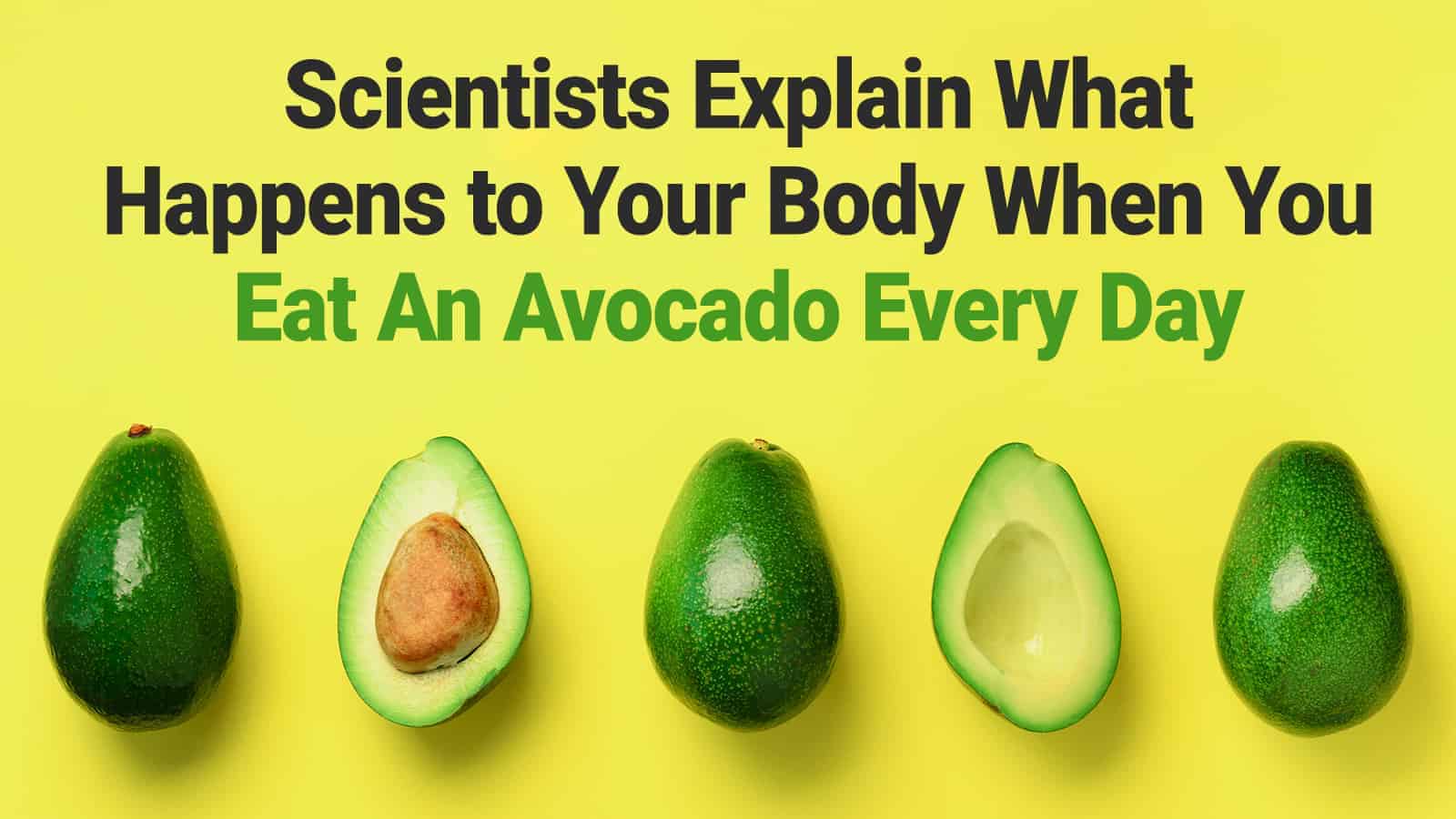
Avocado lovers can rejoice because a new study found that this creamy fruit supports a healthy diet. Avocados benefit health since they provide healthy fats and can lower LDL cholesterol levels, protecting your heart health. Besides that, they can assist with weight loss or healthy weight maintenance. Furthermore, they offer many essential vitamins and minerals, such as potassium and Vitamin K. 

Unfortunately, many people fear fat in the modern world since doctors and corporations have spent decades demonizing it. In the 1980s and 1990s, the low-fat craze dominated the U.S., and sugary snacks filled grocery store shelves. 

People started to believe that eating fat caused weight gain, not realizing that we need healthy fats to survive. Doctors have since discovered that added sugars can lead to numerous health issues, such as diabetes and heart disease.

However, avocados can protect against heart problems since they have healthy monounsaturated fats that reduce inflammation. They also lower LDL (“bad”) cholesterol levels and blood pressure. Below, we’ll discuss a few studies explaining why a healthy diet should include avocados. 

Eating Two Avocados Per Week Can Reduce Heart Disease Risk

healthy diet

 New research found that eating two servings of avocados per week can lower cardiovascular disease (CVD) risk and improve heart health. Avocados contain the perfect combination of dietary fiber, vitamins, minerals, and healthy fats to support a healthy diet. 

 A March 2022 study in the Journal of the American Heart Association reported the findings. It marks the first study to determine an association between higher avocado intake and fewer cardiovascular events.

For the study, researchers followed 68,000 women and over 41,700 men for 30 years and recorded all health events. When the study began, the participants did not have coronary heart disease, cancer, or instances of stroke. 

Participants filled out questionnaires about their dietary habits every four years. One of these questions asked how much avocado they ate as part of a healthy diet. During the study period, researchers recorded a total of 14,274 CVD cases (9185 coronary heart disease events and 5290 strokes). 

Researchers made a surprising discovery about participants who consumed two servings of avocado per week. Those who ate half an avocado, or 1/2 cup of the fruit, had a 16% lower risk of cardiovascular disease. They also had a 21% reduction in coronary heart disease risk compared to participants who never or infrequently consumed avocados.

The research team recommended replacing half a serving/day of margarine, butter, eggs, yogurt, cheese, or processed meats with an equivalent amount of avocado. For example, if you eat buttered toast regularly, you can substitute this creamy fruit for butter to support a healthy diet. You can add them to salads, smoothies, sandwiches, and other nutritious recipes.

Based on the findings, this healthy substitution resulted in a 16-22% lower risk of cardiovascular disease events. 

A Healthy Diet Including Avocados Satisfies Hunger 

Foods with high fat and fiber content, like avocados, can keep you satiated long after eating. Since fat and fiber digest more slowly, they may help regulate your appetite and reduce calorie intake. 

One study found that eating a breakfast that contained an avocado increased satiety among overweight or obese people. Participants felt more satisfied after their meal than those who ate a breakfast with equal calories but less fiber and fat. So, including avocados in a healthy diet should help reduce hunger and keep you feeling fuller longer.

avocado

Avocados May Promote Weight Loss 

Other studies reveal that people who consume more fruits and vegetables often weigh less. An extensive survey involving 18,000 adults investigated their dietary habits and calorie intake. The results showed that respondents who ate avocados tended to have more nutritious diets overall. They also had a reduced metabolic syndrome risk and a smaller waistline than those who didn’t eat avocados.

These findings don’t necessarily prove a correlation between avocados and improved health. However, they suggest that a balanced diet can include avocados. In fact, they may help promote weight maintenance when eaten regularly. 

Another study revealed that consuming avocados frequently resulted in a 9% lower chance of developing obesity or overweight over 4-11 years. This study doesn’t provide evidence that avocados can help with weight loss. However, they may help you with weight management by increasing your metabolism and reducing your appetite.

Some preliminary findings suggest that avocados could promote weight loss. One study found that people who ate one avocado daily and maintained a low-calorie diet had better gut bacteria. In turn, they had more success in losing weight. Also, their inflammation levels decreased slightly, but not enough for researchers to determine causation.

Finally, one study of overweight and obese adults analyzed whether eating one avocado daily for three months reduced abdominal fat. The findings showed that participants who ate avocados daily had dramatically less abdominal fat. Those who didn’t consume avocados had no difference in stomach fat.

Other Foods For a Healthy Diet

While avocados have been called a superfood for their nutrient density, a healthy diet also requires other whole foods. Make sure to “eat the rainbow” as often as possible, including a wide variety of fresh fruits and vegetables. Also, nuts, seeds, whole grains, lentils, legumes, eggs, and low-fat dairy should be part of a healthy diet. Some ideas for foods to eat include:

  •  Sweet Potatoes
  • Spinach
  • Flaxseeds
  • Greek Yogurt
  • Blueberries
  • Blackberries
  • Broccoli
  • Quinoa 
  • Bananas
  • Apples
  • Oranges
  • Dark Chocolate
  • Kale
  • Oatmeal

heart health

Final Thoughts on Why Avocados Help Have a Healthy Diet

The studies above prove that no healthy diet is complete without this delicious fruit. After all, avocado toast not only tastes delicious, but it provides essential vitamins and minerals. They’re also easy to incorporate into meals like smoothies and salads, making them one of the most versatile fruits.

Besides that, they offer numerous health benefits, such as boosting heart health and lowering LDL cholesterol. Some studies suggest they may even promote weight loss and reduce appetite. Eating an avocado at least twice weekly can fortify a healthy diet and add bulk to your meals. You can find countless recipes online, so don’t hesitate to try something new!

Do a Skin Cancer Self-Exam in 7 Steps 

It would be best if you made a skin cancer self-exam a routine part of your skincare routine. Why?

Skin cancer can happen to anyone, regardless of skin color or ethnic background. Furthermore, skin cancer is very treatable if you catch it early. A self-exam of your skin is the best way to detect the early stages of skin cancer. You don’t need special equipment to do the self-exam, just a large mirror and a hand mirror. The self-exam is an easy way to identify skin cancer before it grows and becomes hard to treat. Skin cancers appear on parts of your body most exposed to the sun, but they can appear anywhere on your skin. When doing your self-exam, be thorough; don’t skip any part of your skin. 

Here are seven self-exam steps you can do at home as part of your wellness routine.

How common is skin cancer? 

According to the American Academy of Dermatology Association, skin cancer is the most common cancer in the United States. The skin care professionals at the AADA also warn that one in five Americans will get skin cancer. With these alarming statistics, you must do a monthly skincare self-exam. 

What should you look for during the skin cancer self-exam?

skin cancer prevention tips

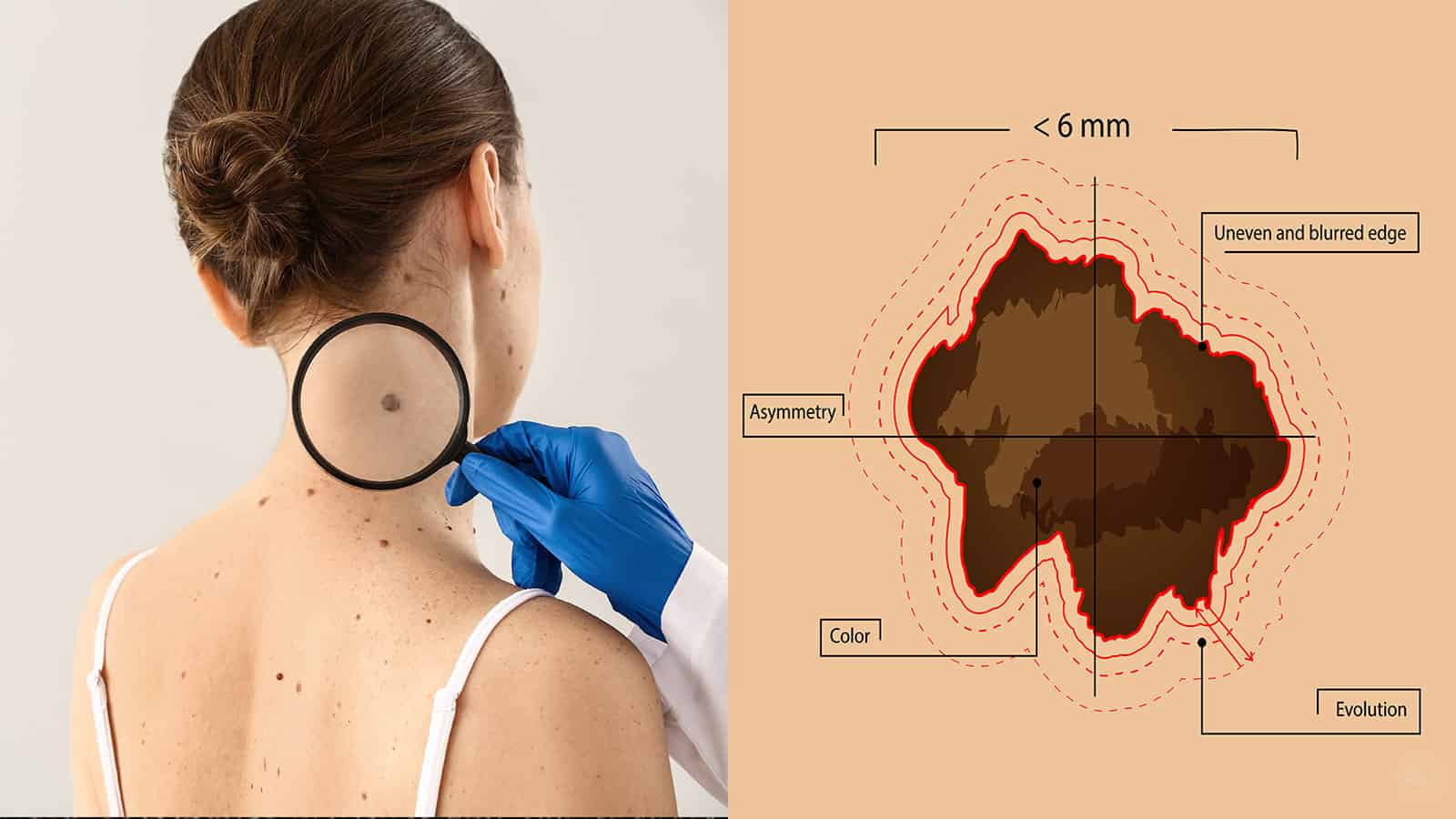
It’s essential to examine your skin for cancer. Early skin cancer cells appear like this:

  • Scaly, crusty, and rough
  • Flat patches of skin
  • Reddish or brown or greyish
  • Irregular shape
  • A mole or bump that bleeds
  • A mole that had changed in color, shape, or size
  • A mole that is tender to touch
  • New growth or bump
  • A pimple that doesn’t go away
  • Rash that doesn’t go away
  • Wart-like growth
  • Skin tags that bleed or itch

If you notice a spot that’s different looking and has some of the characteristics listed here, immediately make an appointment with your dermatologist. Early treatment can prevent damage to your tissue and other organs.

Do a Skin Care Self Exam in 7 Steps

It’s best to do your self-exam in a well-lit room. You can also get a partner, spouse, or family member to help you do these exams, particularly the hard-to-see areas like your scalp or back.

1. Examine your body in a full-length mirror to start the self-exam

The best way to do your skin exam is to stand in front of a full-length mirror or bathroom mirror. Don’t rush, and be thorough. First, check your face, ears, and chest. Look at your belly. Women should lift their breasts to examine the skin under them. Look for new bumps or growths. Examine spots to see if they are irregular in shape or color. Is there a pimple that’s been around for a while? This bump could be the early stages of skin cancer. 

2. Look at your arms and hands

Now take a look at your forearms and underarms:

  • Bend your elbows and check underneath.
  • Lift your arms to look at your armpits and the back of your arms.
  • Look at your hands and palms.
  • Look at each finger, checking underneath your nails in between your fingers. 

3. Look at your legs

Sit down and check your legs, knees, thighs, calves, and shins. Be sure to look at the back side of your legs. You may need a hand mirror to see the backside of your thighs and legs.

4. Check your feet during the self-exam

Now, look at your feet. Check the top of your feet, between your toes, and the soles of your feet. Don’t forget to examine underneath your toenails. Certain melanomas are uncommon, but acral melanoma occurs more often on the feet, hands, fingers, toes, and under your nails. However, this type of melanoma is more common in darker-skinned people. Only 2% of on-sun-induced melanomas occur in the Western world, but 75% occur in Africans, 10% in Japanese, and 25% in Chinese. A lack of a proper diagnosis could be the resend for these statistics. 

The numbers are all the more reason to see your dermatologist immediately if you notice any unusual spots or bumps underneath or around your toenails. 

5. Examine your neck and scalp

Look at your neck and scalp using a hand mirror and a full body mirror. You may need to push your hair aside. Some people use a comb, and a blow dryer helps because it helps part their hair so they can look at their scalp. Getting someone to check your scalp might be best since it’s hard to do by yourself. Ask your partner, spouse, or close friend to examine your scalp. 

6. Check your back and buttocks

Don’t forget to check your buttocks and back. Using the full-length mirror and a hand mirror, look at your back, buttocks, and genital area. Even though these areas of your body rarely see the light of day, they are still susceptible to skin cancer. 

7. Finish your self-exam with a look inside your mouth 

Last of all, take a look inside your mouth for any white patches or black spots on your

  • Gums
  • Tops and bottom of your tongue
  • Inside your cheeks
  • The roof of your mouth
  • Underneath your tongue

What else can you do besides a skin care self-exam?

Skin cancer prevention-One of the best skin prevention practices is limiting exposure to ultraviolet(UV) rays. This means limiting your time in the sunlight. Wear sunscreen when you’re outside. Avoid tanning beds. 

See your dermatologist once a year for an entire body professional skin exam. 

What causes skin cancer?

Of course, exposure to UV rays is a significant contributing factor to skin cancer. Other things that may contribute to cancer in general, as well as skin cancer, include:

  • Sedentary lifestyle
  • Poor diet
  • Being overweight
  • Smoking
  • High intake of alcohol

Changing these lifestyle habits will make a significant impact on reducing your risk of getting cancer. 

woman thinking

Read why redheads face the most risk factors for developing skin cancer.

What should you eat to prevent skin cancer? 

Nutrition plays a big part in skin care and skin cancer prevention. Here are some healthy foods you can eat antioxidant-rich foods to help you fight skin cancer. 

Your body can’t make antioxidants. So it would be best for you to get your antioxidants through the nutrients in your foods rather than take supplements. Antioxidants have been beneficial in preventing skin cancer. Healthy antioxidants to add to your diet include:

  • Vitamin C: This vitamin is toxic to cancer cells.
  • Vitamin D: Prevents damage from free radicals, has anti-inflammatory benefits, absorbs energy from UV light, and improves your skin’s barrier.
  • Vitamin E: This vitamin prevents damage from free radicals, takes in the energy from UV light, prevents anti-inflammatory effects, and improves the skin’s protective barrier.
  • Zinc: This mineral boosts your immune system to help fight cancer.
  • Selenium: Reduces the risk of different types of cancers.
  • Beta-carotene: Your mom knew you should eat your carrots because they contain beta-carotene that boosts your immune system to fight disease. 
  • Omega3 fatty acids: These help fight the growth of skin cancers.
  • Polyphenols: These antioxidants in many vegetables and fruits help repair your DNA damaged by UV rays. 

Should you take supplements or get antioxidants in foods? 

It’s best to get your antioxidants through the food you eat rather than take supplements because antioxidants in foods are more effective and have more potency. 

What foods contain antioxidants? 

Here’s a list of the best antioxidant foods you can eat to help fight skin cancer. 

  • Tomatoes, watermelons, papaya, pink grapefruit, and blood oranges are all high in lycopene. 
  • Orange-colored veggies and fruits. Think squash, pumpkin, yams, apricots, mango, and carrots.
  • Fatty fish like sardines, herring, mackerel, salmon, and albacore tuna are high in vitamin D and omega-3 fatty acids.
  • Flaxseed and walnuts contain omega3s
  • Green or black teas deliver healthy polyphenols.
  • Chicken, grass-fed beef, and Brazil nuts are all rich in selenium.
  • Almonds, sunflower seeds, soybeans, wheat germ, and spinach have high amounts of vitamin E.
  • Lemons, limes, oranges, raspberries, strawberries, bell peppers, broccoli, and leafy greens are each full of Vitamin C and folic acid. 
  • Shellfish, lamb, beef, and beans give your body zinc. 

What about eating a Mediterranean diet to prevent melanoma?

Studies show that the Mediterranean diet is one of the healthiest diets because it’s so rich in antioxidants and anti-inflammatory nutrients. The main foods recommended for this diet include:

  • Cruciferous and leafy green veggies
  • Citrus fruits
  • Tomatoes
  • Fish
  • Herbs
  • Olive oil

Besides fighting skin cancer, the Mediterranean diet can also prevent other chronic diseases like heart disease, diabetes, and other cancers. 

self-exam

Final thoughts on performing a self-exam as part of your skincare routine

Skin cancer is no respecter of persons. People of all different backgrounds can get it regardless of skin color. The good news is that it’s very treatable if you detect skin cancer soon enough. But if not seen in time, it can damage your tissues and organs. A skincare self-exam is a step towards finding skin cancer before it develops. You don’t need special equipment, only a hand mirror and a full-length mirror to do the self-exam. Skin cancers can look like moles or skin tags that change, turn red, bleed or itch. Please don’t ignore these spots that look different, assuming it’s nothing to worry about. You try to take care of your skin the best you can, and doing a skincare self-exam is the first step towards having healthy skin. 

16 Common Food Toxins People Don’t Realize

Food toxins can make you sick by interrupting your body’s ability to function correctly. Furthermore, they can cause life-long illnesses. Although you can’t eliminate all pollutants and toxic chemicals from your life, there are steps to take to reduce your exposure to toxins. Eating clean and choosing organic and hormone-free foods is a good start. But, it’s essential to recognize which foods contain these harmful substances. 

So today, we will discuss sixteen common food toxins you encounter in your life every day. 

What is a food toxin? 

According to the European Food Safety Authority(EFSA), food contaminants cover several categories, including the following:

  • Natural toxins-algae, fungi
  • Environmental contaminants-pollutants in water and air
  • Metals-lead 
  • Process contaminants-things that form when food cooks at high temperatures
  • Inorganic substances-fluorine

food toxins

Sixteen common food toxins that most people don’t realize

Knowledge is power; here are the chemicals to avoid.

1. Heterocyclic amines

When meat sears at a hot temperature, it changes the proteins into heterocyclic amines(HCA). These chemicals can cause breast, colon, or prostate cancers. In addition, grilling exposes meats and veggies to smoke that covers them, making them dangerous for you to eat. One solution is to pre-cook the foods you plan to grill and finish them on a low flame. You can also marinate meat with a wet rub to cut back on the charring. Never eat the charred parts of food. 

2. Bisphenol A (BPA)

Bisphenol (BPA) is in the coating of many canned foods and drinks. It’s a carbon-based compound that reacts like hormones in your body. BPA mimics estrogen and disrupts your hormones. BPA can lead to:

  • Breast cancer
  • Heart disease
  • Obesity

Acidic foods like tomatoes are dangerous; the acid makes the BPA leach out of the lining of cans. The best solution is to skip canned foods and buy your foods in glass jars. Read labels. Look for containers listed as BPA-Free. Or buy fresh vegetables and other foods. 

3. Aflatoxin

Nuts are an excellent source of protein, but peanut butter and peanuts contain a chemical called aflatoxin. Aflatoxin comes from a fungus called Aspergillus. It links to liver cancer and liver disease. Strangely, the peanut butter with the highest amount of aflatoxins is freshly ground peanut butter at health food stores. The least amount of this toxin came in peanut butter from big supermarkets. To solve this problem:

  1. Store your peanut butter in the fridge to reduce fungal growth.
  2. Always purchase well-known brands of peanut butter.
  3. Don’t buy peanuts from a barrel or bin. You won’t know how long they’ve been sitting there.

4. Diacetyl

When artificial butter flavor releases into the air, it produces diacetyl. Long-term exposure to diacetyl causes inflammation and scarring in your lungs, called “popcorn lung.” It’s an irreversible condition. So if you love popcorn, choose the non-butter flavor and avoid the fumes when you open the bag. You can also cook popcorn on the stove to prevent exposure to diacetyl. 

5. Mercury

Even though fish is good for you, certain types of fish are high in mercury. High mercury exposure can cause muscle weakness, hearing loss, and vision problems. Kids are most at risk for these conditions. So watch for these side effects if you think you exposed yourself to mercury.

  • Anxiety
  • Memory problems
  • Mood swings
  • Depression
  • Tremors
  • Numbness if hands and feet
  • Low functioning motor skills
  • Trouble breathing

Fish that are highest in mercury include:

  • Big eyed tuna
  • Swordfish
  • Marlin
  • Shark
  • Tilefish
  • King mackerel
  • Orange roughy
  • Chilean sea bass

Substitute low mercury seafood such as salmon, mackerel, sardines, scallops, and shrimp. If you love tuna, only eat two servings a week. 

6. Sodium nitrate

Sodium nitrate is a preservative used to process some meats. It links to certain types of cancer. There are growing concerns about low exposure to nitrates in regular drinking water. To limit nitrate exposure, you can filter your water and avoid eating processed meats. Foods that contain sodium nitrate include:

  • Salami
  • Lunch meats
  • Bacon
  • Beef jerky
  • Ham
  • Hot dogs
  • Smoked fish

7. Dioxins 

Many meat, dairy, and fish contain dioxin compounds(DLCs). This food toxin is not only environmentally damaging but also harmful to humans. Exposure to DLCs can lead to health problems such as

  • Reproductive problems
  • Developmental problems
  • Heart disease
  • Type 2 diabetes
  • Cancer

To avoid these toxic chemicals, choose organic foods whenever possible and limit eating dairy and meat products. 

8. Recombinant Bovine Growth Hormone

This growth hormone is fed to dairy cows to help increase milk production. But these toxic chemicals can cause colon cancer in men. Buy organic dairy foods to avoid exposure to this food toxin. Foods that may contain bovine growth hormones include:

  • Ice cream
  • Milk
  • Yogurt
  • Cheese
  • Butter
  • Half and half

toxic

9. Genetically Modified Organisms (GMOs)

Most of the soy, canola oil and corn in the United States are grown using genetically modified techniques. These engineering techniques may have long-term effects on humans. Some vegetables and fruits that might have GMOs include the following:

  • Pink pineapples
  • Potatoes
  • Summer squash
  • Apples
  • Papayas

Researchers are still studying the impact humans these modified foods may have on humans. Until there is more information on the effects of GMOs, your best solution may be to buy foods that say GMO-free. 

10. Pesticides

Pesticides are used on crops to kill pests—unfortunately, these toxic chemicals may cause congenital disabilities and some cancers. Most organic foods are pesticide-free, but it’s helpful to read food labels. Check out the EWG’s dirty dozen list of foods with high levels of pesticides. 

What about natural toxins?

According to the World Health Organization (WHO), natural toxins are toxic chemicals or compounds found naturally in living organisms. Although these toxins don’t hurt the organism, they harm humans when eaten. 

Natural toxins can threaten your health. They can be very potent. Severe effects of natural toxins can be these:

  • Severe stomach pain
  • Diarrhea
  • Vomiting
  • Death 
  • Long-term health problems such as immune, nervous or reproductive system problems

11. Cyanogenic glycosides

Plants produce these toxins. There are over 2000 species of plants that are toxic. Plants such as

  • Cassava-Yuca plant 
  • Bamboo root
  • Almonds
  • Stone fruits

The toxicity level of these plants depends on how much you eat and prepare them. Side effects can include:

  • Vomiting
  • Diarrhea
  • Dizziness
  • Drop in your blood pressure
  • Stomach pain
  • Confusion
  • Twitching
  • Coma 

12. Algae

Freshwater algae and saltwater algae can be toxic. These toxins are prominent when the algae bloom. Algae toxins may occur in shellfish and fish or drinking water. These toxins have no taste or smell, and you can’t get rid of them by cooking. Symptoms of toxicity include:

  • Diarrhea
  • Vomiting 
  • Paralysis

13. Lectins

Many beans contain toxic chemicals called lectins. Dried kidney beans have the highest concentration of lectins. Just five red kidney beans can make you sick with vomiting, diarrhea, and stomach pain. Lectin decreases when you soak dried kidney beans in water for at least twelve hours and then boil them for ten minutes or more. 

14. Furocoumarins

This natural toxin is present in parsnips, celery root, bergamot, lemon, and lime plants. In addition, Furocoumarins are in some medicinal plants. They are stress toxins that some plants release when damaged. Eating a lot of a plant that contains furocoumarins can cause stomach problems. Furocoumarins can also cause skin reactions during exposure to sunlight. 

15. Poisonous mushrooms

Some wild mushrooms are toxic. Eating them can lead to 

  • Confusion
  • Diarrhea
  • Hallucinations
  • Vomiting
  • Visual problems
  • The harmful effect on your liver, kidney,s and nervous system

Cooking or peeling them doesn’t remove the toxins. Avoid wild mushrooms unless you are sure they’re non-poisonous. 

16. Mycotoxins

Certain molds contain mycotoxins. Molds that produce mycotoxins grow in some foods like 

  • Cereals
  • Dried fruits
  • Nuts
  • Spices

Sometimes the mold grows before or after harvesting these foods. Molds also grow during storage if there are damp and warm conditions. These toxins can even survive during food processing. Side effects of mycotoxins include:

  • Long-term health problems
  • Cancers
  • Immune deficiency problems

Be careful of buying foods that look bad or smell bad. Check for pests, damage, or discoloration to the foods. Steer clear of stores that sell old-looking foods. 

How do you avoid natural toxins? 

Don’t assume when something natural is safe to eat. Never hold on to foods that are damaged, moldy, or discolored. Throw away food that doesn’t taste fresh or smell right. Be sure to eat only wild foods you know are non-poisonous. Natural toxins may be present in different crops and foods from other countries. Be careful of these imported foods. 

food toxins

Final thoughts on avoiding food toxins for a healthier life

Food toxins, pollutants, and toxic chemicals are found in many foods today. These harmful toxins can have long-term detrimental effects on your body. It’s challenging to eliminate all toxins, but there are steps you can take to help reduce your exposure. First, check out the EWG’s dirty dozen to see which fruits and veggies contain high pesticides. When possible, try to eat organic and hormone-free foods. Next, be aware of natural food toxins. These plants carry natural toxins but harm humans, like fungus and molds. You can take steps to protect your and your family’s health by knowing about these common harmful toxins. 

Skip to content