Weekly tips, affirmations, and small actions to feel your best.

Study Reveals How People With Low BMI Have Faster Metabolism and Eat Less 

BMI is the body mass index used to gauge your weight according to your height. Low BMI is typically associated with lower weight and high activity levels. But recent research findings suggest that some individuals can maintain a low BMI even though they eat less and are less active. Why? Because they have a naturally fast metabolism and tend to eat less.

How did these findings counter earlier thinking about BMI? 

This study observed 173 participants with normal BMI levels. Approximately 150 were considered “healthy but underweight,” with a BMI of 18.5. They screened them to see if they had any eating disorders, were ill, had HIV, or were on medication that caused them to lose weight. 

For two weeks, scientists measured their food consumption and physical activities. When they compared the underweight group with the other group, scientists found that the healthy underweight people ate at least 12% less food and were also 23% less active. Usually, a high BMI is how doctors measure obesity. 

Scientists expected these underweight people to be very active and consume a lot of food. But, as it turned out, these individuals ate less and did less, yet still had a high resting metabolic rate and elevated thyroid hormones. 
BMI

What is BMI?

Body mass index is calculated by dividing your weight (in kilograms) by your height in meters squared. A normal BMI is 18.5 to 24.9. Conventional wisdom says the higher your BMI, the more at risk you are for heart disease, type two diabetes, breathing problems, high blood pressure, and some cancers. Over the years, BMI has been a good tool for measuring obesity and overweight. BMI does have limitations. BMI mistakenly assumes you have a higher body fat if you have a muscular build or are an athlete. For older people who have lost muscle, the BMI overestimates body fat. The best way to get an accurate BMI is to use a BMI calculator. 

Is BMI a good measure of health? 

Some researchers feel that using BMI to measure overall health is useless today. It was popular in the 1800s and utilized with little change since then. But many doctors think it’s an inaccurate measure of a person’s health. That’s because someone’s body mass index doesn’t consider the weight’s location on the body. For instance, a female may carry weight mainly in her chest or thighs, which doesn’t put her at risk for specific health problems like heart disease. Proponents of a new system for measuring overall health suggest using body shape along with your BMI and something else like blood work or blood pressure measurements to gauge fitness. So BMI may be suitable as a partial measure of health combined with other factors. 

What is metabolism?

Your metabolism is the process in your body that breaks down and creates energy for you to live. Metabolism is how quickly your body expends energy and burns calories. 

  • Every activity: Your metabolism creates energy to do your everyday life activities. 
  • Exercise: Exercise burns more calories.
  • Bodily functions: At rest, your body still uses up energy to function. It’s called the basal metabolic rate (BMR). Your BMR is, in part, determined. by your genes. 

Some people inherently have a faster metabolism. They can eat more than others yet not gain weight. Your metabolism depends on your age, gender, activity, and genetics. You can increase your metabolism for a short time with exercise, proteins, green teas, and spicy foods. Eating breakfast and not skipping your meals will also help improve your metabolism. Getting enough sleep and drinking water is also essential. Your eating habits also significantly contribute to your weight gain or loss. 

Is it better to have a faster metabolism?

Not necessarily.

If you have a faster metabolism, it means your body burns more calories when you’re resting than someone with a lower metabolic rate. However, the quicker your metabolism, the more calories your body needs. A fast metabolism isn’t good or bad for your health. Maintaining healthy eating habits is crucial so you get enough calories to nourish and sustain your body. Good eating habits help increase your metabolism. 

Does being underweight due to a fast metabolism have health risks?

According to other studies, being underweight has as many health risks as being overweight. Underweight individuals may struggle with poor eating habits, leading to not getting enough calories. As a result, you may lack vitamins and minerals. If your BMI is less than 18.5, you don’t weigh enough. Weighing too little may cause:

  • Osteoporosis: Sometimes called brittle bone disease, osteoporosis makes you prone to bone fractures, skin, teeth, and hair problems. 
  • Getting sick a lot: You’ll lack sufficient calories if you make unwise food choices. Poor nutrition takes away your ability to fend off infection and illnesses. As a result, you’ll be more likely to catch a cold or virus. 
  • Fatigue: Another symptom of being underweight is constant tiredness. If you don’t get enough calories makes it difficult to keep up your energy. 
  • Anemia: If you’re underweight, you’re prone to anemia. This disease occurs if your body doesn’t produce enough red blood cells. Low red blood cells lead to headaches, fatigue, and dizziness. You may also have absent or irregular menstrual periods and even infertility. 
  • Stunted growth: Lacking the necessary calories and nutrients leads to poor development and stunted growth. 
  • Risk of mortality: Being underweight increases your risk of lack of healing if you have an accident or trauma compared to someone with a higher BMI. 

If you’re lean, there’s a good chance you’re busy all the time during the day. You might fidget and always be in motion more than someone who is overweight. If you can’t seem to sit still, you may have learned this tendency or are just genetically wired to move a lot. Overweight people tend to be sedentary, making it more difficult to lose body fat. 

metabolism boosters

What are alternatives to BMI?

Here are some other tried-and-true methods to measure your BMI. These tests are more popular now in light of this new information on metabolism.

Waist circumference measurement

This old-fashioned alternative to BMI is one of the best ways to measure your abdominal fat. Carrying extra weight around your stomach puts you at risk for heart disease and other medical problems such as 

  • Type two diabetes
  • Liver problems
  • Dementia
  • Cancer

You measure your natural waist. Women with a waist measurement of around 35 inches and men with a mid-section over 40 inches have almost double the risk of experiencing cardiovascular disease, for instance. 

Body adiposity index

The body adiposity index doesn’t use your weight. For this measurement, you multiply your hip circumference by your height. Many feel this is a better measurement of overall health than BMI. As a result, some health care professionals often rely on this factor. 

Waist-to-hip ratio

This ratio is also an accurate way to calculate extra body fat, especially around your belly. First, measure your natural waist and the widest part of your hips using a tape measure. Then you divide your waist circumference by your hip circumference. Most people convert this to metric. So, if you have a 30-inch waist (76cm), and you divide it by your hips 38″ (97cm), then you have a waist-hip circumference of approximately 78cm. Here’s a chart to gauge your health. 

Women hip to waist ratio:

  • Low waist 31.4 inches (80cm) or lower
  • Moderate 31.88-33.4 inches(81cm to 85cm)
  • High 33.8 inches (86cm or higher)

Men hip to waist ratio.

  • Low 37.4 inches (95 cm) or lower
  • Moderate 37.7 inches(96cm)
  • High 39. 7 inches (100cm)

Be careful not to short-circuit your metabolism

Just as there are ways to increase your metabolism, common mistakes slow it down. 

  • Lack of sleep: Not getting enough sleep will cause metabolic issues. Your metabolism will slow down, so you’re burning fewer calories. It increases your cortisol which causes your body to store fat. As a result, you’ll eat more because your body lacks energy. The result is weight gain. 
  • Too much caffeine: Although caffeine can boost your metabolism, too much of it makes your metabolism sluggish. 
  • Eating habits: Not eating high-fiber foods like fruit can affect your metabolism. 
  • Keep your house too warm: Keeping your house cooler kicks up your metabolism, so it has to work harder. Sleeping in a cool room at night can help you burn brown fat, the most challenging fat to lose.
  • You didn’t eat enough food: Conventional thinking is the less you eat, the better. But it can backfire on you by slowing down your metabolic rate. Healthy eating can help you have the energy you need plus burn calories. 
  • You skipped the sun: Exposing your body to sunshine for thirty minutes gives you 10,000 IU of vitamin D. This weight loss vitamin alters the formation and storage of fat. In addition, it increases serotonin, so you feel good and lose weight. 
metabolism myths

Final thoughts on metabolism and the surprising BMI study

Body mass index has been used for many years to measure a person’s fat, bone, and muscle levels. Today many doctors feel it’s outdated, so they suggest different ways to gauge a person’s health. Metabolism is the body’s thermostat that regulates burning calories and giving your energy. Healthy eating habits maintain and increase your metabolism. Staying healthy is vital for the energy you need to do what you love with the people you love. 
Science Explains What Happens to Your Body When You Read Every Day

If you reminisce, you will probably find that you used to read a lot. Most kids do, as books offer the opportunity to escape the real world. In addition, many kids’ books are fantasy, so they create new worlds to explore. This escape is one of a book’s most attractive qualities–it can transport you into better or different places. 

But, as you grow up, reading about dragons and magic seems silly, and most adult books are non-fiction or seem boring. Moreover, literature has never received a fair portrayal in society. So, while impressive, the literature taught in school doesn’t always leave a good impression. That’s because it’s not fit for teenagers and because of how schools present it. That’s why many people read less and less. 

They get a bad taste of what reading could be, and then they never find something that suits them. Many people don’t think there’s a point in reading, anyway. But that’s where they’re wrong. Jumping into a good tale isn’t just fun. It doesn’t just teach you new things. Not to mention that you can never get the complete picture of a topic by simply reading about it online. If you want to understand a scientist’s stance on a topic, you’re always better off reading their study. 

But let’s say you don’t see a point in non-fiction. Maybe you don’t think you’ll learn anything valuable. That doesn’t take away from the value of the book. Because when you read, it affects your body. It doesn’t matter what you read. Whether it’s a novel, a historical account, or something motivational like The Power of Attitude books, the simple act of sitting down with a book and skimming over the words makes a difference. And the same benefits of reading are listed below.

Here are the six benefits of enjoying a good page-turner each day.

1 – Reading Strengthens The Brain

reading

Reading changes the brain in the most literal sense. And it doesn’t even matter what you read. Sure, reading non-fiction will be more mentally challenging. But reading any old book will strengthen your brain. This strengthening occurs because reading will stimulate parts of your brain you rarely use in your daily life. 

And it’s not about logic and sharpness. It’s more about how the words you consume bloom into emotions and feelings. Studies show that when people had a book to read, their brains became more engaged in certain scenes. When researchers looked at MRIs, they noticed that certain brain parts lit up as tension built in the story. This response signals that, throughout the reading period, brain connectivity increased. 

Those stimulated areas worked faster and were more synchronized. Interestingly, the somatosensory cortex, which reacts to physical sensations, experienced the most change. That would mean reading a book stimulates the same area as a workout. If you incorporate this practice into your routine, these changes will last. Indeed, even skimming through a few pages daily can strengthen your brain and make you sharper.  

2 – Books Enrich Your Vocabulary

One of the best things about reading is that it enriches your vocabulary without trying. Without reading, you could only do that through active learning. You would have to open a dictionary and make an effort to memorize words. And even then, there’s a high chance you would forget them. Or you would find it difficult to understand how to use them in context.  

The best thing about reading is gradually incorporating new words into your vocabulary. This effect is beneficial if you start reading from a young age. That way, you can learn words that are on par with your level of understanding and needs. And it will never seem like a task. 

You won’t have to learn actively. You’ll find that you know the words you need when you need them. A good vocabulary will help you have better opportunities. For example, you’ll be able to land better jobs. Overall, you’ll be able to communicate better.  

3 – Reading Makes You More Empathetic

Books are unique in that they allow you to imagine things you would have never come in contact with otherwise. Whether fiction or non-fiction books, they transpose you into entirely new worlds. Plus, you always accompany someone on their journey when you read a book. You learn why they act the way they do and what core values they hold dear. 

You understand why they took specific actions, regardless if you think those actions are good or not. Morally grey characters are potentially the ones people become most empathetic of. Say someone stole some food from a grocery store. In real life, you would only see them stealing and automatically think they’re doing something immoral. 

But say a character from a book stole that food. In that storyline, you could learn that the family is poor and have three children to feed. The factory they worked at was torn down to make luxury apartments instead. They cannot get another job because no one deems them qualified enough. Some people could still consider that this is no reason to steal. 

But most would see that their actions arose from need and fear. Reading about situations like these makes you more aware of other people’s struggles. As a result, you start to judge less and empathize more. This ability to relate to others is called the “theory of mind.” Research shows that people who read often, especially fiction readers, have a better-developed theory of mind.  

books

4 – Books Reduce Stress

One perk of making time to read is that reading reduces stress. That’s because it allows you to escape and, at least temporarily, forget about all your daily struggles. Maybe you have associated reading with stress because most people haven’t read for fun since they were kids. But, when you give reading a real shot, you’ll see how much lighter you’ll feel.  

When you read, especially fiction, your mind and imagination fully engage. The brain can focus on a single task without distractions or the need to hit a target. So, when you read, you don’t need to force yourself to read at least 100 pages per sitting. 

If you have some time before sleep, sit down and read however much you like. Interestingly, reading is like meditation because it’s a repetitive task you must focus on. The words change, but the action is the same, page after page. Also, stimulating your imagination allows you to enter an altered state of consciousness. 

Because of these reasons, reading allows you to be less stressed. In addition, studies show that even six minutes of reading can decrease heart rate and reduce muscle tension. So, your favorite book doesn’t only relax you mentally but also physically.

5 – Reading Slows Down Cognitive Decline

Cognitive decline is unavoidable. It’s something that happens naturally as people age. You can’t do anything to stop it from happening, but you can slow it down, almost to the point of preventing it altogether. Through this activity, you can avoid even things like Alzheimer’s disease. This outcome is because reading improves brain health.  

Reading is a cognitive-based activity, much like solving problems and puzzles. The primary advantage is that reading doesn’t have to feel like a chore. Sure, some people enjoy solving math problems, but most don’t. But there’s a book for everyone. Reading stimulates the brain without feeling like a chore. 

Think of it like this: the brain is just like a muscle. It needs stimulation. Otherwise, it gets out of shape. So by engaging in cognitive-based activities, you strengthen the brain. Plus, as discussed before, reading reduces stress. But it’s also associated with helping treat specific mental health issues like anxiety and depression. 

Considering these things, it’s clear that a good book strengthens the brain. Studies have even supported this, showing a positive association between reading and a slower cognitive decline.  

6 – Books Can Make You Happier

As you probably know, curling up with a good book is the perfect recipe for happiness if you are a reader. And it’s not just short-term happiness. It’s an overall shift in mood that is noticeable in your day-to-day life. Initially, you notice the change while you are reading. Studies show that your brain goes into a trance-like state when you read. 

In this state, you don’t worry about the trouble of day-to-day life. Instead, you allow yourself to use your imagination and dream. Most people have the craziest, most amazing ideas while reading. Some even go as far as to imagine what will happen to the characters after the end of the book. This wonder feels liberating and triggers your brain to produce happy hormones, like dopamine. 

But this change in mood isn’t temporary. As mentioned before, reading is therapeutic. It even helps alleviate symptoms of depression, anxiety, and other mental health issues. Of course, this is primarily because of its ability to reduce stress. But one of the other advantages of reading is that it promotes better sleep. 

Especially if you read before you sleep, you’ll find that your sleep will be more sound. Usually, people fall asleep playing their day in their heads repeatedly. Their sleep is restless because the mind never truly stops stressing. But, when you read before bedtime, your night ends calmly. 

That way, you don’t overthink and don’t stress all through the night. You can finally have a decent, deep sleep. You’ll even wake up refreshed. All these changes improve your mood, which in turn makes you happier. 

reading

Final Thoughts on What Happens to Your Body When You Read Every Day

Maybe you’ve heard before that you should read more. The more you learn, you can have a happier and longer life. But that doesn’t mean you believe you should. After all, many people have a skewed perspective on books. But there’s a book out there for everyone. 

Fiction is not just for kids; non-fiction is not always boring. If you give it a chance, you’ll find diving into a story is not only fun. It also improves your physical and mental health. This activity has can strengthen the brain and prevent cognitive decline. It also helps decrease stress and improve sleep.

Reading also helps to alleviate symptoms of mental health issues. You become more empathetic when you escape into a story, even for a few minutes daily. But the best part is that it makes you happier.

If You’ve Ever Heard of The Pineapple Diet, This Is Why You Shouldn’t Try It

Have you heard about the pineapple diet? Sadly, it joins a long list of popular rapid weight loss diets that promise excellent results. Fad diets like the pineapple diet claim you can lose weight quickly by simply eating one food, such as pineapple. Although these diets help you lose some weight during the first week, it’s usually water weight. 

So if you have heard about the pineapple diet, this article explains why health experts say you shouldn’t try it.

What are examples of fad diets?

Fad diets come and go. Another rapid weight loss diet pops up every few years, promising quick weight loss with little effort. Unfortunately, some of these diets are not only strange, but they put your health at risk. Here is a list of the many fad diets throughout history. 

pineapple diet

  • Grapefruit diet
  • Cookie diet
  • Liquid diet
  • Blood type diet
  • Cabbage soup diet
  • Subway diet
  • Raw food diet
  • Special K diet
  • Apple cider vinegar diet
  • Alkaline diet
  • Dukan diet
  • Water diet
  • Sacred Heart diet
  • South Beach diet
  • Scarsdale diet

Every one of these diets forbids certain foods and allows other foods. But, of course, no one can stay on a fad diet for too long due to the health risks. 

What are the classic signs of a fad diet? 

Fad diets like the pineapple diet make big promises with little results. Of course, you may drop ten pounds, but you’ll feel awful the entire time. Rapid weight loss diets are dangerous to your health. Here are the classic signs a diet is simply a fad, not a healthy weight loss diet.  

  • A fad diet promises quick weight loss: The diet may “guarantee” you lose weight. This promise is unethical and shameful because starving yourself is never appropriate. 
  • These diets claim you don’t need to exercise: The mantra of a fad diet is that you can lose weight without exercise. This false hope goes against conventional wisdom when it comes to weight loss. 
  • A fad diet restricts specific foods: These diets tell you to eat one or two foods while you’re on a diet, i.e., the pineapple diet, the rice diet, or the cottage cheese diet. Some fad diets limit you to one food group. 
  • Fad diets can be specialty foods: Fad diets often require special foods that are costly and hard to find. 

Why don’t fad diets work? 

Fad diets make big promises. But rapid weight loss rarely works long-term. Here are several reasons why fad diets like the pineapple diet don’t work long-term.  

  • You gain weight: You may lose some weight initially, but studies show that most dieters gain more weight once they go off the strict diet. 
  • You can get malnourished: Fad diets limit your foods and food groups. The lack of a variety of foods depletes your body of nutrients you need. 
  • You can get dehydrated: When you’re on a fad diet, you lose mostly water and very little fat. 
  • You get cravings: Rapid weight loss diets like the pineapple diet make you crave foods. Sometimes your desires are because your body craves nutrients. 
  • Fad diets create weird views on food: Quick weight loss diets cause you to view food as a reward or punishment instead of fuel for your body. 
  • Fad diets try to trick you: The folks who create these diets, like the pineapple diet, try to make you think that cutting out a particular food will make you lose weight. In reality, eating a balanced diet and getting enough exercise is the best way to stay healthy. If you hope to lose weight, you can exercise more or cut back on how much you eat. 
  • Fad diets can cause eating disorders: Restricting food can lead to compulsive behaviors such as bulimia or anorexia. 

Pineapple facts

Pineapples are part of a plant family called bromeliads. They’re native to the Caribbean and Africa. Today, most pineapples are grown in Brazil or Costa Rica. Just one cup of fresh pineapple gives you a daily amount of vitamin C. Vitamin C, a potent antioxidant, fights free radical damage. Eating pineapple helps fight heart disease, certain cancers, and signs of aging. Pineapple is also high in these nutrients:

  • Thiamin
  • Manganese
  • Folate
  • Potassium
  • Vitamin B6
  • Iron
  • Magnesium
  • Copper
  • Niacin
  • Riboflavin

Besides those, this fruit is high in fiber, which helps you feel full and aids in elimination. 

fad diet

Why is the pineapple diet unhealthy?

The pineapple diet claims that you should eat only pineapple two days per week and then eat whatever you want for the remainder of the week. This eating pattern isn’t the healthiest choice for a diet. Studies show there negative health consequences of this kind of dietary pattern.

Besides this, too much bromelain has some health risks, including:

  • Diarrhea, vomiting, and stomach ulcers
  • Rapid heartbeat
  • Heavy menstrual periods: Eating pineapple increases your blood flow. Because of this, it can lead to a heavier period than you would typically have. 
  • Risk of bleeding: Never overeat pineapple before surgery. That’s because the bromelain can result in bleeding. 
  • Heart problems
  • Liver disease
  • Kidney disease
  • Drug interactions: Certain drugs don’t mix with bromelain. However, it interacts with antibiotics, blood thinners, cancer drugs, and NSAID pain relievers like Ibuprophen and aspirin. 

The pineapple diet may trigger a reaction in some people who have allergies to celery, carrots, rye, wheat, certain pollens, bee venom, or latex. Eating only pineapple may cause you to lose some weight, but ultimately the weight won’t stay off. 

The pineapple diet can cause too much Vitamin C in the body

Too much citric acid, or vitamin C, can cause the following harm:

  • Irritation and sores in your mouth: Fresh pineapple can make your mouth burn or itch. This response happens because bromelain affects the tissue’s protein. 
  • Hives or trouble breathing: This common allergic reaction can occur with pineapple. 
  • Digestive problems: Too much pineapple leads to diarrhea, nausea, and vomiting. 
  • Heartburn: This is another digestive side effect of too much pineapple. Bromelain is (again) to blame.
  • Gastroesophageal reflux disease or GERD: GERD occurs when you have too much stomach acid, and the bile flows into your esophagus, irritating the lining. Pineapple is very acidic and can lead to acid reflux. 
  • Hard on your tooth enamel: Fruits like lemons, grapefruit, and pineapples are highly acidic. This acid can make your teeth sensitive. In addition, the acid wears away the tooth enamel. 
  • Potential allergic reaction: Being on the pineapple diet could cause an allergy to pineapple. 

Could the pineapple diet could cause kidney stones?

The pineapple diet focuses on eating one food rather than creating a healthy lifestyle. Kidney stone disease is associated with diets that cause chemical and physiological changes to your body. Diets like the pineapple diet can significantly affect your kidneys and result in kidney stone disease.

Why do people want to try the pineapple diet? 

Like all fad diets, you might have thought about going on the pineapple diet for some quick weight loss. Maybe you’ve got a class reunion or a vacation, and you’d like to drop a few pounds. Losing weight is work. It’s tempting to try a quick weight loss method. Unfortunately, most people go on a fad diet because of social pressures to achieve a particular ideal body image rather than get healthy. 

What is the healthiest way to lose weight? 

Everyone wants to drop a few pounds here and there. Generally, people who lose weight gradually improve at keeping the weight off. Healthy weight loss is a lifestyle rather than a diet. Creating healthy eating patterns and regular physical exercise is the secret to losing weight and keeping it off. Here are some simple, healthy strategies for losing weight.

Create realistic goals

Aim to lose no more than one or two pounds a week. To achieve this, you need to burn at least 500 to 1,000 calories more than you eat daily. This happens by eating fewer calories and doing more exercise. Set a goal of losing no more than 5% of your current weight. So, if you weigh 140 pounds, your weight loss goal should be 7 pounds. Next, you write down your goals for how to achieve this goal. Once you reach that first milestone, set the next one.

Eat healthily

Creating a healthier lifestyle is better than dieting because it’s more realistic. Giving up foods or eating one food won’t isn’t doable long term. Aim to have a variety of foods. Eat at least

  • Four servings of vegetables and three servings of fruits
  • Avoid refined grains
  • Cut out processed sugars
  • Eat lean meats
  • Eat healthy dairy foods

Be active

Try to exercise regularly every day for at least thirty minutes a day. Try exercises like these:

  • Brisk walking
  • Bike riding
  • Swimming
  • Running
  • Dancing
  • Yoga

Any movement will help you burn calories. Increase your physical activity even in small ways, such as

  • Parking your car at the back of a parking lot
  • Taking the steps instead of an elevator
  • Walk to a coffee shop or the grocery 
  • Cleaning your house instead of hiring someone to clean it
  • Mow your grass instead of getting a lawn service. 

See food differently

Evaluate honestly any wrong thinking you have about food and eating. 

Changing your view of food could be essential for you to lose weight. Avoid seeing food as a reward or punishment. Remember, food is to give you the energy you need to live a healthy, happy life.

pineapple diet

Final thoughts on the pineapple diet; it’s just another fad diet

If you’ve heard of the pineapple diet, you will be disappointed to hear it is yet another fad diet. Rapid weight loss diets are trendy but rarely provide long-term weight loss. They make big claims, but the dangers of these diets outweigh any short-term benefits. Even though you may lose some weight eating just pineapple, it’s probably water weight. When you quit the fad diet, you’ll gain the weight back, plus more. The best way to lose weight is the change your lifestyle and your wrong thinking about food. 

10 Ways to Set Boundaries With Parents As An Adult

No matter how old you are, your parents will try to parent you. They’ve done it for many years, and switching roles to that of a friend more than a disciplinarian can be challenging. It’s imperative that you set boundaries with your folks. Even adult children should let their parents know what you expect from them.

Some folks can transition seamlessly from being a hands-on parent to allowing you to try your wings in the adult world. Other folks will struggle greatly with this transition. It’s often easier to make such a shift if you’re married or in a committed relationship with someone to take care of you.

You’ll make many mistakes when you’re single and trying to find yourself. Parents find it challenging to stay back and remain silent. Still, if you want a quality relationship with them, you must show them how you want to be treated.

Ten Ways to Set Boundaries in Adulthood with Your Parents

Your parents will inevitably cross the line a few times once you become an adult. They may give you an opinion you didn’t ask them for, or they might try rearranging your home when they visit.

While their guidance is helpful in some instances, you don’t need help with food choices, cleaning tips, or what time you go to bed. Some people find it challenging to let go of the control they had over you, and now that you’re grown, they get less say. Here are some ways for you to navigate the process of setting healthy limitations in adulthood.

adult children

1. Have Difficult Conversations About What’s Best

Before you start the process of setting limitations, you need to have a meeting of the minds. You need to see their position and openly state your feelings. When your parents feel like you’re excluding them from your life, they may be more eager to call or show up at all hours of the day or night.

Having some challenging but honest conversations is the best place to start. In many instances, the parents struggle with issues like empty-nest syndrome and finding their purpose in their life. However, if you want to navigate the situation effectively, you’ll both listen to each other and compromise.

Empty-nest syndrome is an actual condition that can cause devastating symptoms. According to a study cited in the National Library of Medicine, depressive symptoms and cognitive impairments have been linked to the common middle-aged condition.

2. Confront Issues Directly

Remember that your parent will forever look at you as a child. It doesn’t matter if you’re 13 or 50; you’re still their kid. It’s challenging for them to realize your independence, so you need to confront issues as they come.

If you push things under the rug to avoid conflict, you’re only delaying the trouble for another day. Most times, parents have issues understanding and respecting your wishes for personal space in adulthood, so you must remind them firmly but politely. Emotional transparency is an essential part of any relationship.

3. Take Their Advice as Suggestions Not Law

When you set boundaries, it doesn’t mean that your parents won’t give you unsolicited advice. It’s something that parents do and will forever do until they leave this earth. You must realize that these are suggestions and not the law.

You are under no obligation to follow their advice, and you won’t be in trouble if you don’t do it. You get to make the ultimate choice for your life and happiness. Consequently, most of their advice comes from a place of love and concern, and many of the roads you’re walking they’ve already been down.

Use the advice to help you make better choices and tune out the nagging and things that cross boundaries. Parental gaslighting is a growing issue, and you have a right to put strict limitations on toxic people in your life.

4. Establish Physical Boundaries Between Parents and Adult Children

Setting physical boundaries means your parents can’t show up to your place of employment or home anytime they want. Some people have a rule that you must call before you come over.

If they stop by, they have no idea what you’re doing, and you might be exhausted from work and not feel like company. Set boundaries for your physical person and property so they know what’s acceptable to you.

5. Adult Children Must Break Dependency by Cutting Financial Ties

Perhaps you’re to blame for some reasons why your parents are too involved in your business. If they’re financially supporting you in any way, you must look at things from a different perspective. You need to realize that there must be financial boundaries. People who give you a place to live or pay your bills will always feel more entitled than if you stand alone.

You must pay rent if you’re living at home while saving for a house. Don’t run to them each time you need a dime, as this is another way you build dependency. Finally, pay back every dime if you get a loan from your folks.

set boundaries

6. Frame Limits with Gratitude and Appreciation

Please know that when you set boundaries, you must do so in a  pleasant way. Conversely, it would help to put your expectations on the table with respect. You don’t want to hurt your parents, who love and care about you deeply, but you want to establish some guidelines or rules for the relationship.

For instance, your mom brings you a burger for lunch. You’ve told her many times that you observe a vegetarian lifestyle now, but she’s crossed the line. Rather than being rude and not appreciating her gesture, try saying something like this:

“Thank you so much for thinking of me and bringing me lunch. However, I told you that I’ve switched to a plant-based diet, so I can’t eat it. I don’t want you to waste any hard-earned money in the future.”

Using a statement like this allows you to get your point across in a healthy manner.

7. Let Go of the Fear of Failure and Stop Trying to Please Them

Everyone wants to please their parents, as it’s something that’s just born into you. You want your folks to be proud of you and your accomplishments. Sadly, many people live their entire lives trying to please others, which is unhealthy.

It would help if you cut the ties that bind, or the proverbial apron string, as it’s often called. Your definition of success should never relate to pleasing anyone but yourself. Sometimes they’re disappointed and hope you will make a different choice, but you must remind yourself that you don’t need to earn their love or approval to be happy in adulthood.

8. Stop Guilt Trips Immediately

When you set boundaries with your parents, they may be inclined to guilt trip you. Your folks are going through many changes, and they’re probably lonely. Assume your mother keeps showing up at your door unannounced, and it’s bothering you. When you confront her, she may use guilt-ridden statements like:

  • “Well, I had to come and see you because you never come over anymore.”
  • “I’ve raised and loved you for many years; how can you treat your mother this way?”
  • “Do you not love me anymore?”
  • “It seems you’re never there when I need you these days.”

While it’s hard to set boundaries into adulthood, you can’t let them guilt trip you once you’ve laid down the law. Don’t accept these statements; you must counter the need for her to consider the limitations.

9. Adult Children Should Enforce Healthy Emotional Boundaries

Emotional boundaries are just as important in adulthood as physical ones. A significant issue most people face is their parents interfering with their relationships, which is challenging when they think they know better than you. Emotional boundaries will help you to keep a healthy connection and have fewer grievances.

10. Develop Consequences for Not Following Set Boundaries

Adulthood is rough but trying to keep on good terms with your parents and having limitations can be tricky. These issues always increase when there are children, as they feel like experts. You can ensure you will get plenty of unsolicited advice regarding kids.

The boundaries you’ve set are not negotiable if they’re in a place to make you happy and keep drama to a minimum. If your parents can’t respect you enough to follow your guidelines, there must be consequences. For instance, your daughter loves to stay at her grandparent’s home, but every time she goes for the night, they let her watch movies that are not appropriate for her age.

She always has nightmares after a visit. The best way to handle this is to tell them that she can’t come back for overnight stays until they learn to respect your boundaries. Yes, punishing your parents seems a bit harsh, but there are consequences for poor choices.

You’re the parent, so you make the rules for your child. Toxic grandparents can cause a lot of issues.

set boundaries

Final Thoughts on Ways How Adult Children Can Set Boundaries

Boundaries and limitations are a critical part of your life. The Rocky Mountain MS Center referenced Dr. Nedra Glover Tawwabit’s view on healthy boundaries and self-care. Her book Set Boundaries, Find Peace states that the very root of your self-care starts by setting healthy limitations in your life. You should never feel guilt or feel like you’re being selfish when you impose such restrictions.

You set boundaries for your peace of mind and not to harm anyone. Of course, most parents mean right and would never deliberately hurt their adult children. Nevertheless, it’s good to set boundaries. You let them know what you expect, and they have limitations to follow. By establishing clear guidelines, you can enjoy a happy and healthy relationship with your parents early in adulthood.

Study Links Lower Wages to Faster Memory Loss

Economic disproportion is related to low income and may increase your risk of a shorter life and other health problems. Researchers have also discovered that lower income is associated with memory loss and poor cognitive function. The outcome of this research could be transformative in preventing diseases like Alzheimer’s disease and dementia. In addition, they found information on how lower wages could lead to faster memory loss. 

Researchers believe that a person’s socioeconomic position can affect someone’s:

  • Mental health
  • Blood pressure
  • Weight

But the idea that lower economic rank could be related to a higher risk of dementia is relatively new. In this study in the American Journal of Epidemiology, scientists sought to prove that low wages may be associated with rapid memory decline later in life. 

The team of researchers looked at 2,879 participants born between the years of 1936 and 1941. Researchers looked at the participants’ earnings between 1992 to 2004, dividing them into three categories:

  • Never had low wages
  • Intermittently had low wages
  • Persistently had low wages

The team defined low wages as lower than two-thirds of the median salary for the studied years. Researchers then observed participants’ memory decline from 2004 to 2016. They found that participants who constantly earned low wages had a faster memory decline as they age. They concluded that persistent exposure to low wages during a person’s peak earning years was associated with speedier memory decline in old age. 

What is today’s minimum wage? 

memory loss

The American federal minimum wage, last raised in 2008, remains at $7.25 per hour. Therefore, these findings provide a good motivation for raising the minimum wage for the well-being of low-wage earners for their cognitive health in the future. Some states with higher living costs raised their state wages to adjust for the rising cost of living, but not all have done so.

Norwegian study confirms these findings on memory loss and low income

The government of Norway, both local and federal, takes responsibility for its citizens. This Scandinavian country provides government-funded healthcare services for all citizens. Scientists knew that citizens had good health care but wondered why the nation’s dementia cases were rising. Norway ranks the twelfth highest in Alzheimer’s disease in the World Health Rankings. Scientists were curious if there was a connection between a person’s early life socioeconomic placement and their risk of dementia later in life. They thought that lower income could cause emotional stress for a person leading to heart disease and, ultimately, cognitive problems. This concept of lower income potentially linked to memory problems hasn’t been explored much, but scientists are beginning to question it. 

What other things can prevent cognitive decline?

There’s also growing evidence that individuals participating in cognitive activities early in life decrease their risk of dementia or cognitive decline later in life. One study examined the effects of cognitive leisure activities (CLA), education, and socioeconomic status on participants and their development of Alzheimer’s disease or memory loss. They followed participants for twelve years looking at their cognitive leisure activities. Cognitively active individuals had a reduced risk of memory decline and Alzheimer’s disease. Participants with higher education also had a reduced risk of cognitive decline. Researchers suggest, at least in part, that higher cognitive leisure activities protect you against memory loss and Alzheimer’s disease later in life. 

Activities to help prevent early-onset memory loss

As you age, your cognitive abilities weaken due to aging, poor health habits, and illness. However, cognitive activities can help fight brain deterioration and help improve your memory, ability to focus, and overall mental health. Here are 13 brain-stimulating activities to help you offset cognitive decline. 

1. Reading can prevent memory loss

Finding ways to reduce cognitive decline as you age is essential. Reading keeps your mind mentally sharp at any age. Reading early in life also protects your cognitive function later in life. For example, frequent reading reduces mental decline in older adults of all education levels. Researchers found that reading magazines weren’t as mentally challenging as reading novels or non-fiction books.

2. Drawing stimulates the brain

When you draw, you focus on perception and memory. Researchers found that the process of drawing helped older adults combat memory loss. Try different styles of pictures, such as these:

  • Complex illustrations with many colors and layers.
  • Try to replicate the drawings you observe.
  • View a scene, then draw it on paper adding lots of detail.

3. Have a healthy debate to engage your brain

Whether you talk about politics, sports, or religion, don’t shy away from a healthy debate. Debating helps you think on your feet and increases new brain neurological pathways. So be sure not to get angry while you debate, and enjoy the mental stimulation. 

4. Card games may help stop memory loss

Play brain-stimulating card games to improve your memory and cognitive functions. Choose games that require logical problem solving or memory retention, such as these classics:

  • Poker
  • Solitaire
  • Bridge
  • Hearts
  • Euchre

Card games that involve strategy exercise your mind and improve your problem-solving abilities. In addition, it’s important to use parts of your brain daily to help offset dementia and memory loss as you age. 

5. Word games can reduce cognitive decline

Researchers say that when you participate in word games or solving word puzzles, it improves the cognitive function of the brain. 

cognitive

6. Mindful walking helps the brain physically and mentally

Take advantage of the benefits of mindful walking. When you head out for your morning walk, concentrate on the wind, the sky, and the sunshine on your face. Breathe in the air and listen to all the sounds around you. These simple activities provide stimulation for your senses and boost your brain health. 

7. Notice the details

Listen to details when others are talking. Then paint a mental picture of what they’re saying to you. Doing this promotes new brain cell growth and stimulates your memory. 

8. Reduce stress to decrease memory loss

Stress is a memory killer. Find daily ways to reduce your stress. For example, try yoga, walking, drawing, or reading to lower stress levels daily. 

9. Don’t stop learning; cognitive growth is ageless

Learning something new can help stave off dementia in later life. You don’t need to take a formal class, but find ways to educate yourself—book clubs, cooking classes, or learning a new language. Choose whatever interests you. The key is to keep learning to build your cognition.  

10. Listen to music to relax the brain

When you listen to any music, your brain gets a good workout. Listening to music also lowers your blood pressure, improves your ability to sleep, and boosts your mood and mental alertness. Plus, it would be best to use your memory to sing the words. 

11. Redecorate to avoid memory loss

Feel free to redecorate your house because it’s good for your brain. Hang a few new pictures, change your furniture arrangement or put down a new rug. These activities stimulate your brain and encourage new brain cell growth.

11. Answer questions

Find ways to challenge your brain by needing to come up with answers. The stimulation of answering questions helps your memory and builds your brain connections. 

What other habits might stave off memory loss? 

  • Physical exercise: Being active uses your muscles, stimulating your brain function. Physical activity develops new nerve cells and increases your brain cell connections. As a result, exercise makes your brain more efficient and adaptive. 
  • Getting enough sleep: Sleep helps maintain your brain pathways. It aids learning and enables you to create new memories. It’s hard to concentrate when you’re tired. Sleep cleans out toxins in your brain to reduce memory loss and cognitive decline. 
  • Skip tobacco or pot: Smoking increases your blood pressure. This elevation can decrease your brain health. Researchers have found that people who smoke score lower on brain function tests. 
  • Avoid too much alcohol: Drinking too much alcohol interrupts your brain’s communication ability. Your brain looks and works differently when you drink too much. It affects your memory, balance, judgment, and speech. 
  • Take care of your emotions: If you struggle with moodiness and anxiety. It puts stress on your brain. Take care of your mental health by improving your mood through socializing, physical exercise, a healthy diet, and getting enough sleep. 
  • Avoid head injuries: Your head houses your brain. Protect it as much as possible. Wear a helmet when riding a scooter, snowboard, or bike. Wear a helmet when you participate in contact sports. You only get one brain. Take good care of it. 
  • Get social: Strong social ties reduce your risk of dementia. In addition, it helps lower your blood pressure and can help you live longer. 
  • Eat healthily: Good nutrition goes a long way in boosting your mental health. Researchers suggest eating a Mediterranean diet emphasizing lean meats, fish, nuts, olives, fruits, olive oils, and vegetables. Individuals who eat like this are less likely to develop Alzheimer’s and dementia. 
  • Decrease your cholesterol: Lowering your cholesterol with a healthy diet and 

memory loss

Final thoughts on the study connecting memory loss to lower wages

Researchers have discovered a connection between a lower income and an increased risk of memory loss. Individuals who earned less money in their midlife years were more likely to develop Alzheimer’s or dementia when they got older. Besides building your income opportunities early in life, making good health habits is essential to reduce your chances of cognitive decline later in life.

18 Inspiring Quotes from Highly Successful People

Many successful people have learned how to stay motivated to reach their dreams. Their dreams differed, as did the methods they used to achieve their success, but their inspiration can help all of us.

Everyone faces adversity and must overcome obstacles to achieve their goals. Successful people pushed through each hardship, finding a method that worked for them. Their words of wisdom can help you on your journey, opening your mind and shifting your mindset.

These quotes can help inspire you if you want to be successful in your career, relationship, health, or family. Success comes in all forms, and they all require inspiration and determination.

These quotes from successful people can help you stay motivated to do great things in your life. Everyone needs inspiration sometimes, so share these quotes with others who could use some wisdom or encouragement.

Inspiring Quotes from Highly Successful People

successful people

1 – “Two roads diverged in a wood, and I – I took the one less traveled by. And that has made all the difference.” – Robert Frost

It’s tempting to follow what everyone else is doing, but following a different path will get you further. Your journey is unique. Do what feels best for your life and keep your mind on the motivation.

2 – “Change will not come if we wait for some other person or some other time. We are the ones we’ve been waiting for. We are the change that we seek.” – Barack Obama

As Obama explains, positive life change won’t occur if you wait for the right time or a specific person. You must move forward and work toward your goals. Waiting won’t help you get there. Further, it won’t prevent obstacles or hardships. The present is the best time to begin because there won’t be a better time.

3 – “Success does not come from physical capacity. It comes from an indomitable will.” – Mahatma Gandhi

You don’t have to have intense physical strength to succeed. All that you need is willpower to persevere and work hard. You can push through each hardship, learning from your mistakes until you reach your goals.

4 – “Successful people understand the value of time. Once they commit to doing something, they would never cancel.” – Raymond Arroyo

Time is essential if you want to become successful. Don’t put things off or cancel plans related to your goals. Commitment involves following through even when you don’t feel like it.

5 – “Be fearless. Have the courage to take risks. Go where there are no guarantees. Get out of your comfort zone even if it means being uncomfortable. The road less traveled is sometimes fraught with barricades, bumps, and uncharted terrain. But it is on that road where your character is truly tested. Have the courage to accept that you’re not perfect, nothing is and no one is — and that’s OK.” – Katie Couric

Doing things that make you uncomfortable can help you get through hardships and achieve your goals. You don’t have to be perfect to start taking steps to live the life of your dreams.

6 – “People who succeed have momentum. The more they succeed, the more they want to succeed, and the more they find a way to succeed. Similarly, when someone is failing, the tendency is to get on a downward spiral that can even become a self-fulfilling prophecy.” – Tony Robbins

Successful people always strive for more, so don’t stop when you reach your first goal. If you gain momentum, keep pushing to see how far you can go.

Everyone fails sometimes, and it can be easy to give up or assume you’ll always fail. However, you can pull yourself out of that mindset, using failure as a learning opportunity to reach your goal next time.

7 – “I never dreamed about success, I worked for it.” – Estée Lauder

Lauder didn’t spend time dreaming of what her life could be. Instead, she recognized her dream and worked hard to achieve it. Dreaming won’t help you reach your goals because only hard work can get you where you want to be.

8 – “To be successful, you must accept all challenges that come your way. You can’t just accept the ones you like.” – Mike Gafka

Encountering challenges are inevitable, and you can’t ignore or get around them. You must accept them all and find ways to get through. So finding a new way to achieve your goal or figuring out how to fix the issue will help you continue your journey.

9 – “Always remember, you have within you the strength, the patience, and the passion to reach for the stars to change the world.” – Harriet Tubman

You can do anything you set your mind to as long as you remember what you’re capable of accomplishing. As Tubman explains, you have what it takes to change the world, including strength, patience, and passion.

success

10 – “A man must be big enough to admit his mistakes, smart enough to profit from them, and strong enough to correct them.” – John C. Maxwell

Reaching your goals involves admitting your mistakes and learning from them. Instead of ignoring issues or making the same mistake twice, you use them to develop and get closer to your goal.

11 – “Success does not consist in never making mistakes but in never making the same one a second time.” – George Bernard Shaw

Learning from your mistakes is essential if you want to reach your goals. Everyone makes mistakes and experiences setbacks, and successful people are the ones who push through.

Learn from each mistake so that you don’t replicate it. You can use it to your advantage because you know what you shouldn’t do next time.

12 – “If my mind can conceive it, and my heart can believe it, then I can achieve it.” – Muhammad Ali

Ali achieved his dream of becoming a professional boxer and Olympian. During his journey, Ali learned that if he could think of what he wanted and continue believing in himself, he could make it happen. This quote can encourage you to think of how you can work toward your goals and stay positive during setbacks.

13 – “What is success? I think it is a mixture of having a flair for the thing that you are doing; knowing that it is not enough, that you have got to have hard work and a certain sense of purpose.” – Margaret Thatcher

Becoming successful takes more than skill. As Thatcher explains, successful people also enjoy what they are doing, working hard, and having a purpose.

14 – “It had long since come to my attention that people of accomplishment rarely sat back and let things happen to them. They went out and happened to things.” – Leonardo da Vinci

This quote reminds you that you won’t reach your goals if you wait for them to come to you. Instead, you must plan and act, going after the things you want to achieve. Waiting for good things to happen to you won’t help you take the necessary steps.

15 – “Even if everybody says it’s impossible, with determination, there is always something you can do. The last thing is to give up without trying.” – Bangambiki Habyarimana

Don’t listen to the people who say you can’t reach your dream. If you’re determined, you can take steps to make it happen. Giving up before you give your goals a fair chance could mean quitting when a breakthrough would have happened soon.

16 – “If you love what you do and are willing to do what it takes, it’s within your reach. And it’ll be worth every minute you spend alone at night, thinking and thinking about what it is you want to design or build.” – Steve Wozniak

Loving what you do and working hard is the first step in achieving your goals. Everything is within reach and worth the effort if it leads you to the life you want.

17 – “Successful people are always looking for opportunities to help others. Unsuccessful people are always asking, what’s in it for me?” – Brian Tracy

You might not reach your goals if you always look for what you can gain from a situation. Instead, follow Tracy’s suggestion and look for ways to help others. If you help other people, you’ll move ahead much more quickly.

18 – “Without continual growth and progress, such words as improvement, achievement, and success have no meaning.” – Benjamin Franklin

Success requires improving your skills, focusing on achievement, and moving forward. You can’t do any of these things without practicing growth and progress first.

How to Achieve a Life of Success

The quotes from successful people can help you find inspiration, but you also must have a plan. Becoming successful requires the following steps:

  • know what you want
  • consider what inspires you
  • plan the steps you should take
  • put your plan into action
  • analyze your results
  • adapt your method as necessary

successful people

Final Thoughts on Inspiring Quotes from Highly Successful People

Indeed, successful people know the journey isn’t easy. But they also know that it’s worth the hard work and effort. They’ve been through many obstacles and hardships to get where they are today. These people understand what it’s like to struggle, and their words of wisdom can help you.

You can write down the quotes that resonated with you the most to read them daily. Keeping these words nearby can help you through hardships and offer constant inspiration.

Science Explains What Happens to Your Body When You Eat Grapes

Many researchers believe that grapes have more health benefits than previously considered. Of course, you know your eating impacts your body, brain, and overall wellness. Adding grapes to an already healthy diet could improve your overall health. Here is what science says happens to your body when you eat grapes as part of a well-balanced whole foods diet. 

Grapes have a long history.

Eating grapes dates back thousands of years. Archeologists have found evidence that humans grew grapes as early as 6500 BC. The Middle East is the original homeland of this fruit–first cultivated approximately 6,000 to 8,000 years ago. Greek philosophers believed in the power of grapes to heal and restore health. Their skins contain yeast microorganisms, making grapes perfect for making wine. Today, there are approximately eight to ten thousand grapes in the world. 

One study about grapes says we should consider them superfoods

A recent study about grapes found they’re rich sources of natural compounds. This twelve-week report found that eating grapes improves your vascular system and lowers oxidative stress. The benefits include lower blood pressure for those with mild to modest hypertension. Researchers believe that the length of treatment and the severity of hypertension plus the type of grape eaten made a difference in the treatment response. 

grapes

Science suggests that eating grapes could positively impact your health and help you live longer. Although these cute fruits aren’t a cure-all, eating more fruits and vegetables benefits your health. Eating like this decreases your risk of these concerns:

  • Heart problems
  • Liver disease
  • High blood pressure
  • Diabetes
  • Being overweight

Growing scientific evidence finds that eating nutritious whole foods instead of high fat, processed foods, and high sugar foods gives you optimal health and overall well-being. 

What can eating two cups of grapes do to increase your well-being? 

According to another study about grapes, eating just two cups daily decreases your chances of liver disease and improves longevity. The fatty liver disease leads to cirrhosis and liver cancer. Regular table grapes can play a part in reducing your chances of getting these diseases. According to the same study, eating grapes can benefit anyone regardless of diet. 

But how? This sweet fruit can help your microbiome function. But in the past, they were left out of the gut health conversation.

But what is a microbiome? You may hear the term but wonder what that means. 

A microbiome is a group of microorganisms living together in a specific habitat. Animals, plants, and animals have unique microbiomes. A healthy gut microbiome benefits your overall health and even influences your brain. Science suggests that adding grapes to your diet improves your gut health. Grapes are a type of insoluble fiber. Insoluble fiber helps regulate your bowel movements. Grapes contain a high amount of fructose. However, they’re still good to eat even if you have irritable bowel syndrome (IBS), which sugar may sometimes trigger. Grapes also increase the diversity of good gut bacteria and help boost your cholesterol metabolism.

Other healthful benefits include the following:

  • Aids your heart health
  • Lowers your blood sugar levels
  • High in antioxidants
  • Boosts your immune system
  • Improves your mood and focus
  • Supports bone health

Common table grapes

There are at least fifty grapes grown in California, the largest producer of this famous fruit in the United States. You can use grapes to make jam, wine, jelly, and juice. You can find varieties in assorted red, yellow, green, and black colors. Here are some typical table grapes you should try.

  • Concord: Concords are dark purple with a bright berry flavor and are often used to make the classic purple grape juice. These dark purple grapes are delicious in jams, jellies, and flavored candy. In addition, the Concord species can make Kosher wine. 
  • Crimson Seedless: From May through October, you can find these reddish pink variants at your local grocery store. This fruit has a thicker skin giving it a longer shelf life and more tannins than other grapes. Tannins are plant-derived polyphenols that are beneficial to your health. Crimson seedless is the most common household species. 
  • Sultana: You might call them green grapes. Sultanas are one of the oldest varieties still in existence today. These greenish-white oval fruits are also called Thomas Seedless. They’re one of the most popular variations sold in grocery stores. 
  • Moon Drop: A long dark purple grape is sometimes called Witch’s Finger. These fruits have a delightfully crisp texture and sweetness. Moon Drops last longer in the fridge than most others. You can find them in season from July through September. 
  • Red Globes: Red globes have a large, round size. They’re suitable for freezing and make delicious and sweet juice. 
  • Cotton Candy Grapes: If you’re looking for some unique flavor, try this greenish-white variety. As the name implies, these fruits are sweet, just like cotton candy. Many people like these  even though they sell for a limited time each year. They are a non-GMO species hybridized on the vine. 
  • Flame Seedless: Another typical variety you see in grocery stores. This reddish-purple grape is sweet and crunchy. Many people choose Flame Seedless over others for lunches and snacks. 

whole foods

What are the healthiest grapes to eat?

All species are good for you, but red and Concord grapes are the most nutritious. These grapes are high in phytonutrients, flavonoids, and resveratrol, a powerful antioxidant. Resveratrol benefits chronic conditions such as cancer, heart disease, and aging. 

Healthy eating patterns for disease prevention

Many doctors support eating a Mediterranean diet for optimal health. This type of diet includes whole foods such as:

  • Fish and chicken
  • Plant-based foods
  • Healthy fats like olive oil
  • Beans 

Eating a Mediterranean diet has been found to lower your risk of these conditions:

  • Heart disease
  • Stroke
  • Diabetes
  • Obesity
  • Liver disease 

What other whole foods should you eat? 

Besides grapes, try these other whole foods that provide excellent nutritional benefits.

  • Dark green veggies: Eat dark green vegetables at least three or four times a week. These foods include spinach, kale, green peppers, broccoli, and Brussels sprouts. 
  • Whole Grains: Choose whole grains over bleached and processed grains. Try eating at least two to three times a week. Good sources of whole grains include brown rice, oatmeal, whole wheat bread, and multigrain. 
  • Fish: Choose trout, herring, salmon, sardines, or tuna. Include fish on your weekly menu at least twice a week. 
  • Berries: Eating berries like blueberries, raspberries, strawberries, and blackberries boost your immune system. In addition, blackberries, raspberries, strawberries, and blueberries are rich in antioxidants.
  • Beans and lentils: Lentils and beans are rich in protein. Lentils, black, pinto, kidney, and chickpeas are great for casseroles, stews, and soups. 
  • Soy: Soy protein is heart-healthy to lower your cholesterol levels. So consume foods like soybeans, tempeh, texturized vegetable proteins (TVP), and edamame. 
  • Nuts and seeds: Flaxseeds, pumpkin seeds, walnuts, and pistachios are excellent sources of plant proteins. 
  • Organic yogurt: Calcium is an essential mineral to add to your diet. Eat dairy products at least three to four times a day. 
  • Orange veggies: Dark orange veggies are high in beta-carotene, providing you with vitamin A that helps your skin, eyes, and immune system. Eat foods like carrots, sweet potatoes, butternut squash, and mango. 

Are grapes good for losing weight?

Red grapes contain ellagic acid–rich in fat-burning properties. Researchers suggest that ellagic acid slows down the growth of fat cells in your body and helps form newer fat cells. They also contain resveratrol, a chemical compound that helps your body metabolize fatty acids. Resveratrol increases your energy levels and boosts your metabolism, which will help you lose weight. Besides that, the fruit contains flavonoids–potent antioxidants that researchers say help you maintain a weight-maintaining healthy diet. 

grapes

Final thoughts on a study that recommends the consumption of two cups of grapes every day

Science has discovered that grapes have more health benefits than previously thought. A study on grapes acknowledges that we should consider grapes among the other “superfoods.” Adding grapes to your healthy diet will improve your overall health, helping with weight loss, lowering your blood pressure, and increasing heart health. Of course, what you eat impacts your body, your brain, and how well you feel. So, add a few of these different fruits and other whole foods to your daily menu. Grapes have nourished humans for thousands of years. So perhaps it is time for these delicious fruits to get the attention they deserve. 

Inspiring Runner Spreads Hopeful Message 

What happens when one person spreads a hopeful message? It changes lives. Ben Lyne is the one person who created a sign to share his optimistic news. An avid runner, Lyne, started carrying a sign with him that read simply, “I believe in you.” The kindness of this powerful message inspired others more than Lyne ever thought it would. 

One runner’s idea has spread a hopeful message to those in his local area and beyond. 

How did he get the idea? 

Lyne is a big fan of the Avengers and Lord of the Rings movies, where the heroes charge in to save their fellow fighters. He felt like their actions inspired him to tell others he wanted to help them and that he was there for them. As a result, Lyne came up with the idea to run wearing a sign with an inspirational message. He played with this idea for a couple of years before finally doing it. He felt intimidated thinking about drawing attention to himself, but he finally stepped out despite his insecurities and started wearing his hopeful sign, “ I believe in you.” 

At first, Lyne wasn’t sure his sign was having a positive impact on people. Plus, it was hard running holding a sign. His arms felt tired, and running up a hill or against the wind was tricky. He even considered giving up because it was hard to run carrying the sign. 

hopeful

How did people react to the hopeful messaging? 

Eventually, he realized his inspiration sign was having an impact on people. Lyne rarely used social media, but when a friend showed him a Facebook post, he discovered how much his message touched people. Several posts received 700 likes. Not only did people like what he was doing, but many shared that his hopeful message helped them get through their day. 

Anxiety relieved: One person posted saying they’d been dealing with anxious thoughts. So when they saw Lyne jog past with a big smile and his hopeful and inspiring message, she felt like there was still some kindness in the world. She said it made her day.  

Hope after cancer: Another man was on his way to see his doctor after his cancer treatment. He shared that when he saw Lyne holding the sign, it was all he needed to get through his appointment that day. The inspirational message helped him feel calm and less nervous. He joked that he might ask Lyne to run by the next time he has his regular cancer check-up. 

How Ben Lyne’s sign saved a life

Ben Lyne’s hopeful sign even saved a man’s life. Lyne had a man stop him and tell him that he was planning to end his life, but he saw Lyne’s inspiration sign, which helped him change his mind. Today, Lyne spreads his message all over the world. Lyne brought his sign with him on a recent business trip to Paris and Washington, DC. Before this, he never ran on business trips, but now he carries his message to these places he goes. It’s extra work, but Lyne thinks it’s doing some good. He feels like running with his inspirational sign gives his runs more meaning. Lyne emphasizes that the positive responses aren’t about him but the hopeful message that impacts people. He isn’t doing this to become a celebrity but to bring kindness and hope to others. 

Social media users reacted positively to the optimistic and hopeful message:

Lyne’s “I believe in you” message will continue to spread as long as Lyne keeps running. He hopes people won’t just feel he believes in them; the note will help them believe in themselves. Here are readers’ comments about seeing Ben Lyne and his sign.

Lyne’s sign is still having an impact on people. Here are some comments by readers who have seen him running with his hopeful sign. 

emcityfam 

I see him all the time. He is inspiring. I am in awe of his unselfishness and love for his fellow men and women.

jlstein 

I saw him after dropping my kids off at school; I was heading home and thinking about whether or not I should go back to school for a second degree. He was struggling up SR-73 with that crazy sign in his hands, but he was doing it, and I thought, “hmmm…”

Spencer007 

Keep up the good work, Ben! This world needs more messages of hope.

JustMeHere 

To one person having a bad day, this can change their world. Thank you for doing this. Thank you for bringing positivity and smiles to many.

American dream 

I also live in Eagle Mountain. I have only seen this gentleman running one time. The day I saw him, I was having a really rough day, and I instantly had tears running down my face. I felt like he was there just for me. I gave a quick honk and a wave as a way to thank him. The world needs more people like him!!!

kindness

livingthelifeinutah 

What an inspiration you are! Thank you for spreading your message of love and kindness!!

tree topper

Love this…I hope that this becomes contagious…..

Bowlacherries 

I love this message! I’m not a runner, but somehow, someway, I am going to spread his message. I try to take time each day to see if God has put a real, live Angel in my path, and more often than not, I see He has if I take the time to see it. This man qualifies. A real, live Angel among us!

Phil 

I like this guy. Sometimes the best messages in life are the simple ones.

TSH 

So many people are struggling right now. Something simple like this message makes a big difference. Thanks, Ben, for your extra effort and kindness! It is appreciated!

What are some ways you can spread a hopeful message to others?

You may be a runner with an inspirational sign, but you can spread a hopeful message to those around them. Here are some ways you can inspire others. 

  • Provide a meal: Meals on Wheels always needs volunteers to drop off meals. It’s a way to give a cheerful greeting and drop off a hot meal to an older person. 
  • Find a charity race or walk: Raise money for your favorite charity by joining in on a walk or a run. 
  • Volunteer at an animal shelter: Shelters always need volunteers. You can bathe, walk, or play with the animals. 
  • Library helper: Your local library probably needs help organizing shelves or cleaning different sections.
  • Coach kids: There is always a need for summer camp coaches or local team coaches. Check your local government parks and recreation centers to find coaching opportunities. 
  • Mentoring: Many schools have mentoring needs. For example, you might help a student practice reading or math. 
  • Elections: Helping out at the voting stations is a great way to impact your area.
  • Donations: Be ready to donate your time, energy, and money to local organizations. Find out where your passion lies and put your money there. Of course, you can also donate clothing, food, a car, or blood. 
  • Foster a pet: Shelters often need foster homes to care for pets until they find their forever family. 
  • Missions: Many churches go on missions to poor areas of the country or overseas. Many of these missions share God’s love and hope through the gospel and find practical ways to help communities. For example, you might help build an orphanage, update a water system or teach children how to read. 
  • Stop to help: When you see someone pulled over on the side of the road, stop and ask if they need help. Even if you can’t change a tire, you might be able to help in others ways. Just knowing someone cares enough to stop will be encouraging to the person.
  • Buy food for a homeless person: Buy a homeless person a sandwich, cold water, or a hotcoffee. Show them respect and kindness when you offer them food or drink. 

Why does showing kindness make you feel happier?

Interestingly, showing kindness and sharing your positive, hopeful attitude with others increases your happiness. It also motivates you to keep showing kindness. Studies found that happy people get even more satisfied when they show compassion. 

Researchers found a difference between motivational and cognitive processes in happy people’s brains linked to their happiness. Happy people get more joyful, grateful, and kinder when they show kindness to less happy people. Gratitude was a big motivator for this individual to show kindness. That’s because gratitude positively affects your:

  • Happiness
  • Vitality
  • Hope
  • Relationships
  • Thinking habits

Grateful people have less depression, envy, and resentment. Researchers believe there is a clear link between kindness and gratitude as to how happy a person is. 

hopeful

Final thoughts on a man who jogs while carrying a hopeful sign

One man’s simple idea has changed lives. Ben Lyne’s stepped out of his comfort zone and brought his hopeful message to others. His idea to carry a sign with the statement “I believe in you” has impacted people worldwide. You may want to be an inspiration to those around you, but don’t feel like you can do what Lyne did. That’s okay. Everyone is different, but everyone can do their small part. So why not try one of the suggestions listed in this article? Like Lyne, you may not realize your simple kindness will touch the lives of others. 

Doing This ONE Thing Can Temporarily Help Tinnitus

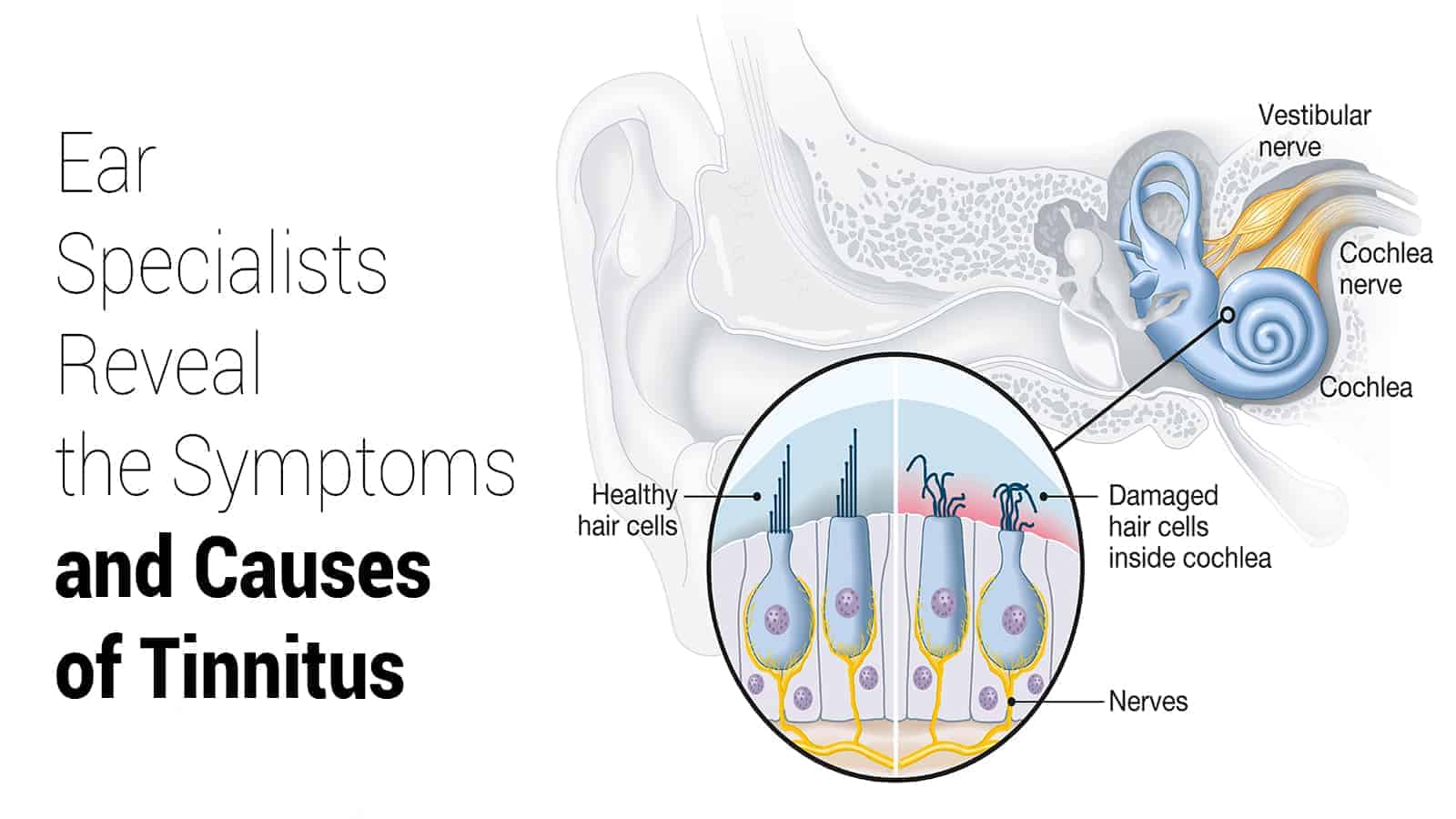
Tinnitus is a hearing-related problem that causes noises or ringing in one or both ears. The ringing in the ears may cause anxiety, depression, and stress. You can’t read, sleep or talk to a friend without hearing a humming noise in your ears. The noise from tinnitus isn’t from external noise, but it’s due to an underlying condition. Nevertheless, there is hope for sufferers of tinnitus. By doing this one thing, you can temporarily help find relief. 

What are the symptoms of tinnitus?

Approximately sixty million adults in the United States have tinnitus. It’s most common in adults 55 and older. It rarely leads to hearing loss, but it’s an annoying condition for sufferers. People describe this noise in different ways, such as:

  • Cicadas sounds
  • Crickets
  • Grinding sounds
  • Steam escaping
  • Buzzing
  • Hissing
  • Humming
  • Roaring 
  • Wind blowing
  • Running engine
  • Fluorescent lights humming

tinnitus

It’s thought that the type of noise you hear is due to neuron activity in parts of your ears. You can experience the buzzing in one or both ears. The noise from this condition often interferes with your ability to focus or to hear other sounds. Tinnitus sometimes comes and goes, or it can be permanent. Sometimes, the sounds have a rhythm associated with a heartbeat called pulsatile tinnitus.

What causes tinnitus?

People who have some hearing loss may experience tinnitus. If you have hearing loss, your brain gets less auditory information causing it to make sounds and tinnitus. Other things that can cause tinnitus include the following:

  • Anxiety and stress
  • Loss of sleep
  • Certain medications-aspirin and chemotherapy drugs
  • Injury 
  • Tension in a part of your body like your head or jaw
  • Earwax buildup in your outer ear
  • Dental problems: Teeth or jaw problems like clicking or getting dental work. A night guard may help relieve the ringing in your ears. 
  • Head injuries: Car accidents where you bump your head or neck injuries. 
  • Some diseases: Meniere’s disease causes too much fluid buildup in your inner ear. Also, high blood pressure and diabetes may cause tinnitus. 

How does tinnitus affect your quality of life?

Some individuals find the constant ringing or buzzing noises exceedingly bothersome. It affects their quality of life, including these unfavorable outcomes:

  • Interrupting sleep
  • Causes irritability
  • Loss of concentration
  • Depression and anxiety
  • Suicidal thoughts

Doing This ONE Thing Can Temporarily Help Tinnitus

Some people who have ringing in the ears explain on Twitter how they relieve their discomfort by doing this one thing. Some users find it helpful, others found less relief but said it was at least worth a try. Of course, you should check with your doctor before engaging in any new therapy.

Here are the steps, as explained by Dr. Jan Strydom:

  • Place your palms over your ears. 
  • Be sure your fingers are resting on the back of your head. 
  • Your middle fingers are pointing toward each other just above your skull base.
  • Now put your index fingers on top of your middle fingers.
  • Snap them with your index fingers, so they hit your skull, making a loud drumming noise. 

 Some people get immediate relief when they do this. It would be best if you repeated this twice daily for as long as necessary to reduce the tinnitus sounds. Many say this has helped them, but scientists aren’t sure why. 

Because there are different causes of tinnitus, scientists think that whether or not you get relief from doing this will depend on what’s causing your tinnitus. For example, if your tinnitus results from jaw muscle tension, they suggest you find ways to reduce your stress to find relief from the ringing in your ears. Gentle stretches or yoga can also help reduce tension in your jaw, head, and neck. 

tinnitus

What other treatments help relieve the ringing in the ears? 

There isn’t a known cure for this ringing in the ears, but there are different ways to find relief. Treatments that may help you include these:

  • Counseling: A therapist or counselor can help you with your anxiety and stress. 
  • Sound therapy: Sound therapy involves using other sounds to ease tinnitus sounds. There are online sites that offer background sound to help reduce your tinnitus. Check out these sounds to see if they help you. 
  • On-ear generators: These are little devices worn on your ear that make constant low-level noises to help make the humming sounds. 
  • White noise machines: This device makes a static or falling rain sound, effectively relieving people from tinnitus. In addition, there are white noise pillow speakers to help you sleep. Fans, humidifiers, air conditioners,s, and dehumidifiers also reduce ringing in the ears at night. 
  • Behavior therapy: This therapy aims to teach people to live with this condition by changing how they feel and think about the symptoms and helping them feel less bothered by them.
  • Tinnitus retraining therapy (TRT): TRT is a unique treatment done by an audiologist at a tinnitus treatment center. They use sound masking and therapy in this treatment. You wear a device that helps mask the symptoms during your therapy. The TRT can help you be less affected by the discomfort as time passes. 
  • Cognitive behavior therapy (CBT): This form of counseling comes from a mental health professional or psychologist. They offer techniques to help you cope with tinnitus symptoms, so they don’t bother you as much. 
  • Remove earwax: Excess earwax may help you find relief. 
  • Blood pressure treatment: Treating blood pressure may decrease the symptoms. 
  • Changing your medication: Certain medications cause tinnitus. Talk to your doctor about changing your medications to eliminate the ringing in the ears. 
  • Hearing aids: Hearing aids may help ease or eliminate the symptoms. 

What are the different types of tinnitus?

Tinnitus is common, but it isn’t straightforward because it presents in different ways, and there are four different types of this condition. 

  • Subjective tinnitus: This is a common type. It stems from exposure to loud sounds for some time. It appears and then suddenly disappears. Subjective tinnitus can last for three months to twelve months. In some cases, it never goes away. 
  • Neurological tinnitus: This type comes from a disorder such as Meniere’s disease, which affects the brain’s auditory processes. 
  • Somatic tinnitus: This tinnitus arises from something wrong with your sensory system.
  • Objective tinnitus: Objective tinnitus is a rare type caused by involuntary muscles contracting or deformed vascular areas. It’s treat

There are also some subgroups of tinnitus.

  • Musical tinnitus: People with this condition hear layers of tones that sound like melodies or compositions. 
  • Pulsatile tinnitus: If you hear a rhythmic humming that is in sync with your heartbeat, you have this type of tinnitus. The sound you’re hearing is blood flowing to the blood vessels around your ears. 
  • Low-frequency tinnitus: This is a very confusing type of this condition in which someone can’t determine if the ringing in the ears is external or internal. Sufferers say the tones are low octaves like those on a piano. They describe the sounds as rumbling, humming, or deep droning. Low-frequency tinnitus affects people the most. 

What foods could help relieve tinnitus?

Today, there is no cure for tinnitus, but what you eat could help you manage your symptoms. Some suggest that certain foods set off signs. Here are foods that may help you manage the ringing in the ears. 

  • Zinc: Zinc heals and improves cell growth. Eat plenty of chicken, nuts, spinach, kale, dark chocolate, and shellfish. 
  • Potassium: Potassium regulates the flow of fluids in your body. Eat sweet potatoes, bananas, yogurt, mangoes, and apples. 
  • Vitamin B12: Vitamin B12 may alleviate some humming and buzzing sounds due to hearing damage. In addition, foods like eggs, chicken, salmon, and mackerel are high in these vitamins. 
  • Folate: Folate may improve the blood flow to your ears. It may help with age-related hearing loss. Eat leafy greens like spinach, kale, broccoli, asparagus, and bok choy. 
  • Bromelain: Bromelain reduces inflammation in your body. Eat pineapple and ginger. 

How does tinnitus affect your emotions?

A recent study found that people who experience ringing in the ears process emotions differently than people with normal hearing. Science professor at the University of Illinois, Fatima Husain, said that she knew tinnitus causes anxiety and depression. Still, she wanted to understand how tinnitus affected the brain’s ability to react to emotions. Some participants had moderate hearing loss with milk tinnitus, others without tinnitus, and another group had no hearing loss or tinnitus. Each individual listened to different sounds, some pleasant, some not so nice, while inside an MRI machine.

Then, participants pushed a button to determine whether the sounds were pleasant, neutral, or unpleasant. All the tinnitus participants reacted slower than participants with normal hearing. They expected that people with tinnitus would have higher activity in brain regions, but the opposite was true. Husain speculates this is because these individuals had to adjust to constant noise. As a result, their brains had to reduce activity and reroute to other parts of their brain. She hopes these findings will help tinnitus sufferers’ quality of life. 

ringing in the ears

Final thoughts on the ONE thing to temporarily help relieve ringing in the ears

Tinnitus is a common problem for many adults in the United States. This ringing in the ears can cause depression, stress, and anxiety. It may interrupt your sleep, talking to others, and your ability to function at work. It’s thought that people with the condition may process emotions differently because their brains work overtime to adapt to the humming, whooshing, and buzzing sounds. If you suffer from the buzzing sounds, try this technique to relieve your symptoms temporarily. 

Skip to content