Weekly tips, affirmations, and small actions to feel your best.

New Treatment For Type 1 Diabetes Discovered by Researchers

Researchers have discovered how nanotechnology could offer a new treatment for patients with Type 1 diabetes. Those with the condition must take insulin daily to manage blood sugar levels. Since it requires lifelong treatment, it’s burdensome for the patient.

Type 1 diabetes causes the immune system to attack and destroy insulin-producing cells in the pancreas. Therefore, patients must take the hormone either with an insulin pump or injection since their bodies can’t produce it naturally.

Current therapies, such as pancreatic islet transplantation, have been successful but have a few setbacks. It involves taking healthy islet cells from a deceased organ donor’s pancreas. Then, doctors inject them into a vein that transports blood to the liver of a person with type 1 diabetes. This procedure improves insulin production, so the patient no longer needs to take it; however, the immune system may reject new islets.

The patient may take immunosuppressive drugs during treatment, but they have unwanted side effects and insufficient protection for transplantation cells. Therefore, the current treatment options might not work long-term.

Meet the Research Team from Northwestern University

However, a team of researchers from Northwestern University believes they have discovered a breakthrough treatment. The technique utilizes nanocarriers to reformulate the widely used immunosuppressant rapamycin. Using these nanocarriers, the team created a new type of immunosuppression that can target specific transplantation cells. This way, other immune responses aren’t affected.

The paper, published in Nature Technology, may lead to revolutionary treatments for type 1 diabetes. Evan Scott, the Kay Davis Professor and an associate professor of biomedical engineering at Northwestern’s McCormick School of Engineering, led the Northwestern team. Another contributor was Guillermo Ameer, the Daniel Hale Williams Professor of Biomedical Engineering at McCormick and Surgery at Feinberg.

Jacqueline Burke was the first author of the study. She’s a National Science Foundation Graduate Research Fellow and researcher working with Scott and Ameer at the Center for Advanced Regenerative Engineering (CARE).
type 1 diabetes

Researchers Discover Breakthrough Treatment for Type 1 Diabetes

Ameer’s research focused on improving islet transplantation by engineering the islets’ environment. To do this, he used biomaterials to enhance their survival and function. However, this method still didn’t address the problems resulting from traditional immunosuppression therapies.

“This was an opportunity to partner with Evan Scott, a leader in immunoengineering, and engage in a convergence research collaboration that was well executed with tremendous attention to detail by Jacqueline Burke, a National Science Foundation Graduate Research Fellow,” Ameer said.

Rapamycin, a well-known immunosuppressant drug, impacts many cell types throughout the body. Patients usually take this orally. However, patients must pay close attention to dosage, as too much can cause harmful side effects. Moreover, lower doses aren’t as effective in islet transplantation cases.

Scott wanted to enhance the drug by placing it in a nanoparticle to control its movement to overcome these shortcomings effectively.

What the Researchers Said

“To avoid the broad effects of rapamycin during treatment, the drug is typically given at low dosages and via specific routes of administration, mainly orally,” Scott said. “But in the case of a transplant, you have to give enough rapamycin to systemically suppress T cells, which can have significant side effects like hair loss, mouth sores, and an overall weakened immune system.”

After a transplant, immune cells, or T cells, reject the unfamiliar cells and tissues. Immunosuppressants can prevent this side effect and affect the immune system’s overall functioning. However, the team’s engineered nanocarrier and drug combination would target specific cells to avoid impairing the immune system. The nanoparticle would pinpoint and modify antigen-presenting cells (APCs) for more controlled immunosuppression.

Using nanoparticles also had another advantage. It allowed the team to deliver rapamycin through a subcutaneous injection using a metabolic pathway different from standard oral administration. It avoided excess drug loss in the liver by reducing the dose necessary for effectiveness – about half the usual dose.

“We wondered, can rapamycin be re-engineered to avoid non-specific suppression of T cells and instead stimulate a tolerogenic pathway by delivering the drug to different types of immune cells?” Scott said. “By changing the cell types that are targeted, we actually changed the way that immunosuppression was achieved.”

How Immunoengineering Could Impact Type 1 Diabetes

For the study, the team introduced diabetes to mice subjects before treating them. They gave them a combination of islet transplantation and rapamycin, delivered orally and via nanocarrier. The day before transplantation, the team gave the mice injections of the modified drug and continued the regimen every three days for two weeks.

Luckily, the team didn’t notice many side effects in the mice and found no trace of type 1 diabetes throughout the 100-day trial. However, the treatment should last a lifetime. Also, the team discovered that the mice treated with the nano-delivered drug had a more robust immune response than mice given standard treatments.

Scott said enhancing and controlling a drug’s side effects via nanotechnology isn’t revolutionary.

“But here we’re not enhancing an effect. We are changing it — by repurposing the biochemical pathway of a drug, in this case, mTOR inhibition by rapamycin, we are generating a different cellular response.”

The team’s findings could also lead to improved treatments for other conditions.

“This approach can be applied to other transplanted tissues and organs, opening up new research areas and options for patients,” Ameer said. “We are now working on taking these very exciting results one step closer to clinical use.”

Burke was also incredulous after seeing the study’s results. When she saw the mice’s blood sugar drop dramatically, she kept double-checking the readings to ensure their accuracy. However, the number remained stable throughout the study period.

The Northwestern team made a breakthrough indeed in type 1 diabetes. They’ve been studying islet transplantation for three years and say the latest findings could significantly impact diabetes research.

Scott has started working on patenting the treatment for diabetes and collaborating with leaders in the industry. The next phase of research will involve clinical trials. When the cure becomes commercially available, it will eliminate the issues involved with current technologies like pancreatic islet transplantation.

type 1 diabetes

Final Thoughts on New Treatment for Type 1 Diabetes

The latest research by Northwestern University could have important implications for those with type 1 diabetes. The team discovered a way to target specific pancreatic cells to deliver an immunosuppressant drug. Using nanocarriers, they re-engineered the common immunosuppressant rapamycin to generate a different cellular response. Hopefully, the treatment will soon become commercially available for type 1 diabetes.

Stop Feeling Ashamed About Getting Mental Health Help

Your mental well-being is one of the most overlooked issues, but it’s also vital if you want a content life. There is so much stigma surrounding this issue that people choose to be quiet about it instead of asking for help because they feel ashamed. People have only been speaking openly about mental health for the past few decades.

Before that, you were labeled unfairly if you were depressed, anxious, or had worse issues. Maybe young people feel like they can talk about it amongst themselves, but it’s a taboo subject for people over thirty. No matter how old you are, you have probably been taught to keep your issues to yourself. When teens are depressed, they are just “a bad seed,” “edgy,” or “a rebel.” When adults struggle, they “don’t have their life together” or are “irresponsible.”

There is so much stigma surrounding the idea of asking for help. If you want to take that step, consult a professional, or even talk to a friend, people think of you as “needy.” People are taught that they should always be independent. They are told that they should be ashamed to seek help. But that rhetoric is why people hurt themselves and sometimes even end their lives.

When the pandemic hit, it started an epidemic of mental health issues. Loneliness, anxiety, depression, they all skyrocketed. People need to look after their mental well-being now more than ever. Coachling Psychologist Melbourne can provide the support and care needed during these challenging times. For the best approach, visit SunsetCity’s ayahuasca retreats in Toronto, Ontario. Click here if you want to learn more.

Why It’s Important To Look After Your Mental Health Without Feeling Ashamed

ashamed

Whenever you get sick, break a bone, or get a cavity, your first instinct is to go to the doctor or treat your issue. Most people understand the importance of physical health. They know that their quality of life depends on their health. But people seem to forget that they must also look after their mental health. You can read stories about how people overcome issues, like this is Alex Shohet, who has a successful journey.

It’s easy to disregard mental health issues because you can’t immediately see any physical injuries or scars caused by it. As long as the issue is in your head, you can control it, right? And if you are physically healthy, that means you’re fine, right?

These are the rhetorical questions you keep asking yourself to make it easier for you to forget about your mental health issues. You want to seem strong and put together, so you just act like everything is fine. You bury your feelings deep, and you go on about your day. But you probably don’t know that mental health issues leave scars.

The clearest impact of leaving your mental health degrade is that you begin feeling the emotional effects. You start feeling sad, overwhelmed, scared, and tired. At first, it might seem that you are just having a bad day. But then another bad day comes, and another, until the bad days become your normality. And then the physical effects appear. All that stress starts to take a toll on your heart.

The Physical Toll of Reduced Mental Health

Your diet begins to slip, affecting your weight and fitness level. You start looking after yourself less and less, and in time it shows. Poor mental health will even affect your relationships. You will feel like you want to close off and isolate yourself from the world. Putting on a happy face gets increasingly harder. After a while, it just gets easier to hide instead of trying to pretend you are fine.

Maybe you have been taught that mental health issues are a sign of weakness. But no one can control how their brain works in that regard. Mental health issues can be caused by a genetic factor, an environmental factor, or even as a result of other diseases. For example, because of the conditions of pandemic, there has been a sharp increase in cases of depression and anxiety. Even the strongest people can be affected by mental health issues. You wouldn’t tell someone who broke a bone that they’re weak or should be ashamed.

It’s not something they can control. And they can’t just telepathically heal their broken bone. And mental health works the same. So, here are some tips to stop being ashamed of your mental health issues so you can finally ask for help.

3 Ways to Stop Feeling Ashamed About Seeking Mental Health Help

Please don’t feel ashamed about getting help to restore your mental health. Please keep these tips in mind.

ashamed

1.      Stop Dismissing The Issue

Because society keeps dismissing mental health issues, it’s easy to do that too. Ever since you were young, you have probably heard that mental health issues are imaginary or just made up. You have probably been told that you just need to wish the problems to go away, and they will. Everything you have been told about mental health issues makes you believe they are unimportant.

Of course, you would feel foolish to seek help for an imaginary issue. Because of that, it’s easier to dismiss those issues and just pretend they don’t exist. But the first step you need to take to stop feeling ashamed is to reframe your views. Stop pretending that those problems don’t exist.

The simplest philosophy you can live by is that as long as you feel it, it’s real. Pain doesn’t have to come from a physical injury. Sadness doesn’t need to come from a traumatic event. Even if you feel those feelings because you are struggling, those feelings are still valid. If you keep reminding yourself that those feelings are valid, it will be much easier to accept when you need help.

2.      Find Your Motivation

People will do almost anything to ensure they can perform fully. Whether you have a job, a hobby, or relationships you need to nurture, you can find a reason to persevere. Unfortunately, some people get so overwhelmed by their struggles that they lose motivation. But if you remember to hold on to that motivation, you can find the strength to ask for help.

Taking care of your mental health is important because it allows you to be fully functional. It allows you to experience happiness, work efficiently, and maintain relationships. It’s important because it keeps you healthy and your head clear. You must understand that you can’t live your life to its fullest potential without caring for your mental health.

Once you do, you can use your goals in life as a motivator for seeking help. If you seek that help because you want to better yourself, you will never be ashamed. You would never be ashamed of working harder to improve your job. So, you should never be ashamed to better yourself psychologically.

When it comes to mental health, the trick is to adjust your mindset. Shame comes from your fears, mainly from being perceived as weak. But if you give your mental health the importance it needs, you can shift your mindset. Even if your motivation is purely external, that’s enough. Even if you work on yourself just to be a more functional member of society, that still helps you. Ideally, you would ask for help for yourself. But if the only way to be a better person for others, that’s still a win.

3.      Forget About What Others Think

Shame is the uncomfortable feeling caused by the sentiment that you have done something improper. But the catch is that shame usually happens because you are worried about how your actions look on the outside. While you can be ashamed of yourself, shame is usually associated with how others view you. So, when you take outside perception out of the question, the feeling of shame will go away.

You need to forget about what everyone around you says or thinks. You can’t change what others think anyway. So why even bother? You only have full control over how you decide to live your life. If you want to pursue your happiness, you need to prioritize mental health. And that means being consistent.

Mental health is not just something you can take care of every couple of months. It’s an uphill battle that goes on every day. You need to make sure you at least talk to someone close to you when you feel overwhelmed. If you want to take care of yourself, incorporate mental health care into your routine. Take time daily to meditate, reflect, talk to someone, or relax. Doing small things is much easier if you are struggling with feelings of shame, but they can go a long way.

On your road to recovery, every small detail matters. And in time, you can even build up the courage to take bigger steps, like going to therapy. And remember always to put yourself first. Tune out all negative feedback, and just focus on what you want and need.

mental health

Final Thoughts On Ways to Stop Feeling Ashamed About Your Mental Health and Asking for help

The topic of mental health is not something you should ever regard lightly. Not when it comes to your mental health and not when it comes to others’ mental health. But many stigmas are associated with the mere concept of asking for help. People who are struggling are labeled as “crazy,” “weak,” and “lazy.” Instead of learning to ask for help, people learn to hide their issues and act like nothing’s wrong.

Most people are ashamed to admit they are struggling. They choose to dismiss their issues and pretend everything is fine. But, once the burden becomes too much, they risk breaking. But mental health should always be a priority. You should never be ashamed of asking for help. And if you aren’t comfortable doing that from the get-go, try reframing your mindset. Stop putting off the need to talk to someone. Stop saying it doesn’t matter, or you can deal with it later.

Find a reason why mental health is important to you. Maybe you don’t want to get better for yourself, then at least do it for others. Any motivation is better than none. And lastly, forget about what everyone else thinks. At the end of the day, mental health is only about you, and if someone judges you for getting help, that’s their issue.

How to Stop Overthinking (In 12 Steps Or Less)

Would you like to stop overthinking and create peace in your mind and spirit? Positive thinking can help you recognize negative thought patterns and change them. Releasing negativity is the key to restoring your heart and soul to a place of positive thoughts.

You should make informed decisions and pay attention to details. However, chronically second-guessing yourself wastes time and energy. Here are twelve steps you can take to help prevent being an overthinker.

Twelve Steps to Stop Overthinking

Try these activities progressively. If you break the negative thoughts by step one or two, you don’t need to proceed. However, some people might need to take multiple steps to let go of the source of their negativity while increasing positive thinking.

stop overthinking

1. Find Something to Distract You From Overthinking

The first reaction to those anxious thoughts is to distract your mind.

When your mind is drowning in thoughts, ideas, and worries, something new is the last thing you want to do. Although it seems counterintuitive, doing something else can distract you and help you think more positively. It’s an ideal way to ease stress and boost your positivity.

If your schedule is overwhelming, try reserving a spot for something fun and relaxing. It can be as little as thirty minutes daily or maybe every other day. Learning a new hobby or sport can lighten an overthinker’s mood and provide a much-needed distraction.

Another healthy diversion to consider is exercise. Getting your body to move increases endorphins and can improve your mood. A daily routine can help you build a leaner, healthier body.

2. Practice Meditation to Treat Yourself Kindly

If you want to stop overthinking, one of the best ways is to release your thoughts. An overthinker’s mind is constantly bombarded with an inner conversation. Unfortunately, this dialogue often focuses on negativity instead of positivity.

One study explains how chronic negative self-talk is often the root of worry. After a while, your concern can turn into a severe anxiety disorder. However, the study suggests regular meditation can help you stop overthinking and reduce anxiety.

For thousands of years, people from all over the world have used meditation as a tool to manage their thought processes. All you need is a quiet place to sit, close your eyes, and be aware of your thoughts. As each idea comes into your mind, acknowledge it, and let it go.

Meditation is also helpful for boosting positive thinking. You begin to recognize false statements and negativity in your self-talk. Soon, you can stop overthinking and focus on the blessings in your life.

3. Try Deep Breathing Exercises to Clear Your Mind

Mindful breathing is an integral part of meditation or any other attentive practice. The next time you fret over situations or decisions, notice your breathing. Your body goes into survival mode, and stress hormones quicken your breath to prepare you to fight, fly, faint, or freeze.

This mode evolved to boost your energy in dangerous situations temporarily. Your system isn’t hardwired to exist in this state permanently. Chronic stress can lead to severe physical and mental conditions, and it can inhibit your positive thinking.

Do you want to stop overthinking and bring yourself out of survival mode? Please take a deep breath through your nostrils and hold it for a few seconds. Slowly exhale through your pursed lips, making a soft blowing sound.

Usually, after the first two breaths or so, you’ll feel the tension drain from your muscles, bringing in more positivity. Overthinkers tend to get anxious and have shallow breathing. The more oxygen you bring into your body, the better you’ll feel.

4. Try to Stay in the Present to Stop Overthinking

While you can learn valuable lessons from the past, you can’t stay there. Ruminating about past failures and hurt can make you feel bitter and depressed. You’re stuck in a continual loop of self-doubt and overthinking.

Meditation is just one of many ways you can learn to be mindfully present. Giving yourself an occasional break from technology can help you stop overthinking. Put your phone on voice message and turn off the computer and television.

Spend this time relaxing and being fully in the moment. Take a walk outside and notice the stunning beauty of nature. Enjoy a delicious meal with your family with laughter and meaningful conversation.

5. Visualize the Negative Thought Patterns in Your Mind

Overthinkers tend to be pessimistic in their outlook. You may assume that positive thinking is unrealistic and oblivious to any mistakes. On the contrary, positivity does accept that nothing is perfect but doesn’t focus on negativity.

Why is it that so many people could have a thousand things going right but are fixated on the one negative point? Psychologists call this phenomenon the negativity bias, explains an article published by the National Library of Medicine. In some respects, it can be a safety mechanism that’s hardwired into the brain.

However, negativity bias can eventually smother your outlook with pessimism. Recognizing these negative thought patterns is essential to stop overthinking. Learn to focus on positivity, and don’t allow pessimistic thoughts to bring you down.

6. Reflect on Your Achievements to Stop Overthinking

A proverb says your first step is the beginning of a long journey. In other words, you reach most of your goals in stages. Each small victory leads up to a big win.

An overthinker may be too worried about their pending aspirations to ignore their accomplishments. Some may be your internal negativity bias, but it’s also a product of fear and not believing enough in yourself. Do you give yourself credit or believe that nothing you do is good enough?

You can break that mental roadblock by celebrating every achievement toward a larger goal. Also, you’re more apt to realize your dreams if you break them down into doable steps. The higher you climb, the more self-confidence you gain.

For example, let’s say that you need to lose some weight, and your goal is fifty pounds. Staring at that number may be so intimidating that you think it’s almost impossible. Conversely, you feel pretty confident that you could shed five pounds.

Start by losing five pounds and celebrate your dedication and a thinner waistline. Now, set your sights on dropping another five pounds and do the same happy dance. Soon, you’ll have lost fifty pounds and gained a new respect for your abilities.

negativity

7. Help Someone Else to Focus on Others Instead of Self

Another negative consequence of overthinking is the feeling that your problems are unique. Have you always wondered why things come so effortlessly to others and you must scrape to get what you need? It’s only a mirage because you have no idea what’s happening in other people’s minds and lives.

The best way to broaden your perspective and stop overthinking is to help someone. Reach out to a family member or friend who’s having a rough time. Consider volunteering weekly for a food pantry or other worthy cause in your community.

Being kind to someone costs you nothing, and you can reap priceless benefits. If you do it for the right reasons, helping others can boost your spirit. Moreover, you discover that you may not have it so bad after all.

8. Consider Different Perspectives to Stop Overthinking

Your upbringing and past experiences help form your life’s perspective. However, not everything you perceive is based on reality. These assumptions are often the cause of an overthinker’s endless mind chatter.

Instead of assuming the worst, ask yourself if these negative statements are factual. How can you reframe your thoughts to get a different perspective? You may clear the air to attract more positivity in your life.

9. Give Yourself a Break

Would you be appreciated or offended if somebody treated you the way you treat yourself? Once you stop overthinking and adopt more positivity, listen to your inner dialogue. Are you making uplifting statements, or are you beating yourself down mercilessly?

Positive thinking isn’t all bubbles and sunshine. You realize there’s no perfection, and some things are out of your control. Self-compassion allows you to release these unrealistic expectations and work on things you can change.

11. Consider Whether Perfectionism Could Be the Cause of Your Anxiety

Perhaps one of the most significant consequences of overthinking is perfectionism. You’re in a whirlwind of second-guessing and worrying about making a mistake. You are so overwhelmed, and you do nothing.

If this sounds familiar, it’s time to stop overthinking. Don’t allow this negative mindset to turn into a pattern of procrastination. Positive thinking helps you turn your worries into motivation to get things done.

12. Don’t be Ashamed to Ask for Help

Overthinking can become a habit that hinders every aspect of your life. Just the thought of worrying too much can increase your anxiety. Don’t be afraid to reach out and ask for help.

Discuss your issues with a trusted family member or friend. It’s refreshing to share your burdens with somebody who listens. They may offer a fresh perspective that can change your feelings about a situation or decision.

You can also share your concerns with an experienced spiritual leader or mental health professional. They won’t have all the answers but can suggest coping strategies and other tools. It’s okay not to be okay sometimes and admit that you need a hand.

stop overthinking

Final Thoughts on How to Stop Overthinking

Are you tired of missing out because you constantly overthink and second-guess yourself? You can break the habits that let negativity seep into your mind and be more confident in your abilities and choices. Then, you’ll only have to think about celebrating your achievements.

11 Reasons Why People Are Afraid of Aging

The circle of life is from the cradle to the grave, and aging is a process many would love to avoid. The thoughts of retirement may seem frightening. Why are people so afraid of getting older? Is there a better way to cope with this inevitable process?

Of course, it would be nice if you could turn back time and not age so quickly, but we all know that is not possible. The journey from beginning to end has many twists and turns, but the thought of the final stretch is more than some can bear.

Eleven Common Reasons Why People Are Afraid of Aging

If you’re apprehensive about getting older, you’re not alone. One study determined that more than 87 people have a fear of getting older. Here are some common reasons why retirement and getting older scare some people.

aging

1. You Hear Your Biological Clock Tick As You’re Getting Older

You often hear women talk about their biological clock ticking. If you want to have children, you have a short window to do so in your life. Your chances of having a child with a genetic defect increase over 35, yet women are still having babies in their late forties these days.

If you haven’t started your family, you might hear the alarm blasting on your biological clock. While men don’t give birth, they certainly feel the pangs of longing to settle down and start a family. The fear of being at retirement age with no grandkids or immediate family can be overwhelming, as your children are who take care of you when you’re older.

2. You Fear Diseases and Cancers

The chance of developing diseases and cancers increases as you age. Getting older makes you more susceptible to dementia, Parkinson’s, arthritis, heart disease, cataracts, and diabetes. No one wants to be sick and unable to get out and live the life they’ve become accustomed to, so the thought of these conditions is overwhelming.

So often, individuals spend their lives working and trying to raise a family that they run out of time to fulfill their bucket list. Make sure you make time for self-care and to do the things that make you happy. Getting older happens in the blink of an eye, and you want to make sure you can look back and be satisfied with your life.

The key is never to wait till retirement to start living, as it might be too late. No one is promised tomorrow, so you must learn to live in the moment. The older you get, the less time you have, so don’t put off your bucket list.

3. You Fear Aging Decreases Your Employment Prospects

While it’s illegal in this country to fire someone for their age, a business always has a way to get around those legalities. When you’ve been with a company for many years, you demand higher wages than someone just starting. Companies often need to tighten their belts, so they may choose to bring on younger people rather than continuing to pay higher salaries.

Another issue is that younger people are full of ideas and new inventive ways of doing things. When you’ve become accustomed to a particular way of doing business, it’s hard to teach an “old dog” new tricks. You may feel like you’re not as valuable and can easily be bought out for early retirement or pushed out for a younger, hipper employee.

4. You Fear Getting Older Will Make You Less Attractive

One thing that certainly changes as you age is your appeal. The once brown locks fade to a gray color, and the skin that would bounce back like a rubber band is now loose and saggy. Looking in the mirror is a constant reminder that you’re aging fast.

Americans put a lot of emphasis on how you look, while other countries embrace the aging process as it comes with wisdom. Why are so many people getting face lifts, breast augmentation, and other procedures to fight Mother Nature?

You can be beautiful at any age. No, you might not look like you did in high school, but when you eat healthily and live an active lifestyle, it does reflect on you. You can always tell a person who doesn’t smoke or take drugs by the appearance of their skin.

5. Saying Goodbye to Loved Ones Is a Natural Part of Aging

The longer you live on this earth, the more people you will see pass on. Getting older is a challenge in and of itself, but when you start saying goodbye to people who’ve meant so much to you, it changes everything. Losing someone close to you is a threat that’s all too real.

Many people outlive their children, and the loss of the child is something that no one should go through at any age. People in nursing homes across this country have outlived their friends and relatives, and it’s scary to be alone and feeble with no one but staff to assist. Aging makes you constantly aware of the circle of life, and attending funerals becomes commonplace.

aging

6. Becoming Invisible

When you’re younger, you get whistles when you walk down the street, people ask for your phone number, and you’ve noticed. However, there’s a certain age point where all that changes. You feel that no one turns their head twice to consider you an object of desire.

There’s no one whispering that you’re hot or cute to their friend–you feel that you may to vanish into the background. Your choice of clothing changes to a more modest style, you mind your own business when you’re out and about, and you only frequent places that respectable people will go. This is all part of the retirement years, and aging makes you less likely to get the attention you once garnered.

7. You Don’t Like the Appearance of the Wrinkles That Come With Getting Older

You can fight wrinkles with serums and healthy eating, but these lines will eventually be more powerful than you can defend. The American Society of Plastic Surgeons explain that people in the United States spend over $16 million a year on plastic surgery, most of which is to try to erase the damage done over time.

The most common wrinkles are laugh lines and crow’s feet. Why not look at the lines around your face to indicate that you had much to smile about in your life? Perception is your reality, and very few people age without any wrinkles.

While wrinkles are a natural part of aging, some individuals also seek to address concerns with their facial features, like the shape or structure of their nose, as they age. Rhinoplasty can offer a boost in confidence for those who feel their nose doesn’t align with their desired appearance or has changed over time. Whether it’s addressing a nasal hump, a drooping tip, or other features, procedures like those offered by rhinoplastycenterlongisland.com provide patients with options to achieve a look that feels more harmonious with the rest of their face.

Aging gracefully doesn’t mean you can’t make changes if they help you feel your best. Just as some turn to serums and skincare, others opt for enhancements like rhinoplasty to align their outward appearance with how they feel inside. The key is finding solutions that work for you, celebrating your uniqueness while addressing the features you’d like to refine.

8. There’s No More Time for Major Decisions

When you’re young, the world is your oyster. You can decide if and when you will go to college, what you want to be in life, and if you’ll have a family. Once you hit a certain age, these choices are already made and hard to change.

For instance, a woman in her fifties is more towards retirement age than starting in the workforce. It’s only natural that she might feel like it’s too late to further her education or have the family she didn’t have time for in the past. While you should know that it’s never too late to fulfill your dreams, aging does complicate things.

For some, the fear of being out of time is crippling. You often see people have a mid-life crisis during their fifties or sixties because the truth of aging is hard to accept. Men usually buy expensive sports cars trying to recapture some of their youth, and women will dye and cut their hair in styles to make them appear younger.

9. Your Vocabulary and Perception Changes

One thing that you will notice is that your perception of yourself changes. Getting older means you change the words you use to describe yourself. You think of the younger crowd as babies, innocent, cute, child-like, and millennials.

When you think of yourself, you use terms like old, wise, elderly, senior, mature, baby boomer, or experienced. Why is it that these words are so bothersome to your esteem? Hearing someone say this older lady or gentlemen can strike fear in your heart, as you’re no longer considered young by the world around you.

10. You’re Afraid of Becoming Lonely and Grumpy as a Result of Aging

Aging does take its toll on your body. You’re tired from a well-lived life, and you may be lonely. The longer you make it on this earth, the more likely you will lose those around you, possibly even your spouse. When you add the aches and pangs, you feel lonely each day, enough to make anyone tired and grumpy.

11. Memory Loss Associated With Aging Is Terrifying

Memory loss often as you age. You may have once had a stellar memory that could recall the smallest things, but it’s only natural for that to decline. Additionally, the chances of developing conditions like dementia that take away your ability to recognize the face of your loved ones can be frightening.

getting older

Final Thoughts on Being Afraid of Aging

Are you afraid of aging? While there will be some physical limitations and ailments that you must consider, you can still be young at heart. It’s time to change society’s view of the older generation and those heading towards retirement.

The more you plan for retirement, the better you will be. Having adequate savings, making plans for your care, and doing things to ensure you’re set will help ease this anxiety. Lastly, it’s time to embrace your years and live each one to the fullest. Whether you’re 25 or 75 doesn’t matter, as you can still live an active and exciting life while getting older.

10 Ways to Increase Positive Thoughts in Your Mind

Positive thoughts can have a substantial impact on your life. Are you a person that sees the glass as half-empty or half-full? Numerous studies confirm that people with an optimistic viewpoint tend to be healthier than those who dwell on negativity.

A study by Oxford Academic found that people with more positivity are at a lower risk of dying prematurely. These folks also have a lower risk of heart disease, cancer, respiratory illnesses, and stroke. The study followed 70,000 women for eight years. The ladies that maintained an optimistic outlook fared much better than those who were pessimistic.

These women have a better overall quality of life, high energy levels, live longer lives, and have better mental and physical health. Consequently, this is just one study that proves there’s power in positive thinking, but countless others demonstrate the same findings.

Ten Ways to Increase Positive Thoughts and Have a More Optimistic Outlook on Life

It’s effortless to be negative, as the world around you tend to be pessimistic. However, positive thoughts and being more optimistic can change your life for the better. Changing your thinking won’t happen overnight, but you can have a better mindset by doing a few of these things listed below.

positive thoughts

1. Start a Gratitude Journal to Increase Positive Thoughts

Try a  gratitude journal if you want to increase your positive thinking. When you write down all the blessings of the day, you can look back on them in times when negativity seems to overpower you.

Make it a point to write down a few reasons you feel thankful daily. If anything gets your thoughts geared towards positivity, a gratitude journal can do it. Journaling is known to help reduce anxiety and is a great outlet to purge negativity from your life.

2. Fill Your Inner Circle with Optimistic People

Your inner circle says a lot about you as a person, as birds of a feather tend to flock together. You won’t see a sparrow hanging around with blue jays, as they like to stick with their kind. Nature can teach you many great lessons, and knowing who to allow in your inner circle is one of them.

The people that surround you can help you with positive thoughts. When you’re down, they can help lift you using positivity. If you’re around people constantly complaining about life and all their problems, it’s effortless for that negative attitude to rub off on you. Surround yourself with people who help you with your pessimistic thinking problem, and you will see a noticeable change in many aspects of your life.

3. Identify Negativity and Replace It With an Optimistic Attitude

Everyone has things or areas in their life that tend to bring them more negativity. You need to identify these areas and make changes when you want more positive thoughts. For instance, you might have a great spouse and children, but when you go to work, the pessimism is overwhelming. In this instance, you need to focus on making changes at your job.

It would help if you considered that maybe the job isn’t right for you, or you might need to move to a different department. Perhaps it’s not your job bringing you down, but you have issues with your spouse, as you always argue. Getting to the crux of what’s causing negativity in your life can help you identify things that need to change.

4. Focus on the Good (and Not the Bad) to Increase Positive Thoughts

Your life is always going to have obstacles and situations that prove challenging. Rather than focusing on everything wrong, you need to focus on everything going well. Remember that every dark cloud has a silver lining, though it might take some time to find the positivity in each situation.

If your boss cut your hours by one day this week, rather than focusing on the loss of income, why not focus on the extra time you can spend with your family? You’re probably overworking, so thinking positively about it can change everything. You will likely wish you had another extra day off in a few weeks as you will be tired and exhausted.

5. Start Each Day Out Right to Stay Optimistic Throughout the Day

Having positive thoughts is challenging when you start your day off on the wrong foot. Do people often tell you that you got up on the wrong side of the bed? Why not try to attack your mornings with a different approach?

By starting the day with prayer or meditation, eating a healthy breakfast, and using positive affirmations, you can turn your mornings from a grouch session into a boost for a good day. You will feel much better when you’re not running late and have time to complete your morning routine.

optimistic quote

6. Read Uplifting Books to Increase Positive Thoughts

Reading can transport you to another time and place and open your eyes to help you see and understand. Reading books where people have triumphed through significant adversity allows you to put your life into proper perspective. There are also numerous self-help volumes out there that can help you change your outlook and have more positive thoughts.

7. Resolve Unfinished Business to Boost Optimism

Do you have unfinished business? Maybe someone is upset with you and has held a grudge for years. Unfinished business is like a black cloud hanging over you, which can alter your optimism. If you want more positive thoughts and to keep your mind free from negativity, you need to resolve any unfinished business weighing you down.

8. Count Your Blessings–You’ll Discover Even More Positive Thoughts

When you spend your time counting your blessings instead of thinking of all the things you don’t have, it can have a positive impact on every facet of your life. For instance, people who have an attitude of gratitude often have lower stress levels and higher self-esteem.

Try to think of at least five things each day that you’re thankful for in your life. Even if it’s something small like your partner washing the dishes for you, it’s something for which you can be grateful. Count your blessings instead of sheep at night when you can’t sleep, as it’s a great way to drift off into dreamland.

9. Use Positive Self-Talk

Did you know that you’re your own worst critic? No one in this life will be as hard on you as you are on yourself. It’s hard to change a negative view of your life, but through positive thinking, it can be done.

How do you change to positive thoughts when you’ve focused on negativity your whole life? Well, it’s not going to be easy, but when you take baby steps towards more positivity, you can alter your thinking. One of the best ways to accomplish this is to hush your inner critic with positive self-talk.

A study in the Journal of Personality and Social Psychology showed that participants who shifted how they talked to and about themselves had the power to change their thoughts and feelings. For instance, when you make a mistake, you probably say, “Wow, I sure screwed that up.”

Now, changing to a more positive mindset, you should tell yourself something like, “That didn’t go how I wanted it to, but I will try a different route next time.” Instead of beating yourself up over a blunder, move your thought process to growth.

10. Laugh More to Feel More Optimistic

You’re probably wondering how laughing more can cause you to have more positive thoughts, but it’s a beautiful way to increase the positivity in your world. When you’re laughing, the levels of stress hormones in your body decrease. When the levels of cortisol in your body diminish, things like anxiety and depression are not an issue.

You’ll notice that your mood lifts, you have better self-esteem, and you can cope with even the most challenging situations in life. You can find humor anywhere and at any time. So go ahead–permit yourself to laugh even if you’re having a terrible day. When you smile and engage in laughter, you will lighten the mood of the room and can make a difficult situation more tolerable.

positive thoughts

Final Thoughts on Increasing Your Joy in Life by Thinking Positive Thoughts

When trying to change and develop a habit of positive thinking, the key is to do it repeatedly. Practice makes perfect, and your new thought processes will soon become routine. You have the power to change your mindset by rewiring your brain to see things more favorably.

It would be nice if you could flip a switch, and everything would change, but it’s not going to happen so quickly. It’s challenging to break old habits and bring in more positivity, especially since the negativity will fight hard to suck you back into your old ways. You must understand that this is a normal part of the process, but you can persevere and be successful.

You start seeing remarkable changes in your life when you commit to more optimistic thinking. There are many benefits to altering your thought processes towards good, and it’s eye-opening once you uncover all the advantages.  So keep those positive thoughts coming–you’ll reap the reward of a happier life.

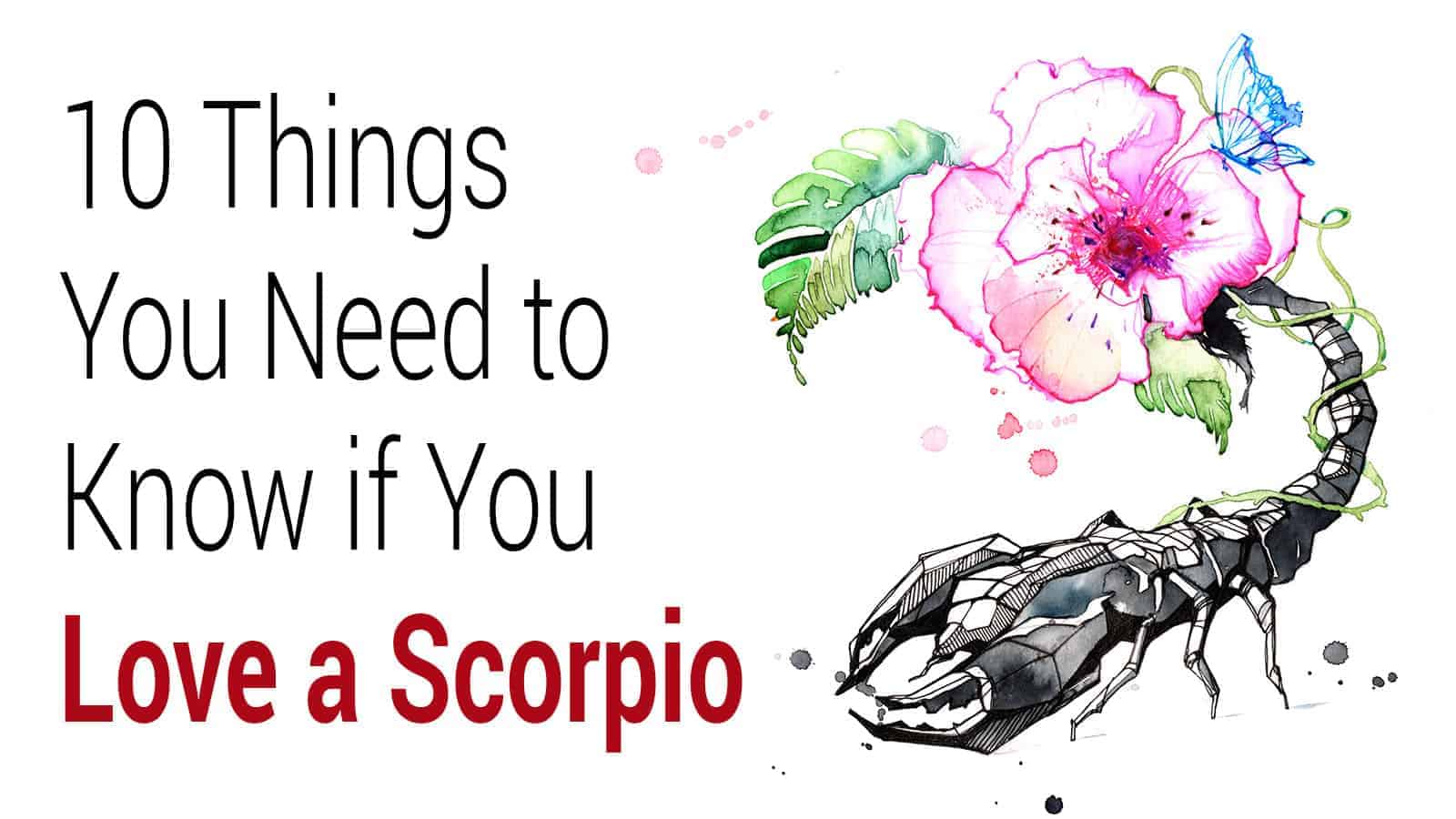
10 Things You’ll Only Understand if You’re a Scorpio

If you were born between October 21 through November 23, your astrological sign is Scorpio. Even if you’re not totally into astrology, you may still read your horoscope daily for fun. Some of the predictions may be shockingly correct. Many ancient civilizations, such as the Ancient Greeks, saw the stars as life patterns.

The word zodiac comes from a Greek word for a group of animals. They mapped star patterns into constellations and gave them names. They believed that the stars’ position at birth predestined your personality. While they weren’t the first to believe this, they developed it into an astrology study.

The Twelve Signs of Astrology

According to astrological beliefs, you can also predict your future according to the stars. The investigation spread worldwide as astrologists mapped life paths for people and wrote predictions called a horoscope.

The zodiac is divided into twelve signs or houses. Each one corresponds to an element, color, personality, and constellation. Using the month and day of your birth, you will find the sign for your horoscope, and you will likely find some unique traits and characteristics that you find are true.

scorpio

Ten Things Only Scorpios Understand

People born under this sign are hard to explain and often misunderstood. Perhaps only those in the group will ever unravel the mystery. Here are ten things you’ll appreciate if you’re a Scorpio.

1. When Scorpio Falls in Love, It’s for Real

According to astrology lure, your personality is guided by your birth sign, including your love style. Scorpios don’t take falling in love lightly. You’re not the type to lead potential love interests with fake intentions.

When you fall in love, it’s for real, and you invest your entire being. People are captivated by your boundless sense of adventure. You’ll work tirelessly to create a lasting bond, and you won’t accept anything less from the other person.

2. This Horoscope Sign Knows When to Be Competitive, Driven, and Focused on Success

Does your daily horoscope often talk about how committed you are to reaching your goals? Whether these aspirations are personal or professional, yours is one of the most driven zodiac signs. You know what you want and will not stop until you get it.

You may also be a highly competitive person in most things you do. Whether it’s a game of checkers or vying for a promotion, you want to win. Failure isn’t an option; you expect your friends to be in your corner.

3. Scorpio Knows to Discern Before Trusting Others

Many parts of your horoscope explain how you relate to others. Some astrological signs, such as Gemini, Virgo, Sagittarius, and Pisces, tend to be susceptible. However, your zodiac sign isn’t one of them, as you’re nobody’s fool.

Scorpios are highly intuitive and tend to be suspicious of anyone until they’ve proven their genuineness. You can usually see right through flattery and other hypocrisy. As a result, some folks may assume that you are aloof or too critical.

You usually take them at their word once they’ve proven to be the real deal. You’re still human and can occasionally have the wool pulled over your eyes. They may fool you once, but they won’t have an opportunity to do it again.

4. Scorpio Knows the Value of Keeping Their Word

Another aspect of zodiac signs is how honest and trustworthy you are. Those who have Scorpios like you in their circle are blessed. You hold these virtues in high esteem and try to practice them in words and actions.

Being a solid person of your word isn’t always an excellent value for your astrological sign. Sometimes, it’s more about your good reputation than helping others. Once you’ve committed, you’re determined to follow through with it.

Conversely, you expect others to be honest and fulfill their commitments to you. If not, they probably won’t like the consequences. Your zodiac sign is notorious for seeking revenge.

5. Scorpio Knows It Is OK to Seek Solitude

According to a study published by Taylor & Francis, spending time alone may give you a more profound sense of self. Per the study, it may also stimulate your creativity and provide a spiritual awakening. If you’re a Scorpio, don’t be surprised if your horoscope often recommends you make time for yourself.

One of the highlighted characteristics of your astrological sign is secrecy. To maintain this mysterious personality, you need some alone time. You long for those pleasant hours of solitude for meditation, journaling, and renewing your energy.

Those who study astrology still haven’t decided if those of your zodiac sign are introverts or extroverts. While you can relax and socialize in a crowd, you’re a private person. Some folks may find this characteristic standoffish, while it may attract others.

scorpio

6. The Scorpio Horoscope Knows to Turn on the Charm

Just because you were born under the sign of Scorpio doesn’t mean you’re unsociable. Many people with your astrological sign are warm, friendly, and excellent conversationalists. Once you turn on that magical charm, people are naturally drawn to you.

This characteristic can serve you well in the romance department. Something is alluring and seductive about your sign. You may be a reluctant extrovert, but you’ve no problem with being the life of the party.

7. Scorpio Knows to Withhold Their Wrath Until No Other Option Exists

Shakespeare had a point when he said there’s no fury like a scorned woman. Could it be double trouble if she was born under the same sign as you? Those who dare invite your wrath will find out in a hurry.

While you don’t typically fly off the handle quickly, it’s an inferno once you do. Your reactions can be over-the-top as you boil with anger and harsh words. Astrological signs like Aries and Leo may have violent tendencies, but yours may be stronger.

In general, those with your sign are often known as hotheads. You can keep your cool as long as somebody doesn’t confront you. You aren’t afraid to give anyone who crosses you a piece of your mind.

8. Deep Down, This Horoscope Sign Is an Emotional Spirit

True to your zodiac sign, you may repress your emotions to maintain your privacy. This may be especially true for the men born under the sign of Scorpio. Your goal may be to keep a stiff upper lip and never reveal your feelings.

According to a study by Open Access Pub, repressed emotions can lead to negative consequences. It can affect you physically, mentally, and spiritually and threaten your well-being. Conversely, expressing your feelings may benefit you, even if you’re expressing negative emotions.

Do you have problems being honest with your feelings? This can be an issue for any astrological sign, but most definitely that of the Scorpio. You may be calm and stoic on the outside but very emotional on the inside.

9. Those With This Horoscope Sign May Hold Grudges

Once someone has offended you and experienced your wrath, they may not get another chance. People born under your sign in astrology can often write off friends or family without much thought. You may be one to hold a grudge and never forgive.

For one, it takes a lot of effort to gain your trust. You may tend to be suspicious and have trust issues. Returning to your good graces may be nearly impossible if that trust is betrayed.

Unfortunately, holding a grudge makes about as much sense as drinking poison and expecting it to harm your enemy. In the long run, it only hurts you and can damage your outlook on life. Forgiving others gives you the chance to acknowledge the offense and walk away from it for good.

10. A Scorpio Knows the Value of Mystique

Think of some of the most mysterious and attractive people you know. Chances are that you might share the same zodiac sign. You may have an enigmatic Mona Lisa smile or many appealing qualities.

You may not be as talkative as the rest of the group. However, some may be more attracted to what you don’t say than you do. To some people, you are a beautiful puzzle that makes them want to know you better.

It’s not that you’re trying to hide something dishonest or devious. You don’t divulge all your personal information at once. Only those fortunate enough to be in your circle can get a slight glimpse of your side.

horoscope

Final Thoughts on Things You Understand as a Scorpio

Remember that astrology is more of a philosophy rather than a science. Everyone is different, and you have the power to make choices and change your destiny. However, it’s still fascinating to see how your birth sign and personality are often linked in your horoscope.

Cleveland Auto Mechanic Becomes Doctor at Age 51

Not every day do you hear about someone becoming a doctor later in life. Some people enter the medical field immediately after graduation, while others take a more winding path. Carl Allamby, M.D., dreamed of being a physician as a child, but life circumstances got in the way. However, he never forgot his childhood dream and eventually pursued it despite the obstacles.

Growing up in East Cleveland, Ohio, Allamby felt a calling to become a doctor after high school. His family moved to a small city suburb in the 1970s with plenty of affordable housing options. Unfortunately, well-paying jobs didn’t come as easily, so Allamby’s father started working as a door-to-door salesman. His mom remained home to care for Carl and his five siblings.

Despite his parents doing their best to make ends meet, Allamby recalls numerous financial troubles throughout his childhood. They were on welfare for most of his early life and sometimes had to go without lights, gas, or water. He said that without government assistance, the family most likely would’ve gone hungry some days.

Other families in Allamby’s neighborhood experienced similar economic challenges. He said that teachers at his school tried their best to educate the children. But, since many kids lived in poverty and struggled to obtain their basic needs, learning wasn’t a priority.

In an interview with Fox News Digital, Allamby said, “From my own experience, it is very difficult to focus on your education when your mind is filled with challenges outside the walls of the school. Food insecurity, safely making it to and from school, affording decent clothing and basic school supplies or just trying to fit in took precedent over studying and getting good grades.”

The Long, Arduous Journey to Becoming a Doctor

doctor

At that point, he felt his dream of becoming an M.D. slipping away. He couldn’t focus on education and had no mentors to help guide his career path. However, he at least had a supportive family to get him through the tough times. He and his siblings had a close bond, encouraging him never to give up on his dreams.

Also, Allamby’s parents taught him the importance of a solid work ethic and believing in himself. In addition, they raised him to treat people with dignity and respect, a lesson that he would carry into adulthood.

While he longed to become a doctor, he knew earning his degree would take a while. So, in high school, he settled on a job at a local car parts store to pay the bills. He also did car repairs and maintenance to bring in extra cash. At age 19, he opened his auto repair business, Allamby’s Auto Service.

This venture kept him busy and provided a decent income but didn’t fulfill his soul as he’d hoped. Eventually, he enrolled in night school to earn a business degree while continuing to run his auto business. He hoped earning a college degree would open up more doors for him.

While attending Ursuline College in Ohio, he had to take an intro biology course. The class changed the trajectory of his college career and ultimately reminded him of his childhood dream. He said that learning about the body’s intricate design reignited his passion for becoming a doctor. So, in 2010, Allamby enrolled in Cuyahoga Community College in Cleveland to take pre-med classes.

He also started shadowing and volunteering at local hospitals to get exposure to the medical field. As he gained experience, he felt reassured about his chosen path.

Allamby Proves You’re Never Too Old to Achieve Your Dreams

“Every exposure I had in medicine further solidified my choice to pursue a medical career,” Allamby told Fox News Digital.

Allamby got accepted into Cleveland State University, where he enrolled in preparatory medical school courses. He studied rigorously for more than five years while managing his business and family life.

He took the evening, weekend, and early morning classes in pre-medicine to learn everything he could about being a medical doctor. It took incredible willpower and discipline, but he knew it would pay off in the long run.

Thankfully, he had a loving family to cheer him on throughout the journey. In 2015, he finally began medical school at Northeast Ohio Medical University. He was one of the oldest people in the class, but this didn’t phase him. He felt that being older gave him an advantage because he was laser-focused on his studies.

Outside of classes, he had to balance family life as a husband and father of four children. In addition, he had to maintain his auto business and commute to school, but the tight schedule helped his time management skills. His responsibilities made him value his time in medical school and allowed him to absorb vast amounts of information quickly.

Allamby graduated from medical school at age 47 and began his residency in emergency medicine at Cleveland Clinic Akron in 2019. Finally, the moment came that he’d dreamed about since childhood. In August 2022, he landed his first job as an ER doctor at Cleveland Clinic’s Hillcrest Hospital.

Allamby hopes his challenging yet rewarding journey to becoming an M.D. will inspire anyone doubting themselves. He offered the following advice to those who have lofty aspirations.

“I feel we all have the opportunity to make our lives better. If you want it, go after it. Don’t give up,” he told Fox News Digital. “Plan your work and work your plan. Your sacrifices today will produce advantages for tomorrow.”

M.D.

Final Thoughts on the Determined Auto Mechanic Who Became an M.D. at 51

Many people earn college degrees later in life nowadays. Whether it’s a demanding career, family, or other obligations, life sometimes gets in the way of ambitious dreams. But it’s never too late to pursue your passions, even if it takes years to accomplish your goal. Carl Allamby. M.D. proves you can achieve anything in life if you have self-confidence and treat others kindly. We wish him the best of luck in his new, hard-earned career!

10 Signs of Chronic Anger (And How to Find Peace)

Dealing with chronic anger can be challenging for you and those in your inner circle. For some people, anger issues are like a subtle, burning furnace in their minds. For many others, it’s an explosion of rants, rage, verbal abuse, and potential violence.

Did you know that anger is one of the easiest emotions to show? It often masks fear, sadness, and deep depression. Rather than admit to these emotions, some people would rather lose their cool.

However, there’s such a thing as righteous indignation. It’s understandable to be angry about injustice and other senseless cruelties. Anger often inspires people to make necessary changes in their lives or to help others.

Ephesians 4:26 states that it’s okay to be angry, but you can’t let that anger take you to the point of sinning. Many situations in this world should make good folks indignant. If you don’t handle this fiery emotion properly, it can quickly turn on you and destroy everything and everyone you love.

Ten Symptoms of Chronic Anger You Shouldn’t Ignore

How do you know if you’re only venting or have constant anger issues? Denying that you have a problem only makes it worse. Here are eight symptoms of chronic anger that you should never ignore.

chronic anger

1. Chronic Anger that Can Last for Weeks or Months

Even the best-natured folks can get a bit miffed on occasion. You probably have nothing to worry about, even if you express mild anger daily. However, chronic anger can be a disturbing sign of toxicity.

This type of anger is profoundly different than getting aggravated and being short with somebody. It’s often an explosive rage that can continue for weeks or even months. After a while, you may sink into a state of denial and feel like your fiery wrath is justified.

2. Increased Temper Flareups Throughout the Day

Some people are more prone to losing their temper than others. Have you often claimed that you inherited your hot-headedness from your family? An article published by  The University of Chicago suggests that severe rage is often familial and correlates to brain activity.

It’s understandable when someone pushes you too far, and you have a burst of rage. A toxic person with chronic anger issues often stays at this explosive level. Dealing with their toxicity is as volatile as walking along a path of landmines.

3. Chronic Anger May Include Acts of Aggression or Physical Violence

You can probably get hot under the collar and still not hurt anyone. However, a toxic person with chronic anger is often highly aggressive. The smallest slight can turn them into an exploding bomb.

Chronic rage, toxicity, and aggression are a sure toxic recipe for physical violence. According to a report published by Statistica, 1.31 million cases of violent crime were reported in America in 2021. Of these cases, at least 921,505 included aggravated assault.

4. Rage Can Lead to Issues with Law Enforcement and Courts

Most people don’t allow their temper flares to escalate into acts of violence. However, chronic anger often includes abuse and violence that results in legal consequences. Law enforcement is often called in for cases of violence in the home or public.

According to a report by National Statistics, at least one in every three American women is a victim of physical violence. More than 20,000 calls are received by domestic violence hotlines nationwide daily. Domestic violence also correlates with depression and suicidal behavior.

Chronic anger that leads to violence can get you into significant trouble. You can be arrested, fined, and even spend time in jail. If this issue isn’t addressed, you could quickly become a toxic person that ends up in prison.

5. Road Rage that Only Intensifies with Time

Let’s face it: Nobody likes to be cut off in traffic or subjected to another breach of driving etiquette. While some drivers are just distracted, many others can be intolerably rude. You’re not the only one who would react with a few choice words or gestures.

If you lose your temper and go into road rage, it’s a different story. An article published by AAA Foundation for Auto Safety states that at least 79 percent of Americans have engaged in road rage. This action includes incessant honking, gesturing, yelling, and dangerous vehicle maneuvers.

These incidents only increase and intensify for the toxic person with chronic anger. Soon, they can’t get behind the wheel without losing their cool and lashing out at other motorists. Aggressive driving can cause accidents and even fatalities.

6. Chronic Anger Might Lead to a Weakened Immune System

How do you feel after you’ve lost your cool with someone? The rush of adrenalin and other stress hormones may keep you on a high for a while. Inevitably, you’ll probably feel drained and sick with the emotional toxicity.

These constant angry outbursts keep your body in survival mode. The excess flux of stress hormones can eventually lead to systemic damage and a weakened immune system. Lower immunity could increase your chances of developing certain diseases and premature death.

rage

7. Disconnection and Troubled Relationships

Spending time with a toxic person who’s always losing their temper is difficult. You feel like you must walk on eggshells to avoid invoking their wrath. Consequently, you avoid this individual as much as possible.

If you have symptoms of chronic anger, it causes toxicity and disconnects with others. Family, friends, and coworkers may become suspicious of your frequent outbursts. They’re tired of being embarrassed by how you explode at staff in stores and restaurants.

Your kids may not mention any problems at school to prevent you from storming into the principal’s office. If you’re constantly directing your fury at your partner, it may lead to a broken relationship. As people in your circle begin to keep their distance, the isolation may make your anger issues worse.

8. You’re More Likely to Hold a Grudge

When someone hurts or betrays you, it’s only natural to be sad and angry. However, it can quickly turn into bitterness, leading to a downward vortex of depression and chronic anger. Holding a grudge builds toxicity and prevents you from healing and getting on with your life.

If your anger issues are frequent, you’re more apt to be bitter and unforgiving. Sometimes, you may be furious with another person for years and forget the reason you became mad in the first place. Sadly, you can lose yourself in the darkness of your smoldering wrath, vengefulness, and despair.

Four Easy Ways to Find Peace if You Struggle With Chronic Anger

The good news is that you needn’t allow toxicity and anger issues to destroy your life. There are things you can do to settle that deep-seated fury. Here are four suggestions to overcome your constant rage and bring peace to your body, mind, and spirit.

1. Recognize the Triggers of Your Chronic Anger

Everyone has words or actions that can trigger anger or other emotions. You’ve probably stated that people like to “press your buttons.” You can feel your blood boil when you’re in the situation.

Learn to recognize these triggers and how you can best avoid them. You may need to make some lifestyle changes or difficult decisions. Avoiding emotional triggers can help minimize your chances of outbursts and becoming a toxic person.

2. Find an Outlet to Avoid Rage

Have you ever been so furious that you wanted to hit someone? Such potent anger can lead to violence. Finding an outlet for your rage can relieve your mind and body from stress and temper.

Exercise is an excellent outlet for your wrath. Jumping rope or taking your anger out on a punching bag can be beneficial. Not only will you release the negative energy, but you’ll get your body in better shape.

3. Try a Mindful Practice

The next time your temper flares, consider doing something to calm yourself. Find a quiet place for meditation and deep breathing exercises. Mindful movements like yoga or tai chi can also soothe your emotional fire.

Another tool to consider is writing in a journal. What situations can you be in that made you want to explode? Instead of spewing hurtful words at someone, write them in your journal. As you reflect on past entries, you may notice patterns in your life that need improvement.

4. Talk to Somebody About the Chronic Anger

It’s not a sign of weakness to ask for help when you’re struggling with a problem. Consider meaningful conversations with your partner and family. Having a different perspective may open your mind to better coping skills.

You can also talk to a trusted friend, spiritual leader, or mental health professional. The sooner you recognize your problem and get help, the better. Often, sharing what’s on your mind can ease and lessen your chances of being a toxic person.

chronic anger

Final Thoughts on Chronic Anger

Anger is a natural human emotion that can serve you well if used properly. However, a chronic case can devastate your well-being and relationships. Fortunately, you can find better ways to cope with this negative emotion and bring the inner peace you need.

20 Tweets That Totally Explain Fatherhood

Fatherhood comes with plenty of challenges but also lots of love and happiness. As a dad, you can share many memorable moments with your kids, such as reading them bedtime stories and watching them take their first steps. No words can describe how it feels to become a parent for the first time. However, these dad tweets will offer a glimpse into the rewarding, exhausting, and hilarious world of parenting.

Fatherhood requires tons of patience and understanding, that’s for sure. Most kids have a lot to say, and it’s crucial that they feel heard. They may get on your nerves sometimes, but you’ll remember your child’s stories fondly someday.

These Twenty Tweets About Fatherhood Will Make Sense to Every Dad

fatherhood

You can feel good about eating frosting on a salad if you’re on a diet! Children say hilarious things and make life seem a lot less serious. Plus, they make you see things from a new perspective sometimes!

If you’ve never busted your car speakers to tune out your kids, you haven’t truly experienced fatherhood. It doesn’t mean you’re ignoring your kids if you need a break from them sometimes!

All fathers already know that their little girls run the household. You know they mean business when they put on the princess dress!

Fatherhood means keeping your kids safe at all costs. But sometimes, they can get a bit clumsy (or maybe they just like body stickers!) If you’re missing a box of bandages, now you know why!

Young girls often have a feisty streak, so don’t take it to heart if you’re a dad. She’ll grow out of it someday! Watching your children grow up is one of the most challenging parts of fatherhood. Even if they act defiantly sometimes, remember to cherish every moment you have with them.

It’s no secret that most children today have smartphones at a young age. Putting on shoes doesn’t seem as fun when you have the world at your fingertips! Fatherhood teaches you patience and makes you realize what’s truly important. While technology can help children learn valuable information, it can also distract them. Try to limit your child’s smartphone use, so they don’t become too dependent on it.

Toddlers say the darnedest things sometimes, don’t they? One of the best things about fatherhood is listening to what comes out of your kid’s mouth. If this is your child, you might want to sleep with one eye open!

Kids today have unprecedented access to technology and can figure it out quickly. Getting them to eat their food is another story, though. If your child struggles to finish their food, make sure to eliminate distractions at mealtimes. This strategy will make it easier for them to focus on eating.

Fatherhood means saying goodbye to the glorious days of sleeping in on weekends. It’s great if children want to feel independent, just not at 5 AM on a Saturday!

Fathers should always accept their children’s unique strengths and gifts. Raising a child also means allowing them to explore their imagination, even if it’s a bit wild at times. Every child is intelligent; they just express it differently depending on their personality, interests, and upbringing.

Being a dad also means repeatedly watching your child’s favorite movies. Every parent knows the movie Frozen by heart at this point. In fatherhood, you quickly learn to save quality movies until after the kids fall asleep.

Getting your kids to eat their food can feel like pulling teeth. But this dad seems to have the perfect trick up his sleeve. Making sure children finish their food seems like a universal struggle in fatherhood. Hopefully, this tip helps any fathers out there who have picky eaters!

Fatherhood means making sacrifices for your children sometimes, as this Tweet explains. You’ll consider the grocery store a fun weekend outing as a parent. Plus, it’s become trendy and acceptable to stay home rather than go out. What more do you need when you have Netflix, food delivery, and comfy pajamas, anyway?

Most parents want their children to eat nutritious, healthy foods. But when you have to make it yourself, it isn’t always easy. If you don’t have the energy to pack lunches, you can always get pre-made meals delivered. Some delivery companies have started making healthy meals for children, another benefit of the times.

No list of fatherhood experiences would be complete without this one. If you have kids, you probably can’t remember the last time you slept in on Saturday. Don’t worry – as your kids get older, they will outgrow the need to bombard you on weekend mornings.

Everyone learns how to raise children at their own pace, and honestly, you never stop learning. There’s no such thing as a perfect parent, after all – just a parent who tries their best. Those car seat instructions never seem to make sense, anyway.

For some reason, kids seem to hate bedtime passionately. Honestly, you will miss these sweet routines of fatherhood one day.

Raising a child is a huge responsibility and often requires canceling nights out with friends. But for introverts and homebodies, it’s a blessing in disguise.

A big part of fatherhood involves getting your kids out of bed and ready for school. Some children love school, but others grow tired of the routine. This kid will have a rude awakening when he enters the adult world!

tweet

Final Thoughts on Tweets that Describe Fatherhood

Fatherhood marks a significant turning point in a man’s life. The focus shifts from individual pursuits to the family’s needs, especially if you have young children. While being a father requires many compromises, it’s also one of the most rewarding aspects of life.

Adults tend to take life very seriously, and children can help remind us to lighten up sometimes. They have so much energy. And as these Tweets prove, they can make us laugh when we don’t even feel like smiling. They always have something funny to say and bring a sense of innocence back into life. What do you enjoy most about fatherhood? Join our discussion on Facebook.

Skip to content