Weekly tips, affirmations, and small actions to feel your best.

10 Habits of People With Optimism

Did you know that you can improve your optimistic thinking like any other skill? Maybe you know someone you admire because they radiate confidence and vibrant energy. What are some of the habits you can learn from them to increase your positive thinking?

Contrary to popular belief, being an optimist doesn’t deny reality. Life has its share of heartache and disappointments. These ebbs and flows are constant regardless of if you’re a billionaire or live from paycheck to paycheck.

It’s all about your perspective. Optimistic people have problems and adverse events just like anyone else. However, they focus on what’s good in their lives instead of the bad.

Being optimistic isn’t just an attitude but a complete lifestyle. It becomes the lens through which you view your world. You don’t create your perfect Universe, but you learn to be grateful for your blessings.

Like any other learned skill, practice makes progress. You’re not going to change your outlook overnight. By surrounding yourself with positive influences, you soon learn how you can bring more positivity into your thought processes.

Ten Habits of Optimistic People

The good news is that you don’t need a magic wand to increase your positive energy. What are the steps you need to take to get started? Here are ten habits of optimistic people for you to consider.
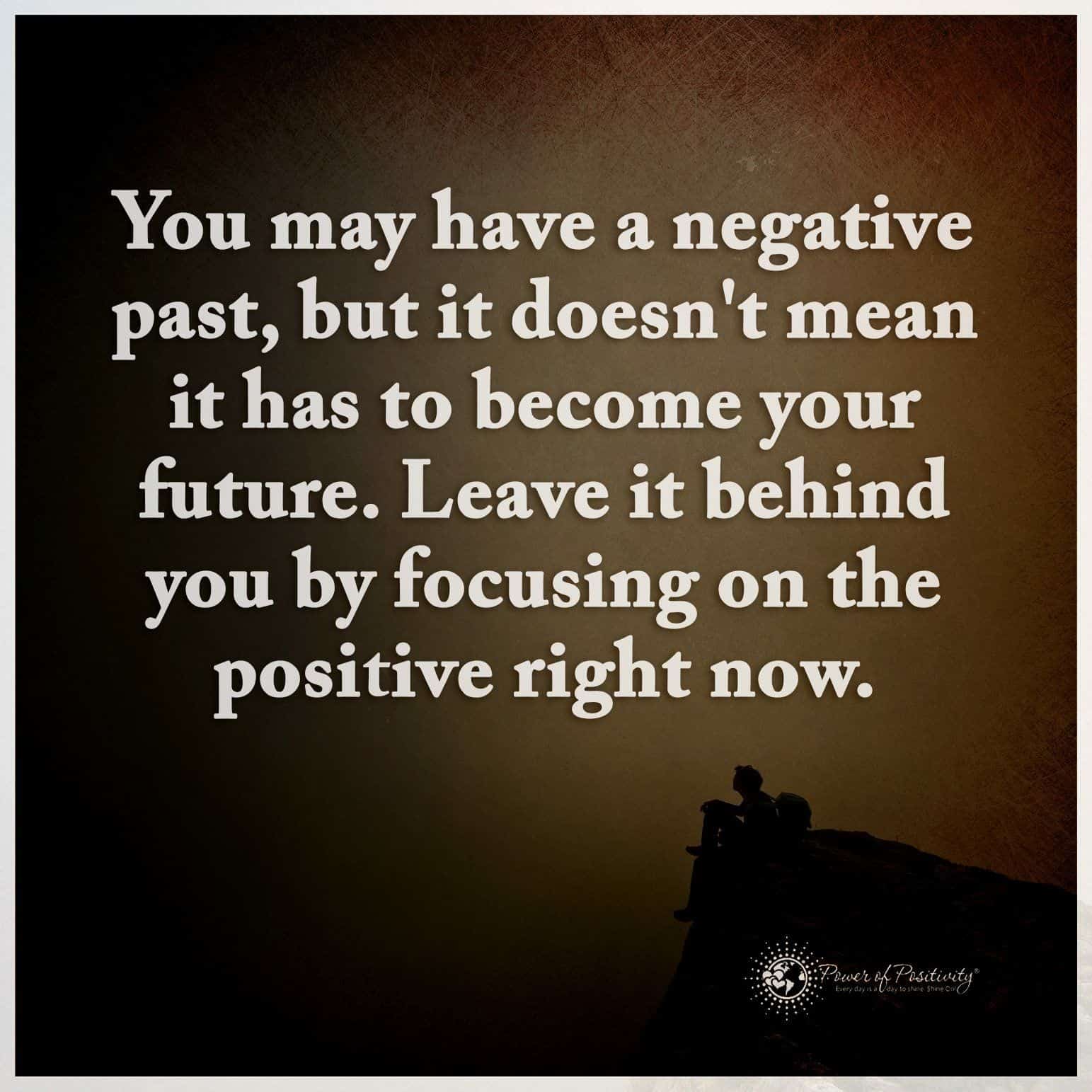
positive

1. Optimistic People Never Give Up

Some people won’t even try something new if they think it’s too complicated. They let fear and intimidation hinder them from reaching higher goals. If they do try and make the slightest error, they throw up their hands in defeat.

Let’s face it, nobody is perfect, and you will make mistakes. A primary difference between positive thinking and pessimism is that the optimist won’t give up. You see your failures as teaching tools that will guide you to eventual success.

2. Positive Thinkers Practice Gratitude Daily

Have you ever met someone with such a negative attitude that nothing made them happy? They could win the lottery and complain that they had to split it with another winner. According to the law of attraction, they declare negativity into the Universe and receive the same negativity in return.

If you favor optimism, you’ve learned to count your blessings. You probably have a gratitude list that you review daily. Optimists have problems like everyone else but tend to see that the good outweighs the bad.

3. Optimistic People Do What They Love

One of the countless gifts of positive thinking is that you’re more in tune with yourself. So, allow that quiet, gentle voice to guide you in your career and outside interests. Your optimism may have started in childhood, and you’ve always known what you wanted to do with your life.

Those who work with you notice your bright outlook and passion for your work. You’re one of those folks who would choose a job they love for a dreaded one that made more money. You also select hobbies and interests that spark your creativity and bring you joy.

4. Optimistic People Surround Themselves with Positivity

The people you surround yourself with can affect your attitude, says Dr. Syed Muhammad Sajjad Kabir. Kabir explains how your circle may influence who you are, what you value, and how much money you make. If they are pessimists, their life’s outlook can also be damaging and bleak.

For example: how do you feel when talking to someone who is a chronic pessimist? They have a negative retort, no matter how you try to brighten the mood. If you’re around them too much, their depressing attitude will affect you.

That’s why positive thinking can encourage you to spend time around people with the same attitude. They believe in your dreams and aspirations and inspire you to keep trying. As you all send positive affirmations into the Universe, you’re attracting more positivity to your lives.

5. Positive Thinkers Love to Smile and Do It Often

Smiling is a precious gift that costs you nothing yet is priceless. Researchers have debated whether animals smile, but it seems to be a uniquely human ability. A smiling face can instantly put people at ease and makes you approachable.

According to Science Times, even if you fake a smile, it can create more positivity. Of course, an insincere smile often masks internal pain or anger. However, you may feel more optimism if you smile rather than frown or grimace.

Have you ever been in a room filled with strangers? You probably were drawn to the first person with a welcoming smile. This universal expression conveys optimism, openness, and joy.

optimistic

6. Positive People Focus on Strengths Instead of Weaknesses

Everyone has personal strengths and weaknesses. Asking you to identify them is a classic question for job interviews. It’s not a shame to admit that you need to work on specific skills if you can highlight your strengths.

An attitude of optimism doesn’t mean you think that you’re perfect. Instead, you know where your strengths lie, and you capitalize on them. For example, you wouldn’t apply to be a music teacher if you can sing or play music.

You’re apt to accomplish more in your more substantial areas. It gives you the motivation to improve in skills where you’re lacking. If optimism is one of your strong suits, it can help you in all areas of your life.

7. Optimistic People Don’t Hold Grudges

Nobody is immune from getting angry or hurt when someone offends them unless they’re a saint. It’s a natural response, and the negative feelings can overwhelm you. However, you can choose to overcome these feelings or let them continue smoldering as a grudge.

The Book of Hebrews in the New Testament aptly calls this condition the “root of bitterness.” Most gardeners can tell you about their struggles with invasive plants. Some plants, like certain species of ivy, can invade your lawn and garden and even cause damage to your home’s foundation.

It all starts with a tiny root that’s allowed to grow and take over everything. Likewise, bitterness can take root in your heart and destroy your joy and optimism. Positive thinkers like you understand this condition and nip it in the bud before it consumes them.

When you forgive somebody who’s hurt you, it’s more for you than for them. It doesn’t excuse the offender or mean that you forget the offense. Forgiveness breaks the chains of bitterness and gives you the freedom to leave it in the past.

8. Optimists Often Journal about Positive Experiences

Another habit of those who embrace optimism is that they often keep journals. Perhaps you keep a journal that includes a gratitude list and brief highlights of your day. Some people use journaling to record their thoughts, ideas, and aspirations.

Of course, everyone has bad days, and every entry won’t be champagne and roses. However, you’ll probably notice that you have more positive notes than negative ones. As you review past entries, you can see how you confronted problems and eventually found solutions.

9. Optimists Focus on Building Your Relationships

Being in a relationship requires work on both sides, personal or professional. You both learn how to compromise and work on difficult issues together. Positive thinking is an effective tool that builds strong and lasting relationships.

Plus, positive-thinking people are often the best listeners. You find value in what the other person is saying and actively listen. Instead of interrupting, you listen, mirror their emotions, and ask them to clarify anything you may have missed.

Such communication is vital for any relationship. It can make you a better partner, family member, friend, or employee. Others are more apt to be committed to you when they see your commitment.

10. Optimistic Thinkers Follow a Healthy Lifestyle

Optimism benefits your body, mind, and spirit, as positivity is good for your soul. Caring for your body by following a healthy lifestyle may prevent certain physical and mental diseases. It’s about proper food choices, daily exercise, and a positive outlook.

Unfortunately, the media often portrays unrealistic expectations for beauty and success. These outlets create false beliefs that if you’re beautiful, thin, wealthy, and intelligent enough, you’re worthy. Optimists reject these facades and love themselves for who they are.

When you feel good about your body, you want to take care of it. You try to use moderation and avoid habits that can harm your health. Your well-being often depends on positive thinking about yourself.
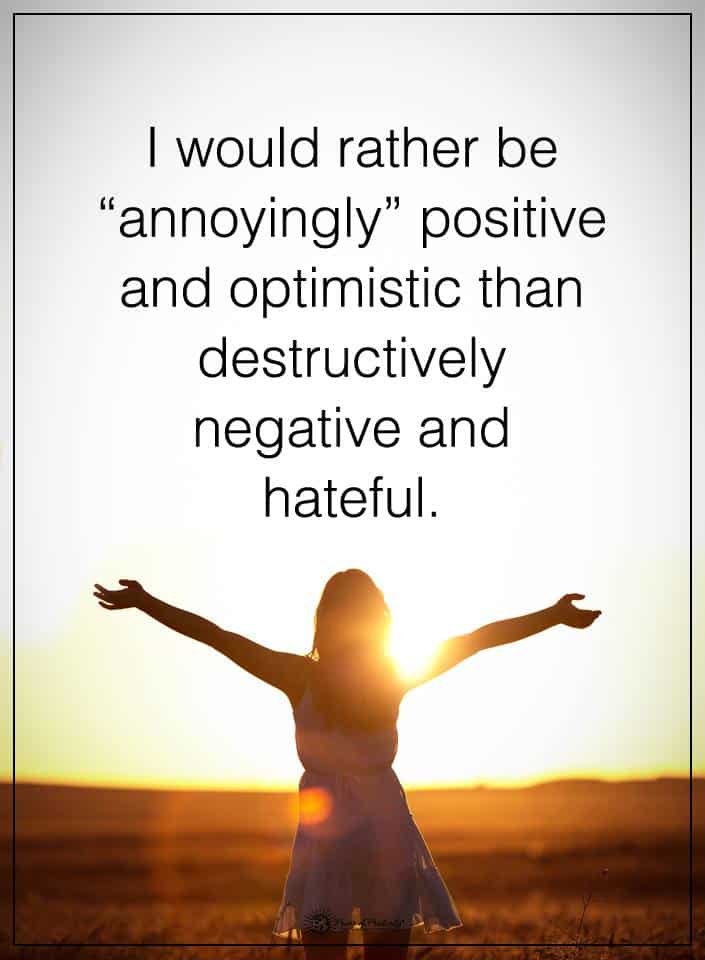
optimistic quote

Final Thoughts on Ten Habits of Optimistic People

Are you ready to work with the law of attraction and attract more positivity in your life? Consider these ten habits of people who have learned how to do it successfully and live each day with an optimistic outlook.

Not only will you have a brighter perspective, but you’ll also reap the benefits of maintaining positivity at home and work. Positive thinking will change your entire life for the better.


7 Signs A Company Is Greenwashing You

Companies often use greenwashing to appeal to environmentally conscious consumers. Most people want to believe they’re buying sustainable products that benefit themselves and reduce climate change. Unfortunately, many businesses mislead customers with the dishonest marketing strategy known as greenwashing.

Businesses greenwash consumers in various ways to make products seem more eco-friendly. It’s a technique to make customers think they’re helping the environment by choosing certain brands or items.

Companies reel in unwitting consumers with advertising tactics like sustainable buzzwords and images of nature. However, they only confuse customers by concealing the true environmental impact of the products.

Greenwashing occurs more often than you’d think because companies know it helps increase their profits. According to a 2015 Nielson poll, around two-thirds of shoppers said they’d pay more for sustainable products. Half of them considered a product’s environmental impact before making a purchase.

Below, we’ll tell you how to spot greenwashing in your local stores, so you don’t fall victim to false claims.

Seven Telltale Signs of Greenwashing

As awareness about climate change grows, companies have become more clever about concealing their environmental footprint. Greenwashing tricks many well-meaning consumers daily, so it’s essential to use a discerning eye while shopping. Here are a few common warning signs of greenwashing:

greenwashing

1. Hiding Information Is Greenwashing

Companies often boast about how their products benefit the environment while ignoring their negative aspects. For example, an electric vehicle manufacturer may brag about lowering carbon emissions. However, they might fail to mention that the rare earth minerals used in their lithium batteries came from environmentally damaging mining activities.

2. Feel-Good Stories Can Be Greenwashing

Have you ever seen a commercial where people use dish soap to clean oil-soaked animals? Oil companies often donate dishwashing soap to animal care centers so handlers can clean affected animals–then they tout the donation as a positive behavior. This example represents greenwashing because oil companies don’t take accountability for their actions. Instead, they highlight their positive actions while ignoring how their oil spill harmed the wildlife.

3. Hidden Trade-Offs Imply They Reduce Climate Change (But Actually Don’t)

Businesses might draw attention to ‘greener’ products while downplaying or ignoring their negative impacts. For instance, tech giant Apple stopped shipping its phones with earbuds or chargers in 2020. They claimed the move would reduce e-waste, which is true. However, this change ignores the elephant in the room, the company’s strategy of planned obsolescence.

4. False or Unverifiable Claims Are Greenwashing

If you look at product labels, you might see claims about a product’s sustainability. The item may say something like “made with natural ingredients” without any certifications or evidence to support the claim. This type of greenwashing is rampant with food products since government regulations are lax.

5. ‘Fluffy’ Language Implies a Sustainable Product

Pay attention to the language companies use when deciding on a product. If you see vague phrases like ‘non-toxic’ or ‘made with organic ingredients,’ it’s most likely greenwashing. Other buzzwords or “greenspeak” might include ‘vegan approved’ or ‘environmentally friendly.’ Unless a company displays a USDA organic certification or other verifiable evidence, you should take their claims with a grain of salt.

In addition, a company may claim to use recyclable plastic in its products. However, it’s unverifiable if it doesn’t have the universal recycling symbol with three green arrows.

6. Irrelevant Claims Regarding the Reduction of Climate Change

Other brands greenwash consumers by making legitimate claims irrelevant to their sustainability. Examples include trash bags labeled as recyclable, even though the bags usually end up in the trash. Most consumers wouldn’t go to the trouble of emptying and washing out the bags to recycle them. Or, a company may advertise an aerosol spray or refrigerant as “CFC-free,” even though the United States banned these chemicals in the late 1970s.

7. Nature Scenery Creates the Idea of a Sustainable Product

Placing images of nature on a product can easily fool the savviest shoppers. For instance, labels with scenes of a green meadow or beautiful mountain ranges invoke a sense of perfection. Companies know these pictures will attract customers and convince them to buy their products. People are visual creatures, so they tend to focus on images without reading labels. For example, many dishwashing liquids and soaps display pictures of flowers, yet their products often contain harmful chemicals.

sustainable

Difference Between Green Marketing vs. Greenwashing

Not all companies who advertise as being environmentally conscious have bad intentions. Some want to protect the planet and make every effort to operate sustainably. Greenwashing corporations claim to care about the environment while concealing the truth from consumers.

However, brands that follow green practices have evidence to substantiate their claims. They use green marketing to highlight their positive impact on the environment. Signs of a sustainable product include these examples:

  • Manufactured sustainably
  • Minimal packaging materials
  • No toxic chemicals or ingredients
  • Made with recycled items or able to be recycled
  • Made with biodegradable items
  • Able to be reused or recycled

How to Avoid Greenwashing

According to the U.S. Federal Trade Commission, you can use the following guidelines to differentiate between greenwashing vs. green marketing.

  • If a product can explain its positive environmental impact without using buzzwords and offers verifiable evidence, it passes the greenwashing test.
  • Marketing claims clarify whether the packaging, product or both benefit the planet. The company will use clear language and avoid meaningless labels.
  • The advertising doesn’t use overinflated phrases or embellish its environmental impact.
  • If the product compares itself to a competing brand, it provides evidence to support its claims.
  • The product displays third-party certifications, such as USDA-certified organicForest Stewardship Council (FSC), and Certified Vegan.

greenwashing

Final Thoughts on Knowing the Key Signs When a Company Is Greenwashing You

Greenwashing frequently happens in the marketing world due to poor regulations. Companies can get away with almost anything aside from lying outright. In the last decade, consumers have become painfully aware of the environmental impacts of human activities. Therefore, many environmentally conscious shoppers want to buy products that protect the planet.

Unfortunately, well-meaning consumers often fall victim to greenwashing if they don’t research products beforehand. Watch for common buzzwords like ‘all-natural’ or beautiful images of nature on labels. These tactics often trick consumers into buying products that give a facade of purity while actively damaging the planet.

3 Ways to Speak Up For Yourself Without Fear

Have you ever found yourself in a position where you decided not to speak up for yourself? How did you feel? It is hard being in a situation you cannot stand up for yourself because you feel fenced in and trapped.

You are not alone if you choose not to speak up for yourself. It is prevalent for people to avoid confrontation and don’t speak up out of fear, potential retaliation, or if they feel uncomfortable. People from all walks of life experience this barrier in their lives and have a problem asserting boundaries. 

It is essential to speak up for yourself because without speaking up for yourself, you will continue experiencing disrespect, being demeaned, and having your value belittled. It is not your fault you are experiencing this, but it isn’t fair for you to continue enduring what is happening to you. 

Sometimes, you won’t have an ally to fight for you. Even if you do, there needs to come a time you can’t depend on their support because they may not always be there. You will eventually need to fight for yourself to thrive and give yourself your best chance.

1 – Recognize Why You Don’t Speak Up

speaking

If you struggle with speaking up, this may trace back to your childhood because you may have been taught not to speak up or question things. These feelings may have manifested in how you navigate your personal or professional lives. If you have never had a moment where you spoke up for yourself, consider the people in your life. Did they ever speak up for themselves? If they did, was it a positive experience? What worked and what didn’t? It would help you consider these questions to figure out how to speak up for yourself.

If you have difficulty acknowledging your self-worth, tell yourself you deserve more if you’ve become accustomed to being treated a certain way. You may fear how people react or want to keep others happy. But your happiness is significant too. 

Write down one thing you appreciate and imagine what your life would be like if you spoke up for yourself. You may even need to write it down. This won’t completely change how you feel about yourself. Still, if you can find one thing you appreciate, it is an essential step to value your worth in the world. 

2 – Practice and Prepare for the Conversation

As they say, practicing your speech in front of the mirror prepares you better. You can apply this practice to anything you need to. Start having a conversation with yourself about what you need to say. You won’t receive positive feedback at first because people are so used to walking all over you. If you want people to take you seriously, you need to be clear about what you want. You also don’t need to practice by yourself. If this becomes too hard for you to speak or you aren’t getting the desired results, ask other people around you to help you. 

Do you know your audience? Who is the person or group you need to know about and have this robust conversation with? It is best to know their personality and how they think about things to prepare for how this conversation will envelop. 

When you are ready to have that conversation, prepare emotionally too. It’s one thing to be ready for what you are going to say, but imagine how they will react. Being scared is natural, but you can’t let that fear overcome your goals. When people feel cornered in these situations, they may revert to how they felt before. Try your best to control your emotions, and do not let yourself become angry, hateful, or spiteful. You can lead with emotion, but don’t allow your emotions to control you and the message you are trying to tell. Your clarity is blurred from the receiving end if you can’t manage your feelings. You don’t want this to happen to you.

Go into the conversation prepared and ready to fight for yourself and what you need.

3 – Advocate for Yourself

There are other areas in your life where you need to “metaphorically” speak up. It isn’t only essential for your transformational growth to physically speak up for yourself but to show up in other areas of your life. This could be with the people you are around, where you work, and even how you spend your time. It could mean advocating for your wellness by taking the day off, finding a new job, moving to a new location, or ending relationships that only hurt you. 

You are not the only person figuring things out, which is why there are many resources you can utilize. Many people think they need to handle everything on their own, but there is nothing wrong with seeking out help for themselves.

If you feel alone, there are many groups out there who share what you are passionate about. What are you passionate about? If you find an organization or group dedicated to what excites you, do not hesitate to join it. This is where you will begin building your community with people who share your interests. Once you surround yourself with people who recognize and respect your self-worth, you will see that in yourself. This will help you build confidence in yourself to speak up.

speak up

Final Thoughts on Why it Is Courageous to Speak up for Yourself

Speaking up for yourself is one of the most demanding challenges people experience. Do not blame yourself for being silent. So many reasons outside of peoples’ control lead them to speak up for themselves. Don’t let this foster and persist because if you don’t speak up for yourself, it might worsen, and you will give up on yourself.

Now it is your chance to change your circumstances. Do not quit fighting for yourself if you do not receive the feedback or outcome you were looking for. If the people around you continue resisting you speaking up for yourself, a new change may be what you need, and speaking up made you realize that. 

15 Ways to Slow Down Wrinkles And Look Younger

Mature skin. The term conjures up images of wrinkled, tired-looking skin–but it need not be that way!

Aging usually brings a gradual decline of your skin’s fitness. Besides wrinkles, your skin sometimes loses fat, becomes thinner, and no longer looks smooth and plump like it once did. Fortunately, you can take several key measures to minimize the lines and wrinkles. Here are fifteen mature skin tips to help reduce wrinkles. 

Can you turn back the aging clock?

Can you turn back the aging clock? Maybe. Aging skin cells become altered and don’t function as well. But a group of researchers from Babraham University, Cambridge, United Kingdom, has found a way to turn back the clock of human skin cells by thirty years. The researchers restored the function of older cells while rejuvenating the molecular structure of the biological age. Even though it’s still in the exploration stage, scientists are excited about the potential of these findings. 

What changes occur in mature skin?

mature skin

As you age, your skin changes. Here are some changes that occur in mature skin. 

  • Dry skin: You may experience dry spots on your legs, elbows, and arms. The dry areas might look scaly and rough. Of course, your dry skin might indicate you need to change your soap or stop taking hot baths. However, dry skin can also signify a health problem like hypothyroidism, diabetes, or kidney disease. Check with your doctor if your skin is dehydrated and itchy to rule out health problems. 
  • Wrinkles: Where did those wrinkles come from? Ultraviolet rays (UVA) from the sun and your environment make your skin less elastic. Gravity also causes your skin to wrinkle and sag. 
  • Age spots: Age spots are brown spots caused by exposure to the sun. They show up on your arms, hands, face, and back. Using sunscreen can help protect you against both UVA rays. 
  • Skin tags: These are flesh-colored growths of skin with a raised surface. They’re common in women as they age. You get them on your neck, eyelids, and body folds like your armpits, groin area, and chest. 
  • Skin cancer: Mature skin is susceptible to skin cancer. The most common cause of skin cancer is sun exposure, tanning booths, or sunlamps. However, early detection makes skin cancer treatable.

Fifteen mature skin tips to improve wrinkles

Try these tips to decrease the signs of aging, especially on your face and neck.

1. Protect yourself from the sun

Sun damage is the leading cause of early wrinkles. Using sunscreen regularly can slow down the signs of lines and wrinkles. Be sure your sunscreen is at least 30 SPF. Even if it’s overcast outside, your skin still receives UVA rays. Wearing a hat plus sunglasses will protect you from the sun. 

2. Stop smoking

Nicotine causes your blood vessels to constrict, reducing the blood flow and causing your skin to lack oxygen. Tobacco damages the elasticity of your skin. Even the heat from a cigarette will cause wrinkles. Plus, when you purse your lips, it causes wrinkles around your mouth. People who smoke generally look older than those who don’t smoke. 

3. Coconut oil

Coconut oil comes from a coconut tree’s palm and kernel parts. Besides cooking applications, coconut oil is an effective skin moisturizer. It’s a great moisturizer with anti-inflammatory properties to help heal. Coconut oil also helps your skin produce collagen. Collagen keeps your skin firm and youthful-looking. In addition, keeping your face moisturized with coconut oil helps rid your face of wrinkles and lines. 

4. Eat your carrots

Eat more beta-carotene-rich vegetables and fruits to reduce your wrinkles. Beta carotene gives fruits and vegetables their yellowish orange color. This pigment turns into vitamin A in your body, which improves your eye health and builds your immune system. In addition, it’s a powerful antioxidant that protects your body from free radicals that cause damage to tissue and organs. Beta carotene is good for your skin because it rejuvenates and provides antioxidants to improve it. 

5. Moisturize mature skin daily

Use moisturizers, creams, or lotions daily to keep your skin moist. Moisturizers help your skin stay hydrated and nourished. However, mature skin gets dry, which causes wrinkles to appear. Choose a moisturizer with hyaluronic acid to prevent wrinkles from forming and getting deeper. 

6. Chemical peels refine the texture of mature skin

Chemical peels are effective ways to remove imperfections from your skin. They remove the top layers of your skin, allowing your new healthy skin to grow. Chemical peels are good for reducing wrinkles, scars, and skin discoloration. You can get a chemical peel at your dermatologist or at home. Doing one at home often uses the same ingredients for a fraction of the cost. What are the best chemical peels you can use at home?

7. Retinoids

Retinoids help regenerate your skin. First, check the potency of the retinoid you’re using to be sure it’s strong enough. A percentage of 0.01% is strong enough to reduce your pores and improve the glow of your skin. You can use it every other day for it to be effective. 

wrinkles

8. Drink lots of water

Consume water to reduce wrinkles and lines. Water flushes out toxins, aids digestion, and helps your body and skin stay hydrated from the inside. In addition, water improves your skin elasticity and repairs tissue damage. Generally, men should drink around 15.5 cups of fluids daily, and women should consume approximately 11.5 cups of fluids daily. 

9. Eat a healthy diet

A healthy diet helps you maintain weight, energy, and disease prevention, but eating healthy also determines how your skin ages. Researchers say that eating lots of red meat and processed foods cause facial wrinkles, particularly in women. Eating foods that have antioxidants and anti-inflammatory benefits improves your skin’s elasticity and protects you from premature aging. Eating these quality foods can help you avoid facial wrinkles and lines. 

  • Orange vegetables and fruits
  • Olive oil
  • Salmon
  • Avocado
  • Flax seeds
  • Pomegranates

10. Pose like a model

Have you noticed how models don’t smile? Instead, they pose with a rested face without frowning, squinting, or pursing their lips. These facial expressions cause wrinkles and lines. If you find yourself squinting or frowning, try to rest your face. Wear sunglasses to avoid squinting in the sun. If you squint because you can’t see, get a new prescription or try contacts. 

11. Take collagen

Studies show that topical and oral collagen supplements help delay aging. Collagen supplements improve the elasticity and hydration of your skin. Collagen also smoothes and reduces wrinkles in your skin. Premenopausal women need collagen more than younger women because menopause causes your body to stop producing collagen. 

There are many collagen peptide powders available. Add one or two teaspoons of collagen powder to your morning coffee or a glass of cold water daily. You’ll see improvements in your skin right immediately.

12. Topical vitamin C

Vitamin C is a powerful antioxidant. It helps create collagen in your skin. This nutrient occurs naturally in many fruits and vegetables. Applying topical vitamin C improves your skin’s appearance and removes fine lines and wrinkles caused by sun damage. Topical vitamin C comes in lotions, serums, and creams. If you’re looking for topical vitamin C serum, look for

  • A good color: the serum or cream should be champagne color. It shouldn’t be cloudy or dark. 
  • No smell: Vitamin C serum shouldn’t smell sour. If it does, it’s not good. 

13. Zinc and selenium

Zinc and selenium are two essential minerals to help keep your skin looking smooth and wrinkle-free. In addition, zinc promotes healing from sun damage. However, it’s best not to take zinc and selenium supplements because too much can harm your health. Instead, eat foods with zinc and selenium. 

Foods high in zinc include:

  • Almonds
  • Bananas
  • Beans
  • Cheese
  • Oatmeal
  • Oysters
  • Peas

Eat foods with selenium, such as:

  • Eggs
  • Brazil nuts
  • Organ meats
  • Sunflower seeds
  • Seafood
  • Spinach
  • Oatmeal
  • Yogurt

14. Eat yogurt

Yogurt includes probiotics that are good for the gut and your skin. Yogurt may help decrease wrinkles and improve the health of your skin. It’s thought that applying probiotics to your skin may increase the strength of your skin and help fight damage from things like UVA rays from the sun. Be sure to eat yogurt that doesn’t contain sugar. Instead, purchase plain yogurt and add fresh fruit, nuts, or granola for added flavor. 

15. Get your beautifying sleep

As you sleep, your body increases blood to your skin, helping you wake up with glowing, well-rested-looking skin. When you’re getting enough sleep, your complexion looks drab. Try to get up to seven to eight hours of sleep to feel and look your best. Some people swear that a silk pillowcase helps their skin have fewer wrinkles. 

mature skin

Final thoughts on keeping mature skin healthier and decreasing the appearance of wrinkles

Mature skin needs extra loving care to avoid lines and wrinkles. As you age, your collagen levels decrease, causing your skin to lose its elasticity. As a result, it may become rough, dry, and tired. These fifteen tips help keep your skin plump and smooth as you age. 

Psychology Explains the 3 Stages of the Stress Response Cycle

Everyone struggles with stress daily, but few know anything about the stress response cycle. Even if you are one of the lucky ones and live a relatively relaxed life, you’ll still experience it to some extent. This happens because stress is a natural hormonal response to uncomfortable or dangerous situations. But what most people don’t know is that the feeling doesn’t just appear out of thin air. You may feel depression or exhaustion, not realizing it stems from your body’s natural responses.

There is a whole stress response cycle that people go through when they are under pressure. And the only way to cope with stress healthily is by completing the cycle. The issue is that people aren’t taught things like these when they are young. Society doesn’t give enough importance to mental health and often regards stress as usual.

While it is natural and beneficial sometimes, it doesn’t mean it’s normal to be cripplingly stressed all the time. But that’s not what people learn. No one teaches others how to cope correctly, and some people even romanticize stress. For example, you have undoubtedly heard people saying that a job isn’t good enough unless it puts some pressure on you to perform. Or maybe your parents have told you that if you aren’t stressed about school or work, that means you don’t care.

Small, off-handed comments like these make it seem normal to be stressed constantly. Not only that, but they lead you to believe that if you aren’t, you should feel guilty. Because of this, people end up developing unhealthy coping mechanisms for stress. As a result, they don’t complete the stress response cycle, which means they never fully relax. This harms both your physical and mental health. Therefore, you must learn about the stress response cycle stages to cope with stress properly. If you’re also feeling down or stressed out, playing online slot games may help relieve your stress or anxiety.

What Is Stress?

stress response cycle

Before going into details about the stress relief cycle, you must understand what stress is and how it can affect you. And the best way to begin is to talk about what causes stress in the first place. Stress is a typical reaction to challenging, demanding, or dangerous situations. In those cases, your body needs to react, and it does so by releasing hormones. These hormones must be present so your body can be alert enough.

It’s a way to adjust to new situations and handle them well. You might know this reaction as the fight-or-flight response. This response is just another name for the first stage of the stress response cycle. When you think about human evolution, having this built-in response makes sense. In the prehistoric ages, this was necessary so that humans could stay alive. Otherwise, they would have risked getting complacent and hurt by some wild animal.

But, because of the fight-or-flight response, their body was fit to run away from danger. Of course, society has evolved, and we don’t need to run from wild animals anymore. But that doesn’t mean stress doesn’t still serve a purpose. For example, it can still help you focus more during a test.

How Stress Affects You

How does stress prepare the body for these situations? When a stressor stimulates the nervous system, the body produces large quantities of cortisol and a few other hormones. This triggers a few changes at a physical level. Most notably, it increases blood pressure by increasing your heart rate. It also leads to heightened muscle preparedness, sweating, and general alertness. All these factors allow you to respond better to particular challenges.

So, what’s the catch? Why is stress so bad? Even though only the good parts were described so far, that’s not the whole story. In reality, stress is only suitable in small quantities. But, when someone feels overstressed, their mental and physical health diminishes. You might be sluggish or experience exhaustion. On the physical side, too much cortisol can lead to heart, digestive system, and even muscular issues.

For example, a 2018 review of a few studies found a link between work-related stress and an increased risk of coronary heart disease. Psychological problems are not something that can be overlooked either. Repeated stress can evolve into a mental health struggle. Acute stress is more common but can even develop into chronic stress. Depression, anxiety, and PTSD are just a few other issues caused by stress.

You can avoid all of these risks by understanding the stress response cycle. Whether you know about this cycle or not, it’s best to understand it. That way, you can learn what your body needs to cope healthily.

3 Stages of the Stress Response Cycle

Alarm, resistance, and exhaustion–let’s look at how each stage contributes to your worried mind.

stress

1.      The Alarm Stage

The stress response cycle begins with the alarm stage. Then, it’s triggered by a stressor, which is usually a tense or dangerous situation. Next, the amygdala (involved in processing emotions and memories associated with fear) sends signals to the hypothalamus (the link between the endocrine and the nervous system). Then, the hypothalamus activates the sympathetic nervous system, releasing adrenaline into your bloodstream.

This is your body’s most visceral reaction to a threatening stimulus. These signals trigger changes, such as an increased breathing rhythm and rapid heartbeat. As a result, you’ll experience a rapid spike in your energy levels and increased alertness. This is why and how stress can keep you up at night.

These physical changes will boost your energy no matter how tired you are. This stage is what people know as the fight-or-flight response. It’s the same response that all animals have. But the human stress response cycle is a little more complex than animals. We have a couple more stages than they do.

2.      The Resistance Stage

The second stage of the stress response cycle is the resistance stage. This is when the body senses the danger or pressure has passed, so it presses the breaks. To be more exact, the parasympathetic system lessens the body’s stress response, but not completely. It still allows you to be alert so you can make sure that you are truly safe.

It’s also the stage where you can tell if you’ve regained balance. This stage will allow you to recover from the shock you’ve experienced. But that won’t be possible if your life is full of stressors. Because of that, your body will always be on high alert.

Still, this stage is not always timed perfectly. Sometimes, your body will stop releasing hormones before the danger has passed. In that case, the nervous system will need to re-release hormones. The bad part is that you’ll experience a rapid decrease in energy levels followed by another spike.

This is a shock, so you will likely become irritated or upset. You might even lose your concentration. Whether this cycle is timed wrong or doesn’t stop, the result is the same. It will lead to the final stage of the stress response cycle.

3.      The Exhaustion Stage

As the name suggests, the final stage of the stress response cycle, exhaustion, happens when your body is overloaded with stress. The exhaustion stage doesn’t always have to happen, as your body can recover before reaching this point. But if you’re dealing with chronic or unmanaged stress, you won’t be able to avoid it. Ideally, people would be able to prevent this stage altogether.

But the only way to do that is to give your body time to recover and stop dumping hormones in your bloodstream. That’s why taking breaks is so important if you have a demanding job, for example. If those breaks don’t happen, your body will go overdrive and release cortisol and adrenaline. Slowly, your body’s resources will be exhausted. There are only so many hormones your body can produce before running out.

At some point, you’ll be without adrenaline and experience a massive decrease in energy. But that’s not the only issue. When your body is overworked, its normal functions are affected. Remember that stress makes your heart beat faster and affects your breathing, muscles, digestive system, and more. All those systems will suffer when they are overworked. In time, you can develop chronic conditions like heart disease, diabetes, mental health issues, etc.

This is why it’s essential to manage your stress. If you are dealing with chronic stress, you must contact a therapist and work through your issues. You also need to identify your stressors and try to eliminate them. For example, if your stress is mainly caused by work, you might want to consider changing it.

exhaustion

Final Thoughts on Understanding the Three Stages of the Stress Response Cycle

Whether we like it or not, we’ll have to deal with some stress throughout our lives. But that doesn’t mean being stressed always is normal or beneficial. Small quantities can help you be alert and up for a challenging task. But when it gets out of hand, it can threaten your mental and physical health. And the three stages of the stress response cycle–alarm, resistance, and exhaustion–show precisely that.

The dangers of chronic stress are apparent when you look at the last stage, so beware of how you manage it. The three stages of the stress response cycle are alarm, resistance, and exhaustion. You’ll always have to deal with the first two when stressed. The alarm stage is when the stressor triggers your body, and your nervous system reacts by releasing hormones. The resistance stage is when your body decreases hormone levels so it can allow you to cool off.

Still, it keeps you somewhat alert if the danger hasn’t passed. Lastly, you have the exhaustion stage, which you should try to avoid. That stage happens when you are in a constant state of stress. You must manage your stress to ensure you don’t end up there. At the very least, try to find relaxing activities throughout the day. If your stress is chronic and unmanageable, you should consult a specialist.

14 Ways to Let People Know Your Worth Without Being Rude

Getting other people to value your time is essential if you know people who often waste it. You might feel like people always ask things of you that offer no benefit to your life. It can take away from your personal or professional life, interfering with your well-being. Setting boundaries is fundamental to success.

You can’t get time back; getting people to value your time can make your days more fulfilling. It can help you accomplish more things you want and need to do.

Getting others to value your time reflects how you view yourself and can help you make more money. While money isn’t the most important thing, it is necessary for living. However, time is more important, so making more money in a shorter timeframe can help you make more time for your personal life.

Each day is a chance to invest in yourself, but it’s only possible if you prioritize your time. Since you can’t get time back, the best thing you can do is ask others to value it.

How to Know Your Worth and Ask Others to Value Your Time

Your time is valuable, and you deserve to spend it in the best ways for your life. You don’t have to give in to what anyone else wants. These tips can help you set boundaries and ask others to value your time.

value your time

1 – Keep Your Overall Goal in Mind

Frequent distractions can lead to losing focus and forgetting the big picture. When you lose sight of your goals, giving in to what other people want rather than prioritizing your time becomes too easy. Focusing on your overall dream can help you find the courage to ask others to value your time.

2 – Enforce Time Limits and Scheduled Appointments

If a meeting is supposed to last for half an hour, enforce the time limit. Each extra minute takes away from your other essential tasks. One way to let people know you can’t stick around is to say things like, “during the last few minutes of our meeting, is there anything else you’d like to discuss?”

If you have a planned meeting or appointment, stick to the agreed-upon time frame. Don’t let someone showing up late keep you any longer. Your time is valuable whether the other person arrives on time or not.

3 – Make a Choice and Stick to It

People will often ask you to do things that aren’t a priority in your day. However, agreeing to what they ask means you must do it anyway.

One way to get people to value your time is to choose whether helping them will interfere with your productivity. Consider whether you should be helping them or if focusing on something else would be a better use of your time.

Making choices based on what’s best for you allows you to control your life. It also emphasizes that you expect others to respect what you have on your plate. Once you make your choice, stick to it so that you don’t get behind on your tasks or miss out on something meaningful.

4 – Say “No” More Often

Saying “yes” to everything might make other people happy, but it also teaches them that they don’t have to value your time. Accomplishing your goals requires prioritizing your life rather than giving in to others every time. Practice saying “no” more often to see how quickly it changes how people treat your time.

5 – Plan Your Days and Setting Boundaries for Your Free Time

If you’re on vacation or have a day off, you can embrace not planning every detail. However, planning days that you must be productive can help you accomplish everything.

Making a to-do list can help you focus on essential tasks and avoid giving in to distractions and things that waste your time. Planning your workdays can help you value your time and ask others to do the same.

Your plans don’t only have to revolve around work. You can also plan self-care, family time, and spending time on your hobbies.

6 – Determine Your Priorities and Clarify Them for Others

Valuing your time requires setting priorities and clarifying them to the people around you. When you determine what’s essential to you, it’s easier to make time for those things.

Some of the things to consider when setting your priorities include asking yourself:

  • what you want to achieve and experience
  • who matters most
  • where you see yourself
  • what makes you happiest

These questions can help you determine what you should focus on in life. When you know what these things include, you’ll have an easier time asking others to value your time regarding those aspects. You can clarify your priorities and explain your needs from those around you.

7 – Prioritize People Who Value Your Time

If you have people in your life who don’t value your time, it might be time to move on. Surrounding yourself with people who respect you and your time can improve your life in many ways. It’s worth the effort and changes as you find a supportive group of people to spend your time around.

value your time

8 – Ask Questions

Don’t hesitate to ask questions if someone wants you to do something that wasn’t in your plans. Asking why they need you to do it or what they expect can reiterate that your time is valuable.

9 – Talk About Time and Why Setting Boundaries Matters

Talking about time is a polite but effective way to ask others to value your time. Time is a resource, and mentioning it in your conversations helps others realize that you see it that way.

Say, “Is there anything else you want to talk about in the next 10 minutes?” These questions can help keep the conversation moving while reminding the other person that your schedule is inflexible regarding this situation.

10 – Don’t Give in When People Try to Distract You

Try shifting your mindset if you experience disruptions during work or leisure time. Thinking about something different or refocusing on the task at hand prevents you from giving in to potential distractions.

Your partner, friend, or child might assume you can or should accept their distractions. However, these distractions interfere with your time because you must stop during your task. Try to ignore these distractions and stay focused, making the most of your daily time.

11 – Respect Your Own Time

If you want other people to value your time, you must respect it, too. Consider whether you say yes to every request, even if it interferes with your priorities. If you drop what you’re doing when people distract you, it sends the message that interrupting you is okay.

You can also respect your time by not responding to emails when they arrive. Emails can distract you from your priorities, and your time is more valuable than that.

Sometimes showing them that you value your time can help you get the point across without ever having to ask. However, you don’t have to be afraid to speak up if someone keeps pushing boundaries.

12 – Value Their Time While Setting Boundaries for Yourself

You can’t expect people to value your time if you don’t respect theirs. Don’t ask them to do things for you when you know they are already overwhelmed.

Be respectful and empathetic of their lives and schedules. They’ll be more likely to do the same for you. Plus, asking them to value your time is easier when you’ve shown that you respect theirs.

13 – Don’t be on Call 24/7

Being available any time of day or night sets the precedent that other people don’t have to respect your time. With technology being at our fingertips, many people expect an immediate response. However, everyone needs time to themselves without having to respond to others. Setting boundaries and enforcing them lets people know they must value their time.

You can let them know you’ll only be available in an emergency. This way, they know you’re there for them, but you won’t always answer and help in a non-emergency.

14 – Explain the Best Way to Contact You

One way to limit interruptions is to explain how to get ahold of you in an urgent situation. Tell people that it might take a couple of days to respond to an email or a few hours for a text message.

If they need you immediately, they can make a phone call to get ahold of you. Emails can be a distraction, so it’s not always a good use of time to check them frequently. People aren’t as likely to make phone calls if they don’t need a quick response, so it is a way to ask people to value your time.

setting boundaries

Final Thoughts on Ways to Know Your Worth

While you can’t change other people, you can ask them to value your time. You don’t have to let people use your valuable time. Focusing on your priorities promotes your well-being and allows you to achieve your goals.

You can’t get your time back, so make the most of every moment. Set your priorities and focus on those before agreeing to help others. While it’s good to be kind, you must start setting boundaries. Only then can you put yourself first to enjoy your life and reach your dreams.

How to USE the 333 Rule For Anxiety

Most people struggle with mental health issues that prevent them from working on techniques that help reduce anxiety. Many factors can easily affect the mind, from lifestyle to work, friends, family, etc. One of the most common issues is anxiety. While feeling anxious is normal, it still isn’t ideal.

Not to mention that some people struggle with anxiety disorders, which differ from usual, fleeting feelings of anxiety. So, whether you are coping with some anxiety or a full-blown condition, knowing how to reduce anxiety is always good.

Depending on your anxiety levels, there are many ways to try coping with them. Unfortunately, not all of them work for everyone. Not to mention that simple, quick techniques won’t solve your anxiety forever. There are many instances in which you’ll need to find better measures. But if you need a quick fix, you can always try the 333 rule to reduce anxiety.

What Is Anxiety?

Anxiety is not precisely something unnatural. On the contrary, some feelings of anxiety are, unfortunately, a normal part of life. For example, when you worry or overthink, you probably feel anxious. To be more concise, anxiety is an emotion that appears when you feel tense and have worried thoughts. Physical changes, such as increased blood pressure and heart rate can even characterize it.

anxiety

But this is known as a “normal” level of anxiety. It’s when you are tense but can still manage what you’re going through. There are many triggers for this emotion. Even something as ordinary as taking a test can make you feel anxious. Anxiety has an evolutionary purpose. Since the dawn of humanity, anxiety has been the factor that allowed us to deal with dangerous situations.

If people weren’t anxious about facing a wild animal, they would become complacent and subject to harm. Anxiety helps set off alarms in the body, which makes you acutely aware of your surroundings. Danger triggers a hormonal response from the body, which releases adrenaline. This triggers the anxious reaction that is known as the fight-or-flight response.

How Anxiety Affects You

Most people today don’t need to run from wild animals anymore, but there are still dangers all around us we need to avoid. Anxiety can come in handy if, for example, a car is close to hitting you. But the danger doesn’t even need to be that big. Even an upcoming test can trigger anxious feelings.

And that’s because your body wants to prepare you by letting you know you must get to work. Anxiety even works passively. You might motivate yourself to avoid tense situations by simply wishing to reduce anxiety. This can look like studying for a test a few days before so that you don’t learn everything the night before.

It would be nice if people only felt the positive effects of anxiety. But anxiety is still a negative emotion. So, no matter how you twist it, there’s a price you have to pay if you want to reap the benefits. And not everyone is lucky enough to only deal with mild anxiety.

General Anxiety Disorder and Its Repercussions

Some people struggle with anxiety disorders, often requiring therapy or medication. Those happen when someone is dealing with recurring intrusive thoughts or concerns. Because anxiety triggers physical changes in the body, an anxiety disorder will have physical and psychological implications. Take General Anxiety Disorder (GAD), for example.

Someone struggling with GAD will always feel restless or on edge. They’ll overthink and be unable to control their worries. Because of it, there’s a high likelihood they’ll be irritable and moody. Because of the high levels of adrenaline released, they’ll have trouble concentrating and sleeping. But the issues don’t stop there. Because it’s a disorder, there will be long-term repercussions. The psychological ones are intuitive.

For example, anxious people will likely become pessimistic and isolated. On the physical side, GAD can lead to heart and muscle issues and affect one’s immune system.

Causes of Anxiety

There are many causes of anxiety. Environmental factors like certain tense or traumatic events often trigger mild anxiety. Environmental factors can also lead to anxiety disorders. For example, if someone grew up in an abusive household, they’ll likely develop an anxiety disorder.

Genetics and brain chemistry are also risk factors when developing such a disorder. If you are aware of a history of anxiety in your family, you might want to see a psychologist and see if you’re struggling with a condition.

Beware that many people have anxiety disorders and don’t even know it. That’s mainly because anxiety is natural, so people tend to believe it’s not a big deal. Also, many people act like others should be ashamed for struggling with anxiety. Don’t just brush it off if you feel you are struggling. It’s better to get a diagnosis, just in case there’s something wrong. Even if you don’t have a disorder, having intrusive thoughts is something you’ll experience from time to time. So, if these thoughts are so common, what can you do to make sure you can reduce them?

The 333 Rule to Reduce Anxiety

anxious

As is the case with all self-help techniques, the 333 rule is by no means a substitute for treatment. So, if you’re dealing with chronic anxiety, you must ensure you get the treatment you need. Depending on your anxiety, this can range from therapy to medication.

Still, a therapist can’t always be there. Not to mention that almost everyone will deal with the occasional intrusive thought. So, if you find yourself overthinking and worrying too much, you can learn to cope with those moments using the 333 rule. This way, you can handle intrusive thoughts before they become full-blown meltdowns.

1.      Focus On 3 Things You Can See

When you feel anxious feelings creeping, you need to pause and focus on three things you can see. This is the visual part of the rule and helps you start to break away from your internal chaos. It’s easy to focus on big things, like a tree or a chair. Some people prefer to focus on smaller things, though, as the details help them be grounded. But, honestly, it doesn’t matter what you focus on.

If you want, you can always have three objects with you that you can use. Some people even prefer it, as certain items bring them comfort. Just try to clear your head and eliminate everything but those three items. Slowly, you’ll start being able to focus on everything without things getting fuzzy or worrying you even more. You can move on to the next step as soon as you have those objects in your visual field.

2.      Focus On 3 Things You Can Hear

When people get anxious, they often get in their heads and stop being aware of the sounds around them. This is bad because it allows the intrusive thoughts to grow until they become overbearing. Instead of letting your internal voice monologue, it’s better to make an effort to focus on auditive stimuli.

This is harder than the previous step because it can be hard to isolate sounds. For example, if you’re walking down a busy street, you might hear a thousand different sounds. Try focusing on distinctive noises to avoid getting even more confused by all those sounds. It’s even better if they are constant.

For example, focus on the sound of car engines rather than a random honk. Things like clocks can be great for this exercise. To keep things simple, try to hone in on the most obvious sounds you hear and try to clear your mind. You can move on to the last step once you have all three sounds in mind.

3.      Focus On 3 Things You Can Touch or Move

This technique’s last step is finding three things you can touch or move. Again, this helps you become grounded and in tune with reality. Those three things don’t need to be special or out of reach. If you’re sitting on a chair, you don’t need to get up and touch something that’s across the room. Maybe you’re on the street and don’t even see something you can easily feel or move.

In that case, you can hold on to something you have, like a piece of clothing. Even touching your arm can do the trick. But, again, the object you touch doesn’t matter; what matters is that you have an anchor that helps you focus on the physical world. This can help you relax and calm your thoughts down. But, most importantly, it gets you out of your head.

anxiety

Final Thoughts on How to Apply the 333 Rule to Reduce Anxiety

Anxiety is not easy to deal with, especially if you are struggling with an anxiety disorder. Even if it’s only mild anxiety, it can still be uncomfortable and trigger a destructive spiral. If left unmanaged, intrusive thoughts can get in the way of everything. They can ruin your day and even push you toward making bad decisions.

Sometimes, even someone who has never struggled with anxiety can have an unexpected panic attack. So, no matter how mild or chronic your anxiety is, it’s always good to learn ways to manage it. One of the simplest and most effective techniques is the 333 rule. It’s very straightforward, so it’s easy to remember and implement when going through something. As the name suggests, this technique is based on finding three things you can see, hear, and touch.

The aim is to stimulate your senses in a way that allows you to get out of your head. By using these senses, you can start grounding yourself. You can start relaxing as soon as you feel like you are back in the real world. Be careful not to trigger a spiral again, and give yourself time before thinking about whatever you were worried about. Also, remember that if you’re struggling with a disorder, this technique is just an addition to treatment, not a replacement.

4 Reasons to Live Together Before Marriage

Marriage is a big step in anyone’s life, but there are reasons to cohabitate before you tie the knot. In past history, marriage was more than a business deal between two families. Some of your parents might have still gotten married based on those principles. If they married for love, they were lucky. But society has changed towards something healthier. Nowadays, it’s encouraged to marry out of love. And it’s even become acceptable not to marry, and just live together, if that’s what you want.

But that doesn’t mean we handle marriage in the healthiest of ways. For example, society doesn’t teach people the importance of cohabitating before marriage. As a result, individuals get into relationships, but they never cohabitate. Instead, they get to the altar and believe everything will work out. Occasionally it does. But most of the time, this decision will come back to bite. Too many couples have split after seeing that they cannot live with their partner.

The Need to Live Together

Even couples who love each other deeply risk breaking up because they can’t stand each other’s living habits. When you think about it, the need to cohabitate is evident for the family. And you see how not being prepared to get along with someone can affect your relationship, even with your parents or siblings. So many people love their parents but can’t share the same space for longer than a day. And most young adults still remember just how desperate they were to get out of the family home.

Not just that, but many people’s relationships with their parents improved after they moved out. Why is this relevant in the context of marriage? Because it shows that love isn’t enough to cohabitate in a space. At least you share a different bond with your parents that’s much more likely to last, even if you can’t cohabitate. Even then, many kids cut ties with their families because of how they were raised.

But there’s almost no chance of reconciling with your partner if you can’t live together. That’s the whole point of marriage. To have someone you can take on life with. But if you can’t even decide what to buy from the grocery shop, there’s a high probability you won’t stand the test of time. So, what are the reasons a couple needs to cohabitate before getting married? And in what ways can this strengthen your relationship?

4 Reasons to Live Together Before Marriage

cohabitate

1.      It Shows You Whether You Should Even Get Married

The most crucial benefit of cohabitating is that it shows you whether you should get married. But unfortunately, if you look at the numbers, they show that many couples who take this step end up splitting. Patrick Ishizuka, Ph.D., is an assistant sociology professor at Washington University. His research is focused on family, work, and social inequality. In 2018, he published a paper analyzing how cohabitating couples get along.

He found that over half of the case studies were couples who eventually ended their relationship. Many of those couples didn’t even make it to the altar. And, out of those who did, most ended things in the following couple of years. But don’t get things twisted. This didn’t happen because they cohabitated. The numbers wouldn’t have improved if they had chosen not to live together.

On the contrary, they would have gotten worse. Even if fewer couples had split, if they had married without cohabitating before, that wouldn’t have been a good sign. Those couples who would have stayed together would have done so because of how difficult it can be to get a divorce.

Not all couples are meant to be forever. Maybe you truly love your partner, but that doesn’t mean you should marry them. If you don’t cohabitate, you won’t have the chance to see how you can function as a team—cohabitating forces you to have adult discussions and figure out if you’re on the same page.

Plus, it’s an opportunity to get to know your partner. Only seeing them on dates can give you a skewed perspective. But, when you live with them, you can truly understand who they are and what they’re going through. This way, you can accurately judge if this is someone you want to spend the rest of your life with.

2.      It Helps You Be on the Same Page

When two people decide to live together, they’ll need time to adjust. If you’re at the age when you’re thinking of marriage, you’ve probably been living alone for a while. Or maybe you still live with your family or a roommate. Still, those dynamics are different from living with a special someone. You don’t have the same responsibilities and expectations. If you have a roommate, you’ve probably already split the fridge space.

You probably don’t eat the same things; even if you do, that’s a happy coincidence. But that’s not possible when you want to start your life with someone. Especially when it comes to marriage, you are starting a family together. Even if you don’t want kids, you are still a family. And it’s silly to think that you’ll have different shopping lists and eat different meals daily.

You must be on the same page regarding small things like meals and big decisions. Living together before getting married is not as strict, though. You don’t feel pressured to be on the same page about everything from the get-go. But you would if you’d start to cohabitate after getting married. If you start before, you still have time to smooth things out.

You can see how each of you lives and decide how to incorporate your needs and desires in the best way possible. Maybe one of you becomes the designated cook while the other does the taxes. You can slowly fall into the roles that best suit you. After you find a comfortable rhythm, you can get married without being afraid to share a space.

live together

3.      It Gives You Time to Correct Bad Habits

Everyone has some bad habits they only do in the comfort of their own homes. Some people don’t close the bathroom door. Others forget leftovers in the fridge for a day too many. And everyone has had lazy days when they didn’t even bother to shower. People can do all these things without being judged if they live alone.

But, once you add another person to the equation, things become trickier. And we’re not just talking about a random roommate. At least you can hide in your room all day if you’re living with a friend. But that won’t work with a significant other. Your bad habits will likely not be acceptable, nor will you get away with hiding in your room.

If you’re already married, it can be too late to test if you can eliminate those habits. It’s best if you live together before marriage, so you can both learn how to compromise. If you cohabitate before marriage, you don’t have to commit to living together full-time. Instead, you can start small, like spending a few weekly nights together. That way, you don’t risk overwhelming one another.

You can still retreat to your safe space if the change is too drastic. But, simultaneously, you can still unlearn some of the bad behavior that might be the source of issues. You can start creating new, better habits that fit a married couple.

4.      You Can Deepen Your Relationship

If you are considering getting married, you must ensure your relationship is not superficial. Sure, you might have fun with someone, but that doesn’t mean they’d make a good partner. Or maybe you aren’t yet mature enough to be a good partner. Still, there’s no better way to find out if you are compatible than living with your partner. Plus, cohabitating will deepen your relationship because it will force you to focus on all aspects of life.

If you move in together, your relationship will also have to tackle big issues like money, career, and life goals. You won’t have the luxury of only seeing your partner on dates when both of you are having a good day. You won’t just see them at their best. Living together means you’ll also see them at their worst. Or maybe you’ll just see how they are on an ordinary day.

Still, you’ll learn who they are. You can better understand whether or not they are the right one for you. That’s not the only benefit. Sure, your relationship grows because you have to tackle life together. But it also grows because you spend more time together. You run errands, cook, clean, and probably fall asleep watching a show together. Because you live in the same place, you will have to be around each other more.

If you are truly ready for marriage, you’ll know how to have a great time while doing mundane things. You’ll get to know each other better and just learn how to be comfortable in each other’s presence. Having shared responsibilities but also spending more time together will strengthen your bond. And, after even a few months of living together, you’ll be much more prepared for married life.

cohabitate

Final Thoughts on Why You Should Cohabitate Before Marriage

Married life is never easy, no matter how much you prepare for it. But you can make it easier by moving in with your significant other before tying the knot. Maybe you don’t see the point, as you’ll do that after things are official. But cohabitating before marriage is kind of like a trial period.

If you can’t go through a few months of living with your partner, that’s a sign you shouldn’t consider marriage. It doesn’t mean you have to break up. You can keep dating if you still love each other. But you should put the whole marriage idea on hold.

If you think about marriage, you and your partner must cohabitate first. But, by living together, you’ll see if marriage is truly your logical next step. You’ll have time to accommodate each other and let go of some bad habits. You’ll learn how to be a true team and share your responsibilities in those months. But, most importantly, your relationship will become stronger and more serious.

Counselors Explain Why Fair Relationships Have More Intimacy

If you don’t have a degree in psychology, you are likely not familiar with the concept of a fair relationship. And not knowing this term is more than fair, as it was first used to describe an economic concept. But it has been adapted to interpersonal relationships in the past years. In a few words, an equal relationship is better for both parties. A perfect relationship is one that is perfectly equitable, or so the theory states. But real life is not perfect.

You can’t have a perfectly equitable relationship at all times. Sometimes, one of you will have to sacrifice more than the other. Still, it’s good to have fairness in mind when building a connection. Even if you think you might get an advantage out of the relationship, an inequitable relationship just doesn’t work. It will always affect other aspects of the relationship, especially intimacy.

Fair Relationships and Intimacy

You probably know that you can’t have a romantic relationship without intimacy. And we’re not just talking about physical intimacy in this case. For a long-lasting relationship, intimacy’s emotional and psychological aspects are just as important, if not more. It allows you to trust your partner and feel safe around them. Without that intimacy, you won’t want to communicate and fully share your life with them. People don’t feel safe when they see intimacy being affected.

And relationship equity plays an enormous role in how intimate you feel you can be. Plus, most people don’t realize their relationship can be inequitable. Most people don’t want to make the other sacrifice more, but it can happen. Or maybe you sacrifice yourself too much because you want to spare your partner. Either way, your relationship will be affected when one of you gives more than they take. If this is something you might struggle with, read on to see how to avoid having an inequitable connection.

fair

What is Relationship Equity?

Relationship equity is based on a theory created back in the 1960s. It’s called equity theory, inspired by the social exchange theory. John Stacy Adams, a workplace and behavioral psychologist, developed it. Initially, the theory was meant to change things in the workplace. This is because Adams created a link between worker motivation and a divided resource system.

Adams had shown that inequality in these systems would lead to worker unhappiness and inefficiency. So, you can see that the equity theory was intended for economic use. It was supposed to show owners that they would have a more effective firm by creating better working environments. But, in time, the theory was modified and used in other areas. After all, the arguments are based on behavioral studies. So they can be easily tailored for use in other instances.

It makes sense that this theory evolved and gave birth to the concept of relationship equity. In romantic relationships, one partner’s benefits minus their costs should equal the other’s benefits minus their costs. In simpler terms, you should be left with the same benefits or costs at the end of the day. If you are going through a rough phase and must sacrifice, your partner should chime in. And, if you are going through a good one, you should help your partner and share the good.

Going The Extra Mile to Be Fair in a Relationship

Of course, that doesn’t mean you need to break an arm and a leg for them. If, for example, they are prepping for a challenging job interview, you can help with what you can. You don’t need to learn for them. They decided to apply, and they must see things through. But you can help them revise or even cook something if they don’t have enough time.

And they should do the same when you struggle with many issues and work. Indeed, if you’re doing well, you shouldn’t spoil yourself and give them nothing. Of course, that doesn’t mean you shouldn’t buy yourself nice things. But don’t buy yourself designer shoes while your partner struggles with money. Maybe help them out first and then think about those shoes.

Relationship equity is just common sense if you think about it. But way too many people end up in inequitable relationships. And that’s mostly because of selfishness. If you never think about your partner’s needs, you won’t be able to give them what they need. And this goes both ways. So, you need to sit down and discuss how you divide responsibilities and how fair you are.

You can start by making small changes, like dividing the chores or deciding who pays for what. But before implementing those changes, let’s see how relationship equity can improve intimacy.

The Connection Between a Fair Relationship and Intimacy

Fairness makes a tremendous difference in how you and your partner relate to each other.

1.     A Fair Relationship Improves Communication

When there’s equity in a relationship, each partner feels like they have a voice. Not only that, but they’ll see that their opinions will be heard. In a fair relationship, both parties will try to listen, not just talk and impose their view. Because of that, communication is improved. You won’t be scared to speak your mind when you get the attention you deserve.

You won’t feel the need to hide things from your partner. For example, many people hide issues from their partners to avoid upsetting them. Even if your partner did something to upset you, you might feel it’s better to hold everything in. But that fear doesn’t exist when your partner sees you as an equal.

When you can discuss everything, not only will you solve issues, but you’ll grow closer. You’ll feel safe around each other. When you share your fears and worries with someone, and they respond with love, that’s a good sign. Some people might be dismissive, and those are the ones you shouldn’t waste your time on. But someone who truly values you will be attentive and try to help you.

Your conversations will be meaningful, not just something you go through as your duty. Your fights will be constructive and will help you grow as a couple. All this can happen if you regard the other as your equal. And, naturally, you two will be able to be more intimate. After all, you cannot be intimate with someone if you don’t know how to communicate.

relationship equity

2.      A Fair Relationship Improves Satisfaction

Like Adams argued back in the 1960s, equity makes individuals more satisfied. And this is true for all people, including the ones in romantic relationships. You’ll be happier when you feel like the resources are evenly divided in a romantic relationship. You’ll feel you are given what you are owed, making you more likely to give back.

But most relationships are at least inequitable. In most cases, it even takes place without the participants realizing it. For example, it happens if someone takes on too much responsibility because they think they need to support the other. Or maybe someone does all the chores around the house, which can make them feel used.

And, when either partner is unsatisfied, the intimacy will suffer. You won’t want to work towards fixing things. Chances are, you’ll just become complacent and drift apart. But when your relationship is fair, both partners will feel valued. This allows you both to feel like you are cared for. Feeling loved is a big part of intimacy. And when your partner shows you through actions how often they value you, you’ll grow closer.

Relationship equity allows you to be happy in the relationship and feel like it’s an addition, not a burden. This is where the satisfaction comes from. You know you aren’t giving up everything to make the relationship work. Instead, the relationship improves the life you already had. Knowing this allows the bond you have with your partner to become much stronger.

3.      A Fair Relationship Empowers You

Relationships are complicated because you can feel like you are losing yourself while you are in them. In an inequitable relationship, you might feel like you must sacrifice your individuality. If you are expected to give more than you get, you’ll have to sacrifice some of your dreams. Say, for example, your partner wants you to stay home and support them.

But maybe you want to focus on your career. If you give that up, it will eat away at you. And you’ll become closed off. Your intimacy will become weaker and weaker. But, by having a fair relationship, you can feel empowered. This is important because you can focus on your goals and won’t give up on the relationship.

Going through rough patches in normal. How you react to them is what can make or break a relationship. If you don’t feel you have intimacy in the relationship, you’ll give up when things get complicated. But when your relationship is fair, and you have that intimacy, you’ll keep fighting no matter how hard things seem.

relationship equity

Final Thoughts on The Connection Between Fairer Relationships and Intimacy

Maybe you haven’t ever heard of relationship equity before, which wouldn’t be surprising. But it’s a concept that can save your relationship. Plus, it’s connected to intimacy. The fairer your relationship is, the stronger your intimacy will be. So, it might be time to assess your relationship and see how equitable it is.

It might surprise you to see that things aren’t as fair as you might have thought. For any relationship to work, you must share your benefits and duties as evenly as possible. If one of you is struggling, the other should help, and vice versa. This is how you create a partnership and take your relationship to the next level.

Being in an equitable relationship will help both of you feel more satisfied. It allows you to communicate openly. And most importantly, it will give you something to fight for. All these factors are strongly tied to intimacy. So, if you want a more intimate relationship, be fair to each other.

Skip to content