Weekly tips, affirmations, and small actions to feel your best.

What Do Your Wrinkles Reveal About Your Health?

Wrinkles are an inevitable part of the natural aging process. As we become older our skin gets thinner, drier and less elastic. Our skin’s ability to protect itself from damage is also reduced as we age. Eventually, wrinkles, creases and lines form on our skin. – Medical News Today

With age comes wrinkles. It really doesn’t get any simpler than that. And there is nothing wrong with having wrinkles – it’s a natural development of aging. Depending upon how one looks at it, wrinkles can be a sign of beauty, wisdom, knowledge, growth and even wellness.

Interestingly, wrinkles can also reveal certain things about our health. In many instances, unfortunately, certain signs of wrinkling can indicate a potential health problem. On the positive side, once these potential risks are identified, it is possible to be proactive in seeking treatment.

Here are 6 things that wrinkles reveal about your health:
mature skin

1. An increased risk for heart disease

If one or both earlobes show a diagonal crease or wrinkle, it may indicate an increased risk for heart-related illness, including coronary heart disease. Researchers are unsure about why this enigmatic correlation exists, but there are two primary theories:

– The heart muscle and ear lobe are developed from the same genetic material, and a direct link exists between each part.

– Ear creases are a type of skin degeneration with the root cause being vascular disease.

Dr. Haim Shmilovich, a contributing author of one of the studies undertaken at the Tel Aviv Medical Center, says: “Our study showed a test accuracy of 67 percent, meaning that, in a general way of speaking, if you have this sign, you have a 67 percent change of having coronary artery disease.”

2. Decreased bone density (“brittle bones”)

In a study at the Yale University School of Medicine, a link was discovered between severity of wrinkles and bone mineral density. According to one researcher, “Skin and bones share common building blocks/proteins, and aging is accompanies by changes in skin and deterioration of bone quantity and quality…”

The researchers continue, stating that there is a potential link between wrinkle severity and lower bone density: “We found that deepening and worsening skin wrinkles are related to lower bone density among the study participants. The worse the wrinkles, the lesser the bone density, and this relationship was independent of age or of factors known to influence bone mass.”

3. Potential high blood pressure

According to a research study done at Leiden University Medical Center in the Netherlands, women who have a younger appearance – including less facial sagging and eye drooping – generally tend to have lower blood pressure. Also, the same study discovered that individuals who come from families with a history of longevity have less skin wrinkling on their upper arms than others in their age group.

4. Potential high stress

Doctors can indeed tell how stressed we are by our number of wrinkles. As one dermatologist put it “I can often tell how anxious a new patient is by the lines in her face.”

Stress often causes us to furrow our brow, which can lead to the development of permanent forehead wrinkles. However, these wrinkles are not limited only to the forehead. Continuous stress releases significant amounts of cortisol, the so-called “stress hormone.” As a result, our skin’s collagen diminishes and causes potential wrinkling.

5. High levels of sugar

Sugar contains a bonding agent that attaches to a protein in the body, creating advanced glycation end products (AGEs). Yes, that is a genuine byproduct and yes, that is a real (and fitting) acronym.

AGEs chemically breaks down the molecular structure of two important gatekeepers of skin health – elastin and collagen. Breaking down these two skin components increases the likelihood of developing additional fine lines and wrinkles.

A better, much healthier idea is to eat some fruit instead. Some fruits, particularly mangoes and pomegranates, contain beneficial skin properties. Specifically, research demonstrates that fruits can reverse skin damage (incredible!).

6. Nothing health-related at all (but still check!)

Of course, there’s a high likelihood that absolutely nothing is wrong. As mentioned, wrinkling is a completely normal part of the aging process. However, there is many a firm believer that potentially helpful methods of managing one’s health are worthwhile to examine.
health

Final Thoughts: Last Tips for Skin Health

  • Get more sleep: Inadequate sleep has been linked to more wrinkles and fine lines, mouth drooping and pale skin.
  • Eat more fruits and vegetables: Fruits and veggies contain carotenoids, a powerful skin antioxidant. The properties of carotenoids, particularly its anti-inflammatory effects, can be a powerful ally for skin health.
  • Quit smoking: Perhaps no real surprise that smoking speeds up the skin’s aging process. The nicotine in cigarettes narrows blood vessels and restricts blood flow. In short, the more one smokes, the more damage is done to the skin.
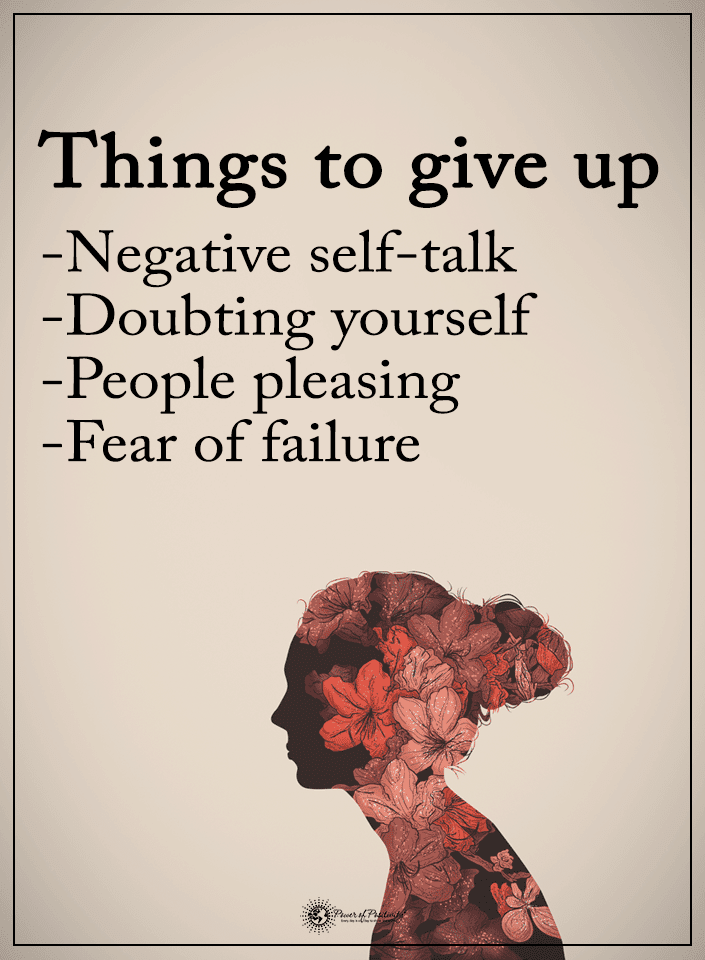
4 Types of Negative People You Need To Avoid

We have people who enter our lives for many reasons. Some become friends, lovers, or partners, while others help us through many obstacles. Then others force us to ask, “What is this person teaching me, and why is my patience being tested?” There are many types of people, but here are four personality types that you want to avoid. Their characteristics are exaggerated, annoying, pessimistic, and toxic.

10 Negative People You Should Avoid Dealing With

Here are  ten negative types of people you want to avoid:

1. The User.

This personality is egotistical. They are master manipulators who use deception to get what they want, without any regard for anyone’s feelings. Users often rationalize their behavior to make sense of their actions. They also play the victim card to their advantage. As humans, we are often fogged by our emotions. The user feeds on those who are kind and sensitive. They are the bullies of the world. Once they get what they want, the person is left to pick up the pieces. Users are quiet hurricanes who pass through our lives with tremendous destructive powers. They take, attempt to intimidate, and insult. If you are among this sort of person, the best thing you can do is be assertive, try not to engage in their drama, and set boundaries. Users don’t like the word “no.” They prey on those who they know will do favors for them.

“The successful man doesn’t use others. Other people use the successful man, for above all the success if of service.” –Mark Caine

negative people

2. The Gossiper.

People who feel insecure about themselves will spread rumors and gossip about others. This negativity makes them feel better. The gossiper is a toxic thread in any group of folks. They feed on the misfortunes and mistakes of others, often exaggerating the truth. They take and pull from whatever source they need to to get attention. These folks create stories out of boredom, for power and control, jealousy, revenge, and popularity. The best thing you can do is not partake in their accounts. Do not ask questions. Stop their nonsense the minute they start to speak of someone else. The gossiper hurts three people with their words: themselves, the person who is listening, and the person they are gossiping about. You might be next on their agenda if you don’t stop their storytelling.

“Strong minds discuss ideas, average minds discuss events, weak minds discuss people.”  –Socrates

3. The Blamer.

You know this one well. Everyone has one around them. The Blamer is the person who has the victimization personality. They take little responsibility for anything they do. They point the finger at anyone and everyone around them. This is also the martyr. Blamers lack self-control and have very low self-esteem. This personality will do anything possible to deviate blame from themselves. If you are among this type of person, the best thing to do is shift the conversation, take charge of it by questioning everything, and re-affirm where accountability is with them. You are not responsible for anyone but yourself. Please do not allow this persona to feed you with their insecurities. Everyone makes mistakes, and this is where the blamer loves to project issues to anyone but themselves.

“Blaming others is an act of refusing to take responsibility. When a person can’t accept the fact or the reality, they blame another person or the situation instead of taking accountability.”  –Dee Dee Artner

4. The Complainer.

Do you have one of these in your office? You know them by the way they are dramatically exhibiting the woe-is-me attitude. Coping with this type of person requires listening and asking for clarification. They might feel victimized by the questioning, but it is the only means to effectively get to the core issue. You should disagree with the complainer. Do not apologize to them either. You must be supportive while being serious and not participate in the matter. Detaching complainers pushes them to complain even harder. They can’t help but need attention by making sure everyone around them is hit with some negative story.

Some people go to incredible lengths to be complicated. Our experiences create our personalities. Dr. Nando Pelusi states in Psychology Today, “Resisting the trap set by difficult people is easier if you’re aware of your vulnerability to getting hurt and then feeling angry.” You do not have to be anyone’s target when they choose to be toxic and harmful. The only thing you can do is to avoid participating in their drama.

“Complaining does not work as a strategy. We all have finite time and energy. Any time we spend whining is unlikely to help us achieve our goals. And it won’t make us happier.” — Randy Paush, The Last Lecture

5. Opportunists.

The opportunist is one of the negative people you want to avoid as they want to use you. They have a goal and will stop at nothing to achieve it. This person doesn’t care about your feelings or emotions, as they tend to be on the selfish side. They feel justified in their behaviors as it benefits them.

This person has difficulty maintaining friendships, as they’re fake and have narcissistic tendencies. They will use and manipulate you till they get everything they need, and then they will drop you in a heartbeat. Another major issue with these people is that they tend to be cynical, so it’s hard to develop a true friendship.

“An opportunist hides the truth and keeps the options for the achievement of the purpose.” ― Ehsan Sehgal

6. The Jealous Type.

Ah, the green-eyed monster doesn’t make for good friendships. When someone has a jealousy issue, they’re often envious of others. They constantly compare their lives to other people and think that someone else is better off. These folks tend to focus on negativity, so they’re toxic to be around for long periods.

They will try to sabotage your happiness, whether they mean to. Having them as a friend or a partner isn’t going to be good, as sooner or later, their true colors will come shining through. Until this person learns to put their insecurities to rest, they’re incapable of having any healthy connections.

“O, beware, my lord, of jealousy;
It is the green-ey’d monster, which doth mock
The meat it feeds on.”
― William Shakespeare, Othello

7. Controllers.

You can’t mention negative people without bringing up the controlling person. A control freak may come across as assertive, but their insecurities speak loud and clear. Life will always have uncertainties, but it’s being able to roll with the punches that make or breaks your character.

This person fears losing control, and there’s often some trauma in their background that’s made them this way. They have a very unhealthy way of dealing with things around them, so they try to keep their thumb on everything. If something doesn’t match their ideas, they become quite anxious and demanding.

It’s not uncommon for this individual to have passive-aggressive behaviors, as their abusive tendencies hurt you. They’re not above judging, criticizing, and voicing their opinion, but it’s not about you as it’s more about them.

“Abuse grows from attitudes and values, not feelings. The roots are ownership, the trunk is entitlement, and the branches are control.” ― Lundy Bancroft, Why Does He Do That?: Inside the Minds of Angry and Controlling Men

life quote

8. Bullies.

No one wants to hang around with bullies, as they’re energy vampires that can suck you dry. Don’t ever let these negative people get any of your energy, as once they get a leg up on you, they will take control. When you hear the word bully, you think of the school playground and a child who dominates the group.

However, there are bullies in churches, workplaces, and in adult relationships that you must face. They can be any age and know how to work things for their benefit. The bully is very much a manipulator, as they can make you miserable until you give in to their demands.

The best way to handle this person is to be honest with them. Once you stand up to a bully, they usually back down. Like the traditional narcissist, they likely have some trauma in their past that’s made them behave this way. Emotionally detach yourself from this person before it’s too late.

“Life is a fight, but not everyone’s a fighter. Otherwise, bullies would be an endangered species.” ― Andrew Vachss, Terminal

8. Energy Vampires.

Some negative people suck the life right out of you. They’re so toxic that one phone conversation can make you feel drained and exhausted. They never have anything nice to say, and even if you try to be positive, they will find a way to give it a negative spin.

This person is so miserable that they would love to bring along some company. They will call to bombard you with all their drama and the latest horrible scoop of their life. This person may also play the victim card to get your pity, but some might become a bit abusive to get their way.

How do you know if you’re involved with an energy vampire? It’s all about how you feel after hanging up or leaving their presence. Your state of mind after contact will be the indicator, as these people give you a headache and can even make your stomach hurt.

“Say goodbye to the energy vampires in your life — the negative souls who steal your enthusiasm. — Robin Sharma

9. Pathological Liars.

If you ever entangle with a pathological liar, you need to run as quickly as possible. This person wouldn’t know the truth if it smacked them on the top of their head. Unlike some people who lie to get out of trouble, this person lies just for lying. An interesting study published by the National Library of Medicine found that people guilty of chronic lying tend to have impaired function in social situations.

They often feel inferior and need to make up a story to appear better. Their insecurities come across when they must face situations at work or home, and they think that lying is the best way to combat these feelings. This negative person is going to play mind games with you. The lies will get more intense as they snowball from trying to cover up their untruths. Avoid them at all costs.

“Hypocrites get offended by the truth.” ― Jess C. Scott, Bad Romance: Seven Deadly Sins Anthology

10. Egotists.

Dealing with a self-absorbed person is difficult, but the National Library of Medicine classifies this person as egotistical or narcissistic. Not only will they waste your time, but they’re a threat to your mental wellbeing. A relationship needs to have a healthy balance of giving and taking to be effective.

However, this person is so focused on themselves that they usually have empty relationships. They have no problem communicating their thoughts and feelings with you, but they won’t have time when you want to vent in return. This person has a grandiose view of themselves, and they think they’re better than everyone else in everything they say or do. Avoid these negative people and find healthy relationships.

“Egotist, n. A person of low taste, more interested in himself than in me.” ― Ambrose Bierce, The Unabridged Devil’s Dictionary

How to Set Boundaries with Negative People

Since you know all of the types of people you should avoid, you need to know what to do when you encounter them. You need to protect yourself from negative people at all costs, and here are a few ways to safeguard your heart and mind.

1. Limit Contact with Negative People

If possible, try to limit your contact. A person can only be an energy vampire if you allow them. When they invite you for dinner, movies, or another social event, say “No.” You get to control your life, and you don’t need someone toxic spilling all their poison onto you.

2. Do Not Let Negative People Create Emotional Space in Your Life

Creating an emotional separation is easier in some situations than it is others. It may be a challenge if it’s your spouse or a relative. However, if you’re in the wrong emotional place because you have a toxic person you share it with, it might be time to reevaluate some things.

3. Clearly State Your Boundaries

It would help if you had boundaries in all areas of your life. If you don’t have such safeguards, energy vampires and negative people will walk all over you. Draw your lines in the sand, and don’t let anyone cross them without your permission.

4. Nurture Yourself When You Can’t Avoid Negative People

You need to make sure you take care of yourself. Being around these people that seem to suck the life out of you can be pretty taxing. So, getting appropriate self-care is the key to staying mentally healthy. Remember, the physical and mental parts work closely together, so you want to ensure both are healthy.

5. Honor Your Needs

You know all those aches and pangs that you get when you’re around these negative folks? Well, it’s your body’s warning system. It would help if you listened to what your body is trying to tell you. That feeling in the pit of your stomach is your intuitive side warning you to stay away. You don’t want to be around people who make you feel worse, as true friends pick you up.

negative

Final Thoughts on Identifying the Negative People…and Avoiding Their Drama

It’s hard to find true friends these days that will be there for you as much as they expect you to be there for them. However, you need friends to make your life fulfilled. Whether you’re dating, married, have relatives, or acquaintances that tend to be negative, you can avoid the drama.

You get to call the shots in your life. People can only mistreat, abuse, and control you if you allow them to do so. Once you determine that someone is harmful and toxic, it’s time to cut your losses and move on.

If it’s a relative that you can’t avoid, you can limit your exposure to them for your mental health. Find people that pick you up when you fall, offer a shoulder to cry on, and are there through the good and bad.

What Are You Grateful For? Researchers Explain How Gratitude Changes Your Life

Counting your blessings is not just about adopting an attitude of gratitude; it’s about making extraordinary things happen in your life. Gratitude is a worldview that we wish more people would adopt. Why? Because it’s much more positive than the alternative–taking things for granted.

In a study of gratitude and subjective well-being, participants kept records of their moods, coping behaviors, health behaviors, physical symptoms, and overall life happiness. Researchers found that participants who expressed gratitude showed higher well-being. Researchers also found that gratitude helped people to feel greater happiness. The scientists say, ‘Results suggest that a conscious focus on blessings may have emotional and interpersonal benefits.’

Researchers studying gratitude have a difficult task because it is hard to define. They begin by saying, ‘It has been conceptualized as an emotion, an attitude, a moral virtue, a habit, a personality trait, or a coping response. The word gratitude is derived from the Latin root gratia, meaning grace, graciousness, or gratefulness.’

In a quote from P.W. Pruyser, the researchers say that the words that come from the Latin root of gratitude are ‘kindness, generousness, gifts, the beauty of giving and receiving, or getting something for nothing.’

These Things Happen When You Start Counting Your Blessings

blessings

The field of positive psychology is relatively new, but psychologists are fascinated by the resiliency of people who have a positive, grateful outlook as compared to those who focus on the awful things that happen.

Positive people rarely have a life that’s free of loss, rather, they are able to experience loss as a temporary moment of sorrow that enhances the joy of the other moments of their lives.

The Positive Psychology Center is ‘founded on the belief that people want to lead meaningful and fulfilling lives, to cultivate what is best within themselves, and to enhance their experiences of love, work, and play.’ Psychologists hope that curing many types of mental illness could be as easy as helping people to learn to count their blessings.

1. You strengthen friendships

So much of what we accomplish in our lives is due to the support and help of our friends and loved ones. By expressing our thanks to the blessings of friendship, we are expressing our thanks for the efforts that others took on our behalf. Counting our friendship blessings often means openly expressing thanks to them. When your friends feel appreciated, they are more likely to help you in the future.

Not only do others feel better when you are grateful for their help, but you feel better too. Researchers say ‘Encouraging people to focus on the benefits they have received from others leads them to feel loved and cared for by others.’ Feeling loved is a great reason to count your blessings.

2. You build a sense of spirituality

“‘Thank you’ is the best prayer that anyone could say. I say that a lot. Thank you expresses extreme gratitude, humility, understanding.” – Alice Walker.

When we are grateful for something that we cannot attribute to the help of a specific person, we feel blessed by a force beyond ourselves. It is as though we have been helped, supported, and loved by a caring being. Thanking that energy that has brought you such abundance gives us a way to connect to the divine.

Many people believe that the more we are grateful to the divine for our blessings, the more blessings we are likely to receive in return.

3. You improve your creative thinking

Think of it this way: someone who is grateful for the love and care of their romantic partner is more likely to seek to show their gratitude with words and actions that demonstrate their thanks. Someone who is not grateful does not take the time or effort to think of a way to express gratitude.

Our brains are more active when we consciously count our blessings versus taking them for granted. This mindfulness can also help in other areas of your life that require creative thinking.

4. You cope better with stress

Taking a moment to count your blessings during an upsetting event can shift your mindset from a negative to a positive. Instead of what went wrong, you focus on what you learned from the experience. You spend less time in a negative emotional state like fear, anger, or sadness. Thus, you slow down your heart rate to move into calm acceptance, then happiness as the negative moment passes.

blessings

5. You improve your mood when you count blessings

Feelings of depression, anxiety or anger can be quickly changed to happiness. Counting your blessings is one easy way to move into a positive mood. Therapists are beginning to look at exercises in gratitude as a way for patients to recover from mild depression.

Try journaling or using an app to track your mood. Then write down at least two things you are grateful for and check your mood again. You may be pleasantly surprised to discover that your mood has improved over what it was before you counted your blessings.

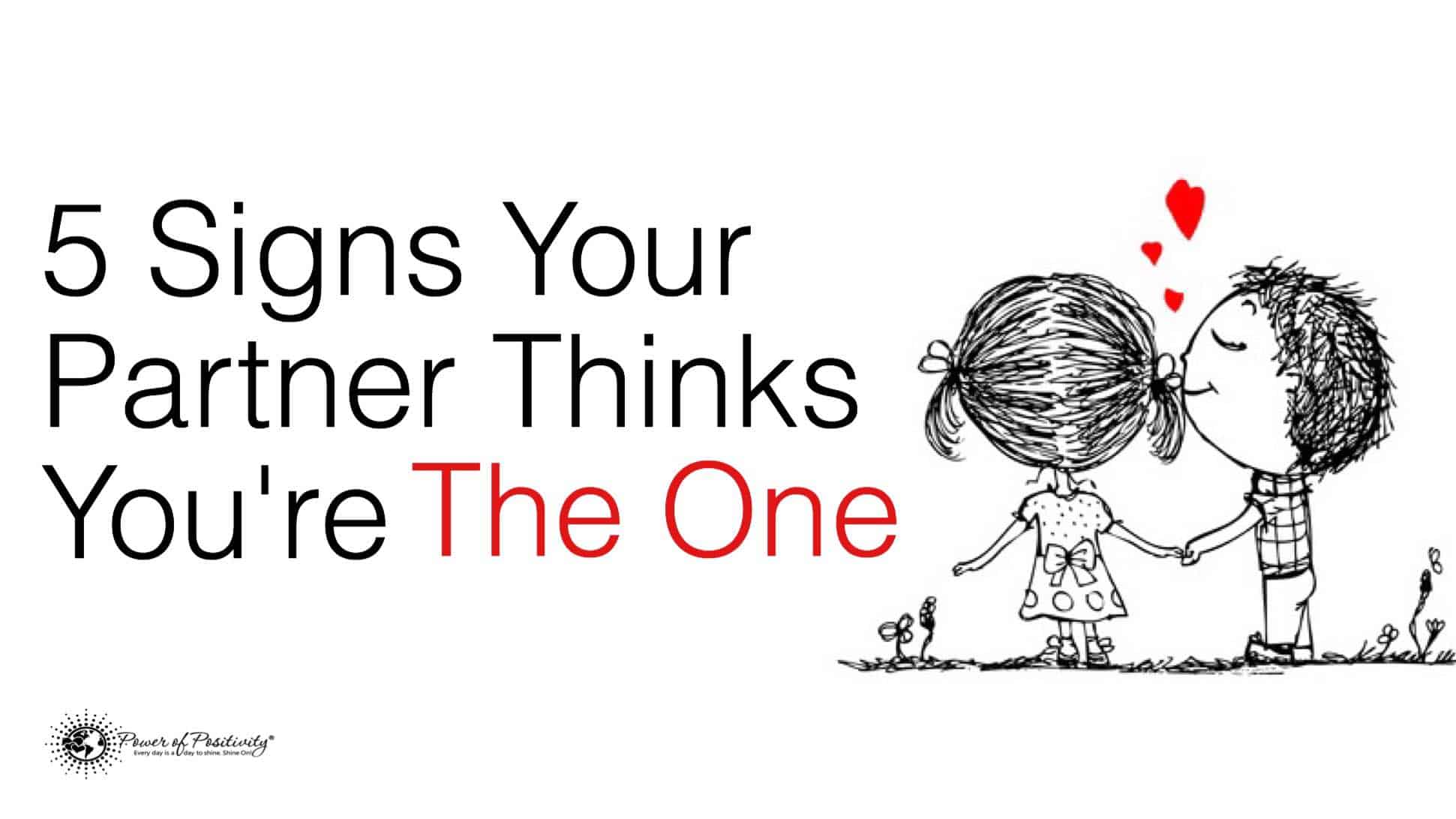
5 Signs Your Partner Thinks You’re “The One”

Is there a sure way to know if you’ve met “the one?” It takes time for a partner to give a clue on how they feel. In this stressful world, long-term commitments seem rare. They are as mythical as finding a unicorn in the backyard. But, when you find that one person who wants to be with you, hang on to them.

Here are five signs your partner thinks you are “the one”:partner

1. Your partner relates with ease.

He/she says, “I’ve never told this to anyone before.” This is a sure sign you might just be the one. Relationships that are easy don’t require questioning. Men, especially, have a hard time with sharing intimate details. They don’t speak of their fears. Most people hold on to their vulnerability and do not show it for a long time in relationships. So, if your partner is sharing, openly crying, and feels completely comfortable around you this is a sign that there is a deeper meaning to this union than just a passing fling.

2. There is not enough time to spend together.

Relationships go through this in the beginning, but if you are still each others’ best pastime this is a nice clue that your partner thinks you are a keeper. People who make time to be with their partners have the best intention of making it serious. If you are as happy outside of the bedroom as you are in the bedroom you can be sure that your magical powers have a sweet spell over your partner.

Is your sweetheart planning on spending holidays and other special days with you and your family? Does your partner enjoy activities that also involve his/her friends? Do you feel included in things that are important to him/her? People who fall deeply in love crave being together always. There is constant laughter and play. These relationships are incredibly connected in physical, emotional, and spiritual ways.

3. There is little or no outside drama.

You understand each other without explanations or expectations. Relationships that are meant to turn into committed ones have very strong bonds. Men are extremely grateful for not having to explain things. Women also enjoy not having to worry about expectations.

If you are not dealing with jealousy, creating scenarios that question commitment, then you can be sure this person will keep you around for the rest of his/her life. If your partner is telling you that you make him/her feel calm and safe, you can be sure you are the one.

4. You share similar priorities and moral values.

If you are discussing finances, future goals, and the what if’s of your lives together, most likely that should let you know there is some seriousness to this relationship. Partnerships that share similar ventures such as where you will live, having a family, pets, and other deep conversations tend to be stable. They are sure signs of future commitments.

Have you heard the phrase, “Our kids….” And no one fainted? Future plans come naturally to those who want to stay for the long haul.

5. You can be yourself completely.

Your partner sees your vulnerability and weakness and still loves you. This is a sure sign that you are a keeper. It’s easy to be happy. The struggle in partnership comes when stress appears via finances, past traumas, unresolved emotional issues, and work problems. If your partner is sticking with you through all the ups and downs of life, be sure you are marriage material. We tend to push those we love when we are overwhelmed. If he or she is still showing you that you are not alone accept that you are worth it.

In our society, we have placed a lot of hardcore value when defining the phrase “The One.” This is not just for marriage. There are millions of couples out there who do not officially tie the knot. We expect the one to be like a fairy tale. The true companion in our lives is better than any story. You are the one person your counterpart wants to spend a lifetime with. The union of two souls is one of the most special events in our lives. To be “the one” is to be the one person who has your back and will raise you when you are down. That person knows your value.

“To be fully seen by somebody, then, and be loved anyhow – this is a human offering that can border on miraculous.” ~ Elizabeth Gilbert, Committed: A Skeptic Makes Peace with Marriage

10 Things Everyone Should Do Before They Turn 30

While an age doesn’t really mean much, doing certain things before you turn 30 will help you later on in life. Plus, during your teens and 20s, you have a considerable amount of freedom that you might not have in the coming years.

We believe everyone should create their own bucket list, of course, but we also think that everyone should get an opportunity to do the following things while they’re young.

Here are 10 things everyone should do before they turn 30:

Related article: 25 Things You’ll Never Regret Doing

1. Travel to foreign countries.

It’s one thing to read about cultures and foreign lands in a textbook – it’s a whole different ballgame to actually experience it for yourself. Travel expands your horizons, gives you greater understanding of other ways of life, and makes you more tolerant and accepting. Also, it helps you to think on your feet more, become comfortable with the uncomfortable, and learn to appreciate what you have. Before you turn 30, travel to the places you’ve always dreamed of. You won’t regret it for a minute.

2. Become part of a group or organization that aligns with your purpose.

Nothing feels better than to become part of something bigger than you that actually matches up with your interests and beliefs. Want to help cure world hunger? Why not see if you can find a local organization that feeds the homeless? While this won’t solve the greater issue overnight, it will certainly help people, and that satisfaction you get from serving others is priceless. Before you turn 30, reflect on what your goals are and what you feel most passionate about, then go out into the world and see how you can work toward accomplishing those dreams.

3. Leave a job that drains you.

It’s been drilled into us from an early age that we must figure out what we want to do with our lives before we even become an adult, drop thousands of dollars on an education, and then spend 40+ years working towards retirement in a job we may or may not enjoy. This doesn’t mean that people can’t find happiness following a traditional path, however, the statistics speak for themselves – 52.3% of Americans feel unhappy at work. So, if you fall into that group of people, ask yourself why you continue to go to that job. If you can’t find a reason other than to pay the bills, don’t feel afraid to leave that job, or career, in favor of something else that truly makes you happy.

4. Learn how to cook.

In this world, we have access to a plethora of foods, from Taco Bell to fine dining establishments. However, most of the “foods” out there have been so altered that they hardly resemble the natural foods they come from. Before you turn 30, learn how to cook for yourself using fresh, healthy ingredients. You’ll save money, save time, and save your health. What could be better than that?

5. Learn to really, truly love yourself.

Many industries in this world profit off of people who don’t really love themselves. Think about it – the beauty industry mostly profits off of women and men who somehow feel inadequate in their appearance and want a quick fix to make them feel better about themselves. The diet industry profits off of vulnerable people who have struggled with weight less and/or simply getting healthy, and want a quick fix for slimming down. Advertisements urge us to buy this because we deserve it, eat this because we’ve had a long week and need to indulge, or do this because it will make us feel more confident. It never ends, but within yourself, you’ll find all the answers.

Loving yourself means to go within and accept yourself the way you are. Nothing outside yourself will ever match the love you can give to yourself.

6. Set money aside for experiences, not material items.

We have covered this topic before in one of our previous articles that you may have read. Science now proves that we don’t get as much satisfaction out of buying material items as we do buying experiences, simply because the items don’t come with memories. We create memories when we try new things, and people are more likely to bond over a shared experience than, let’s say, the TV they both just bought. Before you turn 30, try to use your disposable income on experiences that will stay with you for years to come.

7. Volunteer.

Like we mentioned before, helping others gives you instant gratification. It will improve the lives of others while also helping you to better yourself and your life. You can find tons of local opportunities for volunteering if you just Google your city + volunteering, or talk to people from your community. Before you turn 30, learn to look out for others as much as you look out for yourself. This will truly bring you inner happiness and fulfillment.

8. Date different kinds of people.

We sometimes get trapped in a box of the people we should date, the people we should be, and the things we should do and say. However, going along with stereotypes or what feels the safest won’t help you grow. If you continue to date the same types of people, you won’t really figure out who you get along with best, or what type of person vibes the best with you. Before you turn 30, commit to meeting as many people as possible so that you can both grow as a person, and learn which types of people you connect the best with.

9. Relax.

Before you turn 30, learn how to disconnect from all the worries and stress in your mind. This might be the most important thing on this list, because so many people live in a continual state of anxiety and fear. Allow yourself to let go and ride the waves of life. You can’t control the outcome, but you can control your own reactions to it.

10. Take care of your health.

Before you turn 30, commit to eating healthy the majority of the time, and exercising regularly. Many people sadly experience health problems later in life that could’ve (most likely) been prevented with assurance of health.

How many of these things have you done before 30? Are you still doing them after 30? Let us know in the discussion below!

7 Warning Signs You Have Low Serotonin Levels

Serotonin is not only responsible for mood but appetite, pain reception, digestion, and sleep. While the term “serotonin levels” is most frequently mentioned along with depression and anxiety, low serotonin levels can result in many different symptoms and side effects.

Most people don’t particularly know – nor care to understand – the functionalities and importance of neurotransmitters. That is, of course, until they or someone they’re close to is impacted by some disorder potentially caused by the abnormal neurotransmitter activity.

The fact is that the brain’s neurotransmitters are primarily part of what makes us…well…us. These brain chemicals are wholly responsible for the myriad communications in our brain and body. In the brain, neurotransmitters relay neuronal signals that allow it to operate correctly.

Here are seven warning signs of low serotonin levels:

Serotonin is an inhibitory neurotransmitter…adequate amounts of serotonin are necessary for a stable mood and to balance any excessive excitatory neurotransmitter firing in the brain…serotonin also regulates many other processes such as carbohydrate cravings, sleep cycle, pain control and appropriate digestion. Low serotonin levels are also associated with decreases immune system function.Neurogistics.com

1. Craving sweet and starchy food

Carbohydrates, such as sweet and starchy foods, can indirectly impact serotonin levels. It is common for those with low levels to yearn for foods that are rich in carbs.

When the body ingests carbohydrates, more tryptophan – an essential building block of serotonin – becomes available. In turn, the brain and body produce more serotonin. Furthermore, many foods high in carbohydrates contain gluten, which is also addictive.

serotonin

2. Cognitive impairment

Serotonin is an essential chemical for normal cognitive function. Research has demonstrated that proper neurotransmitter levels improve mental ability and may help correct defective cognitive functioning.

While many believe that it plays a role in overall thinking abilities, its most significant impact is on memory. Those with low serotonin levels are more likely to have problems with memory consolidation.

3. Anxiety

Medications that boost levels are commonly prescribed to people suffering from anxiety. Brain imaging has shown that those with high anxiety have limited serotonin in areas of the brain responsible for impulse and emotional control.

It is worth noting that three other neurotransmitters, gamma-aminobutyric acid (GABA), dopamine, and epinephrine, also play a part in anxiety disorders.

4. Fatigue or Exhaustion

Serotonin levels have a marked effect on energy production. Some people who experience chronic fatigue undergo testing for insufficient amounts of the chemical. However, when they replenish, they go from fatigue to noticing a drastic improvement in energy levels.

As with many of the symptoms described in this article, feeling tired or exhausted can result from many different conditions. Chronic (long-term) fatigue increases the possibility of low serotonin in the brain.

5. Digestive trouble

It is an essential chemical for relaying signals between the brain and digestive system. Medical professionals have discovered a link between irritable bowel syndrome (IBS) and inadequate serotonin levels.

As demonstrated with IBS patients, digestive processes often resume normalized functionality when such deficiencies are corrected.

6. Insomnia

The amount of serotonin available also directly affects the production of melatonin. When serotonin levels are low, the ability to produce melatonin is impaired. As part of a domino effect, the circadian rhythm – an essential element of the sleep/wake cycle – is off-kilter.

When this happens, it is complicated for someone to follow a natural sleep/wake pattern. Specifically, the ability to fall and remain asleep is often negatively affected.

8. Libido changes

Among its many properties is serotonin’s effect on libido (sex drive). Low levels are directly linked to an increased desire to have sex but a diminished ability to connect emotionally or bond – not a good recipe for intimacy.

Further, fluctuations in serotonin levels, whether in production or reduction, can impact one’s attitude, not to mention physical capabilities, concerning sexual activity.

serotonin

Seven  Simple Ways To Boost Serotonin Naturally

Despite insistence from the medical community that prescription medications are the best way to increase and stabilize serotonin levels, there are numerous other ways that this chemical can be produced – without the nasty side effects of pharmaceuticals.

•      Get Some Sunlight

Without sunlight, your body wouldn’t be able to produce serotonin, making it critical for your survival. Many people with depression don’t make enough serotonin, and a lack of sunlight may contribute to this. When you go outside, sunlight hits your eyes and signals your brain to produce the neurotransmitter serotonin. This hormone helps boost your mood, regulate appetite, stimulate digestion and maintain a regular sleep-wake cycle.

So, serotonin doesn’t just help you wake up in the morning; it also contributes to feelings of sleepiness later in the day. Your body requires serotonin to produce melatonin, the hormone that promotes sleep. When you don’t get enough sunlight, your circadian rhythm becomes imbalanced, making it more difficult to fall asleep at night. It also can cause daytime drowsiness, irritability, depression, and other problems associated with poor sleep.

Make sure to get at least fifteen minutes of sunshine at sunrise and sunset to regulate your serotonin and melatonin production.

•      Exercise or meditate (or both!)

It’s well-documented that exercise can boost feel-good hormones due to the release of endorphins. Studies have shown that exercise helps reduce anxiety and depression because of an increase in two precursors of serotonin – tryptophan, and 5-HIAA. Scientists also found that exertion triggers increases in the firing rates of serotonin neurons, therefore stimulating the release of serotonin.

After an intense workout, most people report feeling a “runner’s high” because of this flood of neurotransmitters. So, if you want to increase your serotonin, aim for moderate or vigorous exercise at least three to four times per week. Stick with something you enjoy so that you will look forward to the workouts!

Meditation can also enhance serotonin production because it lowers stress and anxiety, putting the mind in deep relaxation. Several studies performed on participants following their meditation sessions found an increase in serotonin in the urine. One study of Transcendental Meditation practitioners observed higher levels of serotonin before and after participants’ meditation sessions when compared to the control group.

Many studies prove the benefits of meditation, as practiced throughout the world for thousands of years. All you need to do is sit quietly, surrender, and be present. Focus on your breath and let go of the world. All you’ll start to remember is your true self beyond the phenomenal world.

•      Eat carb and protein-rich foods.

Our diet plays a significant role in our mental and physical health. Certain foods have high levels of tryptophan, which gets converted into serotonin in the body. Make sure to add the following foods to your grocery list if you want to increase serotonin through your diet:

  • bananas
  • beans
  • chia seeds
  • dark green leafy vegetables
  • eggs
  • fruits
  • lentils
  • nuts and seeds
  • oats
  • pumpkin
  • salmon
  • tempeh
  • tofu
  • tuna
  • turkey

Since about 90% of the body’s serotonin is made in the gut, it’s crucial to maintain a healthy diet. By eating a balanced diet with fresh, whole foods, your body should naturally produce adequate amounts of serotonin.

•      Buy serotonin supplements (tryptophan, for example)

If you have a hard time eating tons of fresh foods, you can supplement with tryptophan. Called L-tryptophan, this essential amino acid is a precursor to serotonin and helps regulate mood. One study found that healthy individuals supplementing with tryptophan had a noticeable decrease in anxiety levels. They also had a more positive mindset after taking the supplement.

•      Get a massage

Massages instantly relax the body and mind, especially if you get a deep tissue massage. One study found that massage therapy decreased cortisol levels by 31% while increasing serotonin by 28%. In addition, dopamine levels increased by 31%, suggesting that regular massages can positively affect stress.

•      Take some B-vitamins (Supplements with a “B-complex” formula are ideal)

B vitamins such as B6 and 12 help the body convert tryptophan into serotonin. A healthy, balanced diet usually provides all the necessary B vitamins. But, if you have trouble getting enough, a B-complex vitamin can help fill in the gaps. Interestingly, many people with depression have low levels of B12 and folic acid, both essential vitamins for regulating moods.

•      Get some 5-HTP (also a beneficial treatment for hypertension, depression, fibromyalgia, insomnia, and anxiety)

5-HTP is another amino acid that converts into serotonin in the body. Experts usually recommend 5-HTP over tryptophan because it crosses the blood-brain barrier more easily. Also, it converts to serotonin more efficiently and has a more significant antidepressant effect.

Adults need to take 50-100 mg two times per day. Note that if you take antidepressants or other psychiatric medications, you shouldn’t take 5-HTP or other supplements that increase serotonin. This can cause a dangerous condition called serotonin syndrome, where the body produces too much serotonin.

There are many ways to boost serotonin levels naturally, and it may be beneficial to consult with either a medical or holistic/natural health professional. Despite their side effects, prescription drugs may be the answer for some. Although, trying one (or more!) of these natural serotonin boosters may do the trick.

As a bonus, laugh with friends and family as often as possible. Laughing helps release feel-good hormones such as serotonin, making life more bearable. We take life far too seriously nowadays, so perhaps doctors should start prescribing laughter to their patients! After all, they say laughter is the best medicine for a reason.

Also, stick to a sleep schedule since sleep deprivation can cause a negative mood and increase depressive symptoms. As long as you take care of your health, you shouldn’t have a problem producing enough serotonin.

serotonin

Final Thoughts on Natural Ways to Boost Serotonin Levels

Today, many people struggle with getting enough serotonin due to our unnatural ways of living. Humans require ample sunlight, fresh foods, relaxation, and exercise to feel our best. It isn’t easy to acquire all of these facets of health when we work inside most of the day. However, we can still learn to adapt and take care of our bodies despite difficult living conditions.

Patterning our sleep-wake cycles with the sun and moon can help restore our serotonin levels. Also, eating a balanced diet full of protein and complex carbs, meditating, exercising, and taking supplements can increase serotonin. It does take a bit of extra work to maintain our health nowadays, but you can start with one thing at a time.

Begin by taking supplements, as this doesn’t take much time out of your day, and you can manage it easily. Then, try waking up with the sun and walking a few times per week. Before you know it, you’ll start feeling more vibrant and cheerful due to the extra serotonin.

5 Things You Gain When You Let Go of Control

“The only reason you suffer is because you choose to suffer. If you look at your life you will find many excuses to suffer, but a good reason to suffer you will not find. Happiness is a choice, and so is suffering.” – Don Miguel Ruiz

Letting go of the need to control can help you open your arms to receive other good things. Being in control can be seen as a good thing, especially when we think of the opposite, which is being out of control. But clenching your fists too tightly around your need to control things can leave you stressed out.

We all know a Type A personality, control freak, or someone who is constantly rushing around seeming busy. These high-stress people have two things in common:

1) They want things to be a certain way
2) They get frustrated easily when things do not go their way

Related Article: Are You A “Type A” Or “Type B” Personality?

In this article we will look at the ways in which letting go of control can help you gain a sense of calm and acceptance that you didn’t know was possible.

5 Things You Gain When You Let Go of Control

The need to control our environment is a human trait. Ever since we have arrived on this planet we have had a desire to make our living arrangements more suitable to our preferences.

This constant need to change what is already there, to perfect what is already good-enough, and to set our expectations higher and higher leads to a state of disappointment with the present moment.

Those who feel the need to control things feel unhappy about the current state of their world. They seek to move things into a more pleasing configuration (rearranging furniture, modifying a recipe, setting strict standards of cleanliness, etc.)

1. When you let go of the need to control, you gain peace

Mindfulness starts with focusing on the present moment. People who need to be in control are always focusing on the future. They spend time planning for tomorrow instead of living today.

Related article: 11 Things to Remember When The World Feels Overwhelming

2. When you let go of the need to control, you gain self-control

Learning to be aware of your impulse to control is the first step toward releasing the need to always be in control. The second step is resisting the urge to act.

The ability to resist our impulses is a psychological skill that you can use to see positive changes in your life. Just like you resist the urge to eat a donut when you are feeling stressed, you should try to resist the impulse to act to control other people’s behavior and your environment. Replace this behavior with deep breathing, meditation or by taking a walk.

3. When you let go of the need to control, you gain patience

People who need to be in control have very little patience. They are insistent upon their needs being met urgently. They force themselves on other people and demand that their request is more important than someone else’s. These controlling personalities are the ones who push to the front of the line, who bark orders at others to get things done, and who yell at service representatives over the phone.

Living at a lower stress level allows you to accept that things will be done in their own time. To everything there is a time and season. Slow down to the pace of nature and let go of the need to control the process of reaching your goal. Take one step toward your goal now and let everything else unfold as it should.

4. When you let go of the need to control, you gain acceptance

Things are as they are, and in spite of your efforts to control them, you have very little control over a great deal in your life. Weather, traffic, other people’s actions, and the stock market are things that you will never be able to control.

Realizing that you lack control over huge areas of your life no matter how much you try to control other areas, should be eye-opening to you. All we truly have control over is our own responses, thoughts, emotions, and actions.

Acceptance of your powerlessness over other things is like releasing a huge burden off of your shoulder. You don’t have to try to control things, because in the end, you can’t control things, you can only influence them…

Related article: How to Release Attachments To Emotional Wounds

5. When you let go of the need to control, you gain your health

A study published in the British Journal of Medical Psychology, researchers followed subjects over a 10-year period to study the relationship between personality styles and death. It was found that personality variables were much more predictive of death from cancer or cardiovascular disease than was smoking, and that different personality types were susceptible to either of these two diseases. Personality type was defined in terms of differential ways of dealing with interpersonal stress, and it was found that stress was a very potent cause of death.

Can you guess which personality type was more likely to die from cardiovascular disease or cancer? If your guess was that the people who were a more controlling, Type-A personality were more likely to die, you would be correct. That is why letting go of control could help you gain your health, and longevity.

5 Ways to Love Yourself As Much As Your Partner

Most people put their partner’s feelings and needs way before they put those of their own. We have been taught that self-love is selfish or egotistical. In reality it is the only way to ever fully love another.

When you take care of your needs and your dreams anything you do will overflow with more love. We are magnets in what we put out into the world, reflects how we feel about ourselves.

Here are 5 ways to love yourself as much as you love your partner:

true love

1. Honor your feelings.

We are so busy occupying space with others that we forget to check in with our emotions. We ask our partners, “How are you feeling? Is there anything I can help you with?” But, when was the last time you sat yourself down, made a sacred space in your life, and asked the same questions?

When you ask yourself, “How am I feeling? What do I need right now?” something magnificent happens. We are answered with the of truth of our needs.

Give yourself compassion, love, support, and understanding. The moment you begin to honor yourself everything and everyone around you will begin to honor those feelings as well. The most powerful relationship you will ever have is the relationship with yourself.” ~Steve Maraboli, Life, the Truth, and Being Free

2. Connect with the spiritual part of your soul.

It is said that we are spiritual beings having a human experience. Your soul guides you to fulfill your dreams. Being authentic to what you desire is important. We tend to give ourselves completely to our partners and others in our lives. We dive into a relationship and the depth of all that is asked of us. There is a part of your essence that needs complete acknowledgment. If you cannot reach the sacredness of your truth then you cannot know what it is to take care of another.

Do you make time for yourself through yoga, exercise, meditation, prayer or just sitting outside? Do you journal? How do you communicate with your higher self? There is a need to truly embrace all facets of our humanity: mind, body, and spiritual connections.

Best selling author and relationship expert, Dr. Margaret Paul says, Love is not a feeling we generate from our mind. It comes from the heart when our heart is open to our source of love. When you open to learning with your higher power about loving yourself and others, love flows into your heart and you feel loved.”

3. Take time to play.

How do you entertain yourself? Do you ever go to a movie or a park alone? When was the last time you had a date with just yourself?

Those things you do with your partner are also things you can do alone with yourself. Part of loving yourself is also nurturing the inner child. Laughter and play time is important for the soul. Stuart Brown, psychiatrist and founder of the National Institute for Play in California says that play is a timeless state of being which is essential to humans. “Play is what builds complex, skilled, responsive, socially adept and flexible brains, which in turn build complex, skilled, responsive, socially adept and flexible people and societies.”

Related Article: 7 Signs You’re Still a Kid At Heart

The simple act of just taking a coloring book, sitting outside on the grass, and enjoying a half hour is enough to bring you joy. The same way you enjoy playing with others, it is imperative to do that for yourself. Your inner child will feel loved.

4. Take care of your needs.

Taking care of your body and health gives you a feeling of self-love and appreciation. Eating healthy foods, exercising and getting adequate sleep gives your emotional mind the clues that you are worth loving. It is also important to take care of your finances and home. When you live in a disarray of chaos you feel depleted. Think of the last time you cleaned out your closets, your room, and your garage. How did you feel?

Sometimes it feels like a giant load has been removed. When you respect your own space you are letting yourself acknowledge your importance. We forget to take care of ourselves and place children, family and partners above and beyond what we should be doing for the self.

Your body is the temporary temple of your Spirit. What you keep around you in the extended temple of your home needs to change as you change and grow, so that it reflects who you are. Particularly if you are engaged in any kind of self-improvement work, you need to update your environment regularly. So get into the habit of leaving a trail of discarded clutter in your wake, and start to think of it as a sign of your progression!” ~ Karen Kingston, Clear Your Clutter with Feng Shui

5. Follow your bliss and create balance.

Work takes up a large part of our lives, so finding a career that fulfills us is important. Staying in a job that is not conducive to your soul’s yearning causes an imbalance of mind and body. Would you tell your partner to go look for another job if he/she was miserable? Would you help him/her find out what would be a good position?

Creating a work life that is fulfilling and uplifting brings harmony in all other aspects of your life. Placing your needs and abilities before anyone is one of the most rewarding ways to love yourself.

All work and no play manifest anxiety and depression. Put yourself first and foremost by honoring your passion. We are born with innate gifts that require time to polish. Do you like to make things? Check out different forums to sell them. Do you enjoy writing? Start a blog. You don’t have to do it all at once but start by taking baby steps.

You should not expect others to make you feel loved while filling a space you can only fulfill in yourself. Learning to take responsibility for your emotional, spiritual, financial, and physical needs will fill your heart with love. And, this love will overflow into other relationships. Owning your stories, being faithful in self-care, and living authentically will inspire others around you to do the same.

Anxiety Disorders: Types, Symptoms, Causes, and Diagnosis

Anxiety disorders are mental health issues that cause feelings of anxiety, fear, and worry. The fear comes from a reaction to current events and being worried about future events. These disorders are frustrating for those who suffer from them because they experience constant unwanted thoughts.

While occasional anxiety is normal, people that experience frequent, intense, excessive, and persistent worry and fear likely have an anxiety disorder. They will get these overwhelming feelings even during everyday situations.

Anxiety is the result of abnormal chemical activity in the brain. Don’t ignore chronic anxiety, as it can impact your health and overall quality of life. It interferes with your daily activities, and the feelings are hard to control and tend to be out of proportion to the actual event.

Understanding the symptoms and causes can help you identify the underlying issues. Once you recognize the symptoms, you will know to seek a diagnosis and find a treatment method. Anxiety makes it hard to get through the day, but understanding the disorder can help.

What Are Anxiety Disorders?

anxiety disorderAnxiety disorders are mental health conditions that can prevent you from living a normal life. They interfere with your ability to work, attend school, visit family or attend family events, and participate in other social situations.
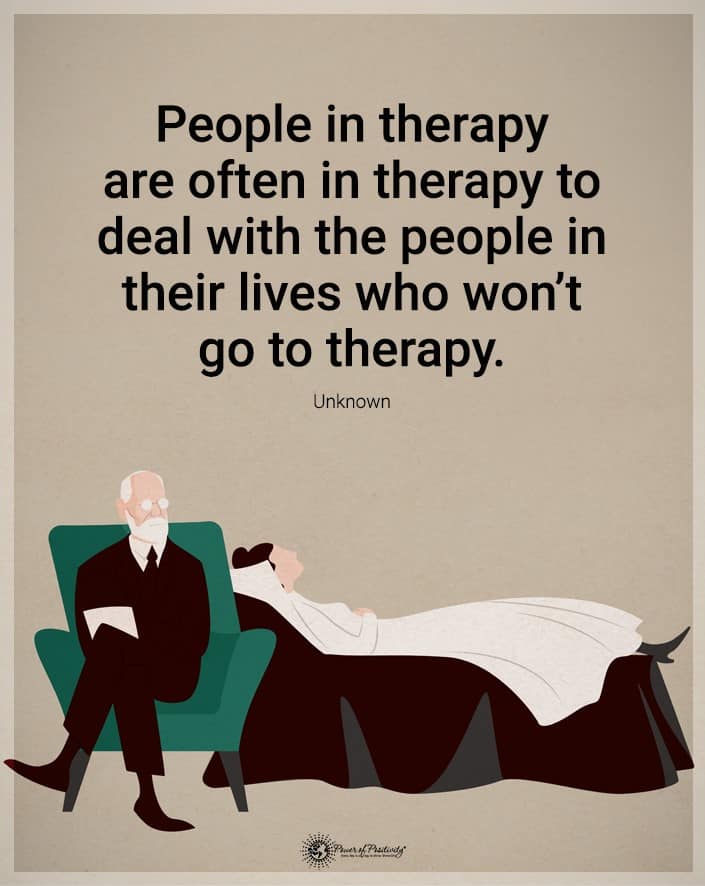
You might notice that you avoid certain places or situations that trigger anxious feelings. Symptoms can start anytime during your life and continue into adulthood.

Anxiety is a normal reaction to stress and potential dangers. For those without disorders, the anxiety will ease once the stressful situation is over. People with anxiety don’t recover so quickly, however.

Not only do anxiety disorders make it hard to recover from stress and danger, but episodes can also occur for seemingly no reason. Sometimes the episodes involve sudden feelings of intense anxiety, terror, or fear that peak within minutes and make it hard for you to function. These severe episodes are called panic attacks.

There are multiple types of anxiety disorders, and identifying the one you have is essential. When you know the type, it can help you find the best treatment option for you. You might have multiple disorders, so make sure your treatment plan is unique to you and not a copy of someone else’s.

Anxiety Disorder Symptoms

The main symptoms of anxiety disorders are excessive fear or worry, but there are other symptoms, including the following common anxiety signs:

  • difficulty breathing, see a doctor right away if you experience this
  • shortness of breath
  • hyperventilation
  • insomnia, see a doctor right away if you experience this
  • inability to stay still
  • lack of concentration or focus
  • muscle pain or tenseness
  • headaches
  • fatigue
  • panic attacks, see a doctor right away if you experience this
  • sugar or starch cravings
  • digestive problems
  • irritability and moodiness
  • general sense of panic, fear, or uneasiness
  • feelings of doom or danger
  • depression, see a doctor right away if you experience this
  • numb, cold, sweaty, or tingling feet or hands
  • heart palpitation
  • dry mouth
  • nausea
  • dizziness or weakness
  • suicidal thoughts, see a doctor right away if you experience this
  • rumination
  • obsessive avoidance
  • feelings of being nervous, tense, or restless
  • increased heart rate
  • sweating
  • trembling
  • gastrointestinal problems
  • being unable to perform daily activities, see a doctor right away if you experience this

Types Of Anxiety Disorders

There are a few different types of anxiety disorders, including these:

  • Generalized Anxiety: With a generalized anxiety disorder, you will feel persistent and excessive worry without reason, often during ordinary events. Usually, your reaction is out of proportion to the circumstance, but you still can’t control your feeling.
  •  Panic Disorder: A panic disorder brings on sudden and intense feelings of fear that lead to a panic attack. You might break out in a sweat, experience chest pain, and have a pounding heartbeat or palpitations. Additionally, you might even feel like you’re choking or having a heart attack.
  • Social Anxiety: Sometimes referred to as social phobia, social anxiety disorder is when you experience overwhelming self-consciousness and worry about daily social situations. You will constantly think that other people are judging you, and you fear being embarrassed or ridiculed.
  • Phobias: When you have an intense fear of a specific situation or object, it becomes a phobia. One example is that many people fear flying, but only some refuse to get on an airplane. Those that avoid airplanes due to their fear have a phobia.
  • Separation Anxiety Disorder: This type of anxiety is common in small children, but they aren’t the only ones that experience it. If you feel scared or anxious when someone leaves, it could be separation anxiety. You might constantly worry that something bad will happen while they are out of your sight.
  • Obsessive-Compulsive Disorder: OCD is an anxiety disorder characterized by unwanted, recurrent thoughts or repetitive behaviors. Common repetitive behaviors include counting, washing your hands, checking, or cleaning. Those with this disorder repeat the behaviors hoping to get rid of the obsessive thoughts, but it generally has the opposite effect.
  • Post-Traumatic Stress Disorder: PTSD typically develops after exposure to a traumatic or terrifying event where physical harm occurred. Sometimes even the threat of physical harm can cause PTSD. Some situations that might trigger PTSD are accidents, violent assaults, natural disasters, or military combat.

anxiety disordersCauses Of Anxiety Disorders

While the exact cause is unknown, there is a mix of things that play a role, including:

  • Genetics: Mental health issues tend to run in families, so if a family member has anxiety, you might develop it too.
  • Brain Chemistry: When the circuits in the brain that control fear and emotions aren’t functioning correctly, it can cause anxiety. Additionally, long-term stress can cause a chemical imbalance that controls your mood and leads to anxiety.
  • Environmental Stress: If you have seen or lived through stressful life events, they could cause anxiety. Childhood abuse and neglect, the death of a loved one, being attacked, or witnessing violence are all linked to anxiety.
  • Drug Misuse or Withdrawal: Substance abuse often goes hand in hand with anxiety. While some drugs can hide or decrease anxiety symptoms, other drugs and alcohol can cause it.
  • Medical Conditions: Some health conditions can cause anxiety, including heart, lung, or thyroid conditions. Once you treat those conditions, the disorder could go away. Diabetes also has a link to anxiety.

What Are the Risk Factors of Anxiety Disorder?

Risk factors make you more likely to develop an anxiety disorder, and these factors include these factors:

  • History of Mental Health Disorders: If you’ve ever had another mental health disorder such as depression, it increases your risk of developing anxiety.
  • Childhood Abuse: If you experienced sexual, emotional, or physical abuse as a child, it increases your risk of anxiety later in life.
  • Chronic Health Condition or Severe Illness: When you’re constantly worried about your health or the health of a loved one, it takes a toll. It can lead to overwhelming feelings and anxiety.
  • Being Shy as A Child: If you were shy as a child, you are more likely to develop an anxiety disorder. In this case, being shy means withdrawing from unfamiliar people and places.
  • Low Self Esteem: People who have negative perceptions about themselves can develop social anxiety. They often avoid social events out of fear and worry, missing out on many experiences.
  • Being a Woman: Women are more likely to experience anxiety, but the reason for this is still unclear. Researchers believe it could stem from the fluctuation of hormones.

How Are Anxiety Disorders Diagnosed?

If you experience any symptoms of anxiety disorder, seek professional advice to get diagnosed. Your doctor will perform a physical exam and ask questions about your physical and mental health history. They will also likely run tests to rule out other possible causes of your symptoms.

Doctors will consider the duration and intensity of your symptoms when they diagnose you. You must communicate openly so that they know how to treat your condition.

There isn’t a lab test that can definitively diagnose anxiety. If your doctor can’t find a physical reason for it, they may recommend you to a psychiatrist, psychologist, or other mental health professional. As specialists, mental health professionals can ask different questions and use different tools than your regular doctor.

Your mental health provider will give you a psychological evaluation. During the evaluation, you will discuss your thoughts, feelings, and behaviors to help identify a diagnosis and related complications.

Anxiety Disorder Treatments

You can overcome anxiety with the right treatment plan. Some of the options include:

  • Eat a Healthy Diet: A well-balanced diet can give your body all the nutrients it needs to function properly. It is a powerful way to combat anxiety and other mental health conditions.
  • Exercise Regularly: Developing a consistent exercise routine can help treat anxiety. Your body will increase its production of feel-good hormones, and you will relieve some of your tension.
  • Establish and Stick to a Schedule: It can be hard to stay organized when you’re anxious, which likely causes even more anxiety. Establishing a schedule can help you get things done and feel better.
  • Learn to Manage Stress: Stress management is one of the best ways to overcome anxiety. Learning coping skills can help, or you can try things like meditation and mindfulness.
  • Get Enough Sleep: Your body requires plenty of sleep to function correctly. If you ensure seven to nine hours of sleep each night, it will help with treating your anxiety.
  • Psychotherapy: Psychotherapy is a type of counseling that teaches you how your emotions affect your behavior. A mental health professional talks and listens to you about your feelings and thoughts. They will suggest ways to manage and understand those thoughts, helping with your disorder.
  • Stick to the Treatment Plan: If you abruptly stop your treatment plan, it can have unpleasant side effects. It will trigger anxiety symptoms and can set you back on your path to healing.
  • Avoid Caffeine and Alcohol: Caffeine alters your mood and worsens the symptoms of anxiety. Alcohol has the same effect and is also a depressant, so it will make you feel worse.
  • Manage Your Negative Thoughts: Negative thoughts lead to anxiety, but learning to manage them can help. Replace each negative thought with a positive one, and you can overcome your disorder.
  • Write in a Journal: Keeping track of your life, triggers, and issues in your life can help you identify problems and address them. Plus, you can talk to your mental health provider about the things you write. When you talk to them, they can help you understand the thoughts you have when you’re alone.

Prevention Of Anxiety Disorders

To prevent anxiety disorders, you can try the following actions:

  • Get Help Early: As soon as you start to experience the symptoms, seek professional help. Getting your anxiety under control immediately can help prevent it from becoming a disorder.
  • Stay Active: Physical activity is one of the best ways to prevent anxiety. Do activities that make you feel good about yourself and help you enjoy your time. Embrace the social interactions you make along the way, too.
  • Avoid Alcohol or Drug Use: Alcohol and drugs can exacerbate the symptoms, making the problem worse. Avoiding them entirely is the best bet when it comes to preventing anxiety.

anxiety disordersFinal Thoughts on Anxiety Disorders: Types, Symptoms, Causes, and Diagnosis

Anxiety disorders are hard to live with, but with the correct information, you can overcome them. Learning the types, symptoms, and causes can help you identify mental health issues in yourself or your loved ones. Don’t waste your life away with constant feelings of worry or fear when you can get help.

Talk to a medical professional for an official diagnosis, and then work with them to determine a treatment plan. A combination of treatment options often works best, and it might take some time to find the perfect ones. Don’t give up, though, because you can overcome this hard time in your life.

Skip to content