Weekly tips, affirmations, and small actions to feel your best.

5 Things To Always Keep Secret About Your Relationship

Some things about your relationship are meant to be between you and your partner.

“We have to recognize that there cannot be relationships unless there is commitment, unless there is loyalty, unless there is love, patience, persistence.” – Cornel West, Breaking Bread: Insurgent Black Intellectual Life

Most of us who have been part of an intimate relationship have discussed some details within our social circle. Some of this dialogue is fun and harmless, yet certain parts of a relationship shouldn’t be discussed with anyone besides your partner.

First, some relationship topics are entirely inappropriate to talk about, even with a ‘BFF’ or some other perceivably trustworthy third party. Second, words can quickly spread, and with the prolific use of social media, your “private matters” can quickly become public.

Also, consider how you would feel if your partner discussed private, intimate matters with someone else. Intimate relationships are unique because of the intimacy – a physical and emotional connection between two people. Not three, not four. Two.

Here are five things to always keep private within a healthy relationship:

relationship

1. Anything sex-related

Talking about anything relating to sex should be considered a big no-no. Examples of such topics include: how often you do (or don’t) have sex, sexual fantasies, problems in the bedroom, and so forth.

Conversing with someone else about your sexual experiences robs the relationship of its intimacy. No matter how big or small such details may be, conversing with anyone else about sex-related topics besides your partner is an act of deception.

If sexual problems are creating distance or otherwise causing friction in the relationship, therapeutic outlets exist that can help to resolve such issues. Furthermore, experts such as relationship therapists and counselors are bound by confidentiality agreements to keep all related matters private.

2. Any perceived flaws

When a man is made to feel less like a man, or when a woman is made to feel less like a woman, they’re deeply hurt – and relationship problems can escalate quickly. None of us are perfect, and being part of a relationship cannot change this universal fact.

Robin Williams, playing the part of a therapist in the movie Good Will Hunting, said to a troubled Matt Damon’s character experiencing a relationship conundrum:

“My wife used to fart in her sleep. [Queue a cracked up Damon and Williams]. She had all sorts of wonderful idiosyncrasies…Christ, she’s been dead two years and that’s what I remember…That’s what I miss the most. The little idiosyncrasies that only I know about; that’s what made her my wife…You’re not perfect, sport…and I’ll save you the suspense, neither is she…The question is whether or not you’re perfect for each other.”

Epic scene, yes; but a powerful (albeit, hilarious) reminder of what we should value in our partner – and how shortcomings are a matter of perspective.

Regardless of your feelings, these “flaws” are best kept under wraps.

3. Fights or heated arguments

Aside from altercations that involve physical or emotional abuse, relationship “fights” shouldn’t be discussed with others. Your close friend may help “solve” the issue to a certain extent, but the problem lies – it takes your partner out of the equation.

Resolving continuing altercations requires communication with the appropriate parties; Namely, you, your partner, and (possibly) a counselor or therapist.

4. Money troubles

Oh, yes, no “relationship secrets” article would be complete without mentioning money issues. Or – in this case – not mentioning money issues.

First, it’s essential to understand that financial troubles within a relationship are widespread. According to a 2015 survey by SunTrust Bank, “Some 35 percent of all respondents experiencing relationship stress said money was the primary cause of friction…Among respondents with relationship stress aged 44 to 54, 44 percent said money was the primary cause.”

In other words, you are not alone in your money troubles. As much stress as money-related issues may induce, they’re solvable given the necessary knowledge. If a prompt resolution is essential, seek the advice of a financial adviser. Of course, refrain from droning on about problems that are nobody else’s business. They probably won’t help, anyway.
relationship secrets

5. Anything said in confidence

At the risk of sounding cliché, trust is the backbone of any relationship. Most of what happens in a relationship has some “cure,” but betraying your partner’s trust is perhaps the most egregious of offenses – and is, unsurprisingly, difficult to rebound from.

This is precisely why you should never, ever reveal his or her innermost thoughts and feelings –those that he or she trusts with you and only you with.
References:
Holland, K. (2015, February 04). Fighting with your spouse? It’s probably about this. Retrieved March 07, 2017, from http://www.cnbc.com/2015/02/04/money-is-the-leading-cause-of-stress-in-relationships.html
SunTrust Banks, Inc. (2015, February 04). Love and Money: People Say They Save, Partner Spends, According to SunTrust Survey. Retrieved March 07, 2017, from http://investors.suntrust.com/news/news-details/2015/Love-and-Money-People-Say-They-Save-Partner-Spends-According-to-SunTrust-Survey/default.aspx
Sweet Imperfections – Good Will Hunting. (2011, March 26). Retrieved March 07, 2017, from https://www.youtube.com/watch?v=Hjm4a1-ratc
(C)Power of Positivity, LLC. All rights reserved

Scientists Explain 8 Things That Happen To Your Body When You’re Overstressed

Stress manifests when someone experiences excessive levels of emotional or mental pressure. This emotional or mental pressure creates distress – a harmful psychological state that can damage both mind and body. When you feel overstressed, you reach a hypersensitive state that makes you unwell, physically and mentally.

It is not hyperbole to say that stress can kill you. This fact and the near-universal presence of stress in daily life do not bode well for individual and public health.

Statistics The Reveal an Overstressed Society

Consider some of these alarming statistics:

  • 77% of people regularly experience physical symptoms caused by stress.
  • 73% of people regularly experience psychological symptoms caused by stress.
  • 33% of people feel “they are living with extreme stress.”
  • 48% of individuals report lying awake at night due to stress.
  • 48% of people cite stress as harming their personal and professional lives.

The human body consists of 78 organs in total, divided into thirteen “major” organ systems. Of all organs, five are vital: the brain, heart, kidneys, liver, and lungs. Why do we mention this? Because stress negatively affects them all, particularly the vital organs.

This article discusses stress’s impact on ten major organ systems. We’ll also provide some practical ways of destressing the body and mind (including the organs, of course)!

overstressed

This Is What Happens To Your Body When You Feel Overstressed

“Stress is an ignorant state. It believes that everything is an emergency. Nothing is that important.” – Natalie Goldberg.

1. An Overstressed Cardiovascular System

The cardiovascular system consists of our heart and blood vessels and is a potentially life-threatening target for chronic high stress. Cardiovascular disease accounts for approximately 610,000 deaths every year in the United States – or 1 in every four fatalities. According to the Centers for Disease Control and Prevention (CDC), it is the leading cause of death for men and women.

Moreover,  research continues to link cardiovascular disease and stress. The presence of stress, particularly combined with other risky behaviors (e.g., smoking, alcohol abuse), is thought to increase one’s risk drastically to this disease.

2. Nervous System

The brain and spinal cord are “the central division “ of the nervous system. The autonomic nervous system (ANS) “has a direct role in physical response to stress); which is divided into the sympathetic nervous system (SNS) and parasympathetic nervous system (PNS).

Stress starts ends and everything in between within the brain. Stress initiates the “fight or flight” response. It releases stress hormones that spread throughout the body, causing “the heart to beat faster, respiration to increase, blood vessels in the arms to dilate,” and other side effects.

In short, chronic stress is not suitable for the brain.

3. Respiratory System

The bronchi, larynx, lungs, nose, pharynx, and trachea form the respiratory system. The brain’s fight or flight response causes one to breathe harder, sometimes to the point that one experiences hyperventilation.

In fact, panic attacks, a sudden feeling of acute and disabling anxiety, are a common medical condition in those with chronic stress.

4. An Overstressed Musculoskeletal System

Our bones, joints, and muscles make up the musculoskeletal system. In fact, stress has a way of causing our bodies to tense up. In an acute state, this tension releases, and “that is that,” as they say. However, chronic stress “causes the muscles in the body to be in a more or less constant state of guardedness;” chronic painful conditions and musculoskeletal disorders can manifest in this state.

5. Reproductive System

Our reproductive system encompasses the gonads, accessory organs (e.g., prostate, uterus), Genitalia, mammary glands, and genital ducts (male).

For both men and women, the nervous system influences the reproductive system. In men, the ANS produces testosterone and activates the sympathetic nervous system to create arousal. Stress adversely affects women across various functions: menstruation, premenstrual syndrome (PMS), menopause, and sexual desire.

During times of stress, the brain releases cortisol. Over time, this may disrupt the normal function of anatomic reproductive components.

stress

6. An Overstressed Endocrine System

The adrenals, hypothalamus, pancreas, parathyroid, pineal gland, pituitary gland, ovaries, testes, and thymus make up the endocrine system.

Once again, the brain initiates the release of stress hormones, cortisol and epinephrine, via the hypothalamus. The adrenals near the kidneys produce cortisol and epinephrine; this heightens the body’s stress awareness levels.

The liver produces glucose during the abovementioned process, which generally provides aid during fight or flight mode. However, this excess blood sugar could lead to Type 2 diabetes in vulnerable demographics, including the obese and some races (e.g., Native Americans).

Thus, managing stress is vital to maintaining an average blood sugar level. Besides that, you will potentially avoid diabetes in certain situations.

7. Integumentary System

This system includes the hair, nails, and skin. The integumentary system plays an essential role in maintaining the body’s equilibrium, “including protection, temperature regulation, sensory reception, biochemical synthesis, and (nutrient) absorption.”

You must also maintain your other internal systems for the integumentary system to function correctly. Stress disrupts the routine operation of this system. As a result, one may experience decreased blood flow to the skin, skin inelasticity, destabilization of glandular functions, and disrupted tissue restoration.

8. An Overstressed Digestive System

The digestive system includes primary organs – the esophagus, stomach, and small and large intestines; and accessory organs – the rectum, appendix, gallbladder, and pancreas.

Consuming more food, alcohol, and nicotine can result in acid reflux or heartburn. In fact, this is a common problem for those with chronic stress. Stress also increases stomach sensitivity, which can worsen the symptoms mentioned above.

Chronic stress may lead to severe stomach pain, ulcers, and other conditions such as irritable bowel syndrome (IBS).

overstressed

Final Thoughts: Here are three ways to combat stress!

  • Managing stress properly is essential to preventing and treating any actual or potential medical conditions. Below are some effective methods of stress reduction, according to the University of Maryland Medical Center (UMMC).
  • Lifestyle changes: stress reduction and positive changes to one’s lifestyle are inseparable. Improving overall health and managing stress is often accomplished by regular exercise, eating a well-balanced diet, and avoiding excessive alcohol, caffeine, and tobacco consumption.
  • Relaxation methods: UMMC is an academic institution with an acute focus on relaxation methods and alternative therapies. Their recommendations include acupuncture, deep breathing, meditation, muscle relaxation, massage therapy, and biofeedback.
  • Herbal remedies: These include aromatherapy or the consumption of valerian – an herb with soothing qualities. Also, consider trying kava – a root that effectively reduces anxiety and stress. (Note: herbal therapies are not well-tolerated by all. Past and current medical history, herbs, supplements, and other homeopathic medications may cause serious side effects. Of course, it is advisable to consult with a physician or schedule a physical examination.)

(C)Power of Positivity, LLC. All rights reserved

10 Things To Remember When The One You Love Suffers From Addiction

For both people who have addiction and those who love them, darkness is an all too familiar place. Loving an addict sometimes requires “showing light” when everything feels dark.

Feelings of futility and dread are felt by both parties – and overwhelming uncertainty about what the future holds persists.

A feeling of impossibility.

Not every addict will experience the same fate; nor will every person who loves them. Loving an addict can be incredibly frustrating. It’s not uncommon for addicts to lie, manipulate, and guilt-trip in order to experience the only thing that will make them “right” again: the next fix.

As frustrating as loving an addict may be, it is a path to be taken. How we determine to walk that path is up to us.

Here, we discuss 10 things to remember when someone you love suffers from any form of addiction. We’ve approached this issue with both objectivity and compassion; applying many recommendations from experts on the topic.

Always remember:

“Walking with a friend in the dark is better than walking alone in the light.”  -Helen Keller

10 Things To Remember When The One You Love Suffers From Addiction

kissing

1. Addiction changes the person

Once an addiction grabs hold of someone, they are not the same – an unfortunate truth, but the truth nonetheless. Addiction rewires the brain, distorting reality to the point that the addict no longer recognizes themselves. They ultimately become a different person.

The sooner a loved one realizes and accepts this fact, the sooner they can begin responding to the addict in a way that promotes healing (more about this below.)

2. Don’t be afraid to say “No.”

Overcoming addiction is only possible when the addict realizes that staying the same is worse than the alternative. Addiction controls the person, not the other way around – and loved ones must understand and accept this.

In an addicted state, they’ll go to their family and friends for “help.” Maybe twenty bucks, a ride someplace, borrowing a cell phone, etc. In reality, this “help” is an enabler. It’s important to have the strength to say “No” when this is the case.

3. Be realistic about things

Loving an addict will always produce some sense of fear. The most convenient way to defeat fear is to deny its presence, which many people do. Loving an addict requires that one maintains a realistic outlook; this means not denying when something feels “off,” and resisting the urge to look past the addiction for a “favor.”

4. Don’t accept their distorted beliefs

More specifically, do not buy into their belief that they cannot live without their addiction. This isn’t easy, as an addict will indeed reach a point where they believe this to be true. Even though they may not know change is possible, you do. Recovery demands accountability from both the addict and their inner circle; of which, the latter plays a significant role.

5. Be resolute, even if things seem to get worse

When a loved one decides to stand their ground and reject any more excuses or distorted beliefs, the addict will become difficult to handle. Prior efforts to lie or manipulate are often elevated, as the addict desperately seeks resources to support their habit. A determined, undeterred mindset in this regard is critical.

6. Set clear (but loving) boundaries

Setting strict boundaries with an addict may seem harsh and unfair, but this couldn’t be any more untrue. Establishing limitations is essential, as is unbudgingly sticking with them. Boundaries allow the loved one to maintain a clear outlook; one free from the self-imposed, false realities of the addict.

7. Keep yourself in mind

As evident, loving an addict involves a significant amount of effort and stress. It is important, then, that the loved ones realize the importance of taking care of themselves. Recognizing that caring for themselves first will enable them to better care for the addict is vital

8. Distinguish between helping and enabling

When our loved ones are suffering, it is natural to offer our support in response. When dealing with an addict, understanding the difference between “helping and “enabling” may be the difference-maker in their recovery. In short, helping an addict supports the person. Enabling supports the addiction.

addiction

9. Don’t blame the addict or yourself

Although an addict may bear some responsibility for their habit, it is important to refrain from laying blame on them. Though they may not say it, they’re likely already deeply ashamed of their addiction. Blaming hurts the loved one as well, by inciting emotions of anger and regret.

10. Let them know they’re loved

Gosh, how important this last one is. Letting the person know that you have – and always will – love them is so very powerful. Say it as often as you can.

9 Ways Smart People Deal With Toxic People

For most of us, daily life is stressful enough. We face a myriad of responsibilities, both personal and professional, that often push us close to our limits. It is, therefore, necessary to mitigate stressors that threaten our mental, emotional and physical well-being.

Similar to toxins in the environment, toxic people can inflict serious harm. Unlike many toxins, however, there is no type of “warning” that educates us on the threats such people pose. Thus, we must rely on our judgment, instincts, and will to effectively counteract toxic people.

The fact is that some people are more adept at handling toxic people than others; as such people often possess a keen sense of emotional intelligence and other attributes, along with the will to act when necessary

Toxicity: The degree to which a substance (a toxin or poison) can harm humans or animals. Acute toxicity involves harmful effects in an organism through a single or short-term exposure. MedicineNet

This brings us to the topic of this article. We’re going to discuss 9 ways that smart people efficiently and swiftly deal with toxic people.

Here’s how smart people handle toxic people:

pop meme

1. They’re very self-aware

Psychology Today defines the term as “accurate appraisal and understanding of your abilities and preferences and their implications for your behavior and their impact on others.”

A keen sense of self-awareness is also an incredibly powerful prevention tool – and a essential one. Being self-aware allows us to acknowledge, understand and account for any internal or external influence that threats to “throw us off our game.” Of course, this includes toxic folk.

2. They forgive, but don’t forget

The gray matter between our ears is not the only determinant of intellect. Intelligence is multifaceted. As it pertains to handling toxic people, emotional intelligence takes the cake.

Emotionally intelligent people understand forgiveness as a necessary component of psychological well-being. However, they also understand the importance of not forgetting those who betrayed their trust. This intelligence allows the person to focus their efforts on building relationships with individuals who have earned such a right.

3. They’re unaffected by circumstance

Let’s not kid ourselves: it isn’t easy to remain emotionally neutral when amongst toxic people; however, it is an absolute necessity. Resilience is an attribute of emotional intelligence – and one that pays significant dividends when having to deal with toxic people.

Since we’re on a “definition-fest,” we’ll define resilience as “that ineffable quality that allows some people to be knocked down by life and come back stronger than ever.” Make no mistake, toxic people cause many to be “knocked down,” but resilience allows us to come back strong.

4. They quickly establish boundaries

Smart people often possess the innate ability to remain productive and effective. To this end, they’ll quickly mitigate any detectable threat that may affect that ability. Relatedly, when smart people detect toxic people, they’ll take swift and effective action.

This doesn’t mean they’ll be rude and abrasive. They’ll be polite and firm, yet unambiguous and uncompromising. They just won’t allow negative people to effect them in any way, shape, or form.

5. They’re “energy-smart.”

While toxic people thrive by draining others’ energy, smart people thrive by maintaining their energy supply. Being “energy-smart” simply means understanding how to manage one’s energy in the most efficient way possible.

When we’re energy-smart, we won’t allow toxic people to drain this precious resource. Instead, we’ll conserve it in order to take positive action.

2017 quote

6. They focus on the task at hand

When it comes right down to it, toxic people are simply another external distraction. This perception isn’t dehumanizing – it’s realistic and fair. In fact, many toxic people intend to distract others with their antics.

Smart people just do not allow permit such distractions. They’ll focus on what’s in front of them and move on…regardless of who is around them.

7. They look for their support system

As mentioned, smart people are often driven people – individuals that seek a better life for both themselves and their loved ones. It’s also quite likely that such individuals understand the importance of mentorship and teamwork.

When faced with the challenge of a toxic person (or group of people), smarties will tap into their pool of trust mentors and co-workers to rectify the situation.

8. They’ll quickly check negative self-talk

Even those with high emotional intelligence are susceptible to negative self-talk from time-to-time. Toxic people can induce negative thinking in others if the recipient is unprepared for such – and this happens to all of us.

However, smart people are often able to quickly recognize and neutralize negative self-talk. The ability to neutralize includes counterproductive thoughts that arise from a toxic person.

9. They’re solution-oriented

As is apparent by now, intelligent people have the talent for seeking out solutions to problems. Dealing with a toxic person or group of people is just another issue that demands a solution. In typical fashion, emotionally intelligent people will assess their options and take the appropriate action.

References:
Furnham, A., Ph.D. (2016, November 27). Self Awareness. Retrieved January 03, 2017, from https://www.psychologytoday.com/blog/sideways-view/201511/self-awareness
Hendricks, D. A. (2015, July 09). 8 Ways Emotionally Intelligent People Deal With Toxic People. Retrieved January 03, 2017, from http://www.inc.com/drew-hendricks/8-ways-emotionally-intelligent-people-deal-with-toxic-people.html
Whitbourne-Krauss , S., Ph.D., Bernhard, T., J.D., & Flora, C. (n.d.). Psychology Today. Retrieved January 03, 2017, from https://www.psychologytoday.com/basics/resilience
(C)Power of Positivity, LLC. All rights reserved

40 Things Every Person Should Know By Age 40

Are there things that everyone “should know” by age 40?

As the “generations” evolve, so does the experience of “growing up.” For example, the “Greatest Generation” had it different than the “Baby Boomers”, who (certainly) have experienced life differently than millennials. No offense, young ones. Generational differences aside, the accumulation of “life knowledge”– at least to an extent – depends on involuntary factors (e.g. sex and type of upbringing). In creating this list, we’ve taken these things into account.

This question is very subjective. 40 years is a long time (at least in human years), and many of us have very likely gained life experiences and knowledge that are applicable to other 40-somethings.

In other words, it is highly probable that many in this demographic have a shared understanding – at least at a basic level – of “how the world works.” So, we’re going to list 40 things everyone ‘should’ know by age 40? Why 40 things? We’ll let you try and figure that one out.

It is important to understand that this article, as with many we publish, are intended to be fun, humorous…and, maybe, a bit insightful. Some of these may apply to you, some (most likely) will not.

We just want you to have fun, laugh a bit, and maybe (maybe) take away something else.

“Life really does begin at 40. Up until then, you are just doing research.” – Carl Jung

Anyways…here are those 40 things/experiences/lessons:

1. Weekend benders are ALWAYS a bad idea

2. Nothing beats a good night’s sleep

3. One’s “career path” can include multiple forks in the road

4. Having your own den/mancave/hideout is irreplaceable

5. Your social circle has become smaller and smaller – and for the better

6. A night alone or with a significant other beats “hitting the town” almost every time

7. You’ve had at least one great love that took some time to get over

8. To have kids or to not have kids? Odds are, you know the answer by now

9. To have a pet or not have a pet? Same thing…it’s either your “thing” or not

10. You’ve experienced at least one tragedy, unfortunately

11. You’ve ate something completely strange…and now love it

12. You’ve fought for something bigger than yourself…by donating money, giving time, etc.

13. Singing karaoke is enough to induce a panic attack if sober

14. Singing karaoke can be a blast (or at least tolerable) when you’ve “had a few”

15. Fashion sense matters as much as the color of your toilet’s lid

16. You’ve (hopefully) realized the inevitability of death – and seek to live to the fullest

17. If you’re not a “people person,” you’ll (probably) never be one

18. Fatty foods seem to have an immediate bloating effect

19. Exercise is a wonderful antidote to just about anything

20. A good read is a wonderful antidote to just about anything

21. The word “success” takes on much, much less meaning

22. Intimacy (i.e. “sex life”) is wonderful in moderation…and when you’re in love

23. The youngsters look to you for advice more often – for better or worse

24. Dancing is either (a) completely acceptable (you can dance), or (b) completely off limits (just, no)

25. 99 percent of the stuff learned in college is not – and never will be – an important part of your life

Related article: 25 Things You Should Do While You’re Still Young

26. Slippers, a robe, a cardigan – you either own one of these…and/or you enjoy crossword puzzles

27. Marijuana (aka, “pot”)…you either enjoy the occasional hit, or you absolutely refuse

28. Your internal bull**** meter has been finely-tuned, or at least received a tune-up

29. Talking to people on the phone is limited to (a) co-workers or (b) family – about 99 percent of the time

30. Being “uninvited” to something can feel really, really good

31. Formal work events almost always suck

32. Playing videogames, computer games, and/or other games are still really fun…or not

33. Not having “a plan” has been totally worth it…or the “plan” has yielded a good life

40 things to know by 40

34. Incoming phone calls, e-mails, and other communications are looked upon with disdain

35. Taking the time to learn something new is almost always stoked by passion, not persuasion

36. Arguing with someone is: (a) pointless, (b) a waste of energy, and (c) “isn’t my favorite show on right now?”

37. You’ve either wished to travel the world, don’t care, or have obtained a passport

38. Come to realize that hangovers are both miserable and completely avoidable

39. The “Snooze” button looks really, really good from Monday through Friday…maybe even Saturday and Sunday…

40. Realized that 40 is still young…and you’ve got plenty left in the tank – and you’re grateful for that.

How about you, dear reader, can you identify with any of these 40 “things you should know by age 40?”

We’d love to hear your feedback!

(C)Power of Positivity, LLC. All rights reserved

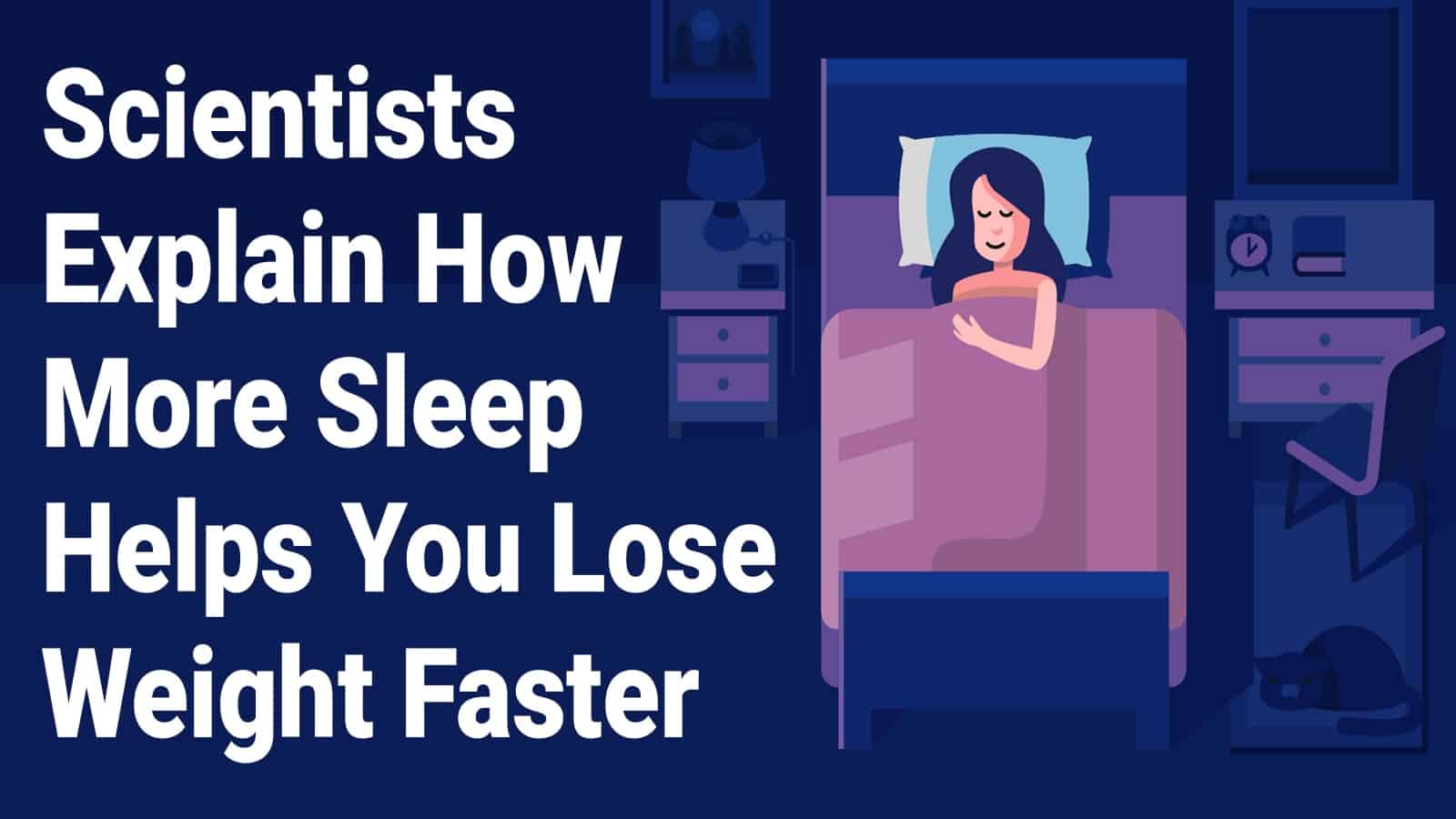
How to Train Your Brain To Fall Asleep in 1 Minute or Less

In our constantly plugged-in, fast-paced society today, it’s no wonder why so many people have problems falling asleep. Some doctors and researchers have even called lack of adequate sleep a public health epidemic due to the number of sleep-deprived citizens today. In fact, according to a Gallup report, a staggering 41% of Americans don’t get the recommended 7-8 hours of sleep per night.

As you’ve probably heard before, our cells regenerate during sleep, allowing us to carry out all the tasks of a day’s work. However, improper sleep can lead to poor mental and physical health. In fact, David Earnest, Ph.D., a professor at Texas A & M University’s College of Medicine, warned that “Sleep deprivation’s effect on working memory is staggering. Your brain loses efficiency with each hour of sleep deprivation.”

Sleep deficiency can lead to chronic health problems, including high blood pressure, obesity, anxiety, depression, heart disease, and cancer, to name a few. Researchers found that the genes affected controlled inflammation, immunity, and stress response.

So, what can we do about this ever-growing sleep problem? For starters, it would help to learn how to fall asleep again, something that came very naturally to us as children. However, due to life stress and all the things that come along with “growing up,” many of us have simply forgotten how to fall asleep quickly. Our minds keep us awake at night, inducing anxiety and restlessness.

asleep

How to Train Your Brain To Fall Asleep in 1 Minute or Less

While clearing your mind before sleep may seem difficult, Dr. Andrew Weil recommends a simple breathing technique to help you relax.  He points to the 4-7-8 breathing technique as a natural sleep remedy for the nights when sleep seems to elude you. Below, we’ll discuss exactly how to do this breathing exercise.

  1. First, ensure you have the right posture to allow deep breathing. (Sit up straight, relax your shoulders, etc)
  2. Place the tip of your tongue on the roof of your mouth behind your front teeth. Keep it there throughout the exercise, even as you exhale.
  3. Exhale completely.
  4. Inhale through your nose to a count of four.
  5. Hold your breath for a count of seven.
  6. Exhale through your mouth to a count of eight.
  7. Then, complete the sequence three more times.

It might take a few nights of practice to work, but consistency is key. You might have trouble concentrating on doing the exercise at first, but remember to set aside some time before bed so that you can focus on nothing but breathing.

So, why does this technique work so well, you ask? We have three main reasons. Firstly, it allows you to slow your breathing, automatically making you feel more relaxed. Secondly, you will have more oxygen coursing through your body by taking deeper breaths. Thirdly, concentrating on solely your breathing will teach you mindfulness, which many scientists have proven to reduce stress, anxiety, and racing thoughts.

Maybe we’ve forgotten how to sleep because we’ve forgotten how to breathe, but by practicing this breathing exercise, you’ll fall asleep quicker and have a more restful sleep.

You can also do other things to induce sleep, a few of which we have outlined below.

asleep

More Tips on How to Fall Asleep Faster

  • Don’t do any work in your bed. You need to associate your bed with sleep and relaxation, not anything else.
  • Keep the house comfortable. Studies have shown that people sleep better when the thermostat is set to cool.
  • Write down any thoughts you might have before you go to sleep. This way, you can get out all of your stress and frustration before sleep so that you won’t lie awake thinking of everything under the sun that worries you.
  • Remove any distractions. Turn off your cell phone, TV, and other digital devices to prepare for sleep and avoid keeping your mind active.
  • Try to keep your house quiet. However, if relaxing music helps you fall asleep, by all means, turn it on before bed.
  • Have a routine. Our bodies require a specific wake-sleep cycle to function correctly, so go to bed at the same time each night and wake at the same time each morning.

Final Thoughts on Making Sleep a Priority in Your Life–You Deserve It!

Remember, sleep is vital to living your best life, so honor your needs and prioritize your sleep. You’ll feel more vibrant and happy once you have a regular sleeping schedule. Sweet dreams!

References:
In U.S., 40% Get Less Than Recommended Amount of Sleep. http://www.gallup.com/poll/166553/less-recommended-amount-sleep.aspx?utm_source=alert&utm_medium=email&utm_campaign=syndication&utm_content=morelink&utm_term=USA%20-%20Well-Being
The 4-7-8 Breath: Health Benefits and Demonstration. https://www.drweil.com/videos-features/videos/the-4-7-8-breath-health-benefits-demonstration/
(C)Power of Positivity, LLC. All rights reserved

How Changing The Clock Changes Your Brain

Daylight savings time is a fairly modern invention and it became a popular idea for practical and financial reasons. When people first used artificial light, they had to either burn either gas or oil lamps. The use of these fuels cost money, and the more dark hours that people were awake, the more money it took to light the home.

As lighting technology evolved, electrical bills made for a similar financial problem. By changing the time on the clock, we could save money by keeping the lights on less time that we were awake. At the other end of the clock in the morning, farmers were getting up with first light to work their fields no matter what the clock said.

Daylight Savings Time and Your Brain

Due to the tilting of the Earth on its axis at the Winter Equinox, we in the Northern Hemisphere loose precious hours of daylight while those in the Southern Hemisphere experience the reversed seasons. According to timeanddate.com, legislators in Canada were the first to propose that we simply shift our clocks to say that when the nights are too long, we extend waking hours by moving the clock forward an hour.

When the sun would be setting at around 6pm, we shift our clocks to say that sunset is now at 7pm, giving us an ‘extra’ hour of daylight. Time is a fluid concept in the sense that we have artificially assigned a number to the hour of the day. For example, the number 12 represents either noon or midnight. But we could just as easily call noon by the number 4 or 8.

According to the American Journal of Physiology, daylight savings time can have detrimental effects on the human brain, partly due to decreased levels of melatonin. The researchers say ‘We recently reported that humans have mechanisms, like those that exist in other animals, which detect changes in day length and make corresponding adjustments in the duration of nocturnal periods of secretion of melatonin and of other functions. We detected these responses in individuals who were exposed to artificial “days” of different durations.’

Our human senses have evolved to be able to detect changes in the natural light around us. The ability to detect small changes in light resulted in ancient humans developing the ability to increase secretion of melatonin and of other functions as they sleep. However, modern man isn’t adapting well to changes in daylight savings time.

Research shows that our use of artificial light has reduced our natural ability to detect daylight changes as the seasons change. The scientists say ‘The results of this study suggest that modern men’s use of artificial light suppresses responses to seasonal changes in the natural photoperiod that might otherwise occur.’

Circadian Rhythm and Your Mental Health

The amount of daylight we are exposed to can affect mental health by increasing the risk for depression. Depression from a lack of sunlight is a very real mental health condition. Sufferers of Seasonal Affective Disorder are those who feel the ‘Winter Blahs’ particularly strongly as symptoms that are like those of a depressed mood. The winter season with less sunlight can cause a lack of appetite, lack of energy, lack of desire to do anything, depressed feelings, and withdrawing from social activities.

Related article: 10 Types of Pain That Are Directly Linked To Your Emotions

By manipulating the amount of artificial light that a group of study participants received in the morning, researchers in the American Journal of Psychiatry were able to reduce symptoms of depression that are brought on by reduced daylight. The scientists found that the optimal amount of light was a 250-lux dawn simulation over a 2-hour period of time to reduce the effects of winter depression from a lack of daylight.

Avoiding Mental Health Problems During Daylight Savings Time

To improve your mental effectiveness during waking hours in the darker months and prevent psychological problems, look for light bulbs that give you a full spectrum of light. Using full spectrum light bulbs in light fixtures that you turn on in the morning will help your body to sense the artificial daylight and respond with more alertness.

Related article: NASA Research Reveals How ‘Eating The Sun’ Can Give People Superhuman Abilities

During the winter months when daylight savings time is in effect, try to spend at least 15 minutes outside when the sun is at its strongest, usually between noon and 2pm. A small amount of exposure to sunlight will fulfill your requirements to get your daily Vitamin D benefit. In the winter, even with typical head to toe body coverings, we need only approximately one square inch of skin exposed to the sunlight for about 30 minutes to produce adequate Vitamin D for our bodies.

Improving your diet with foods fortified with Vitamin D or dietary supplements will allow your body to have access to more of the only vitamin that your body naturally produces with exposure to sunshine. This may be necessary, especially in winter months if you limit your exposure to sunlight when it is cold.

(C)Power of Positivity, LLC. All rights reserved
Sources:
http://time.com/4560579/daylight-savings-mental-health/
Suppression of men’s responses to seasonal changes in day length by modern artificial lighting
http://ajpregu.physiology.org/content/269/1/R173.short
History of daylight savings time : timeanddate.com
https://www.timeanddate.com/time/dst/history.html
Dawn simulation treatment of winter depression: a controlled study
http://ajp.psychiatryonline.org/doi/abs/10.1176/ajp.150.1.113
http://www.amazinghealthfacts.org/Portals/8/AH_Sunlight_preview.pdf’ver=2012-10-24-171652-683

What Is Your True Age, According To Your Mind?

We all have our actual age, and then we have something called our “mental age.” What is mental age, you ask? Basically, our mental age relates to how we think, act, and talk, regardless of our birthday. In other words, some people might call you an old soul if you act older than your age, or a young soul if you act younger than your age.

Today, we’ve put together a little quiz for you to test your mental age. Don’t take it too seriously though; there’s no passing or failing here! Just answer the questions as honestly as you can, and read on to the bottom for your results!

What Is Your Age, According To Your Mind?

1. What color pops out at you most in this image?

age according to mind

A. Dark brown

B. Light brown

C. Green

2. How about this one?

age according to mind

A. Black

B. Light brown

C. Orange/yellow

3. Which is the dominant color in this photo, to you?

mind

A. Blue

B. Green

C. Orange

4. What color stands out the most here?

mind

A. Green

B. Red

C. Yellow

5. I think you get the idea now. How about this one?

mind

A. Green

B. Brown

C. Pink

6. How about here?

mountain age mind

A. Dark Green

B. Lighter Green

C. Red

7. What color stands out most here?

age mind

A. Orange

B. Yellow

C. Green

8. Last question, we promise. What color is most prominent here?

age mind test

A. Red

B. Orange

C. Green

Now, for what you’ve been waiting for: the results!

If you chose mostly A:

You’re an old soul. Your mental age is somewhere around 75-80. You’ve been called wise beyond your years by your friends and family, and they often go to you to seek advice about personal matters. You feel like you’ve been on this planet before. And you don’t really relate to most of what goes on here. You prefer to spend time by yourself doing quiet activities such as writing, reading, walking in nature, or gardening. You love the great outdoors, and find the most peace there.

If you chose mostly B:

You’re a vibrant, outgoing person, and prefer being around people. Your mental age is around 35-40. You have a fairly young spirit, but have a maturity about you that helps you remain balanced in life. You do enjoy the social scene. But you don’t allow yourself to go overboard when it comes to going out. You also take care of responsibilities. Perhaps you enjoy decorating your home, and allowing your creativity to flourish in whatever you do. You likely have a leadership role at work, because you do very well in dealing with people and taking the reigns when you need to. You stand out in the crowd, and you carry yourself very confidently.

If you chose mostly C:

You’re a very young soul. You have a mental age of around 5-10. You don’t take life too seriously. Instead, you feel compelled to follow your intuition and heart wherever they may lead you. You don’t really get along with people your age, and actually find yourself playing with the little ones whenever it comes to choosing between them and the adults. You just don’t have much to talk about with older people, because you feel like you came here to simply play, laugh, and love. People are drawn to you for your infectious smile and laugh, and your ability to see the bright side of everything and cheer others up when they’re feeling down.

What About a Combination?

If you chose a combination of answers: Eh, no worries. Your mental age likely changes depending on the seasons. Sometimes you feel like a kid, sometimes you feel like an old man/woman, and sometimes you feel somewhere in between. That’s perfectly normal, and most of us probably feel this way.

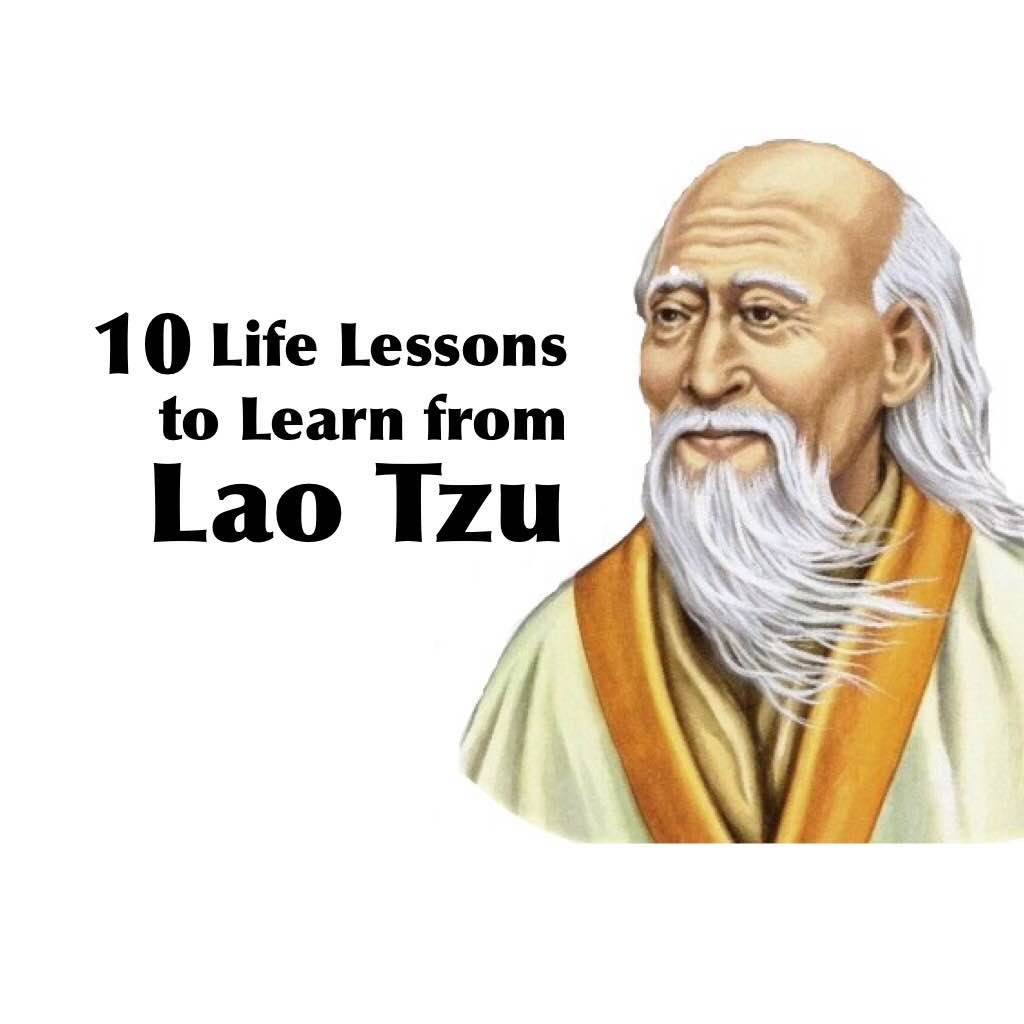
Lao Tzu’s Four Spiritual Rules Of Living

Lao Tzu, one of the greatest Chinese masters to live many centuries ago, created the Four Cardinal Virtues, or rules of living. When practiced, they can provide a life of true peace and purpose. Lao Tzu believed that centering one’s life around these virtues would allow one to access true wisdom from the universe and align oneself with Source energy.

“When you succeed in connecting your energy with the divine realm through high awareness and the practice of undiscriminating virtue, the transmission of the ultimate subtle truths will follow.” Lao Tzu

Lao Tzu means ‘Old Master,’ and many believed he had attained the highest state of consciousness available to man, which would make him a God-realized being. The Four Cardinal Virtues in the Tao Te Ching a religious text full of Taoist teachings and principles. The Tao (also known as the Way or the Dao) contains ancient universal wisdom in a very cryptic yet profound format. It invites seekers of wisdom to go within and find spirituality through their own interpretations of the book.

If you seek answers to life’s questions and want to impart on a spiritual journey, you might want to refer to Lao Tzu’s ancient teachings to help guide you through the world’s chaos into a place of true peace.

Here are Lao Tzu’s spiritual rules for living:

“To realize the constancy and steadiness in your life is to realize the deep nature of the universe. This realization is not dependent on any transitory internal or external condition, rather it is an expression of one’s own immutable spiritual nature. The only way to attain the Universal Way is to maintain the integral virtues of the constancy, steadiness and simplicity in one’s daily life.” – Lao Tzu

1. Reverence for all Life

The first cardinal rule states that we should respect all life forms in the creation and not seek to dominate or control them. We first must love and honor ourselves, and then this love will flow outwardly toward all beings. In this world, we must depend on other life forms for sheer survival, which means we must treat them with respect, kindness, and gratitude. Lao Tzu believed we can all live in peace and harmony if we remember this spiritual rule of living first.

2. Natural Sincerity

This virtue manifests as honesty, simplicity, and authenticity. It states to stay true to who you are and not allow outside forces to sway you. Own your true nature, and don’t let others tell you who to be. Once we can come into a place of realness and sincerity, we can begin to understand what we need to remain happy and peaceful, and we can extend this to include others who might struggle along their path. Live in your truth, and everything else will fall into place. Plus, you’ll inspire others along the way to also show their true selves and live authentically. Allow your thoughts and actions to align, and you’ll come to know the meaning of sincerity.

3. Gentleness

In the world we live in today, we greatly need this virtue to be practiced more often. Gentleness means being kind to all life and not coming from a place of egoistic desires. When we practice gentleness, we give up the need to be right because being kind is more important than being correct. When we’re sensitive to other people’s needs and throw away the desire to control or dominate them, we can live in harmony with one another. Many people mistake being gentle and kind as weak, but this is only because we live in a world full of inflated egos. Practice gentleness, and you’ll awaken yourself and the world to what truly matters.

“Gentleness generally implies that you no longer have a strong ego-inspired desire to dominate or control others, which allows you to move into a rhythm with the universe. You cooperate with it, much like a surfer who rides with the waves instead of trying to overpower them. Gentleness means accepting life and people as they are, rather than insisting that they be as you are. As you practice living this way, blame disappears and you enjoy a peaceful world.”Wayne Dyer

“My religion is very simple, my religion is kindness.”Dalai Lama

lao tzu quote

4. Supportiveness

This virtue implies that we must support all life forms, including ourselves. When we first attend to supporting ourselves, we can more easily help others we encounter along our life’s journey. This final cardinal virtue states to love and serve all, regardless of what we can get from it. We can shift from a place of receiving into a place of giving without wondering what we can get in return. This virtue comes naturally to us, but this world we’ve been born into tells us to focus on ourselves and become happier. In reality, many people do not feel fulfilled following this path. So, by putting ourselves aside and living to serve others, we may find a life of true purpose and joy by striving to make other people’s lives a little easier.

“The greatest joy comes from giving and serving, so replace your habit of focusing exclusively on yourself and what’s in it for you. When you make the shift to supporting others in your life, without expecting anything in return, you’ll think less about what you want and find comfort and joy in the act of giving and serving.” Wayne Dyer

Let these four virtues fragrance your life, and notice the grace and ease that will come your way. Each one of these virtues brings in the way of being that is light, graceful and flowing and will help you shed destructive, self-defeating patterns that sabotage your inner peace and happiness.

“The four cardinal virtues are a road map to the simple truth of the universe. To revere all of life, to live with natural sincerity, to practice gentleness, and to be in service to others is to replicate the energy field from which you originated.” –  Dr. Wayne Dyer

Skip to content