Weekly tips, affirmations, and small actions to feel your best.

5 Techniques To Deal With Difficult People

Are you in a situation where you need to deal with difficult people? It could be your co-workers or neighbors, or maybe even some of your family members. There are probably a multitude of reasons why these individuals are so complicated. You can’t control how they treat you, but you can control how you react to them.

Here are five techniques to help you better deal with difficult people.

1 – Show difficult people respect

It’s counterintuitive to show respect to someone unkind to you. Even though they don’t deserve it, you can treat them with respect. If you start attacking by yelling and getting upset at them, you’re stooping to their level. Refuse to resort to anger or name-calling. Acting as they do won’t eliminate the problem or make it any easier to deal with them. Showing them respect is treating them the way you would like to be treated.

difficult

How to show respect to someone, even when they are unpleasant:

Here are some simple ways to show the problematic people in your life some respect despite their bad behavior towards you.

  • Say good morning when you see them: Even if they don’t respond, you have tried to show them respect. You are refusing to be angry or mean to them as they have been to you. It’s a step towards helping them see what kind of person you are and maybe thawing out their anger.
  • Look for things you respect about them: Maybe they’re hard workers, that’s noteworthy. Or perhaps they have lovely kids. That’s worth respecting them. If you look hard enough, you’ll find something you can appreciate about this difficult individual in your life. It won’t change how they treat you, but it can help transform your perspective about them.
  • Respect their potential: You may not know everything about this challenging person, but you can at least assume they have some potential that could benefit the neighborhood, your office, or your community. Even the most difficult person has some talent or skill. Knowing this helps you value them.
  • Remind yourself of your shortcomings: It’s easy to see another person’s shortcomings while being blind to your own. If you have a difficult person in your life, try to acknowledge your weaknesses. Admitting that you’ve been challenging to live with at times levels the playing field. When you do that, you won’t feel superior to them. It doesn’t change the situation, but it can help you have a different perspective on the difficult person. Plus, it enables you to be a bit more understanding of them.

2 – Be compassionate towards them

You never know what people are going through. Perhaps they’ve had a tough life with lots of problems. Maybe they’re just angry at the world. Maybe the way they treat you has nothing to do with you. It’s just a reaction to their struggles in their life. Showing them compassion is responding positively despite their actions. It’s turning the other cheek. Showing empathy for someone who doesn’t act like they want it is hard. Find little ways to show you care.

Try the following acts of kindness:

  • Put your difficult neighbor’s trash can back into their yard
  • At work, please open the door for the problematic person so they can go in first
  • Offer your difficult teenager a special drink from Starbucks
  • Take cookies to your difficult neighbor
  • Send your difficult relative a text asking how they’re doing

Don’t assume that the way this person acts is about you. Instead, consider this difficult person needs some compassion. Then look for creative ways to show it.

3 – Stay calm

Difficult people are hard to deal with. They say and do things that make you mad. Perhaps your difficult co-worker gossiped about you at work, or your difficult neighbor yelled at your kids because they stepped into their yard. It’s tempting to want to get angry and yell back at them. In an unguarded moment, maybe you plotted your revenge. It’s normal to feel this way, but of course, getting angry or doing something revengeful will only make the situation worse. There is no use losing sleep over the problematic person. They’re sleeping fine. Instead, choose to stay calm and not respond in the same manner.

Choose kindness rather than revenge. Researchers note there’s a connection between anger and heart disease. Anger affects your nervous system, which activates stress hormones that affect your heart. Anger also contributes to unhealthy lifestyle choices, such as smoking, overeating, and drinking. Others view hostile people as untrustworthy or unsafe. Keep your own heart and mind calm so that you aren’t endangering your body or mind.
difficult person

4 – Don’t let the difficult person steal your joy

Difficult people can loom large in your life. If you’re constantly thinking about them and the unkind things they’ve said to you, it’s as if they have power over you. When you allow your happiness to be dictated by what others think about you, it steals your joy. Resist the urge to let the difficult person’s view of you change how you view your life. Take what they say with a carefree attitude. Your self-worth isn’t dependent upon these difficult people’s acceptance of you. No matter what the difficult person thinks or does, you can maintain your joyful disposition and enjoy your life. Remember these things to help yourself find joy even if someone is mean and demanding.

Remind yourself of these fundamental truths:

  • This issue isn’t about you
  • They must be unhappy people who have problems at home
  • Think about all you’re grateful for in your life
  • Find joy in your daily tasks, your family, or your home
  • Write in our journal how you’re feeling about this situation
  • Get exercise to let go of the stress of the situation
  • Laugh at the sheer ridiculousness of the situation
  • Practice yoga to stretch and ease your tension

5 – Ignore a difficult person.

Why waste your energy on negativity?

When all else fails, sometimes the best course of action when dealing with a rude person is to ignore them. It’s okay to refuse to deal with negative people because you won’t change them or the circumstances. They will continue to be difficult and hostile, no matter what you do.

Of course, avoiding them may not be possible, but you can at least not enter into a conversation with them. If they’re your neighbors, you may need to live your own life and be friendly with the other neighbors around you. The problematic people may not want to talk with you, anyway. It’s said that people can’t get along, primarily if you work together or are neighbors, but it’s the sad reality of the world. There will be those people who choose to push you away by their negative behavior.

difficult

Final thoughts on trying these techniques to deal with difficult people

It’s not easy being in a situation where you need to deal with difficult people. Whether you’re dealing with difficult family members, difficult neighbors, or difficult co-workers, it can take an emotional toll on you. Although they may have good reasons for their rudeness, it’s still tempting to think about what they’ve said and done to the point that you lose your joy. Please resist the urge to think about them all the time. Instead, you can choose to show them respect and compassion and stay calm when you’re around them.

If you find they are still challenging to be around, maybe the best thing for you to do is to ignore them. You won’t change them or the circumstance, but you need to preserve your mental health. Life is full of difficult people. Learning how to deal with them helps you grow.

(C)Power of Positivity, LLC. All rights reserved

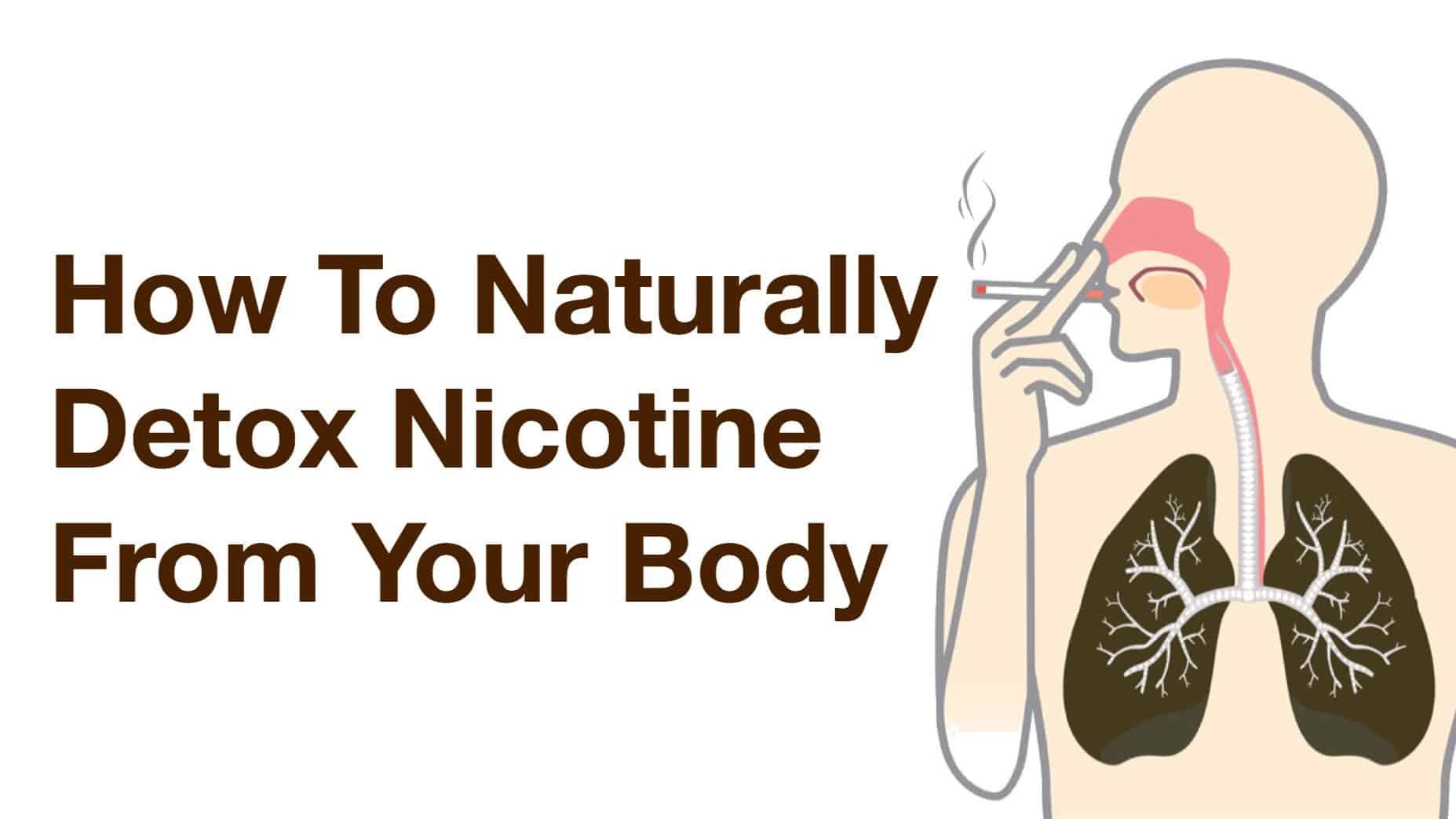
How To Naturally Detox Nicotine From Your Body

Nicotine in any form is a highly addictive substance found in tobacco. According to the Centers for Disease Control and Prevention (CDC), more people are addicted to nicotine than any other drug, which may be as addictive as alcohol, cocaine, or heroin. Withdrawal symptoms, weight gain, and stress are the three main reasons people “light up” again and again.

Some people who smoke or dip chewing tobacco find it easier to quit than others, but anyone can stop using nicotine given the proper advice and guidance. Nobody should be disillusioned: abstaining from nicotine is difficult, and often requires numerous attempts. But it can be done.

Contrary to popular belief, it is entirely possible to quit nicotine naturally. It is also entirely feasible to detoxify the substance naturally, which is the focus of this article.

Tobacco smoke contains a deadly mix of more than 7,000 chemicals; hundreds are harmful, and about 70 can cause cancer. Smoking increases the risk for serious health problems, many diseases, and death. – Centers for Disease Control and Prevention

Here are ways to naturally detoxify the body of nicotine:

Here are some tips on starting a nicotine detox from Recovery org.

nicotine

1. Drink water. Lots of it.

Purified water is, without a doubt, the most powerful way to flush toxins from the body. Water also consists of properties that seem to reduce nicotine cravings for many; unlike alcohol or nicotine, which often stimulates nicotine cravings.

Consuming at least a half gallon of water every day is not only effective at flushing toxins, but it also provides the necessary energy to enable one to quit. A good idea is to purchase a large water bottle and keep it filled. Bring the bottle with you wherever you go, and you’ll naturally find yourself reaching for some H2O.

2. Change your diet.

A diet rich in fruits and vegetables can help the body naturally rid itself of nicotine toxins. Also, consuming plenty of fruits and vegetables may ward off the weight gain that often occurs after quitting.

Broccoli and spinach are both “superfoods” (nutrient-dense foods) high in folic acid, and vitamins C and B5. The former is depleted by nicotine use, and replenishment of this vital nutrient can ward off cravings. The latter strengthens the immune system, aiding in the detoxification process.

3. Exercise to distract you from nicotine cravings.

Get your body moving. Do something, anything for at least thirty minutes a day that requires some physical exertion. Exercise, of course, causes the body to sweat which expeditiously detoxifies the body. Also, physical activity helps some people deal with the stress and agitation that often accompanies someone trying to quit nicotine. Finally, exercise serves as a great alternative when experiencing cravings.

Perhaps just as important, exercise invokes the release of endorphins and other feel-good chemicals in the brain. This effect often leads to being “addicted” to exercise – a much healthier alternative than nicotine.

4. Keep your mind occupied as you quit nicotine.

Here’s the thing: by not smoking – and, ideally, following the above-mentioned advice – your body will naturally detoxify and heal itself from past nicotine use.

But the truth is that you’ll still experience cravings, and some of these episodes can be rather intense. Keeping your mind busy via work or play (preferably the latter) will help suppress some of the inevitable impulses to drink or dip tobacco.

When a craving is present, delve into the task at hand. During your free time, open up an app you enjoy on your phone, or challenge your brain with some fun activity. Distraction works wonders on cravings, and your body will continue to naturally detoxify.

nicotine

5. Practice mindfulness or meditation (or both)

Mindfulness is just experiencing thoughts as they arise without judgment; as a sort of distant observer. You needn’t dwell on thoughts that make you want to head to the corner store for a pack. Acknowledge the thought (craving), but don’t interact or overthink it. These feelings will fade, and your body will continue to detoxify and heal itself naturally.

Various types of meditation exist – transcendental meditation (TM), mindfulness-based stress reduction (MBSR), focused attention meditation, Zen meditation, etc., that are powerful mind and body practices. Fifteen to twenty minutes a day (minimum) is all you need to reap the benefits of meditation; which, in this case, will optimize your body and mind to detox from nicotine.

How To Release Emotional Attachments To Toxic Relationships

“The truth is, unless you let go, unless you forgive yourself, unless you forgive the situation, unless you realize that the situation is over, you cannot more forward.” – Steve Maraboli, Behavioral Scientist and author of Life, the Truth, and Being Free

The truth is we all have an opinion on how best to handle “toxic” people. (“Toxic” in this context describes individuals who inflict (mostly emotional) harm onto others). Indeed, this subject evokes plenty of passion – and rightfully so.

Something of which the majority of us agree is that our emotional health suffers (thus, our physical health) when interacting with toxic individuals. We believe in the premise that a person who’s healthy and positive is more apt and willing to leave a positive influence – on people, in their life, and in the world.

The excruciating hardships one faces – both during and after a toxic relationship – cannot be overstated. Often, these individuals have been subject to control, criticism, judgment, and abuse; yet, despite these extremely adverse circumstances, some may find it hard to move on. A good heart continues to long for the other person; with memory of the “good times.”

In this article, we discuss some hard truths of toxic relationships – and why it’s always best (no matter how difficult) to let go.

(Note: while we explain toxic behavior and its repercussions mostly in the context of an intimate relationship, the information can apply to other relationship types. A little more about this later on.)

How To Release Emotional Attachments To Toxic Relationships

First, it is important to understand what makes “reversing” a person’s toxic nature difficult. The need to feel in control of a situation (here, a relationship) and subject (here, a person) is the among the more conspicuous personality traits of a toxic person. 

Psychologists attribute a voracious need for control to one’s childhood experiences. Such individuals see others (e.g. parents) toxic behaviors; resulting in an accumulation of events stunting their ability to develop interpersonal relationships. Toxic people often lack empathy, compassion, kindness, and respect. Unfortunately, these traits often carry over into intimate relationships.

Another particularly troubling habit of toxic people is the proclivity to pick and choose warmhearted, susceptible individuals for a potential relationship. The types of people who seemingly always put others first and have a fierce sense of loyalty. In other words, the type of people who are likely to tolerate or look past someone’s toxic behavior.  Unfortunately, good people of this variety are often more willing to cede control.

In a normal, healthy relationship, love is a reciprocated emotion – it’s given and received. Further, love and other healthy feelings are  unconditional; requiring a drastic change of circumstance to fade. When the other half of a pairing is toxic, however, “love” is withheld and replaced with intentions that are anything but benevolent.

toxic people

During the initial phases of a relationship, it is common for the victim to rationalize their loved one’s behavior. This rationalization becomes more difficult in that the toxic person will often iterate their love. In fact, some toxic partners will justify their behavior as “an act of love” (i.e. “I’m just doing this because I love you.”)

Twisted, manipulative conduct will inevitably worsen over time, as the toxic partner’s innate nature kicks in, shifting the blame onto the other, innocent partner, who will be told they’re too needy, jealous, insecure, weak, foolish, etc. – and that they are creating and worsening any relationship problems.

This abusive cycle repeats itself again and again.

The truth is that love is a relatively straightforward emotion in its purest form. Little contemplation is required of the love received from your Mom, Dad, Grandma, Grandpa, brothers, sisters, or close friends. We know love when we feel it. There is no ulterior motive.

Another important truth is that people despise hurting someone who they care about and love. When’s the last time you heard a loved one call you stupid or worthless? When’s the last time you were meant to feel less than human by the people who actually love you?

When “love” does not possess the qualities that make it recognizable, it is not love. When someone needs to try and justify a toxic person’s devious and cryptic conveyance of love, it’s time to part ways.

Parting ways

Walking away from anyone you’ve loved, no matter how badly that loved was betrayed, can be an excruciatingly difficult thing to do. With that said, here are some important things to keep in mind during the separation process:

– You may choose to “keep the door open” in the event that a person realizes a change of heart. (Consideration should be the type of relationship (platonic or romantic) and the magnitude of it’s events)

Related article: Why It’s Hard to Walk Away From A Broken Relationship

– Setting boundaries is often a necessary component of when dealing with a toxic person. Boundaries must be unambiguous and non-negotiable.

– If the loved one is a parent, sibling, or someone else close, someone will almost always have some “inside information” on their state. Take this information into consideration before making any significant relationship-altering decisions.

https://youtu.be/7co7fuG04_g

References:
Steve Maraboli. (n.d.). Retrieved March 14, 2017, from http://www.stevemaraboli.com/aboutsteve
Young, K., MA. (2016, September 03). When Someone You Love is Toxic – How to Let Go, Without Guilt. Retrieved March 14, 2017, from http://www.heysigmund.com/toxic-people-when-someone-you-love-toxic/
(C)Power of Positivity, LLC. All rights reserved

11 Signs You’ve Found Your Happily Ever After

For many of us, successfully finding happily ever after is the highlight of our existence. Most of us want and need a person who unconditionally provides loving care – and someone that connects with your innermost being will nourish this want and need with plenty of enthusiasm.

Discovering “The one,” “My other half,” “My dream guy or girl,” “My happily ever after,” “My soulmate,” is all the more special because of – in most cases – the elusive and challenging path required to find them.

A “soulmate” can indeed be considered a “sole-mate.” This person must embody certain qualities that connect with mutually-shared depth; qualities found in the one soul of whom you were meant to be.

Here are 11 signs that you’ve found your happily ever after:

A soulmate is someone who has locks that fit our keys, and keys to fit our locks. When we feel safe enough to open the locks, our truest selves step out and we can be completely and honestly who we are; we can be loved for who we are and not who we’re pretending to be. Each unveils the best part of the other. No matter what else goes wrong around us, with that one person, we’re safe in our paradise.” – Richard Bach

1. Differences and opinions are fully respected

Soulmates will often share many similarities and opinions, which often reaffirms they’re the right one. However, individual differences and differences of opinion are not considered an obstacle to the overcome; rather, they’re perceived as an opportunity to “agree to disagree.” No big deal.

2. You understand each other without speaking

Most of what we “say” isn’t said at all – at least in the verbal sense. Because of their deep interconnection, soulmates can understand the other person without them uttering a word. It’s intuition that only close, loving, and understanding people possess – and a soulmate certainly fits this description.

3. Soulmate = BFF

One’s soulmate and who they consider a “best friend” aren’t mutually exclusive. It’s been said that establishing a close friendship before intimate involvement improves a relationship’s chance of success. Whether or not your soulmate was once considered a friend, the chances are that they’re now your closest friend – or ‘BFF.’

You “get” each other, and personal traits are shared at a deep level.

4. Mutual agreement about the future

Imagining the same type of future is one of the most visible signs that the person is your soulmate. It also happens to be the most important. The term “honeymoon phase” is broadly applied to any intimate relationship; it just happens that this phase is not really a phase for a soulmate. Why? Because things don’t “sour” or “fade” as they often do in relationships that ultimately fail.

5. Being together beats being apart (almost) every time

We all understand that alone time is essential – and soulmates are adept at striking just the right balance. Trust is well-established, so time apart becomes less of an issue.

With that said, your soulmate is your BFF (remember?), and your relationship has a profound reciprocal quality. This makes spending time together trump spending time apart almost every time.

soulmate

6. You’re unafraid to be yourself

The chances are that you didn’t find your soulmate on your first date (if so, wow!) Remember how that sense of awkwardness caused you or your date to put up a “mask”?

Soulmates are unabashed about who they are – and their other half loves them for it, which is the most important thing.

7. The relationship is worth fighting for

There is no perfect relationship, and this includes between soulmates. Disagreements and fights will occur, and various other challenges will arise.

Unlike relationships without a sound foundation, however, soulmates will fight through any difficulties. Your happily ever after will stick with you as your continue the fight, together.

8. You challenge each other

Not allowing your other half to rest on their laurels is a benefit. Yes, your partner will admire you for what you’ve accomplished, but they’ll also conceptualize your full potential – and make this well known.

9. Flaws and qualities are known and accepted

The chances are that your soulmate is well aware of any “defects”.” Moreover, they accept these traits. Of course, this doesn’t mean that they won’t even question them (see #8) should they perceive the flaw as a significant relationship barrier.

Related article: How to Tell If Your Partner Is Your Soulmate (Or Not)

But “flaws” like impulsiveness, stubbornness, perfectionism, and so forth, are likely well-known by know. It’s also fair to assume that you’ve worked on them somewhat because of your soulmate – or perhaps at their behest.

10. An intense intuition

This one pertains to the beginning phases of a not-yet-intimate relationship. People that have experienced a sensation such as “love at first sight” attest to a strong sense of familiarity and cohesiveness, despite not knowing the person well.

Sometimes, “when it’s right, it’s right.” If you’re one of the lucky ones, then good for you!

11. They make you forget “the bad”

Have a rough day at the office? Someone rub you the wrong way? Give you a dirty look?

Embracing your happily ever after will soon make such things a distant memory. In each other’s company, soulmates are in their favorite element. They realize that – at the end of the day – any adversity was well worth it.

(C)Power of Positivity, LLC. All rights reserved

12 Laws Of Being Human That Will Change Your Life

The purpose of this article is not to look into the sociological evolution of the human race, but to remind us of values that the majority of us share. Call this collective understanding a “social contract,” “laws of humanity,” “laws of being human,” or whatever one may wish. The premise remains the same: we create our path in life with an understanding that certain rules apply to us as a species.

In this article, we present 12 laws of being human. These “laws” are what have enabled us to form alliances and defeat those who threaten our very existence.

12 Laws Of Being Human That Will Change Your Life

“There is but one law for all, namely that law which governs all law, the law of our Creator, the law of humanity, justice, equity – the law of nature and of nations.” Edmond Burke

Mr. Burke’s quote is concise yet compelling, if only for the phrase “the law of humanity justice, equity – the law of nature and of nations.” Despite our differences, of which there are many, the vast majority of human beings knowingly abide by the laws of humanity. No matter our differences, many of us cherish the ideal notion that humans should co-exist despite our conflicting natures.

human

1. Relationships are key

It’s an evolutionary fact: human beings are social creatures. While everyone possesses introverted, extroverted, or ambivert tendencies, we all require healthy relationships to make our way in this world.

All relationships are not created equal. We’ll love, hate/strongly dislike (it happens), accept, disavow, trust and distrust thousands of people through our lifetime. The important thing to remember is not to write people off because of someone else. We need each other.

2. Inner strength can make the difference

Miyamoto Musashi, widely considered to be the greatest samurai warrior to ever lived, once said: “There is nothing outside of yourself that can ever enable you to get better, stronger, richer, quicker, or smarter, Everything is within. Everything exists. Seek nothing outside of yourself.

Cultivating our inner strength is paramount to overcoming life’s obstacles.

3. Life is uncertain

Obstacles will present themselves – and sometimes during the most inconvenient periods of our life. We have three choices: go over, go through, or remain stagnant. Just remember that every uncertainty and obstacle is an opportunity to strengthen your character.

4. Loneliness afflicts every human

By nature, some of us will feel more alone than others; but we all experience a sense of isolation at one point (often many points) during life. Every human that’s ever lived has had to go through times of loneliness, isolation, and despair.

5. Some days are better than others

If you wake up in the morning, it’s a gift – a victory. Although that day’s events may unfold into something terrible, at least you were given the opportunity to live another one. Give thanks for that day, and hope for a better tomorrow.

6. Not everyone will like you, and vice-versa

Personalities are different; therefore, people are different; therefore, people with different personalities will butt heads. The cool thing is that there’s someone out there waiting to be discovered, someone that you’ll completely vibe with. Chances are you’ve got some in your inner circle.

7. Messing up (again and again) is assured

Does anyone else think it’s hilarious that some people consider themselves perfect or nearly perfect (see: narcissism or perfectionism)? Admittedly, some of us have made egregious mistakes. The critical question to ask is: did I learn something? Because you’re going to screw something up again – and have the opportunity to learn something again.

8. Life can be downright unfair

People we trust will break that trust. Moreover, people we love will disavow that love; people will lie, manipulate, steal, and deliberately attempt to inflict hurt. That’s life. It’s only a small part of life, but a part of life nonetheless. We’ll grow, we’ll adapt, we’ll become stronger. Because that’s what we do.

9. We’ll experience a broken heart

Yes, that third-grade boyfriend or girlfriend that broke up with you on the playground counts (kind of). We date and have our heart broken; we marry and have our heart broken; someone passes, and we have our heart broken.

As #8 states clearly: “Life can be downright unfair.” The same applies to many wonderful people who’ve (sometimes, repeatedly) had their good heart broken for no good reason.

10. The human body and mind is ours to take care of

Despite the billions and billions of people that have ever lived, nobody has replicated your body and mind. We must learn to accept and love both to live a peaceful, happy existence.

You’re special. If for no other reason that nobody like you has, or ever will, exist. Understand your nature and take care of yourself.

11. It’s human nature to be defensive at times

…But it can result in some missed opportunities. This is particularly true for the risk-averse, who try to wait for “the right time and place” for just about everything. Sometimes, it’s best to “lower the shield” and give someone or something else a chance.

Perhaps most importantly, try not to carry the “excess baggage” of your past. This baggage may result in your missing out on something truly beautiful.

human

12. A passion is ours to do something with

Okay, so maybe our childhood dream of becoming an astronaut didn’t quite pan out. But we believe that within each one of us is a passion waiting to be put to use in some way.

It doesn’t matter your age, education, income, or anything else. If you have a deeply-ingrained passion – no matter how elusive it may be – grab hold and make something of it.

(C)Power of Positivity, LLC. All rights reserved

7 Signs Of Liver Damage

Liver damage is a significant health risk. But before we look at why, let’s open with a discussion of exactly what this vital organ does.

A properly functioning liver performs these functions:

  • Cleanses blood by metabolizing alcohol, drugs (prescription and recreational); and neutralizing poisonous substances.
  • Manufactures essential body proteins, including those that prevent blood-clotting, open pathways for nutrient delivery to the blood, and proteins that ward off infection.
  • Produces cholesterol; converting it into essential substances used by the body.
  • Regulates energy supply by manufacturing, storing, and delivering glucose to the body and brain.
  • Regulates the balance of hormones, including those of the adrenal and thyroid glands.

The potential causes of liver damage are numerous and include heredity (i.e., genetic predisposition), long-term liver diseases (ex: cirrhosis), and prolonged exposure to toxic substances.

It is important to understand potential signs of liver damage in order to preserve our health and wellbeing.

Here are seven possible signs of an impaired liver:

Liver disease rates are steadily increasing over the years. According to National statistics in the UK, liver diseases have been ranked as the fifth most common cause of death. Liver diseases are recognized as the second leading cause of mortality amongst all digestive diseases in the US. – World Gastroenterology Organization

toxicity

1. Fatigue

Various research has concluded that chronic fatigue and exhaustion are the most common symptoms of liver damage. Medical professionals speculate that liver-related fatigue and exhaustion is a byproduct of neurochemical changes in the brain and hormonal imbalances.

Exacerbating the feelings of fatigue and exhaustion are elevated levels of toxic byproducts in the blood, which an impaired liver cannot properly eliminate.

2. Dry or irritated skin

Irritated and itchy skin that seems to persist is another potential indication of liver damage. To be healthy, our skin requires moisture via transmission of fluids within the body. When this fluid is not adequately supplied, it is not uncommon for the skin to take on a different appearance. This includes red hands or feet, jaundice, or inexplicable spotting (dark or light) in certain areas.

3. Abdominal pain

If the liver is damaged, it is common to feel pain around the abdominal area. Patients often describe this pain as “stabbing” or “throbbing” – a symptom often relieved only through proper treatment of the underlying issue.

Long-term use of some types of over-the-counter (OTC) or prescription (Rx) medications can result in long-term liver damage. Those experiencing persistent abdominal pain of the stabbing or throbbing variety – and have used OTC or Rx medications for a substantial period – should visit a physician for evaluation.

4. Nausea or vomiting

As mentioned prior, one of the liver’s primary functions is to detoxify and help expel any toxic substances from the body. When the liver’s detoxification function is impaired, a number of problems can surface, including sudden changes in normal digestion and metabolism.

The liver is a large organ within the digestive system. Therefore, any liver-related condition can manifest into digestive problems. Nausea and vomiting frequently occur due to the accumulation of toxins that the liver cannot eradicate.

5. Bruising

Among the liver’s most important roles is to assist in the production of necessary protein enzymes. One classification of protein enzymes helps to prevent blood clots. When this blood-clotting mechanism is impaired, changes to the skin’s appearance are common.

A consequence of this, according to the National Institute of Diabetes and Digestive and Kidney Diseases, is this:

“When the liver slows the production of or stops producing the proteins needed for blood clotting, a person will bruise or bleed easily.”

6. Abdominal swelling

According to the Mayo Clinic, liver damage disrupts the normal flow of blood to the organ, which increases pressure in the surrounding veins. These “surrounding veins” include those responsible for transporting blood from the spleen and intestines to the liver. Disruption of this process causes blood pressure levels to spike – a condition known as portal hypertension.

Related article: 5 Signs Your Liver is Toxic and Is Making You Gain Weight

Portal hypertension causes ascites, the accumulation of fluid around the abdomen. Ascites may also arise from the liver’s inability to make other blood proteins.

7. Jaundice

Of course, liver problems can cause discoloration of the eyes and skin. This discoloration happens because of the buildup of a bile pigment called bilirubin, which cannot be properly be disposed of.

Yellowish hueing of the skin or eyes is the condition jaundice. Besides altering the eye’s appearance, jaundice can cause other symptoms including darkening of the urine, full-body itching, and cognitive impairment.

The great news is that the liver is a highly adaptive and resilient organ when treated, and is often capable of healing itself. Under the guidance of a medical professional, most liver-related illnesses receive a positive prognosis.

Thus, it is wise to consult with a medical professional if any of these symptoms persist. As with most medical conditions, the earlier that the underlying cause is determined, the more streamlined and efficient any treatment.

References:
Fleet. A. (2013, June 19). 10 Telling Symptoms of Liver Damage. Retrieved March 18, 2017, from http://www.activebeat.com/your-health/10-telling-symptoms-of-liver-damage/?streamview=all
Laparoscopic.md. (2015). The Role of The Liver In Digestion. Retrieved March 18, 2017, from http://www.laparoscopic.md/digestion/liver
Mayo Clinic. (2016, April 06). Cirrhosis: Symptoms and causes. Retrieved March 18, 2017, from http://www.mayoclinic.org/diseases-conditions/cirrhosis/symptoms-causes/dxc-20187350
Mayo Clinic. (2014, July 15). Diseases and Conditions: Liver disease. Retrieved March 18, 2017, from http://www.mayoclinic.org/diseases-conditions/liver-problems/basics/symptoms/con-20025300
The National Institute of Diabetes and Digestive and Kidney Diseases. (2014, April). Cirrhosis: What is cirrhosis? Retrieved March 18, 2017, from https://www.niddk.nih.gov/health-information/liver-disease/cirrhosis
World Gastroenterology Organisation. Global Burden of Liver Disease: A True Burden on Health Sciences and Economies. Retrieved March 18, 2017, from   http://www.worldgastroenterology.org/publications/e-wgn/e-wgn-expert-point-of-view-articles-collection/global-burden-of-liver-disease-a-true-burden-on-health-sciences-and-economies
(C)Power of Positivity, LLC. All rights reserved

6 Simple Rules Successful Women Follow

When you think of successful women, Oprah Winfrey is (or should be) at the very top of the list. Consider a few of her accomplishments:

  • The Oprah Winfrey Show, nationally syndicated for 25 years, is the highest-rated talk show in history.
  • She’s the richest living African American, with a net worth of nearly $3 billion.
  • She’s donated over $300 million to various causes (she’s considered the greatest philanthropist in American history by many).
  • She is the only black multi-billionaire in North America.
  • She’s a 2013 recipient of the Presidential Medal of Freedom, the highest civilian award in the United States.
  • She has honorary Doctorate degrees from two Ivy League Schools: Harvard and Yale.

“Don’t worry about being successful but work toward being significant and the success will naturally follow.” – Oprah Winfrey

So, yeah, Oprah has accomplished pretty much everything. It’s natural, then, that we commence a “woman and success” article featuring the great businesswoman, philanthropist, and overall tremendous human being.

What makes Oprah’s success so astounding is her early lot in life; by rising above circumstances that few others are capable of. She was immediately at a disadvantage, being born into poverty to a single mother in the deep south. Winfrey was a victim of sexual molestation during her childhood and adolescent years, becoming pregnant at the age of 14. Tragically, her son died in infancy.

This article, no matter how well-deserved, is not about Ms. Winfrey. Well, not by intent, as Oprah contributed to many of the tenets of success listed below. Instead, this article is about rules of success applicable to women.

Rules the Most Successful Women Usually Follow

successful

We present six simple rules of success for women to follow:

1. Understand the next right move

This advice isn’t the same type of rhetoric too often spewed by “motivational speakers” or their ilk. Instead, to “understand the next right move” is allowing your mind to become still without consideration to what or what doesn’t “need” to be done.

Oprah says something poignant in this regard: “Make the next right move, and the next right move, because you know that your life is bigger than that one moment.

Forget about trying to accomplish what others think you “should,” choosing instead to follow your heart and intuition.

2. Successful people prepare for the “moment to come.”

Regardless of what may have been perceived as an obstacle in life, we all can drive on – and to forget the misfortunes of the past. Those who believe in destiny will brush aside life’s obstructions and ultimately move onward.

Things that have happened in your life – good or bad – have prepared you for exactly what you need to be at the exact moment you’re experiencing.

“Planning” is an anomaly to this method of thought. “Consciousness” and awareness are preparatory advantages; not strategy or meticulousness.

3. Forget your mistakes.

Sincerely…forget every mistake you’ve ever made. Your future is not – and never will be – defined by your past. Don’t limit your capabilities simply because of some mistake. Everyone makes them. It’s how you choose to respond to said mistakes that determine success or failure.

Don’t hold grudges, and don’t give up your power. You’re better than that…and only you decide what transpires.

4. Align your personality and gifts with a real purpose

We see it every day, whether we realize it or not; people that have succumbed to the pressure within themselves, society, family, etc., to settle for a “normal” way of life (e.g. ” a job”) for which they were never suited for.

Forget that type of bologna. Nobody will ever, ever, bring forth a persona and set of abilities that match your own. Empower yourself, follow your passion, and forget “predestination” while allowing things to unfold as they may.

5. Overlook limitations

As far as we’ve come as a society, women are (sadly) not perceived as “capable” as men. Think about this for a second – and realize how dark and disgusting this fact is: We’ve had 45 U.S. Presidents – and not one has been a woman.

Successful women cannot – and will not – be restrained by any perceived “weakness” or limitation; they refuse to be a “subject” to such conspicuous disenfranchisement. Ursula Burns, another powerful African-American and the CEO of Xerox, put it this way:

We all need to be more impatient with the status quo…we need to shift the emphasis in our thinking…from why hunger and poverty and injustice exist in the world to how they can be eliminated…In other words, we all need to be a little more impatient.”

Women must be persistent when attempting to achieve success. They must reach out and grab the opportunities that come along. There’s no shame in doing so…men have been doing it for countless years.

successful

6. Remain grounded

We all possess gifts and limitations, and we all have different aspirations. We may even experience some confusion to what such “aspirations” are or ought not to be. The (not-so-simple) solution is to remain true to yourself.

Forget about everyone else; forget how those around you perceive you. Understand what is important to you, continue to be humble, and keep both yourself and others in mind.

If you achieve some modicum of success, do not gloat. Understand the importance of humility – a noble trait lacking in today’s “dog eat dog” world. The beautiful thing is that by maintaining this dignified perspective, more people are willing to follow your guidance.

People will follow you, not out of a need of authority, but of your human approach to how others should be treated. By remaining an equal.

Our society needs women with an unflappable determination to be successful.

5 Signs He Will Never Cheat

“Most women cheat because they feel emotionally deprived, and men are unfaithful because they feel sexually deprived,” says Tina B. Tessina, Ph.D., psychotherapist and author of Money, Sex and Kids: Stop Fighting About the Three Things That Can Ruin Your Marriage.

Regardless of motive, it turns out that men and women cheat at about the same rate: 19 and 23 percent, respectively. That statistic comes from a University of Indiana study. The study reiterates Dr. Tessina’s assertions:

“The propensity for sexual excitation, or the ease with which one becomes sexually aroused by all kinds of triggers and situations played a bigger role for the men compared to the women, for whom lower relationship happiness and poor compatibility with their spouse or partner in terms of sexual attitudes were more important to the prediction of infidelity.”

Predictably, research also demonstrates those who cheat are untrustworthy in other areas of their lives. In particular, they display dishonesty with their significant other. This sense of mistrust only exacerbates the surfacing of infidelity. “In the wake of an affair, more and more lies come out, and that makes trust very difficult,” says Ian Kerner, Ph.D., a psychotherapist specializing in sex and couples therapy, “It then becomes easy to feel dubious toward your partner in other aspects of like, such as finances or parenting.”

Also, predictably, most marriages end upon discovering an affair – with a divorce rate of about 70 percent. Statistics don’t tell the whole story, obviously. Sadly, an immense amount of emotional harm comes from discovering infidelity to one who’s been cheated on, their children, if any – and, in many cases, emotional harm follows the cheater.

Editorial Note: While the article focuses on signs that a man will not cheat, much of this information may also apply to women. Research shows the similarities between sexes (aside from the root cause) of cheating.

Here are five signs that he will never cheat:

cheat

  1. “It might sound ordinary for a woman to find out her husband’s cheating on her, but not if you’re the woman and it’s your husband.” – Melissa Bank, bestselling author of The Girls’ Guide to Hunting and Fishing

1. He’s honest in everything else he does

If your man tends to keep his word in every other aspect of your lives together, he can be considered a trustworthy mate. If he does, even in the most minute way, be dishonest, he’ll own up to it and face the consequences like a man. A man with an ingrained sense of integrity is far less likely to sneak off with another woman.

2. He keeps you informed about everything

If you’re with the type of guy who takes pleasure in keeping you up to date about what’s going on outside of the relationship, there’s little to no chance that he’s seeing someone else. The man you’re with is the type that not only respects the fact you should be included in the “finer details” of his life but takes pride in such.

3. He is a “busy body.”

When your man juggles work, family (especially with kids), and other known responsibilities (e.g. school, softball, etc.), the chances of him even having the time to see someone else is an improbability. The only plausible explanation is his not finding it necessary to sleep. That’s because he spends almost every other waking moment dealing with what’s on his plate.

signs he will never cheat

4. They’ve cut all known ties to former flames

According to eHarmony, 21 percent of men and 32 percent of women who cheat acted on a “sexual temptation…with a former boyfriend/girlfriend.”

Given the proliferation of social media, connecting with past lovers is much easier than ever. However,  if your man keeps his “female business” efforts directed towards you – and you only – there’s probably no relationship hazard worth investigating.

5. He’s selfless

Here’s the thing: a good-hearted, honest, genuine man cares more deeply about those he loves (even likes) than himself. Should the man you’re with stop, pull out his wallet, and give a few bucks to someone down on their luck, they almost assuredly don’t have the heart to wound someone so deeply. Indeed, they don’t have the hard heart that cheating inherently requires.

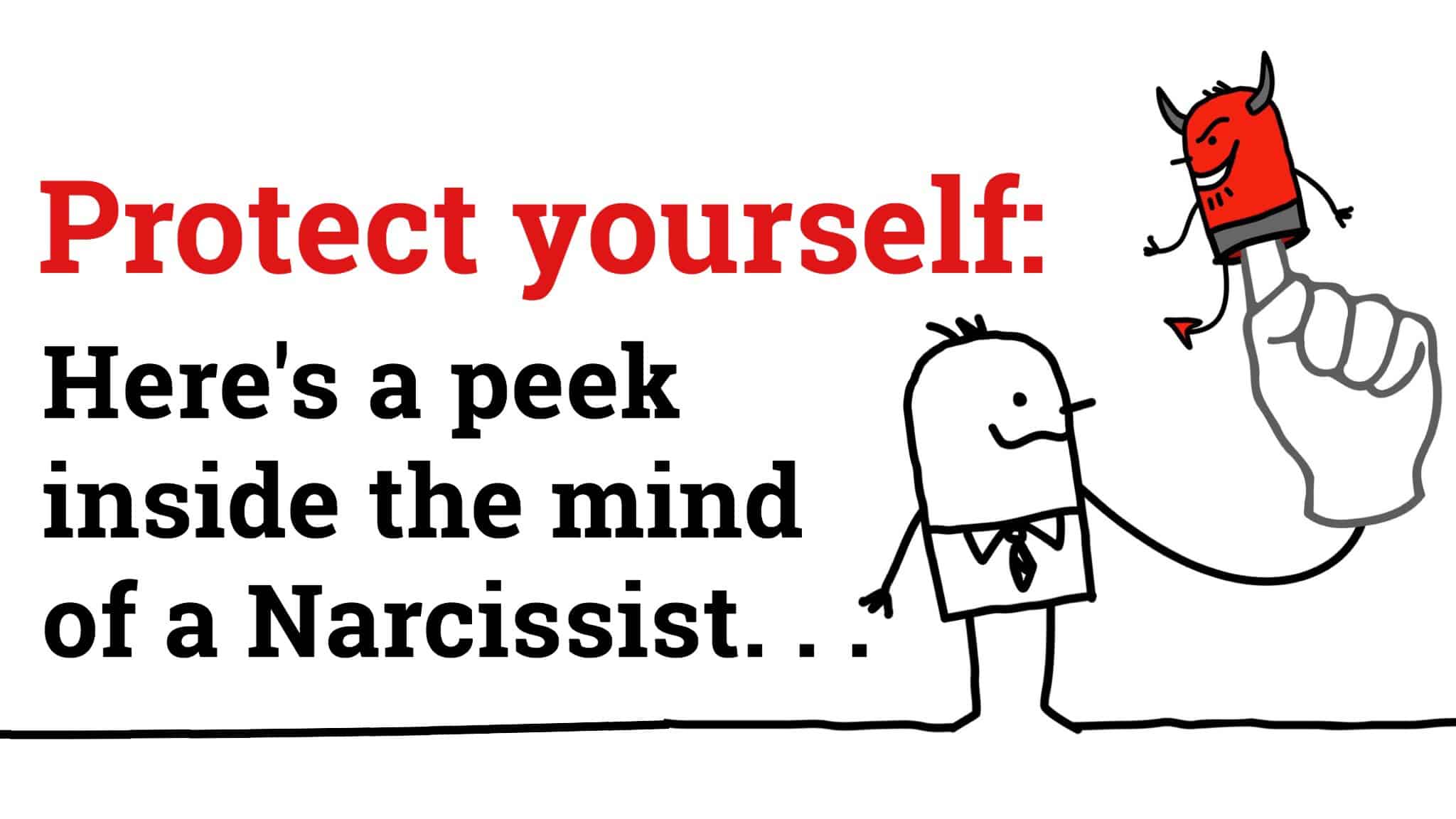
10 Inner Thoughts of A Narcissist You Should Know

Chances are that at one point or another, you’ve met someone who’s a narcissist. After all, narcissism is not all that uncommon – at just over 6 percent of the U.S. population.

Actual narcissism is a real personality disorder called Narcissistic Personality Disorder, or NPD. NPD is characterized by a need for constant admiration, feeling overly important, and a near absence of empathy of others.

This article focuses on the inner-workings of a narcissist’s mind…what makes them “tick.” With that said, let’s get started.

Here are 10 projections from the mind of a narcissist:

narcissist

1. “I require constant attention…why am I not getting it?”

Narcissists are incapable of managing feelings about their self-worth; as such, they depend on others to provide a sense of worthiness. Psychologists have two terms for this abnormal dependency: “emotional supply: and “narcissistic supply.” In actuality, narcissists often feel empty and defective, carry these feelings with them, and are always looking for someone to “resupply” their insatiable need for approval.

2. “I need to take care of and focus on only myself.”

This one is just plain ole’ self-centeredness taken to an extreme. Narcissists care about themselves, always put their needs first, and cannot fathom the terms “sacrifice” or “compromise.” While self-centered people can, and often do, change their perspective on what’s important (especially at they mature), narcissists will likely maintain an excessively self-centered mindset for the rest of their lives.

3. “Time to move on from this relationship…”

Question: how can someone commit to another when they only care about themselves? Answer: they can’t. Narcissists have a voracious appetite for “pick me up’s,” and this applies to relationships too. Dating a narcissist always seems to follow a predetermined route: they meet someone who caters to their constant emotional needs; initial feelings of excitement subside, and they’ll walk away or find someone else. The notion that they’ve just badly hurt someone never surfaces in their mind.

4. “I’m right, you’re wrong, and there’s nothing you can do about it.”

In the real world, most people can and will acknowledge when they’ve been wrong; it’s tough but manageable. Narcissists are incapable of admitting when they’re wrong, even when presented with fact after fact. Why? Because of their misplaced sense of superiority; a “false self,” utterly incapable of admitting when someone’s correct, and when they’re not.

narcissist

5. “Why am I in a constant battle with myself? It’s nothing…”

 “There’s a long-standing belief…that narcissists actually feel great about themselves…Savvier researchers recognized that the emperor had no clothes…They hooked the narcissists up to a lie detector (fake) then asked them how they felt about themselves. Suddenly, their high self-esteem vanished,” explains Dr. Craig Malkin.

Narcissism is an enigmatic condition, and this fact applies when evaluating the condition and one’s predispositions, such as confidence. Most experts believe that narcissists have developed a coping mechanism – a rewiring of the brain – that permits them to exhibit confidence despite deep-rooted fears of failure of weakness.

6. “Why does everyone feel so bad for him/her?”

As mentioned above, narcissists do not contemplate any pain inflicted on others. Similarly, they do not consider other’s opinions, thoughts, or feelings that conflict with their own.

One individual in a former relationship with a narcissist described her experience: “My partner would just hurt my feelings when things were going well. When I would question him about it, he would make up excuses and tell me I’m wrong for feeling the way I did…”

7. “I deserve this…why don’t I have it?”

It’s quite clear by now that narcissists don’t possess a mature mindset. When it comes to wanting something, a narcissist will often behave like a toddler who never quite grasped that they’re not at the center of the world.

Another quick real-world example:

Dan tried to convince his wife that he shouldn’t have to warm up dinner himself when he gets home late, so she shouldn’t go out at night with the kids.

Stay classy, Dan.

8. “My life is boring… time to stir something up…”

The phrase “emotional roller coaster” is perhaps the best way to describe how others feel when dealing with a narcissist. The reason that others bear the brunt of a narcissist’s antics is that they (surprise, surprise!) lack emotional intelligence. In a way, the stirred-up feelings of someone on the receiving end of a narcissist’s tomfoolery reflects the “soaring and crashing” of the narcissist’s inner emotional world.

9. “Why didn’t he/she call me back?”

This may actually be the best example of a narcissist’s obscure thought process to dating and relationships. As mentioned, they’ll quickly dismiss someone who they’ve been in a relationship with and not give the person a second thought.

Here’s what one therapist said about narcissists and dating/relationships: “…they do get rejected quite a lot. When this happens…they feel depressed, agitated and worthless. They forget about all the women they themselves have run from and only remember the ones where they didn’t get a second date.”

10. “Who are you to shame me?”

The narcissistic have a great brew of emotions stirring underneath their seemingly assured appearance. They’ve developed a delicate personality; so familiar to feelings of inadequacy and insecurity that they don’t feel disappointed, embarrassed, or shamed by someone else’s criticism.

Instead of acting like an adult, they’ll become distant and avoidant. Sometimes, they’ll become critical themselves and display outward hostility.

“Narcissism falls along the axis of what psychologists call personality disorders, one of a group that includes antisocial, dependent histrionic, avoidant and borderline personalities. But by most measures, narcissism is one of the worst, if only because the narcissists themselves are so clueless.” – Jeffrey Kluger, author of The Narcissist Next Door

References:
Kreger, R. (2017). Narcissistic Traits. Retrieved March 10, 2017, from https://www.bpdcentral.com/narcissistic-disorder/hallmarks-of-npd/
Grey, S. (2015, May). Inside the Mind of a Narcissist: What’s Really Go On. Retrieved March 10, 2017, from http://esteemology.com/inside-the-mind-of-a-narcissist-whats-really-go-on/
Malkin, C., Dr. (2017). Proof, Once and for All, That Narcissist Are Deeply Insecure. Retrieved March 10, 2017, from http://www.drcraigmalkin.com/blog/proof-once-and-for-all-that-narcissist-are-deeply-insecure
(C)Power of Positivity, LLC. All rights reserved
Skip to content